
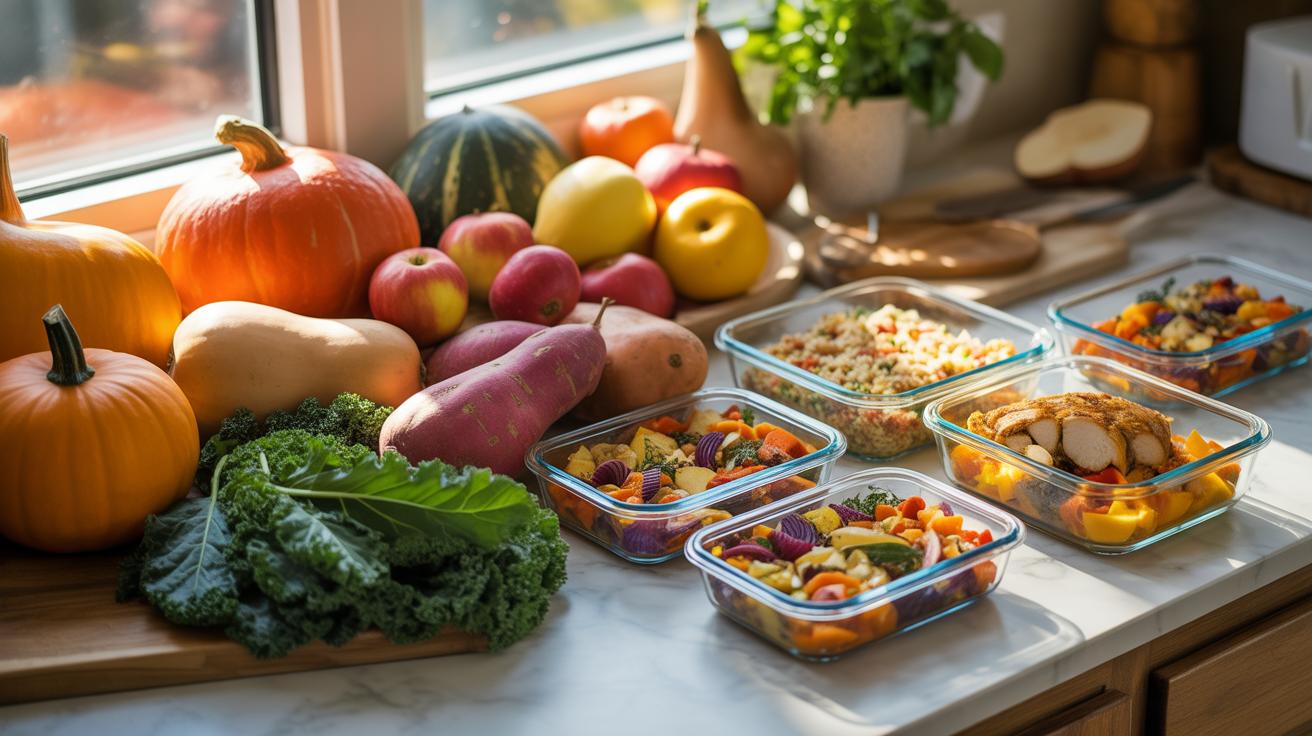
Why Fall Meal Prep Is The Best Time To Get Organized In The Kitchen
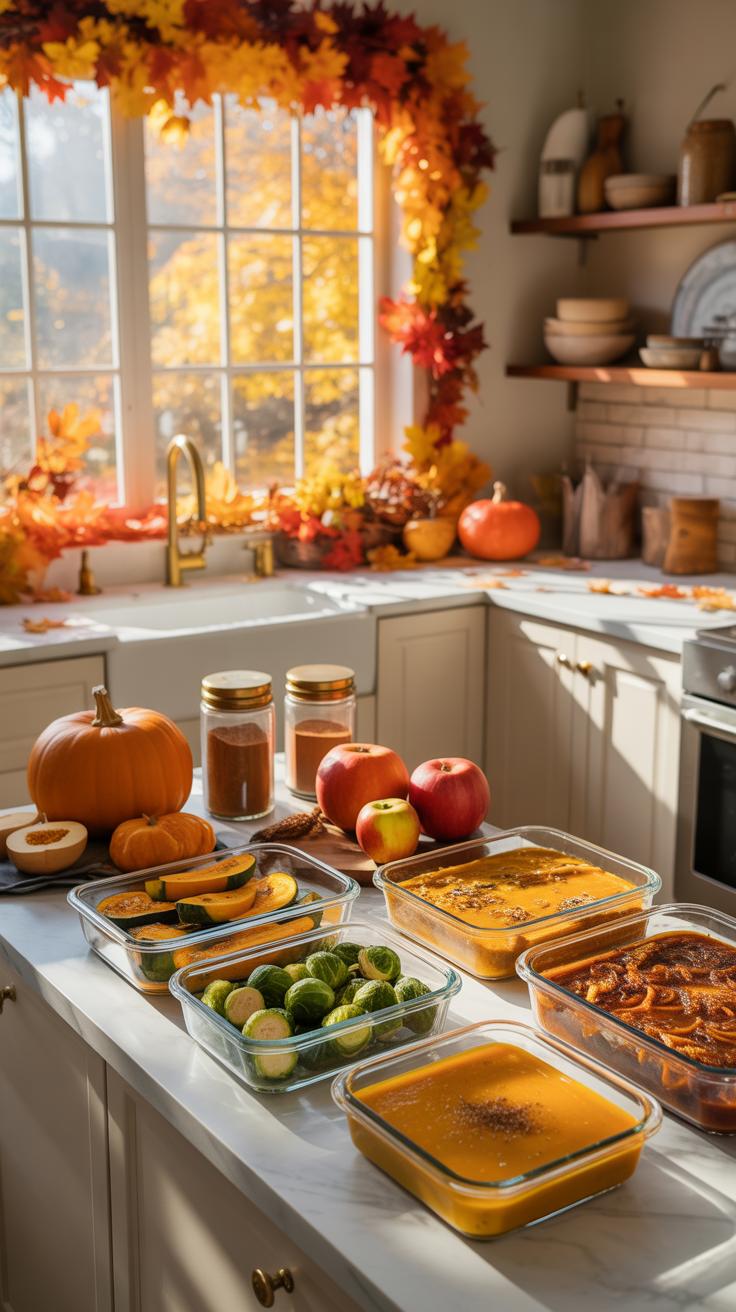
How Seasonal Eating Supports Your Health And Grocery Budget
Fall produce offers high nutrient density. Crops like squash, kale, and sweet potatoes contain high levels of Vitamin A and fiber. These vegetables grow in abundance during this period. Increased supply drives market prices down at local grocery stores and farmers markets. Buying what is currently in season reduces your total grocery spending. You get more vitamins for less money.
Purchasing local fall crops also decreases the distance food travels to your plate. This ensures the produce stays fresh for several days in your refrigerator. Shorter transport times mean fewer preservatives are needed to keep items stable. You avoid paying the high shipping costs associated with out of season imports. Focus on hearty root vegetables to maximize your caloric value per dollar spent.
The Real Time And Stress Benefits Of Prepping Meals On The Weekend
Batch cooking on the weekend eliminates the daily burden of decision making. You stop wasting time wondering what to eat after work. Prepping fall stews and roasted vegetables in bulk creates a reliable inventory of food. This system recaptures roughly five hours of your work week. You transition from reactive cooking to a controlled, efficient distribution of pre made portions.
Kitchen cleanup happens once rather than every night. You wash large pots and cutting boards in a single session. This reduces utility costs and saves physical energy. Having ready to eat meals prevents the urge to buy expensive takeout when you are tired. A structured fridge allows you to monitor food inventory easily. You stop wasting ingredients because everything has a clear purpose.
Essential Fall Recipes Healthy Pantry Staples To Stock Before You Start

Autumn Pantry Must Haves: Squash, Sweet Potatoes, Lentils, And More
Successful fall meal prep requires a base of complex carbohydrates and plant proteins. These ingredients provide the calories and fiber needed for cooler weather. Most autumn staples have a long shelf life, making them ideal for bulk purchasing. You must stock items that can adapt to different flavor profiles. This reduces waste and simplifies your weekly shopping list.
- Butternut Squash: This versatile gourd stays fresh for weeks in a cool pantry. Its dense flesh holds up well to high heat roasting and blending into smooth sauces or soups.
- Red and Green Lentils: Lentils are the fastest cooking legumes and require no soaking before use. Use red lentils for thickening stews and green lentils for salads that need a firm texture.
- Sweet Potatoes: These tubers are nutritionally dense and provide a steady energy source. You can roast them whole or dice them for quick cooking in sheet pan meals and breakfast hashes.
- Whole Grains: Stock farro, quinoa, and wild rice to build hearty base layers for bowls. These grains absorb autumn flavors effectively and maintain their structural integrity after being refrigerated for several days.
- Canned Pumpkin: Pureed pumpkin is a functional thickener for both savory chilis and baked goods. Ensure you purchase the unsweetened version to maintain control over the nutritional content of your prepped meals.
Dry goods and root vegetables form the foundation of your kitchen strategy. These items allow you to pivot your menu without extra trips to the store. High fiber content in these staples ensures satiation throughout the day. Focus on purchasing items that offer the highest nutritional density per dollar spent. Proper stocking prevents reliance on processed convenience foods during busy weeknights.
How To Store Fall Produce Properly To Maximize Freshness All Week
Temperature and humidity control determine the lifespan of your autumn harvest. Hard squashes and potatoes require cool, dark, and dry environments to prevent sprouting or rot. Never store potatoes near onions as the gases they release cause faster spoilage. Keep these items in breathable mesh bags or wooden bins. Airflow is a critical factor in preventing moisture buildup and mold growth.
Once you peel or chop vegetables for meal prep, move them to airtight containers in the refrigerator. Pre-cut squash and potatoes lose moisture quickly if left exposed to air. Use glass containers to maintain a consistent temperature and prevent odors from transferring. Label every container with the date of preparation. Tactical organization ensures you use ingredients in the correct order to minimize food waste and maximize nutrient intake.
Healthy Fall Soups And Stews You Can Batch Cook On Sunday
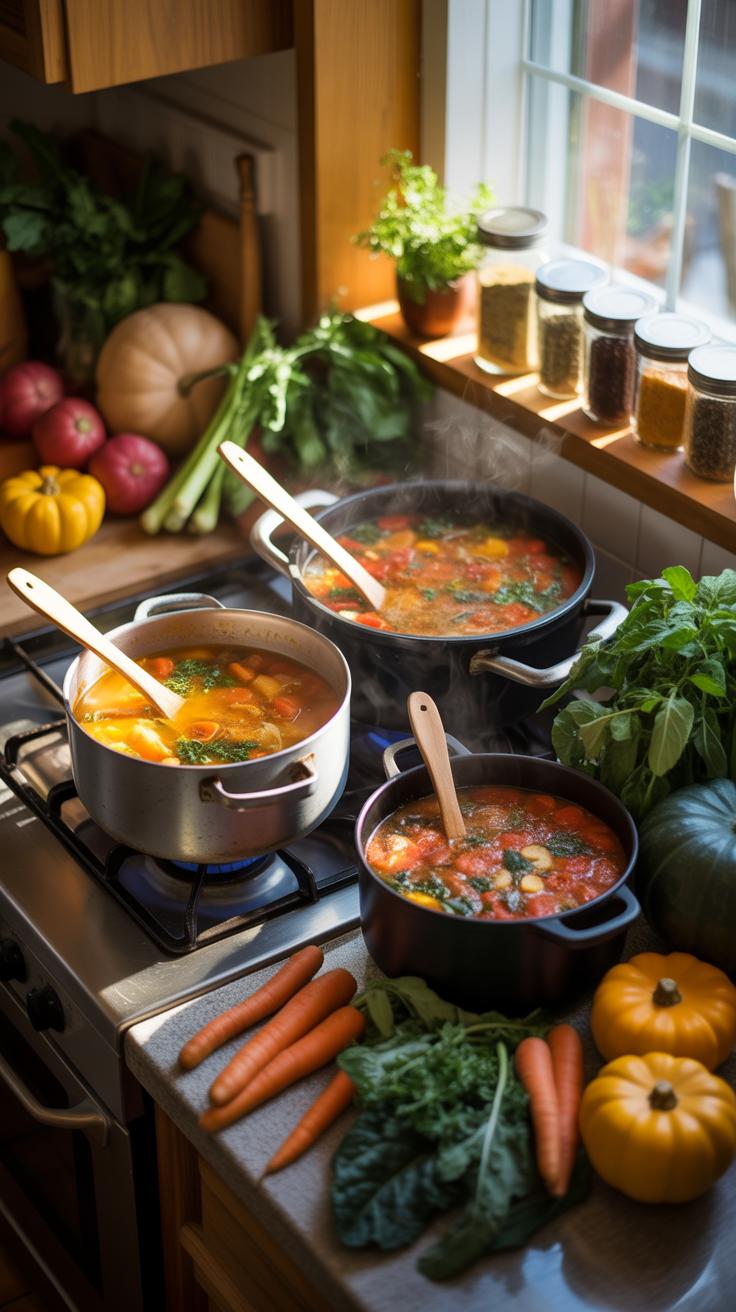
Butternut Squash Soup: A Creamy, Nutrient Dense Fall Classic
Butternut squash contains high levels of vitamin A and fiber. Roasting the squash before blending intensifies its natural sugars through caramelization. This step creates a deeper flavor profile without adding processed sweeteners. Use a high-speed blender or immersion tool to achieve a smooth consistency. This soup stays fresh in the refrigerator for five days. You also can freeze it for several months.
Add vegetable or chicken stock to control the thickness of the final product. Incorporate aromatics like onions, garlic, and ginger to boost the anti-inflammatory properties of the meal. Store individual portions in glass containers for easy reheating during the work week. This method ensures you have a quick lunch that supports your immune system. Use pumpkin seeds as a topping to add protein and texture.
Hearty Turkey And White Bean Stew For Cozy Weeknight Dinners
Turkey provides a lean protein source that pairs well with fiber-rich white beans like cannellini or navy beans. These beans hold their shape during long cooking cycles. This makes them ideal for slow cookers or Dutch ovens. Use kale or spinach to increase the mineral content of the dish. Stir these greens in at the end to maintain their color and nutrient profile.
Prepare large batches to save time and energy. This stew relies on simple pantry staples like low-sodium broth and dried herbs. Tactical preparation involves chopping all vegetables on Sunday afternoon. You can then simmer the ingredients while you handle other tasks. This recipe provides a balanced ratio of macronutrients. It fuels your body and keeps you full throughout the evening hours.
Easy Autumn Recipes For Grain Bowls And Roasted Veggie Meal Prep
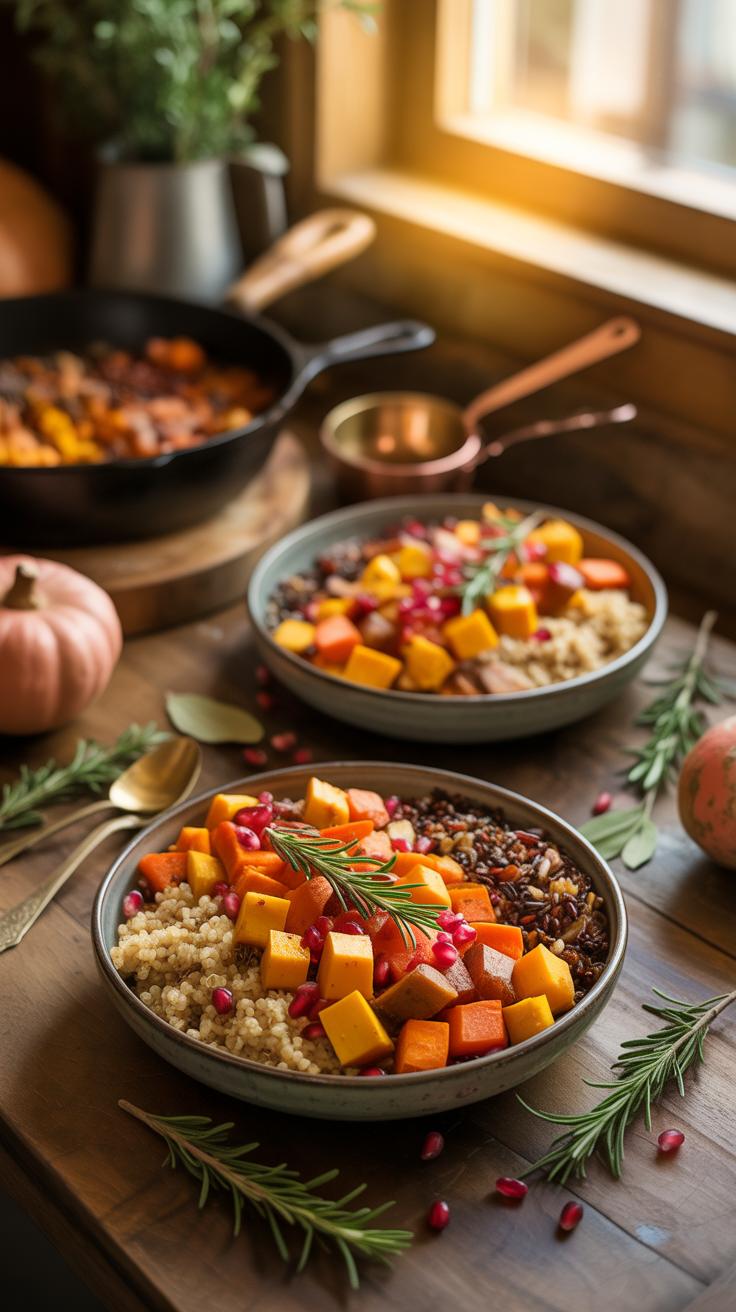
How To Build A Balanced Autumn Grain Bowl With Farro Kale And Roasted Root Vegetables
Start with farro as your base grain. Farro is an ancient wheat species used for centuries in Mediterranean cooking. It provides a chewy texture and holds its shape better than rice in a meal prep container. Boil the grains in salted water until tender but firm. Drain any excess liquid immediately. This prevents the farro from becoming mushy during refrigeration throughout the work week.
Combine the farro with massaged kale and roasted root vegetables like sweet potatoes or parsnips. Use a harsh acid like lemon juice or apple cider vinegar to break down the kale fibers. This process makes the greens easier to digest and prevents wilting. Add a fat source like tahini or olive oil to ensure satiety. Pack the dressing separately to maintain the structural integrity of the components until you eat.
Cooking is all about people. Food is maybe the only universal thing that really has the power to bring everyone together.
— Guy Fieri
Sheet Pan Roasted Vegetables: The Simplest Way To Prep Sides For The Entire Week
Sheet pan roasting maximizes efficiency by cooking large quantities of vegetables simultaneously. Use heavy duty aluminum pans to ensure even heat distribution. Cut all vegetables into uniform sizes to ensure they finish cooking at the same time. Denser vegetables like carrots and beets requires more time than cruciferous options like Brussels sprouts. High heat at four hundred degrees Fahrenheit creates the necessary Maillard reaction for flavor.
Apply a high smoke point oil like avocado oil or grapeseed oil to the vegetables. Avoid extra virgin olive oil for high heat roasting to prevent bitter flavors from oil breakdown. Spread the pieces in a single layer with enough space for steam to escape. Crowding the pan leads to boiling rather than browning. Once cooled, store the vegetables in airtight glass containers. They stay fresh and maintain their texture for four days.
High Protein Fall Recipes Dinners To Fuel Your Active Autumn Lifestyle

Meal Prepped Baked Chicken Thighs With Apple Cider And Fresh Herbs
Bone-in chicken thighs provide more fat and flavor than breast meat. This makes them ideal for reheating throughout the week without drying out. You create a glaze using reduced apple cider and dijon mustard. This combination adds acidity and natural sugar for caramelization. High oven temperatures produce crispy skin while keeping the interior moist. This method ensures your meal prep remains edible by Friday.
Toss the chicken with rosemary, sage, and thyme before roasting. These woody herbs withstand high heat better than soft herbs like parsley. Pair the chicken with roasted root vegetables to complete the macro profile. Store the cooked portions in airtight containers immediately after they cool. This prevents moisture loss and maintains the texture of the skin. Use this protein source for salads or grain bowls later.
Spiced Lentil And Ground Turkey Skillet: A High Protein Fall Dinner Staple
This skillet combines lean ground turkey with brown lentils for a massive protein boost. Lentils add fiber and complex carbohydrates that stabilize your energy levels. Brown lentils hold their shape during the cooking process and reheating. Season the meat and legumes with cumin, cinnamon, and coriander. These spices provide warmth and depth typical of fall cooking. One pan cooking reduces your cleanup time significantly.
Brown the turkey first to develop a crust and maximize flavor. Add the dry lentils and chicken stock to the same pan to absorb all the meat juices. This technique ensures every bite contains concentrated minerals and vitamins. You can freeze this recipe in individual portions for up to three months. It maintains its structural integrity better than pasta-based dishes. This meal serves as a reliable fuel source for athletes.
Meal Prep Fall Recipes For Healthy Breakfasts And Midday Lunches
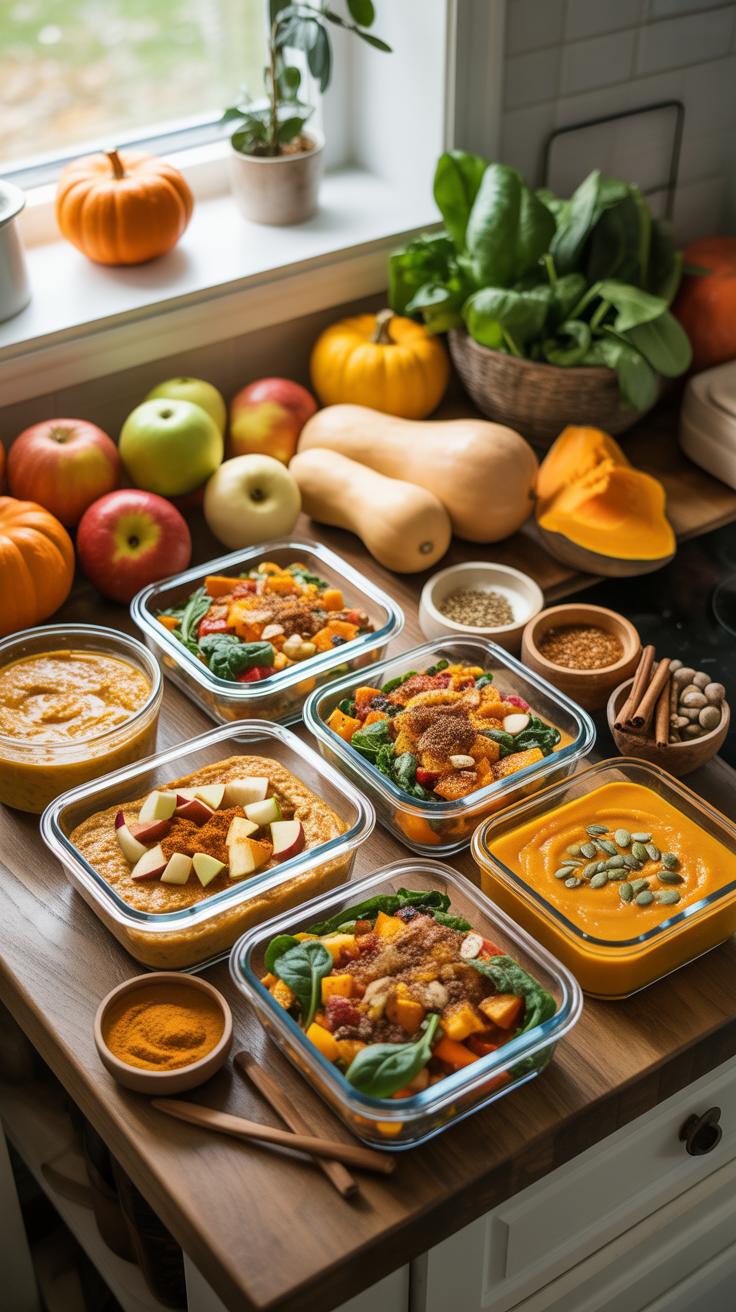
Overnight Oats With Pumpkin Puree And Warm Spices For A Grab And Go Morning
Overnight oats provide a high-fiber base for efficient morning nutrition. Use rolled oats instead of instant oats to ensure the texture holds for five days. Combine the oats with unsweetened pumpkin puree and chia seeds to increase mineral content and structural thickness. These ingredients absorb moisture overnight to create a dense pudding consistency. Add cinnamon and nutmeg to regulate flavor without adding refined sugars.
Prepare four to five glass jars at once to maximize your time. Fill each jar with liquid first to avoid dry oat clumps at the bottom. Use almond milk or soy milk for shelf stability during the week. Seal the lids tightly to prevent oxidation and moisture loss. Grab one jar each morning and eat it cold or heat it for sixty seconds. This method eliminates morning prep time entirely.
Harvest Quinoa Salad With Roasted Beets Pepitas And Apple Cider Vinaigrette
Quinoa serves as a complete protein source that resists sogginess in storage. Roast red or golden beets at four hundred degrees to caramelize their natural sugars. Peeling beets after roasting is faster and cleaner than peeling them raw. Cool the beets completely before mixing them with the grain base. This step prevents the heat from wilting the other fresh components in your meal prep containers.
Texture management is vital for mid-week lunches. Add pepitas and sliced apples only on the day you plan to eat the meal. This tactic preserves the crunch and prevents the seeds from turning soft. Whisk apple cider vinegar with olive oil and Dijon mustard for a stable dressing. Store the dressing in a separate small container. Pour the vinaigrette over the salad just before serving to maintain ingredient integrity.
Healthy Meal Prep Recipes Smart Portioning And Storage Tips For The Week
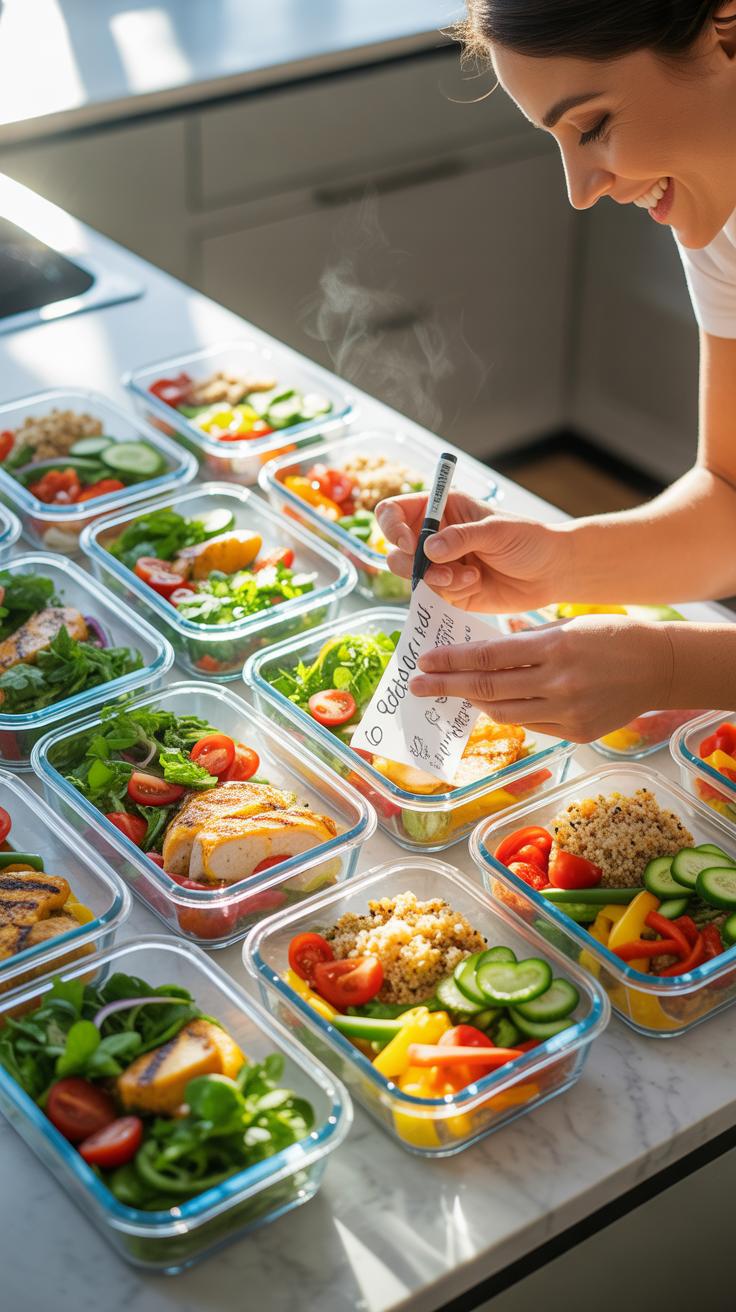
Best Meal Prep Containers And Food Safe Storage Practices For Fall Dishes
Fall meal prep involves dense root vegetables and hot stews. These foods retain heat and moisture longer than summer salads. You must choose containers that handle high temperatures without leaching chemicals. Glass and heavy duty silicone are superior for these heat intensive recipes. Proper sealing prevents oxidation of cut squash and apples. Efficient storage keeps your food safe for five full days.
- Borosilicate Glass: This material resists thermal shock better than standard glass. You can move these containers from the freezer to the oven safely. It does not absorb odors from strong fall spices like curry or cumin. Use these for baked bakes and heavy casseroles.
- Vacuum Sealed Bags: Removing air prevents freezer burn on seasonal harvest items. Use these for portioning raw butternut squash or blanched kale. Eliminating oxygen keeps the colors vibrant and textures firm. This method saves significant space in cramped freezer compartments.
- Stainless Steel Tiffin: These containers offer extreme durability for portable lunches. They keep dense grain bowls compact and prevent leaking. Do not put these in the microwave. They work best for cold roasted vegetable salads or room temperature snacks.
- BPA Free Silicone: Food grade silicone provides a flexible and heat resistant option. These bags collapse after use to save storage space. They are excellent for steaming vegetables in the microwave or storing homemade soups. Most versions are dishwasher safe for fast cleanup.
- Ventilated Plastic: Use these only for fresh produce that needs airflow. Hard squashes and uncut potatoes require dry conditions to avoid rot. These containers prevent moisture buildup that leads to mold. Never use these for reheating hot food to avoid chemical transfer.
Cool all cooked harvest meals to room temperature before sealing. Placing hot food directly into a fridge raises the internal temperature. This practice puts other perishable items at risk of bacterial growth. Leave a half inch of space at the top of soup containers. Liquids expand as they freeze and can break glass jars. Label every container with the date and contents.
How To Rotate And Refresh Prepped Meals So Nothing Goes To Waste
Eat your most perishable items first. Leafy greens and soft vegetables degrade faster than hearty tubers. Save your roasted carrots and sweet potatoes for the end of the week. This strategy ensures you consume nutrients at their peak. Divide large batches into smaller individual servings immediately after cooking. Smaller portions cool faster and stay fresher during the storage cycle.
Repurpose leftovers to prevent flavor fatigue by Tuesday. Turn roasted chicken into a soup base for Wednesday. Add fresh herbs or a squeeze of citrus to brighten stored grains. These small additions change the profile of the dish without extra cooking time. Freeze half of your batch prep if you anticipate a change in schedule. This creates a backup meal for the following week and eliminates waste.
Healthy Fall Recipes Dinner Clean Eating Building A Full Week Meal Plan
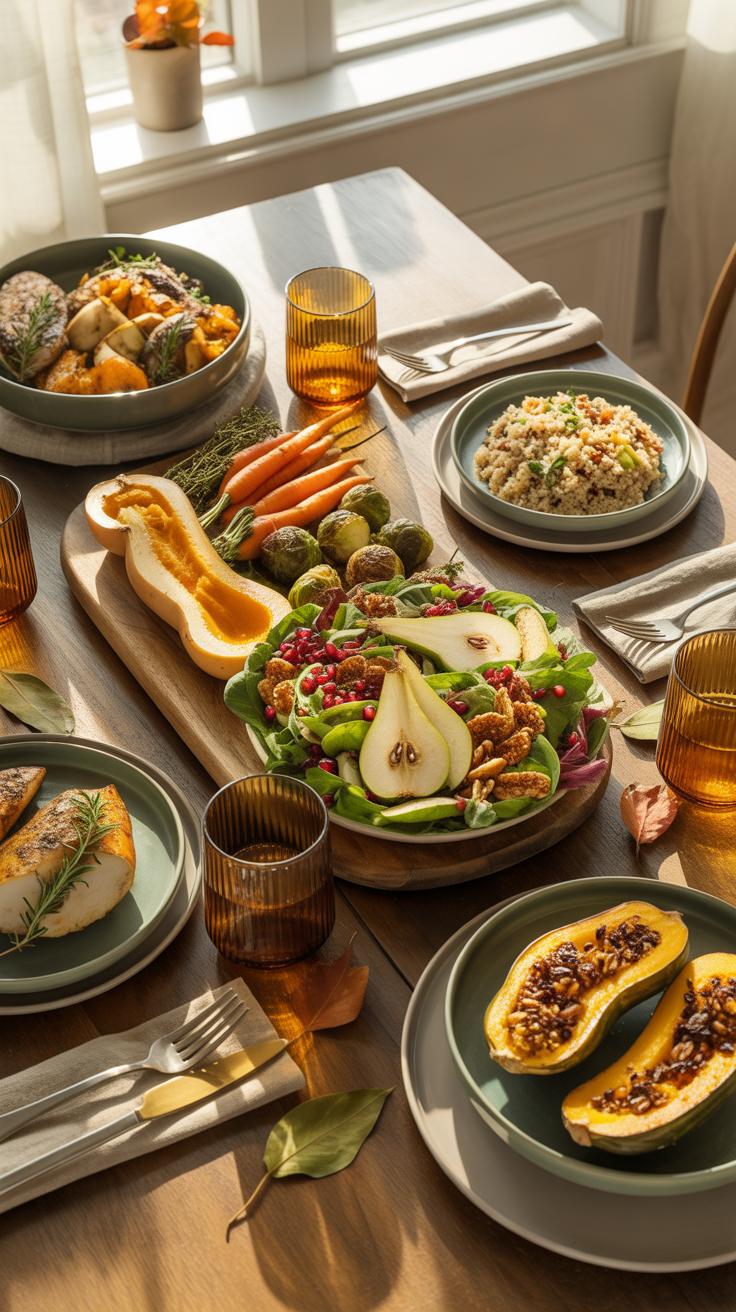
Sample 5 Day Clean Eating Fall Dinner Plan Using Your Prepped Ingredients
Start your week with roasted root vegetables and grilled chicken breast. Use the prepped sweet potatoes and parsnips to provide complex carbohydrates. Monday and Tuesday focus on high-protein intake to fuel your early week schedule. Combine your bulk-cooked quinoa with these roasted items for a complete bowl. This strategy reduces cooking time to under ten minutes. You only need to reheat and assemble your pre-portioned containers.
Mid-week requires more variety to prevent flavor fatigue. Transition to a hearty turkey chili using pre-chopped onions and peppers on Wednesday. On Thursday, use leftover chili as a topping for baked potatoes. Friday concludes the week with a sheet pan salmon and Brussels sprouts dish. This rotation utilizes every prepped ingredient to eliminate food waste. You save money by using what you bought. You save time by avoiding daily kitchen cleanup.
How To Adjust Your Healthy Fall Recipes Dinner Plan For Dietary Needs And Family Size
Scale your portions based on individual caloric requirements. A family of four requires four times the protein weight of a single person. Calculate sixteen ounces of raw protein per meal for a standard family. Multiply this by five days to determine your total grocery haul. Use glass containers for individual portions to manage weight goals. Larger families should store components in bulk bins to allow for custom serving sizes at the table.
Modify ingredients to meet specific dietary restrictions without changing the base plan. Swap traditional grains for cauliflower rice to reduce net carbohydrates for keto needs. Replace animal proteins with chickpeas or lentils for plant-based family members. These swaps do not change your roasting times or prep flow. You can cook different proteins on the same sheet pan if you use foil dividers. This keep flavors separate while maintaining a single cooking cycle for efficiency.
Frequently Asked Questions

How do I start planning a seasonal menu if I am new to meal prepping?
Getting started is simple when you focus on seasonal staples like squash, sweet potatoes, and hearty greens. Begin by selecting two or three versatile recipes that share similar ingredients to minimize waste and prep time. Incorporating these fall meal prep ideas into your routine ensures you have nutritious, comforting lunches ready to go, helping you transition smoothly into a more organized and delicious weekly dining schedule without feeling overwhelmed.
What is the best way to keep roasted autumn vegetables fresh all week?
To maintain the best texture and flavor, allow your roasted vegetables to cool completely before sealing them in airtight glass containers. Proper storage prevents sogginess and keeps your fall meal prep ideas tasting kitchen-fresh for up to five days. When you are ready to eat, reheating them in an air fryer or oven for a few minutes helps restore that delightful caramelized exterior that makes harvest vegetables so craveable.
Can I enjoy a harvest-themed menu on a tight grocery budget?
Absolutely! Embracing the harvest is actually one of the most cost-effective ways to eat because produce is cheapest when it is in peak season. Focus on buying bulk items like apples, carrots, and pumpkins, which are significantly more affordable in autumn. Supplement these with protein-rich pantry staples like lentils or beans to create filling, fiber-packed meals that capture the cozy essence of the season without stretching your wallet too thin.