
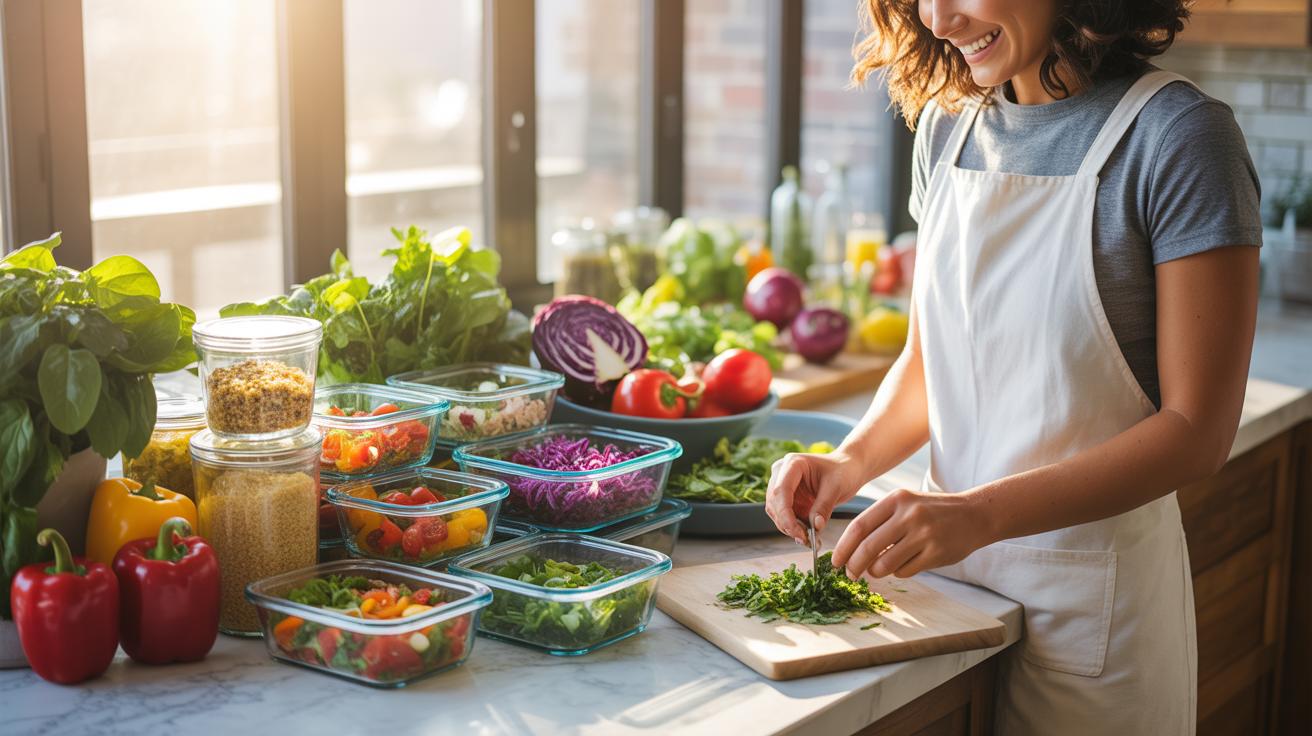
Why Starting A Meal Prep Week Routine In The New Year Actually Works
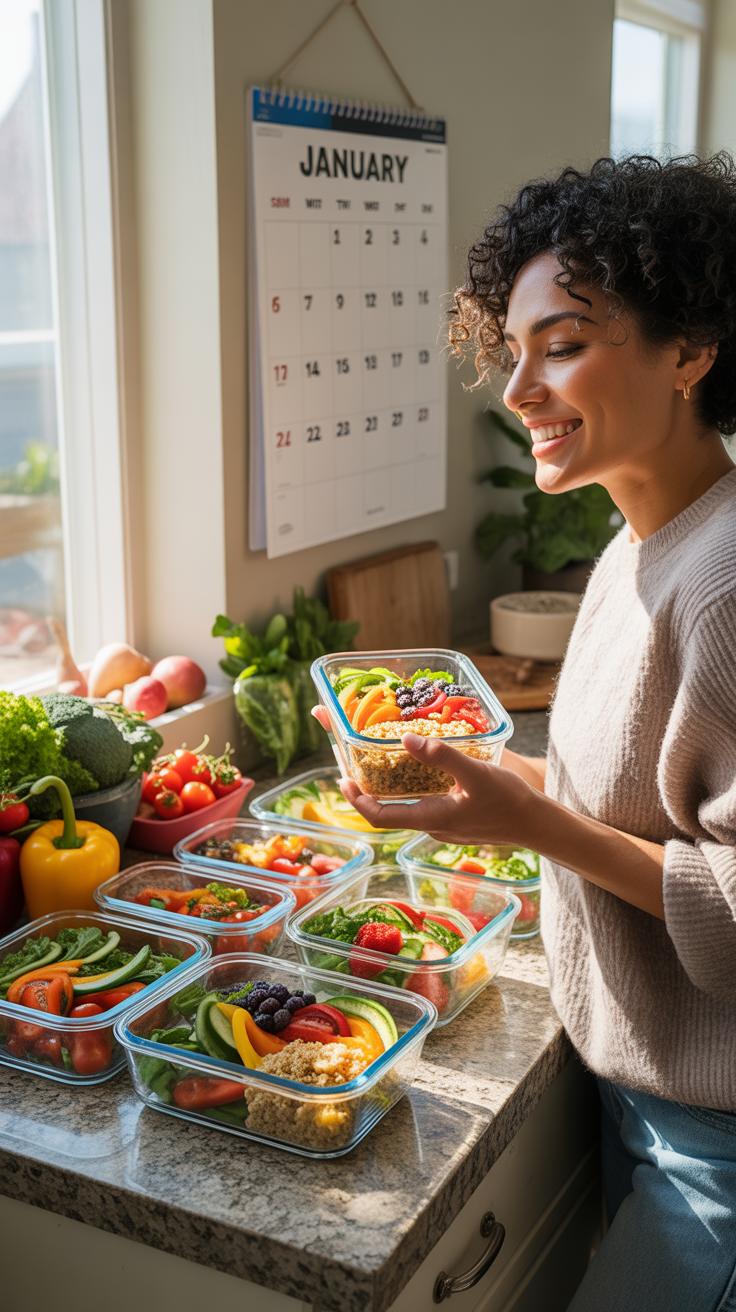
The Psychology Behind Weekly Meal Prep And Habit Formation
New Year goals often fail because they rely on willpower. Research shows that willpower is a finite resource that drains throughout the day. Meal prepping shifts the focus from daily effort to environmental design. By preparing food in advance, you create a default path for your behavior. You stop choosing what to eat and start following a pre-set plan.
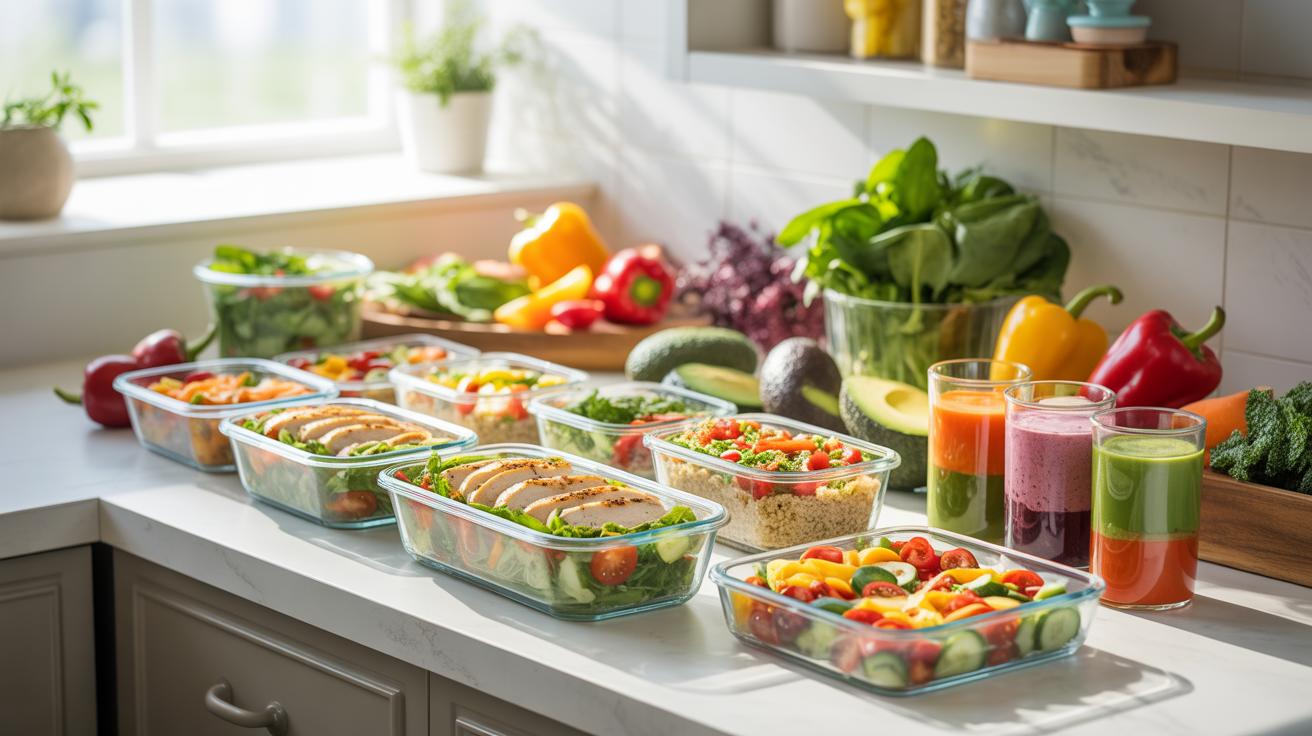
Habit formation requires a trigger and a low barrier to entry. Prepped meals act as visual cues in your refrigerator. These cues trigger the desired eating behavior without requiring new motivation. Proactive preparation removes the friction of cooking while hungry. Consistent repetition of this cycle builds a solid routine. This structural change turns healthy eating into an automatic response.
How Committing To One Dedicated Prep Day Reduces Daily Decision Fatigue
Decision fatigue occurs when the brain tires after making too many choices. Every meal typically requires dozens of micro-decisions regarding ingredients, portions, and timing. Choosing a single prep day consolidates these choices into one block of time. You make high-level decisions while your mind is fresh. This protects you from poor choices later in the week when energy levels drop.
Executing a plan is mentally easier than creating one. When you prep on Sunday, you eliminate the mental load for the next six days. You no longer negotiate with yourself about what to order for dinner. The work is finished, and the menu is fixed. This tactical efficiency saves mental energy for your professional and personal life. Automation is the most effective tool for long-term dietary success.
Essential Kitchen Tools And Pantry Staples For Easy Healthy Meal Prep Recipes
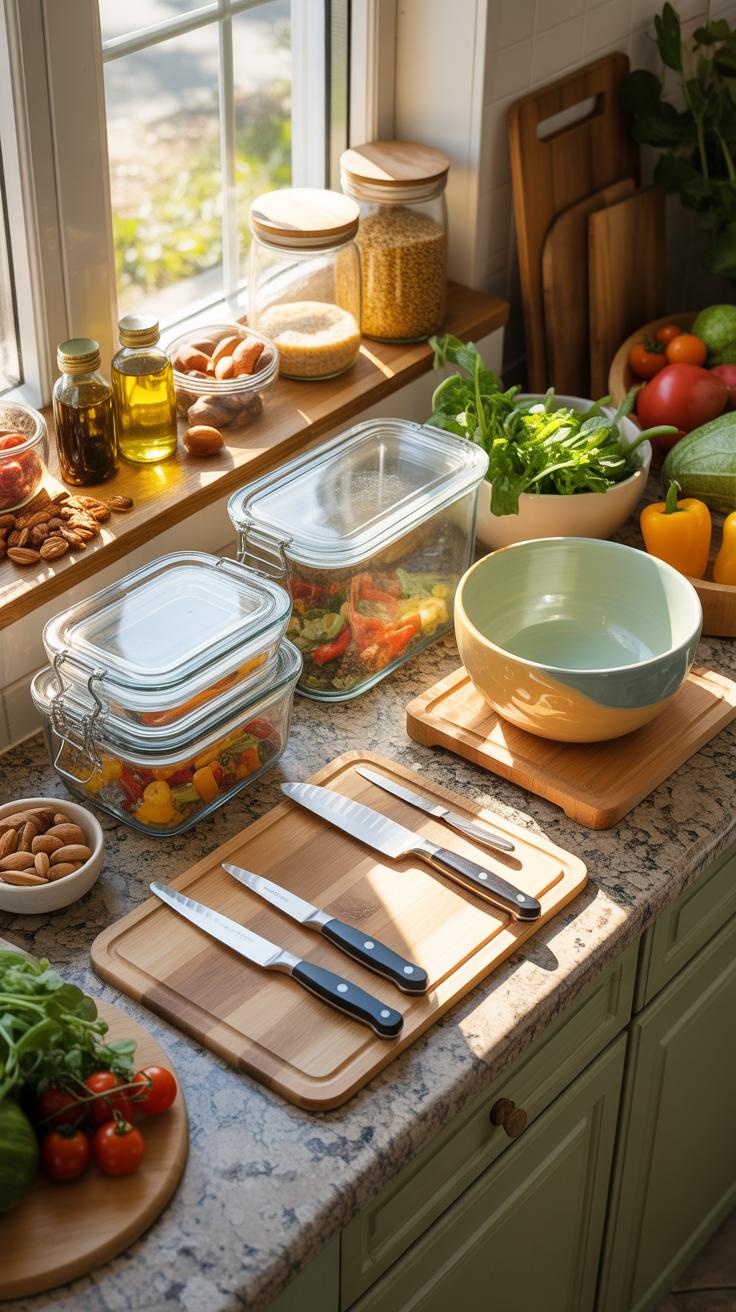
Must Have Containers, Appliances, And Utensils For Efficient Weekly Prep
Efficiency in the kitchen depends on professional grade equipment. You need tools that withstand high heat and repeated cleaning cycles. High quality gear reduces total cooking time and ensures food safety during storage. Focus on durability and utility rather than kitchen gadgets that serve only one purpose. Your goal is a streamlined workflow that minimizes physical effort and maximizes your weekly output.
- Glass Storage Containers: Glass does not leach chemicals or retain odors like plastic. Choose containers with airtight locking lids to prevent oxidation and keep vegetables crisp. Clear glass allows you to identify meals instantly in a crowded refrigerator.
- Digital Food Scale: Accuracy matters for consistency and portion control. Digital scales provide exact measurements for proteins and grains unlike volume based measuring cups. This tool ensures your nutritional data remains precise for every meal you pack.
- Chef Knife and Large Cutting Board: A sharp eight inch blade handles ninety percent of prep tasks. Pair it with a heavy wooden or composite board to protect the edge. Efficiency increases when you have enough surface area to chop multiple vegetables simultaneously.
- Sheet Pans and Roasting Racks: Standard half sheet pans allow for high volume roasting. Use stainless steel racks to circulate air around proteins for even cooking. This method lets you cook several pounds of chicken or vegetables in a single oven cycle.
- Instant Read Thermometer: Internal temperature determines food safety and texture. Pulling meat at the exact degree prevents dry, overcooked meals that are difficult to eat later. This tool eliminates guesswork and guarantees professional results every time you batch cook.
Standardize your container sizes to make stacking easier in the fridge. Uniform shapes save space and allow for better air circulation. Invest in heavy bottomed pans that distribute heat evenly to avoid hot spots. Good tools are an upfront cost that prevents waste and saves hours of labor over the year. Maintain your equipment to ensure it performs when you have limited time.
Stocking Your Pantry With Whole Food Staples That Support Healthy Goals
A functional pantry acts as the foundation for your weekly menu. Buy dry goods in bulk to reduce costs and ensure you never run out of basics. Focus on complex carbohydrates like quinoa, brown rice, and steel cut oats. These items have long shelf lives and provide steady energy throughout the day. Having these ready allows you to assemble balanced meals quickly.
Keep healthy fats and seasonings on hand to improve flavor without adding sugar. Stock extra virgin olive oil and avocado oil for different cooking temperatures. Use dried herbs and spices to customize bulk proteins into different cuisines. Low sodium broths and canned beans add volume and nutrients to soups or salads. A well stocked pantry eliminates the need for last minute trips to the store.
Building Your First New Year Meal Prep Layout A BeginnerS Blueprint
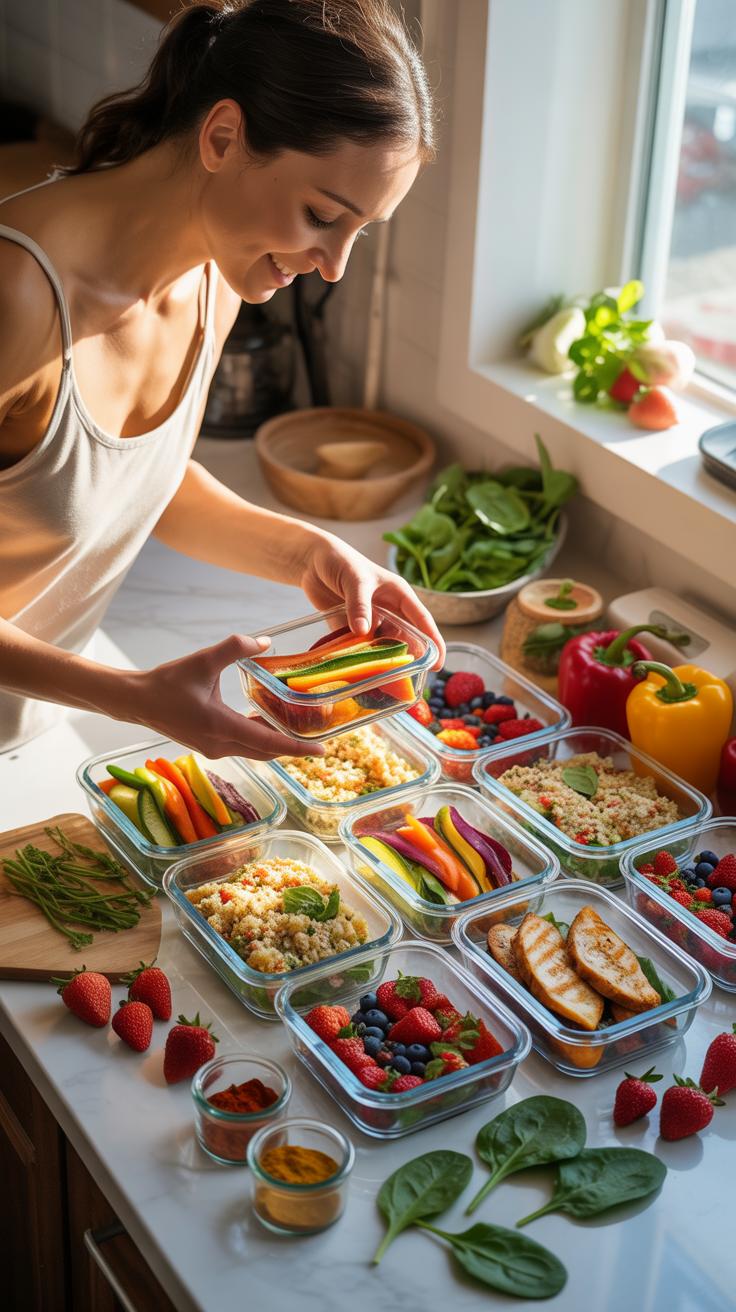
Mapping Out Your Meals Before You Ever Enter The Kitchen
Successful meal prep starts with a written roadmap. You must audit your current inventory before buying new ingredients. Check your pantry and freezer for staples to avoid waste. Choose two or three core recipes that share common base components. This approach reduces the total number of items you need to track. It also speeds up your grocery shopping trips and your active kitchen time.
Create a specific schedule for your prep day. Most people find success by prepping on Sunday afternoons. Divide your plan into active cooking and passive cooling phases. Start with grains and proteins that take the longest to cook. Use your oven for multiple dishes simultaneously at the same temperature. This technical efficiency ensures you do not spend your entire weekend in the kitchen or waste energy.
The secret of health for both mind and body is to live in the present moment wisely and earnestly. Preparing our food with care is a way of honoring the life we are given in this new year.
— Thich Nhat Hanh
Balancing Macronutrients Across Your Weekly Meal Prep Layout
Effective nutrition requires a specific ratio of proteins, fats, and carbohydrates. You should aim for lean protein sources like chicken or legumes to maintain muscle mass. Complex carbohydrates provide sustained energy throughout your workday. Include healthy fats like avocado or nuts to stay full. A balanced plate prevents mid-afternoon energy crashes. It also keeps your blood sugar levels stable so you do not reach for unhealthy snacks.
Precision in portioning is the key to achieving your fitness goals. Use a digital scale to weigh your food after cooking. Place similar amounts of each macronutrient into individual airtight containers. This method removes the guesswork during busy mornings. You gain total control over your caloric intake by standardizing your meals. Repeatable systems create the consistency needed for long term health benefits and weight management success.
How To Create A Colorful Meal Prep Layout For Nutrition And Visual Appeal
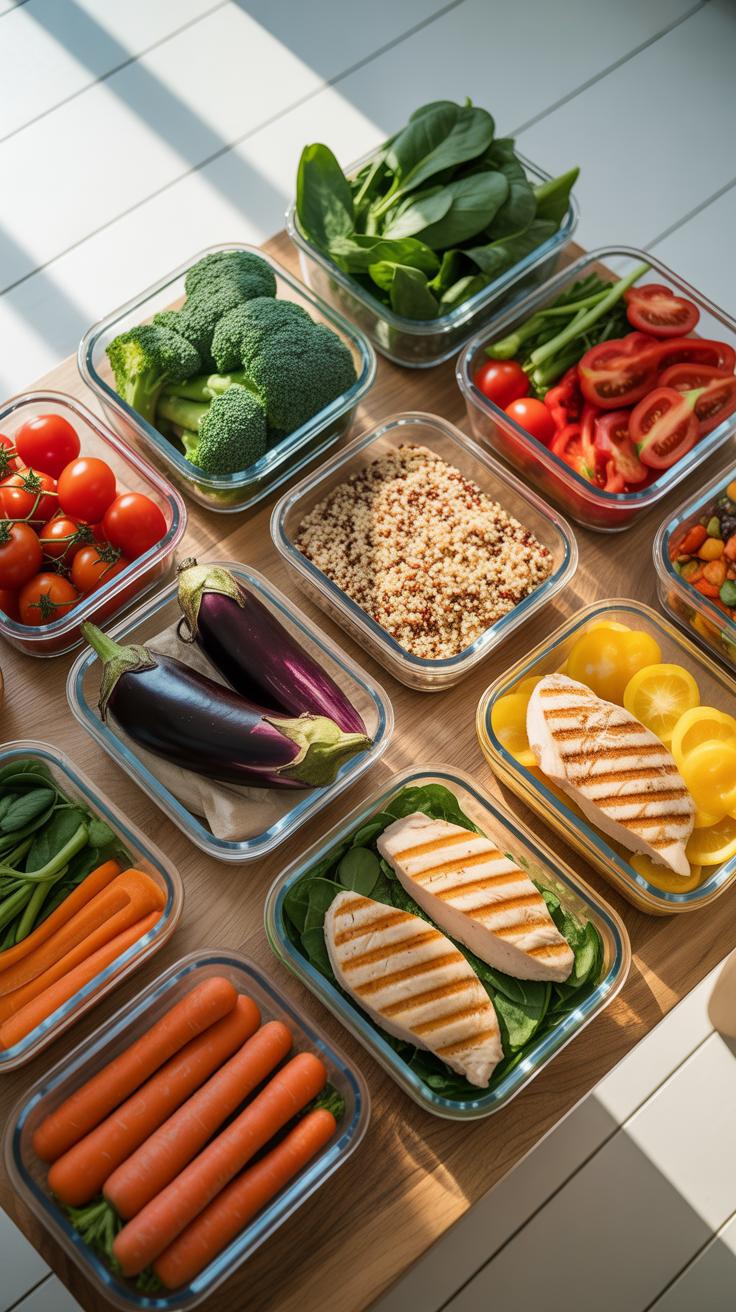
Why Eating A Rainbow Of Vegetables Supports A Well Rounded Diet
Each plant color represents specific phytonutrients. Red plants contain lycopene and anthocyanins. Yellow and orange plants provide beta carotene for eye health. Green plants offer vitamin K and folate. Purple or blue plants contain powerful antioxidants. Relying on a single color limits your nutrient intake. You must rotate colors to ensure your body gets a complete profile of essential vitamins and minerals.
Historically, humans sought bright colors as a sign of ripeness and safety. Modern nutrition science confirms this instinct. A diverse plate prevents micronutrient deficiencies. It also supports gut health by providing different types of fiber. Most people fail their health goals because their food is boring. Using color makes the healthy option more appealing. You will stick to your plan when the food looks high quality.
Practical Tips For Pairing Colorful Ingredients Across Your Weekly Containers
Design your containers using the primary color wheel. Contrast high moisture vegetables with sturdy greens. Place roasted orange sweet potatoes next to dark green kale. Use bright red peppers to break up the visual weight of brown proteins like beef or beans. Your eye should see distinct sections. This organization helps you track portion sizes at a glance. It also prevents your meals from looking like an unappetizing mush.
Balance textures alongside colors to maintain food integrity. Hard vegetables like carrots and radishes keep their color when stored. Soft greens wilt quickly when touching warm ingredients. Use glass containers to see your work. Clear views of vibrant food trigger hunger signals and reduce the urge to order takeout. Sharp color separation keeps different flavors from bleeding together. This method ensures every meal tastes fresh on Friday as it did on Monday.
Top Meal Prep Healthy Recipes To Kick Off Your New Year Strong
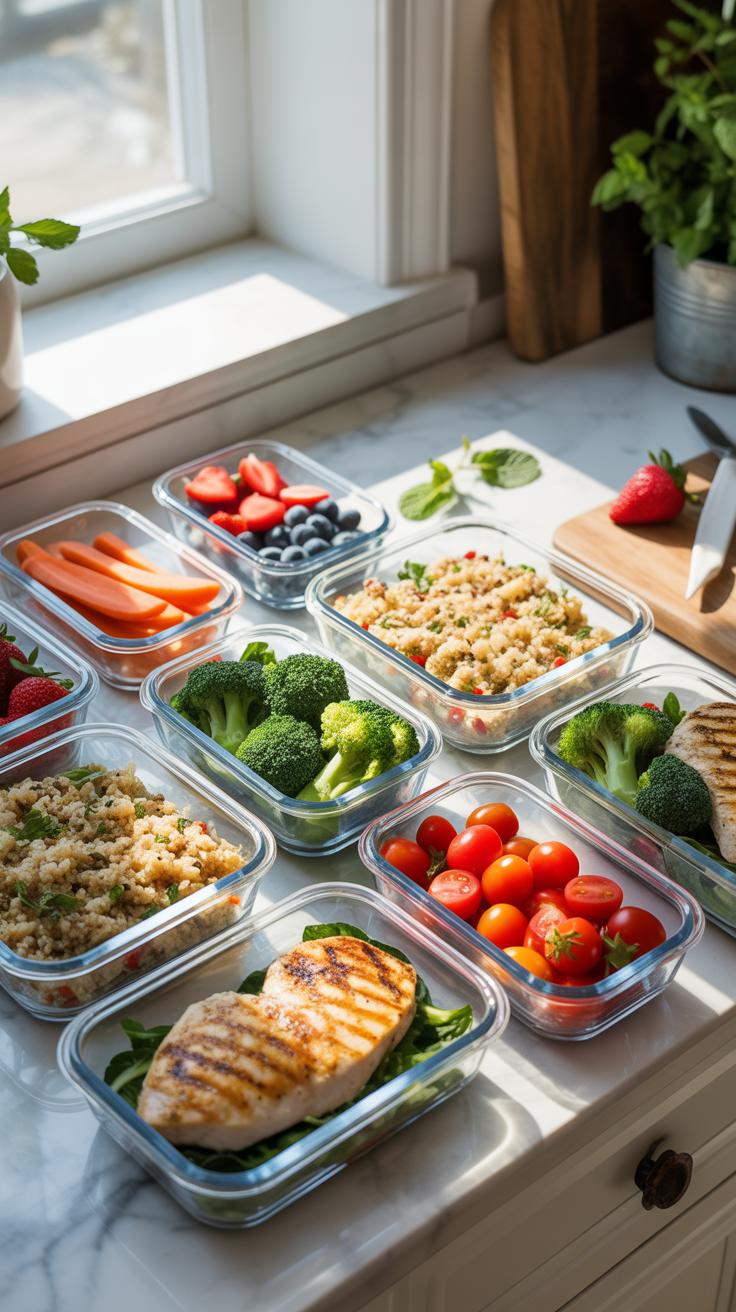
High Protein Lunch And Dinner Recipes That Hold Up Well Through The Week
Focus on lean proteins and complex carbohydrates to maintain satiety and muscle mass. Chicken breast and turkey mince offer high protein density with low fat content. Pair these with roasted root vegetables or quinoa. These ingredients maintain their structural integrity when stored in airtight glass containers. Glass prevents moisture loss better than plastic. Avoid delicate greens that wilt quickly during the reheating process.
Opt for braised meats and stews for long term storage. Slow cooked beef or lentils develop more flavor after forty eight hours. These dishes resist drying out when microwaved at the office. Use acidic marinades with lemon or vinegar to keep meat fibers tender. Portion meals into three hundred to five hundred calorie units. This ensures consistency and prevents overeating during busy work days.
Light And Energizing Breakfast Recipes Designed For Busy New Year Mornings
Prioritize overnight oats and chia puddings for maximum morning speed. These recipes require zero cooking time during the work week. Use old fashioned rolled oats for a lower glycemic index and better texture. Combine them with unsweetened almond milk and whey protein to stabilize blood sugar levels. This strategy prevents the mid morning energy crash common with sugary cereal. Prepare five jars every Sunday night.
Hard boiled eggs and Greek yogurt bowls provide portable protein options. Eggs stay fresh for seven days when kept in their shells after boiling. Greek yogurt contains probiotic cultures that support digestive health and immunity. Top these bowls with walnuts or flax seeds for healthy fats. These fats slow down digestion and provide steady fuel for your brain. Keep toppings separate to maintain a crisp texture until the moment of consumption.
Mastering Overnight Oats Meal Prep For A Stress Free Morning Routine

The Science Behind Overnight Oats And Why They Are A Nutritional Powerhouse
Overnight oats rely on a process called acidulation. Soaking raw oats in liquid breaks down phytic acid over several hours. Phytic acid is an anti-nutrient that binds to minerals like iron and zinc. Reducing this acid makes the nutrients easier for your body to absorb. This cold-soak method also preserves the integrity of the beta-glucan fiber found in the grain.
The starch in soaked oats undergoes a physical change. It turns into resistant starch which functions like a prebiotic. This starch bypasses the small intestine and feeds healthy bacteria in the gut. This process prevents sharp insulin spikes often caused by processed breakfast cereals. You get a steady release of energy. These oats keep you full longer and support metabolic health throughout the day.
Step By Step Guide To Overnight Oats Prep For The Week In Under 20 Minutes
Efficiency is the goal for bulk meal prep. Line up five glass jars on your counter to handle the entire work week. Add a dry base of rolled oats and chia seeds to every container first. Use a ratio of one part oats to one part liquid. This consistency ensures the oats soften without becoming mushy. Faster prep saves time and ensures consistency.
- Select Your Jars: Use wide-mouth glass jars with secure lids. Glass prevents odors from leaching into your food and allows for easy cleaning. Wide openings make layering ingredients and eating directly from the container much faster during busy mornings.
- Measure Dry Bases: Add half a cup of rolled oats to each jar. Do not use instant oats because they turn into a paste. Add one tablespoon of chia seeds to provide structure and a dose of healthy omega-3 fatty acids.
- Add Liquid Components: Pour in half a cup of your chosen milk or water. Use unsweetened almond or soy milk to keep sugar levels low. Ensure the liquid completely covers the dry ingredients to facilitate the necessary chemical breakdown of the oat starches.
- Incorporate Protein and Flavor: Stir in a spoonful of Greek yogurt or a scoop of protein powder. Add dry spices like cinnamon now. Avoid adding fresh fruit until the day you plan to eat the oats to prevent the fruit from becoming soggy or fermented.
- Seal and Refrigerate: Close the lids tightly and shake each jar for ten seconds. Shaking prevents the chia seeds from clumping at the bottom. Store the jars in the back of the refrigerator where the temperature is coldest and most stable.
Finalize your prep by checking the liquid levels after two hours. Some oats absorb liquid faster than others depending on the brand. Add a splash more milk if the mixture looks too dry. Label each jar with the date to track freshness. Most overnight oats stay fresh for five days. Grab one jar each morning as you head out the door.
Creative Meal Prep Overnight Oats Flavor Combinations To Keep Breakfasts Exciting
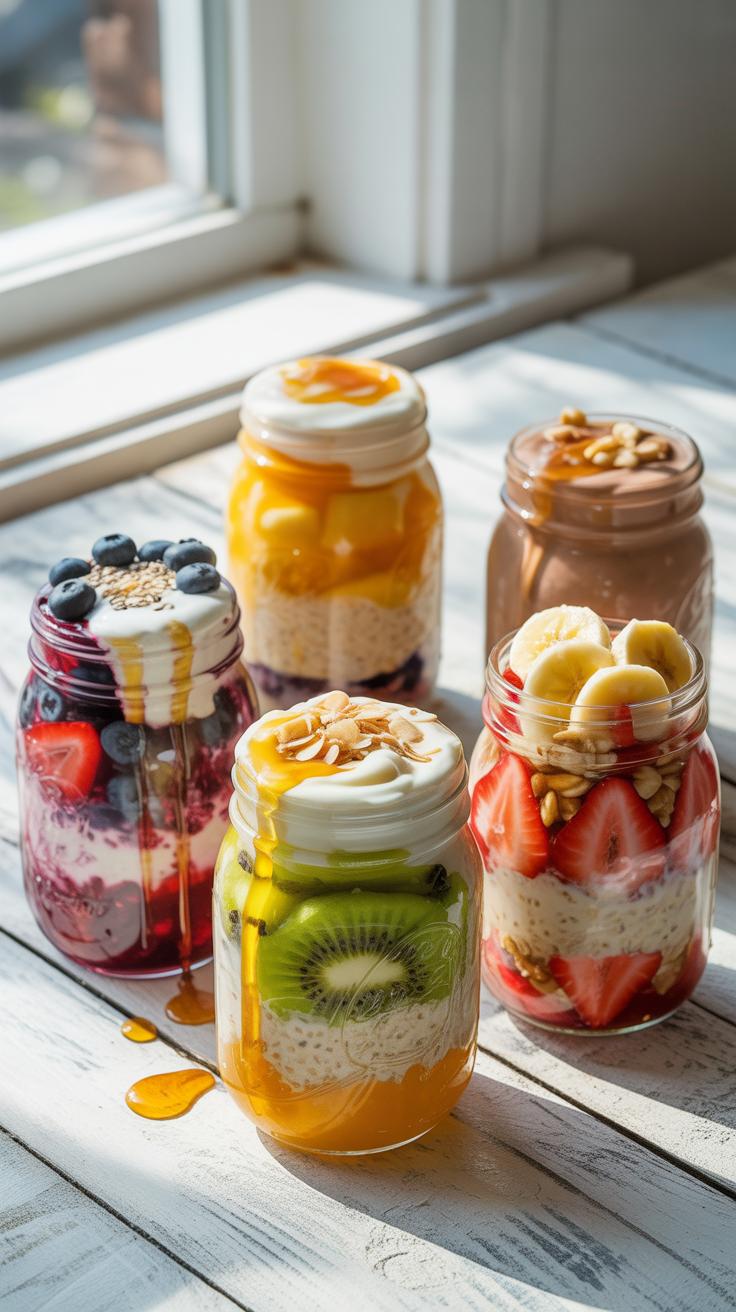
How To Layer Toppings And Mix Ins To Elevate Your Overnight Oats Every Day
Effective layering protects the texture of your oats during long-term storage. Always place heavy ingredients like liquid sweeteners and dense fruit purees at the bottom of the jar. Add the dry oats and liquid base on top to ensure even hydration. This method prevents the oats from becoming a gluey mass. It keeps the components distinct until you are ready to eat them.
Texture management requires adding crunchy elements only at the moment of consumption. Store nuts, seeds, and toasted grains in separate dry containers. Adding these items during the initial prep leads to moisture absorption and a soggy mouthfeel. Fresh berries and soft fruits should also stay on top to prevent bleeding into the base. This tactical approach maintains structural integrity and flavor profile variety.
Making Meal Prep Overnight Oats Work For Different Dietary Preferences
Customize your base liquid to meet specific nutritional requirements and dietary restrictions. Use unsweetened almond or soy milk for plant-based diets to maintain a high protein-to-calorie ratio. Those following ketogenic protocols should replace traditional oats with hemp hearts or chia seeds to lower the carbohydrate count. High-protein needs require adding whey or pea protein powder during the mixing stage to ensure proper dissolution.
Strategic ingredient swaps allow for broad compatibility without changing the prep workflow. Use maple syrup or agave instead of honey for vegan standards. Replace dairy yogurt with coconut-based alternatives to achieve the same creamy thickness. Always check labels for hidden sugars in localized ingredients. These minor adjustments ensure your meal prep aligns with your health goals while keeping the flavor profiles consistent and enjoyable.
Scaling Up Your Skills What Meal Prep Week 6 Should Look Like On Your Journey
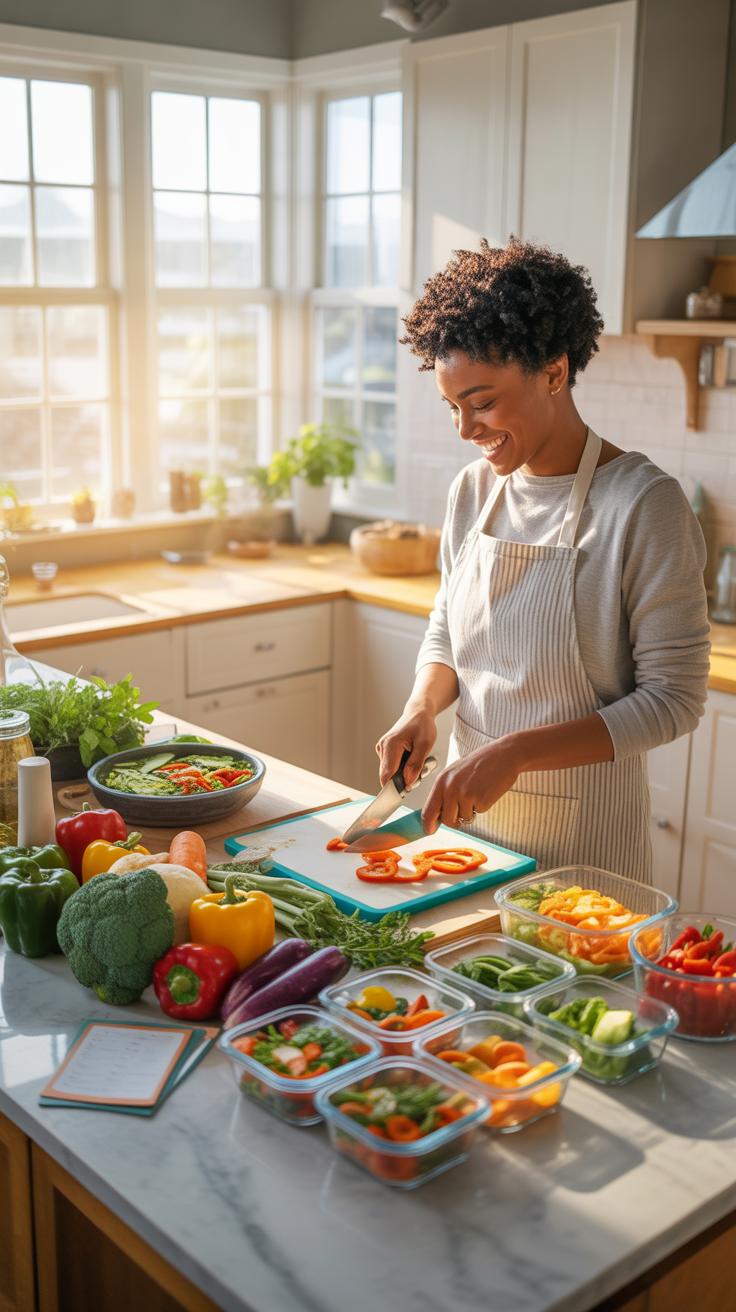
How Your Meal Prep Routine Naturally Evolves After The First Month
By week six your biological clock and kitchen habits align. You no longer consult basic guides for every step. Speed increases because your brain recognizes patterns in chopping and sorting. You move from following a strict script to managing a system. This shift reduces mental fatigue during the process. You spend less time thinking and more time executing tasks with precision and high efficiency.
Workflow optimization becomes your primary focus now. You group tasks by heat source or tool rather than by individual recipe. This advanced strategy is known as component prepping. You prepare large batches of base grains and proteins that serve multiple different meals. This stage marks the end of beginner mistakes. You now control the kitchen environment instead of letting the clock dictate your pace and stress levels.
Introducing New Ingredients And Techniques As Your Confidence Grows
Advanced prep requires mastering higher level cooking methods. You move beyond simple roasting and boiling to techniques like quick pickling and emulsified dressings. These additions improve food shelf life and flavor profiles without adding significant work time. You also start using tougher cuts of meat that require long braising times. These ingredients cost less but provide more nutrients. Better technique leads to higher quality outcomes every single week.
Diversifying your pantry is the next logical tactical step. You introduce fermented foods and ancient grains like farro or amaranth to your rotation. These items offer different textures and critical micronutrients. You understand how to balance acids and fats to keep prepped food tasting fresh on day four. Confidence allows you to experiment with global spices that prevent palate boredom. You are now building a sustainable lifestyle rather than just following a diet.
Smart Grocery Shopping Strategies That Make New Year Meal Prep Easier
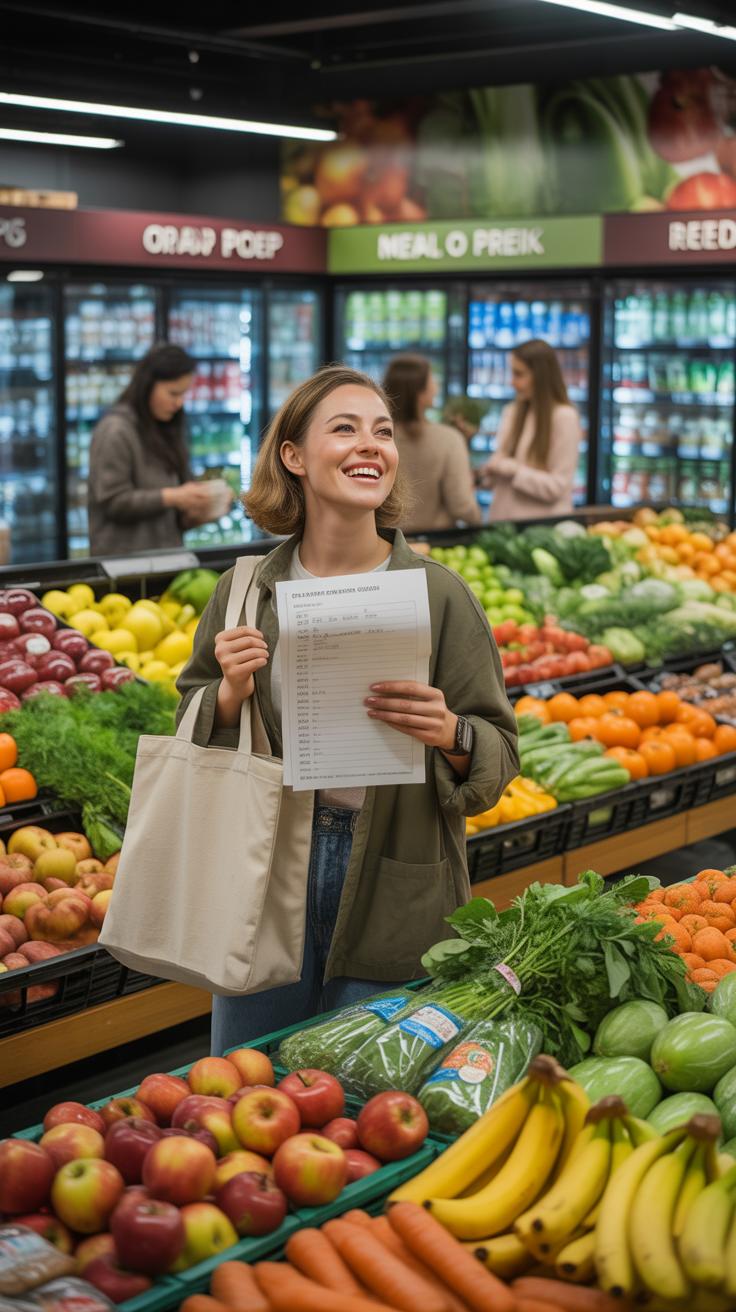
How To Build A Weekly Grocery List Aligned With Your Meal Prep Healthy Recipes Plan
Successful meal prep starts with a precise inventory check. Review your pantry and refrigerator before writing a single item down. This prevents overbuying and reduces food waste. Group your list by grocery store sections to save time during the trip. Logical categories include produce, proteins, grains, and dairy. Use your meal plan to calculate exact quantities for every recipe.
Standardize your shopping day to build a consistent habit. Most retailers restock mid week or early Saturday morning. Check your digital meal plan against your current stock to identify missing staples. Focus on versatile ingredients that work across multiple dishes. This strategy reduces the number of unique items you need to track. A lean list ensures you only buy what you will actually cook.
Budget Conscious Shopping Tips To Keep Healthy Eating Affordable All Year
Eating healthy does not require high costs. Buy grains, nuts, and beans in bulk to lower the price per ounce. These dry goods have long shelf lives and provide stable nutrition. Opt for frozen fruits and vegetables when fresh options are out of season. Frozen produce is picked at peak ripeness and often costs less. These items stay fresh in the freezer until you need them.
Focus on store brands for basic staples like olive oil, spices, and canned goods. Private labels usually match the quality of national brands at a lower price point. Use a loyalty program to access digital coupons and weekly discounts. Track your spending to find which stores offer the best value for specific items. Smart shoppers prioritize value over brand names to keep long term costs low.
Staying Consistent Habits And Mindset Shifts That Make New Year Meal Prep Last
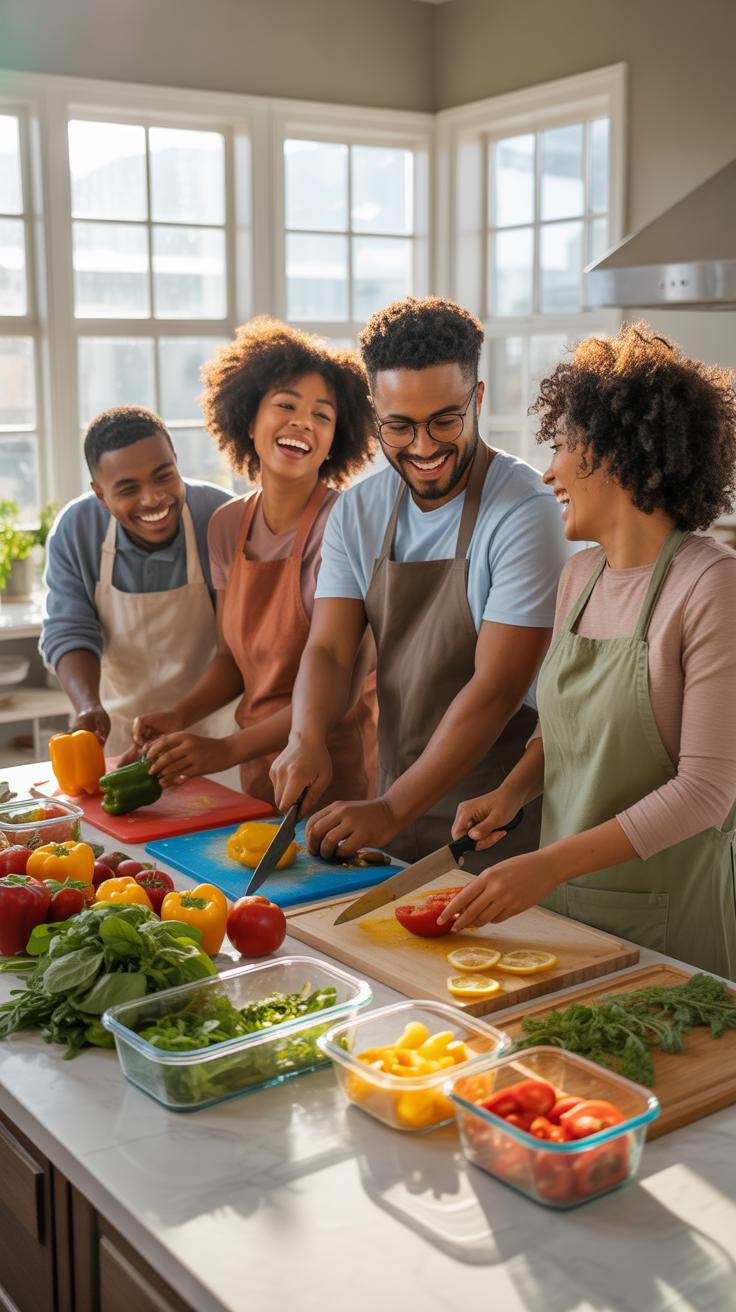
Troubleshooting Common Meal Prep Challenges Without Abandoning Your Goals
Time poverty often causes meal prep failure. You will miss a Sunday session eventually. When this happens, pivot to the 15-minute prep strategy. Buy pre-cut vegetables and rotisserie chickens to bridge the gap. This prevents the total collapse of your nutrition plan. Tactical flexibility ensures that one busy weekend does not reset your progress to zero. Maintain a list of emergency healthy meals.
Kitchen fatigue is another reality that stops long-term consistency. Standardizing your equipment reduces friction during the cooking process. Use high-quality containers that stack easily to save space. If you feel bored with your food, change your sauces instead of your protein sources. This allows you to keep your base ingredients the same while refreshing the flavor profile. Efficiency depends on repeatable systems rather than constant novelty.
Building Accountability And Tracking Progress To Sustain Your Healthy Routine
Accountability requires data. Keep a simple log of your successful prep days. Seeing a visual streak creates a psychological barrier against quitting. If you skip a week, analyze why it happened. Adjust your shopping list or cooking methods based on that data. Do not rely on willpower alone. Build an environment that makes healthy choices the easiest option in your house.
Share your goals with a partner or use a digital tracker. External pressure increases the likelihood of follow-through. Focus on your inventory management to avoid food waste. Tracking what you throw away helps you buy more accurately next time. High-performing individuals treat meal prep like a business operation. Consistency comes from refining your process until it becomes an automatic part of your weekly schedule.
Frequently Asked Questions

How do I start a meal prepping routine for the first time?
Getting started is all about simplicity and consistency. Begin your new year meal prep journey by choosing just one meal type to focus on, such as protein-packed breakfasts or healthy work lunches. Invest in a set of high-quality, airtight glass containers and pick two or three familiar recipes. By limiting your initial menu, you avoid feeling overwhelmed and set a sustainable foundation for your long-term wellness and nutrition goals.
What is the most efficient way to organize a weekly prep session?
Efficiency is the secret to a successful new year meal prep schedule. Start by auditing your pantry, then create a detailed grocery list based on overlapping ingredients to minimize waste. On your designated prep day, utilize “component cooking” by roasting a large tray of seasonal vegetables and boiling a batch of grains simultaneously. This method allows you to mix and match different flavors throughout the week while spending less time in the kitchen.
Is it possible to maintain a healthy meal prep plan on a tight budget?
Absolutely! Healthy eating does not have to be expensive if you prioritize affordable staples. Focus your shopping list on versatile plant-based proteins like lentils, chickpeas, and beans, and opt for frozen fruits and vegetables which are just as nutritious as fresh ones. Buying grains and spices in bulk can also significantly lower your costs. Planning your meals around weekly grocery sales ensures you hit your health targets without overspending your hard-earned money.