
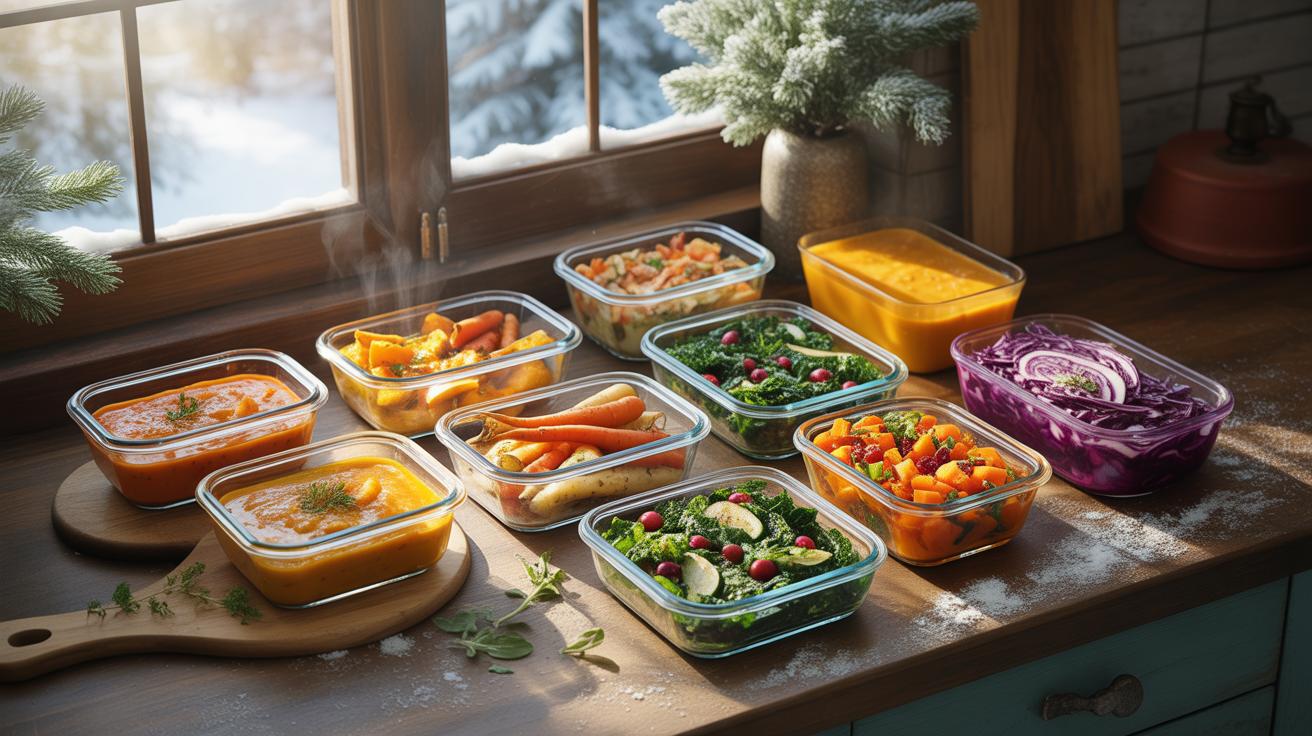
The Real Benefits Of Winter Meal Prep For Healthy Winter Meals
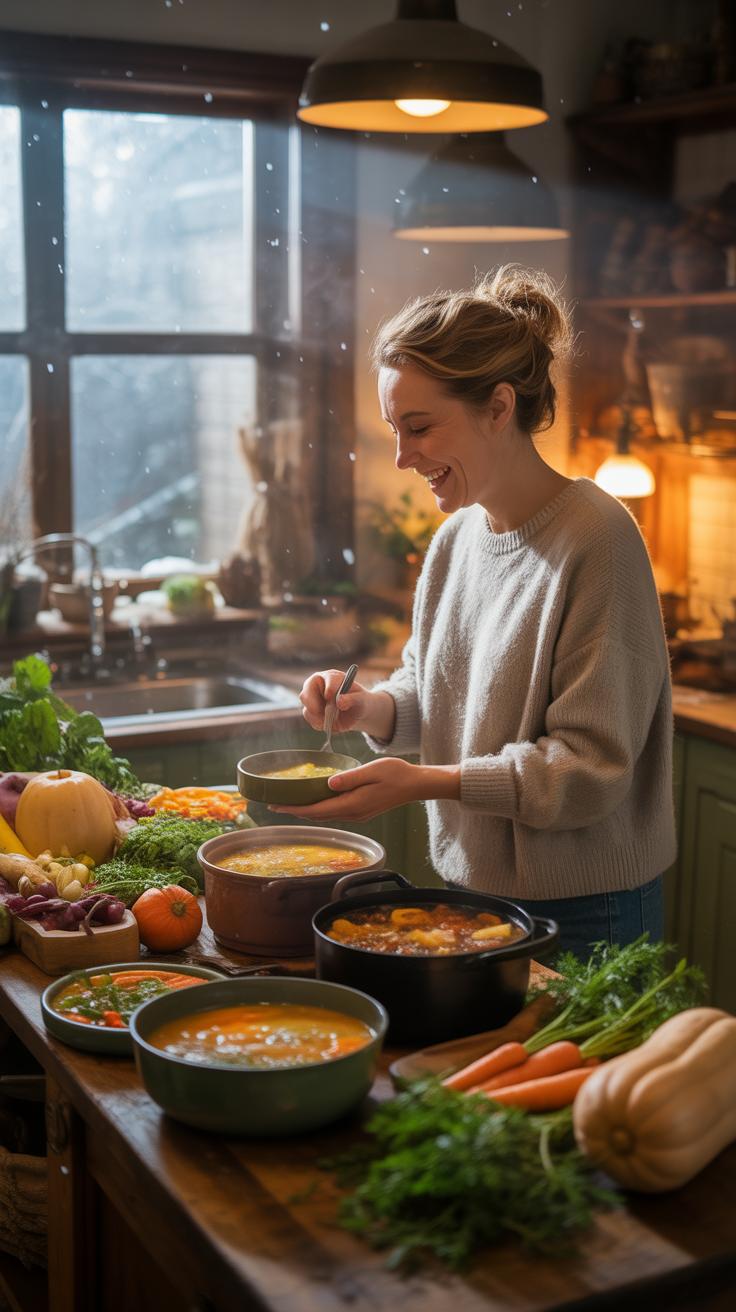
How Batch Cooking Saves Time And Reduces Daily Stress In Cold Months
Batch cooking eliminates the need for daily kitchen labor when daylight hours are short. You prepare large quantities of stews or roasted vegetables in one session. This strategy reduces total cleanup time throughout the week. You handle knives and pans once rather than seven times. It stops the cycle of decision fatigue that occurs after a long workday in low temperatures.
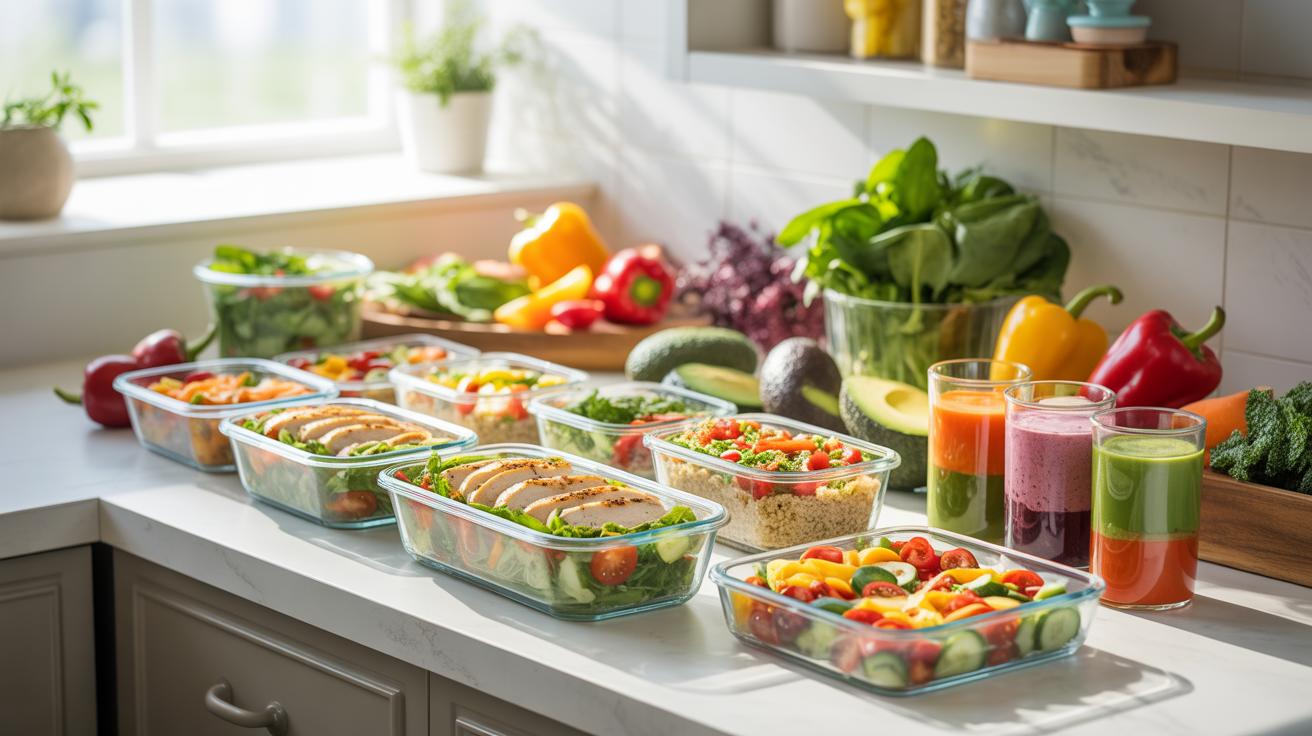
Strategic preparation ensures you have hot food ready in minutes. Cold weather increases the body’s desire for warmth and energy. Without a plan, you spend more time browsing delivery apps or standing over a stove while hungry. Prepping ahead allows you to utilize efficient tools like slow cookers and Dutch ovens. These tools do the work while you focus on other tasks.
Why Prepping Ahead Supports Better Nutrition And Portion Control During Winter
Prepping ahead stops you from overeating high calorie convenience foods. Cold weather often triggers a biological drive for denser meals. When you portion food into containers, you define your caloric intake before hunger strikes. This creates a barrier against the common habit of second or third helpings. You control the exact amount of sodium and fat in every single serving.
Winter produce like squash and kale requires significant cleaning and chopping time. If you do not prep these items in advance, you will likely choose processed carbohydrates instead. Prepped meals ensure you consume consistent levels of fiber and vitamins during flu season. This tactical approach keeps your blood sugar stable. You stay full longer and avoid the mid-afternoon energy crashes common in winter.
Essential Pantry Staples For Easy Healthy Winter Recipes
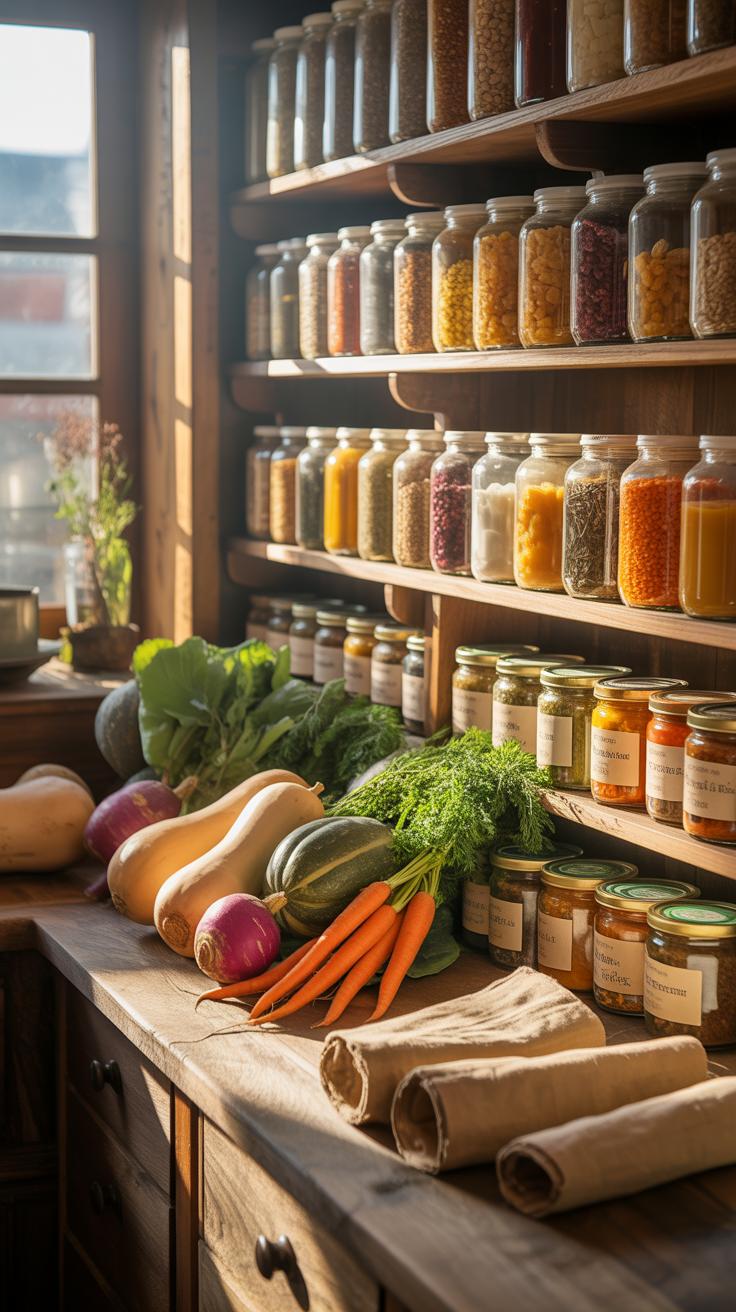
Whole Grains, Legumes, And Root Vegetables To Stock Before You Start Prepping
Strategic winter meal prep relies on ingredients with high thermal density and long shelf lives. You need complex carbohydrates that provide sustained energy during cold months. Stocking dry goods and hardy vegetables reduces your grocery trips when weather conditions worsen. Prioritize items that maintain structural integrity during reheating. These building blocks provide the fiber and protein necessary for satiating winter meals.
- Steel-Cut Oats: These grains offer a dense texture that resists turning into mush during reheating. They provide essential fiber and have a lower glycemic index than rolled varieties. They work for both breakfast and savory dinner bowls.
- Dried Lentils: Red and green lentils cook faster than other legumes and require no pre-soaking. They supply high amounts of plant-based protein and iron. Use them to thicken soups or as a base for hearty meatless stews.
- Quinoa: This complete protein cooks in fifteen minutes and stores well in the refrigerator for five days. It serves as a versatile base for warm salads or grain bowls. Its neutral flavor absorbs sauces and broths effectively during the prep process.
- Sweet Potatoes: These root vegetables contain high levels of vitamin A and fiber. They remain fresh for weeks when stored in a cool, dark place. Roast them in large batches to add bulk and natural sweetness to your weekly meal containers.
- Chickpeas: These legumes stay firm in liquid-based dishes like curries and stews. They offer a significant source of magnesium and potassium. Use canned versions for speed or dried versions for better cost efficiency and control over sodium levels.
Root vegetables like carrots and parsnips offer natural sugars that caramelize during roasting. These vegetables provide essential vitamins when fresh leafy greens are out of season. Bulk purchasing grains and legumes lowers your overall cost per meal. Proper storage in airtight containers prevents moisture from spoiling your dry inventory. Having these staples ready allows you to assemble nutrient-dense winter meals without complex last-minute shopping.
Herbs, Spices, And Broths That Build Deep Flavor In Cold Weather Cooking
Building deep flavor requires concentrated aromatics and high-quality liquids. Winter cooking demands heavy seasoning to penetrate dense meat and root vegetables. Use low-sodium bone broths or vegetable stocks to control the salt content while adding collagen and minerals. Concentrated pastes like tomato or miso add umami depth without adding significant calories. Keeping these liquids on hand ensures your reheated meals do not dry out over time.
Hardy herbs like rosemary and thyme withstand long simmering times without losing their potency. Ground spices such as cumin, smoked paprika, and cinnamon provide warmth and complexity to simple ingredients. Fresh ginger and garlic offer anti-inflammatory benefits and sharp flavor profiles. These components transform bland staples into satisfying comfort food. Invest in high-quality dried spices every six months to ensure maximum flavor extraction during your meal prep sessions.
Hearty Soup And Stew Recipes For Healthy Winter Meal Ideas
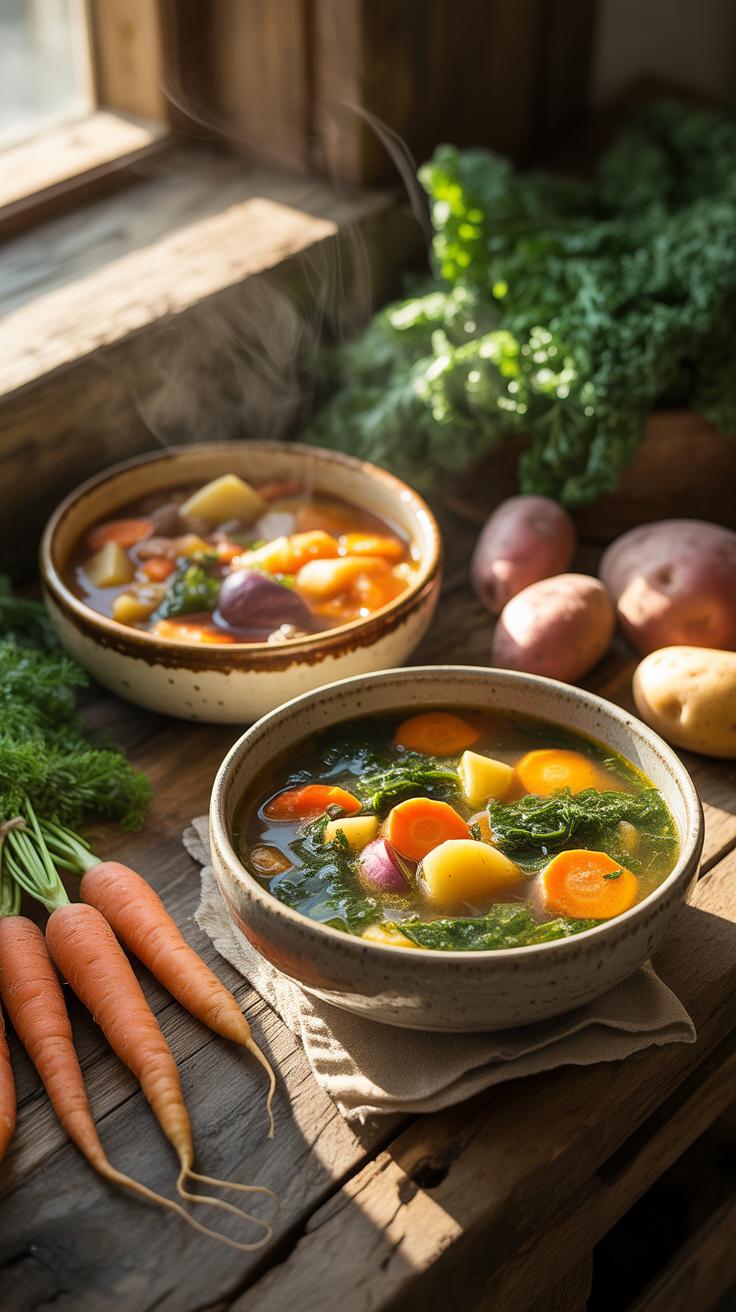
Slow Simmered Lentil Soup: A Protein Packed Prep Friendly Winter Classic
Lentils offer high protein and fiber content without the fat found in animal products. This legume maintains its structure during the reheating process. You must use brown or green lentils for meal prepping. Red lentils break down too quickly and turn into mush. Sauté onions, carrots, and celery first to build a solid flavor base. Use vegetable stock for a long simmer.
Efficiency is the goal when preparing this soup for the week. Cook a double batch to freeze half for later use. Add lemon juice or vinegar after reheating to brighten the flavor of the dish. This acidity cuts through the dense earthy tones of the lentils. Keep your storage containers airtight to prevent oxidation. This recipe provides a low cost way to hit daily nutrition targets.
White Bean And Kale Stew That Reheats Beautifully All Week Long
White beans like Cannellini provide a creamy texture without using dairy. This stew uses kale because it is a hardy green. Unlike spinach, kale does not dissolve when kept in hot liquid for days. Use canned beans to save time or dried beans for better texture控制. Add garlic and rosemary to mimic classic Mediterranean flavor profiles. This combination creates a filling meal that sustains energy levels.
Strategic layering preserves the texture of this stew for five days. Place the kale in the pot during the last five minutes of cooking. The leaves will wilt but stay green and firm. Use glass containers to avoid staining and to ensure even heating in the microwave. This stew thickens as it sits in the fridge. Add a small splash of water before reheating to restore the original consistency.
Quick Warm Dinner Ideas You Can Prep In Under An Hour
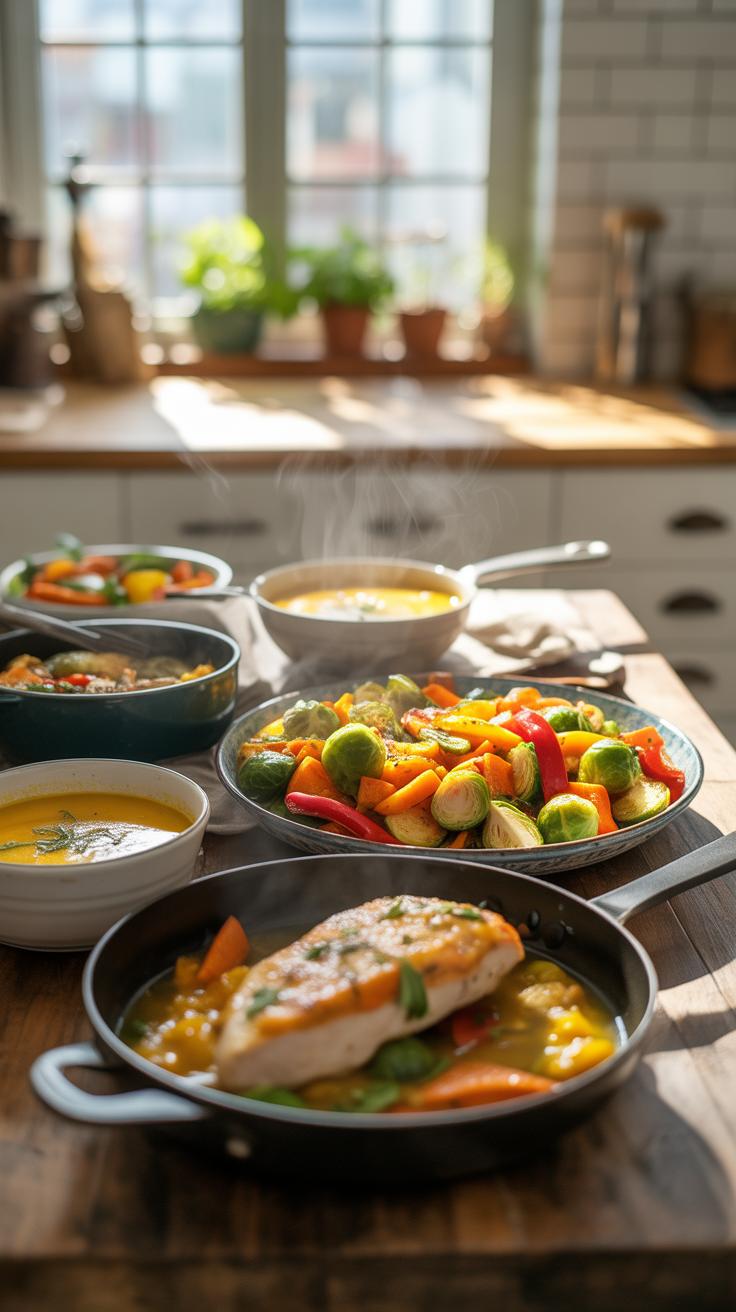
Sheet Pan Salmon And Roasted Vegetables: A Fast, Nutritious Weeknight Winner
Sheet pan cooking reduces cleanup and maximizes efficiency for winter meal prep recipes. Place salmon fillets alongside hearty root vegetables like carrots and parsnips on a single tray. High heat roasting caramelizes the sugars in vegetables while keeping the fish tender. Use parchment paper to prevent sticking and speed up the cleaning process. This method allows you to cook a balanced meal in twenty minutes.
Timing is critical when combining proteins and vegetables on one pan. Cut dense vegetables into small pieces so they cook at the same rate as the fish. Apply olive oil and dry spices to create a protective barrier against the oven heat. Salmon provides essential omega-3 fatty acids that support health during cold months. This technique ensures high nutrient density without requiring constant supervision at the stove.
Turkey And Sweet Potato Skillet: A One Pan Meal Ready In 30 Minutes
The turkey and sweet potato skillet relies on lean protein and complex carbohydrates for sustained energy. Brown the ground turkey in a heavy cast iron or stainless steel pan first. Add diced sweet potatoes and a small amount of water or broth to steam them until soft. This combination offers high fiber and protein content which is necessary for muscle maintenance and metabolic health.
One-pan meals eliminate the need for multiple burners and complex timing. Use a lid to trap steam and decrease the cooking time for the potatoes. Season with cumin or chili powder to add depth without adding extra calories or sodium. This recipe stays fresh in the refrigerator for up to four days. It reheats well in a microwave or back in a skillet for a quick dinner.
Healthy Winter Meals Dinner Ideas Built Around Lean Proteins
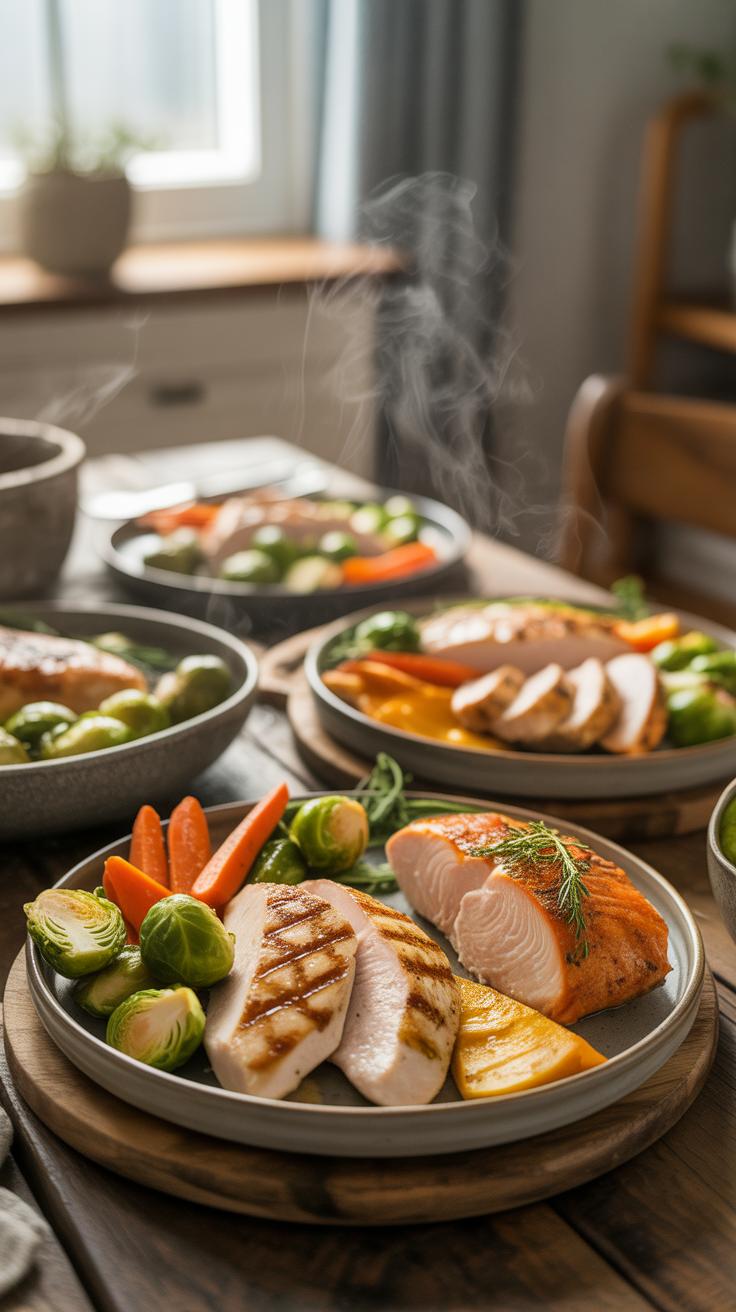
Herb Roasted Chicken Thighs With Root Vegetables For A Satisfying Prep Batch
Chicken thighs offer more fat and flavor than breasts. This prevents the meat from drying out during the reheating process. Use bone-in skinless thighs to maximize moisture without adding excess saturated fat. Season the meat with rosemary and thyme. These herbs contain antioxidants that help preserve food freshness. Pair the chicken with dense root vegetables like parsnips and carrots for a durable meal.
Root vegetables provide complex carbohydrates that sustain energy levels in cold weather. Roast these ingredients on a single sheet pan at 400 degrees Fahrenheit. This method ensures caramelization and even cooking. High heat breaks down natural sugars in the vegetables to enhance flavor without sugar additives. Store this meal in airtight glass containers for up to four days. Reheat in an oven or microwave.
Baked Cod With Garlic And Olive Oil A Light But Warming Cold Weather Dinner
White fish like cod provides high levels of lean protein with very low calories. This makes it an ideal counterweight to heavy winter diets. Use cod because it maintains a firm texture after freezing or refrigeration. Brush the fillets with extra virgin olive oil to add healthy monounsaturated fats. Garlic functions as a natural flavor enhancer and contains sulfur compounds that support immune health.
Bake the fish at a moderate temperature to prevent the delicate proteins from toughening. Wrap the cod in parchment paper to steam it in its own juices. This technique keeps the fish moist during the meal prep cycle. Serve with steamed kale or sautéed spinach. These greens provide vitamin K and iron. This combination creates a light dinner that satisfies hunger without causing a heavy feeling.
Winter Lunch Prep Ideas That Keep You Energized Through The Afternoon
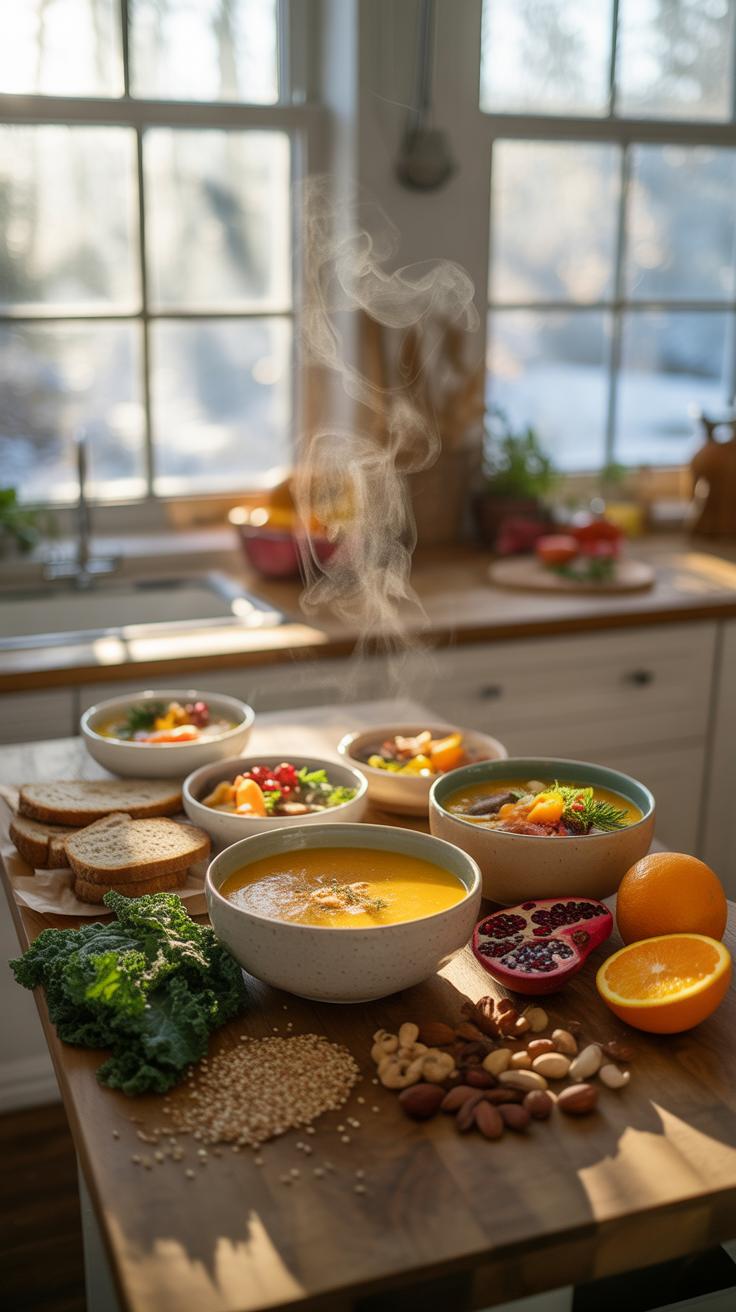
Mason Jar Grain Bowls With Roasted Squash, Chickpeas, And Tahini Dressing
Vertical stacking keeps these winter meal prep recipes fresh for five days. Place the tahini dressing at the bottom of the jar first. Add roasted butternut squash and cooked chickpeas next. These heavy items act as a barrier. They prevent the grains and greens from getting soggy. Use quinoa or farro for the grain layer to provide complex carbohydrates and sustained afternoon energy.
The tahini dressing provides essential fats and a creamy texture without dairy. Roast the squash at four hundred degrees Fahrenheit to caramelize the natural sugars. This adds deep flavor without extra sweeteners. Top the jar with kale or spinach. These hearty greens withstand the weight and chill of the refrigerator. Shake the jar into a bowl when ready to eat. This ensures even dressing distribution.
Prepped Minestrone Portions: A Fiber Rich Italian Inspired Winter Lunch
Minestrone remains a staple because it utilizes seasonal root vegetables and shelf-stable legumes. Use a base of vegetable stock, canned tomatoes, and mirepoix. This traditional Italian soup provides high fiber through kidney beans and ditalini pasta. The liquid environment preserves the antioxidants in the cooked vegetables. It reheats easily in an office microwave. This makes it a tactical choice for cold weather lunch rotations.
Portion the soup into glass containers immediately after cooking to ensure safety and freshness. Leave one inch of space at the top if you plan to freeze these portions. Add fresh spinach or pesto just before sealing the containers to maintain color and nutrient density. This strategy prevents the greens from overcooking during the initial heat cycle. The fiber and protein combination prevents the common mid-afternoon blood sugar crash.
Plant Based Cold Weather Healthy Recipes For Meatless Meal Prep
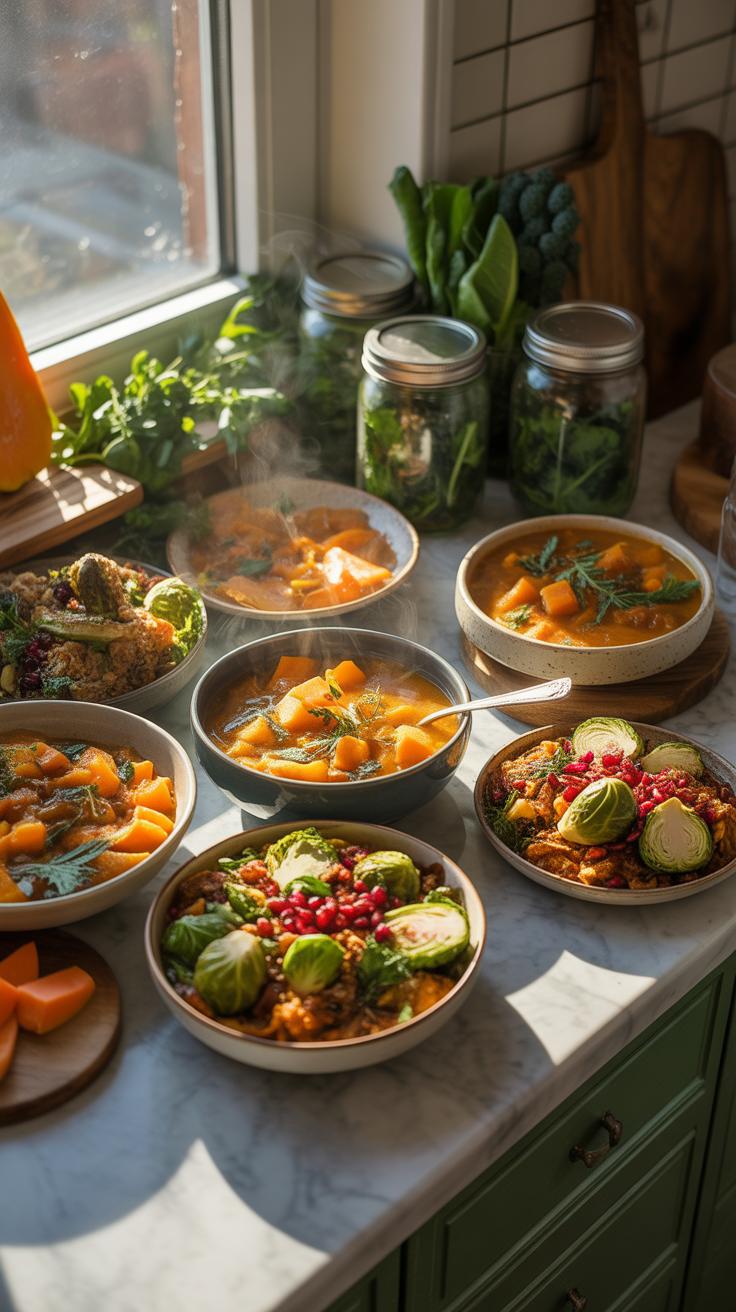
Spiced Butternut Squash And Black Bean Chili With A High Nutritional Yield
Butternut squash and black beans provide a dense nutrient profile for winter meal prep recipes. Squash contains high levels of vitamin A and fiber and maintains its structure after reheating. Black beans add plant based protein and iron to the dish. Use cumin and chili powder to create deep flavors without adding extra sodium. This combination ensures long term satiety during cold months.
Cook large batches of this chili in a pressure cooker or slow cooker to save time. The flavors develop further in the refrigerator over forty eight hours. Store portions in airtight glass containers to prevent staining and preserve freshness for five days. You can freeze individual servings for up to three months. This strategy reduces daily cooking fatigue while maintaining a high quality diet.
Cooking is all about people. Food is maybe the only universal thing that really has the power to bring everyone together. No matter what culture, everywhere around the world, people eat together.
— Guy Fieri
Roasted Cauliflower And Quinoa Buddha Bowls That Store Well For Days
Roasted cauliflower and quinoa bowls offer a stable meal prep option that does not get soggy. Quinoa is a complete protein containing every essential amino acid your body needs. Roasting cauliflower at high temperatures creates a firm texture that resists wilting. Use a tahini based dressing stored on the side to prevent the grains from absorbing too much liquid during the week.
Assemble these bowls by layering the dense grains at the bottom of your container. Place the roasted vegetables on top to keep them dry. Add hearty greens like kale or spinach which handle cold storage better than lettuce. These bowls provide a balance of complex carbohydrates and healthy fats. This setup allows for quick assembly and consistent nutrition throughout the busy work week.
Quick Winter Dinners For Busy Weeknights Without Sacrificing Health
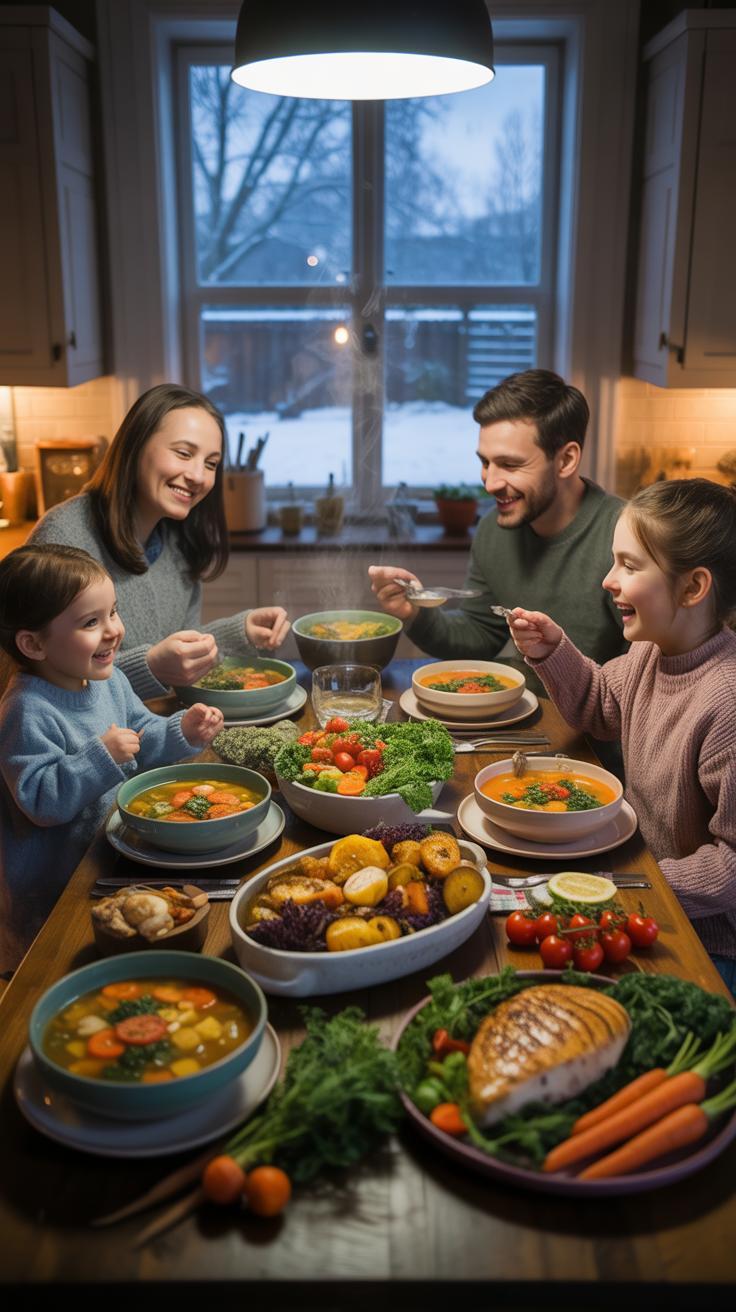
Freezer Friendly Turkey Meatballs In Tomato Sauce For Last Minute Dinners
Turkey meatballs offer a high-protein base for winter meals without the saturated fat found in beef. Use lean ground turkey mixed with egg and whole-wheat breadcrumbs to maintain structure. Pre-cook the meatballs in the oven at four hundred degrees Fahrenheit until they reach an internal temperature of one hundred sixty-five degrees. This method locks in moisture and prepares them for long-term storage.
Flash freeze the cooked meatballs on a baking sheet before transferring them to airtight bags. This prevents clumping and allows for easy portioning. Store them in a basic tomato sauce made from crushed tomatoes, garlic, and dried oregano. This sauce provides lycopene and essential nutrients. To serve, reheat the meatballs and sauce directly from the freezer. Pair with whole-grain pasta or roasted squash.
Pre Portioned Stir Fry Kits With Chicken, Broccoli, And Brown Rice
Stir-fry kits reduce decision fatigue on busy weeknights. Slice raw chicken breast into uniform strips for even cooking. Chop fresh broccoli florets and bell peppers to provide fiber and vitamin C. Store the raw protein and vegetables in separate compartments of a single container to prevent cross-contamination. This preparation allows you to move from the refrigerator to the hot wok in under ten minutes.
Prepare large batches of brown rice in advance using a pressure cooker or stove. Brown rice contains the bran and germ, offering more B vitamins than white rice. Freeze the cooked rice in flat layers within freezer bags to save space. When it is time to eat, sear the chicken first and then add the vegetables. Use a low-sodium soy sauce and ginger glaze to finish the dish.
Winter Dinner Dishes Featuring Seasonal Produce At Peak Nutrition
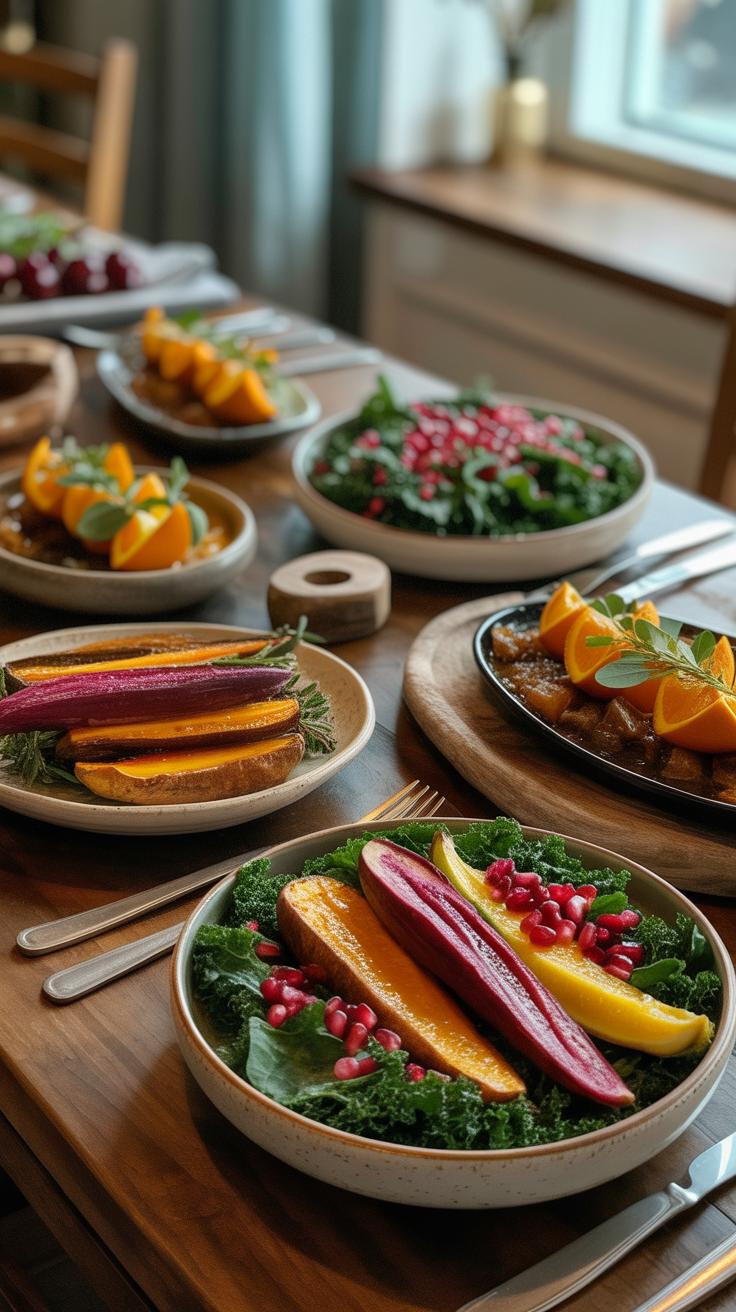
Why Winter Vegetables Like Brussels Sprouts And Parsnips Are Nutritional Powerhouses
Winter vegetables survive cold temperatures by converting starches into sugars. This process improves flavor and provides dense energy. Brussels sprouts contain high levels of vitamin K and vitamin C. These nutrients support bone health and immune function during flu season. Parsnips provide significant dietary fiber and potassium. These minerals help regulate blood pressure and digestion. Using these vegetables ensures high nutrient density in every meal prep container.
Cold weather crops contain unique phytochemicals like glucosinolates found in cruciferous plants. These compounds help the body manage oxidative stress. Parsnips offer a low glycemic index compared to traditional potatoes. This makes them better for maintaining steady blood sugar levels throughout the day. Strategic use of these ingredients increases the shelf life of prepped meals. They maintain their structural integrity and nutritional value even after reheating in a microwave.
Maple Glazed Roasted Root Vegetable Medley As A Versatile Prep Side Dish
Proper roasting requires high heat to caramelize the natural sugars in root vegetables. Toss chopped carrots, parsnips, and sweet potatoes in olive oil and real maple syrup. This coating creates a barrier that locks in moisture during the cooking process. Roast at four hundred degrees Fahrenheit until the edges turn dark brown. This technique builds deep flavor without the need for processed additives or heavy cream sauces.
This medley acts as a foundational block for multiple winter meal prep recipes. You can pair these vegetables with roasted chicken, grilled steak, or hearty chickpeas. They stay firm for up to five days when stored in airtight glass containers. Reheating them in a dry pan or oven restores the original texture better than steaming. This versatility saves time and reduces food waste by utilizing bulk seasonal produce purchases effectively.
Smart Storage And Reheating Tips For Your Weekly Winter Meal Prep
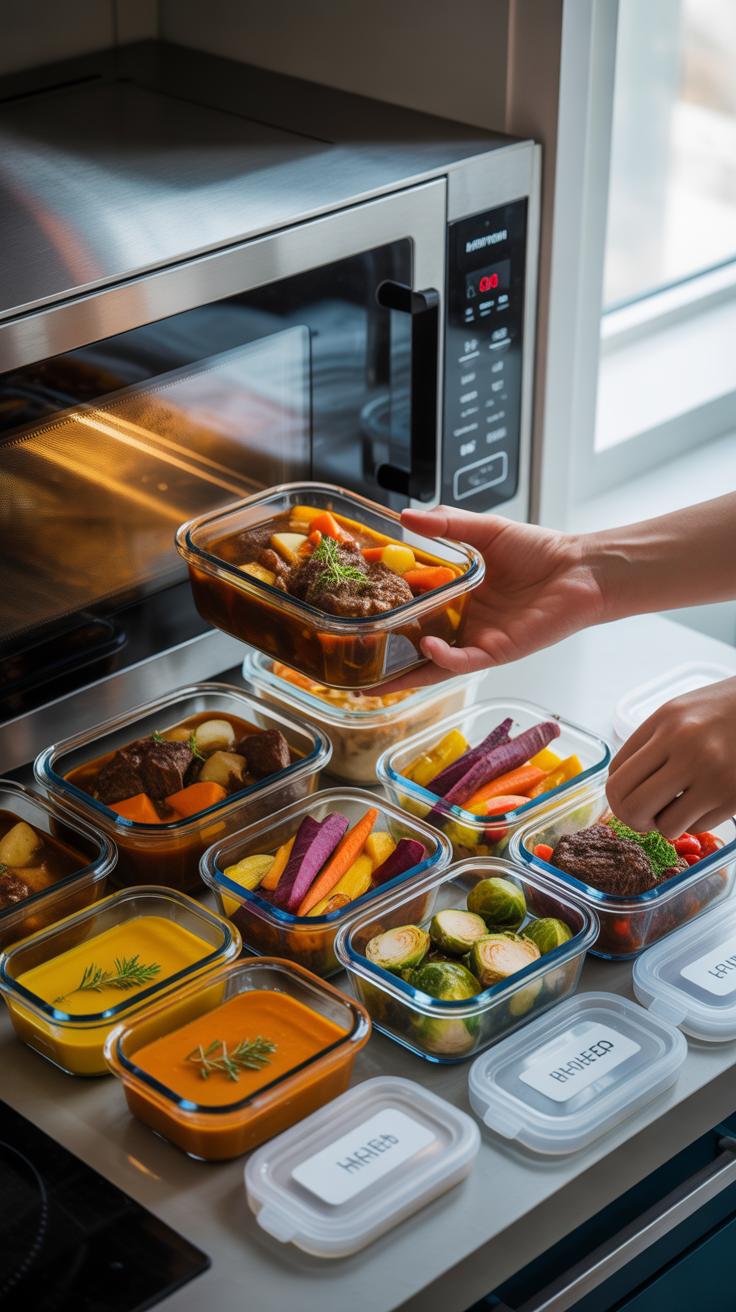
Best Containers And Freezing Methods To Keep Winter Prep Meals Fresh Longer
Glass containers prevent chemical leaching and withstand high oven temperatures better than plastic. Borosilicate glass handles rapid thermal shifts when moving from the freezer to the microwave. Use airtight lids with silicone seals to block oxygen and prevent freezer burn. Leave one inch of headspace in jars for liquids like soup. This space allows for expansion as the water freezes and prevents glass breakage.
Flash freezing ensures individual portions do not turn into a solid block of ice. Place solid items on a tray first before moving them into bags. Remove as much air as possible from freezer bags using a straw or vacuum sealer. Label every container with the date and exact contents. Proper rotation ensures you eat older meals first. This method reduces food waste and keeps flavors sharp for three months.
Step By Step Weekly Prep Schedule To Streamline Your Healthy Winter Cooking Routine
Efficiency requires a rigid schedule to prevent kitchen fatigue and wasted time. Dedicate a two-hour block on Sunday for heavy cooking and vegetable chopping. Start with items that require the longest cook times like roasted roots or bone broths. Organization reduces the mental load and keeps the kitchen clean. Follow a logical sequence to move ingredients from the fridge to the final storage containers.
- Inventory Check: Audit your pantry and freezer before shopping to avoid duplicate purchases. Look for base ingredients like grains, beans, and frozen vegetables. This step keeps costs low and ensures you use older stock first.
- Bulk Grain Cooking: Cook large batches of quinoa, brown rice, or farro early in the session. These grains stay fresh for five days in the fridge. They provide a quick base for bowls or side dishes throughout the busy work week.
- Vegetable Processing: Wash and chop all hardy vegetables like kale, carrots, and squash immediately. Storing pre-cut produce reduces the friction of cooking on weeknights. Keep these items in airtight containers to maintain crispness and prevent drying or wilting during storage.
- Protein Preparation: Roast or sear your main proteins simultaneously using multiple sheet pans in the oven. Use simple seasoning like salt and pepper to keep the meat versatile. This allows you to change the flavor profile later with different sauces or spice blends.
- Assembly and Portioning: Transfer cooled food into individual containers for the next four days. Dividing meals into single portions prevents overeating and makes grabbing lunch fast. Ensure all food reaches room temperature before sealing lids to stop moisture buildup and soggy textures.
Review your containers every Wednesday to track your progress and adjust for the weekend. Repurpose any leftover components into a quick soup or stir-fry to clear the fridge. This mid-week check prevents food from spoiling and helps you plan the next shopping list. Stick to this mechanical routine to stay consistent with healthy eating goals. Discipline in the kitchen saves hours of work during the stressful morning rush.
Frequently Asked Questions

What are the best types of dishes to include in a winter meal prep routine?
When starting with winter meal prep recipes, focus on hearty “one-pot” meals like slow-cooker stews, lentil soups, and root vegetable casseroles. These dishes are perfect for beginners because they develop deeper flavors as they sit in the fridge. Focus on nourishing ingredients like kale, sweet potatoes, and lean proteins to ensure your comfort food remains healthy while providing the warmth you crave during the colder, darker months of the year.
How can I keep my prepped winter meals from getting soggy when reheating?
To maintain the best texture, store your grains and roasted vegetables separately from sauces or broths. When following your favorite winter meal prep recipes, undercook your pasta or vegetables slightly so they reach the perfect consistency during reheating. Use an airtight glass container to preserve crispness, and if you are reheating something like a shepherd’s pie or roasted squash, try using a toaster oven instead of a microwave to restore that delicious, oven-fresh crunch.
Is it possible to prep healthy comfort meals on a tight budget?
Absolutely! You can create incredibly satisfying winter meals without spending a fortune by leaning heavily on pantry staples like dried beans, chickpeas, and brown rice. Buying seasonal produce like carrots, cabbage, and squash is also much more affordable than opting for out-of-season berries or greens. Cooking in large batches further reduces costs, allowing you to freeze portions for later so that you always have a nutritious, homemade meal ready to enjoy.