
What Is Batch Cooking And Why It Works For Week Day Meal Prep
The Core Concept Behind Batch Cooking
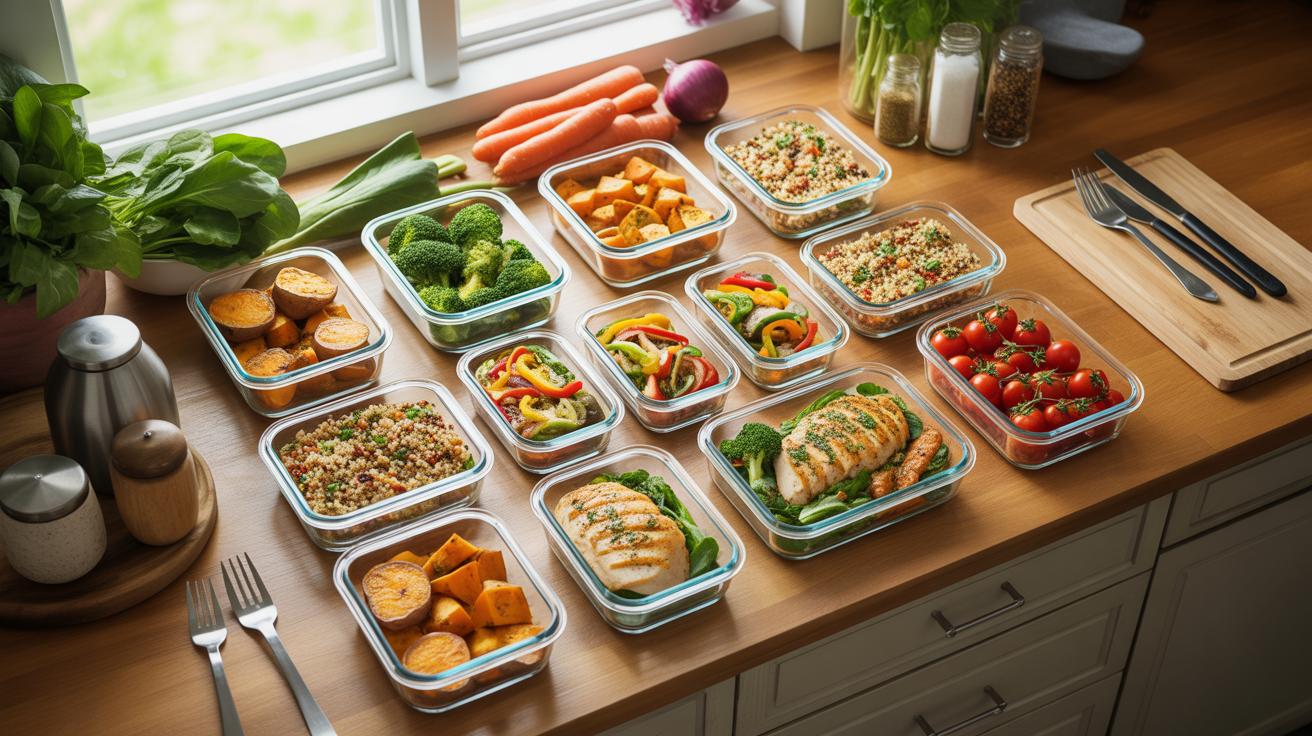
Batch cooking is a high-volume production strategy. You prepare large quantities of specific ingredients or full meals during a single session. This method treats your kitchen like a commercial assembly line. Instead of cooking every night, you consolidate labor into one block of time. You focus on calorie-dense bases and proteins that maintain structural integrity when stored and reheated throughout the work week.

Professional chefs and organized households use this system to ensure consistency. It eliminates the need for daily prep work like chopping or searing. You shift your focus from cooking to assembly. By preparing the best foods to batch cook in bulk, you create a modular inventory of nutrition. This inventory allows you to eat high-quality meals without the recurring time cost of traditional daily meal preparation.
How Batch Cooking Saves Time, Money, And Mental Energy
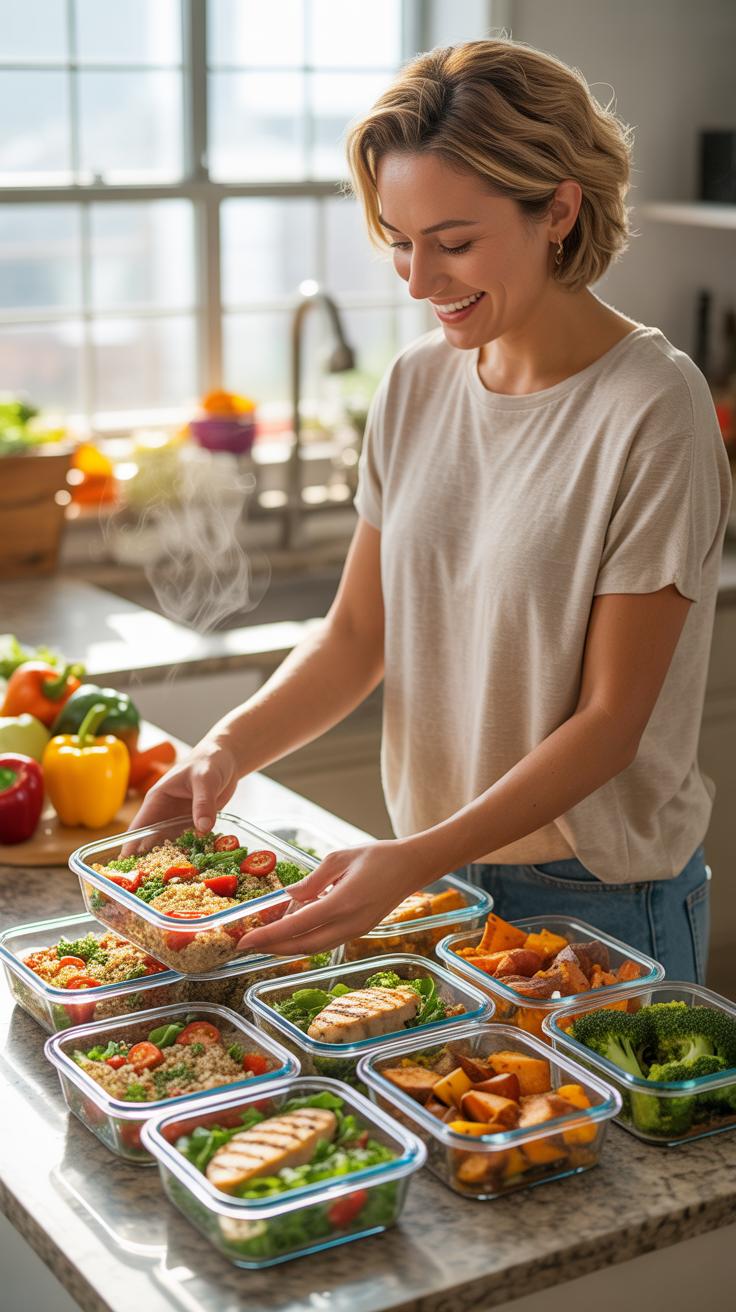
Consolidating kitchen tasks reduces total active labor time by hours. Cleaning a single large pot once is more efficient than cleaning small pans every evening. You minimize the overhead of preheating ovens and boiling water. This tactical approach saves significant time during the busy work week. Efficiency comes from doing the work once and reaping the benefits for several days. You gain control over your schedule.

Financial and mental benefits are equally significant. Buying bulk ingredients lowers the cost per serving. You reduce food waste by using every gram of a product in one session. You also eliminate decision fatigue. When a calculated meal is ready in the fridge, you do not spend mental energy choosing what to eat. You avoid the high cost and poor nutrition of impulsive takeout choices.
How To Batch Cook For Beginners Without Feeling Overwhelmed
Setting Up Your Kitchen And Schedule Before You Start
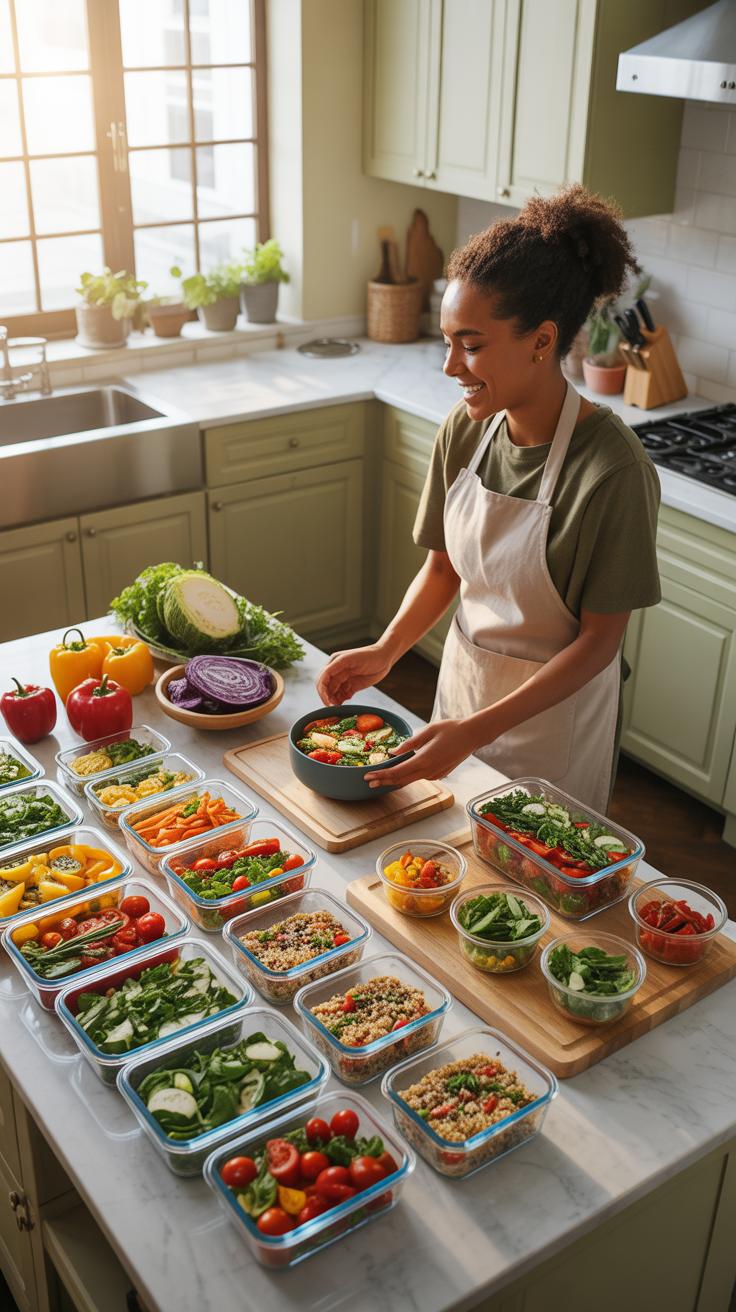
Preparation determines your success rate. Clear your counters and empty your dishwasher before you touch any food. You need physical space to organize ingredients and clean tools quickly. Gather every glass container, lid, and sheet pan you own. Group your dry spices and oils in one central zone. This prevents you from searching through cabinets with dirty hands while food cooks.
Time management is your most important tool. Block three hours on a Sunday or Monday. Use the first thirty minutes for washing and chopping all vegetables. High-volume cooking requires a strict sequence. Start with the items that take the longest time in the oven. While those roast, move to the stovetop tasks. Parallel processing reduces your total time in the kitchen by forty percent.
Essential Beginner Tips For A Smooth First Batch Cook Session
Beginners often fail by attempting too many complex recipes at once. Stick to three base components that you can mix and match. Focus on a single protein, one grain, and two vegetables. Standardize your seasoning to ensure flavor profiles do not clash when you combine them later. Consistency in knife cuts ensures even cooking times across all your sheet pans and pots.
- Uniform Chopping: Cut all root vegetables to the same size. This guarantees they finish roasting at the exact same moment. Uneven pieces lead to some bits burning while others remain raw and crunchy.
- Labeling System: Use masking tape and a marker to date every container. Food safety relies on knowing exactly when you cooked each item. Most batch-cooked meals stay fresh for four days in a standard refrigerator.
- Active Cooling: Move hot food into shallow containers immediately after cooking. Spreading food out finishes the cooling process faster than deep bowls. This prevents bacterial growth and keeps the texture of your grains firm and palatable.
- Component Storage: Store proteins, grains, and vegetables in separate containers rather than pre-assembling bowls. This prevents moisture from the vegetables from making your grains soggy. It also allows you to change sauce flavors throughout the week.
- Bulk Searing: Brown your meat in large batches to develop flavor through the Maillard reaction. Do not overcrowd the pan or the meat will steam instead of sear. Work in two stages if your skillet is too small for the volume.
Clean your workstation as you go to maintain order. Do not wait until the end to wash every pot and pan. Use the simmering time for your grains to scrub your cutting boards and knives. Staying ahead of the mess prevents the mental fatigue that stops beginners from sticking to a routine. A clean kitchen at the end makes the process sustainable for the long term.
Best Grains And Legumes To Include In Your Batch Cooking Meal Plan
Why Brown Rice, Quinoa, And Oats Are Batch Cooking Staples
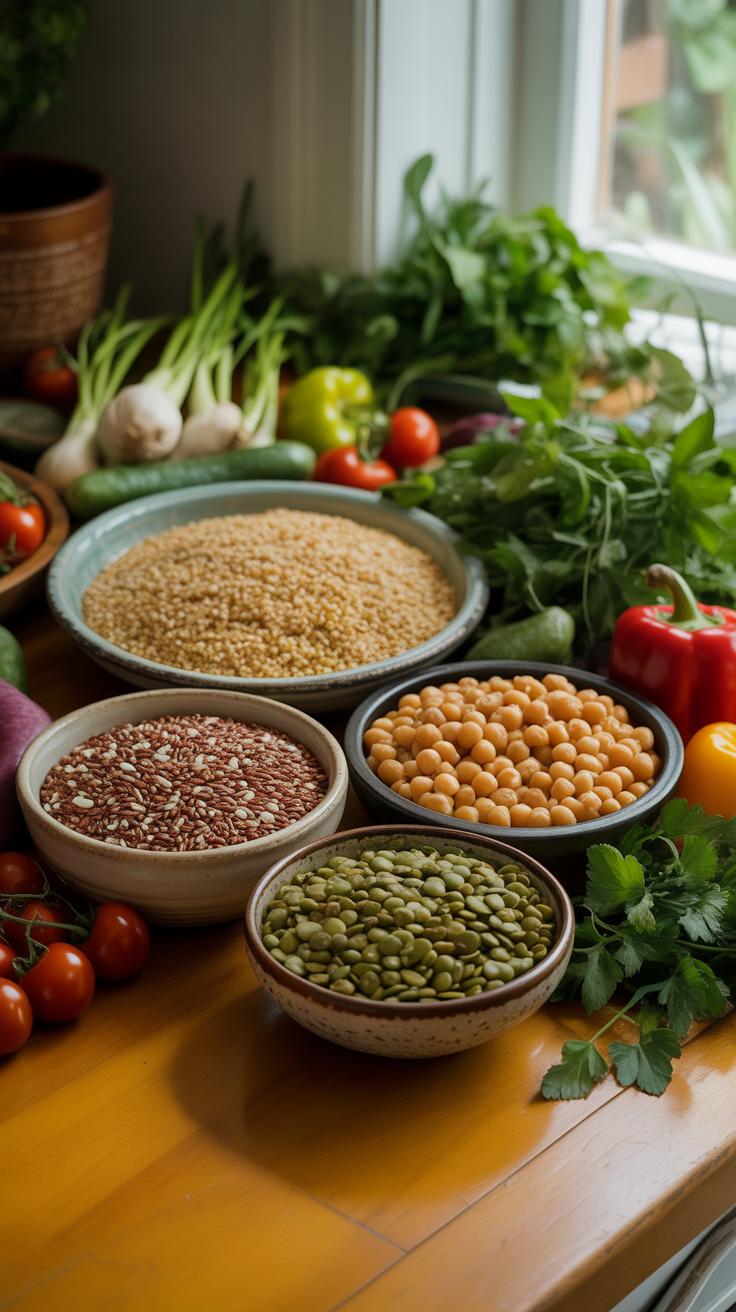
Brown rice and quinoa provide the essential structural base for most meal prep containers. These grains maintain their texture for five days without becoming mushy or losing nutritional value. They act as neutral foundations that absorb flavors from sauces and proteins. Quinoa offers a complete protein profile and cooks in under twenty minutes. Brown rice provides complex carbohydrates and fiber for sustained energy levels.
Steel cut oats and rolled oats dominate the breakfast batch cooking category. You can prepare five portions of overnight oats or baked oatmeal in one ten minute session. These grains resist oxidation and hold their consistency when stored in airtight glass jars. This efficiency eliminates morning decision fatigue. Using these staples ensures your meal plan remains cost effective. They bridge the gap between different cuisines easily.
A Sunday well spent, with the comforting scent of a large pot of stew simmering on the stove, brings a week of content. Filling the pantry with wholesome staples is the simplest way to nourish the soul and the family.
How To Cook And Store Lentils, Chickpeas, And Black Beans In Bulk
Batch cooking legumes significantly reduces your grocery costs compared to buying canned versions. Soak dried chickpeas and black beans overnight to cut down on active cooking time. Use a pressure cooker to process large quantities in thirty minutes. This method ensures uniform texture and better digestion. Lentils require no soaking and cook rapidly on the stovetop. Proper preparation prevents the legumes from splitting or becoming paste.
Storage strategy dictates the shelf life of your cooked legumes. Drain and cool the beans completely before placing them in containers. Excess moisture causes rapid spoilage and off-putting smells. Store them in two cup increments to match standard recipe sizes. You can freeze cooked beans for up to six months without losing structural integrity. This tactical approach provides a ready to use protein source for salads or stews.
Top Proteins That Are Perfect Foods To Meal Prep Every Week
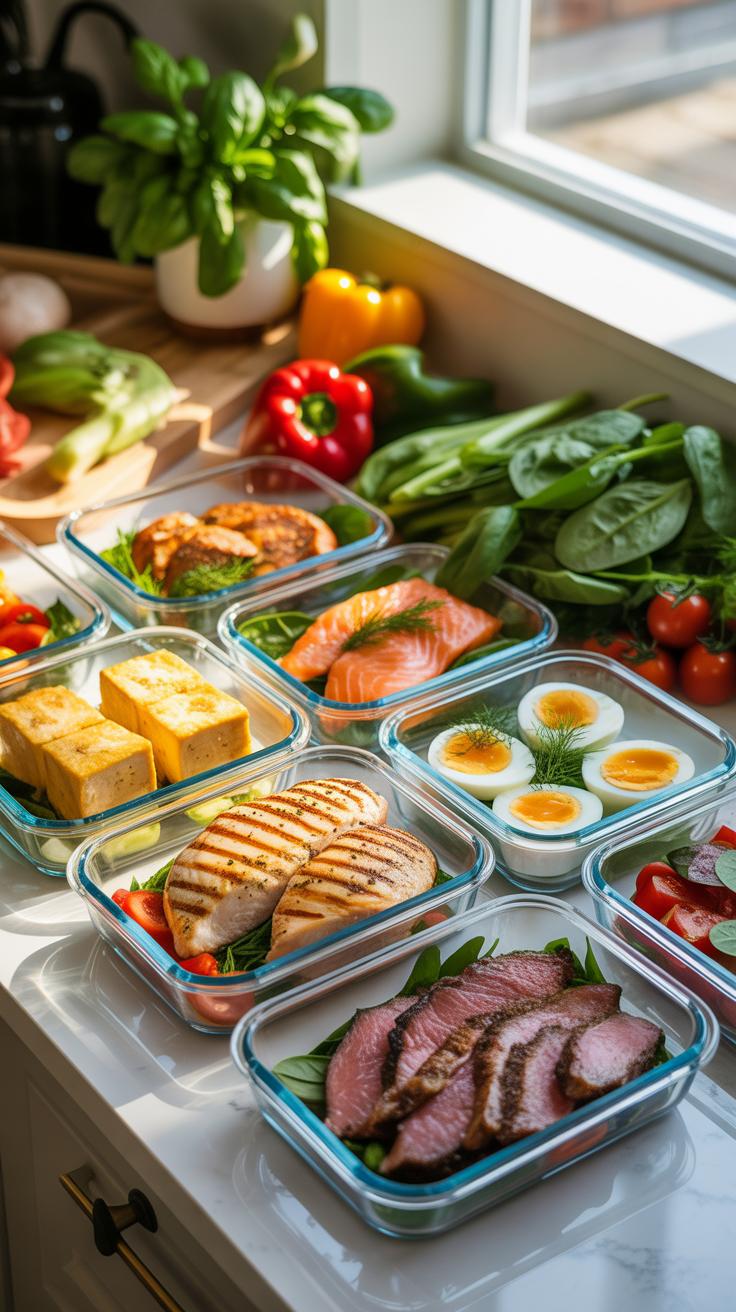
Chicken, Eggs, And Ground Turkey As Weekly Protein Anchors
Chicken thighs and ground turkey are the most reliable proteins for high volume cooking. Thighs contain enough fat to stay moist when you reheat them in a microwave. Leaner cuts like chicken breast often turn dry and rubbery after two days. Cook these meats in bulk on Sunday to provide a solid base for various meals throughout the entire work week.
Hard boiled eggs serve as a portable and dense protein source. The shell protects the egg from absorbing other refrigerator odors for up to seven days. Ground turkey absorbs spices fast and cooks quicker than beef. Use it for bowls or wraps because it maintains its texture well. These three proteins form a tactical foundation for anyone looking to save time and track macros.
Plant Based Proteins That Hold Up Well Through The Week
Lentils and chickpeas are the gold standard for plant based meal prep. Unlike soft beans that turn into mush, these legumes keep their structural integrity for five days. They provide a high fiber count and act as a natural thickener for stews or salads. Cook them in large batches using vegetable stock to maximize flavor without adding unnecessary fats or oils.
Firm tofu and tempeh also work well for long term storage. Pressing the water out of tofu before cooking ensures it stays crispy after you refrigerate it. These proteins do not spoil as quickly as animal products. This makes them safer for lunches that might sit in a bag for hours. They offer a clean profile that accepts different sauces throughout the week for variety.
Vegetables That Shine In Healthy Batch Cooking Recipes
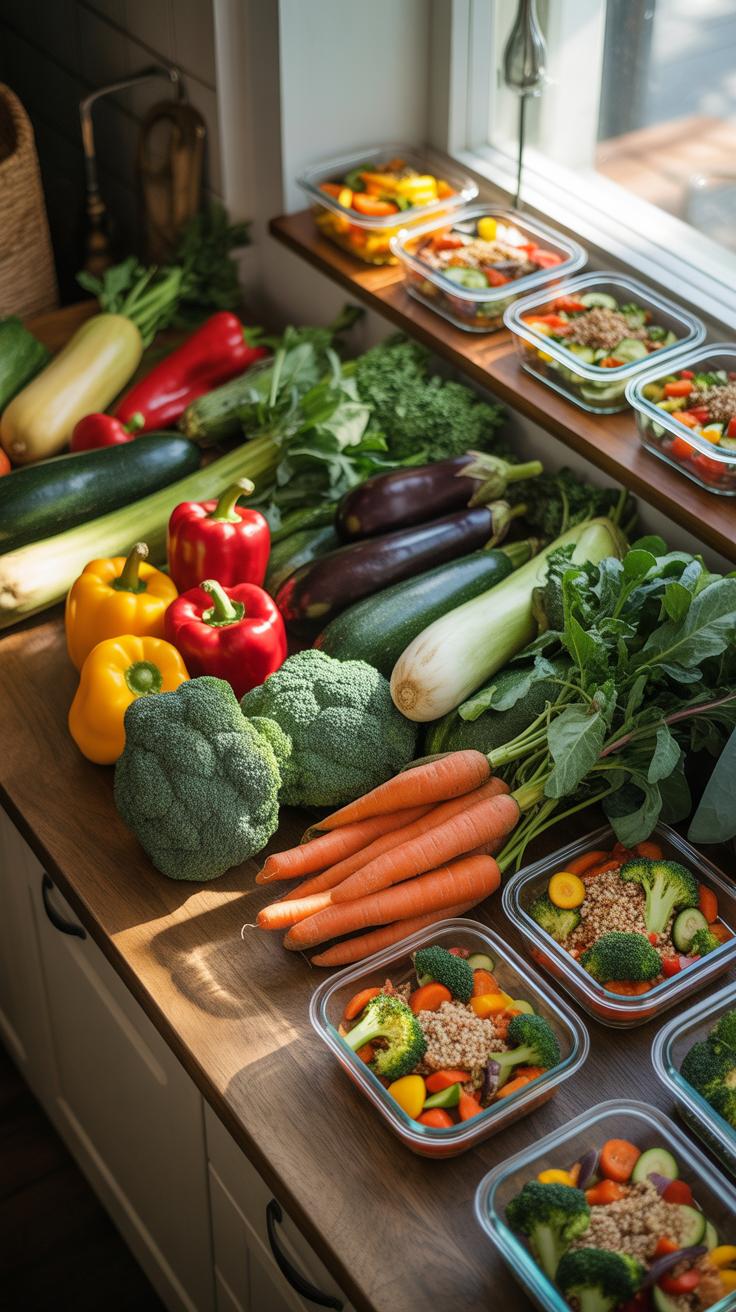
Roasted Vegetables That Stay Fresh And Flavorful For Days
Harder root vegetables hold their structure best during the reheating process. Carrots, parsnips, and beets contain a high starch content that prevents them from turning into mush. You must roast them at high temperatures to trigger the Maillard reaction. This chemical process creates a browned crust that locks in internal moisture. Proper sealing ensures the vegetables remain firm for five full days.
Avoid roasting watery vegetables like zucchini if you plan to eat them later in the week. Focus on cruciferous options like broccoli and cauliflower instead. These vegetables possess dense cellular walls that withstand refrigeration. Toss them in high-smoke point oils like avocado oil before cooking. This method creates a protective barrier. Store them in airtight glass containers to maintain the desired texture and prevent flavor transfer.
Blanched And Steamed Greens That Work Across Multiple Meals
Blanching is the most efficient way to prep leafy greens for long-term use. Submerge kale or collard greens in boiling water for sixty seconds then immediately hit them with ice water. This shock stops the cooking process and preserves the chlorophyll. It keeps the greens vibrant and stops them from wilting. This technique allows you to add pre-cooked greens to various dishes without losing nutritional value.
Steaming works best for fibrous greens like green beans and asparagus. It softens the cellulose without removing essential minerals. Do not overcook these items during the initial prep phase. Keep them slightly underdone so they finish cooking during the reheating stage. This strategy prevents the vegetables from becoming soggy. Dry the greens thoroughly before storage. Excess moisture causes rapid bacterial growth and ruins the texture of your meal prep.
Healthy Batch Cooking Recipes You Can Build An Entire Week Around
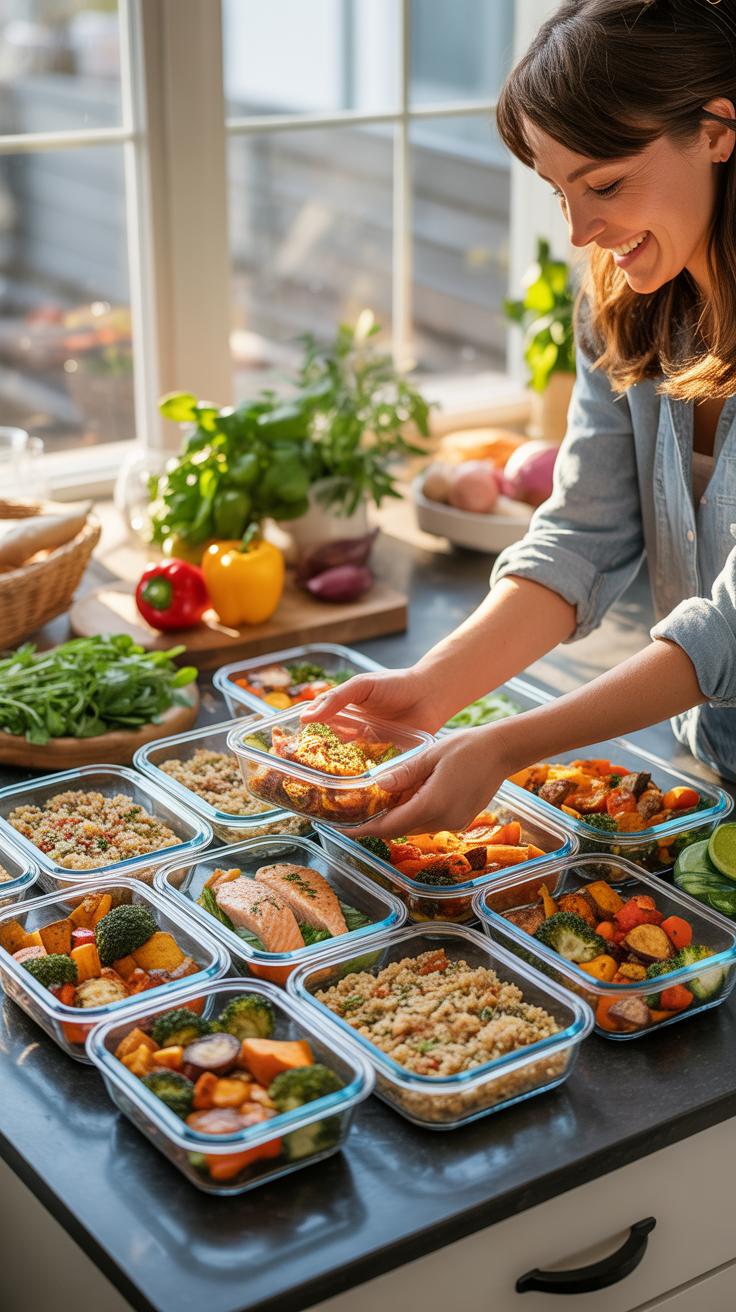
One Pot Soups And Stews That Reheat Better Over Time
Soups and stews are the most efficient items for bulk preparation. These dishes rely on liquid bases that prevent protein from drying out during storage. Acidic ingredients like tomatoes or vinegar break down tough connective tissues in meat over several days. This process improves the flavor profile and texture long after the initial cook. It makes them the best foods to batch cook.
Use a heavy bottomed pot to ensure even heat distribution. Starch heavy ingredients like potatoes or pasta should be added during the final reheat to avoid mushy textures. High protein legumes and root vegetables maintain structural integrity through multiple cooling cycles. Glass containers provide the best seal for liquid based meals. They prevent leaks and do not absorb strong odors from onions or garlic.
Sheet Pan And Casserole Recipes Built For Bulk Preparation
Sheet pan meals maximize oven space and reduce active labor. High heat roasting creates a Maillard reaction that adds depth to vegetables and meats simultaneously. You can cook multiple pounds of protein and several heads of vegetables on two large trays. This method ensures consistent results across all portions. Standardizing the size of your vegetable cuts ensures everything finishes cooking at the same time.
Casseroles provide high density nutrition in a single stackable format. Layering grains, proteins, and fats creates a structurally sound meal that survives fridge storage well. Use ceramic or glass baking dishes for even temperature regulation. Cover these dishes tightly with foil or lids to prevent moisture loss in the refrigerator. These recipes allow you to divide an entire week of lunches into uniform blocks in minutes.
Smart Batch Cooking Ideas For Breakfast And Snacks
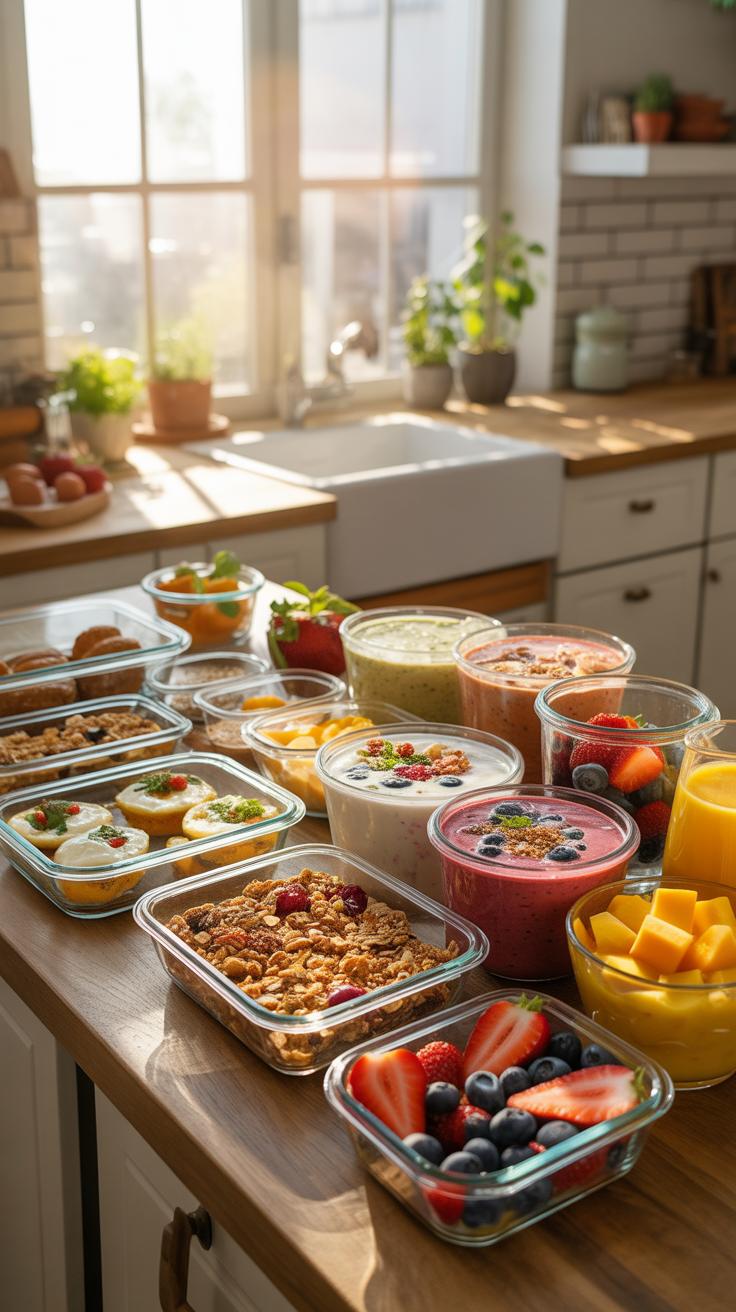
Make Ahead Breakfasts Like Overnight Oats Egg Muffins And Granola
Batch cooking breakfast eliminates decision fatigue during early morning hours. Overnight oats provide a stable base for nutrition because oats retain their texture when soaked in liquid for multiple days. You mix dry oats with milk or water and refrigerate them in sealed jars. This method avoids the need for stovetops or microwaves. It creates a ready to eat meal that lasts five days.
Egg muffins offer a portable protein source that mimics the texture of a frittata. You whisk large batches of eggs and bake them in greased muffin tins at 350 degrees. Add dense vegetables like spinach or peppers to increase volume without adding significant calories. Homemade granola serves as a high calorie fuel source. Baking oats with oil and honey creates a shelf stable topping for yogurt.
Batch Cooked Snacks That Keep You Fueled Between Meals
Strategic snacking prevents blood sugar crashes that lead to overeating during primary meals. Prepared snacks must withstand refrigeration without losing structural integrity. Focus on high protein and high fiber ingredients to ensure satiety. Use airtight glass containers to prevent moisture buildup and extend the shelf life of your prepared items. Properly stored snacks remain safe and palatable for six days in a standard refrigerator.
- Hard Boiled Eggs: Boil large eggs for exactly twelve minutes then immediately submerge them in ice water. This technique makes the shells easy to remove and prevents the green sulfur ring from forming around the yolk. Store them in their shells to maintain maximum freshness.
- Roasted Chickpeas: Drain and dry canned chickpeas before tossing them with olive oil and salt. Roast them at 400 degrees until they become crunchy and light. These provide a shelf stable plant protein that replaces processed chips and crackers throughout the work week.
- Homemade Hummus: Blend chickpeas with tahini and lemon juice until the mixture reaches a smooth consistency. Batching your own hummus avoids the stabilizers and preservatives found in store bought versions. Portion the dip into small containers for quick access during busy afternoons.
- Energy Bites: Mix rolled oats with nut butter and seeds to create a dense snack. These require no baking and provide immediate energy through healthy fats and complex carbohydrates. Roll the mixture into small spheres and freeze them to maintain their shape and texture.
- Sliced Raw Vegetables: Clean and cut carrots, celery, and bell peppers into uniform sticks. Submerge the cut carrots and celery in water to keep them crisp for several days. Prepped vegetables increase the likelihood of fiber intake when hunger strikes between scheduled meal times.
Snack preparation requires the same tactical approach as main course cooking. Group similar tasks like washing and chopping to maximize efficiency. Use clear containers so you can see your options clearly when opening the fridge. Accurate portioning prevents mindless grazing and keeps daily caloric intake within your target range. Discipline in the kitchen translates to consistency in your nutritional habits.
How To Build A Realistic Batch Cooking Meal Plan For A Full Week
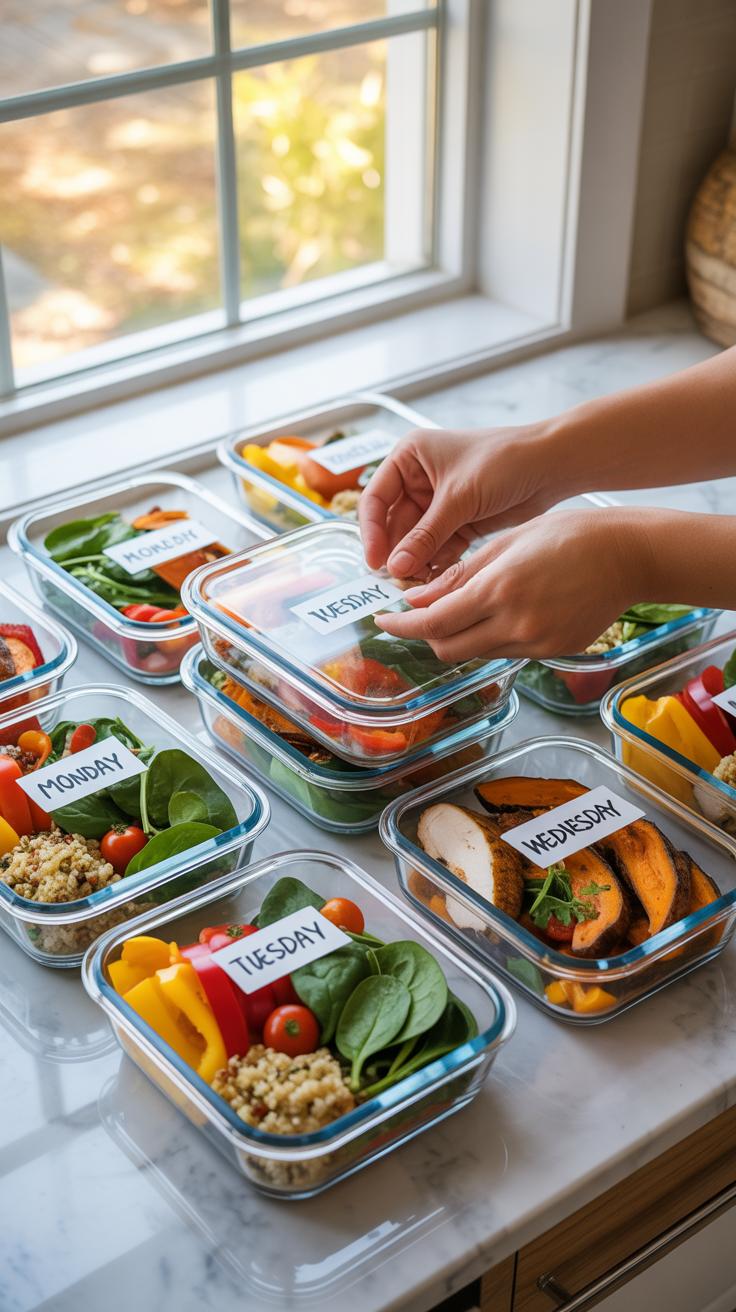
Mapping Out Your Meals Before Grocery Shopping
Successful batch cooking requires a tactical inventory check before you buy a single ingredient. Open your pantry and freezer to identify existing staples. Use these foundations to dictate your primary proteins and grains for the week. This step prevents overbuying and reduces food waste. You must select three core recipes that share overlapping ingredients to maximize efficiency and shorten your time spent in the kitchen.
Create a specific shopping list based on your chosen recipes. Group items by grocery store aisle to speed up the procurement process. Buy your bulky dry goods like rice and beans in larger quantities to lower the unit cost. Focus on seasonal produce as it offers better flavor and higher nutritional value. Stick strictly to the list to avoid impulse purchases that do not fit your caloric or financial plan.
Mixing And Matching Batch Cooked Components Into Varied Daily Meals
Shift your strategy from cooking full recipes to preparing individual components. Roast three trays of different vegetables and sear two types of protein. Cook a large pot of a neutral grain like quinoa or brown rice. This modular approach allows you to assemble different flavor profiles every night. It prevents the flavor fatigue that often ruins a traditional meal prep plan by Wednesday or Thursday.
Change your sauces and spices daily to differentiate the meals. Use the same shredded chicken for tacos on Monday and a Mediterranean bowl on Tuesday. This technique preserves the structural integrity of the food longer than pre-assembled containers. Keep your components separate in glass containers to maintain texture. Assemble your final plate just before eating to ensure the highest quality meal experience throughout the busy work week.
Storage And Food Safety Tips For Your Meal Prep Ideas For A Week
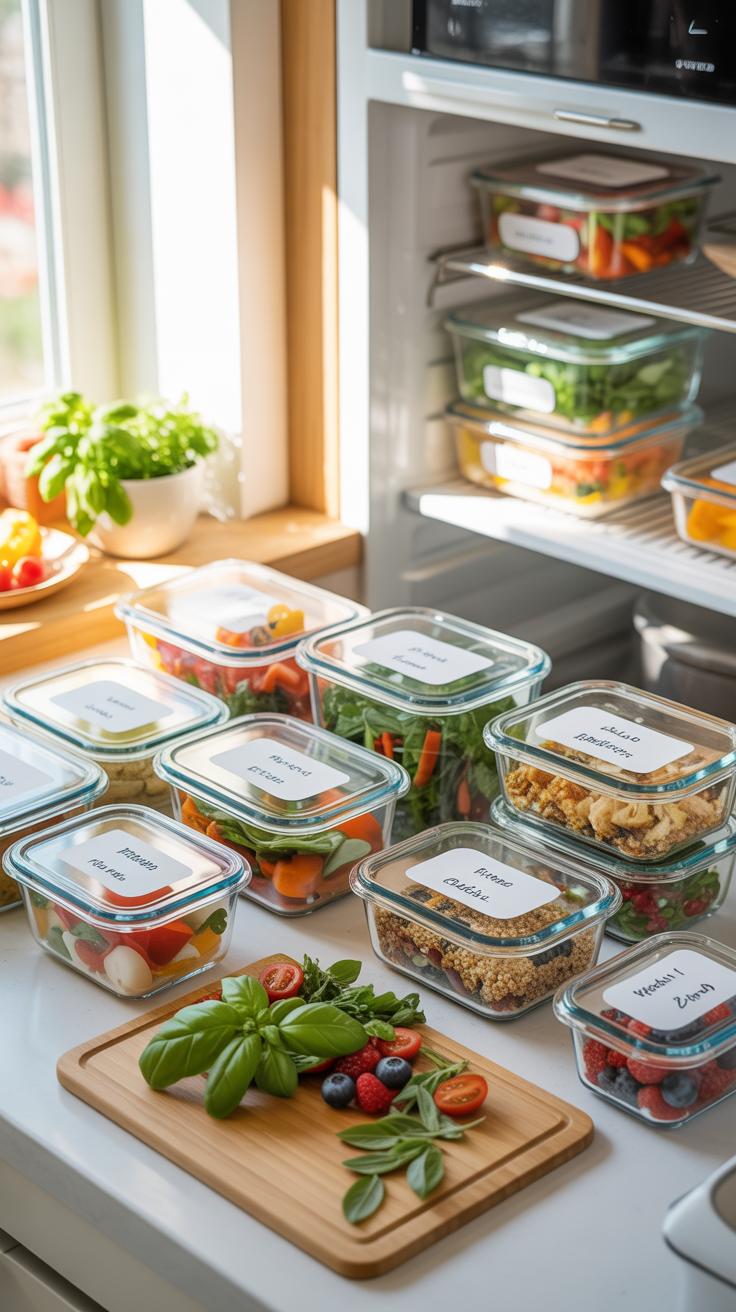
How Long Batch Cooked Foods Safely Last In The Fridge And Freezer
Most cooked proteins and grains stay safe in the refrigerator for three to four days. Bacteria grow rapidly at temperatures between 40 and 140 degrees Fahrenheit. You must cool your food quickly before storage to prevent this growth. Use shallow containers to speed up the cooling process. Place items in the fridge as soon as steam stops rising to ensure maximum safety.
Freezing extends the life of your batch cooked meals for three to six months. Quality drops after this point due to ice crystal formation and freezer burn. Soups and stews freeze well because they contain moisture that protects the ingredients. Always thaw frozen meals in the refrigerator instead of on the counter. This method keeps food at a safe temperature until you are ready to reheat.
Best Containers And Labeling Practices For Organized Weekly Storage
Glass containers offer the best durability and safety for long term storage. They do not leach chemicals or absorb odors from strong spices. Pyrex and tempered glass can handle the transition from cold to heat without breaking. Choose containers with locking lids and silicone seals to keep air out. This prevents oxidation and keeps your batch cooked vegetables crisp and fresh throughout the week.
Labeling is the only way to track food age and prevent waste. Use masking tape and a permanent marker to date every container. Write the name of the dish and the date you cooked it. Proper labels stop you from eating expired food and help you find items in a crowded freezer. Organize your fridge so the oldest meals sit at the front for immediate use.
Frequently Asked Questions

What are the simplest ingredients for a beginner to start meal prepping?
If you are new to meal prepping, start with versatile staples like roasted root vegetables, quinoa, and shredded chicken. These are some of the best foods to batch cook because they can be easily seasoned in different ways throughout the week. Focus on one protein, one grain, and two vegetables to keep your kitchen sessions manageable while ensuring you have a steady supply of balanced, healthy meals ready to go.
How can I store batch-cooked meals to keep them tasting fresh?
Proper storage is essential for maintaining flavor and texture. Once your items have cooled slightly, portion them into airtight glass containers to prevent moisture loss. When searching for the best foods to batch cook, prioritize items like stews, chili, and hearty sauces, as these often taste even better after a day or two in the refrigerator. Label each container with the date and consume refrigerated items within four days for optimal quality.
Is it possible to batch cook on a tight monthly budget?
Absolutely! Batch cooking is one of the most effective ways to reduce your grocery bill and minimize food waste. Focus on affordable plant-based proteins such as lentils, chickpeas, and dried beans, which are incredibly shelf-stable and filling. Buying seasonal produce in bulk and opting for larger packs of whole grains allows you to create nutritious, high-volume meals for a fraction of the cost of daily takeout or processed convenience foods.