

What Is Sheet Pan Meal Prep And Why It Works For Busy Weeknights
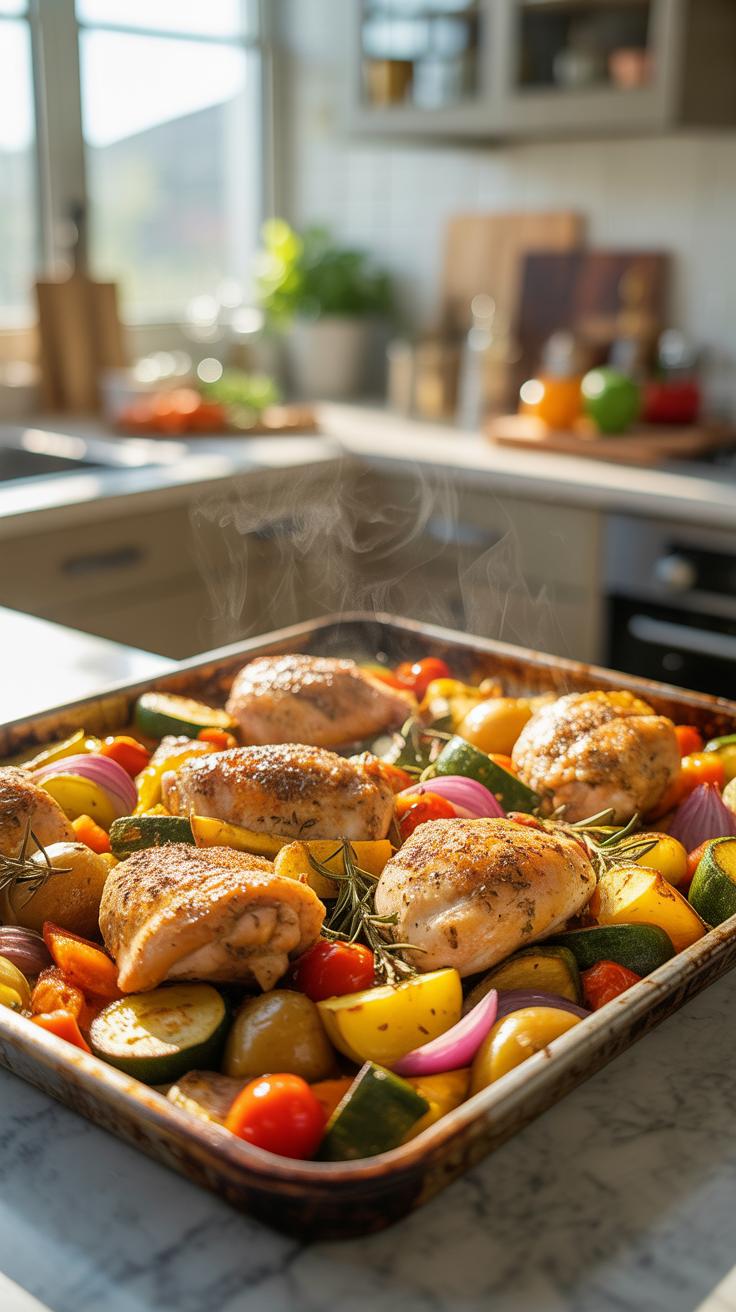
The Simple Science Behind One Pan Cooking And Even Roasting
Sheet pan cooking relies on dry heat conduction and convection. The heavy rimmed baking sheet stays in direct contact with the food to transfer heat. This high temperature triggers the Maillard reaction. This chemical process browns the surface of proteins and vegetables. It creates complex flavors and textures without using multiple pots. A standard half-sheet pan provides enough surface area for moisture to evaporate quickly.

Successful roasting requires proper airflow between every ingredient on the pan. Overcrowding causes food to steam in its own moisture rather than crisping. You must group ingredients by density and water content to ensure everything finishes at the same time. Hard root vegetables need more time than leafy greens or thin fillets. Strategic placement and timing optimize the thermal energy of the oven for consistent results.
How Sheet Pan Meal Prep Reduces Time, Dishes, And Decision Fatigue
This method consolidates the entire cooking process onto a single piece of equipment. You eliminate the need for pans, strainers, and stirring spoons. This reduction in hardware simplifies your kitchen cleanup significantly. Less time spent at the sink means more time for other tasks. You can prepare bulk quantities of food in one go. This efficiency makes it the primary choice for professional meal prep strategies.

Decision fatigue often leads to poor dietary choices during the work week. Pre-arranging your proteins and vegetables on a sheet pan removes the daily burden of choice. You follow a set plan rather than deciding what to cook every evening. This proactive approach ensures you consume balanced meals consistently. It creates a repeatable system that handles your nutritional needs. You gain total control over your schedule and health.
Choosing The Right Sheet Pan For Meal Prep Success

Half Sheet Vs. Quarter Sheet Pans: Which Size Works Best For Meal Prep
Standardize your kitchen with 18 by 13 inch half sheet pans. This specific size fits most residential ovens perfectly. It provides enough surface area for air circulation around proteins and vegetables. Crowded pans trap steam and cause soggy food. This size maximizes roasting efficiency for four to six servings. Commercial grade aluminum pans distribute heat evenly and prevent hot spots during the cooking process.
Quarter sheet pans measure 9 by 13 inches and serve specialized roles. Use them for small batches or separating ingredients with different cook times. They work well for toasting seeds or roasting a single chicken breast. These smaller pans allow you to swap items in and out of the oven without disturbing the main meal. Using multiple quarter sheets provides better control over diverse ingredients within a single meal prep session.
Essential Tips For Lining, Seasoning, And Maintaining Your Sheet Pan
Aluminum sheet pans require proper care to ensure high thermal conductivity and longevity. Use parchment paper for roasting vegetables to prevent sticking without affecting the crust. Heavy duty aluminum foil works best for high heat meat preparation and easy cleanup. Avoid using aerosol sprays because they create a sticky residue that ruins the pan surface over time. Use high smoke point oils directly on food instead.
- Parchment Paper: Use unbleached parchment paper to create a nonstick surface for delicate foods. It handles temperatures up to 450 degrees Fahrenheit. This prevents chemical leaching and ensures clean edges on roasted items.
- Silicone Mats: These reusable liners provide a sustainable alternative for baking and light roasting. They reduce browning on the bottom of foods. Use them when you want soft textures rather than crispy charred edges on your vegetables.
- Hand Washing: Always wash aluminum pans by hand with mild soap and warm water. Dishwashers contain harsh detergents that oxidize the metal surface. This oxidation turns the pan gray and can rub off on your food during the next use.
- De-glazing Technique: Remove stuck burnt bits by boiling a small amount of water directly on the pan over a stove burner. Scrape the residue with a wooden spatula safely. This method protects the metal surface from scratches caused by steel wool.
- Proper Storage: Stack sheet pans vertically in a cabinet rack to prevent surface scratches. Airflow between pans stops moisture from being trapped. This practice prevents off-odors and maintains a professional kitchen environment for your weekly meal prep routine.
Maintain your pans by checking for warping or structural damage regularly. Thin pans warp under high heat and cook food unevenly. Invest in heavy gauge 18-gauge or 13-gauge aluminum for the best durability. High quality pans develop a natural patina over time which improves heat absorption. Treat your pans as essential tools and they will provide consistent roasting results for years of successful weekly meal prep.
One Sheet Healthy Meals Building Balanced Dinners On A Single Pan
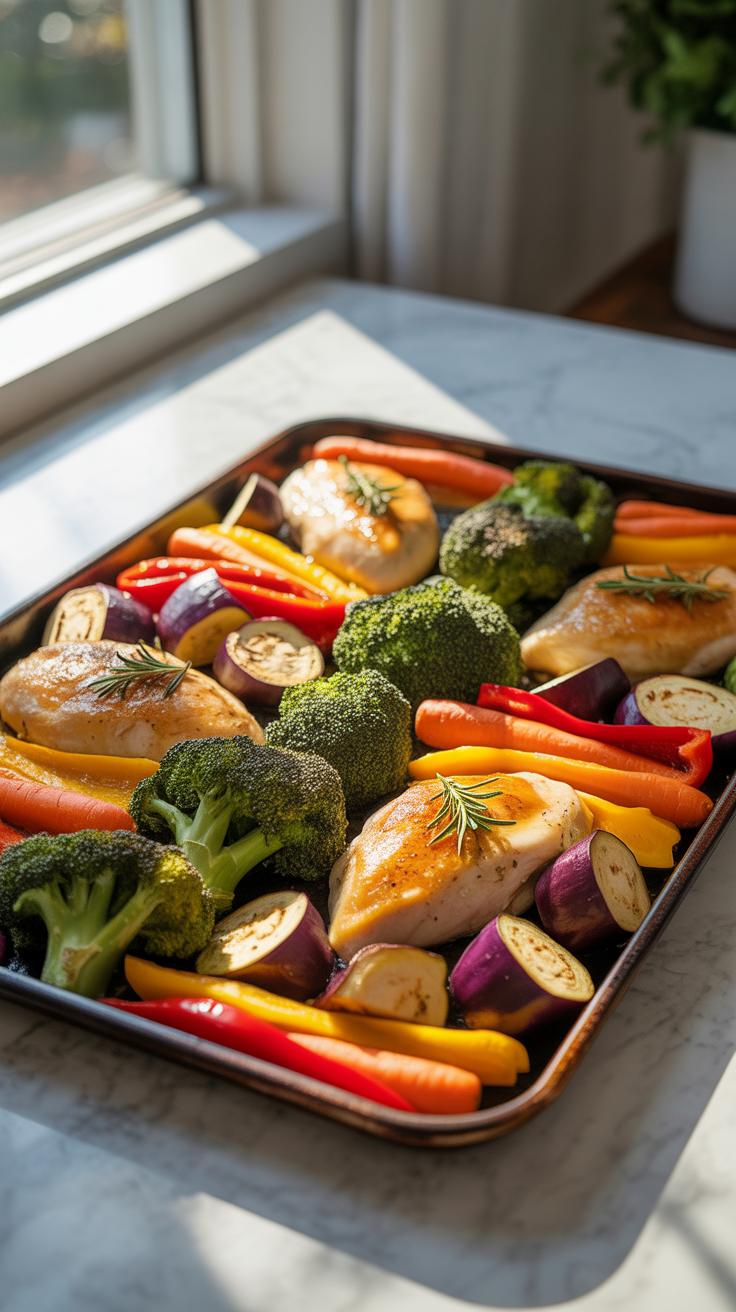
How To Pair Proteins Vegetables And Starches For A Complete One Pan Meal
Efficiency depends on synchronized cook times. Match dense root vegetables like sweet potatoes with thick protein cuts like chicken breasts. These items require similar heat exposure to reach safety standards at the same moment. Softer vegetables like asparagus or bell peppers cook faster. Add these lighter items to the pan halfway through the roasting cycle to prevent burning while the protein finishes.
Heat distribution determines final texture. Place proteins in the center of the pan where heat is most consistent. Spread starches and vegetables around the perimeter to allow moisture to evaporate quickly. Crowding the pan creates steam and leads to soggy results. Use a standard eighteen by thirteen inch rimmed baking sheet. This size provides enough surface area for air to circulate around every ingredient.
Portion Control Made Easy With Single Sheet Meal Layouts
Visual cues replace scales when using a sheet pan. Divide the pan into zones to manage caloric density. Fill half the sheet with non-starchy vegetables to increase fiber and volume without adding excessive calories. Allocate one quarter of the space for lean protein and the remaining quarter for complex carbohydrates. This physical layout forces adherence to nutritional guidelines during the initial meal prep phase.
Standard pans allow for precise batch cooking. Use a single sheet to prepare four equal servings by creating distinct rows of ingredients. This method prevents overeating by defining clear boundaries for each meal component. Once roasting ends, transfer each row directly into storage containers. This system eliminates the guesswork of serving sizes and ensures every prepped meal contains a consistent balance of essential macronutrients.
Sheet Pan Meal Ideas To Rotate Through The Entire Week
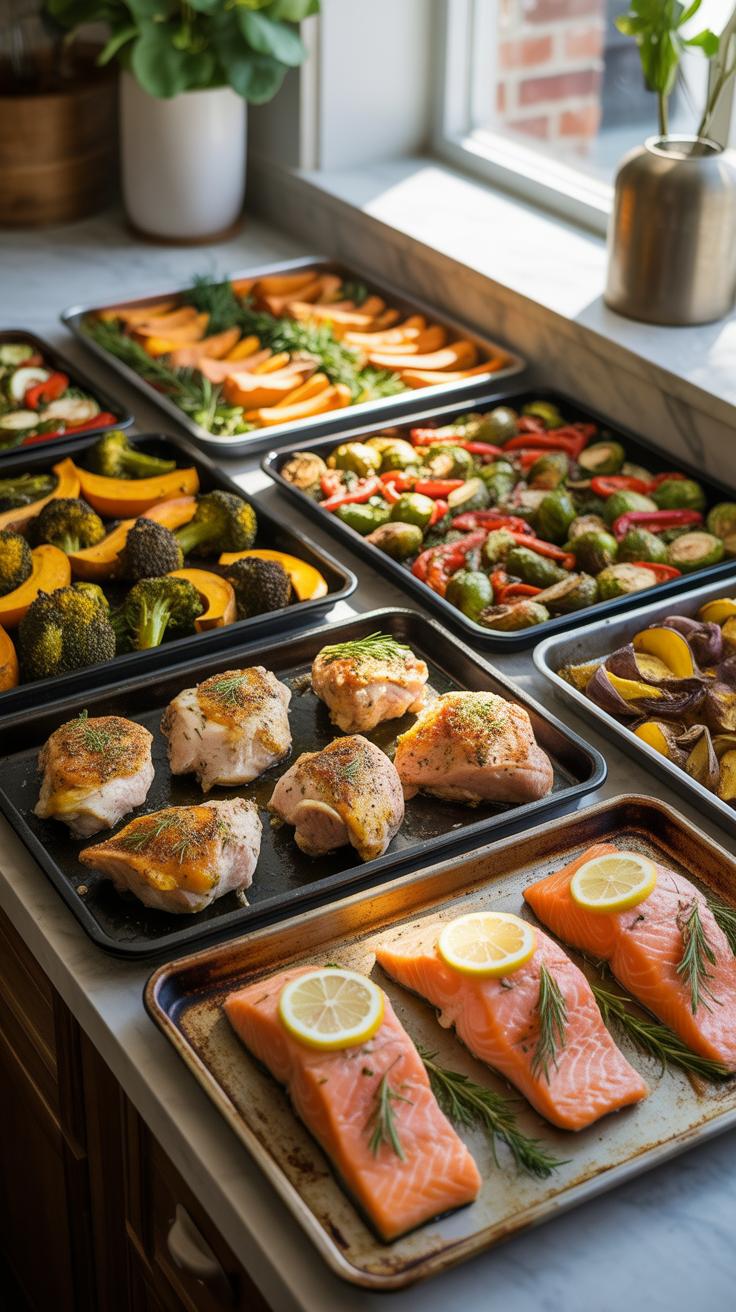
Building A Weekly Sheet Pan Rotation To Avoid Mealtime Repetition
Strategize your weekly rotation by selecting three distinct base proteins. Change the cut of meat or plant protein to shift the texture. Rotate between poultry, seafood, and hearty vegetables like cauliflower or chickpeas. Use different shapes for your vegetables to change how they cook and feel. Sliced rounds cook differently than matchsticks. This tactical variety prevents palate fatigue without increasing your workload.
Successful sheet pan meal prep relies on a modular system. Group ingredients by density to ensure everything finishes at the same time. Fast-cooking greens should not mix with slow-roasting tubers on the same pan. Move through the week by swapping your starch source. Trade potatoes for quinoa or farro to alter the nutritional profile. This method keeps the kitchen workflow efficient while delivering diverse daily results.
Mixing Global Flavor Profiles To Keep Your Sheet Pan Meals Exciting
Shift your flavor profiles by using regional spice blends. Apply Mediterranean herbs like oregano and lemon for one meal. Use a bold harissa or cumin base for the next. These profiles change the dish character without changing the cooking method. Regional profiles rely on specific fat sources like olive oil or toasted sesame oil. Match your fats to your spices to ensure authentic and deep flavor results.
Apply distinct finishing techniques to define each global style. Use fresh cilantro and lime for a Latin profile after the pan leaves the oven. Add a soy and ginger glaze during the final minutes for an East Asian profile. These acidic or umami additions break the monotony of roasted fats. They provide the brightness needed for reheatable meals. Consistent technique combined with varied seasoning creates a professional meal rotation strategy.
Sheet Pan Dinners Low Calorie Eating Light Without Sacrificing Flavor
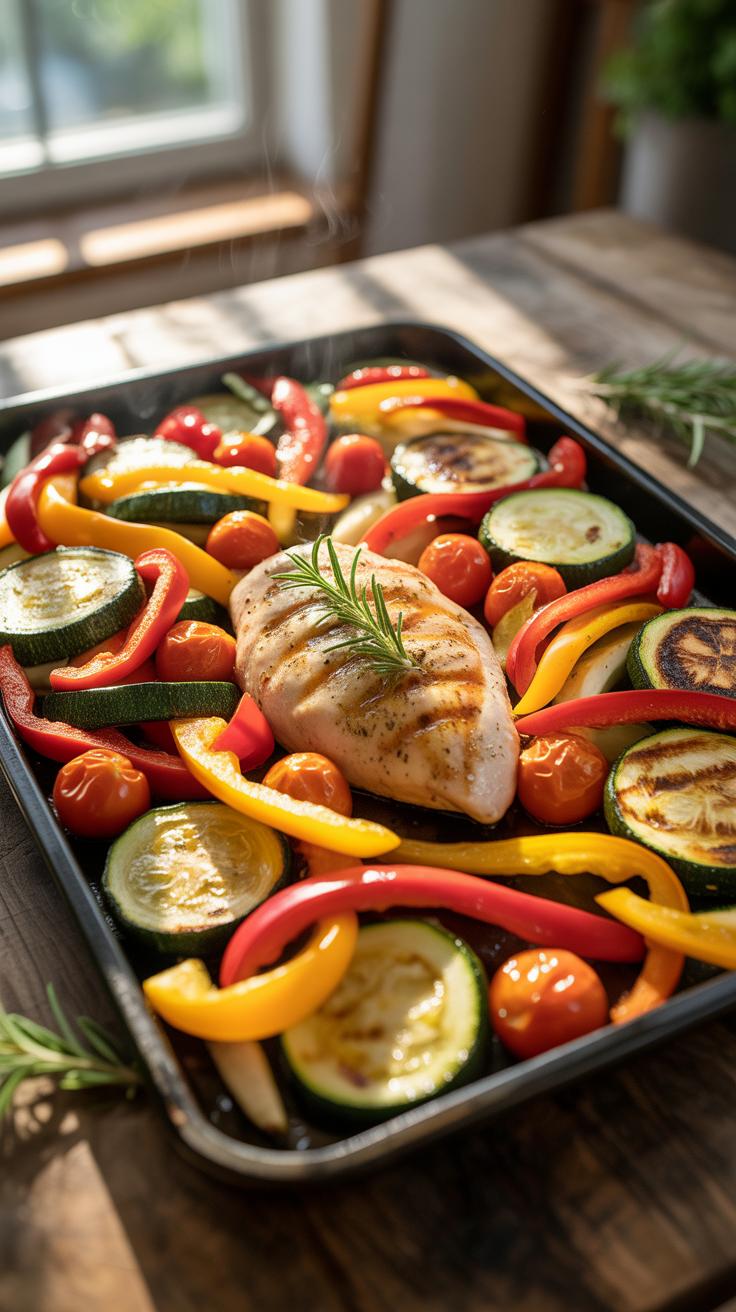
Low Fat Sheet Pan Dinners That Rely On Roasting Instead Of Added Oils
Standard roasting often requires heavy oil to prevent sticking and promote browning. You can eliminate these fats by using parchment paper or silicone mats. These tools create a non-stick surface without adding extra calories. High heat triggers the Maillard reaction which browns the food naturally. Convection settings move hot air quickly to crisp the exterior of the ingredients while keeping the inside moist.
Seasoning holds the key to flavor when you skip the oil. Use acidic liquids like lemon juice or balsamic vinegar to coat the food. These liquids help spices stick and add bright flavors. Vegetable broth also works as a moisture base for the sheet pan. This method keeps the calorie count low while maximizing the natural sugars in the vegetables through the dry heat of the oven.
Choosing Low Calorie Vegetables And Lean Proteins For Lighter Sheet Pan Meals
Focus on high volume vegetables that have a low energy density. Broccoli, cauliflower, bell peppers, and zucchini take up space on the pan but contain very few calories. Avoid starchy roots like potatoes if you want to minimize the caloric load. Cut vegetables into uniform sizes to ensure even cooking. Dense vegetables like carrots require smaller cuts compared to soft items like asparagus or sprouts.
Select lean animal proteins such as chicken breast, turkey tenderloin, or white fish like cod. These options provide high protein without the saturated fats found in red meat. Shrimp is another excellent low calorie choice that cooks in under ten minutes. Plant based options like extra firm tofu or chickpeas also work well. Balance your pan with two parts green vegetables to one part lean protein for the best results.
Sheet Pan Dinners Recipes Five Reliable Formulas Anyone Can Follow
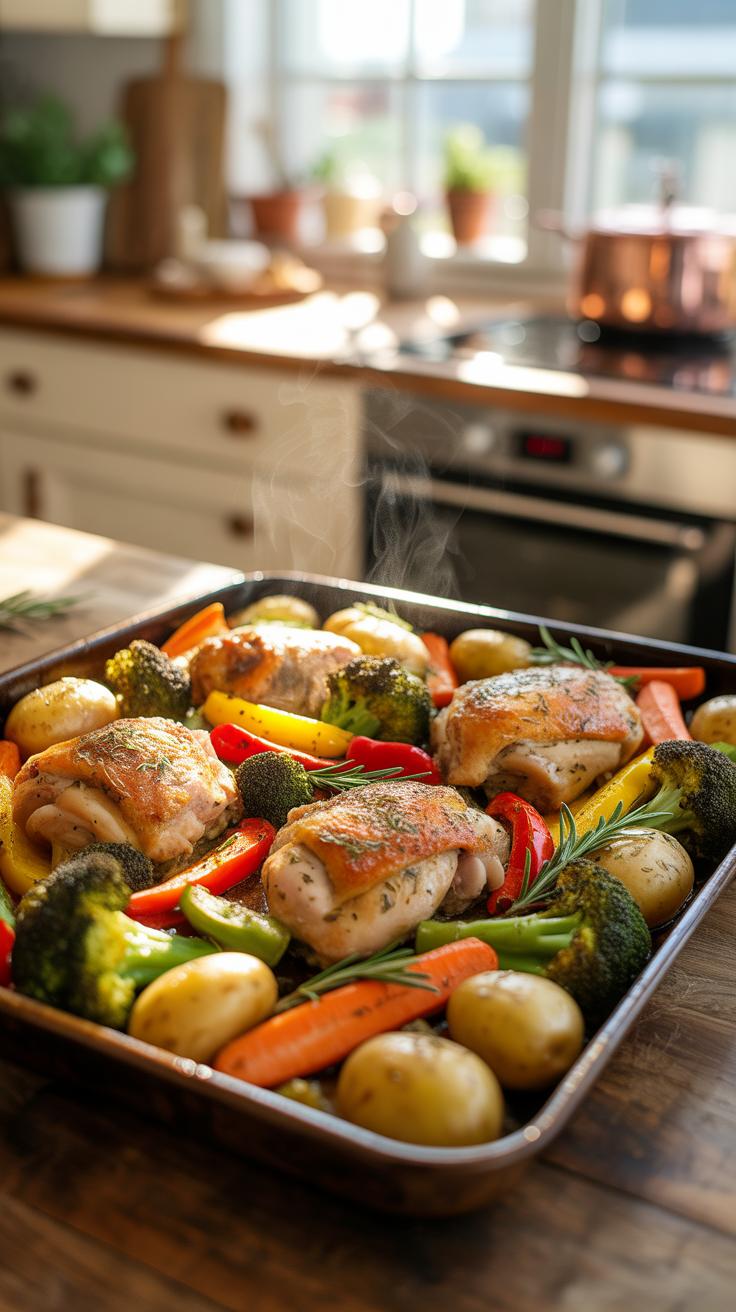
The Core Formula: Protein + Vegetable + Fat + Seasoning + Heat
Effective sheet pan meal prep relies on a strict ratio of components. You must select a lean protein and pair it with high-fiber vegetables. Coating these items in a stable fat like avocado oil ensures even heat distribution. This fat layer prevents sticking and aids in the browning process. Seasonings provide flavor without adding unnecessary moisture. Proper heat application finishes the job.
Control the cook times by cutting ingredients into uniform sizes. Dense vegetables like potatoes require smaller pieces to finish at the same time as chicken or fish. Place thicker protein cuts in the center of the pan for consistent cooking. Use high heat between four hundred and four hundred twenty-five degrees. This temperature range creates a crisp exterior while keeping the interior moist and safe.
Adapting Sheet Pan Dinners Recipes For Dietary Needs And Food Preferences
Modify the core formula to meet specific health goals or restrictions. Low-carb diets require swapping starchy tubers for brassicas like broccoli or cauliflower. Plant-based prep uses firm proteins such as tofu or chickpeas that can withstand high heat. Always check labels on pre-made seasoning blends for hidden sugars or fillers. These small details ensure your meal prep aligns with your specific nutritional requirements and dietary track.
Successful adaptation also involves managing moisture levels during the cooking process. High-water vegetables like zucchini or mushrooms can make the tray soggy. Roast these items on a separate pan or add them during the final ten minutes of cooking. Use parchment paper or silicone mats to prevent sticking and reduce the need for excess oil. This strategy maintains the integrity of your ingredients while facilitating an easier cleanup process later.
Chicken And Broccoli Sheet Pan A Classic Combo Done Right

Why Chicken And Broccoli Is One Of The Most Nutritionally Balanced Sheet Pan Pairings
Chicken and broccoli provide a high protein to calorie ratio. Lean chicken breast delivers essential amino acids for muscle repair. Broccoli offers high fiber and micronutrients like vitamin C and K. This duo creates a stable glycemic response. You avoid the energy crashes associated with high carbohydrate meals. It is a tactical choice for body composition and sustained daily performance.
Proper sheet pan meal prep requires understanding thermal density. Chicken and broccoli cook at similar rates when prepped correctly. Cutting chicken into one inch cubes ensures it finishes with the florets. This prevents overcooked meat or mushy vegetables. You maximize nutrient retention by using dry heat. Roasting preserves more vitamins than boiling. It is the most efficient way to prep high quality fuel.
Marinades And Sauces That Elevate A Simple Chicken And Broccoli Sheet Pan Dinner
Surface area dictates flavor absorption in sheet pan cooking. A simple oil and acid base breaks down tough muscle fibers. Lemon juice or vinegar acts as the catalyst. Cold pressed oils provide healthy fats and prevent sticking. You must apply these before roasting to create a sear. This chemical reaction develops depth without adding processed sugars or excess sodium.
Fermented ingredients provide the best profile for meal prep. Soy sauce or miso paste adds salt and savory notes. These ingredients hold up well during reheating. Avoid thick sugar based glazes until the final minutes of cooking. High sugar content burns quickly under intense heat. Apply a finishing sauce after the tray leaves the oven. This maintains the integrity of the sauce and the texture of the food.
Honey Garlic Sausage Sheet Pan Dinner Bold Flavors With Minimal Effort
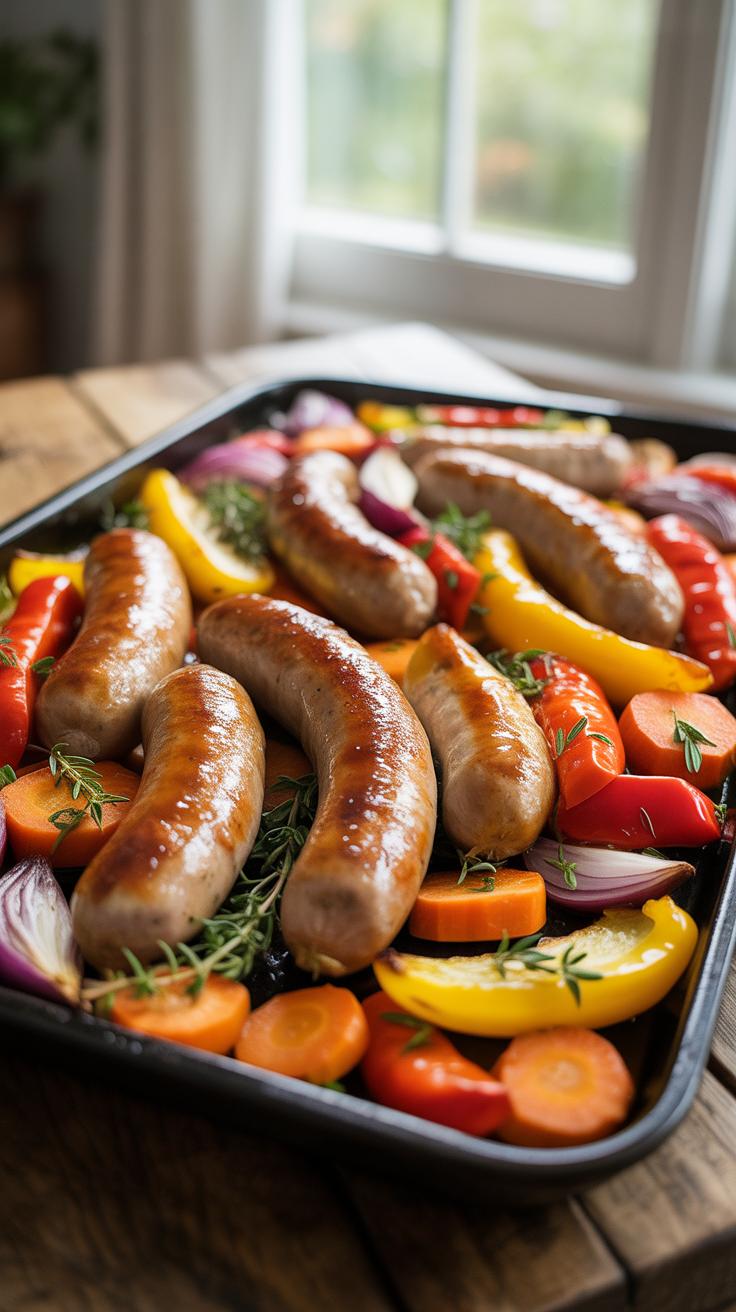
Recipes For Dinner With Sausage: Picking The Right Sausage Type For Sheet Pan Cooking
Pre-cooked smoked sausages are the superior choice for sheet pan meal prep. These varieties include kielbasa, andouille, or precooked chicken sausage. They offer a firm texture that resists drying out during high-heat roasting. Using raw sausage links requires longer cooking times and creates excess grease on the pan. Pre-cooked options allow you to focus on browning the exterior while the vegetables reach the correct tenderness.
Select sausages with natural casings for better structural integrity. The casing snaps when bitten and holds juices inside the meat. Leaner poultry sausages require a light oil coating to prevent sticking. Traditional pork sausages contain enough fat to self-baste the surrounding vegetables. Match the sausage flavor profile to your glaze. Salty smoked meats balance the sweetness of honey garlic better than mild breakfast links or Italian fennel varieties.
How Honey And Garlic Caramelize In The Oven To Create A Rich, Savory Glaze
Caramelization occurs when the natural sugars in honey reach temperatures above 320 degrees Fahrenheit. The dry heat of the oven evaporates water from the glaze. This process leaves behind concentrated sugar solids that brown and develop complex flavors. Garlic adds a pungent counterpoint that mellows as it roasts. These two ingredients fuse into a sticky coating that adheres to the sausage and vegetables. This creates a functional barrier against moisture loss.
Strategic placement on the sheet pan impacts the final texture of the glaze. Brush the honey mixture onto the ingredients during the last ten minutes of roasting. Applying it too early can lead to scorching because of the high sugar content in honey. The Maillard reaction enhances the protein surfaces while the honey creates a glossy finish. This tactical timing ensures the garlic softens without becoming bitter. Resulting flavors are deeply savory and satisfy the palate.
Fun Healthy Recipes Dinner Creative Sheet Pan Ideas The Whole Family Will Love
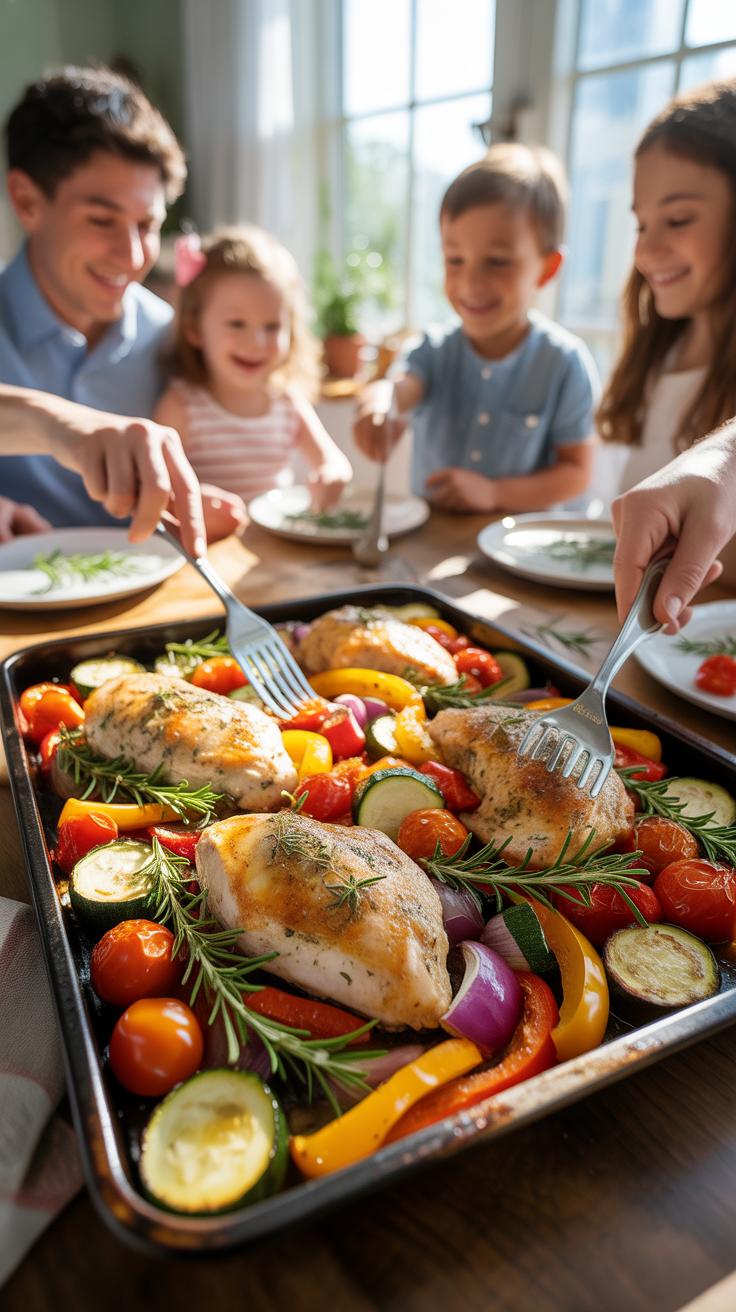
Kid Friendly Sheet Pan Dinners That Sneak In Vegetables Without Complaints
Successful meal prep for children requires texture control and flavor familiarity. Finely grate carrots or zucchini into meatball mixtures before roasting. This technique adds moisture and nutrients without altering the expected mouthfeel. Roast these on a single tray with small broccoli florets coated in olive oil. High heat caramelizes the natural sugars in vegetables. This process reduces bitterness and increases appeal for younger palates.
Pair proteins with starch to ensure satiety and acceptance. Cut potatoes into uniform matchsticks to mimic commercial fries. Roast them alongside lightly breaded chicken strips on a wire rack over the pan. Air circulation creates a crisp exterior without deep frying. Use bright colors to make the tray visually engaging. Red bell peppers and yellow squash provide visual variety. This strategy builds healthy eating habits through consistent exposure and positive presentation.
The most indispensable ingredient of all is time, and a simple sheet pan dinner allows us to reclaim those precious evening hours for the people we love.
Themed Sheet Pan Nights To Make Weeknight Cooking Feel Like An Event
Theme nights eliminate decision fatigue and simplify grocery shopping. Organize your week around specific flavor profiles like Mediterranean or Tex-Mex. This approach allows you to reuse base ingredients across different meals. Use heavy duty aluminum pans to handle high temperatures and heavy loads. Grouping ingredients by cook time ensures everything finishes simultaneously. Proper spacing prevents steaming and promotes even browning across all items on the tray.
- Greek Gyro Night: Roast sliced lamb or marinated chicken thighs with red onions and cherry tomatoes. Use high heat to char the edges of the meat. Serve the finished tray components inside warm pita bread with a side of cold cucumber sauce for a complete meal.
- Sheet Pan Fajitas: Slice flank steak or chicken breast into thin strips with tri-color bell peppers. Toss them in a mix of cumin, chili powder, and garlic. Roast at four hundred degrees until the peppers are soft and the meat reaches the safe internal temperature.
- Low Country Boil: Combine smoked sausage coins, corn on the cob pieces, and large shrimp on one tray. Season heavily with Old Bay and melted butter. This method replicates a traditional coastal boil without the need for massive pots of boiling water or messy cleanup.
- Sausage and Pierogi Bake: Place frozen potato pierogies and sliced kielbasa on a greased pan. Add chopped cabbage and apples for a traditional Polish flavor profile. The pierogies get crispy on the outside while the sausage fat seasons the vegetables during the roasting process.
- Deconstructed Stuffed Peppers: Chop bell peppers into large chunks and mix with ground beef crumbles and onions. Season with Italian herbs and roast until the peppers are tender. Top the tray with mozzarella cheese in the last three minutes to create a bubbly and browned finish.
Rotating these themes keeps the menu fresh and engaging for the household. It transforms a routine task into a structured family activity. You can prep the dry ingredients and sauces over the weekend to save time. This preparation ensures you only spend five minutes assembling the tray on the actual cooking night. Consistent themes also help you master specific heat settings and rack positions for different types of cuisine.
Sheet Pan Meal Prep Storage Reheating And Food Safety Best Practices

How To Store Sheet Pan Meals Safely And Maintain Quality Throughout The Week
Cool your sheet pan meals to room temperature before sealing them in containers. Trapping steam inside a hot container creates moisture. This extra water makes roasted vegetables mushy and weakens the texture of proteins. Use airtight glass or BPA-free plastic containers to prevent oxidation. Glass is superior because it does not retain odors or stains from spices like turmeric or chili powder.
Divide meals into individual portions immediately after cooling. This reduces the time food spends in the danger zone between 40 and 140 degrees Fahrenheit. Consume seafood within two days for the best quality and safety. Store poultry and beef for up to four days. If you cannot eat the meals within this window, freeze them. Use labels to track the date you prepared the food.
The Best Reheating Methods To Restore Texture Without Drying Out Your Meals
The air fryer or toaster oven provides the best results for sheet pan meals. These tools circulate hot air to crisp up skin and roasted edges. Set the temperature to 350 degrees Fahrenheit. Heat the food for five to seven minutes. This method prevents the soggy texture common with microwave use. It restores the original crunch of broccoli and potatoes while keeping meat juicy inside.
Microwaves work for speed but require specific tactics to maintain quality. Place a damp paper towel over the food to create a steam barrier. This prevents the edges of the meat from turning into rubber. Use 50 percent power for a longer duration rather than high heat. Higher power settings seize the proteins and dry out the starch. Stop and stir halfway through to ensure even heat distribution.
Frequently Asked Questions

What exactly is sheet pan meal prep and why is it popular?
Sheet pan meal prep is a simple cooking method where your entire protein and vegetable lineup is roasted together on a single tray. It has become a lifestyle favorite because it minimizes cleanup while maximizing flavor through caramelization. By prepping several trays at once, you can build a week’s worth of healthy, balanced lunches or dinners with very little active kitchen time, making it the perfect entry point for busy beginners.
How do I ensure everything on the tray cooks evenly at the same time?
The secret to successful sheet pan meal prep is strategic chopping and timing. Dense root vegetables like potatoes should be cut into smaller pieces, while quick-cooking greens or shrimp should be added during the last few minutes of roasting. Alternatively, you can give harder vegetables a ten-minute head start in the oven before adding delicate proteins. This ensures every component reaches the perfect texture without anything ending up burnt or undercooked.
Can I stick to a tight budget while using this meal prep method?
Absolutely! One of the best things about this cooking style is its incredible cost-effectiveness. You can utilize affordable pantry staples like dried beans, chickpeas, and seasonal root vegetables to create filling bases. Buying larger packs of chicken thighs or sausages is often cheaper and works beautifully for roasting. By focusing on bulk produce and simple olive oil seasonings, you can master nutritious cooking without overspending on specialty ingredients or expensive kitchen gadgets.