
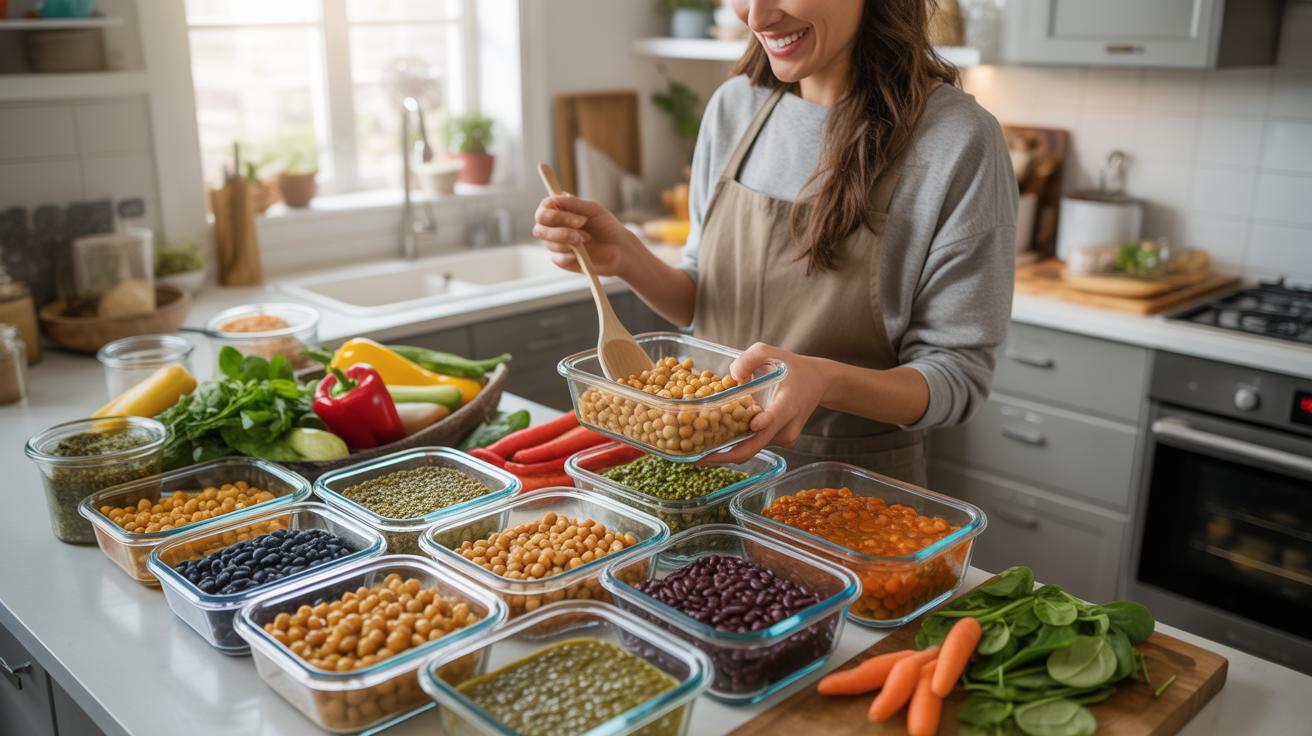
What Makes Legumes A Powerhouse Protein For Meal Prep
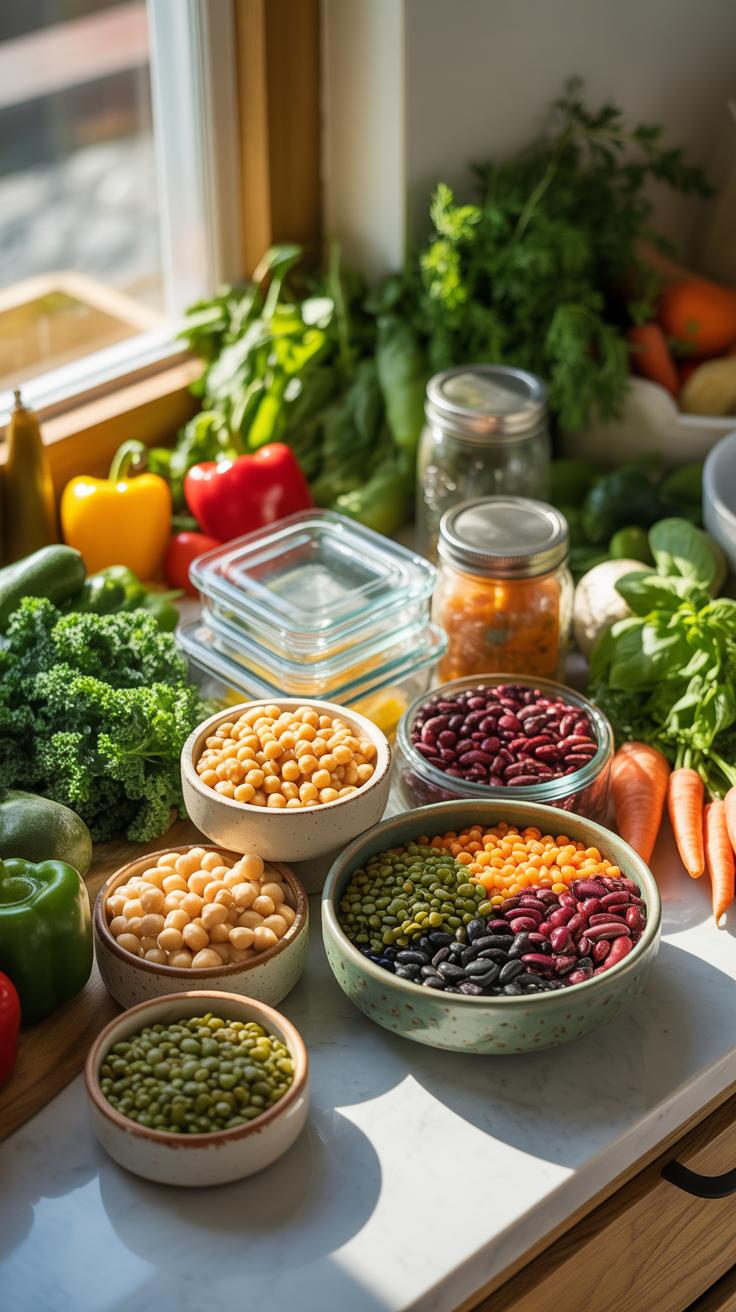
The Nutritional Profile Of Common Legumes Like Lentils Chickpeas And Black Beans
Legumes provide a high concentration of plant based protein and complex carbohydrates. Black beans and chickpeas contain about fifteen grams of protein per cooked cup. They also offer high fiber content which stabilize blood sugar levels throughout the day. Lentils cook faster than dried beans and provide significant iron and folate. These nutrients support energy production and muscle recovery for active individuals.

Legumes contain resistant starch that feeds healthy gut bacteria. This starch helps with digestion and keeps you full for long periods. Most varieties are naturally low in fat and contain no cholesterol. They provide essential minerals like magnesium and potassium which regulate blood pressure. Choosing different types ensures a diverse intake of amino acids. Using these staples creates a solid foundation for any diet.
Why Batch Cooking Legumes Saves Time Money And Reduces Food Waste
Dry legumes cost significantly less than canned versions or animal proteins. Buying in bulk reduces your price per serving to pennies. Preparing large quantities at once minimizes active kitchen time during the busy work week. You control the sodium levels and texture of the final product. One afternoon of cooking generates enough base material for five to seven days of various meals.
Batch cooking prevents food waste by creating versatile ingredients for multiple recipes. You can freeze cooked beans in small portions to extend their shelf life for months. This strategy stops fresh produce from rotting because you always have a protein ready to pair with it. It eliminates the need for last minute takeout orders. Efficient prep ensures you use every gram of food you buy at the store.
How To Cook Beans Choosing The Right Legume For Your Meal Prep Goals
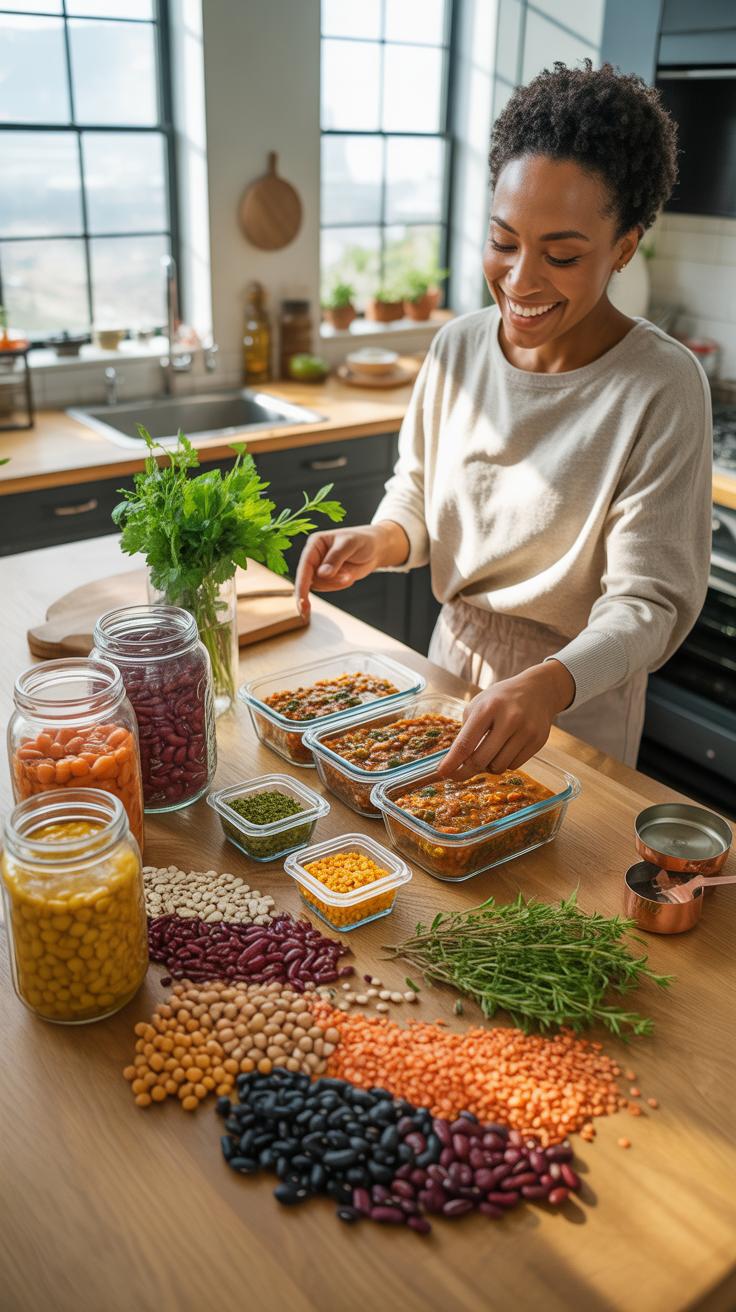
Understanding The Differences Between Kidney Beans, Lentils, Chickpeas, And Black Eyed Peas
Texture and cook time dictate your meal prep strategy. Kidney beans and chickpeas have thick skins. They require soaking to soften their seed coats and reduce cooking time. These legumes hold their shape well in stews or salads. They provide a dense bite and high protein content. Use these for long-term storage or meals that you plan to reheat multiple times during the week.
Lentils and black eyed peas cook much faster because they have thinner skins. You do not need to soak them. Lentils vary by type. Red lentils break down into a mash. Green and French lentils stay firm for cold salads. Black eyed peas offer a creamy texture but cook in under an hour. Choose these shorter-duration legumes when you need to finish your prep work quickly.
How To Select High Quality Dried Beans At The Store And What To Avoid
Examine the beans through the packaging before you buy them. Look for bright and uniform color. Faded beans are old. Old beans take longer to cook and often never become soft. Avoid bags with visible dust or broken pieces. This dust indicates friction from age or poor handling. Fresh dried beans should look smooth and shiny. Cracked skins mean the beans are brittle.
Check the harvest date or the best by date on the label. Legumes lose moisture the longer they sit on a shelf. Buy from stores with high turnover rates to ensure you get the newest stock. Avoid bulk bins if they look messy or unorganized. Contamination occurs easily in open containers. Stick to sealed bags to guarantee the quality and cleanliness of your protein source.
How To Soak Beans The Essential Step Before Cooking Dried Beans
The Overnight Cold Soak Method And Why It Improves Digestibility
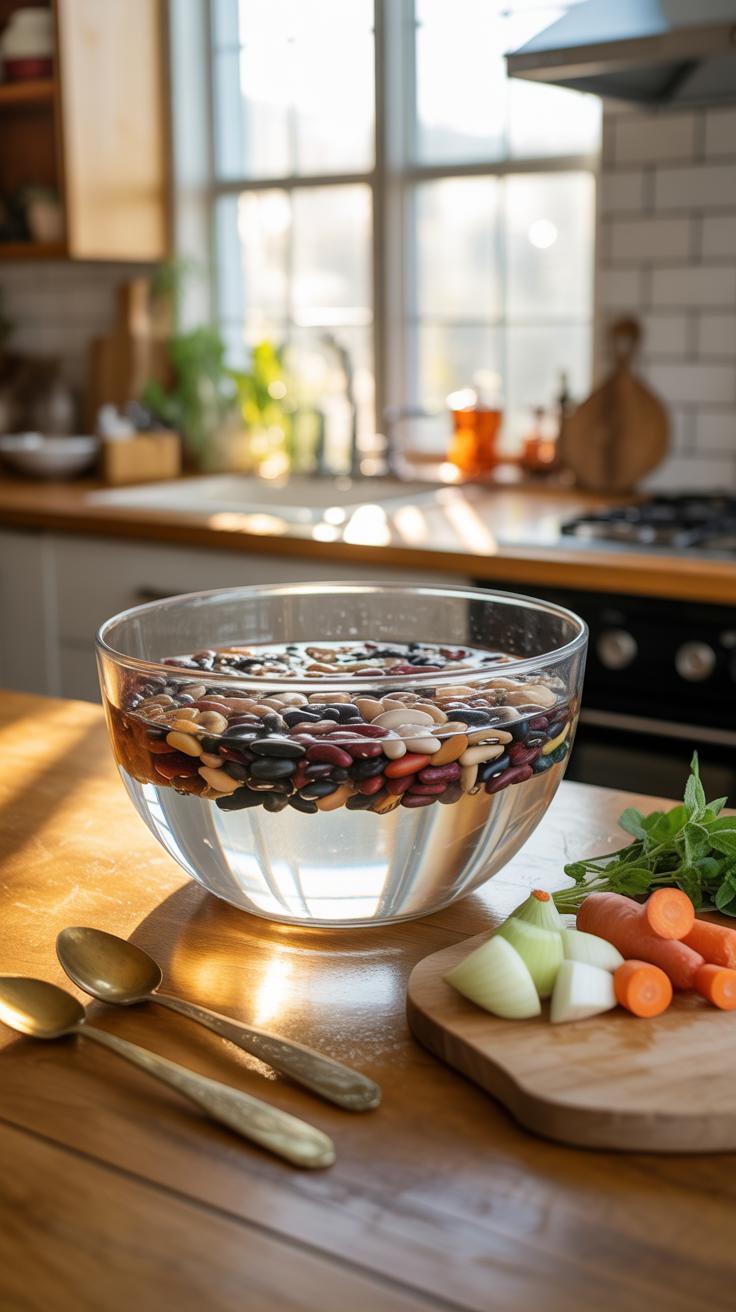
The overnight cold soak is the gold standard for meal prep efficiency. Place dried beans in a large pot and cover them with at least three inches of cool water. Let the beans sit for eight to twelve hours at room temperature. This slow process hydrates the bean tissue deeply and evenly. It ensures the beans expand fully before they ever hit the heat.
Soaking improves digestibility by breaking down complex sugars called oligosaccharides. Humans lack the enzymes to digest these sugars properly in the small intestine. When these sugars reach the large intestine, bacteria ferment them and cause gas. Discarding the soaking water removes these dissolved sugars. This step reduces gastrointestinal distress and significantly shortens the final cook time on the stove.
The Quick Soak Method: How To Cut Soak Time Down To Under An Hour
The quick soak method is the best tactical choice when you lack an eight-hour lead time. Place sorted beans in a heavy pot and cover them with two inches of water. Bring the water to a rolling boil for exactly two minutes. Remove the pot from the heat immediately. Cover the pot with a tight lid and let it sit for sixty minutes.
This heat-assisted method forces water into the bean skins rapidly. It achieves a similar level of hydration to the overnight method in a fraction of the time. You must drain and rinse the beans thoroughly after the hour is up. Fresh water is required for the actual cooking phase to maintain flavor and texture. This technique keeps your meal prep schedule on track without sacrificing quality.
How To Cook Dry Beans On The Stovetop For Large Batch Meal Prep
Step By Step Guide To Simmering A Large Pot Of Dried Beans To Perfect Tenderness
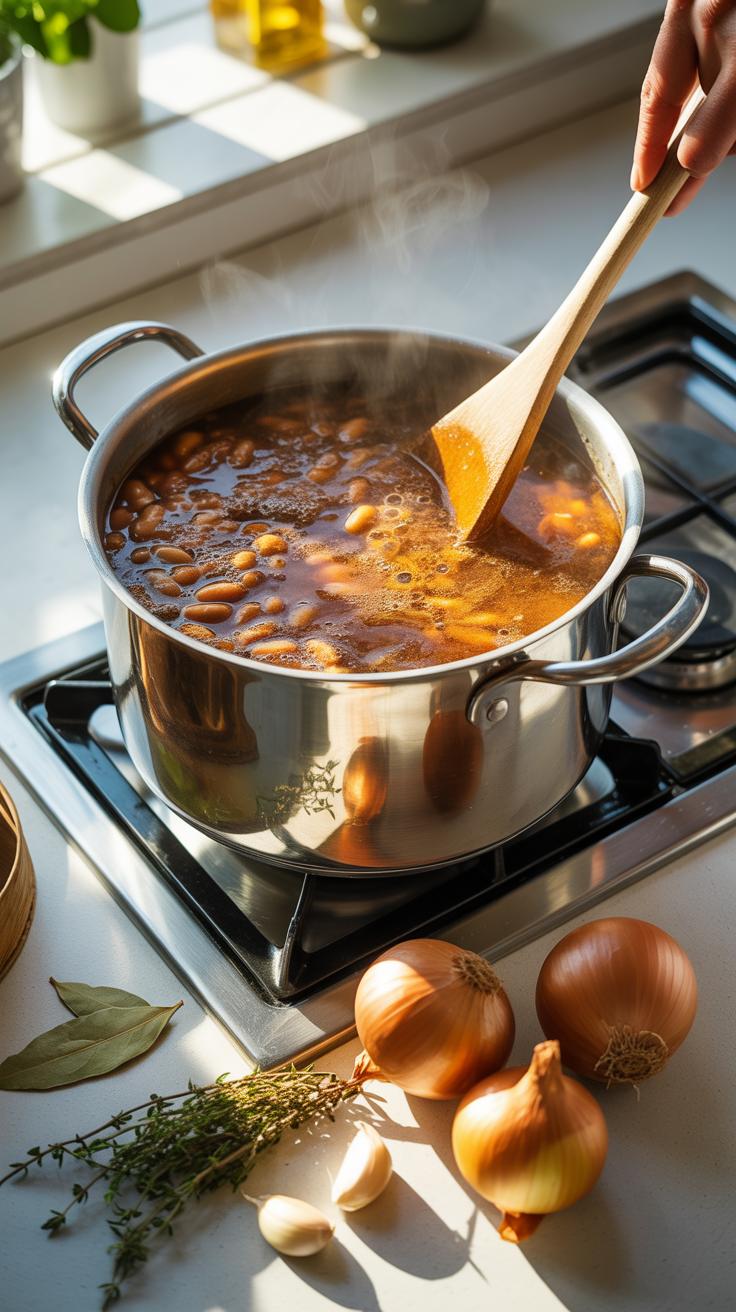
Stovetop simmering offers the most control over the final texture of your legumes. Start by rinsing your dry beans and removing any small stones or debris. Soak the beans for at least eight hours to reduce cooking time and ensure even softening. Use a heavy pot to maintain steady heat levels throughout the entire cooking process for consistent batch results.
- Initial Sort: Spread the dry beans on a flat surface to find cracked pieces or organic debris. Rinsing under cold water removes dust and surface starches that cause foaming during the boil.
- Soaking Method: Cover the legumes with three inches of water and let them sit overnight. This step hydrates the core of the bean and helps break down complex sugars that cause digestive discomfort.
- Simmer Control: Bring the pot to a boil then immediately lower the heat to a gentle simmer. High heat causes the skins to burst while the interior remains hard and undercooked for meal prep.
- Seasoning Timing: Add salt and acidic ingredients only after the beans reach a tender state. Salting too early toughens the skin and prevents the water from penetrating the starch properly during the simmer.
- Checking Doneness: Test multiple beans from different areas of the pot to ensure an even cook. A fully cooked bean should mash easily against the roof of your mouth without feeling grainy or firm.
Drain the cooked beans carefully to avoid breaking the soft skins. You must cool the legumes quickly before storing them in airtight containers for the week. Reserve a small amount of the cooking liquid if you plan to reheat them later to prevent drying. Proper cooling stops the carryover cooking process and maintains the structural integrity of the batch.
How Long To Cook Different Types Of Dried Beans On The Stovetop
Cooking times vary significantly based on the size and age of the legume. Smaller varieties like black beans or navy beans typically reach tenderness within sixty to ninety minutes. Larger beans like chickpeas or kidney beans require two hours or more to soften completely. Older beans sitting in storage for years will take much longer regardless of the specific variety you choose.
Environmental factors like altitude and water hardness also dictate your specific timeline. Hard water contains minerals that slow down the softening of the vegetable cell walls. If your beans remain tough after two hours you should add a pinch of baking soda to the water. Always monitor the pot closely toward the end of the window to prevent turning your protein into a mushy paste.
How To Cook Dried Beans Without Soaking Is It Really Possible
The Science Behind Cooking Dried Beans Without Pre Soaking And The Trade Offs
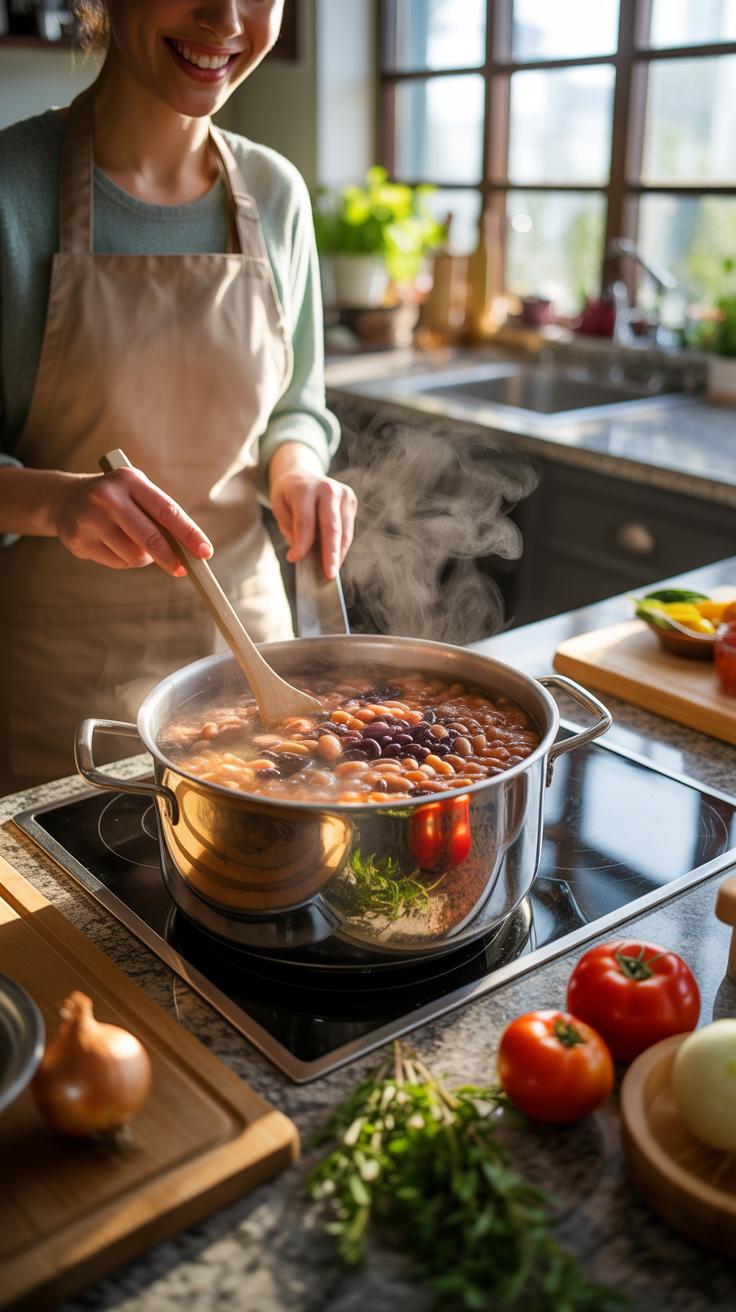
Cooking beans without soaking is entirely possible. Heat and water eventually break down the pectin holding bean cells together. Skipping the soak allows the cooking liquid to interact more deeply with the bean skins. This creates a richer and more flavorful broth. You also retain more nutrients that usually leach into soaking water. The method saves hours of preparation time during your meal prep sessions.
The primary trade-off is time. Unsoaked beans take roughly double the time to cook on the stove. You also risk uneven textures if the beans are old. Older beans have harder skins that resist water penetration at high temperatures. Gas-producing sugars like oligosaccharides stay in the pot rather than being drained away. This may cause digestive discomfort for some people. Adjust your schedule to account for longer simmer times.
The smells of simmering beans and lentils are the smells of grandmother’s kitchen, a quiet promise that there will always be enough to go around. A single afternoon spent at the stove fills the pantry with the simple, honest strength we need for the week ahead.
Which Bean Varieties Work Best When Skipping The Soaking Step
Small and thin-skinned beans are your best choice for the no-soak method. Black beans and pinto beans respond exceptionally well. Their small size allows heat to reach the center quickly. Lentils and split peas do not require soaking at all due to their chemistry. These varieties maintain a firm texture and deep color when cooked straight from dry. They are the most reliable options for consistent meal prep results.
Avoid large or thick-skinned varieties like chickpeas or kidney beans when skipping the soak. These types often develop a grainy center while the outside turns to mush. Large lima beans also fall apart before they cook through fully. Sticking to small beans ensures your batch prep stays on track. If you use a pressure cooker, even tougher beans cook fast without soaking. For standard stovetop cooking, focus only on the smaller varieties.
How To Make Dry Beans In A Pressure Cooker Or Instant Pot
Why Pressure Cooking Is The Fastest Method For Batch Cooking Legumes
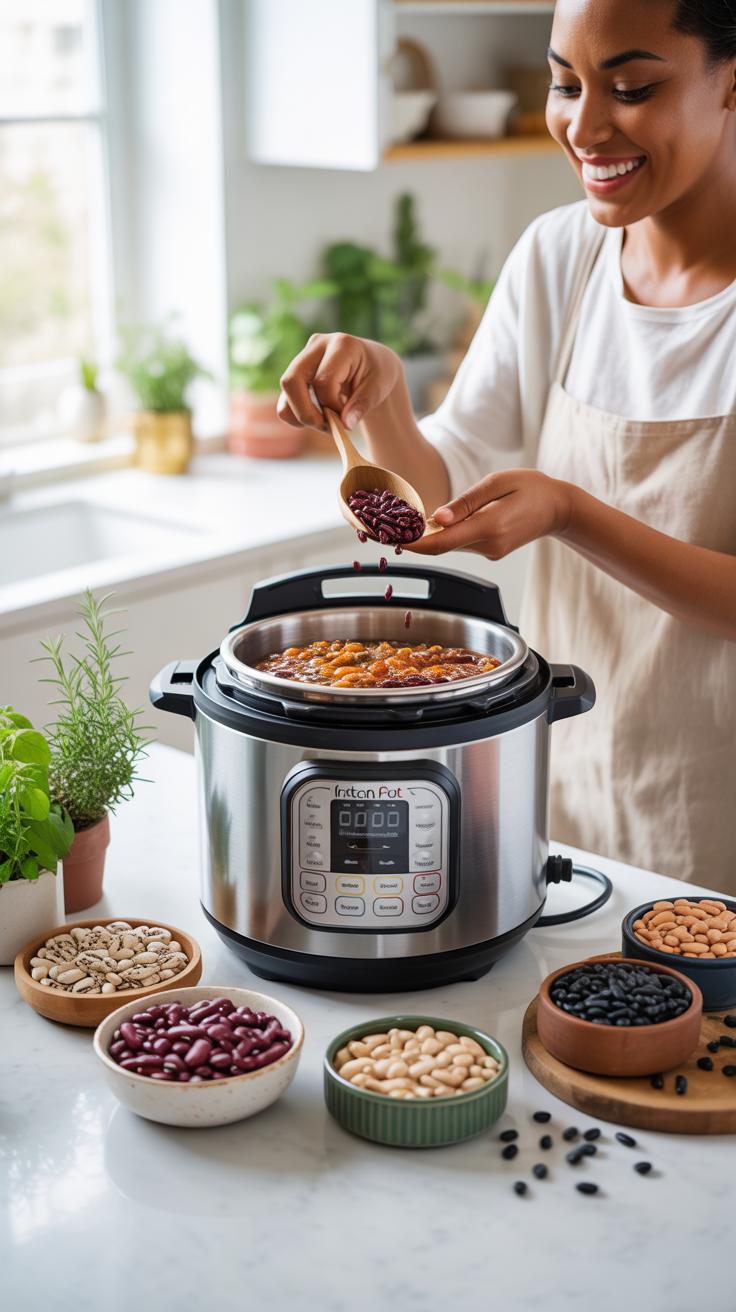
Pressure cooking uses high heat and trapped steam to force moisture into the center of the bean. This method cuts traditional cooking times by seventy percent or more. It eliminates the need for an overnight soak which saves sixteen hours of preparation time. You gain complete control over the texture of the finished product. This efficiency makes it the best tool for high volume meal prep.
The intense heat inside the vessel breaks down complex sugars and lectins faster than boiling. This results in better digestion for many people. You use less liquid because there is no evaporation during the cycle. A sealed pot preserves more flavor and nutrients than an open pot. Batch cooking becomes a passive task once you seal the lid. You save energy and keep your kitchen cool.
Pressure Cooker Cooking Times For The Most Common Dried Bean Varieties
Black beans require twenty to twenty five minutes under high pressure to reach a tender state. Larger varieties like chickpeas or kidney beans need thirty to thirty five minutes. Use a natural pressure release for at least twenty minutes. This prevents the beans from bursting due to sudden pressure drops. Consistent timing ensures a uniform product for your weekly meals.
Always adjust times based on the age of your dried stock. Older beans are harder and require five extra minutes. Pinto beans usually finish in twenty five minutes with no pre-soaking required. Lentils are the exception and cook in five to eight minutes. Overcooking results in mush while undercooking leaves a chalky center. Use these standards to build a reliable meal prep schedule.
Dry Beans Recipe Flavoring Your Batch Cooked Legumes For The Week
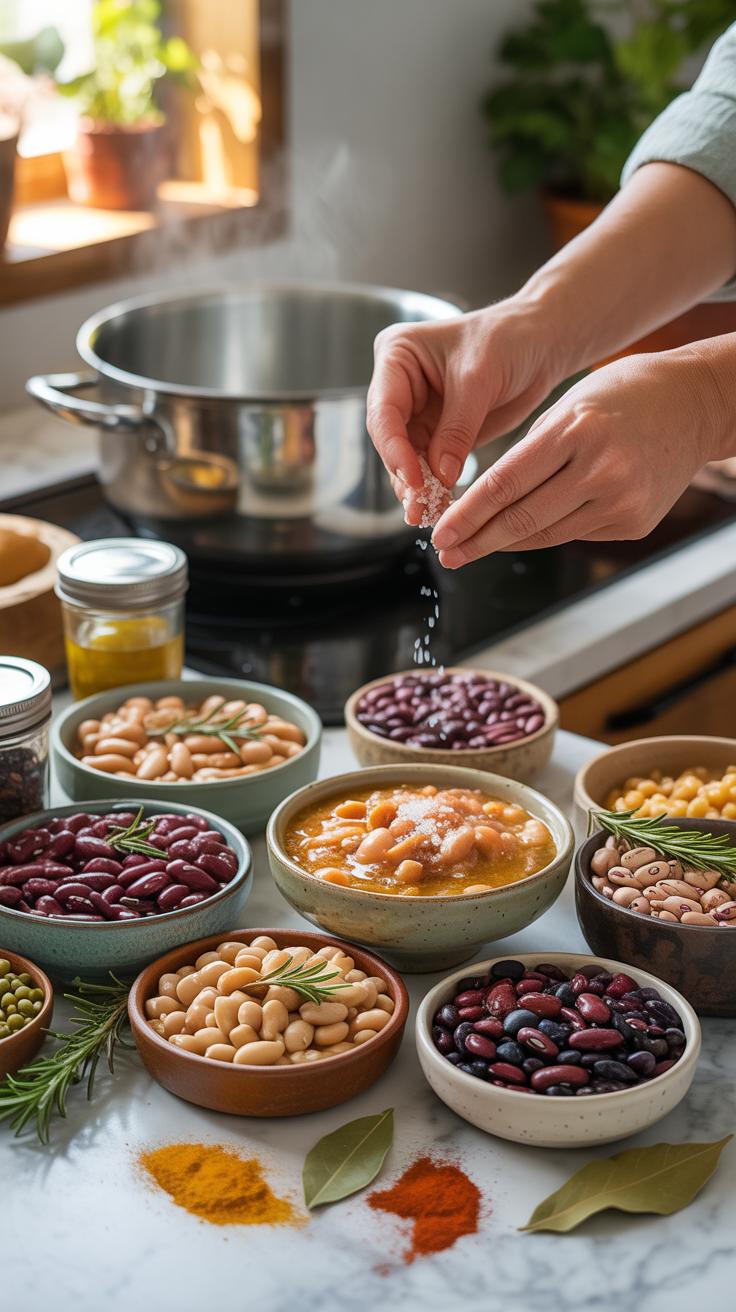
When And How To Add Salt, Aromatics, And Herbs During The Cooking Process
Add aromatics like onions, garlic, and bay leaves at the start of the simmer. These ingredients infuse the cooking liquid and the bean interiors with deep flavor. Hard herbs like rosemary or thyme also withstand long cook times. Avoid adding acidic ingredients like tomatoes or vinegar until the beans are tender. Acid prevents the starch from softening and ruins the texture.
Timing the salt is critical for structural integrity and taste. Add salt once the beans have softened but before they finish cooking. This ensures the seasoning penetrates the skin without toughening the exterior. Some chefs suggest salting the soaking water to improve the creaminess of the final product. Always taste the broth during the last twenty minutes of cooking to adjust the salt levels.
Simple Seasoning Combinations That Keep Meal Prepped Beans Versatile All Week
Keep base seasonings neutral if you plan to use legumes in different cuisines. Batch cooking requires a balance between flavor and flexibility. Use a standard mirepoix of onion, carrot, and celery for a solid foundation. This allows you to pivot from Italian soups to Mexican stews without clashing profiles. Strategic prep ensures the beans adapt to any sauce or protein you add later.
- The All-Purpose Classic: Simmer beans with half an onion, two smashed garlic cloves, and one dried bay leaf. This combination provides a savory backbone that works in salads, tacos, or pasta dishes without overpowering other ingredients.
- The Mediterranean Profile: Add dried oregano, a lemon peel strip, and a splash of olive oil to the pot. These flavors pair perfectly with kale, feta cheese, and roasted chicken for quick weekday lunches or cold grain bowls.
- The Smoky Southwest: Incorporate a whole dried ancho chili and a teaspoon of cumin seeds during the cook. The mild heat and earthiness make these beans ideal for burrito bowls, enchiladas, or simple sides served with lime and cilantro.
- The French Mirepoix: Use finely diced carrots, celery, and onions sautéed in butter before adding the water and beans. This traditional base creates a rich, savory broth that transforms simple legumes into a standalone meal when served with crusty bread.
- The Garlic Herb Infusion: Place a whole head of garlic cut crosswise and fresh thyme sprigs into the simmering liquid. The garlic mellows into a sweet paste that you can mash back into the beans for a creamy and intense flavor boost.
Drain and cool the beans quickly after cooking to stop the softening process. Store the legumes in their cooking liquid to prevent them from drying out in the refrigerator. This liquid, often called aquafaba or bean liquor, contains concentrated flavor and starches. You can use it later to thicken sauces or moisten a pan fry. Proper storage maintains the seasoning profile for five days.
Cooking Dried Beans In A Slow Cooker The Hands Off Batch Method

How To Set Up Your Slow Cooker For An Overnight Or All Day Bean Batch
Slow cookers provide the most consistent results for large-scale bean prep with minimal labor. Start by rinsing your dried beans and removing any small stones or debris. Place the beans in the ceramic insert and cover them with two to three inches of fresh water. Do not add salt or acidic ingredients until the beans are tender. These additions can toughen the skins and lengthen cook times.
Set the appliance to the low heat setting for eight to ten hours or high heat for four to six hours. This method works best for dense legumes like chickpeas or pinto beans. Check the water level halfway through the process to ensure the beans remain submerged. Once the internal texture is soft and creamy, drain the excess liquid or store it as a savory broth.
An Important Safety Note About Cooking Kidney Beans In A Slow Cooker
Raw red kidney beans contain high levels of a toxic protein called phytohaemagglutinin. Standard slow cookers often fail to reach temperatures high enough to neutralize this toxin. Consuming undercooked kidney beans leads to severe food poisoning. You must take specific steps to make these beans safe for consumption. Do not rely solely on the slow cooker for the initial phase of preparation.
To eliminate the risk, boil soaked kidney beans vigorously in fresh water for at least ten minutes. This high heat destroys the harmful lectins. After the boiling phase, you can safely transfer the beans to the slow cooker to finish softening. Always discard the initial boiling water rather than using it for the slow cooking liquid. Safety requires this specific temperature threshold to prevent illness.
How To Store And Freeze Batch Cooked Dried Beans For Maximum Freshness
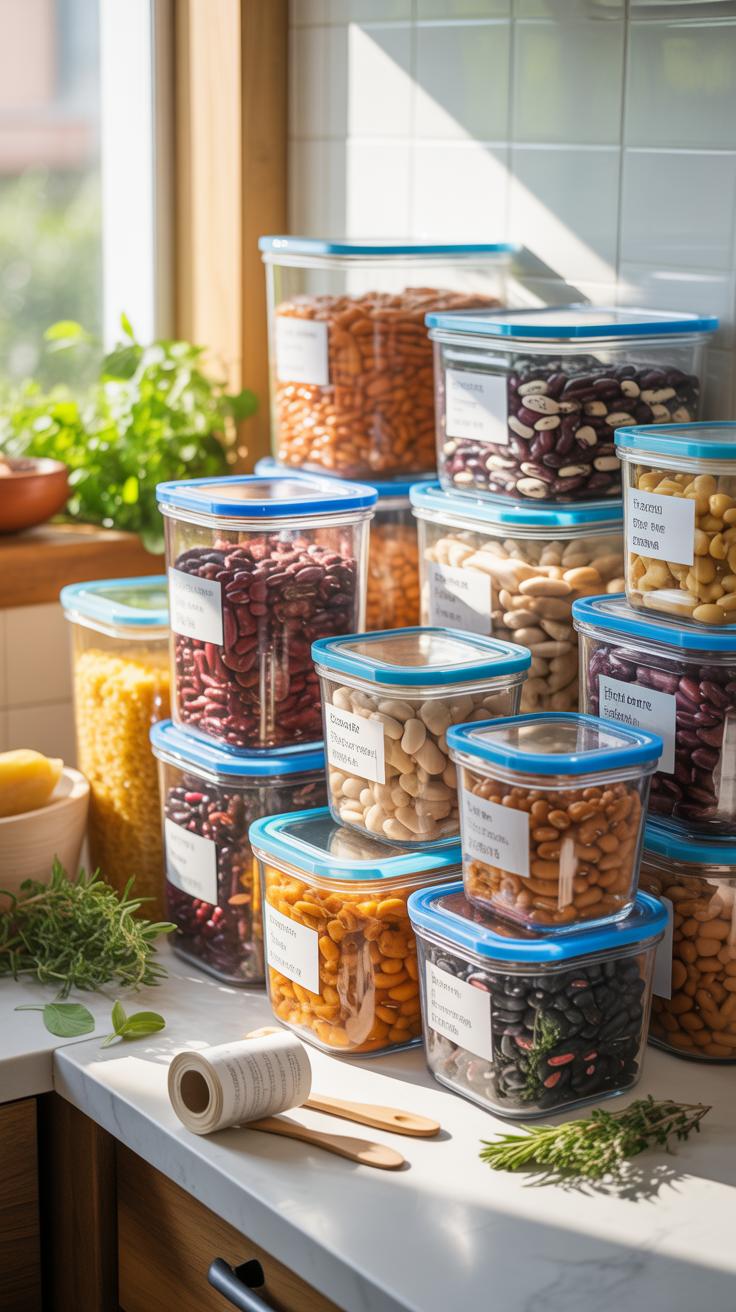
How Long Cooked Beans Last In The Refrigerator And The Best Storage Containers To Use
Cooked beans stay fresh in the refrigerator for three to five days. You must cool them quickly before storage to prevent bacterial growth. Large batches retain heat for hours. Spread the beans on a flat tray to drop the temperature fast. Once the beans reach room temperature move them into airtight containers. This prevents the beans from absorbing other food odors.
Glass jars provide the best protection against moisture loss and smells. Plastic containers work but can stain or warp over time. Leave some cooking liquid in the container to keep the beans moist. This liquid acts as a preservative and keeps the texture from becoming grainy. Seal the lids tightly. Write the date on the lid with a marker to track the shelf life.
How To Freeze Cooked Beans In Portions So They Are Ready To Use Like Canned Beans
Freezing beans requires specific steps to maintain quality. Traditional canning involves high heat but freezing relies on moisture control. Drain the beans completely for a firm texture or freeze them in liquid for soups. Use heavy duty freezer bags to prevent freezer burn. Measure one and a half cups per bag. This amount matches a standard commercial can sized for recipes.
Lay the bags flat on a tray to freeze. This creates thin sheets that stack easily and thaw rapidly. Ensure you squeeze all air out of the bag before sealing it. Air causes oxidation and ruins the flavor. Frozen beans last up to six months without losing nutritional value. Thaw them in the refrigerator overnight or drop the frozen block directly into hot stews.
How To Use Your Batch Cooked Legumes Across Multiple Meals All Week
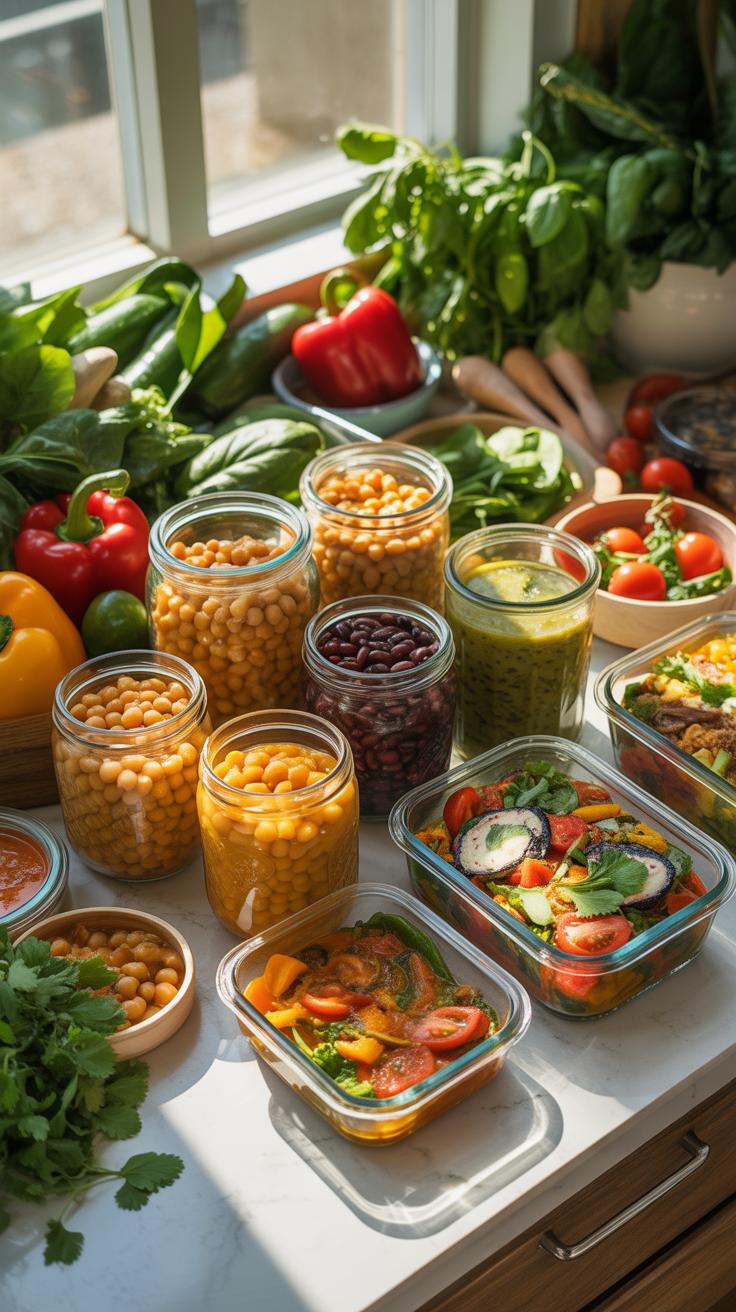
High Protein Meal Ideas That Use Batch Cooked Beans As Their Base Ingredient
Batch cooked beans serve as a stable foundation for lightning fast lunch preparation. You can toss cold chickpeas into a salad for instant fiber and protein. Mash white beans with garlic and olive oil to create a dense spread for sandwiches. This method replaces processed deli meats with a whole food source. It keeps you full longer and reduces your daily sodium intake significantly.
Hot applications provide even more variety for dinner service. Stir black beans into quinoa bowls or fold them into corn tortillas for tacos. Use lentils to thicken vegetable soups or red sauces without adding fat. The density of cooked legumes adds necessary bulk to any meal. This strategy ensures you hit your protein targets every day. Your meal prep becomes a simple assembly task instead of a chore.
How To Rotate Bean Varieties Each Week To Prevent Meal Prep Fatigue
Rotating bean types prevents palate boredom and ensures a diverse nutrient profile. Alternate between creamy Cannellini beans one week and earthy black beans the next. Each variety offers a unique texture and flavor profile. This tactical switch changes the entire feel of your repeated recipes. It keeps your diet interesting without requiring you to learn new cooking techniques or complex kitchen skills.
Use a structured three week rotation cycle to maintain variety. Focus on small legumes like lentils during busy weeks because they integrate into sauces quickly. Save larger beans like kidney or chickpeas for weeks when you want hearty salads or stews. Map your protein choices to your scheduled activities for optimal efficiency. Consistency in rotation builds a long term habit that supports your health and your budget.
Frequently Asked Questions

Why should I choose dried beans over canned versions for my weekly meal prep?
Choosing dried legumes is a game-changer for both flavor and texture. When you learn how to cook beans for meal prep at home, you avoid the excess sodium and mushy consistency often found in canned varieties. Home-cooked beans maintain a pleasant bite and absorb seasonings better during the simmering process, making your plant-based power bowls and stews taste significantly more gourmet while providing high-quality, clean protein for the week ahead.
What is the most efficient way to prepare a large batch of beans for the week?
The most efficient method involves a long soak followed by a gentle simmer. Start by soaking your legumes overnight to reduce cooking time and improve digestibility. Once ready, clear the foam while simmering until tender. Mastering how to cook beans for meal prep in a slow cooker or pressure cooker can also save hands-on time. Always portion them into airtight containers with a bit of cooking liquid to keep them moist.
Is batch cooking legumes actually cheaper than buying pre-made protein sources?
Absolutely. Legumes are one of the most budget-friendly pantry staples available. A single bag of dried chickpeas or lentils costs a fraction of animal proteins or even canned goods. By preparing them in bulk, you significantly lower your grocery bill while ensuring you have a versatile ingredient ready for any meal. It is an incredibly sustainable way to eat healthy, high-protein meals without putting a strain on your monthly household budget.