
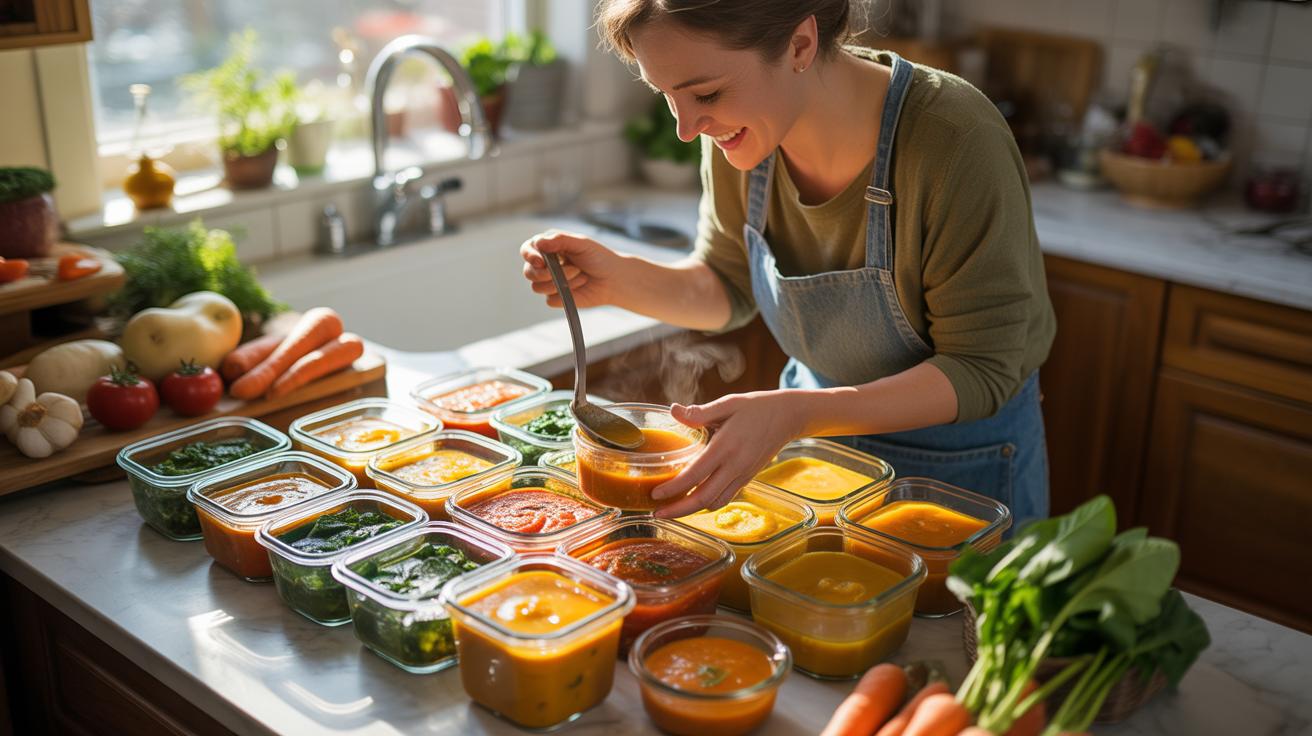
The Real Benefits Of Meal Prepping Soups And Stews Each Week
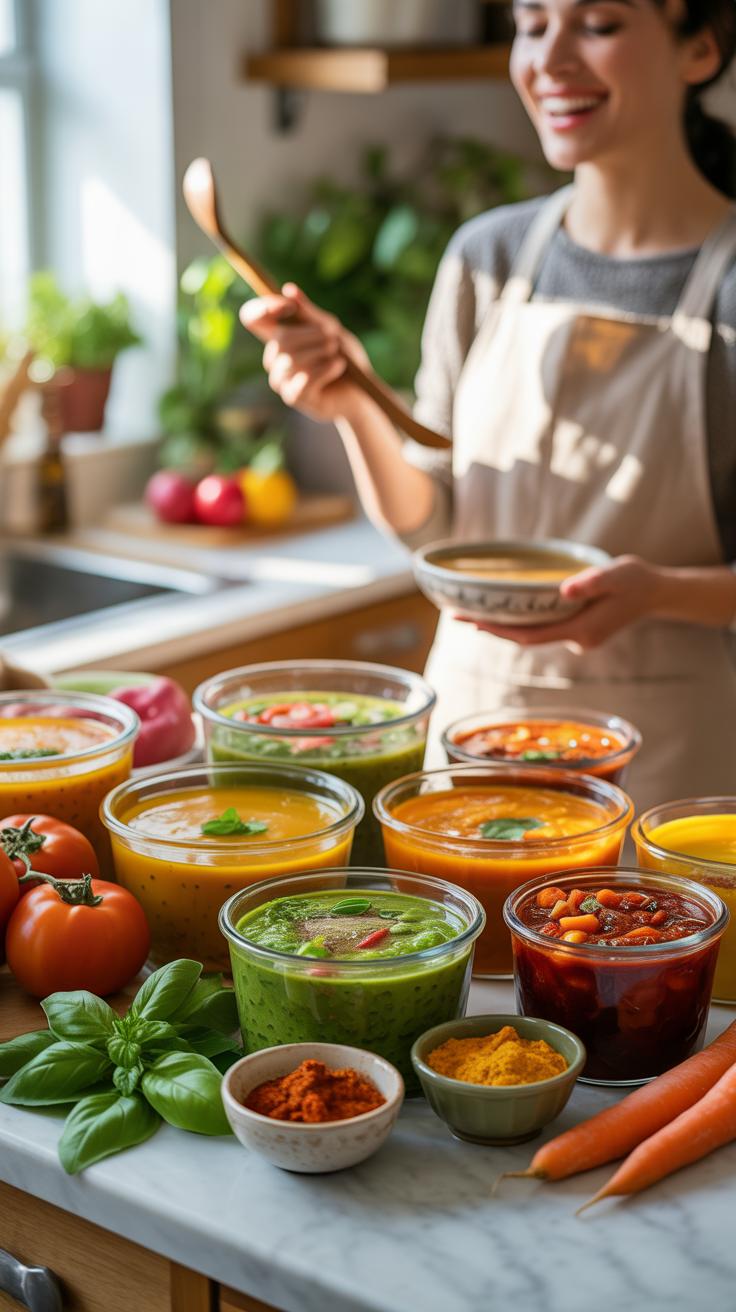
How Batch Cooking Soups Saves You Time, Money, And Daily Decision Fatigue
Batch cooking eliminates the need for daily kitchen labor. You spend two hours on Sunday to reclaim five hours during the work week. One pot yields multiple servings with minimal cleanup compared to multi component meals. This strategy reduces your cognitive load by removing the need to choose a lunch or dinner every day. You simply heat and eat what you already prepared.

Buying ingredients in bulk lowers the unit cost per meal. Most soups utilize affordable staples like beans, lentils, and root vegetables. These items have long shelf lives and high nutritional density. By preparing food in advance, you avoid expensive last minute takeout orders. Strategic meal prepping ensures you use every ingredient in your pantry. This tactical approach protects your budget and your schedule.
Why Soups And Stews Hold Up Better Than Most Meal Prep Foods Over Several Days
Liquid environments protect proteins and vegetables from oxidation. Unlike grilled meats or fresh salads, soups do not dry out or wilt in the refrigerator. The moisture preserves the texture and prevents the food from becoming unpalatable after reheating. Many flavor compounds in spices and aromatics continue to develop and meld over forty eight hours. This process improves the taste of the dish on day three.

Soups offer superior structural stability for long term storage and reheating. Microwaving a soup distributes heat more evenly than heating a dense piece of chicken or steak. This prevents the rubbery texture common in other leftover proteins. You can also freeze most soups without degrading the quality of the ingredients. This makes them a durable choice for consistent meal prep throughout the entire month.
Essential Kitchen Tools You Need Before You Start Meal Prepping Soups
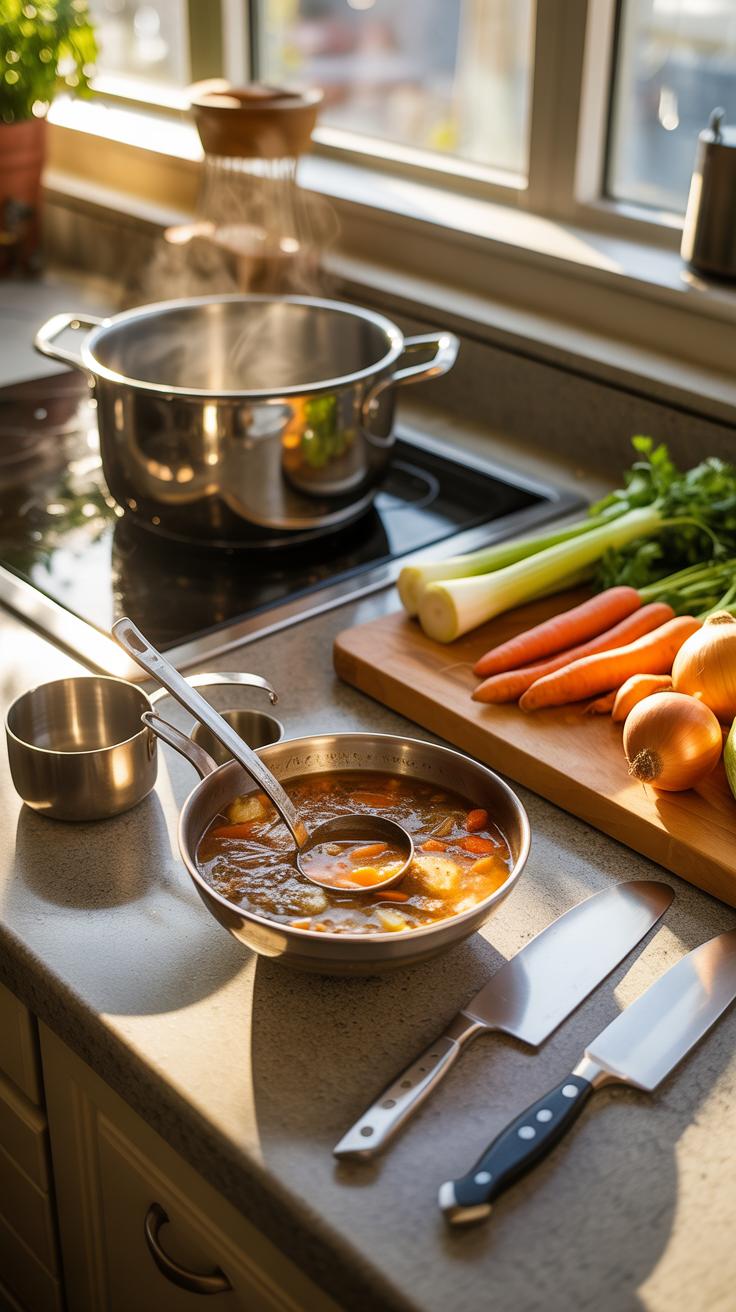
The Best Pots, Storage Containers, And Equipment For Efficient Soup Meal Prep
Efficiency in soup production requires high thermal mass and airtight seals. You need heavy bottoms to prevent scorching during long simmers. Thin metals create hot spots that ruin large batches of broth. Professional grade tools allow for consistent heat distribution and safe long term storage. Invest in materials that withstand rapid temperature changes from the stove to the refrigerator or freezer without cracking or leaching chemicals.
- Dutch Ovens: Cast iron coated in enamel provides superior heat retention. This material allows for even browning of aromatics and proteins before adding liquids. It maintains a steady simmer which is vital for extracting collagen from bones and softening tough vegetables over several hours.
- Immersion Blenders: This tool allows you to puree soups directly in the pot. You avoid the dangerous task of transferring hot liquids to a traditional blender. It saves time on cleanup and gives you total control over the final texture of the meal prep batch.
- Borosilicate Glass Jars: These containers handle thermal shock better than standard glass. They transition from cold storage to microwave heating without shattering. The non-porous surface ensures that strong scents from garlic or onions do not linger in the material after washing with standard soap.
- Silicone Freezing Trays: Large scale silicone molds allow you to freeze soup in exact one cup or two cup portions. Once frozen you can pop the blocks out and store them in bags. This method saves significant freezer space compared to bulky plastic tubs or round jars.
- Digital Kitchen Scales: Precision is necessary when dividing a large pot into equal servings for the week. Use a scale to ensure every container has the same caloric and nutrient density. This removes guesswork and guarantees you have enough food to last through your planned schedule.
Organization requires a labeling system that survives moisture and cold. Use masking tape and permanent markers to date every batch. Clear containers allow you to identify contents at a glance. Proper equipment reduces the labor time per serving. High quality tools also ensure your food stays safe from freezer burn or bacterial growth. Buy commercial grade equipment for the best results and the longest product lifespan.
How To Choose The Right Container Size For Portioning Your Weekly Soup Batches
Standardize your portion sizes to match your specific caloric needs. A sixteen ounce container is the industry standard for a single lunch serving. This size leaves enough room for expansion if you freeze the liquid. Larger thirty two ounce containers work best for family style meals or multi serving dinner bases. Choosing one or two uniform sizes makes stacking in the refrigerator more efficient and stable.
Avoid oversized containers that leave too much air at the top. Excess oxygen inside the packaging accelerates spoilage and causes freezer burn on the surface of the soup. Fill your containers to within half an inch of the rim to minimize air exposure while allowing for ice expansion. Consistent sizing also ensures that every meal takes the same amount of time to reheat in the microwave or on the stove.
High Protein Soup Recipes That Are Perfect For Weekly Meal Prep
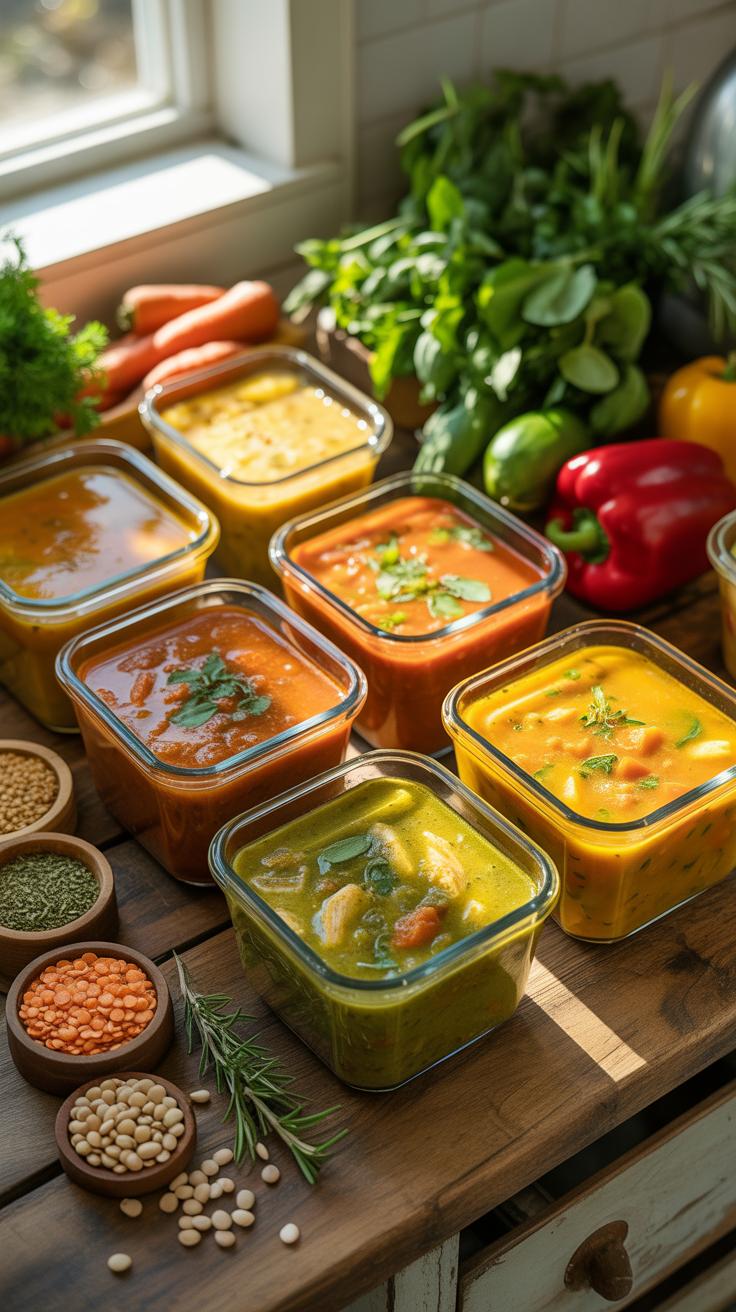
Why Protein Soups Keep You Fuller Longer And Support Muscle Recovery
Protein increases satiety by regulating hunger hormones like ghrelin and GLP-1. This biological response prevents mid-day energy crashes and overeating. When you meal prep high protein soups, you ensure steady glucose levels throughout the afternoon. Liquid meals that include dense protein sources take longer to digest than simple carbohydrates. This sustained digestion period keeps you focused on your work rather than your next snack.
Muscle tissue requires amino acids for repair after daily physical exertion. Soups allow for easy consumption of these essential building blocks in a highly bioavailable form. Cooking meats and legumes in broth helps break down tough fibers for easier nutrient absorption. Strategic meal prepping ensures you meet your daily protein targets without extra effort. High protein intake also boosts your thermic effect of food. This process increases the calories your body burns during digestion.
Top Protein Soup Recipes Using Chicken, Legumes, And Lentils For The Week Ahead
Chicken breast and thighs provide a versatile base for high protein meal prep. Shredded chicken maintains its texture even after reheating in the microwave. Combine it with kale and white beans to maximize the protein count per serving. Use bone broth as your liquid base to add extra grams of protein and collagen. These recipes stay fresh in the refrigerator for up to five days without losing their structural integrity.
Lentils and legumes offer a shelf-stable and cost-effective protein source for batch cooking. Red lentils break down to thicken the base while green lentils hold their shape during storage. Combine these pulses with lean turkey or beef to create a complete amino acid profile. Legumes also add significant fiber which works with protein to improve gut health. Prepare a large pot on Sunday to provide consistent nutrition for the entire work week.
How To Build Healthy High Protein Soups With Whole Food Ingredients
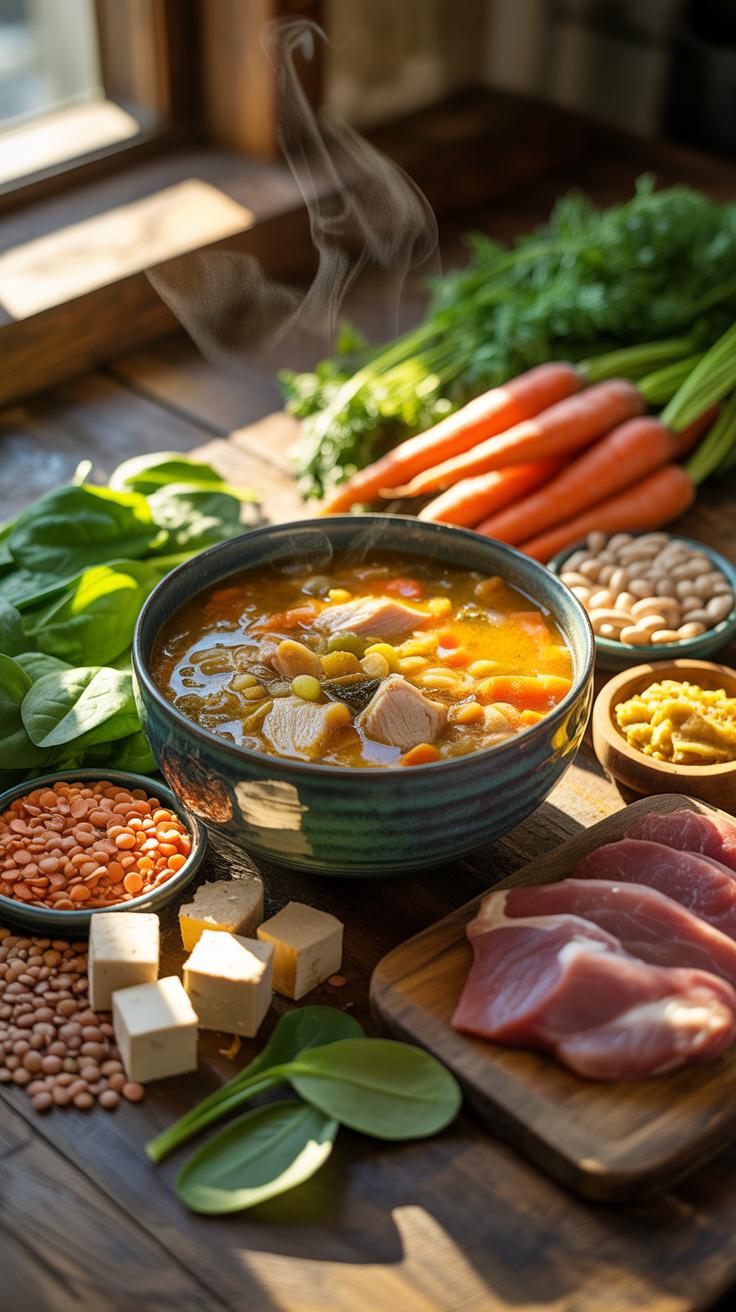
Choosing Lean Proteins, Fiber Rich Vegetables, And Nutrient Dense Broths
Select lean proteins to ensure high density without excess saturated fat. Skinless chicken breast, lean ground turkey, and white fish provide complete amino acids. Plant options like green lentils or chickpeas offer protein and fiber simultaneously. Brown these proteins before adding liquid to develop flavor through the Maillard reaction. This step creates a better taste profile without adding calorie-heavy cream or thickeners.
Veggies like kale, carrots, and celery add volume and essential vitamins. Use bone broth or low-sodium vegetable stocks to control salt intake. Bone broth contains collagen and extra protein that water lacks. Avoid canned broths with MSG or added sugars. Fresh aromatics like garlic and ginger boost the nutritional value of the liquid. These base choices dictate the overall health profile of your soup.
Balancing Macronutrients In Your Protein Soups Healthy Meal Prep Routine
Effective meal prep requires a specific ratio of protein, carbohydrates, and fats. Aim for twenty to thirty grams of protein per serving to support muscle retention. Add complex carbohydrates like quinoa, barley, or sweet potatoes for sustained energy release. These slow-digesting carbs prevent blood sugar spikes. Proper balancing ensures the soup serves as a standalone meal rather than a light side dish.
Limit fats to healthy sources like olive oil or avocado. Do not use heavy cream to achieve thickness. Puree a portion of the beans or root vegetables to create a creamy texture instead. This method keeps the calorie count low while maintaining a satisfying mouthfeel. Measure all ingredients during the prep phase to ensure nutritional consistency across all containers. Precise tracking allows you to meet your fitness goals.
Low Carb Soup Ideas That Still Deliver On Flavor And Satiety

How To Swap High Carb Ingredients For Low Carb Soup Alternatives Without Losing Taste
Replace potatoes with daikon radish or celery root to maintain structure without the starch. These root vegetables absorb flavors while providing a similar mouthfeel to traditional spuds. Use heavy cream or full fat coconut milk instead of flour based thickeners. This strategy increases healthy fats and improves satiety. Avoid cornstarch and roux because they spike glycemic levels and degrade during refrigeration.
Swap traditional wheat noodles for spiralized zucchini or shirataki noodles to eliminate refined grains. Add these delicate substitutes just before serving to prevent a mushy texture. Use riced cauliflower instead of white rice to bulk up chicken or beef soups. This change adds fiber and maintains the volume of the meal. These tactical swaps ensure your meal prep remains low carb while preserving the heavy profile of comfort food.
Low Carb Soup Recipes Built Around Cauliflower Zucchini And Bone Broth Bases
Puree steamed cauliflower with roasted garlic to create a thick base for creamy soups. This vegetable mimics the consistency of potato leek soup without the heavy carbohydrate load. Use high quality bone broth to provide essential collagen and minerals. Bone broth offers more protein and flavor than standard store bought vegetable stock. It creates a rich foundation that supports long term hunger management.
Simmer zucchini with onions and herbs before blending it into a smooth green bisque. Zucchini has a neutral profile that carries spices well and stays stable during reheating. Combine these bases with fatty proteins like shredded chicken thighs or ground beef. The fat content helps your body absorb fat soluble vitamins found in the vegetables. These recipes provide steady energy and prevent the afternoon crashes common with high carb meals.
Non Inflammatory Soups You Should Be Adding To Your Weekly Meal Prep
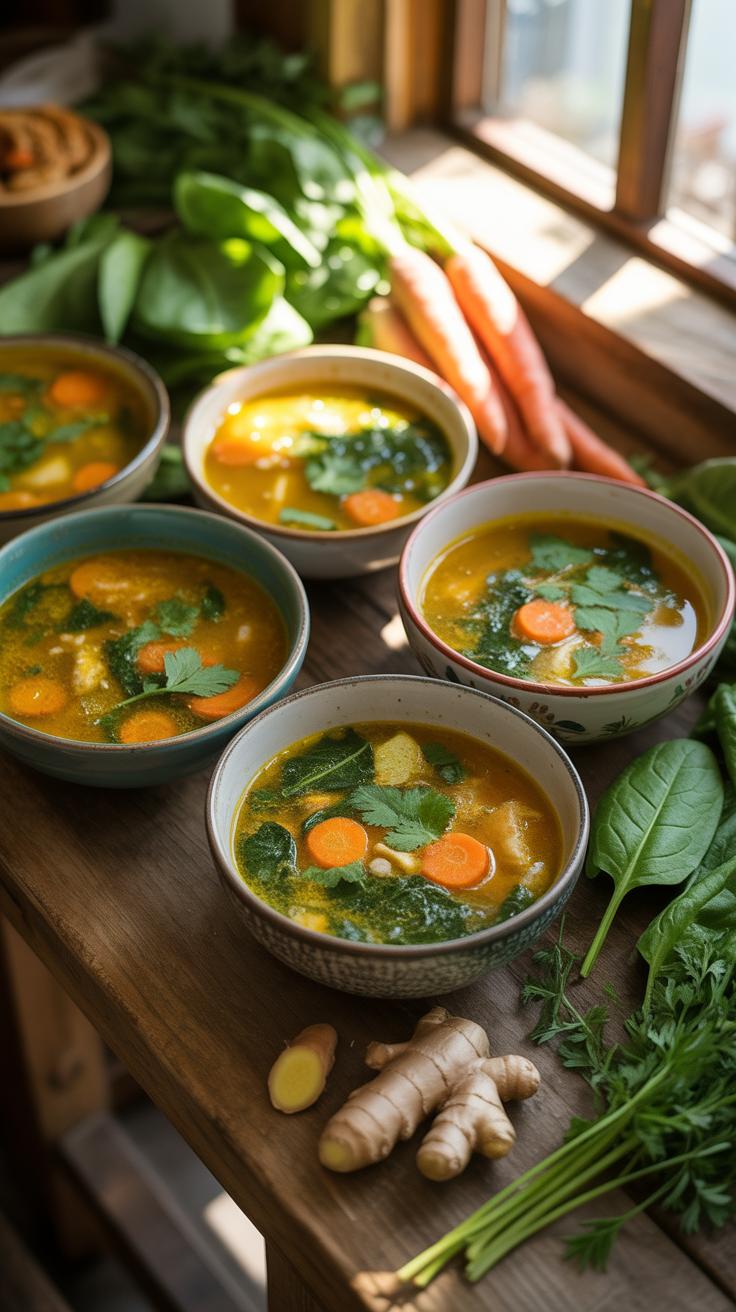
What Makes A Soup Anti Inflammatory And Which Ingredients To Prioritize
Anti inflammatory soups focus on nutrient density and glycemic control. These recipes eliminate refined sugars and processed seed oils that trigger systemic stress. You must prioritize high quality fats like extra virgin olive oil or avocado oil. These fats help your body absorb fat soluble vitamins. Use bone broth or vegetable stock as a base. These liquids provide minerals and collagen necessary for gut lining repair and joint health.
Prioritize cruciferous vegetables and sulfur rich alliums like garlic and leeks. These ingredients support the liver’s natural detoxification pathways. Limit heavy starches and nightshades if you have specific sensitivities. Focus on high fiber legumes or root vegetables for steady energy release. High fiber content feeds beneficial gut bacteria. A healthy microbiome reduces overall inflammation levels. Always season with sea salt instead of processed table salt to avoid unnecessary additives.
Inflammation Soup Recipes Featuring Turmeric Ginger And Leafy Greens
Turmeric and ginger serve as the primary bioactive agents in these recipes. Curcumin in turmeric requires black pepper and fat to become bioavailable. Grate fresh ginger directly into the pot to preserve its potent oils. Combine these with a coconut milk base for a creamy texture without dairy. Add kale or spinach at the very end of the cooking process. This preserves the vitamin C and prevents the greens from becoming bitter.
A standard recipe uses sautéed onions, fresh turmeric root, and minced ginger. Add carrots and cauliflower for bulk and fiber. Cover the vegetables with broth and simmer until tender. Use an immersion blender to create a smooth consistency if preferred. This soup stores well in the refrigerator for five days. You can freeze individual portions for up to three months. Reheating does not degrade the anti inflammatory compounds if done over medium heat.
Step By Step Guide To Meal Prepping A Full Week Of Soups And Stews
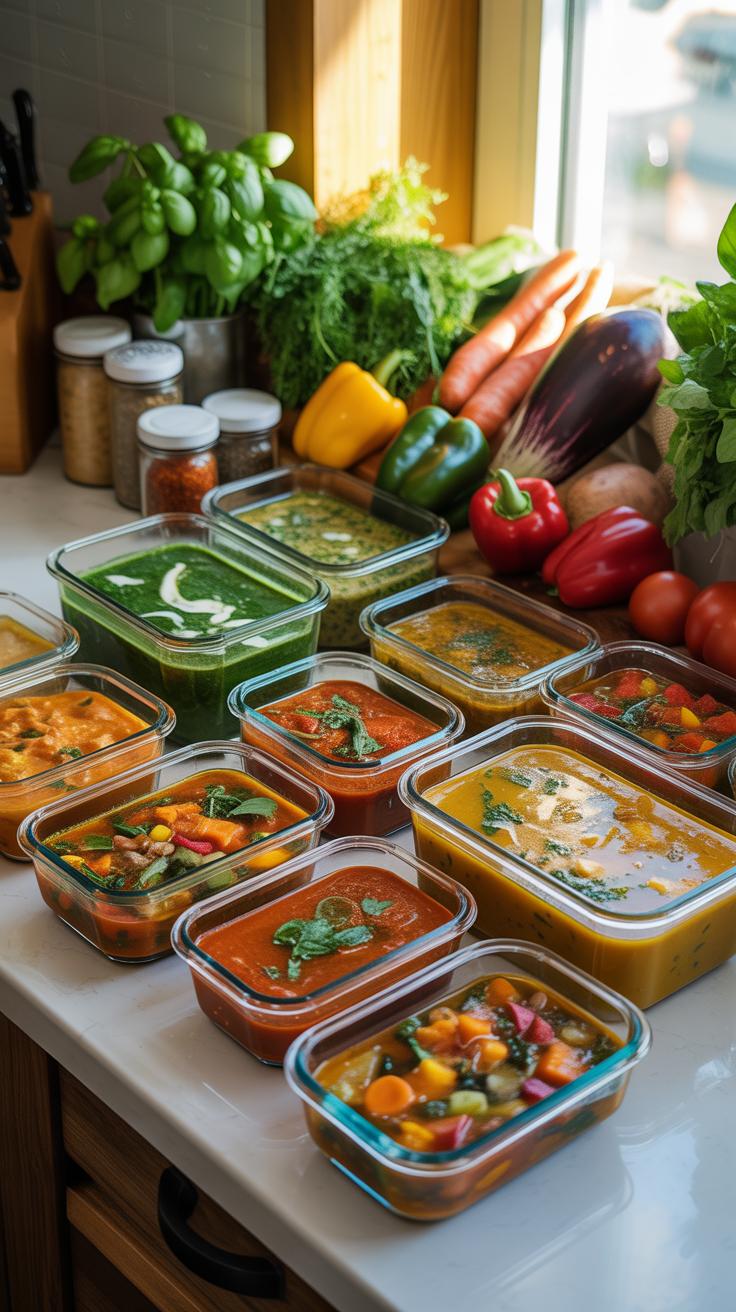
How To Plan, Shop, And Batch Cook Multiple Soup Recipes In One Prep Session
Efficiency starts with choosing recipes that share core ingredients. Select three soups that utilize a common base like mirepoix or chicken stock. This reduces your shopping list and total chopping time. Map out your stove space before you begin. You need a clear plan to handle multiple pots without crowding your workspace or losing track of cook times.
- Mirepoix Consolidation: Chop all onions, carrots, and celery at once. Most traditional soups rely on this French aromatic base. Prepping a large batch saves you from cleaning your knife and cutting board multiple times.
- Inventory Check: Verify your spice cabinet and pantry staples before shopping. Ensure you have enough salt, dried herbs, and oils for all recipes. Running out of a core seasoning midway through a batch cook ruins your momentum.
- Shared Protein Searing: Brown all meats in one large batch if the recipes allow. Use a heavy Dutch oven to develop fond on the bottom. You can deglaze the pot and distribute the browned protein across different soup bases later.
- Bulk Liquid Prep: Measure and organize your stocks and broths ahead of time. Use standardized containers to keep track of volume requirements for each recipe. This prevents errors in consistency and ensures every pot has the correct liquid ratio.
- Labeling System: Prepare your storage containers and labels before the soups finish simmering. Write down the name and date on masking tape or painter tape. This speed allows you to portion and cool the food immediately after the cooking process.
Batch cooking requires a rigid schedule to prevent kitchen fatigue. Focus on the most time intensive recipe first to get it simmering. While the first pot cooks, you can assemble the faster recipes. Use high heat only for searing and low heat for the long simmer. Constant monitoring ensures nothing burns while you manage other tasks in the kitchen.
Smart Layering And Sequencing Techniques To Cook More Than One Soup At A Time
Stagger your start times to maximize burner usage and prep space. Begin by sweating aromatics for your longest simmering stew in your largest pot. Once that reaches a simmer, move it to a back burner. This clears the front of the stove for high fatigue tasks like sautéing or monitoring a delicate cream soup. Use a timer for each distinct pot to stay organized.
Clean your station between each major phase of the cooking cycle. Wipe down surfaces after chopping vegetables and before handling raw proteins. Wash used measuring cups and spoons while the soups simmer to avoid a massive pile of dishes at the end. Maintaining a clean environment allows you to move faster and prevents flavor cross contamination between different soup recipes.
How To Properly Store Freeze And Reheat Your Meal Prepped Soups And Stews
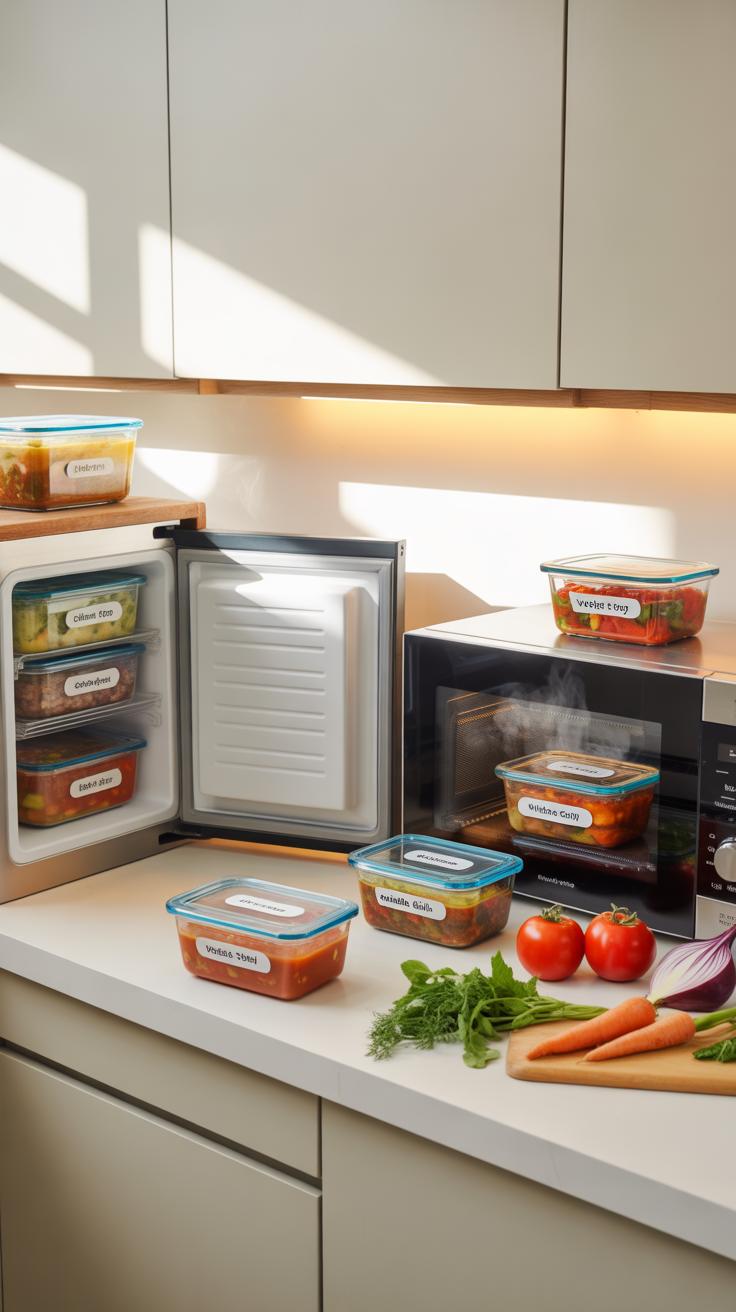
Refrigerator Vs. Freezer Storage: How Long Meal Prep Soups Safely Last
Standard refrigerator storage keeps most soups safe for three to four days. Seal your containers tightly to prevent oxygen exposure. Bacteria grow quickly in moist environments at room temperature. You must cool your soup to below forty degrees Fahrenheit within two hours of cooking. Use shallow containers to speed up this cooling process. Do not leave large pots on the counter to cool slowly.
The freezer extends the shelf life of your meal prep to three months. Beyond this point, ice crystals damage the cellular structure of the ingredients. This leads to freezer burn and a mushy texture upon thawing. Always leave one inch of head space in your jars or bags. Liquid expands when it turns into ice. This simple space prevents containers from cracking or seals from failing during the freezing process.
There is nothing like a pot of simmering soup to fill a home with the scent of comfort and the promise of a peaceful week ahead. Preparing a large batch today is a gift of warmth and love you leave for your future self.
The Best Methods To Reheat Soups And Stews Without Losing Texture Or Nutrition
The stovetop provides the most control for reheating frozen or chilled soups. Use low to medium heat to avoid scorching the bottom of the pan. Stir the liquid frequently to distribute the heat evenly. This method preserves the structural integrity of vegetables and proteins better than a microwave. Add a splash of water or broth to restore the original consistency. Evaporation during storage often makes the soup too thick.
Microwaving works for quick meals but requires specific steps to ensure even heating. Use a microwave safe cover to trap steam and maintain moisture levels. Heat the soup in two minute intervals and stir between each cycle. This prevents cold spots where bacteria might survive. Avoid high power settings for cream based soups to prevent curdling. Consistent stirring is the only way to achieve a uniform temperature throughout the entire bowl.
Inflammation Soup Recipes And Healthy Meal Prep Tips To Keep You On Track All Week
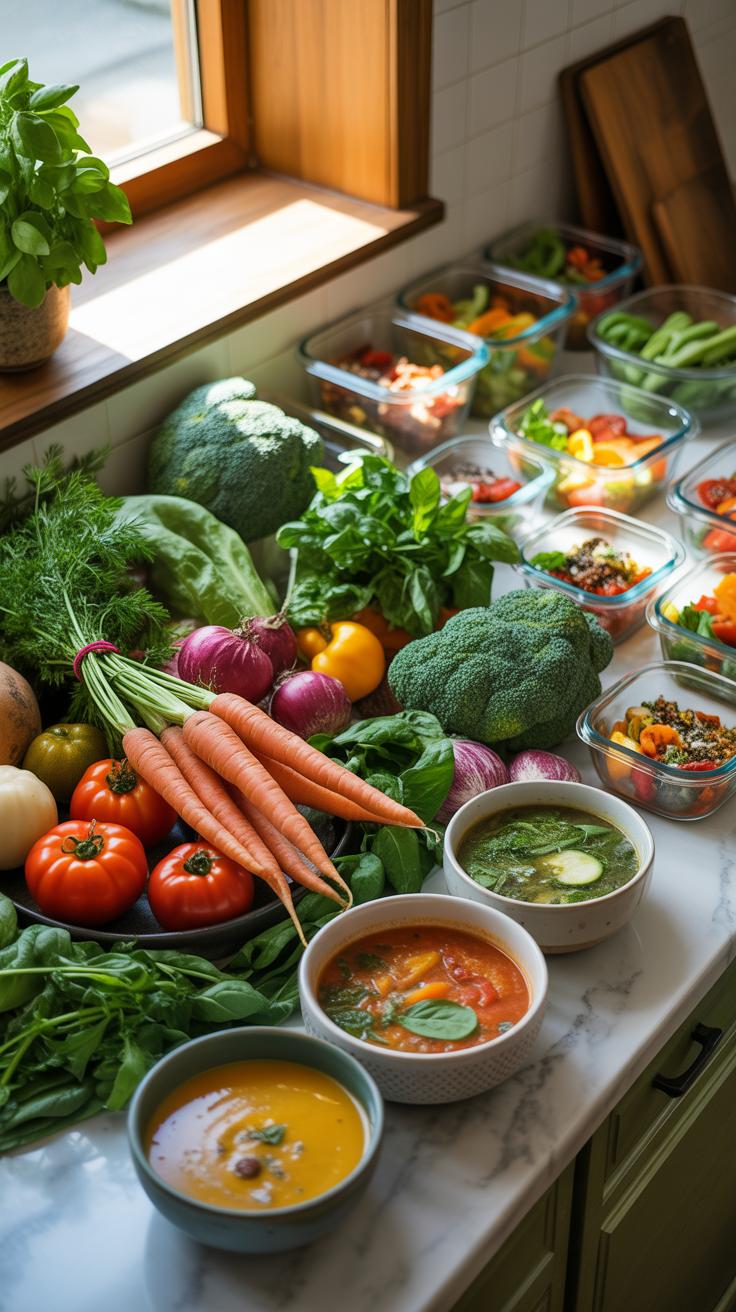
How To Rotate Your Inflammation Soup And Protein Soup Recipes To Avoid Meal Fatigue
Boredom ends consistency. You must alternate the base flavors of your meal prep soups every three days. If you prep a turmeric and ginger broth for Monday, switch to a hearty beef or bean chili for Thursday. Use various spice profiles like Mediterranean, Mexican, or Thai to keep your palate engaged. Rotating flavor profiles prevents the psychological burnout that often leads to ordering takeout mid week.
Adjust your protein sources to shift the texture of your meals. Lean chicken breast works well in light clear broths designed to reduce inflammation. Transition to dense plant proteins like lentils or chickpeas in thicker stews for later in the week. Changing the mouthfeel of your soup makes the routine feel fresh. Staggering these recipes ensures you receive a wide range of micronutrients and amino acids for optimal recovery.
Building A Sustainable Weekly Soup Meal Prep Habit That Fits Your Lifestyle
Efficiency dictates success in healthy meal prep. Set a hard deadline for your cooking session every Sunday afternoon. Use large stock pots or slow cookers to handle high volumes of soup at once. Portion the finished product into individual glass containers immediately after cooling. Labeling each jar with the date and recipe name eliminates decision fatigue during busy work mornings. This tactical approach saves hours throughout the work week.
Scale your efforts by using the cook once eat twice method. Double your recipe and freeze half of the batch in silicone molds. This creates a library of ready to heat meals for future weeks when you lack time to cook. Invest in high quality insulated thermoses to keep your soup hot at the office. Consistent systems remove the friction from eating well. Stick to the schedule to maintain your health goals.
Frequently Asked Questions

Is it safe to store batch-cooked soups in the refrigerator all week?
When you meal prep soups, most varieties will stay fresh and delicious in the refrigerator for up to four days. For safety and quality, ensure you cool your hot liquid dishes quickly by placing the pot in an ice bath before portioning them into airtight containers. If you plan to eat your meals later in the week, simply move a few portions to the freezer to maintain their peak flavor and texture.
What is the best way to reheat prepped soups so they don’t get soggy?
To maintain the best texture, reheat your meal prep soups on the stovetop over medium heat rather than using a microwave. If your stew has thickened significantly in the fridge, simply add a splash of broth or water to loosen it up. If your recipe includes delicate greens or dairy, wait to stir those fresh ingredients in during the final two minutes of reheating to ensure everything tastes perfectly fresh and vibrant.
Can I meal prep hearty soups and stews on a tight grocery budget?
Absolutely! Soups are one of the most cost-effective meals you can make because they rely heavily on affordable staples like dried beans, lentils, and seasonal root vegetables. You can stretch your budget further by using kitchen scraps to make homemade stock and choosing tougher, cheaper cuts of meat that become incredibly tender during the slow simmering process. It is a fantastic way to eat nutritiously while keeping your weekly grocery spending low.