
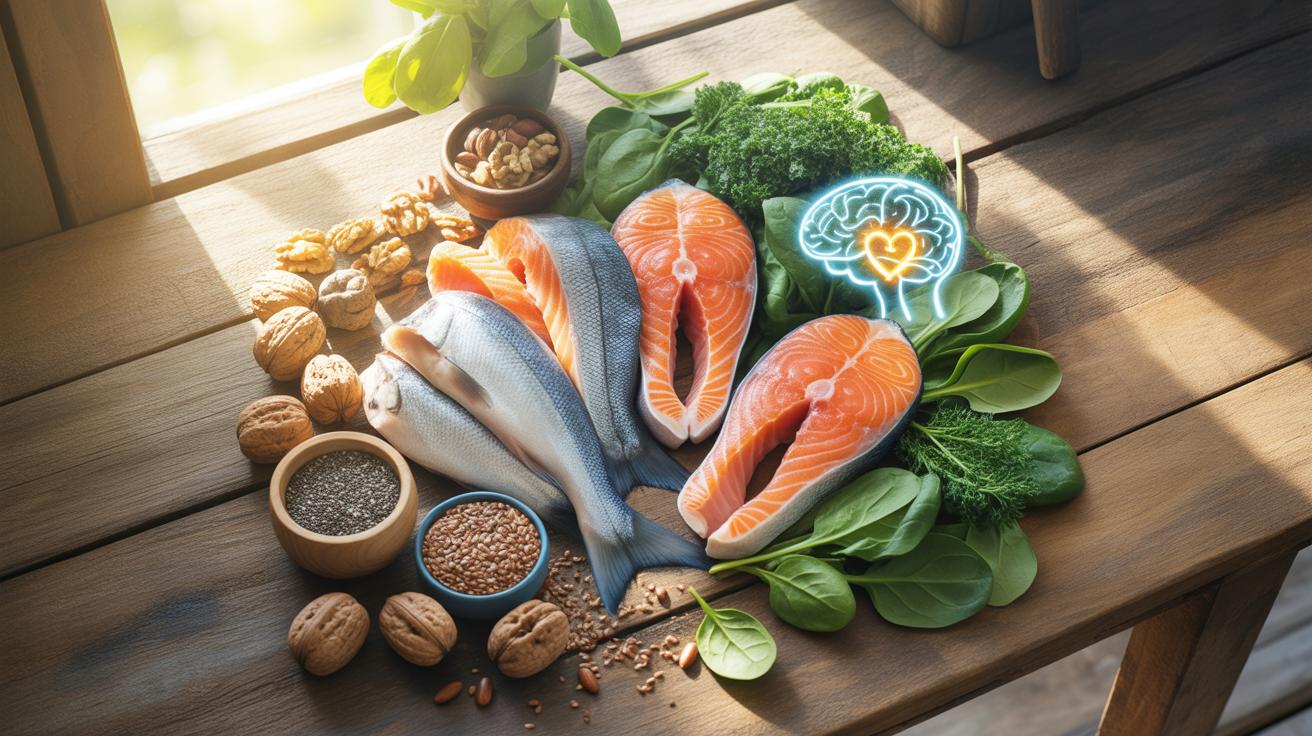
What Are Omega 3 Foods And Why Does Your Body Need Them
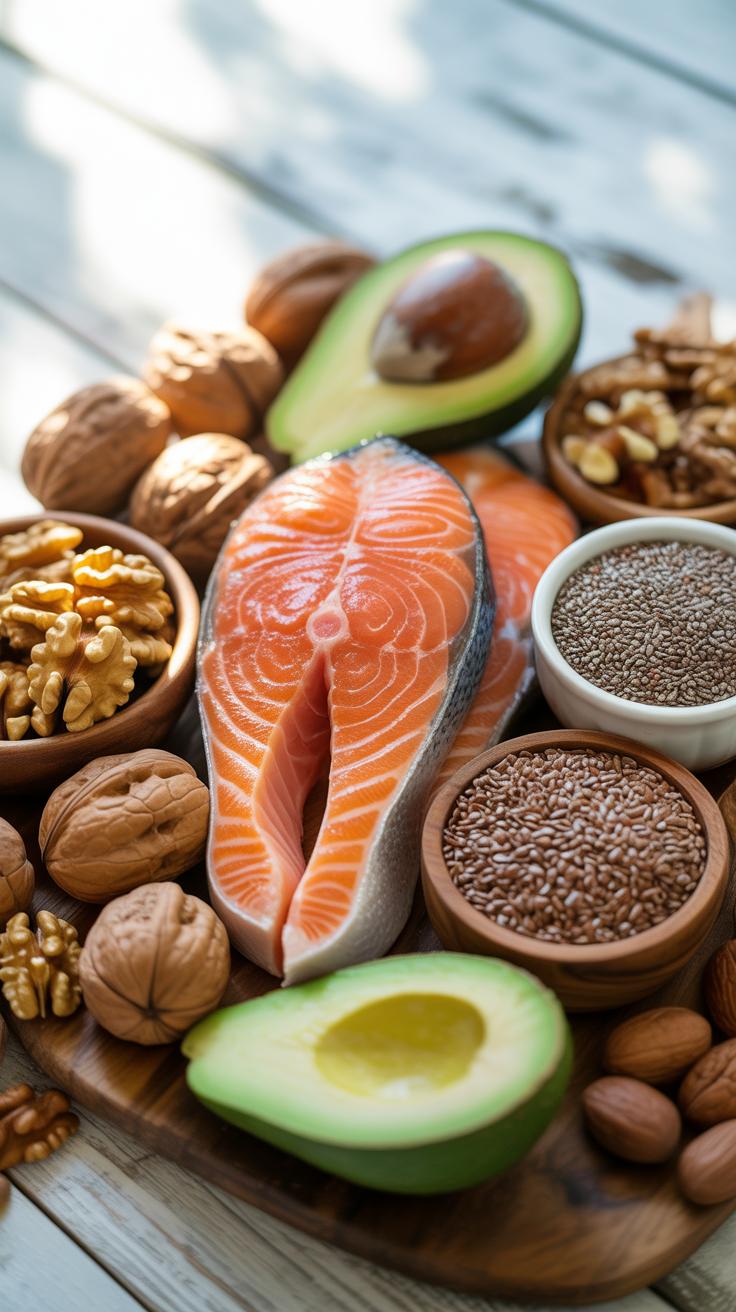
Understanding The Three Main Types Of Omega 3 Fatty Acids ALA EPA And DHA
Omega-3 fatty acids are polyunsaturated fats essential for human health. Alpha-linolenic acid or ALA occurs primarily in plant oils like flaxseed and walnuts. Your body uses ALA mostly for energy but can convert small amounts into more active forms. This conversion process remains inefficient in most humans. You must understand that ALA serves as the precursor to the more potent long-chain fatty acids.

Eicosapentaenoic acid or EPA and docosahexaenoic acid or DHA are the critical fatty acids found in marine life. Cold-water fatty fish like salmon and mackerel provide these directly. Your heart and brain rely on EPA and DHA to function correctly. DHA makes up a large portion of the gray matter in your brain and the retina in your eyes. EPA helps manage cellular inflammation throughout your entire body.
Why The Human Body Cannot Produce Omega 3s On Its Own And Must Get Them From Food
The human body lacks the specific enzymes needed to create omega-3 fatty acids from scratch. Biologists classify these as essential fatty acids because you can only get them through your diet. You must consume these fats to maintain cellular structure and signaling. Without a steady intake of omega-3 foods, your cells cannot build flexible membranes. This lack of production makes your food choices a tactical necessity for survival.

Historically, the human diet maintained a close balance between omega-3 and omega-6 fats. Modern industrial food systems now provide too many omega-6 fats from seed oils. This imbalance triggers chronic inflammation and slows down your metabolic efficiency. You need to prioritize fish, seeds, and nuts to correct this ratio. Eating omega-3 foods ensures your body has the raw materials it needs to repair tissue and protect your neurological health.
Top Omega 3 Rich Foods From The Sea You Should Know About
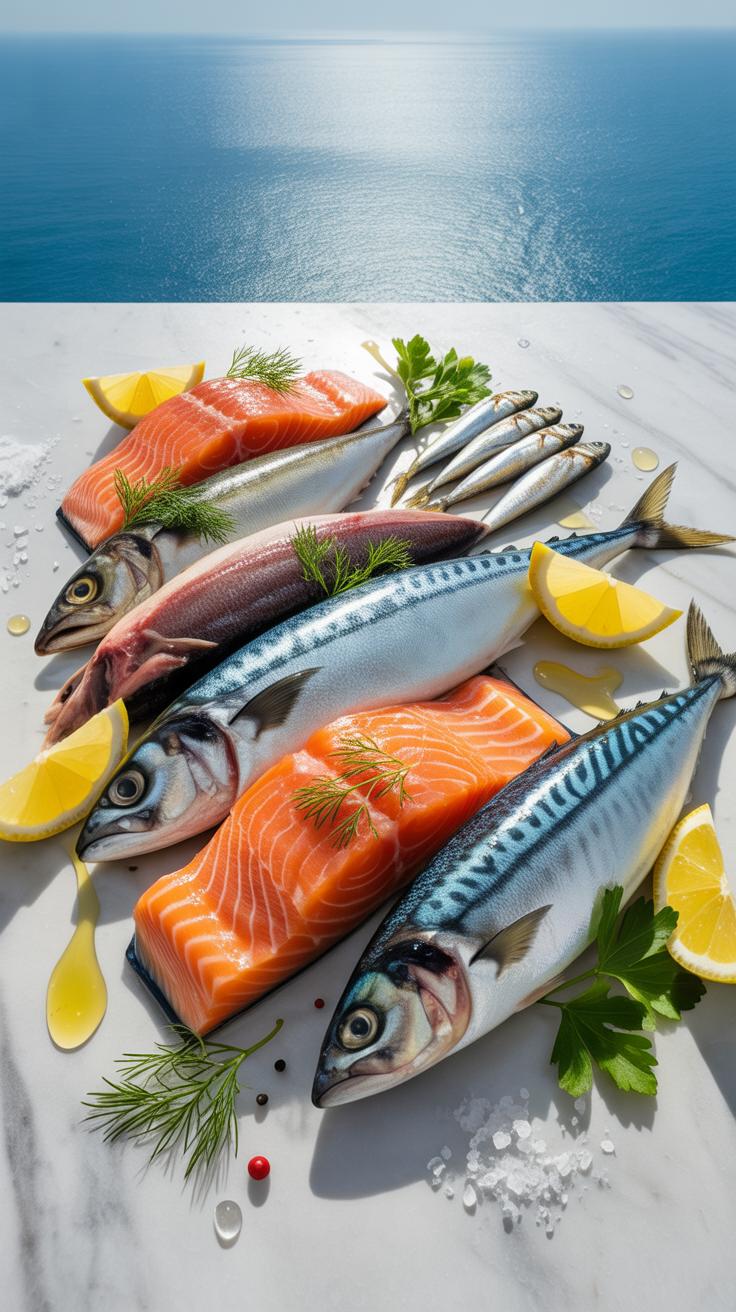
Fatty Fish Like Salmon Mackerel And Sardines As The Most Concentrated Marine Sources
Fatty fish provide the highest concentrations of EPA and DHA. These two fatty acids offer direct biological benefits to the human heart and brain. Salmon remains a primary choice for high yield. Mackerel and sardines offer similar density but often contain lower levels of heavy metals. These cold water fish store fat in their tissues to survive harsh temperatures. This fat provides the essential nutrients you need.
Eating these fish twice a week meets most nutritional requirements. You do not need large portions to see results. A standard three ounce serving delivers over one thousand milligrams of omega 3s. Choose wild caught options when possible to maximize nutrient density. Avoid overcooking the fish to preserve the integrity of the delicate fatty acids. Consistency in consumption is the most effective strategy for long term health.
Oysters Seaweed And Algae As Underrated Ocean Based Omega 3 Rich Foods
Shellfish and marine plants serve as vital alternative sources for essential fats. Oysters provide a unique combination of zinc and omega 3s. They offer a lean way to increase nutrient intake without excess calories. Most people overlook shellfish in favor of finfish. This is a mistake for any serious nutritional strategy. These foods diversify your mineral profile while supporting your cellular health through high quality fats.
Seaweed and algae are the original sources of omega 3s in the marine food chain. Fish accumulate these fats by eating algae. Consuming algae oil or dried seaweed provides a direct source of EPA and DHA. This is the only reliable vegan option for these specific fatty acids. Use these offshore plants to fill gaps in your diet. They work well for sustainable and plant based nutrition plans.
Best Plant Based Foods With Omega 3 For Vegetarians And Vegans

Flaxseeds, Chia Seeds, And Hemp Seeds As Powerful Plant Based ALA Sources
Flaxseeds and chia seeds provide the highest concentration of alpha-linolenic acid available in plant form. These seeds function as essential tools for vegans to meet daily nutrient requirements. You must grind flaxseeds to access the oil inside the tough outer shell. Whole flaxseeds pass through the digestive tract without releasing their internal fatty acids. Chia seeds do not require grinding for absorption.
Hemp seeds offer a complete protein profile alongside a solid ratio of omega fatty acids. These seeds provide a balance of omega 6 and omega 3 that supports heart health. Store these seeds in the refrigerator to prevent the delicate oils from oxidizing and turning rancid. Heat destroys the nutritional value of these fats. Add them to cold dishes or use them as a raw topping.
Walnuts And Edamame As Everyday Foods With Omega 3 That Are Easy To Include In Your Diet
Walnuts distinguish themselves from other nuts by their superior polyunsaturated fat content. Most nuts contain high levels of monounsaturated fats but lack significant omega 3 levels. One ounce of walnuts meets the total daily recommended intake of alpha-linolenic acid for most adults. They serve as a portable and shelf-stable source of nutrition. Use them in salads or as a standalone snack.
Edamame provides a plant-based source of fatty acids along with high fiber and protein. These young soybeans offer a unique nutritional profile compared to other legumes. One cup of steamed edamame contributes a meaningful amount of ALA to a vegetarian diet. This food works well for meal prepping and consistent daily consumption. It remains a reliable staple for maintaining healthy lipid levels without using animal products.
How To Identify A Quality Omega3 Food And Read Nutrition Labels Accurately

What To Look For On A Nutrition Label When Choosing An Omega3 Food At The Store
Check the nutrition facts panel for specific fatty acid breakdowns. Total fat grams do not tell the whole story. You must look for EPA and DHA content specifically. Many labels only list total omega 3 milligrams. This often includes ALA from plant sources which has low conversion rates. High quality products explicitly state the milligrams of EPA and DHA per serving to ensure biological utility.
Scan the ingredient list for stabilizers and antioxidant additives like rosemary extract or tocopherols. These ingredients prevent lipid peroxidation. Oxidized oil is toxic and loses its health benefits. Avoid products with vague terms like marine oil or fish body oil without source species. Look for third party seals that verify purity and potency. Transparency in the ingredient deck indicates a superior and more stable shelf product.
How Omega 3 Content Can Vary Based On Farming, Fishing Methods, And Food Processing
Wild caught cold water fish generally possess higher omega 3 concentrations than farmed varieties. Natural diets of algae and smaller fish provide the necessary precursors for EPA and DHA accumulation. Farmed fish often rely on grain heavy feeds which increase omega 6 ratios. This shift degrades the nutritional profile of the meat. You must prioritize wild sources to maximize your intake of anti inflammatory fats.
Processing methods also dictate the final nutrient density of the food. High heat canning can damage delicate polyunsaturated fats. Cold pressed oils and flash frozen fillets preserve the integrity of the carbon bonds. Refined oils often undergo bleaching and deodorizing which strips natural cofactors. Choose minimally processed options to ensure the fatty acids remain intact and bioavailable for your body to use.
Exploring The Best Omega 3 Food Sources Backed By Nutrition Science

How Researchers Rank And Compare Omega 3 Food Sources By EPA And DHA Content Per Serving
Researchers rank omega 3 foods by measuring the density of eicosapentaenoic acid and docosahexaenoic acid. These long-chain fatty acids provide the most direct biological utility. Science favors marine sources over plant sources for this reason. Plants only provide alpha-linolenic acid. The human body must convert this into usable forms. This conversion process is highly inefficient. Experts focus on the total milligrams of actual EPA and DHA per gram of tissue.
Bioavailability determines the true ranking of these foods. Modern nutritional analysis looks at how easily the body absorbs these fats. Cold-water fatty fish sit at the top of the hierarchy. They accumulate these nutrients through their diet of algae and smaller prey. Scientists use standard serving sizes to allow for direct comparisons. High-quality rankings exclude caloric density to focus purely on nutrient concentration. This data helps individuals choose foods with the highest physiological impact.
Just as the evening tide returns to the shore, nourishing your body with the riches of the sea brings a quiet clarity and strength to the heart. There is a deep, timeless wisdom in choosing foods that heal us from within.
A Practical Look At The Most Accessible And Affordable Omega 3 Food Sources Available Today
You do not need an oversized budget to secure high-quality omega 3 fatty acids. Many affordable staples offer significant concentrations of EPA and DHA. Canned and frozen options provide the same nutritional profile as fresh alternatives at a lower price point. These accessible foods allow for consistent weekly consumption. Consistency is the primary factor in maintaining optimal cellular levels. Focus on these items to maximize your nutritional return on investment.
- Canned Sardines: These small fish are inexpensive and packed with high levels of EPA and DHA. They sit low on the food chain, which means they contain fewer heavy metals like mercury compared to larger predatory fish.
- Mackerel: Atlantic mackerel is a budget-friendly fatty fish with a dense nutrient profile. Avoid King mackerel and stick to smaller varieties for safety. This fish offers one of the highest concentrations of omega 3s per gram.
- Farmed Salmon: While wild-caught is often praised, farmed salmon remains an accessible and effective source. Modern farming techniques ensure high fat content. It provides a reliable amount of DHA required for brain health and heart function.
- Canned Light Tuna: This is a convenient pantry staple for quick meals. While lower in fats than salmon or sardines, it still contributes to your weekly intake. Choose light tuna over albacore to keep your mercury exposure within safe limits.
- Chia Seeds: These represent the most affordable plant-based source of alpha-linolenic acid. They are easy to store and incorporate into various meals. Use them as a supplemental source to round out your total intake of healthy fats.
Diversifying your selection ensures you meet nutritional requirements without overspending. Rotate between these sources to keep your diet sustainable and practical. Prioritize the marine sources to ensure you get active EPA and DHA directly. Plant sources provide a helpful foundation but cannot replace the efficiency of fish. Use these strategic food choices to build a robust omega 3 profile. This tactical approach ensures your body receives the necessary raw materials for long-term health.
The Proven Heart Health Benefits Linked To Omega 3 And A Balanced Diet

How Regular Omega 3 Intake Is Associated With Lower Triglyceride Levels And Reduced Inflammation
High triglyceride levels increase your risk for heart disease and stroke. Consuming omega 3 foods forces the liver to reduce its production of these fatty substances. This action lowers the overall fat concentration in your bloodstream effectively. Lowering triglycerides helps prevent the hardening of your arteries. You must maintain consistent intake to see these biological changes. Omega 3 fatty acids target the source of fat production.
Chronic inflammation damages your blood vessels and leads to plaque buildup. Omega 3 foods produce signaling molecules that stop the inflammatory response in its tracks. This process protects the lining of your cardiovascular system from permanent damage. Reducing internal heat and swelling makes your heart work more efficiently. You need these nutrients to manage your body’s natural defense systems. Consistent consumption ensures your arteries remain flexible and clear.
What Cardiovascular Research Says About The Role Of Omega 3 In Supporting Heart Function
Medical research confirms that omega 3 intake supports a steady and regular heartbeat. These fatty acids stabilize the electrical activity within your cardiac cells. This stabilization prevents dangerous irregular heart rhythms that cause sudden cardiac events. Studies show that people who eat fatty fish regularly have lower rates of heart failure. The primary mechanism is the improvement of cellular membrane fluidity. Your heart needs these fats to function.
Clinical trials demonstrate that omega 3 foods slightly lower blood pressure levels. This reduction takes pressure off your heart and major arteries during every beat. Research also highlights how these fats prevent blood platelets from clumping together. This anti-clotting effect stops blockages before they start. Scientists advise getting these nutrients from whole food sources for the best results. Accurate data supports using omega 3 as a baseline for heart health.
Brain And Mental Health Advantages Of Eating Food With Omega 3 Regularly

How DHA From Food With Omega 3 Supports Brain Structure, Memory, And Cognitive Function
DHA makes up about forty percent of the polyunsaturated fatty acids in your brain. This fat builds the cell membranes that protect your neurons. It keeps these membranes fluid so signals move fast. Eating fish and algae provides the raw materials your brain needs to repair itself. Without enough DHA, your brain cells stiffen and lose the ability to talk to each other quickly.
DHA regular intake improves memory and blood flow in the brain. It supports the growth of new connections between nerve cells. This structural support helps prevent cognitive decline as you age. Research proves that high levels of DHA in the blood correlate with better scores on memory tests. You must eat these fats often because your body cannot create them efficiently on its own.
The Connection Between Omega 3 Fatty Acid Consumption And Reduced Risk Of Depression And Anxiety
Omega 3 fats reduce inflammation in the brain which often causes mood disorders. EPA specifically travels across the blood-brain barrier to stop inflammatory molecules. This process helps regulate neurotransmitters like serotonin and dopamine. People who eat oily fish regularly show lower rates of clinical depression. The fatty acids balance the chemical signaling that dictates how you feel and react to stress.
Anxiety symptoms also decrease when you consume enough omega 3 fats. These acids stabilize the hypothalamic-pituitary-adrenal axis which controls your stress response. Low levels of EPA and DHA lead to higher cortisol production and increased feelings of panic. Proper nutrition provides a physical buffer against emotional strain. Consistent consumption of these fats acts as a natural long-term strategy for maintaining baseline mental health and emotional stability.
Practical Tips For Getting More From Your Omega 3 Sources Each Week

Simple Meal Planning Strategies To Consistently Include Omega 3 Sources In Your Weekly Diet
Consistency beats intensity when sourcing essential fatty acids. You must schedule specific days for oily fish to ensure you meet biological requirements. Planning removes the friction of daily decision making. High-quality fat sources require proper storage to prevent oxidation. Batch buying fresh fish or utilizing shelf-stable pantry options allows you to maintain a steady intake without frequent trips to the market.
- Designate Fish Days: Assign two specific days each week for fatty fish intake. This routine ensures you hit the recommended dosage of EPA and DHA without guessing. Using Tuesdays and Fridays creates a repeatable schedule that simplifies your grocery shopping and meal preparation efforts significantly.
- Utilize Canned Options: Keep sardines and mackerel in your pantry for immediate use. These small cold-water fish sit lower on the food chain and contain fewer heavy metals. They provide a portable and affordable way to hit your nutritional targets when you lack time for fresh cooking.
- Seed Integration: Add ground flax seeds or chia seeds to your morning meals daily. While these provide ALA rather than direct EPA, they bolster your total weekly intake. Store these seeds in the refrigerator to protect the delicate oils from heat and light exposure which causes rancidity.
- Precision Snacking: Swap standard processed snacks for walnuts. Walnuts are the only nut with a significant amount of alpha-linolenic acid. Keeping a pre-portioned bag in your desk or car ensures you have a strategic source of healthy fats available during high-stress periods when diet quality usually drops.
- Pre-soak Plant Sources: Soak chia seeds overnight to improve their digestibility and nutrient absorption. This preparation method makes it easier to incorporate large quantities into puddings or smoothies. It transforms a dry ingredient into a functional food base that carries other nutrients efficiently through your digestive system.
Smart meal planning relies on diversity between marine and plant sources. Marine sources provide direct heart and brain benefits while plant sources offer necessary fiber. Do not rely on a single food item for all your needs. Rotating your selection prevents mercury buildup and broadens your micronutrient profile. Focus on high-yield foods that require minimal preparation to increase your long-term compliance with this dietary strategy.
How Cooking Methods Affect The Omega 3 Potency In Fish And Other Food Sources
Heat intensity dictates the final nutritional value of your meal. High temperatures degrade sensitive long-chain fatty acids through oxidation. Frying fish at high heat destroys the structural integrity of EPA and DHA molecules. This process creates harmful free radicals and reduces the heart-health benefits of the food. Choose methods that use lower temperatures or shorter cooking times to preserve the natural oil content effectively.
Baking, steaming, and poaching are the most effective ways to maintain potency. These techniques use moisture or controlled air temperature to cook the protein without scorching the fats. If you use an oven, keep the temperature below 400 degrees Fahrenheit. Covering the fish with parchment paper or foil helps trap moisture. This protection prevents the delicate omega-3 oils from breaking down during the thermal transfer process.
Building A Long Term Diet Around Healthy Omega 3 Food Sources For Overall Wellness

How To Balance Omega 3 And Omega 6 Intake Through Healthy Omega 3 Food Sources For Optimal Health
Modern diets contain too many omega-6 fatty acids from processed seed oils like soybean and corn oil. High omega-6 levels promote systemic inflammation and counteract the benefits of omega-3s. You must reduce processed vegetable oil intake while increasing whole food omega-3 sources. Maintaining a lower ratio between these two fats is critical for cardiovascular health. Target a ratio of four to one or lower.
Prioritize fatty fish and walnuts over snacks fried in industrial oils. Eliminate margarines and heavy dressings that use cheap oils as a base. These products flood your system with pro-inflammatory compounds. Swap them for olive oil or grass-fed butter which have better fat profiles. Consuming ALA from seeds and EPA from fish daily keeps your cellular membranes flexible. This strategy prevents the chronic inflammation linked to modern metabolic diseases.
When To Consider Omega 3 Supplements Alongside Healthy Omega 3 Food Sources In Your Diet
Whole foods should provide most of your nutrients because they contain helpful co-factors. However, specific medical conditions or dietary gaps require concentrated supplementation. Individuals with high triglycerides or heart disease risk often need higher doses than food provides. Vegans also need algae-based oils because they do not eat fish. Supplements ensure you meet daily targets when fresh seafood is unavailable or too expensive.
Choose high-quality fish oil or krill oil to avoid heavy metal contamination. Look for products with third-party testing certifications to verify purity and potency. Check the label for high concentrations of EPA and DHA specifically. Taking supplements alongside a meal improves fat absorption in the gut. Consistent daily intake matters more than high occasional doses. Monitor your blood levels to adjust your dosage based on real health data.
Frequently Asked Questions

What exactly are omega 3s and why are they important for my health?
Omega 3s are essential fatty acids that your body cannot produce on its own, meaning you must obtain them through your diet. These healthy fats play a vital role in maintaining heart health, reducing systemic inflammation, and supporting cognitive function. Regularly consuming omega 3 foods helps protect your cardiovascular system and may even improve your mood and skin elasticity, making them a cornerstone of a balanced and vibrant lifestyle.
How can I easily incorporate more omega 3 foods into my daily meals?
Boosting your intake is simpler than you might think. Start your morning by adding a tablespoon of chia seeds or ground flaxseeds to your oatmeal or smoothie. For lunch, toss some walnuts over a fresh green salad. Aim to swap one meat-based dinner each week for grilled salmon or mackerel. These small, intentional adjustments make it effortless to enjoy the diverse health benefits of omega 3 foods every single day.
Can I get enough omega 3s if I am on a tight budget or don’t like fish?
Absolutely! While fresh salmon is a popular source, there are plenty of affordable and plant-based alternatives available. Canned sardines and tuna are budget-friendly pantry staples that pack a nutritional punch. If you prefer plant sources, flaxseeds, hemp seeds, and walnuts are cost-effective options often found in bulk. These accessible choices ensure that everyone can support their long-term wellness without overspending on expensive supplements or specialty grocery items.