
What Makes A Food Nutrient Dense Understanding The Basics Of Nutrient Dense Food

The Difference Between Calorie Dense And Nutrient Dense Foods
Calorie density measures the energy provided per unit of food weight. High calorie foods often contain refined sugars and processed fats. These items provide fuel but lack essential vitamins or minerals. Eating too many calorie dense foods leads to weight gain without meeting your biological needs. You feel hungry again quickly because your body is still searching for the critical building blocks it requires.

Nutrient density focuses on the concentration of micronutrients relative to the total calorie count. These foods provide high levels of fiber, protein, and minerals for few calories. Selecting nutrient dense options allows you to meet daily requirements without overeating. This strategy supports metabolic health and long term energy levels. It shifts the focus from how much you eat to the actual quality of the fuel.
How Scientists And Nutritionists Define Nutrient Density
Scientists define nutrient density using standardized scoring systems. These models calculate the presence of beneficial nutrients like potassium, iron, and vitamin C against calories. Public health researchers use these metrics to rank foods for dietary guidelines. The goal is to maximize the intake of vitamins per calorie consumed. This objective approach removes marketing bias and relies on clinical data to identify the most efficient food sources.

Nutritionists look at the ratio of essential nutrients to empty energy. They evaluate how many micronutrients a food provides compared to its total mass. Foods like leafy greens and lean proteins rank high on these scientific scales. This definition helps people choose foods that support organ function and cellular repair. It provides a tactical framework for building a diet that prevents deficiencies and promotes systemic efficiency.
The Power Of Leafy Greens Nutrient Rich Foods That Fuel Your Body

Why Spinach, Kale, And Swiss Chard Top The Nutrient Charts
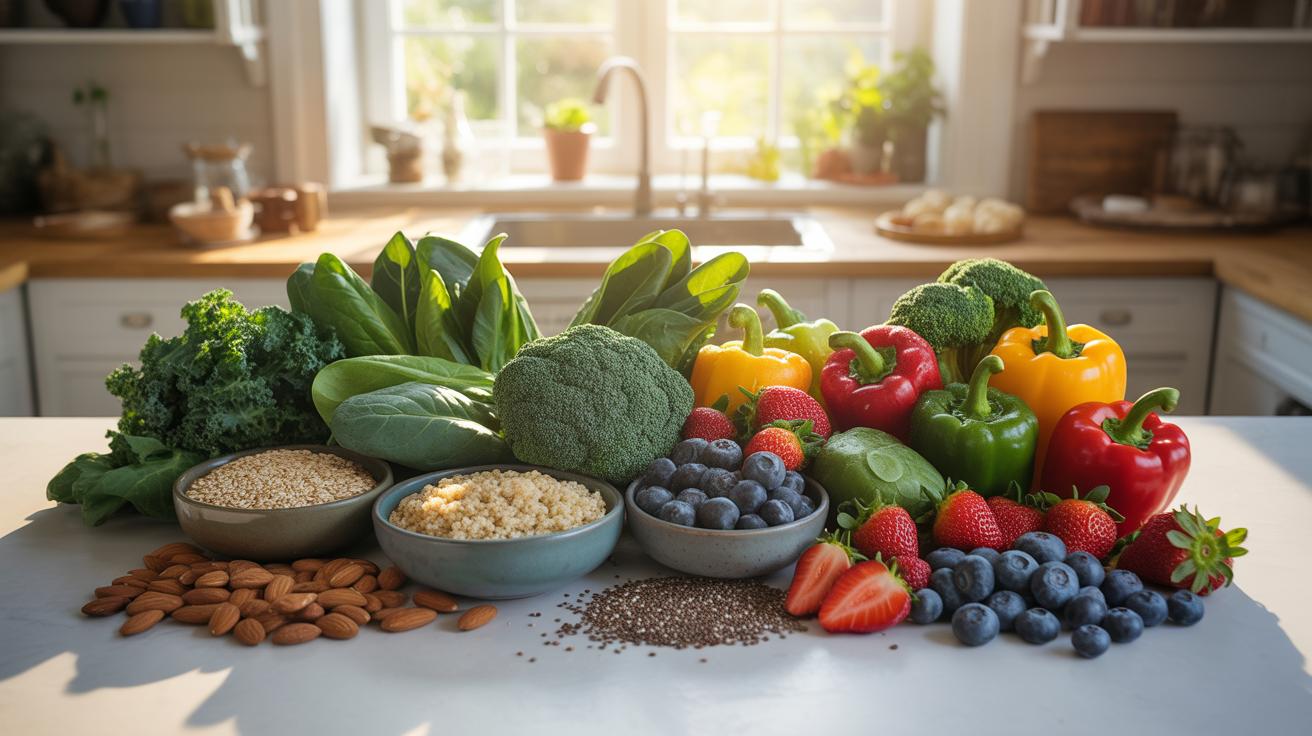
Spinach, kale, and swiss chard contain high concentrations of essential vitamins and minerals per calorie. These greens provide significant amounts of vitamin K, vitamin A, and vitamin C. Vitamin K supports bone health and blood clotting. These plants also contain bone-bolstering calcium and iron. Their dark pigments signal the presence of antioxidants like lutein and zeaxanthin. These compounds protect cells from oxidative damage and support long-term eye health.
The Aggregate Nutrient Density Index often ranks these greens at the top of the scale. Kale provides more than double the daily value of vitamin A in a single cup. Swiss chard offers a unique profile of betalain phytonutrients. These specific greens bridge the gap between caloric intake and functional health. They deliver raw materials that the body uses to maintain vascular health and reduce systemic inflammation without adding excessive sugar or fat.
How To Incorporate More Leafy Greens Into Your Daily Meals
Adding leafy greens to your diet requires strategic preparation to maximize absorption. You must pair fat-soluble vitamins like K and A with a healthy lipid source. Use olive oil or avocado when cooking kale or spinach. This chemical reaction allows your digestive system to process the nutrients effectively. Sautéing greens also reduces their volume. This method lets you consume more nutrients in a smaller portion compared to raw leaves.
Blending greens into morning smoothies is a tactical way to hit your daily targets early. Use baby spinach for a milder taste profit. Add swiss chard to soups or stews during the final ten minutes of cooking. This preserves the heat-sensitive vitamin C while softening the fibrous stalks. Constant exposure to these greens builds a habit of high-density eating. Choose different varieties throughout the week to ensure a broad spectrum of minerals and phytonutrients.
Eggs Salmon And Sardines Animal Based Nutrient Dense Options Worth Knowing

Why Fatty Fish Like Salmon Are Among The Most Nutrient Dense Foods On Earth
Fatty fish like salmon and sardines provide a massive concentration of omega-3 fatty acids. These fats are essential because the human body cannot produce them. They support heart health and reduce inflammation. Wild-caught salmon contains high amounts of vitamin D and selenium. This makes it a top-tier choice for optimizing cellular function and maintaining healthy bones without consuming excessive calories.
Sardines are even more efficient for nutrient density. You eat the whole fish, including the bones and skin. This provides a rare natural source of calcium and phosphorus. These small fish sit low on the food chain. They contain fewer heavy metals like mercury compared to larger predators. Eating sardines ensures you get high protein and healthy fats. This combination stabilizes blood sugar and supports long-term brain health.
The Nutritional Profile Of Eggs: A Complete And Affordable Nutrient Food
The egg is a biological powerhouse often called a nature’s multivitamin. It contains every nutrient required to turn a single cell into a baby chicken. The yolk holds most of the fat-soluble vitamins like A, D, E, and K. It also provides choline, which is vital for brain development and liver function. Most of the protein resides in the white, making the whole egg a perfect protein source.
Eggs are highly bioavailable. This means your body easily absorbs and uses the nutrients they contain. They are one of the cheapest ways to get high-quality animal protein and healthy fats. Research shows that dietary cholesterol in eggs has minimal impact on blood cholesterol for most people. Replacing processed carbohydrates with eggs at breakfast increases fullness. This helps control your total calorie intake and improves metabolic health throughout the day.
Legumes And Beans Affordable And Nutrient Dense Plant Based Staples
Lentils, Chickpeas, And Black Beans: What The Nutrients Actually Do For You
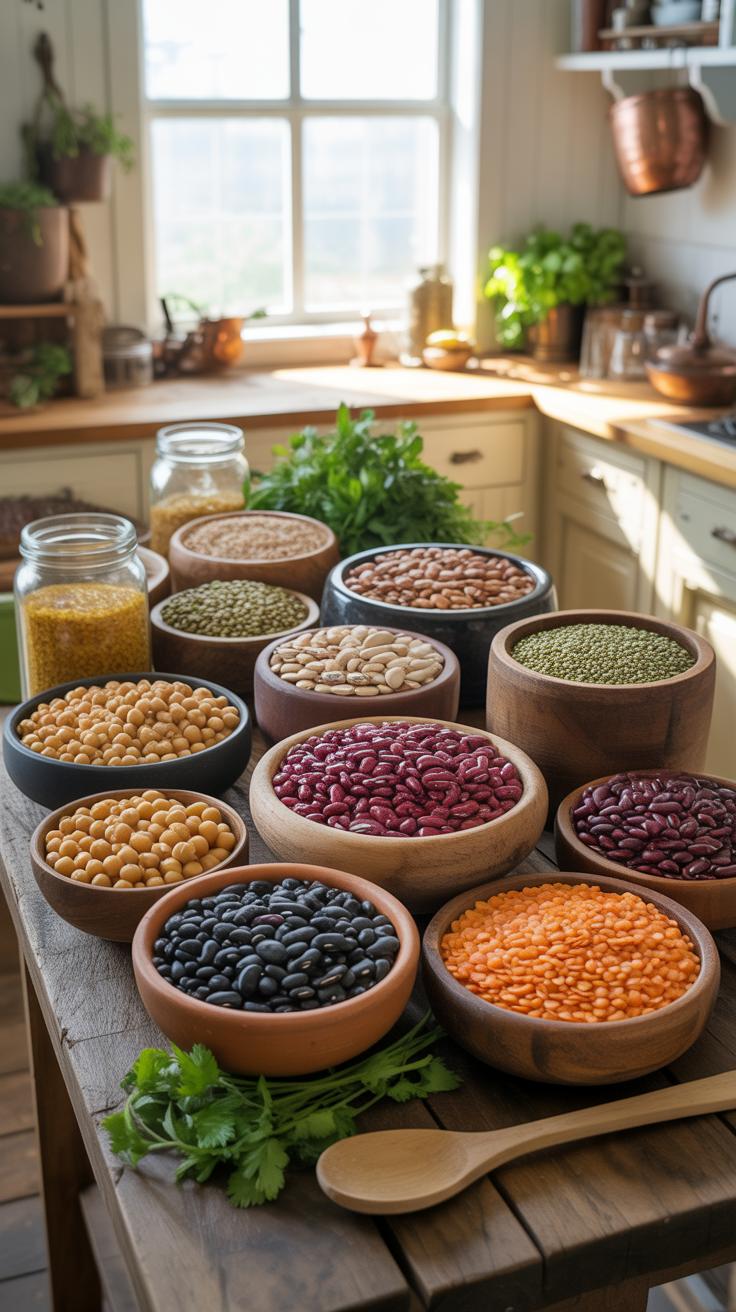
Lentils deliver high concentrations of plant-based protein and molybdenum. They contain folate and iron which build healthy red blood cells. These small seeds provide magnesium to regulate your nervous system. Chickpeas offer manganese for bone formation and wound healing. Black beans provide anthocyanins that act as powerful antioxidants. These nutrients work together to repair body tissues and support critical metabolic enzymes.
These nutrient dense foods provide essential minerals that many modern diets lack. Phosphorus in beans supports healthy cell membranes and energy production. Potassium helps maintain proper fluid balance and muscle contractions. The copper found in chickpeas assists with iron absorption and immune function. Consuming these staples ensures your body has the raw materials needed for cellular repair and daily biological maintenance.
How Legumes Support Heart Health, Gut Function, And Sustained Energy
Soluble fiber in legumes lowers LDL cholesterol levels effectively. This reduction protects your arteries from plaque buildup and improves blood flow. Fiber also slows glucose absorption into your bloodstream. This prevents sharp insulin spikes and provides steady energy for hours. Legumes have a low glycemic index which makes them ideal for blood sugar management. Regular consumption significantly decreases your long-term risk of cardiovascular disease.
Legumes act as a primary fuel source for your gut microbiome. Prebiotic fibers pass through the small intestine to feed beneficial bacteria in the colon. This process produces short-chain fatty acids like butyrate which reduce gut inflammation. A healthy gut improves your overall immune response and nutrient absorption. Eating beans regularly strengthens the intestinal barrier and promotes consistent digestive health without relying on expensive supplements.
Nuts And Seeds Small But Mighty Foods With Nutrients That Add Up
Almonds, Walnuts, Chia Seeds, And Flaxseeds: A Nutrient Breakdown
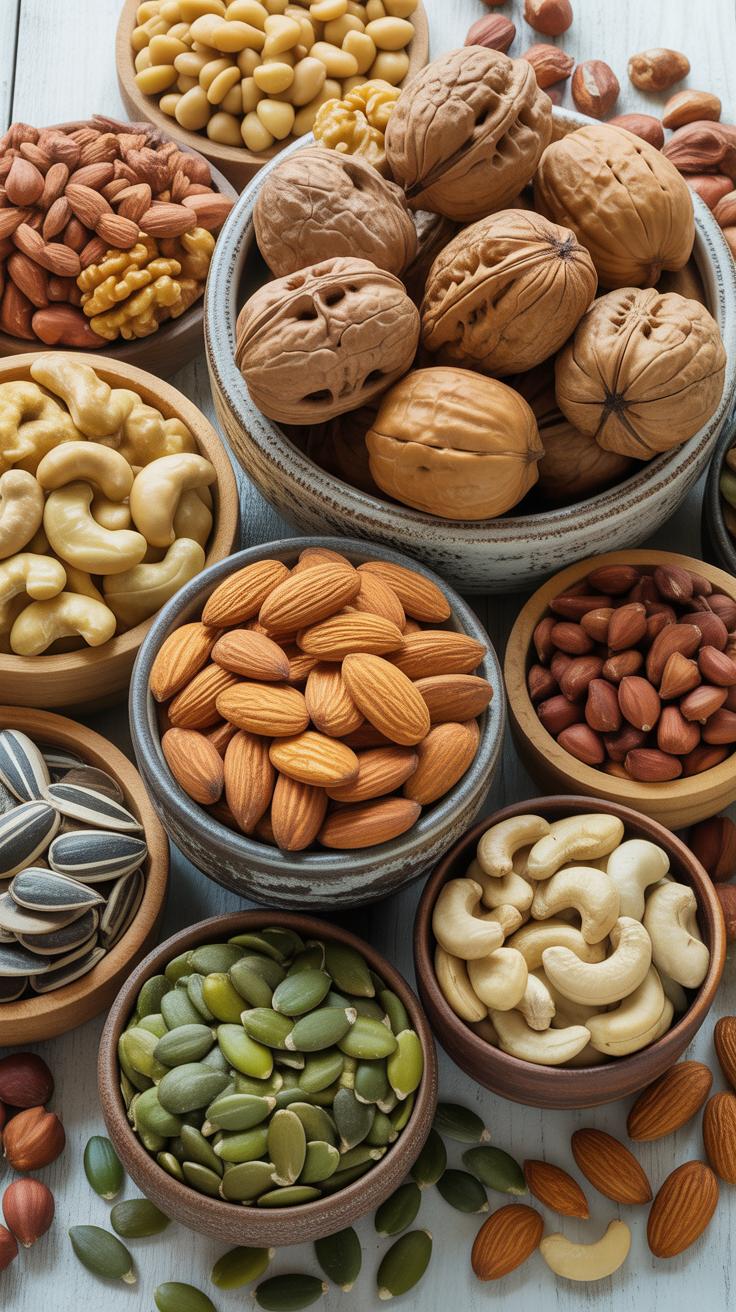
Almonds provide high levels of vitamin E and magnesium to support heart health. Walnuts contain alpha-linolenic acid which is a critical plant-based omega-3 fatty acid. These nuts offer dense profiles of protein and fiber that stabilize blood sugar levels. They act as fuel for cellular repair and metabolic function. Regular consumption improves lipid profiles and reduces systemic inflammation across the body.
Chia seeds and flaxseeds deliver massive amounts of fiber and essential minerals in tiny packages. Chia seeds absorb ten times their weight in water to aid digestion and hydration. Flaxseeds contain lignans which have strong antioxidant properties. You must grind flaxseeds to access their internal nutrients. Both seeds provide significant plant-based protein. They represent the most efficient way to increase daily micronutrient intake.
Smart Ways To Add Nuts And Seeds To Your Diet Without Overeating
Portion control remains the biggest challenge with these energy-dense foods. One ounce or a small handful represents a standard serving size. Use measured containers to avoid mindless snacking from large bags. High caloric density means even small amounts provide significant energy. Treat these foods as functional supplements rather than bulk snacks. Precise tracking prevents unwanted weight gain while securing nutritional benefits.
Integrate nuts and seeds into existing meals to maximize absorption and satiety. Add crushed walnuts to salads or mix chia seeds into morning oats. Use almond butter as a protein source on whole grain toast. These additions lower the glycemic index of your entire meal. Focus on raw or dry-roasted varieties to avoid inflammatory seed oils and excess sodium. Tactical pairing ensures you get the nutrients without the additives.
Whole Grains And Ancient Grains A Natural Health Food Guide To Smarter Carbs
Quinoa, Oats, And Brown Rice: Why Whole Grains Outperform Refined Grains
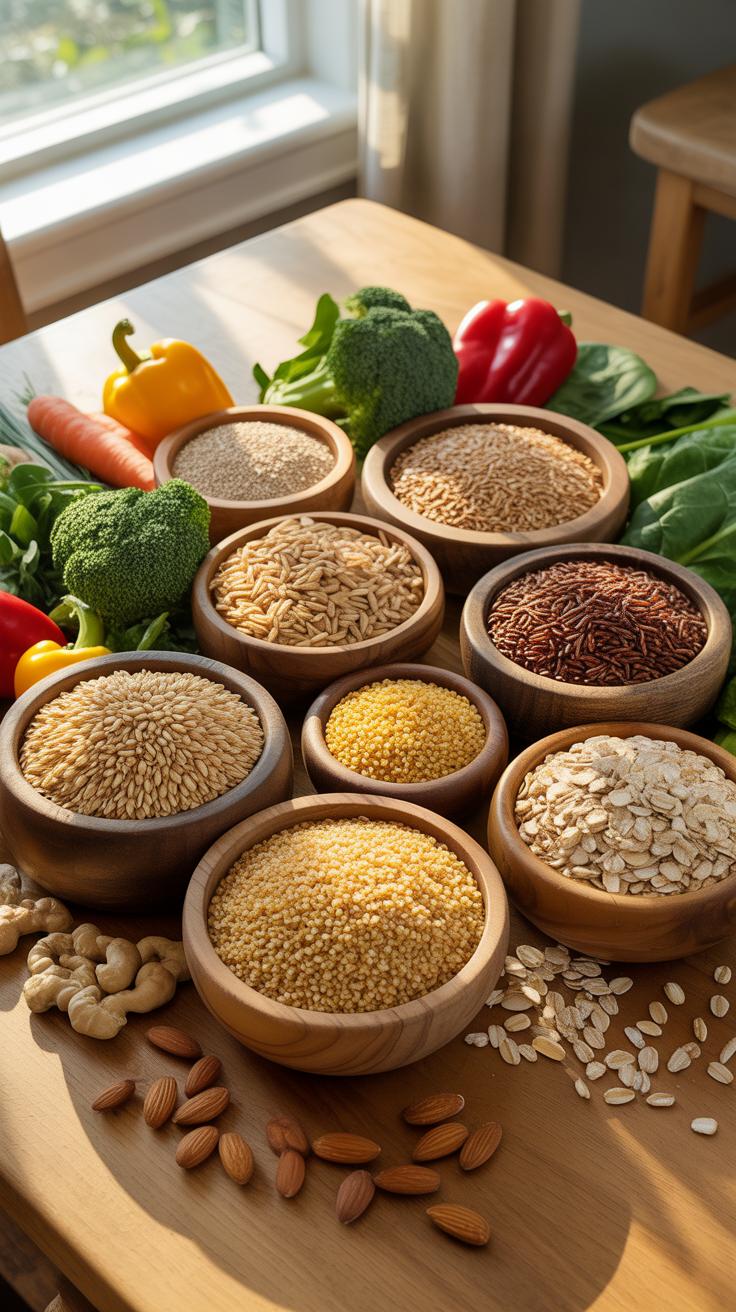
Refined grains lose their bran and germ during processing. This removal strips away essential fats and fibers. Whole grains like quinoa and brown rice keep all three parts of the seed intact. Quinoa provides a complete protein profile containing nine essential amino acids. Oats contain beta-glucan which lowers bad cholesterol. These complex carbohydrates digest slowly and prevent blood sugar spikes in your body.
Processing wheat into white flour removes roughly eighty percent of its total mineral content. Choosing whole grains ensures you consume the magnesium and iron lost in standard milling. These grains provide steady energy for your brain and muscles throughout the day. You should prioritize steel-cut oats and wild rice over instant varieties. Minimal processing preserves the structural integrity and the original nutritional density of the grain crop.
Understanding Fiber, B Vitamins, And Minerals Found In Whole Grain Foods
Whole grains provide high levels of insoluble and soluble fiber. This fiber regulates your digestive system and feeds beneficial gut bacteria. High fiber intake correlates directly with lower risks of heart disease and type two diabetes. Whole grains also contain B vitamins like thiamine, riboflavin, and niacin. These vitamins help your body convert nutrients into usable energy. They are vital for a healthy nervous system.
Essential minerals like iron, zinc, and magnesium reside in the outer layers of the grain. Iron carries oxygen in your blood while magnesium supports over three hundred biochemical reactions. Ancient grains like farro and buckwheat offer higher concentrations of these minerals than modern wheat. You achieve better metabolic health by replacing white bread with these options. Consistent intake of whole grains improves long-term wellness outcomes through superior nutrient delivery.
Berries And Colorful Fruits Among The Most Nourishing Foods For Antioxidant Protection
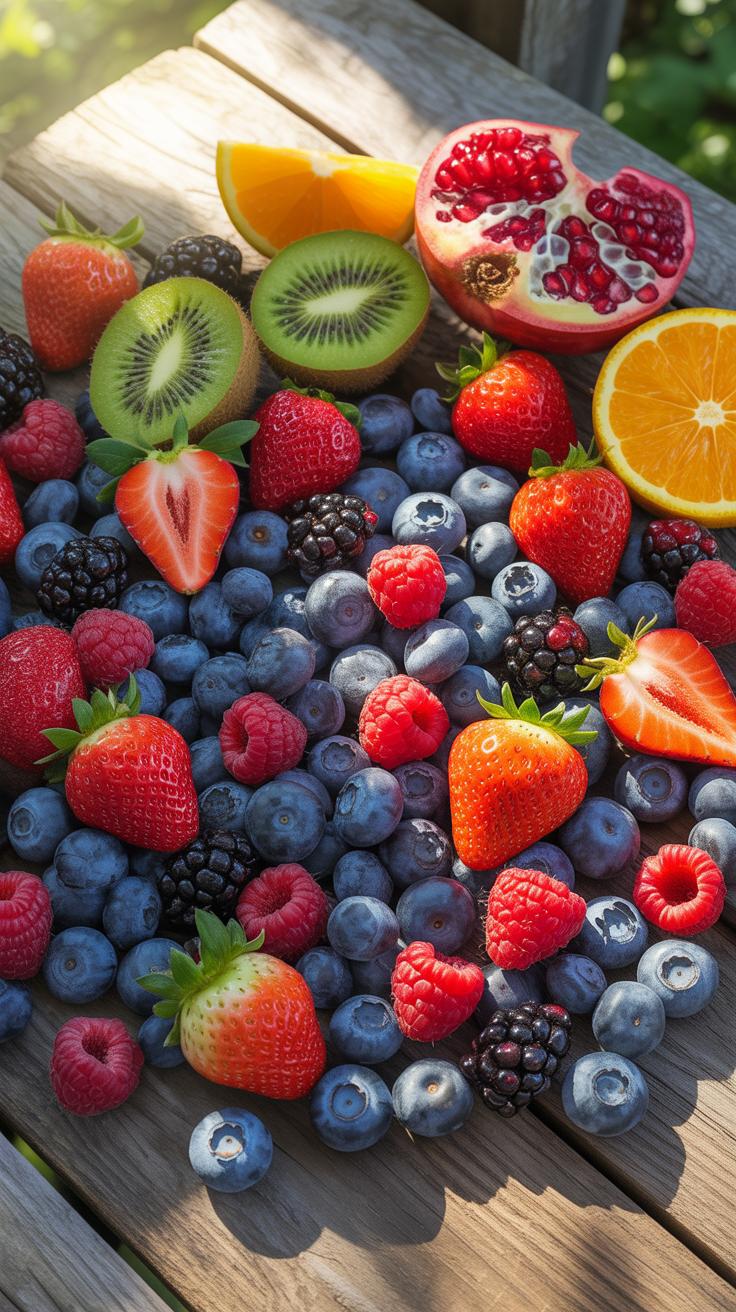
Blueberries, Pomegranates, And Citrus: What Makes Them Nutritional Powerhouses
Blueberries contain high concentrations of anthocyanins. These compounds give the fruit its dark color and drive its health benefits. Pomegranates offer unique punicalagins that support heart health and blood flow. Citrus fruits provide vitamin C and flavonoids. These elements build strong immune systems and support collagen production. These fruits rank high on the nutrient density scale because they offer many micronutrients per calorie.
The tactical advantage of these fruits lies in their bioavailability. Your body absorbs the vitamin C in citrus quickly to aid iron absorption. Pomegranates have three times the antioxidant activity of green tea. Blueberries maintain their nutritional value even when frozen. This makes them a reliable year-round source of nutrients. Choose these fruits to maximize your vitamin intake without consuming excessive sugar or empty calories.
Let food be thy medicine, and medicine be thy food, keeping your heart as full as a kitchen in the harvest season.
How Antioxidants In Colorful Fruits Help Reduce Oxidative Stress And Inflammation
Oxidative stress happens when free radicals damage your cells. This process leads to aging and chronic disease. Antioxidants in colorful fruits neutralize these unstable molecules. They donate electrons to free radicals to stop the chain reaction of cellular damage. This protection keeps your DNA and cell membranes intact. Regular intake of these fruits creates a biological shield against daily environmental toxins and metabolic waste.
Inflammation is the body’s response to injury or irritation. Chronic inflammation causes long-term tissue damage and metabolic issues. The phytonutrients in berries actively block inflammatory pathways in the body. They lower levels of C-reactive protein in the blood. Reducing this internal stress improves your recovery times and sharpens mental clarity. Consistent consumption of these nutrient dense foods helps maintain a balanced and high-functioning internal state.
Organ Meats And Fermented Foods The Overlooked Best Foods For Health

Why Liver Is Considered One Of The Most Nutrient Dense Foods Available
Liver contains more nutrients per gram than almost any other food on earth. It provides high concentrations of preformed Vitamin A, which supports vision and immune function. This organ also delivers massive doses of Vitamin B12 and folate. These B vitamins drive energy production and DNA repair. You get highly bioavailable heme iron that prevents anemia more effectively than plant sources.
Beef liver specifically offers a unique profile called the anti-fatigue factor. Scientists identified this property in the mid-twentieth century during laboratory tests. Beyond vitamins, liver contains essential minerals like copper, zinc, and selenium. It functions as the multi-vitamin of the animal kingdom. Eating small portions once or twice a week provides total nutritional insurance. High concentrations of choline also support brain health and cognitive function.
Fermented Foods Like Yogurt Kefir And Kimchi And Their Role In Gut Health
Fermented foods undergo a process where bacteria or yeast break down natural sugars. This preservation method creates probiotics that populate your digestive tract. Yogurt and kefir provide live cultures that strengthen the gut barrier. Kimchi and sauerkraut offer similar benefits along with fiber. These foods improve digestion and help your body absorb nutrients from other meals. They are tactical tools for gut maintenance.
A healthy microbiome regulates your entire immune system. Regular consumption of fermented products lowers systemic inflammation. This process also creates new vitamins like K2 during the fermentation stage. K2 directs calcium into the bones instead of the arteries. You should choose versions with no added sugar for maximum impact. Consistent intake maintains a diverse bacterial environment. This diversity protects against pathogens and improves metabolic health.
Building Healthy Habits Around Nutrient Dense Eating Every Day

Practical Daily Habits That Make Eating Nutrient Dense Foods Second Nature
Consistency relies on reducing friction in your daily environment. You must integrate high-quality foods into existing routines to ensure compliance. Start with small adjustments to your breakfast and snack options. Use visual cues by placing whole foods in clear containers at eye level. This approach removes the mental burden of making complex decisions when Hunger levels increase or willpower fades during busy work hours.
- Front-Loading Nutrients: Consume your most nutrient-dense meal during the first half of the day. Eating protein and fiber early stabilizes blood sugar and prevents low-quality food cravings later. It sets a physiological baseline that influences every dietary choice you make until sleep.
- The Two-Vegetable Rule: Add at least two different colored vegetables to every lunch and dinner plate. This tactic ensures a broad spectrum of phytonutrients and minerals without requiring calorie counting. It shifts the focus from restriction to the active addition of essential micronutrients.
- Pre-Portioned Snacks: Prepare portions of raw nuts or seeds in advance to avoid processed vending machine options. Having immediate access to healthy fats and protein prevents metabolic crashes. This habit protects your health goals when meetings run late or schedules become unpredictable.
- Hydration Anchoring: Drink one full glass of water before consuming any solid food. Proper hydration often resolves false hunger signals that lead to overeating calorie-dense snacks. It improves digestion and prepares your stomach to process the high-fiber content found in the most nutritious plants.
- Audit Your Pantry: Remove ultra-processed products from your immediate reach and replace them with shelf-stable whole foods. Keeping sardines, lentils, or quinoa available ensures you can build a solid meal even when the fridge is empty. Environment design is more effective than relying on sheer discipline.
Review your progress every week to identify where your system failed. If you skipped vegetables three days in a row, analyze why those specific meals lacked preparation. Adjust your environment to solve the root cause rather than blaming lack of motivation. Build a feedback loop that rewards dietary precision until these choices become your default setting for daily survival.
How Meal Planning And Grocery Choices Drive Long Term Healthy Habits
Grocery shopping serves as the primary filter for your health. If you do not buy junk, you cannot eat it at home. Stick to the perimeter of the store where supermarkets keep fresh produce, meats, and eggs. Use a strict list to avoid impulse buys driven by marketing or hunger. Professional athletes and high performers treat food procurement as a tactical mission.
Effective meal planning eliminates the need for daily decision-making. Dedicate one hour on weekends to prep bulk proteins and roasted vegetables for the upcoming week. This system prevents the trap of ordering fast food when you finish work exhausted. When you have pre-cooked nutrient-dense options in the fridge, you save time and money while fueling your body with high-quality fuel.
Common Myths And Mistakes Around Nutrient Rich Foods And How To Avoid Them

Debunking Misconceptions About Superfoods, Supplements, And Nutrient Rich Foods
The term superfood is a marketing tool rather than a medical classification. No single food provides every essential vitamin or mineral. Reliance on one specific berry or green leads to nutritional gaps. Real health comes from a diverse rotation of whole foods. Do not ignore staple vegetables like cabbage or onions in favor of expensive imports. Labels often hide high sugar content behind health claims.
Supplements cannot replicate the synergy of whole food matrices. Fiber and phytonutrients in real plants improve how your body absorbs vitamins. Isolated synthetic nutrients often pass through the system without effect. You should prioritize food sources over bottled pills to ensure bioavailability. Excessive supplement intake can even cause toxic buildup in certain fat soluble vitamins. Focus on quality sources over high doses of extracts.
Top Mistakes People Make When Trying To Eat More Nutrient Dense Foods
Many people believe that eating more nutrient dense foods requires an all or nothing approach. Switching your entire diet overnight usually leads to failure and burnout. You do not need to buy only organic or premium items to succeed. Simple swaps in your daily routine are more effective than radical changes. Identifying common errors helps you maintain a sustainable and healthy eating plan.
- Processing Out Naturally Occurring Fiber: Peeling skins from vegetables or juicing fruits removes essential fiber. This fiber slows sugar absorption and feeds gut bacteria. Always keep the skin on produce when it is edible to maximize the nutrient density of your meals.
- Overcooking Heat Sensitive Nutrients: High heat destroys water soluble vitamins like B and C. Boiling vegetables and discarding the water loses significant mineral content. Use steaming or light sautéing methods to preserve the integrity of the food. Low heat is better for delicate greens.
- Neglecting Necessary Fat For Absorption: Vitamins A, D, E, and K require fat to enter your bloodstream. Eating a salad with no dressing prevents your body from using these nutrients. Add a source of healthy fat like avocado or olive oil to ensure you actually absorb what you eat.
- Ignoring Proper Food Storage Techniques: Light and air degrade antioxidants over time. Keeping fresh produce on the counter for too long reduces its nutritional value. Store your greens in dark, cool places and eat them quickly after purchase. Frozen vegetables are a valid alternative to aging fresh produce.
- Focusing Solely On Caloric Density: Some people avoid nutrient dense foods because they contain calories. Nuts and seeds are high in energy but provide essential minerals. Focus on the micronutrient profile instead of just the calorie count. High density foods provide better satiety and long term energy levels.
Bioavailability depends heavily on how you prepare your ingredients. Eating raw vegetables is not always better than eating cooked ones. For example, heat makes lycopene in tomatoes easier for your body to use. Grinding flaxseeds allows you to access the fats inside the hard shell. Always research the best preparation method for the specific food you are eating. Proper technique ensures you get the maximum value for your money.
Frequently Asked Questions

What exactly are nutrient dense foods and why are they important?
Nutrient dense foods are items that provide a high amount of vitamins, minerals, and antioxidants relative to their caloric content. Unlike “empty calorie” snacks that lead to energy crashes, these powerhouses fuel your body efficiently. By prioritizing these options, you can improve your overall health, support your immune system, and maintain a healthy weight without feeling deprived. It is essentially about getting the most nutritional “bang for your buck” in every single bite.
How can I easily incorporate more nutrient dense foods into my daily meals?
Making the transition is simpler than it seems. Start by adding a handful of leafy greens like spinach or kale to your morning smoothies or scrambled eggs. You can also swap refined grains for quinoa or sweet potatoes during dinner. Small, consistent changes, such as snacking on walnuts instead of chips, ensure you are consistently consuming nutrient dense foods throughout the day, significantly boosting your fiber and micronutrient intake without requiring complex recipes.
Is it possible to eat a highly nutritious diet on a tight budget?
Absolutely! Many people mistakenly believe that eating healthy is expensive, but some of the most beneficial items are incredibly affordable. Staples like dried lentils, beans, canned sardines, and frozen berries are excellent examples of budget-friendly choices. Buying in bulk or choosing seasonal produce allows you to stock up on various nutrient dense foods without overspending. Focus on whole, unprocessed ingredients at the grocery store to get the highest nutritional value for your money.