
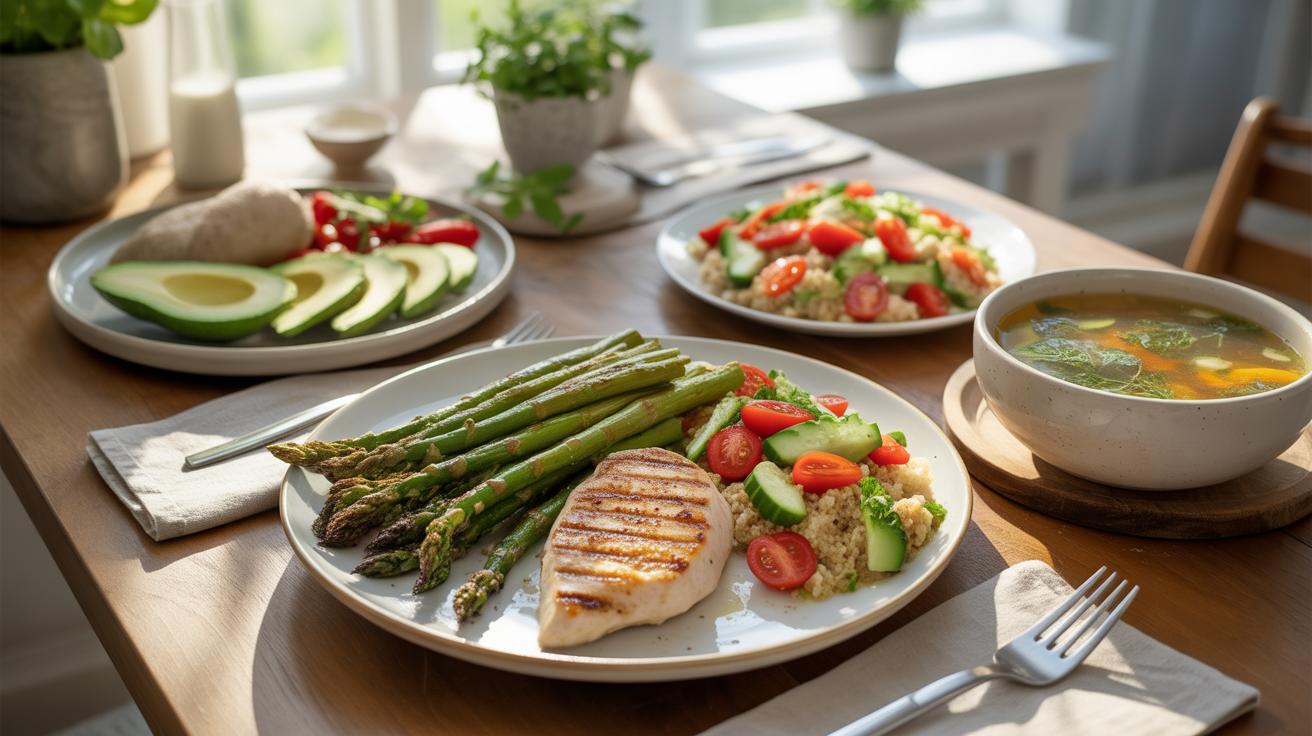
Why Lo Calorie Meals Healthy Dinners Are More Satisfying Than You Think

The Science Behind Feeling Full On Fewer Calories
Satiety relies on physical volume and hormonal signals rather than energy density. Your stomach contains mechanoreceptors that detect wall stretching. When you consume high volume foods like leafy greens or broth based soups, these sensors signal the brain to stop eating. This process occurs regardless of the meal total calorie count. Satiety is a mechanical response to physical mass in the digestive tract.

Protein is the most thermogenic and satiating macronutrient available. It triggers the release of cholecystokinin and peptide YY. These hormones tell your nervous system that you are full. Lean proteins like white fish or chicken breast provide these signals without adding excess fat calories. Choosing high protein and high fiber ingredients ensures your brain receives the message to end the meal early.
How Nutrient Density Beats Calorie Count Every Time
Nutrient density measures the vitamin and mineral content relative to the food weight. Foods like kale, mushrooms, and bell peppers offer massive volume for negligible energy. You can eat large portions of these items without exceeding daily limits. This approach prevents the psychological deprivation often associated with dieting. Eating more food for fewer calories is the most effective strategy for long term weight management.

Micronutrients also play a role in hunger regulation. Your body stays hungry if it lacks essential minerals or vitamins. Processed foods offer high energy but low nutrition, leading to overeating. Whole foods provide the building blocks your cells need to function. When you meet your nutritional requirements, your appetite stabilizes. Focus on the quality of the fuel to control the quantity of the intake.
Building Low Calorie Filling Meals Dinners Around Protein And Fiber
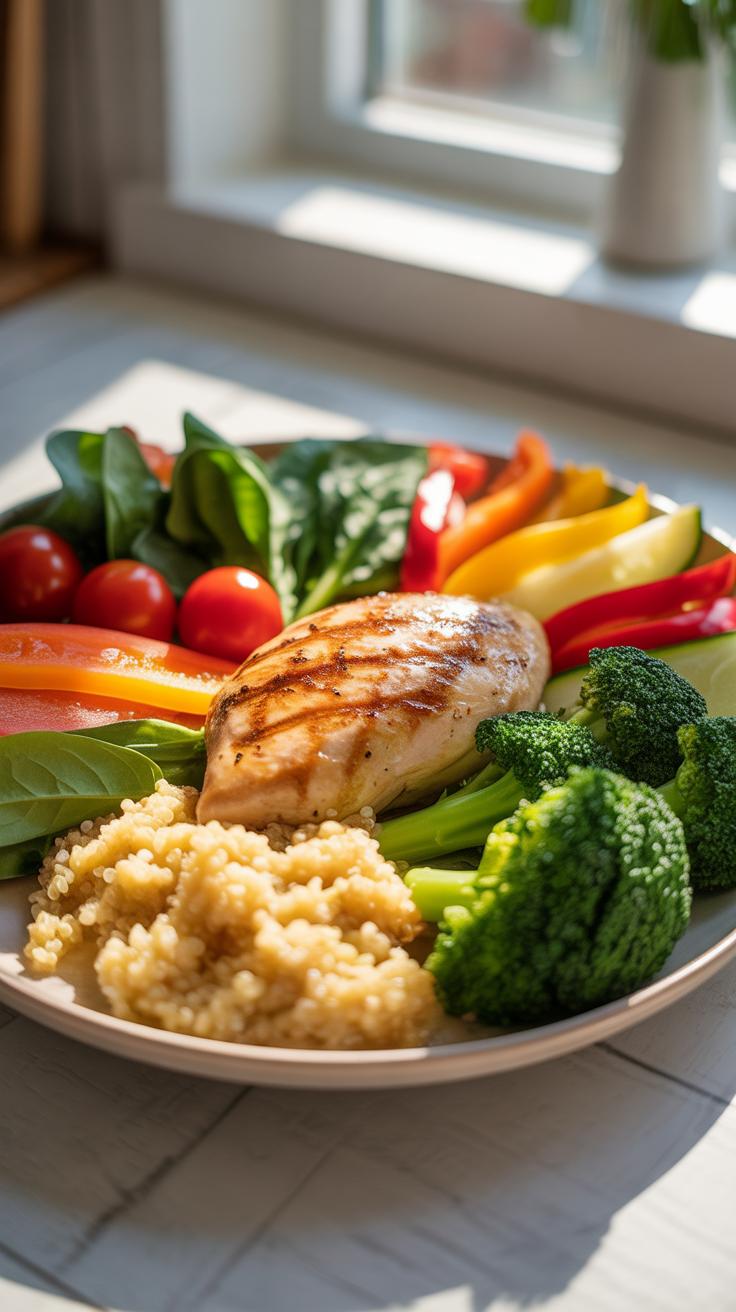
Why Protein Is The Most Satiating Macronutrient At Dinner
Protein remains the most effective tool for appetite control during weight loss. It increases the release of satiety hormones like peptide YY and GLP-1 while suppressing ghrelin, the hunger hormone. This biological process signals to your brain that you are full. Lean proteins require more energy for your body to digest compared to fats or carbohydrates. This thermal effect of food helps burn calories while you eat.
Consuming adequate protein at dinner prevents late-night cravings and mindless snacking. Aim for twenty-five to thirty grams per meal to maximize muscle protein synthesis and fullness. Choose lean sources like chicken breast, white fish, or tofu to keep calorie counts low. High-quality protein stabilizes blood sugar levels throughout the evening. This steady energy prevents the insulin spikes that lead to fat storage and sudden hunger.
Real food doesn’t need to be heavy to be soul-warming, it just needs to be made with love and the right seasonings. A simple, garden-fresh supper can satisfy the deepest hunger of the heart.
High Fiber Vegetables That Add Volume Without Piling On Calories
Fiber creates physical bulk in the stomach to trigger stretch receptors that signal fullness. Soluble fiber slows gastric emptying, which keeps food in your stomach longer. This delay prevents early hunger after you finish your meal. Dietary fiber also supports gut health and improves metabolic function. Using high-fiber vegetables allows you to eat a much larger volume of food for a fraction of the total calories.
Cruciferous vegetables like broccoli and cauliflower provide significant structure to a meal. They require more chewing, which gives your brain time to process satiety signals. Leafy greens add extreme volume for almost no caloric cost. Use these vegetables to take up at least half of your dinner plate. This visual and physical fullness makes a low-calorie diet sustainable long-term. Selective vegetable choices allow for massive portions that satisfy the appetite.
Slim Dinner Recipes That Deliver Big Flavor On A Light Plate
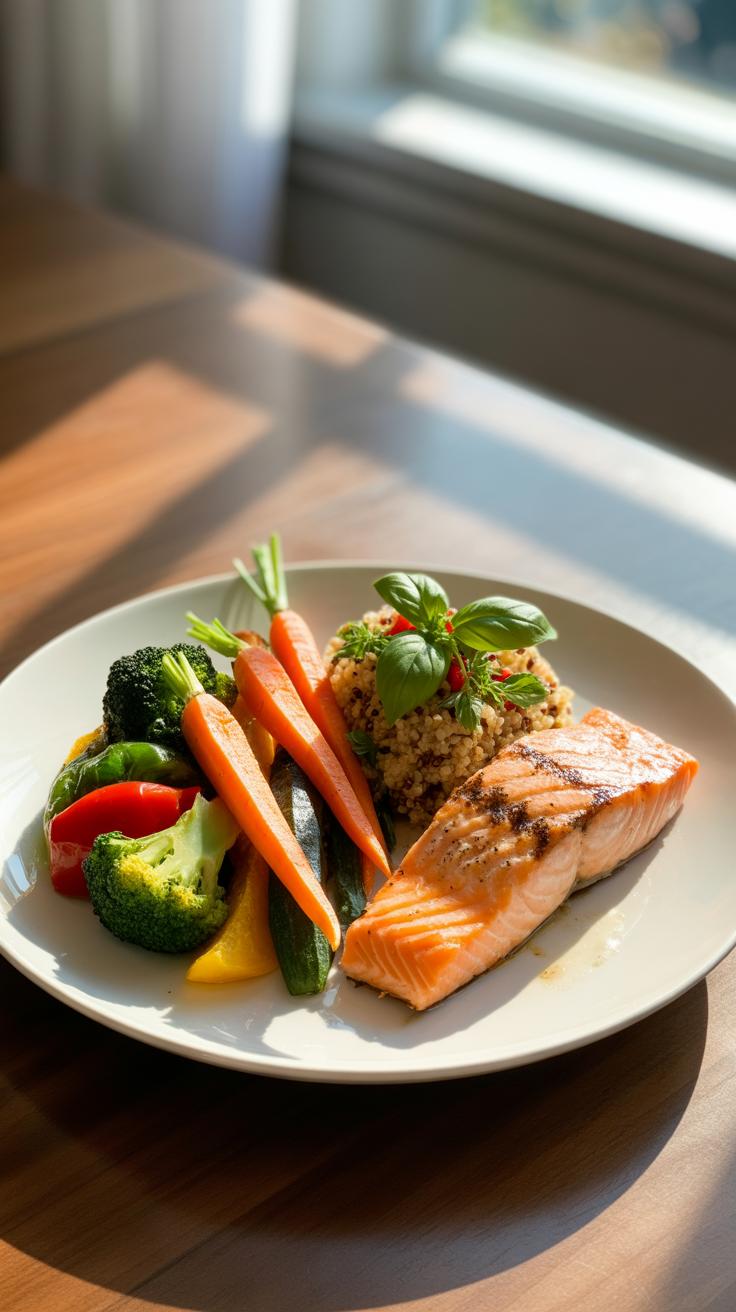
Using Herbs, Spices, And Aromatics To Make Light Meals Taste Indulgent
Aromatics provide the foundation for high-impact flavor without adding fat. Start every meal by sweating onions, garlic, or shallots in a small amount of broth or water. This technique creates a savory base known as umami. High-quality aromatics provide depth that mimics the richness of oil. Use fresh ginger or lemongrass to add bright notes to lean proteins like chicken or fish.
Dried spices offer concentrated flavor profiles. Use cumin, smoked paprika, or chili powder to create heat and complexity. These ingredients trigger sensory receptors that signal satisfaction to the brain. Fresh herbs like cilantro, basil, or parsley added at the end of cooking preserve volatile oils. These oils provide a hit of freshness. This strategy ensures low calorie meals do not taste bland or unfinished.
Simple Cooking Techniques That Maximize Taste While Minimizing Calories
Dry heat cooking methods like roasting and broiling are essential for fat-free flavor. These techniques trigger the Maillard reaction. This chemical process browns the surface of food and creates new flavor compounds. Position lean meats and vegetables close to the heat source. High heat caramelizes natural sugars. This results in a charred exterior and a rich taste that boiling or steaming cannot achieve.
Deglazing is another tactical move for maximizing flavor. Use acidic liquids like vinegar, citrus juice, or verjuice to scrape up browned bits from the pan. These bits contain concentrated proteins and sugars. Incorporating them back into a sauce adds intense savory notes. This method adds zero fat but provides a professional finish. Acid also cuts through saltiness and brightens the overall profile of the dish.
Delicious 300 Cal Recipes You Can Make Any Night Of The Week

Lean Protein Bowls And Stir Fries That Stay Under 300 Calories
Stir-fries provide high volume and low density. Focus on lean proteins like shrimp, chicken breast, or firm tofu. Use high heat and a wok to cook ingredients quickly. This method preserves nutrients and texture without needing excessive oil. One tablespoon of oil has 120 calories. Use a mist bottle to cut that in half. Load the pan with fibrous green vegetables to increase meal size.
Replace white rice with riced cauliflower to save 180 calories per cup. Use soy sauce, ginger, and garlic for flavor instead of sugary bottled glazes. These aromatics provide intense taste with negligible caloric impact. Aim for a ratio of two parts vegetables to one part protein. This balance ensures you feel full. Drink a glass of water before eating to help the fiber expand in your stomach.
Light Soups And Broths That Are Surprisingly Hearty At 300 Calories
Broth-based soups utilize the concept of satiety through volume. Research shows that liquid pre-meals or main courses reduce overall calorie intake. Clear stocks like dashi, chicken bone broth, or vegetable bouillon serve as the base. These liquids hydrate the body and fill the stomach. Avoid cream or coconut milk to keep the calorie count low. Add lean proteins like poached white fish or shredded turkey.
Incorporate complex carbohydrates like beans or lentils in small amounts. These legumes provide fiber and protein that stabilize blood sugar. Use leafy greens like kale or spinach at the end of the cooking process. These greens add bulk but very few calories. Season with acidic elements like lemon juice or rice vinegar to brighten the flavor profile. Spices like cumin or chili flakes increase metabolic heat and flavor depth.
Easy Low Calorie Recipes Dinner Ideas For Busy Weeknights
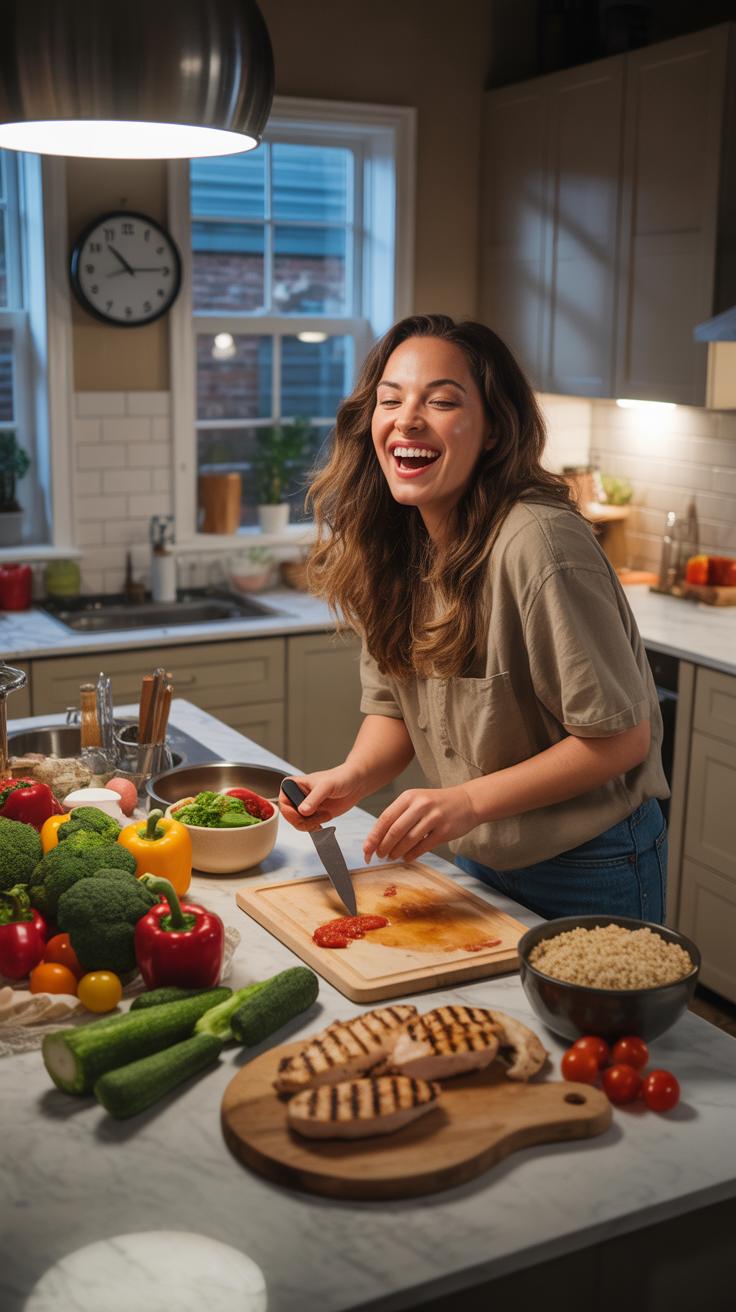
Sheet Pan And One Pot Meals That Come Together In Under 30 Minutes
Efficiency drives success in a caloric deficit. Sheet pan cooking maximizes heat surface area to roast proteins and fibrous vegetables rapidly. High heat at four hundred degrees Fahrenheit creates a Maillard reaction. This chemical process adds deep flavor without the need for heavy oils or butter. You save time on cleanup and keep your macros tight. This method ensures consistency across all your weekly meals.
One pot techniques focus on moisture retention and flavor concentration. Simmering lean proteins like chicken breast or white fish in acidified liquids prevents dryness. Use vinegars or citrus juices to tenderize the meat naturally. This approach eliminates the need for calorie dense cream bases. High volume greens like spinach or kale wilt into these dishes in seconds. You get a high density meal with minimal effort and maximum nutritional impact.
Smart Ingredient Swaps That Cut Calories Without Cutting Corners
Strategic substitutions define a successful low calorie plan. You replace high density fats and refined carbohydrates with nutrient dense alternatives. These swaps maintain the structural integrity of your favorite meals while dropping the total energy count. Focus on volume to ensure physical fullness. Use ingredients that mimic the texture of traditional components. This tactical approach prevents the psychological fatigue often associated with restrictive dieting.
- Spiralized Vegetables: Replace traditional wheat pasta with zucchini or yellow squash noodles. These vegetables contain high water content and provide crunch or softness depending on cook time. You reduce the caloric load by ninety percent compared to grain based noodles while maintaining significant plate volume.
- Riced Cauliflower: Use pulsed cauliflower as a base for stir fry or grain bowls. It absorbs surrounding flavors and provides a similar mouthfeel to white rice. This swap removes nearly one hundred and eighty calories per cup. It adds vital fiber to keep digestion steady and blood sugar levels low.
- Greek Yogurt: Swap sour cream and heavy sauces for plain nonfat Greek yogurt. It offers a thick consistency and a tangy profile with high protein content. This change adds satiety and supports muscle maintenance. Use it in dips, dressings, or as a cooling agent for spicy dishes without the unwanted saturated fats.
- Liquid Aminos: Replace traditional soy sauce or heavy marinades with coconut or liquid aminos. These provide a savory umami profile with lower sodium and sugar levels. Reducing excess sodium prevents water retention and bloating. It allows the natural flavors of your protein and vegetables to stand out during the cooking process.
- Nutritional Yeast: Substitute grated cheese with nutritional yeast flakes to achieve a nutty and savory flavor. This deactivated yeast is rich in B vitamins and contains complete protein. It provides the flavor profile of Parmesan for a fraction of the calories. Use it on roasted vegetables or air popped popcorn for a savory hit.
Flavor profile management is the final step in these swaps. Use dry spices and fresh herbs to compensate for reduced fat levels. Cumin, smoked paprika, and garlic powder provide intense sensory input without adding calories. These aromatic compounds signal satisfaction to the brain. Maintaining a broad spice cabinet is your best defense against bland food. Apply these substitutions consistently to ensure long term adherence to your caloric goals.
Low Calories Filling Meals That Keep Hunger Away Until Morning
The Role Of Water Rich Foods In Keeping You Full Longer
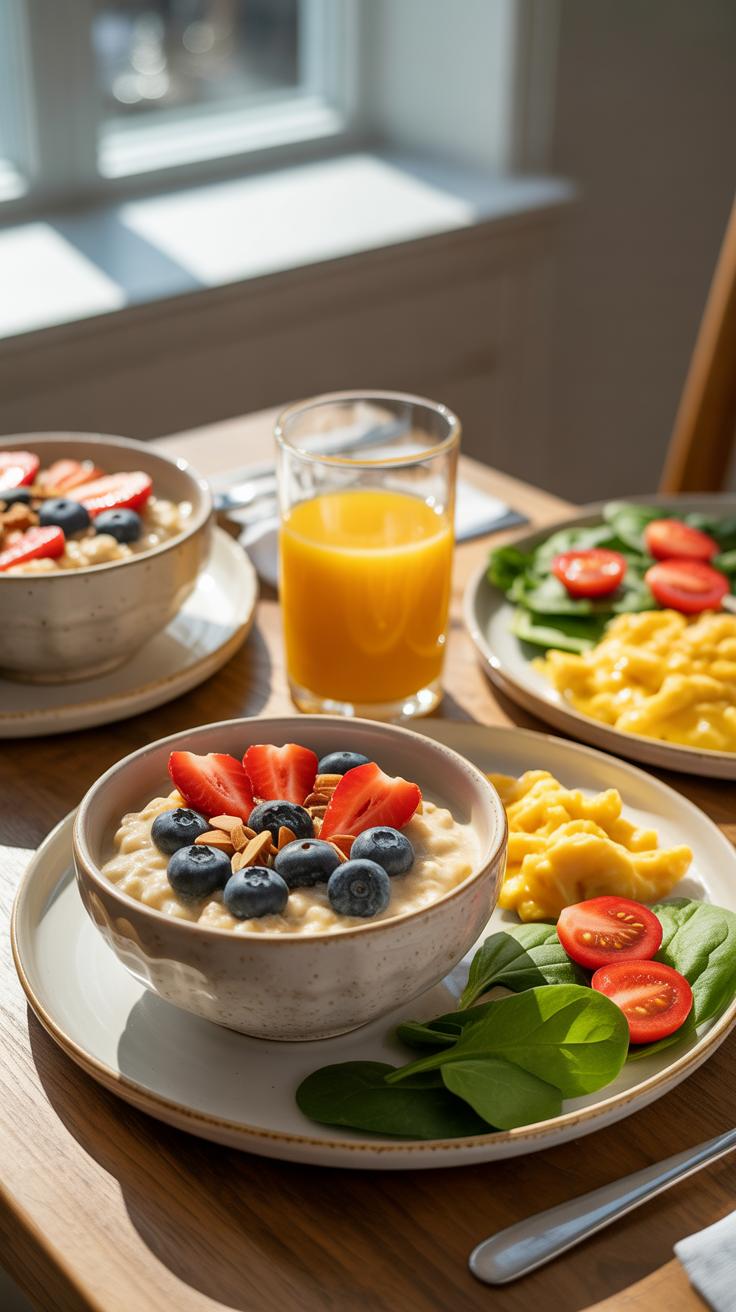
Water rich foods increase the total weight of your meal without adding significant energy. Vegetables like zucchini, peppers, and leafy greens consist of over 90 percent water. This bulk stretches the stomach lining. Physical stretching signals the brain to release satiety hormones. You feel full because your stomach detects volume. Volume matters more than calories for immediate hunger relief during dinner.
High water content also slows down the chewing process. Eating slowly gives your brain time to process fullness signals. Fiber in these water rich foods slows gastric emptying. This means food stays in your stomach longer. You avoid the blood sugar spikes and crashes that cause late night cravings. Focus on density rather than just calorie counts. This strategy ensures you stay satisfied until breakfast.
Balanced Dinner Plate Ratios That Support Satiety And Weight Goals
The division of your plate determines your metabolic response. Devote half of your plate to non starchy vegetables for fiber. Reserve one quarter for lean protein like chicken or fish. Use the final quarter for complex carbohydrates or healthy fats. This ratio balances insulin levels and provides steady energy. Protein is the most satiating macronutrient. It requires more energy to digest than fats or carbs.
A structured plate prevents overconsumption of calorie dense foods. Visual cues help manage portion sizes without constant weighing or tracking. Fiber and protein work together to suppress the hunger hormone ghrelid. This combination stabilizes blood sugar throughout the night. Proper ratios remove the guesswork from weight management. You maintain a deficit while fueling your body. Consistency with these ratios leads to sustainable long term results.
Easy 500 Calorie Meals Dinners That Feel Like A Full Restaurant Plate
Complete 500 Calorie Dinner Meals With Protein, Carbs, And Vegetables
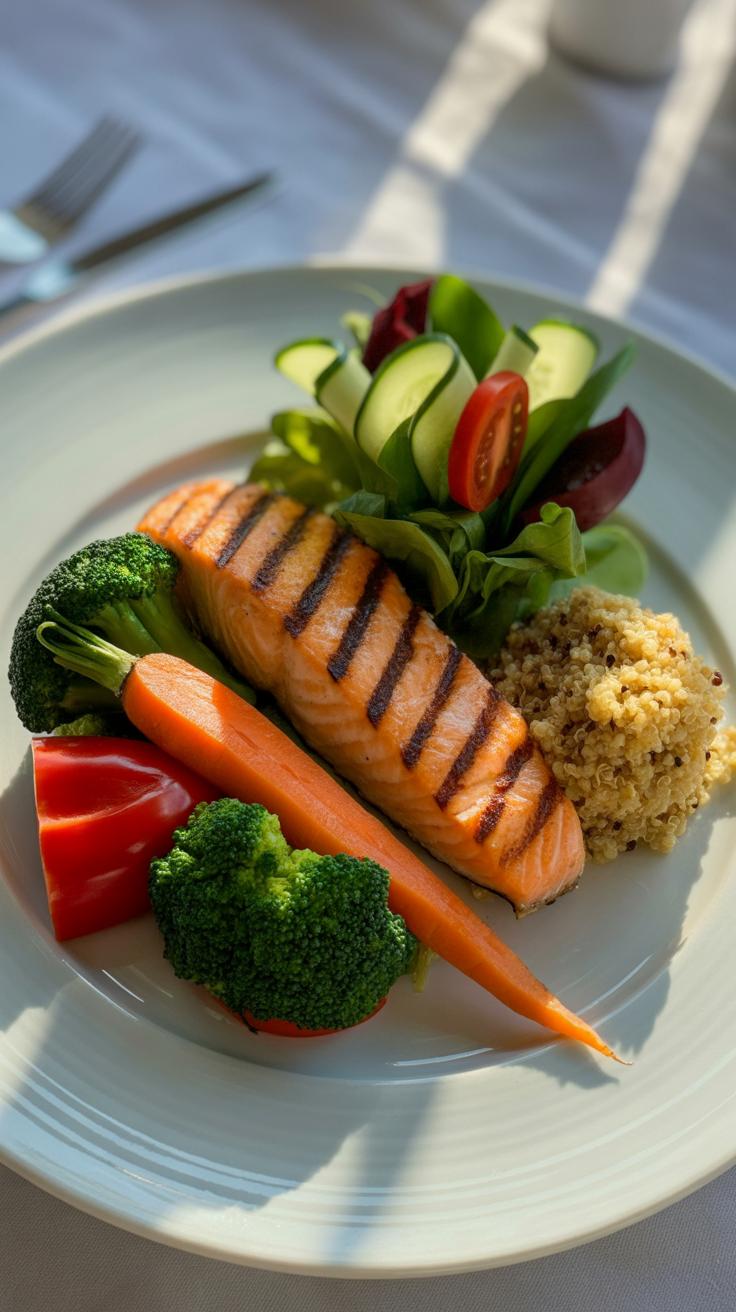
A 500-calorie dinner provides enough metabolic fuel to prevent late-night snacking. You must prioritize high-volume architecture to fill the plate. A six-ounce grilled chicken breast offers forty-five grams of protein for roughly 280 calories. Add one-half cup of cooked quinoa for 110 calories. Use the remaining 110 calories for two cups of roasted broccoli. This structure ensures you hit essential macros while maintaining a significant caloric deficit.
Substitution is the primary tactic for adding variety without exceeding the limit. Swap poultry for five ounces of lean sirloin steak or six ounces of white fish. Keep the carbohydrate source to a half-cup portion of brown rice or a medium sweet potato. Fill half the plate with leafy greens or fibrous vegetables. These plants add bulk and fiber which slows digestion. Proper meal construction creates a steady insulin response and lasting fullness.
How To Portion A 500 Calorie Dinner To Feel Truly Satisfied
Visual cues dictate how your brain perceives satiety. Use a smaller ten-inch plate to make 500 calories look like a feast. Divide the plate into three clear zones. Reserve fifty percent of the space for non-starchy vegetables. Dedicate twenty-five percent to lean protein and the final twenty-five percent to complex carbohydrates. This geometric approach prevents accidental over-portioning of calorie-dense items. It forces you to eat more fiber per bite.
Measure your fats with precision to avoid hidden calorie spikes. One tablespoon of olive oil contains 120 calories and can ruin a 500-calorie target. Use vinegar, lemon juice, or spices to add flavor without energy density. Drink sixteen ounces of water before the meal to increase stomach distension. Eat the protein and vegetables first to trigger fullness hormones before touching the starches. This sequence optimizes the biological signals for being full.
Healthy Dinner Recipes With Calories Counted For Total Transparency
Why Tracking Dinner Calories Leads To Better Long Term Eating Habits
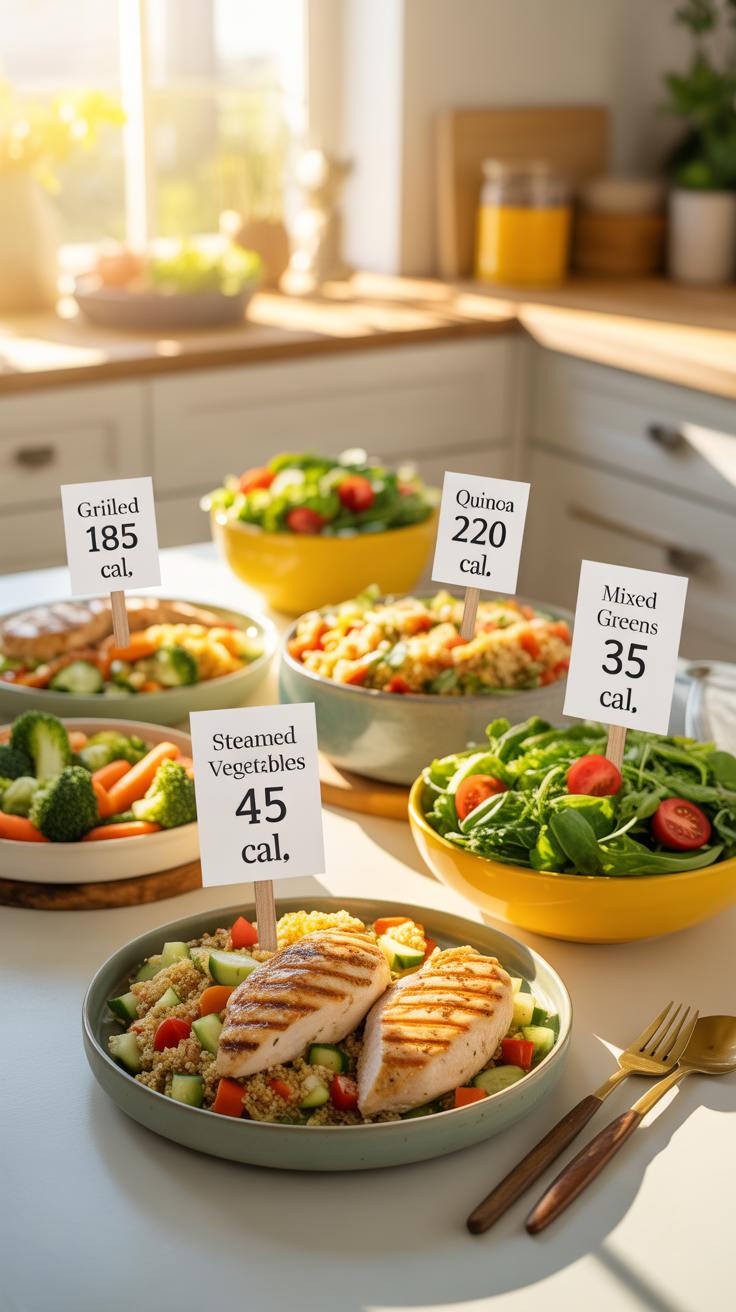
Tracking calories at dinner stops mindless overeating. Most people consume their largest meal at night when activity levels are lowest. Monitoring these numbers forces you to recognize portion sizes and ingredient density. This awareness creates a feedback loop that improves decision making. You see exactly how sauces and oils inflate your totals. Knowledge of these facts prevents accidental weight gain over time.
Consistent tracking builds a library of reliable meals. You learn which combinations of protein and fiber provide the best satiety for the lowest energy cost. This data removes the guesswork from meal planning. You stop relying on willpower and start relying on logic. High-volume, low-calorie dinners become a habit rather than a chore. Success in long-term weight management depends on this objective accuracy.
How To Read And Use Calorie Information When Building Your Dinner Plate
Standardize your measurements to ensure the data on the label matches what you eat. Use a digital scale to weigh proteins and starches before cooking. Most people underestimate their intake by thirty percent when they eyeball portions. Look at the serving size first to avoid common math errors. Check the calorie count per gram to identify calorie-dense foods that might sabotage your progress.
Balance your plate by using the calorie information to prioritize high-volume vegetables. Allocate the majority of your energy budget to lean proteins like chicken or white fish. Use leftover calories for healthy fats or fiber-rich grains. This tactical approach ensures you remain full while hitting your goals. Adjust your portions based on the raw numbers rather than your hunger levels. Data-driven eating eliminates the risk of caloric surplus.
Cheap Low Calorie Dinners That Prove Eating Healthy Does Not Have To Cost More
Budget Friendly Protein Sources That Keep Calories And Costs Low
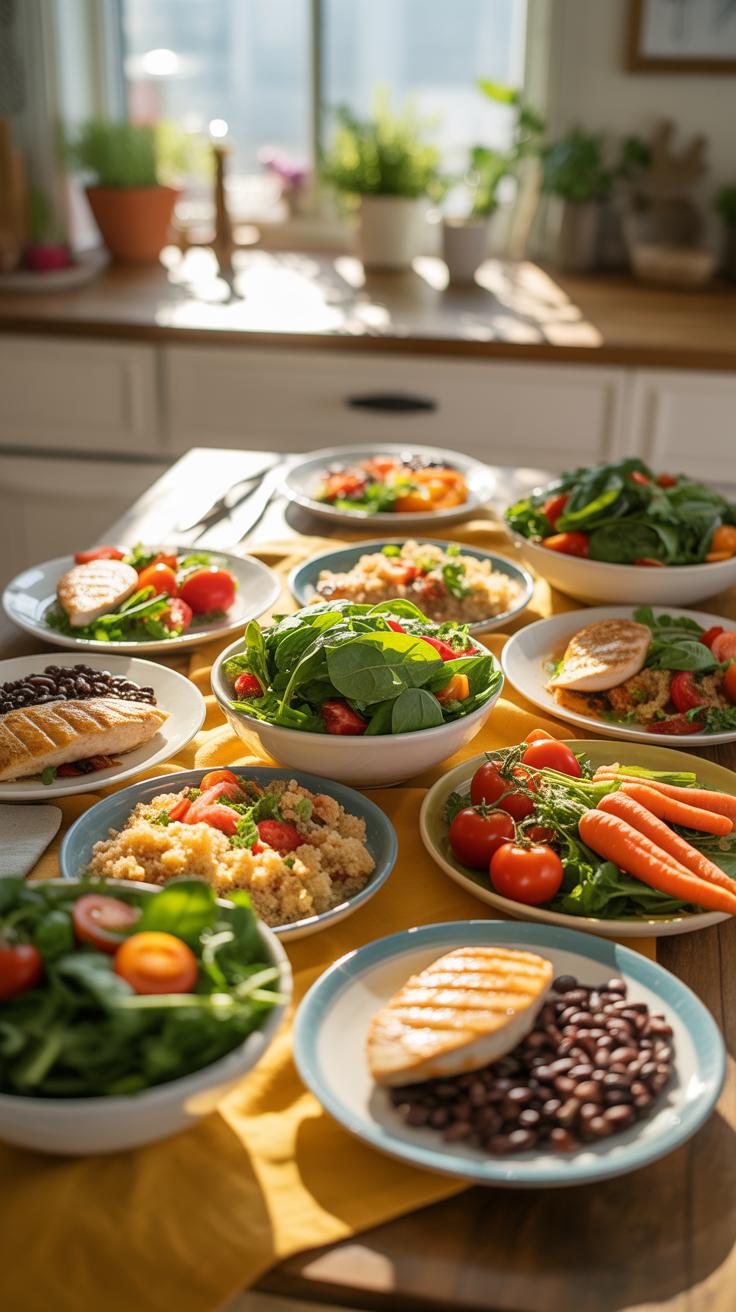
Eggs and canned tuna offer the highest protein density for the lowest price point. One large egg contains six grams of complete protein for roughly seventy calories. Buying eggs in bulk reduces the cost per serving significantly. Canned tuna packed in water provides lean protein without added fats. Always drain the liquid to keep the calorie count under one hundred per serving.
Legumes like lentils and black beans provide fiber that keeps you full for hours. These plant proteins cost pennies per serving when purchased dry. Fiber slows digestion and prevents blood sugar spikes. This metabolic reaction stops overeating later in the evening. Combining beans with lean poultry stretches your food budget further. Use these staples to replace high fat meats in your weekly meal rotation.
Affordable Pantry Staples To Always Have On Hand For Light Dinners
Building a lean pantry requires specific items that add volume without adding significant calories. Keeping these items stocked ensures you never rely on expensive takeout. Focus on dry goods and long lasting vegetables that survive weeks in storage. These staples form the foundation of most low calorie recipes. You will save money by avoiding last minute trips to the grocery store.
- Dry Lentils: These legumes cook faster than dried beans and require no soaking. They provide high amounts of plant based protein and iron. Use them to thicken soups or as a base for meatless taco fillings.
- Brown Rice: This whole grain offers more fiber and nutrients than white rice varieties. It has a lower glycemic index which helps manage hunger levels. A small portion provides the necessary carbohydrates to fuel your body without overspending.
- Canned Tomatoes: Crushed or diced tomatoes create flavorful sauces without the add calories of oil or cream. They contain lycopene and essential vitamins. Use them as a base for stews or low calorie pasta sauces to keep costs down.
- Cabbage: This cruciferous vegetable is the most cost effective way to add bulk to meals. It stays fresh in the refrigerator for weeks. Shred it into stir fries or salads to increase meal size for negligible calories.
- Oats: Rolled oats work for more than just breakfast. Use them as a healthy binder for turkey meatloaf or turkey burgers. They are extremely cheap and provide the soluble fiber needed to maintain fullness throughout the night.
Smart shopping strategies focus on versatility and shelf life. Buy frozen vegetables in large bags to prevent waste and save money. Frozen produce is frozen at peak ripeness and retains its nutritional value. Use spices instead of pre made sauces to control sodium and sugar intake. High quality dried herbs provide intense flavor for a fraction of the cost of fresh alternatives.
How To Build A Weekly Meal Plan Around Satisfying Low Calorie Dinner Ideas
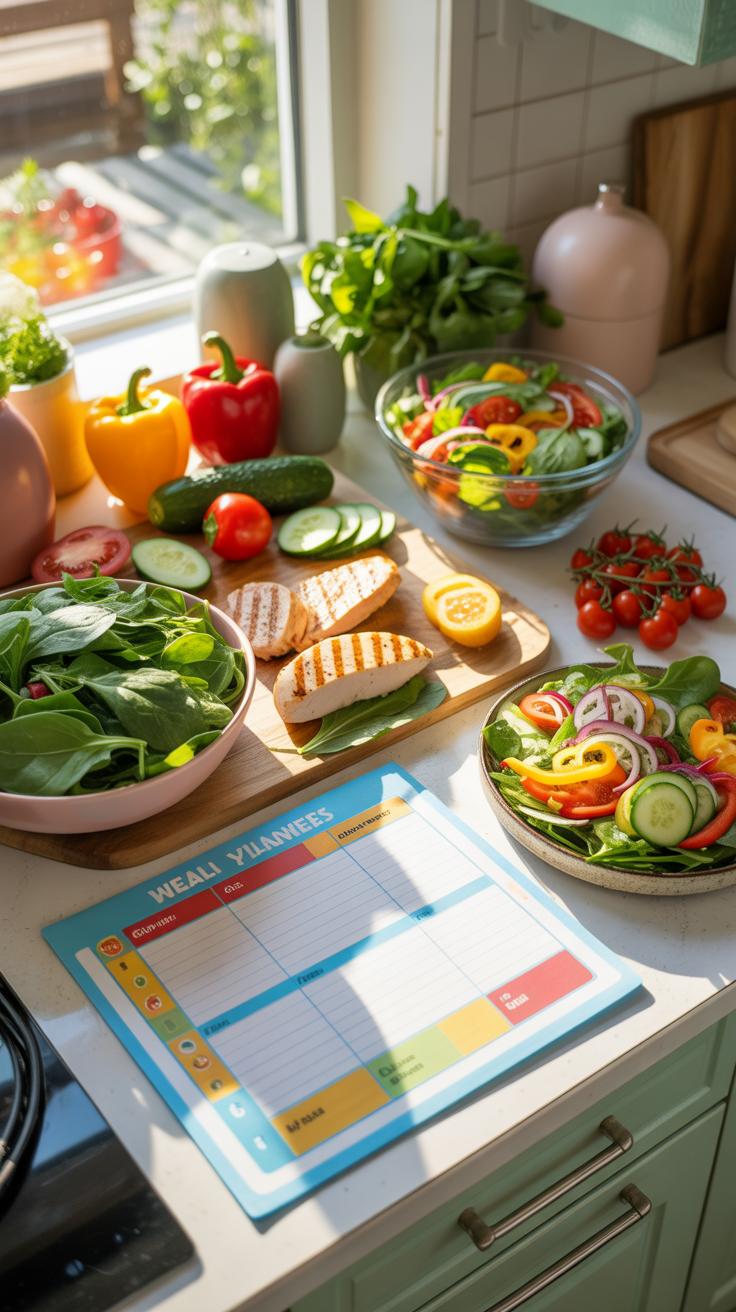
Planning Seven Nights Of Light Dinners Without Repeating Yourself
Successful meal planning requires a strategy focused on protein rotation. Assign a specific protein to each night of the week to prevent mental fatigue. Use poultry on Mondays and fish on Tuesdays. Lean beef or pork works well for mid-week meals. Vegetarians should rotate between beans, tofu, and eggs. This structure ensures variety and simplifies your grocery shopping process every week.
Focus on changing the flavor profile rather than the base ingredients. Use the same chicken breast but apply different dry rubs or low-calorie sauces. One night utilizes Mediterranean spices like oregano and lemon. The next night features smoky chipotle or cumin. This tactic keeps your palate engaged without requiring new cooking techniques. Volume comes from seasonal vegetables which change based on availability and price.
Meal Prepping Low Calorie Dinners Ahead To Stay On Track All Week
Batch cooking is the most effective way to maintain a calorie deficit. Spend two hours on Sunday preparing large quantities of lean proteins and roasted vegetables. Portioned containers prevent overeating during the week. Use a kitchen scale to ensure every meal meets your specific caloric goals. Proper storage in airtight containers keeps food fresh for up to four days in the refrigerator.
Prepare components rather than full recipes to maintain texture and taste. High-heat roasting enhances the natural sugars in vegetables without adding many calories. Undercook green vegetables slightly so they do not turn mushy when you reheat them. Store sauces separately to control sodium and fat intake at the moment of consumption. Systems like this eliminate decision fatigue and stop you from ordering high-calorie takeout.
Frequently Asked Questions

What actually makes a low calorie dinner feel filling rather than leaving me hungry?
The secret to staying full is focusing on volume and nutrients. By prioritizing high-fiber vegetables and lean proteins, you can consume a larger portion size without increasing the calorie count. Incorporating satisfying low calorie dinner ideas into your routine ensures you get enough bulk to trigger your body’s fullness signals, helping you avoid late-night snacking while still meeting your weight management goals without feeling deprived.
How can I add more flavor to these meals without adding extra calories?
You can transform simple ingredients by using aromatic herbs, bold spices, and acidic brighteners like lemon juice or balsamic vinegar. These additions provide incredible depth of flavor without the heavy fats found in cream or butter. When exploring satisfying low calorie dinner ideas, try roasting vegetables to caramelize their natural sugars or using umami-rich ingredients like nutritional yeast and soy sauce to create a rich, savory experience that feels truly indulgent.
Can I eat low calorie dinners on a tight budget?
Absolutely. Nutritious, low-energy-dense meals are often more affordable than processed convenience foods. Focus on pantry staples like dried lentils, brown rice, and beans, which provide excellent fiber and protein for pennies per serving. Purchasing frozen vegetables is another great way to save money while ensuring you always have healthy ingredients on hand. With these accessible items, creating hearty and delicious meals that support your health and your wallet is simple.