

What Is Clean Eating Understanding The Core Concept For Beginners

The Basic Definition Of Clean Eating And Where It Comes From
Clean eating focuses on consuming whole foods in their most natural state. You prioritize items that undergo minimal processing from farm to table. This strategy eliminates synthetic additives and industrial chemicals. The movement gained traction in the early 2000s through fitness culture and natural health advocates. It targets the consumption of nutrient-dense ingredients like vegetables, fruits, lean proteins, and whole grains.
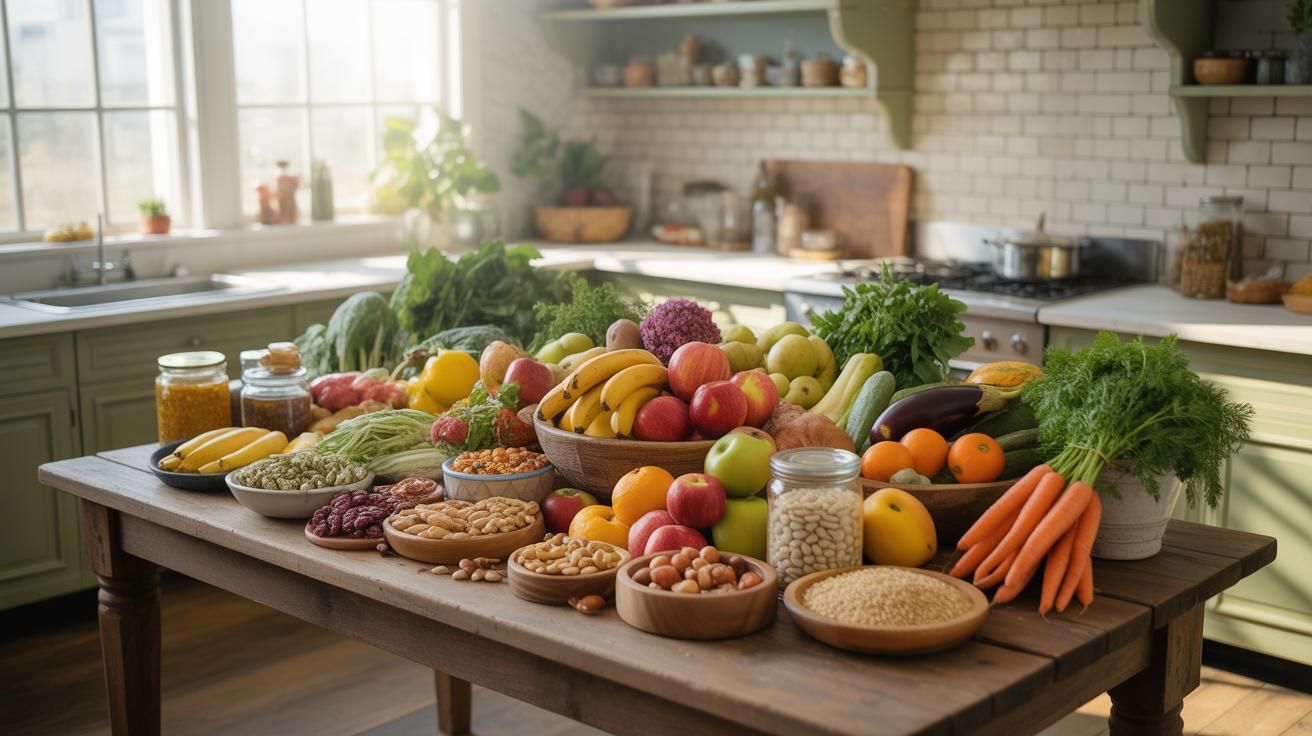
The core philosophy rests on transparency of ingredients. You choose foods with short ingredient lists that you recognize. This approach avoids refined sugars and flours that provide empty calories. By focusing on quality over quantity, you fuel your body with essential vitamins and minerals. Clean eating is a tactical shift in food selection. It removes the metabolic burden caused by artificial preservatives and highly engineered snacks.
What Clean Eating Is Not: Clearing Up Common Misconceptions
Clean eating is not a restrictive short-term diet or a weight loss gimmick. It does not require complete avoidance of entire food groups like carbohydrates or fats. People often mistake it for a low-calorie plan designed for rapid fat loss. In reality, it is a sustainable framework for long-term health. You focus on the source of your food rather than just the number on a scale.

This practice is not about achieving perfection or following rigid rules. It does not mean eating only raw vegetables or expensive organic products. You can eat clean on a budget by choosing frozen produce and bulk grains. It is also not a medical treatment for specific diseases. Do not confuse clean eating with clinical nutrition plans. It is a baseline strategy to improve your daily intake.
Clean Eating Guidelines The Foundational Principles You Need To Follow
Prioritizing Whole Minimally Processed Foods In Your Daily Diet
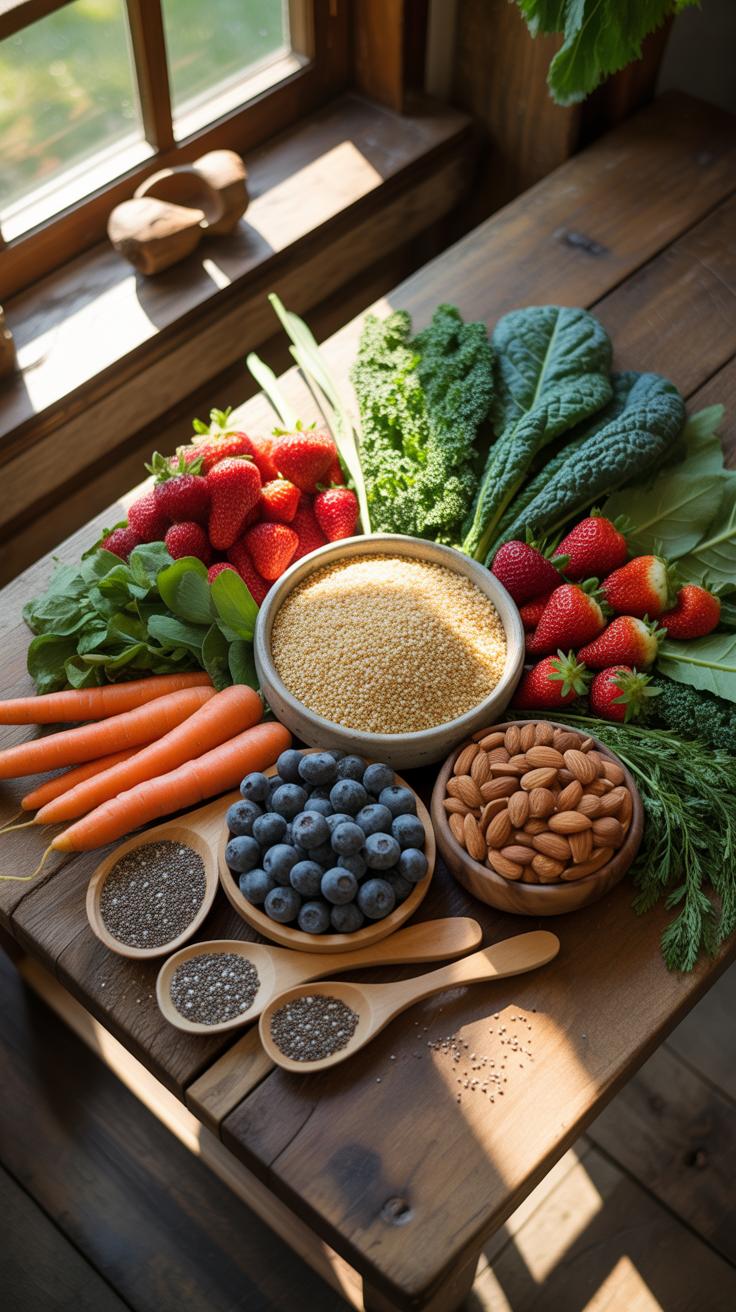
Whole foods represent the baseline of clean eating. These items remain close to their natural state from farm to table. You must prioritize plants, grains, and lean proteins that have not undergone heavy industrial alteration. This approach maximizes nutrient density and eliminates harmful additives. Stick to the perimeter of the grocery store. This is where fresh produce and unprocessed meats typically reside.
Focus on the physical structure of your food. If a machine changed the appearance of a basic ingredient, it is likely processed. Choose a whole potato over a boxed flake. Pick raw nuts over roasted varieties coated in industrial oils. These choices stabilize blood sugar and improve digestive health. You eat for fuel and biological function. Every whole food choice supports a high performance metabolism.
Understanding Food Labels And What Ingredients To Avoid
Food labels serve as your primary defense against hidden chemicals. Ignore marketing claims on the front of the box. Flip the package over and read the actual ingredient list immediately. If the list contains more than five items, put it back. You must recognize deceptive names for sugar and salt. Manufacturers often use complex terms to hide low quality fillers and cheap preservatives.
Avoid products containing high fructose corn syrup or hydrogenated oils. These substances cause systemic inflammation and long term health issues. Watch out for artificial dyes and synthetic flavor enhancers. If you cannot pronounce an ingredient, your body likely cannot process it efficiently. Clean eating requires you to be an informed gatekeeper. Stop buying items that use chemistry to replicate the taste of real food.
Clean Eating Rules For Beginners Where To Start Without Feeling Overwhelmed
The Most Important Clean Eating Habits To Build In Your First Week
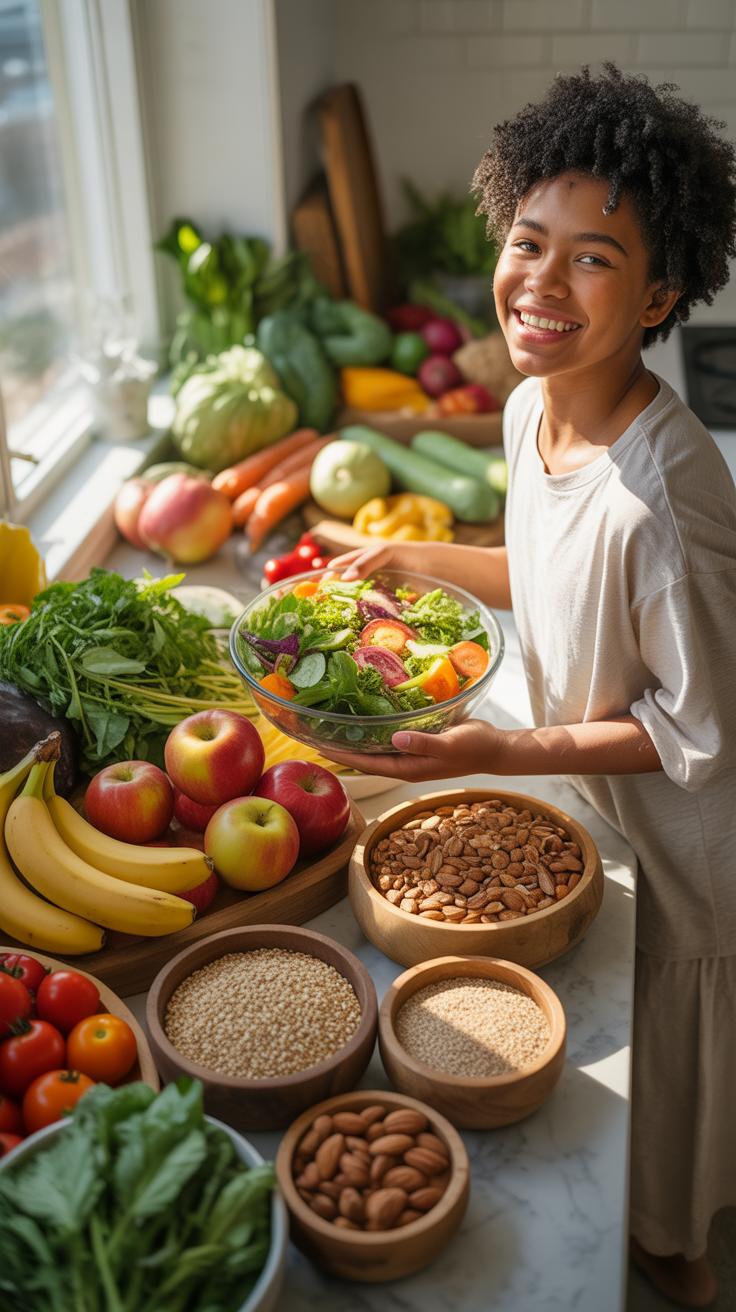
Your first week focuses on inventory and elimination. You must audit your pantry to identify ultra-processed items containing high-fructose corn syrup, seed oils, and artificial preservatives. Replace these items with whole, single-ingredient foods. Clean eating is about eating foods in their most natural state. Focus on logistics. Buy fresh produce, lean proteins, and whole grains to keep your kitchen stocked for success.
- Water Intake: Replace all sodas, energy drinks, and sweetened juices with plain water. Proper hydration supports metabolic function and reduces the false hunger signals often caused by dehydration. Most adults need between two and three liters of water daily to maintain peak physiological performance and mental clarity.
- Whole Food Selection: Choose foods that exist in nature without human intervention. This means selecting a whole apple over apple juice or a plain chicken breast over processed deli meats. Whole foods contain the fiber and micronutrients that manufacturers strip away during heavy industrial processing and refinement.
- Ingredient Label Audit: Read every label before buying. If a product contains more than five ingredients or names you cannot pronounce, put it back. You want to avoid synthetic dyes, chemical stabilizers, and hidden sugars. Companies use these additives to extend shelf life and create addictive flavor profiles in cheap food.
- Home Cooking: Prepare at least two meals per day in your own kitchen. This gives you total control over the oils, salt, and sugar levels in your food. Restaurants often use low-quality fats and excessive sodium to enhance taste. Cooking at home is the only way to guarantee the integrity of your ingredients.
- Produce Volume: Fill half of your plate with vegetables at every lunch and dinner. Vegetables provide the bulk and nutrients necessary to keep you full without excessive calories. Focus on cruciferous greens and colorful peppers to ensure a broad spectrum of vitamins. High-volume eating prevents the urge to snack on processed junk.
Eliminating liquid calories is your highest priority tactical move. Sugary drinks cause insulin spikes that lead to fat storage and energy crashes. When you stabilize your blood sugar by drinking water, you eliminate the physical cravings for processed snacks. This habit creates a foundation for all other dietary changes. Tracking your progress daily ensures you stick to these new rules until they become automatic.
How To Transition Gradually Without Giving Up Your Favorite Foods Entirely
Abrupt dietary shifts often lead to failure because the body and mind resist sudden restriction. Use the 80/20 rule to maintain balance during your transition. This strategy involves eating clean 80 percent of the time while allowing for moderate choices during the remaining 20 percent. This approach prevents the psychological burnout associated with perfectionism. You can still enjoy social meals while making progress.
Swap ingredients instead of cutting out entire meal categories. If you love pasta, switch to a brown rice or pulse-based version. If you crave snacks, choose raw nuts instead of potato chips. These lateral moves satisfy your sensory needs while moving your nutrition profile toward whole foods. Slow changes allow your gut microbiome to adapt to increased fiber. Consistent small wins provide the momentum required for long-term health.
Clean Eating List Of Foods What To Stock In Your Kitchen Right Now
The Best Whole Foods To Always Keep On Hand For Clean Eating Success
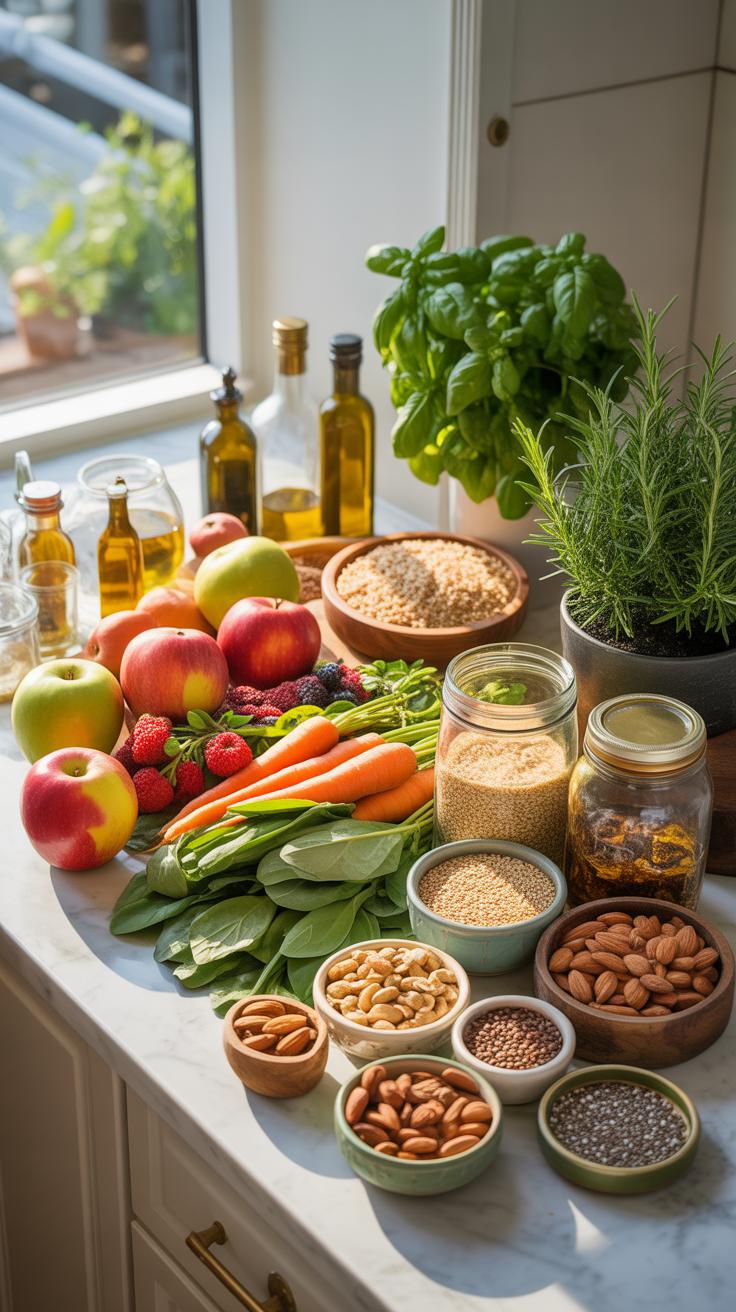
Successful clean eating starts with a foundation of nutrient dense ingredients. You must prioritize items that exist in their natural state or involve minimal processing. This strategy reduces your intake of synthetic additives and stabilizes your blood sugar. Stocking these essentials allows you to prepare high quality meals quickly. Focus on high fiber plants and lean proteins to maintain consistent energy levels throughout the day.
- Leafy Greens: Keep spinach and kale as your primary base for fiber and micronutrients. These vegetables offer high volume with low caloric density. You can use them in salads or sauté them for quick side dishes.
- Cruciferous Vegetables: Stock broccoli and cauliflower to provide essential texture and nutrients. These vegetables support detoxification and provide satiety. They remain fresh for several days and work well for roasting or steaming during weekly meal prep.
- Whole Grains: Select quinoa and brown rice over refined white versions. These grains retain the bran and germ which contain fiber and minerals. They prevent the insulin spikes caused by processed flours and provide sustained fuel for your body.
- Healthy Fats: Choose avocados and raw nuts to secure necessary fatty acids. These items help your body absorb fat soluble vitamins like A and D. They also increase meal satisfaction which prevents overeating and late night snacking on processed foods.
- Lean Proteins: Purchase chicken breast or wild caught fish for muscle repair and maintenance. These proteins contain complete amino acid profiles without the high saturated fat found in processed meats. Proper protein intake is critical for maintaining a healthy metabolic rate while eating clean.
Quality control happens at the grocery store. Your kitchen inventory dictates your dietary outcomes. If you possess raw ingredients you will cook and control your health. Keep these staples visible on your counters or at the front of your fridge. This visual cue reinforces your commitment to the program. Use these items to build simple meals that focus on flavor from herbs instead of chemicals.
To eat is a necessity, but to eat intelligently is an art. Returning to the simple table of our ancestors is the most beautiful way to nourish your new journey.
— Francois de La Rochefoucauld
Foods To Limit Or Remove From Your Pantry As A Beginner
You must purge your kitchen of ultra processed items to succeed. Remove any products containing high fructose corn syrup or artificial preservatives. These ingredients trigger inflammation and disrupt your hunger signals. Look for hidden sugars in pasta sauces and salad dressings. If a product contains more than five ingredients it likely fails the clean eating standard. Clear these barriers to prevent impulsive consumption of empty calories.
Replace refined oils like canola or vegetable oil with stable fats. These industrial seed oils undergo heavy chemical processing and contain high levels of omega 6 fatty acids. Switch to extra virgin olive oil for cold uses and avocado oil for high heat cooking. Eliminate white bread and sugary cereals that cause rapid energy crashes. Transitioning away from these items reduces cravings and allows your taste buds to reset to natural flavors.
How To Eat Cleaner Every Day Practical Strategies That Actually Work

Simple Swaps You Can Make Today To Immediately Improve Your Diet Quality
Identify processed items in your pantry and replace them with single-ingredient alternatives. Substitute refined white flour with whole grains like quinoa or brown rice. Swap sugary sodas for sparkling water with a squeeze of fresh lemon. These changes reduce your intake of hidden additives and chemical preservatives. You control the flavor profile and nutrient density when you use raw materials. Focus on high-impact changes first.
Switch from hydrogenated vegetable oils to stable fats like olive oil or avocado oil for cooking. Exchange packaged snack bars for raw nuts or fresh fruit to avoid corn syrup and artificial dyes. Read labels carefully to find hidden sugars in savory items like pasta sauce. Improving your diet quality happens through consistent replacement. Small shifts eliminate inflammatory ingredients and stabilize your energy levels throughout the day.
How Mindful Eating Supports A Cleaner, More Intentional Relationship With Food
Mindful eating requires total focus on the sensory experience of a meal. Tune out distractions like phones or television screens while you chew. Slow down to recognize natural satiety signals from your brain. This process prevents overeating and helps you appreciate the true taste of fresh ingredients. You learn to distinguish between actual physical hunger and emotional triggers. Intentionality ensures every calorie serves a purpose.
Eating without haste improves digestion and nutrient absorption in the gut. Focus on the texture and aroma of whole foods to build a better palate. You will eventually find heavily processed foods less appealing because of their artificial chemical taste. Establish a consistent eating schedule to regulate your metabolism. Proper timing reduces the urge for impulsive snacking on low-quality foods. Discipline in your habits reinforces your nutritional goals.
Healthy Meal Plan For Beginners How To Structure Your Week Around Clean Food

How To Build A Beginner Friendly Clean Eating Meal Plan From Scratch
Start by auditing your current pantry. Remove ultra-processed snacks and items with long chemical ingredient lists. Replace them with single-ingredient staples like brown rice, dry beans, and raw nuts. Successful plans rely on repetitive simplicity. You do not need twenty different recipes. Choose three breakfast options and four rotating dinner meals to reduce decision fatigue. This strategy ensures you stay consistent throughout the first week.
Batch cooking saves time and prevents poor choices when you are hungry. Dedicate one afternoon to roasting vegetables and boiling grains. Store these components in clear containers for quick assembly. Use frozen produce to lower costs without sacrificing nutrition. Frozen vegetables are picked at peak ripeness and contain no added sodium or preservatives. Planning for leftovers reduces the total cooking time required for a successful clean eating transition.
Balancing Macronutrients In Your Meal Plan To Stay Full And Energized
Effective clean eating requires a precise balance of proteins, fats, and carbohydrates. Protein provides the building blocks for muscle and keeps you satiated. Choose lean sources like chicken breast, wild fish, or lentils. Complex carbohydrates offer steady energy levels without the spikes seen in refined sugars. Focus on sweet potatoes and oats. Healthy fats from avocados or olive oil improve nutrient absorption and maintain brain health throughout your workday.
Avoid the mistake of cutting out entire food groups. This leads to hunger and eventual failure. Use a simple plate method for every meal. Fill half your plate with non-starchy vegetables. Use one quarter for high-quality protein and the final quarter for complex starches. Add a small serving of healthy fats to complete the profile. This structural approach ensures your body receives a diverse range of vitamins and minerals every day.
Healthy Meals For The Week How To Prep And Plan Clean Eating With Ease

The Basics Of Meal Prepping And Why It Makes Clean Eating More Sustainable
Meal prepping eliminates the need for daily decision making. Decision fatigue leads to poor food choices and reliance on processed snacks. By preparing meals in advance, you control every ingredient and avoid hidden sugars or unhealthy fats common in takeout. This strategic approach ensures that healthy food is the most convenient option when hunger strikes. It turns clean eating into a repeatable system.
Consistency is the primary driver of long term nutritional success. Prepping your meals on a set schedule builds a predictable routine for your body and your budget. You reduce food waste by buying only what the plan requires. This method saves hours of cooking and cleaning during the work week. Planning ahead allows you to focus on your goals instead of reacting to daily stressors.
How To Batch Cook Grains Proteins And Vegetables For The Entire Week
Batch cooking is the most efficient way to handle whole foods. Start by cooking large portions of complex carbohydrates like quinoa or brown rice. These grains stay fresh in the refrigerator for up to five days. Prepare lean proteins such as chicken breast or beans in bulk using simple seasoning. Dividing these components into individual containers creates a modular system for quick assembly of clean meals.
Vegetables require specific handling to maintain their texture and nutrient density. Roast hearty vegetables like broccoli and sweet potatoes together on large sheet pans. Wash and chop raw greens immediately after purchase to reduce preparation time later. Storing prepped ingredients in clear glass containers makes inventory management easy. This organized system prevents the last minute urge to eat refined foods. Focus on high volume and simple execution.
Easy Clean Recipes Beginner Friendly Meals You Can Make In Under 30 Minutes

Quick Breakfast And Lunch Ideas Built Around Whole, Clean Ingredients
Clean breakfasts focus on fiber and protein to stabilize blood sugar. Avoid boxed cereals containing refined sugars and preservatives. Instead, combine rolled oats with water or unsweetened nut milk. Use fresh berries or nuts for natural flavor and healthy fats. Scrambling eggs with spinach or kale provides essential micronutrients without processed additives. This approach ensures high energy levels and prevents the mid-morning crash common with sugary processed foods.
Lunch requires portable and nutrient-dense options to maintain productivity throughout the workday. Build meals around leafy greens and lean proteins like canned tuna in water or grilled chicken. Replace heavy dressings with extra virgin olive oil and lemon juice to avoid soybean oil and emulsifiers. Whole grain wraps or quinoa bowls offer complex carbohydrates for sustained fuel. Preparing these components in advance reduces the temptation to purchase processed fast food meals.
Simple Clean Dinner Recipes That Require Minimal Cooking Skills And Equipment
Dinner should emphasize roasted vegetables and quality proteins to satisfy hunger. Sheet pan meals are the most efficient method for new cooks. Place salmon fillets and broccoli florets on a single tray with salt and garlic. Roast at high heat until the protein reaches a safe temperature. This technique minimizes cleanup and eliminates the need for complex sauces. Using a single heat source preserves food nutrients effectively while saving time.
Stir-frying serves as another tactical option for rapid clean eating. Use a cast-iron skillet or stainless steel pan for even heat distribution. Flash-cook sliced bell peppers, onions, and lean beef strips in coconut or avocado oil. These oils possess a high smoke point and remain stable under heat. Serve the mixture over cauliflower rice to keep the meal low in refined starch. This method delivers a balanced meal in fifteen minutes or less.
Clean Meals Ideas How To Keep Your Clean Eating Exciting And Varied
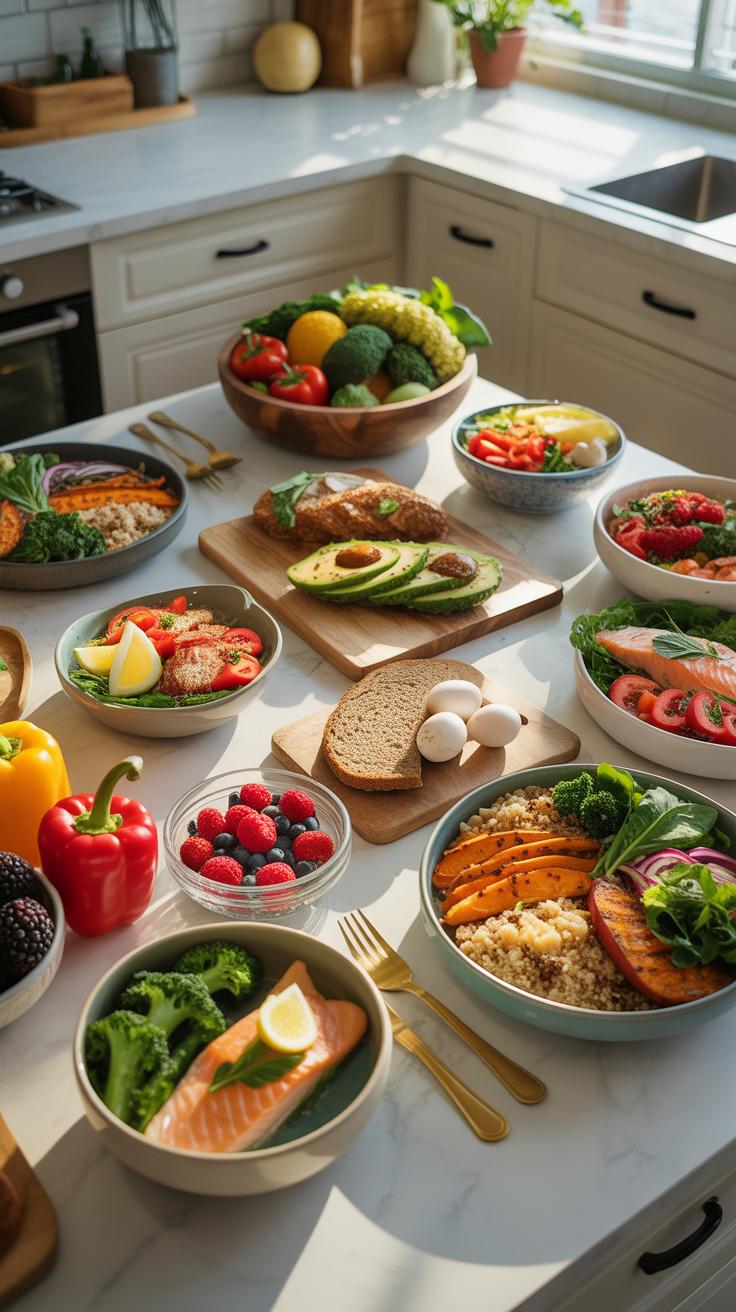
How To Use Herbs, Spices, And Natural Flavors To Make Clean Food Delicious
Ditch bottled sauces and pre-packaged seasonings high in sodium and sugar. Use dry rubs and fresh herbs to create depth without processed additives. Black pepper, cumin, and turmeric provide earthy base notes for proteins. Citrus juices and vinegars act as bright acid components. These ingredients change the flavor profile of basic chicken or fish. You control the intensity and the nutritional quality.
Fresh garlic and ginger offer potent heat and health benefits. Chop them small to release oils before cooking. Fresh cilantro, parsley, and basil should go on food after the heat turns off. This preserves their color and delicate nutrients. Use high quality sea salt sparingly to enhance natural flavors. Tactical seasoning prevents palate fatigue. Your food stays interesting even when your core ingredients remain consistent.
Rotating Seasonal Produce Into Your Meals To Add Variety And Nutritional Diversity
Eat what is currently growing to maximize nutrient density. Plants lose vitamins quickly after harvest. Local seasonal produce spends less time in transport and reaches your plate faster. Root vegetables like sweet potatoes and squash dominate the winter months. Leafy greens and berries peaked during spring and summer. Following the natural growth cycle ensures you get a wide spectrum of different antioxidants.
Seasonal shopping reduces your food costs significantly. Markets often lower prices on surplus harvest items. This rotation forces you to cook new recipes every three months. It prevents the habit of eating the same five vegetables year round. Diverse plant intake supports a healthy gut microbiome. Check a local harvest calendar to plan your grocery trips. Use seasonal shifts to reset your kitchen strategy and maintain momentum.
Your Clean Eating Plan How To Stay Consistent And Build Long Term Healthy Habits

Setting Realistic Clean Eating Goals That Keep You Motivated Over Time
Effective clean eating begins with the removal of ambiguity. Do not attempt to overhaul your entire kitchen in one day. Focus on measurable targets like replacing one processed snack with a whole fruit. This approach prevents decision fatigue and stops the cycle of burnout. Small changes create a psychological win that reinforces your commitment. Results come from steady repetition rather than a brief burst of intense effort.
Link your goals to specific behaviors instead of vague outcomes. Track your consumption of whole foods versus packaged goods to identify patterns. Use objective data to adjust your strategy each week. Achieving these milestones builds a foundation for permanent lifestyle changes. You must view clean eating as a series of tactical choices. Solid habits form when you prioritize consistency over perfection. This method ensures you maintain progress over several months.
How To Handle Setbacks Social Situations And Cravings Without Derailing Your Progress
Social events often present obstacles to clean eating. Prepare by eating a small nutrient-dense meal before you arrive. This reduces the urge to consume processed appetizers. Focus on lean proteins and vegetables if you must eat out. Most restaurants offer grilled options that fit your plan. Clear communication with your peers helps manage expectations. You do not need to explain your health choices in detail to stay on track.
Cravings are physiological signals that often fade within twenty minutes. Replace the urge for sugar with hydration or a high-fiber alternative. If you experience a setback do not abandon the entire plan. One off-plan meal does not erase a week of progress. Analyze why the deviation happened and adjust your environment to prevent a repeat. Resilience is a skill you develop through practice. Get back to your routine immediately without guilt.
Frequently Asked Questions

What exactly does it mean to start eating clean?
At its core, clean eating for beginners is about prioritizing whole, unprocessed foods that are as close to their natural state as possible. Instead of focusing on restrictive calorie counting, you focus on the quality of ingredients. This means choosing fresh fruits, vegetables, lean proteins, and whole grains while significantly reducing your intake of refined sugars, artificial preservatives, and highly processed “boxed” meals that offer little nutritional value.
How do I transition my pantry and kitchen to a cleaner lifestyle?
Transitioning to clean eating for beginners doesn’t have to happen overnight. Start by swapping refined grains for options like quinoa or brown rice and replacing sugary snacks with raw nuts or seeds. Read ingredient labels carefully; if you can’t pronounce an ingredient or it looks like a chemistry experiment, it’s likely processed. Focus on stocking your kitchen with versatile staples like olive oil, legumes, and plenty of colorful seasonal produce.
Is it possible to eat clean without overspending on my grocery bill?
Absolutely! You don’t need expensive “superfood” powders or high-end boutiques to succeed. To stay on budget, buy staple items like beans, oats, and grains in bulk and opt for frozen fruits and vegetables, which are just as nutritious as fresh but significantly cheaper. Planning your meals around seasonal sales and choosing local produce can make a wholesome lifestyle very affordable while ensuring your body gets the high-quality fuel it truly deserves.