

Understanding Why People Want To Stop Counting Calories

The Mental Burden Of Tracking Every Meal
Calorie tracking requires constant data entry and precision. Most people find manual logging unsustainable over long periods. It demands significant time and cognitive energy to look up every ingredient. This friction creates mental fatigue. Users often feel tethered to their phones during social gatherings. They lose the ability to eat intuitively because they prioritize data over hunger signals. This creates a stressful lifestyle.
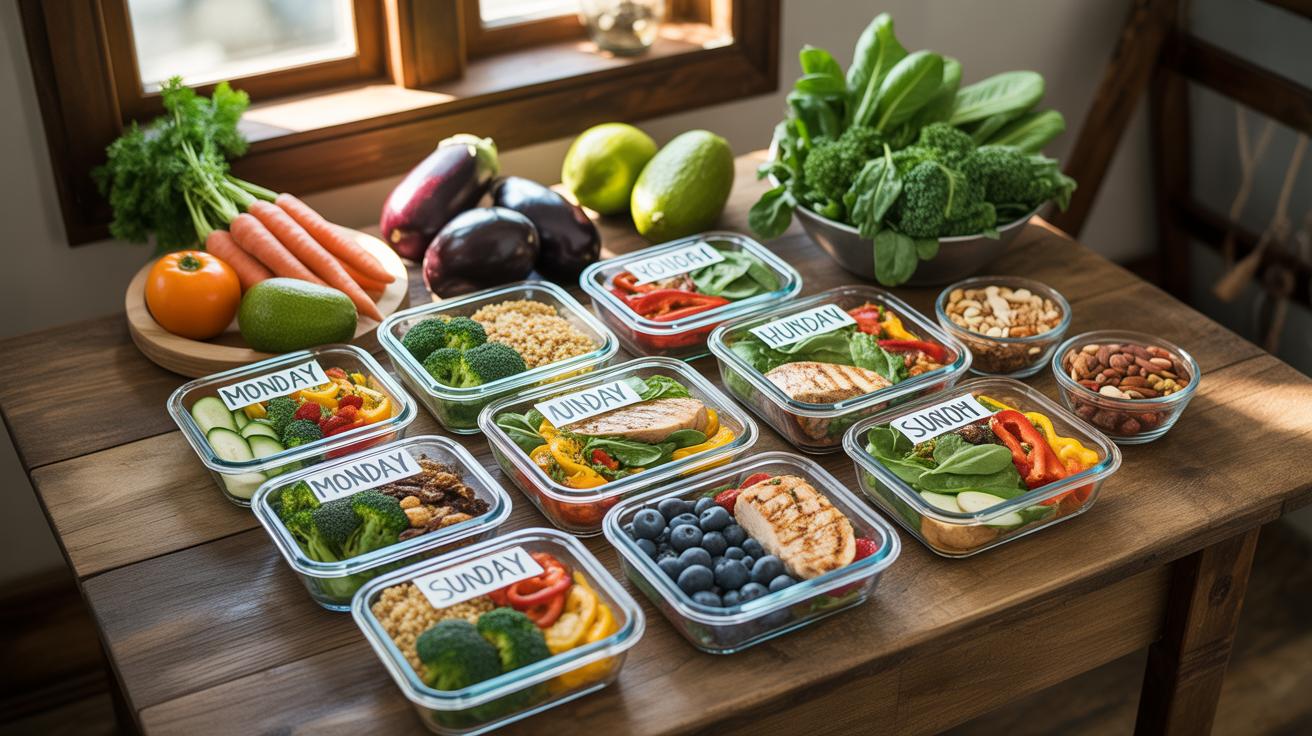
The math behind calorie tracking is often inaccurate. Labels allow for a twenty percent margin of error in calorie counts. Cooking methods and individual metabolic rates change how much energy you actually absorb. Tracking every gram gives a false sense of control while ignored variables affect the outcome. People quit because the effort does not match the results. They want a simpler way to manage weight.
Why Calorie Counting Can Lead To An Unhealthy Relationship With Food
Rigid tracking turns food into numbers rather than nourishment. This perspective often leads to food anxiety and guilt. People begin to categorize items as good or bad based on their caloric density. They ignore internal cues like satiety and cravings. This disconnect can trigger cycles of restriction and binge eating. The focus shifts from health and fuel to hit a specific numerical target.

External validation from an app replaces physical self-awareness. When people exceed their daily limit, they often feel like failures. This shame ruins the social and cultural joy of eating. It creates an obsessive mindset that dominates daily thoughts. Breaking free from the scale and the app allows individuals to focus on food quality. They want to reclaim their autonomy and eat for long term health.
How Your Body Regulates Weight Beyond Calorie Counting

The Role Of Hormones Like Leptin And Insulin In Hunger And Fat Storage
Hormones act as the primary control center for your body weight. Insulin manages how you store energy from the food you eat. High levels of insulin signal your body to stop burning fat and start storing it instead. When you eat refined sugars often, your insulin stays elevated. This prevents your body from accessing stored fat for fuel during the day.
Leptin tells your brain when you have enough stored energy. It shuts off your hunger signal. Chronic overeating and high inflammation can cause leptin resistance. Your brain then thinks you are starving even when you have high fat stores. Improving hormone sensitivity is more effective than cutting calories. You must lower insulin to allow your body to receive its own leptin signals properly.
How Metabolism And Energy Balance Work Without A Calorie Counting Guide
Metabolism is a dynamic system that adjust based on your environment and intake. Your body regulates energy output through non-exercise activity and heat production. When you focus on food quality, your body naturally finds its set point. High-quality proteins and fats increase the thermic effect of food. This means you burn more energy just by digesting what you eat throughout the day.
Energy balance happens automatically when you eat fiber and nutrient-dense foods. These foods trigger stretch receptors in the stomach. They also release satiety hormones in the gut. This mechanical and chemical feedback stops you from overeating. You do not need a spreadsheet to manage this process. Your biology handles the math when you feed it the right signals from whole food sources.
Eating Whole Nutrient Dense Foods For Losing Weight Without Counting Calories

Why Whole Foods Naturally Regulate Appetite And Reduce Overeating
Whole foods contain significant amounts of fiber and water. These elements increase food volume without adding excess energy. High volume food stretches the stomach lining. This physical stretching sends signals to the brain to stop eating. You feel full before you consume too many calories. Processing removes these structural components. Stripped foods fail to trigger the stretch receptors effectively.
Nutrient density affects how the brain tracks energy intake. The body monitors levels of vitamins and minerals during digestion. If a meal lacks nutrients, the brain keeps hunger signals active. Whole foods provide the micronutrients required for metabolic health. This satisfaction shuts down the drive to snack between meals. Stable blood sugar prevents energy crashes that lead to binge eating sessions.
Best Whole Food Choices To Prioritize For Effortless Weight Management
Prioritizing specific food groups ensures maximum fullness with minimum caloric density. Lean proteins and fibrous vegetables offer the highest level of satiety per gram. These foods require more chewing and time to digest. This delay gives your hormones time to register that you are full. Focusing on these staples shifts your internal chemistry away from fat storage and toward fat burning.
- Leafy Greens: Spinach and kale provide massive volume for very few calories. They fill the stomach physically and offer essential magnesium and iron. High fiber content slows down the digestion of other foods in your meal.
- Lean Proteins: Chicken breast, white fish, and egg whites have a high thermic effect. Your body burns significant energy just to break them down. Protein also lowers levels of the hunger hormone ghrelin effectively.
- Cruciferous Vegetables: Broccoli and cauliflower contain dense fiber structures that resist rapid breakdown. They stay in the digestive tract longer than processed grains. This persistent bulk keeps you feeling satisfied for several hours after eating.
- Legumes: Beans and lentils combine slow-digesting carbohydrates with plant-based protein. This combination provides steady energy without causing large insulin spikes. They are the most effective tool for long-term fullness and bowel health.
- Tubers: Boiled potatoes rank highest on the satiety index of all common foods. They provide resistant starch which feeds healthy gut bacteria and improves insulin sensitivity. Avoid deep frying them to maintain their low calorie density profile.
Eliminating liquid calories and refined flours removes the primary cause of overconsumption. These substances bypass the body’s natural fullness sensors. Whole foods restore these sensors by providing the bulk and nutrients the human body expects. If you stick to these choices, your body weight will regulate itself over time. You stop eating because you are full, not because you reached a limit.
Mastering Portion Awareness Without Calorie Counting For Meals

Using Your Hand And Plate As Natural Portion Guides
The human hand serves as a consistent tool for measuring food volume. Use your palm to determine protein sizes. Use your fist to measure vegetable portions. Use a cupped hand for carbohydrates and your thumb for fats. This method scales with your body size. It provides a portable way to manage intake without tools. Your hand size stays constant during your adult life.
The plate method creates a visual balance for every meal. Fill half of your nine inch plate with non starchy vegetables. Assign one quarter to lean protein sources. Use the final quarter for complex carbohydrates. This layout automatically limits calorie density while maximizing fiber intake. It removes the need for scales or spreadsheets. You simply follow the visual lines to ensure proper nutrient ratios and satiety.
Focus on the quality of your food rather than the math of your plate. Let your body rediscover its natural rhythm by eating the simple and wholesome ingredients that nature provided.
— Alice Waters
How Mindful Eating Replaces The Need To How To Calorie Count
Mindful eating shifts your focus to internal hunger signals. Most people eat due to boredom or external cues. You must learn to distinguish between physical hunger and emotional cravings. Stop eating when you feel eighty percent full. This practice prevents the overconsumption that typically leads to weight gain. It relies on the biological feedback loop between your stomach and your brain.
Chewing slowly improves the chemical signaling process in your body. It takes twenty minutes for your brain to receive fullness signals. Fast eaters consume more energy than they require before the brain can react. Put your fork down between bites to pace yourself. Eliminate distractions like phones or television while eating. This focus ensures you notice when your body has reached its energy limit.
The Power Of Protein And Fiber For Satiety Without Calorie Counting

How High Protein Foods Reduce Hunger Hormones And Boost Metabolism
Protein acts as a biological hunger suppressant. Consumption of lean meats, eggs, and legumes triggers the release of cholecystokinin and glucagon-like peptide-1. These hormones signal the brain that the body is full. Protein also suppresses ghrelin, which is the primary hormone responsible for driving hunger. Prioritizing protein allows you to regulate intake naturally. You stop eating because your chemistry changes, not because you reached a specific calorie limit.
Metabolism increases through the thermic effect of food. Protein requires more energy to digest than fats or carbohydrates. Your body burns significant energy just breaking down these amino acids. This process keeps the metabolic rate elevated for several hours after a meal. Maintaining high protein intake also protects lean muscle mass during weight loss. Muscle tissue burns more calories at rest than fat tissue. This creates a permanent metabolic advantage.
Why Dietary Fiber Slows Digestion And Keeps You Fuller For Longer
Fiber provides physical bulk without adding significant energy density to a meal. Soluble fiber absorbs water and forms a gel-like substance in the gut. This thick gel slows down the gastric emptying process. It keeps food in your stomach for a longer duration. You feel physically full because your digestive tract remains occupied. This mechanical delay prevents the rapid blood sugar spikes that usually lead to energy crashes and cravings.
Fermentation of fiber in the large intestine produces short-chain fatty acids. These metabolites further signal satiety to the brain. High-fiber foods like vegetables and whole grains require more chewing than processed items. This increased chewing time gives your brain the necessary minutes to register fullness. By including fiber at every meal, you build a natural barrier against overeating. It makes caloric deficits happen automatically by filling your stomach with low-energy volume.
Smart Lifestyle Habits That Support Weight Loss Without Calorie Counting For Beginners

How Quality Sleep Directly Affects Weight Gain And Hunger Levels
Sleep deprivation disrupts two critical hormones that manage your appetite. Ghrelin signals hunger to your brain and increases when you lack rest. Leptin tells your brain you are full and decreases when you are tired. This hormonal shift creates a physical drive to overeat. You cannot rely on willpower when your biochemistry demands high calorie fuel to stay awake and alert throughout the day.
Lack of sleep also impairs the prefrontal cortex of the brain. This area handles executive function and impulse control. When you are exhausted, you make poor food choices and give in to cravings easily. Your body seeks quick energy from sugar and refined carbohydrates. Improving sleep quality fixes these internal signals. You will feel less hungry and make better decisions without needing to track every single bite.
Practical Daily Habits To Adopt For Sustainable Weight Loss
Small daily actions create a caloric deficit without the need for manual math. Most people fail because they rely on motivation rather than automated systems. You must change your environment to make healthy choices the default path. This involves physical movement and structural changes to how you interact with food. These habits reduce total intake by managing hunger and increasing your metabolic rate.
- Daily Walking: Aim for ten thousand steps to increase non-exercise activity thermogenesis. Walking after meals assists digestion and lowers blood sugar spikes. This habit burns extra energy without increasing your appetite like high intensity workouts often do for beginners.
- Water Preloading: Drink sixteen ounces of water before every meal to stretch the stomach lining. This triggers fullness signals earlier in the feeding process. Many people mistake thirst for hunger and eat extra calories when their body simply needs hydration to function.
- Smaller Plates: Use ten inch plates instead of standard dinner plates to trick the brain. Visual cues determine satisfaction more than the actual volume of food. A full small plate suggests abundance while a large empty plate suggests deprivation to your mind.
- Standing Desk: Replace sitting with standing for three to four hours during your workday. Standing uses more muscle groups than sitting and prevents the metabolic slowdown associated with sedentary behavior. It keeps your heart rate slightly higher and improves your overall daily energy expenditure levels.
- Morning Protein: Eat thirty grams of protein within thirty minutes of waking up to stabilize blood sugar. This prevents the mid afternoon energy crash that leads to sugary snacking. Starting the day with protein sets a hormonal tone that prioritizes fat burning over fat storage.
Consistency wins over intensity every time in long term weight management. You do not need a perfect diet to see results. You need a set of rules that you follow without thinking. Once these habits become automatic, your weight will stabilize at a lower point. Focus on the process of daily movement and environmental control. This approach takes the stress out of the weight loss journey.
Reducing Ultra Processed Foods As A Strategy For Losing Weight Without Counting Calories

Why Ultra Processed Foods Override Your Body’S Natural Fullness Signals
Ultra-processed foods use precise ratios of sugar, salt, and fats to maximize palatability. Food engineers design these products to hit the reward centers of your brain. This creates a dopamine response that outweighs hunger signals. You eat more because the food bypasses the biological off switch known as satiety. These items lack the fiber and protein necessary to trigger fullness hormones effectively.
The texture of processed food also speeds up consumption. Industrial processing removes structural fibers so you can chew and swallow faster. This rapid intake prevents your brain from registering that you are full. By the time your stomach sends a signal, you have already consumed excess energy. Eliminating these engineered triggers restores your ability to stop eating when your body has enough fuel.
Simple Swaps To Cut Processed Foods From Your Diet Without Feeling Deprived
Shift your focus toward single-ingredient foods to regain control of your appetite. Replace boxed cereals and snack bars with whole eggs or greek yogurt. These options provide high protein density which stabilizes blood sugar levels. You will avoid the energy crashes that lead to compulsive snacking. Whole foods take longer to digest and keep you satisfied for several hours without checking a calorie label.
Trade refined vegetable oils and flavored spreads for healthy fats like avocado or olive oil. Move away from frozen meals by choosing pre-cut fresh meat and vegetables. These swaps remove hidden sugars and preservatives that cause inflammation and water retention. You eat until full because whole foods provide clear feedback to the gut. This tactical shift ensures weight loss happens as a byproduct of improved food quality.
The Role Of Physical Activity In Weight Management Without Calorie Counting

How Strength Training And NEAT Help Burn Fat Without Tracking Calories
Strength training builds lean muscle tissue. Muscle is metabolically active and requires more energy to maintain than fat. Lifting weights increases your resting metabolic rate. This means your body burns more fuel even while you sleep. You create a metabolic engine that works around the clock. This process shifts your body composition without requiring you to log every meal or snack in an app.
Non-Exercise Activity Thermogenesis, or NEAT, covers all movement that is not formal exercise. This includes walking to your car, cleaning your house, or standing at your desk. These small actions add up to significant energy expenditure over 24 hours. Increasing your daily steps reduces the need for strict food restriction. Focus on moving more throughout the day to create a natural energy deficit without counting calories.
Choosing The Right Types Of Exercise For Long Term Weight Maintenance
High-intensity interval training and steady-state cardio offer different benefits for fat loss. Cardio improves heart health and burns immediate energy. However, excessive cardio can increase hunger hormones in some individuals. This makes it harder to eat intuitively. You must balance aerobic work with resistance training to preserve bone density and muscle mass. Choose activities you can perform consistently for years, not just weeks or months.
Functional movements mirror real-life tasks and prevent injuries. Exercises like squats, deadlifts, and presses engage multiple muscle groups. This high level of engagement triggers a stronger hormonal response for fat loss. Grip strength and leg power are accurate markers of long-term health and mobility. Prioritize compound movements to maximize the time you spend in the gym. Consistent movement creates a sustainable environment for a healthy weight.
Building A Long Term Mindset Around Food Instead Of Calorie Counting

How Intuitive Eating Teaches You To Trust Your Body’S Natural Hunger Cues
Intuitive eating shifts focus from external data to internal signals. You must learn to distinguish between physical hunger and emotional triggers. Physical hunger develops slowly in your stomach. Emotional hunger starts suddenly in your head. Recognizing these biological signals stops overeating before it begins. You eat when you feel a physiological need. You stop when your body signals fullness to your brain.
This process restores the natural relationship between your brain and digestive system. Chronic dieting often breaks these communication loops. You ignore satiety signals because a plan tells you to keep eating. You ignore hunger because a clock says it is not time. Reclaiming these cues removes the need for digital tracking. Your body regulates its own energy balance once you stop overiding its core functions.
Why A Flexible, Enjoyable Approach To Eating Leads To Lasting Results
Strict food rules create a psychological cycle of restriction and bingeing. Total bans on specific food groups usually backfire. This pressure leads to mental fatigue and eventual failure. A flexible approach treats all foods as neutral fuel sources. You prioritize nutrient dense options but allow for variety. This lack of deprivation keeps your stress levels low. Low stress prevents cortisol spikes that trigger fat storage.
Sustainable weight loss requires a system you can maintain for decades. Rigid calorie counting is a short term tactic that lacks longevity. A flexible mindset allows you to navigate social events and travel without anxiety. You focus on the quality of your meals rather than the math. This strategy builds a stable lifestyle. Consistency beats perfection every time. You achieve permanent results because the habit becomes effortless over time.
Frequently Asked Questions

Is it actually possible to slim down without tracking every single bite?
Absolutely. Many people find success learning how to lose weight without counting calories by focusing on food quality rather than just quantity. By prioritizing whole, unprocessed foods like lean proteins and fiber-rich vegetables, you naturally feel fuller on fewer calories. This intuitive approach shifts the focus toward nourishing your body and listening to internal hunger cues, making it a sustainable and stress-free alternative to traditional restrictive dieting methods.
What are the most effective habits for dropping pounds more naturally?
To see results, focus on mindful eating and portion control strategies. Start by using smaller plates to trick your brain into feeling satisfied and ensure half of every meal consists of non-starchy vegetables. Drinking water before meals and chewing slowly also play huge roles in how to lose weight without counting calories. These simple lifestyle adjustments help regulate your metabolism and prevent overeating without the need for a digital scale.
Can I achieve weight loss goals without buying expensive health foods?
You don’t need a massive budget or luxury superfoods to see a difference. Minimalist weight loss is achievable by sticking to affordable staples like dried beans, lentils, frozen vegetables, and whole grains. These fiber-packed pantry essentials keep you satiated for hours, helping you manage your intake naturally. Focusing on these cost-effective, nutrient-dense basics is a fantastic way to improve your health and body composition while keeping your grocery bill low.