

The Science Behind Low Carb High Protein Meals And Fat Loss
How Reducing Carbohydrates Shifts Your Body Into A Fat Burning State
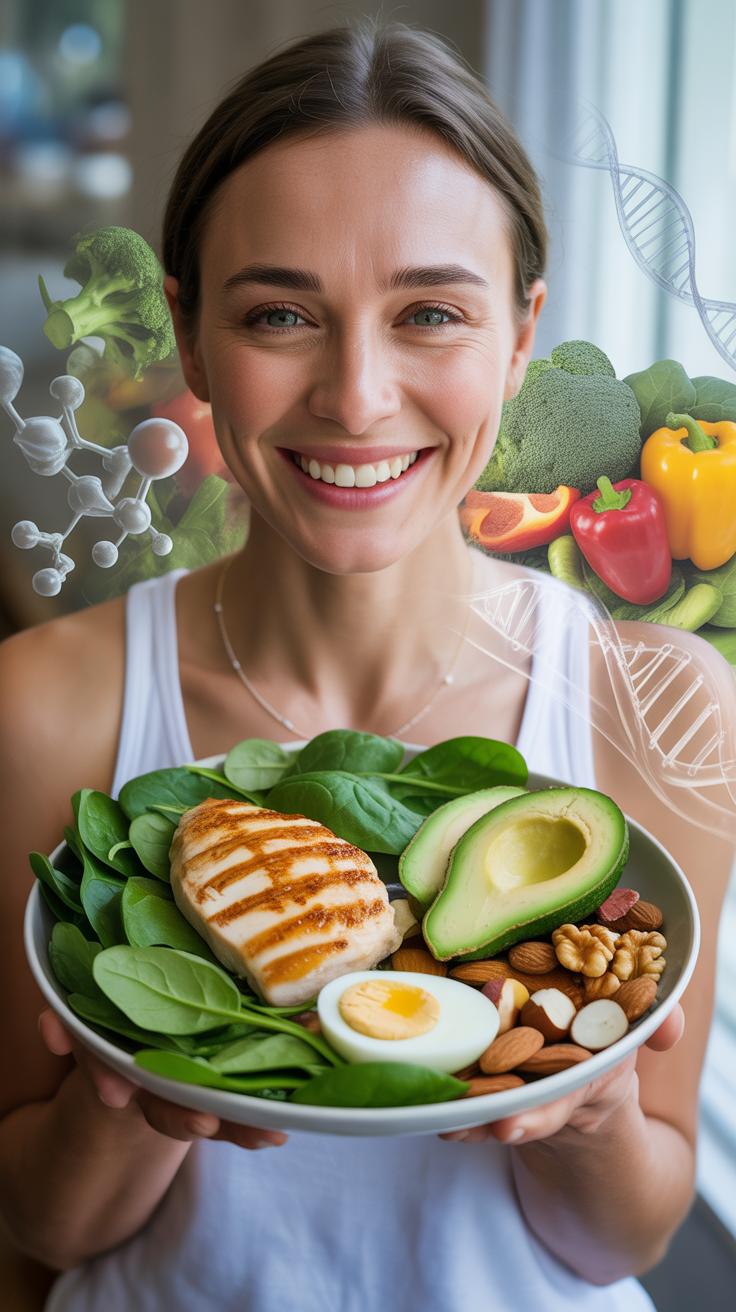
Limiting carbohydrates forces your body to seek alternative fuel sources. Normally, your system burns glucose for energy. When you cut sugar and starch, insulin levels drop significantly. Low insulin allows your body to access stored fat cells. This metabolic shift is essential for efficient fat loss. Your liver begins converting fatty acids into ketones. These molecules provide steady energy without the blood sugar spikes.
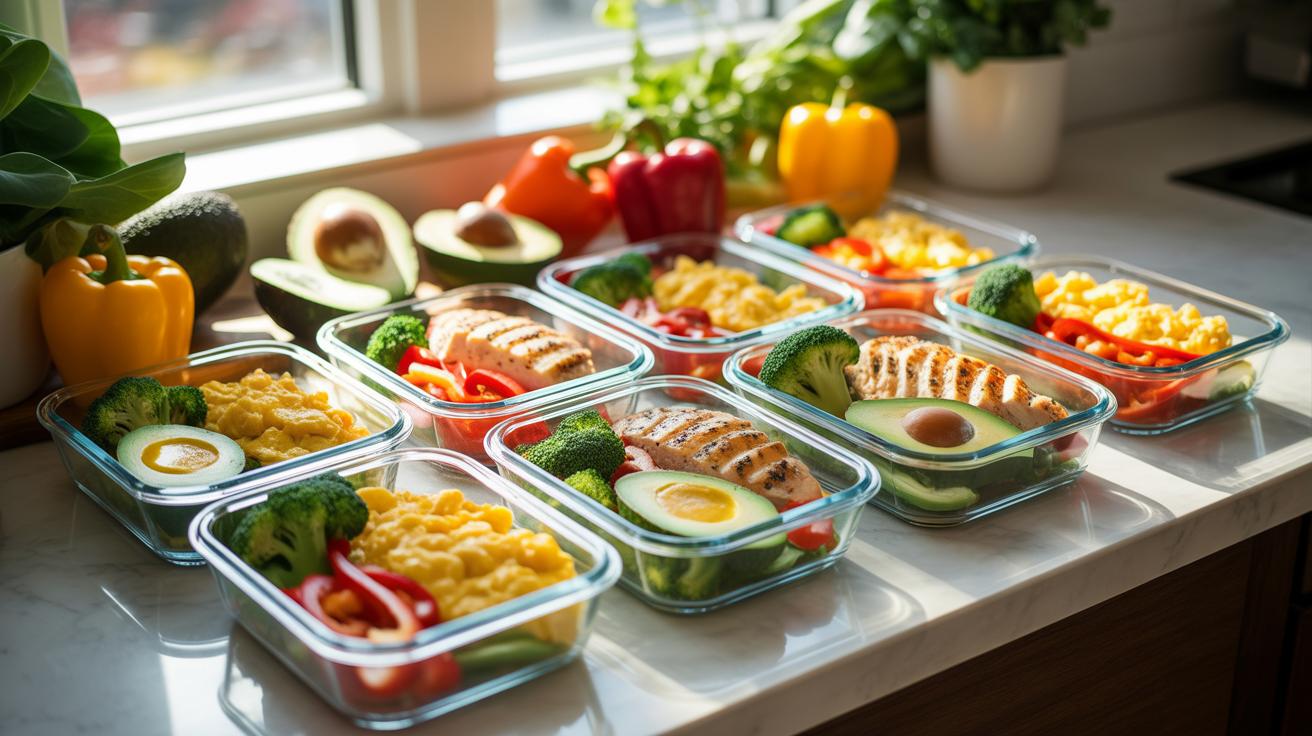
Maintaining a low carb high protein meal plan stabilizes your internal chemistry. High insulin levels act as a storage hormone that prevents fat breakdown. By keeping these levels low, you stay in a metabolic state focused on burning fat. This process helps you lose weight while preserving your energy levels. You avoid the energy crashes common with high carb diets. Focus on consistency to keep your metabolism optimized for fuel efficiency.
Why Protein Is The Most Satiating Macronutrient For Weight Management
Protein is the most effective tool for appetite control. It suppresses the hunger hormone called ghrelin while boosting satiety signals. This means you feel full faster and stay full longer between your meals. Eating protein requires more energy for your body to digest compared to fats or carbs. This thermal effect of food increases your daily caloric burn. High protein intake protects your lean muscle mass during weight loss phases.

Consuming protein prevents the metabolic slowdown that often follows calorie restriction. Muscle tissue burns more calories at rest than fat tissue does. A low carb high protein meal plan ensures your body targets fat instead of your muscles. This strategy creates a lean physique and improves your overall metabolic rate. Prioritize lean protein sources to maximize these physiological benefits. Steady protein intake provides the necessary building blocks for cellular repair and hormonal balance.
Building Your High Protein Low Carb Menu Diet Plans From The Ground Up

How To Calculate Your Daily Protein And Carbohydrate Targets For Fat Loss
A solid low carb high protein meal plan starts with precise math. To preserve lean muscle during fat loss, set your daily protein intake between 0.8 and 1.2 grams per pound of your goal body weight. This range ensures your body repairs tissue instead of burning muscle for fuel. Consistent protein intake stabilizes your metabolism and keeps your thermic effect of food high throughout the day.
Manage your carbohydrate limit based on your activity levels and metabolic health. For most effective fat loss, keep net carbohydrates between 20 and 50 grams per day. Net carbs are total carbohydrates minus grams of fiber. This restriction forces your body to switch from burning glucose to burning stored body fat for energy. Tracking these specific numbers removes guesswork and produces predictable results over time.
Structuring Your Meals Throughout The Day To Maximize Satiety And Energy
Distribute your protein intake evenly across three to four meals to maintain steady muscle protein synthesis. Aim for at least 30 grams of protein at every sitting. This strategy prevents the hunger spikes often caused by erratic blood sugar levels. Combining protein with fibrous green vegetables increases the volume of your food without adding many calories. High volume eating keeps you full longer and improves digestive health.
Front load your carbohydrate intake around your most active hours to support physical performance. If you exercise, eat your daily allotment of carbs shortly before or after your workout. This timing ensures your muscles use the glucose immediately rather than storing it as fat. Use healthy fats like olive oil or avocado to fill the remaining calorie gaps. Balancing these macronutrients creates a sustainable energy flow that prevents afternoon crashes.
Top High Protein Low Carb Recipes To Keep Your Diet Exciting And Sustainable
Protein Packed Breakfast Recipes That Keep Carbs Low And Energy High
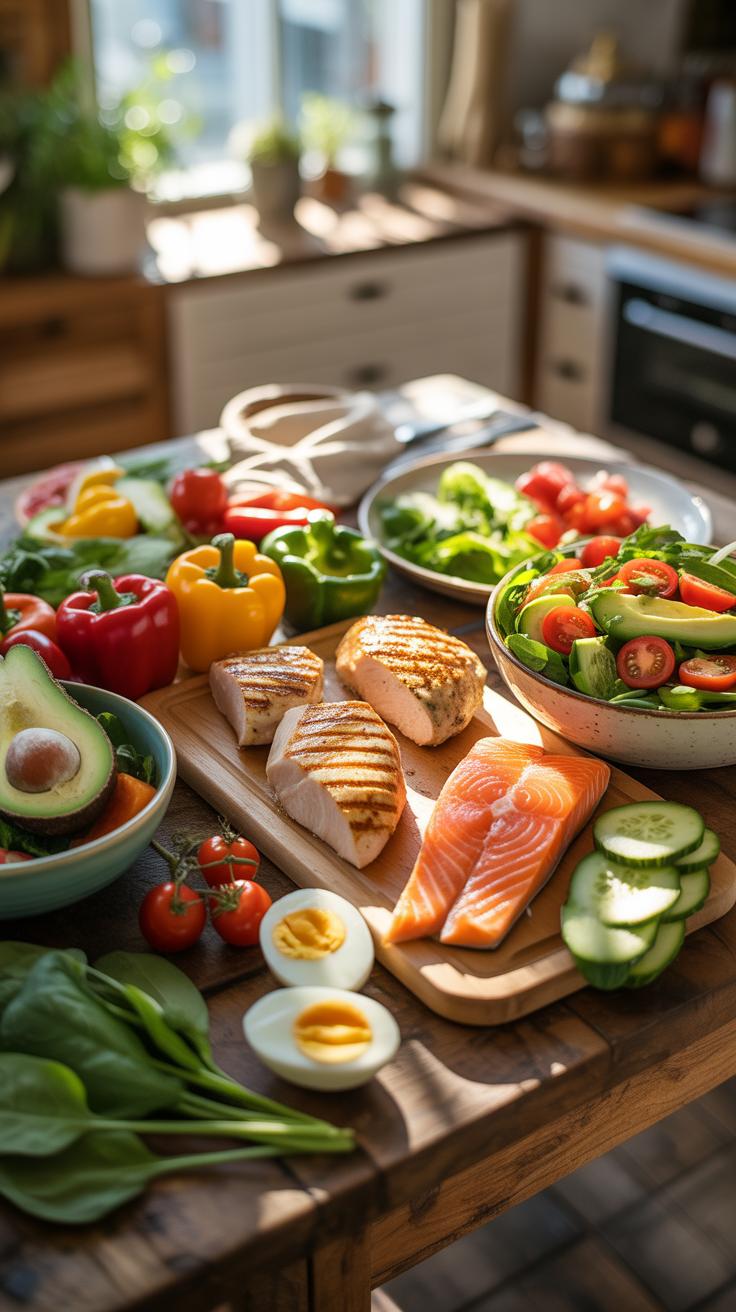
Start your day with whole eggs and lean meats to trigger satiety early. Standard omelets provide a versatile base for high protein intake. Mix in spinach and smoked salmon or nitrate free cottage cheese to boost protein grams without adding significant carbs. This strategy stabilizes blood sugar and prevents the mid morning energy crash common with cereal or toast based meals.
Prepare egg muffins in bulk for a tactical time advantage. Combine liquid egg whites with ground turkey sausage and bell peppers in a muffin tin. Bake these at three hundred fifty degrees until firm. This method ensures you have a grab and go option that meets your protein targets. Consistent morning protein intake reduces the hormone ghrelin which controls your hunger signals throughout the day.
Satisfying Lunch And Dinner Recipes Built Around Whole Food Protein Sources
Focus on ruminant meats and fatty fish to anchor your evening meals. Sear a grass fed ribeye or bake a salmon fillet in avocado oil. These sources provide essential amino acids and healthy fats that support muscle retention during fat loss. Use cruciferous vegetables like roasted broccoli or riced cauliflower as your side dish to maintain a high volume of food without the carb load.
Utilize slow cookers for high yield protein prep. Place chicken thighs or beef chuck roast in the pot with bone broth and dry spices. Shred the cooked meat to use in lettuce wraps or bowls. This approach removes the friction of daily cooking while keeping your macronutrients on track. Lean into spice rubs rather than sugary sauces to keep your net carb count near zero for these main courses.
Healthy High Protein Meals Choosing The Best Protein Sources For Your Body
Animal Based Protein Sources That Support Muscle Retention During Fat Loss
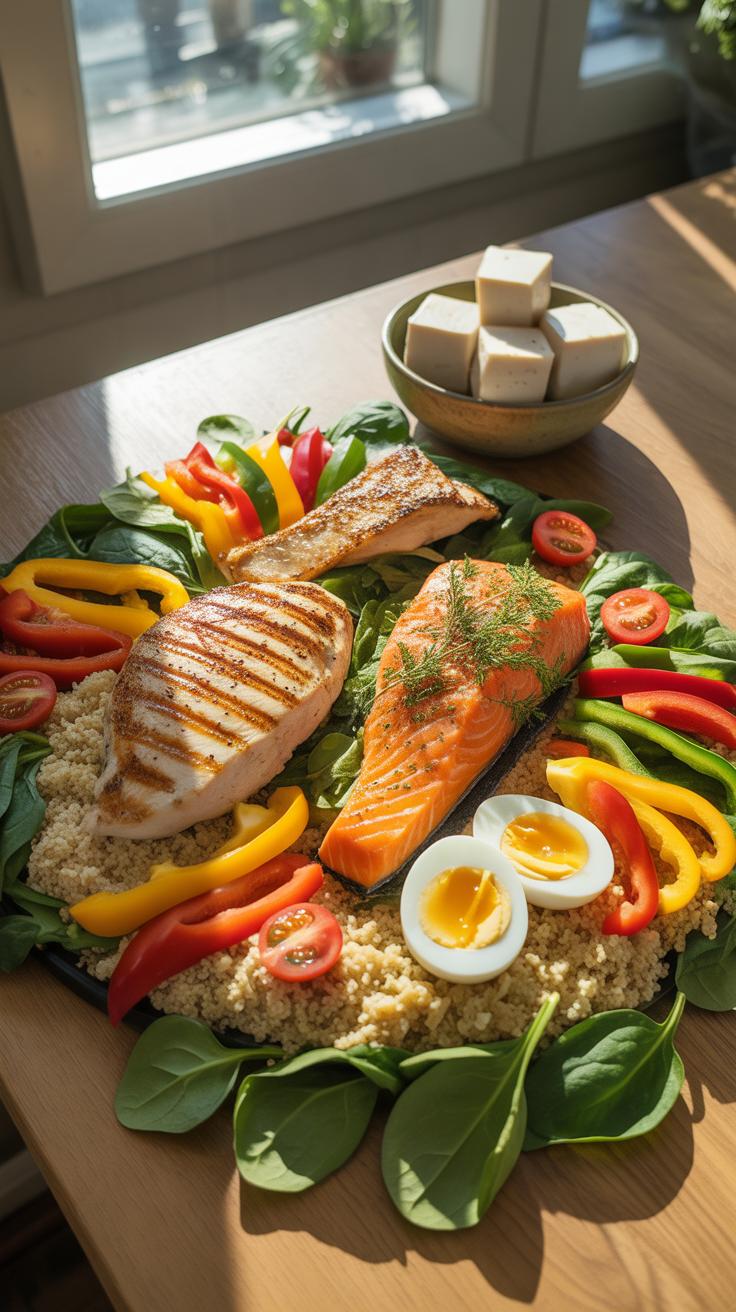
Lean animal proteins provide the highest biological value for muscle maintenance. These sources contain all essential amino acids necessary for tissue repair. Prioritize whole cuts of poultry, white fish, and lean red meats. These foods offer high satiety levels and have a low thermic effect. Focus on wild caught or grass fed options to maximize nutrient density without adding extra calories from saturated fats.
Animal proteins are metabolically efficient because they require more energy to digest than fats or carbohydrates. This process helps maintain your metabolic rate while you cut calories. Choose eggs and Greek yogurt for high protein density with minimal prep time. These staples supply leucine which triggers muscle protein synthesis. Consistent intake of these high quality sources prevents the body from breaking down existing muscle for energy.
Like the simple, hearty roasts of my childhood, focusing on real protein and pure ingredients nourishes both the body and the soul. Honoring your health with simple food is the ultimate way to get back to what truly matters.
— Curtis Stone
Plant Based High Protein Options That Are Naturally Lower In Carbohydrates
Most plant proteins come with a high carbohydrate load that can stall fat loss. You must select specific sources like tofu, tempeh, and seitan to hit protein targets without exceeding carb limits. These options undergo processing that removes excess sugars and starches found in whole beans. This makes them ideal for a low carb high protein meal plan because they provide concentrated protein with a neutral glycemic impact.
Hemp seeds and pumpkin seeds offer a high protein to carb ratio for snacks or toppings. They provide healthy fats that support hormone production while keeping insulin levels low. Avoid large servings of legumes like lentils or chickpeas if you want to stay in ketosis. Focus on fermented soy products to improve digestion and nutrient absorption. Combine different plant sources throughout the day to ensure you receive a complete amino acid profile.
Quick Low Carb High Protein Dinners For Busy Weeknights
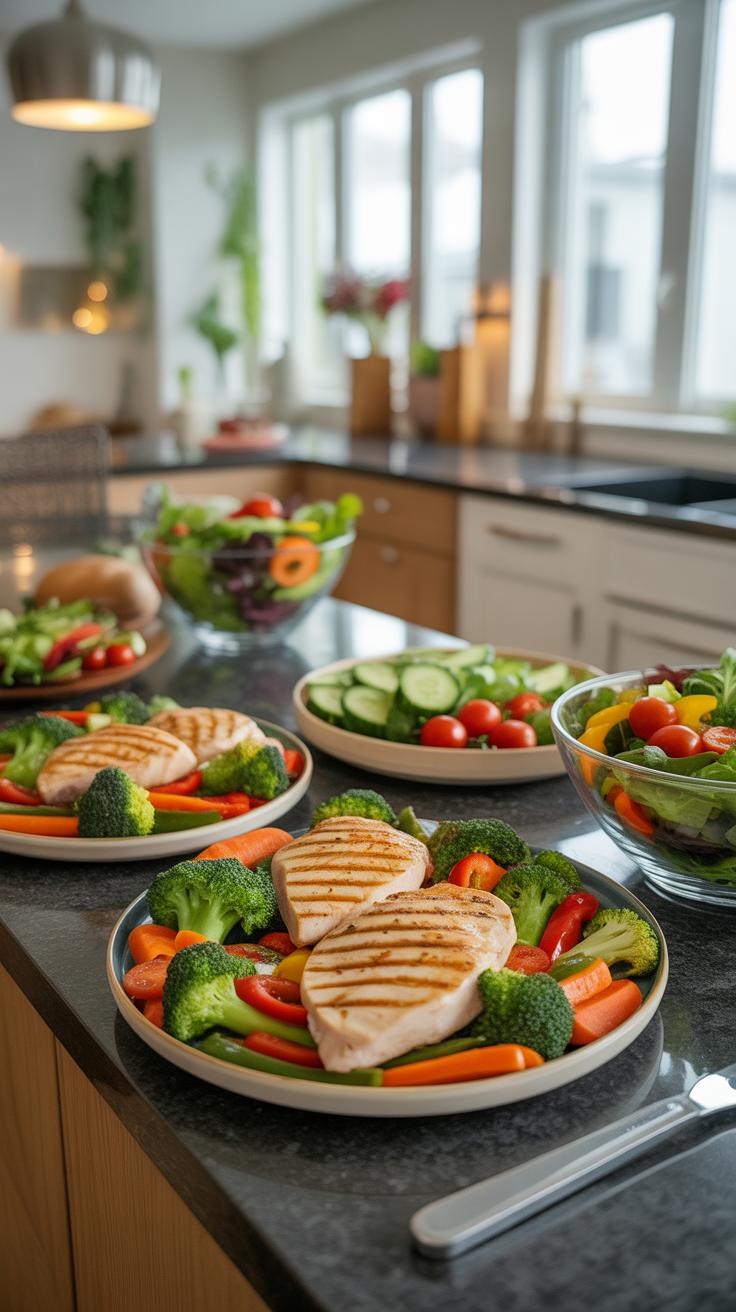
One Pan And Sheet Pan Dinners That Deliver Protein Without The Carb Load
Sheet pan cooking minimizes cleanup and maximizes nutritional density. You place high quality proteins like salmon, chicken thighs, or lean flank steak on a single tray. Surround these proteins with fibrous vegetables like broccoli, asparagus, or bell peppers. Use olive oil and dry spices to add flavor without adding sugar or starch. This method ensures the meat reaches safe internal temperatures while the vegetables caramelize.
One pan cooking relies on heat transfer efficiency. Heavy cast iron or stainless steel pans sear proteins to retain juices. Adding cruciferous vegetables directly to the pan allows them to absorb healthy fats from the protein. This technique eliminates the need for separate side dishes that usually contain heavy carbohydrates. Focus on high heat and short cooking times to preserve the structural integrity of both meat and fiber components.
Meal Prep Strategies That Make Quick And Easy High Protein Low Carb Meals A Daily Reality
Efficiency in a low carb high protein meal plan requires a systematic approach to batch cooking. Dedicated prep sessions reduce the cognitive load of daily decision making. You must focus on bulk cooking versatile proteins that adapt to different flavor profiles. This strategy ensures you always have a biological fuel source ready. It prevents the reliance on processed convenience foods that often contain hidden sugars and fillers.
- Batch Grilling Proteins: Cook three to four pounds of chicken breast or lean beef at once. This volume provides the foundation for multiple dinners throughout the week. Slice the meat after cooling to maintain moisture and store it in airtight glass containers for maximum freshness.
- Pre Chopping Fibrous Vegetables: Wash and cut heavy vegetables like cauliflower, kale, and cabbage immediately after purchase. Ready to use greens reduce the barrier to cooking a healthy meal. Storing them in dry containers prevents wilting and increases the speed of stir fry or roasting tasks.
- Portioning Raw Ingredients: Divide raw meat into individual servings before freezing. This tactic allows you to defrost only what you need for a single night. It prevents food waste and ensures you hit specific protein targets without overeating. Label each bag with the weight for accurate tracking.
- Standardizing Spice Blends: Create custom dry rubs using salt, pepper, garlic powder, and smoked paprika. Avoid pre made store mixes that often contain cornstarch or sugar as anti caking agents. Having these blends ready allows you to season proteins instantly without checking labels every night.
- Hard Boiling Eggs: Prepare a dozen eggs at the start of the week for an immediate protein boost. Eggs serve as a quick dinner addition or a standalone snack. They provide high quality amino acids and healthy fats that support metabolic function during a fat loss phase.
Organization transforms your kitchen into a high performance environment. Use clear containers to maintain visual inventory of your prepared macro nutrients. This transparency allows you to build a plate in under ten minutes. Combine one pre cooked protein with one pre chopped vegetable and a healthy fat source. This mechanical approach to eating ensures consistency which is the primary driver of successful long term body composition changes.
The 1200 Calorie Meal Plan High Protein A Full Day Of Eating For Fat Loss
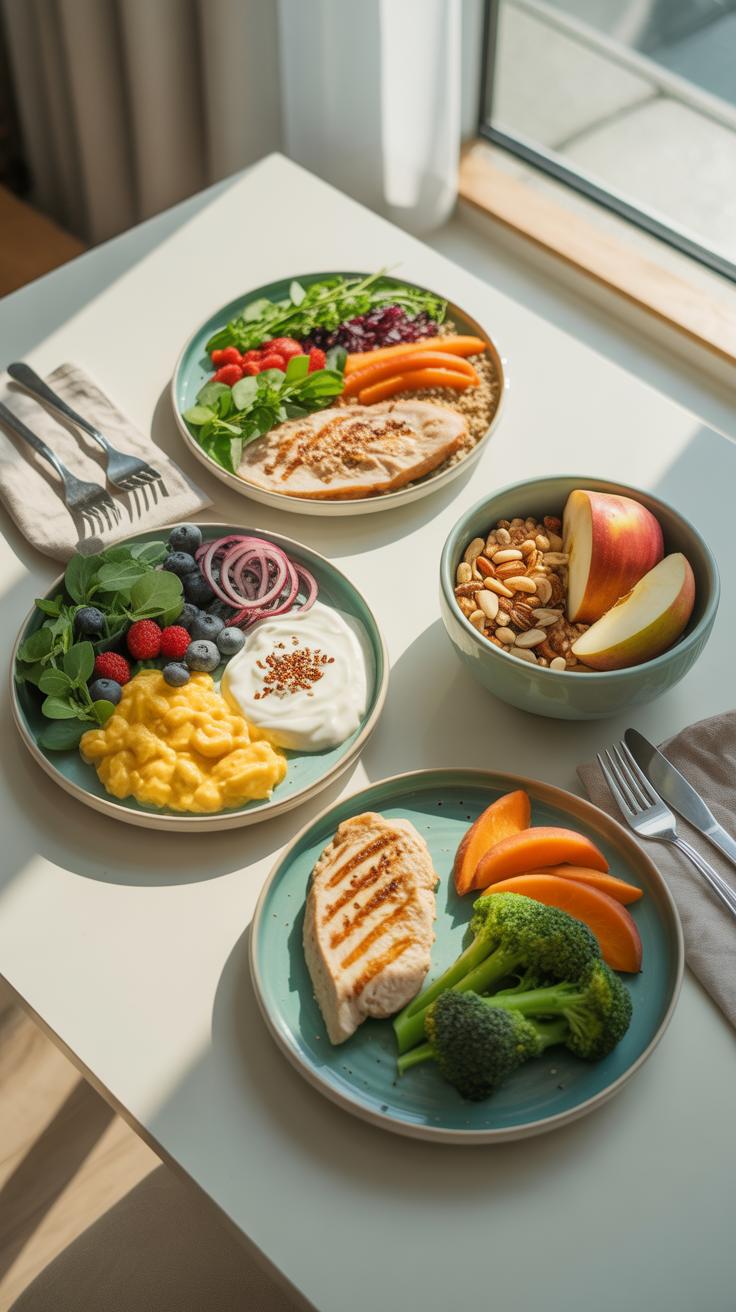
Who Should Consider A 1200 Calorie High Protein Low Carb Approach And Why
A 1200 calorie high protein low carb approach suits sedentary women or individuals with smaller frames seeking rapid fat loss. This caloric floor represents the minimum energy intake required to maintain basic physiological functions without risking severe metabolic slowdown. High protein intake preserves lean muscle mass during this aggressive deficit. It also increases satiety by regulating hunger hormones like ghrelin which prevents diet failure.
The strategy works by forcing the body to utilize stored adipose tissue for fuel while providing essential amino acids. Lowering carbohydrates reduces insulin spikes and minimizes water retention. This specific low carb high protein meal plan remains a short term tool for breaking weight loss plateaus. It is not a permanent solution for athletes or highly active men because it lacks the glycogen support needed for high intensity performance.
A Sample 1200 Calorie Day With Balanced Macros And Practical Meal Ideas
Strategic meal timing ensures steady energy levels throughout a 1200 calorie day. Start with three large egg whites and one whole egg scrambled with spinach for breakfast. This provides high quality protein with minimal fats. For lunch, consume five ounces of grilled chicken breast over a bed of leafy greens with lemon juice. These meals prioritize volume and protein density to keep the stomach full during the afternoon.
Dinner focuses on lean white fish or turkey mince paired with roasted cruciferous vegetables like broccoli or cauliflower. These vegetables provide necessary fiber without adding significant net carbs. For a snack, a single scoop of whey protein isolate mixed with water fits the macro profile perfectly. This daily structure maintains a high thermic effect of food. It ensures the body burns more energy during digestion while staying under the caloric limit.
High Protein Meal Plan 2000 Calories Eating More While Still Losing Fat

Why A 2000 Calorie High Protein Plan Works Well For Active Individuals
Active individuals require more energy to sustain muscle mass and fuel daily exercise. A 2000 calorie intake provides enough leverage to keep the metabolism high while maintaining a caloric deficit for fat loss. High protein intake preserves lean muscle tissue during this process. This prevents the metabolic slowdown common in lower calorie diets. You stay stronger and recover faster between training sessions.
Protein has the highest thermic effect of food compared to fats and carbohydrates. Your body burns more energy just digesting protein. This internal heat production aids fat loss without requiring drastic caloric cuts. Keeping carbohydrates low forces the body to utilize stored body fat for fuel. This combination stabilizes blood sugar levels and prevents energy crashes. You maintain peak performance and high cognitive function daily.
A Full Day 2000 Calorie Sample Menu With High Protein Low Carb Meals
Breakfast starts with four large eggs scrambled with two ounces of smoked salmon and half an avocado. This meal provides high quality fats and essential amino acids to kickstart protein synthesis. Lunch consists of eight ounces of grilled chicken breast over a large green salad with olive oil dressing. This ensures a high volume of micronutrients and fiber without adding unnecessary sugar or processed starches.
Dinner features ten ounces of baked cod or sirloin steak paired with roasted asparagus and cauliflower rice. For snacks, consume a whey protein shake or one cup of Greek yogurt. This schedule keeps protein delivery consistent every four hours. Distributing intake prevents muscle breakdown and controls hunger hormones like ghrelin. You finish the day hitting your macronutrient targets while remaining in a tactical fat burning state.
High Calorie Low Carb Meals Fueling Performance Without Spiking Blood Sugar

Understanding How Healthy Fats Replace Carbohydrates As A Calorie Dense Energy Source
Carbohydrates provide four calories per gram. Fats provide nine calories per gram. This makes fat a more efficient energy source for high performance. When you lower your carb intake, your body shifts its metabolic state. It begins to burn fat for fuel instead of glucose. This process stabilizes insulin levels and prevents the energy crashes common with sugar use.
Fat digestion takes longer than carbohydrate digestion. This provides a steady release of energy throughout the day. It also triggers hormones that tell your brain you are full. You avoid the spike and crash cycle of a high carb diet. High calorie low carb meals utilize this efficiency. They pack density into smaller portions to support heavy training and recovery.
Best High Calorie Low Carb Ingredients To Add Volume And Nutrition To Your Meals
Strategic fat selection is vital for maintaining a low carb high protein meal plan. You must choose fats that provide micronutrients alongside raw calories. Animal proteins often come with built-in fats, but plant-based additions can bridge the gap for total daily energy needs. Use these specific ingredients to increase caloric density without increasing the volume of food significantly.
- Avocados: These fruits provide high amounts of monounsaturated fats and potassium. One medium avocado adds roughly 250 to 320 calories to a meal. They improve heart health and provide fiber that keeps blood sugar levels stable during intense physical activity.
- Macadamia Nuts: These are the most calorie-dense nuts available for low carb diets. They contain very few carbohydrates and high amounts of healthy fats. Adding a handful to a meal or as a snack boosts energy levels without causing any insulin response.
- Extra Virgin Olive Oil: This oil is a pure fat source with zero carbohydrates. Drizzling two tablespoons over protein or vegetables adds 240 calories instantly. It contains polyphenols that reduce inflammation in the body. Cold pressed options offer the best nutrient profile for daily use.
- Pecans: These nuts have a high fat-to-carb ratio that fits perfectly in a fat loss plan. They offer an excellent source of manganese and zinc for metabolic health. Use them to add crunch and calories to salads or yogurt without risking ketosis.
- Grass Fed Butter: High quality butter provides fat-soluble vitamins like A, E, and K2. It contains butyrate which supports gut health and reduces systemic inflammation. Using it for cooking steak or eggs adds rich flavor and essential calories for fueling long workouts.
Focus on these whole food sources to meet your caloric targets. Avoid processed oils that can cause inflammation. Tracking your fat intake ensures you have enough fuel for performance while staying in a fat-burning state. High calorie ingredients should complement your protein sources. This balance maintains muscle mass while stripping body fat. Accurate logging prevents accidental overconsumption beyond your daily energy requirements.
Common Mistakes To Avoid On A Low Carb High Protein Meal Plan

Why Cutting Carbs Too Drastically Can Backfire On Your Fat Loss Progress
Dropping carbohydrates to near zero levels often triggers a massive metabolic slowdown. Your body senses a crisis and begins to conserve energy. This reaction lowers your basal metabolic rate and halts fat loss. You might experience brain fog or extreme fatigue because your brain lacks glucose. These physical symptoms make it impossible to maintain high intensity during your strength training sessions.
Extreme restriction also leads to muscle wasting. Without enough glycogen, the body may break down muscle tissue for fuel. This process ruins your body composition and slows your metabolism further. You need a baseline of carbohydrates to spare your protein for muscle repair. Proper fueling ensures you burn fat while keeping your hard earned muscle. Do not mistake temporary water loss for actual fat reduction.
How To Stay Consistent With Your Low Carb High Protein Meals Long Term
Sustainability is the only way to keep fat off for good. Many people choose restrictive diets that they cannot follow for more than a month. You must build a meal plan around foods you actually enjoy eating. Focus on variety to prevent boredom and nutrient deficiencies. Preparation is your best tool for avoiding high carb traps during a busy work week.
You should view high protein eating as a permanent lifestyle change rather than a quick fix. Track your progress using data like body measurements and energy levels instead of just the scale. Social situations will happen, so lean on high protein options during events. Consistency beats perfection every single time. Adjust your intake based on your activity levels to ensure you stay energized and lean.
Frequently Asked Questions

What are the primary benefits of starting a low carb high protein diet for fat loss?
Transitioning to this eating style helps stabilize blood sugar levels and reduces insulin spikes, which are key for burning stored fat. By prioritizing protein, you stay fuller for longer and preserve lean muscle mass during weight loss. Implementing a structured low carb high protein meal plan can jumpstart your metabolism, making it much easier to maintain a calorie deficit without feeling the constant hunger pangs associated with traditional dieting.
How can I effectively prep a weekly low carb high protein meal plan on a busy schedule?
Success lies in batch-cooking versatile proteins like grilled chicken, hard-boiled eggs, or ground turkey over the weekend. Pair these with pre-washed leafy greens and frozen cauliflower rice to save time. When building your low carb high protein meal plan, focus on simple sheet-pan recipes that require minimal cleanup. Having these protein-dense components ready in your refrigerator prevents the temptation of high-carb convenience foods when you are tired after work.
Is it possible to eat high protein and low carb without spending a lot of money on expensive groceries?
Absolutely. You do not need pricey steak or imported salmon to see results. Budget-friendly staples like canned tuna, eggs, lentils, and chicken thighs are excellent protein sources that keep costs down. Buying frozen vegetables in bulk is another great way to add fiber and volume to your meals without overspending. Focus on whole, seasonal ingredients and buy in bulk whenever possible to make your healthy lifestyle sustainable for your wallet.