
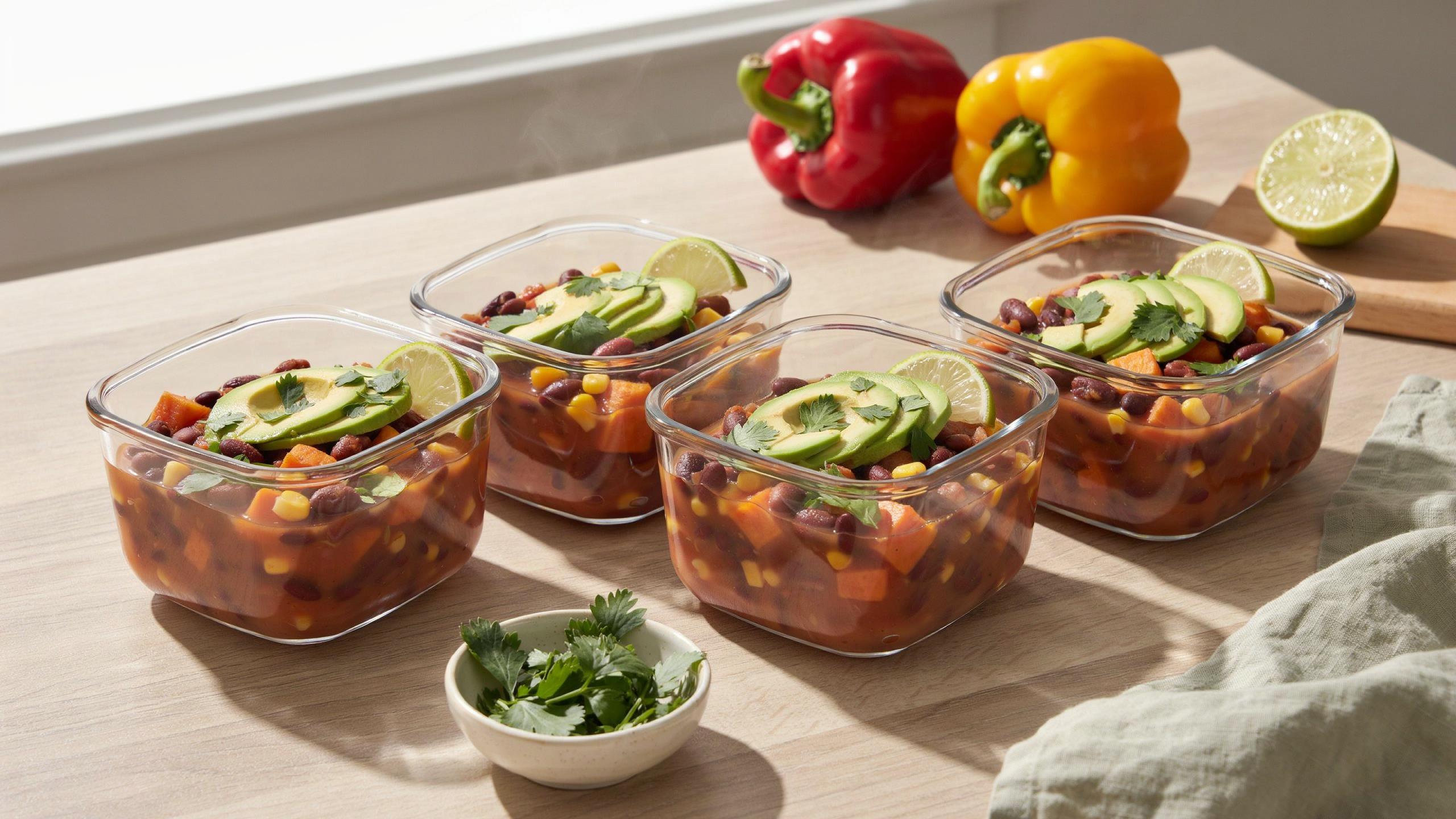
Beyond The Bean Debunking Protein Myths In Vegetarian Chili Recipe
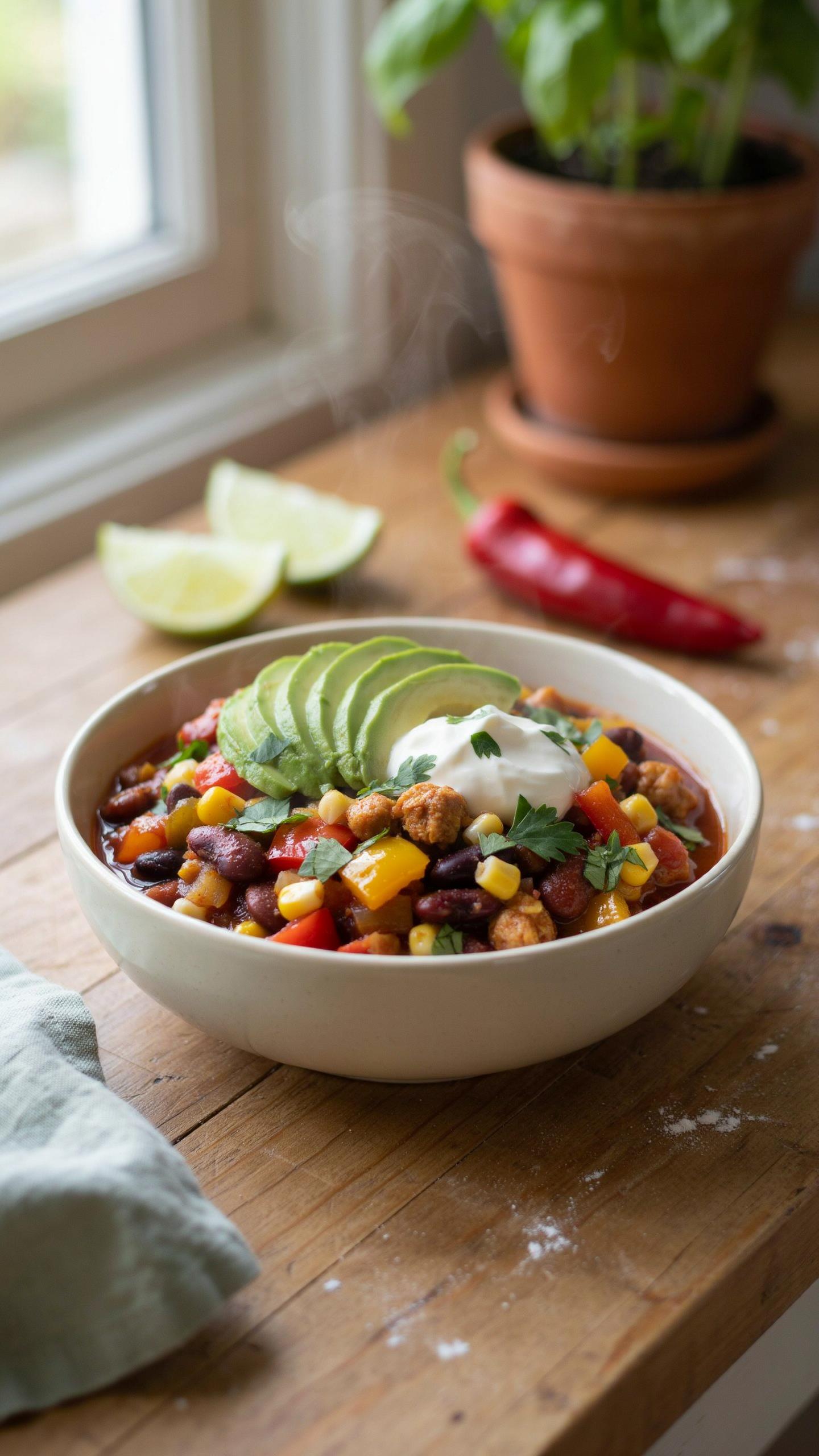
What Actually Counts As Protein
You’re worried beans aren’t enough because you’ve internalized the gym bro narrative that protein is a monolith. It isn’t. Protein quality hinges on amino acid profile, and this is where vegetarian chili either works or fails. Beans alone lack methionine. Grains lack lysine. Together in one bowl, they form a complete protein chain. That’s biochemistry, not branding.

Most vegetarian chili recipes skip the grain component entirely, which is the actual mistake everyone makes. Add quinoa, farro, or serve your chili over rice, and you’re no longer playing nutritional catch-up. A cup of cooked lentils delivers 18 grams of protein. A cup of pinto beans delivers 15 grams. A cup of kidney beans delivers 15 grams. These aren’t marginal numbers. The mechanism is simple: combine legumes with a grain, hit your amino acid targets, and stop overthinking it.
The Real Deficiencies Nobody Names
Vegetarian chili fails silently because people obsess over protein quantity while ignoring micronutrient gaps that tank your actual recovery and energy. Iron bioavailability in plant sources runs 2 to 20 percent depending on what else is in the meal. Pair beans with vitamin C sources like tomatoes and bell peppers, and absorption jumps. Skip this pairing, and you’re eating food that doesn’t feed you.
B12 is the harder problem that requires deliberate action. Beans don’t contain it. Nutritional yeast does. Add two tablespoons per batch during cooking, and you eliminate the deficiency that quietly crushes endurance and cognition. Zinc similarly concentrates better in animal protein, but sprouted legumes and pumpkin seeds shift the equation. The protocol is specific: use canned beans rinsed thoroughly, add nutritional yeast from the start, and include fresh peppers for every serving to maximize what your body actually absorbs.
The Minimum Viable Chili Protocol Efficiency In Vegetarian Chili Recipes
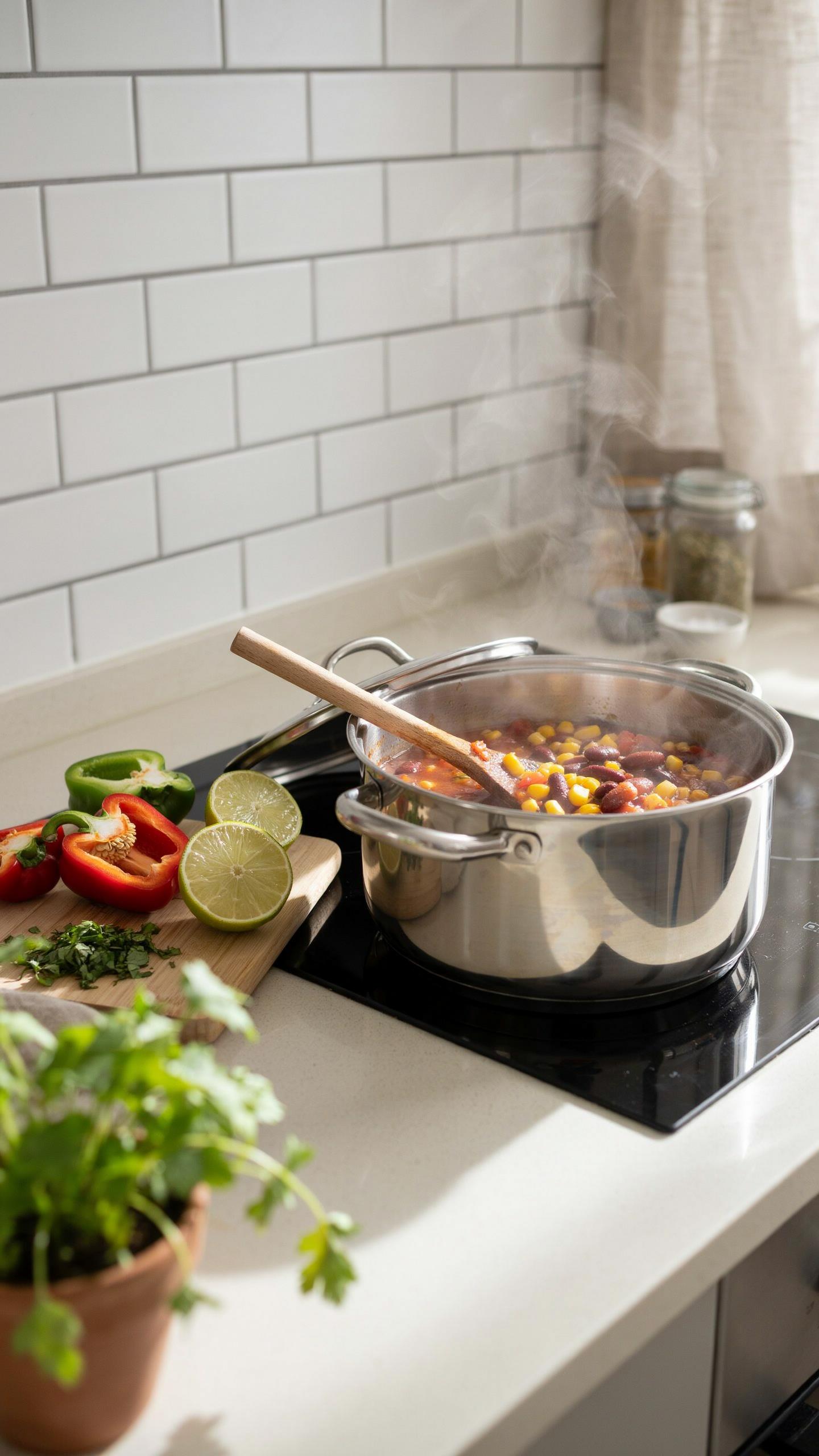
Build Around Legume Density
You want to believe that vegetarian chili needs complexity to hit protein targets, but you’re actually avoiding the real work: picking the right base. Legumes operate like compound interest in nutrition. One cup of dried beans yields roughly three cups cooked and delivers twelve to fifteen grams of protein per cooked cup. Black beans, pinto beans, and kidney beans are identical in this metric. The mechanism is simple: beans contain both protein and fiber, which means they satiate harder than grains alone while delivering measurable macros.
Most recipes bury the legume under spices and vegetables, treating it as flavoring support. Flip this. Make beans the structural foundation that occupies sixty to seventy percent of your pot by volume. Everything else amplifies, not replaces. This approach cuts shopping decisions, reduces ingredient count, and eliminates the guesswork around protein math. Your chili becomes reproducible because the variable that matters most stays constant.
Strip The Prep To Three Movements
Everyone talks about batch cooking efficiency but misses the actual bottleneck: transition time between tasks. Culinary professionals use mise en place, which translates to “everything in its place” before heat touches anything. For vegetarian chili, this means one chopping session, one sautéing session, one simmering session. You don’t multitask between prep stages.
Dried beans require soaking or quick boil method before the main cook, which most home cooks treat as wasted time. Use canned beans instead. A can of beans costs three to five cents more per serving than dried, but eliminates two hours of planning friction. Measure once into your pot. Dice onions and garlic in one block of time. Sauté for three minutes. Add beans, tomatoes, spices, and broth. Simmer ninety minutes untouched. The entire active time sits under fifteen minutes, with zero cleanup between phases.
Flavor Engineering From Bland To Bold Vegetarian Chilli
Building Depth Through Spice Layering
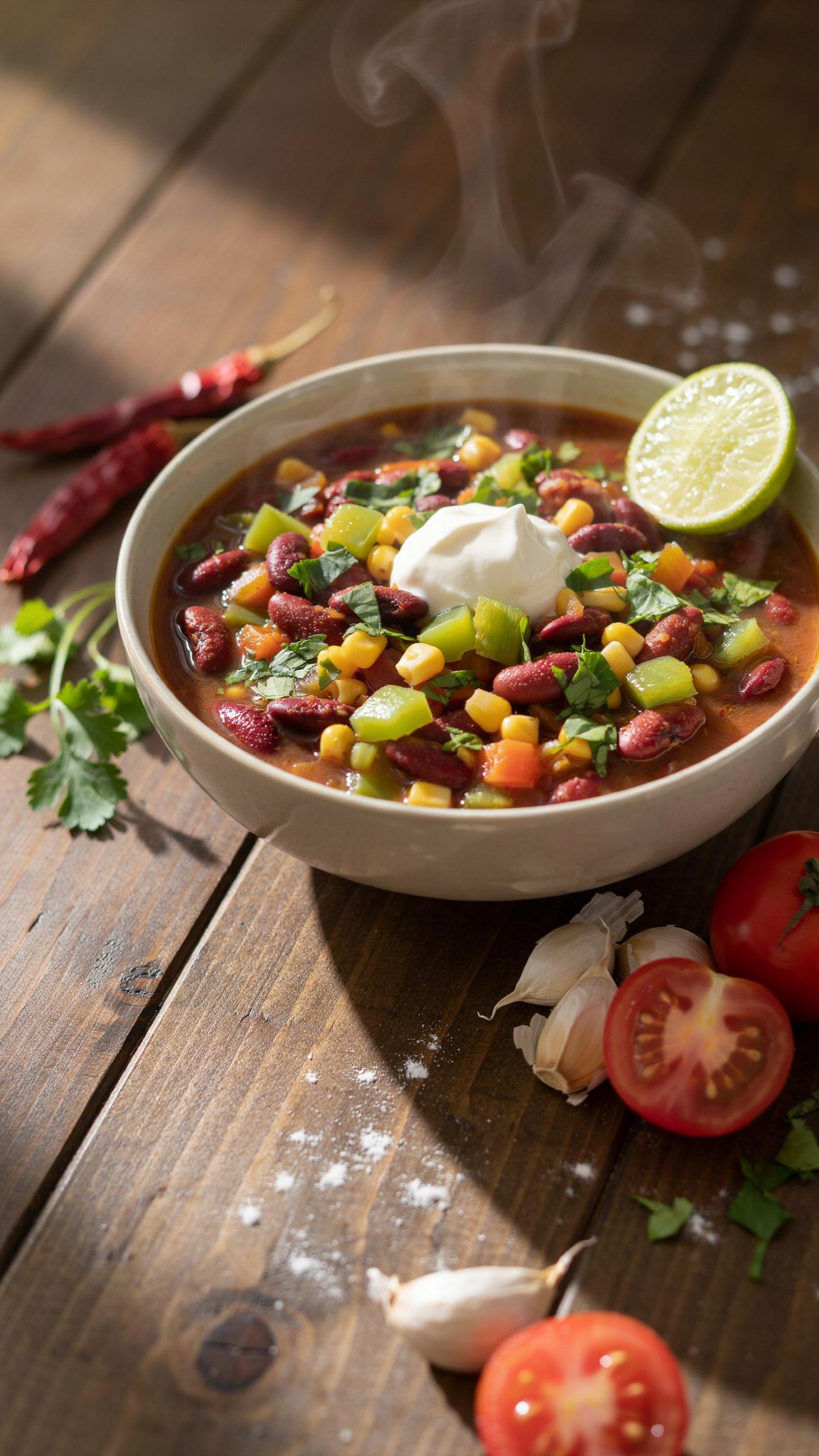
You want people to think your chili is better than it is. That’s the real reason you’re reading this. Most cooks dump spices in at once and wonder why the result tastes flat and one-dimensional. The mechanism is simple: spices bloom at different temperatures and release their compounds at different rates. Add them sequentially and you extract distinct flavor notes instead of a muddled average.
Toast whole spices in a dry pan before grinding or adding them to the pot. This activates volatile oils and deepens their flavor profile. Cumin and coriander should hit the heat first, then go into the pot during the sauté phase. Chili powder and smoked paprika belong mid-cook when liquid is present. Cayenne and black pepper finish at the end. This staggered approach builds complexity that tastes intentional, not accidental.
Umami Density Without The Meat
Umami is the savory trigger in your brain that signals protein and satisfaction. Meat chili relies on glutamates and nucleotides from animal protein. Vegetarian chili needs deliberate umami sources or it reads as incomplete. The fix isn’t vague seasoning, it’s specific ingredients that deliver the same glutamate profile.
Tomato paste concentrates glutamates when reduced. Miso paste adds fermented umami depth that meat cannot match. Soy sauce or tamari brings both salt and savory notes in one addition. Nutritional yeast contributes B vitamins and umami without dairy. Add tomato paste first during the sauté phase, then whisk miso into a small amount of hot liquid before stirring into the pot to prevent clumping. Layer these three sources and your chili stops apologizing for being vegetarian.
The Iteration Principle Optimizing Your Best Vegetarian Chili
Test One Variable At A Time
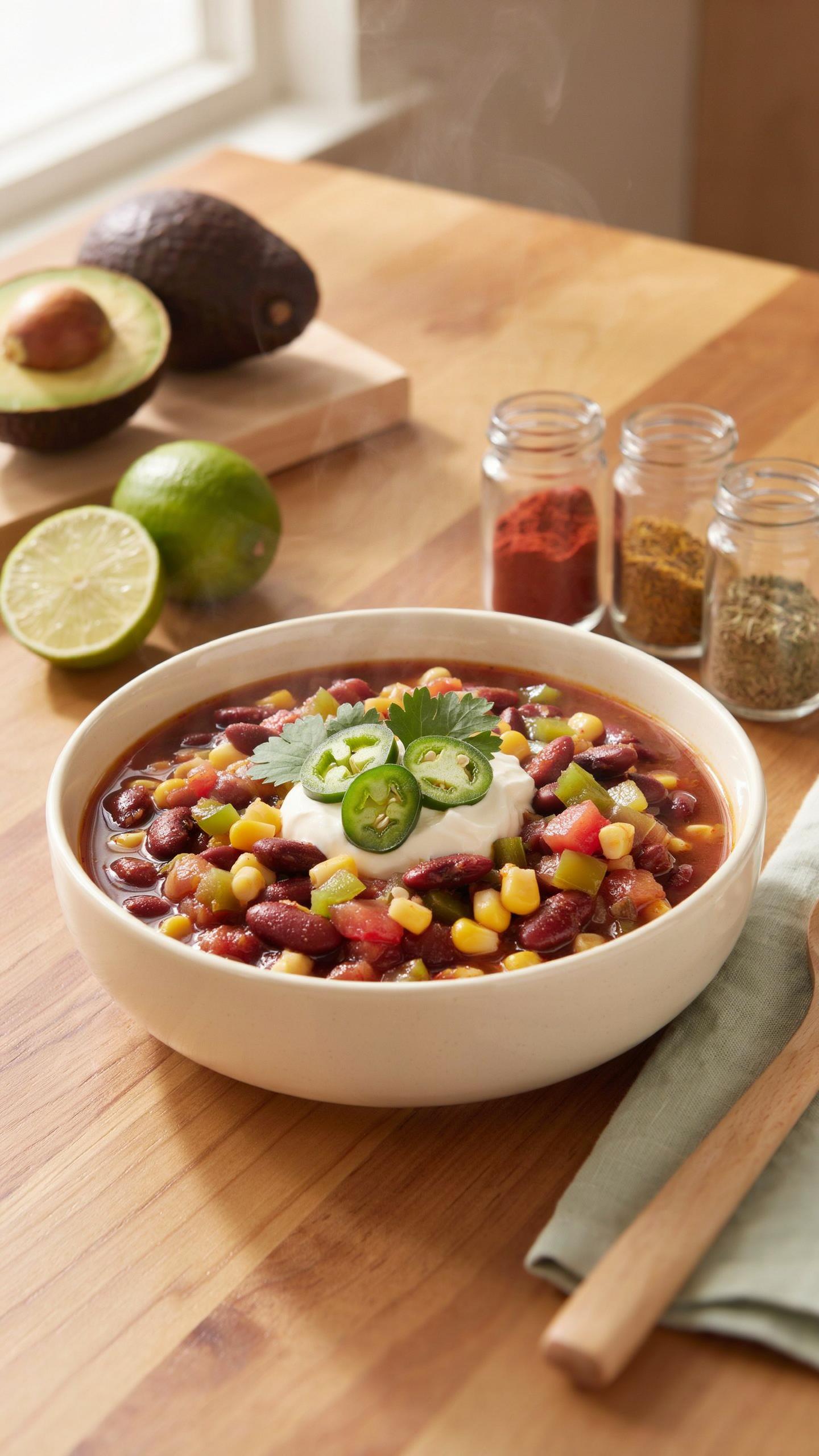
You want to believe your chili recipe is locked in. It’s not. Most people never optimize because they change three things at once, then can’t isolate what actually moved the needle on taste or protein density. You’re really asking: which single ingredient swap produces measurable results without guessing?
Start with one swap per batch. Replace canned beans with dried beans cooked to your spec. Track the texture, cook time, and final protein count. Next batch, test a different chili powder brand or spice ratio. Write down dates, changes, and outcomes. This removes emotion from recipe development. You now have data instead of feelings about what works.
The Feedback Loop Eats Guesswork
Cybernetics teaches us that any system improves through feedback: you act, measure the result, adjust based on that data, then repeat. Your chili is a system. The feedback comes from three sources: taste, macro consistency, and prep time. Taste shifts based on spice oxidation and bean-to-liquid ratio. Macros change when you swap lentils for kidney beans. Prep time reveals bottlenecks in your workflow.
Every third batch, taste your chili cold on day one and day five. Note when flavor peaks. Weigh your finished product and calculate grams of protein per serving. Time yourself through each step of prep and cooking. Feed this data back into your next iteration. The mechanism is simple: measure, compare to last batch, adjust one variable, measure again. This loop runs forever.
Beyond The Pot Healthy Vegetarian Chili For Diverse Needs
When Your Diet Isn’t The Default
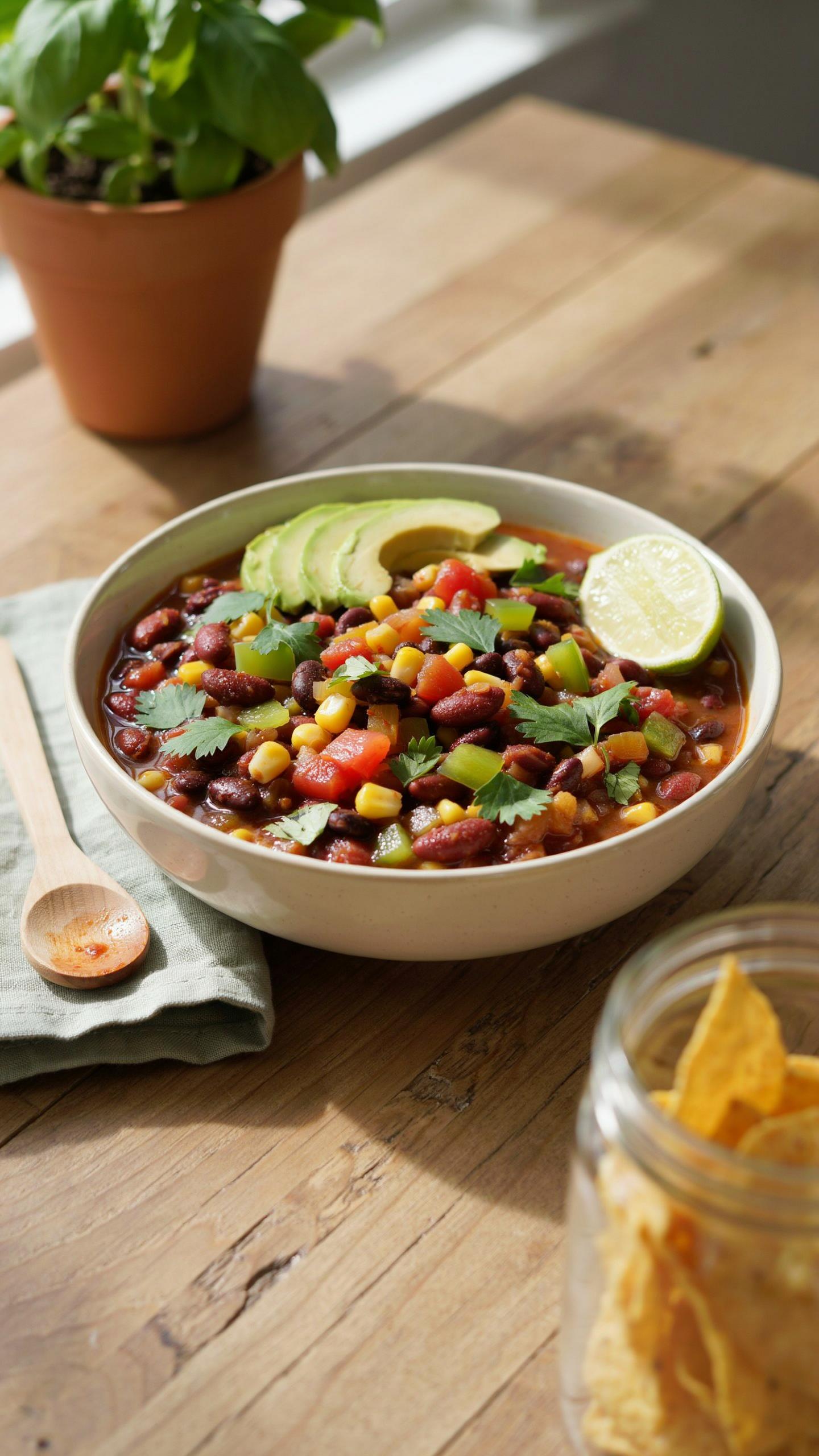
You want to know how to make vegetarian chili work for everyone without losing your mind in the kitchen. Here’s the mechanism: most people treat dietary restrictions as constraints to engineer around. That’s backwards. Restrictions are actually the easiest way to build a better base recipe because they force you to understand what does the work in your dish. When you remove an ingredient category, you stop guessing and start seeing structure.
The real play is building your chili around what remains, not what’s missing. Beans provide the protein and texture that meat normally carries. Tomatoes deliver umami and acid. Spices build depth. If someone needs low FODMAP, high histamine, or zero nightshades, you’re not reinventing the wheel. You’re swapping specific components while keeping the formula intact. That’s the difference between customizable meal prep and chaos. Start by nailing one solid base recipe, then document exactly which ingredients swap for which restrictions. One batch of chili becomes four versions with minimal extra work.
Micronutrients Drive The Actual Results
Biology calls this bioavailability: the degree to which nutrients your body can absorb and use. With vegetarian chili, you’re fighting one real problem that calorie counters miss entirely. Plant proteins have lower digestibility scores than animal proteins, and certain micronutrients in plants bind to compounds that prevent absorption. A thousand calories of beans and rice hits differently than a thousand calories of animal protein when your body’s actually processing it.
The fix isn’t more volume. It’s layering ingredients strategically. Vitamin C from tomatoes increases iron absorption from beans by up to three times. Cooking beans with kombu reduces oligosaccharides that cause digestive issues. Using acidic tomato sauce instead of neutral broth improves mineral bioavailability across the board. Add one acidic ingredient, one fermented element like miso or tamari, and track your iron sources separately. That’s how you move from high protein on paper to high protein your body actually uses.
The Cold Storage Imperative Mastering Chilli Recipe Vegetarian Longevity
Cool It Down Before You Store It
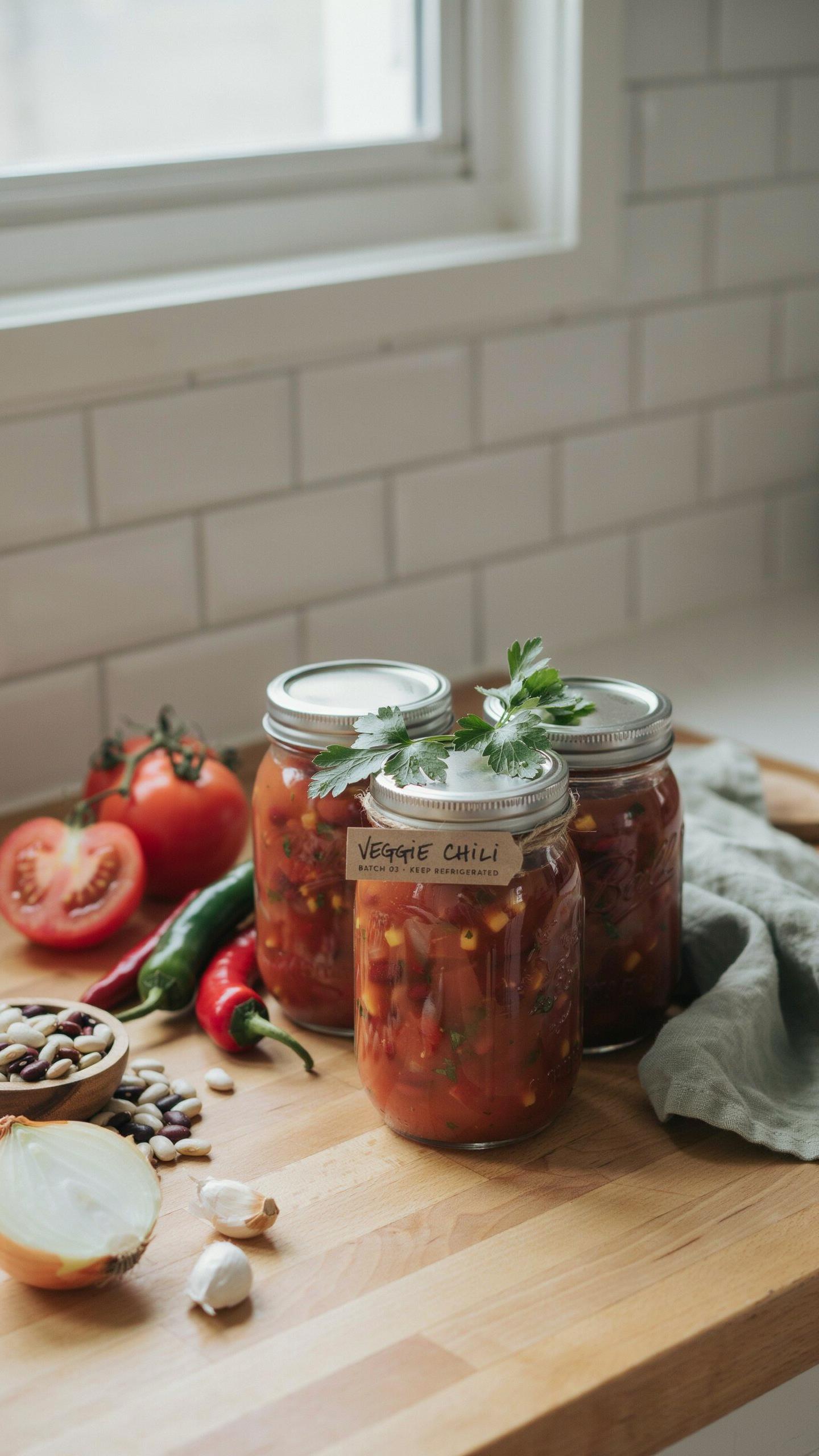
You’re afraid your chili will spoil and waste money. Here’s the mechanism: bacteria multiply fastest between 40°F and 140°F, the danger zone. Your hot chili sitting on the counter for hours creates a bacterial breeding ground. Cool your pot to room temperature first by spreading it in a shallow container. This takes 90 minutes max. Then refrigerate. Rushing this step trades convenience for foodborne illness and wasted protein.
The cooling principle comes from microbiology. Clostridium botulinum and Listeria thrive in warm, low-acid environments like bean-based chili. Your vegetarian chili, packed with legumes and vegetables, isn’t acidic enough to self-preserve. Never let it linger warm. Once cooled, transfer to airtight containers and refrigerate immediately. This single discipline adds four to five safe days to your meal prep cycle.
Freeze Smart, Keep Texture Intact
Most advice tells you to freeze chili and expect perfect results. It doesn’t work that way. Freezing vegetarian chili damages cell walls in vegetables and beans, creating a mushy texture when thawed. The beans themselves hold up better than zucchini or tomatoes. Minimize texture loss by freezing in portions you’ll actually use within three months. Ice crystals form in unused space, degrading quality faster.
Thaw in the refrigerator overnight, never on the counter. Slow thawing prevents bacterial bloom that occurs during rapid temperature changes. Reheat on low heat, stirring occasionally to distribute warmth evenly. High heat accelerates the breakdown of remaining vegetable structure. Your frozen chili stays safe for six months, but taste and texture decline noticeably after month three. Set a calendar reminder and rotate stock like inventory, not storage.
Batch Cooking The True Lever For Vegetarian Meal Prep
Scaling Up Without Sacrificing Quality
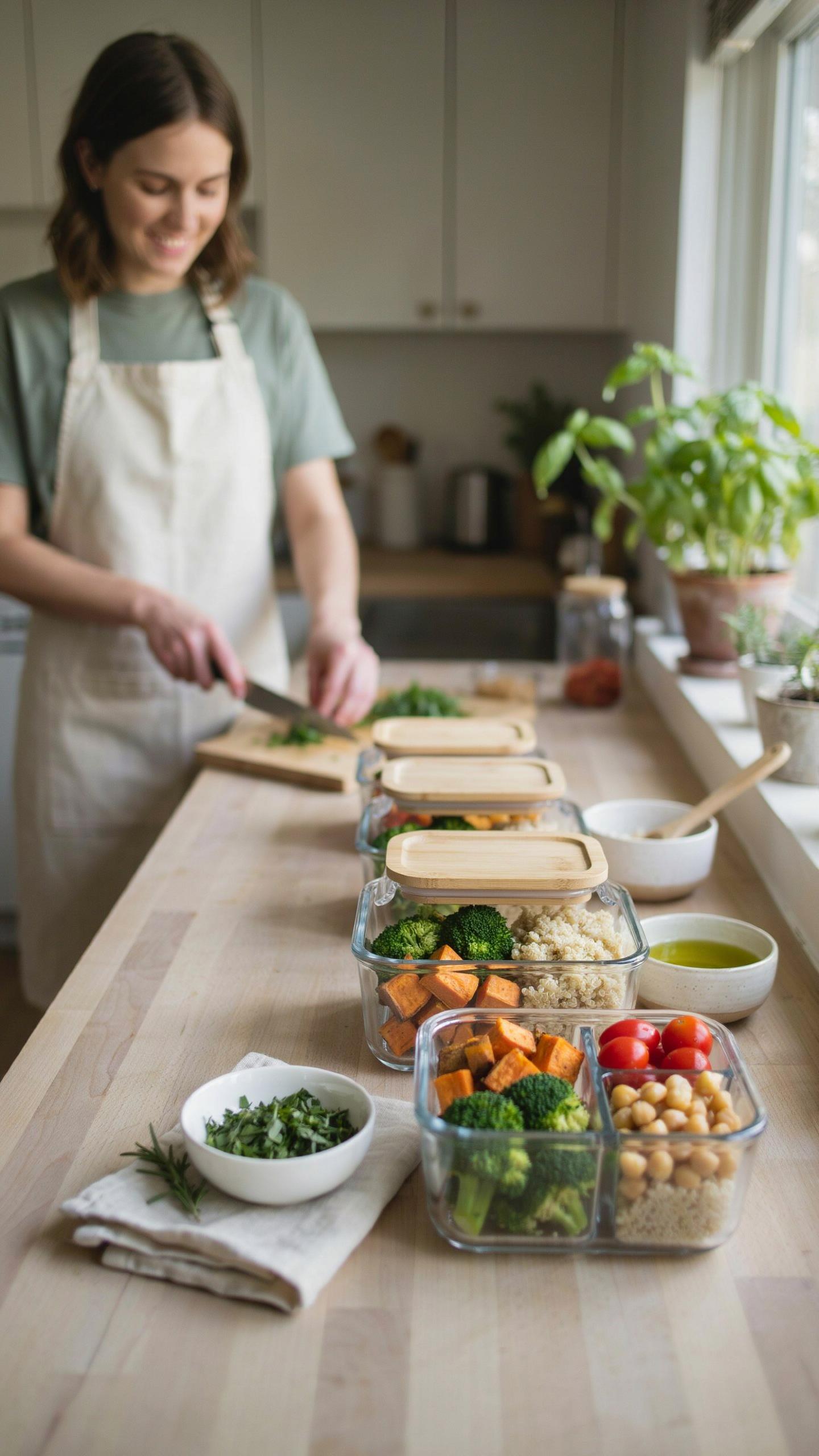
You want to believe you can make five meals at once and they’ll all taste identical to a fresh single batch. That’s not how cooking works, and the sooner you accept that, the sooner you stop wasting ingredients. The mechanism here is thermal mass: large batches take longer to heat, cool, and redistribute flavors evenly. Your stovetop or oven has fixed energy output. Double the volume, and you’ve doubled the time heat spends moving through the pot’s interior.
The real lever is ingredient ratio adjustment, not recipe multiplication. Beans need proportionally less liquid in larger batches because surface evaporation rates stay constant while volume increases. Spices don’t scale linearly either. A recipe calling for two teaspoons of cumin for four servings doesn’t need four teaspoons for sixteen servings. Start at one and a half times the amount, taste, then add more. Your first large batch teaches you the actual ratios that work at scale.
Equipment That Handles Volume
A six-quart Dutch oven works for four to six servings. A twelve-quart stockpot handles double that without turning your stovetop into a thermal nightmare. This matters because underfilled pots heat faster and cook unevenly. Your equipment dictates how efficiently you can move heat through a batch. Equipment is your constraint, not your flexibility. Start here.
- Large stainless steel stockpot (12-16 quart): Heavy bottom distributes heat evenly across the entire cooking surface, preventing scorching at the base during long simmers.
- Dutch oven (6-8 quart enameled cast iron): Retains heat consistently and moves easily between stovetop and oven, useful for finishing batches in the oven at low temperature.
- Immersion blender: Thickens chili by pureeing a portion of beans without straining, keeps texture intact, cuts blending time to under two minutes.
- Metal colander (large, 8+ quart capacity): Drains canned beans quickly without tipping or warping, handles multiple cans simultaneously for time efficiency.
- Glass storage containers (2-3 quart individual): Stackable in refrigerators, transfer heat away from food faster than plastic, survive repeated freeze-thaw cycles without degrading.
Buying equipment before you understand why you need it wastes money. Run three small batches first. Learn where your process slows down. Then upgrade the bottleneck. Don’t buy a sixteen-quart pot if your stovetop can’t maintain a rolling simmer in a twelve-quart vessel. Match your equipment to your actual heat source and storage capacity.
Bean Chili Power Ups Maximizing Micronutrients
Layering Vegetables For Absorption Windows
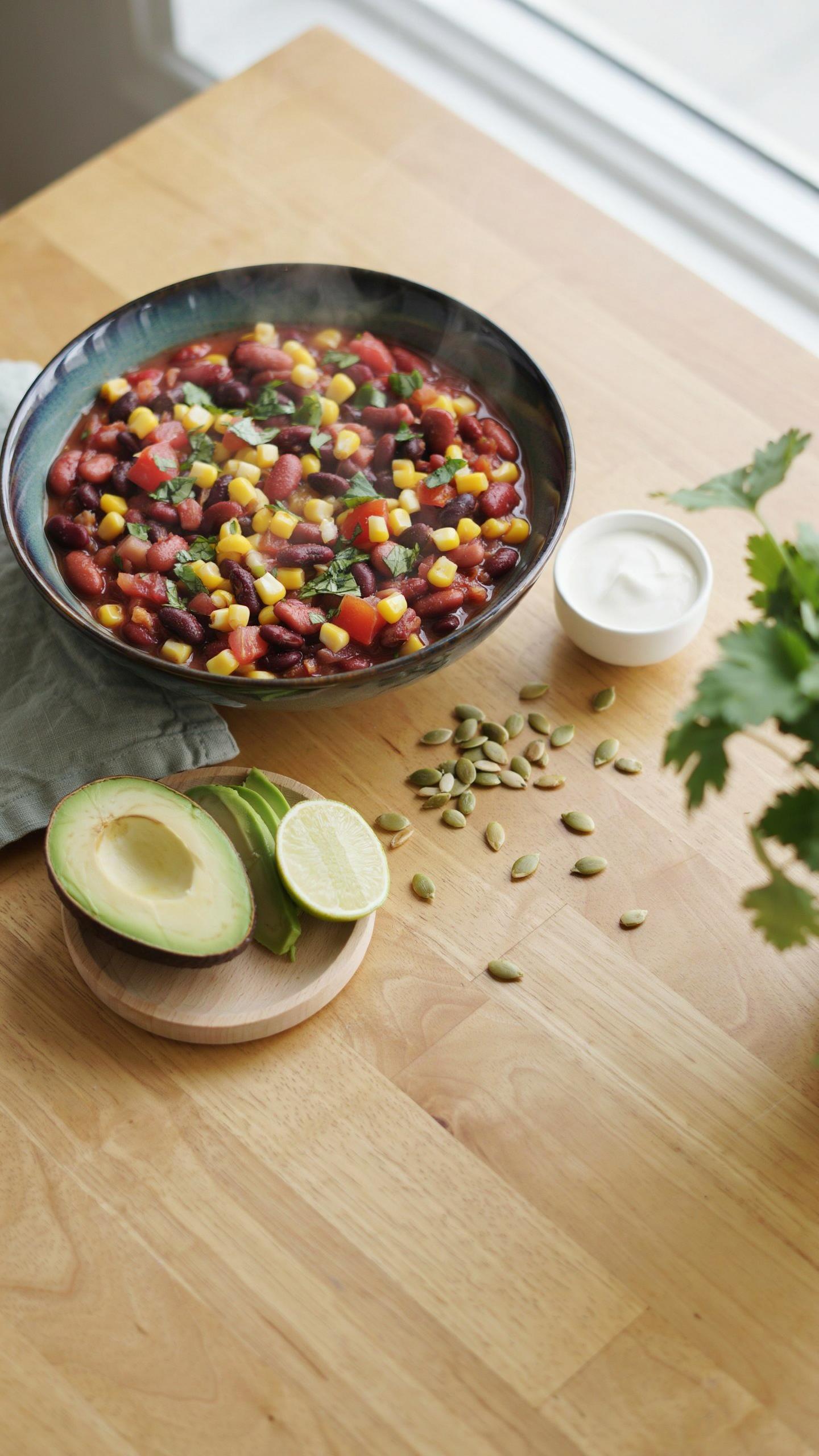
You want to feel like you’re optimizing something, so you add random vegetables and call it a day. That’s not strategy. This is biochemistry: nutrient absorption depends on what’s already in your digestive system when each food arrives. Timing matters less than sequence within the pot. Bell peppers contain vitamin C, which amplifies iron absorption from beans. Tomatoes contain lycopene, which becomes more bioavailable when heated with fat. This isn’t theory. Your body extracts more iron from chili when you include both the pepper and the tomato together than either alone.
Start with aromatics. Onions and garlic go in first with oil, creating a fat base that activates fat-soluble nutrients later. Add tomatoes next because heat breaks down their cell walls, releasing lycopene. Then beans, then peppers last or mid-cook. The peppers stay firmer and their vitamin C survives better with less total heat time. Cumin and oregano aren’t garnish here either. Both contain compounds that reduce phytic acid in beans, which otherwise blocks mineral absorption. Cook everything together for thirty to forty minutes minimum. This isn’t convenience. This is extraction.
Underutilized Additions That Shift Protein Quality
The common advice says add more beans for more protein. That’s incomplete. Beans alone are incomplete proteins. They lack enough methionine, an amino acid your body cannot manufacture. Most meal prep guides ignore this entirely. Adding seeds transforms your chili’s amino acid profile completely. Pumpkin seeds and sunflower seeds contain methionine. Combined with beans, they create a complete protein profile matching meat. One quarter cup of pumpkin seeds adds eight grams of protein plus magnesium and zinc without changing the recipe structure.
Nutritional yeast is another mechanism people dismiss as optional. Two tablespoons contain four grams of protein plus B vitamins your body needs for processing that protein. It doesn’t taste like health food when you add it early. It dissolves into the chili, deepening the savory note. Add it in the last five minutes of cooking to preserve B vitamins, which degrade under sustained heat. Store your finished chili with these additions already incorporated. The flavors meld over two to three days, making the protein integration taste intentional rather than added.
The Reinvention Loop Veggie Chili Recipe Easy Variations
Turn Chili Into Something Else Entirely
You want to feel productive about reusing food instead of admitting the real problem: you’re bored after two bowls. The mechanism here comes from economics, specifically the concept of asset repurposing. Your chili isn’t a fixed product. It’s a base ingredient with embedded protein, fiber, and flavor that compounds value when redirected into new contexts rather than consumed linearly.
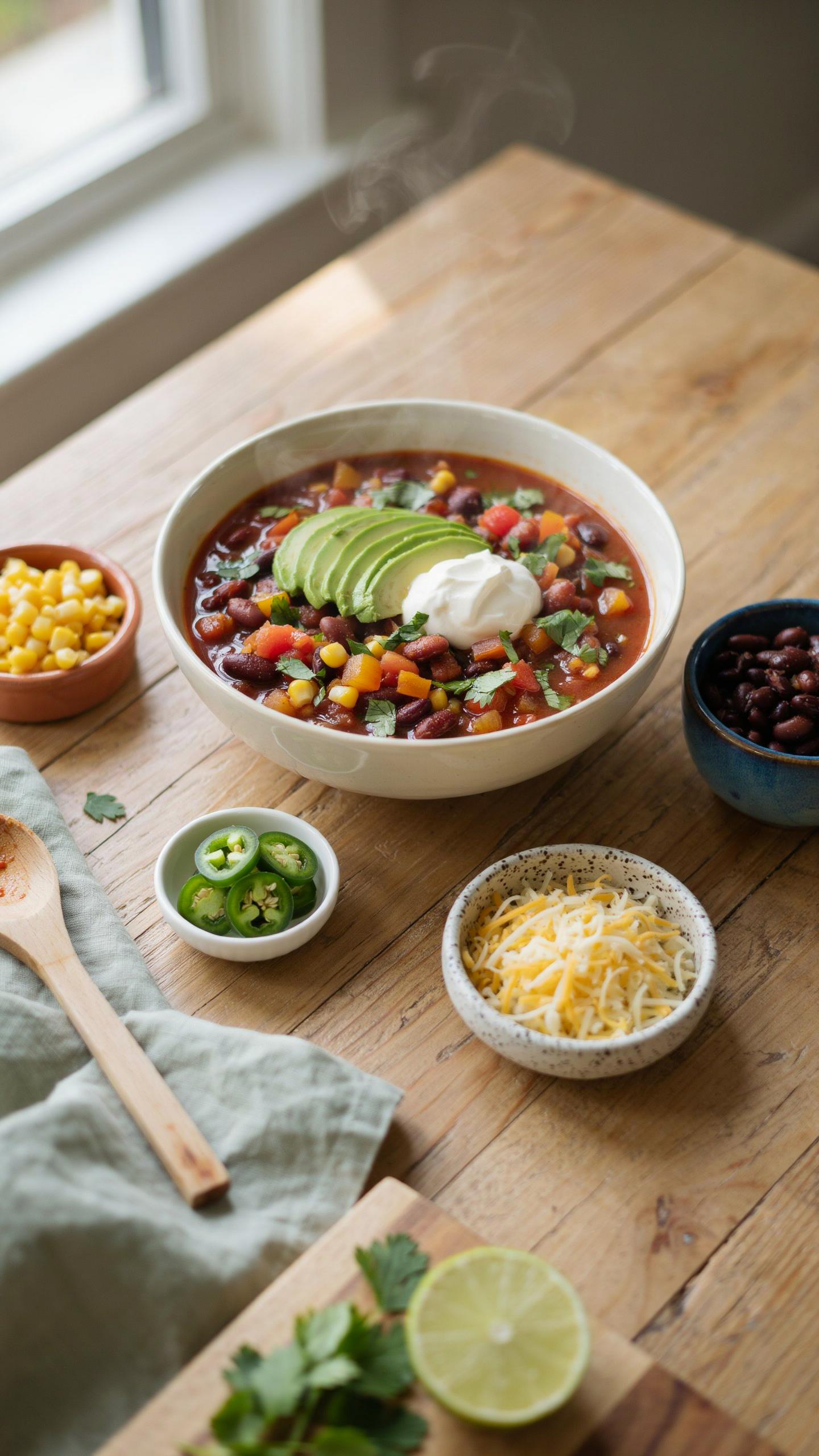
Day three chili becomes a burrito filling, taco base, or baked potato topping. Each format resets the eating experience without requiring new cooking. The key is texture contrast: pair thick chili with something crisp or fresh. Serve it over nachos with raw onion and cilantro. Layer it into a casserole with tortilla chips and cheese. Spoon it onto avocado toast. The chili stays identical. The meal becomes unrecognizable, which tricks your brain into believing you’re eating something new.
Strategic Add Ins To Break Monotony
The common advice here is wrong: adding random ingredients to your base recipe doesn’t solve flavor fatigue. Repetition doesn’t fade because the chili is bad. It fades because your palate adapts to consistent flavor profiles. You need to introduce deliberate contrasts that land differently each time you eat, not variations that blur together into sameness.
Keep your core chili recipe stable across batches. Store it plain. On serving day, add one targeted element per meal: lime juice and fresh jalapeño one night, smoked paprika and a fried egg another, nutritional yeast and hot sauce a third. This prevents decision paralysis in the kitchen while maintaining the discipline of consistent protein tracking. Your base stays predictable for meal prep math. Your eating experience stays dynamic because you control variables at consumption, not production.
Mindset Shift From Cooking To System Building

Stop Following Recipes Like Instructions
You want permission to stop measuring. That’s the real question hiding underneath this section. The mechanism is simple: recipes are training wheels for people who haven’t internalized ratios. Once you understand that vegetarian chili lives on a spectrum of bean-to-liquid-to-spice proportions, the recipe becomes obsolete. You don’t need another recipe. You need to know why those ratios work and when to break them.
Start with one base formula: two parts beans, one part liquid, one part aromatics and spices. Make it five times. Change one variable each time. Your fifth batch teaches you more than ten recipes ever will because you’ve isolated what actually matters. Stop copying. Start observing your own results instead.
Building Intuition Through Deliberate Variance
Intuition is pattern recognition trained through controlled repetition. Cooking is no different than any other skill. The common advice says “taste as you go” or “cook with your gut.” Wrong. Your gut is untrained noise until you’ve deliberately varied specific inputs and tracked the outputs. Make chili on a Monday with dried oregano at one teaspoon. On Thursday, use half a teaspoon. On the following Monday, use one and a half. Write down what you notice about depth, bitterness, balance. That’s not intuition yet. That’s data collection.
After twenty batches of deliberate variance, you stop needing the data sheet. Your palate recognizes when acid is missing, when spice is dominating, when beans are breaking down too fast. At that point, you adjust without thinking. You’ve moved from recipe-reading to decision-making. The shift happens when you stop asking “what does the recipe say” and start asking “what does this batch need right now.”
The only thing holding you back from consistent highprotein meals isnt a lack of recipes but a failure to systematize

You don’t need another chili recipe. You need to pick one, commit to it for a month, and stop pretending you’ll suddenly become disciplined next week. Vegetarian chili meal prep works because you remove the decision. Cook one batch Sunday. Portion it. Eat it. Repeat. The protein comes automatically when you stop treating meal prep like a hobby and start treating it like infrastructure. Your consistency compounds faster than your ingredient list grows.