
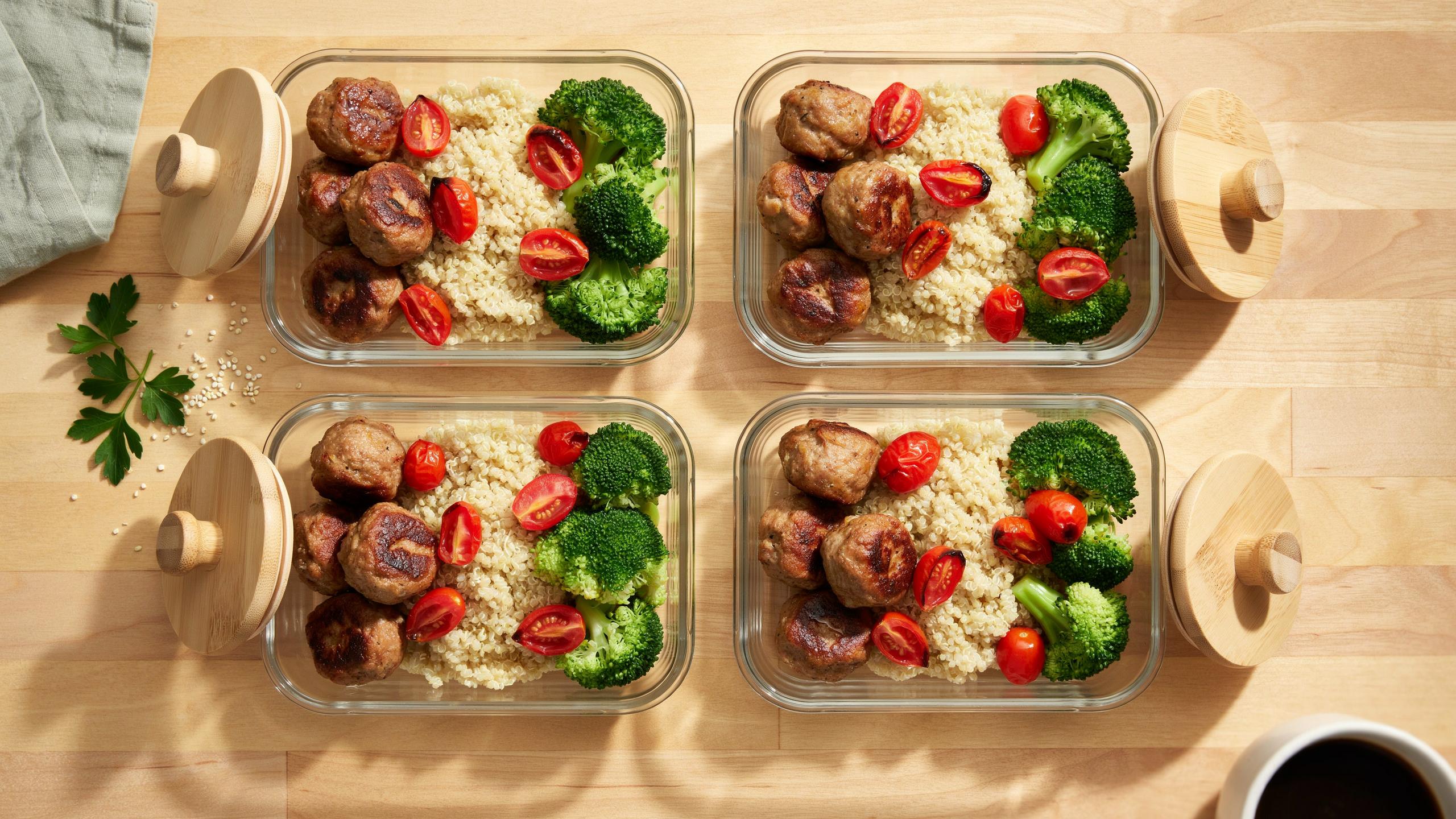
The Protein Preoccupation Fallacy What Youre Actually Missing
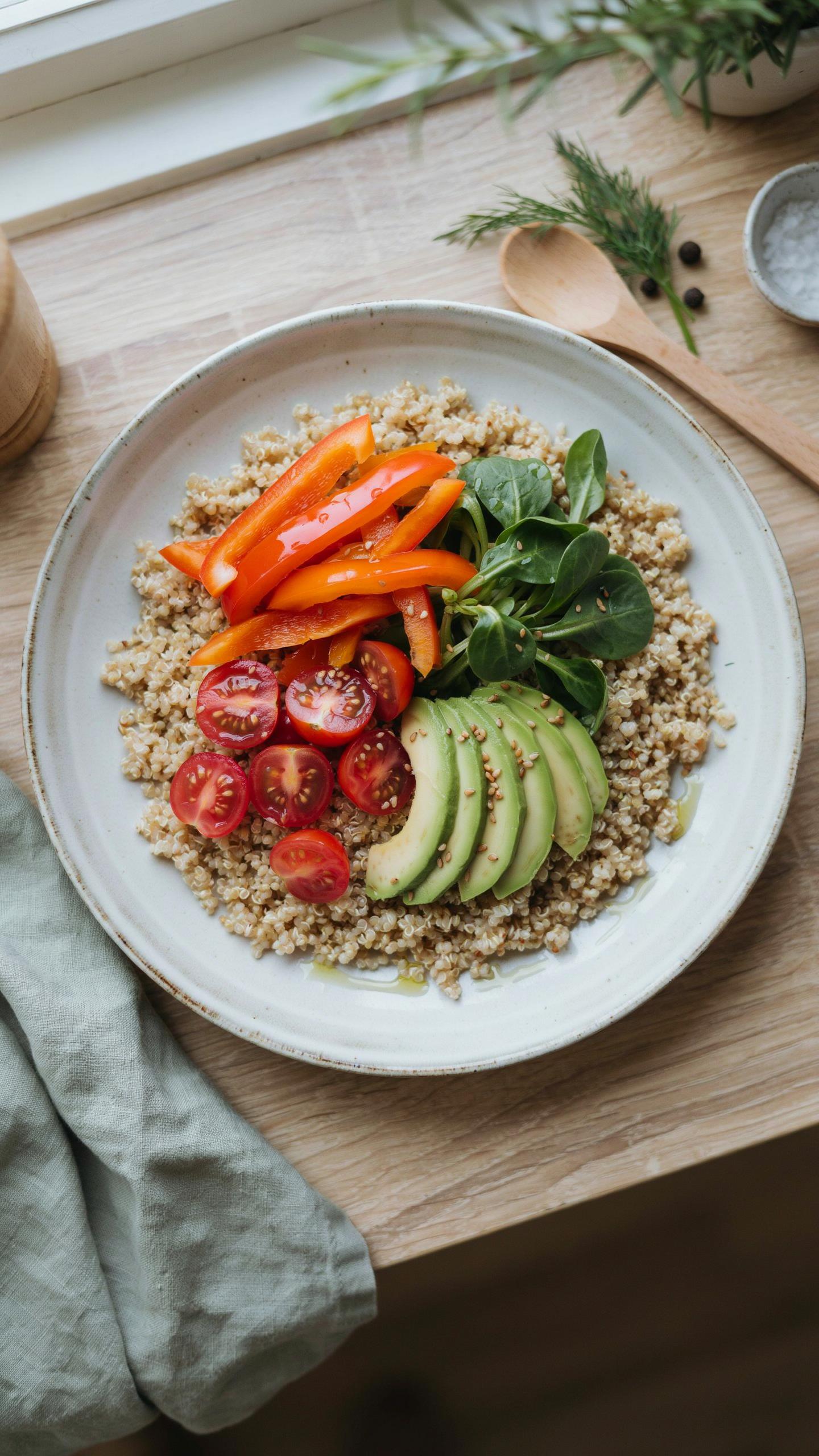
Protein Obsession Misses The Real Target
You care about protein numbers because they feel like proof you’re doing this right. They’re not. The mechanism nobody states plainly: your body doesn’t run on grams. It runs on nutrient density, which means how many micronutrients and minerals arrive per calorie. A vegan meatball with 15 grams of protein but zero iron or B12 absorption is nutritionally incomplete regardless of the macro count.
Most plant based protein advice treats food like a spreadsheet. It doesn’t. Your body extracts different nutrient loads from different foods based on food combinations, cooking method, and what else you eat that meal. A chickpea meatball cooked with tomato sauce and olive oil delivers different micronutrient bioavailability than the same meatball eaten alone. Stop counting grams. Start counting mineral density per prep session.
Amino Acids Matter More Than Protein Weight
Biology distinguishes between complete and incomplete amino acid profiles. Your vegan meatballs need all nine essential amino acids present in adequate ratios, not just high total protein. Most plant sources lack methionine or lysine in optimal amounts relative to other aminos. The fix isn’t complicated: combine legume bases like lentils or chickpeas with quinoa, hemp seeds, or nutritional yeast in your meatball mixture.
Bioavailability is the percentage your digestive system actually absorbs and uses. A 20 gram protein claim means nothing if you absorb 60 percent versus 90 percent. Cooking methods change this dramatically. Boiling vegan meatballs leaches amino acids into water. Baking or pan searing preserves them. Soaking dried legumes before blending reduces anti nutrients like phytic acid that bind minerals. The prep method determines whether your meatballs become fuel or just filler.
The Minimalist Meatball Manifesto Maximizing Output Minimizing Input
What Actually Makes Them Hold Together
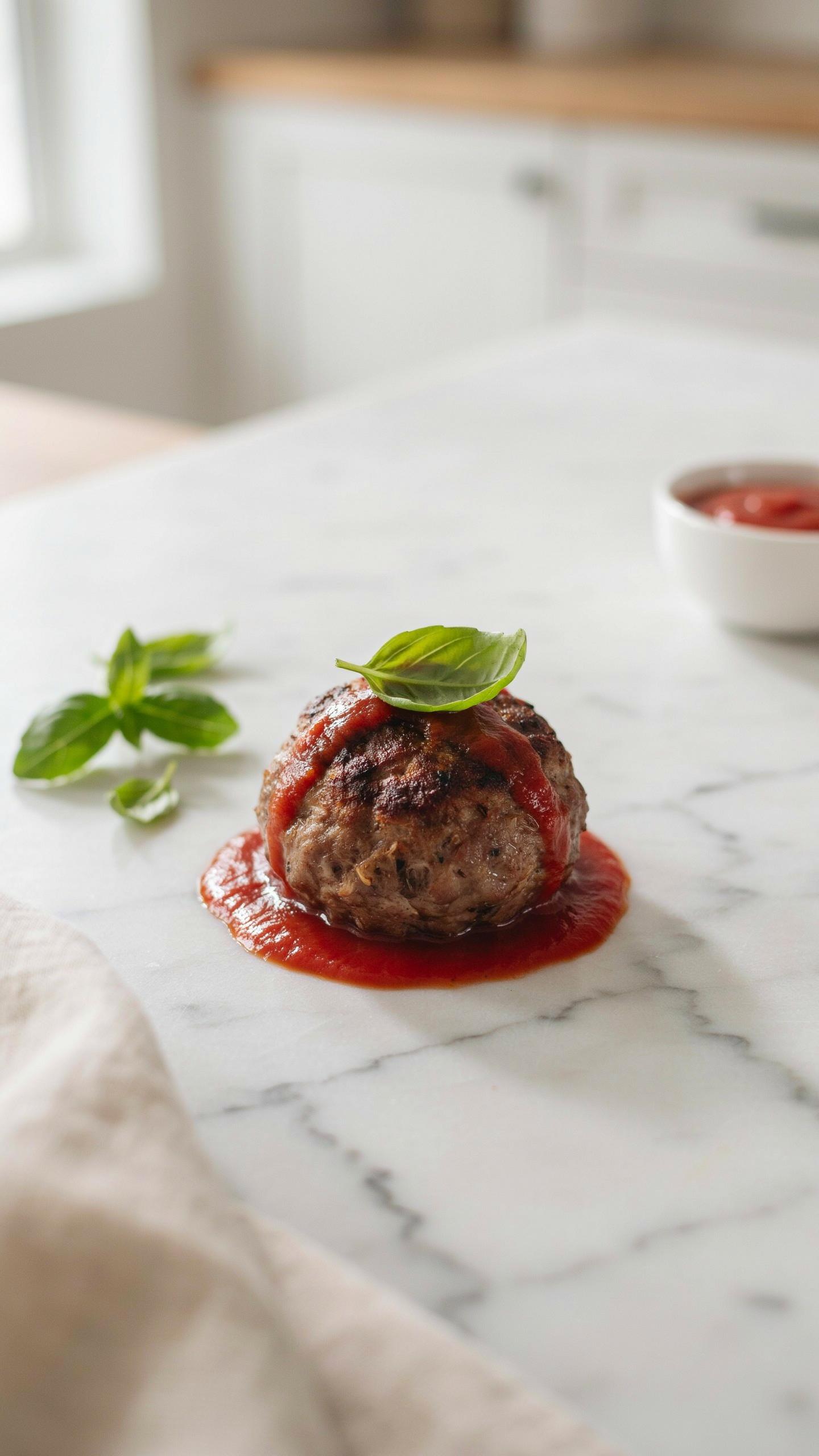
You want to believe a vegan meatball stays intact because of some magic ingredient or technique. The real reason you care is you’re afraid of mushy failure and wasted prep time. The actual mechanism is simple: binding requires both starch and moisture working together. Starch gelatinizes when heated, creating a network that traps moisture. Without enough of either, your meatball crumbles. This is basic food science, not vegan witchcraft.
Chickpea flour and breadcrumbs are your workhorses here. Chickpea flour adds protein while breadcrumbs provide the starch backbone. Mix them at a 1:1 ratio with your base (cooked lentils or crumbled tofu). Add just enough liquid—aquafaba or plant milk—to bind without drowning the mixture. The ratio matters more than the specific ingredient. Most people use too much liquid. Your meatball batter should feel dense enough to hold a fingerprint indent. Bake at 375°F for 20 minutes. Let them cool on the pan before moving them. Cooling allows the starch to set completely.
Cook Volume, Not Frequency
Batch cooking is economics applied to your kitchen. You’re reducing the per-unit cost of an action by scaling it. Make one meatball or make 80—your oven temperature stays the same, your cleanup happens once. The leverage point is oven capacity, not effort. Load every rack, use every inch of sheet pan space.
Prepare a single base mixture in bulk: three cans chickpeas, two cups cooked lentils, one cup chickpea flour, one cup breadcrumbs, quarter cup aquafaba, salt and spices. Portion this into meatballs using a 2-tablespoon cookie scoop. You’ll get roughly 60 meatballs per batch. Bake them all. Cool completely, then freeze in airtight containers. This single session produces four to five dinner portions. Your next batch happens in two weeks. You reduce kitchen friction to near zero through concentrated, deliberate volume.
The Assemblers Advantage Protocol Building Rather Than Cooking

Pre Prepped Components For Rapid Assembly
You want meal prep to feel effortless because you’re afraid consistency will break you. The real mechanism is this: cooking and assembly are two separate systems, and treating them as one wastes both time and precision. Most people cook their meatballs, then store them, then reheat them—losing texture and flavor twice. Instead, freeze uncooked formed meatballs and the binding components separately, then assemble and cook only what you need that week.
Pre-prepping means dividing your labor into distinct stages. Mix your base (lentils, mushrooms, binders) on Sunday and freeze in portions. Form meatballs Tuesday or Wednesday directly from thawed base. Cook them fresh three times per week instead of batch-cooking twenty and watching them degrade in storage. This removes the variable that kills plant-based protein meals: oxidation and moisture loss during extended refrigeration of cooked products.
Strategic Layering For Flavor And Nutrient Preservation
Temperature cycling destroys phytonutrients in plant protein. Each time you reheat stored vegan meatballs, you denature the polyphenols in mushrooms and the folate in lentils—nutrients that matter for your claimed reason for eating plants in the first place. Layer your components by stability: cook meatballs fresh, assemble cold components (greens, grains, nuts) just before eating, then add warm meatballs on top. This keeps delicate nutrients intact and prevents sogginess from moisture migration.
The protocol: form meatballs and freeze raw, thaw four hours before cooking, cook to temperature, plate immediately over cold base, then add sauce. Never store assembled meals. Never reheat multiple times. Never let cooked meatballs sit in liquid longer than two hours. This single shift transforms your results from degraded to nutritionally intact.
Bean Meatballs The Unsung Hero Of High Protein Vegan Dinners
Which Beans Actually Hold Together
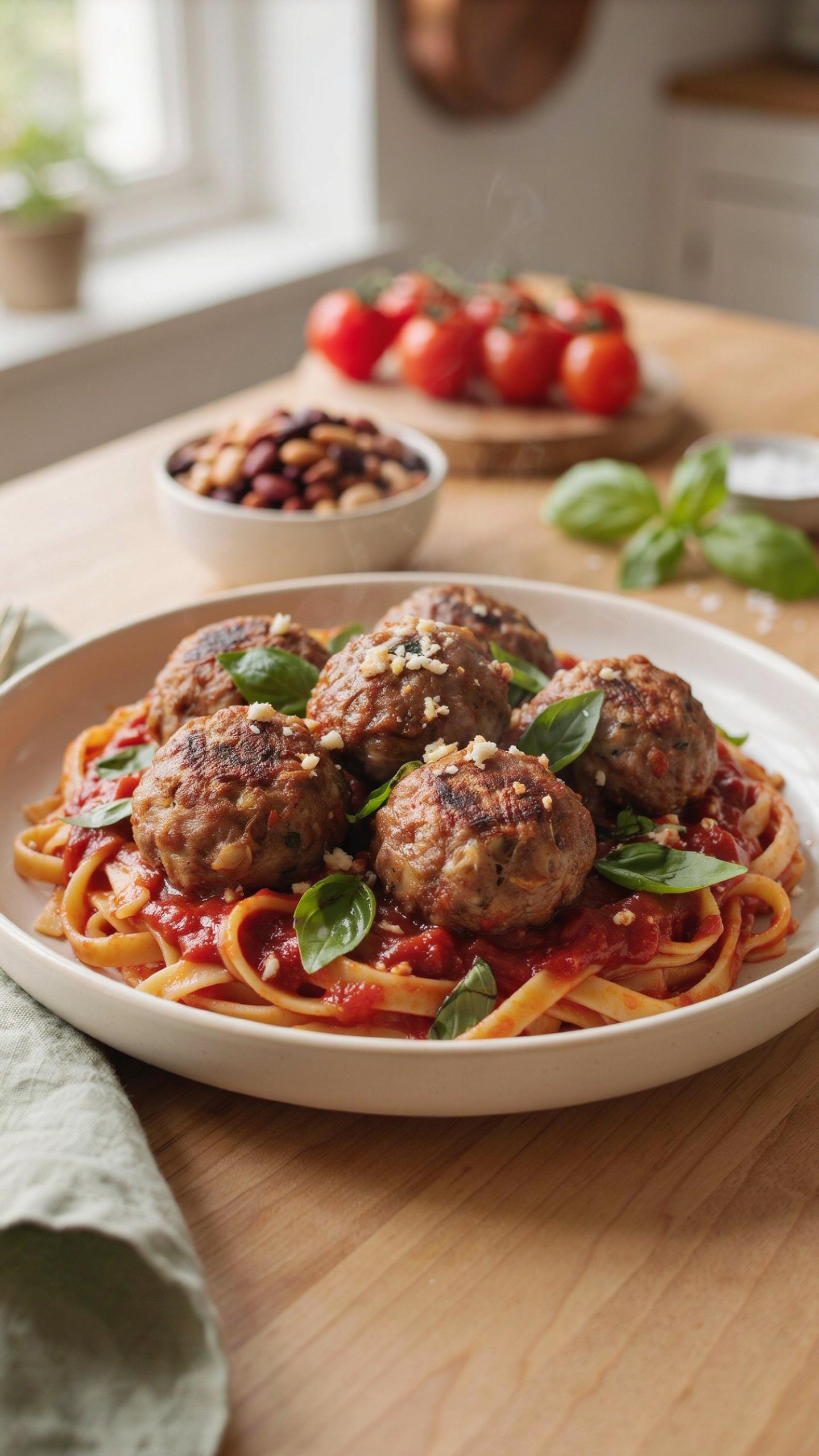
You want beans that won’t fall apart because you’re tired of vegan food that proves your commitment instead of tasting good. The mechanism is starch content. Beans with higher starch ratios bind without binders, while watery varieties demand cornstarch or flour to stay intact. Black beans, pinto beans, and kidney beans are your baseline. They compress easily, hold moisture, and deliver 15 grams of protein per cooked cup. Chickpeas work but require more aggressive mashing.
Canned beans matter more than dried. Canned varieties are already soft enough to mash into a paste that binds on its own. Dried beans cooked to full tenderness then drained give you the same result. The protein stays identical either way. What changes is your prep time. For meal prep, canned is the tactical choice because you reduce variables and compress the process into one session instead of soaking overnight.
Building Flavor Without The Narrative
The common advice is to add “Mediterranean herbs and spices” or “Italian seasonings,” which is lazy and vague. What actually works is borrowing from flavor chemistry: fat-soluble compounds need fat to carry them. Garlic, onion powder, and paprika dissolve into oil or paste. Soy sauce or tamari adds umami directly through glutamates. Nutritional yeast raises the savory floor without tasting medicinal. Build vegan Swedish meatballs by layering soy sauce, garlic, onion powder, smoked paprika, and a touch of maple syrup or balsamic vinegar. That’s four distinct taste vectors, not a blur.
The vegan Swedish meatball works because it inverts expectations. Traditional versions rely on beef fat and egg for flavor and binding. You replace beef with bean paste and egg with cornstarch, then rely on soy sauce and smoked paprika to create the savory intensity people remember. Toast your spices in oil before mixing them into the beans. This releases aromatic compounds and prevents them from tasting raw. Shape, freeze, and cook from frozen at 400 degrees for 22 to 25 minutes.
The Thermodynamics Of Taste Optimizing Flavor And Shelf Life
Why Browning Matters More Than Seasoning
You want your meatballs to taste restaurant quality at home because it signals you have your life together. The mechanism is the Maillard reaction, borrowed from chemistry: a controlled collision between amino acids and reducing sugars that creates hundreds of flavor compounds that seasoning alone cannot build. This isn’t optional garnish on the cooking process. It’s the foundation.
Most people make vegan meatballs in the oven and wonder why they taste flat. They blame the ingredients. Wrong. The oven’s dry heat never reaches the surface temperature required for browning to occur effectively at scale. Pan searing before baking triggers the Maillard reaction, building umami depth in the first three minutes that your mouth will register as “real food.” This step takes eight minutes total. Skip it and your meatballs taste like compacted filler regardless of how much nutritional yeast you add.
Sealing In Flavor Under Pressure
The claim that plastic containers ruin flavor is marketing nonsense from glass advocates who haven’t tested their own assumption. What matters is oxygen exposure and temperature stability, not the container material itself. Vegan meatballs oxidize quickly because their plant proteins lack the protective fat matrix that animal proteins naturally have.
Store your meatballs in glass or airtight plastic with minimal headspace, then keep them at a consistent 38-40 degrees Fahrenheit. The real lever is the vacuum seal: compress out the air before storing and you extend peak flavor by four to five days instead of two. Use a standard vacuum sealer or displacement method by submerging the container in water before sealing. Temperature fluctuation kills taste faster than oxygen does, so avoid the door shelf and place containers at the back of the fridge where temperature holds steady.
From Impulse To System The Vegan Meatball Meal Prep Feedback Loop
Treat Your Kitchen Like A Closed System
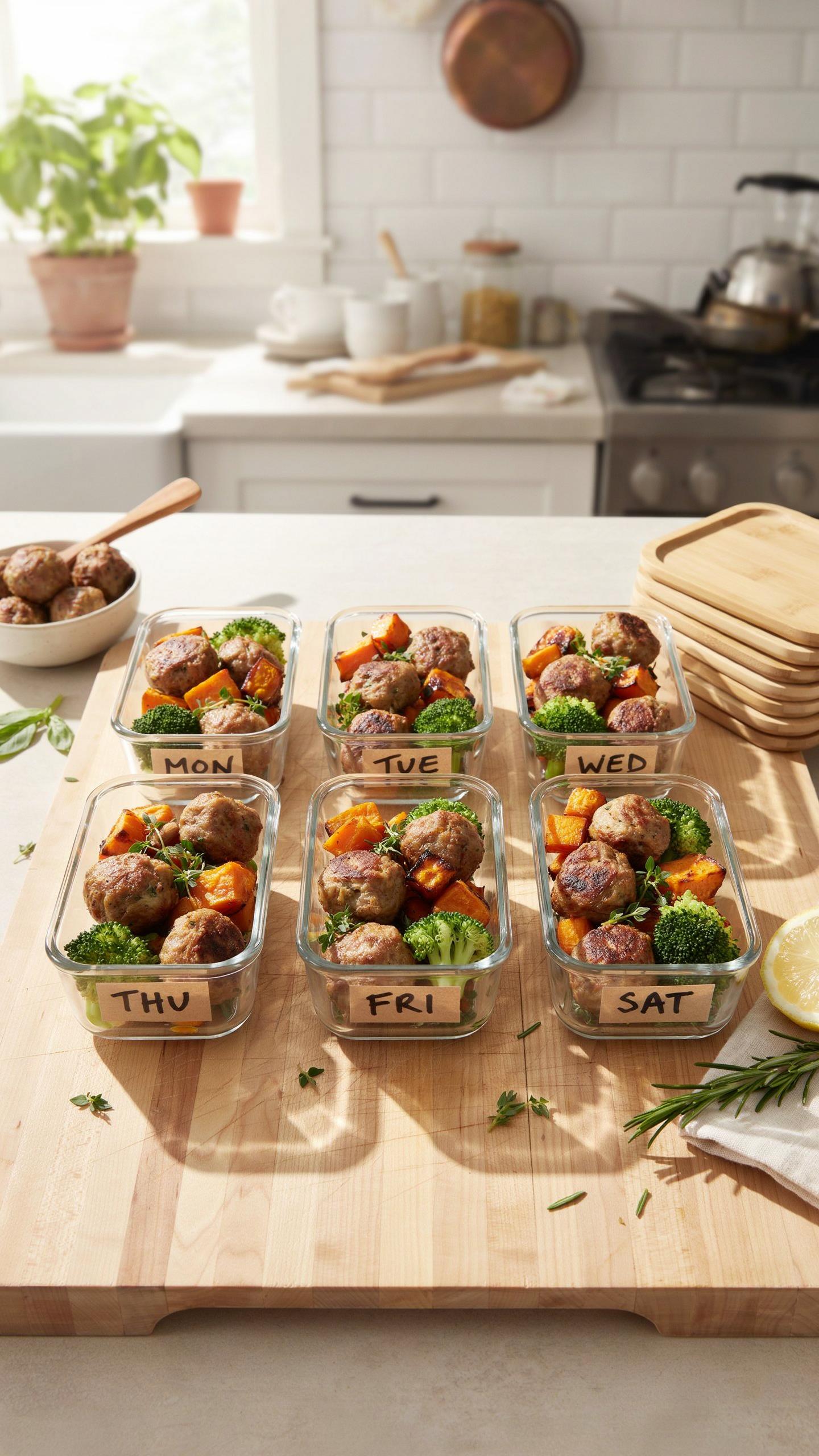
You want to feel productive without actually changing anything. That’s the real trap here. Cybernetics teaches us that self-correcting systems require three inputs: measurement, comparison against a target, and corrective action. Your vegan meatball prep isn’t a meal. It’s a feedback loop. You cook, you eat, you measure what worked, you adjust the recipe or portion. Skip any step and you’re back to guessing.
Most people cook the same batch twice and call it a system. They never track why they ate them or didn’t. They never measure protein yield per batch or actual cooking time versus estimated time. Without data, you can’t correct course. The mechanism is brutal: you either measure outcomes or you repeat the same mistakes monthly.
Eat The Data, Not Just The Meatballs
Consumption data is not complicated. It means writing down three things: how many meatballs you ate per day, whether you were satisfied until your next meal, and how you felt two hours after eating. Three weeks of this data shows patterns that your intuition never will. Maybe you’re undershooting protein and hitting hunger at 3 PM. Maybe your batch size is too large and meatballs go bad before you finish them.
Use a simple spreadsheet or notes app. Track batch number, cook date, protein grams per serving, days before spoilage, hunger level after eating, and any recipe changes you made. After two cycles, you’ll see exactly which variables move the needle. The goal isn’t perfection. It’s precision. Adjust one variable per batch, measure the result, then decide if the change stays or reverts.
Beyond The Ball Elevating Your Easy Vegan Meatballs
Sauce Mastery Transforms Bland Into Memorable
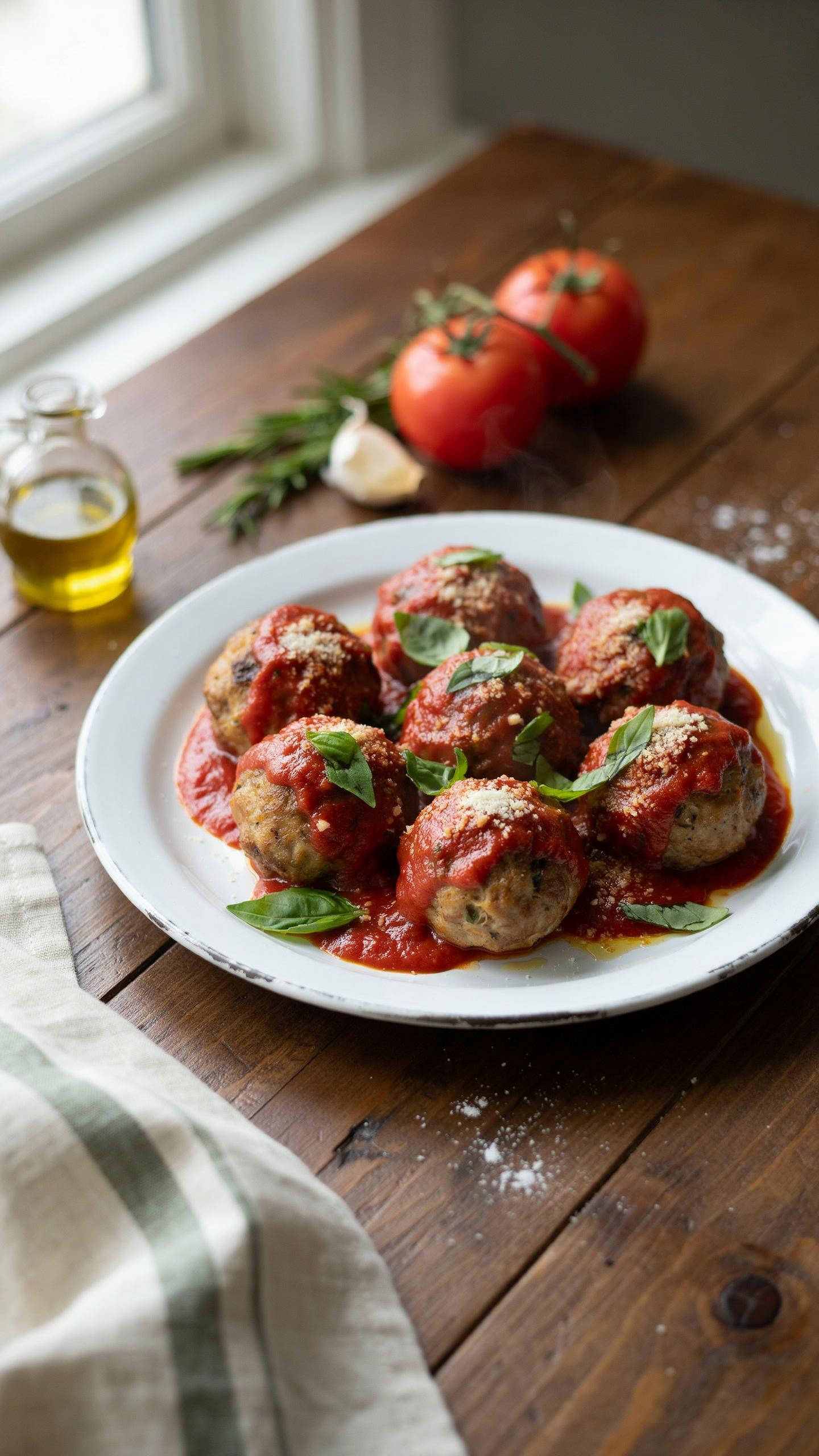
You want people to think you put in more effort than you did. Here’s the mechanism: sauce isn’t a topping. It’s the delivery system that carries flavor into the protein and masks textural deficits. Most vegan meatball prep fails because the cook treats sauce as an afterthought instead of the primary structural component of the dish.
Tomato-based sauces require acid balance and fat integration to work. Build sauce depth by blooming tomato paste in oil first, then add crushed tomatoes, garlic, and a pinch of sugar to cut acidity. The fat carries flavor molecules that your palate actually registers. Store-bought marinara skips this step and tastes thin by comparison. Cook your sauce for fifteen minutes minimum to let flavors consolidate, then fold in your meatballs for the final five minutes so they absorb the liquid rather than sitting on top of it.
Pairing Strategy Breaks The Monotony Cycle
Plant-based meatball recipes fail at scale because repetition kills execution. You make them twice and suddenly you’re eating the same texture and flavor profile across contexts where variety signals quality. The solution is binding texture to specific pairings so each preparation serves a tactical purpose rather than occupying generic meal-prep space.
Pair softer, more absorbent meatballs with broth-based dishes like minestrone or tomato soup where they function as a protein vehicle. Reserve denser, firmer meatballs for grain bowls with tahini dressing or lentil-based preparations where structural integrity matters. Match crispy-exterior versions to pasta where the sauce carries them, and crumbly variations to rice dishes where individual pieces distribute flavor across each bite. This forces specificity in your prep work and eliminates the dead-eyed repetition that makes plant-based meal prep feel like punishment.
The Future Of Your Plate Sustainable And High Protein Vegan Meatballs
What You Actually Save By Making Them Yourself
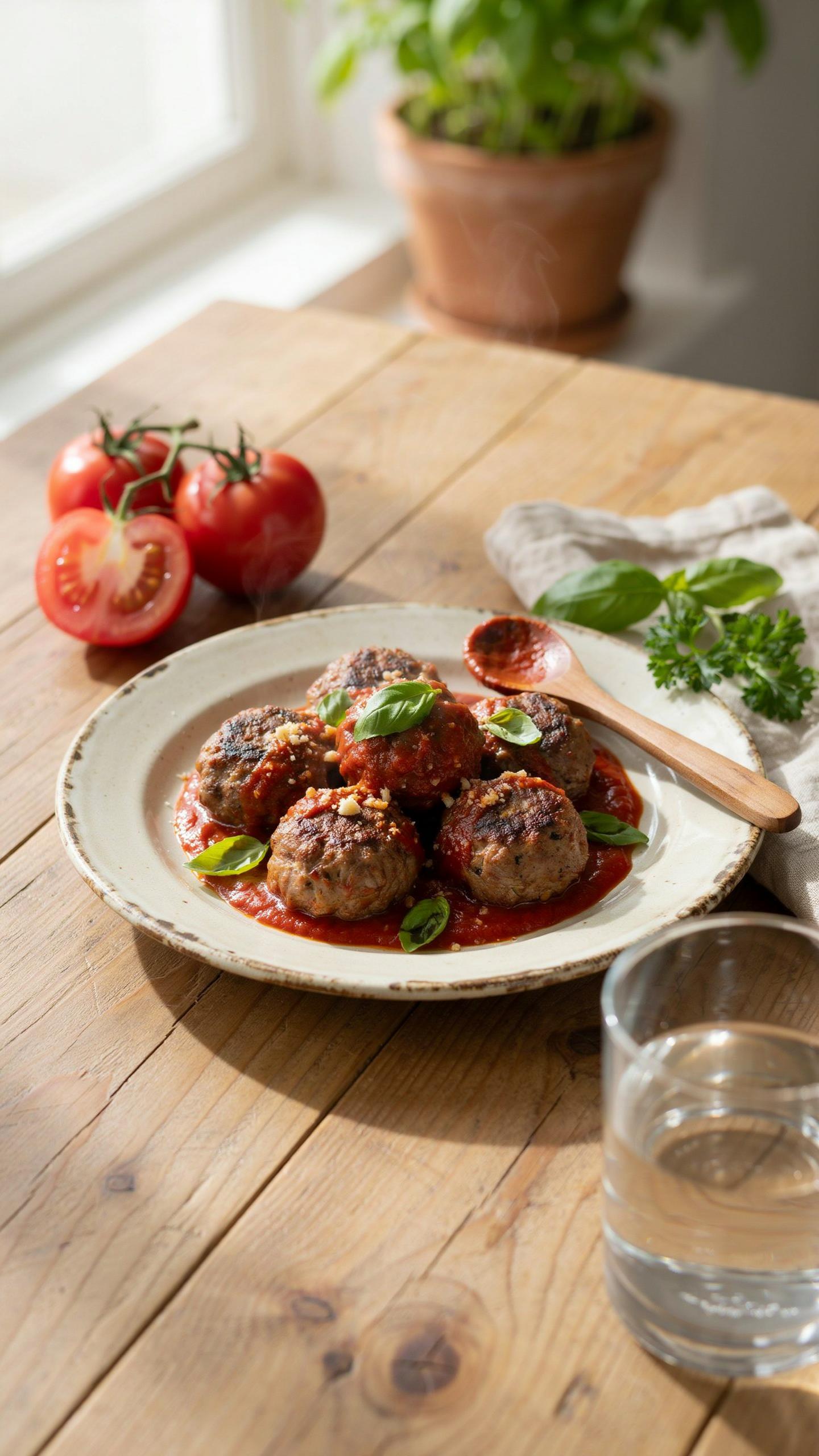
You want to feel like you’re making a smart financial choice without actually doing the math. Here’s the mechanism: store-bought vegan meatballs rely on brand markup and convenience tax. A package of frozen vegan meatballs costs four to six dollars for roughly twelve ounces. You’re paying for packaging, distribution, and the assumption you won’t compare unit costs.
Making them yourself costs roughly one dollar per pound in raw materials. Lentils, chickpeas, panko, and binding agents are bulk commodities. A single batch yields four to five pounds. The labor is thirty minutes. If you prep twice monthly, you spend ninety minutes and eight dollars for forty servings. Store-bought at that volume runs eighty to one hundred dollars monthly. The gap compounds annually into real money, not theoretical savings.
The Carbon Arithmetic Behind Plant Based Choices
Economics borrowed from environmental science the concept of input-output efficiency. In vegan meatball prep, your input is ingredient transportation and storage. Your output is meals that replace animal protein. The mechanism works like this: legume-based meals generate a fraction of the carbon footprint of animal products because legumes require less water, land, and processing energy.
Frozen store-bought meatballs accumulate transportation emissions before they reach your freezer. DIY preparation eliminates that layer. Buy dried lentils and chickpeas in bulk, store them at room temperature for months, and rehydrate as needed. This single shift removes repeated cold-chain logistics from your protein source. Scale your prep batches to your consumption rhythm and you reduce both waste and the environmental cost per serving. When you freeze homemade batches immediately after cooking, you stabilize the product without industrial packaging or fuel-intensive distribution networks.
The real obstacle isnt protein deficiency its your addiction to complexity
You’re waiting for the perfect recipe. The ideal macros. The optimal cooking method. Meanwhile, people who actually eat vegan meatballs just made a batch on Sunday and moved on. Buy lentils, chickpeas, and breadcrumbs. Mix them. Bake them. Eat them for three days. That’s vegan meatball meal prep. The obstacle you face isn’t finding the right formula; it’s accepting that boring consistency beats brilliant inconsistency every single time.