

What Makes A Meal Truly Healthy For Growing Kids

The Core Nutrients Children Need At Every Age Stage
Growing bodies require specific building blocks to develop properly. Calcium and vitamin D are non-negotiable for bone density during early childhood. Iron supports brain development and prevents anemia in toddlers and school-age children. Proper nutrition during these peak growth years dictates long-term health outcomes. You must prioritize high-density foods that deliver vitamins without excessive calories or added sugars.

Different age groups have unique physiological demands. Infants need healthy fats for brain growth. School-age children require complex carbohydrates for steady energy throughout the day. Teenagers need increased protein to support muscle and bone expansion. Focus on dietary fiber to ensure digestive health. These nutrients are the raw materials for cellular repair and mental focus. Missing these markers can lead to growth delays.
How To Balance Macronutrients On A Kid Friendly Plate
Balancing a plate requires a tactical approach to proteins, fats, and carbohydrates. Aim for one-quarter protein to support tissue growth. Fill half the plate with colorful vegetables and fruits to provide essential micronutrients. Use the remaining quarter for whole grains. This ratio stabilizes blood sugar and prevents energy crashes. It ensures the child receives a complete profile of fuel for physical activity.

Healthy fats are vital for absorbing fat-soluble vitamins like A and E. Do not cut out fats entirely. Instead, use sources like olive oil, nuts, or avocados. Limit processed sugars that offer no nutritional value. Keep portions appropriate for the child’s size to avoid overfeeding. A balanced plate teaches children how to regulate their hunger and fullness naturally. This structure creates a lifelong foundation for metabolic health.
Healthy Kids Meals That Come Together In Under 30 Minutes
Weeknight Staples That Are Fast Simple And Nutritious
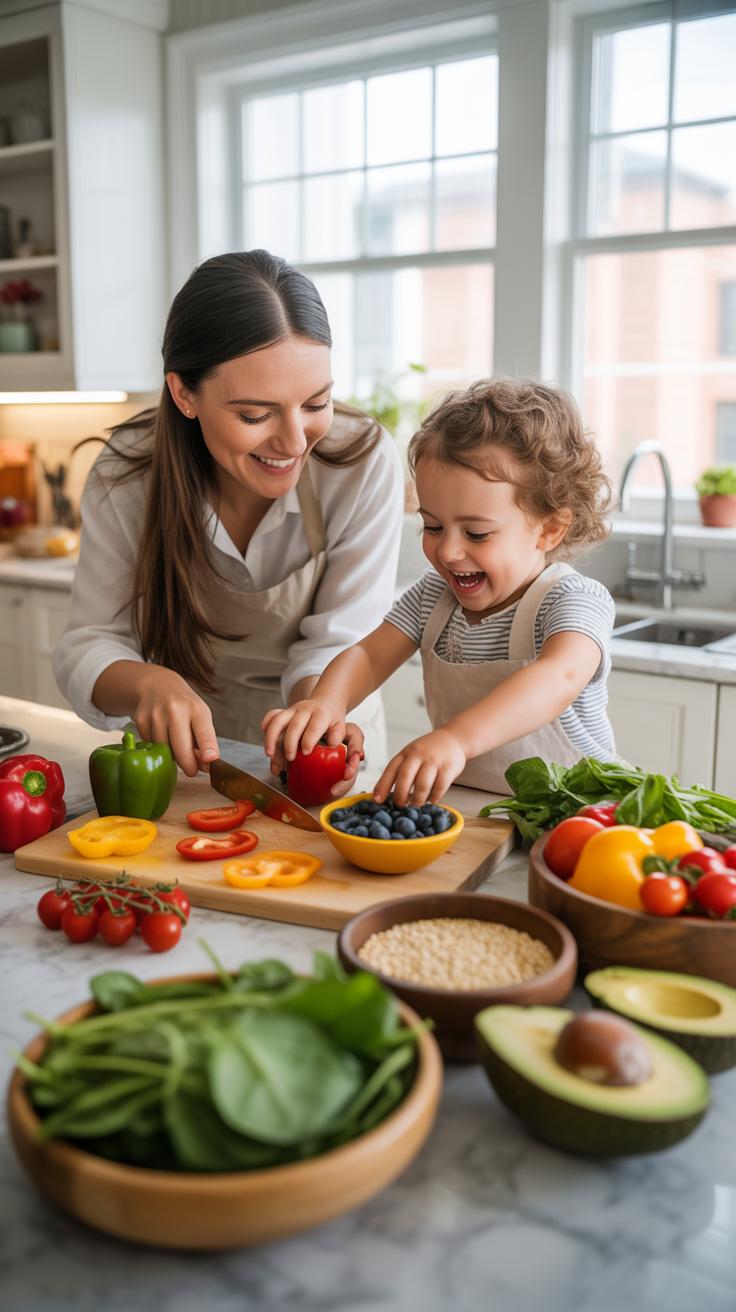
Speed is the priority for weeknight cooking. High protein meals provide steady energy for growing bodies. Lean ground turkey or beef cooks in less than ten minutes. Combine these proteins with parboiled rice or whole wheat couscous to reduce kitchen time. These staples offer fiber and complex carbohydrates. They keep blood sugar stable. Use frozen vegetables to cut down on prep work significantly.
Sheet pan meals maximize efficiency by using dry heat to roast proteins and plants simultaneously. Chicken thighs and broccoli florets cook at the same rate when cut into small pieces. High heat caramelizes the food and improves the flavor profile naturally. This method eliminates the need for constant monitoring over a stove. It reduces cleanup because you only use one pan. Focus on high density nutrients.
Smart Ingredient Swaps That Keep Meals Healthy Without Losing Flavor
Texture often dictates whether a child accepts a meal. Swap traditional white pasta for varieties made from lentils or chickpeas. These alternatives double the protein and fiber content per serving. The taste remains neutral when paired with a red sauce. Choose low sodium tomato sauces to manage daily salt intake. This simple switch provides essential minerals like iron and potassium without changing the dinner routine.
Fat is necessary for brain development but quality matters. Use Greek yogurt instead of sour cream or mayonnaise to boost protein and probiotics. It provides a similar creamy texture with less saturated fat. Avocado oil serves as a better high heat cooking medium than butter due to its smoke point. These tactical changes improve the nutritional profile of common dishes. Small adjustments yield significant health benefits over many months.
Easy Toddler Approved Meals For The Littlest Eaters At The Table

Age Appropriate Textures And Portion Sizes For Toddlers
Toddlers require specific food textures to prevent choking and encourage chewing. Softened vegetables and ground meats provide necessary nutrients without safety risks. You must cut solid foods into small pieces about the size of a pea. This stage marks the transition from purees to table foods. Physical development dictates the speed of this transition. Monitor the child closely during every meal.
Portion sizes for toddlers are smaller than adults realize. One tablespoon of each food group per year of age is a standard baseline. Overloading a plate causes sensory overwhelm and leads to food refusal. Use small plates to make these portions look substantial. Offer more food only after they finish the first serving. This strategy reduces waste and helps children recognize their hunger cues.
Simple Finger Food Meals Toddlers Can Explore And Enjoy
Finger foods build fine motor skills through the pincer grasp. Serve items that are easy to pick up but dissolve quickly in the mouth. Steam hard fruits and vegetables until they are soft enough to mash with light pressure. Avoid round, slippery foods like whole grapes or large chunks of meat. Use natural seasonings instead of salt to develop their palate for real flavors.
Self-feeding empowers toddlers and reduces mealtime power struggles. Place different food groups in separate piles on a high chair tray. This layout allows the child to touch and inspect each item before eating. Provide a variety of colors to increase visual interest. Consistency remains the most effective tool for success. Introduce new items alongside familiar favorites to ensure the child actually eats during the learning process.
Best Kid Meals For Lunch That Go Beyond The Basic Sandwich
Colorful Lunchbox Ideas That Kids Look Forward To Opening
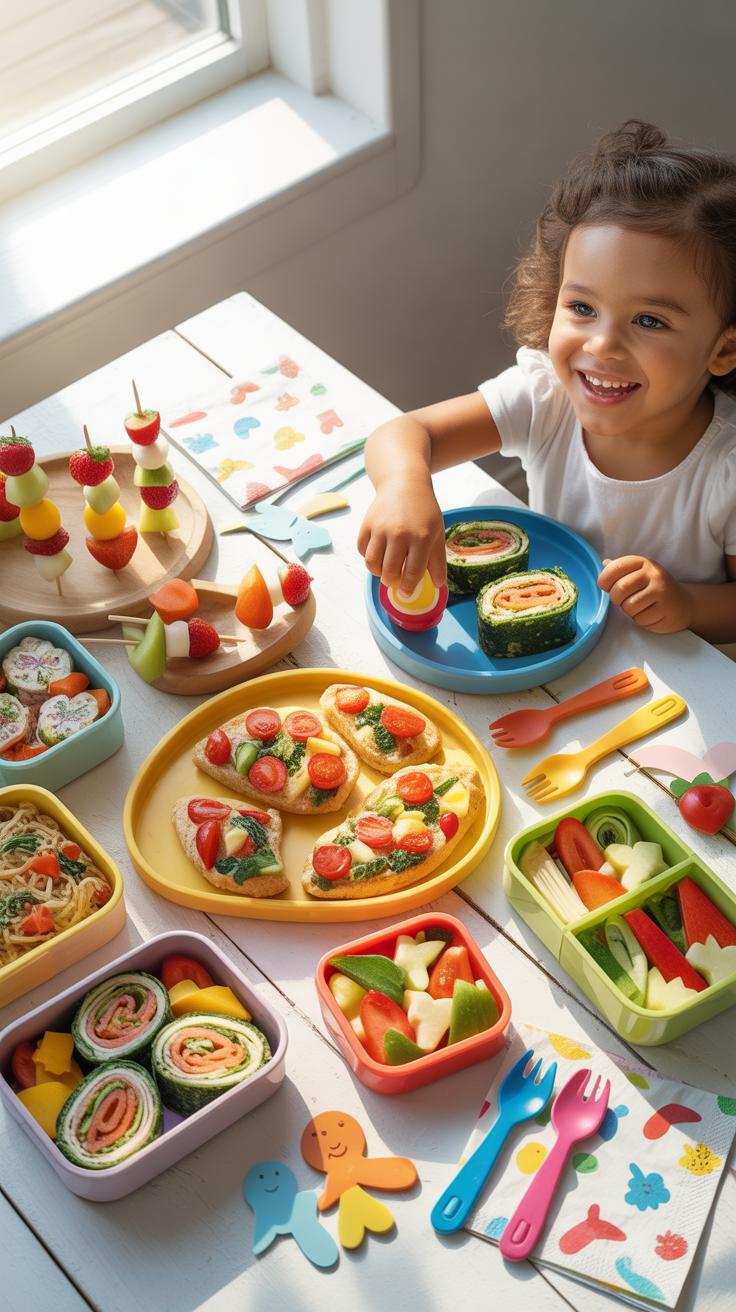
Visual appeal drives food acceptance in children. Use the bento box method to separate different food groups clearly. This technique prevents textures from mixing and keeps food crisp. Brightly colored vegetables like bell peppers and carrots provide high contrast against whole grains. Natural pigments indicate specific phytonutrients that support eye health and immune function. Sensory variety reduces mealtime boredom and encourages kids to finish their portions.
Portion control is easier with compartmentalized containers. Fill small sections with seasonal fruits like berries or melon chunks. These items provide natural sugars for energy without the crash associated with processed snacks. Presentation should be tidy and organized to make the meal approachable. Avoid overpacking the container to prevent a messy appearance. Clean lines and distinct shapes help children identify their food quickly during short school lunch periods.
Protein Rich Lunch Options That Keep Kids Focused All Afternoon
Protein stabilizes blood sugar and supports cognitive function throughout the school day. Replace bread with sliced lean meats or hard-boiled eggs to increase nutrient density. These options provide essential amino acids required for muscle growth and brain development. Plant-based proteins like roasted chickpeas or edamame offer high fiber content alongside protein. Fiber slows digestion and ensures a steady release of energy into the bloodstream for better concentration.
High protein meals prevent the afternoon energy slump common with high carbohydrate lunches. Use Greek yogurt or cottage cheese as a base for savory dips to increase protein intake. Pair these with raw vegetables to add crunch and vitamins. This strategy keeps kids full until dinner and reduces the need for sugary snacks. Consistent protein intake helps maintain focus during demanding afternoon classes and physical activities at school.
Kids Meal Ideas For Dinners The Whole Family Will Enjoy Together

Family Style Dinner Builds That Let Kids Customize Their Own Plate
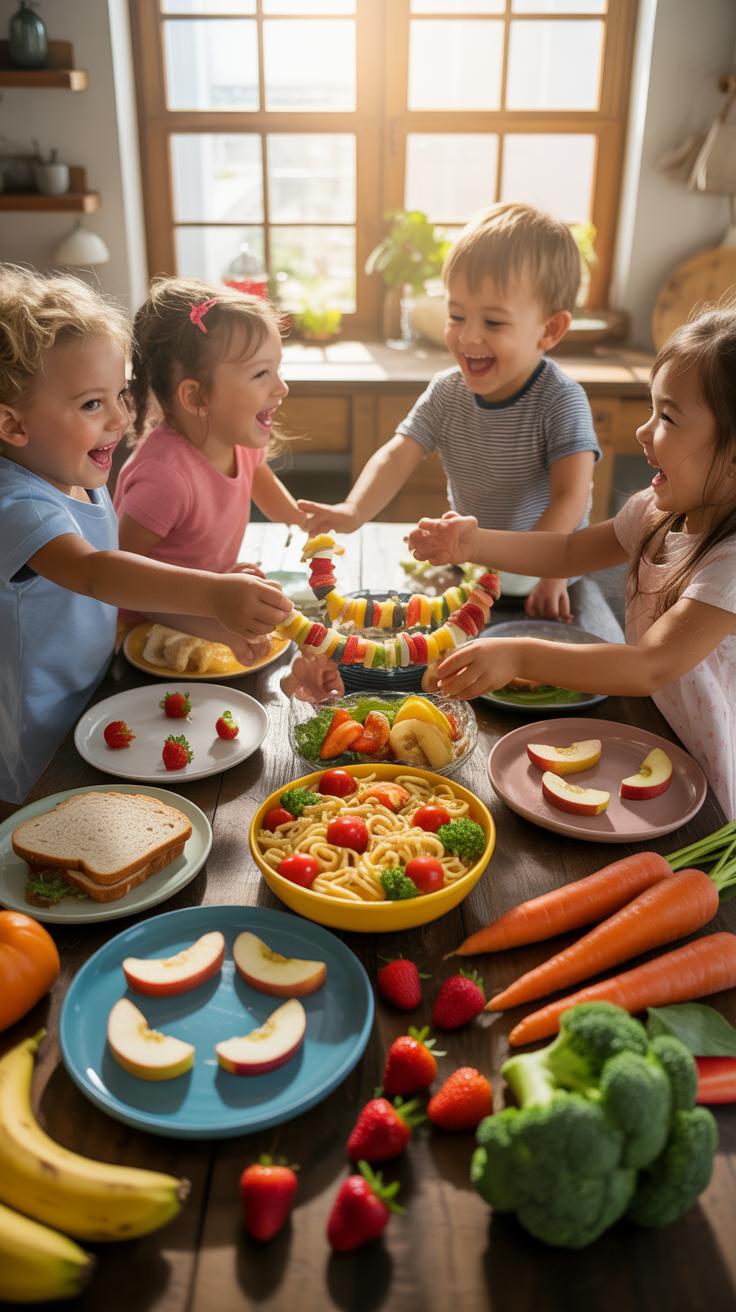
Family style dining centers on choice and autonomy. You place separate components in the middle of the table. Children select what they want to eat. This method mimics the service style of traditional mezze or taco bars. It removes the power struggle over specific portions. Kids feel in control of their plates. This reduces mealtime friction and builds confidence in food selection.
You must provide a protein, a grain, and at least two vegetable options. This structure ensures nutritional balance while allowing for dietary preferences. Use clear bowls to make colors visible. Provide spoons for self-service to improve fine motor skills. This tactical approach encourages kids to try new foods on their own terms. It shifts the focus from forced consumption to natural exploration.
One Pan And Sheet Pan Dinners That Reduce Cleanup And Stress
One pan cooking maximizes efficiency and minimizes kitchen labor. You place proteins and chopped vegetables on a single metal tray. The oven uses dry heat to roast everything at once. This technique creates Maillard browning which improves flavor without heavy sauces. High heat also softens tough vegetable fibers. Kids often prefer the crispy texture of roasted broccoli over soggy steamed versions.
Strategic preparation saves time during busy weeknights. Cut all ingredients to uniform sizes to ensure even cooking. Use heavy duty aluminum foil or parchment paper to eliminate scrubbing later. These meals provide a reliable source of lean protein and complex carbohydrates. You can prep the entire tray in minutes. This method allows you to spend more time eating with your family and less time cleaning.
Easy Nutritious Meals For Kids Who Are Selective About What They Eat
Understanding Why Picky Eating Happens And How To Respond Calmly
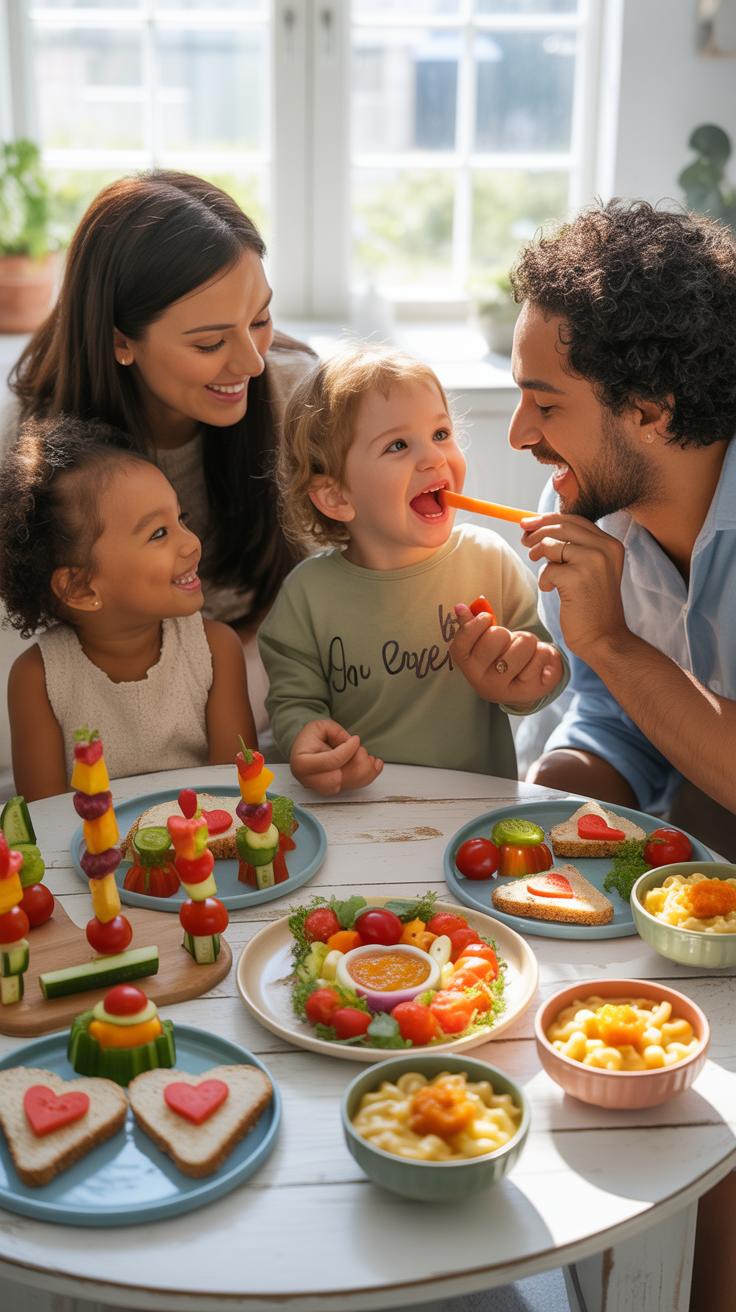
Picky eating often stems from biological survival instincts. Many children experience neophobia, which is a natural fear of new foods. This trait likely protected early humans from consuming toxic plants. Young children also have more taste buds than adults. This makes bitter flavors in vegetables feel much stronger. Understanding these facts helps parents remain clinical rather than emotional when kids refuse healthy meals.
Pressure at the dinner table creates a stress response in the body. When a child feels anxious, their appetite shuts down. Adopt a neutral stance to lower the stakes. Your job is to provide the food and set the schedule. The child decides whether to eat and how much. Removing the power struggle stops negative reinforcement cycles and makes future food intake more likely.
One cannot think well, love well, sleep well, if one has not dined well. Healthy nourishment is the warm foundation upon which all a child’s dreams are built.
Proven Strategies To Introduce New Foods Without Mealtime Meltdowns
Success depends on repeated exposure and strategic plating. Avoid hiding vegetables entirely, as this destroys trust when the child discovers the ruse. Instead, use a bridge technique. Connect a familiar food to a slightly different one. Change only one variable at a time, such as color, texture, or shape. Small portions reduce the overwhelming sensation many selective eaters face during a meal.
- Food Chaining: Link accepted foods to new items by identifying similar sensory traits. If a child eats potato chips, try thin sliced roasted potatoes. This gradual transition uses familiar textures to build a bridge toward more nutritious, whole food options over time.
- Micro Portions: Serve a single pea or a tiny sliver of a carrot on a separate plate. Large portions trigger a flight response in selective eaters. A microscopic amount feels manageable. It allows the child to touch, smell, or taste without feeling forced to finish a meal.
- Flavor Bridges: Use familiar dips or sauces to mask unfamiliar bitter notes. Kids often accept broccoli when it is paired with a known cheese sauce or yogurt dip. This technique uses the positive association of a favorite flavor to help the palate accept a new vegetable texture.
- The One Bite Rule: Establish a clear expectation that the child must try one small bite of everything served. Do not demand they eat the whole portion. This habit ensures regular exposure to different flavors. Repeated tasting can eventually lead to food acceptance through sheer familiarity.
- Strategic Plating: Keep different food items separate on the plate to avoid sensory overload. Use divided plates if necessary to prevent juices or textures from touching. Many children reject healthy meals because different flavors mix. Providing distinct boundaries creates a sense of control and safety for the child.
Consistency outperforms intensity. Do not expect immediate results after one attempt. Research shows a child may need fifteen exposures to a new food before they develop a preference for it. Keep a log of what was served and how the child reacted. Tracking these data points helps you identify patterns in textures or flavors that your child finds most acceptable.
Healthy Meals Kids Like That Are Built Around Foods They Already Love
Upgrading Kid Favorites Like Mac And Cheese Pizza And Tacos Nutritionally
Standard kid staples provide the perfect architecture for nutritional upgrades. Use whole grain or chickpea pasta to increase protein and fiber content in macaroni dishes. Swap flour tortillas for corn or low carb versions to stabilize blood sugar levels. These small changes preserve the familiar texture and flavor profiles. You maintain the core experience while removing empty calories and adding vital minerals.
Pizza offers a versatile platform for density improvements. Replace processed pepperoni with lean turkey sausage or grilled chicken. Use a thin crust made from cauliflower or sprouted grains to reduce refined carbohydrates. Switch to low sodium tomato sauce and add part skim mozzarella to control fat intake. These modifications transform a junk food item into a balanced meal. Tactical swaps ensure kids remain satisfied without feeling deprived.
Hidden Vegetable Techniques That Actually Hold Up In Real Kitchens
Pureeing vegetables into sauces is the most effective way to boost micronutrients without changing plate appearance. Blended carrots and red peppers disappear into red pasta sauce because they share similar color profiles. Thawed frozen spinach blends into smoothies or pesto without affecting the final taste. This method bypasses visual rejection from picky eaters. It allows you to serve high volumes of greens without any struggle.
Strategic texture matching keeps vegetable additions undetectable during consumption. Finely diced mushrooms mimic the texture of ground beef in tacos or meatloaf. This technique reduces saturated fat while adding potassium and B vitamins. Grate zucchini into muffin batter or pancake mix for moisture and fiber. The heat from cooking softens these additions until they merge with the base ingredients. Use these methods to increase daily vegetable servings consistently.
Easy Meal Ideas For Picky Eaters That Make Mealtime Fun Again
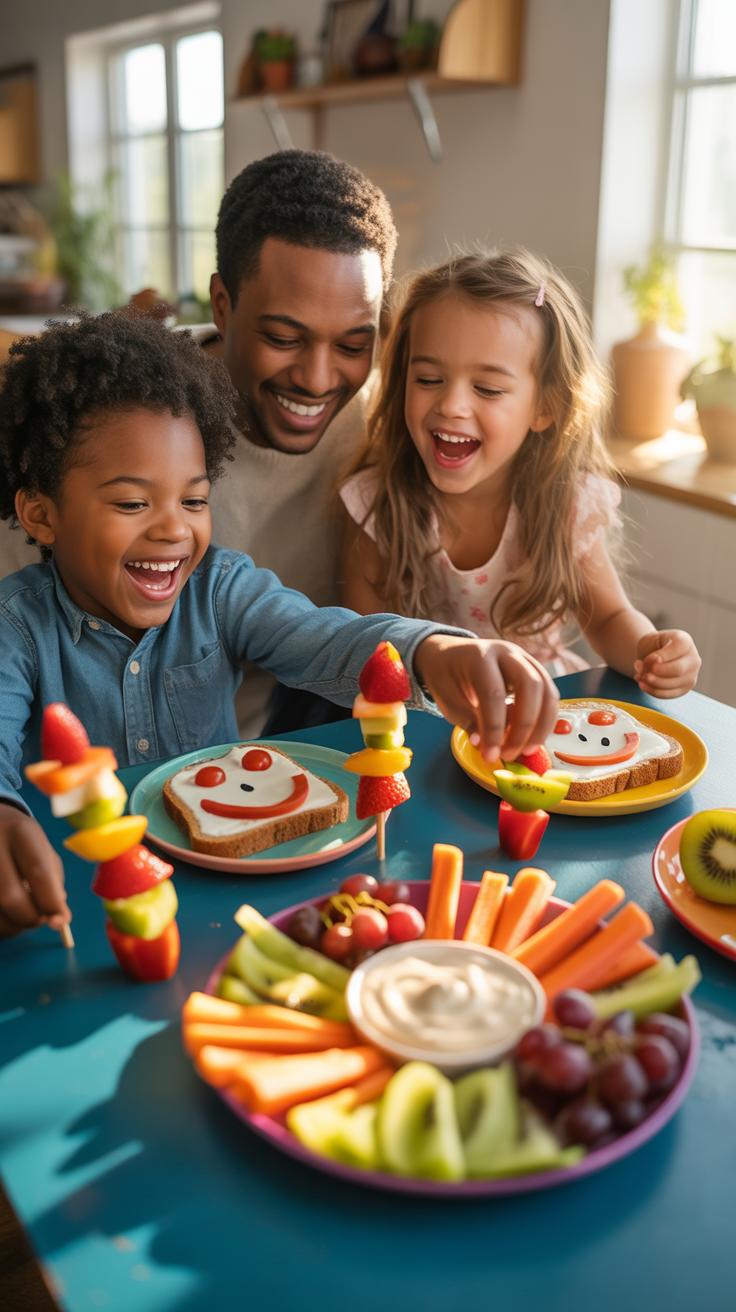
How Presentation And Plating Tricks Encourage Kids To Try New Foods
Visual appeal dictates the initial acceptance of healthy meals for kids. Children process visual information before taste. Use bento boxes to separate food groups and prevent different textures from touching. This method reduces sensory overwhelm for picky eaters. Smaller portions served on large plates make the meal look manageable. Use cookie cutters to create geometric shapes from vegetables or sandwiches.
Color contrast increases interest in a meal. Aim for three distinct colors on the plate to trigger curiosity. Place familiar foods next to new ingredients to create a sense of safety. Use skewers to make fruit or cooked proteins look like a snack rather than a formal meal. These simple shifts in geometry and layout bypass the power struggle at the dinner table.
Getting Kids Involved In Cooking To Build Curiosity And Confidence
Kitchen participation gives children a sense of ownership over their nutrition. When kids help prepare healthy meals for kids, they become more likely to taste the results. Start with age-appropriate tasks like washing produce or tearing greens. This exposure desensitizes them to new textures and smells before the food reaches the table. Involvement shifts their role from passive consumer to active creator.
- Ingredient Selection: Let children choose between two different vegetables at the store. Giving a limited choice provides a sense of autonomy without overwhelming the meal plan. This increases the likelihood that they will actually eat the vegetable they picked.
- Mashing and Mixing: Assign tasks like mashing avocados or stirring whole grain batter. Physical contact with raw ingredients reduces the fear of the unknown. Manual labor in the kitchen builds a positive psychological connection to the final healthy dish.
- Herb Harvesting: Ask kids to pluck leaves from fresh herb plants like basil or cilantro. Smelling fresh herbs builds olfactory familiarity with different flavors. This tactical step helps them accept complex tastes in sauces or salads later during the dinner.
- Assembly Line: Set up a station for building tacos or homemade pizzas. Mastery of assembly allows children to control the ratio of ingredients on their plate. Placing toppings themselves makes them feel responsible for the success of the meal.
- Safe Cutting: Use nylon knives to let older children slice soft fruits or cucumbers. Learning a technical skill builds confidence and pride in their work. Kids value the food more when they have invested physical effort into the preparation process.
Cooking together serves as a practical education in food chemistry and safety. It removes the mystery of how raw ingredients become a finished dish. Over time, consistent kitchen involvement lowers the barrier to trying bitter or crunchy vegetables. Focus on the process rather than the perfection of the final plate. Practical skills in the kitchen lead to better long-term eating habits for developing children.
Frequently Asked Questions

How do I start introducing more nutritious foods to a picky eater?
The key to introducing healthy meals for kids who are selective is small, gradual changes. Start by “bridging” familiar favorites with new ingredients, like adding pureed carrots to pasta sauce or swapping white bread for whole grain. Consistency is vital; research suggests children may need to see a new food up to fifteen times before trying it, so remain patient and keep the mealtime environment positive and low-pressure.
What are some quick ways to make vegetables more appealing to children?
Transform ordinary vegetables into exciting components by focusing on texture and presentation. Roasting veggies like broccoli or cauliflower with a little olive oil brings out a natural sweetness that kids love compared to steaming. You can also use fun shapes with cookie cutters or serve “rainbow plates” with colorful dips like hummus. Making healthy meals for kids interactive allows them to feel in control, which often increases their willingness to eat.
Is it possible to prepare nutritious meals for my family on a tight budget?
Absolutely! You can provide quality nutrition without overspending by prioritizing versatile staples like oats, beans, lentils, and frozen vegetables. Frozen produce is flash-frozen at peak ripeness, making it just as nutritious as fresh but significantly more affordable. Buying in bulk and planning your weekly menu around seasonal sales helps you minimize waste while ensuring your children receive the vitamins and minerals they need to grow strong and stay energized.