
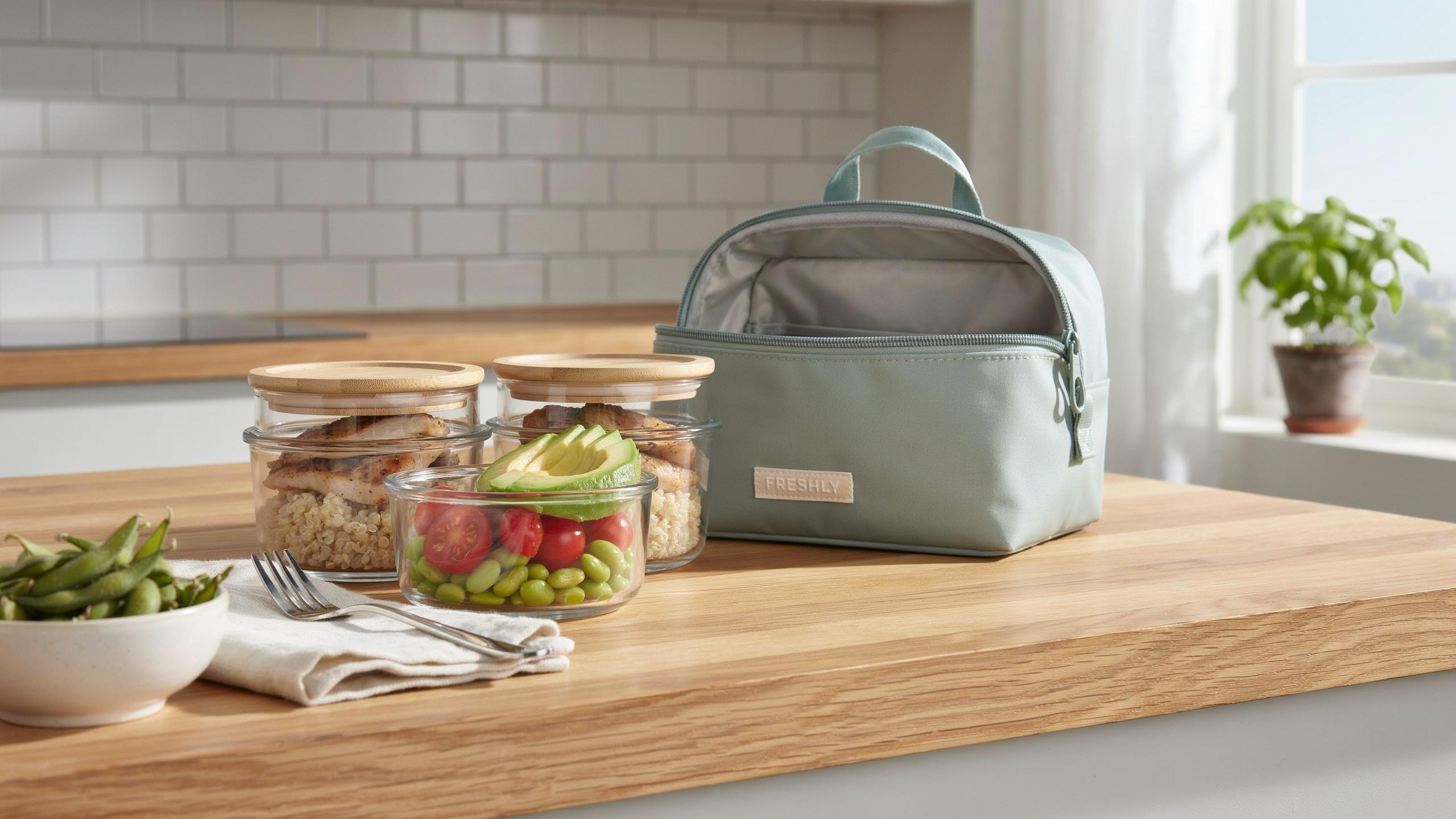
The Illusion Of Convenience Vs Calculated Advantage

Convenience As A Trap Door
You want to believe meal prep bags solve a problem so you don’t have to think about lunch. Here’s what actually happens: most people confuse the act of carrying food with the strategy of controlling what they eat. Convenience is the story you tell yourself. The real mechanism is decision fatigue elimination. Every lunch decision you avoid is cognitive energy you redirect toward work that matters. A meal prep bag doesn’t make lunch convenient—it makes lunch predetermined. That’s the actual advantage, and it’s worth protecting.

The trap is treating meal prep bags like a container upgrade instead of a behavioral system. You buy an insulated bag, toss in leftovers, and expect discipline to follow. It doesn’t. The bag’s real function is to make the default option the only option. When your lunch is already packed and sitting in a defined space, you don’t negotiate with yourself at noon. You eat what’s there. This is friction removal in reverse—you’re adding friction to the decision-making process itself, which starves the part of your brain that defaults to convenience foods.
Offloading Decisions Before They Cost You
Cognitive load in psychology refers to the mental effort required to process information. Your meal prep bag operates as a cognitive load reducer—but only if you design it that way. Most people think about what to pack each morning. Some think about it the night before. The real players decide once, on Sunday, and never revisit the decision. You’re not being more organized. You’re being more efficient with a finite resource: your willpower.
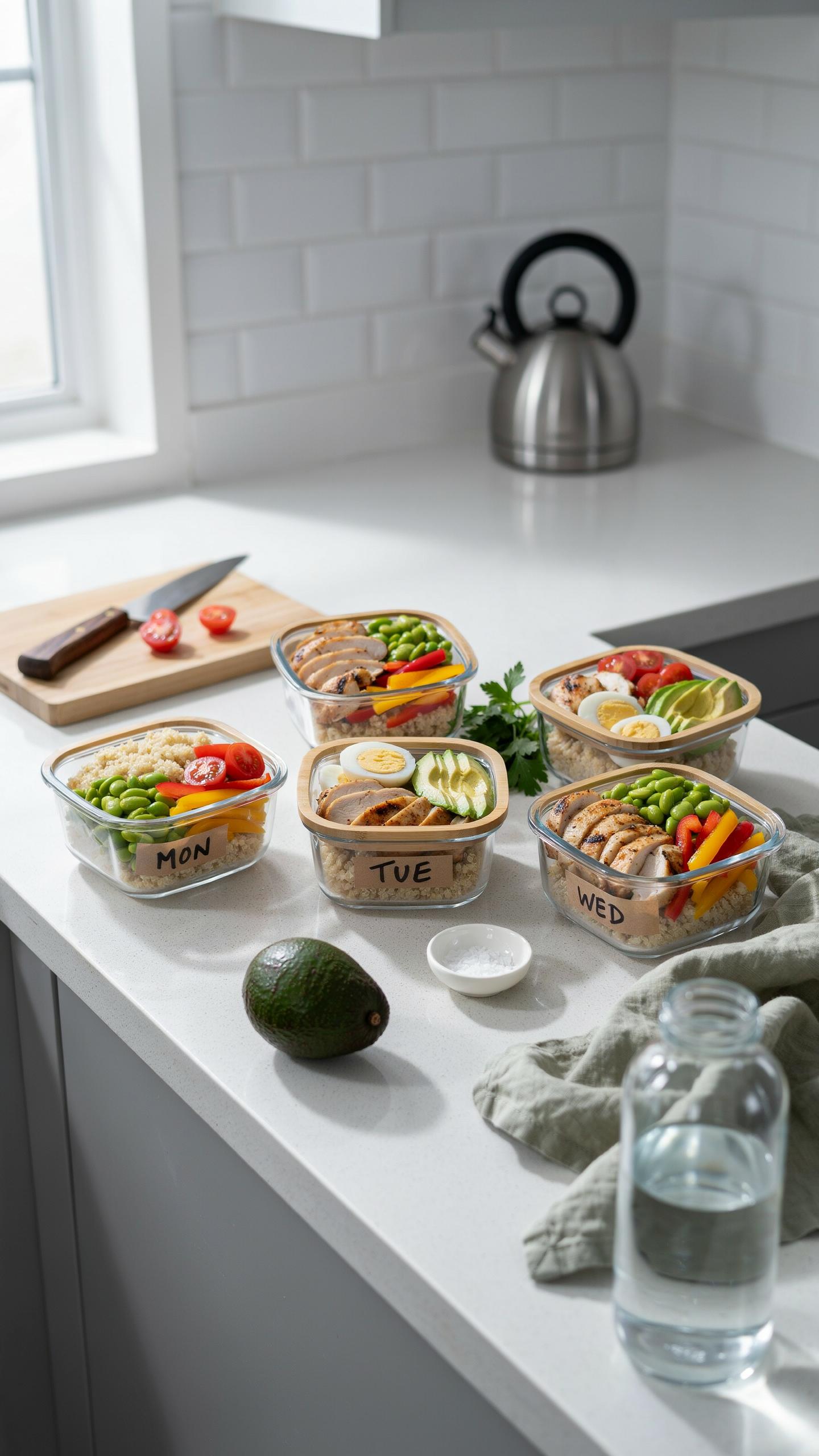
The mechanism is simple: pack the same high-protein lunch five times, seal it, and place it in your fridge. Each morning, you grab one bag. No menu review. No calorie math. No substitution negotiations. By Wednesday, your brain stops treating lunch as a choice and starts treating it as an invariable fact. This is how discipline scales without burning out. You’ve moved the decision from daily execution to weekly strategy. The bag itself becomes the enforcement mechanism that keeps your protein targets consistent without requiring daily mental taxation.
The Nutrient Command Center Protocol High Protein Lunch Essentials
Thermal Stability Wins The Day
You want to feel sharp at 3 PM instead of crashing because your lunch failed you. The real mechanism is thermal management: a meal prep bag functions like a buffer system in chemistry, regulating temperature fluctuation to preserve protein structure and nutrient bioavailability. Without proper insulation, ambient heat degrades amino acids and destabilizes the macronutrient ratio you built the meal around. A quality bag with 1 to 2 inches of closed-cell foam or similar insulation material maintains a stable internal temperature for 4 to 6 hours. This isn’t comfort. This is preservation.
The mistake people make is treating insulation as optional. They grab a canvas tote and wonder why their chicken breast tastes off by lunch. The bag’s job is to create a microclimate. Rigid construction matters more than size because it prevents compression, which collapses insulation and accelerates heat transfer. Pair the bag with an ice pack positioned directly against protein containers, not loose inside, and you extend stability another 2 to 3 hours without sacrificing food quality or texture.
Macronutrient Sequencing Inside The Bag
Everyone says “just pack your food.” That’s incomplete. The compartmentalization strategy determines whether nutrients stay bioavailable. Proteins require isolation from acidic foods and direct moisture exposure because both degrade muscle tissue and flavor. Pack protein containers in the coldest zone, typically against the ice pack. Carbohydrates go in a separate compartment to prevent osmotic transfer, which pulls moisture from starches and makes rice or pasta mushy by mid-afternoon. Fat sources sit in their own sealed container to avoid saturation leakage onto other items.
Temperature layering inside the bag mirrors kitchen sous-vide technique: precision through controlled environment. Place ice packs on the bottom and against sides, then nest your protein-packed container into that cold core. Vegetables go in a non-touching compartment with their own minimal moisture seal. Water vapor is your enemy here. A meal prep bag that forces compartmental thinking through design prevents cross-contamination of flavors and textures. This system keeps your 40-gram protein target intact, not degraded into something your body processes less efficiently.
Your Meal Prep Bag As A Logistics System
Think Like Supply, Not Shopping
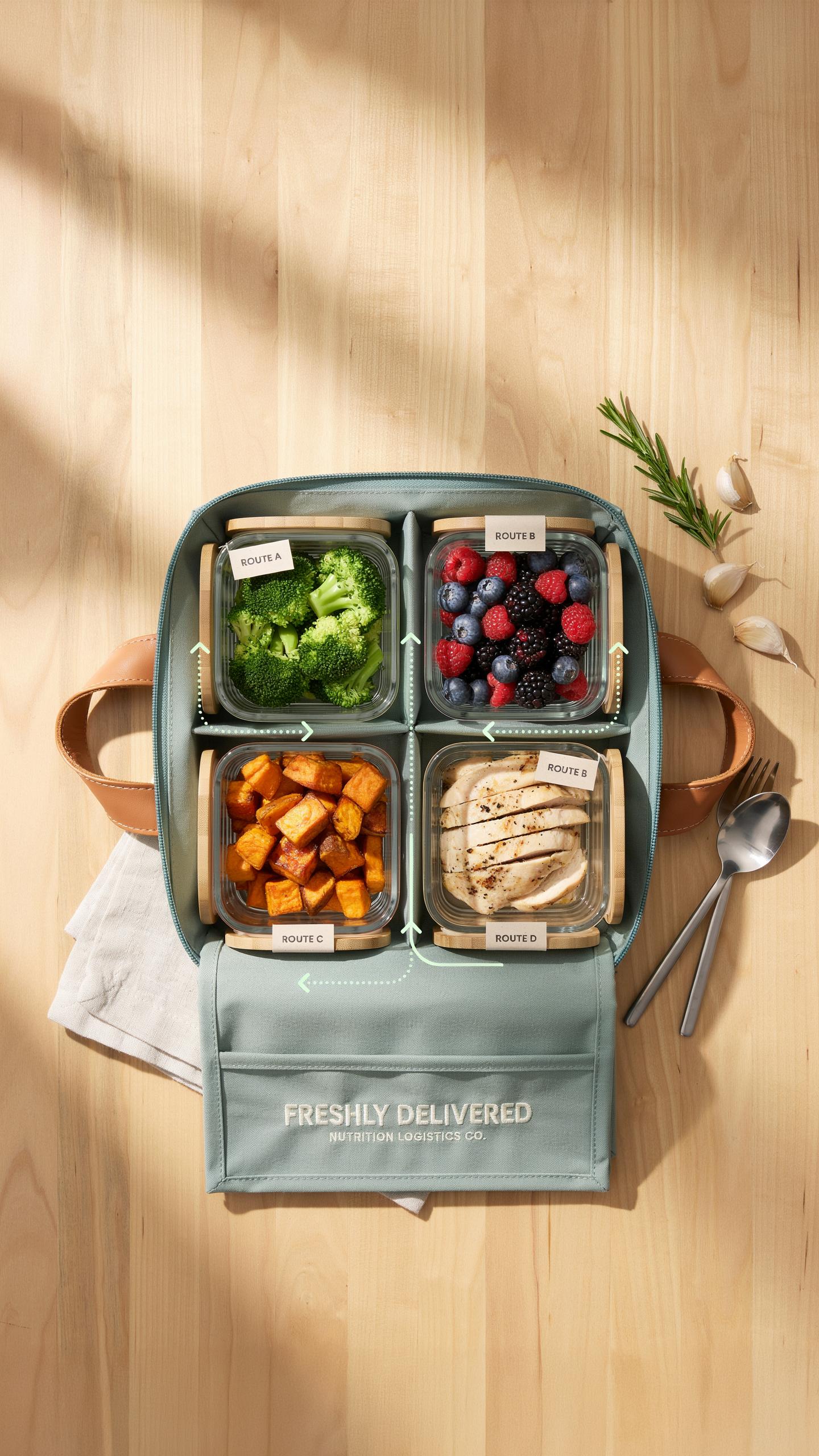
You care about this because a disorganized bag makes you look unprepared. But the real mechanism is simpler: a meal prep bag is an anticipatory resupply system. Military logistics operates on one principle—position resources before demand hits. You don’t wait until you’re starving at 2 PM to figure out lunch. You calculate caloric need, pack accordingly, and execute.
The difference between people who maintain protein intake and people who don’t isn’t willpower. It’s whether they treat their bag like a supply chain or a dumping ground. Your bag must answer three questions before you leave home: What protein do I need today? How will I keep it safe? Where will I access it? No guessing at the office. No running to the vending machine because your chicken was warm by noon.
Optimize Your Weekly Supply Chain
You already know meal prep exists. What most people miss is that your bag’s effectiveness depends on your prep rhythm, not just what you put in it. One prep day per week creates a predictable supply schedule. Two smaller prep sessions spread demand and reduce spoilage risk.
- Prep Day Frequency: Single Sunday batch works for 5-day work weeks. Split prep (Sunday and Wednesday) extends freshness for longer rotations and reduces bacterial load on any single meal.
- Container Sizing: Match container volume to daily protein target, not “medium” or “large.” A 6-ounce protein container with matching refrigerant pack scales better than oversized bags with empty space.
- Ice Pack Placement: Position freezer packs on top of protein, not below. Heat rises. Contact matters more than proximity.
- Rotation Protocol: Place oldest meals at bag front, newest at back. Use a marker to date containers. Remove ambiguity about what’s safe to eat.
- Bag Reset Timeline: Empty and wipe your bag every Friday. A damp bag is a bacterial incubator by Monday morning.
The real win is building a system you don’t think about. Once your prep rhythm locks, your bag stays stocked the same way your car stays gassed. You stop deciding and start executing. That’s when consistency stops being effort and becomes automatic.
Beyond Lunch Boxes For Men Designing For Durability Function
Materials That Survive The Commute
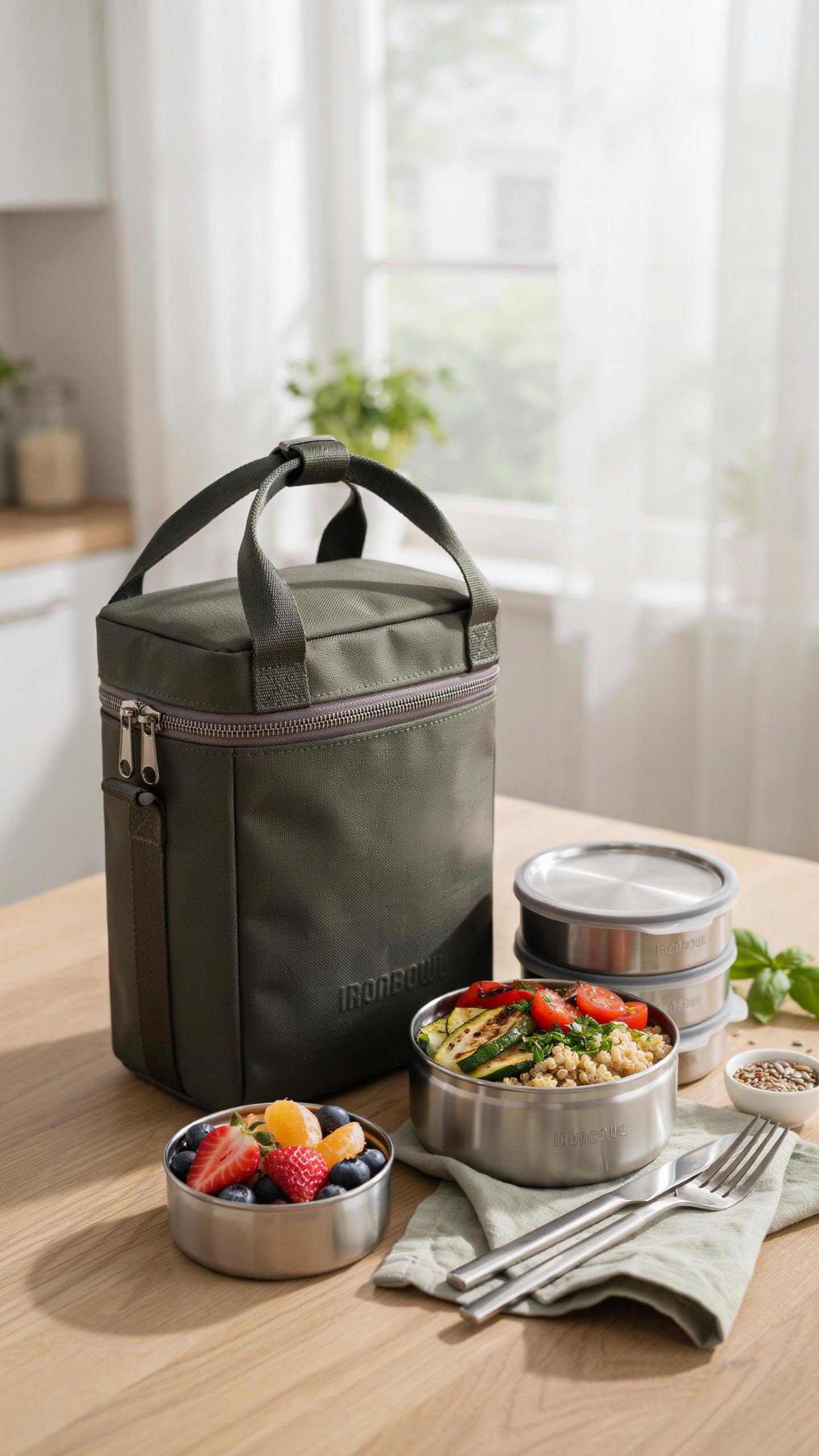
You want your bag to look sharp because you’re carrying it in public and that reflects on you. Strip that away and what actually matters is whether the thing falls apart after six months. Material selection determines lifespan, not brand name or price point.
High-protein lunches are heavy and repetitive stress. They generate moisture. They shift during transport. Commercial-grade nylon (the type used in military gear and professional kitchen equipment) handles all three without degrading. It resists punctures, doesn’t absorb water, and costs the same as mid-tier fashion bags. Canvas and cotton fail here because they absorb liquid, trap bacteria, and tear under sustained load.
Configuration Over Fixed Compartments
Most meal prep bags copy school lunch box logic: one big compartment, maybe a side pocket. That design worked for sandwiches in 1985. It fails now because protein macros demand temperature control and smart spacing. Borrowing from logistics terminology, your bag needs modularity, not just capacity. Modularity means you rearrange internal structure as your goals shift.
Modular bags use adjustable dividers, removable insulation panels, and stackable containers instead of sewn pockets. When you shift from high-carb to low-carb, you don’t buy a new bag. You redistribute the internal setup to fit smaller portions and different ratios of cold packs to food. This is the actual mechanism that prevents dead money in your gear budget.
The Deep Work Fuel Strategy Meal Planning For Focus
Decision Fatigue Dies Before Lunch
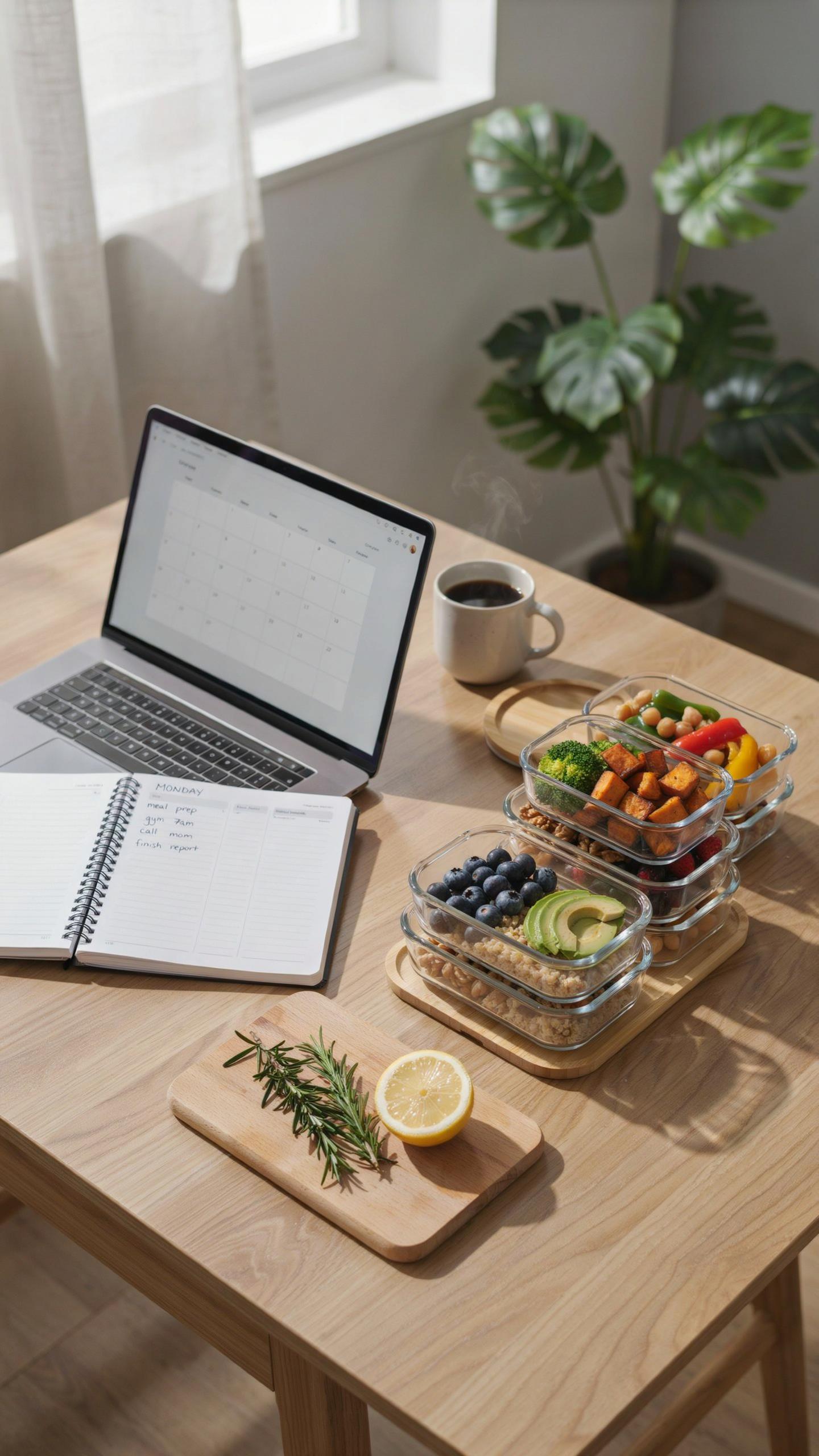
You want to believe willpower scales with ambition. It doesn’t. Decision fatigue is real neuroscience: every choice depletes glucose and depletes your prefrontal cortex’s ability to focus. The mechanism is biochemical, not motivational. A meal prep bag forces decisions upstream, at the planning stage when you have mental bandwidth, not at 1 PM when hunger collapses your discipline.
Most people treat meal prep as a chore to optimize for convenience. Wrong framing. The real game is removing the decision point entirely so your brain doesn’t burn cycles choosing between the salad and the vending machine. You plan once. You execute daily. The bag becomes a commitment device, not a lifestyle hack.
Workflow Integration Beats Consistency Talk
The inconsistency advice floating around—”just meal prep on Sundays”—ignores how humans actually work. You don’t fail at meal prep because you lack discipline. You fail because the bag doesn’t fit your actual day. Integration means: the bag must sit where you grab your keys, not hidden in the fridge. It must hold exactly what fits your schedule, not what Instagram says you should eat.
The protocol is mechanical. Tuesday night, you pack what Wednesday requires. The bag travels with you to the work location. You eat from it at the hour your hunger spike historically hits. This removes every variable except execution. The meal prep bag works because it forces the meal into your existing system, not the reverse.
Optimizing Meal Prep Containers Volume Insulation And Hygiene
Container Selection For Real Utility
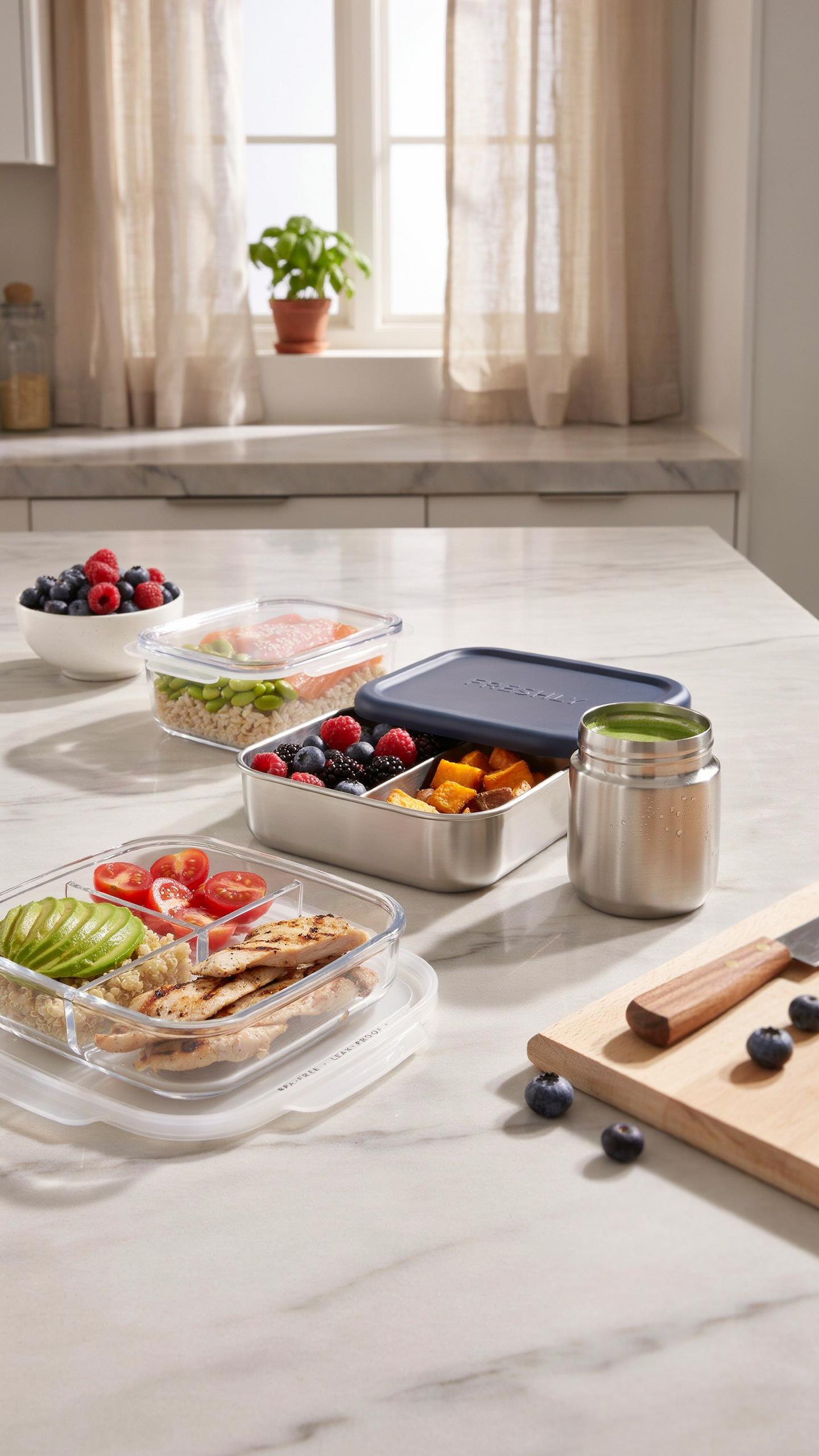
You want containers that won’t fail you because failure means wasted protein and money—that’s the real friction. The mechanism is thermal mass: physics demands that larger volumes retain temperature longer than small ones because surface area to volume ratio drops. A 32-ounce container loses heat slower than a 16-ounce container, even with identical insulation. This means your protein stays safer in the danger zone between 40°F and 140°F for longer periods.
Container material matters more than brand marketing suggests. Polypropylene handles repeated heating and cooling cycles without degrading like lower-grade plastics do. Glass containers maintain temperature consistency but add weight and breakage risk. For meal prep bags specifically, you need containers that stack efficiently and don’t absorb odors or stains from repeated high-protein storage. Stainless steel inserts exist but they’re overkill for most people and destroy portability. Pick polypropylene with tight-sealing lids rated for 180°F minimum—this gives you actual safety margins for both storage and reheating.
Preventing Bacterial Growth Through Protocol
The common advice about cleaning containers is incomplete: rinsing alone doesn’t prevent bacterial colonization on microscopic surface roughness. You need mechanical action. High-protein foods create ideal conditions for pathogenic growth because bacteria feed on amino acids. A hot dishwasher cycle or hand scrubbing with hot water and dish soap removes visible debris and kills most surface bacteria. But the real protocol is storage timing and temperature management, not container selection. Store your meal prep bags at 35°F to 38°F within two hours of preparation. Never leave them at room temperature. Replace containers every 12-18 months because microscopic scratches accumulate, creating harbors for bacteria that survive your cleaning routine.
Freezer Cooking Tips For The Uncompromising Individual
Batch Preparation As Your Time Multiplier
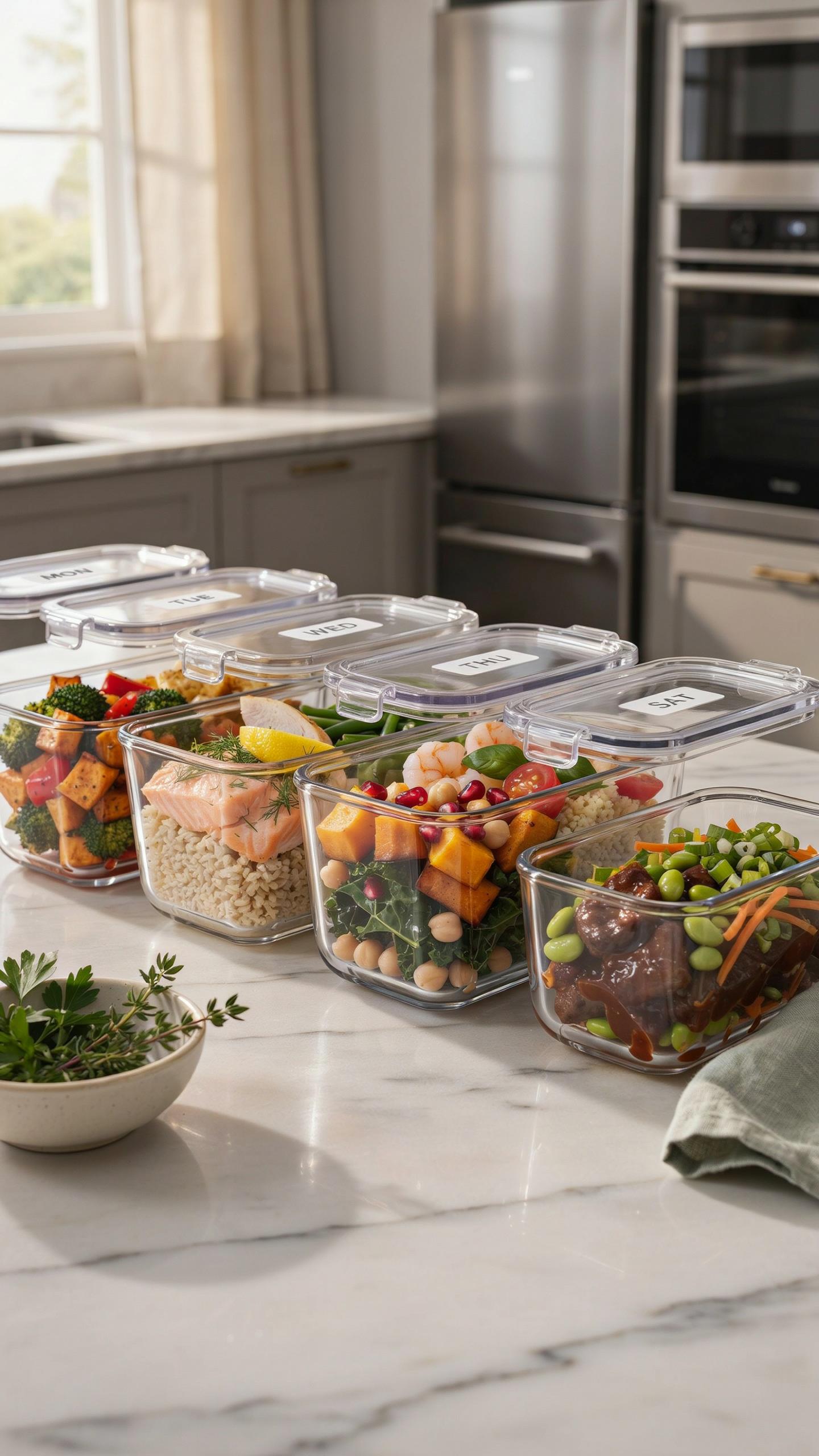
You want to feel productive without actually changing how you eat. The real mechanism here is borrowed from manufacturing: leverage. In production systems, leverage means doing one setup cost once, then repeating the output infinitely. With meal prep, you do the prep work once per week, not six times. Cook one large batch of chicken, rice, and vegetables on Sunday. Portion it into your meal prep bags immediately while everything cools. You eliminate decision fatigue during the week and guarantee protein hits your target.
The difference between casual freezer cooking and systematic freezer cooking is whether you have a repeatable protocol. Most people freeze random containers and forget what’s inside. Instead, dedicate one day, one workflow, one set of containers. Cook proteins to 165 degrees Fahrenheit internal temperature. Cool them on sheet pans before bagging. Label each bag with protein type, date frozen, and grams of protein. This removes friction when you grab your meal prep bag each morning.
Strategic Defrosting For Immediate Deployment
Defrosting timing determines whether your lunch arrives at work still warm or already separated and ruined. The conventional advice is to thaw everything overnight in the refrigerator. That’s incomplete. Overnight thawing works if you plan twelve hours ahead. Most people don’t. The actual mechanism is thermal mass: larger portions need more time, denser foods conduct heat slower. A five-ounce chicken breast thaws in four hours at room temperature. A one-pound block of ground turkey needs eight to ten hours refrigerated.
Pack your meal prep bag the night before, but freeze it solid that morning instead. Pull it from your home freezer thirty to forty minutes before you leave for work. Your protein will be partially thawed but still cold enough to keep vegetables from wilting. By lunch, everything reaches safe eating temperature without microwave reheating that destroys texture. The bag’s insulation becomes your defrost timer if you measure correctly the first time.
The Anti Generic Meal Prep Bag Customizing Your Arsenal
Build Around Your Actual Friction Points
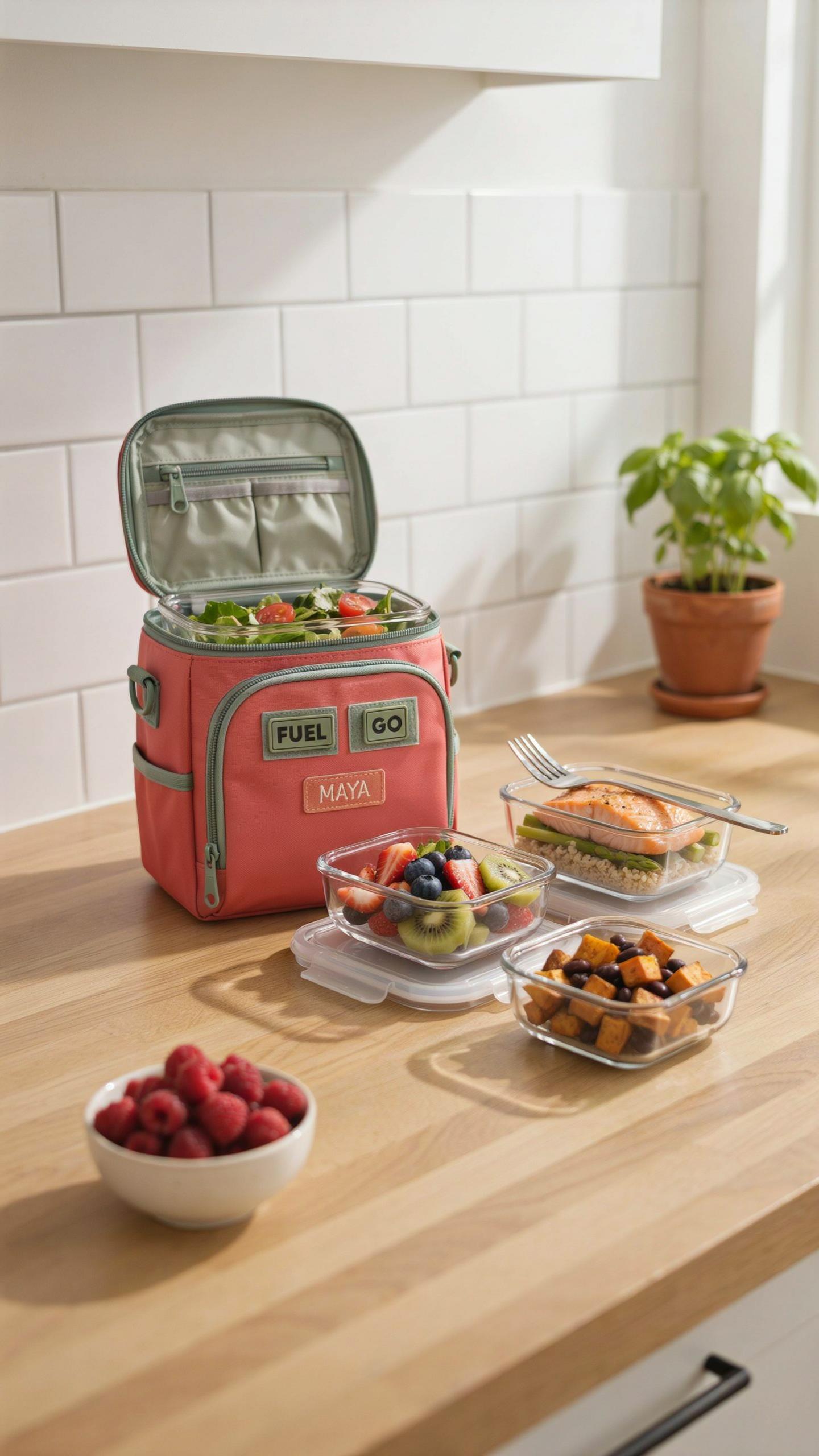
You want a bag that makes you look like you have your life together. That’s the real reason you’re reading this. The mechanism is simple: a generic bag solves zero problems because your constraints aren’t generic. Your commute, your office setup, your protein sources, your sweat output, and your reheating options are specific to you. The bag that works for an office worker with a freezer differs completely from one for a construction site or a person using a cooler in a truck bed. Map your actual constraints first. Write down where the bag sits, what temperature it needs to maintain, how many hours it travels, and what access you need during the day. Only then does a bag become useful instead of decorative.
Your job is to reject the assumption that insulation thickness, compartment count, and material type matter equally to everyone. They don’t. A 6-hour office day needs different design than a 10-hour outdoor job. A person meal prepping for mass and eating five meals daily needs different organization than someone eating two. The bag should shrink or expand based on your actual load, not force you into a one size framework. This is where most people waste money: buying what Instagram shows instead of what their routine demands. Start with your single biggest pain point, then build the bag around solving that one thing first.
Reject The Standardized Solution Trap
One size fits all products exist because they’re cheaper to manufacture and easier to market. They’re also useless for most people who buy them. The fitness industry has normalized this trap: one brand, one model, everyone supposed to fit into the same compartment layout. This is backwards. Your insulation needs, your weight tolerance, your reheating workflow, and your storage space at your destination are yours alone. A person with access to a work microwave can use thinner insulation than someone with only a desk cooler. A person carrying ice packs all day needs different material durability than one using passive cooling or a small battery powered cooler element.
The real customization happens before you buy. Test your specific scenario: pack your actual meals, store them where you’ll actually store them, and see what breaks first. Does condensation ruin your container seals? Does the bag tip too easily? Does accessing one meal require unpacking three others? These friction points won’t show up in reviews because reviewers aren’t living your routine. Build your toolkit by iteration, not by trusting another person’s “perfect” setup. Start with a basic insulated container and add or swap components based on what actually fails, not what you predict will fail.
The real problem isnt time its your inability to weaponize your inputs

You already know protein matters. You already know consistency beats perfection. What you don’t know is that a meal prep bag isn’t a container—it’s a commitment device that removes friction from your decision-making. Today, pick one meal prep bag and fill it before bed. Watch how the act of carrying it changes what you’re willing to eat tomorrow. Your body doesn’t care about plans; it cares about proximity.