
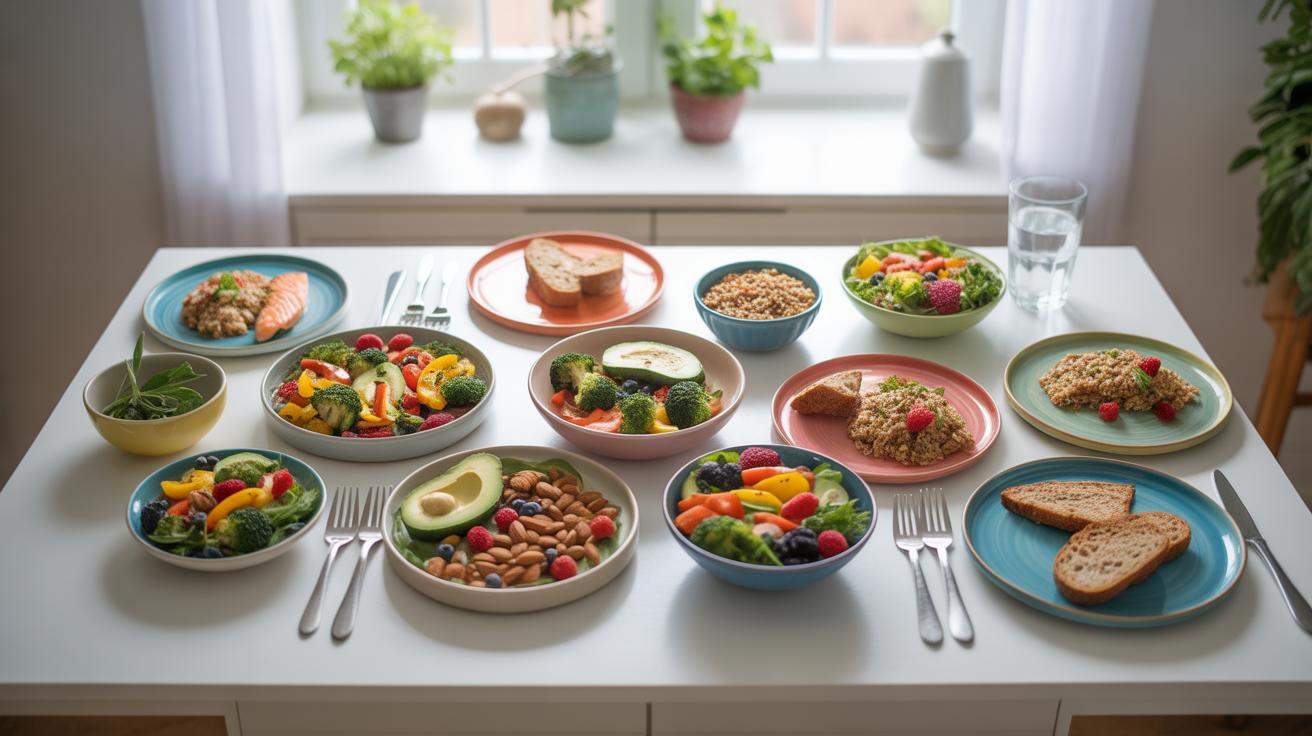
What Is The Glycemic Index And Why Does It Matter For Your Health

Understanding The Glycemic Index Scale And How It Classifies Foods
The glycemic index ranks carbohydrates on a scale from zero to one hundred based on how quickly they raise blood glucose levels. Dr. David Jenkins developed this tool in the early eighties to help people with diabetes manage their condition. Low glycemic foods score fifty-five or less. Medium foods score between fifty-six and sixty-nine. High glycemic foods score seventy or above. Pure glucose serves as the reference point with a score of one hundred.

The scale measures the quality of carbohydrates rather than the total quantity per serving. Scientists test these foods on human subjects by monitoring blood sugar response for two hours after consumption. Fiber and fat content slow down digestion and lower the score. Processing and cooking methods increase the score by breaking down starches. You use this ranking system to select fuel sources that provide steady energy instead of rapid sugar rushes.
How High Glycemic Foods Spike Blood Sugar And Contribute To Long Term Health Risks
High glycemic foods enter the bloodstream almost immediately and cause a rapid rise in blood sugar. The pancreas must pump out large amounts of insulin to move this glucose into your cells. Frequent spikes force the body into a cycle of high insulin levels followed by a sharp energy crash. This biological roller coaster creates constant hunger and sugar cravings. Your body stores the excess energy as fat when it cannot use it immediately.

Repeated exposure to high insulin levels leads to insulin resistance over time. This condition makes your cells stop responding to the hormone effectively. Your blood sugar remains elevated which damages blood vessels and organs. Chronic high glucose levels increase the risk for type 2 diabetes and heart disease. A low glycemic meal plan prevents these spikes to protect your metabolic health. Switching your food choices reduces inflammation and stabilizes your long term weight.
The Science Behind Low GI Foods And Blood Sugar Regulation

How Low GI Foods Slow Glucose Absorption And Support Insulin Sensitivity
Low glycemic foods contain complex carbohydrates and fiber that require more time to break down. This slow digestion prevents sharp spikes in blood glucose levels. When you eat these foods, the sugar enters your bloodstream at a steady pace. This process gives your body enough time to distribute energy efficiently without overwhelming your systems or causing sudden energy crashes.
Consistent blood sugar levels help maintain high insulin sensitivity over time. Rare spikes mean the pancreas releases insulin in smaller and more controlled amounts. Your cells remain responsive to this hormone when they are not constantly bombarded by high glucose levels. This biological efficiency reduces fat storage and keeps your metabolic health stable. It is the core mechanism of any effective low glycemic meal plan.
What The Research Says About Low GI Foods And Reduced Risk Of Type 2 Diabetes
Clinical studies show a direct link between low GI diets and a lower risk of developing type 2 diabetes. Large scale longitudinal research confirms that people who eat fiber rich and low GI foods have better glycemic control. These findings appear across diverse age groups and geographic regions. The data proves that dietary choices directly influence long term pancreatic function and metabolic resilience.
Medical researchers emphasize that low GI eating patterns reduce oxidative stress and systemic inflammation. Constant high blood sugar damages blood vessels and organs through a process called glycation. By choosing foods that digest slowly, you protect your body from this cellular wear and tear. Decades of nutritional science support these habits as a primary defense against metabolic syndrome and chronic endocrine disorders.
Top Low Glycemic Foods To Build Your Meal Plan Around
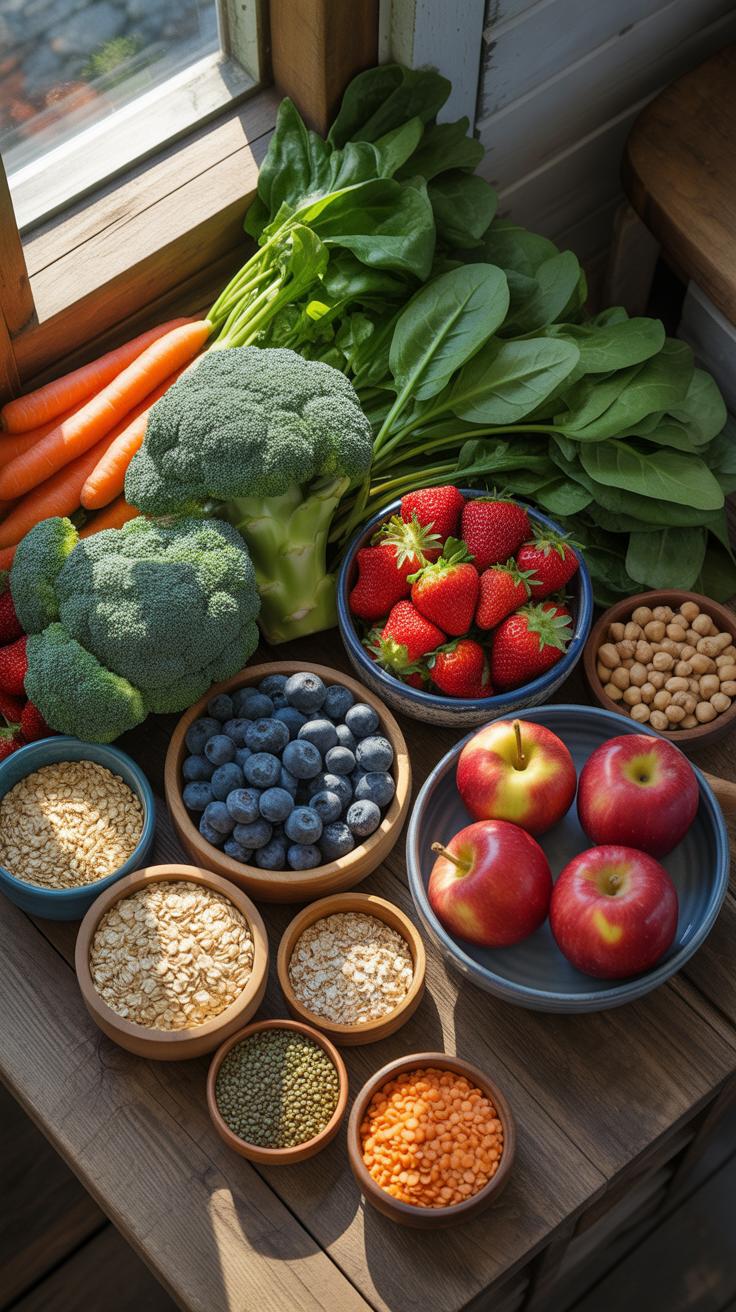
Best Low Glycemic Index Foods Across Grains, Vegetables, Fruits, And Proteins
Building a low glycemic meal plan requires selecting foods that digest slowly. This process prevents rapid insulin spikes by releasing glucose into the bloodstream at a steady pace. Focus on whole ingredients that retain their natural fiber content. Fiber acts as a physical barrier to enzymatic breakdown. Prioritize non-starchy vegetables and lean proteins to form the foundation of every daily plate.
- Steel-Cut Oats: These oats undergo minimal processing compared to instant varieties. They maintain a thick texture that takes longer for the stomach to break down. This results in a much lower glycemic index than rolled or quick-cooking oats found in most grocery stores.
- Lentils and Legumes: Beans and lentils contain high levels of resistant starch and protein. They provide a double benefit by slowing digestion and increasing satiety. These staples are essential for maintaining stable energy levels for several hours after a meal.
- Leafy Greens: Spinach, kale, and Swiss chard have almost no impact on blood sugar levels. They provide essential micronutrients and bulk without adding significant carbohydrate loads. Use these as the primary volume filler for any lunch or dinner preparation.
- Berries: Strawberries, blueberries, and raspberries offer sweetness with a low sugar concentration. They are packed with fiber and antioxidants that support metabolic health. Berries are the preferred fruit choice because they have a lower glycemic impact than tropical fruits.
- Fatty Fish and Lean Meat: Pure proteins like salmon or chicken have a glycemic index of zero because they contain no carbohydrates. Adding these to a meal slows the absorption of any carbs eaten at the same time. Protein is vital for muscle maintenance and glycemic control.
Select intact grains over flours to ensure the lowest possible glucose response. Traditional techniques like parboiling rice or choosing sourdough fermentation can also lower the glycemic impact of specific starches. Always pair a carbohydrate with a healthy fat or protein source. This strategy flattens the glucose curve even further. Consistency with these food choices ensures long-term blood sugar stability and metabolic efficiency.
Choosing food that nurtures the body is like returning to a kitchen filled with love and lasting energy. When we honor our rhythm with gentle nourishment, we find a steady peace that sustains us all day long.
Foods That Appear Healthy But Carry A Surprisingly High Glycemic Load
Marketing often disguises high glycemic foods as health products to target fitness consumers. Rice cakes and puffed cereals are prime examples of this deception. Manufacturers use high heat and pressure to process these grains. This destroys the fiber structure and creates a product that turns into sugar almost immediately upon ingestion. These items cause sharp insulin spikes despite their low calorie counts.
Tropical fruits and certain root vegetables also present risks for blood sugar management. Watermelon and overly ripe bananas contain high concentrations of fast-acting sugars. Similarly, white potatoes and parsnips possess a glycemic index comparable to table sugar when boiled or mashed. You must limit these portions or offset them with high-fiber vinegar based dressings. Strategic substitution is the only way to maintain a true low glycemic lifestyle.
How To Structure A Balanced Low Glycemic Diet For The Whole Day
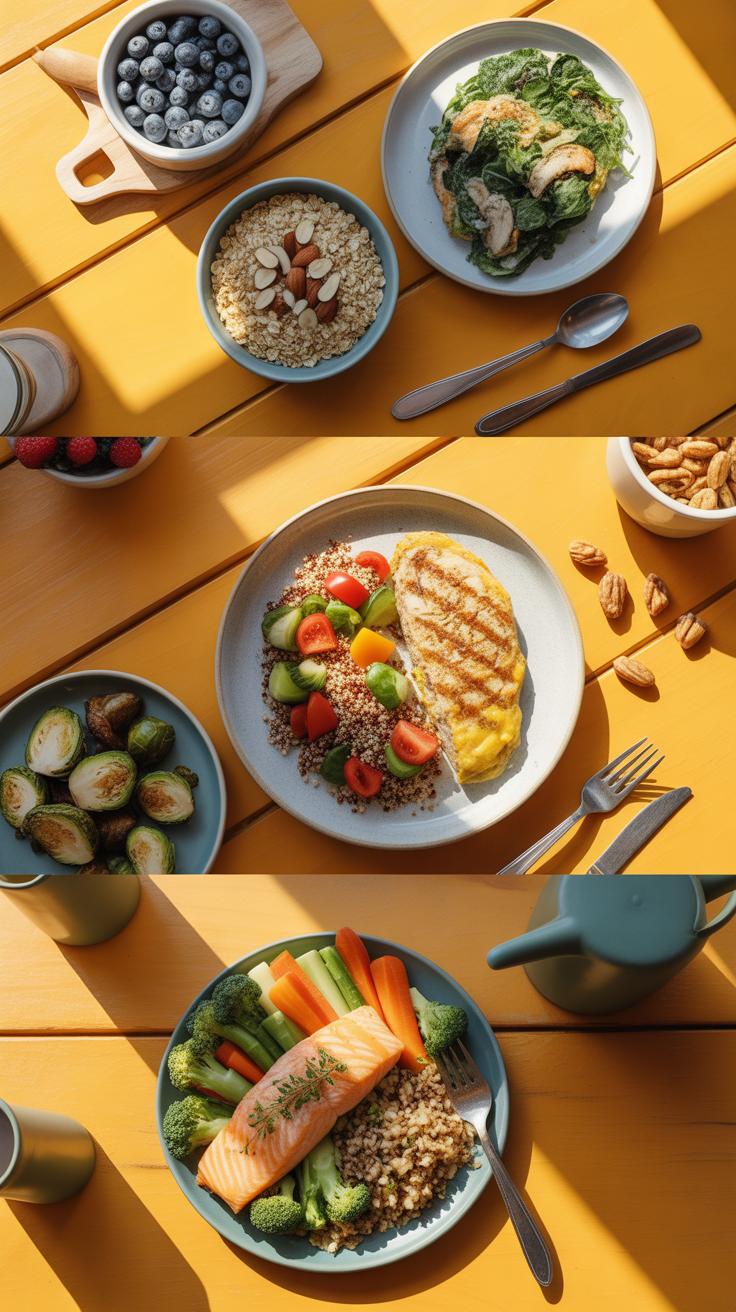
Designing A Low Glycemic Diet With The Right Ratio Of Carbs, Proteins, And Healthy Fats
A successful low glycemic meal plan relies on precise macronutrient ratios. Allocate forty percent of your calories to complex carbohydrates with a low glycemic index score. These carbs digest slowly and prevent sharp glucose spikes. Combine them with thirty percent lean protein and thirty percent healthy fats. This specific balance slows the absorption of glucose into your bloodstream. It stops the rapid rise and fall of insulin.
Proteins and fats act as metabolic buffers for carbohydrates. Protein triggers glucagon release which counters insulin effects. Healthy fats from nuts or olive oil delay gastric emptying. This delay ensures your body processes sugars at a manageable rate. Use this ratio to build every meal. Choose whole foods over processed options to maintain these ratios. This strategy keeps energy high and prevents the mid-day crash common in high-carb diets.
The Role Of Fiber, Portion Size, And Meal Timing In Keeping Blood Sugar Stable
Fiber is the most critical tool for glycemic control. Soluble fiber creates a gel-like substance in the gut. This gel traps sugars and slows their entry into the blood. Aim for thirty grams of fiber daily from vegetables and legumes. High fiber content effectively lowers the total glycemic load of your meal. It forces your digestive system to work harder and more efficiently over several hours.
Portion size and timing dictate your daily glucose curve. Large meals cause high insulin demand regardless of food quality. Eat smaller portions every four hours to maintain a steady metabolic state. Do not skip breakfast as it sets the insulin sensitivity level for the day. Stop eating three hours before sleep to allow blood sugar levels to stabilize overnight. Consistent timing prevents the extreme lows that lead to overeating and sugar cravings.
7 Day Low Glycemic Meal Plan For Blood Sugar Balance

Sample Low Glycemic Meals For Breakfast Lunch And Dinner Across The Week
A successful low glycemic meal plan focuses on slow-digesting carbohydrates and high fiber content. Start your mornings with steel-cut oats or eggs paired with non-starchy vegetables. These choices prevent the rapid glucose spikes common with sugary cereals or white toast. Ensure every breakfast includes a solid protein source to slow gastric emptying. This strategy keeps your energy levels stable until your next scheduled meal.
Lunch and dinner must prioritize lean proteins and leafy greens. Replace white rice and pasta with quinoa, farro, or roasted cauliflower. For midday meals, combine grilled chicken or chickpeas with large salads dressed in olive oil. Evening meals should feature baked fish or tofu with steamed broccoli and small portions of sweet potatoes. This rotation ensures dietary variety while maintaining a steady hormonal response throughout the entire week.
Smart Low Glycemic Snack Ideas To Keep Energy Steady Between Meals
Snacking requires tactical precision to avoid insulin spikes between main meals. Effective snacks combine healthy fats with fiber to provide a sustained release of glucose into the bloodstream. Avoid processed granola bars or crackers that lack structural integrity. Instead, choose whole foods that require minimal preparation but offer high nutritional density. These options keep your metabolic rate consistent and prevent overeating at dinner.
- Raw Almonds and Walnuts: These nuts contain healthy monounsaturated fats and protein. They require significant chewing and slow down the digestive process. A small handful provides satiety without impacting your blood sugar levels negatively throughout the busy afternoon.
- Greek Yogurt with Cinnamon: Plain Greek yogurt offers high protein content per serving. Adding cinnamon may improve insulin sensitivity according to some clinical observations. Avoid pre-sweetened varieties which contain hidden cane sugars and fruit concentrates that cause rapid spikes.
- Hummus and Sliced Cucumbers: Chickpeas provide a low glycemic index base rich in fiber and plant protein. Using cucumber slices instead of pita bread eliminates refined flour from the snack. This combination delivers hydration and crunch while maintaining very low impact on glucose.
- Hard Boiled Eggs: Eggs are a complete protein source with zero carbohydrates. They are highly portable and satisfy hunger more effectively than carbohydrate-heavy snacks. Preparing a batch ahead of time ensures you have a reliable blood sugar stabilizing option ready at all times.
- Apple Slices with Peanut Butter: Apples contain pectin which is a soluble fiber that slows sugar absorption. Pairing the fruit with natural peanut butter adds fats and proteins to further buffer the fructose. Ensure the peanut butter has no added sugars or hydrogenated oils.
Timing your snacks is just as important as the food quality itself. Eat these snacks only when you feel true physical hunger rather than out of habit or boredom. Keep portions controlled to avoid excessive caloric intake which can complicate weight management goals. Consistency in your snacking routine helps the body maintain a predictable glucose rhythm. This discipline is the foundation of long-term blood sugar health.
Easy Low Glycemic Recipes You Can Prepare In Under 30 Minutes

Simple Low Glycemic Recipes For Busy Weeknights That Do Not Compromise Nutrition
Speed requires preparation. You must stock your kitchen with protein and high fiber vegetables to keep blood sugar stable. Searing a salmon fillet takes six minutes. Pair it with steamed broccoli and a squeeze of lemon. These ingredients have a low glycemic load. They provide steady energy without the insulin spikes caused by refined pastas or white rice. Focus on whole foods.
Stir frying is a tactical solution for time poverty. Use lean beef or tofu with bell peppers and snap peas over cauliflower rice. Traditional white rice spikes glucose rapidly because it lacks fiber. Cauliflower rice provides the texture you want with a fraction of the carbohydrate count. Season with ginger and garlic instead of sugary sauces. This approach ensures a direct path to metabolic health while meeting tight schedules.
Low Glycemic Foods Recipes That Are Family Friendly And Satisfying
Feeding a family requires meals that feel familiar but act differently in the body. Swap traditional wheat pasta for chickpea or lentil varieties. These legumes contain protein and fiber that slow digestion. Top with a turkey meat sauce and plenty of spinach. Kids get the flavor they expect while parents achieve blood sugar control. It is a functional trade that avoids the post-dinner energy crash.
Sheet pan meals maximize efficiency and control sugar response. Roast chicken thighs with zucchini, onions, and sweet potatoes. Sweet potatoes have a lower glycemic index than white potatoes when cooked briefly. This method keeps the entire family full because healthy fats and fiber create satiety. You minimize cleanup and eliminate the need for processed side dishes. Strategy in the kitchen produces better health outcomes for every person at the table.
How A Low GI Diet Supports Weight Management And Metabolic Health
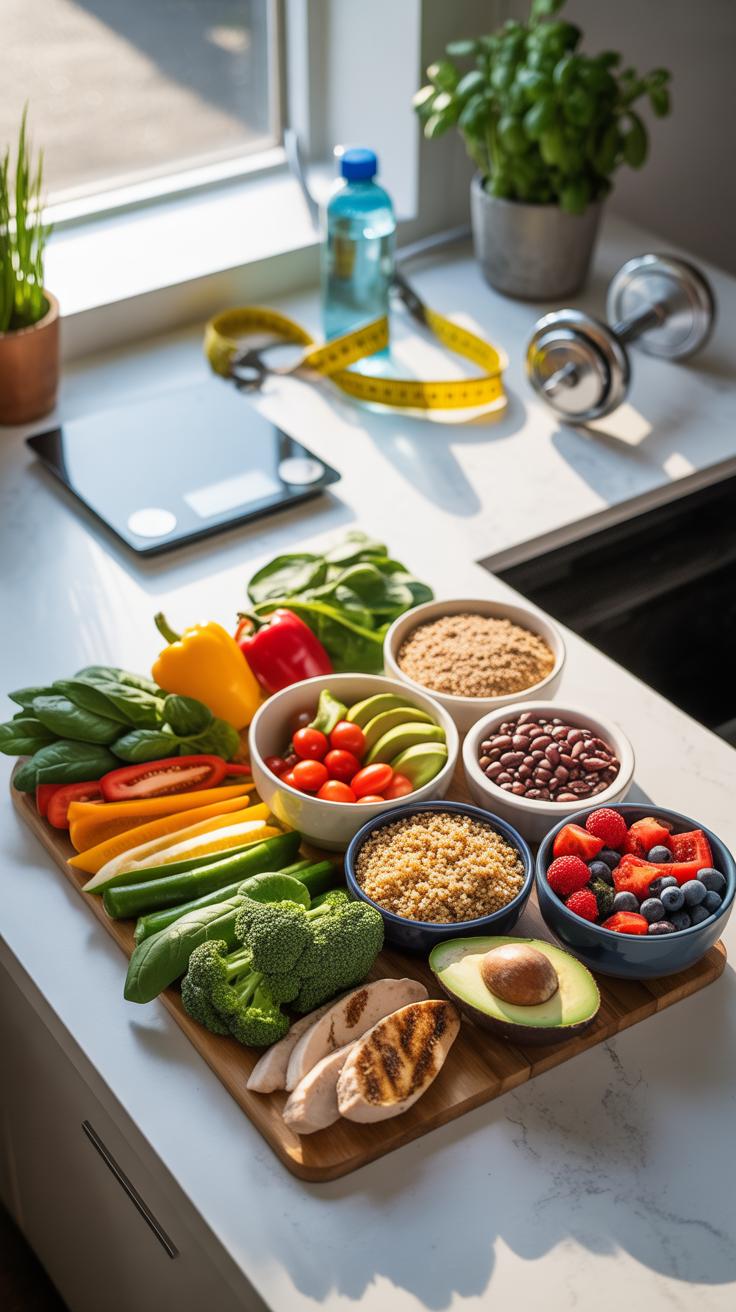
Why A Low GI Diet Helps Reduce Hunger Hormones And Supports Healthy Body Weight
High glycemic foods cause rapid spikes in blood glucose. Your body responds by releasing large amounts of insulin. This process clears sugar from the blood too quickly and triggers early hunger. A low glycemic meal plan stabilizes these levels. It prevents the crash that drives you to eat more. You stay full longer because your energy supply remains steady throughout the morning and afternoon.
Managing insulin levels is the primary lever for fat loss. High insulin signals the body to store fat rather than burn it for fuel. By choosing low GI carbohydrates, you lower the total insulin demand on your system. This metabolic shift encourages the body to access stored fat for energy. Consistent blood sugar control reduces cravings for sugary snacks. It creates a sustainable environment for long-term weight maintenance.
The Connection Between A Low Glycemic Eating Pattern And Improved Cholesterol Levels
Metabolic health depends on more than just weight. A low GI diet directly affects your lipid profile. High sugar intake often leads to elevated triglycerides and low levels of good cholesterol. Replacing fast-digesting carbs with slow-digesting versions improves these markers. This shift reduces the production of very low-density lipoproteins in the liver. It protects your arteries from buildup and improves overall cardiovascular function.
Low glycemic foods usually contain high amounts of soluble fiber. This fiber binds to bile acids in the digestive tract. Your body must use existing cholesterol to produce more bile. This natural process lowers the amount of bad cholesterol circulating in your blood. Better glucose control also prevents the glycation of proteins. This reduces the inflammation that causes plaque to form. Focus on whole grains and legumes to achieve these results.
Who Benefits Most From Following A Hypoglycemic Diet

How A Hypoglycemic Diet Helps People With Diabetes Prediabetes And Insulin Resistance
Individuals with diabetes or prediabetes require strict control over glucose entry into the bloodstream. High glycemic foods cause rapid spikes that strain the pancreas and damage blood vessels over time. A low glycemic meal plan slows down carbohydrate digestion. This prevents dangerous glucose peaks and allows the body to manage insulin levels more effectively. It reduces the need for heavy pharmaceutical intervention.
Insulin resistance occurs when cells stop responding to the hormone that clears sugar from the blood. Constant exposure to high glucose levels worsens this condition. Following a low glycemic strategy improves insulin sensitivity by reducing the total workload on metabolic systems. Stabilizing blood sugar helps repair the signaling pathways between cells and insulin. This reduces systemic inflammation and slows the progression of chronic metabolic diseases.
Can Healthy Individuals Benefit From A Hypoglycemic Diet For Energy And Focus
Healthy people find that a low glycemic meal plan eliminates the midday energy crash. High sugar intake causes a rapid rise in blood glucose followed by a sharp drop. This drop triggers fatigue and brain fog. By eating slow-burning carbohydrates, you maintain a steady supply of fuel to the brain. Consistent glucose levels support sustained cognitive performance and prevent the typical afternoon slump.
Sustained energy levels also improve physical stamina and weight management. When blood sugar stays level, the body burns stored fat for fuel more efficiently. Chronic spikes in glucose signal the body to store excess energy as adipose tissue. Avoiding these spikes helps healthy individuals maintain a lean body composition. Steady blood sugar also reduces intense food cravings and prevents overeating during the day.
Practical Tips For Transitioning To Low Glycemic Meals Every Day

How To Swap High Glycemic Staples For Low Glycemic Meals Without Feeling Deprived
Successful transitions focus on direct substitution rather than total elimination. Replace white rice with cauliflower rice or pearl barley to lower the meal’s impact on blood glucose. Standard white bread triggers rapid insulin spikes due to its high starch content. Switch to sprouted grain or stone-ground sourdough. These options contain more fiber and slow down the digestion of carbohydrates. You maintain texture while improving metabolic response.
Focus on the glycemic load of your entire plate. Pair any remaining high glycemic foods with healthy fats and proteins. Add avocado or olive oil to potatoes to delay gastric emptying. This strategy prevents the sharp sugar crashes that cause hunger. Choose whole fruit over fruit juices to keep essential fiber intact. These small adjustments build a sustainable low glycemic meal plan without requiring a complete lifestyle overhaul.
Meal Prepping Strategies That Make Sticking To Low Glycemic Meals Easier All Week
Efficiency drives consistency in any nutritional plan. Dedicate one day to batch cooking legumes and steel cut oats. These complex carbohydrates store well and take longer to cook than processed versions. Pre-cook large batches of chicken or lean beef to ensure protein is always available. Having these components ready prevents you from reaching for high glycemic convenience foods during busy work hours or late evenings.
Organize your refrigerator by portioning snacks and meals into clear containers. Wash and cut non-starchy vegetables immediately after shopping. High-fiber greens and peppers are your primary tools for adding volume to meals without increasing sugar load. Prepare a signature low-sugar vinaigrette to use throughout the week. This eliminates hidden sugars found in commercial dressings. Tactical preparation is the only way to maintain a stable blood sugar profile long-term.
Common Mistakes To Avoid On A Low Glycemic Diet Plan

Why Ignoring Glycemic Load Instead Of Only Glycemic Index Can Derail Your Progress
The Glycemic Index measures how fast a food raises blood sugar. It ignores the total amount of starch or sugar in a serving. You can eat a food with a low index score but still consume too many total carbohydrates. This oversight causes insulin spikes that stall your progress. You must track the Glycemic Load to understand the real impact of your plate.
Glycemic Load provides a complete picture by factoring in portion size. It multiplies the Glycemic Index by the net carbohydrates in a specific serving. Watermelon has a high index but a low load because it is mostly water. Conversely, eating large amounts of low index pasta still floods your blood with glucose. Use load calculations to manage your daily insulin response and keep energy levels stable.
How Over Relying On Processed Low Glycemic Products Can Undermine Your Health Goals
Food manufacturers use the low glycemic label to sell highly processed snacks. These items often contain industrial seed oils and synthetic thickeners. They lack the fiber and micronutrients found in whole foods. Choosing a processed bar over a handful of walnuts increases your intake of chemical additives. These ingredients can cause gut inflammation and slow down your metabolic rate over time.
Processed diet foods frequently swap sugar for sugar alcohols or artificial sweeteners. These substitutes can trigger cravings and disrupt your natural hunger signals. Your body needs density and volume from real vegetables and proteins to feel full. Do not trust a package just because it claims a low glycemic score. Prioritize single ingredient foods to ensure you get the tactical nutrition required for lasting blood sugar control.
Frequently Asked Questions

What exactly is a low glycemic meal plan and how does it help?
A low glycemic meal plan focuses on consuming carbohydrates that digest slowly, leading to a gradual rise in blood sugar rather than sharp spikes. By choosing foods with a low Glycemic Index (GI) score, such as legumes, non-starchy vegetables, and whole grains, you can maintain steady energy levels throughout the day. This approach is highly effective for improving metabolic health, managing weight, and reducing the risk of long-term insulin resistance.
How do I start building a low glycemic meal plan for my daily routine?
To create a successful low glycemic meal plan, start by swapping refined “white” carbohydrates for fiber-rich alternatives like quinoa, sweet potatoes, or steel-cut oats. Always pair your carbs with a source of lean protein or healthy fat to further slow glucose absorption. Focus on filling half your plate with colorful leafy greens and choosing whole fruits over juices to ensure you are getting the fiber necessary for blood sugar stability.
Is it possible to follow a low glycemic diet on a tight budget?
Absolutely. Many of the most effective low GI foods are incredibly affordable kitchen staples. Dried beans, lentils, chickpeas, and oats are inexpensive powerhouses that form the backbone of a healthy diet. Buying frozen non-starchy vegetables and seasonal produce also keeps costs down. You don’t need expensive “superfood” supplements to see results; simple, whole ingredients found at any local grocery store are perfect for maintaining steady blood sugar levels.