
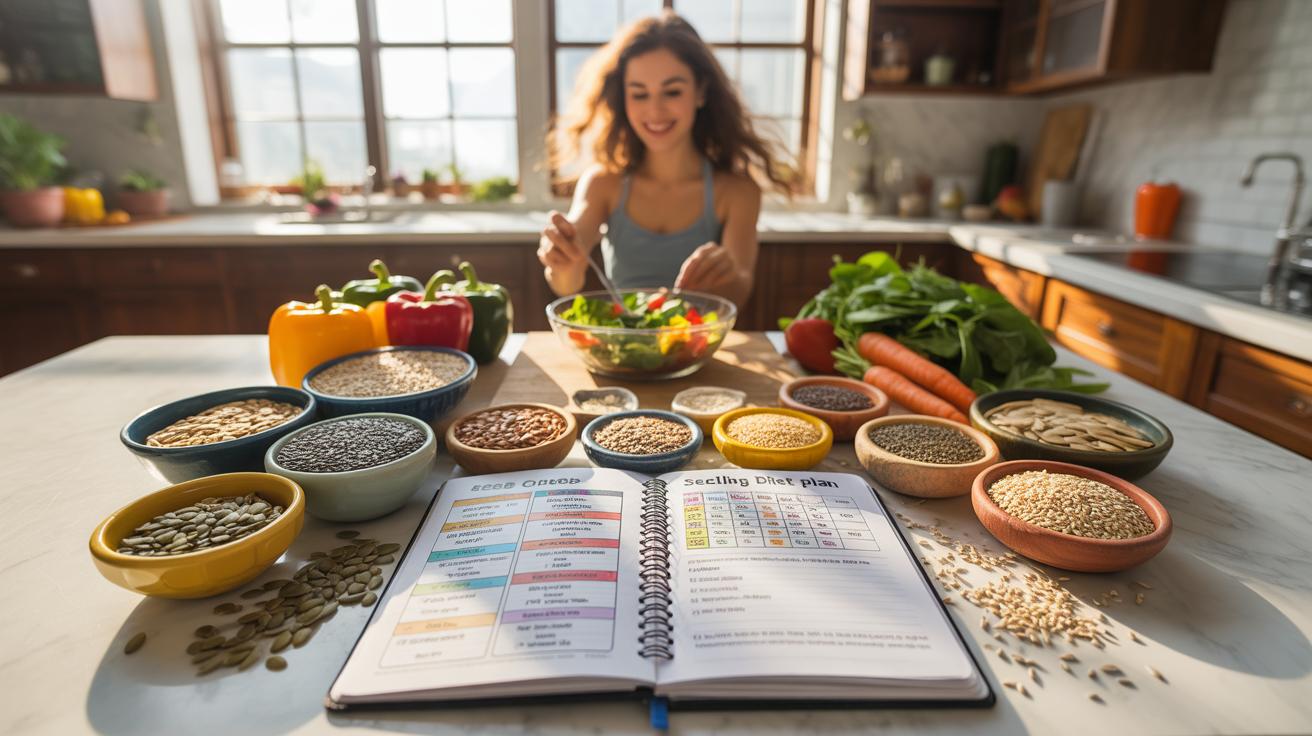
What Is Seed Cycling And Where Did It Come From
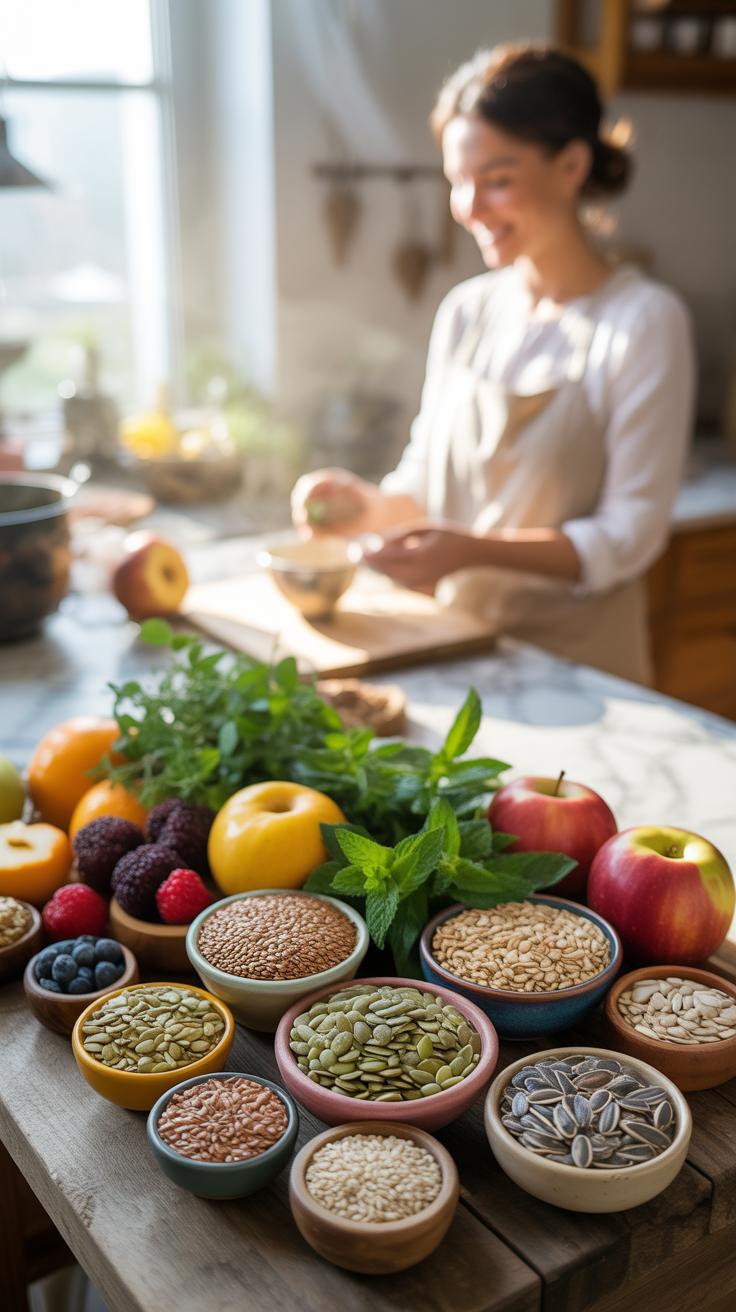
Defining The Practice: The Core Idea Behind Seed Cycling
Seed cycling is a dietary protocol using four specific seeds to regulate the menstrual cycle. It focuses on the intake of flax, pumpkin, sesame, and sunflower seeds. Proponents claim these seeds balance estrogen and progesterone levels. You eat ground flax and pumpkin seeds during the first half of your cycle. You switch to sesame and sunflower seeds during the second half of your cycle.
The protocol relies on the presence of lignans and essential fatty acids in these seeds. Lignans are phytoestrogens that supposedly bind to estrogen receptors to modulate hormone activity. The zinc and vitamin E content in the seeds aim to support progesterone production after ovulation happens. Advocates suggest this method reduces symptoms of hormonal imbalance like irregular periods or skin issues. It represents a food based approach to reproductive health.
Origins And Popularity: How Seed Cycling Entered The Wellness Conversation
The exact origin of seed cycling remains unclear in clinical history. It does not stem from a single medical breakthrough or a specific ancient text. Instead, it emerged through the naturopathic medicine community in the late twentieth century. Practitioners began recommending it as a low risk intervention for hormonal complaints. It gained traction as an alternative to synthetic hormone replacement for managing mild symptoms.
Social media and wellness influencers accelerated its popularity over the last decade. It fits the modern demand for natural health solutions and cycle syncing. Digital platforms allow users to share anecdotal success stories which drive widespread adoption. While large scale clinical trials are lacking, the practice remains a staple in integrative nutrition. It occupies a significant space in the current functional medicine landscape for women.
How The Seed Cycle Works Phases Seeds And Timing
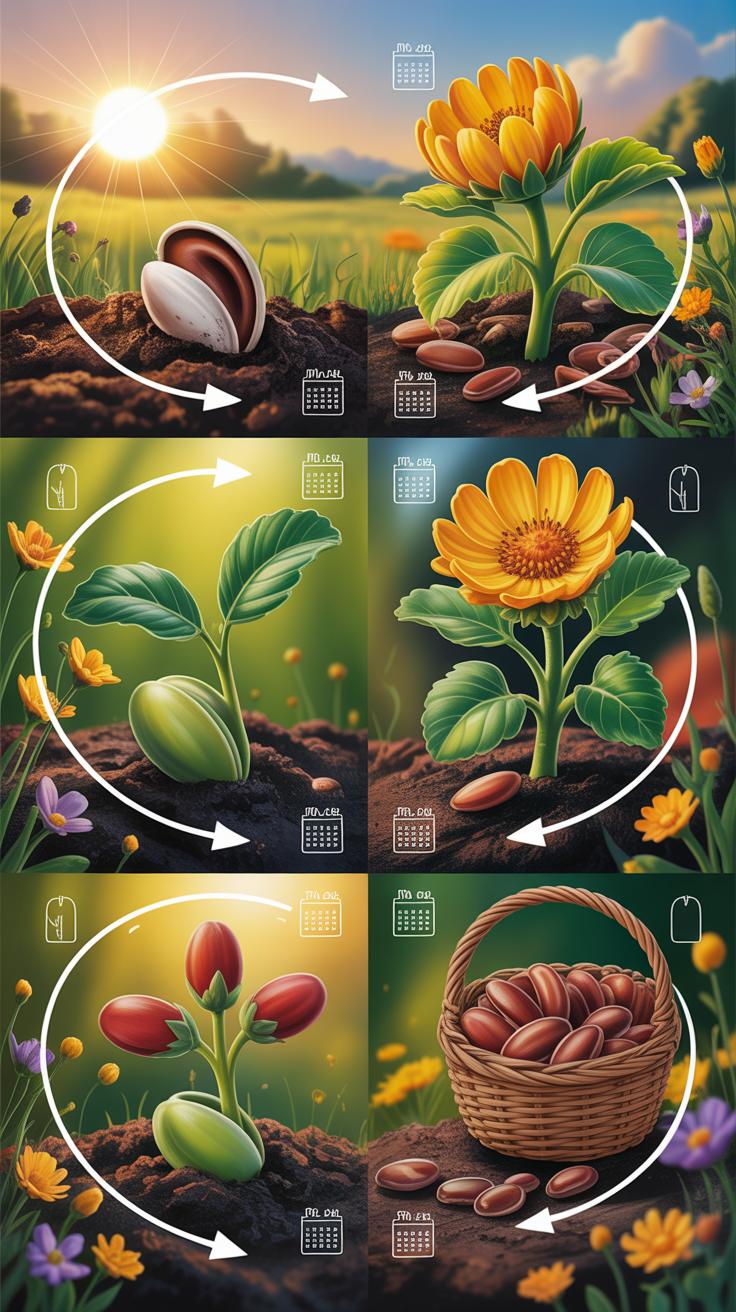
The Follicular Phase: Flaxseeds And Pumpkin Seeds Explained
The follicular phase begins on the first day of menstruation. During this time, the body requires balanced estrogen levels to build the uterine lining. You consume one tablespoon each of raw, ground flaxseeds and pumpkin seeds daily. Flaxseeds contain lignans which bind to excess estrogen. This process helps regulate the hormone. Pumpkin seeds provide high levels of zinc. Zinc supports healthy progesterone production for the next phase.
Proper preparation of these seeds is vital for nutrient absorption. You must grind the seeds to break the hard outer hulls. Whole seeds often pass through the digestive tract without releasing their oils. Use a coffee grinder or blender for this task. Store the ground seeds in the refrigerator to prevent oxidation. Freshness ensures the fatty acids remain stable. Follow this protocol from day one until ovulation occurs.
The Luteal Phase: Sesame Seeds And Sunflower Seeds And Their Roles
The luteal phase starts immediately after ovulation and lasts until the next period. Progesterone levels should rise during this window to maintain the uterine lining. You switch your intake to one tablespoon each of raw, ground sesame seeds and sunflower seeds. Sesame seeds contain lignans that block excess estrogen during this shift. Sunflower seeds are rich in vitamin E. This vitamin supports natural progesterone production and liver function.
Consistency determines the efficacy of this dietary tactic. Selenium from sunflower seeds helps the liver detoxify used hormones. Sesame seeds provide calcium which may reduce physical discomfort before menstruation starts. Always choose raw seeds over roasted versions to protect the delicate fats. High heat destroys the specific nutrients required for this hormonal work. This phase typically lasts fourteen days in a standard cycle. Track your ovulation to time the switch accurately.
Understanding Seed Cycling Hormones Estrogen Progesterone And The Cycle Connection
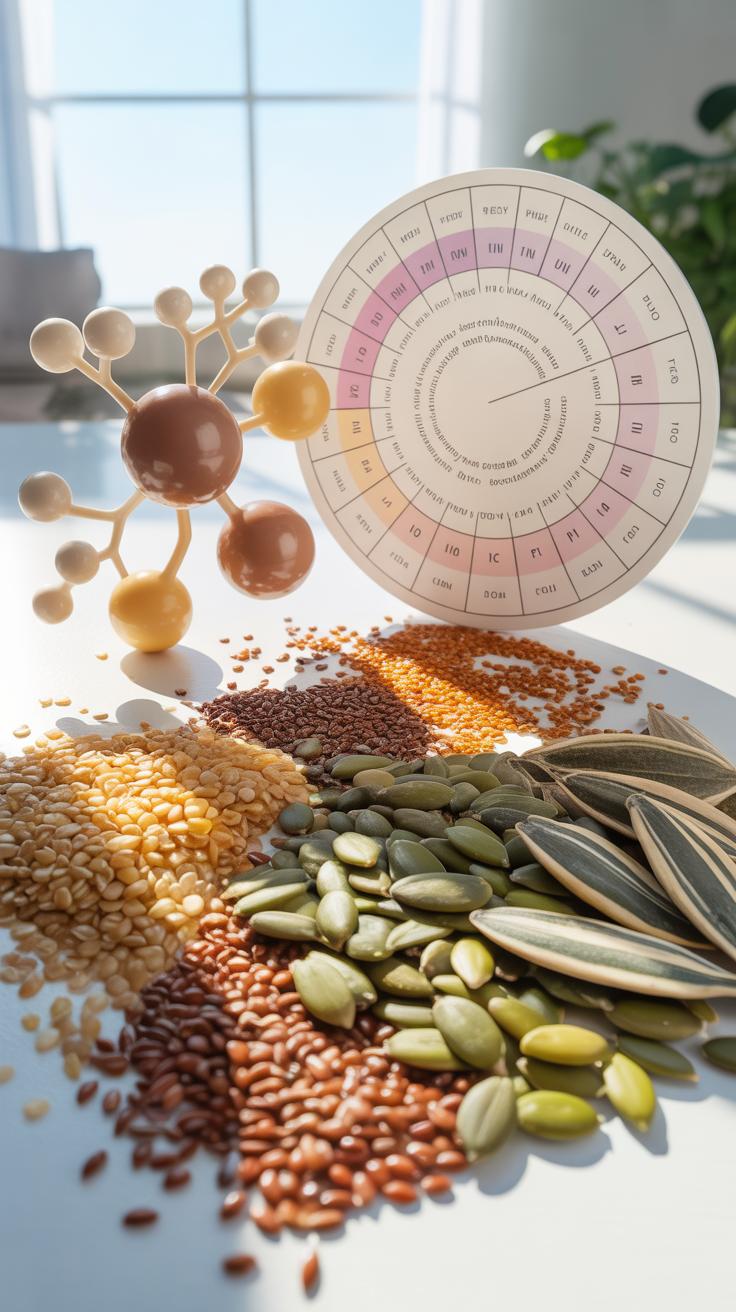
How Estrogen And Progesterone Fluctuate Throughout The Menstrual Cycle
The menstrual cycle consists of two main phases separated by ovulation. During the follicular phase, estrogen levels rise steadily to thicken the uterine lining. This phase begins on the first day of menstruation. Peak estrogen levels trigger the release of a mature egg. Accurate tracking shows that estrogen dominates the first half of the cycle. Proper balance ensures the body prepares correctly for potential pregnancy.
After ovulation, the luteal phase begins and progesterone becomes the primary hormone. The corpus luteum produces progesterone to maintain the uterine environment. If fertilization does not occur, both progesterone and estrogen levels drop sharply. This decline triggers the shedding of the uterine lining during menstruation. The cycle then repeats. Understanding these shifts is the foundation for any targeted nutritional intervention regarding female hormonal health.
Just as our grandmothers tended their gardens with the changing seasons, nurturing your body with the simple rhythm of seeds is a beautiful way to honor your own natural cycles. True healing often begins when we return to the gentle, earthy wisdom of nature.
What Nutrients In These Seeds Could Theoretically Do For Hormone Levels
Seeds contain specific compounds that interact with hormonal pathways. Flax and pumpkin seeds are rich in lignans. These polyphenols can bind to estrogen receptors. They may help modulate estrogen activity when levels are too high or too low. Fiber in these seeds also aids the liver in processing excess hormones. This mechanism aims to maintain a stable hormonal environment during the first phase.
In the second phase, sesame and sunflower seeds provide zinc and vitamin E. Zinc supports the production of progesterone by the corpus luteum. Selenium in sunflower seeds aids liver detoxification and thyroid function. These nutrients provide the raw materials needed for hormone synthesis. While clinical evidence remains limited, the strategy relies on the high nutrient density of these specific seeds to support natural endocrine transitions.
The Seed Cycling Chart A Practical Look At The Day By Day Approach
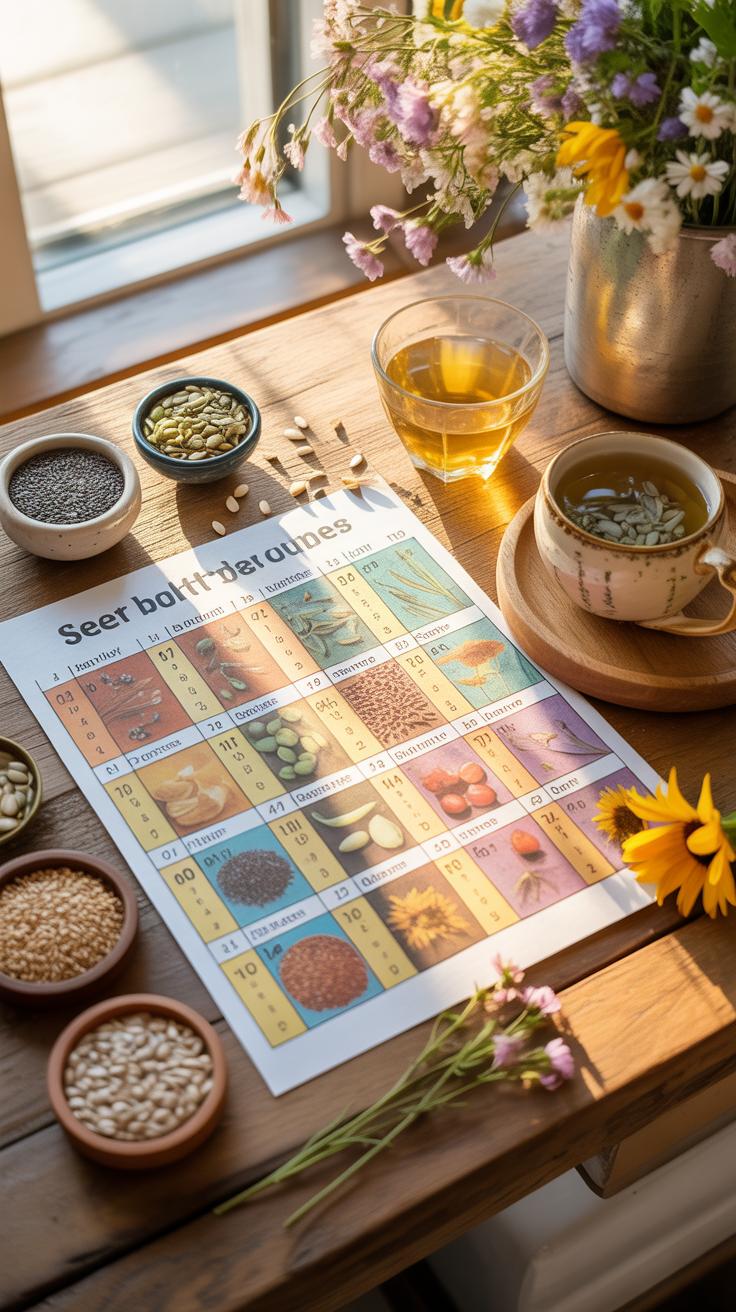
Breaking Down The Two Phase Rotation: Days 1–14 Vs. Days 15–28
The first phase covers day one to day fourteen of your cycle. This phase begins on the first day of your period. You consume one tablespoon each of raw ground flax and pumpkin seeds daily. These seeds contain lignans and omega-3 fatty acids. Proponents claim these nutrients support estrogen levels during the follicular stage. Use only raw seeds to prevent heat from damaging the essential fatty oils.
The second phase runs from day fifteen to day twenty-eight. This typically starts right after ovulation occurs. You switch to one tablespoon each of raw ground sesame and sunflower seeds. These seeds provide zinc and vitamin E. Proponents state these nutrients aid progesterone production during the luteal phase. Consistency is the primary factor for success. Always grind the seeds fresh to ensure your body absorbs the nutrients effectively.
How To Adapt The Seed Cycling Chart If Your Cycle Is Irregular
Irregular cycles require a different baseline for timing. You cannot rely on a standard period to signal the phase shift. Many users follow the phases of the moon to track their seed rotation. You start flax and pumpkin seeds on the new moon. You switch to sesame and sunflower seeds on the full moon. This method provides a consistent twenty-eight-day rhythm for your body.
Tracking your basal body temperature or cervical mucus offers more precise data. These markers tell you exactly when ovulation happens. When you detect ovulation, switch to the second phase seeds immediately. This custom approach aligns the seeds with your actual biological signals rather than a fixed calendar. Use a dedicated app or paper chart to record these physical changes. Precision improves the tactical application of the protocol.
Seeds For Menstrual Cycle Support What The Nutritional Science Actually Says
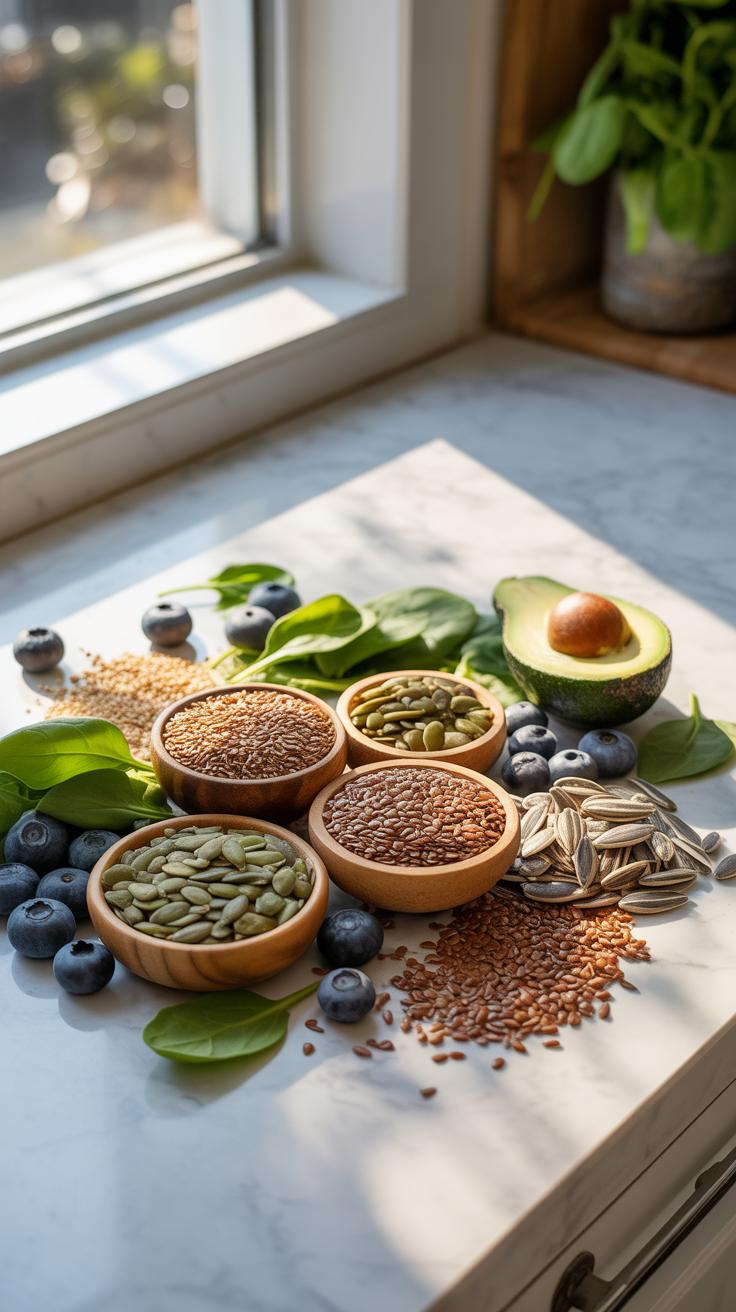
Key Compounds In Flax, Pumpkin, Sesame, And Sunflower Seeds And Their Known Effects
Flax and sesame seeds contain high concentrations of lignans. These polyphenolic compounds act as phytoestrogens. They can bind to estrogen receptors in the body. This process helps modulate estrogen activity during the follicular and luteal phases. Flax seeds specifically provide alpha-linolenic acid. This omega-3 fatty acid reduces systemic inflammation. Pumpkin and sunflower seeds provide vitamin E and zinc. These nutrients support healthy progesterone production levels.
Zinc in pumpkin seeds aids cell division and hormone signaling. Selenium in sunflower seeds supports thyroid function and liver detoxification. These seeds also provide essential fatty acids like linoleic acid. These fats serve as building blocks for hormone synthesis. Magnesium is another critical mineral found in these seeds. It helps relax smooth muscles and may reduce cramping. The fiber content in all four seeds promotes regular estrogen excretion via the gut.
What Current Research Does And Does Not Confirm About Menstrual Seed Cycling
Scientific data does not prove that eating specific seeds on specific days balances hormones. Most studies focus on individual ingredients rather than the four-seed rotation protocol. Large clinical trials on the total seed cycling method do not exist. Researchers know that lignans can influence the menstrual cycle length. However, they have not confirmed that rotating seeds creates a predictable hormonal shift. Most evidence remains anecdotal or based on small pilot studies.
The nutritional benefits of these seeds are factual and well-documented. Consuming seeds increases your intake of fiber, minerals, and healthy fats. These components improve overall metabolic health and reduce inflammation. Better metabolic health often leads to more regular cycles and fewer symptoms. You should view seed cycling as a way to increase nutrient density. Do not expect it to replace medical treatments for serious endocrine disorders like PCOS or clinical infertility.
Seed Cycling For Hormone Balance Real Benefits Realistic Expectations

Reported Benefits From Women Who Practice Seed Cycling For Hormonal Balance
Women choose seed cycling to manage specific menstrual symptoms through dietary shifts. Many report a reduction in breast tenderness and monthly bloating during the luteal phase. Users often claim that the consistent intake of lignans and fatty acids helps regulate the length of their cycles. These anecdotal reports suggest that the practice provides a structured way to track hormonal shifts while improving daily nutrition.
Adopting this routine often leads to better energy levels throughout the month. Some practitioners notice fewer mood swings and improved skin clarity. The ritual of adding seeds to meals encourages a focus on health that can lower stress. While these physical changes vary by person, the primary reported benefit is a sense of control over reproductive health. Most users value the low cost and simplicity of the method.
What Experts And Dietitians Say About The Evidence Gap
Medical experts confirm that seeds provide essential nutrients like zinc, selenium, and vitamin E. However, they note a lack of large clinical trials specifically testing the four-seed rotation. No peer-reviewed studies prove that eating seeds in a specific order changes blood hormone levels. Dietitians view the practice as a healthy dietary addition rather than a medical cure. They warn against replacing prescriptions with seeds alone.
The evidence gap exists because nutrition research is expensive and hard to control. Scientists agree that the fiber and healthy fats in seeds support general wellness. They emphasize that any perceived benefits might come from better overall nutrition. While the specific timing lacks proof, the ingredients are safe and beneficial for most people. Health professionals suggest using seed cycling as a complementary tool alongside proven medical advice and lifestyle changes.
Who Might Benefit From Seed Cycling And Who Should Approach With Caution
Conditions Like PCOS, PMS, And Perimenopause: Is There A Case For Seed Cycling?
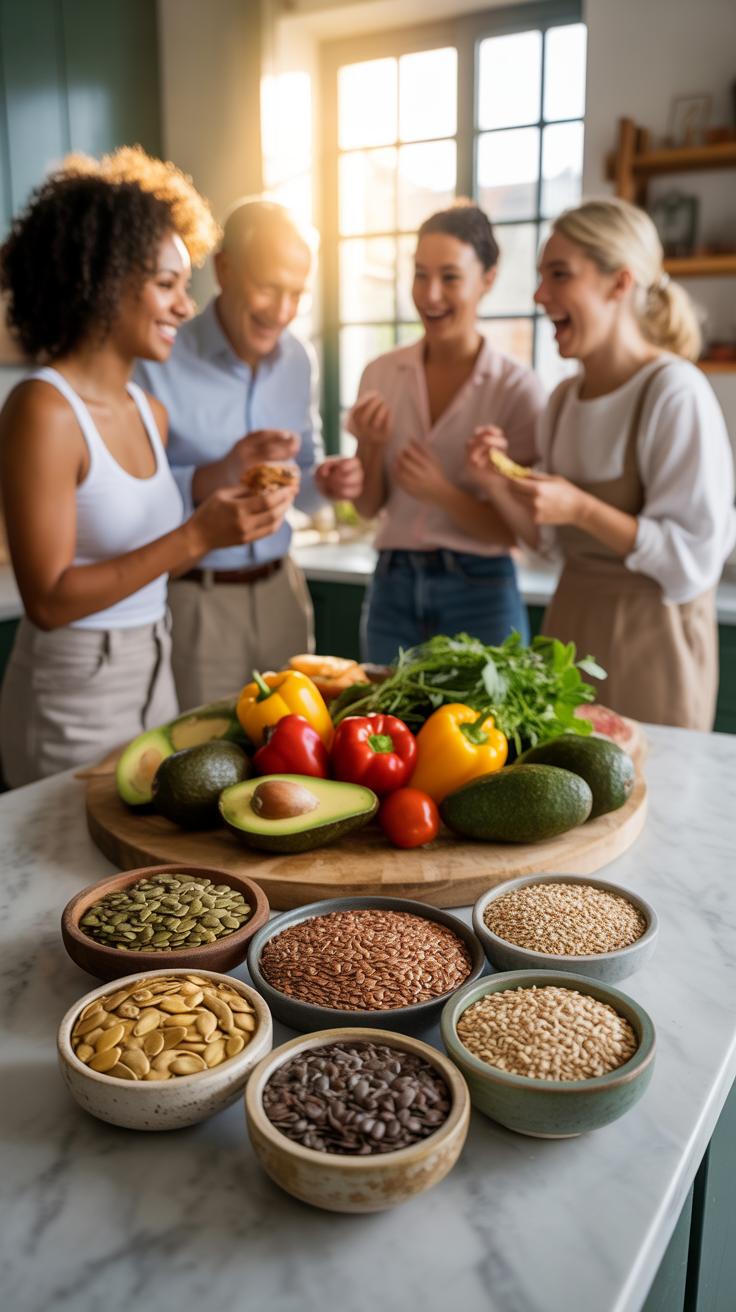
Women with PCOS often face irregular cycles and high androgen levels. Seed cycling provides lignans and omega-3 fatty acids that may help manage these symptoms. Flax seeds specifically bind to excess estrogen to help clear it from the body. This practice offers a low-risk dietary intervention for those seeking to regulate ovulation. It focuses on providing specific nutrients during different cycle phases.
For PMS and perimenopause, the goal is reducing breast pain and mood swings. Pumpkin and sesame seeds provide zinc and vitamin E to support progesterone production. These nutrients help balance the estrogen dominance often seen in aging reproductive systems. While seeds are not a primary cure, they provide a foundations of fiber and minerals. This approach helps stabilize the body during significant hormonal shifts and transitions.
Contraindications And Considerations: When To Talk To Your Doctor First
Do not start seed cycling if you have a history of estrogen-sensitive cancers. Some seeds contain phytoestrogens that mimic human hormones in the body. While these are weaker than natural estrogen, they can still interfere with specific cancer treatments. Always consult an oncologist before changing your intake of seeds like flax or sesame. Safety requires a clear understanding of your specific medical profile.
Individuals with digestive disorders like diverticulitis or inflammatory bowel disease must use caution. Rough seeds can irritate the gut lining or cause painful flare-ups during active stages. You may need to grind seeds into a fine powder to reduce irritation. If you take blood thinners, the high vitamin E content in seeds may pose a risk. Discuss these dietary changes with a physician to avoid harmful interactions with medications.
How To Start Seed Cycling A Simple Practical Guide For Beginners
Step By Step: How To Incorporate Seeds Into Your Daily Routine
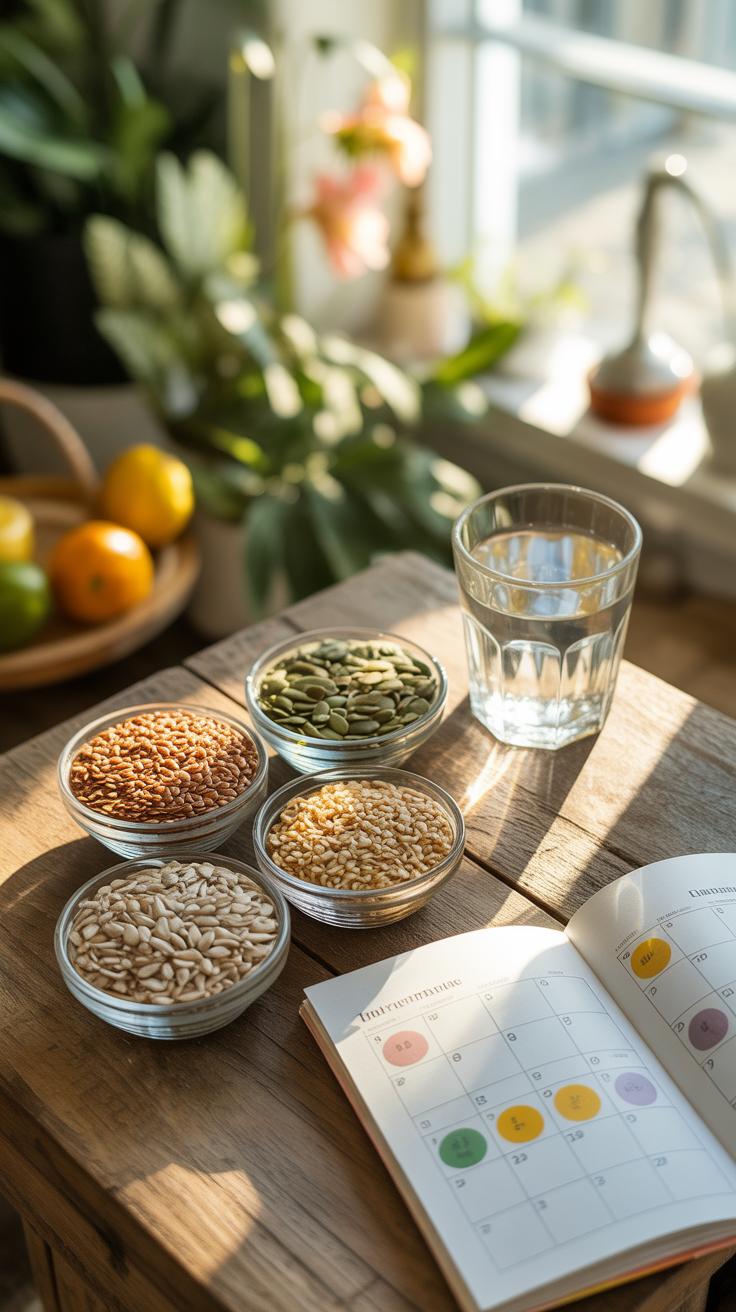
Seed cycling requires strict adherence to your menstrual cycle or the lunar phases. You must track your start date to identify the follicular and luteal phases. The follicular phase begins on day one of your period. The luteal phase starts after ovulation, usually around day fifteen. You will consume specific raw, ground seeds daily to align with these two distinct hormonal windows.
- Track Your Cycle: Identify day one of your period to start the follicular phase. If your cycle is irregular or absent, follow the lunar calendar by starting on the new moon. Consistency is the only way to measure results over time.
- Phase One Dosing: Consume one tablespoon of raw ground pumpkin seeds and one tablespoon of raw ground flax seeds daily. This phase lasts from day one until you ovulate. These seeds contain lignans and omega-3 fatty acids required during this specific time.
- Phase Two Dosing: Switch to one tablespoon of raw ground sesame seeds and one tablespoon of raw ground sunflower seeds daily. This shift occurs at ovulation and continues until your next period begins. These seeds provide zinc and vitamin E to support the luteal phase.
- Integration Methods: Mix your daily seed dose into cold or room temperature foods. Popular options include smoothies, yogurt, oatmeal, or salads. Avoid baking the seeds into high-heat recipes as extreme temperatures can degrade the sensitive oils and nutrients you need.
- Maintain a Log: Document your symptoms and cycle dates in a journal or app. Note changes in skin, mood, and pain levels over three months. Changes in hormone levels happen slowly, so you must stay patient and disciplined with your daily intake.
Precision is the key to success with this protocol. Missing days or swapping seed types disrupts the intended nutritional balance. Most users require three full cycles to notice any physiological changes. Do not expect instant results. Treat seed cycling as a long-term nutritional habit rather than a quick fix. Stop the routine if you experience any adverse digestive reactions or allergic symptoms.
Tips For Choosing, Storing, And Preparing Your Seeds For Maximum Nutritional Value
Quality control determines the efficacy of your seed cycling routine. Buy organic, raw seeds to avoid pesticide exposure and heat processing. Pre-roasted seeds lack the original nutrient profile necessary for hormone support. Processing the seeds yourself ensures freshness. Buy in bulk to save money but process in small batches to prevent the oils from turning rancid before you can eat them.
- Buy Raw Only: Ensure all seeds are raw and unpasteurized. Roasted seeds have undergone heat treatment that damages vital fatty acids. Check labels carefully to confirm no salt, sugar, or oils were added during the packaging process at the factory.
- Grind Before Use: Use a coffee grinder or high-speed blender to break down the seeds. Whole seeds often pass through the digestive tract undigested due to their tough outer hulls. Grinding increases the surface area and allows your body to absorb the lignans.
- Store in Cold: Place all seeds and ground meals in airtight glass containers in the refrigerator or freezer. The unsaturated fats in flax and sunflower seeds oxidize quickly when exposed to light, heat, and oxygen. Cold storage preserves the chemical integrity of the oils.
- Small Batch Prep: Grind only enough seeds for two or three days at a time. Freshly ground seeds offer the highest nutritional potency. If you must prep for a full week, store the mixture in the back of the freezer to minimize oxygen exposure.
- Check for Rancidity: Smell your seeds before consuming them. If they have a bitter or soapy odor, the oils have likely oxidized. Rancid fats cause inflammation and negate the benefits of the protocol. Throw away any seeds that do not smell neutral or nutty.
Proper preparation prevents your body from wasting the nutrients. If you do not grind the seeds, you gain fiber but lose the hormonal benefits of the internal oils. Always prioritize the storage environment to protect your investment. Light and heat are the primary enemies of seed quality. Follow these storage and preparation rules to ensure you are consuming active, beneficial compounds daily.
Frequently Asked Questions

What exactly is seed cycling and how does it help regulate hormones?
Seed cycling is a natural wellness practice that involves eating specific seeds during different phases of your menstrual cycle to support hormonal balance. During the follicular phase, you consume flax and pumpkin seeds to support estrogen. In the luteal phase, you switch to sesame and sunflower seeds to promote progesterone. Proponents believe the lignans and essential fatty acids in these seeds help stabilize hormone fluctuations and ease symptoms like bloating or mood swings.
How do I incorporate these seeds into my daily meals for the best results?
Integrating seed cycling into your lifestyle is simple and delicious. For the best nutrient absorption, use a coffee grinder to freshly grind your seeds and consume about one to two tablespoons daily. You can easily sprinkle them over your morning oatmeal, blend them into a creamy fruit smoothie, or toss them into a fresh garden salad. Consistency is key, so find a daily habit that makes sticking to the rotation feel effortless.
Is seed cycling expensive to maintain, and can I use roasted seeds instead?
One of the best things about this practice is that it is very budget-friendly compared to expensive supplements. You can often find these seeds in bulk bins at your local grocery store to save money. For maximum benefits, it is recommended to use raw, organic seeds whenever possible. Raw seeds retain their delicate oils and nutrients better than roasted varieties, ensuring you get the full nutritional profile needed for supporting your natural cycles.