

How Nutrition Needs Shift For Healthy Foods For Women Entering Their 40s

The Biological Changes That Alter Your Nutritional Requirements
Perimenopause typically begins in your 40s. Estrogen levels start to fluctuate and eventually decline. This shift changes how your body stores fat and processes insulin. You will likely notice more weight gain around your midsection. Your bone density also begins to decrease during this decade. You must prioritize specific nutrients to counteract these hormonal drops and protect your skeletal structure from future fractures.

Muscle mass naturally declines by roughly five percent every decade starting at age 30. This process accelerates in your 40s. A lower muscle mass means a slower metabolism. You need to focus on high-quality protein to maintain your current muscle. Your body also becomes less efficient at absorbing certain vitamins like B12 and D. These biological shifts make your previous eating habits ineffective for maintaining your current health.
Why Caloric Needs Decrease But Nutrient Density Becomes More Critical
Your basal metabolic rate drops as you age. You require fewer calories to maintain your weight than you did in your 30s. Excessive caloric intake now leads to rapid weight gain. Most women in this age bracket need about 200 fewer calories per day to stay at the same size. Ignoring this reality results in metabolic dysfunction. You cannot eat the same volume of food without consequences.

Since you are eating less food, every bite must provide maximum value. You need more fiber, calcium, and antioxidants per calorie. Empty calories from processed sugars and refined grains cause more damage than before. High nutrient density helps manage blood sugar spikes and reduces systemic inflammation. Focus on whole foods that deliver high vitamin loads without the caloric surplus. Strategic eating prevents the common health plateaus of middle age.
Top Anti Aging Foods That Support Skin Cells And Longevity
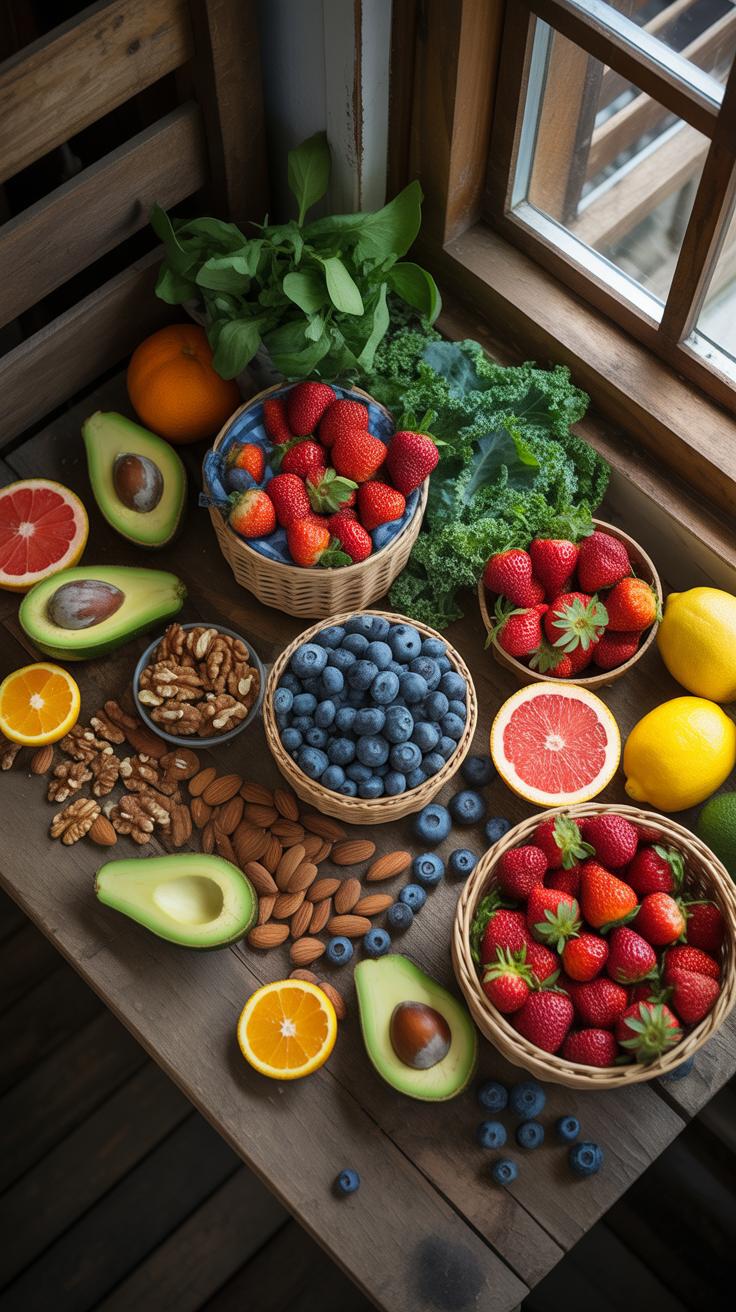
Berries, Leafy Greens, And Other Antioxidant Rich Foods That Fight Cellular Aging
Aging begins at the cellular level through oxidative stress. Blueberries and raspberries contain anthocyanins that neutralize free radicals. These compounds protect your DNA from damage. Women over 40 face higher inflammation levels as hormone production shifts. Consuming high concentrations of antioxidants slows this internal decay. You must eat dark fruits daily to maintain cellular integrity and support long term metabolic function.
Leafy greens like kale and spinach provide lutein and zeaxanthin. These nutrients protect your eyes and brain as you age. They also contain vitamin K which improves bone density. Better bone health is critical during the transition toward menopause. You need these micronutrients to keep your vascular system flexible. Structured eating habits focused on dense greens reduce the risk of chronic age related diseases.
Food is a way of providing the body with the fuel it needs to stay vibrant and strong through every season of life. Savor the wholesome ingredients that honor your health and the memories they help you create.
How Collagen Supportive Foods Like Citrus And Bone Broth Benefit Skin Health
Your body loses collagen steadily after age thirty. Bone broth provides the necessary amino acids like glycine and proline to rebuild these fibers. This process keeps your skin firm and your joints mobile. Drinking broth delivers the raw materials directly to your system. It is a tactical way to fight skin sagging. Consistent intake supports the structural proteins that hold your body together.
Citrus fruits provide the vitamin C required to synthesize collagen. Without this vitamin your body cannot turn amino acids into skin tissue. Oranges and lemons also help repair sun damage from the inside. This creates a natural barrier against fine lines. You should pair vitamin C with protein sources for maximum absorption. Strategic nutrient timing ensures your skin remains resilient as estrogen levels begin to drop.
Hormone Health Eating To Support Balanced Hormones In Your 40s

How Perimenopause Affects Hormone Levels And Why Diet Plays A Key Role
Perimenopause begins in your 40s as ovaries produce less estrogen and progesterone. These shifts cause erratic hormone spikes and drops. Irregular cycles and metabolic changes are common results. You cannot stop this biological shift. However, your food choices dictate how your body responds to these fluctuations. Diet acts as a chemical signal that either stabilizes or disrupts your internal endocrine system.
Stabilizing blood sugar is your primary tactical goal. High insulin levels worsen hormone imbalances and increase fat storage. Efficiently fueling with fiber and protein prevents these insulin spikes. Proper nutrition also supports liver function. The liver must filter out excess hormones to keep your system clean. Without targeted nutrients, your body struggles to maintain the delicate balance required for energy and mood stability.
Phytoestrogen Rich Foods Such As Flaxseeds And Soy That Support Estrogen Balance
Phytoestrogens are plant compounds that mimic estrogen in the body. They bind to estrogen receptors to provide a mild hormonal effect. This helps when your natural levels drop. Flaxseeds contain high amounts of lignans which provide this specific support. Ground flaxseeds are the most effective form for your body to process. They help stabilize your system without the risks of synthetic hormones.
Soy is another powerful tool for managing hormone health. Choose fermented versions like tempeh or miso for better digestion. These foods contain isoflavones that help regulate your cycle and reduce hot flashes. Consistent intake provides a steady baseline for your endocrine system. Adding these plants to your daily routine builds a natural defense against the sharpest drops in estrogen. Focus on whole food sources for maximum impact.
Best Healthy Food For Women Over 40 To Protect Bone Density

The Role Of Calcium And Vitamin D In Preventing Bone Loss After 40
Estrogen levels drop as women enter their 40s. This hormonal shift accelerates bone resorption and weakens the skeletal structure. Calcium acts as the primary building block for bone tissue. You must consume enough calcium to maintain bone mass and prevent future fractures. Your body cannot produce this mineral on its own. It pulls calcium from your bones if your dietary intake stays too low.
Vitamin D is the gatekeeper for calcium absorption. You can eat high amounts of calcium, but your body will discard it without sufficient Vitamin D. This vitamin converts into a hormone that signals your intestines to pull calcium into the bloodstream. Check your blood levels regularly. Most women over 40 require supplementation or specific food sources to combat the natural decline in bone density.
Dairy, Fortified Plant Milks, And Leafy Greens As Reliable Bone Supporting Sources
Dairy products like Greek yogurt and hard cheeses provide high concentrations of bioavailable calcium. These foods offer a dense nutritional profile for minimal volume. Many women switch to plant milks for digestive reasons. Always choose brands fortified with calcium carbonate and Vitamin D. Check the labels to ensure you get at least 300 milligrams per serving. This match mimics the nutritional value found in cow milk.
Leafy greens like kale, collards, and bok choy serve as vital non-dairy sources. These vegetables provide calcium along with Vitamin K, which helps bind minerals to the bone matrix. Avoid relying solely on spinach, as its high oxalate content blocks calcium absorption. Rotate your greens to maximize nutrient uptake. Consistent intake of these whole foods builds a stronger skeletal frame and reduces the risk of developing osteoporosis later.
Hormone Balancing Foods That Help Manage Weight And Metabolism
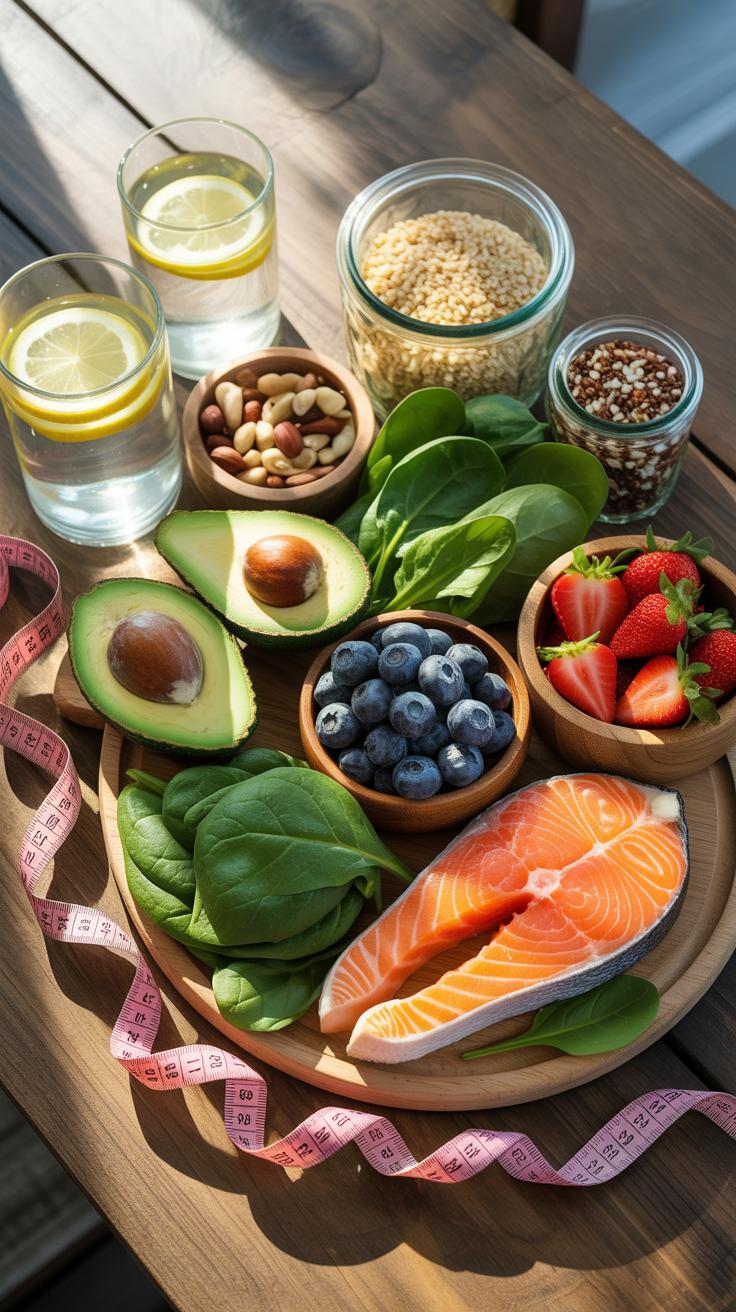
Why Metabolic Rate Slows In Your 40s And How Protein Rich Foods Help Counter This
Estrogen levels decline as women enter perimenopause. This hormonal shift changes how your body stores fat and burns energy. You lose muscle mass naturally every decade after age thirty. This loss drops your basal metabolic rate. Your body burns fewer calories at rest. Lower estrogen also increases insulin resistance. This combination makes weight gain around the midsection common during your forties.
Protein-rich foods stop muscle loss through high diet induced thermogenesis. Your body spends more energy digesting protein than fats or carbohydrates. Eating enough protein also triggers satiety hormones. This prevents overeating and keeps blood sugar stable. Focus on lean sources to maintain muscle tissue. High muscle mass keeps your metabolism fast even as your hormones change. Aim for thirty grams of protein at every meal.
The Best Hormone Balancing Whole Foods To Add To Your Weekly Meal Plan
Specific whole foods target the hormonal imbalances unique to women over forty. You must prioritize fiber and healthy fats to regulate insulin and estrogen. Fiber binds to used estrogen in the digestive tract and removes it from the body. Healthy fats provide the building blocks for steroid hormone production. These foods stabilize your energy levels and prevent the metabolic crashes that lead to weight gain.
- Cruciferous Vegetables: Broccoli and cauliflower contain indole 3 carbinol. This compound helps your liver metabolize estrogen safely. Proper estrogen processing prevents the dominance that leads to stubborn weight gain. Eat these daily to support natural detoxification pathways.
- Ground Flaxseeds: Flaxseeds provide lignans which act as weak phytoestrogens. They balance your natural estrogen levels by blocking stronger, harmful estrogens from cell receptors. The high fiber content also keeps your insulin response low and steady.
- Fatty Fish: Salmon and sardines provide high levels of omega 3 fatty acids. These fats reduce inflammation caused by hormonal shifts. They also improve insulin sensitivity in your cells. This allows your body to use glucose for fuel instead of storing it.
- Avocados: Avocados contain plant sterols that influence estrogen and progesterone balance. They offer monounsaturated fats that keep you full for hours. This prevents the frequent snacking that spikes insulin. Use them to maintain steady energy throughout the afternoon.
- Legumes: Lentils and chickpeas provide a dual punch of fiber and plant protein. They have a low glycemic index to prevent blood sugar spikes. Stabilizing blood sugar is the most effective way to manage cortisol levels and prevent stress related fat storage.
Incorporate these foods systematically to see a shift in your metabolic health. Consistency matters more than variety when balancing hormones. Choose two or three items from this list for your daily rotation. This strategy reduces decision fatigue and ensures you hit your nutritional targets. High quality whole foods replace processed options that disrupt your endocrine system and slow your progress.
A Slow Aging Diet Omega 3s Healthy Fats And Brain Protective Nutrients
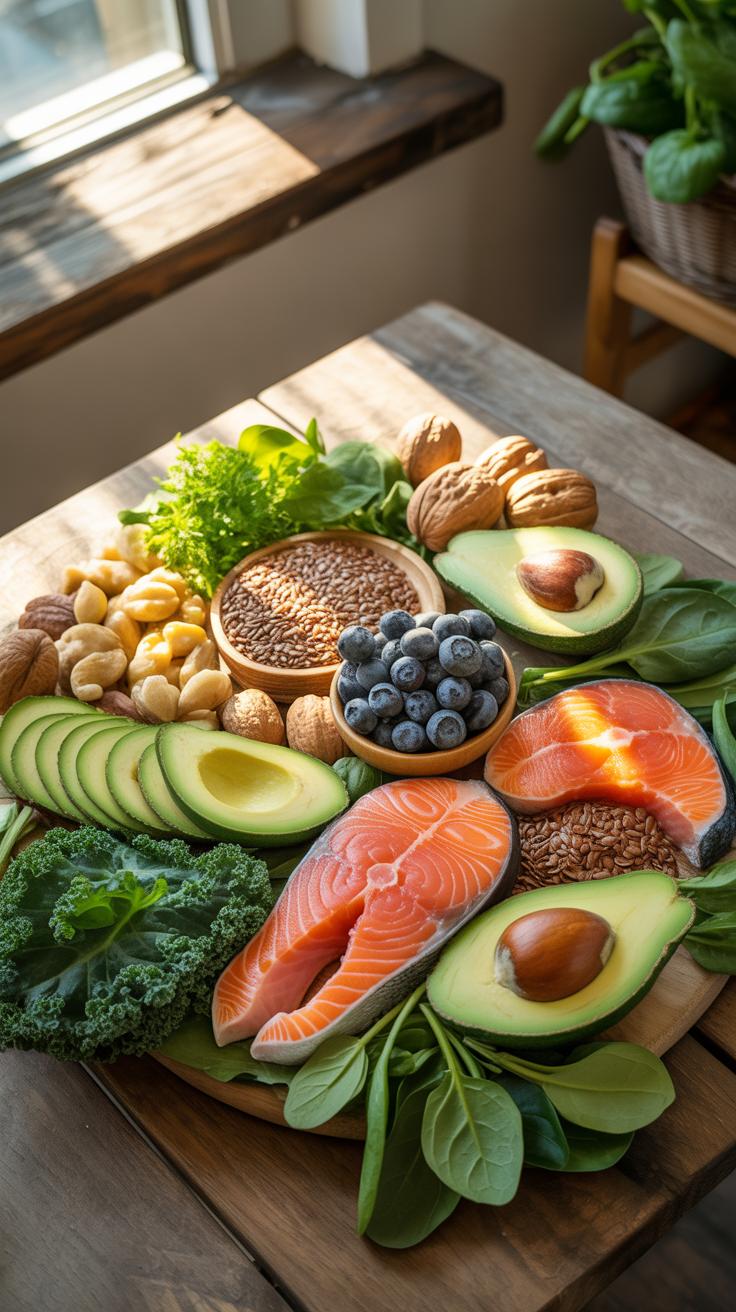
How Omega 3 Fatty Acids Found In Fatty Fish And Walnuts Support Brain And Heart Health
Omega-3 fatty acids are critical for maintaining cognitive function as estrogen levels decline. These essential fats build cell membranes in the brain and facilitate rapid communication between neurons. Women over 40 face increased risks of memory lapses and brain fog. Regular intake of EPA and DHA from salmon or sardines improves blood flow to the brain. This tactical nutrition approach preserves executive function and mental clarity.
Heart health becomes a primary concern during the perimenopause transition. Omega-3s lower triglyceride levels and reduce the risk of arterial plaque buildup. Walnuts provide alpha-linolenic acid which supports vascular elasticity and healthy blood pressure. Consuming these fats twice weekly stabilizes heart rhythms and protects against cardiovascular disease. These nutrients act as a biological shield for the most vital systems in the aging female body.
The Connection Between Healthy Dietary Fats And Reduced Inflammation In Women Over 40
Chronic inflammation accelerates aging and increases joint pain in women over 40. Monounsaturated fats from olive oil and avocados suppress pro-inflammatory cytokines in the bloodstream. Systemic inflammation often spikes as hormonal protection wanes during this decade. Shifting the diet toward healthy lipids lowers C-reactive protein levels. This adjustment reduces the physical grit of daily movement and protects internal organ lining from oxidative stress.
Healthy fats also regulate insulin sensitivity and hormonal balance. Proper fat intake ensures the body absorbs fat-soluble vitamins like A, D, E, and K. These vitamins are essential for bone density and skin integrity. Relying on high-quality fats instead of refined carbohydrates stabilizes energy and prevents metabolic dysfunction. This strategy manages cellular stress and slows the visible and internal signs of biological aging effectively and reliably.
Healthy Eating For Women Over 40 Gut Health And Digestive Wellness

Why The Gut Microbiome Becomes More Vulnerable With Age And How Food Can Help
Perimenopause and aging shift the bacterial balance in your digestive tract. Estrogen levels drop and affect the intestinal barrier. This change often leads to bloating and slower transit times. A weak gut lining allows toxins to enter the bloodstream. You must prioritize foods that rebuild this barrier. Healthy bacteria regulate your weight and your mood.
Specific foods act as fuel for your internal defense system. You need diverse plants to feed different bacterial strains. Fiber intake must increase to move waste efficiently. This process prevents the reabsorption of old hormones. High fiber diets lower systemic inflammation common in your 40s. Eating correctly stabilizes your gut environment and protects your long term metabolic health.
Fermented Foods, Prebiotic Fiber, And Probiotics That Restore Digestive Balance
Probiotic foods introduce live beneficial bacteria directly into your system. Use yogurt or kefir to populate your gut with lactobacillus. These cultures break down lactose and improve nutrient absorption. Fermented vegetables like sauerkraut provide enzymes that aid heavy digestion. Consuming these daily creates a hostile environment for harmful pathogens. Consistent intake reduces gas and improves your overall immune response.
Prebiotic fibers act as the primary food source for your existing good bacteria. Seek out garlic, onions, and asparagus to provide these essential fructans. These fibers pass through the small intestine undigested to reach the colon. Once there, they ferment and produce short chain fatty acids. These acids heal the gut lining and reduce colon cancer risks. Proper fuel ensures your microbiome remains active.
Healthy Habits Around Eating Meal Timing Hydration And Mindful Nutrition

How Meal Timing And Consistent Eating Patterns Influence Energy And Hormonal Rhythms
Metabolic flexibility declines after age forty. Erratic eating patterns trigger cortisol spikes that disrupt sleep and insulin sensitivity. You must eat on a fixed schedule to stabilize blood sugar. Breakfast should prioritize high protein to set the metabolic tone for the day. Skipping meals often leads to late night overeating. This cycles into poor glucose control and weight gain in the midsection.
Consistent timing aligns with your natural circadian rhythms. Eating during daylight hours improves digestion and nutrient absorption. Stop eating at least three hours before bed to allow your body to focus on cellular repair instead of digestion. This practice reduces nighttime insulin levels. It also helps manage perimenopausal symptoms by lowering systemic inflammation. Predictable fuel delivery keeps your energy levels steady and prevents brain fog.
Practical Hydration And Mindful Eating Tips Every Woman In Her 40s Should Know
Hydration is a tactical requirement for metabolic function and skin elasticity. Muscle mass holds more water than fat tissue. As muscle declines with age, your body retains less fluid. You must drink water consistently throughout the day to support kidney function and toxin removal. Thirst often mimics hunger signals. Drink water before reaching for snacks to avoid unnecessary caloric intake and maintain cognitive focus.
- Pre-meal Water: Drink sixteen ounces of water twenty minutes before every meal. This habit improves digestion and naturally limits portion sizes by increasing gastric fullness. It prevents overeating caused by dehydration signals.
- Salt Management: Reduce processed sodium and use high quality sea salt in moderation. Excessive sodium causes fluid retention and bloating. Proper electrolyte balance supports nerve function and prevents muscle cramps during exercise.
- Chewing Technique: Chew every bite of food at least twenty times before swallowing. Mechanical digestion starts in the mouth with salivary enzymes. Slowing down allows your brain to receive fullness signals from the gut.
- Distraction Free Zones: Eat away from screens, phones, and work desks. Focus entirely on the sensory experience of the meal. This reduces stress hormones and helps the body transition into a parasympathetic state for optimal digestion.
- Fiber Buffering: Start meals with non-starchy vegetables to create a fiber buffer in the gut. This slows the absorption of glucose from the rest of the meal. It prevents sharp insulin spikes that lead to fat storage.
Mindful eating requires total presence during meals. Stop eating when you feel eighty percent full to avoid digestive strain. This approach prevents the lethargy associated with heavy meals. Use smaller plates to manage portions visually without feeling deprived. These tactical shifts change how your body processes fuel. Consistent habits produce better long term results than restrictive dieting. Focus on the process of eating to master your metabolism.
Anti Aging Food Choices To Reduce Chronic Disease Risk After 40

How A Nutrient Dense Diet Lowers The Risk Of Heart Disease And Type 2 Diabetes
Estrogen levels drop during your 40s. This shift increases your risk for heart disease and insulin resistance. Nutrient dense foods counteract these biological changes. Fiber from vegetables and whole grains clears cholesterol from your bloodstream. Healthy fats from salmon and walnuts keep your arteries flexible. These choices stabilize your blood sugar and prevent the weight gain that often triggers type 2 diabetes.
Prioritize magnesium and potassium to regulate your blood pressure. Leafy greens and beans provide these essential minerals. High protein intake preserves lean muscle mass which improves your metabolic rate. A fast metabolism helps your body process glucose more efficiently. Eating whole foods reduces systemic inflammation. This strategy protects your cardiovascular system and ensures your long term health as you transition into menopause.
Foods To Limit Or Avoid That Accelerate Inflammation And Aging In Women Over 40
Ultra processed foods drive rapid aging and chronic illness. Refined sugars and flours spike your insulin levels immediately. These spikes lead to glycation which damages your skin collagen and hardens your arteries. Trans fats and excessive omega 6 oils trigger chronic inflammation. This inflammation wears down your joints and stresses your heart. Eliminate these items to maintain your energy and cellular integrity.
Alcohol and high sodium foods pose specific threats after 40. Alcohol disrupts your sleep and lowers your bone density. It also puts unnecessary strain on your liver and increases breast cancer risks. High salt intake causes fluid retention and raises your blood pressure. Constant hypertension damages your kidneys and brain over time. Focus on water and whole spices to protect your body from these avoidable internal stresses.
Frequently Asked Questions

Why does my diet need to change now that I am in my 40s?
As hormone levels shift and metabolism naturally slows down, your body requires nutrient-dense fuel to maintain energy and bone density. Incorporating the best foods for women over 40 helps manage common symptoms like inflammation and muscle loss. Prioritizing high-quality proteins, healthy fats, and fiber-rich vegetables ensures your body gets exactly what it needs to thrive during this transitional life stage and beyond.
How can I easily incorporate these hormone-balancing foods into my daily routine?
Consistency is key when transitioning to a new diet. Start by building your plates around the best foods for women over 40, such as leafy greens, fatty fish, and flaxseeds. Try meal prepping a large batch of roasted vegetables and quinoa at the start of the week. This makes it simple to toss together a nourishing, hormone-supportive lunch or dinner even when your schedule feels overwhelming and busy.
Is it possible to eat a healthy diet for my age without spending too much on groceries?
Absolutely. You do not need expensive “superfood” powders to see results. Budget-friendly staples like dried lentils, chickpeas, frozen berries, and canned sardines are some of the most effective options available. Buying seasonal produce and purchasing grains in bulk allows you to maintain a nutrient-rich lifestyle without breaking the bank. Focused, whole-food choices are always more impactful for your long-term health than overpriced, trendy supplements or processed health snacks.