
What Is An Anti Inflammation Diet Meal Plan And Why Does It Matter For Your Body
Understanding Chronic Inflammation And Its Impact On Long Term Health
Chronic inflammation occurs when your immune system stays in high gear for months or years. Unlike acute inflammation which heals a cut, chronic inflammation damages healthy tissues. This persistent internal stress attacks your arteries, organs, and joints. It creates a toxic environment that allows diseases to take root and spread throughout your vascular system. Scientific evidence links this state to heart disease and diabetes.

Left unchecked, this condition leads to DNA damage and cell death. Your body cannot repair itself while fighting a constant internal fire. This process accelerates aging and weakens your metabolic function. You feel this through persistent fatigue, joint pain, and digestive issues. Managing inflammation is not about comfort. It is a baseline requirement for preventing long-term physical decline and maintaining vital organ health.
How An Anti Inflammatory Diet Works To Reduce Systemic Inflammation
An anti-inflammatory diet uses specific nutrients to block pro-inflammatory cytokines in your blood. You replace processed sugars and trans fats with antioxidants and omega-3 fatty acids. These compounds stop the production of chemicals that trigger unnecessary immune responses. This shift changes your blood chemistry at a cellular level. It forces your body to move from a defensive state into a restorative state.
The plan focuses on stabilize blood sugar to prevent insulin spikes. High insulin levels directly trigger inflammatory pathways in your fat cells. By eating low-glycemic foods, you reduce the stress on your pancreas and liver. This approach flushes out toxins and lowers oxidative stress. Consistent adherence to these dietary choices provides the raw materials needed for cellular repair. It creates a permanent environment where inflammation cannot survive.
Key Principles Of An Anti Inflammation Meal Plan You Need To Know Before You Start
Foods That Fight Inflammation: What To Prioritize On Your Plate
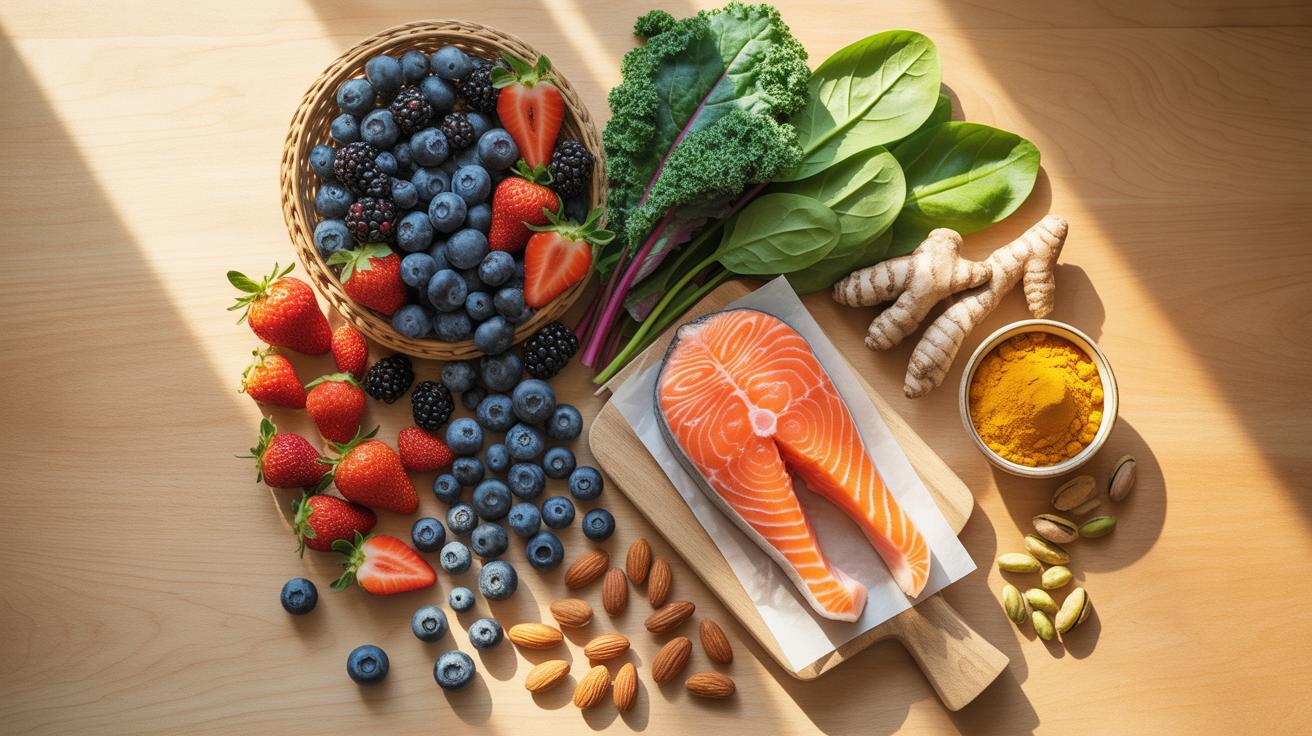
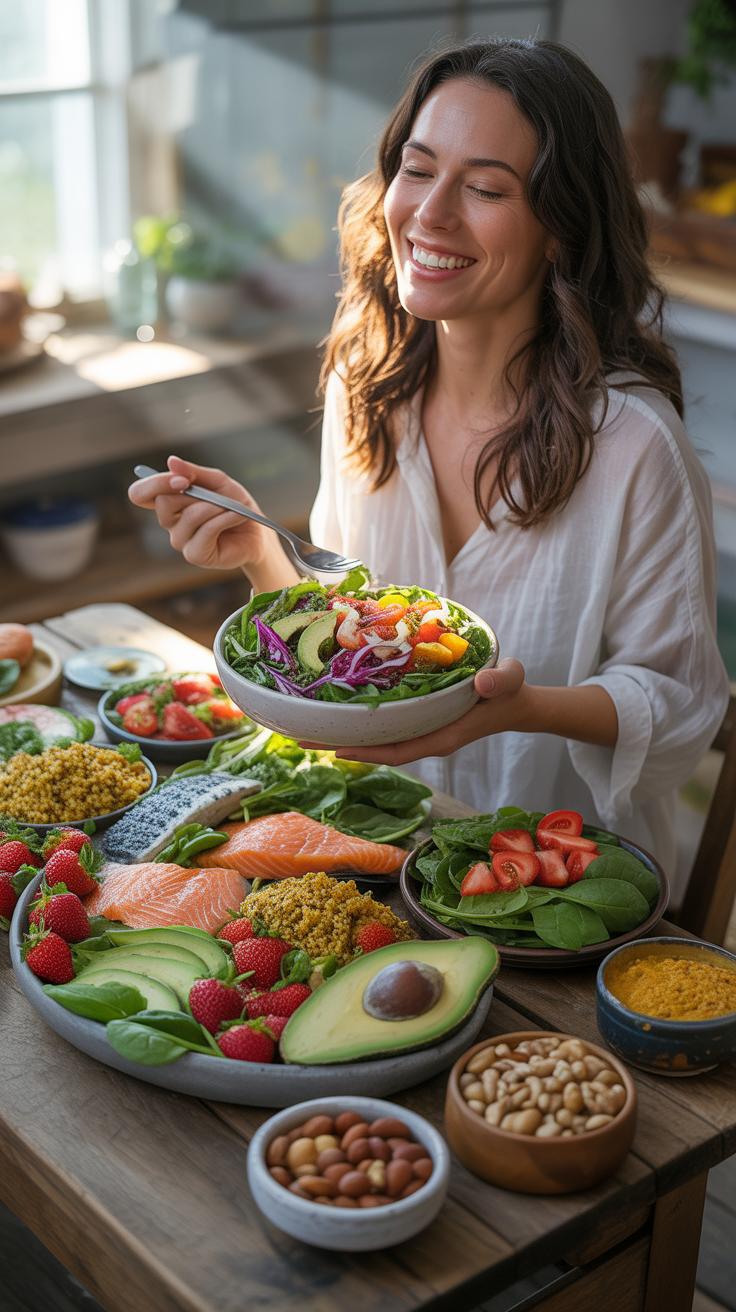
Strategic meal planning requires a focus on nutrient density. Prioritize fatty fish like salmon or sardines to gain high levels of omega 3 fatty acids. These fats inhibit the production of substances that cause inflammation in your cells. Use extra virgin olive oil as your primary fat source. It contains oleocanthal which works similarly to anti inflammatory drugs.
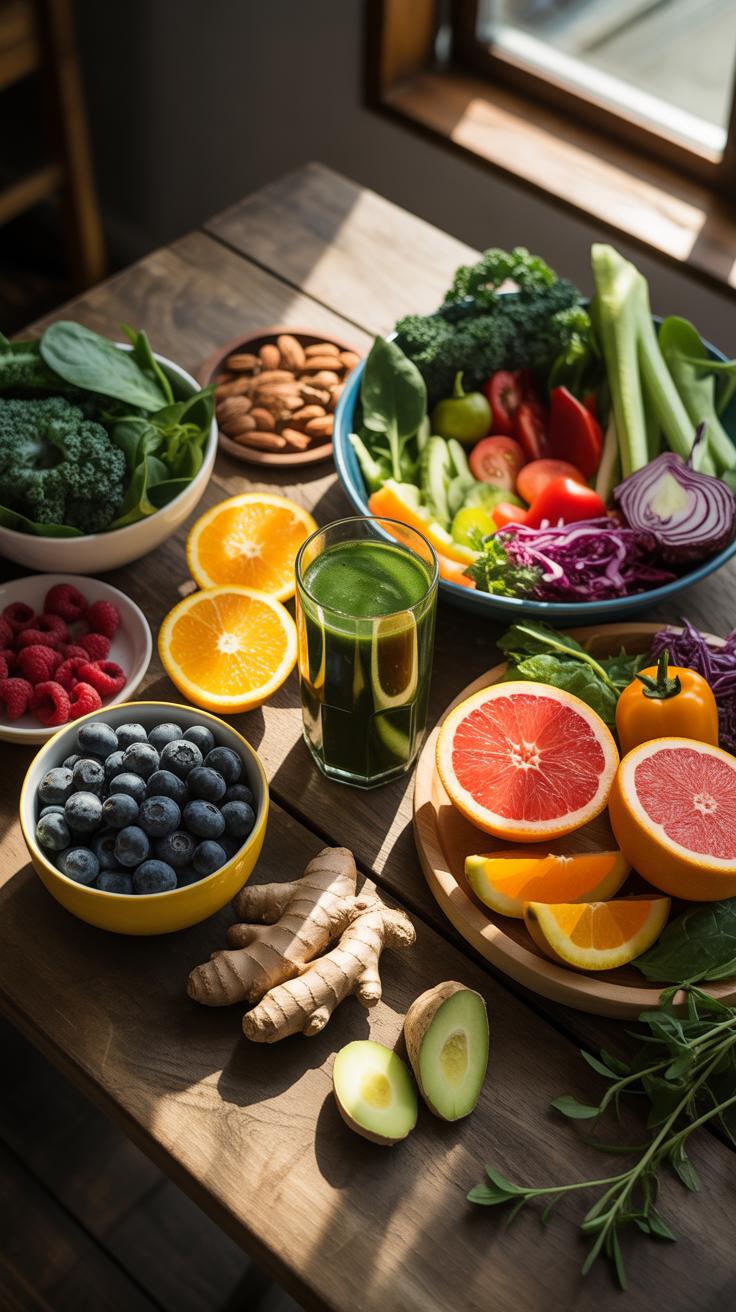
Fill half your plate with colorful vegetables and low sugar fruits. Dark leafy greens and berries contain high concentrations of polyphenols and antioxidants. These compounds neutralize free radicals that damage healthy tissue. Incorporate walnuts and flaxseeds for plant based healthy fats. Solid meal plans use these staples to create a consistent biochemical environment that lowers systemic stress in the body.
Foods That Trigger Inflammation: What To Limit Or Avoid Entirely
Eliminate refined carbohydrates and added sugars immediately. White bread and sugary snacks cause rapid spikes in blood glucose and insulin. This process triggers the release of pro inflammatory cytokines. High fructose corn syrup is a primary driver of metabolic dysfunction. Removing these items reduces the baseline level of irritation in your gut and your vascular system.
Cut out industrial seed oils like soybean and corn oil. These oils contain high levels of omega 6 fatty acids that disrupt your internal balance. Avoid processed meats that contain nitrates and excessive sodium. These additives promote oxidative stress and damage arterial walls. Strict adherence to these exclusions is necessary to see results. You cannot out exercise a diet that constantly introduces these triggers.
Anti Inflammation Diet Meal Plan For Beginners How To Set Yourself Up For Success

How To Stock Your Kitchen With Anti Inflammatory Staples Before Week One
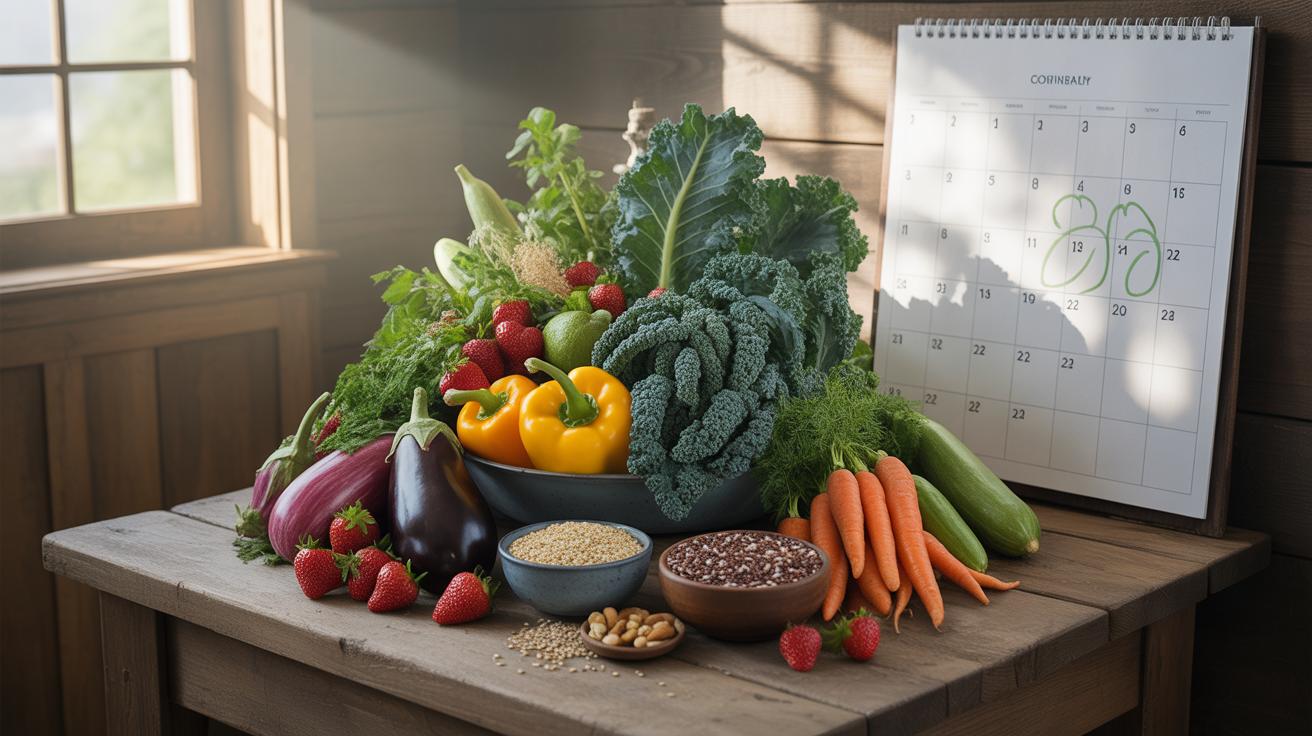
Success in an eight week plan depends on immediate access to compliant ingredients. You must remove pro-inflammatory triggers like refined sugars and seed oils before you begin. Clear your pantry of processed snacks that cause blood sugar spikes. Replace these items with nutrient-dense whole foods that provide the foundation for every meal. Stocking up early prevents impulsive decisions when your schedule gets busy.
- Extra Virgin Olive Oil: Use this as your primary fat source for cold dressings and low-heat cooking. It contains oleocanthal, a compound that mimics the effect of anti-inflammatory drugs. Always choose dark glass bottles to protect the oil from light degradation and oxidative rancidity.
- Fatty Fish: Keep wild-caught salmon, sardines, or mackerel in your freezer or pantry. These fish provide high concentrations of EPA and DHA omega-3 fatty acids. Regular consumption helps resolve cellular inflammation and supports cardiovascular health throughout your eight week dietary transition.
- Cruciferous Vegetables: Stock broccoli, cauliflower, and kale in your refrigerator crisper. These vegetables contain sulforaphane, which blocks enzymes that cause joint destruction and chronic inflammation. They provide the fiber necessary to maintain gut health and regulate your systemic immune response daily.
- Raw Nuts and Seeds: Store walnuts, chia seeds, and flaxseeds in the refrigerator to prevent spoilage. These staples offer plant-based alpha-linolenic acid and magnesium. They serve as quick snacks or meal toppers that stabilize energy levels and reduce markers of inflammation like C-reactive protein.
- Alligator Fruit and Berries: Keep avocados for healthy monounsaturated fats and frozen blueberries for antioxidants. Berries contain anthocyanins, which are chemicals that reduce inflammation and boost immunity. Having these ready ensures you have compliant options for breakfast or desserts without using refined sugar.
Quality sourcing determines the biological impact of your food. Buy organic options for the most heavily sprayed crops to limit pesticide exposure. Focus on bulk purchases of dry goods like lentils and quinoa to lower costs. Check labels for hidden additives that trigger gut irritation. A prepared kitchen eliminates the friction of starting a new restrictive diet and ensures long-term compliance.
Simple Meal Prep Habits That Make Following The Plan Easier Every Week
Batch cooking is the most effective tactic for maintaining a strict anti-inflammatory protocol. Dedicate three hours every Sunday to wash, chop, and cook your core proteins and grains. Roast large trays of vegetables with turmeric and black pepper to enhance curcumin absorption. Portions should be weighed and stored in glass containers immediately. This habit stops you from reaching for processed convenience foods during the work week.
Standardize your morning and midday meals to reduce decision fatigue. Eat the same high-protein, anti-inflammatory breakfast for several days to simplify your grocery list. Prepare large batches of bone broth or vegetable soups to freeze for emergencies. Always keep pre-washed greens ready for quick salads. Consistent systems beat willpower every time. If the food is ready, you will eat it. If it is not, you will likely fail.
Inflammatory Diet Meal Plan Weeks 1 And 2 Building Your Foundation
What To Eat During Weeks 1 And 2 To Begin Lowering Inflammation
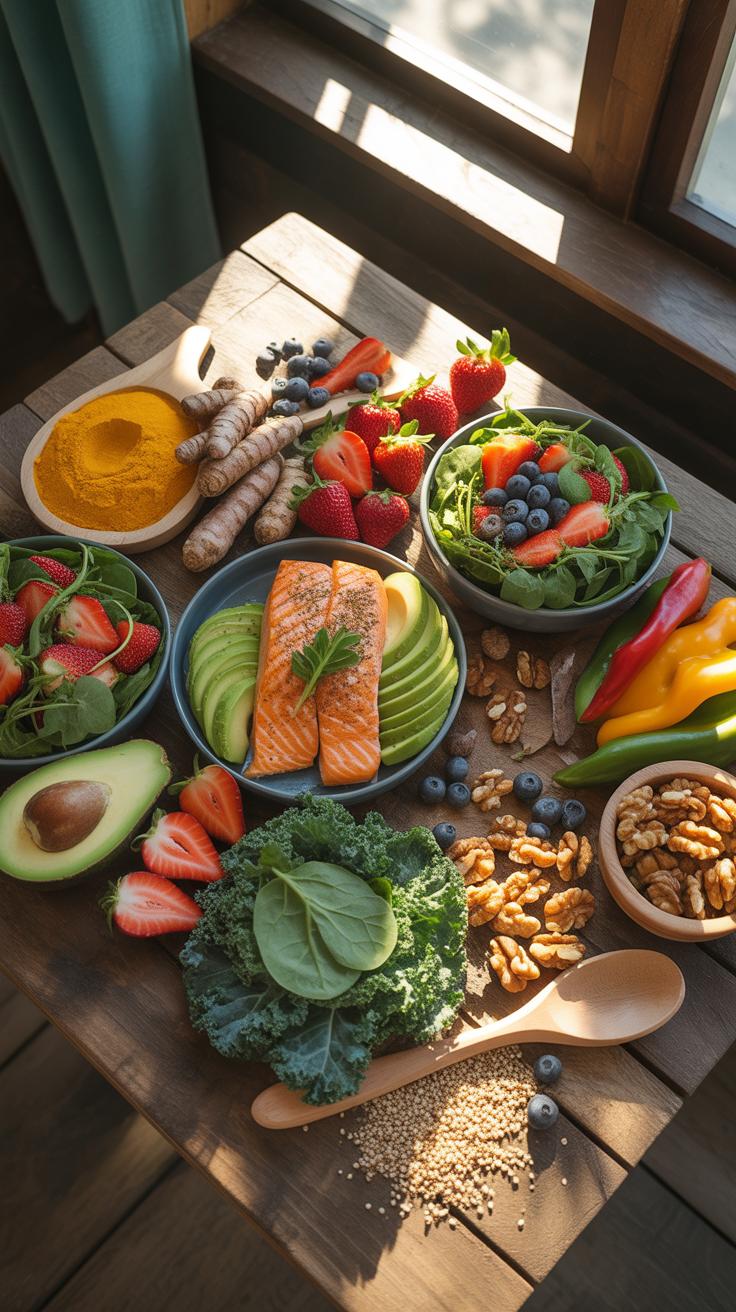
Weeks one and two focus on total elimination of processed triggers. You must remove refined sugars, seed oils, and artificial additives immediately. Replace these items with whole foods that provide high concentrations of antioxidants. Prioritize fatty fish like salmon or mackerel three times per week. These contain essential omega three fatty acids that inhibit pro-inflammatory cytokines. Use extra virgin olive oil as your primary fat source.
Incorporate large volumes of leafy greens and cruciferous vegetables into every meal. Aim for varieties like kale, spinach, and broccoli. These plants contain phytonutrients that support cellular repair. Drink significant amounts of filtered water to help your kidneys flush out metabolic waste. Focus on fiber intake to stabilize blood sugar levels. Consistent glucose levels prevent insulin spikes that otherwise signal the body to increase systemic inflammation.
What Physical And Mental Changes To Expect In The First Two Weeks
Patients often report a temporary period of fatigue during the initial transition phase. Your body is shifting its primary fuel source away from simple carbohydrates and sugar. This metabolic adjustment can cause mild headaches or irritability for three to five days. It is a sign that systemic reliance on inflammatory foods is breaking down. Stay hydrated to mitigate these early symptoms and maintain your electrolyte balance.
By the end of week two, you will notice a significant reduction in peripheral bloating. Joint stiffness frequently decreases as water retention subsides. Mental clarity often improves as the brain recovers from the erratic glucose cycles of a standard diet. You will likely experience more stable energy levels throughout the afternoon. This foundation prepares your gut microbiome for the more diverse nutrient densities introduced in the coming weeks.
Inflammation Diet Meal Plan Weeks 3 And 4 Deepening Your Commitment
Expanding Your Anti Inflammatory Food Variety Without Overcomplicating Meals
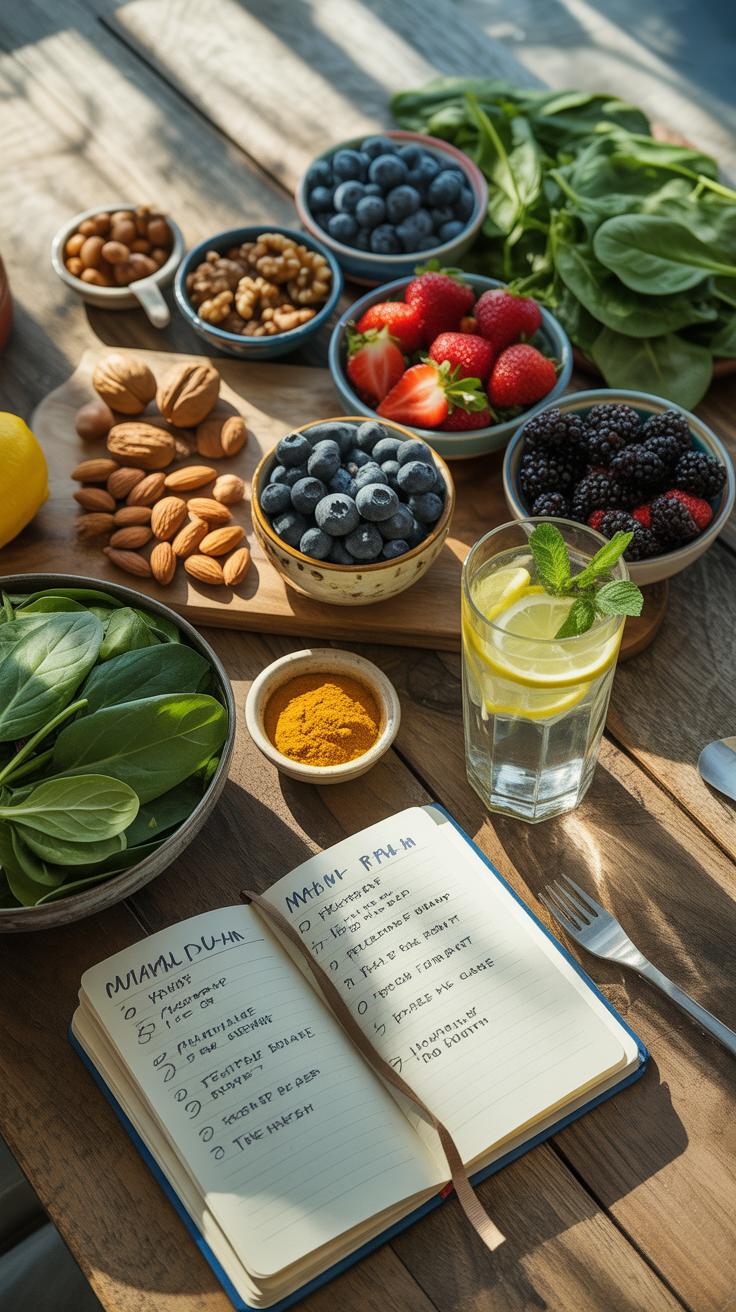
Weeks three and four focus on nutrient density through rotation. You must introduce new polyphenols to prevent dietary boredom and plateauing. Replace standard greens with cruciferous vegetables like bok choy or watercress. Use different fatty fish such as mackerel or sardines instead of just salmon. These shifts Provide diverse micronutrients that signal your cells to suppress inflammatory pathways. Varying your intake ensures a broader spectrum of antioxidants.
Keep preparation simple to maintain consistency. Roasting and steaming remain your primary methods for retaining heat-sensitive nutrients. Use bulk-prepped bases like quinoa or black rice to save time. Add flavor with dry spices like turmeric, ginger, and black pepper. This strategy eliminates the need for complex recipes or hidden inflammatory additives found in premade sauces. Efficient cooking keeps your plan sustainable and your inflammation markers low.
How Gut Health And Inflammation Are Connected And Why It Matters At This Stage
Your gut barrier dictates your systemic inflammatory response. By the third week, your microbiome begins shifting toward beneficial bacteria. These microbes ferment fiber into short-chain fatty acids like butyrate. Butyrate strengthens the intestinal lining and prevents toxins from leaking into your bloodstream. A strong gut wall stops the immune system from overreacting to daily environmental triggers. You are now building a defensive internal environment.
Prioritize prebiotic fibers from garlic, onions, and leeks to feed these beneficial colonies. Introduce fermented foods like unpasteurized sauerkraut or kimchi in small doses. These foods provide live cultures that actively compete with pro-inflammatory pathogens. Monitoring your digestion during these two weeks is vital. Improved regular bowel movements and reduced bloating indicate that your gut-lung and gut-brain axes are stabilizing. Consistency here prevents future chronic flare-ups.
Inflammation Diet Recipes To Keep You Energized Through Weeks 5 And 6
Breakfast And Lunch Inflammation Diet Recipes Built Around Whole Foods
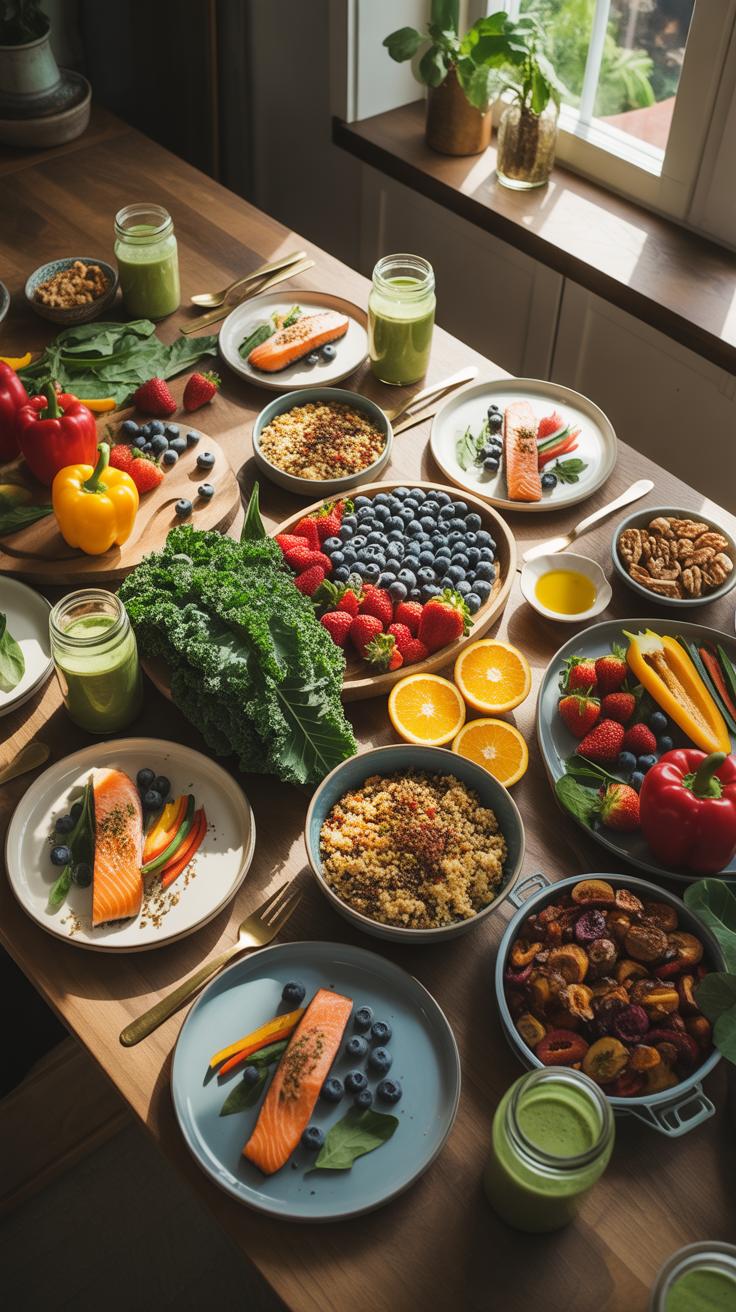
Weeks five and six focus on sustained glucose levels to prevent insulin spikes. High insulin triggers systemic inflammation. Start your mornings with steel-cut oats topped with walnuts and ground flaxseeds. These ingredients provide fiber and omega-3 fatty acids. Fiber slows sugar absorption into your bloodstream. This tactic keeps your energy levels stable. Eliminate processed cereals and refined sugars to reduce oxidative stress.
For lunch, use fatty fish or legumes as your primary protein source. Wild-caught salmon or chickpeas provide the necessary building blocks for cellular repair. Combine these with dark leafy greens like kale or spinach. These greens contain high concentrations of vitamin K. Vitamin K helps regulate the inflammatory response in your body. Use extra virgin olive oil for dressing to add healthy monounsaturated fats.
Dinner And Snack Anti Inflammation Recipes That Are Satisfying And Simple To Make
Dinner must prioritize lean proteins and cruciferous vegetables to maximize nutrient density. Prepare baked chicken breast seasoned with turmeric and black pepper. Curcumin in turmeric requires piperine from black pepper for proper absorption. Add steamed broccoli or cauliflower to the plate. These vegetables contain sulforaphane which blocks enzymes that cause joint destruction. This combination creates a powerful chemical defense against chronic inflammation during the evening.
Snacks should bridge the gap between meals without causing inflammation. Focus on raw nuts and low-sugar fruits. Almonds provide vitamin E which protects cells from free radical damage. Blueberries offer anthocyanins that have documented anti-inflammatory effects on the vascular system. Avoid all pre-packaged snack bars containing high fructose corn syrup or soybean oil. These processed additives neutralize the benefits of your whole food meals and trigger gut irritation.
Anti Inflammation Recipes And Meal Strategies To Power You Through Weeks 7 And 8
How To Measure Your Progress And Recognize The Signs That The Plan Is Working
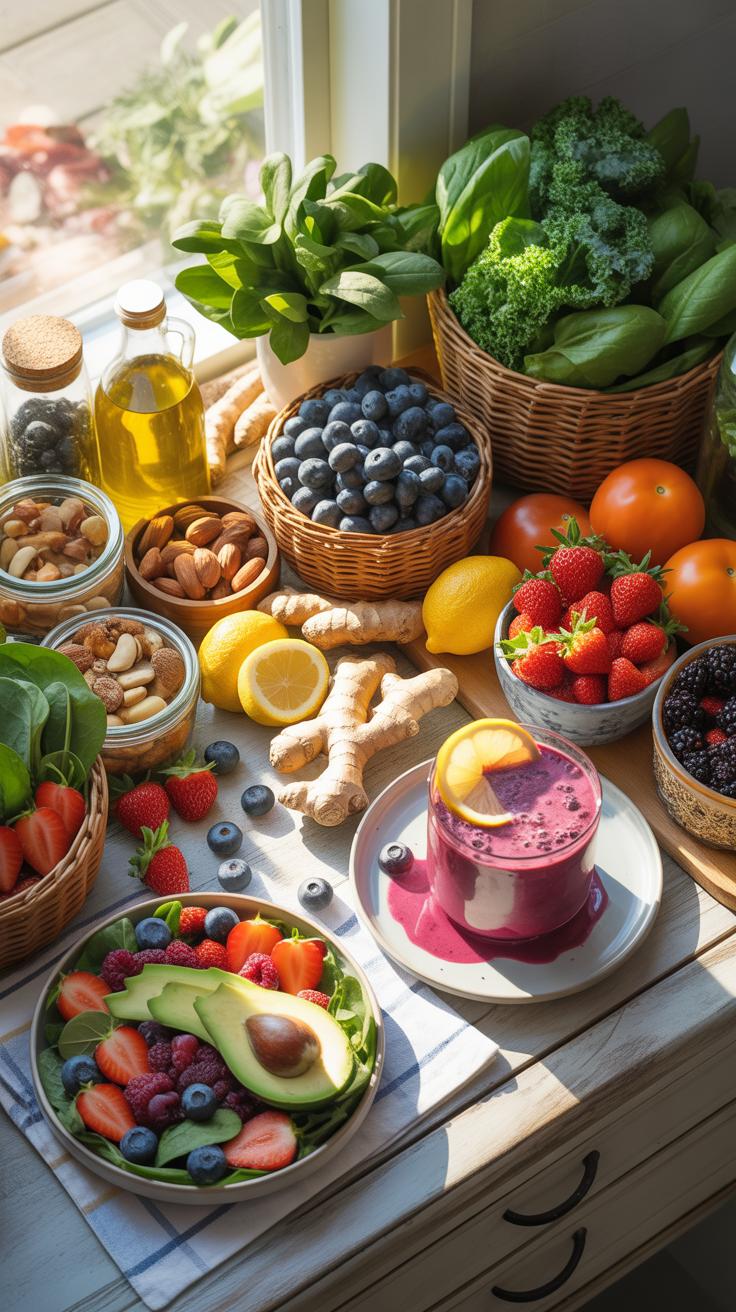
By week seven your body should show clear markers of systemic change. Monitor your joint mobility and morning stiffness. Reduced C-reactive protein levels in blood tests often mirror these physical improvements. Track your energy stability throughout the afternoon. Consistent insulin levels prevent the typical mid-day crash common in high-sugar diets. If your sleep quality has improved, your cortisol levels are likely stabilizing as inflammation drops across the nervous system.
Look for changes in digestive efficiency and skin clarity. Inflammatory markers often manifest as bloating or skin irritation. A successful plan restores the gut barrier and reduces these external symptoms. Document your cognitive function and focus levels. Lower brain inflammation leads to better mental clarity and faster processing speeds. Use a simple daily log to note these objective shifts. Consistent data proves the protocol works and encourages adherence through the final eight-day stretch.
Batch Cooking Anti Inflammation Recipes To Stay Consistent In The Final Stretch
Success in the final two weeks depends on preparation speed. Use a three-hour window on Sunday to prep all base ingredients. Roast large quantities of cruciferous vegetables and tubers. Simmer a gallon of bone broth to use as a nutrient-rich base for quick evening soups. Pre-portioning your healthy fats and proteins prevents poor decisions when your schedule gets busy. Focus on modular components that you can mix and match daily.
- Root Vegetable Trays: Roast beets, sweet potatoes, and carrots with avocado oil and rosemary. These complex carbohydrates provide steady energy for brain function and muscle recovery. Store them in glass containers to maintain texture and prevent chemical leaching from plastics.
- All-Purpose Poached Chicken: Slow cook lean chicken breast in filtered water with ginger and garlic. This provides a clean protein source that integrates easily into salads or wraps. Slicing the meat after cooling ensures even portions for every meal throughout the week.
- Quinoa and Grain Bases: Boil large batches of tri-color quinoa or wild rice in vegetable stock. These gluten-free grains offer fiber and essential amino acids. Keep these grains separate from wet ingredients in the fridge to ensure they stay fresh for up to five days.
- Leafy Green Prep: Wash and dry kale or collard greens before storing them with a dry paper towel. Removing moisture prevents wilting and mold growth. Pre-cut greens decrease the prep time for stir-frys and smoothies during high-stress mornings or late work nights.
- Signature Citrus Dressing: Whisk extra virgin olive oil with lemon juice and turmeric. Keep this anti-inflammatory sauce in a jar for immediate flavor. The fats in the oil are necessary for your body to absorb the fat-soluble vitamins found in your prepped vegetables.
Organize your refrigerator by meal type to reduce cognitive load. Place the oldest prepped items at eye level to ensure you use them before they spoil. Use transparent containers so you can see your inventory at a glance. Tactical organization eliminates the need for daily cooking and cleaning. This system keeps your kitchen functional and your diet compliant. Efficiency in the kitchen translates directly to biological results in your inflammatory markers.
Free Anti Inflammation Diet Meal Plan A Sample Weekly Template You Can Use Right Now
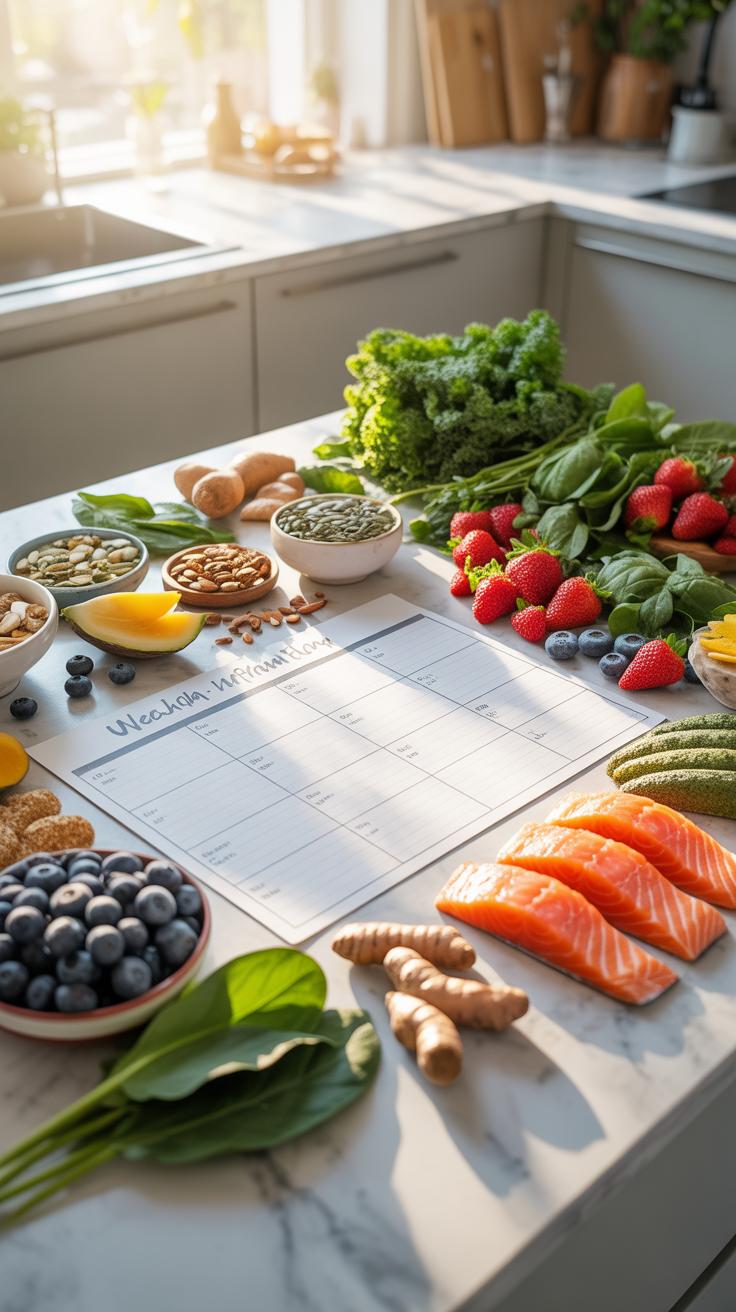
A Full Seven Day Sample Anti Inflammatory Meal Schedule With Breakfast Lunch And Dinner
Monday starts with steel-cut oats and blueberries. Lunch is a spinach salad with grilled salmon and walnuts. Dinner features baked chicken with roasted broccoli and sweet potatoes. Tuesday offers Greek yogurt with chia seeds for breakfast. Lunch is a quinoa bowl with chickpeas and kale. For dinner, eat baked cod with asparagus and lemon. Wednesday begins with an avocado and egg smash on sprouted grain toast.
Thursday through Sunday repeats nutrient dense patterns. Eat berry smoothies with protein powder for breakfast. Consume lentil soup or tuna salad for lunch. Select stir-fried shrimp with bok choy or grass-fed beef with cauliflower rice for dinner. These meals prioritize omega-3 fatty acids and antioxidants. Focus on whole foods to lower C-reactive protein levels. Avoid processed sugars and refined grains every single day of the week.
Let food be thy medicine and medicine be thy food. In eight weeks of gentle healing, we find our way back to the comfort of a body at peace.
— Hippocrates
How To Customize The Free Template To Fit Your Dietary Needs And Preferences
Modify the base template by swapping proteins based on your specific allergies or ethics. Replace fish with tofu or tempeh if you follow a plant-based diet. Ensure you maintain the same ratio of fiber and healthy fats. You must keep the caloric intake consistent with your physical activity levels. Swap out leafy greens based on seasonal availability at your local market. Use extra virgin olive oil for all dressings.
Adjust the spice profiles to improve palatability without adding sodium. Use turmeric, ginger, and garlic to enhance flavor and combat systemic inflammation. If you have a sensitive digestive system, steam your vegetables instead of eating them raw. Track your body’s response to specific nightshade vegetables like tomatoes or peppers. Discard ingredients that trigger bloating or joint pain. Personalization ensures you stick to the plan for the full eight weeks.
How To Maintain An Inflamation Diet Meal Plan Lifestyle Long After The 8 Weeks Are Over

Transitioning From A Structured Plan To A Sustainable Anti Inflammatory Lifestyle
The end of the eight-week phase marks the move from strict adherence to intuitive management. Stop looking at a calendar and start analyzing your body. You now understand which foods trigger joint pain, brain fog, or digestive distress. Use this data to build a flexible framework. Replace rigid meal schedules with a consistent set of core principles that prioritize whole foods over processed alternatives.
Sustainability relies on the 80/20 rule. Focus on anti-inflammatory staples for eighty percent of your intake. Reserve the remaining twenty percent for occasional departures. This prevents the psychological burnout common with restrictive diets. Keep your pantry stocked with olive oil, fatty fish, and leafy greens. These items are your defensive line. If you slip, return to the core plan immediately to reset your biological markers.
The Role Of Exercise, Sleep And Stress Management In Supporting An Anti Inflammatory Diet
Diet alone cannot suppress systemic inflammation if your lifestyle remains chaotic. Lack of sleep raises C-reactive protein levels in your blood. This cancels out the benefits of your meal plan. Aim for seven to nine hours of rest to allow cellular repair. High stress also triggers cortisol release. Chronic cortisol elevation promotes the very inflammation you are trying to fight. You must manage physical and mental strain.
Combine your nutrition with low-impact movement. Over-training causes inflammatory spikes, so balance intensity with recovery. Walking, swimming, or strength training improves insulin sensitivity. Better insulin control leads to lower systemic inflammation. View sleep and exercise as biological amplifiers for your diet. When you align these pillars, you create an internal environment where inflammation cannot thrive. This holistic approach ensures your results last for years.
Frequently Asked Questions

What exactly is an anti-inflammatory meal plan and how does it work?
An anti-inflammatory meal plan focuses on consuming whole, nutrient-dense foods that reduce chronic inflammation in the body. By prioritizing leafy greens, fatty fish, nuts, and berries while eliminating processed sugars and trans fats, you can help calm internal flare-ups. Starting an 8 week anti inflammatory meal plan allows your system enough time to reset, potentially improving your energy levels, skin clarity, and joint comfort through consistent, healing nutrition choices.
How can I successfully prepare for an 8 week anti inflammatory meal plan?
Success begins with organization and gradual transitions. Start by cleaning out your pantry to remove inflammatory triggers like refined flours and sugary snacks. Next, batch-cook staples such as quinoa, roasted vegetables, and grilled salmon to save time during busy weekdays. When following an 8 week anti inflammatory meal plan, mapping out your grocery list in advance ensures you always have fresh, antioxidant-rich ingredients on hand to stay strictly on track.
Is it possible to follow this eating style on a tight budget?
Absolutely! You do not need expensive “superfoods” to see incredible results. Focus on affordable staples like dried lentils, canned sardines, frozen berries, and seasonal vegetables, which are often cheaper and just as nutritious as fresh counterparts. Buying healthy fats like olive oil in bulk and opting for plant-based proteins multiple times a week makes a long-term anti-inflammatory lifestyle both accessible and sustainable for every household budget without sacrificing flavor.