

What Is The Ketogenic Diet And Why Your Keto Grocery List Matters
Understanding The Basics Of The Ketogenic Diet
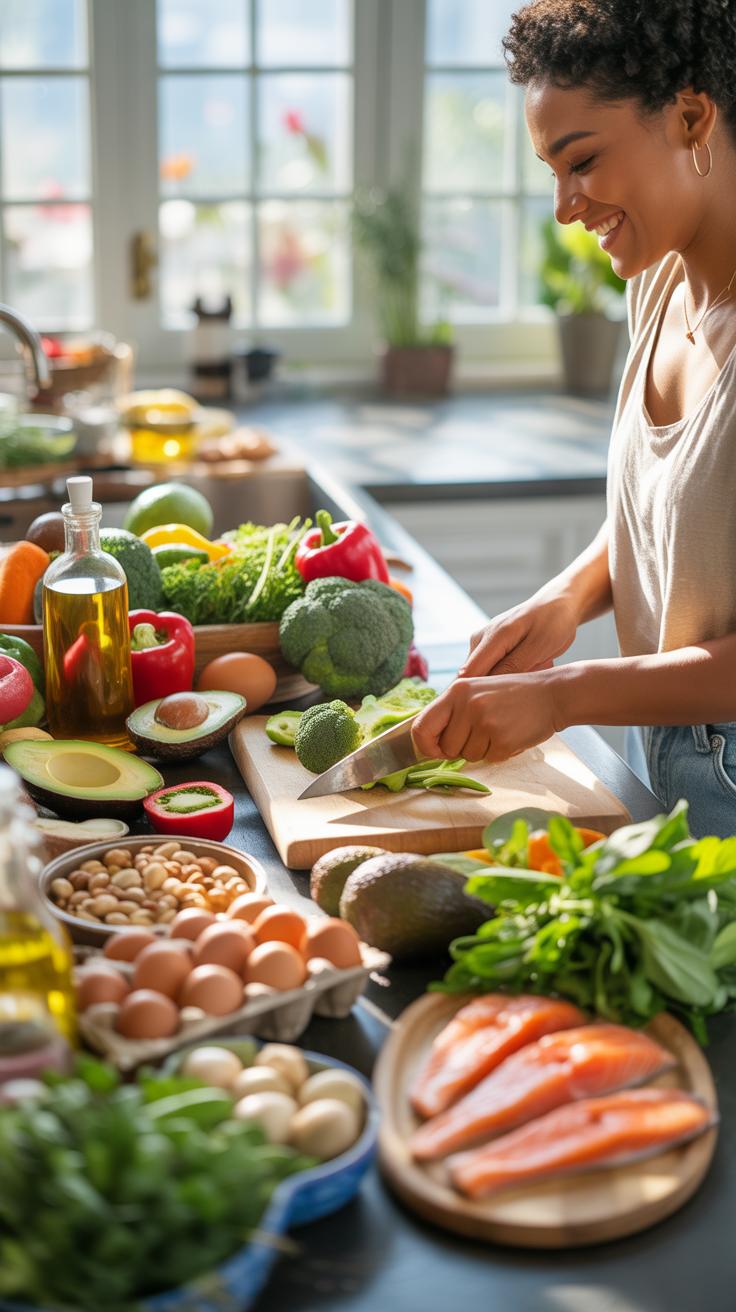
The ketogenic diet is a high-fat and very low-carbohydrate nutritional protocol. It forces the body to shift its primary energy source from glucose to ketones. This metabolic state is called ketosis. Historically, doctors developed this specific macronutrient ratio in the 1920s to treat pediatric epilepsy. You must restrict net carbohydrates to under 50 grams per day to trigger the necessary fat-burning biochemical response.
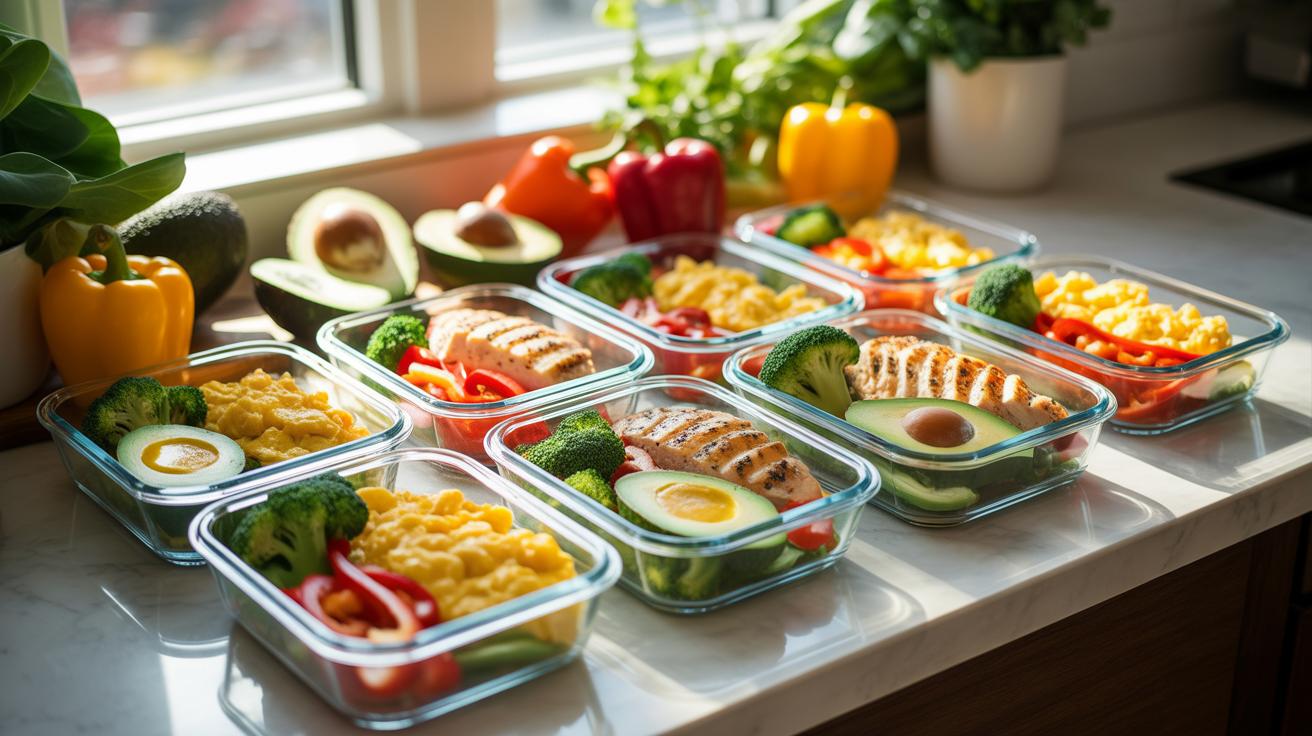
Standard keto requires a diet composed of roughly 70 percent fat and 25 percent protein. The remaining 5 percent comes from carbohydrates found in fibrous vegetables. When you eliminate sugar and starch, insulin levels drop significantly. This change allows the liver to break down fatty acids into ketones. These molecules provide a stable energy supply for the brain and muscles during extended periods of low carbohydrate intake.
How The Right Grocery Choices Keep You In Ketosis
Your keto grocery list serves as the physical barrier between success and metabolic failure. Buying the wrong items leads to accidental carbohydrate ingestion. Many processed foods contain hidden sugars like maltodextrin that spike insulin and halt ketone production immediately. You must audit every label to ensure the ingredients align with fat-burning goals. Controlled shopping prevents impulsive decisions that ruin your internal chemistry.
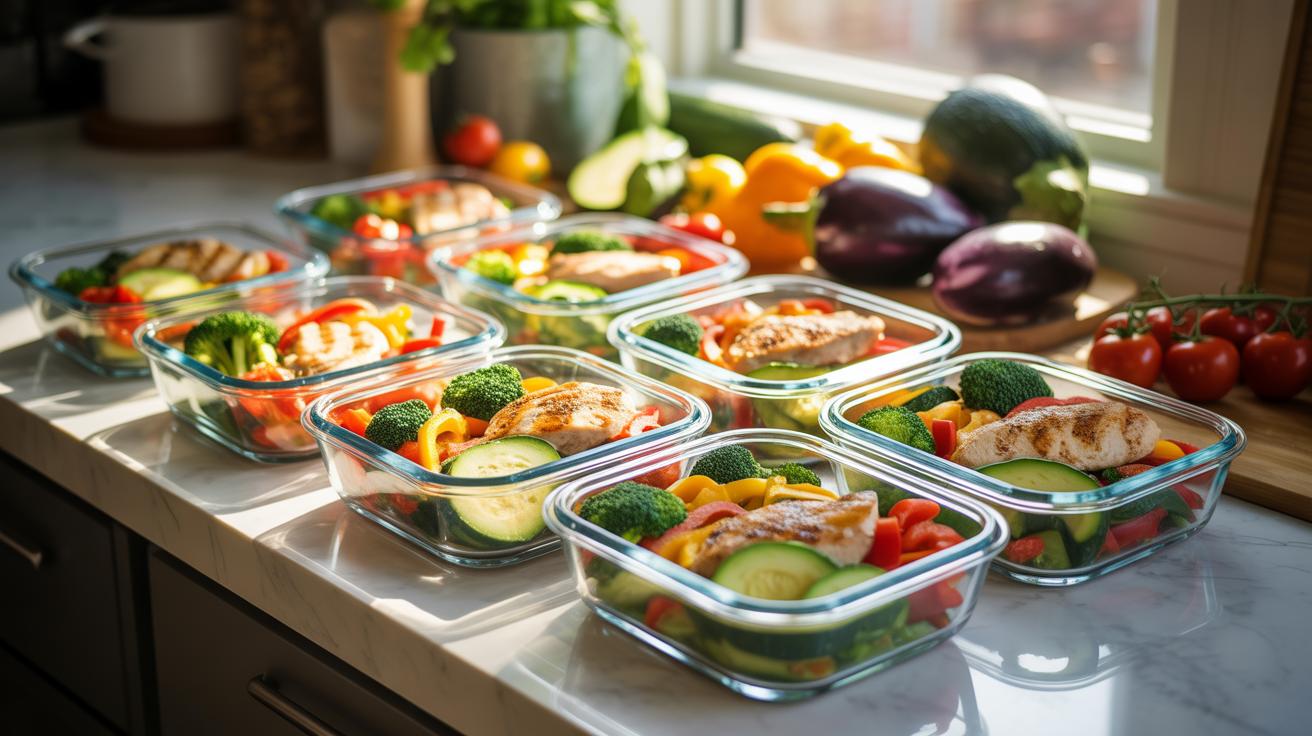
Strategic grocery shopping ensures you have high-fat fuel available at all times. Preparation stops you from reaching for high-carb convenience snacks when hunger strikes. You need a mix of stable fats, quality proteins, and leafy greens to maintain nutrient density. A disciplined list focuses on whole foods that sustain satiety and keep blood glucose low. Success in ketosis starts in the grocery aisle before you ever cook a meal.
Building Your Keto Diet Shopping List Key Macronutrient Goals To Know
Breaking Down Fat, Protein, And Carb Ratios On Keto
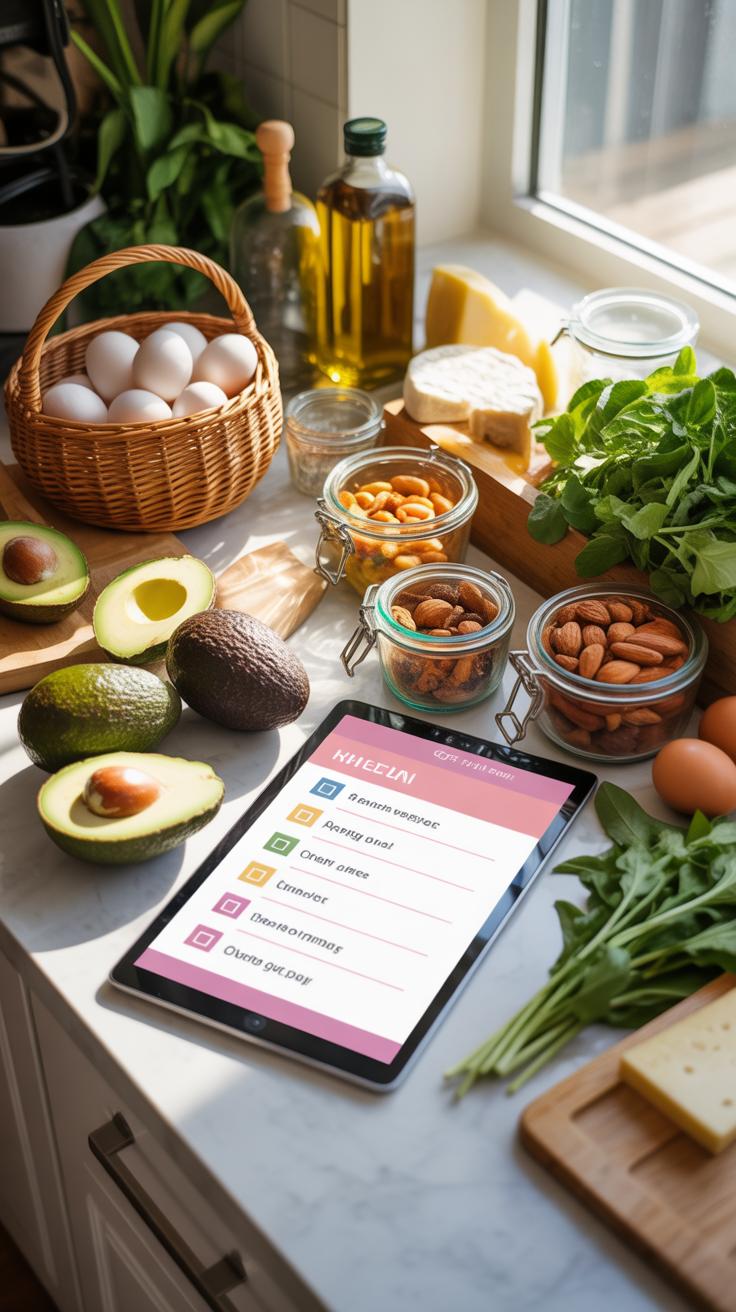
The ketogenic diet requires a specific metabolic shift. Most people need to get seventy percent of their daily calories from fat. You must restrict net carbohydrates to five percent or less. This usually means eating fewer than twenty to fifty grams of carbs per day. Protein fills the remaining gap at twenty-five percent. These precise ratios force your body to burn fat for fuel.
You must view these percentages as strict targets. High fat intake provides the energy your brain needs. Moderate protein prevents muscle loss without spiking insulin levels. Low carbs allow the liver to produce ketones. This biological process is called ketosis. Success depends on maintaining these numbers through every meal. Do not guess these ratios or you will fail to reach your metabolic goals.
How To Use Macros To Guide Your Grocery Decisions
Your grocery list must mirror your macronutrient targets. Look at food labels for total carbs and fiber. Subtract fiber from total carbs to find the net carb count. This number is the only figure that matters for ketosis. Prioritize whole foods with high fat content and zero sugar. Avoid any items with hidden starches or fillers that increase your daily carbohydrate count.
Strategic shopping requires calculating the cost per gram of fat and protein. Buy bulk fats like butter and oil to hit your seventy percent goal cheaply. Choose fatty cuts of meat over lean options to save money and fulfill macro needs simultaneously. If a product has high carbs, put it back immediately. Focus on items that fit your specific keto grocery list requirements and budget limits.
The Essential Low Carb Food List Proteins You Should Always Buy
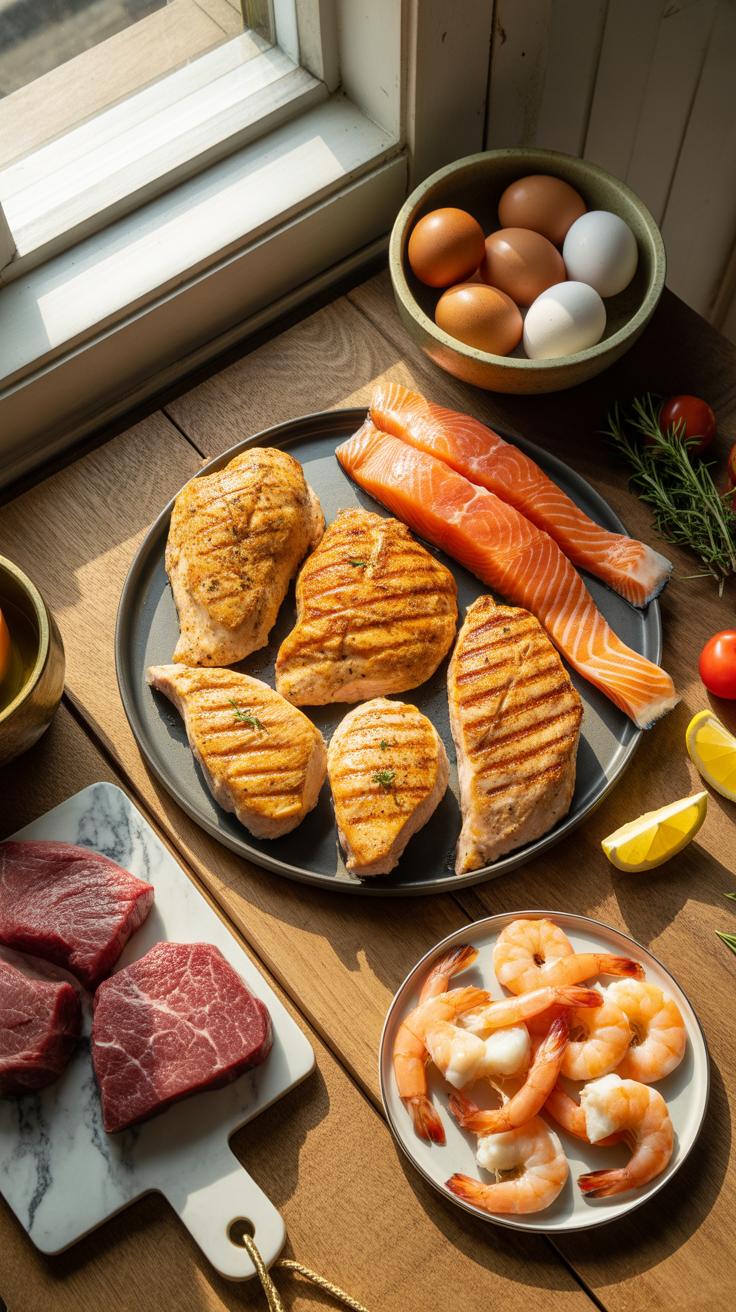
Best Budget Friendly Meats And Eggs For A Keto Diet
Focus on fatty cuts of meat to meet your daily macros without overspending. Ground beef and pork shoulder provide high fat content at a low price per pound. Chicken thighs with the skin on outperform breast meat for keto needs. These staples form the foundation of a metabolic state called ketosis. Buying in bulk reduces your total cost for these essential animal proteins.
Large packs of eggs remain the most cost-effective protein source for any keto grocery list. Eggs contain a nearly perfect ratio of fats to proteins. Look for sales on whole roasts like chuck or brisket. You can slow cook these tough cuts to break down connective tissue. This method yields multiple meals from a single purchase. Stick to unprocessed meats to avoid hidden sugars and fillers.
To keep your kitchen full of health, start with simple greens and humble eggs just like your grandmother used to do. Buying the basics in their simplest forms is the most honest way to nourish your body without breaking the bank.
— Maya Adam
Plant Based And Seafood Protein Options On A Keto Plan
Canned fish provides high quality protein and omega three fatty acids for a low price. Sardines and tuna are shelf stable and require zero prep time. Look for seafood packed in olive oil or water. Avoid products with soy or seed oils to keep inflammation low. This strategy ensures you have protein available even when fresh groceries run low in your kitchen.
Plant based keto relies on high fat seeds and fermented soy. Tofu and tempeh offer solid protein counts with minimal net carbohydrates. Hemp hearts and pumpkin seeds add protein density to meals without the need for expensive powders. Use these options to diversify your nutrient intake. Focus on whole food sources rather than processed meat substitutes. Most fake meats contain starches that will spike your insulin levels.
Keto Grocery List For Beginners The Best Healthy Fats To Stock Up On
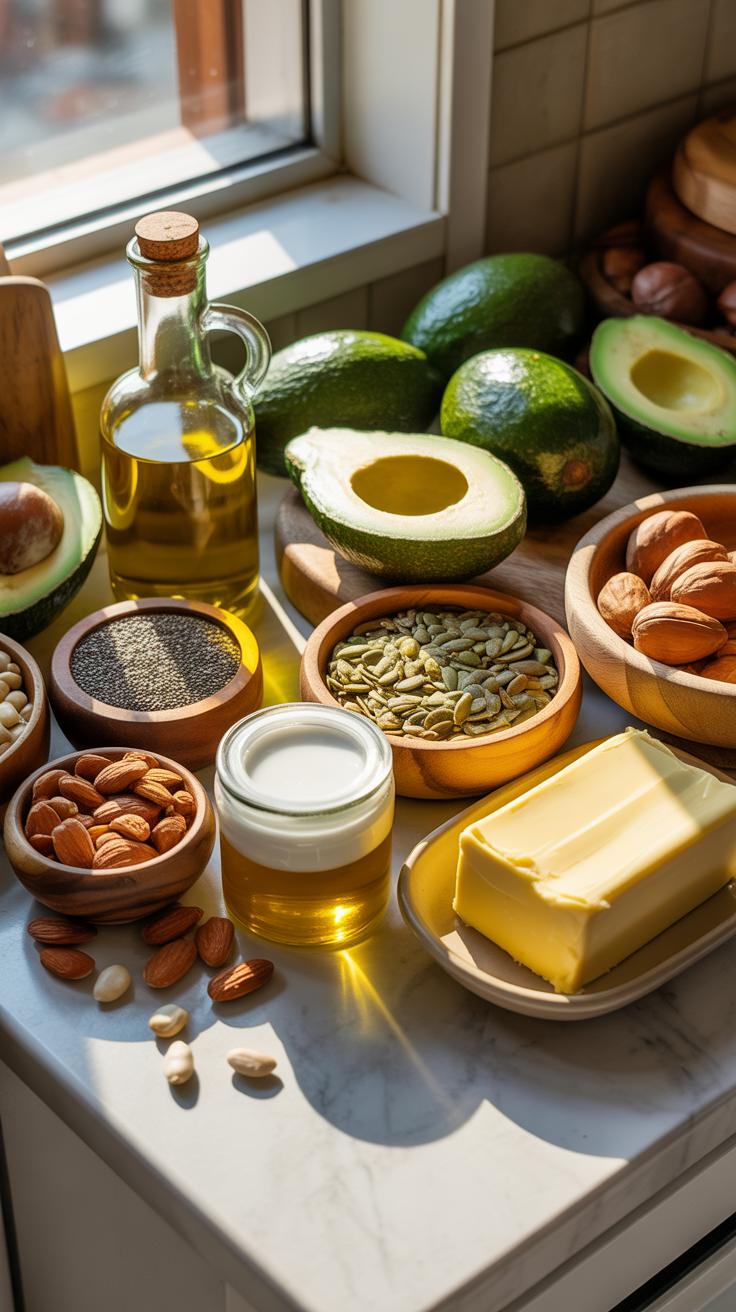
Cooking Oils And Butter Choices That Support Ketosis
Select fats with high smoke points for heavy cooking. Grass-fed butter and ghee provide essential fat-soluble vitamins. These options stay stable under heat and prevent oxidation. Avoid processed seed oils like soybean or corn oil. These inflammatory oils disrupt metabolic health and stall weight loss. Stick to saturated and monounsaturated fats for the best results. They help you maintain long periods of nutritional ketosis.
Prioritize coconut oil for its high medium-chain triglyceride content. These fats convert quickly into usable energy for your brain. Extra virgin olive oil works best for cold dressings or low heat. It contains high levels of antioxidants and heart-healthy polyphenols. Always check labels for purity to avoid cheap filler oils. Buying these staples in bulk reduces your long-term grocery costs. Focus on quality fats to stay full between meals.
Whole Food Fat Sources Like Avocados, Nuts, And Seeds
Whole food fats provide fiber along with essential electrolytes. Avocados are the primary choice for any keto grocery list. They contain high levels of potassium which prevents the keto flu. Proper electrolyte balance keeps your energy high during the transition. Use avocados to hit your daily fat macros without adding sugar. They are versatile and fill you up quickly. This makes them a strategic budget tool.
Nuts and seeds offer a portable way to consume healthy fats. Focus on macadamias, pecans, and walnuts for the best fat-to-carb ratios. Avoid cashews and pistachios because they contain too many carbohydrates. Seeds like chia and flax provide omega-3 fatty acids for heart health. Store these items in airtight containers to prevent spoilage. Portioned servings prevent overeating and keep your calorie count under control. Proper selection ensures metabolic efficiency.
Your Keto Food List For Low Carb Vegetables Worth Adding To Every Cart
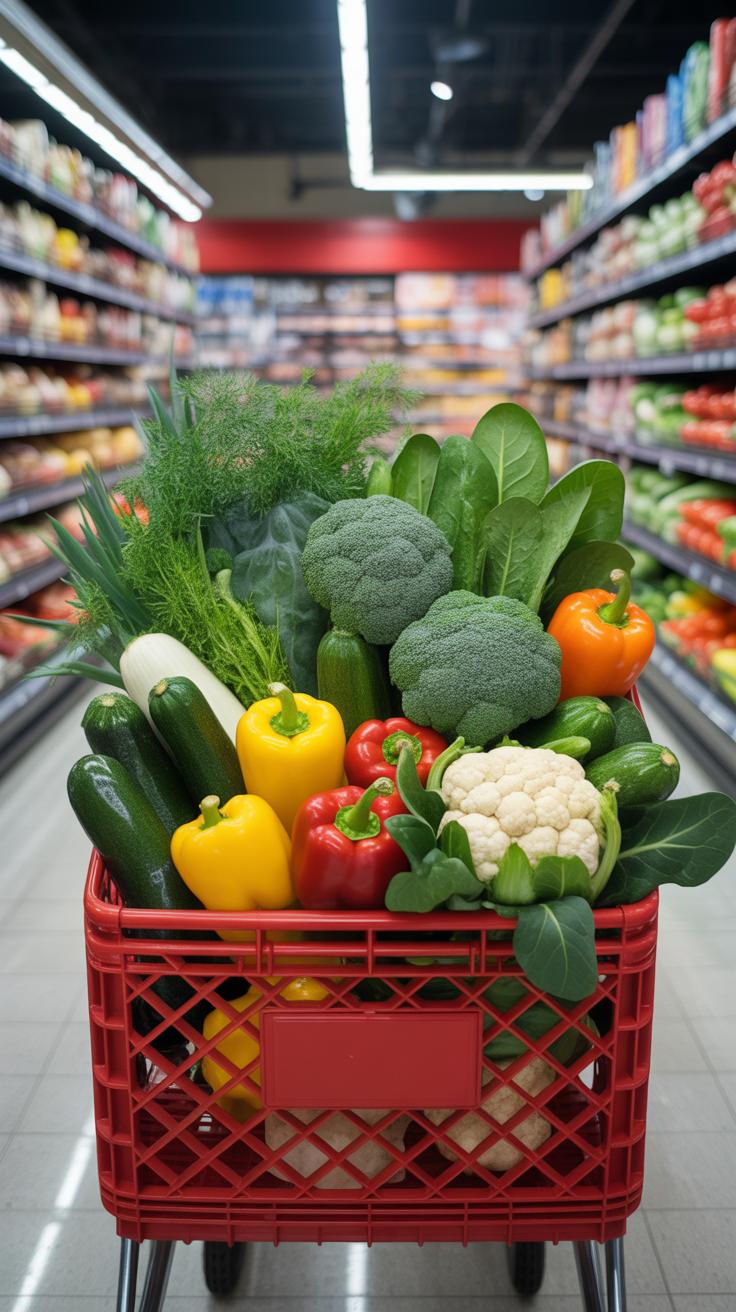
Above Ground Vegetables That Are Naturally Low In Carbs
Vegetables growing above the ground contain fewer sugars and starches than root crops. This rule of thumb simplifies grocery shopping for keto beginners. Leafy greens and cruciferous plants provide essential micronutrients without spiking insulin levels. Focus on these high volume foods to maintain satiety while keeping net carbs low. Prioritize frozen options to save money without sacrificing nutritional density or quality.
- Spinach: This dark leafy green contains high levels of magnesium and potassium. It serves as a versatile base for salads or hot side dishes. Buying spinach in large bags or frozen blocks reduces the cost per serving significantly.
- Zucchini: This squash acts as a primary substitute for grain based noodles. It has a high water content and absorbs flavors from fats and proteins easily. Use a peeler to create ribbons for a cheap and effective pasta alternative.
- Cauliflower: This vegetable functions as the most flexible keto staple. You can mash it like potatoes or grate it into rice. It provides bulk to meals for very few calories and minimal impact on blood glucose levels.
- Broccoli: This cruciferous vegetable offers high fiber content and vitamin C. It remains shelf stable longer than delicate greens and stays crisp when roasted in healthy fats. Buying whole heads rather than pre cut florets keeps your grocery bill lower.
- Cabbage: This budget friendly vegetable provides a crunchy texture for slaws or stir fries. It is one of the least expensive items in the produce aisle. Cabbage lasts for weeks in the refrigerator and supports digestive health through high fiber density.
Strategic vegetable selection prevents common electrolyte imbalances often associated with the ketogenic shift. These plants offer the bulk required to maintain regular digestion during high fat intake. Avoid pre washed or pre cut containers to maximize your budget. Bulk purchasing of these specific items ensures you always have a low carb side dish ready. Freshness matters less than total net carb count for metabolic success.
Vegetables To Limit Or Avoid On A Ketogenic Diet
Root vegetables and tubers store energy as starch which converts quickly into glucose. Potatoes, sweet potatoes, and carrots contain enough carbohydrates to stall ketosis in a single serving. Historical agricultural practices bred these crops for high caloric density to sustain workers. On a keto budget, these items appear cheap but provide too much sugar for your metabolic goals. Eliminate them to maintain fat adaptation.
Corn and peas are technically seeds or legumes and carry heavy glycemic loads. Avoid these items even when they appear in frozen vegetable medleys. Read labels on canned goods to ensure no added sugar exists in the liquid. Sticking to green vegetables ensures you stay within the daily twenty gram net carb limit. Discipline in the produce aisle prevents accidental carb loading that resets your progress and triggers cravings.
Low Carb Grocery Shopping List Dairy And Dairy Alternatives On Keto
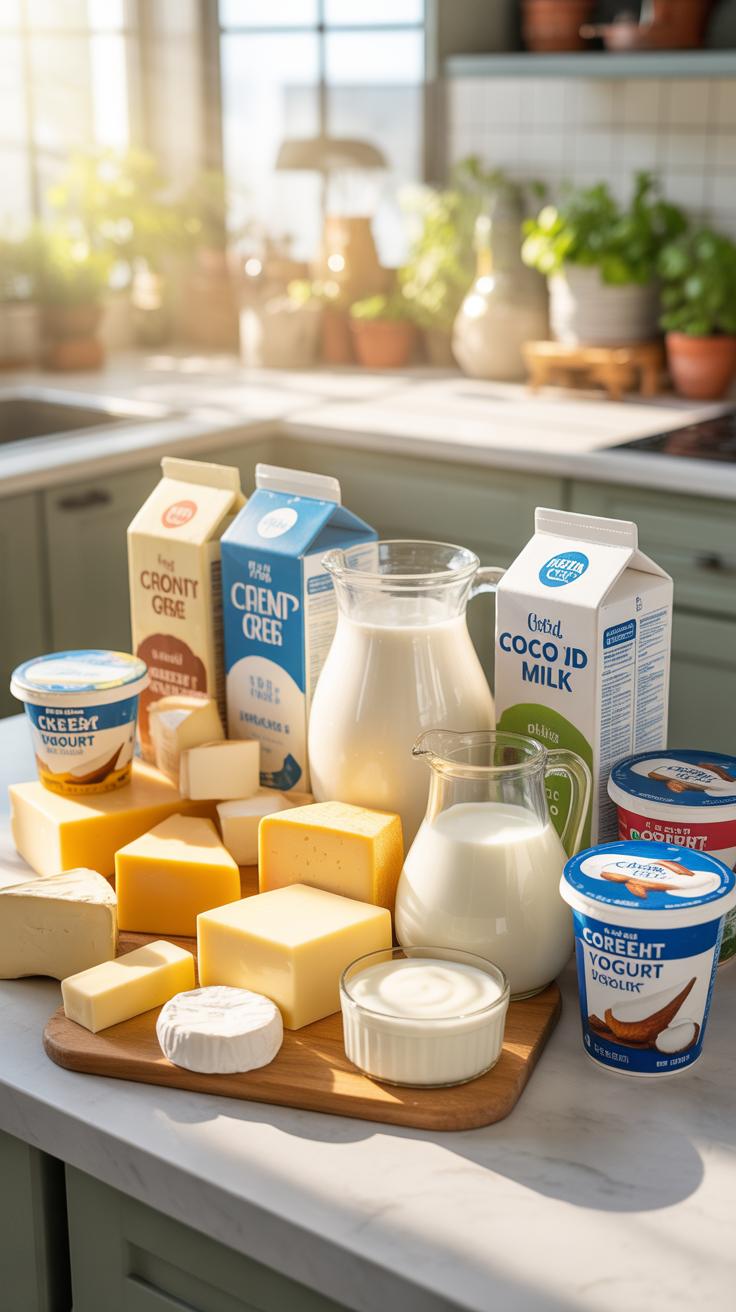
Full Fat Dairy Products That Fit Perfectly Into A Keto Plan
Full-fat dairy provides the dense calories and fats necessary to maintain nutritional ketosis. Buy heavy cream instead of milk to eliminate lactose sugars. Hard cheeses like cheddar or parmesan offer zero carbohydrates and high protein counts. Always check labels for added starches or thickeners used in shredded varieties. These fillers raise blood glucose levels and stall fat loss progress.
Focus on grass-fed butter to maximize healthy Omega-3 fatty acid intake. Sour cream and cream cheese serve as high-fat bases for sauces or snacks. Avoid low-fat or non-fat options entirely because manufacturers replace fat with sugar to maintain flavor. High-fat dairy intake keeps you satiated for longer periods. This reduces the urge to snack between meals and keeps your daily budget under control.
Dairy Free Alternatives To Consider For Keto Beginners
Plant-based fats offer a reliable path for people who cannot digest lactose. Unsweetened almond milk and coconut milk are the primary staples. These liquids contain very few carbohydrates and work well in coffee or cooking. Always select the unsweetened version to avoid hidden cane sugar or corn syrup. Manufacturers often add flavorings that ruin your macros if you do not read the labels.
Nut-based cheeses and whipped coconut creams provide similar textures to traditional dairy products. Look for products made from cashews or macadamia nuts for the best fat profiles. Avoid soy-based milks as they often contain inflammatory oils and higher carb counts. These alternatives allow you to enjoy creamy textures without the digestive inflammation caused by milk proteins. Stick to simple ingredients to ensure high nutritional density.
Keto Diet Grocery List For Beginners Pantry Staples That Save You Money
Affordable Keto Friendly Flours, Sweeteners, And Condiments
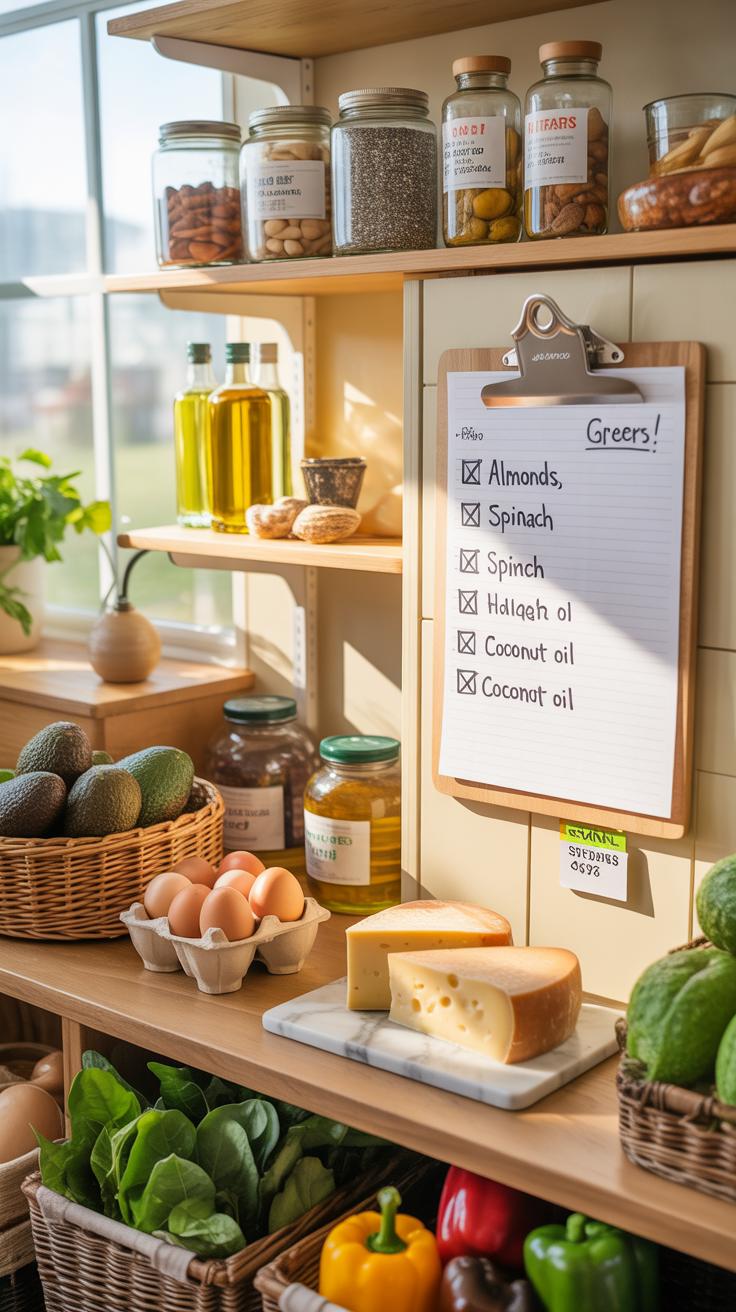
Standard wheat flour contains too many carbohydrates for a ketogenic state. You must replace it with nut or seed flours. Almond flour and coconut flour provide the best utility for low-carb cooking. Coconut flour costs less because it absorbs more liquid. You use less of it per recipe than almond flour. Buy these items in bulk bins to lower your unit cost.
Liquid sweeteners and granulated sugar alcohols help manage cravings without spiking blood glucose. Stevia and erythritol are the most common budget options. Avoid blends that contain maltodextrin as a filler. Check labels on condiments like mustard and hot sauce. These items usually contain zero sugar and add flavor for pennies. Stick to vinegar-based sauces to keep your carbohydrate count at near zero.
Canned And Frozen Foods That Are Budget Friendly Keto Essentials
Frozen and canned goods offer the best price-to-nutrient ratio for keto beginners. These items have long shelf lives and reduce food waste. Frozen vegetables are picked at peak ripeness and flash-frozen. This process preserves vitamins and minerals better than fresh produce that sits on shelves. Canned proteins provide high-quality fats and essential amino acids without the high price of fresh butcher cuts.
- Canned Sardines: These small fish offer high concentrations of omega-3 fatty acids and protein. They require no cooking and remain shelf-stable for years. Always choose sardines packed in olive oil or water to avoid inflammatory seed oils.
- Frozen Spinach: One bag of frozen spinach contains several pounds of fresh leaves condensed into a small space. It provides essential magnesium and potassium. Use it in eggs or soups to meet your daily electrolyte requirements at a fraction of the cost.
- Canned Tuna: Tuna is a lean protein staple that fits any budget. Mix it with mayonnaise for a high-fat meal that keeps you full. Look for light tuna to find the lowest mercury levels and the best pricing during grocery store sales.
- Frozen Broccoli Florets: Broccoli is a versatile low-carb vegetable that provides fiber for digestive health. Frozen versions are pre-washed and chopped, saving you time in the kitchen. They roast or steam quickly and work well as a side dish for any protein.
- Canned Pink Salmon: This is a cost-effective alternative to fresh Atlantic salmon. It contains healthy fats and vitamin D necessary for hormone regulation. Use it to make salmon cakes or salads. The bones are often included and provide a source of calcium.
Smart shoppers use these preserved foods to build a foundation for their weekly meals. Bulk buying frozen vegetables during sales lowers your average cost per serving. Canned meats ensure you always have a protein source available when fresh options run out. This strategy prevents expensive last-minute trips to the store or ordering takeout. Focus on these staples to maintain ketosis while protecting your bank account.
Low Carb Grocery List Snacks And Beverages Safe For Keto
Keto Approved Snack Options To Keep Hunger At Bay
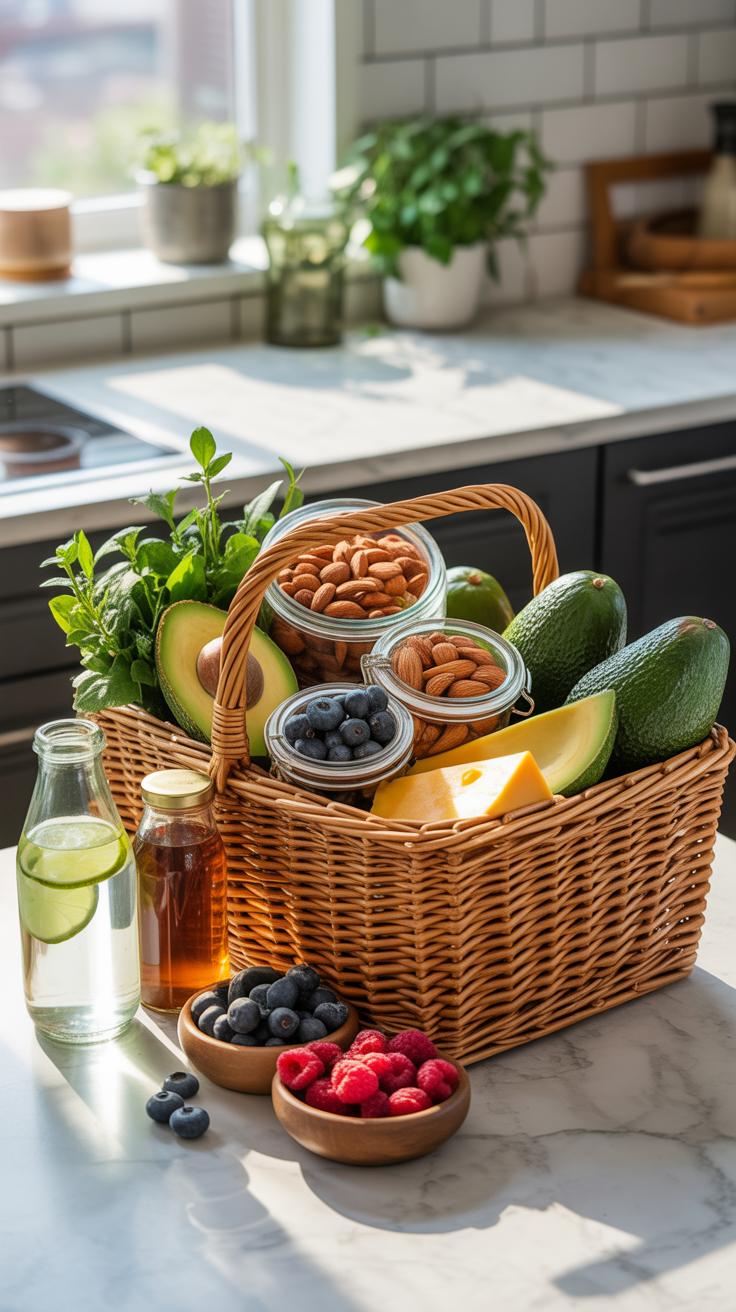
Strategic snacking prevents blood sugar spikes and keeps you in ketosis. Choose whole foods with high fat and protein content. Avoid processed bars that hide sugar under chemical names. Hard boiled eggs and olives provide immediate satiety. These options cost very little when bought in bulk. Keep your portions small to maintain a caloric deficit while fat adapting your body.
Quality fats suppress your appetite for hours. Walnuts and macadamia nuts offer the best fat ratios for a keto grocery list. Avoid peanuts because they contain higher carbohydrate counts. Cheese sticks provide portable protein without prep time. Check labels for fillers like potato starch in shredded varieties. Buy block cheese to save money and avoid unnecessary additives that stall weight loss progress.
Best Drinks To Stay Hydrated And Support Ketosis
Water is your primary tool for flushing ketones and maintaining kidney health. Electrolyte loss occurs rapidly during the initial stages of carbohydrate restriction. You must replace sodium, magnesium, and potassium to avoid the keto flu. Plain sparkling water provides carbonation without the metabolic damage of corn syrup. Avoid any drink with maltodextrin as it raises insulin levels as much as sugar.
Black coffee and unsweetened tea serve as effective hunger suppressants. The caffeine boosts your metabolic rate and increases focus. Do not add milk because the lactose contains natural sugars. Use heavy cream or grass fed butter for extra fat if needed. Stevia and erythritol are the safest sweeteners if you require a sweet taste. Most diet sodas use aspartame which may trigger cravings in some individuals.
Keto Diet Ingredients List Foods To Completely Avoid At The Store
High Carb Foods That Will Knock You Out Of Ketosis
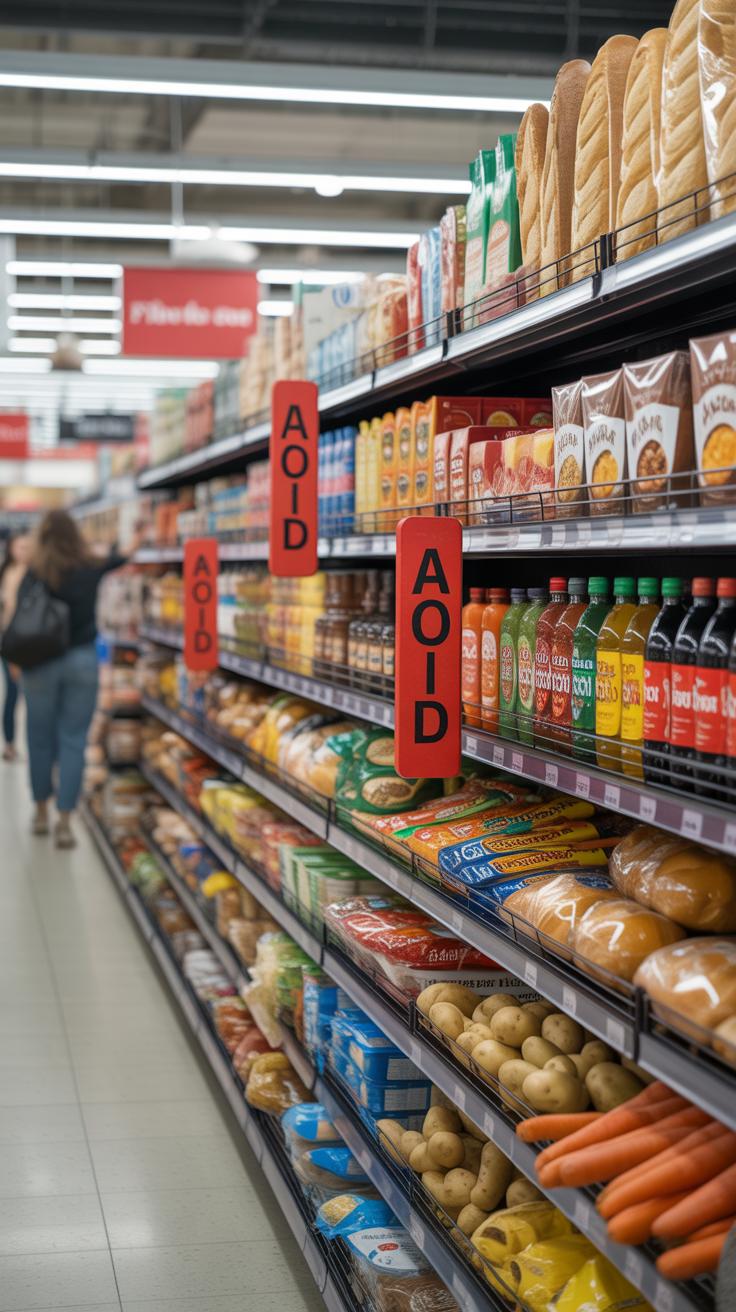
Standard grocery aisles contain massive amounts of glucose and starch. Grains like wheat, corn, and rice spike insulin levels immediately. This hormonal shift stops fat burning and ends ketosis. Even whole grain options contain enough carbohydrates to exceed your daily limit in one serving. Avoid the bakery and pasta sections entirely. These items provide zero tactical value for your metabolic goals.
Sugar acts as a metabolic toxin on a keto diet. You must eliminate soda, juice, and high-sugar fruits like bananas or grapes. These foods flood your system with fructose and glucose. Your liver prioritizes processing these sugars over burning fat. Stick to high-fat whole foods to maintain your metabolic state. Removing these items protects your progress and prevents energy crashes during the day.
Hidden Carbs In Packaged Foods And How To Spot Them
Manufacturers hide sugar under dozens of technical names on ingredient labels. Look for maltodextrin, dextrose, and various syrups in processed meats and dressings. These additives have high glycemic indexes that disrupt blood sugar. Low-fat products often use starches and thickeners to improve taste. These fillers add significant carb counts to items you might think are safe. Read every label before purchasing.
Watch out for sauces and marinades in the center aisles. Barbecue sauce and ketchup often contain more sugar than candy. Manufacturers also add flour to pre-shredded cheese to prevent clumping. This adds unnecessary starches to your daily intake. Buy block cheese and whole spices to control your macros. Strategic shopping requires skepticism of every health claim on a box. Trust the nutrition facts panel only.
Smart Budget Tips To Shop Your Keto Diet Shopping List Without Overspending
Meal Planning Strategies That Stretch Your Keto Budget Further
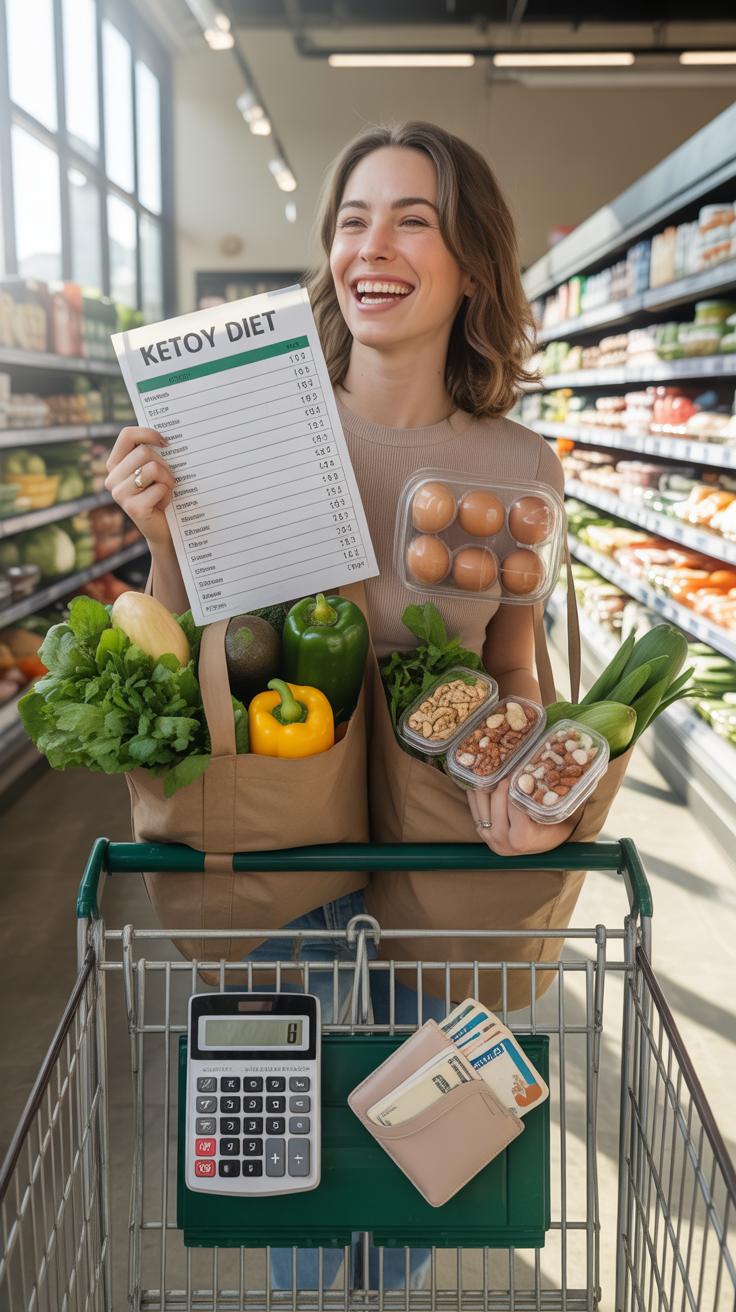
Effective meal planning centers on overlapping ingredients across multiple dishes. You must buy proteins and fats that serve double duty to reduce waste and cost. Choose versatile items like ground beef or large packs of eggs. Use the same fat sources for roasting vegetables and searing meats. This focus minimizes the number of unique items you must buy each week at the store.
Inventory your pantry before you leave the house. Check for oils, spices, and remaining frozen proteins to avoid duplicate purchases. Plan recipes based on what you already own. This tactic prevents the common trap of buying specialty keto products you do not need. Stick to whole foods that fill you up longer. Simple meals with fewer ingredients keep your total grocery bill much lower.
Where To Shop For The Best Keto Deals In Store And Online
Discount grocers offer the best local prices on keto essentials like butter, cheese, and heavy cream. These stores often carry private label brands that cost forty percent less than name brands. Shop the perimeter of the store first. This area holds the fresh meats and low carbohydrate vegetables. Ignore the center aisles where expensive keto snacks and processed sugar substitutes live.
Online bulk retailers provide a tactical advantage for shelf stable fats and flours. Purchase almond flour and coconut oil in large quantities to lower the price per ounce. Use subscription services for items you consume daily to secure additional discounts. Check digital flyers for meat sales every Wednesday. Buying meat when it is on sale and freezing it provides the best return on investment.
Frequently Asked Questions

What are the must-have items for a beginner starting a keto diet?
Starting your journey can feel overwhelming, but your initial keto grocery list should focus on high-quality fats and proteins. Stock up on versatile staples like large packs of eggs, grass-fed butter, and blocks of cheddar cheese. Don’t forget healthy oils like coconut or olive oil and a variety of leafy greens. These fundamental items provide the necessary macronutrients to help your body transition into ketosis while keeping your carbohydrate intake low.
How can I organize my shopping trip to stay on track with my keto goals?
The best way to manage your keto grocery list is to shop the perimeter of the store first. This is where you will find fresh produce, meat, and dairy, which are the cornerstones of a low-carb lifestyle. Avoid the inner aisles filled with processed snacks and hidden sugars. Making a meal plan before you leave home ensures you only buy what you need, preventing impulsive purchases that could kick you out of ketosis.
Is it possible to follow a ketogenic diet without spending a fortune on expensive specialty foods?
Absolutely! You can easily maintain a keto grocery list on a budget by prioritizing frozen vegetables and buying meat in bulk when it goes on sale. Expensive “keto-friendly” branded snacks are unnecessary for success. Focus on affordable whole foods like canned tuna, chicken thighs, and seasonal produce. By sticking to simple, unprocessed ingredients, you can achieve your health goals and stay fat-adapted without ever overspending at the checkout counter.