
What Is Keto Meal Prep And Why Does It Matter
Understanding The Ketogenic Diet Before You Start Prepping
The ketogenic diet forces your body into a metabolic state called ketosis. You must restrict carbohydrate intake to under fifty grams per day. This shift compels the liver to produce ketones from stored fat. You use these ketones for energy instead of glucose. You must prioritize high fat intake and moderate protein to maintain this state. Precision is the only way to succeed.

Most beginners fail because they do not track their macronutrients. You cannot guess your carb intake and stay in ketosis. Hidden sugars in processed foods will kick you out of fat-burning mode instantly. You must understand that keto is a physiological shift, not a loose suggestion. Study food labels and focus on whole food sources like meat, eggs, and leafy green vegetables.
How Meal Prepping Supports A Consistent Keto Lifestyle
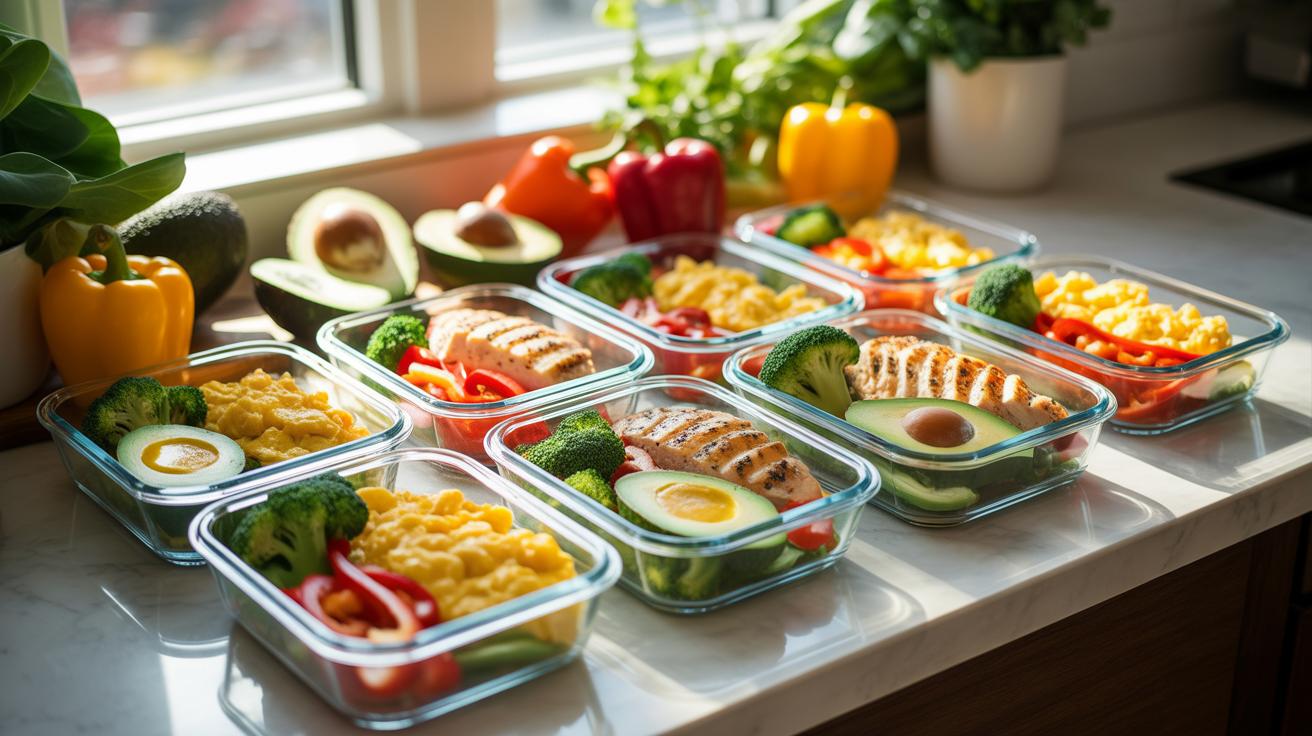
Keto meal prep eliminates the risk of impulsive eating. When you are hungry and lack a plan, you grab high-carb convenience snacks. Prepping ensures your fridge contains compliant meals that meet your specific fat and protein targets. You save time during the week by cooking in bulk on Sundays. This strategy removes the daily mental burden of calculating complex macronutrient ratios.
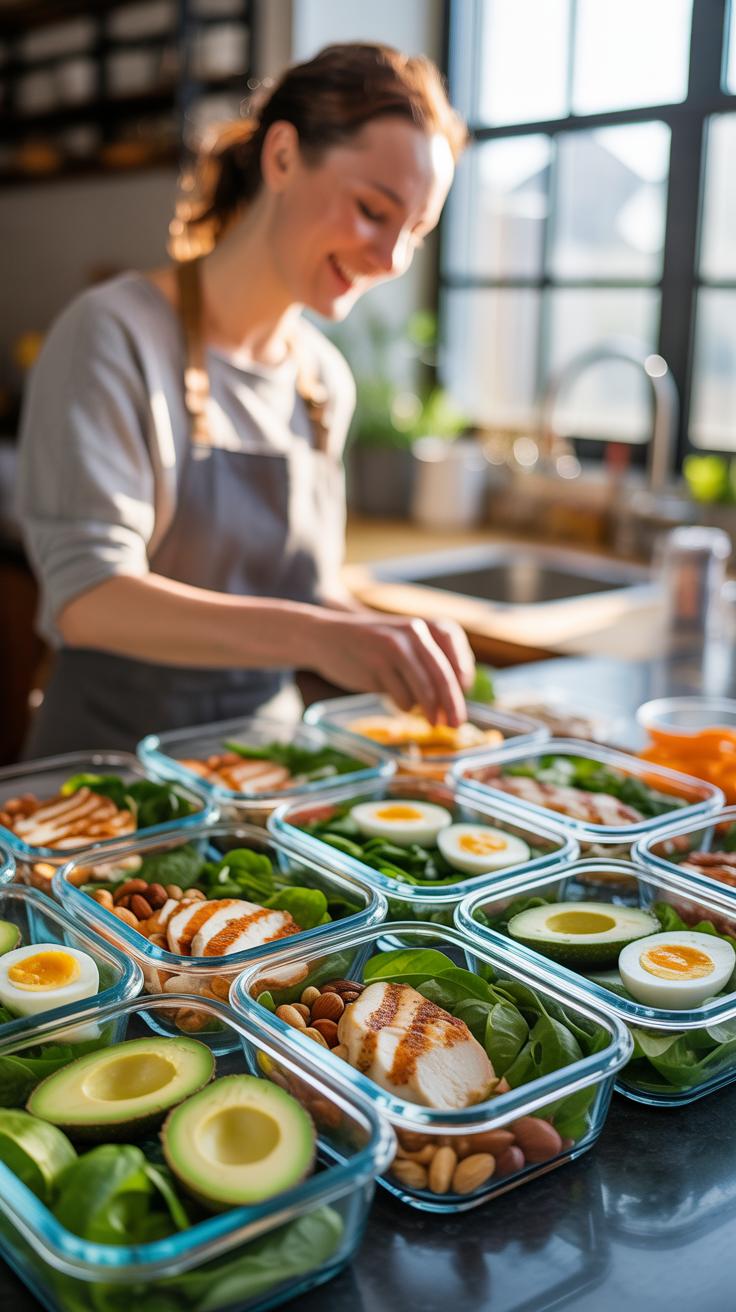
Consistency is the primary driver of weight loss and mental clarity on keto. Prepared meals provide total control over ingredients like seed oils and hidden starched thickeners. You manage your electrolyte levels better when you control your salt intake through home-cooked portions. Tactical preparation turns a difficult biological transition into a repeatable habit. You win by making the right choice the easiest choice available.
Setting Up Your Kitchen For Successful Keto Cooking
Essential Kitchen Tools And Equipment For Keto Cooking
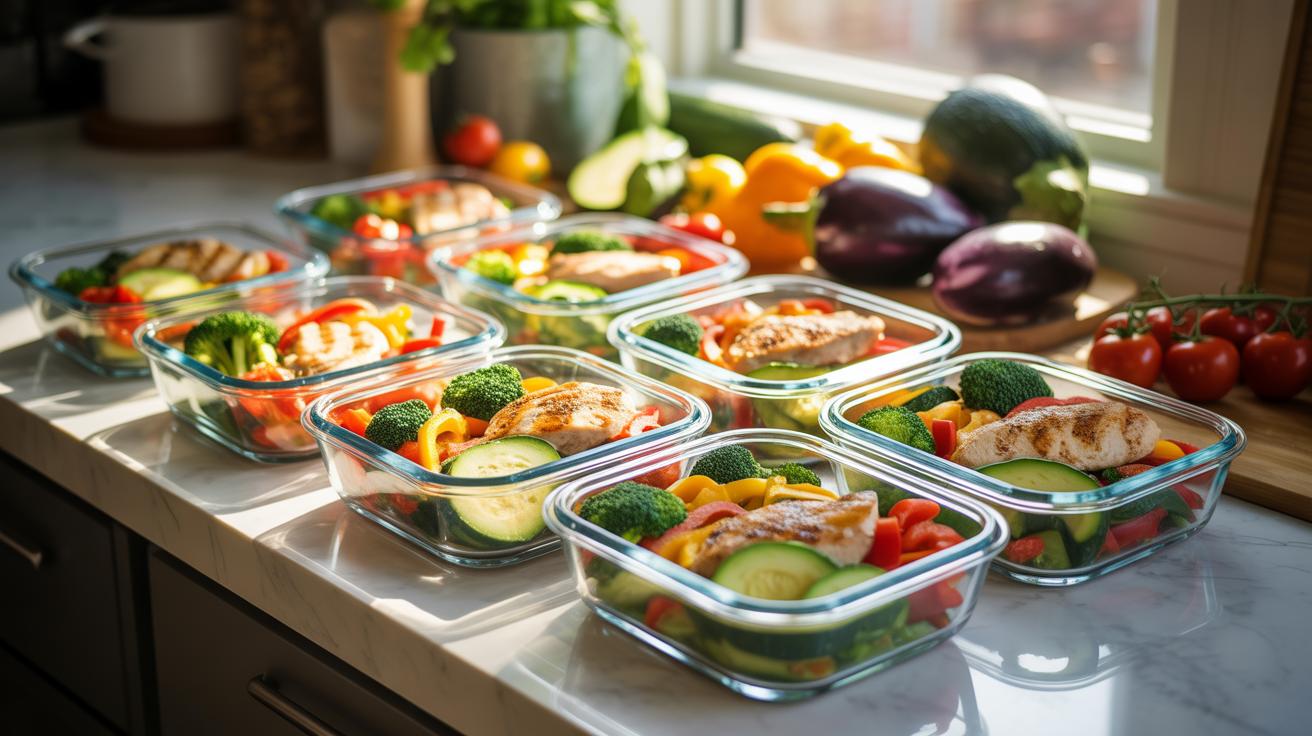
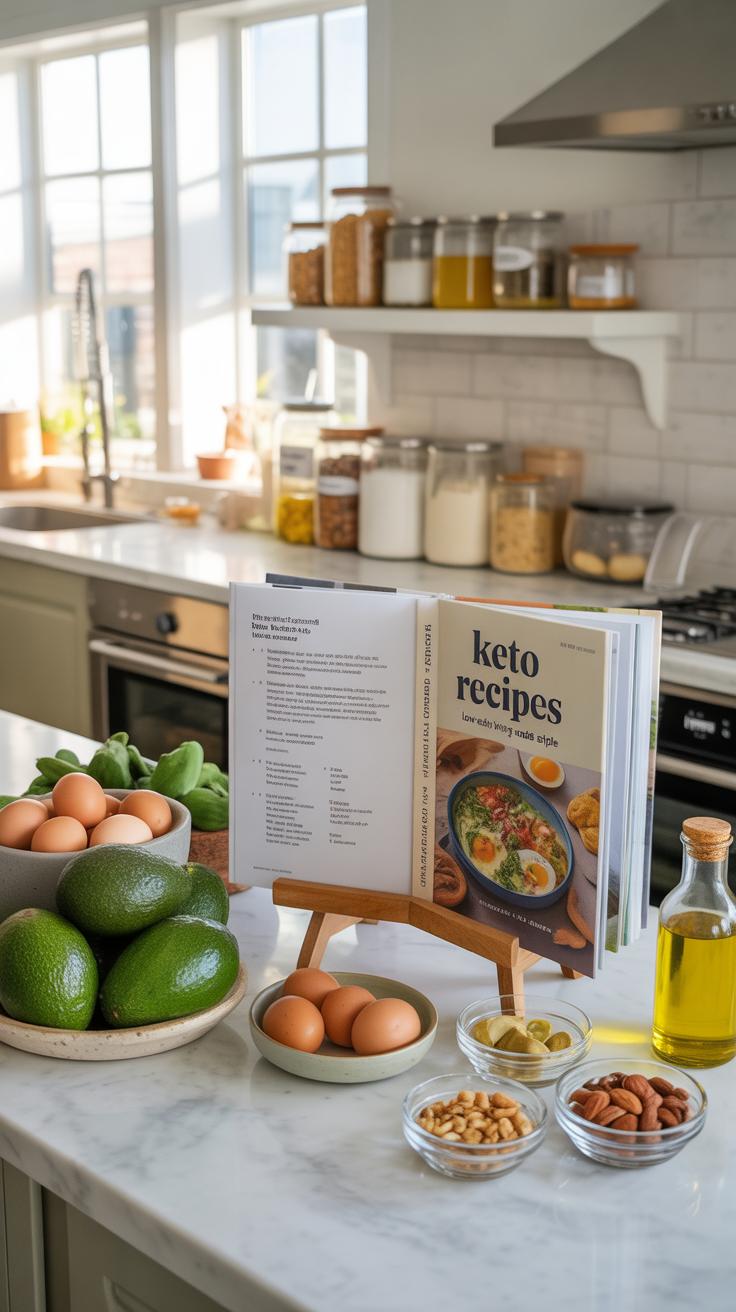
Successful keto meal prep requires specific infrastructure to handle high volumes of animal proteins and fibrous vegetables. You need tools that withstand heavy heat and frequent washing. High-quality equipment reduces preparation time and ensures consistent results across your weekly batches. Invest in durable materials like stainless steel or cast iron to maintain temperature control during the searing and roasting processes required for fat-heavy meals.
- Digital Food Scale: Precision is vital for tracking macronutrients and ensuring you stay in ketosis. Use a scale to weigh proteins and fats instead of relying on inaccurate volume measurements like cups or spoons.
- Immulsion Blender: Use this tool to emulsify fats into coffee or create stable mayonnaise and sauces. High-fat dressings often separate, but high-speed blending creates a permanent emulsion that improves the texture and taste of keto meals.
- Cast Iron Skillet: This heavy pan provides superior heat retention for searing steaks and chops. Proper searing triggers the Maillard reaction, which adds necessary flavor to meat without the need for sugary glazes or high-carb seasonings.
- Glass Storage Containers: Plastic containers often absorb odors and stain when holding oily keto foods. Glass is non-porous and safe for reheating in ovens or microwaves, ensuring your prepped meals remain fresh and free from chemical leaching.
- Large Sheet Pans: Bulk roasting is the most efficient way to cook low-carb vegetables and bone-in meats simultaneously. Heavy-duty aluminum pans prevent warping under high heat and allow for even airflow, which is critical for achieving a crisp texture.
Standardize your kitchen with these items to eliminate friction during your cooking sessions. Efficiency depends on having the right tool for every repetitive task. Professional-grade equipment lasts longer and performs better under the stress of heavy weekly use. Clear your counters of single-use gadgets that occupy space. Focus on versatile tools that serve multiple functions to keep your workspace organized and highly functional for rapid food production.
How To Organize Your Fridge And Pantry The Keto Way
Strategic organization prevents decision fatigue and accidental carb consumption. Group your food by macronutrient type to make assembling meals faster. Keep high-fat perishables like heavy cream, butter, and eggs at eye level in the refrigerator. Store leafy greens and cruciferous vegetables in high-humidity drawers to maintain their crispness and nutrient density. Clear labeling tells you exactly what to eat and when to cook it before ingredients spoil.
Designate a specific shelf for prepped proteins to stop cross-contamination and simplify grab-and-go options. In the pantry, remove all flour and sugar to eliminate temptation and cognitive load. Group oils, nuts, and keto-friendly canned goods in clear bins for inventory management. High-visibility storage allows you to spot shortages before you start cooking. This systematic approach ensures your kitchen remains a controlled environment that supports your physiological goals every day.
Keto Meal Prep Building Your Weekly Grocery List
Core Low Carb Keto Ingredients Every Beginner Should Stock
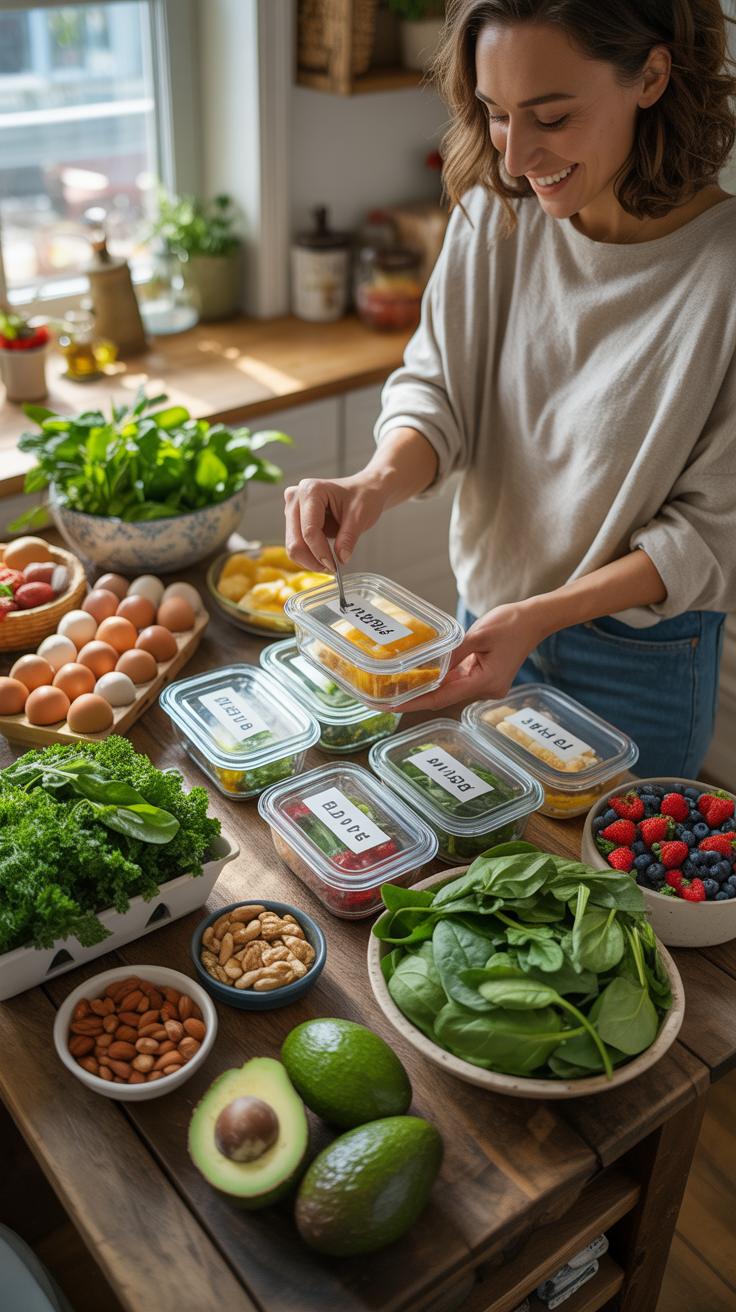
Successful keto meal prep requires a foundation of high-fat and moderate-protein staples. You must focus on whole foods that naturally contain minimal glucose-spiking sugars. Stocking your pantry and fridge with these essentials prevents last-minute impulse buys. These ingredients serve as the building blocks for every meal you plan. Focus on quality fats and fibers to stay in ketosis reliably.
- Grass-fed Butter and Ghee: These fats provide a stable base for high-heat cooking and add necessary calories to lean proteins. Ghee offers a higher smoke point than butter. Both are crucial for maintaining high fat ratios in a ketogenic diet without adding hidden carbohydrates or inflammatory seed oils.
- Cruciferous Vegetables: Broccoli, cauliflower, and cabbage offer high fiber and low net carb counts. These vegetables provide volume to your meals and support digestive health while in ketosis. You can roast, steam, or rice them safely to replace traditional high-carb grains like rice or pasta.
- High-Fat Animal Proteins: Ribeye steaks, chicken thighs with skin, and fatty fish like salmon provide essential amino acids and lipids. Fat is your primary fuel source on keto. Selecting fattier cuts of meat ensures you hit your daily macro targets without needing to add excessive extra oils to your dishes.
- Avocados and Cold-Pressed Oils: Avocados contain high amounts of monounsaturated fats and potassium which helps prevent electrolyte imbalances. Use extra virgin olive oil or avocado oil for dressings and finishing. Avoid processed vegetable oils like soybean or corn oil which contribute to systemic inflammation and poor health outcomes.
- Large Eggs: Eggs are the perfect keto food due to their ideal fat-to-protein ratio. They are versatile for meal prepping breakfast bakes or hard-boiled snacks. The yolk contains lecithin and essential vitamins that support brain function. Always keep at least two dozen on hand for quick and easy meal preparation.
Avoid processed keto snacks during your first few weeks of prep. Stick to these raw ingredients to ensure your body shifts into fat-burning mode quickly. Simplicity reduces the margin for error in your calorie and carb counting. Measure your portions based on these staples to create a repeatable and effective grocery routine. This strategy ensures you always have the right fuel available.
How To Read Nutrition Labels To Stay Within Your Macros
Reading labels is a survival skill for anyone starting keto meal prep. You must calculate net carbs by subtracting fiber and certain sugar alcohols from the total carbohydrate count. Manufacturers often hide sugar under names like maltodextrin or dextrose. These additives can kick you out of ketosis even if the total carb count looks low. Always verify every ingredient listed on the package.
Ignore the bold marketing claims on the front of the box. Turn the package over and look at the serving size first. Many products list small serving sizes to make the carb count appear lower than it is in practice. Total fat, protein, and net carbs must align with your daily targets. Prioritize foods with short ingredient lists to avoid hidden fillers that stall weight loss.
Meal Prep For Keto Understanding Macros And Portion Planning
What Are Macros And How To Calculate Them For A Keto Diet
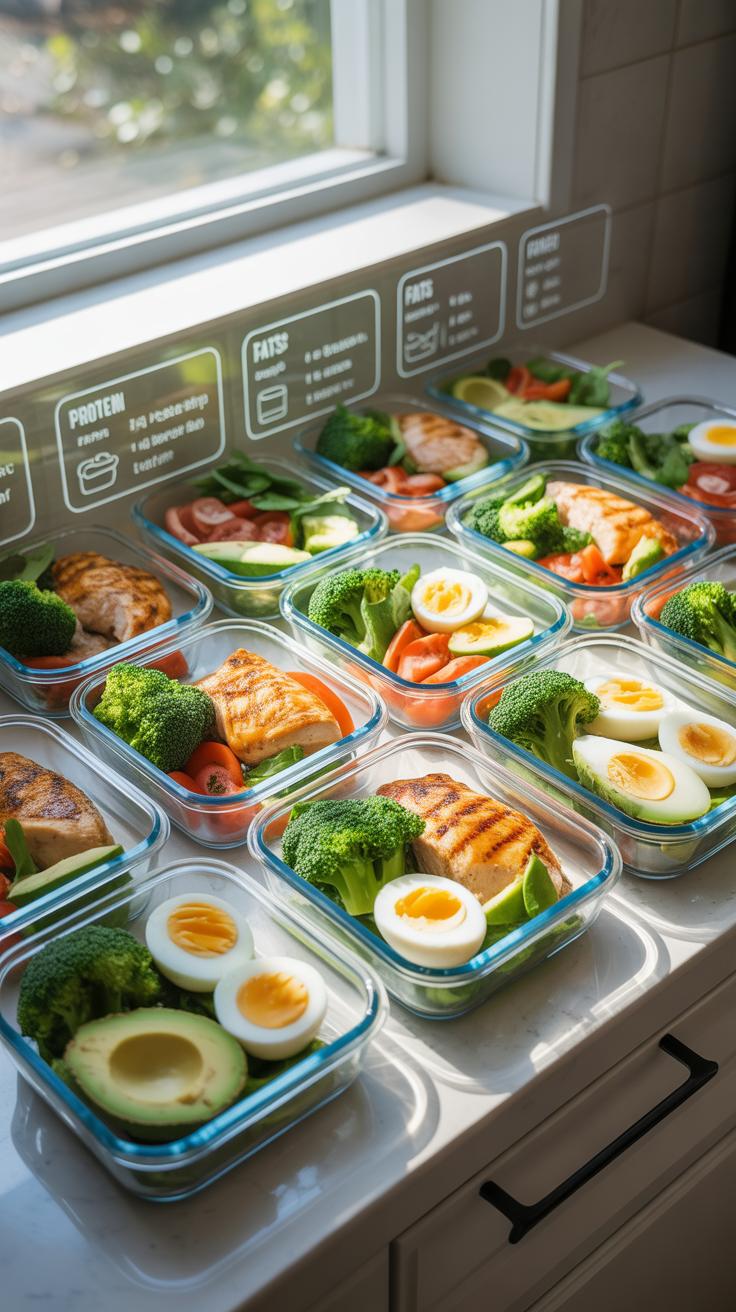
Macros are the three main nutrients that provide energy: fats, proteins, and carbohydrates. For keto, you must prioritize fat and restrict carbs. Most people succeed by following a ratio of seventy percent fat, twenty-five percent protein, and five percent net carbs. Net carbs are total carbs minus fiber. Use a calculator to find your specific daily calorie needs based on weight and activity.
Track every gram of food to stay accurate. Miscalculating just five grams of carbs can stop ketosis. High fat intake provides the primary fuel source for your brain and muscles. Adequate protein prevents muscle loss while you lose weight. You must adjust these numbers as your body weight changes. Re-evaluate your macro targets every four weeks to ensure your meal prep remains effective.
Portion Control Strategies To Keep Your Body In Ketosis
Portion control prevents overeating, even when eating keto-friendly foods. Too much protein can trigger a process called gluconeogenesis where the body creates its own sugar. Use a digital food scale for every meal prep session. Measuring by volume with cups is inaccurate for solid proteins and fats. Weighing your food ensures you hit your macro targets without hidden calories or carbs.
Divide your bulk-cooked meals into individual containers immediately after cooking. This stops you from eating directly from the pan. Use smaller containers to trick your brain into feeling full. Label each box with the total net carbs and fat content. Clear labels take the guesswork out of daily eating. Planning your portions in advance removes the risk of making poor food choices when you feel hungry.
Meal Prep For The Week Keto Diet Planning Made Simple
How To Build A Realistic 7 Day Keto Meal Prep Schedule
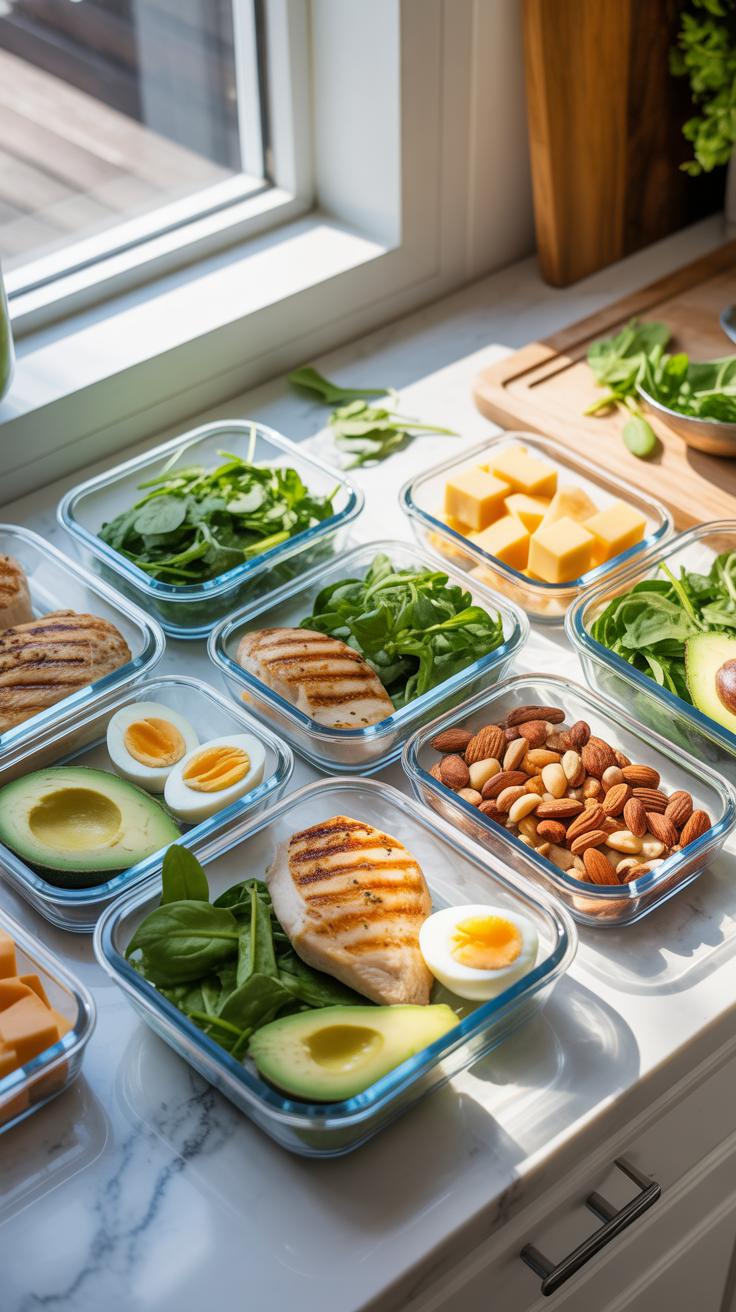
Successful keto meal prep requires a fixed calendar strategy. Select one primary day for all bulk grocery shopping and heavy cooking. Most professionals choose Sunday to ensure food remains fresh through Friday. Use Saturday to inventory your kitchen and finalize your shopping list. This two day approach prevents burnout and ensures you have every necessary fat and protein source ready for the week.
Execution must be objective and data driven. Map out three core meals and two snacks for each day. Rotate through two main protein sources to keep the process efficient. Prepare your most complex meals on your designated prep day. Portion these into airtight containers immediately to prevent overeating. This rigid structure removes daily decision fatigue and keeps your net carbohydrate intake within the required limits.
Batch Cooking Techniques That Save Time Without Sacrificing Flavor
Maximize your oven and stovetop space simultaneously to increase output. Roast large quantities of cruciferous vegetables and fatty meats on separate sheet pans at 400 degrees Fahrenheit. Use high heat to trigger the Maillard reaction for better taste. This method allows you to cook ingredients for five different meals in under sixty minutes. Standardize your seasoning to ensure all prepped components pair well together.
Utilize slow cookers or pressure cookers for tough cuts of meat like beef brisket or pork shoulder. These appliances operate independently while you handle knife work. Once cooked, shred the meat and store it in its own juices to maintain moisture. This prevents the dry texture common in reheated keto meals. Cold storage organization is the final step. Place the oldest meals at the front of your refrigerator.
Keto Recipes Easy Enough For Total Beginners To Master
Simple Keto Breakfast And Lunch Recipes You Can Prep In Bulk
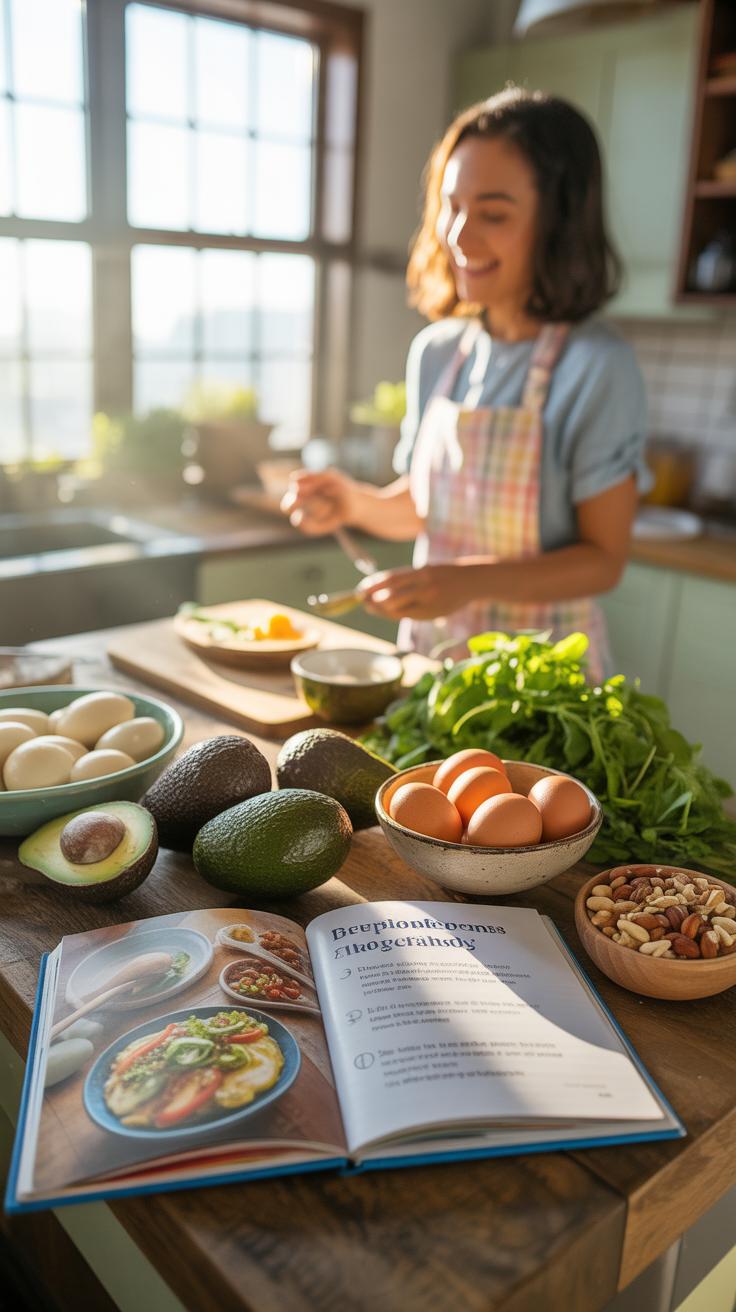
Egg bites and breakfast casseroles dominate the keto morning routine because they reheat perfectly. Use silicone molds to bake whisked eggs with heavy cream, spinach, and bacon. This method ensures consistent portion sizes and fat ratios throughout the work week. You avoid the morning rush by grabbing pre-portioned units from the fridge. High protein and fat content in eggs provides sustained energy without blood sugar spikes.
Lunch prep requires sturdy ingredients that do not wilt in storage. Build bowls using roasted thighs and cruciferous vegetables like broccoli or cauliflower. These ingredients hold their texture better than leafy greens when reheated. Dress these meals with olive oil or avocado oil right before eating. This strategy locks in nutrients and prevents the soggy texture common in amateur meal prep. Stick to one protein and one vegetable to maximize efficiency.
Cooking is about creating memories around the table, and preparing your keto meals ahead of time ensures you always have a seat at the feast. Nourishing your body with real food is the ultimate act of love for yourself and your family.
— Paula Deen
Quick Snacks And Fat Bomb Recipes To Keep Hunger At Bay
Fat bombs serve as a tactical tool to hit daily lipid targets without adding protein or carbs. Combine coconut oil or grass-fed butter with unsweetened cocoa powder or nut butter. Use ice cube trays to freeze these mixtures into uniform servings. These high-density snacks satisfy hunger signals immediately. This prevents the common mistake of reaching for processed keto bars filled with hidden sugars or inflammatory oils.
Hard-boiled eggs and olives provide reliable snack options for beginners. Prepare a dozen eggs at the start of your week for a portable protein source. Keep jars of olives or packets of macadamia nuts in your bag to handle unexpected hunger. These whole foods offer mineral salts and electrolytes essential for the metabolic transition. Prioritizing single-ingredient snacks simplifies your tracking and keeps your digestive system moving efficiently during ketosis.
Keto Recipes Dinner Satisfying Evening Meals You Can Prep Ahead
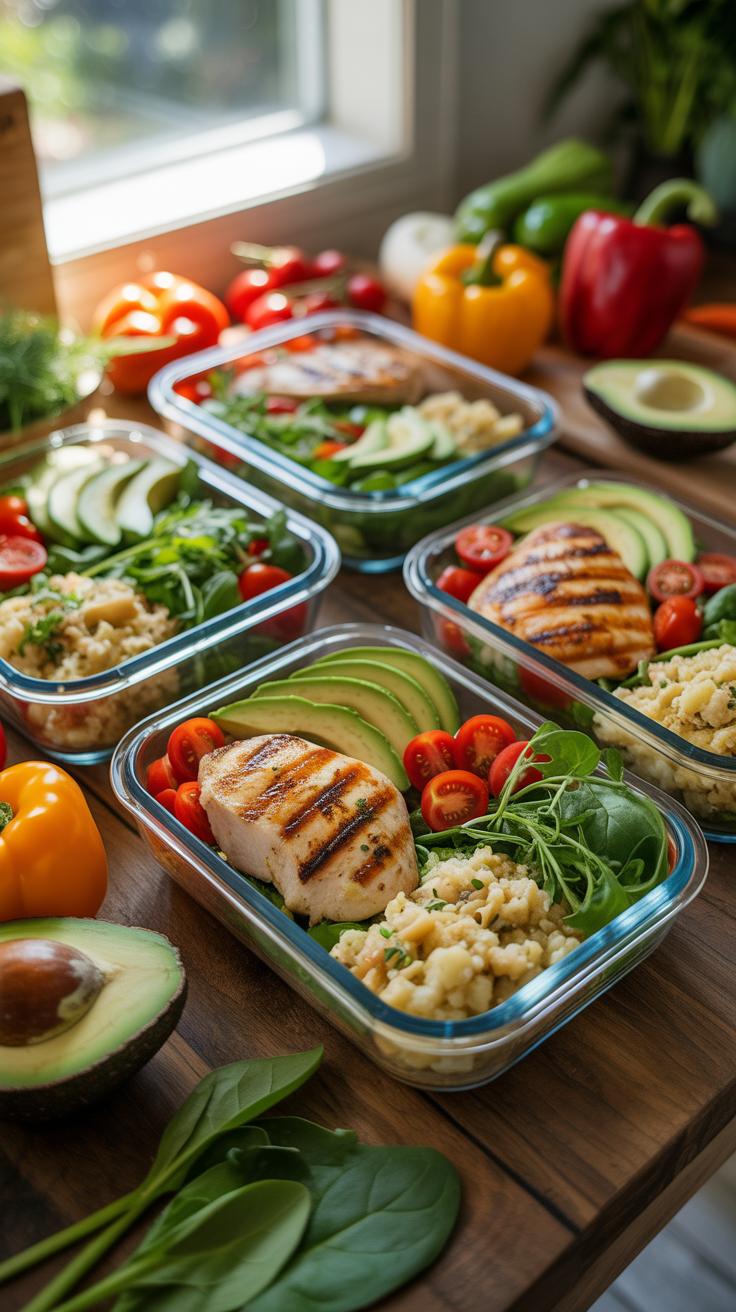
High Protein Keto Dinner Ideas That Reheat Perfectly All Week
Prioritize dense proteins like beef brisket, pork shoulder, and chicken thighs for your weekly meal prep. These cuts contain enough connective tissue and fat to stay moist during reheating. Leaner cuts like chicken breast often dry out after two days in the fridge. Cook these proteins in large batches using a slow cooker or pressure cooker to ensure the meat remains tender and flavorful for five days.
Storage strategy determines the success of your high protein keto dinners. Use airtight glass containers to prevent moisture loss and keep flavors fresh. Separate the protein from delicate fats like avocado or fresh garnishes until you are ready to eat. Reheat your portions on low power to prevent the fat from separating or the meat from becoming rubbery. This tactical approach saves time and maintains food quality.
One Pan And Sheet Pan Keto Dinners For Effortless Weeknight Eating
Sheet pan cooking maximizes efficiency by roasting protein and low carb vegetables together. Choose vegetables like broccoli, cauliflower, or asparagus that share similar roasting times with your chosen protein. Toss all ingredients in high smoke point oils like avocado oil. This method creates a Maillard reaction that adds deep flavor without extra carbs. It also reduces cleanup time to a single pan for the entire meal.
Temperature control is the most important factor for one pan success. Set your oven to at least four hundred degrees Fahrenheit to achieve a proper roast rather than steaming the food. Crowd the pan too much and the moisture will trap heat, making the food soggy. Space your ingredients evenly to allow hot air circulation. This ensures the fat renders properly and the vegetables achieve a crisp texture for your containers.
Food Storage Safety And Shelf Life For Your Keto Meal Prep
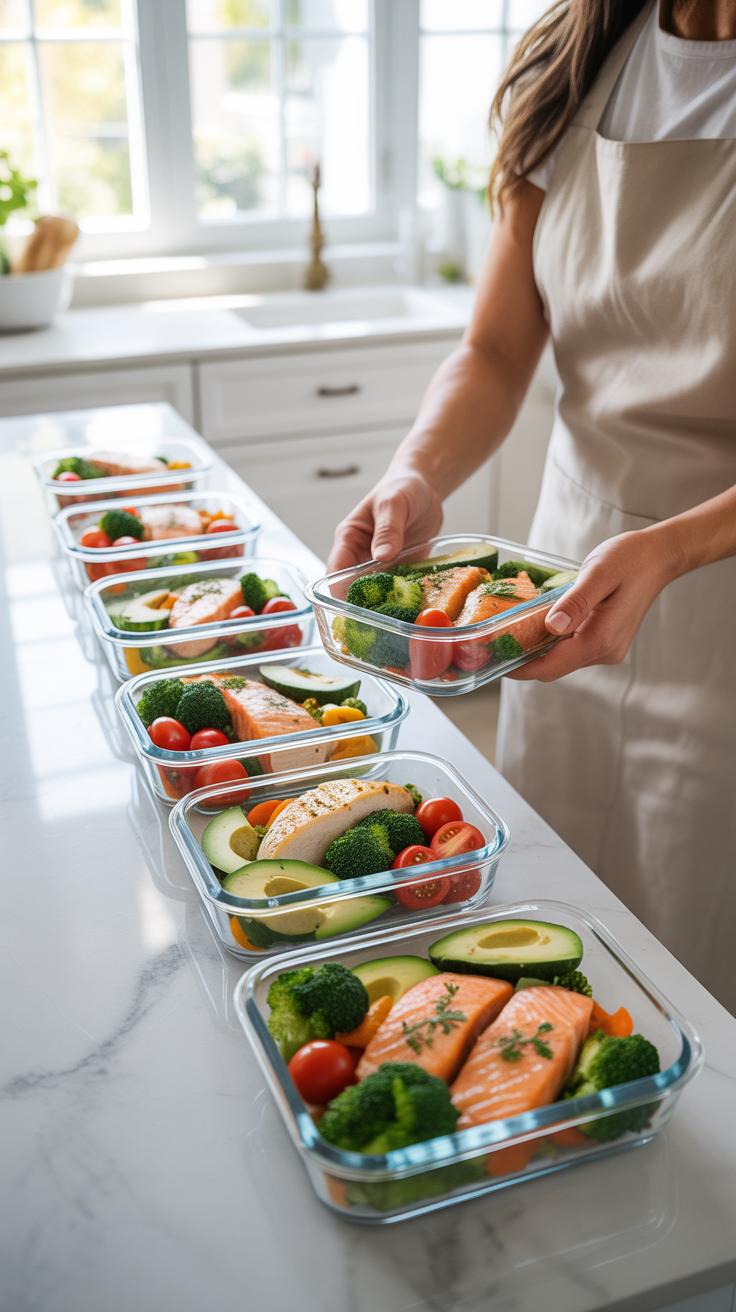
Best Containers And Storage Practices To Keep Keto Meals Fresh
Glass containers are the standard for high-fat keto meals. Fats and oils in keto recipes can cause chemical leaching in cheap plastics. Glass stays non-reactive and handles heat changes without warping. Use tempered glass with airtight locking lids. These seals prevent oxygen from reaching your food. Oxygen causes oxidation which spoils healthy fats and wilts leafy greens.
Separate high-moisture items from dry ingredients to prevent texture loss. Use small sauce containers for dressings and oils. Pour these over your meal right before you eat. This keeps your vegetables crisp and prevents meat from getting soggy. Vacuum sealing is another tactical choice for bulk proteins. It removes all air and extends the life of meat significantly. Always label every container with the date.
How Long Prepped Keto Foods Last In The Fridge And Freezer
Most cooked keto proteins last three to four days in the refrigerator. Seafood has a shorter window and remains safe for only two days. Cooked cruciferous vegetables like broccoli and cauliflower stay fresh for five days. Hard-boiled eggs are a keto staple and last one week in their shells. Always maintain your fridge temperature at or below forty degrees Fahrenheit to stop bacterial growth.
Freezing extends keto meal life to three months for optimal quality. High-fat sauces and dairy-based casseroles can separate when frozen. Whisk these briskly after reheating to fix the texture. Use freezer-safe bags to remove extra air and prevent freezer burn. Thaw your meals in the refrigerator for twenty-four hours before eating. Never leave cooked keto food at room temperature for more than two hours.
Common Keto Meal Prep Mistakes Beginners Make And How To Avoid Them
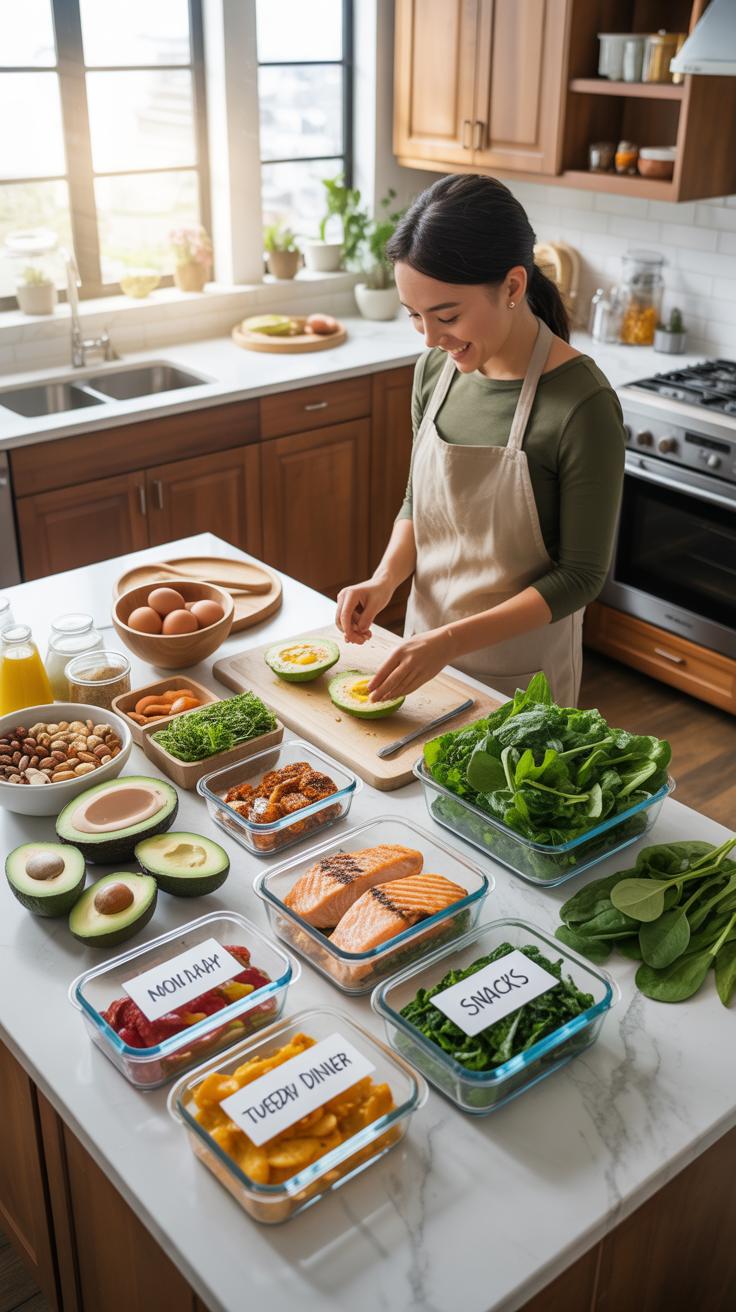
Why Skipping Electrolytes And Hydration Can Derail Your Keto Progress
Ketosis naturally causes your kidneys to excrete sodium and water at a high rate. Beginners often mistake this fluid loss for simple weight loss and ignore the physical consequences. Without enough salt, potassium, and magnesium, your heart and muscles cannot function correctly. This neglect leads to the keto flu, which ruins your ability to maintain a consistent meal prep schedule.
You must integrate electrolyte management directly into your food preparation ritual. Season your prepped meals heavily with high quality salt and include potassium rich ingredients like spinach or avocado. Prepping your own electrolyte drinks ensures you avoid hidden sugars found in commercial sports drinks. Consistent mineral intake prevents the fatigue and brain fog that stop many people from sticking to their new diet.
How To Stay Motivated And Keep Your Keto Meal Prep Routine Consistent
Consistency fails when you choose overly complex recipes that take hours to cook. High stress levels and long kitchen times lead to burnout within the first month. Successful meal preppers focus on modular cooking by preparing bulk proteins and vegetables separately. This strategy allows you to mix and match flavors throughout the week. Reducing the friction of the process keeps your habit alive.
Strategic planners also account for flavor fatigue by keeping keto friendly sauces and spices ready. Eating the same bland chicken every day causes most people to quit. Use your prep time to create variety without increasing your workload. Set a firm schedule every week for shopping and cooking. Treat these tasks like mandatory appointments to ensure your fridge stays stocked with the correct nutritional fuel.
Frequently Asked Questions

What is the best way to start keto meal prep if I am a complete beginner?
The most effective way to start is by keeping your recipes simple and focusing on high-quality proteins and healthy fats. Begin with a single meal type, like breakfast or lunch, to avoid feeling overwhelmed. Using a structured approach to keto meal prep ensures you stay within your daily carb limits while building the confidence needed to eventually plan an entire week of satisfying, low-carb dishes without extra stress.
How can I store my prepared meals to keep them tasting fresh all week?
To maintain flavor and texture, invest in airtight glass containers that prevent moisture loss. When you master keto meal prep, you’ll learn that certain ingredients like avocado should be added just before serving. Store heartier proteins and roasted vegetables in the fridge for up to four days, or freeze individual portions to maintain quality. Reheating gently on a stovetop or in an oven will help preserve the healthy fats.
Is it possible to follow a ketogenic meal plan on a tight budget?
Absolutely! You can save a significant amount of money by purchasing staples like eggs, frozen spinach, and bulk chicken thighs. Focus on seasonal vegetables and avoid expensive, pre-packaged keto snacks which quickly inflate your grocery bill. By prioritizing whole foods and buying in bulk, your weekly routine becomes much more affordable. Planning your menu around sales allows you to maintain a healthy lifestyle without overspending on specialty boutique products.