
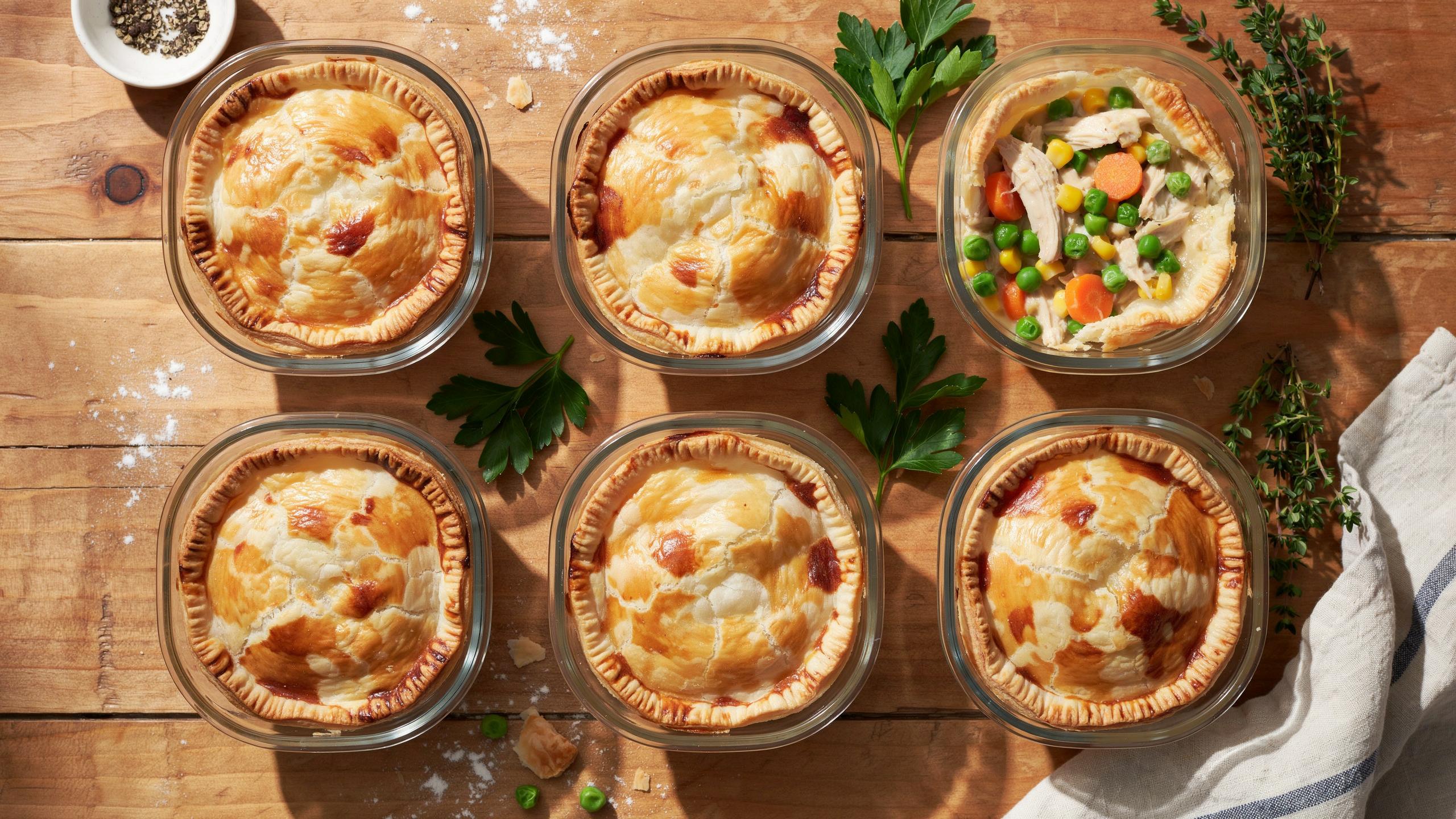
Beyond Healthy The Macronutrient Matrix Of High Protein Chicken Pot Pie
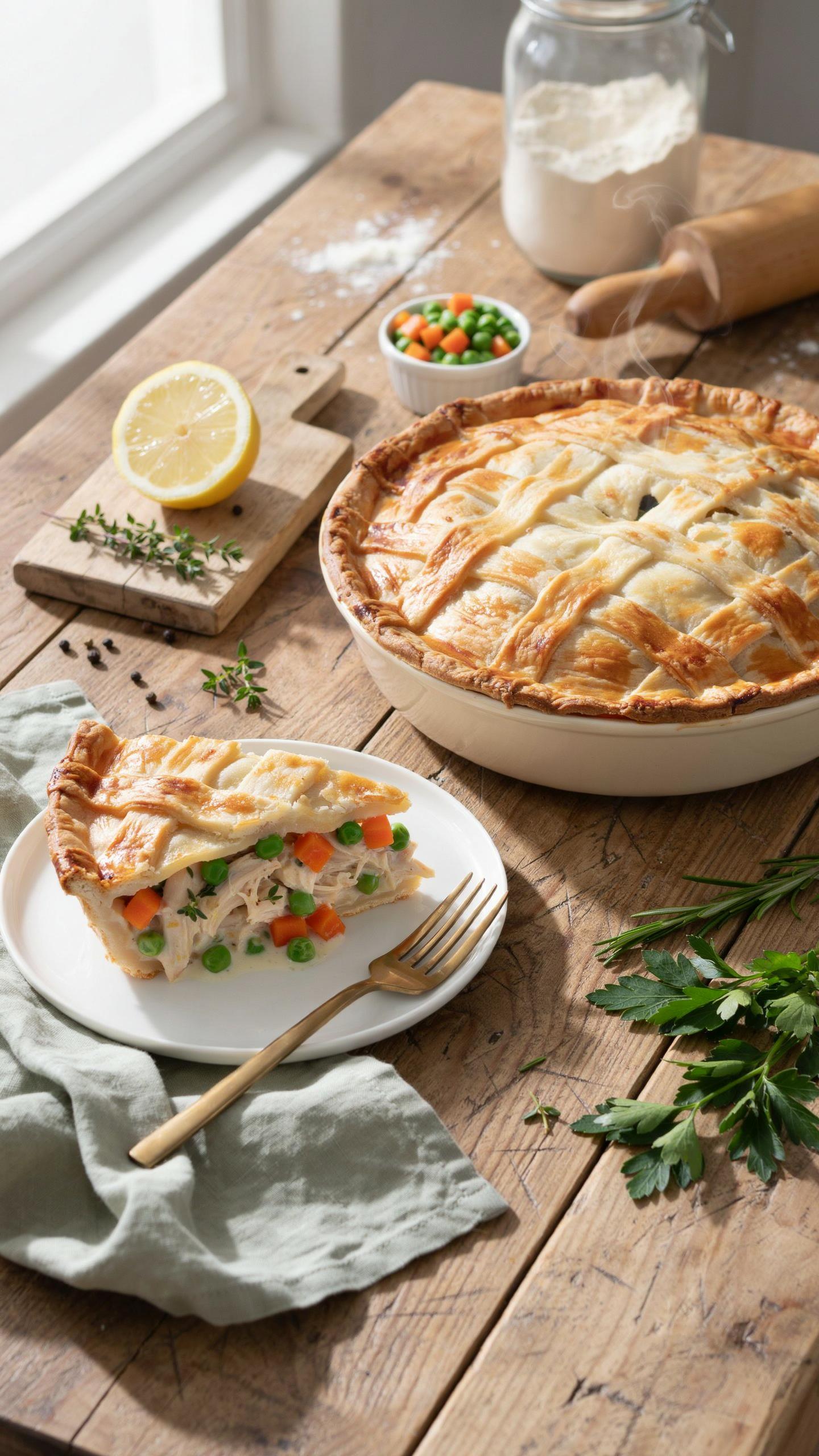
Protein, Fat, And Carbs Do Different Jobs
You want to believe macros don’t matter because counting feels tedious. Here’s the mechanism: protein builds and repairs muscle tissue. Fat stabilizes hormone production and slows digestion. Carbs fuel immediate energy and replenish glycogen stores. In high protein pot pie, these three work as load-bearing walls, not interchangeable ingredients. Chicken provides the protein structure. Cream and butter provide the fat density. The crust and vegetables provide the carb foundation. Each one fails differently when miscalculated.

Most recipes treat pot pie as a monolith. You need to engineer it as three separate systems stacked into one dish. Aim for 35 to 45 grams of protein per serving to trigger muscle protein synthesis without forcing your digestive system into overtime. Keep total fat between 12 and 18 grams to maintain satiety without creating a dense, sluggish meal. Carbs should land between 25 and 35 grams to fuel the meal without blood sugar volatility that crashes energy two hours later.
The Satiety Machine You Build, Not Find
Satiety isn’t a feeling you chase. It’s a physiological state you engineer through calorie density and nutrient timing. Protein triggers the highest thermic effect of food, meaning your body burns calories simply digesting it. High protein pot pie forces your digestive system to work longer, which extends the signal to your brain that you’re full. Fat slows gastric emptying, the rate your stomach releases food into your small intestine. This delays hunger signals. When you layer protein and fat correctly, you create a satiety machine that prevents the energy crash that makes people reach for snacks three hours later.

The common mistake is loading the pot pie with too much cream and butter while keeping protein low. This produces a meal that tastes rich but leaves you hungry because it digests too fast. A protein-forward pot pie with controlled fat keeps you genuinely satisfied through dinner and into the evening. Build your base with 6 to 8 ounces of cooked chicken breast or thigh, 2 to 3 tablespoons of butter or cream, and vegetables that add volume without spiking calories.
The Bariatric Blueprint Low Calorie Pot Pie Maximum Impact
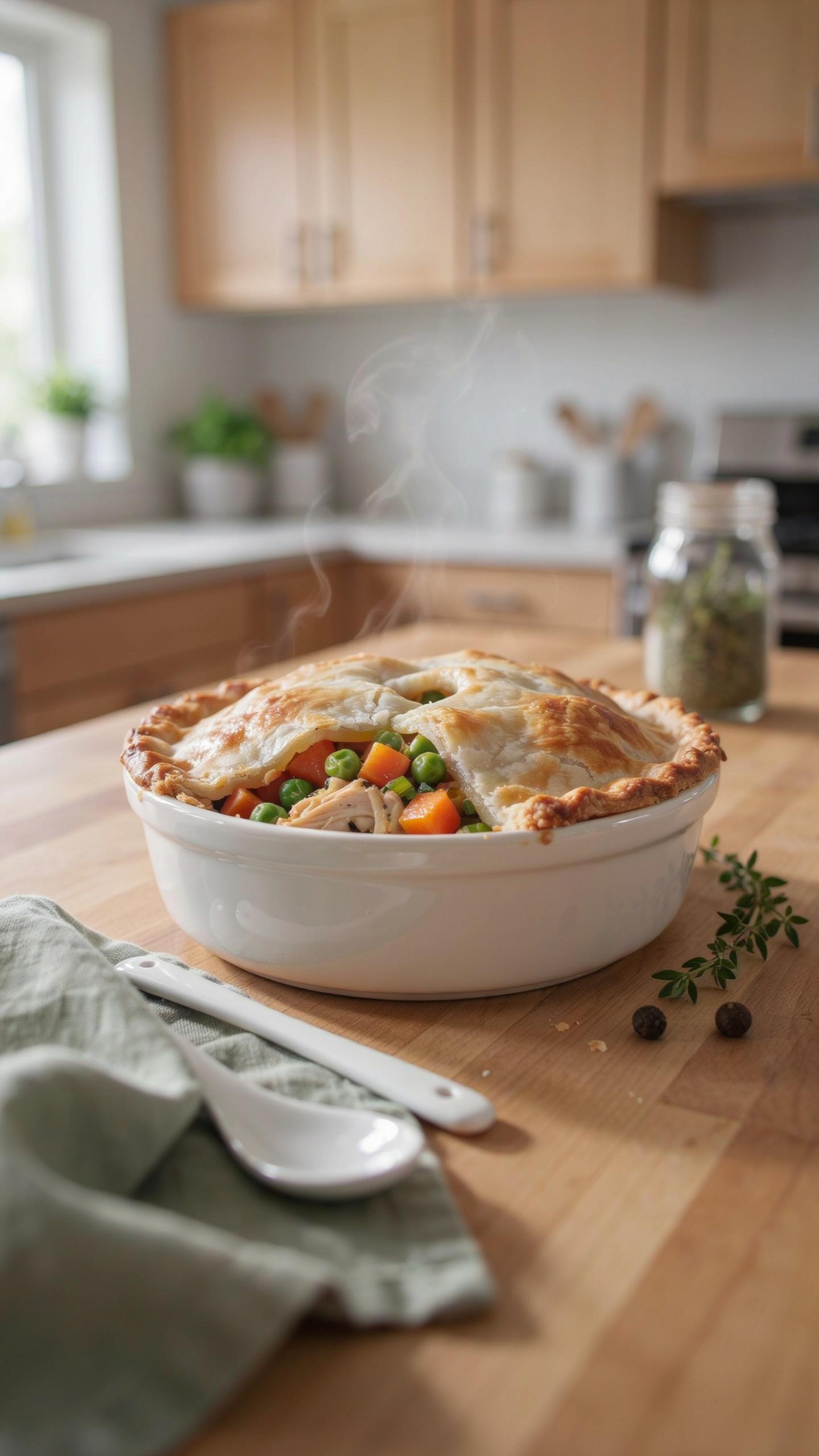
Fill Your Plate, Not Your Calorie Count
You want to eat like you’re not dieting. That’s the real reason this section matters to you. The mechanism is density substitution. In nutrition science, we call it nutrient density per calorie, but the actual lever you’re pulling is vegetable volume. Swap 30% of your filling from cream and starch to cruciferous vegetables and lean protein, and your pot pie stays massive on the plate while dropping 200-300 calories per serving. The satiety signal your brain receives comes from stomach stretch, not calorie content. This is why volume eating works.
The execution is straightforward. Build your filling with broccoli, cauliflower, mushrooms, and carrots as your base. These vegetables absorb liquid and bulk without adding caloric density. Add bone-in chicken thighs or beef chuck for flavor and protein that justifies the portion size. Use a thickener that isn’t pure starch: blend cooked vegetables into your sauce, or mix in Greek yogurt at the end. One container fed for 400 calories instead of 650 feels like abundance, not restriction.
Nutrients That Actually Keep You Full
The common advice says eat more fiber. That’s incomplete. What matters is the satiety hierarchy: protein and fiber together beat either one alone, and micronutrient density determines whether your body stops requesting calories after you eat. Think in terms of signal-to-noise ratio from biochemistry. Your hunger hormones respond to specific nutrients, not calorie volume. A pot pie loaded with zinc, selenium, and B vitamins sends a completion signal. One stuffed with refined carbs and vegetable oil sends a keep-eating signal.
Load your filling with nutrient-dense protein sources. Chicken thighs contain more selenium than breast meat. Beef contains iron and zinc at concentrations that matter. Add bone broth as your liquid base instead of cream stock. The collagen, minerals, and amino acids reduce post-meal cravings by stabilizing blood glucose. Your next meal happens four hours later instead of two. The protocol: roast your protein with aromatics first, build flavor before liquid, then thicken with pureed vegetables or cornstarch mixed with egg yolk. Skip the cream entirely or use half cream, half Greek yogurt.
The Lean Machine Protocol Efficient High Protein Pot Pie Meal Prep
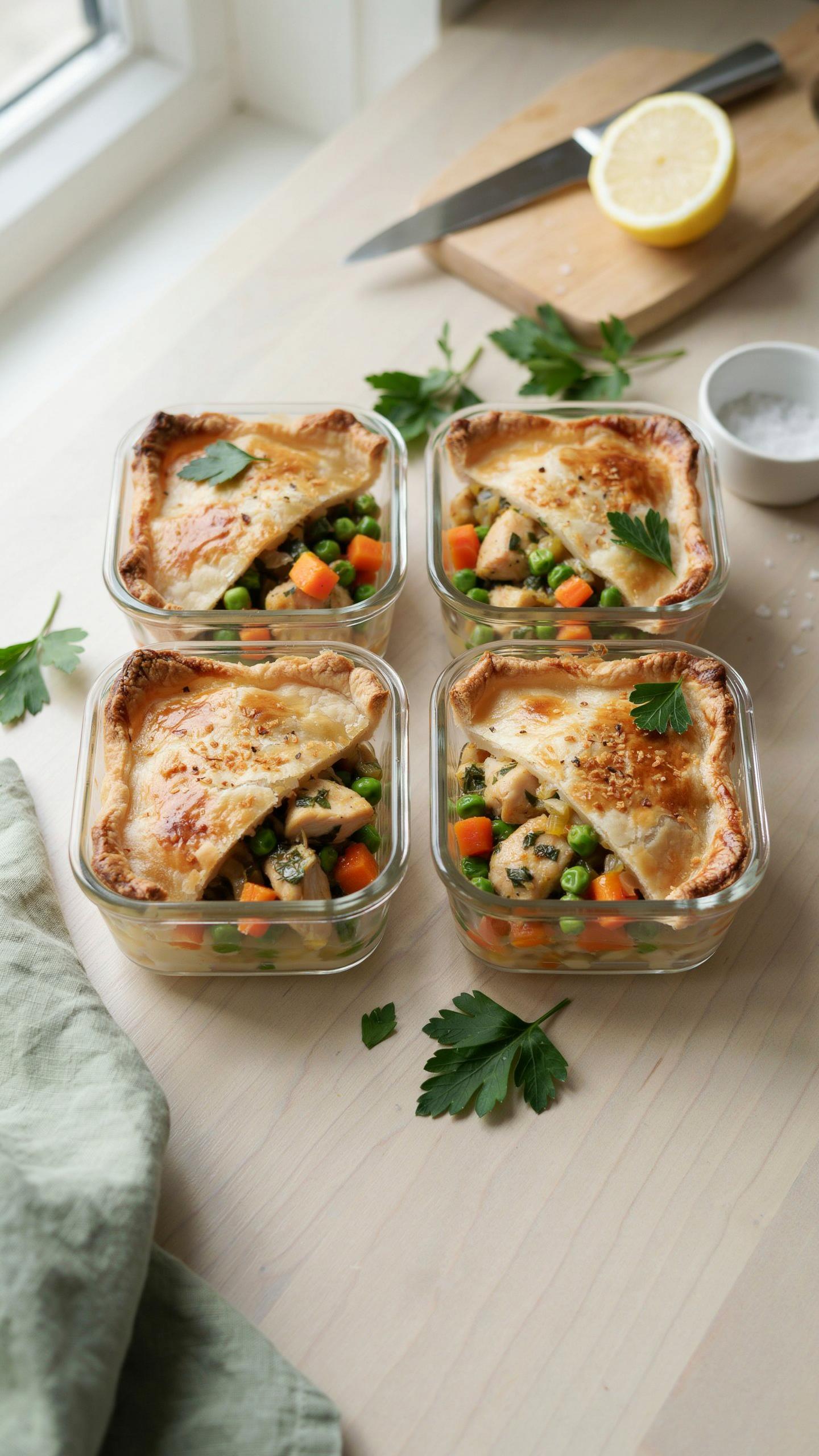
When Motivation Stops Working
You want a system that doesn’t require willpower. The real issue isn’t finding recipes—it’s that you stop cooking when friction exceeds reward. Physics calls this inertia: an object at rest stays at rest. Your meal prep stays dead because you haven’t created momentum. The mechanism is simple: batch cooking only works when the first session removes all decision-making from future sessions. You prep once with full attention, then execute five times on autopilot.
Start by choosing one pot pie formula and locking it down. Same protein source, same vegetables, same sauce ratio every week. This isn’t boring—it’s efficient. The moment you introduce choice into week four, you break the chain. Momentum dies. You order takeout instead. The fix is treating your first prep day as the only day you think. After that, you follow a checklist, not a recipe.
Equipment That Actually Scales
Most advice says “get a Dutch oven and a sheet pan.” That’s incomplete. You need equipment that handles volume without multiplying your workload. A 6-quart Dutch oven fits four full pot pies or feeds two people for five days. A commercial-grade half-sheet pan (18×13 inches) cooks chicken breasts, root vegetables, and pastry dough simultaneously. Neither of these is fancy. Both are standard in restaurant kitchens for one reason: they maximize output per unit of labor.
- 6-Quart Dutch Oven: Holds enough filling for four individual pot pies or two large family portions. Cast iron or enameled both work; enameled requires less maintenance for weekly use.
- Commercial Half-Sheet Pan: Cooks protein and vegetables in one pass without crowding. Standard restaurant size fits most home ovens and stacks efficiently for storage.
- High-Sided Mixing Bowl (8-Quart): Blends flour, butter, and broth for sauce without splatter. Tall sides prevent ingredient overflow during vigorous stirring.
- Immersion Blender: Thickens sauce in seconds without transferring hot liquid. Faster and safer than traditional blenders for batch cooking.
- Food Scale: Measures protein portions precisely so every pot pie contains identical macros. Removes guesswork from meal tracking and consistency.
Skip the specialty pot pie dishes. Use shallow baking containers you can stack and reheat directly. This cuts your cleanup and storage time by half. Your equipment exists to reduce friction between “I decided to meal prep” and “dinner is ready.” Every tool should collapse at least two steps into one.
The Bioavailability Hack Optimizing Healthy Chicken Pot Pie Filling
Why Protein Absorption Matters More Than Protein Amount
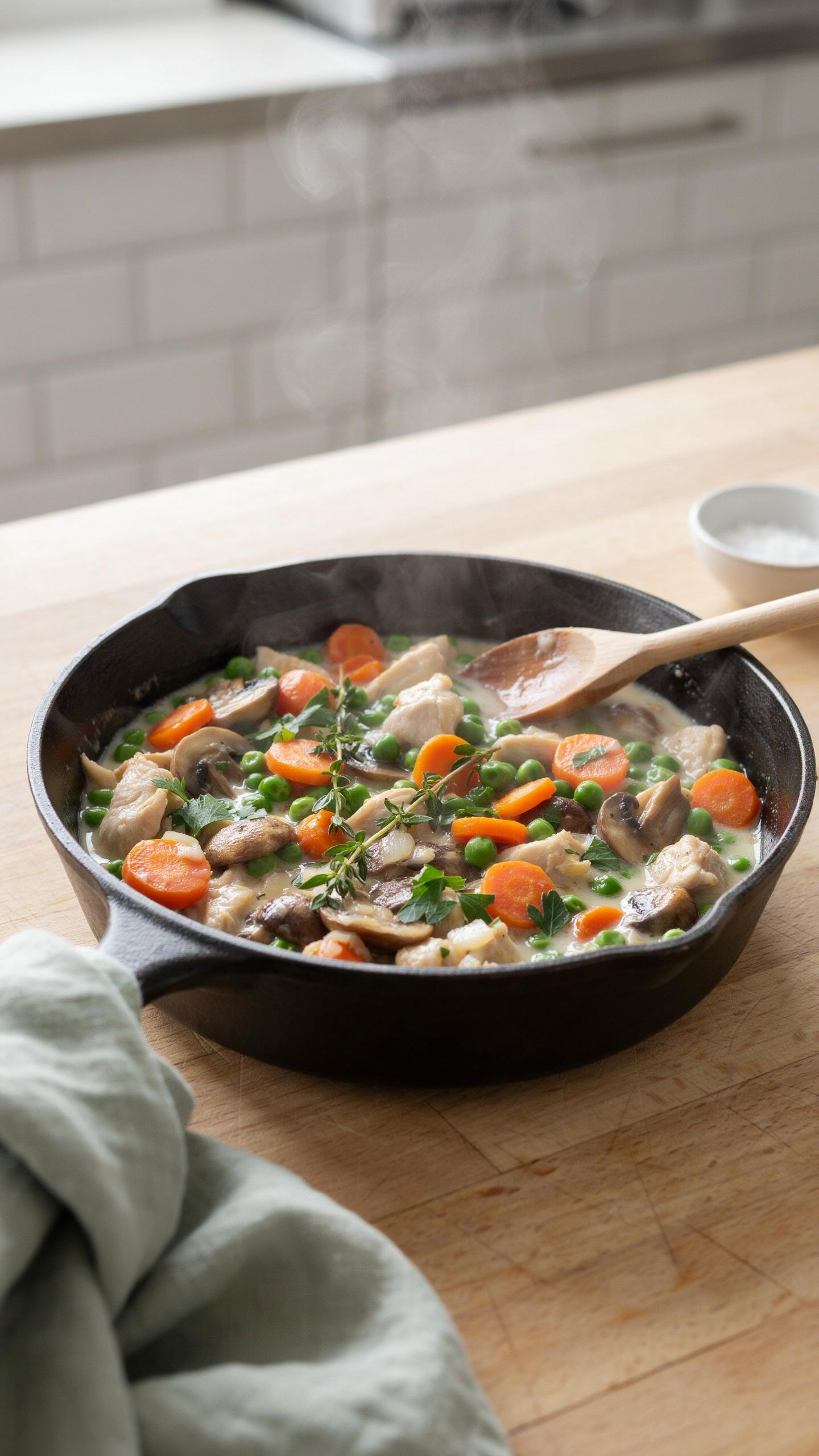
You want the protein count to look good on the label because it signals you’re doing something right. The real game is whether your body actually uses it. Bioavailability is the percentage of nutrients your digestive system can extract and deploy. Chicken pot pie filling sits in your stomach for hours, which changes the equation entirely compared to a shake you drink in sixty seconds.
Fat and protein work in tandem here. Chicken absorbs better when paired with the cream or butter in your filling because lipids slow gastric emptying and increase amino acid absorption efficiency. Vegetables like carrots and celery add fiber, which buffers protein digestion and prevents blood sugar spikes that tank nutrient partitioning. The order matters: protein first in the filling, then starch, then fiber. Most people reverse this and wonder why their macros feel flat.
Simmering Temperature Controls What You Keep
The common advice is to cook your filling hot and fast. That’s wrong. High heat degrades amino acids and denatures proteins in ways that lower their bioavailability even if the macros stay the same on paper. Gelatin and collagen in chicken broth break down into amino acids more efficiently at moderate temperatures over longer periods.
Keep your filling between 160 and 180 degrees Fahrenheit. This temperature range denatures proteins enough to make them digestible without destroying the amino acid side chains that your body recognizes and uses. Simmer for 25 to 35 minutes after adding protein. Cook above 190 degrees and you sacrifice 8 to 12 percent of usable amino acids. The difference compounds across a week of meal prep.
The Taste Threshold Strategy Making Pot Pie Recipe Healthy Irresistible
Flavor Layering: Complexity Over Quantity
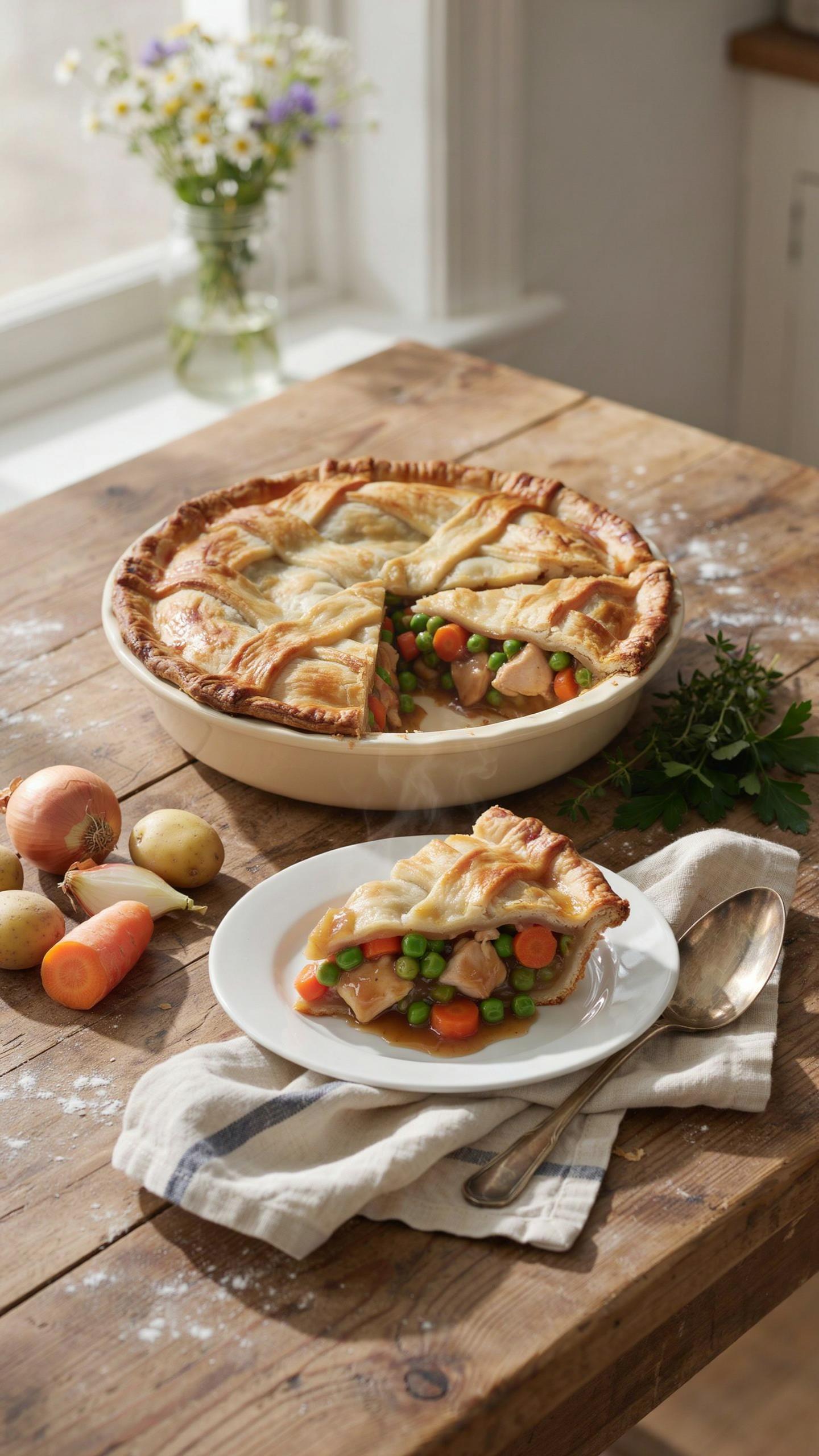
You want your healthy pot pie to taste indulgent without admitting you’re eating chicken breast and vegetables for the third time this week. The mechanism is simple: your palate stops registering repetition when you introduce distinct flavor notes at different intervals during cooking. This isn’t about adding more salt or butter. It’s about timing and sequence.
Start your protein and vegetables with a dry sear to build Maillard reaction browning. Move to aromatics sautéed in fat. Then add your liquid base. Finally, finish with fresh herbs or acid right before serving. Each layer registers as a separate input to your taste receptors, making a lean pot pie feel complex instead of boring. That complexity is what keeps you coming back instead of abandoning meal prep by Wednesday.
Umami Bombs: Natural Flavor Enhancers
The common advice here is garbage: people tell you umami is just about MSG or soy sauce. Wrong. Umami is a taste category that exists in foods naturally high in free glutamates and nucleotides like inosinate and guanylate. High protein pot pie meal prep leverages this by targeting specific ingredients your mouth recognizes as savory depth, not supplemental flavoring.
Chicken stock made from bones concentrates glutamates through the gelatin breakdown process. Mushrooms contain both glutamates and guanylate. Aged or fermented ingredients like tomato paste or miso add inosinate. Layer these three categories into your pot pie filling and you don’t need heavy cream or extra salt to make it taste substantial. You hit the neural receptors that signal “this is worth eating” before your brain even processes calories or macros.
The Adaptation Algorithm Evolving Your High Protein Pot Pie Recipes
Recipe Variation Prevents Palate Shutdown
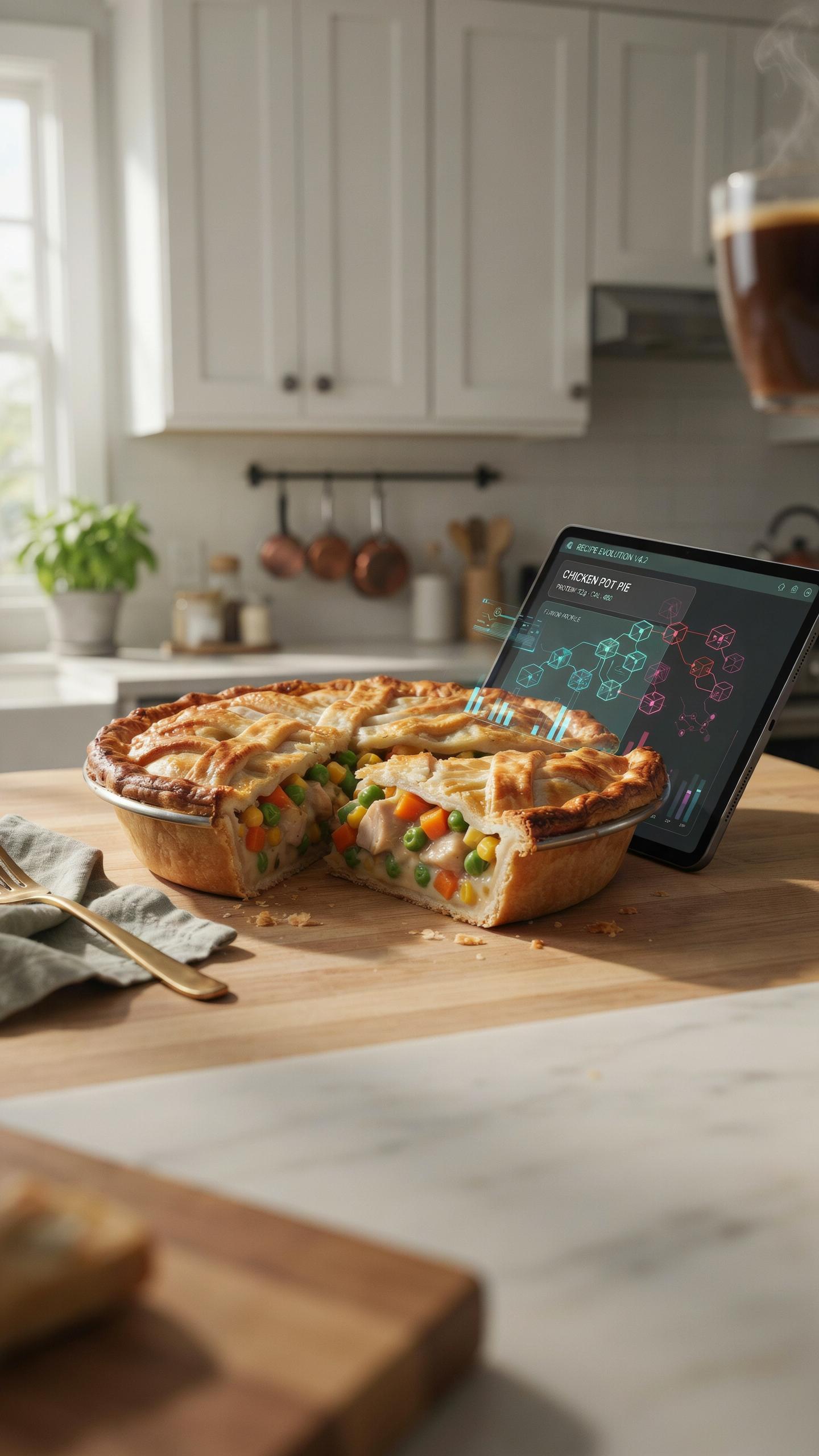
You’re afraid of boredom killing your meal prep streak before week three hits. The real mechanism borrowed from evolutionary biology is genetic drift: small, random variations in a stable system prevent stagnation without destabilizing the whole thing. Your pot pie formula stays intact—protein base, vegetable matrix, binding sauce, crust—but you shift ingredients within each category. Chicken becomes turkey becomes beef. Peas become carrots become broccoli. The structure holds. The palate never adapts to sameness.
This isn’t about random substitution. Drift works because constraints exist. You maintain protein grams. You keep total calories in range. You preserve cook time. Within those boundaries, you introduce controlled variation every two to three batches. The nervous system treats novelty as signal, not fatigue. Your compliance rate jumps because the meal doesn’t feel like punishment by day fifteen.
Stripping Inefficient Components
The common advice says “test recipes and keep what you like.” That’s lazy. Efficient ingredients do three jobs at once: they add protein, texture, and satiety per calorie spent. Inefficient ones occupy space for a single purpose. Evolutionary biology calls this natural selection: organisms that waste energy die. Your pot pie works the same way. Mushrooms taste good but deliver minimal protein and minimal satiety per ounce. They’re metabolically expensive for what they return. Replace them with celery and additional protein source. Same volume, higher mechanical return.
Build a decision matrix: list each ingredient and score it on protein density, satiety rating, and cost per use. Remove anything below your threshold. A roux made with butter and flour serves texture and binding. Both jobs matter. Filler vegetables that don’t contribute to either function get cut or relegated to garnish. Keep only ingredients that earn their weight.
The Time Compression Tactic High Protein Pot Pie For Busy Lives
Prep Work That Actually Saves Time
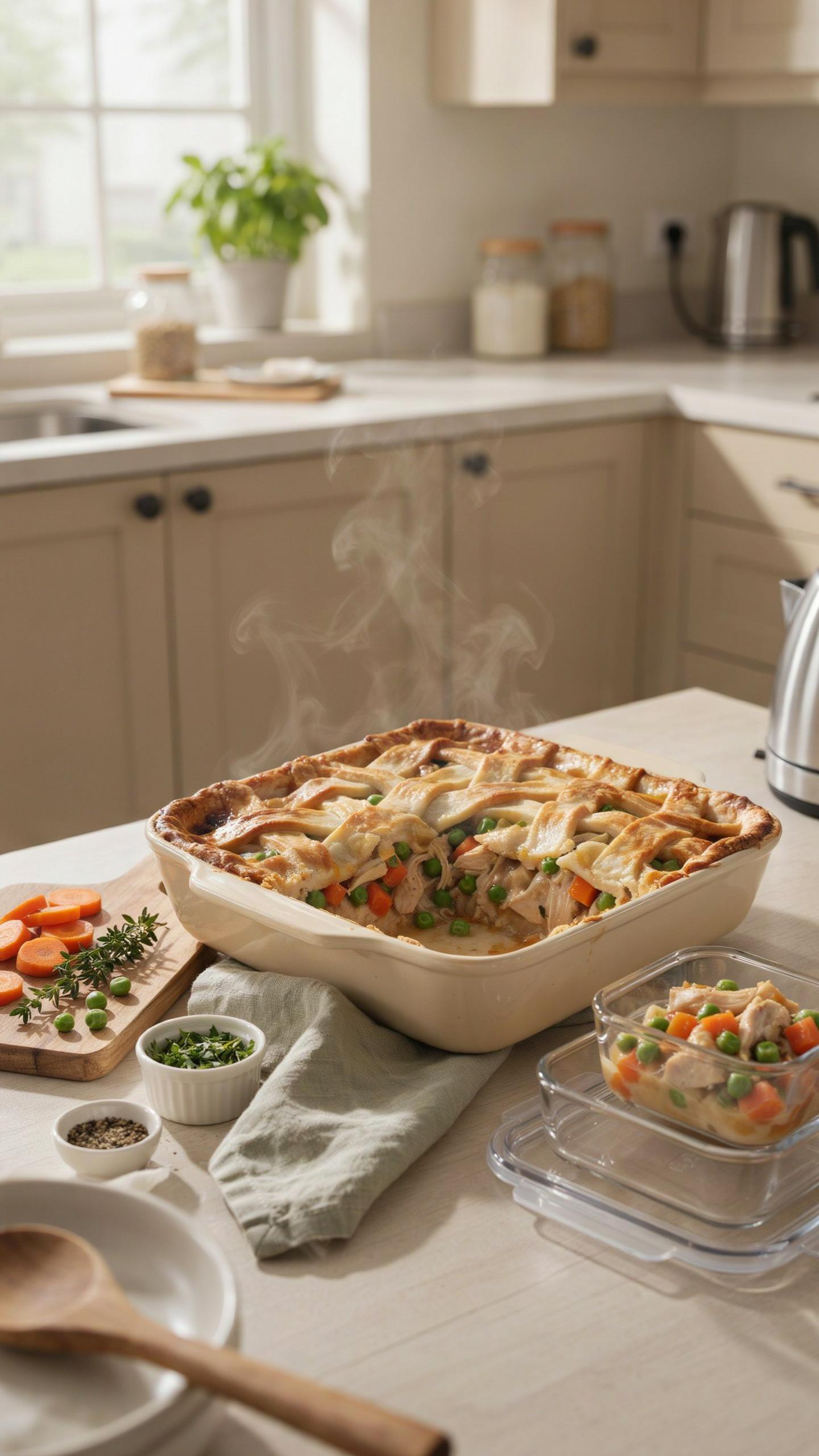
You’re not prepping ingredients because you love chopping. You’re doing it because you’re terrified of the 7 PM scramble when hunger meets exhaustion and takeout wins. Here’s the mechanism: batch prep removes decision friction. When chicken is already cooked and diced, vegetables are cut, and broth is measured, assembly becomes automatic. You’re borrowing from manufacturing’s concept of “buffer stock”—pre-positioned materials that eliminate bottleneck delays. Your bottleneck is fatigue at dinner time.
- Protein cooking: Bake or poach chicken breasts in bulk on Sunday. Cool completely before storing. Diced turkey and ground beef work identically. Store in airtight containers for up to four days.
- Vegetable cutting: Dice carrots, celery, and onions the day before. Keep them in separate containers. Frozen peas need no prep. Store cut vegetables in sealed containers with minimal moisture.
- Broth measurement: Portion bone broth or low-sodium chicken broth into labeled containers matching your recipe ratios. This eliminates measuring during assembly and prevents dilution mistakes.
- Pastry sheets: Buy pre-made pie dough or puff pastry. Store in the freezer. Thawing takes four hours at room temperature or overnight in the fridge, so plan accordingly.
- Seasoning blends: Mix dried thyme, black pepper, and salt in a small jar. Pre-measure this into portions so you grab and pour rather than taste-adjust twice.
The real win is this: when you walk into the kitchen tired, you don’t think. You execute. Fifteen minutes of hands-on assembly beats forty-five minutes of hunting, measuring, and deciding.
Assembly Line Efficiency Rapid Deployment
Most people treat pot pie assembly like cooking. It’s not. It’s a sequence that works only when you follow order. Start with the roux base in a cold pot because flour won’t clump if the pan isn’t hot yet. Add broth slowly while stirring to prevent lumping. Once the sauce thickens, fold in your pre-cooked protein and vegetables. This takes eight minutes maximum if ingredients are ready.
Pour the sauce into your baking vessel now, not after pastry sits there absorbing moisture. Place thawed pastry on top, crimp edges, brush with egg wash or milk, score the top for steam release. Bake at 400 degrees for twenty to twenty-five minutes until golden. The entire operation from cold pot to oven takes twelve to fifteen minutes. You’re done. No follow-up cooking, no stirring, no hovering. The oven handles the final phase.
Beyond The Plate Integrating High Protein Recipes Into Your Life System
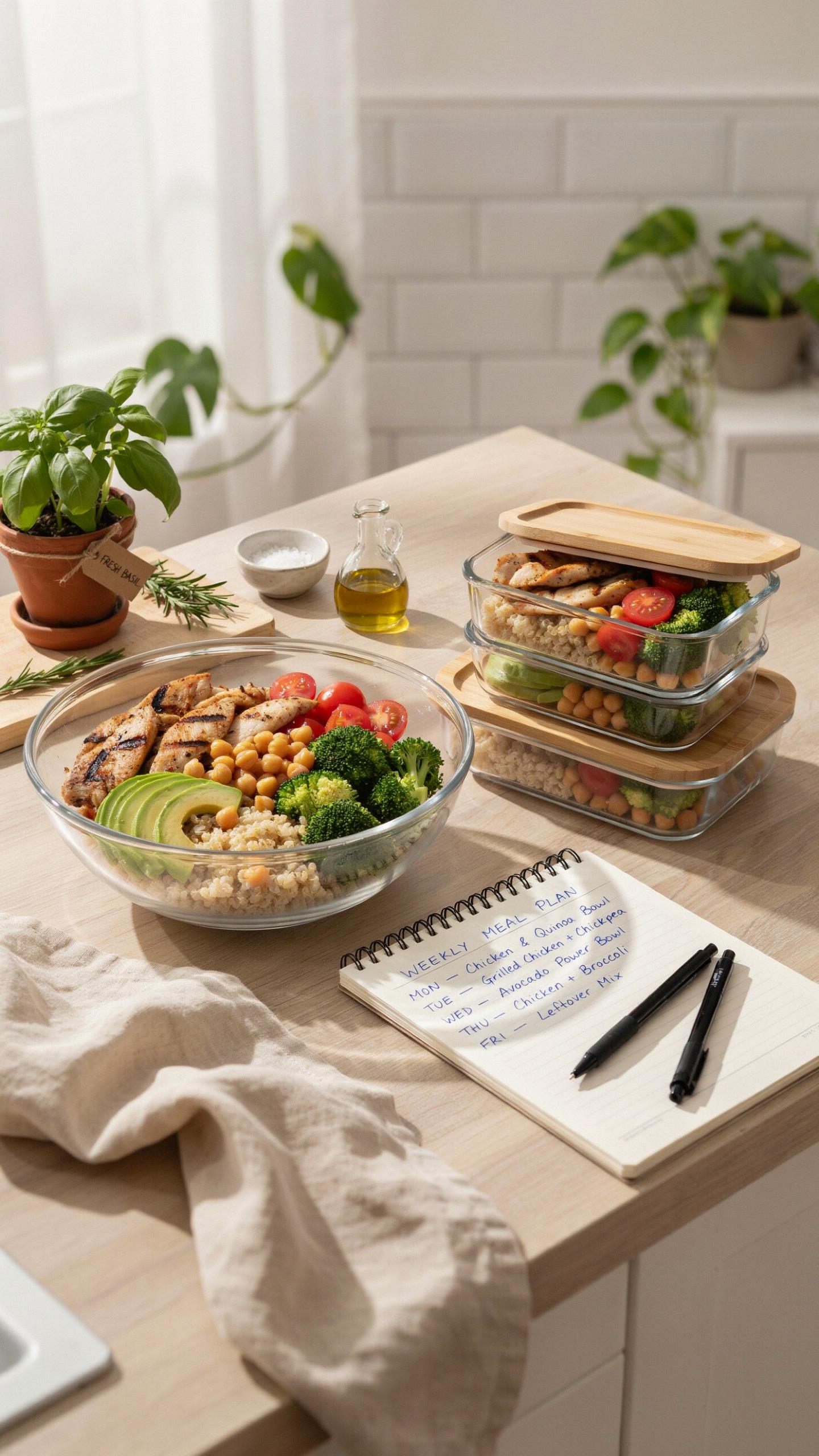
Fuel Over Feeling
You want permission to enjoy eating. That’s the real question hiding under this section. Here’s the mechanism: your body doesn’t care about pleasure. It responds to protein intake, caloric consistency, and nutrient timing. High protein pot pie works because it delivers 30-40 grams of protein per serving while staying satiating enough that you don’t hunt for snacks at 9 PM. The feeling follows the function, not the reverse.
Most people reverse this. They chase satisfaction and wonder why discipline fails. When you prep pot pie with deliberate macros, you remove the decision fatigue that kills adherence. Your nervous system stops negotiating with hunger signals because the meal already solved the problem. This isn’t about willpower. It’s about removing the need for willpower by building meals that keep you full and performing.
Discipline Becomes The Default
The common advice says “find what you enjoy and stick with it.” That’s incomplete. Enjoyment is unstable. Your taste preferences shift. Your mood changes. What works is building a system where the hard choice becomes the easy choice. When high protein pot pie is already portioned in your fridge, eating it requires zero resistance. Grabbing takeout requires friction you didn’t install.
This is the mechanism: repetition + removal of friction equals automatic behavior. You don’t motivate yourself to brush your teeth. You do it because the system is already built. Cook a batch of pot pie every Sunday. Label it. Stack it. Eat it for three dinners without debate. After two weeks, your brain stops treating it as a choice. It becomes what you do, not what you decide to do.
The only real obstacle to sustained optimization isnt knowledge its your consistent execution

You know what makes high protein pot pie meal prep stick? You stop waiting for the perfect recipe and cook one batch this week. Not next week. Not when you feel motivated. This Sunday. The shift happens when you realize consistency beats perfection every single time. Make the pot pie. Eat it four times. Notice how your body changes. That’s your feedback loop. That’s what actually works. Everything else is just noise.