
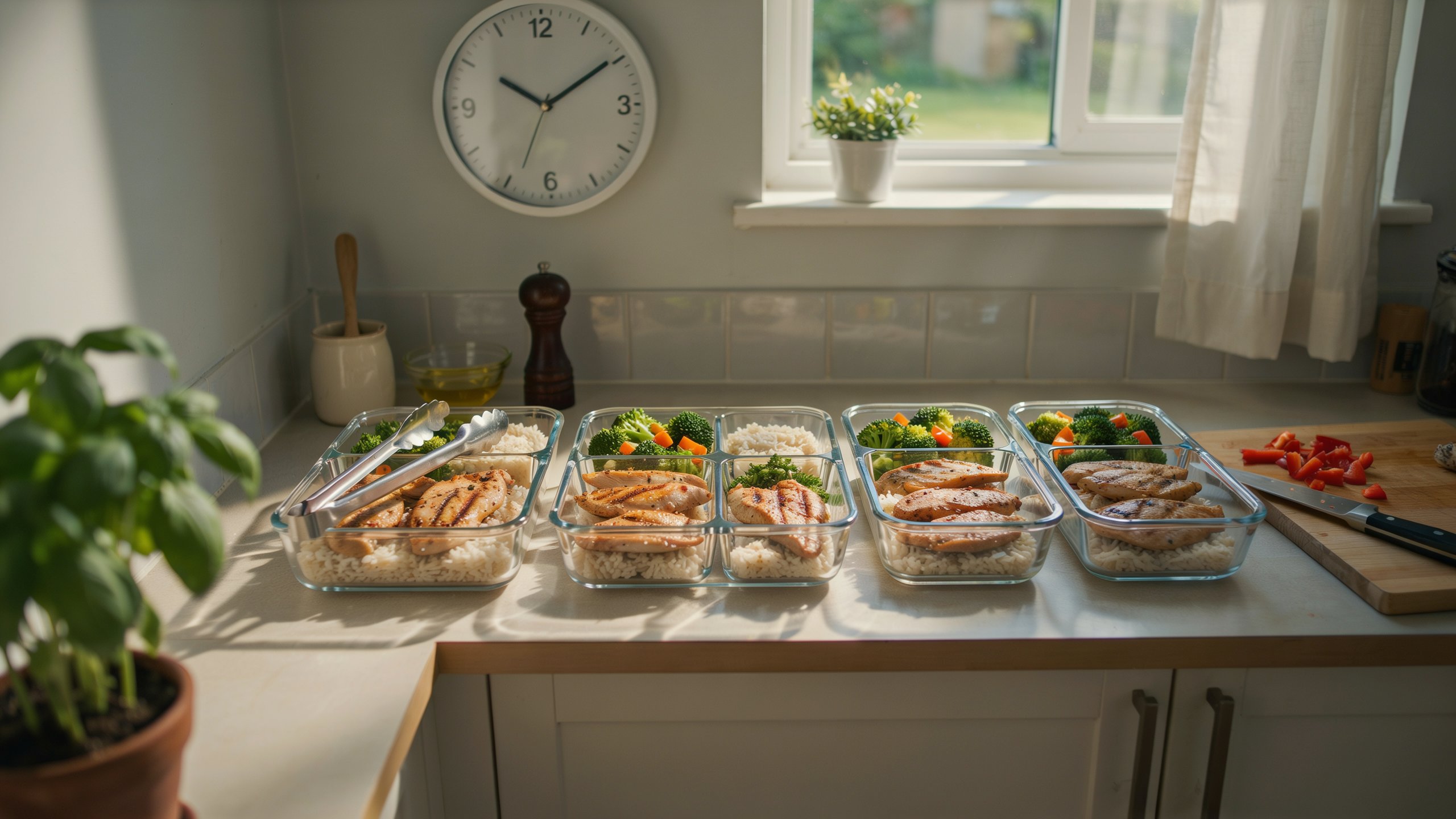
Deconstructing The Myth Of Time Saving Meal Prep

Why Conventional Advice Misses The Point
You want meal prep to be the solution that makes you feel in control without actually changing your behavior. Here’s what nobody says: most meal prep advice treats time as the only variable that matters, when the real problem is decision friction. Economics calls this the “switching cost”—the friction required to abandon one action for another. Every time you skip a prepped meal and order food instead, you paid a switching cost. Meal prep doesn’t save time in absolute terms. It eliminates the moment where you choose wrong.

The conventional play is “prep for two hours Sunday, eat all week.” That’s incomplete because it ignores what happens when you’re tired Wednesday night and the container sits in your fridge while you order delivery. You didn’t save time. You created the conditions where time became irrelevant. The mechanism that actually works is different: reduce the cognitive load of eating by making the path of least resistance the correct path. When your only easy option is high protein, you eat high protein. That’s the real time save.
The Actual Cost Of Unplanned Eating
Unplanned eating costs money first, but that’s not the meaningful metric. The real cost is decision fatigue compounded across a week. Each unplanned meal forces you to think, choose, execute, and then sit with the guilt of deviation. That’s a cumulative drain on your ability to make other decisions later in the day. You’re not just spending money on the sandwich—you’re spending mental energy that was supposed to go toward work or training or sleep quality.
The second hidden cost is protein consistency. If you eat unplanned on Wednesday, you miss your target. You can’t retroactively fix Thursday to compensate because your body processes amino acids in real time, not in weekly batches. You wanted consistency. You got chaos. The solution isn’t motivation or willpower—it’s making the prepped meals require zero decision-making when hunger hits, which means they must be ready to grab and eat in under 90 seconds.
The Pre Commitment Protocol For High Protein

Know Your Number Before Sunday Hits
You want to feel like you have control over your body. The mechanism is specificity. Without a target protein number, you’re guessing, and guessing kills consistency faster than anything else. Most people skip this step because it feels like math instead of motivation. It isn’t. Your protein target is the constraint that makes meal prep possible, not optional.
Calculate your target by multiplying your bodyweight in pounds by 0.8 to 1.0 if you’re in a caloric deficit, or 1.0 to 1.2 if you’re maintaining or in a surplus. This gives you a weekly total. Divide that by seven for your daily baseline. Write this number down. A 180 pound person targeting 150 grams daily needs 1,050 grams weekly. That number stops the Sunday planning session from becoming a guessing game.
Map Your Meals Against Reality
Think of meal construction like inventory management in military logistics: you have a supply constraint (your time and kitchen capacity) and a demand constraint (your protein target). Most advice tells you to “eat five to six meals.” That’s incomplete. You need to know how many meals you actually prepare, how many you buy ready-made, and how many are leftovers from meal prep.
If you prep on Sunday for the full week and work nine to five, you’re realistic with four to five prepared meals plus one or two flexible meals. Decide now whether breakfast is prepped (overnight oats, egg muffins) or assembled (Greek yogurt plus granola). Define whether lunch is your heaviest protein meal or dinner is. This framework prevents the Sunday confusion that kills most people’s streaks by Wednesday.
The “Anchoring” Principle For Protein Foods
Which Proteins Actually Deserve Your Time
You want to feel productive on Sunday, but you’re really afraid of wasting three hours on prep that doesn’t compound through the week. Here’s the physics: in systems with finite resources, leverage comes from identifying which inputs produce the most stable output. Apply that to protein prep—not all proteins are created equal in terms of cook-time-to-shelf-life ratio.
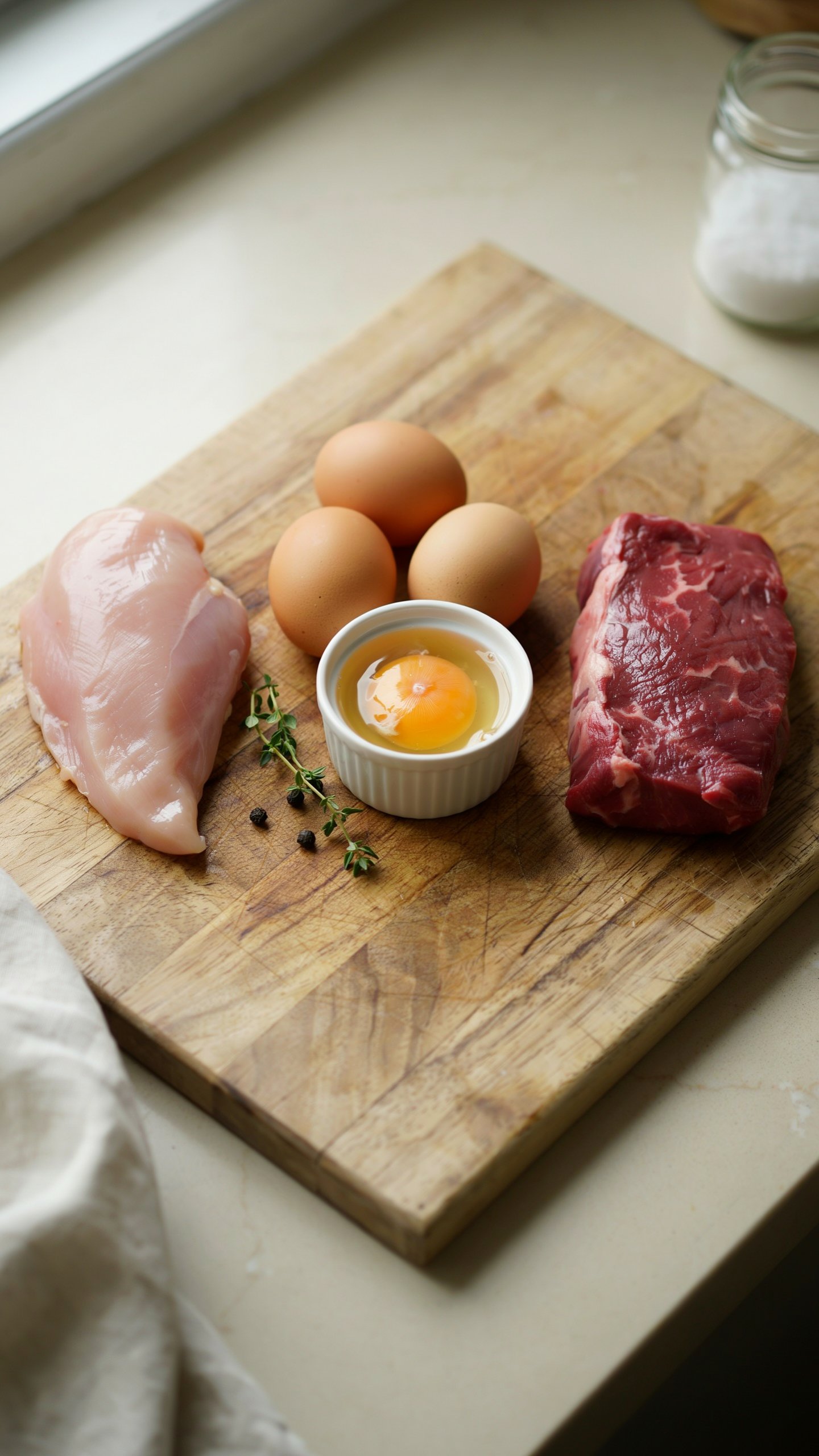
Chicken breast, ground beef, and canned fish are your anchors because they deliver predictable macros with minimal degradation over five to seven days. Everything else is tactical filler. Eggs hard-boil in twelve minutes and last nine days. Greek yogurt requires zero prep but oxidizes faster. The mistake people make is prepping equal volumes of everything. You anchor your Sunday prep around the proteins that take longest to cook and stay stable longest—usually one or two—then build everything else around those.
Batch Size And The Friction Point Nobody Names
Most prep guides tell you to cook for five to seven days, which sounds reasonable until you actually measure the time difference between cooking two pounds of chicken and four pounds. It’s not linear. Doubling your batch doesn’t double your effort because you’re still heating one oven, one pan, one timer. The real friction point is transition time—moving from raw to packaged protein.
Here’s the actual mechanism: cook one anchor protein in the largest batch your equipment handles safely, then portion immediately into containers. If you’re cooking ground beef, five to six pounds in a single session takes roughly the same active attention as three pounds. The container portion step matters more than the cooking step because improper portioning creates oxidation and bacterial growth that kills your meal plan by day four. Cook your anchor protein once per Sunday, portion within fifteen minutes of cooling, and refrigerate at forty degrees Fahrenheit.
Strategic Shopping: Outmaneuvering Decision Fatigue

The Single List, Zero Browse Approach
You want to feel organized and in control, so you think browsing the store with options keeps you sharp. It doesn’t. Behavioral economics calls this decision fatigue, and every choice you make at the store drains the same mental resource you need for actual meal prep execution. You write one list based on last week’s results, you hit those items only, and you leave.
A pre-built list eliminates the trap of scanning protein options, comparing prices, or wandering into the snack aisle. You enter the store with a specific destination for each item: chicken breast at the butcher counter, eggs at the dairy section, canned tuna at aisle three. Decision fatigue compounds when you’re tired on Sunday. The fewer choices you make before prep begins, the more cognitive energy remains for the actual work.
Bulk Buying High Protein Essentials
Your cost per unit drops 15 to 25 percent when you buy protein in volume, but only if you actually use it before expiration. The mechanism here is simple: proteins with longer shelf lives reduce waste and let you prep bigger batches without running to the store twice weekly.
- Chicken Breast: Buy 5 to 10 pound packs from warehouse clubs. Freeze individual portions immediately to extend usable timeline by 2 to 3 months.
- Ground Turkey or Beef: Purchase 3 to 5 pound portions. Portion into meal-sized amounts before freezing to eliminate thawing waste.
- Eggs: Buy by the dozen or half-dozen. Store-bought liquid egg whites also work if you prioritize speed over cost efficiency on prep day.
- Canned Fish: Buy 12 to 24 cans at once. Tuna and salmon require no refrigeration and integrate into any meal without prep friction.
- Greek Yogurt or Cottage Cheese: Stock 2 to 4 large containers. Portion into smaller containers Sunday to prevent spoilage mid-week and reduce daily decisions.
Bulk buying only works if you have freezer space and a system for rotation. Buy what you prepped successfully last month, not what promises theoretical results. Your freezer becomes your inventory buffer, collapsing the gap between “I need protein now” and “I planned this properly.”
The Sunday Assembly Line: Maximizing Output, Minimizing Effort
Cook Your Proteins First, Everything Else Waits
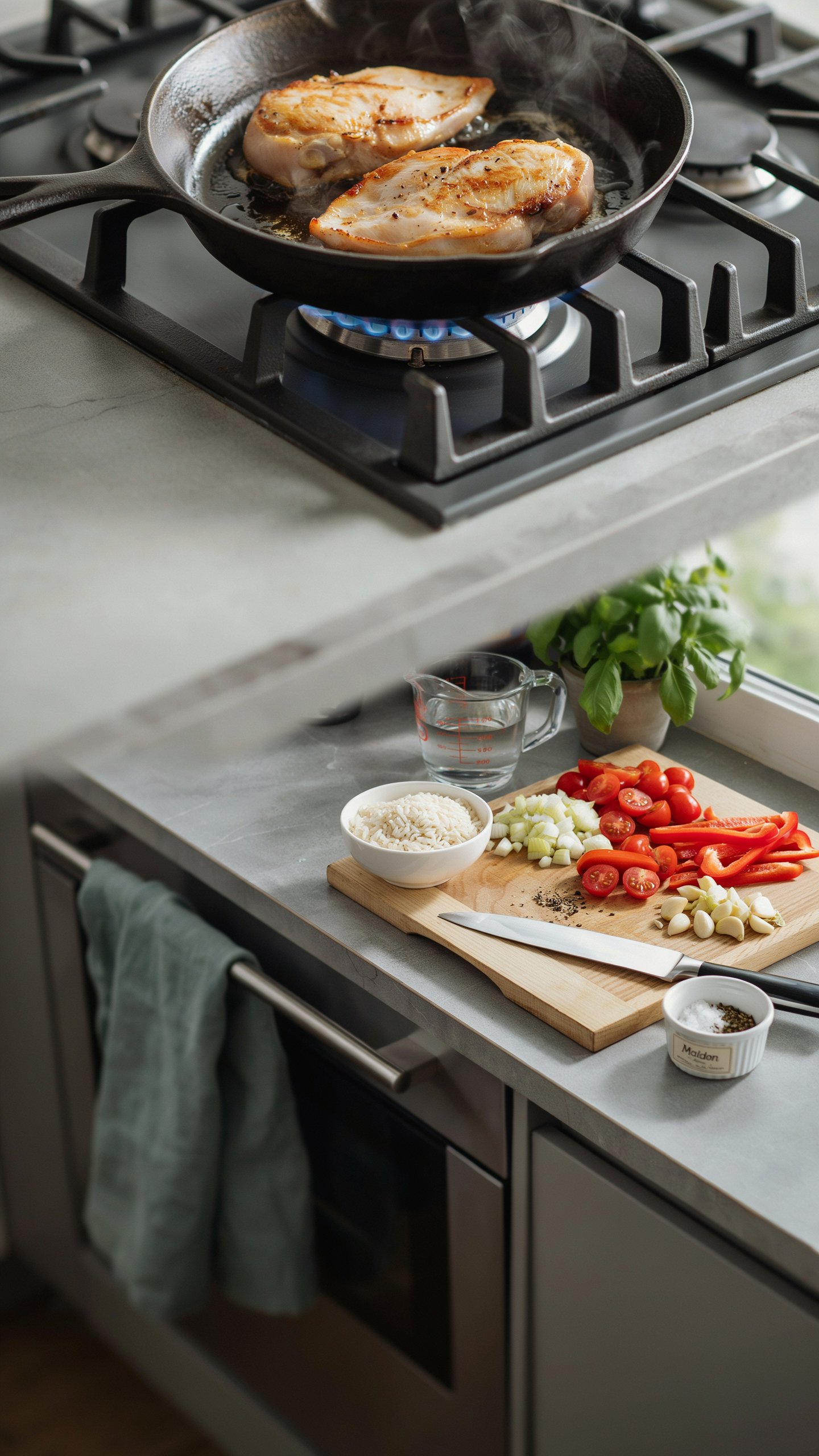
You want to feel like you’ve “done meal prep” by 2 PM so you can claim productivity without actually thinking about food the rest of the week. That’s fine, but it’s the wrong order and costs you 30 minutes. The mechanism is simple: proteins take the longest to cook and must cool completely before storage. Everything else fills the gaps while they cool.
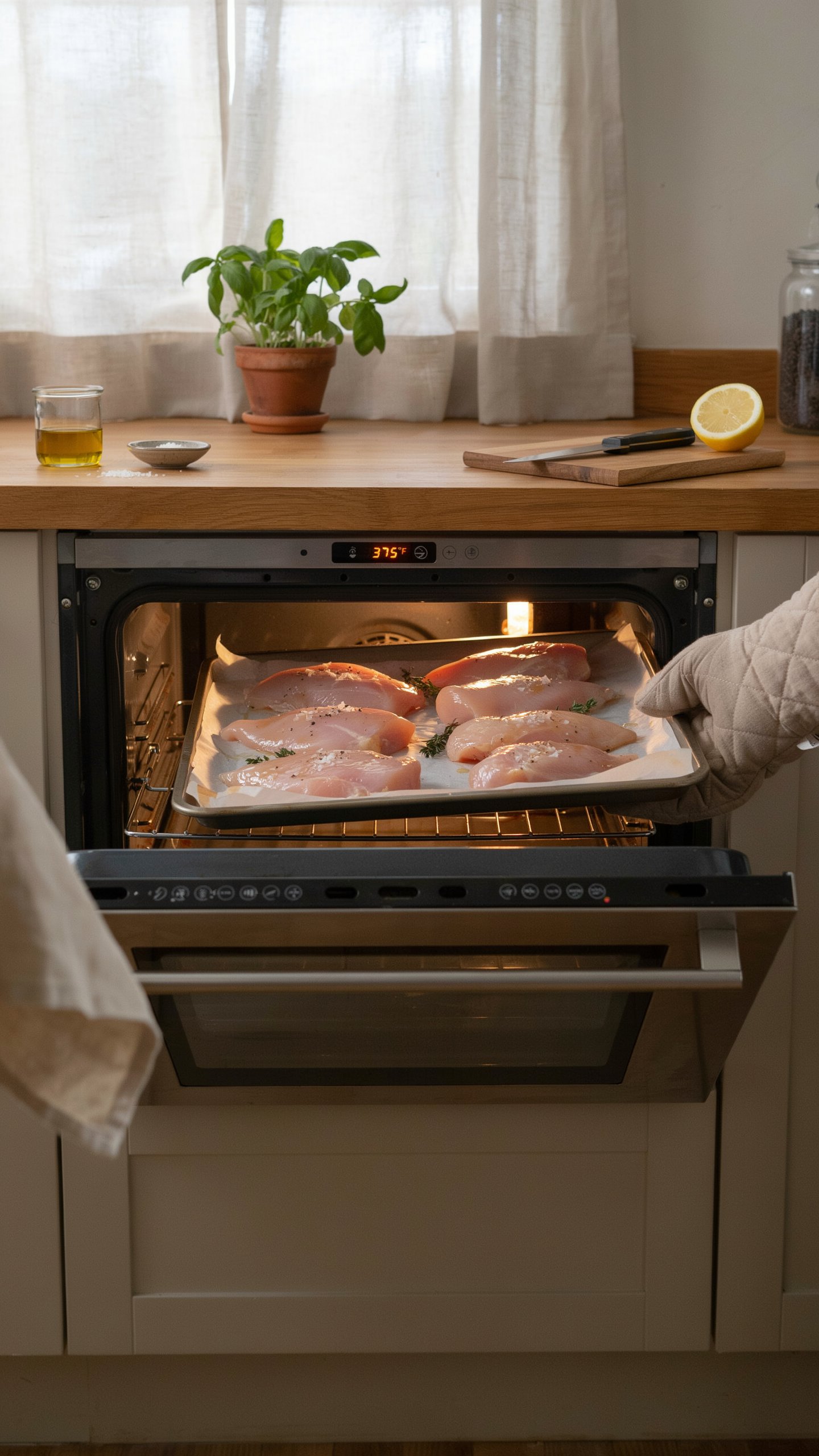
Start with chicken breasts, ground turkey, or whatever protein you chose. Season them, get them in the oven or pan first. This isn’t negotiable. While those cook, you have a hard deadline that structures the entire process. You cannot skip ahead. Cook proteins at 375°F for chicken breasts (about 25-30 minutes), or brown ground meat on medium-high heat (10-12 minutes). The moment they finish, move them to a cooling rack or shallow pan, never a sealed container yet. Cooling is where most people fail: they trap steam, bacteria colonize faster, and spoilage happens mid-week.
The Vegetable Strategy That Actually Extends Shelf Life
Most advice says roast everything together and call it done. That’s lazy and wrong. Different vegetables have different water content and oxidation rates, so they degrade at different speeds. You want raw storage longevity for some, cooked for others. The biology here mirrors oxygen exposure: some vegetables hold their structure and nutrients when raw in airtight containers. Others break down and leach water if not cooked first to denature cell walls and reduce surface area for bacterial growth.
Roast your denser vegetables first: broccoli, cauliflower, Brussels sprouts at 425°F for 18-22 minutes. These tolerate Monday-through-Friday storage. Store them in separate containers from softer vegetables. Keep greens, bell peppers, and cucumbers raw until assembly, or store them separately in breathable containers lined with paper towels to absorb excess moisture. This takes an extra 5 minutes but adds three days of usable shelf life. The protocol: dense vegetables roasted first, then cooled completely before containers seal. Softer vegetables raw or in their own compartments. Don’t mix them until meal assembly.
Flavor Foundations: Avoiding The Bland Trap, Healthy Meal Prep
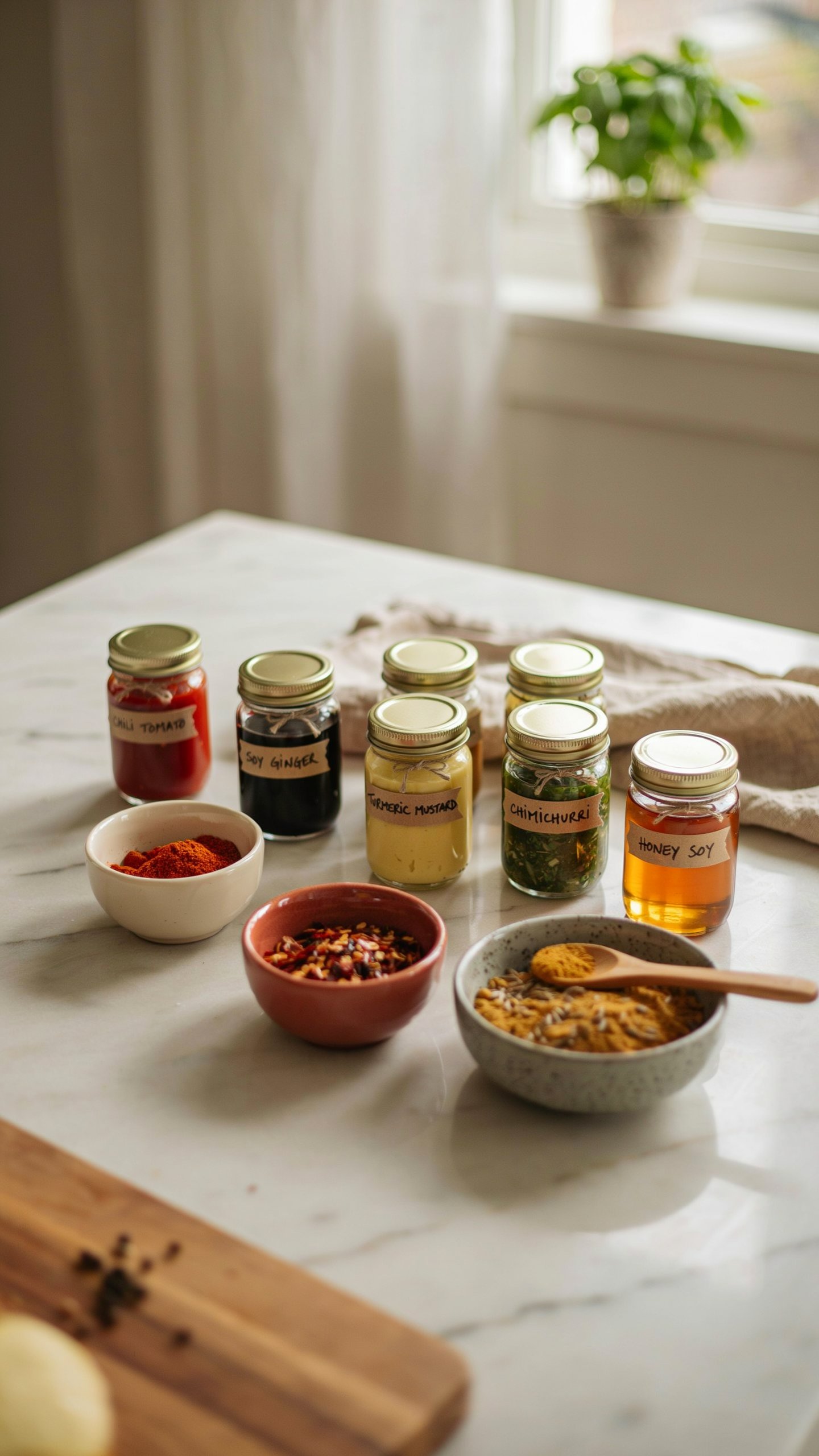
Build Versatile Sauce And Spice Blends
You’re afraid your meal prep will taste like punishment. That fear drives people to either abandon the whole system or accept mediocrity. The mechanism is simple: flavor compounds degrade at different rates, so you control freshness by separating them until assembly. Make three base sauces on Sunday and combine them with proteins and vegetables throughout the week. The sauces stay stable in airtight containers for five to seven days when kept cold.
A vinegar-based sauce (equal parts vinegar, oil, and water with salt and garlic) lasts longest because acid preserves it. A cream-based sauce (Greek yogurt, lemon, herbs) peaks at four days before the dairy separates slightly. A spice blend (cumin, paprika, black pepper mixed into oil) stays potent for the full week if stored in a sealed jar. You’re not making individual meals. You’re making flavor components that you combine strategically to create variety from limited prep work.
Separate Components For Freshness
Common advice says cook everything together and store it. That’s how you end up with soggy vegetables and protein that tastes like cardboard by Wednesday. You need to apply the principle of compartmentalization from food science: moisture and texture degrade when stored together under pressure. Cook your protein separately. Roast or steam your vegetables separately. Keep them in different containers until you’re ready to eat. This takes five extra minutes of setup but extends the lifespan of each component by two to three days.
Build your meal only when you eat it. Grab cold protein from one container, vegetables from another, sauce from a third. The warm protein reheats while the vegetables stay crisp and the sauce distributes evenly. This single step eliminates the staleness that kills meal prep compliance. Most people quit because the food tastes stale by day four. Separation keeps everything tasting like fresh food throughout the entire week.
Mastering The Mid Week Pivot: Meal Prep For The Week
The Component Remix Strategy
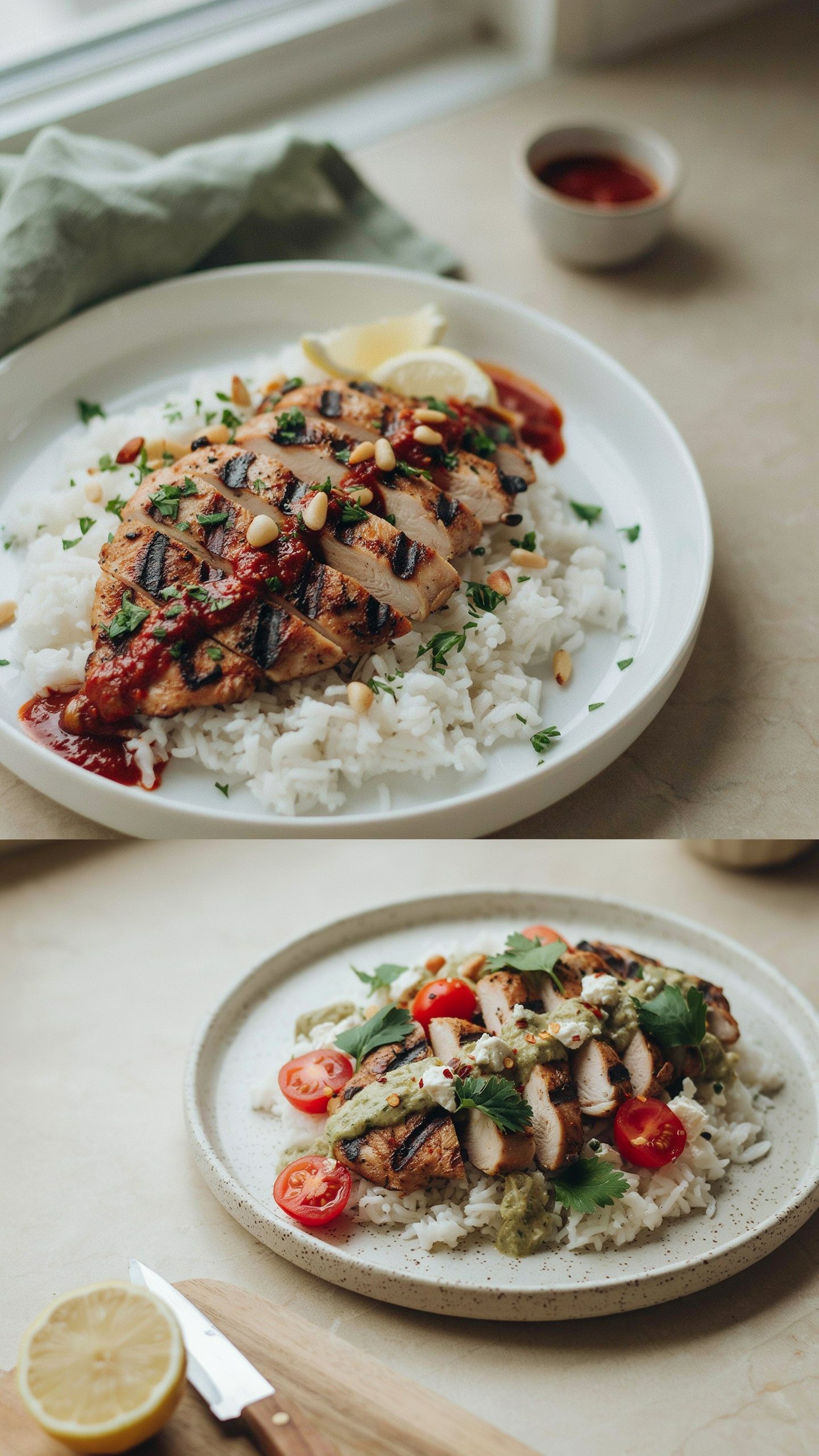
You want your Sunday work to feel efficient, which means you’re terrified of eating the same meal five days straight. The mechanism here is borrowed from systems design: redundancy with variation. Cook base proteins and starches once. Swap seasonings, sauces, and sides to create the illusion of different meals without multiplying your cooking steps.
A grilled chicken breast tastes nothing like the same chicken breast marinated in hot sauce, served over rice instead of sweet potato with a different vegetable. You’re rotating the non-protein elements while the caloric and macronutrient foundation stays constant. This cuts your actual cooking time in half while your meal adherence climbs because boredom never enters the equation.
Quick Additions For Hunger And Compliance
Most meal prep advice ignores satiety. You prep 40 grams of protein and wonder why you’re hungry two hours later. Add texture and volume to existing components on the day you eat them, not during prep. Raw vegetables, nuts, and fermented foods stay crisp and don’t turn mushy after three days in a container.
A handful of almonds or a side of kimchi transforms a meal’s satiety profile without requiring Sunday cooking time. Store these additions separately and combine at meal time. This single protocol shift eliminates the snacking spiral that derails people mid-week when their prepped meals feel incomplete despite hitting their macro targets.
The Balanced Breakfast Blueprint
What Actually Gets Prepped On Sunday
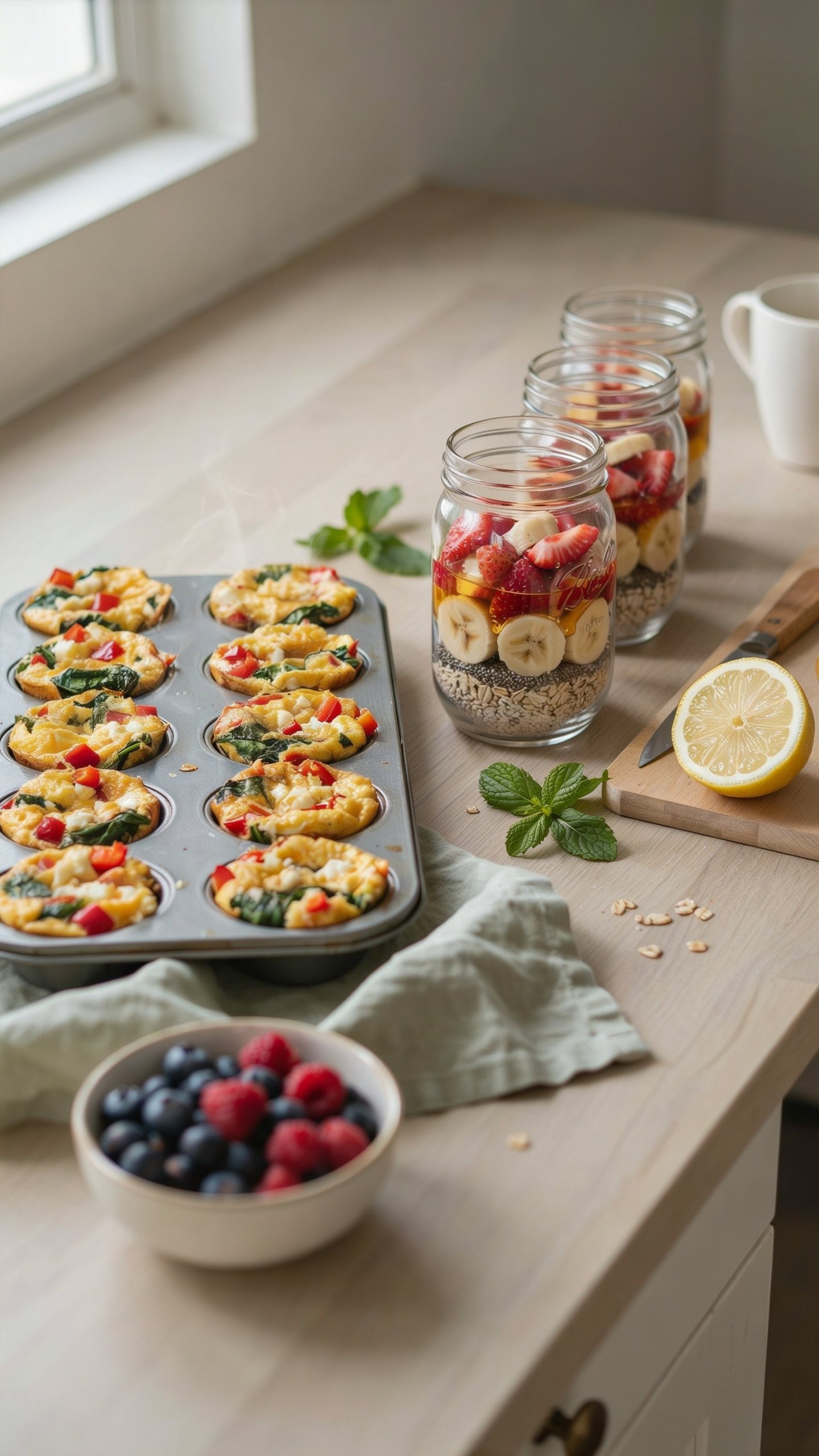
You want to believe breakfast prep saves you time on weekday mornings, but the real reason you’re here is control—knowing exactly what protein hits your stomach before 9 AM removes decision friction. Borrowing from thermodynamics, entropy is the natural decay of your willpower; prepping breakfast components arrests that decay by removing the “what should I eat” calculation. The mechanism is simple: you prep protein sources, not finished plates.
Cook a batch of eggs—scrambled or hard boiled, your choice—in volume on Sunday. Prep Greek yogurt portions in containers if you want grab-and-go texture. Cook ground turkey or lean ground beef if you prefer hot breakfast protein. Cook chicken breasts sliced thin for sandwiches or bowls. Make cottage cheese portions with nothing added. These sit in the fridge untouched for five days, each one a unit of consumed protein that requires zero decision-making Wednesday morning.
Assemble In Under Five Minutes
The breakfast prep that works is the one you’ll actually execute, which means assembly speed determines compliance.
- Egg-based plate: Hard boiled eggs with whole grain toast and berries. No cooking required. Grab, plate, eat in two minutes flat.
- Yogurt bowl: Greek yogurt layered with granola and fruit in a container. Needs no heating. Grab from fridge, eat straight from container.
- Protein wrap: Pre-cooked meat, cheese, and greens wrapped in a tortilla the night before. Grab from fridge, no assembly required.
- Cottage cheese stack: Cottage cheese with fruit and nuts pre-portioned into containers. Open, eat, done.
- Oatmeal base: Cook large batch Sunday, portion into containers. Add protein powder and milk each morning in thirty seconds.
You’re not saving time by making five minutes take three. You’re saving time by eliminating the choice of whether to eat breakfast at all. The container sits in your line of sight in the fridge. Friction drops to zero. You eat it.
Beyond The Plate: Integrating Fitness Nutrition

Protein Intake Aligned With Training Goals
You want this section to validate that your meal prep effort directly translates to muscle. It doesn’t, not automatically. The mechanism is dose-response: your protein target exists inside a training stimulus, not separate from it. Borrow from pharmacology here. Just as a drug requires a threshold dose to produce effect, protein requires adequate training volume to drive adaptation. Without the stimulus, extra protein becomes expensive calories. With it, protein becomes the raw material your body uses to repair and build.
Your Sunday prep serves a number between 0.7 and 1 gram per pound of bodyweight daily, depending on your training intensity and frequency. This isn’t arbitrary. Research consistently shows diminishing returns beyond 1 gram per pound for muscle gain. If you train three days weekly with moderate volume, 0.7 works. If you train five days with high intensity, push toward 0.9 or 1. Your meal prep timeline should distribute this total across four to five eating windows, never cramming it into two massive meals. Spacing matters because your body uses roughly 25 to 35 grams per meal for muscle protein synthesis. Anything beyond that gets oxidized or stored as fat.
Recovery Fueling After Training Sessions
Post-workout fueling is where most lifters waste prep effort through timing mythology. The anabolic window is not a 30-minute emergency. Your muscles don’t stop accepting nutrients the moment you leave the gym. What matters is total daily protein and calories, not the clock. A meal prepped two hours before training performs identically to one consumed two hours after, provided daily totals stay constant. The real mechanism is substrate availability over the training session itself. Eating carbs and protein before and during hard training prevents cortisol spikes and preserves muscle during the workout. That’s where your prep timing decision carries actual weight.
Your Sunday prep should include one post-workout option: a 300 to 400 calorie portion with 25 to 35 grams protein and 40 to 60 grams carbs. Rice, chicken, and vegetables works. So does pasta with ground beef. Prepare it so you eat it within two hours after training, not because of magical timing, but because you’re hungry and your system is primed to partition carbs into glycogen. This single meal containers completes the recovery cycle your training demands. Skip it and your next Monday session suffers from depleted glycogen stores.
The Feedback Loop: Refining Your Meal Prep Plans

Tracking What Actually Moves The Needle
You want to believe your system is working so you don’t have to rebuild it. That’s the real reason most people skip this step. The mechanism is simple: you can’t optimize what you don’t measure. Pick three variables to track weekly. Protein hit rate per meal. Time spent cooking. Cost per serving. Record them on a spreadsheet every Sunday for four weeks. Nothing fancy. Just numbers.
The pattern emerges fast. You’ll notice which proteins take longest. Which recipes you actually repeat versus which you abandoned. Which days your compliance breaks. This data removes guesswork from iteration. Without it, you’re just shuffling the same inefficient routine and calling it progress. Track or stay stuck.
Building The Next Cycle On What Works
Iteration in systems engineering means you take baseline data, change one variable, measure the result, then lock in improvements. Apply this directly to meal prep. Week one you nail the timeline on chicken and rice. Week two you test ground turkey. Week three you test beef. Change one protein source at a time. Compare cook time, cost, and how long it stays fresh in containers.
Stop chasing trends. If rotisserie chicken saves you thirty minutes and costs two dollars more per serving but you actually eat it, that’s your answer. The best meal prep system isn’t the one a fitness influencer designed. It’s the one you’ll execute consistently for six months straight. Lock in your winners. Drop what fails. Repeat.
The real obstacle isn’t time; it’s your resistance to making decisions once.
You already know what to cook. You already know protein matters. You’re waiting for permission to stop thinking about it. Pick three meals today. Write them down. Buy the ingredients this week. Cook them Sunday. Repeat next Sunday. The high protein meal prep timeline doesn’t exist to confuse you, it exists to eliminate the weekly negotiation with yourself about what to eat. Stop looking for the perfect system and start looking for the system you’ll actually repeat.