
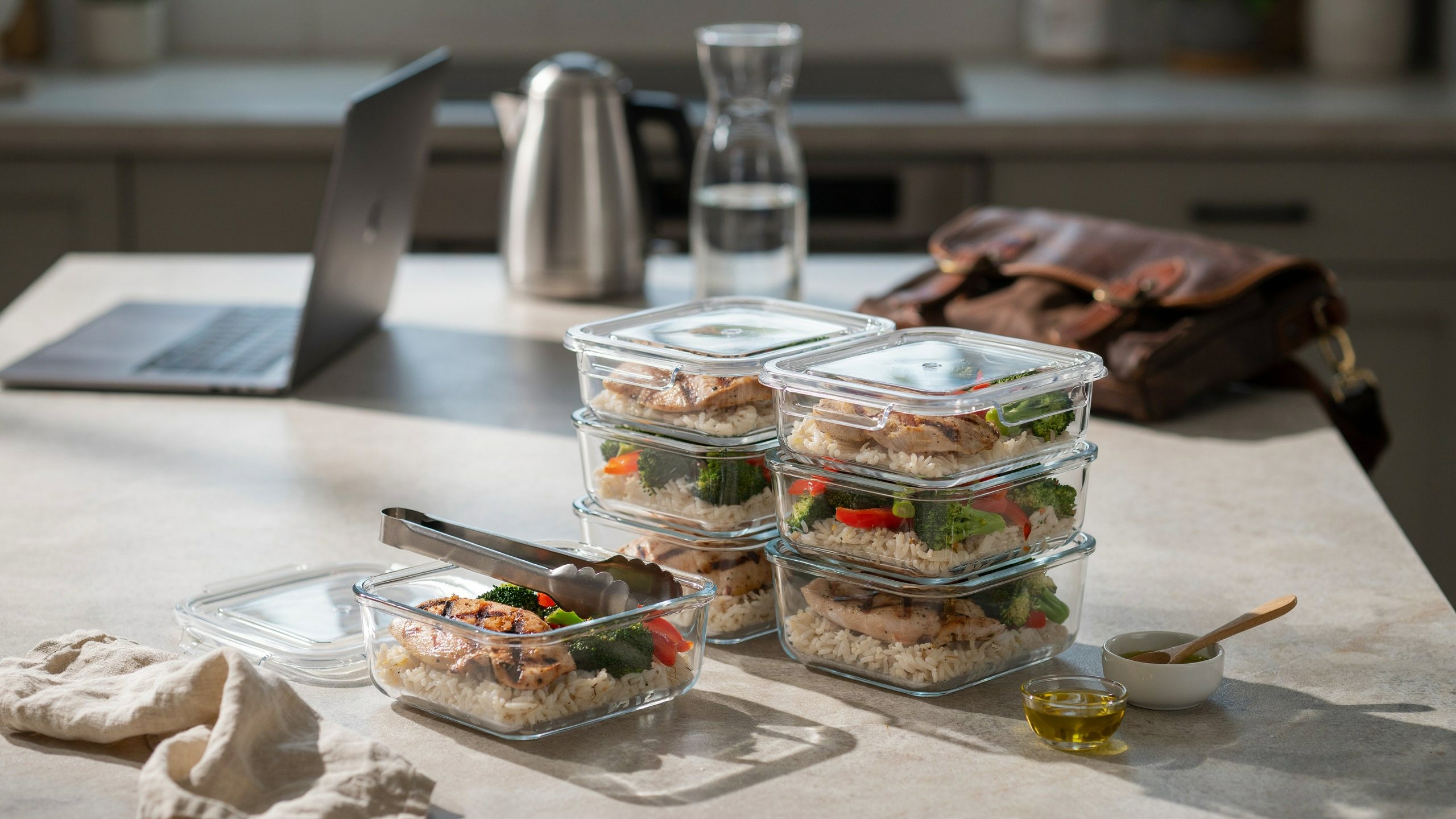
Beyond The Buzz: Why High Protein Meal Prep Really Matters
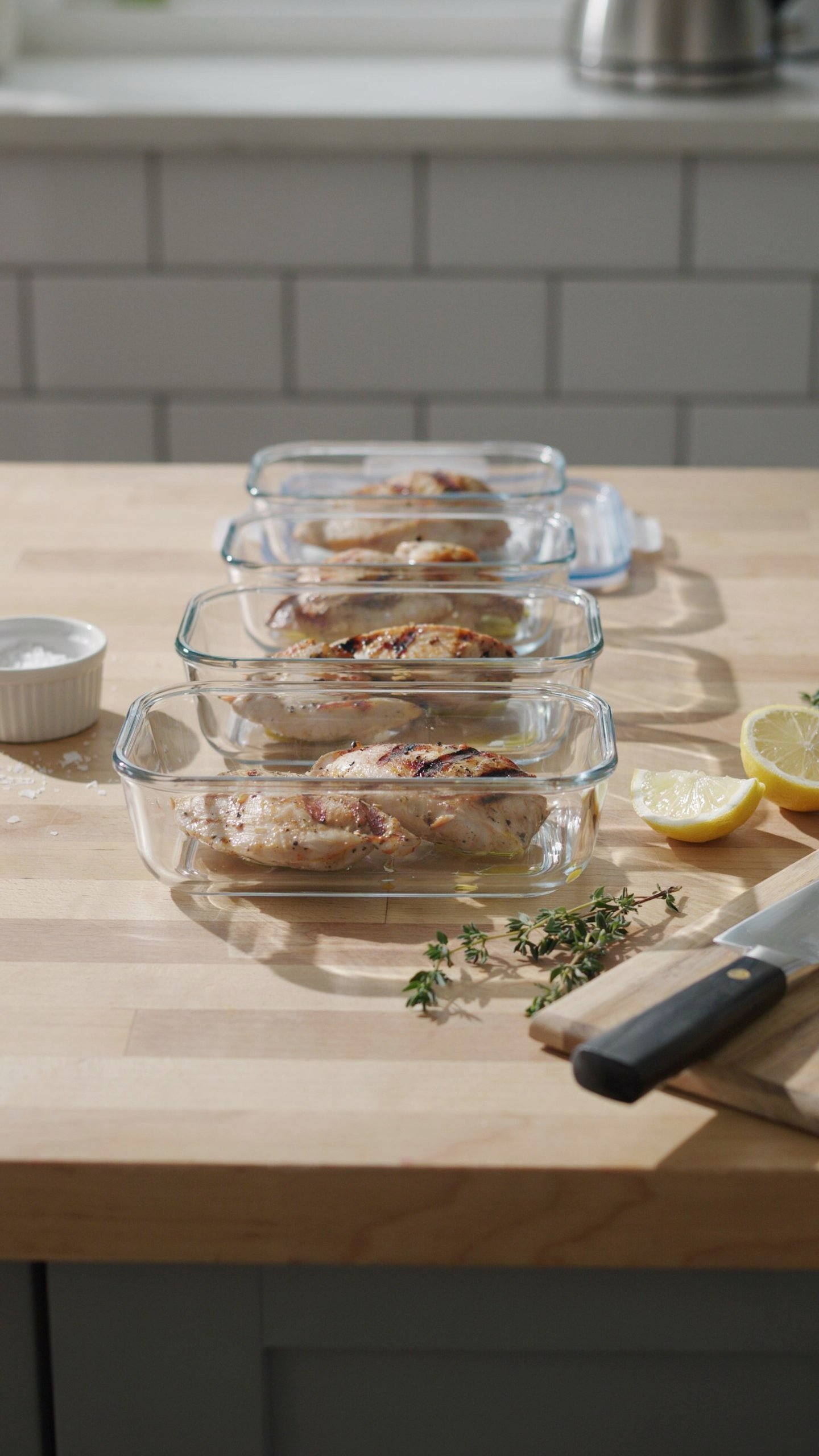
What Protein Actually Does In Your Body
You want to believe protein is magic because admitting the truth is boring: your body needs it to function, and most people don’t eat enough. The mechanism is biochemistry, not marketing. Protein breaks into amino acids during digestion. Your body uses these amino acids to rebuild muscle tissue, create enzymes, produce hormones, and maintain immune function. Without adequate protein, these systems degrade. You don’t feel it happening until performance drops, recovery stalls, or you get sick more often.
The standard advice says “get enough protein” then leaves you hanging. That’s incomplete. Protein timing and distribution matter more than total daily intake alone. Eating 120 grams at dinner does less for muscle protein synthesis than spreading 30 grams across four meals. Your body can only use a certain amount per meal for tissue repair. The rest oxidizes for energy or stores as fat. Meal prep forces consistency. Consistency drives adaptation. That’s the real mechanism—not willpower, not motivation, but structural repetition.
The Price Of Skipping Preparation
Every missed meal prep session isn’t just a lost opportunity. It’s a tax on your time, money, and cognitive resources that compounds daily. When you don’t prepare, you make decisions under hunger and fatigue. Those decisions cost more. You buy expensive protein sources last-minute. You eat restaurant portions. You snack to bridge gaps between meals. The math is brutal: one unplanned meal costs two to three times what a prepped meal costs, and it delivers half the protein.
The hidden cost runs deeper than money. Decision fatigue is real. Each unplanned meal is a decision your brain must make, burning mental energy you need for work, training, or actual priorities. Meal prep removes the decision. You cook once, eat consistently, and your brain stays focused on what matters. Your body stays fed predictably. Protein synthesis stays elevated. Recovery stays consistent. The ritual itself becomes your leverage point. You prepare proteins on Sunday. You portion them into containers. You eat them throughout the week. That’s your protocol.
The Minimum Viable Prep Protocol For Busy Weeks
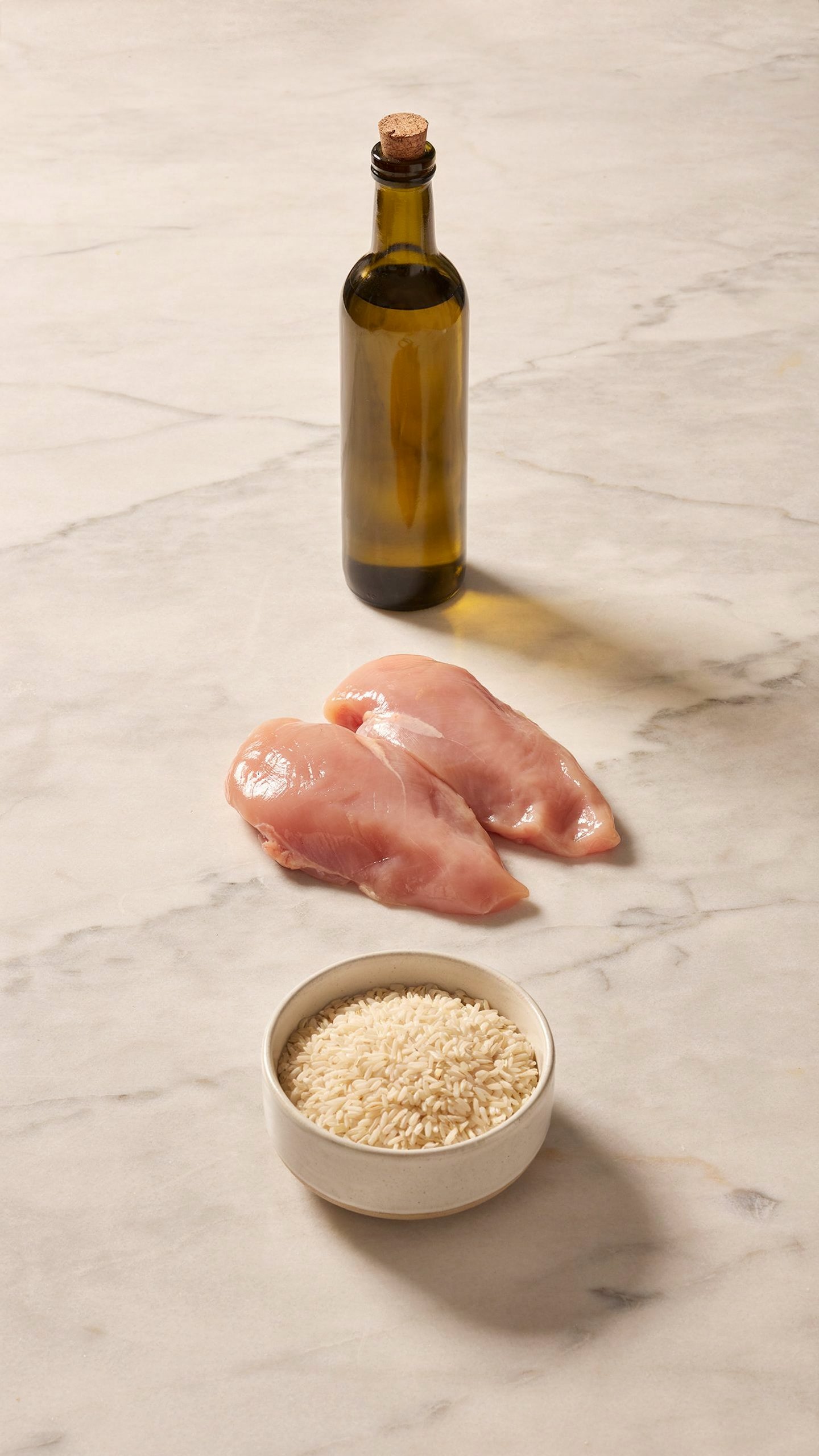
Build Your Three Core Pillars
You want to feel like you have control without actually spending your Sunday in a kitchen for four hours. Here’s the mechanism: specificity beats volume. In supply chain management, they call it “just-in-time” inventory—you stock only what moves. Same principle applies here. Pick one protein source, one carb, one fat. That’s it. Chicken breast, rice, olive oil. Ground turkey, sweet potato, butter. Eggs, oats, coconut oil. The combinations don’t matter. What matters is that three components cook independently and combine infinitely.
Most people overthink this and prep six proteins with five sides. You end up with containers of food you don’t want by Wednesday. The real move is constraint. Fewer decisions means you actually execute. Cook your protein to done. Cook your carb to done. Your fat stays liquid or solid—no prep needed. You’ve now eliminated decision fatigue and created a system where every meal takes two minutes to assemble instead of two minutes to reheat from cold storage.
Batch Cook Only What Scales
The common advice here is wrong: “prep everything for the week.” That assumes you want the same meal six times. You don’t. What you need is cooked components that remix. Cook one large batch of protein. One large batch of carb. Everything else is assembly. Chicken thighs take 35 minutes at 425 degrees. Rice takes 18 minutes. While those run, you’re done. Total active time: 8 minutes of chopping and seasoning.
The fatigue isn’t the cooking—it’s the decision loop. You eliminate that by prepping only the pieces that take actual time. Vegetables, sauces, seasonings, sides—you do those fresh or minimal. Your prepared items are the anchor. Protein holds for five days refrigerated. Rice holds for five days. Everything else rotates around them. This is how you sustain the system through month three, not just week one. Prep your protein and carb. Leave everything else unfrozen until you eat it.
Engineering Your Plate: High Protein Meal Prep Strategies
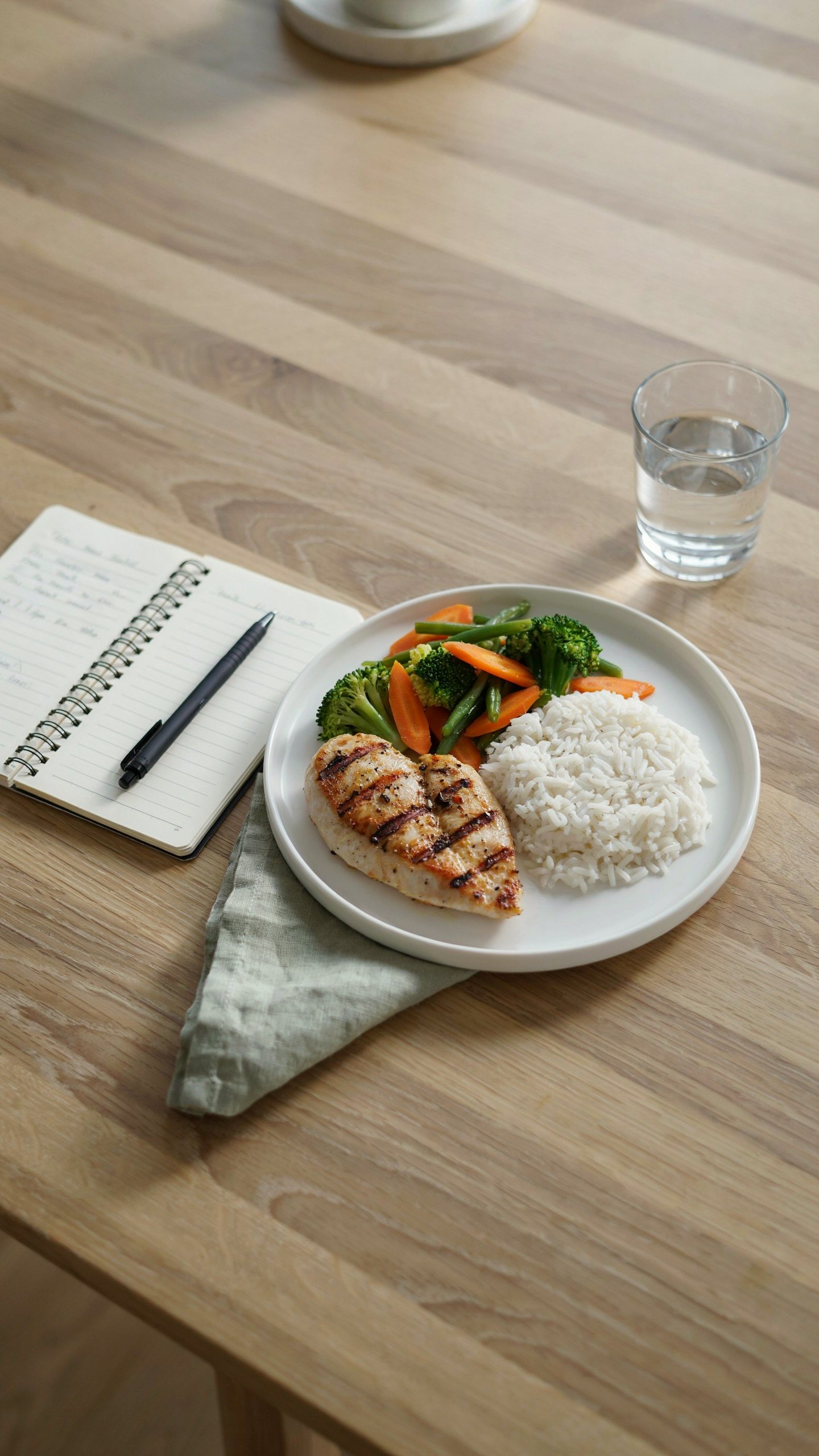
The Feedback Loop You’re Actually Running
You want to know if your meal prep is working because you’re afraid it isn’t, and you can’t afford to waste another week eating food that leaves you hungry at 3pm. That’s the real question. In cybernetics, a feedback loop is a system that measures output, compares it to a goal, then adjusts the input. Your protein plate operates on the same principle: you eat, measure how you feel two hours later, then modify portions and timing based on energy and satiety signals your body sends back.
Most people skip this step entirely. They copy a meal plan, execute it robotically, then wonder why they’re tired or ravenous. The mechanism is simple: track energy dips and hunger spikes across three days of identical meals, then adjust protein amount or meal timing by 10-15 grams or 30 minutes respectively. Don’t guess. Measure what actually happens to your body, not what theory says should happen.
Building Redundancy Into Your System
Backup systems aren’t backup plans, they’re how systems survive contact with reality. Your meal prep fails when life interrupts: you forget chicken in the freezer, your schedule shifts, you miscalculate portions. Redundancy means having multiple protein sources ready to swap, not multiple versions of the same meal. One primary option (ground turkey, for example), one intermediate option (canned fish), and one emergency option (protein powder or Greek yogurt) prevents the collapse that sends you to a drive-through.
The execution is mechanical. On prep day, cook your primary source in full volume. Portion and freeze one backup protein in smaller containers separate from your main batches. Keep your emergency option stocked without exception. When primary sources run short or time becomes scarce, you deploy the next option without breaking your protein target. This isn’t motivation or discipline, it’s just redundancy doing what it’s designed to do: keep the system operational when conditions change.
Protein Foods That Aren’t A Chore: Flavor & Variety
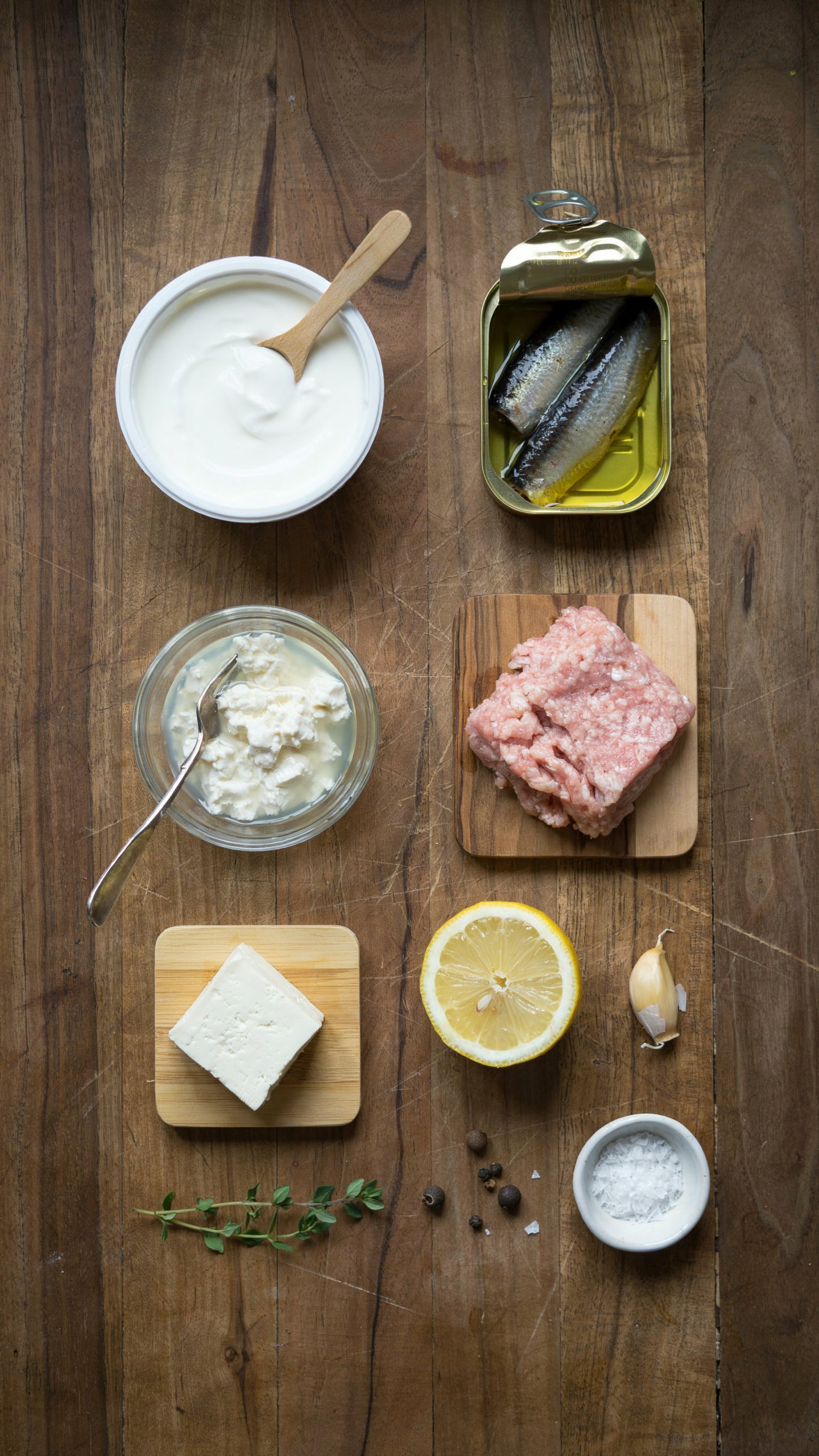
Unconventional Protein Sources Beyond The Basics
You want to feel like you’re not eating the same meal twice. That’s not sophistication talking—it’s your brain refusing to comply with monotony, which kills adherence faster than hunger does. The mechanism is simple: novelty triggers dopamine, which makes repetition sustainable. Chicken and eggs dominate meal prep because they’re cheap and reliable, not because they’re your only options. Expanding your protein base costs almost nothing extra and solves the compliance problem most people never name.
- Greek yogurt: 20g protein per cup, mixes into grain bowls or eaten plain. Lasts two weeks in the fridge. Pairs with granola or used as a base for overnight oats.
- Canned fish: Sardines, mackerel, and tuna deliver 20-25g protein per can. Shelf-stable for years. Mix into pasta, rice, or salads without cooking.
- Cottage cheese: 14g protein per half cup, extremely satiating. Use in savory applications like mixed into rice or layered in containers with vegetables.
- Ground turkey: Leaner than beef, 22g protein per 3.5oz serving. Cooks identically to ground chicken but tastes noticeably different in tacos or pasta sauce.
- Tofu and tempeh: Plant-based options with 15-19g protein per 3.5oz. Absorb flavors rapidly. Tempeh has firmer texture, tofu works better in stir-fries and curries.
Rotation prevents taste fatigue and forces you to learn basic prep techniques across different textures. Pick two proteins you don’t normally eat and alternate them into your weekly rotation. The friction of learning a new protein pays off in week three when boredom stops being a factor in your decision-making.
Seasoning Strategies That Compound
The conventional advice says use salt, pepper, and store-bought spice blends. That’s incomplete because it ignores how flavor compounds stack. In chemistry, saturation happens when one element reaches capacity—add another dimension and the system absorbs more intensity without becoming harsh. Your palate works the same way. One acid source (lemon juice, vinegar, hot sauce) plus one umami anchor (soy sauce, miso, nutritional yeast) plus one heat element (black pepper, cayenne, ginger) creates complexity that prevents flavor fatigue across multiple meals from identical proteins.
Prep a basic seasoning oil at the start of your week: olive oil, garlic, lemon zest, and salt mixed together. Use this as your base, then layer specific additions per container. Tuesday’s chicken gets cumin and lime. Thursday’s version gets Italian herbs and balsamic. The base stays constant, which speeds prep. The variation stays high, which keeps eating interesting. This method takes three minutes to execute across ten containers and eliminates the need to season each meal individually during the week.
The 30 Minute Meal Deception: Real Quick Healthy Meals
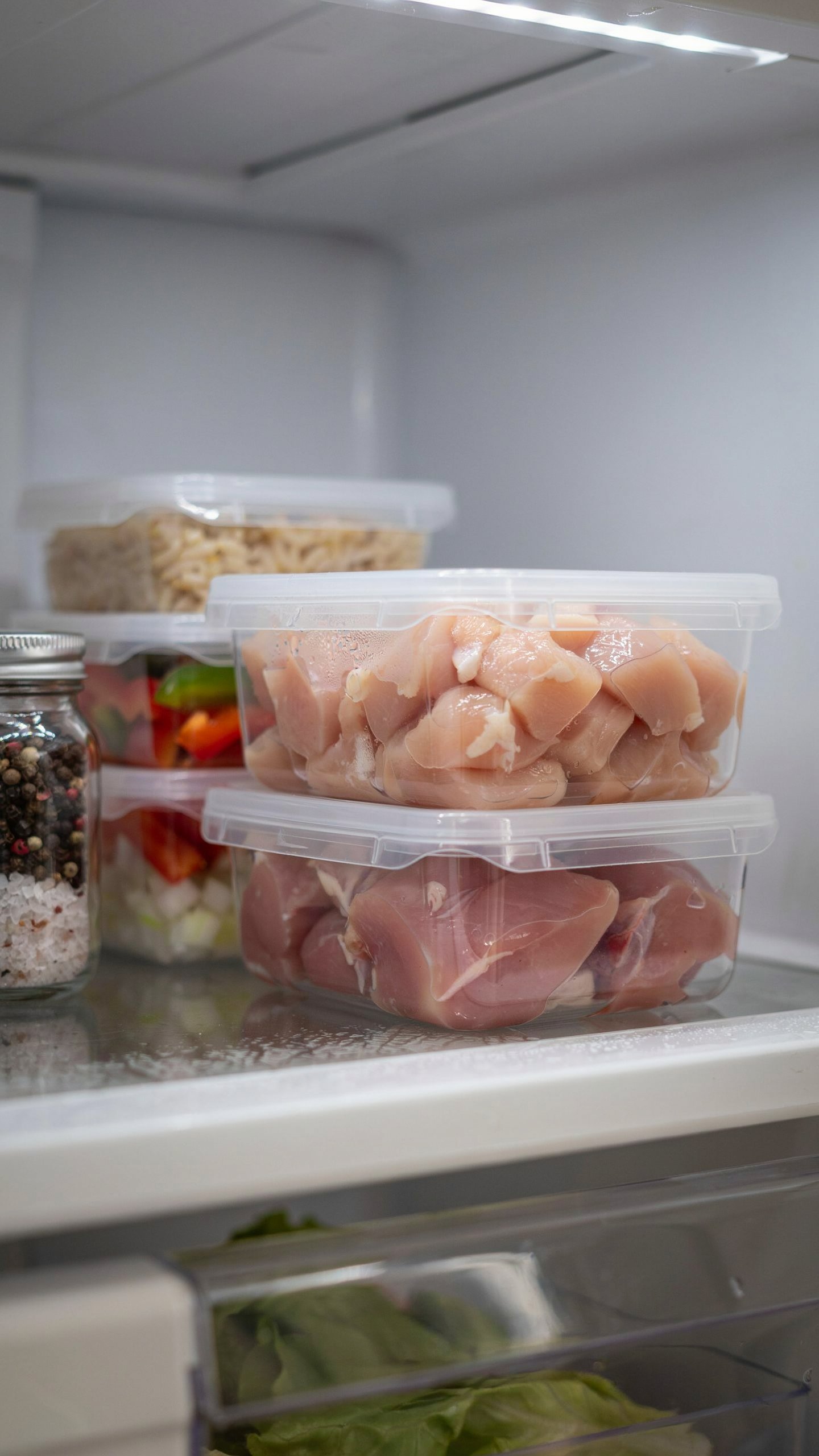
Pre Prepped Ingredients Matter More Than Recipes
You want to believe a good recipe saves time. It doesn’t. The real bottleneck is ingredient preparation, and most meal prep guides gloss over this because naming the actual mechanism is less sexy than promising 30-minute meals. Borrowing from manufacturing, your prep work is the constraint that determines throughput. You can’t accelerate cooking speed without first removing the prep friction.
Pre-prepping ingredients works because you’ve already absorbed the time tax upfront during your designated prep window. Dice your chicken on Sunday. Store it in airtight containers. When Wednesday arrives and you’re building a stir-fry, you’re not hunting for a knife or unwrapping frozen protein. The decision is made. The work is done. You move straight to assembly, which is where actual cooking happens.
One Pan One Pot Meals Cut The Friction Loop
Single-vessel cooking isn’t about being trendy. It’s about reducing variables and cleanup resistance, which is the silent blocker that keeps people from executing meal prep two weeks running. Most people fail not because cooking is hard, but because the ritual becomes too annoying to repeat. One pot destroys that excuse.
A sheet pan chicken with roasted vegetables. A Dutch oven chili. A skillet ground turkey with rice cooked in the same vessel. Each eliminates the step where you contemplate washing five pans and decide takeout sounds better. The protein source goes in first, then starches and vegetables build around it. Temperature management stays simple because you’re not juggling multiple heat zones. Cook once, store the whole thing, reheat in the same vessel you cooked it in.
Meal Prep For The Week: Strategic Storage & Shelf Life
Containers That Actually Preserve Protein
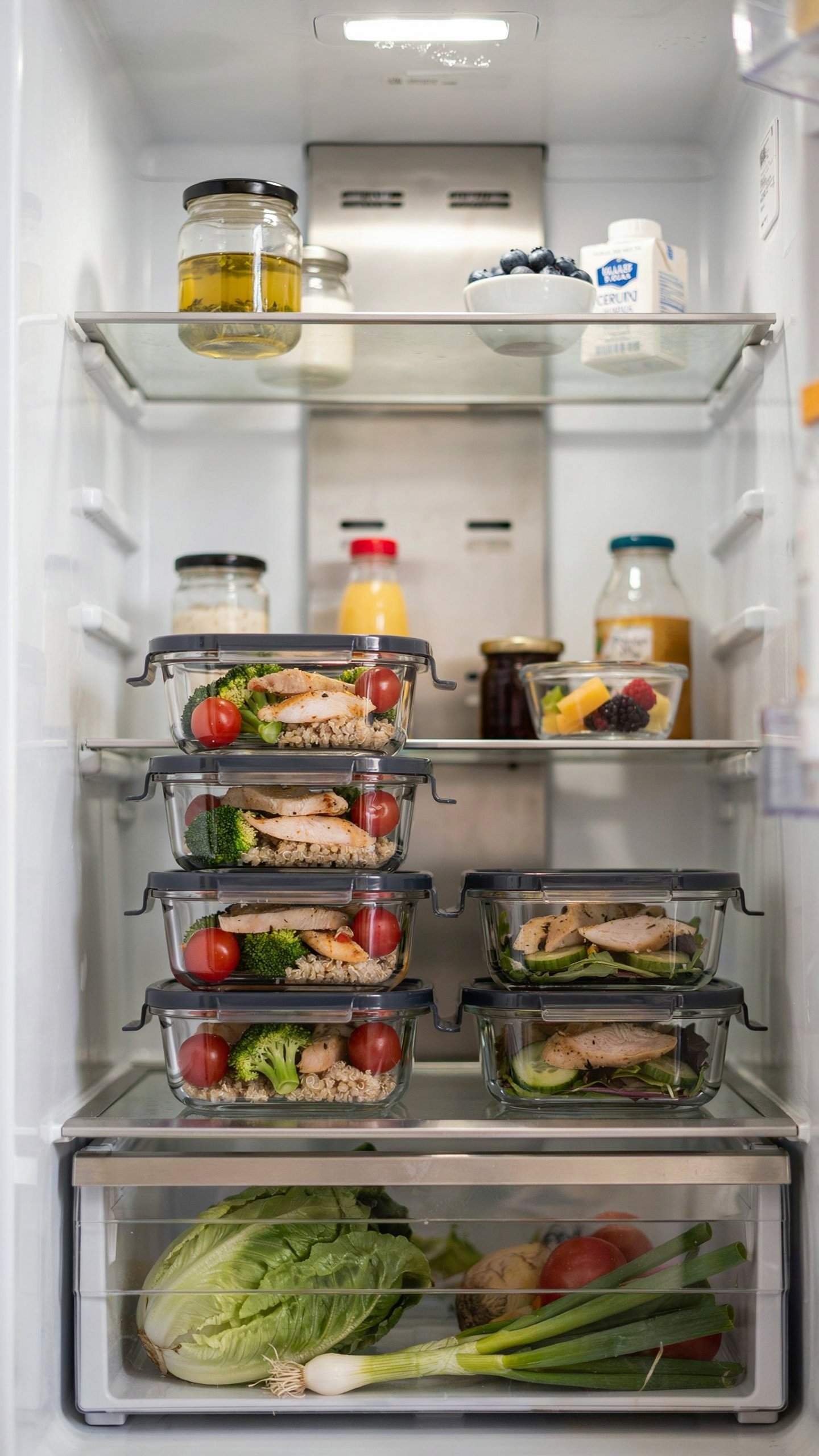
You want your meal prep to look organized on Instagram, but what you really need is food that doesn’t degrade before Wednesday. The mechanism here is simple: glass containers create an oxygen barrier that plastic never will, and that matters because oxidation degrades both protein structure and fat quality faster than time alone. Borosilicate glass (the standard for food storage) is chemically inert, meaning it doesn’t leach compounds into your food or absorb odors and stains. Plastic containers do both, which is why your chicken always tastes faintly like last week’s curry.
Portion control through container selection isn’t about willpower, it’s about removing the friction of decision-making. Use uniform containers in 4-6 ounce increments for protein, 8 ounce for carbs, and 4 ounce for fats. Stack them vertically in your fridge so you see what you have without digging. Flat containers with tight-sealing lids (not snap-on approximations) keep moisture consistent and prevent bacterial growth that thrives in humid environments. The container you choose dictates how long your prep actually lasts.
Freezing Protocol For Extended Shelf Life
Freezing doesn’t preserve food through magic—it halts bacterial reproduction by making water unavailable for microbial activity, which is the biological mechanism that matters. Most people freeze cooked protein wrong by stacking hot meals directly into containers, creating temperature gradients that produce ice crystals and degrade texture. Flash freeze first: lay portioned meals flat on a sheet tray uncovered for two hours at zero degrees, then stack and store. This prevents the dense ice formation that ruptures cell walls in muscle tissue.
Cooked chicken breast maintains quality for eight weeks frozen, ground beef for four months, and fish for three months maximum. Label everything with the date you froze it, not the date you cooked it—these are different variables. Thaw in the refrigerator overnight, never at room temperature, because bacteria multiply aggressively in the danger zone between forty and one hundred forty degrees Fahrenheit. Freeze meals in single layers first, then stack them only after they’re fully solid.
Easy Weeknight Dinners: Assemble, Don’t Cook
Build Plates From Interchangeable Components
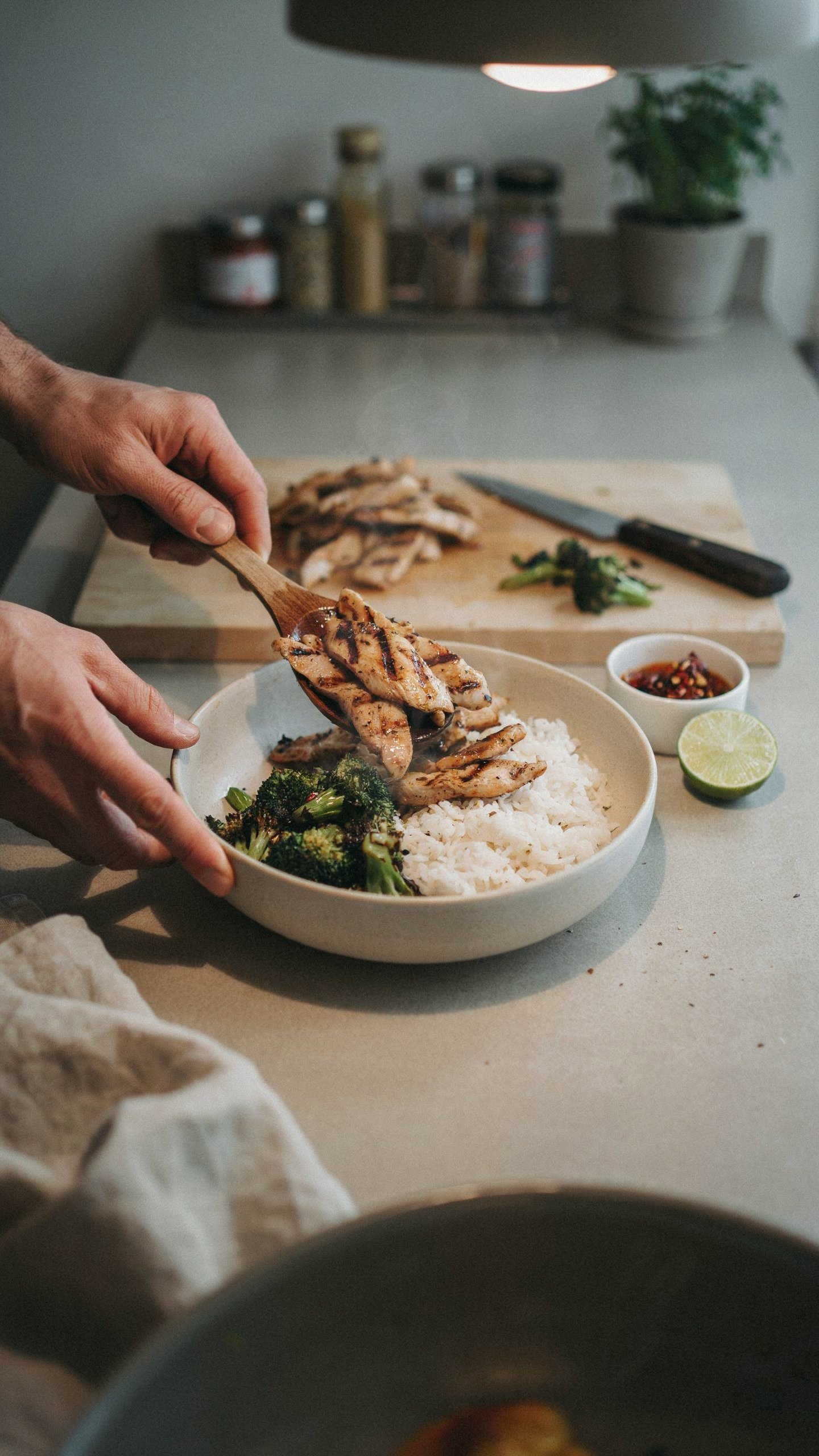
You want to feel like you have options without actually cooking five different meals. The real mechanism here is inventory thinking from supply chain logistics. Instead of recipes with fixed ingredients, you stock protein bases, carb bases, and vegetable bases independently. Cook them once on Sunday. Mix them across the week in different ratios and combinations.
This eliminates decision fatigue at 6 PM when you’re tired. You grab grilled chicken breast, jasmine rice, and roasted broccoli one night. Same chicken, sweet potato, and bell peppers the next. The repetition of cooking method stays constant. Only the plate composition shifts. You’ve already won by removing the cooking step entirely on weeknights.
Simple Sauces That Rewire Bland Into Craveable
Generic advice says “season your food properly.” That misses the actual lever. A two-minute sauce changes the neurological response to the same protein you ate two nights ago. Your brain registers it as a different meal because the flavor profile shifted, not because you cooked something new.
Five sauces cover most weeknight needs: tahini-lemon, sriracha-mayo, soy-ginger, cilantro-lime crema, and balsamic reduction. Mix each in under two minutes using ingredients you already have. Drizzle over your prepped components. Store extra in glass containers for three to four days. The sauce is what makes meal prep actually sustainable long-term, not the protein alone.
Optimizing Your Kitchen Workflow For Healthy Meal Prep
One Trip Beats Three Trips
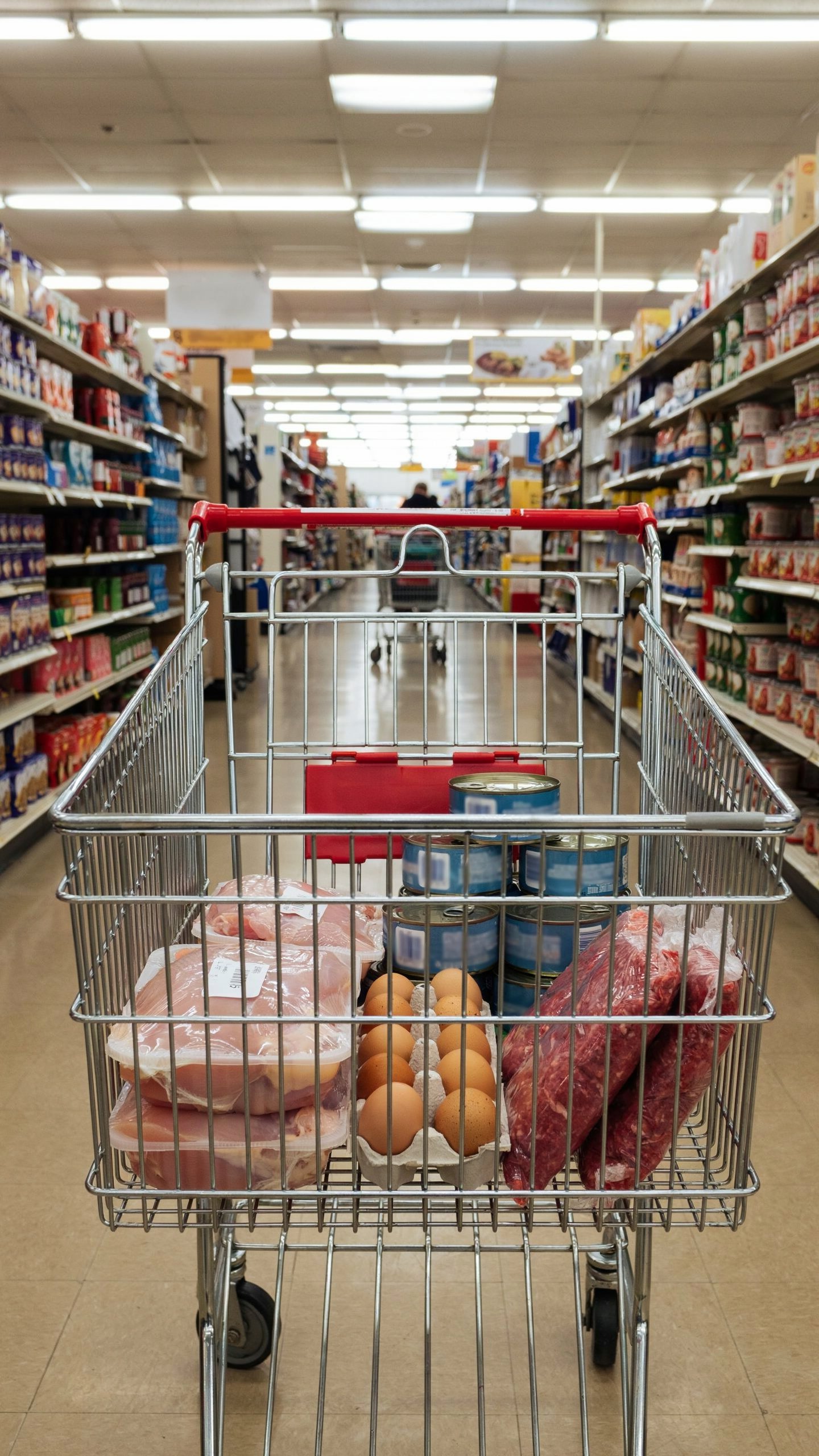
You want to feel productive without actually spending your Sunday in a grocery store. Here’s the mechanism: grocery shopping operates on inventory economics—every additional trip resets your baseline effort and decision fatigue. You don’t save time by splitting visits. You multiply friction.
The real play is batch intelligence. Build a master list organized by store layout—produce, proteins, frozen, pantry—before you enter. Know your protein sources, their prices, and their shelf life. Chicken thighs cost less than breasts and last longer. Eggs last two weeks. Canned fish requires no refrigeration. Ground beef freezes for months. One strategic run with a locked list beats three reactive visits.
Minimize The Cleanup Tax
The common advice here is wrong: people tell you to use parchment paper and avoid pans, which is just friction dressed as efficiency. The real lever is cleanup concentration, not avoidance. Batch your cleanup the same way you batch your cooking.
Cook your proteins in one session, clean once. Use sheet pans for roasting because they stack and dry fast. Dedicate one cutting board for all vegetable prep, wash it once. Store containers in the fridge unwashed—you’ll reuse them four times before cleaning. Wash your knife, one spoon, and one cutting board, then pause cooking for five minutes. The mechanism is grouping identical tasks so your brain doesn’t restart the cleanup protocol five separate times.
Beyond The Plate: The Mental Edge Of A Meal Prep Guide
Stop Making Decisions About Protein
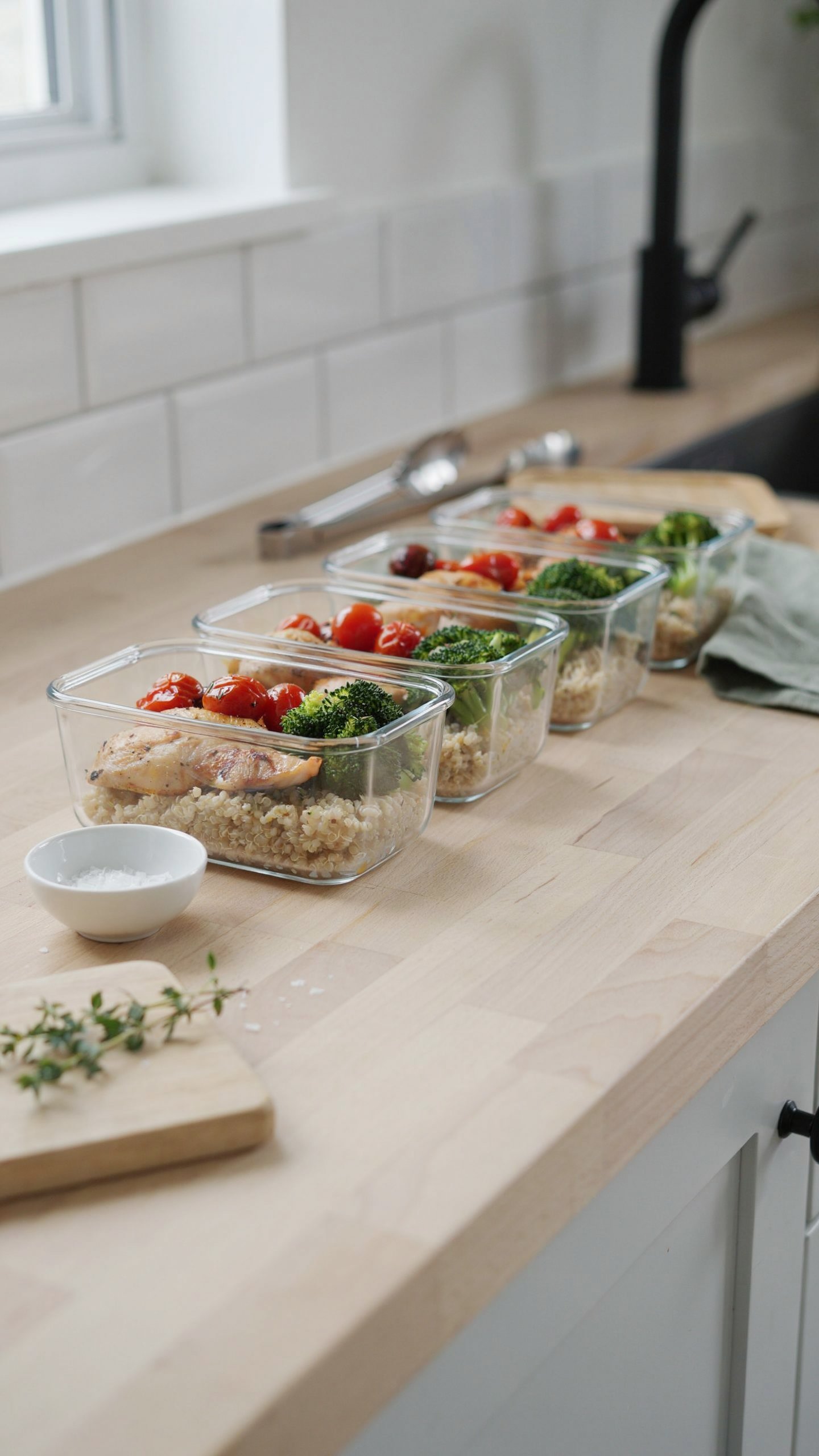
You care about this section because you think meal prep is about food, when it’s really about reclaiming hours of your week from pointless friction. The mechanism at work here is decision fatigue. Neuroscience terms it ego depletion—every choice you make burns glucose in your prefrontal cortex. When you meal prep with protein-centered templates, you’re not just cooking in bulk; you’re removing dozens of daily micro-decisions that exhaust your mental capacity before noon.
Most productivity advice skips this part entirely. It fixates on time saved instead of bandwidth freed. When your proteins are portioned, your sides are standardized, and your macros are locked, you don’t calculate at lunch. You don’t negotiate with cravings. You don’t waste 20 minutes deciding between chicken or fish. That margin of cognition flows toward work, strategy, relationships—whatever actually matters to you.
Small Repetitions Beat Motivation
Habit formation isn’t about willpower. It’s about reducing the activation energy between impulse and action. Most people fail meal prep because they chase consistency through discipline, which depletes faster than fuel. You build it through reduction of friction instead.
Your first prep session shouldn’t be perfect. It should be small enough to repeat without negotiation. One protein. Two sides. Done in under an hour. That’s your baseline. When your nervous system registers the pattern as safe and simple, compliance becomes automatic. After six weeks of repetition, the prep becomes the default action, not the aspirational one. At that point, you scale—add a second protein, shift to a new carb source, test new seasonings. Each addition sticks because it builds on an already-solid foundation. The protocol: start with one unchanging week, then iterate after the habit locks.
The real obstacle isn’t lack of time, but your unconscious refusal to commit to your future self.
You already know what to do. Protein sources, containers, a schedule. The gap between knowing and doing lives in one place: you don’t actually believe the trade-off is worth it. Pick one day this week. Cook one meal. Eat it. Notice how you feel. That single act rewires your brain faster than reading another guide ever will. Your future self isn’t waiting for perfection. He’s waiting for you to stop choosing comfort over consistency.