

The Frugal Feast Framework: High Protein Meal Prep Reimagined
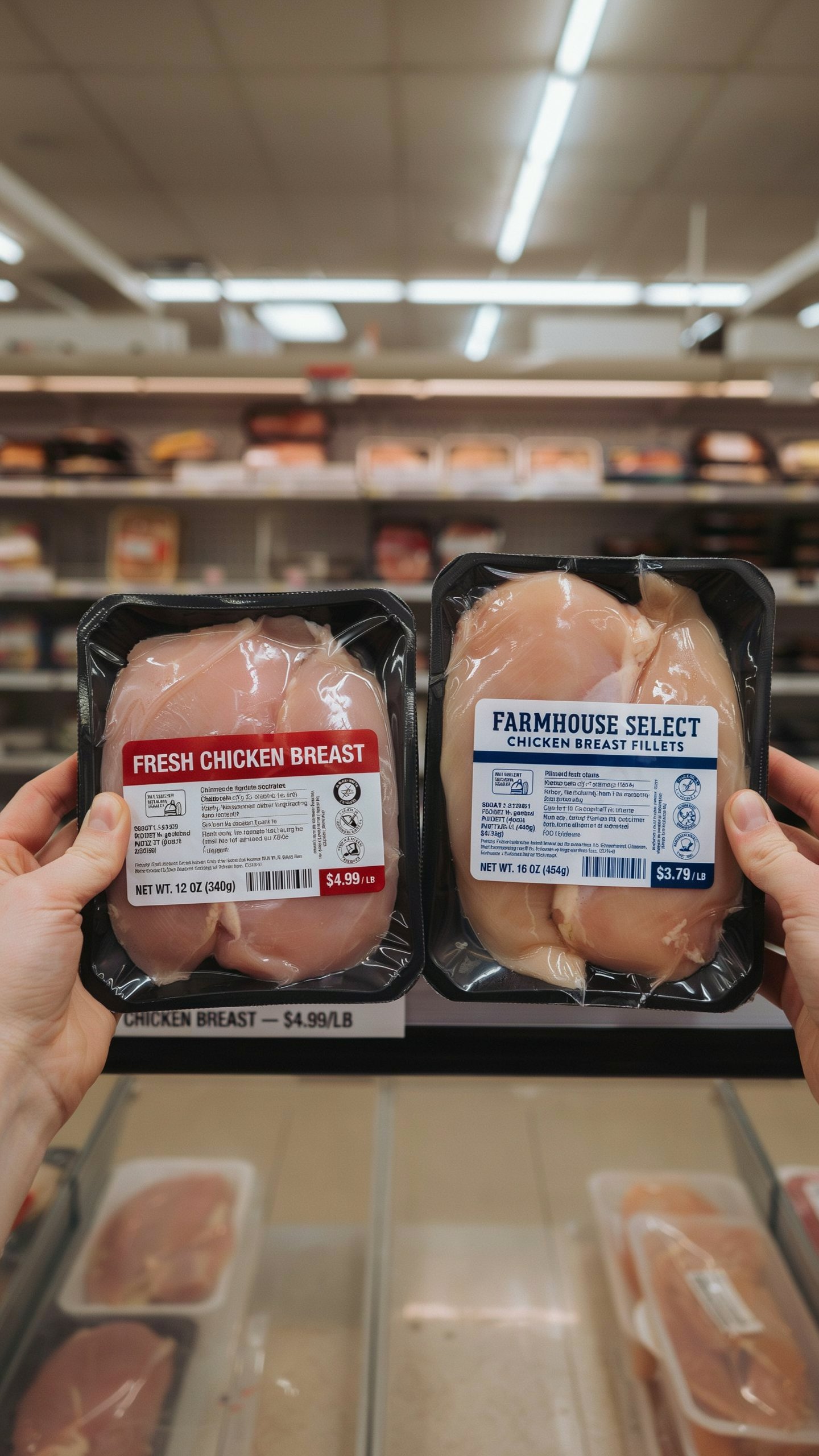
Price Per Gram Of Protein, Not Per Pound
You’re reading this because you want to feel smart about spending less while eating more. Here’s the mechanism everyone skips: you’re not buying food, you’re buying protein density at a price point. Economics calls this unit cost analysis. Apply it ruthlessly to your grocery list and the illusion of “expensive” protein collapses instantly.

Chicken breast costs more per pound than ground beef, but ground beef delivers protein cheaper per gram when you account for fat content and waste. Eggs cost pennies per gram of usable protein. Canned tuna sits between both. The common advice says “buy whatever’s on sale.” That’s lazy. Track the actual protein-to-dollar ratio for every item you consider, then buy the lowest cost per gram consistently. Your grocery bill shrinks while your protein intake stays constant.
Caloric Density Beats Portion Size
Volume eating is the framework here, borrowed from sports nutrition and applied backward. Instead of eating more food for fewer calories, you reverse it: buy foods that pack protein into the smallest caloric footprint. This reduces total food volume you need to prepare and store, which cuts prep time and spoilage.
Ground turkey has lower fat than ground beef, delivering more protein per calorie. Non-fat Greek yogurt packs fifteen grams of protein into one hundred calories. Chicken thighs contain more calories than breasts but cost less per unit and freeze longer without texture loss. The mechanism is simple: lower calorie-to-protein ratio means you buy less total food weight to hit your protein targets, which means fewer shopping trips, less fridge space, and lower waste. Buy the leanest viable option first, then adjust based on actual price-per-gram numbers from your local store.
Beyond The Bargain Bin: Smart Protein Foods List Choices
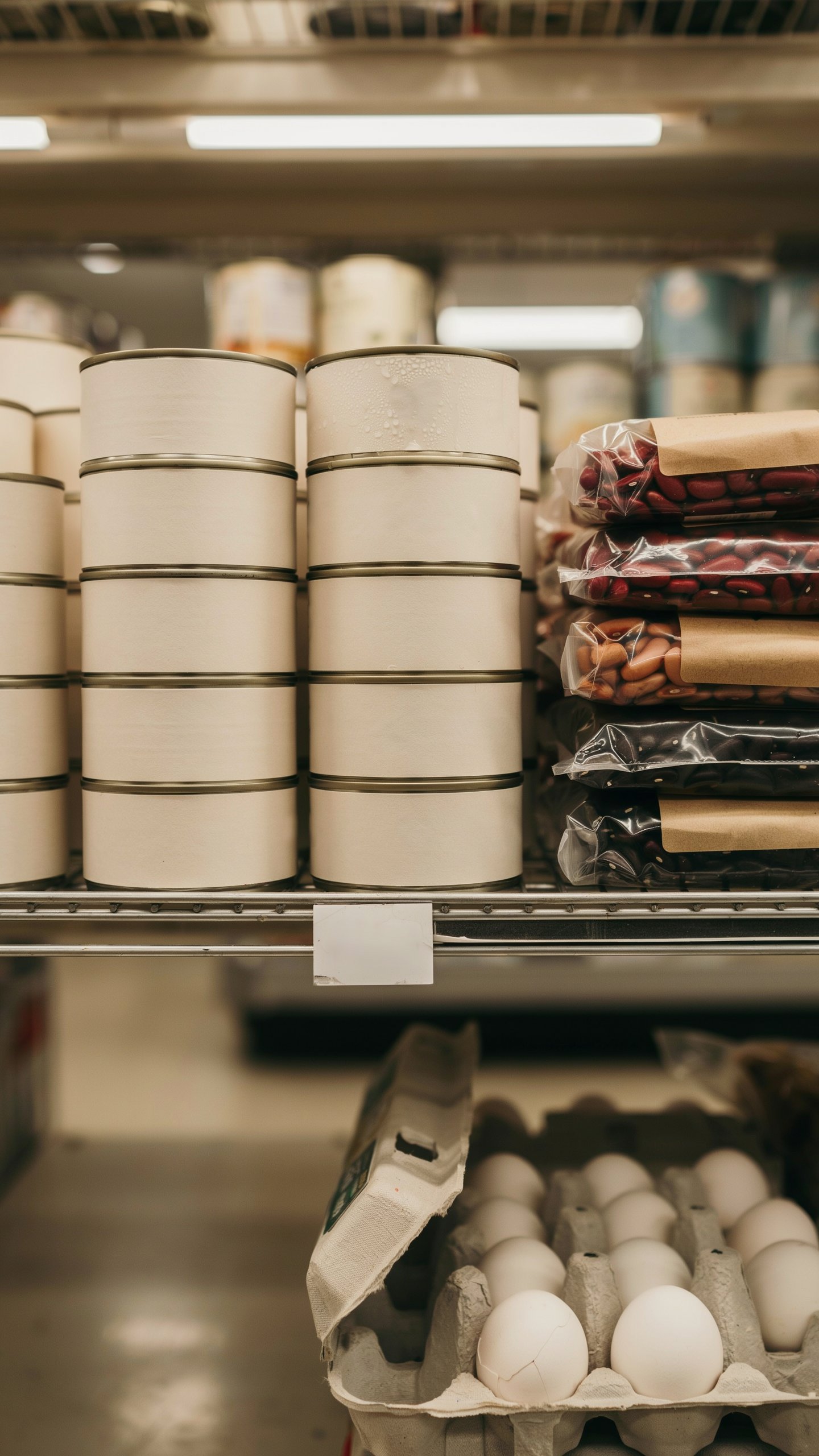
Price Per Gram Of Protein Matters Most
You want to feel smart about saving money without actually doing the math. Here’s the mechanism: protein cost per gram is the only metric that matters, not the sticker price. Economics calls this “unit cost.” Apply it directly to your grocery list and you stop buying what looks cheap and start buying what actually is.
Chicken breast costs roughly 0.40 to 0.60 dollars per gram of protein. Ground beef runs 0.35 to 0.50 dollars per gram. Eggs clock in around 0.15 to 0.25 dollars per gram. Most people compare total prices instead of this ratio, which means they overpay for premium cuts and miss the actual value plays. The math is boring but non-negotiable.
Protein Powders And Supplements Are Markup Machines
The common advice pretends protein powder is a deal. It isn’t. Most retail protein powders charge 0.50 to 1.50 dollars per gram of protein after you calculate what’s actually in the container. Whole food proteins like chicken, eggs, and Greek yogurt beat this consistently.
Supplements occupy a middle ground where branding inflates cost without changing the amino acid profile. You’re paying for the label, the marketing, the fitness influencer’s endorsement. Whole foods have no middleman between you and the protein. Buy powder only when you need convenience for a specific meal timing gap, not as your primary protein source. Otherwise, your grocery budget goes toward margins instead of macros.
The High Return Healthy Grocery List: Cottage Cheese & More
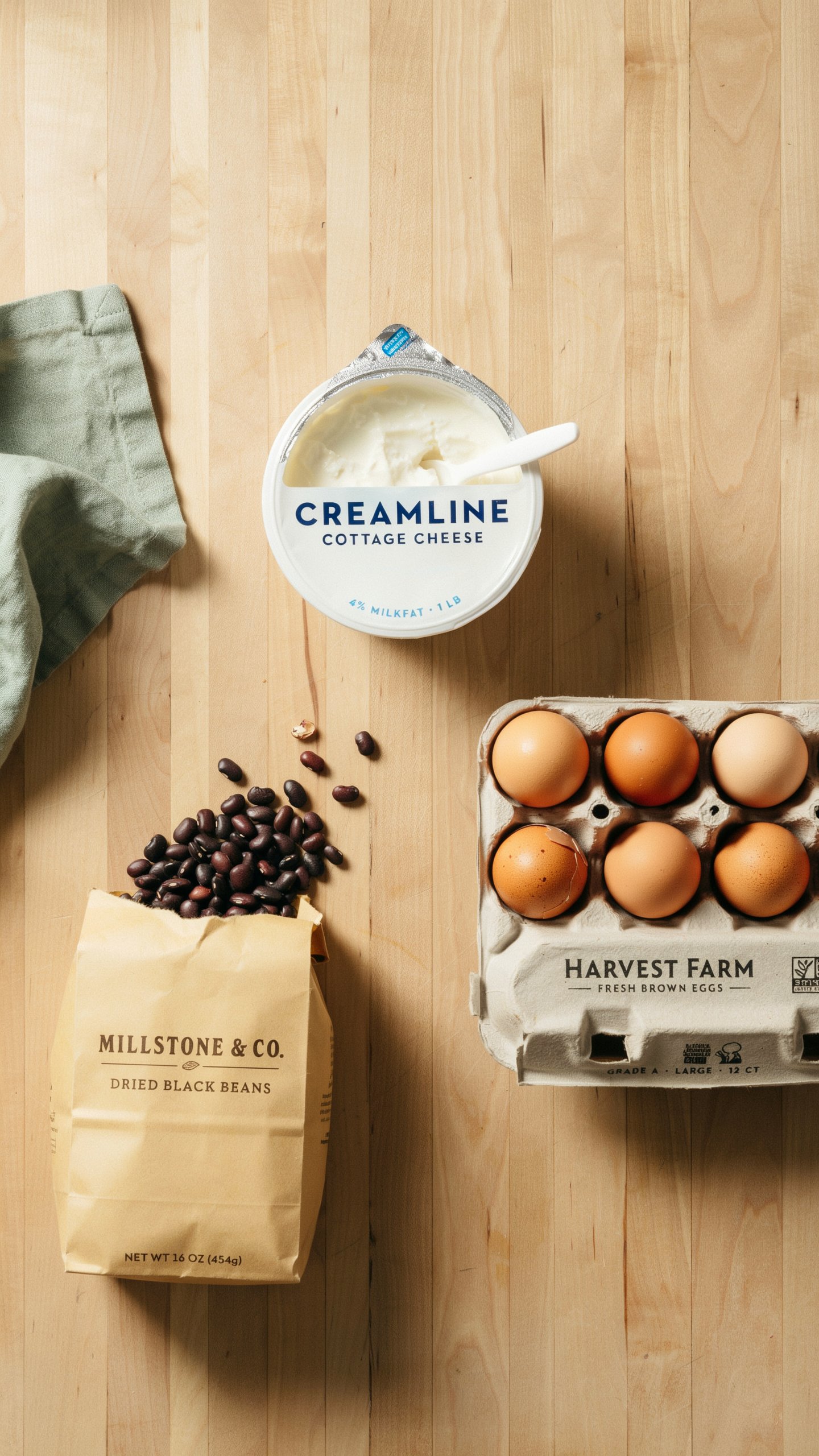
What Actually Costs Less Per Gram
You want to feel like you’re optimizing. You’re not. Most people confuse “cheap” with “efficient,” then wonder why their grocery bill stays high while their protein intake stays low. Economics calls this unit cost analysis. In meal prep, it’s the difference between price and value. Cottage cheese costs less per gram of protein than chicken breast at most grocery stores. Nobody mentions this because it doesn’t fit the narrative of “eat chicken and rice.”
Nutrient density per dollar means one thing: what you get back in usable protein relative to what you spend. Eggs crack this code. A dozen large eggs cost three to four dollars and deliver roughly 72 grams of protein. Greek yogurt sits in the same efficiency range. Canned tuna and sardines beat both on volume. The mechanism is simple: foods that are shelf-stable, require minimal processing, and come from cheaper protein sources (byproducts like cottage cheese whey, fish offal that becomes canned fish) all compress the cost-to-protein ratio. Track this ratio, not just the price tag.
Proteins That Work In Every Meal
These aren’t inspirational. They’re tactical. You need proteins that transition between breakfast, lunch, dinner, and snacks without tasting like obligation.
- Cottage Cheese: 14 grams protein per 100 calories. Works raw in bowls, mixed into oats, or as a base for high-protein dips. Lasts two weeks refrigerated. Most underutilized option on grocery store shelves.
- Eggs: 6 grams protein per egg. Scrambled, boiled, baked into meals, or blended into pancakes. No prep barrier. Cost efficiency stays high even at organic price points.
- Canned Tuna: 20 grams protein per 100 calorie can. Mixes into rice, pasta, salads, or eaten straight. No cooking required. Shelf stable for months.
- Greek Yogurt: 15 to 20 grams protein per 150 calories depending on brand. Breakfast base, snack, or mixed into sauces. Lasts one to two weeks. Higher protein density than regular yogurt.
- Chicken Thighs: 26 grams protein per 3 ounces. Cheaper than breast by 30 to 40 percent. More forgiving when cooked. Reheats better than lean cuts.
The actual move is buying items that shift between meal contexts without requiring different preparation methods. Cottage cheese works in savory or sweet applications. Eggs function as a base or an add-in. Canned tuna needs no cooking. This flexibility compresses your total cooking load and reduces the friction that kills meal prep consistency. Stock these five items and rotate their contexts. Consistency beats novelty in protein intake.
The Consumption Optimization Protocol For Protein Rich Foods
Where Price Signals Point You Wrong
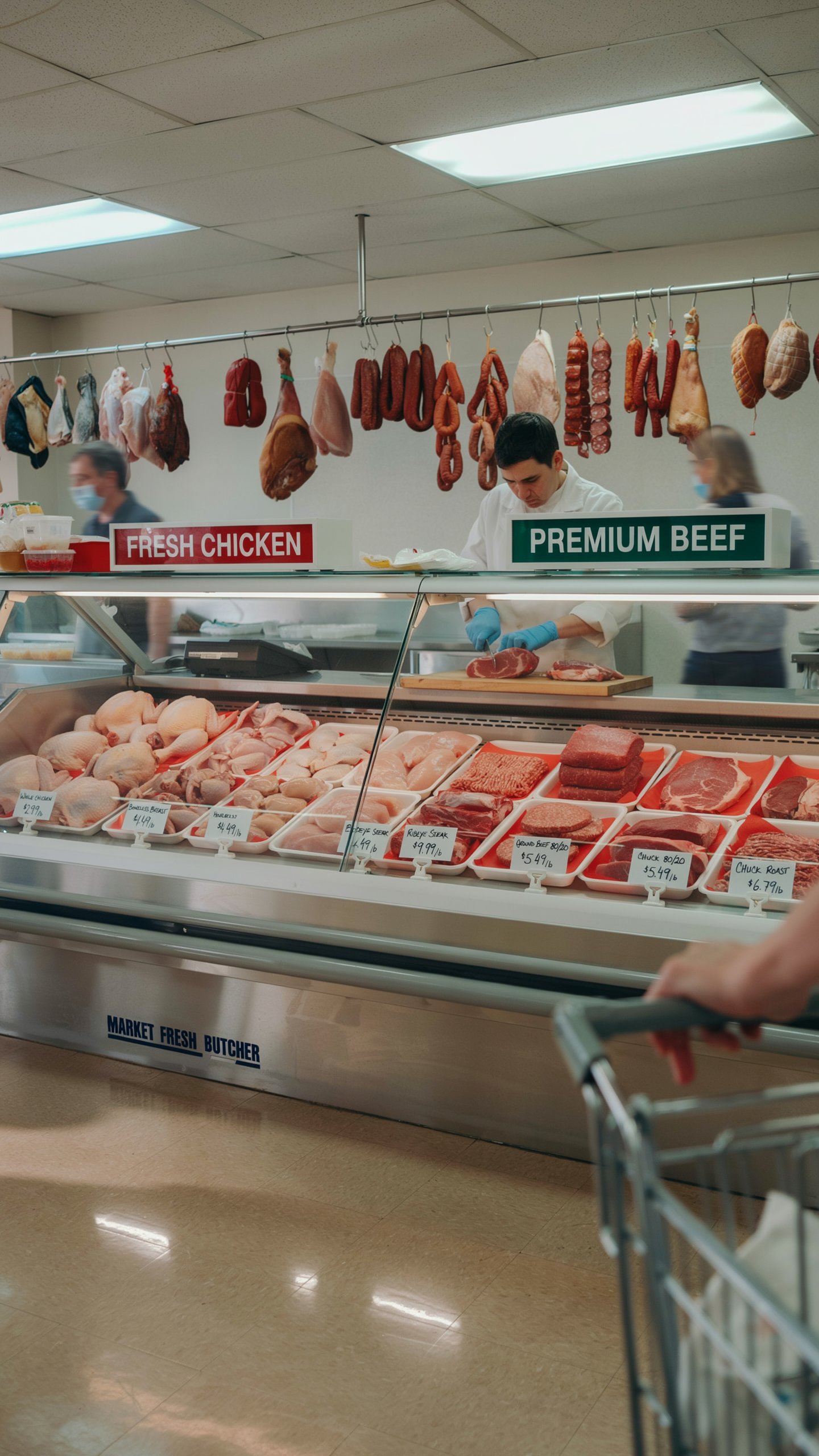
You want to believe cheap protein is a bargain. It isn’t always. Economics teaches us about supply and demand, but most people misread the signal. When chicken breast floods the market and drops to 1.99 a pound, demand hasn’t changed, supply increased. That’s efficient. But frozen chicken thighs at 0.89 a pound represent something different: lower demand from consumers, not a better deal for you. The real mechanism is that thighs require skill to cook well. Most people won’t learn it.
Your grocery list should exploit this gap. Buy what others overlook because it demands technique or has texture people dislike. Beef liver costs nothing because Americans abandoned it. Canned fish sits ignored while people chase salmon. Eggs from pasture raised hens move slower than conventional. The pattern holds: lower market demand creates lower prices independent of nutritional density. Stock your freezer with what the herd avoids. Your cost per gram of usable protein drops the moment you ignore consensus taste.
The Timing Advantage In Weekly Rotations
Game theory in meal planning means you don’t compete for the same proteins everyone buys on Sunday. Most people shop the same day, create demand spikes, and accept weekend prices. You move differently. Buy proteins mid week when stores restock and competition drops. Tuesday ground beef costs less than Saturday ground beef, same product, lower demand pressure. Your strategic edge isn’t finding sales. It’s operating on a different schedule than the crowd.
Build rotation patterns that let you buy protein when stores need volume movement, not when you need immediate consumption. Buy Monday, eat Thursday. This timing flexibility lets you stockpile strategically. Eggs are cheapest after holidays when retail overstocked. Ground turkey moves slow in summer. Frozen shrimp clearances happen when seasonal demand dies. Map the calendar against product cycles. Your meal prep list becomes a purchasing calendar, not a shopping list.
High Protein Meal Prep: The Time Money Arbitrage

Batch Cooking As Investment
You want to believe meal prep saves money without actually confronting how much time you waste cooking daily. Here’s the mechanism: batch cooking operates on capital allocation principles from finance. You spend concentrated time and money upfront to generate returns across multiple meals. Sunday becomes your production day instead of spreading cooking across seven separate occasions.
The math is simple but people avoid it. One three-hour cooking session replaces five separate 45-minute cooking events spread through the week. You buy proteins at volume, which lowers per-unit cost. You eliminate redundant prep work, redundant heating, redundant cleanup. The friction disappears when you do identical tasks once instead of fragmenting them across days.
The Opportunity Cost Of Daily Cooking
Most advice ignores what daily cooking actually costs you. Economics calls this opportunity cost, and meal prep exploits it directly. When you cook every day, you’re not just spending 45 minutes in the kitchen. You’re trading focused work time, side project time, or recovery time for food preparation that could happen in batches.
A single high-protein meal prep session eliminates the daily decision fatigue of “what am I making tonight.” You remove the friction that makes people default to takeout. You remove the decision paralysis that wastes mental energy. On Sunday, you decide once and execute once. The rest of the week becomes automatic, which means your brain cycles stay available for work that generates income or builds skills. Lock your prep schedule to a fixed day and time like any other non-negotiable appointment.
Protein Foods Grocery List: The Anchoring Effect Avoidance
What Your First Price Point Actually Costs You
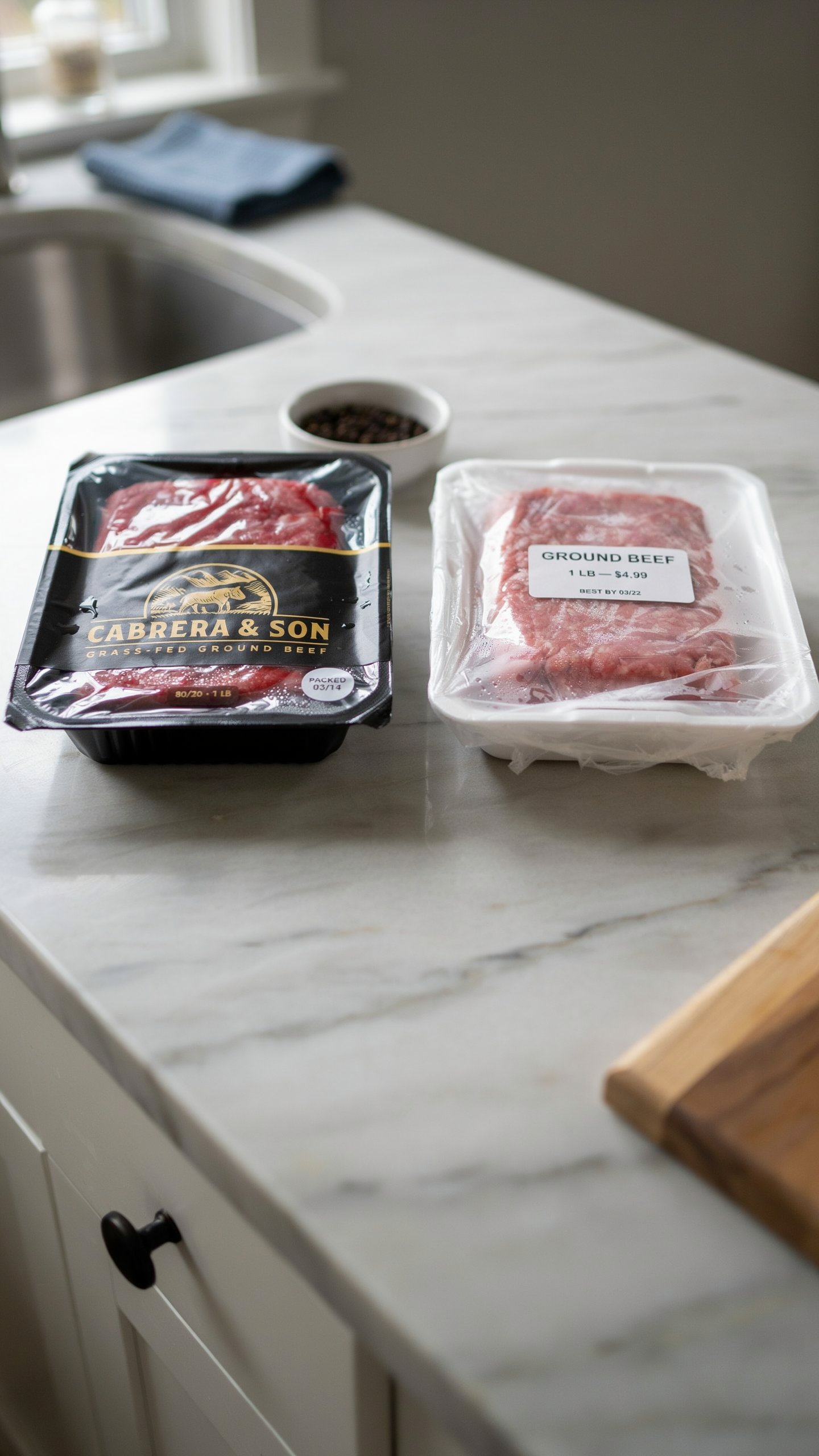
You want to feel like you’re getting a deal, so you anchor to the premium brand and call anything cheaper a win. That’s the mechanism. Economics calls this anchoring bias, and your grocery list falls victim to it the moment you compare grass-fed beef to conventional ground chuck instead of comparing protein per dollar across all categories. The premium option sets your reference point, then everything else feels acceptable by comparison, even when it wastes money.
This trap costs you most when you build your list around what looks impressive rather than what pencils out. Organic chicken breast at eight dollars a pound feels like a steal next to wagyu. You buy it, feel virtuous, and never calculate that eggs at thirty cents each deliver more protein per dollar spent. The real anchor should be cost per gram of protein, not cost per pound of food. That single metric shift eliminates most of your bad decisions before you hit the checkout.
The Actual Math Behind Your Choices
Forget what fitness influencers eat. What matters is protein density relative to price, and you need one number to decide. Divide the total grams of protein in a package by its cost in dollars. Eggs typically yield eight to ten grams of protein per dollar. Greek yogurt lands around six to eight. Ground beef varies by fat content but usually sits at four to six. Chicken breast climbs to seven to nine depending on where you shop. Canned tuna hits ten to twelve. These ratios change with sales, but the ranking rarely inverts.
Your grocery list should prioritize whatever ratio ranks highest in your local market this week, not what you think is prestigious. Protein powder often beats whole foods on this metric, which surprises people who treat powder like a supplement rather than a legitimate food. Buy what maximizes grams per dollar, rotate proteins based on weekly sales, and your cost per meal drops while your intake stays constant. The protocol: check unit prices before loading your cart, calculate protein per dollar for the top three options in each category, and buy only the winner.
The “Scarcity Mindset” Fallacy Of Grocery Lists
Where Protein Actually Lives
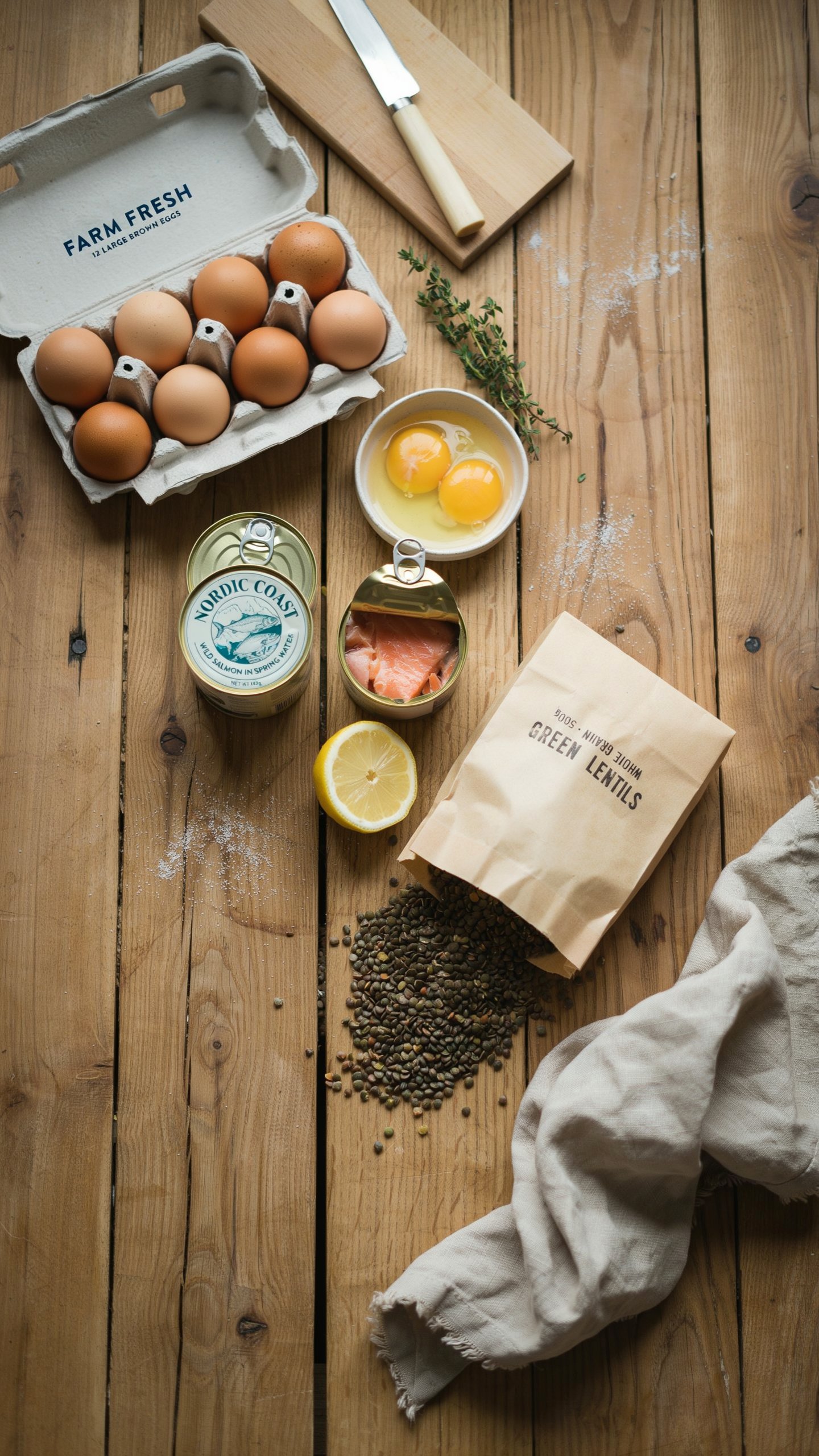
You think you need an expensive list because you’re afraid of looking poor or making a mistake. Here’s the mechanism: economics teaches us about substitution effects—when one resource gets expensive, rational actors shift to cheaper alternatives that deliver the same output. Most grocery lists ignore this. They lock you into brand names and premium cuts instead of scanning for the same protein density at half the price. Eggs, canned fish, and bulk legumes deliver identical amino acid profiles to steak or salmon. The difference is marketing spend, not nutrition.
Standard advice tells you to buy what you see advertised. That’s backwards. The protein sources nobody talks about cost 40 to 60 percent less because demand stays low. Greek yogurt, cottage cheese, and organ meats sit in the same store section as premium options. Supermarkets price them lower because turnover is slower. You’re not sacrificing quality. You’re just refusing to pay for shelf space and celebrity endorsements. Start here: compare cost per gram of protein, not package price.
The Conventional Protein Canon Is Wrong
Most meal prep guides worship at the altar of chicken breast and whey protein. This is incomplete advice dressed up as authority. Those two sources dominate because they’re marketed to fitness culture, not because they’re the only efficient options. Ground turkey, canned mackerel, and dried lentils deliver protein at lower cost with zero marketing budget behind them. The fitness industry profits from selling you the same five sources on repeat. Breaking that pattern means your grocery bill drops immediately.
Test the actual cost structure yourself. A dozen eggs costs less than a chicken breast per serving and contains comparable protein. A can of sardines runs cheaper than ground beef while delivering omega-3s that chicken doesn’t. Dried chickpeas and split peas cost pennies per pound and last months in your pantry. The mechanism is simple: choose foods the mainstream ignores, and you get price advantage without sacrifice. Build your list around what the fitness industry doesn’t advertise, then fill gaps with one or two premium sources you actually enjoy.
Mastering The High Protein Foods List For Financial Freedom

Fuel Over Food Philosophy
You want to feel like you’re taking control of something. That’s the real reason you’re reading this. The mechanism is simple: most people treat eating as consumption, not investment. Economics teaches us about marginal utility—the satisfaction you get from each additional unit. With protein, you’re not chasing satisfaction. You’re chasing adaptation. Your muscles don’t care if chicken costs three dollars or eight. They respond to amino acid availability, meal timing, and consistent intake. The price variance is noise.
The grocery list becomes a tool for one thing only: hitting your daily protein target at the lowest friction cost. Everything else—taste, variety, convenience—is secondary. This reframe kills the emotional spending that derails most people’s meal prep budgets. You stop buying premium proteins for perceived quality and start buying efficient proteins for pure output. Chicken thighs at two dollars per pound deliver the same amino acid profile as chicken breasts at four dollars per pound.
Buying Protocol Beats Everything Else
Strategic eating replaces impulse spending with a decision-making system. You decide your protein target first. Then you reverse-engineer the grocery list from current market prices at your nearest stores. Most people do it backward—they browse, feel inspired, buy, then regret the cost. This approach treats your grocery trip like inventory management, not entertainment.
Protein eating is wealth building because consistency compounds. Every meal you prep instead of buy is money recaptured. Every pound of protein you consume from the efficient sources creates measurable muscle adaptation. The compounding happens across months and years, not weeks. Your grocery list should reflect this: eggs, ground beef, canned tuna, Greek yogurt, cottage cheese, lentils, and chicken in bulk portions. Calculate your cost per gram of protein for each item, then rank them. Buy the top three or four sources and rotate them. This single protocol removes decision fatigue and cuts your food budget by thirty to fifty percent compared to convenience eating.
Your true obstacle isn’t the grocery store; it’s the lack of a personal consumption philosophy.
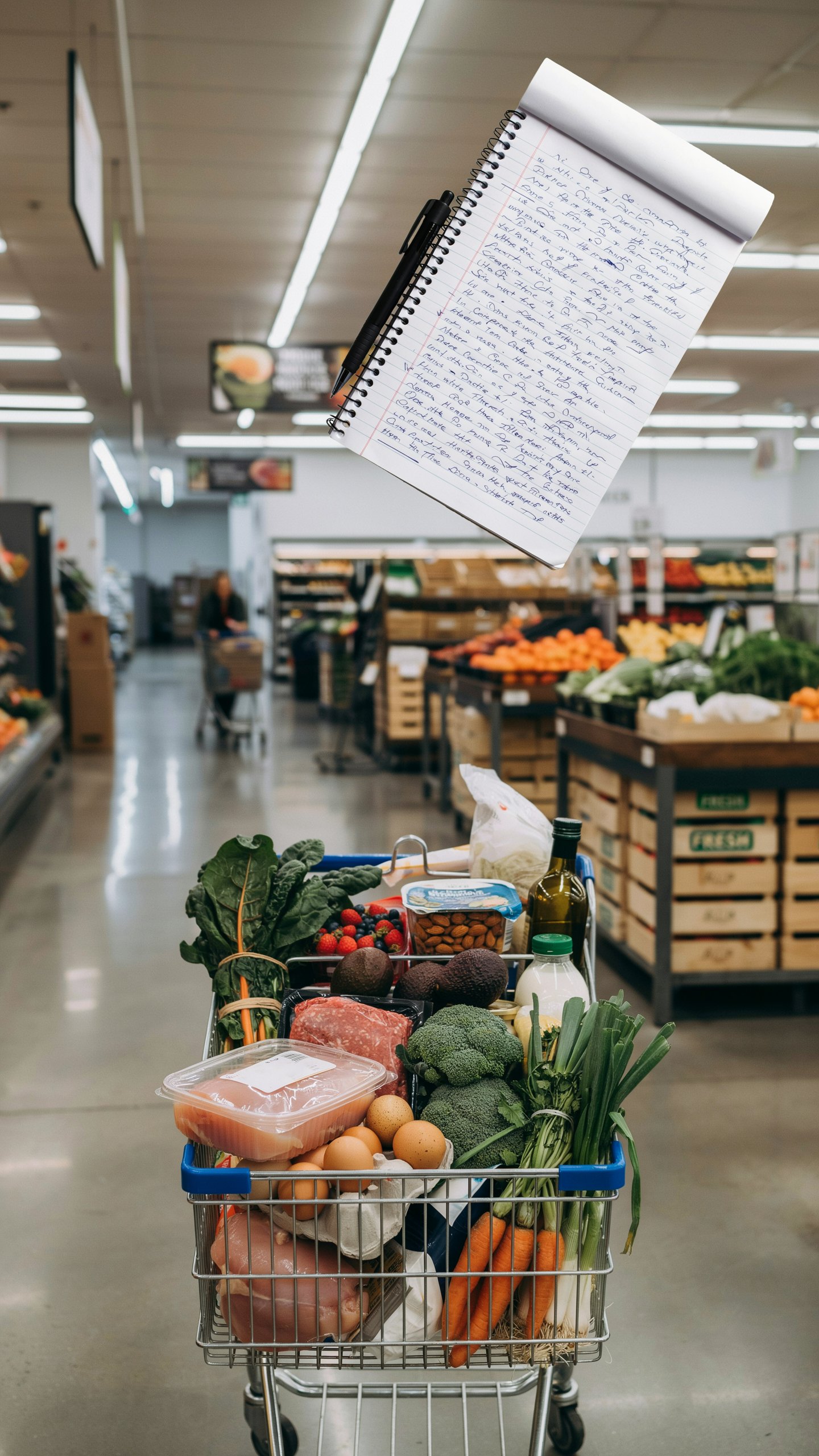
You don’t need a better list. You need to decide who you’re feeding and why. Most people buy protein randomly, forget half of it, and waste money they claim they don’t have. The grocery store didn’t fail you. You failed to commit to a framework. Stop wandering the aisles. Write down exactly what your body needs this week, buy only that, and repeat. Your wallet follows your decisions, not the other way around.