
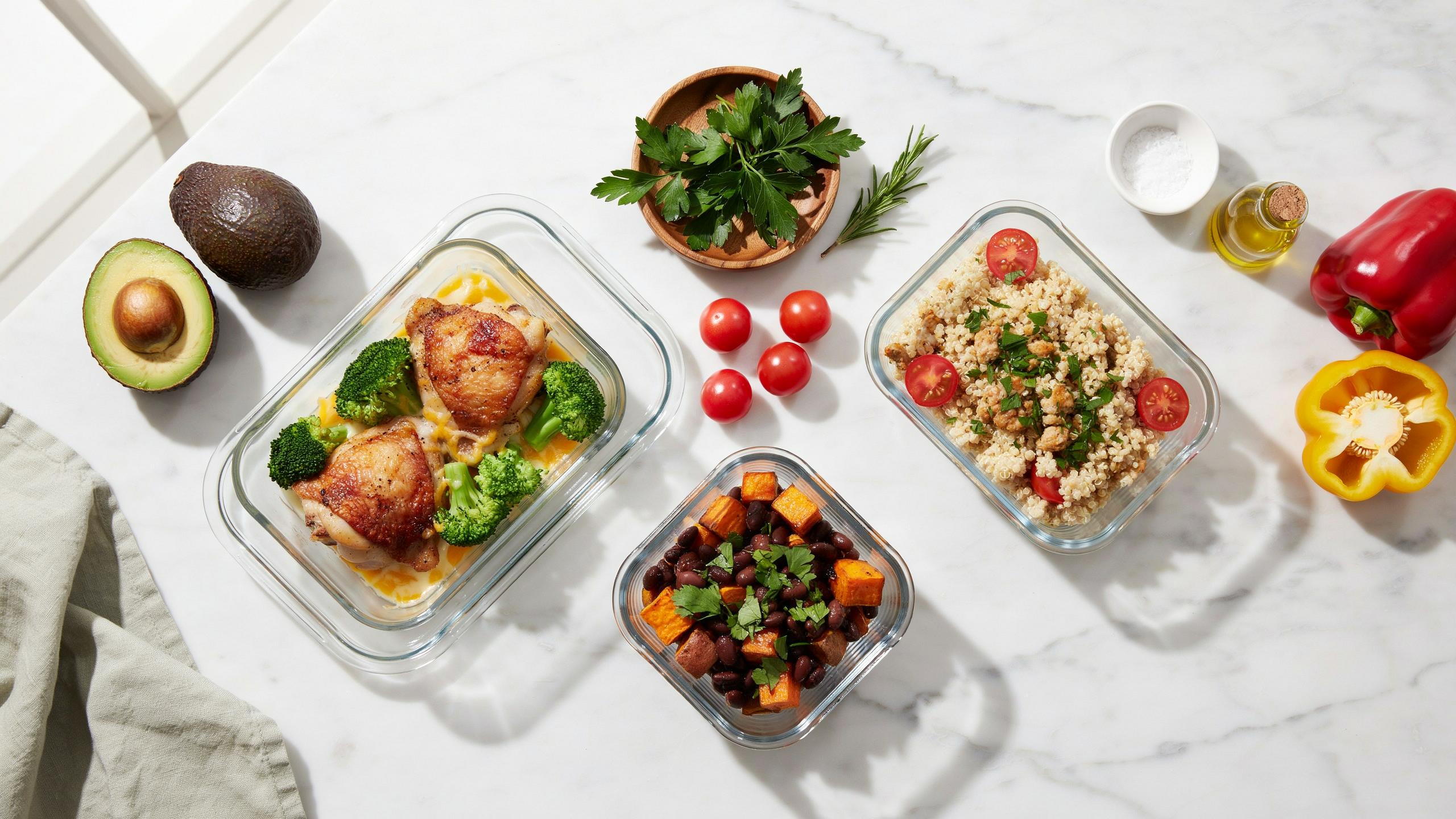
The Myth Of Variety Why Your Busy Week Just Got Busier

Decision Fatigue Kills Your Nutrition Plan
You want variety because you think it proves you have discipline and taste. Here’s the mechanism: every meal choice you make depletes your cognitive resources, even small ones. Psychology calls this ego depletion. By Wednesday, you’ve burned through decision capital on nonsense, so you either skip meals or grab whatever’s fast. High protein casseroles solve this by removing the choice entirely. You pick one recipe Sunday, cook it once, portion it into five identical containers, and stop deciding.

The math is brutal. A person makes roughly 35,000 decisions daily. Most are trivial, but they stack. When you eliminate the “what protein should I use” and “how much seasoning” questions through casserole prep, you preserve mental energy for actual work. This isn’t motivational theory. It’s resource allocation. Your nutrition doesn’t fail because you lack willpower. It fails because you wasted willpower on deciding between chicken and ground turkey.
Pinterest Perfection Is The Saboteur
Everyone tells you meal prep should look diverse and Instagram-worthy. That’s wrong. Those glossy casserole photos with five components and garnish sitting in different containers aren’t meal prep. They’re content creation that mimics meal prep. Real meal prep is one dense casserole, same plate every day, no assembly required at lunch. The trap is that visual variety feels productive, so you build complexity into your plan that you’ll abandon by Thursday.

The mechanism works like this: complexity demands consistency, and consistency demands you enjoy it. If your casserole has seven ingredients and two steps, missing one day feels like failure because you “wasted effort.” One-pot casseroles work because they’re boring enough to sustain. You don’t need variety to stay disciplined. You need so much simplicity that skipping becomes harder than eating it. Batch one casserole with ground beef, rice, and broth. Add cheese. Repeat every Sunday.
The Minimalist Muscle Protocol Essential High Protein Casseroles
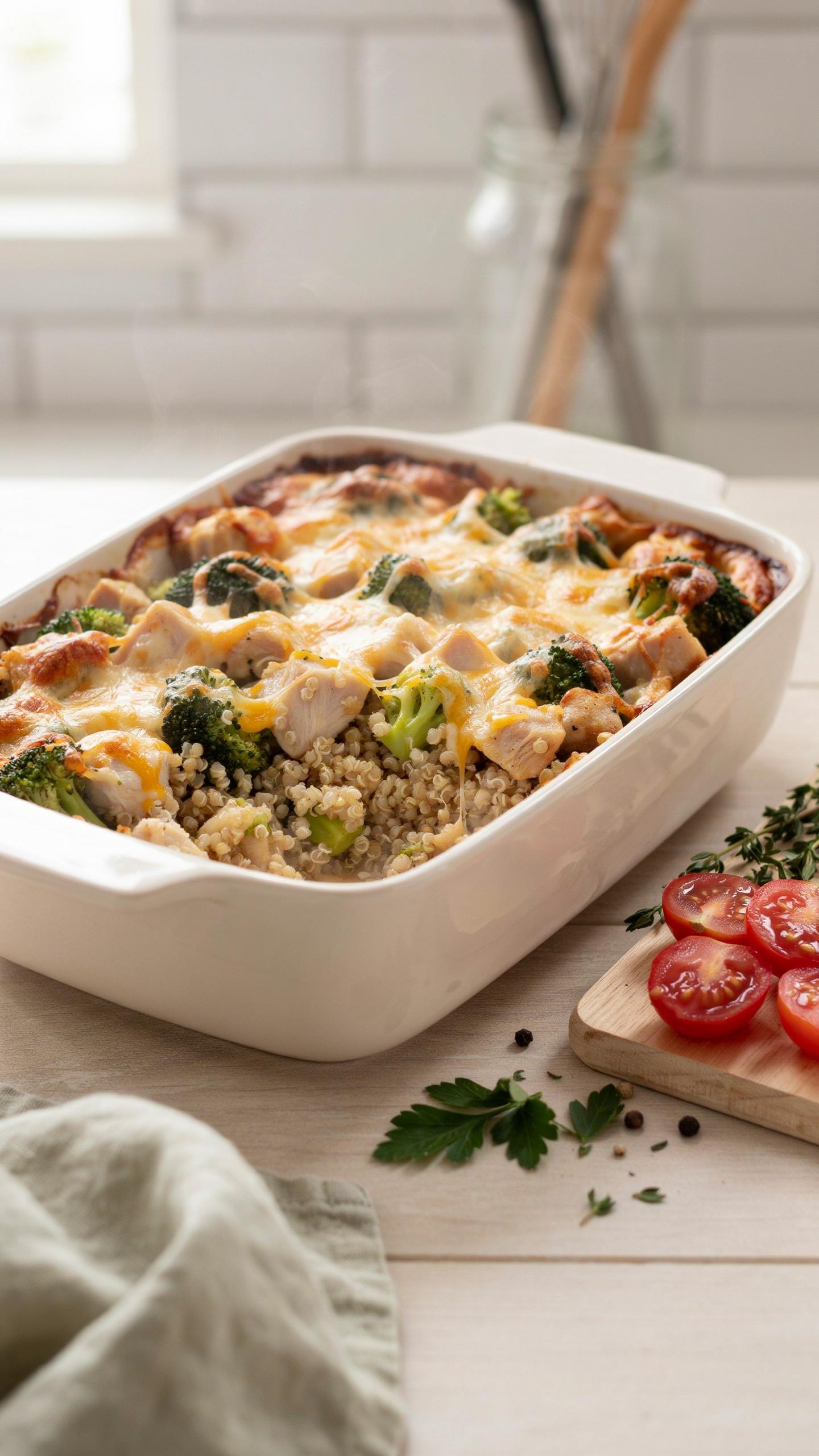
What Actually Goes In The Pan
You want efficiency without sacrificing results. That’s the real motive here, and it’s honest. The mechanism is simple: protein casseroles work because they collapse three meal components—protein source, carbohydrate, binder—into one container. No side dishes required. No decision fatigue at 6 PM. You’re borrowing from systems design: constraint breeds clarity. When you limit your ingredient choices, you remove the variables that tank consistency. Most meal prep advice tells you to “add variety” so you don’t get bored. That’s wrong. Boredom is irrelevant if the food is efficient and hits your macros.
The casserole as a delivery mechanism doesn’t care about novelty. It cares about protein density and reheating stability. Pick ingredients that do both without negotiation.
- Lean Ground Meat (beef, turkey, chicken): Cooks evenly in bulk, delivers 20-25g protein per 4 oz, requires minimal prep beyond browning. Freezes and reheats without texture loss.
- Greek Yogurt or Cottage Cheese: Acts as both protein source and binder in place of cream-based sauces. Adds 15-20g protein per half-cup without fat redundancy.
- Eggs: Bind casseroles without excess dairy. Six eggs deliver 36g protein and cost less than cream. They stabilize during multiple reheats.
- Rice or Pasta (measured portions): Carbohydrate base that absorbs liquid during cooking. Prevents dry casseroles. Portion control happens during prep, not at the plate.
- Canned Tomatoes or Broth: Liquid base that regulates cook time and prevents overcooking protein. No added sugars in unsweetened varieties. Flavor carries through reheats without degradation.
You’re not looking for ingredients that impress anyone. You’re looking for ingredients that perform the same way in batch six as they did in batch one. That’s the entire calculation.
Timing The Cook For Compliance
Batch cooking isn’t about cooking once a week and calling it done. Most people miss this. You’re not managing time—you’re managing the decay rate of prepared food. A casserole cooked on Sunday tastes different on Wednesday than it does on Tuesday. Temperature fluctuations in the fridge, oxidation, moisture absorption. You can’t stop that process, but you can account for it. Cook in two windows instead of one: Sunday for Monday-Wednesday meals, Wednesday evening for Thursday-Saturday meals. This keeps every meal within the optimal taste and texture window. The mechanism here is freshness stacking. You’re not sacrificing volume. You’re optimizing the output of each batch by shortening the shelf life demand.
Your freezer becomes your real tool. Cook full batches on both days, portion half immediately into the freezer. This gives you fresh meals for three days and a backup that thaws into the consistency of day-two freshness. No casserole should spend more than five days in the fridge if you’re eating it cold or reheating it multiple times. Plan the cook schedule around your fridge capacity, not around your motivation. If you have room for six containers, cook enough to fill six and freeze two more. If you have room for twelve, adjust accordingly. The system works only if you build it around the hardware you actually own.
Beyond Chicken Breast Unconventional Protein Casseroles
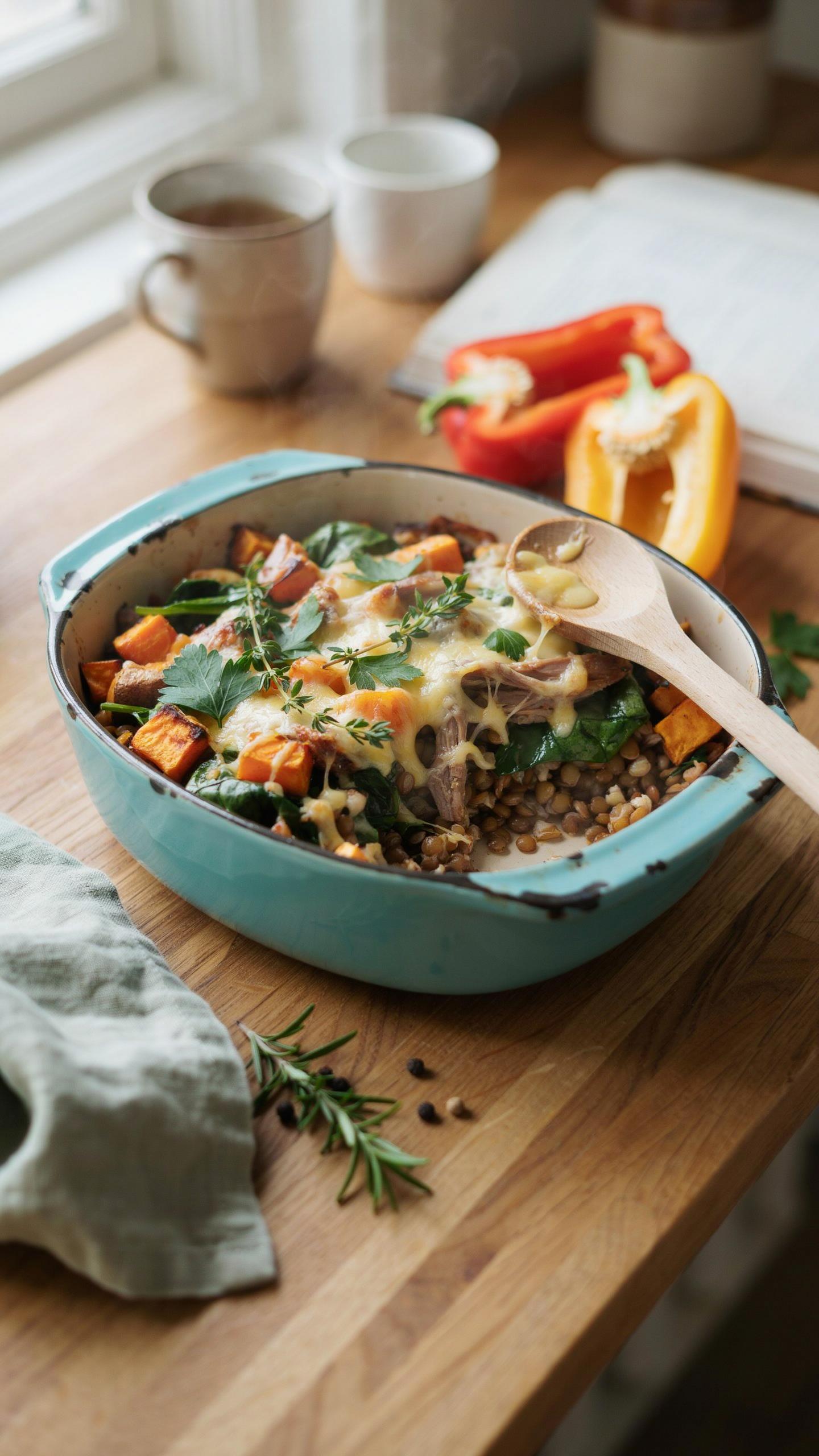
Lesser Known Proteins Worth Your Time
You want chicken breast because it’s safe, because everyone does it, because you’re afraid of wasting money on something that won’t work. The real mechanism is simple: most people anchor to one protein source out of pure inertia, not strategy. Ground turkey, cottage cheese, canned fish, and eggs deliver identical or superior protein-to-cost ratios while forcing your palate to adapt, which matters when you’re eating the same meal four times weekly.
Ground turkey runs leaner than ground beef but stays juicier than chicken breast in casserole format because fat carries moisture. Cottage cheese adds 14 grams of protein per half-cup while creating a creamy base that doesn’t require cream or cheese to achieve texture. Canned salmon and mackerel deliver omega-3 fatty acids alongside protein, a nutrient profile chicken can’t match. Eggs bind casseroles structurally while hitting 6 grams of protein per unit. Rotating these prevents palate fatigue and exposes you to different micronutrient densities you’d otherwise ignore.
Nutrient Density Over Protein Volume
Biology uses the term bioavailability, meaning how much of a nutrient your body actually absorbs and uses. Apply this to casserole design: total protein grams mean nothing if you’re not absorbing the supporting nutrients that make that protein useful. High protein casserole meal prep fails when builders chase numbers instead of building systems that facilitate recovery and sustained energy.
Pairing protein with vitamin C sources like tomatoes, peppers, or broccoli increases iron absorption from plant and animal sources alike. Adding bone broth as your liquid base contributes collagen and amino acids your digestive system recognizes instantly. Incorporating dark leafy greens after cooking preserves micronutrients while adding mineral density. The mechanism is straightforward: design your casserole layer by layer with absorption in mind, not ingredient convenience, then bake at 350 degrees for 35 to 45 minutes depending on depth and density to preserve nutrient integrity while setting protein structure properly.
The Entropy Principle Of Healthy Casserole Recipes
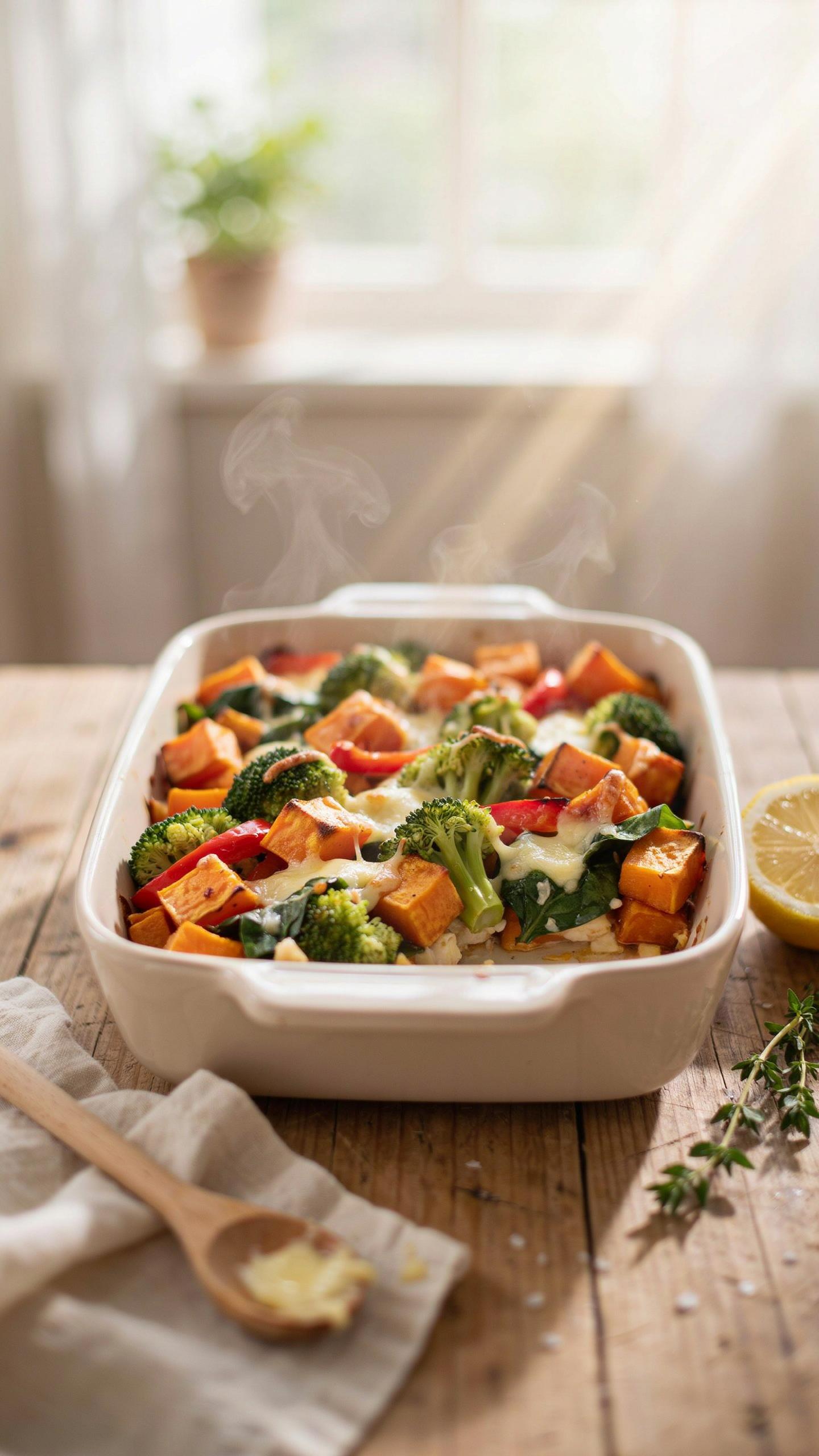
Disorder Is The Default State
You want to believe meal prep is a one-time solve. It’s not. Physics teaches us that entropy—disorder—always increases in closed systems. Your casserole container is a closed system. Temperature fluctuates. Moisture migrates. Proteins denature. Flavors separate. The moment you assemble a casserole, decay begins. Most meal prep advice ignores this entirely and pretends five days of storage is identical to day one. It’s not.
The real mechanism: you’re not fighting against spoilage alone. You’re fighting against texture collapse, flavor drift, and nutritional degradation. High protein casseroles degrade faster than low-protein versions because added protein concentrates moisture retention and enzymatic breakdown. Combat this by building casseroles that improve slightly over two days, then stabilize. Use recipes with acidic components like tomato or vinegar, which slow bacterial growth and protein denaturation. Store at 35-38°F consistently. Divide into smaller containers so you’re not reopening a large dish repeatedly, which reintroduces oxygen and temperature shock.
Simplify The Ingredient Load
Nobody talks about the real cost of complexity. Each ingredient you add multiplies the variables that can go wrong. A casserole with five components has five degradation rates, five moisture behaviors, five flavor trajectories. A casserole with twelve components has twelve. This isn’t theory. This is why restaurant chains use simple recipes in high-volume settings—consistency depends on controlled variables.
Minimize your protein sources to one or two per casserole. Ground beef or shredded chicken. Not both. Pick one binder: either cream sauce or tomato base. Not both. Limit vegetables to three types maximum, preferably ones with similar water content. This reduces the points where things can break down independently. When you execute the same casserole twice in a row with identical components, you recognize immediately what went wrong on day three. You adjust once, not across twelve different elements. That single adjustment compounds across six months of meal prep into massive consistency gains.
Engineered For Efficiency Easy Healthy Casseroles
The Math Of Minimal Cleanup
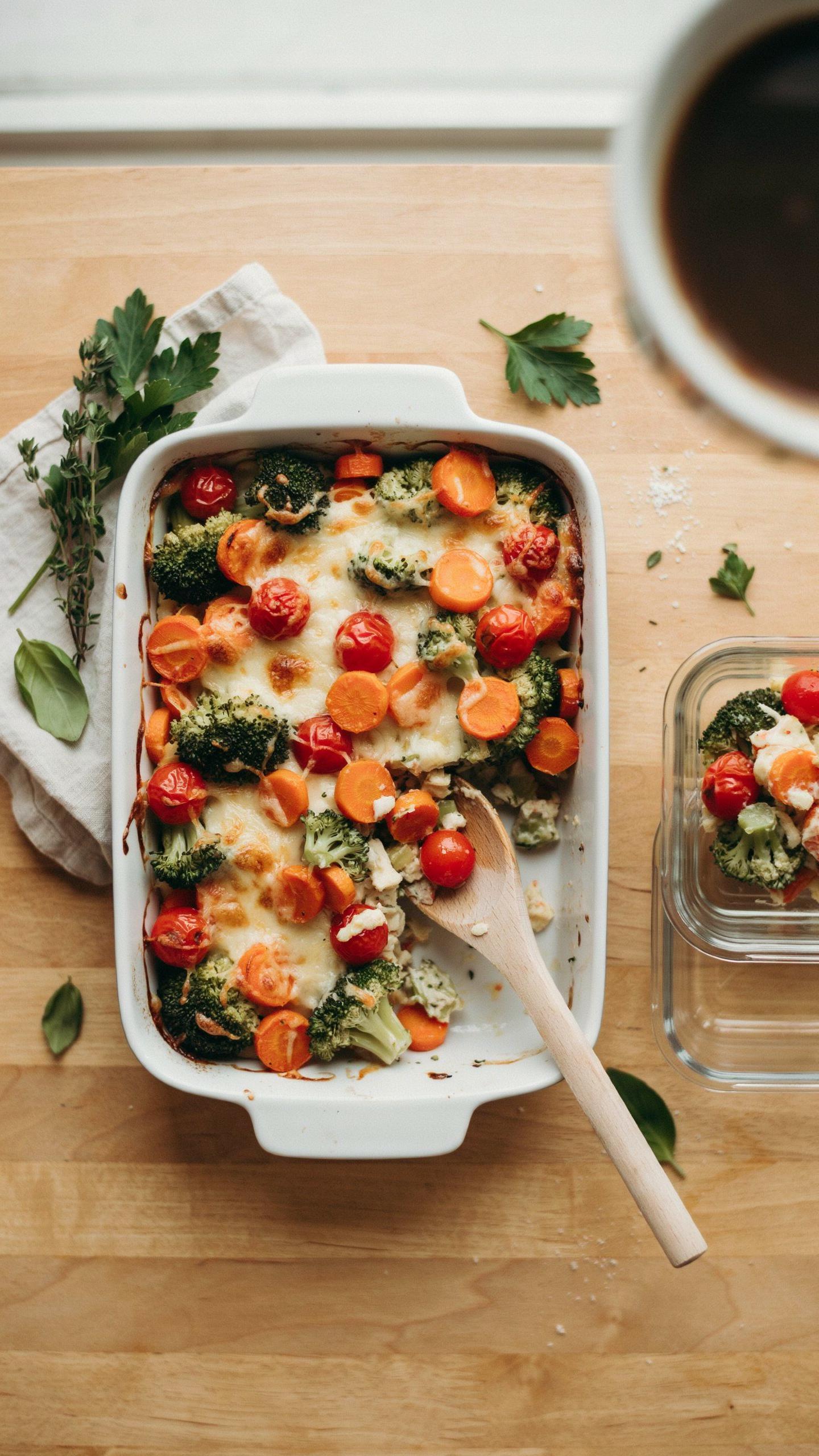
You’re not actually looking for a casserole recipe. You’re looking for permission to stop feeling guilty about eating the same thing five days straight. That’s the real problem. Here’s the mechanism: casseroles use systems thinking from industrial engineering—you batch process ingredients once, then let thermal mass do the work. One dish. One oven. One cleanup. Protein distributes evenly through the matrix so every portion hits your macros without calculation. This beats cooking five separate meals because you eliminate decision fatigue and handling waste.
The efficiency comes from layering, not complexity. Ground turkey or shredded chicken combines with a starch base (rice, pasta, potatoes) and a binding agent (broth, sauce, eggs). Oven temperature and time matter more than ingredient count. Most high protein casseroles cook at 350°F for 35 to 45 minutes. You prep once on Sunday, portion into containers, and reheat throughout the week. The protein stays moist because liquid surrounds it during cooking, unlike pan-seared chicken that dries out by Wednesday.
The Supply Chain Principle
Sourcing ingredients strategically means buying proteins that hold price and quality across a full week, not chasing whatever seems cheap on day one. Bulk ground beef costs less per pound than individual steaks but requires freezer inventory discipline. Rotisserie chicken trades time for money—you pay 20 to 30 percent premium over raw breasts but avoid the cooking step entirely. Calculate your true hourly rate and decide if that trade makes sense.
Buy dried pasta and rice in bulk to anchor your base costs. Frozen vegetables cost less than fresh and don’t spoil mid-week, which kills your whole prep plan. Canned broth in tetra packs stores longer than boxed and maintains consistent sodium levels, which matters when you’re eating the same casserole daily. The mechanism isn’t finding deals—it’s removing variables that force you to adapt the recipe mid-week because one ingredient went bad or disappeared from the shelf.
Fueling The Mind And Body High Protein Casseroles For Peak Performance
Your Brain Runs On Fuel, Not Willpower
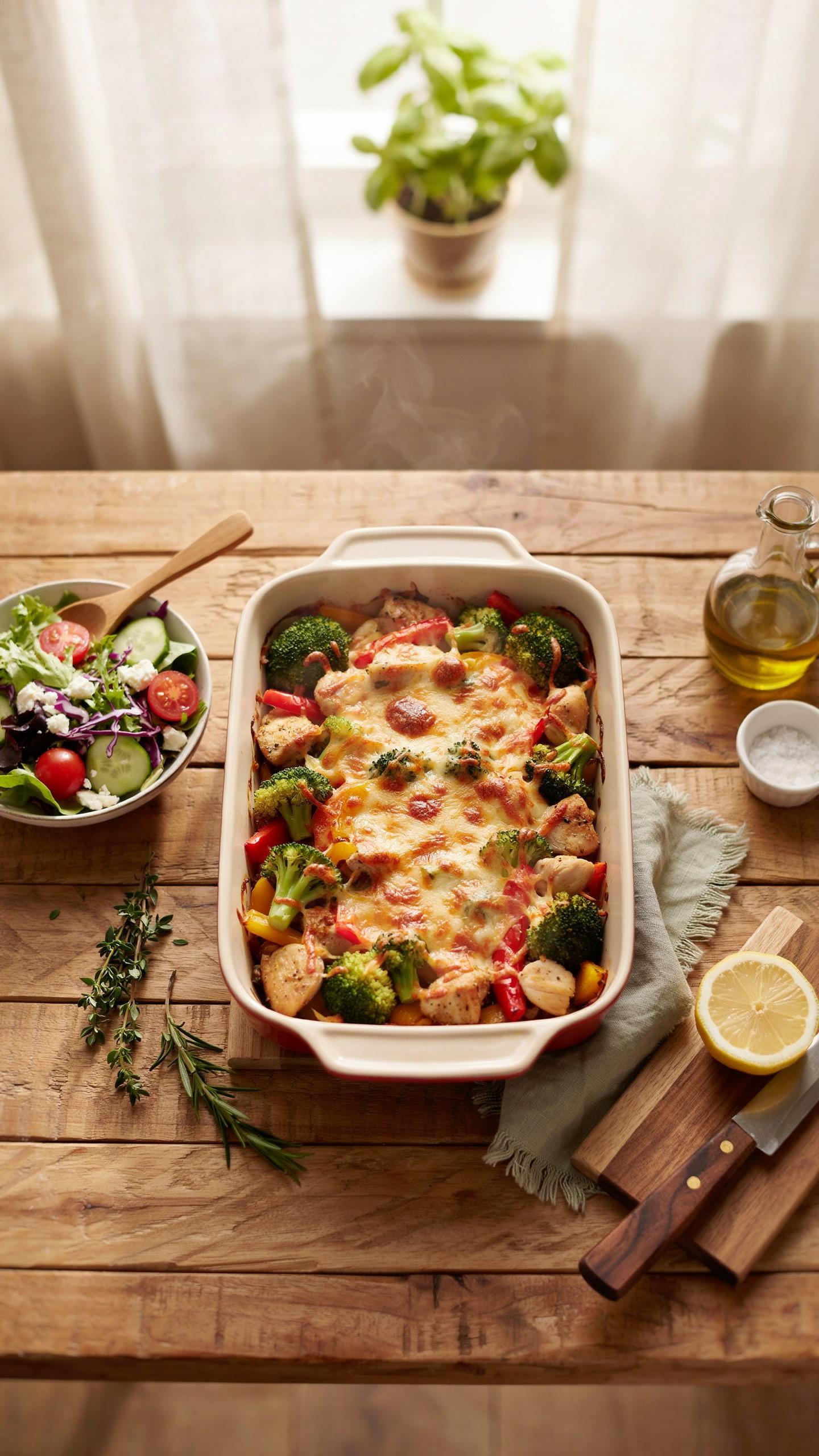
You want to believe discipline carries you through the day. It doesn’t. Neurobiology says otherwise. Your cognitive function depends on stable glucose and amino acid availability in the bloodstream. High protein casseroles solve this by delivering sustained nutrient density without the regulatory overhead your brain wastes managing blood sugar swings. Meal prepping removes the decision fatigue that erodes focus before noon.
Consistency in protein intake directly impacts neurotransmitter production. Dopamine, serotonin, and norepinephrine all require amino acids as precursors. A casserole with 35 to 45 grams of protein per serving maintains the raw materials your brain needs to stay sharp. When you skip proper nutrition, you’re not being disciplined. You’re handicapping your own cognitive output.
Energy Without The Collapse
Common advice says eat small meals throughout the day. This fails because it keeps you tethered to eating schedules and treats energy as a feeling instead of a fuel problem. Glycemic load matters. High protein casseroles deliver slower carbohydrate absorption, which means your blood sugar rises gradually and stays elevated longer. No spike, no crash, no 3 PM collapse.
The mechanism is simple: protein and fiber slow gastric emptying. A casserole combining lean meat, vegetables, and complex carbs creates a steadier energy release than processed alternatives. You prep once, you eat for three days, and your energy stays flat-lined instead of oscillating. That stability compounds across weeks. Build your casserole base with ground turkey or chicken, add leafy greens, and use oats or brown rice as your carb anchor.
Seasonal Cycles Fall Casseroles For Optimized Intake
When Root Vegetables Peak In Density
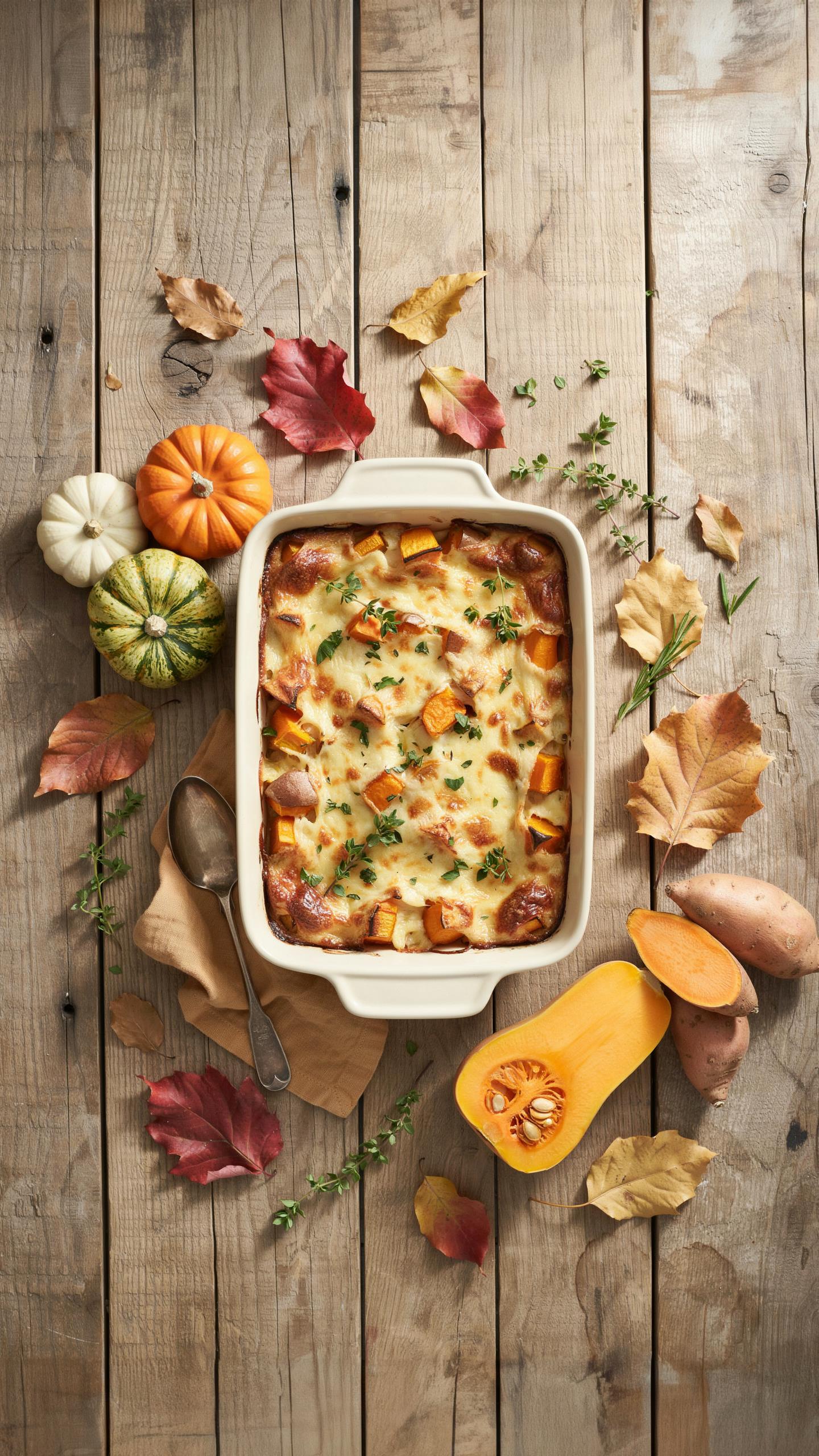
You want fall casseroles because you think they’re cozy. That’s not the real reason to build them now. Root vegetables hit peak nutrient density and cost efficiency in fall, which means your protein casseroles deliver more micronutrient support per dollar spent and per ounce consumed. Borrowing from agricultural economics, fall is when supply elasticity shifts sharply downward for squash, carrots, and beets. This isn’t sentiment. This is resource optimization.
Most recipes treat seasonal produce as flavor decoration. Wrong approach. Root vegetables contain specific minerals like manganese and potassium that support muscle protein synthesis when paired with high protein intake. Sweet potatoes and butternut squash add volume without excess calories, meaning you hit your protein targets with fewer total carbs per serving. Build your fall casseroles around what’s abundant in September through November, not around what sounds good.
Adjusting Ratios For Ingredient Turnover
The common advice says use fresh produce. That misses the actual mechanism. Fall produce has longer storage windows than summer vegetables, but casserole recipes require adjustment based on water content and cook time. Butternut squash releases less moisture than zucchini. Root vegetables need longer braise times than leafy greens. Your protein base cooks the same way. Your binders and liquid ratios don’t.
If you swap summer zucchini casseroles for fall sweet potato and ground beef versions, reduce your liquid by ten to fifteen percent and extend cooking time by five to ten minutes. Dense vegetables cook slower and expel less water during roasting before assembly. This keeps your casserole from becoming soupy after three days of refrigeration. The protein stays firm. The vegetables stay intact. Temperature control and timing are everything, not ingredient choice alone.
Beyond The Plate Healthy Wrestling Meals And Casserole Impact

The Real Metric That Matters
You care about this because you want proof that meal prep actually works—not just looking leaner, but performing better. Here’s the mechanism: biology doesn’t separate nutrition from output. A high-protein casserole system functions like a feedback loop in thermodynamics. Energy in, work output, recovery rate. You track weight because it’s visible. You should track strength, endurance, and power output because those metrics reveal whether your protein timing and macro distribution actually fuels performance. The casserole approach wins here because it centralizes protein intake on a predictable schedule, eliminating the guesswork that tanks performance mid-week.
Most athletes miss this entirely. They optimize calories and macros but ignore consistency. A casserole meal prep system forces consistency. You eat the same portion of high-protein casserole at predictable intervals. This stabilizes amino acid availability throughout the day. Your body stops sending false hunger signals. Recovery accelerates. Strength gains compound. Measure this by tracking your lifts week to week, not by obsessing over the scale. The casserole becomes a tool for steady progression, not a weight loss hack.
The Long Game Beats The Sprint
The standard advice here is garbage: “just eat protein and you’ll be fine long-term.” Wrong. Long-term health requires sustainable systems that don’t demand willpower. High-protein casserole meal prep succeeds because it removes decision fatigue. You cook once, eat all week, protein stays constant. This matters because sustained protein intake prevents muscle loss during aging. It stabilizes blood sugar. It maintains satiety without restriction psychology. Most people abandon diets because they require daily choices. Casseroles demand one choice per week.
Five years from now, the person who casserole meal-prepped versus the person who “tried to eat more protein” won’t be close in body composition or recovery capacity. The system wins because it automates the hardest part of nutrition—showing up consistently. Your move this week: pick one casserole recipe, cook it Sunday, portion it into four containers, eat one portion daily for four days. Track your energy levels and recovery quality. That’s the feedback mechanism that keeps you locked in for the long term.
The real obstacle isnt lack of time but the illusion that more options equate to more control

You don’t need five casserole recipes. You need one that works, repeated until it becomes automatic. Pick a high protein casserole formula today. Chicken, eggs, cheese, vegetables. Make it Sunday. Eat it all week. The freedom you’re chasing isn’t in variety, it’s in the absence of daily decisions. Stop searching for the perfect meal and start executing the adequate one.