

What Are Hidden Veggies And Why Do They Work For Picky Eaters

The Psychology Behind Why Children And Adults Resist Vegetables
Vegetable resistance stems from biological and sensory factors. Humans possess a natural aversion to bitter flavors. Evolution taught the brain that bitterness signals potential toxicity. Many green vegetables contain these bitter compounds. Picky eaters have heightened sensitivity to these tastes. Neophobia also plays a role. This fear of new foods often peaks during early childhood development. It serves as a biological survival mechanism.

Texture issues cause significant food rejection. Soft or slimy consistencies trigger a gag reflex in sensitive individuals. Many people dislike the fibrous strings in celery or the seeds in tomatoes. Visual cues also influence the brain. A green color often signals danger to a selective eater. Control is the final factor. Refusing food allows a person to exert power over their environment. Strategy requires bypassing these sensory alarms.
How Blending And Incorporating Hidden Vegetables Changes Taste And Texture
Hidden veggie recipes modify the mechanical properties of produce. Blending breaks down tough plant cell walls. This process creates a smooth puree. The puree integrates into sauces without changing the mouthfeel. This removes the texture triggers that cause food rejection. You replace the crunch or slime with a familiar consistency. This tactical change stops the brain from identifying the ingredient as a threat.

Chemical transformation also occurs during the cooking process. Sugars in vegetables like carrots or squash caramelize when heated. This masks bitterness with natural sweetness. Adding acids or fats further neutralizes vegetable notes. The goal is sensory camouflage. You maintain the nutritional profile while hiding the visual and flavor markers. This allows the consumer to eat the food without psychological resistance. Success depends on maintaining the original dish flavor.
Getting Started With Hidden Vegetable Recipes Tools And Pantry Essentials
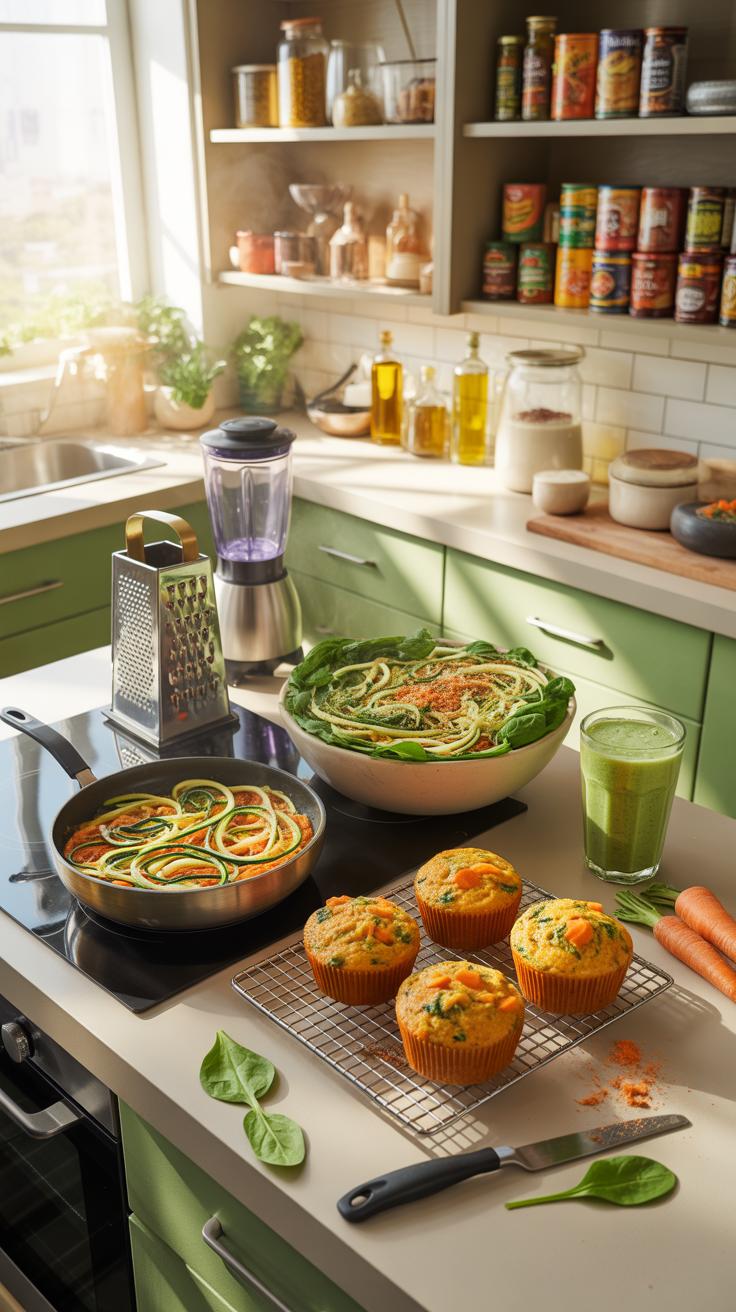
Kitchen Tools That Make Hiding Vegetables Easier
Successful vegetable integration depends on achieving the correct particle size. Texture is the primary reason picky eaters reject meals. Large chunks of greens or fibrous stems trigger immediate sensory alerts. You must use mechanical force to break down plant cells into smooth liquids or fine grains. These tools ensure the hidden ingredients mimic the texture of the host food perfectly every time.
- High Speed Blender: This tool pulverizes fibrous vegetables into a silk texture. It is vital for hiding leafy greens like spinach or kale in fruit smoothies. The high RPM motor ensures zero grit remains. This makes it impossible for the palate to detect hidden plant matter.
- Food Processor: Use this for dry grating or creating chunky pastes. It excels at ricing cauliflower or finely dicing carrots for meatloaf. The pulse function allows you to control the exact size of the vegetable bits. It saves significant time compared to manual knife work.
- Box Grater: This manual tool provides a reliable way to shred moisture-rich vegetables. It is the best choice for zucchini when preparing muffins or breads. Use the smallest holes for the finest results. It creates thin strands that melt away during the baking process.
- Immersion Blender: This handheld device allows you to blend vegetables directly in a hot pot. It is perfect for turning boiled carrots or squash into a smooth pasta sauce base. You avoid the mess and danger of transferring hot liquids to a traditional countertop blender.
- Fine Mesh Sieve: Use this to remove large skins or seeds after blending. Passing a puree through a sieve guarantees a commercial grade consistency. It is a final quality control step. This tool ensures that even the most observant eaters cannot find physical evidence of the vegetables.
Select your tool based on the moisture content of the vegetable. High-water vegetables like cucumbers require blending or straining to avoid ruining recipe ratios. Root vegetables require grating or roasting before pureeing to eliminate raw crunch. Proper tool selection removes the risk of discovery. Do not skip these mechanical steps if you want to maintain the integrity of the original dish appearance.
Best Vegetables To Start With When Creating Hidden Vegetable Recipes
Begin with vegetables that possess neutral flavors and colors that match your base dish. Cauliflower and parsnips are the industry standard for white sauces and mashed potatoes. Their pale color disappears into dairy-based recipes without alerting the consumer. These vegetables have a low sugar profile that does not alter the sweetness of the meal. They provide bulk and nutrients while remaining completely invisible.
Spinach and zucchini are the best choices for dark-colored foods like brownies or tomato sauce. Spinach leaves provide a boost of iron and vitamins but liquefy easily when heat is applied. Zucchini has a high water content and a thin skin that peels away easily. Peel the skin off completely to remove all green specks before grating. These vegetables offer the highest success rate for beginners due to their physical flexibility.
Veggie Chocolate Muffins For Toddlers A Guilt Free Sweet Treat

Why Zucchini And Spinach Work Perfectly In Veggie Chocolate Muffins For Toddlers
Zucchini and spinach offer specific structural and nutritional benefits in baking. Zucchini has high water content which creates a moist crumb without extra oil. Its neutral flavor profile disappears when baked. Spinach provides iron and fiber while lacking a strong bitter bite. Both vegetables blend into a smooth puree that integrates easily with dry ingredients. This ensures a consistent texture that toddlers cannot easily detect.
Dark cocoa powder acts as a natural masking agent for these greens. The Dutch process alkalizes the cocoa and neutralizes the plant acids. This step removes the earthy scent of spinach. The dark pigment hides the green flecks completely. Parents achieve a dense nutrient profile without changing the expected taste. You essentially replace empty calories with vitamins K and A while maintaining a standard muffin appearance.
Step By Step Guide To Baking Your First Batch Of Chocolate Veggie Muffins
Begin by processing fresh spinach and peeled zucchini in a high speed blender. You must eliminate all lumps to ensure a smooth batter. Mix these wet ingredients with eggs and applesauce to maintain moisture levels. Sift together whole wheat flour and dark cocoa powder in a separate bowl. Combine the two mixtures using a folding technique. This prevents overworking the gluten and keeps the muffins soft.
Preheat the oven to three hundred fifty degrees Fahrenheit for optimal rise. Fill muffin liners three quarters full to allow vertical expansion. Bake the trays for twenty minutes or until a toothpick comes out clean. Transfer the muffins to a wire rack immediately to prevent soggy bottoms. Professional bakers recommend cooling them completely before serving. This allows the vegetable moisture to set and the chocolate flavor to deepen.
Chocolate Veggie Muffins For Kids School Lunchbox Friendly Variations
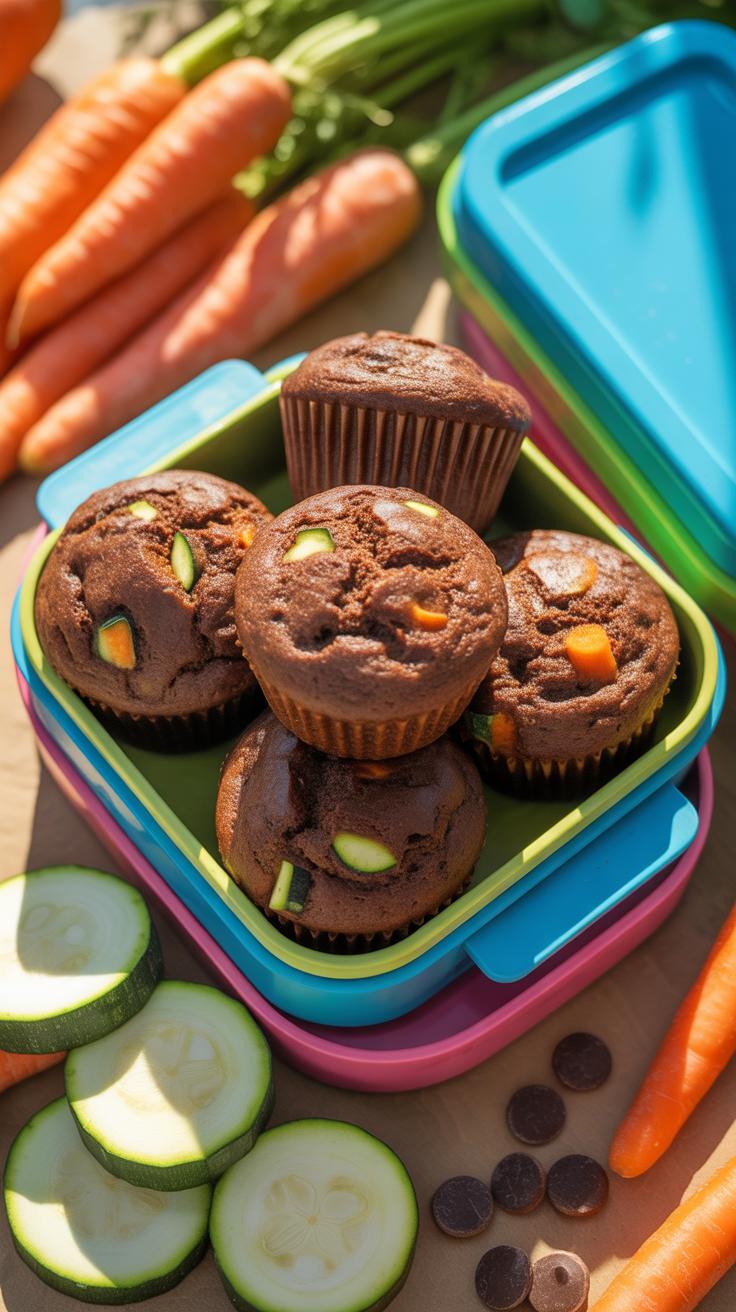
Nutrient Boosting Vegetables That Pair Well With Chocolate In Kids’ Muffins
Success hinges on selecting vegetables with high water content and neutral profiles. Finely grated zucchini provides moisture without altering the flavor. Steam and puree carrots to match the texture of the batter. These additions increase fiber and vitamin A levels while the cocoa powder masks the visual evidence. Avoid bitter greens because they clash with the chocolate profile. Use dark cocoa to ensure a consistent color.
Pureed sweet potato or pumpkin creates a dense and fudgy texture. These starchy vegetables bond well with gluten-free or whole-wheat flours. They offer beta-carotene and potassium while acting as a natural sweetener. This reduces the need for refined sugar in the recipe. Always squeeze excess liquid out of shredded vegetables to prevent soggy muffins. Precision in moisture control ensures the final product maintains a structural crumb.
How To Store And Pack Chocolate Veggie Muffins For Freshness Throughout The Week
Proper cooling prevents condensation which leads to mold. Place muffins on a wire rack immediately after baking. Ensure they reach room temperature before placing them in airtight containers. Use parchment liners to prevent the muffins from sticking to the storage vessel. Store at room temperature for two days or refrigerate for five days. This preserves the moisture levels provided by the hidden vegetables.
Freeze muffins individually for long-term supply and easy lunchbox prep. Wrap each muffin tightly in plastic wrap or reusable silicone bags to prevent freezer burn. They will last for three months in the freezer. Place a frozen muffin directly into the lunchbox in the morning. It will thaw by lunchtime and act as a cold pack for other perishable items. This strategy saves time and maintains texture quality.
Hidden Veggie Mac And Cheese The Ultimate Comfort Food Makeover
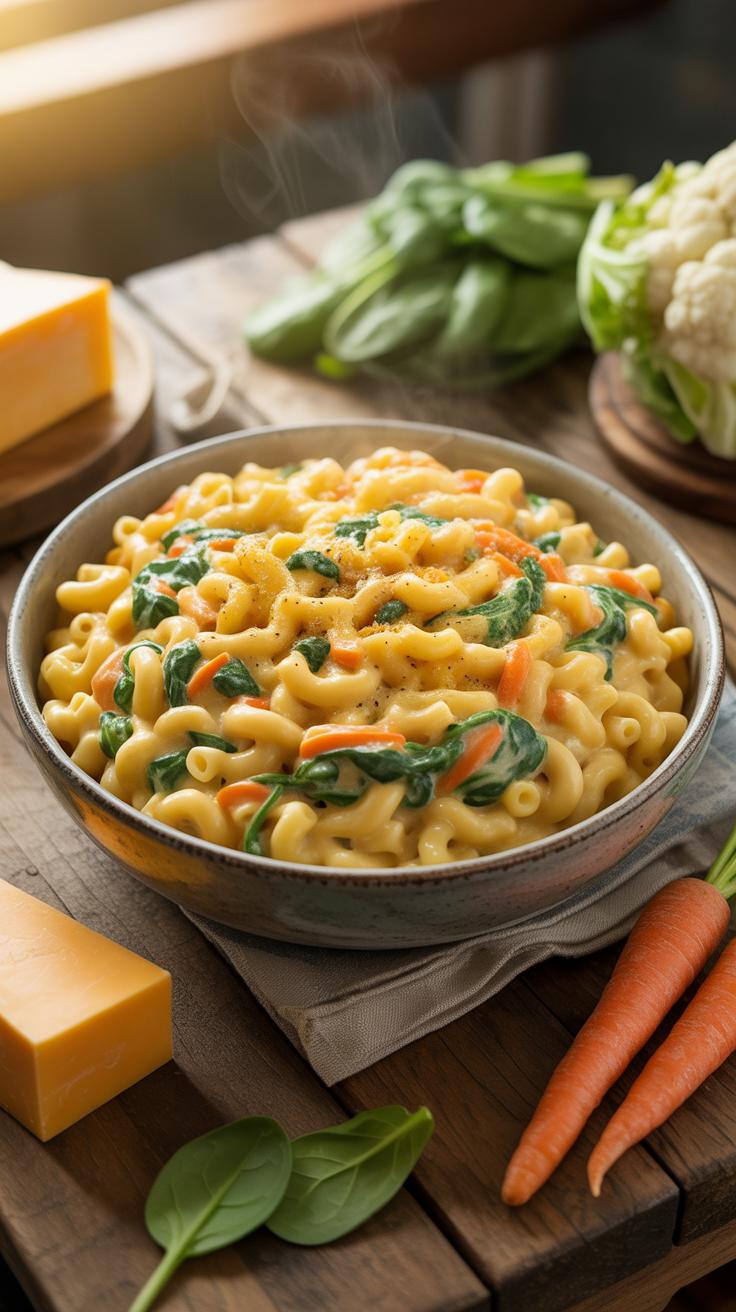
Which Vegetables Blend Seamlessly Into A Creamy Mac And Cheese Sauce
Butternut squash and cauliflower are the primary assets for this transformation. Pureed butternut squash mimics the natural orange hue of traditional cheddar cheese. It adds a subtle sweetness and thickens the sauce without changing the texture. Cauliflower offers a neutral flavor profile that disappears into white cheese sauces. These vegetables provide high fiber and essential vitamins while maintaining a smooth consistency.
Steam or roast the vegetables until they are soft before processing. Use a high speed blender to eliminate all lumps and grit. Combine the vegetable puree with milk and cheese over low heat. This technique maintains the emulsion and prevents the sauce from breaking. Focus on matching the vegetable color to the cheese. Yellow squash works with cheddar while cauliflower pairs best with white cheddar or gruyere.
Tips For Making Hidden Veggie Mac And Cheese That Kids Will Ask For Again
Texture and flavor balance determine the success of hidden veggie recipes. Masking the scent and taste of earthier vegetables requires specific culinary adjustments. You must prioritize the familiar high fat and salty notes of the cheese over the vegetable base. Use sharp cheeses to provide a strong flavor profile that cuts through the sweetness of the plant purees.
- Select Sharp Cheeses: Use extra sharp cheddar to dominate the flavor profile. Stronger cheeses mask the cabbage like scent of cauliflower or the intense sweetness of carrots and squash during the final cooking stages.
- Match Color Profiles: Match orange vegetables like sweet potatoes with yellow cheddar. Use cauliflower or parsnips for white sauces. Visual consistency prevents children from detecting foreign ingredients before the first bite even happens.
- Process To Liquid: Blend vegetables until they reach a completely liquid state. Any remaining chunks or grit will trigger a texture sensitive response in picky eaters. Pass the puree through a fine mesh sieve for absolute smoothness.
- Control Moisture Content: Drain all excess water from steamed vegetables before blending them. Too much water thins the sauce and prevents the cheese from clinging to the pasta. This leads to a gritty or broken appearance.
- Incorporate Familiar Seasonings: Add small amounts of garlic powder or onion powder to the cheese sauce. These classic savory notes bridge the gap between the vegetable base and the dairy components for a more traditional taste.
Season the sauce aggressively with salt and pepper to ensure it tastes like traditional comfort food. The added fiber from the vegetables can dull certain flavors. Test the final product for saltiness before serving to the family. Serve the meal in familiar bowls with standard pasta shapes like elbows or shells. Consistency in presentation removes suspicion and encourages a positive experience with the new recipe.
Building A Balanced Veggie Dinner Without The Mealtime Battles

Easy Veggie Dinner Ideas That Sneak Nutrition Into Family Favorites
Transform standard ground meat dishes by introducing finely grated root vegetables like carrots or parsnips. These vegetables possess a natural sweetness and fibrous texture that integrates perfectly with beef or turkey. Pulse raw cauliflower in a food processor until it reaches a grain-like consistency to stretch rice-based meals. This method increases bulk and fiber without altering the flavor profile of the original recipe.
Utilize smooth purees to fortify traditional pasta sauces and stews. Cooked butternut squash blends seamlessly into cheese sauces for macaroni dishes because its color and creaminess mimic melted cheddar. For red sauces, roasted red peppers or sautéed celery bieten a deep flavor base when liquefied. These techniques remove visual triggers for picky eaters while ensuring the meal contains essential vitamins and minerals.
How To Balance Macronutrients When Planning A Hidden Veggie Dinner
Successful meal planning requires a balance of proteins, fats, and carbohydrates alongside your hidden vegetables. High-fiber vegetables can slow digestion, so you must maintain adequate protein levels to ensure satiety. Use lean meats or legumes as your primary protein source. Do not let the volume of vegetables replace necessary caloric intake. You need a complete nutrient profile for a functional family dinner.
Monitor the water content of added vegetables to avoid ruining the texture of your fats and starches. Zucchini and spinach release significant moisture when heated and can make a dish soggy if not drained. Squeeze out excess liquid before adding these to doughs or meatloaf. Proper moisture control keeps the fat-to-carb ratio stable. This ensures the meal is delicious enough to avoid detection by skeptical eaters.
Hidden Veggie Recipes For Adults Elevating Everyday Meals With Vegetables
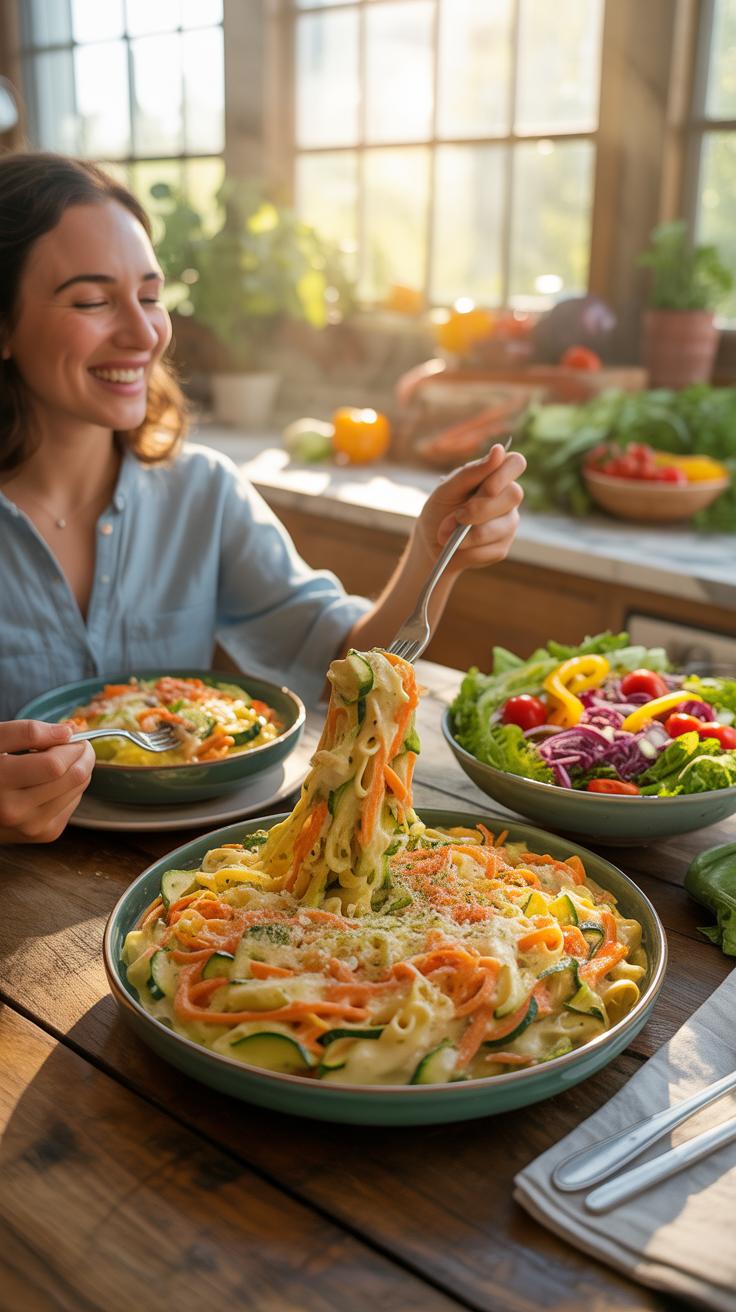
Why Hidden Veggie Recipes For Adults Are About Nutrition, Not Just Taste
Adults often struggle with vegetable intake due to busy schedules and poor habits. Hidden veggie recipes solve this by increasing fiber and micronutrient density without changing meal routines. Pureeing greens into existing plates ensures consistent nutrition. This strategy targets the gut microbiome and stabilizes blood sugar. It removes the psychological barrier of eating large amounts of whole vegetables while maintaining high daily health standards.
Strategic meal planning requires efficiency and results. Adding plant mass to recipes lowers the caloric density of large portions. This approach helps with long term weight management and energy levels. It uses the foundations of French saucier techniques to incorporate nutrients. High performance diets benefit from these additions because they provide essential vitamins. You get the nutritional edge without spending extra time on complex side dishes.
Nourishing a child is an act of love that sometimes requires the creative touch of a magician. A little bit of kitchen alchemy ensures that every bite is filled with the goodness they need and the flavors they dream of.
Sophisticated Adult Dishes That Conceal Vegetables Without Sacrificing Flavor
Professional cooking relies on base building for deep flavor profiles. Pureed butternut squash or cauliflower blends seamlessly into risotto and white sauces. These additions provide a creamy texture without using excess heavy cream or butter. Grated zucchini disappears into dark chocolate cakes and quick breads by adding moisture. These techniques ensure the final dish remains refined. You get a better texture while improving the overall nutritional profile.
Umami rich ingredients like mushrooms and eggplant work best in savory applications. Finely minced mushrooms can replace half the ground beef in burgers or bolognese. This reduces saturated fat while increasing the earthy depth of the meat. Use pureed red peppers to thicken tomato sauces for a richer mouthfeel. These methods preserve the integrity of the original recipe. They prove that health focused choices do not require compromising on culinary excellence.
Secret Veggie Recipes Passed Down And Reimagined For Modern Kitchens
Classic Comfort Foods That Have Long Used Secret Veggie Recipes Techniques
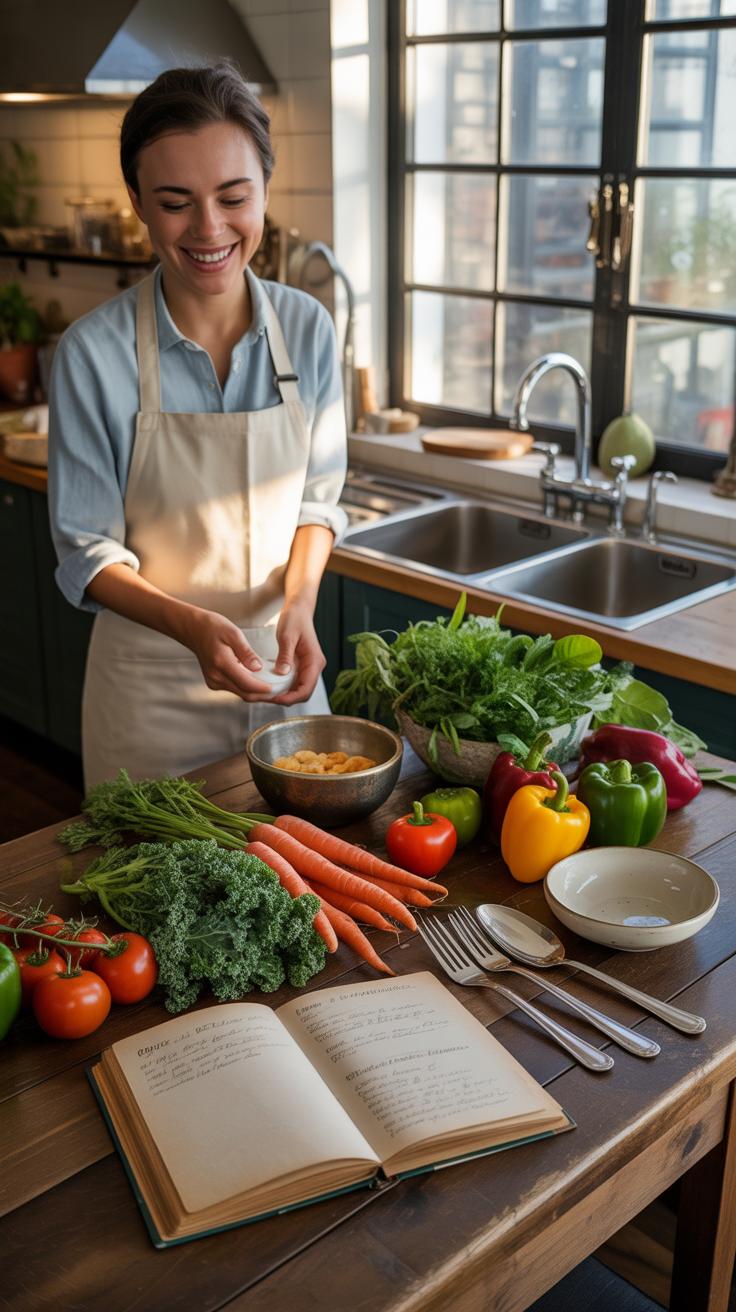
Cooks have used plant fillers for centuries to stretch expensive proteins or improve food texture. European cooks historically added grated carrots or onions to meatballs and meatloaves. This practice began as a way to save money during food shortages. These ingredients provide moisture and natural sweetness without changing the flavor profile of the meat. Grated vegetables also create a lighter texture in heavy, protein-dense dishes.
Great Depression era recipes frequently utilized mashed beans or legumes to bulk up baked goods. Home cooks discovered that pureed white beans blend into cake batters without being noticed. This method added fiber and density when flour and eggs were scarce. These early techniques prove that hidden vegetables are a functional necessity rather than a new health trend. Understanding these traditional methods provides a baseline for modern recipe development.
Modernizing Traditional Secret Veggie Recipes With Whole Food Ingredients
Current kitchen technology allows for smoother textures than historical grating methods. High speed blenders turn fibrous greens into liquid that disappears into pasta sauces. Modern cooks use cauliflower to replace starch in rice or pizza crusts. This shift focuses on nutrient density rather than just cost savings. We now select vegetables based on their micronutrient content and how they interact with specific cooking temperatures.
Substituting refined carbohydrates with vegetable alternatives requires precise moisture control. Squeezing liquid from shredded zucchini prevents soggy bread. Roasting winter squash before pureeing it concentrates the natural sugars for better desserts. These refinements ensure that the food remains palatable while increasing the total vitamin intake. Professional results depend on understanding the water content of each vegetable. Modern tools make this process faster and more consistent.
Hidden Veggie Recipes Meal Planning A Weekly Strategy For Busy Families

How To Build A Week’S Worth Of Meals Around Hidden Vegetable Recipes
Effective weekly meal planning requires a focus on versatile base sauces. You must select three core recipes that mask high volumes of nutrients. Start with a red marinara, a creamy white sauce, and a blended meat base. These three pillars support dozens of different dishes. Use the red sauce for pasta or pizza. Use the white sauce for mac and cheese.
Balance your schedule by alternating high-effort prep days with low-effort assembly days. Tuesday and Thursday should utilize pre-made components from Sunday. Focus on high-impact vegetables like cauliflower, spinach, and carrots. These blend easily into standard textures without changing the flavor profile of the meal. Consistency is key to success. A predictable rotation ensures your family receives steady nutrition without daily stress.
Batch Cooking And Prepping Hidden Vegetables To Save Time On Weeknights
Maximize efficiency by processing all vegetables in a single session. Use a high-speed blender or food processor to create smooth purees. Steam hard vegetables like carrots and squash before blending to ensure a grit-free texture. Freeze these purees in silicone trays or muffin tins. Pre-measured portions allow you to drop nutrients into boiling soups or simmering pans instantly.
Store your prepped bases in clear, labeled containers. This organization prevents waste and speeds up the cooking process. Mix spinach or kale purees directly into raw ground beef before freezing patties or meatballs. This integration saves fifteen minutes of prep during the work week. Tactical preparation turns complex recipes into simple assembly tasks. You win by reducing the time spent at the stove each night.
Frequently Asked Questions

What are the best vegetables to start with when cooking for picky eaters?
When you are first exploring hidden veggie recipes, start with mild-flavored vegetables that have a soft texture. Zucchini and cauliflower are excellent choices because they blend seamlessly into sauces, muffins, and oats without altering the flavor profile. Spinach is another beginner favorite; while it turns smoothies or brownies a darker hue, the taste is easily masked by fruit or cocoa, making it a perfect entry point for skeptical palates.
How do I prepare vegetables so they truly disappear into a meal?
The secret to successful hidden veggie recipes lies in the preparation method. For smooth sauces and batters, use a high-powered blender or food processor to create a fine puree. If you are adding vegetables to meatloaf or burgers, use a box grater to shred them into tiny pieces. Always sauté or steam the vegetables before blending to ensure the texture is completely velvety, preventing any suspicious “chunks” from being discovered.
Can I make nutritious meals for my family without spending a lot on specialty ingredients?
Absolutely! You do not need expensive organic produce to make impactful meals. Frozen vegetables, such as peas, carrots, and corn, are budget-friendly, pre-chopped, and just as nutritious as fresh options. Buying versatile staples like sweet potatoes or carrots in bulk allows you to stretch your grocery budget further. These affordable ingredients work beautifully in various dishes, proved that eating healthy can be both accessible and incredibly cost-effective for every household.