

Understanding Electrolyte Drinks What They Are And How They Work As A Hydration Drink
The Science Behind Electrolytes And Their Role In The Human Body
Electrolytes are essential minerals that carry an electric charge. These include sodium, potassium, magnesium, calcium, and chloride. Your body requires these minerals to regulate nerve and muscle function. They maintain the balance between acidity and alkalinity in your blood. Without these minerals, your cells cannot communicate. The electrical signals needed for your heart to beat and muscles to contract would fail.

Proper fluid balance depends entirely on electrolyte concentrations. These minerals sit inside and outside your cells to manage osmotic pressure. Sodium primarily stays outside the cells while potassium stays inside. This specific distribution moves water across cell membranes through osmosis. When this balance shifts, your physical performance drops. You experience brain fog and fatigue because your nervous system cannot transmit data effectively.
How Electrolyte Drinks Replenish What The Body Loses Through Sweat And Exertion
The body loses fluids and salts through sweat during intense physical activity. Water alone does not replace these lost minerals. Electrolyte drinks provide a concentrated source of ions to restore balance quickly. These drinks use a specific ratio of glucose and sodium to accelerate water absorption in the small intestine. This process utilizes the sodium-glucose cotransport mechanism to pull water into the bloodstream faster than plain water.

Recovery speed depends on how fast you replace these lost solutes. Simple hydration drinks focus on the core minerals depleted during heat stress. Sodium is the primary loss in sweat and governs how much water your body retains. If you drink only water, you dilute your remaining salt levels. This leads to hyponatremia and decreased blood volume. These drinks prevent that collapse by maintaining your blood plasma levels during exertion.
What Are Sports Drinks Breaking Down The Electrolytes Drink Category
The Origins And Purpose Of Commercial Sports Drinks
University researchers created the first sports drinks in the mid-1960s. They aimed to solve a specific problem for football players losing weight through sweat. These athletes suffered from heat exhaustion and poor performance during games. Science showed they needed more than just water. They lost vital minerals and energy stores during intense physical activity. This led to a formula designed to replace fluids fast.
The core purpose of these drinks is rapid rehydration and fuel delivery. They target people performing high-intensity exercise for sixty minutes or more. Water alone cannot replace the salt lost through skin. It also does not provide the glucose needed for muscle contractions. Commercial brands moved these formulas from the sidelines to the general public. Now, they dominate the market as a primary source for quick recovery.
Key Ingredients Found In Popular Sports Drinks And What They Actually Do
Sodium and potassium are the primary minerals in these beverages. Sodium helps the body hold onto water and maintain blood volume. It also triggers the thirst mechanism so you drink enough. Potassium supports muscle function and prevents cramping during movement. These elements work together to keep the body in balance. Without them, your performance drops and your muscles stop responding to signals.
Sugars like glucose and fructose provide the necessary calories for energy. Your body burns through stored glycogen during hard workouts. These carbohydrates replenish those stores so you can keep going. Most drinks also include citric acid for flavor and shelf stability. Dyes and artificial flavors make the product more appealing to consumers. While these additives do not improve performance, they help ensure people actually drink the fluid.
Electrolyte Drinks Vs Sports Drinks A Head To Head Nutritional Comparison
Sugar, Sodium, And Calorie Content: How The Two Drink Types Stack Up
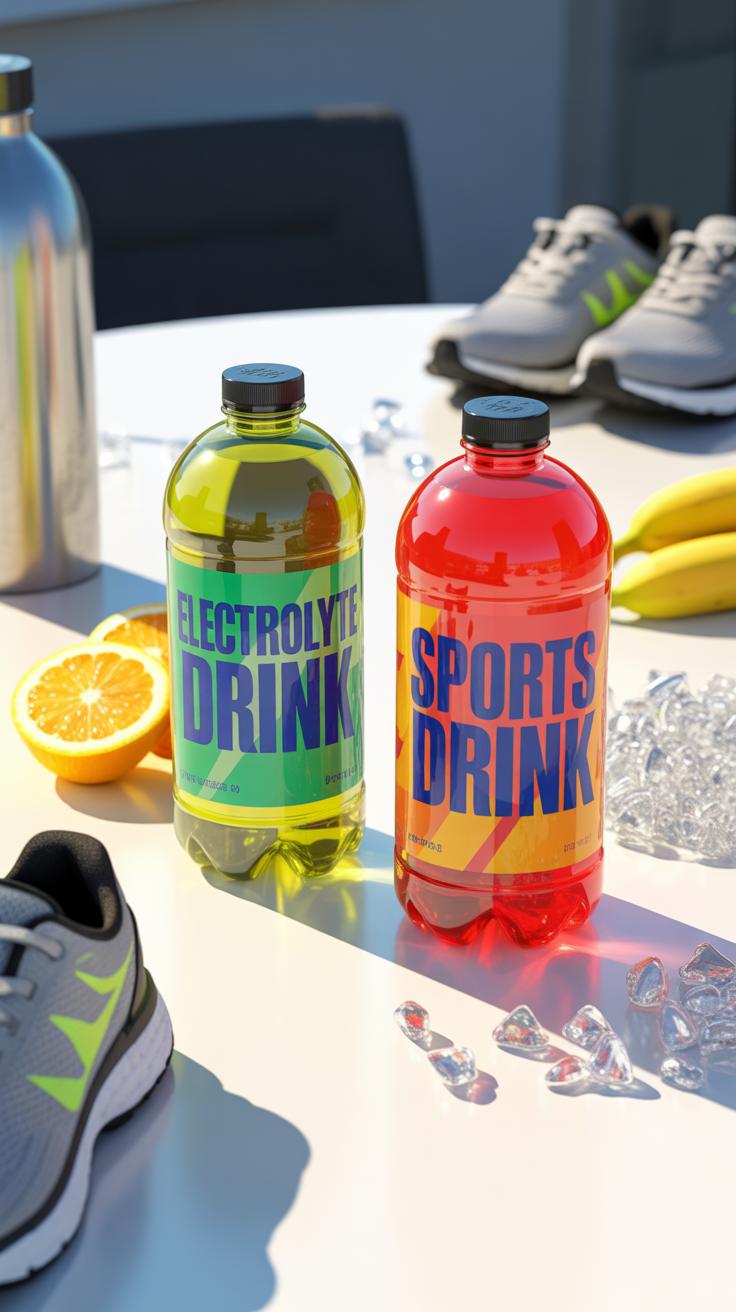
Sports drinks prioritize rapid energy delivery through high sugar content. They typically contain 30 to 35 grams of sugar per 20-ounce bottle. This design helps endurance athletes maintain blood glucose during intense exercise. Most people do not need this sugar for daily hydration. Excessive sugar intake causes glucose spikes and adds unnecessary calories to your dietary profile.
Electrolyte drinks focus on mineral replacement without the caloric load. These products use zero or minimal sugar to facilitate hydration. They often provide higher concentrations of sodium, potassium, and magnesium than standard sports drinks. This profile suits sedentary individuals or low-intensity movers. You get the essential salts your body requires without the weight gain associated with high-calorie sports beverages.
Artificial Additives, Dyes, And Preservatives: What You May Be Drinking Without Knowing
Mass-market sports drinks frequently use synthetic dyes like Red 40 or Blue 1 for visual appeal. Manufacturers add these chemicals to create consistent branding. These additives serve no functional purpose for hydration or performance. Many consumers now avoid these dyes due to sensitivity concerns. Standard sports drinks also use chemical preservatives to extend shelf life on retail store racks.
Clean electrolyte drinks often strip away these unnecessary chemicals. Companies in this space use natural flavors and avoid synthetic coloring agents. You might find clouding agents or stabilizers in cheaper versions. High-quality options prioritize a short ingredient list to reduce systemic inflammation. Read the label to identify brominated vegetable oil or artificial sweeteners that might disrupt your gut health.
When To Choose An Electrolyte Drink Matching Hydrating Drinks To Your Activity Level
Everyday Hydration Vs. Intense Athletic Performance: Choosing The Right Drink
Daily movement and low-intensity tasks do not require the high sugar content found in typical sports drinks. Most office workers or casual walkers lose minimal sodium and glucose. Plain water or low-calorie electrolyte drinks serve these needs best. You avoid unnecessary weight gain and insulin spikes by skipping the extra carbohydrates. Focus on maintaining basic mineral balance without adding processed corn syrups to your diet.
Intense athletic performance lasting over sixty minutes changes the physiological requirement. Your body burns through stored glycogen and loses significant salt through sweat. In these specific cases, the sugar in sports drinks helps transport water into the bloodstream faster. Total exertion requires a mix of minerals and energy. For shorter workouts or general desk work, choose sugar-free electrolytes to maintain hydration without the caloric surplus.
Whether you choose a simple salt elixir or a vibrant bottle of energy, the true magic lies in replenishing the spirit of the athlete within. True health is remembering that our bodies, like the ancient seas, deserve only the purest balance to keep the fire of movement alive.
Medical And Recovery Scenarios Where Electrolyte Drinks Outperform Sports Drinks
Medical recovery periods demand precise mineral ratios to restore balance quickly. Illness involving vomiting or diarrhea leads to rapid fluid loss and dangerous shifts in potassium and sodium. Dedicated electrolyte drinks provide these essential salts without the heavy dyes and sugars that irritate a sensitive stomach. Clinical formulations focus on rapid cellular absorption. They prioritize functional health over the flavored experience preferred by athletes.
Recovery from heat exhaustion or travel-induced dehydration also favors electrolyte drinks. Airplane cabins and high temperatures strip moisture from the body. You need targeted magnesium and potassium to prevent muscle cramps and headaches. Sports drinks often provide too much sugar, which can actually pull more water into the gut and worsen dehydration. Stick to concentrated mineral solutions to fix the baseline deficit without adding metabolic stress.
The Rise Of Holistic Drinks Why More People Are Moving Beyond Commercial Options

The Wellness Movement And Its Influence On How Consumers View Electrolyte Replenishment
Modern consumers now prioritize ingredient transparency over brand legacy. High sugar content and artificial dyes in legacy sports drinks drive this shift. People view electrolyte drinks as daily health tools rather than just athletic rewards. This change forces companies to remove chemical additives. Users now scrutinize labels for mineral ratios like sodium, potassium, and magnesium. They want functional hydration without the metabolic cost of high fructose corn syrup.
Science-backed data guides these purchasing decisions today. Shoppers understand that excessive glucose can hinder water absorption under certain conditions. They seek clean labels that align with specific dietary patterns like low-carb or paleo. This movement treats hydration as a foundational pillar of cognitive and physical performance. The focus has moved from flashy marketing to raw physiological utility. Practical buyers choose efficiency and metabolic safety over traditional flavored sugar water.
Natural Whole Food Sources Of Electrolytes You Can Incorporate Into Your Daily Routine
Whole foods provide a bioavailable way to maintain mineral balance without processed additives. Many plants contain high concentrations of essential salts and minerals. Coconut water serves as a primary natural source of potassium. Pickles and olives offer immediate sodium replacement for heavy sweaters. High-quality sea salt added to plain water creates a low-cost DIY electrolyte drink. These options provide nutrients without the synthetic flavoring found in many commercial powders.
Integrating these sources into a daily routine stabilizes energy levels throughout the day. Leafy greens like spinach supply magnesium to support muscle function and sleep quality. Bananas and avocados deliver the potassium needed to regulate blood pressure and fluid balance. Choosing whole-food sources reduces reliance on packaged plastic bottles. It allows for precise control over mineral intake based on actual physical exertion. Strategic eaters use these real foods to build a resilient hydration foundation.
How To Make A Homemade Electrolyte Drink Healthy Electrolyte Drink Recipes You Can Trust
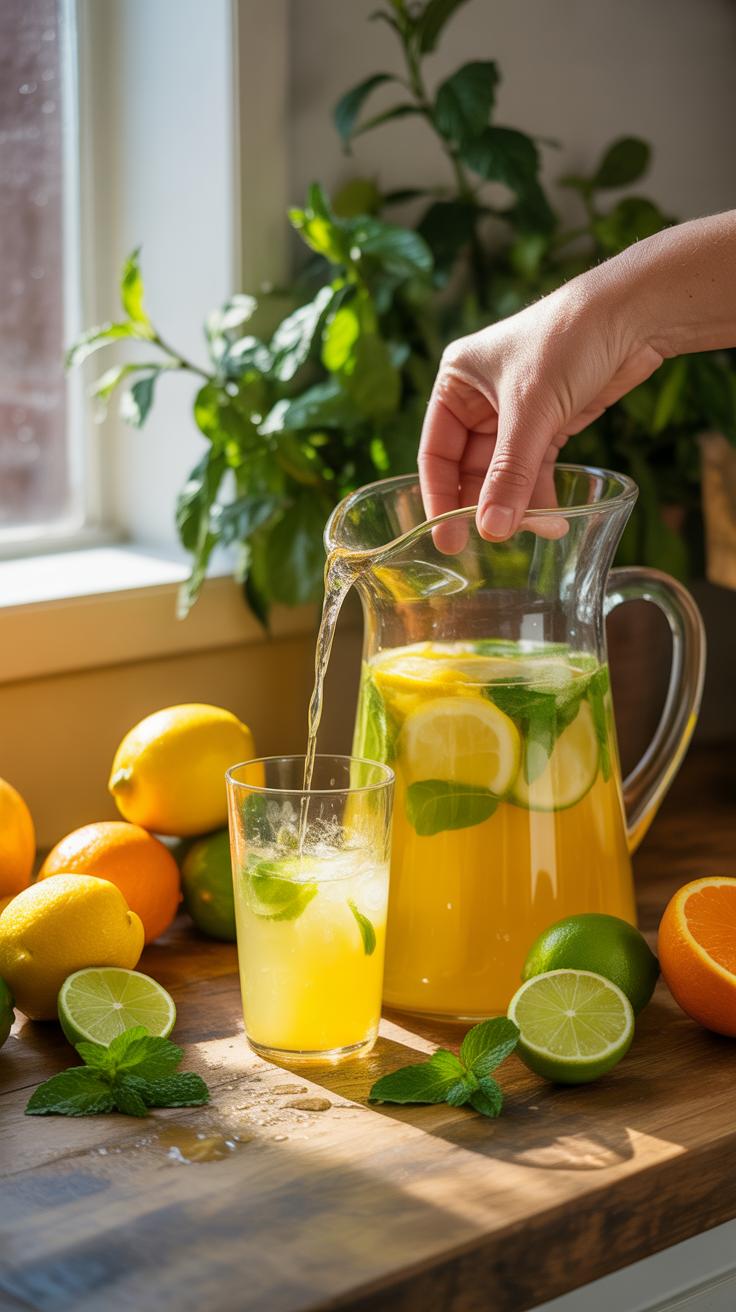
Core Ingredients For An Effective And Balanced Homemade Electrolyte Drink
Effective electrolyte drinks require specific ratios of minerals to facilitate rapid fluid transport across the intestinal wall. You must balance sodium with glucose to activate the sodium-glucose cotransport system. This physiological process pulls water into the bloodstream faster than plain water alone. Choosing high-quality sources for these minerals ensures you avoid the artificial dyes and excessive processed sugars found in commercial sports drinks.
- Filtered Water: This serves as your primary base for hydration. Clean water provides the necessary volume for the solution and ensures that the mineral concentrations remain at safe, consumable levels for optimal absorption during physical activity.
- Sea Salt: High-quality salt provides essential sodium and chloride ions. Sodium is the primary electrolyte lost through sweat and is critical for maintaining blood pressure and nerve function during intense bouts of exercise or heat exposure.
- Citrus Juice: Lemons and limes provide a natural source of potassium and magnesium. These cations work alongside sodium to regulate muscle contractions and prevent cramping while also adding a natural flavor profile without using synthetic chemical additives.
- Natural Glucose: Honey or maple syrup provides the necessary sugar molecules to trigger rapid hydration. Glucose acts as a vehicle that carries sodium and water through the gut lining and into the cells where it is needed most.
- Magnesium Powder: Adding a trace amount of magnesium citrate or glycinate can support muscle relaxation. While salt handles the heavy lifting, magnesium helps regulate the electrochemical gradient across cell membranes during long periods of sustained physical exertion.
Precision in measurement is vital when mixing these components at home. Excessive salt can lead to gastrointestinal distress and pull water out of your cells rather than into them. Keep your sugar content low enough to prevent insulin spikes but high enough to maintain the transport mechanism. These raw ingredients provide the same functional benefits as premium brands without the unnecessary marketing markups or chemical preservatives.
Simple Hydration Drink Recipes For Post Workout Recovery And Daily Wellness
Recovery drinks focus on replenishing glycogen stores and repairing muscle tissue after significant sweat loss. A standard recovery mix uses a base of sixteen ounces of water combined with one-fourth teaspoon of salt and two tablespoons of citrus. This ratio mirrors the average sweat loss profile of most athletes. It offers a tactical advantage by restoring mineral balance immediately after your workout ends.
- The Citrus Refresher: Mix two cups of water with the juice of one lemon and a pinch of sea salt. This simple recipe provides instant sodium and potassium for light daily activity or moderate heat exposure without adding unnecessary calories.
- The Ginger Soother: Combine warm water with fresh ginger juice, sea salt, and a small amount of honey. Ginger acts as an anti-inflammatory agent that can help settle the stomach and reduce muscle soreness after long sessions of high-intensity training.
- The Coconut Powerhouse: Use plain coconut water as a base for its high potassium content. Add a pinch of salt and a splash of lime to balance the sodium-to-potassium ratio, making it an elite choice for heavy sweaters and endurance athletes.
- The Berry Booster: Blend muddled berries into a water and salt solution for a dose of antioxidants. These natural compounds help manage oxidative stress while the salt and water ensure your hydration levels remain stable throughout the recovery period.
- The Maple Mineralizer: Combine cold water with one tablespoon of maple syrup and a heavy pinch of salt. Maple syrup contains trace minerals like manganese and zinc, offering a more complex nutritional profile than refined white sugars used in standard drinks.
Daily wellness recipes require lower concentrations of salt and sugar compared to performance-based mixes. Use these drinks strategically when you feel fatigued or during high-heat days to maintain cognitive function. Avoiding commercial products gives you total control over your nutrient intake. Consistent use of these homemade solutions supports long-term metabolic health and prevents the chronic dehydration that often undermines peak physical performance.
Electrolytes Aesthetic And The Social Media Effect On Hydration Trends

How The Electrolytes Aesthetic Trend Has Shaped Consumer Buying Habits And Product Design
The physical design of electrolyte products now mirrors high-end skincare and minimalist tech. Companies replaced neon plastic bottles with matte-finish sachets and muted earth tones. This visual shift targets the wellness segment rather than just high-performance athletes. Consumers now buy hydration products based on how the packaging looks on their kitchen counters. The product is now a curated lifestyle accessory.
Social media platforms forced brands to focus on shareable stick-pack formats. These single-serve pouches fit the modern desire for portability and clean aesthetics. Manufacturers use premium typography and tactile materials to justify higher price points. This design strategy moves the product from the gym bag to the executive desk. Visual appeal drives initial sales more effectively than traditional clinical data in the current retail market.
Separating Hydration Hype From Evidence Based Science In The Age Of Wellness Influencers
Influencers often promote high-sodium electrolyte powders as daily essentials for everyone. This creates a gap between marketing and physiology. Most sedentary adults do not need intensive sodium replacement for basic daily activities. Peer-reviewed science shows that plain water is sufficient for standard hydration. The trend ignores individual sweat rates and metabolic needs. Brands prioritize viral visibility over nuanced health guidance to maximize broad market reach.
Medical reality dictates that excessive electrolyte intake can strain the kidneys or raise blood pressure. Influencer content rarely mentions these risks. They focus on benefits like improved skin or mental clarity which lack strong clinical backing. Users must distinguish between performance recovery and general health claims. Tactical hydration requires checking mineral concentrations against actual physical output. Fact-checking the ingredient label remains more important than following a viral wellness recommendation.
Who Should Drink What Personalized Guidance On Choosing Your Ideal Electrolyte Drink

Recommendations By Lifestyle: Athletes, Office Workers, Children, And Older Adults
Athletes require high sodium and glucose to maintain performance during intense exercise. Physical exertion depletes salt and glycogen stores quickly. These individuals need sports drinks that offer rapid absorption. High intensity training lasting over sixty minutes makes sugar necessary for fuel. Without these additives, performance drops and muscle cramping increases. Choosing a product with balanced minerals ensures the body stays hydrated under extreme physical stress.
Sedentary office workers and older adults have different needs. These groups should avoid high sugar drinks to prevent insulin spikes and unnecessary weight gain. Older adults often lose the thirst reflex and need steady electrolyte intake to maintain heart and nerve function. Children should stick to diluted versions or specialized pediatric solutions. Excessive sugar in young children can lead to dental issues and energy crashes. Always match intake to activity.
Red Flags To Watch For On Labels When Shopping For Any Hydration Drink Or Sports Drink
Marketing labels often hide low quality ingredients behind health claims. Look for high fructose corn syrup as the primary sweetener. This ingredient signals a low grade product that may cause digestive distress. Avoid artificial dyes like Red 40 or Blue 1 which provide no nutritional value. Check the sodium to potassium ratio. Most people need more potassium and less sodium in their daily diet unless they are training.
Watch out for proprietary blends that do not list specific mineral amounts. This tactic hides cheap fillers and under-dosed electrolytes. Stay away from drinks containing excessive caffeine or herbal stimulants marketed as hydration aids. These ingredients act as diuretics and can actually increase fluid loss. Quality electrolyte drinks prioritize magnesium and calcium over synthetic flavors. Read the nutrition panel carefully to ensure you pay for minerals rather than sugar.
Frequently Asked Questions

What is the main difference between electrolyte drinks and traditional sports drinks?
While often used interchangeably, the primary difference lies in their ingredient priorities. Traditional sports drinks are designed for high-intensity athletes, frequently containing high amounts of sugar and calories for quick energy. In contrast, modern electrolyte drinks focus on replenishing essential minerals like magnesium, sodium, and potassium without the unnecessary additives. This makes them a superior choice for daily hydration or low-impact wellness routines where you want the benefits without a sugar crash.
How do I know when I should choose an electrolyte drink over plain water?
Plain water is excellent for general hydration, but you should reach for electrolyte drinks when you have lost significant fluids through sweat, illness, or heat exposure. If you feel sluggish or have a headache after a workout, your body likely needs more than just H2O to restore its mineral balance. Simply mix a high-quality powder into your water bottle to support cellular function and recover faster than drinking plain water alone.
Are there budget-friendly ways to get electrolytes without buying expensive pre-made bottles?
Absolutely! You don’t need to spend a fortune on fancy bottled brands to stay hydrated. Buying electrolyte powder in bulk containers instead of single-serve packets is a great way to save money. Alternatively, you can create a DIY version at home using affordable pantry staples like sea salt, citrus juice, and a touch of honey. This allows you to control the ingredients while keeping your wellness routine both effective and highly cost-efficient.