
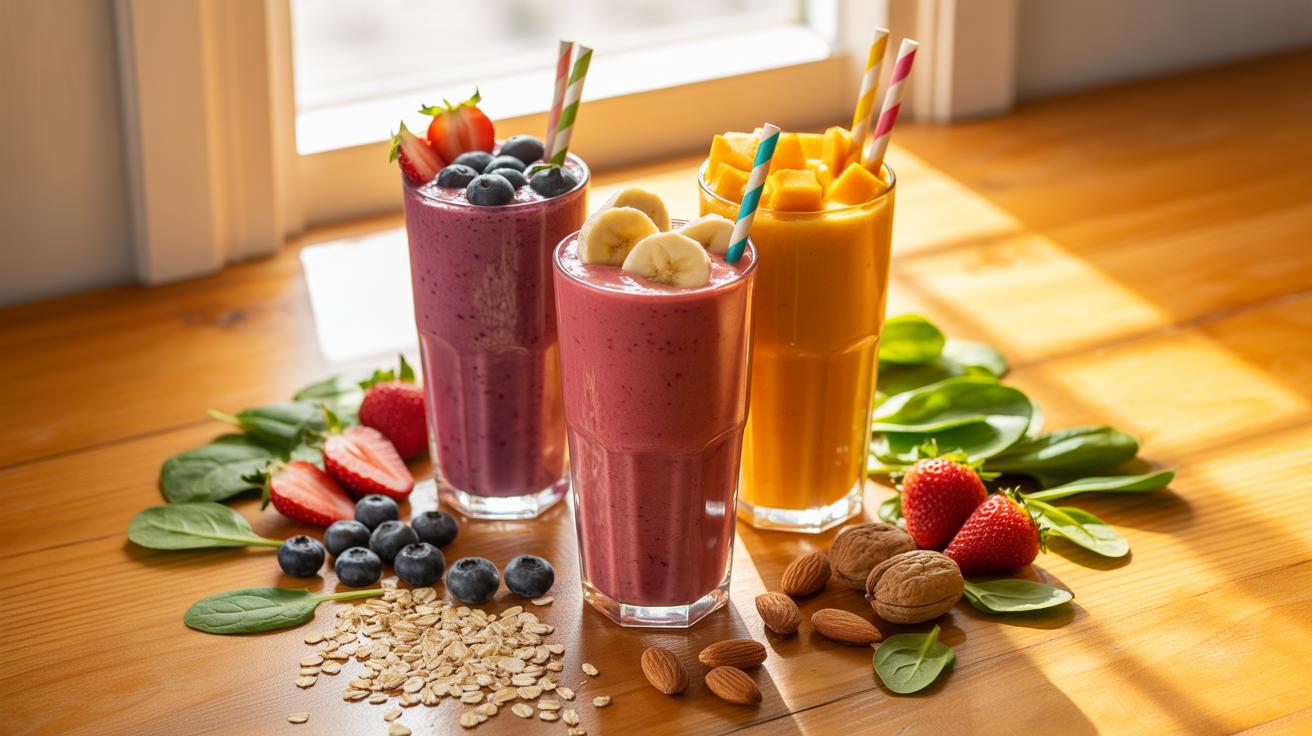
What Are Meal Replacement Smoothies And How Do They Work

The Core Difference Between A Regular Smoothie And A Meal Replacement
Standard smoothies mostly contain fruit and liquid. These drinks provide quick energy from simple sugars but lack physical substance. They cause a fast rise in blood glucose followed by a crash. You will feel hungry shortly after drinking one. They function as snacks or dessert alternatives rather than full nutrition sources. A regular smoothie does not provide enough calories or diverse nutrients to sustain human activity.

Meal replacement smoothies must offer a complete profile of nutrients. They include significant amounts of protein, healthy fats, and complex carbohydrates. These shakes act as a portable version of a balanced plate. Federal guidelines often require these products to include specific vitamins and minerals to replace a solid meal. The added density ensures you stay full for hours. This balance turns a simple drink into a functional tool for weight management.
How Macronutrients In Meal Replacement Smoothies Signal Satiety To Your Brain
High protein content is the most important factor for fullness. Protein suppresses the hormone ghrelin which triggers hunger. At the same time, it boosts peptide YY to make you feel satisfied. Fats slow down the speed at which your stomach empties its contents. This delay maintains a steady release of nutrients into your system. Your brain receives constant signals that the body has sufficient fuel for its current tasks.

Fiber plays a mechanical role in keeping you full. It adds bulk to the smoothie without adding extra calories. Fiber expands in your gut and stretches the stomach lining. This stretching sends immediate signals to the brain to stop eating. Complex carbohydrates provide a slow and steady stream of glucose. This prevents the energy dips that lead to cravings. Proper macronutrient ratios ensure your hormones and digestive system work together to prevent overeating.
The Science Behind High Protein Smoothies And Feeling Full
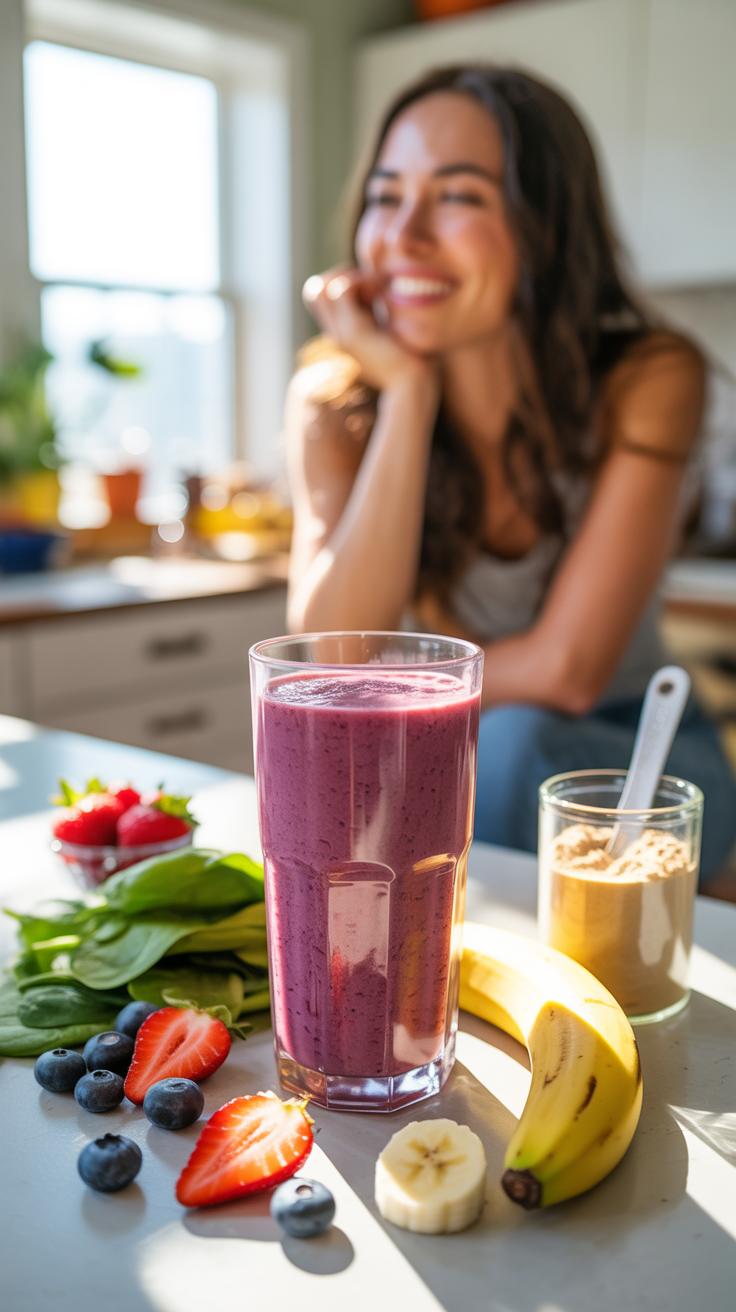
Why Protein Is The Most Satiating Macronutrient In Your Blender
Protein suppresses your hunger hormones more effectively than fats or carbohydrates. When you consume protein, your body lowers levels of ghrelin. This is the hormone that signals hunger to your brain. High protein intake also boosts peptide YY. This hormone makes you feel full. These chemical changes happen quickly after your first few sips. This process keeps you from reaching for snacks later.
Liquid calories often digest too fast to trigger fullness. Adding protein changes this outcome by slowing down gastric emptying. This means food stays in your stomach longer. It takes more energy for your body to break down protein than other macros. This is the thermic effect of food. You burn more calories just processing the shake. High protein smoothies stabilize your blood sugar to prevent energy crashes.
Best Protein Sources To Add To Your Smoothie For Lasting Fullness
Standard fruit smoothies lack the structural density to keep you full for hours. You must add concentrated protein sources to create a true meal replacement. These ingredients provide the amino acids necessary for muscle maintenance and metabolic health. Choosing the right source depends on your digestion speed and dietary needs. Animal and plant options both offer high bio-availability for effective hunger management.
- Whey Protein Isolate: This dairy derivative absorbs rapidly and contains high levels of leucine. It is the gold standard for muscle synthesis. Use isolate instead of concentrate to remove extra lactose and fats. It mixes easily into liquids without changing the drink texture significantly.
- Casein Protein: This milk protein digests slowly over several hours. It forms a gel in the stomach that provides a steady release of amino acids. This makes it the superior choice for long term satiety. It creates a much thicker smoothie consistency than whey.
- Pea Protein: This is the most effective plant based option for fullness. Research shows it triggers satiety hormones as effectively as dairy proteins. It is hypoallergenic and easy on the digestive system. It provides a dense texture that helps the smoothie feel like a heavy meal.
- Greek Yogurt: This ingredient adds both protein and probiotics for gut health. It contains twice the protein of regular yogurt. The thick texture increases the volume of your smoothie. This volume expansion tricks your brain into feeling more satisfied after finishing the drink.
- Egg White Protein: This provides a complete amino acid profile without any fat or cholesterol. It is a medium speed protein that fills the gap between whey and casein. It is flavorless and integrates well with fruits or greens. It offers a clean way to boost protein count.
Quality protein sources turn a simple drink into a complex meal. You should aim for at least twenty five grams of protein per serving. This threshold is necessary to trigger the muscle protein synthesis process. Without this amount, your body may still signal for more food shortly after drinking. Combine these proteins with fiber to maximize the duration of your fullness.
Protein Smoothie Recipes That Double As A Complete Meal

How To Build A Balanced Protein Smoothie Recipe With The Right Ratios
A meal replacement requires a specific macronutrient profile to sustain energy and suppress hunger. Start with twenty to thirty grams of high quality protein to trigger muscle protein synthesis and satiety. Add ten to fifteen grams of healthy fats to slow digestion. Include five to ten grams of fiber from whole food sources. This combination prevents the insulin spikes caused by fruit only drinks.
Ratios determine how long you stay full. Use a two to one ratio of vegetables to fruit to keep sugar low. Limit liquid bases to unsweetened options like almond milk or water to avoid hidden calories. Add a thickener like chia seeds or oats to increase volume and transit time in the gut. Precise measurements ensure the smoothie functions as a meal rather than a snack.
Three High Protein Smoothie Combinations Backed By Nutritional Balance
The green endurance blend focuses on leaf greens and healthy lipids. Combine two cups of spinach with one scoop of whey or pea protein. Add half an avocado for monounsaturated fats and one tablespoon of flax seeds for fiber. Use cold green tea as the liquid base to provide antioxidants. This mix delivers sustained energy without a mid morning crash or heavy bloating.
The berry fiber engine utilizes antioxidants and complex carbs. Mix one cup of frozen blueberries with thirty grams of casein protein for slow release amino acids. Incorporate one fourth cup of rolled oats to provide beta glucan fiber. Use unsweetened soy milk to increase the total protein count. This combination mimics a traditional breakfast bowl while providing the portability and convenience of a standard liquid meal.
Fat Loss Smoothies Ingredients That Support A Calorie Deficit
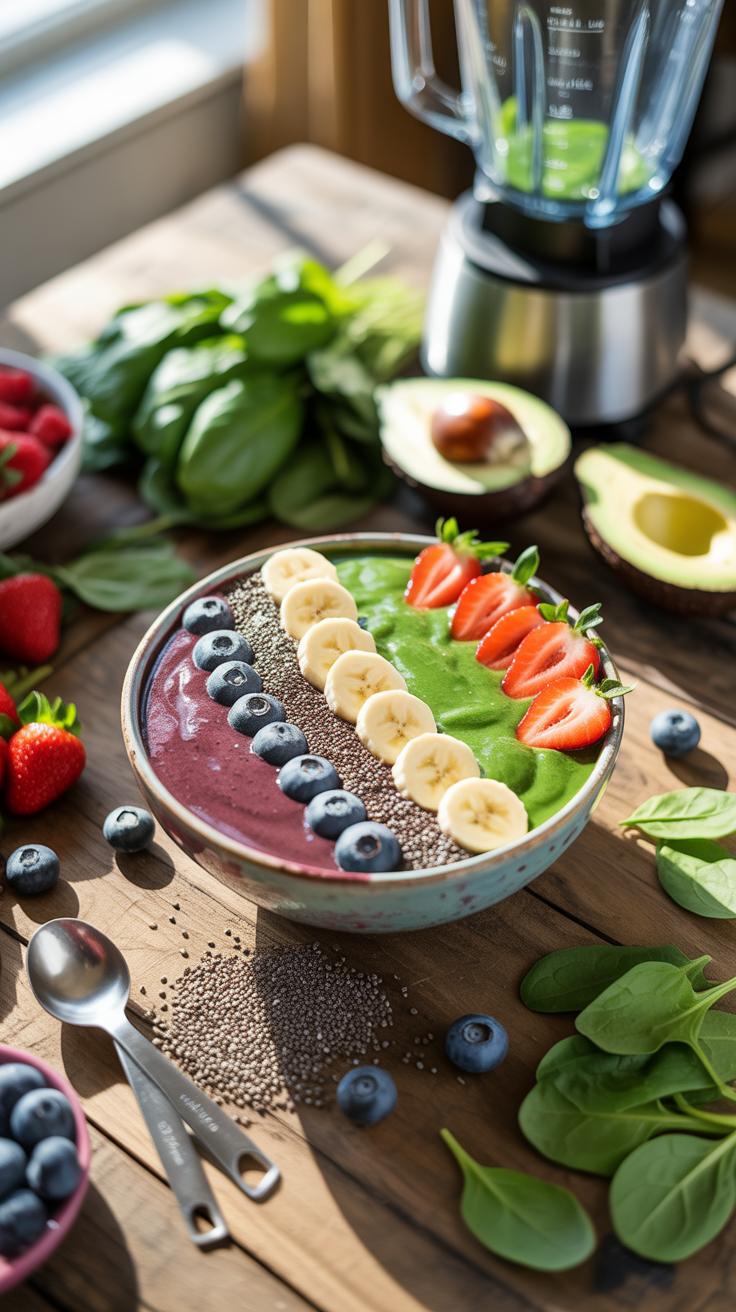
How Specific Whole Food Ingredients Help Reduce Overall Caloric Intake
Whole food ingredients lower total calorie intake by increasing satiety and slowing digestion. Leafy greens like spinach provide significant volume with very few calories. This allows you to drink a larger portion without exceeding your daily energy limits. Choosing nutrient dense solids over processed sugars prevents the insulin spikes that cause hunger. Stable blood sugar levels help you avoid snacking between meals.
Using frozen berries or cauliflower adds thickness to the blend. Research shows that thicker liquids make the brain feel more satisfied than thin drinks. This psychological effect reduces the urge to eat more later. Adding protein sources like Greek yogurt or pea protein requires more energy for your body to digest. This thermic effect further supports a deficit while preserving lean muscle mass during weight loss cycles.
The Role Of Fiber And Healthy Fats In Fat Loss Smoothie Formulas
Fiber acts as a natural bulking agent in the digestive tract. Ingredients like chia seeds and flaxseeds absorb water and expand in your stomach. This physical mass signals the brain that the body is full. Soluble fiber also slows the rate at which the gut empties. This process keeps you satisfied for hours and prevents the rapid return of hunger after a liquid meal replacement.
Healthy fats play a critical role in hormonal regulation and nutrient absorption. Adding small amounts of avocado or almond butter triggers the release of cholecystokinin. This hormone tells your nervous system to stop eating. Fats also slow down the digestion of carbohydrates in the smoothie. This balanced energy release keeps your focus sharp and prevents the energy crashes that often lead to poor dietary choices.
Meal Replacement Fruit Smoothie Ideas That Are Nutritionally Complete
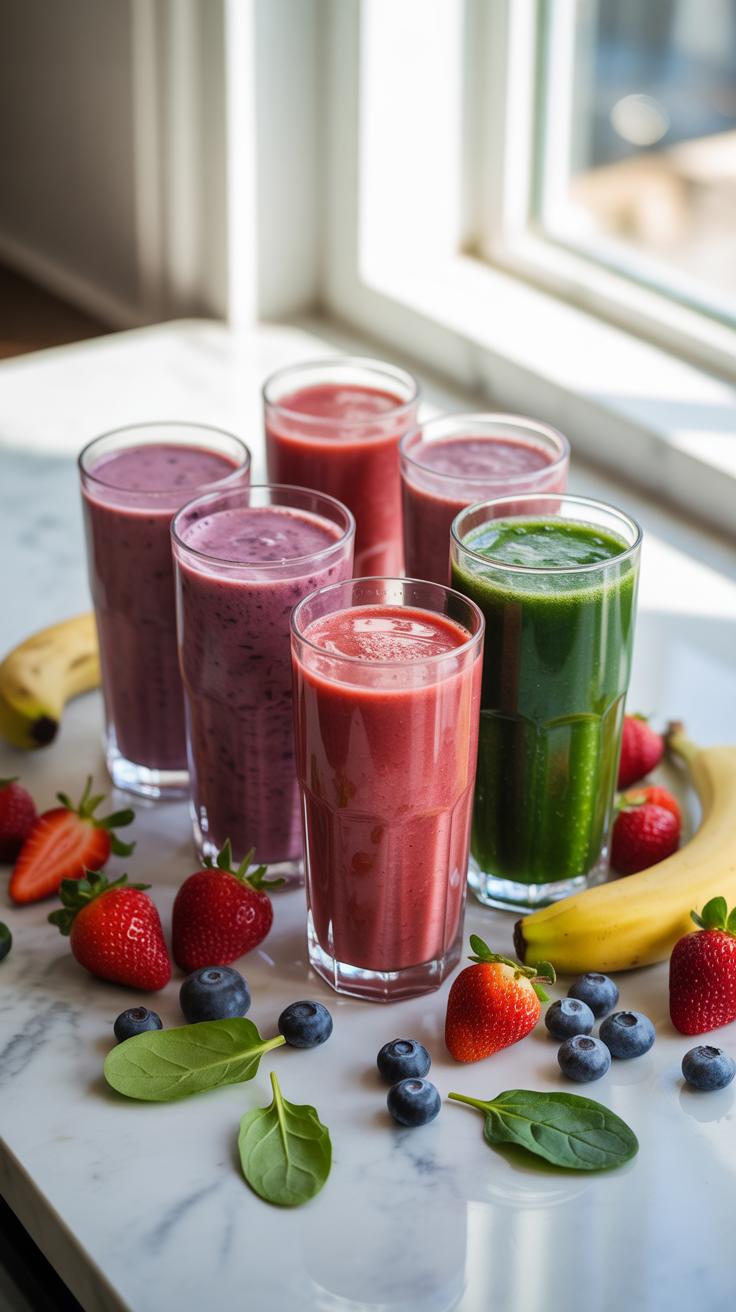
Guidance Which Fruits Provide The Best Nutrient Density Without Spiking Blood Sugar
Standard smoothies often trigger insulin spikes due to high sugar content. You must select fruits with a low glycemic index and high fiber levels. Berries like raspberries and blackberries offer the highest fiber-to-sugar ratio. These fruits provide essential antioxidants without causing the rapid energy crashes associated with tropical fruits. Precise selection ensures the meal replacement maintains steady glucose levels for hours.
Weight management requires avoiding high-fructose bases like ripe bananas or mangoes. Stick to green apples or citrus if you need variety. These options contain pectin which slows digestion and improves gut health. Always prioritize frozen whole fruits over juices or purees. This method preserves the structural fiber necessary for satiety. Controlling the sugar load is the first step in creating a functional meal.
How To Fortify A Fruit Based Smoothie To Make It A True Meal Replacement
Fruit alone lacks the macro profile of a complete meal. You must add a high-quality protein source like whey isolate or pea protein. Aim for twenty to thirty grams of protein to trigger muscle protein synthesis. This addition also slows the absorption of fruit sugars into your bloodstream. Without a dedicated protein source, your smoothie is just a snack that will leave you hungry.
Incorporate healthy fats to ensure long-term satiety and nutrient absorption. Add one tablespoon of chia seeds or almond butter to provide essential fatty acids. These fats help your body absorb fat-soluble vitamins found in fruit and greens. Use unsweetened nut milks or water instead of juice to keep the calorie count controlled. Completing the macro profile transforms a simple drink into a strategic meal replacement.
Healthy Meal Replacement Smoothies For Every Lifestyle And Dietary Need

Adapting Smoothie Recipes For Vegan Dairy Free And Gluten Free Diets
Dietary restrictions require smart structural swaps to maintain nutritional density. For vegan and dairy-free profiles, replace whey with pea, soy, or hemp proteins. These plant sources provide essential amino acids without lactose. Use unsweetened almond or oat milk as a base to control sugar intake. Ensure the protein powder has a complete amino acid profile to support muscle maintenance and metabolic function throughout the day.
Gluten-free safety depends on ingredient purity and cross-contamination checks. Oats are a common thickener but must be certified gluten-free to avoid trace wheat exposure. Use flax seeds or chia seeds for fiber and omega-3 fatty acids. Check all pre-packaged additives like spices or thickeners for hidden gluten. Proper substitution ensures the drink remains safe while delivering the calories and nutrients necessary for a full meal.
A simple glass of goodness can hold the same warmth and comfort as a long afternoon at Grandma’s table. When you nourish your body deeply, it stays satisfied and content just like those cherished family memories.
Good Smoothie Recipes Healthy Enough To Replace Breakfast Lunch Or Dinner
A breakfast replacement focuses on low-glycemic carbohydrates and high protein to stop morning hunger. Combine one scoop of protein powder with half a cup of oats and a tablespoon of almond butter. Add water or unsweetened milk for the desired consistency. This blend provides slow-release energy that stabilizes blood sugar. It prevents the mid-morning energy crash common with high-sugar cereal or processed flour options.
Lunch and dinner replacements require higher fat and fiber content for prolonged satiety. Mix leafy greens like spinach with avocado for healthy monounsaturated fats. Add a clean protein source and a small portion of berries for antioxidants. This combination mimics the macro-nutrient profile of a balanced plate. It fills the stomach volume and triggers the hormones that signal fullness to the brain for several hours.
Low Calorie Smoothies That Still Deliver Satiety And Nutrition
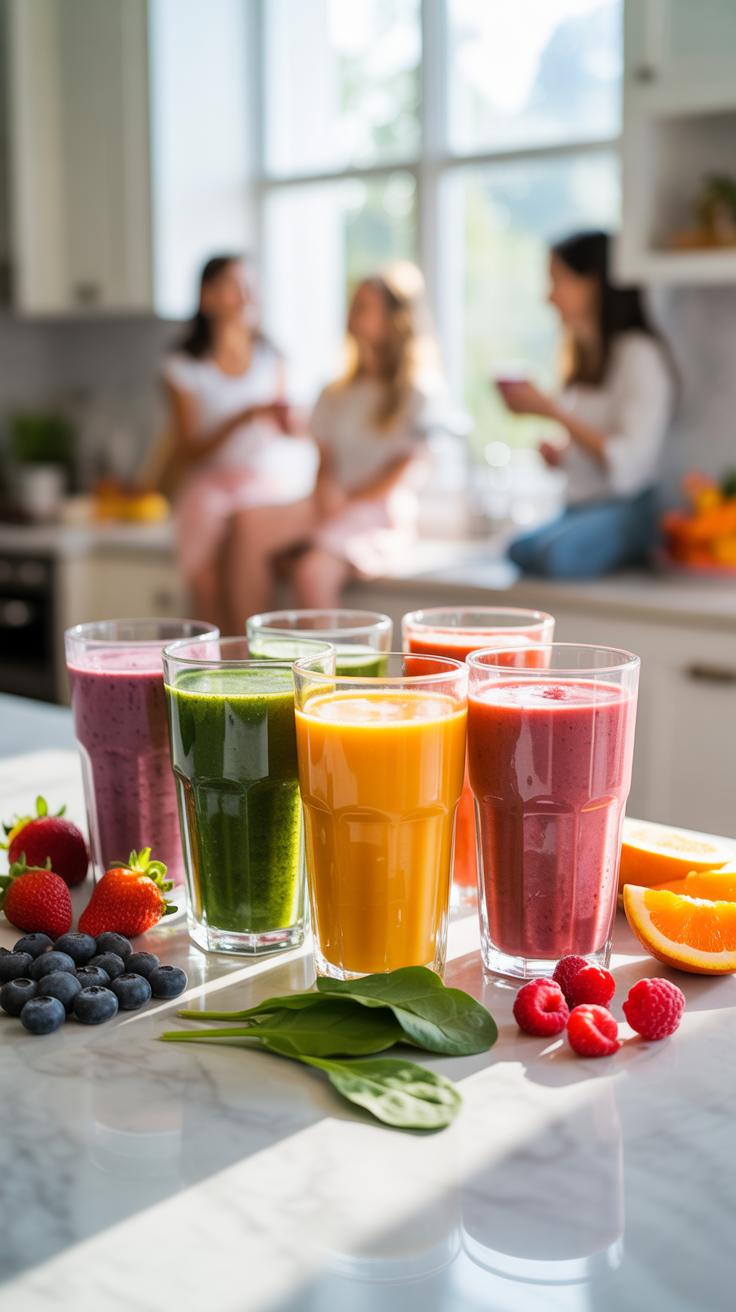
How To Keep Your Smoothie Recipe Under 400 Calories Without Sacrificing Fullness
Volume eating tactics allow you to maintain fullness while restricting energy intake. Use water or unsweetened nut milks as your base to save one hundred calories immediately. Fiber is the most critical tool for satiety in a meal replacement. Add two tablespoons of chia seeds or ground flax to slow your digestion. These ingredients expand in the stomach and signal fullness to your brain without adding excessive fat.
Prioritize lean protein sources like whey isolate or pea protein to hit twenty-five grams of protein. Protein has the highest thermic effect of food and keeps hunger suppressed for several hours. Use half a frozen banana for texture instead of two full fruits to manage sugar levels. Add one cup of spinach or kale to increase the physical mass of the drink. This approach ensures the meal lasts longer without exceeding your calorie budget.
Common High Calorie Smoothie Mistakes And How To Easily Avoid Them
Many users accidentally create calorie bombs by overestimating portion sizes of healthy fats. Nut butters and oils provide essential nutrients but contain dense energy signatures. One extra tablespoon of almond butter adds nearly one hundred calories to your glass. Commercial smoothies often hide added sugars in flavored yogurts or fruit juices. You must track every single ingredient to ensure your meal replacement remains a tool for weight management.
- Excessive Nut Butters: Measuring by eye often leads to double portions. Use a leveled tablespoon to cap fats at one serving. This prevents the smoothie from reaching six hundred calories unexpectedly.
- Liquid Sugar Bases: Using orange juice or sweetened milk adds empty calories without fiber. Switch to plain water or unsweetened soy milk. This simple change removes twenty grams of unnecessary sugar from your drink.
- Multiple Fruit Servings: Blending three different fruits creates a massive glucose spike. Stick to one serving of berries or half a banana. High sugar intake triggers hunger sooner by causing an insulin crash later.
- Granola Toppings: Adding crunchy toppings introduces dry calories that do not trigger fullness. These processed grains often contain honey or syrups. Keep the meal purely liquid or use raw seeds for crunch instead.
- Full Fat Dairy: Using whole milk or full fat yogurt increases saturated fat totals quickly. These ingredients provide texture but also high caloric density. Opt for Greek yogurt to gain protein while lowering the total fat content.
Avoid the trap of drinking your calories too quickly. Rapid ingestion bypasses the body’s natural satiety signals. Sip your smoothie over twenty minutes to allow hormones like cholecystokinin to signal that you are full. Always weigh your high-density ingredients like nuts and seeds on a digital scale. Precision prevents the gradual calorie creep that halts progress. Use these tactical adjustments to maintain a strict deficit while staying energized.
Smoothies For Weight Losing How To Use Them Consistently And Safely
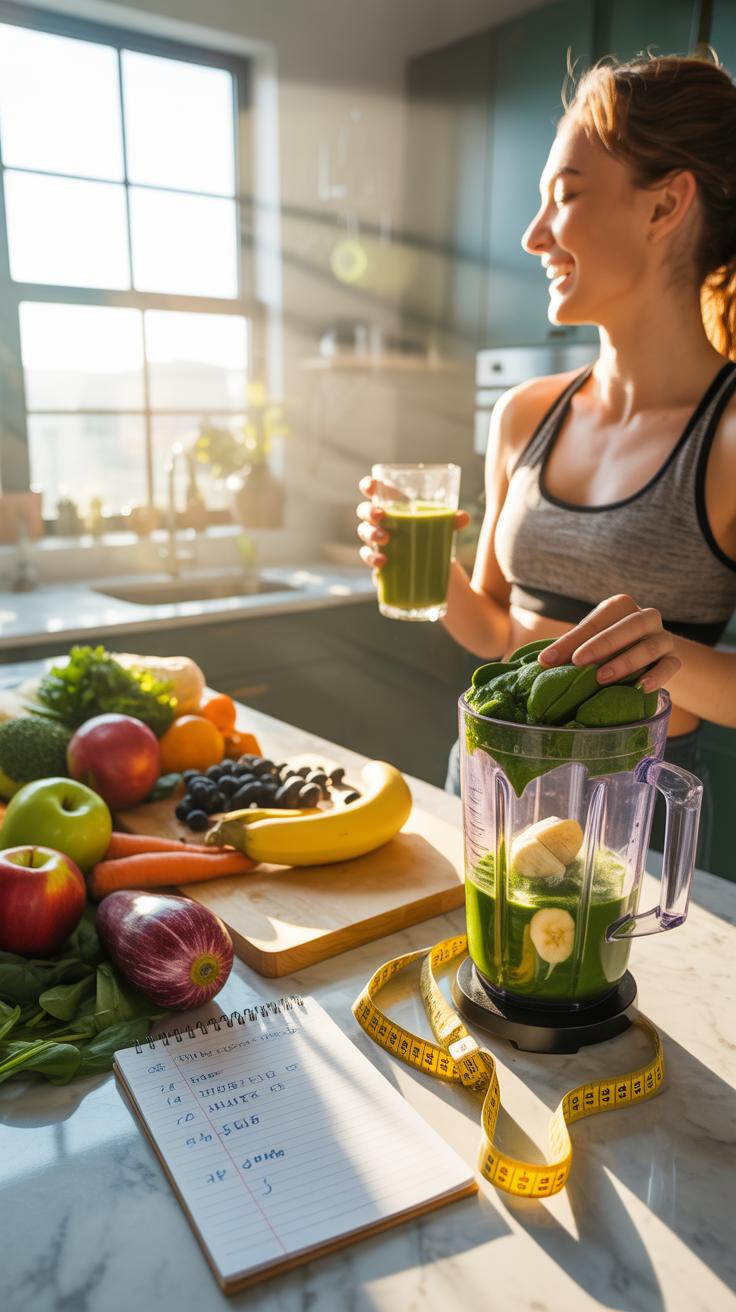
How Often Should You Replace Meals With Smoothies For Sustainable Weight Loss
Professional nutrition standards suggest replacing one to two meals per day with high-quality smoothies. Replacing one meal helps maintain weight or achieve slow loss. Replacing two meals accelerates caloric deficits but requires careful nutrient monitoring. You must eat at least one whole-food meal daily to maintain digestive health. This approach prevents metabolic slowdown and keeps your hunger hormones under control over long periods.
Consistency beats intensity every time. Do not attempt a total liquid diet because it often leads to binge eating later. Start by replacing breakfast to set a metabolic tone for the day. If your goal is aggressive loss, replace lunch as well. Ensure your third meal contains lean protein and fiber. This balance provides necessary chewing actions and psychological satisfaction. Stick to this schedule for lasting results.
Signs Your Meal Replacement Smoothie Routine Is Actually Working For You
Energy levels provide the most accurate feedback for your new routine. A successful plan leaves you alert and focused three hours after drinking. You should not experience a sugar crash or intense brain fog. If you feel shaky or irritable, your smoothie lacks enough healthy fats or proteins. Stable blood sugar is the primary indicator that your macronutrient ratios are correct for your body.
Your digestive system and satiety levels also signal success. You should feel full for at least four hours after consumption. Frequent hunger suggests you need more fiber or caloric density. Regular bowel movements indicate adequate plant-based fiber intake from your blends. Consistent weight loss of one to two pounds per week shows your caloric deficit is safe. Monitor these physical markers to adjust your recipes for better performance.
Frequently Asked Questions

What exactly makes a smoothie a complete meal replacement?
To qualify as a true meal replacement, your drink needs a balanced profile of macronutrients rather than just fruit and water. A high-quality blend should contain adequate protein, healthy fats, and fiber to stabilize blood sugar and trigger fullness hormones. When designed correctly, meal replacement smoothies provide the same caloric density and nutritional complexity as a plated meal, keeping you energized and satisfied for several hours without the midday energy crash.
How can I make my smoothies more filling without adding too many calories?
The secret to making satisfying meal replacement smoothies lies in high-volume, low-calorie additions like spinach, cauliflower rice, or cucumber. These add bulk and essential fiber without drastically changing the flavor. You can also incorporate a tablespoon of chia seeds or psyllium husk; these ingredients expand in your stomach, creating a gel-like consistency that slows digestion. This simple strategy ensures your liquid meal keeps hunger at bay much longer than a standard fruit shake.
Can I make effective meal replacement smoothies on a tight budget?
Absolutely! You don’t need expensive superfood powders to see great results. Focus on affordable staples like oats for fiber, peanut butter for healthy fats, and frozen bananas for texture. Buying frozen fruits and greens in bulk is often cheaper than fresh produce and maintains excellent nutritional value. Using Greek yogurt or eggs as a cost-effective protein source ensures your meal replacement smoothies remain nutrient-dense and filling without breaking your weekly grocery budget.