
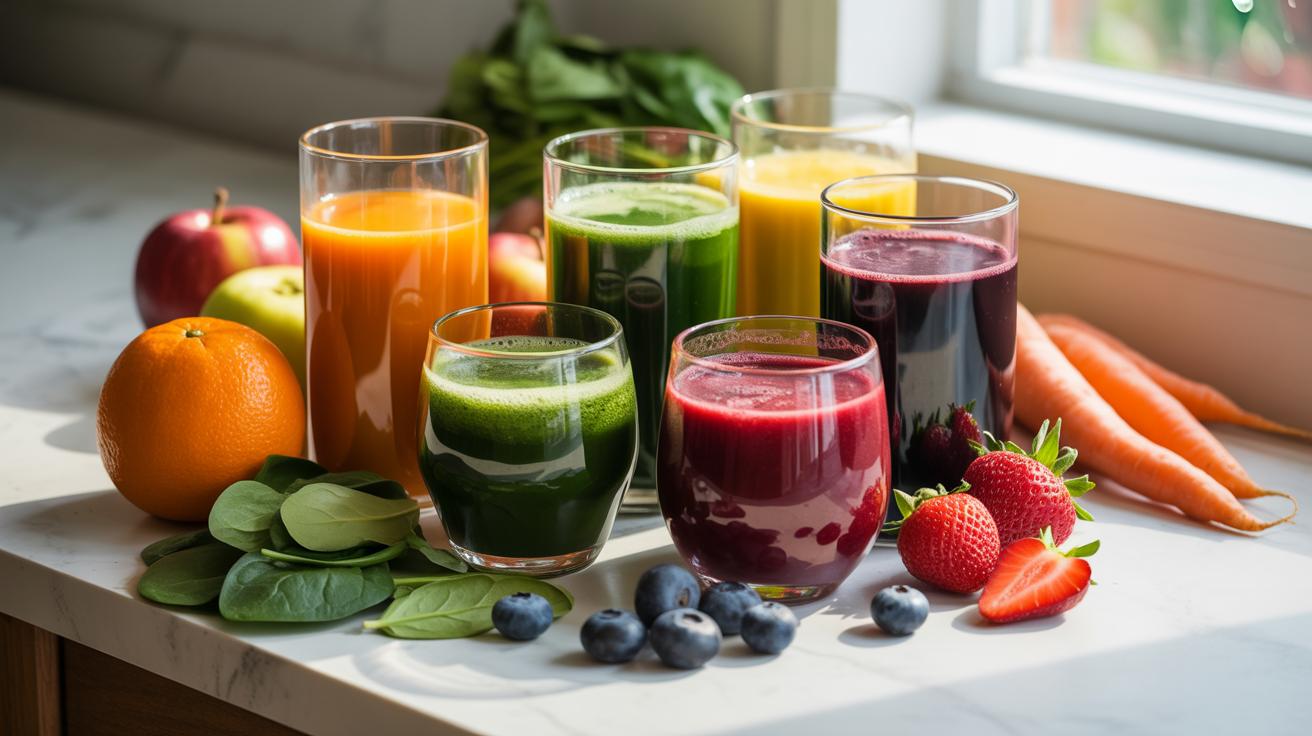
Why Homemade Healthy Juice Recipes Beat Store Bought Every Time
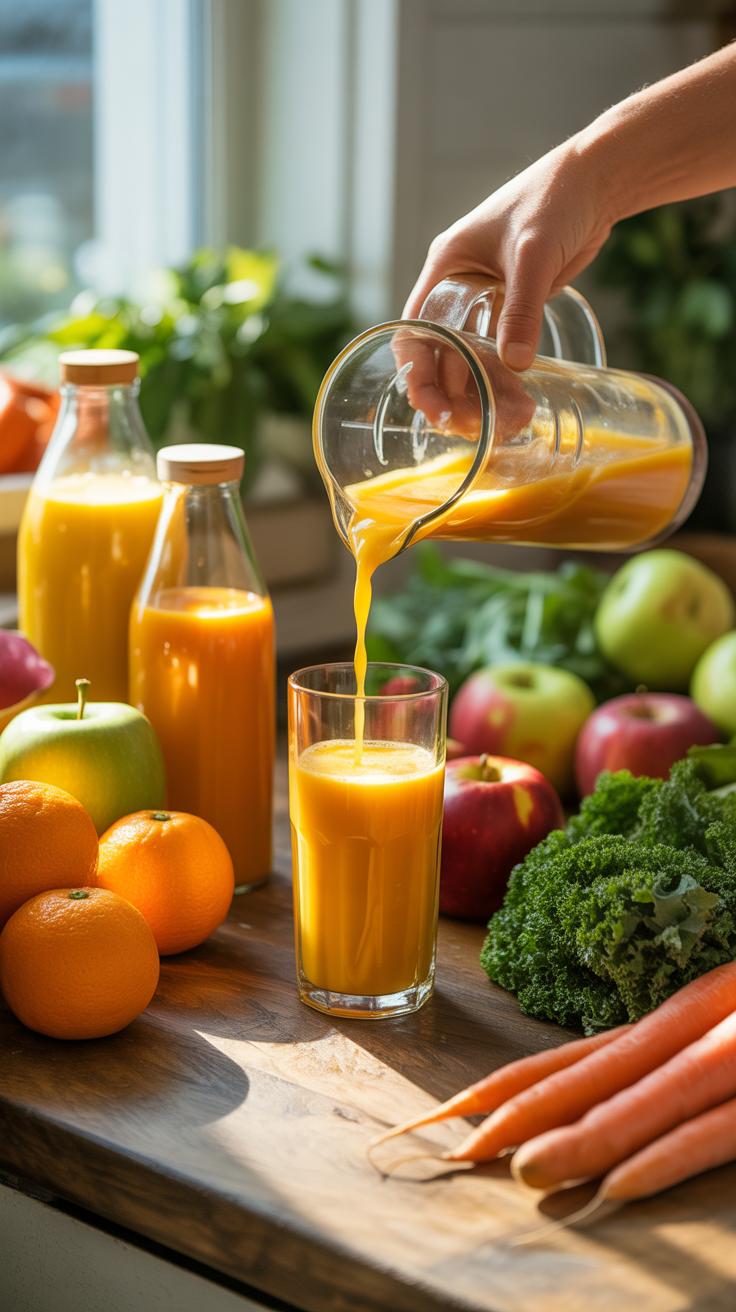
What You’Re Really Drinking In Packaged Juices
Store-bought juices undergo high-heat pasteurization to extend shelf life. This thermal processing kills bacteria but also destroys heat-sensitive vitamins and enzymes. Manufacturers often add flavor packs to restore taste lost during heating. These packs contain synthetic chemicals and esters that do not appear on the ingredient label. You consume processed sugar water instead of any actual functional nutrition from the original fruit source.

Most packaged options rely on juice concentrates stored in vats for months. This storage removes oxygen from the liquid which further degrades the nutrient profile. Companies add thickeners like pectin or gums to mimic the mouthfeel of fresh juice. Many commercial brands also include high fructose corn syrup or cane sugar to mask the acidity of old produce. You pay a premium for a dead, shelf-stable product.
The Real Nutritional Advantage Of Juicing Fresh At Home
Homemade healthy juice recipes provide live enzymes and bioavailable phytonutrients. Drinking juice immediately after extraction prevents oxidation from damaging the antioxidants. Fresh juice enters your bloodstream within minutes because it lacks the heavy fiber that slows down digestion. This delivery system provides an instant hit of vitamins A, C, and K directly to your cells. You control every single ingredient in the glass.

Home juicing allows you to use organic produce and specialized ingredients like ginger or turmeric root. You avoid the hidden preservatives and sodium found in bottled brands. Cold-press or masticating juicers at home keep heat low to preserve the structural integrity of the nutrients. This method delivers a superior concentration of minerals compared to any factory-made beverage. You get maximum potency and real flavor without any chemical compromises.
Essential Juicing Ideas To Get You Started The Right Way
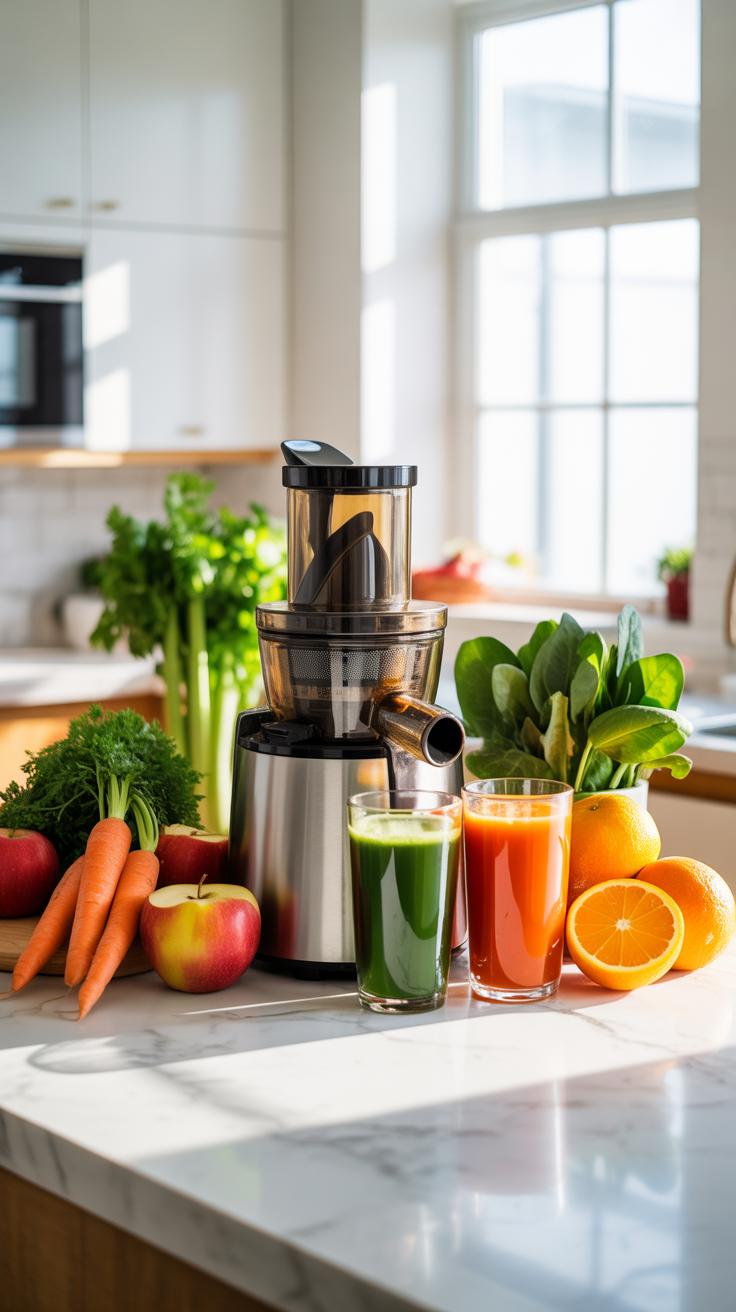
Choosing The Right Juicer: Centrifugal Vs. Cold Press
Centrifugal juicers use a high speed spinning blade to separate liquid from pulp. These machines work fast and cost less upfront. They excel at processing hard root vegetables and dense fruits. However, the high speed generates heat and introduces oxygen into the juice. This process causes rapid oxidation. You must drink this juice immediately to get the full nutritional benefits before the enzymes degrade.
Cold press juicers or masticating juicers use a slow turning screw to crush produce. This method mimics chewing to extract liquid through a fine mesh screen. It produces less heat and keeps nutrients intact for up to seventy two hours. These machines handle leafy greens and wheatgrass much better than centrifugal models. Choose a cold press if you prioritize juice quality and shelf life over initial preparation speed.
Must Have Ingredients To Keep Stocked For Daily Juicing
Standardize your grocery list to ensure you can make homemade healthy juice recipes every morning without fail. Keep a balance of base liquids, nutrient builders, and flavor balancers. High water content vegetables form the bulk of your drink while concentrated greens provide the vitamins. Always store these items in the crisper drawer to maintain the crisp texture required for maximum yield during the extraction process.
- Lemons and Limes: These citrus fruits act as powerful flavor balancers that cut through the earthy taste of dark leafy greens. They provide high levels of vitamin C and help preserve the color of your juice by slowing down the oxidation process after extraction.
- Cucumber and Celery: These serve as your primary liquid base because they have extremely high water content. They are cheaper than most fruits and provide a neutral flavor profile. Using these ensures you get a high volume of juice without adding excessive sugar to your diet.
- Ginger and Turmeric: Use these rhizomes in small amounts to add a spicy kick and functional benefits. They contain active compounds like gingerol and curcumin. These roots stay fresh in the refrigerator for weeks and provide a sharp flavor profile that makes green juices more palatable.
- Kale and Spinach: Dark leafy greens are the nutritional powerhouse of any recipe. They provide essential minerals like iron and calcium along with various phytonutrients. Rotate these greens regularly to avoid the buildup of specific oxalates and to ensure you receive a wide spectrum of different vitamins.
- Green Apples: Use green apples instead of red varieties to keep the glycemic index of your juice lower. They provide a tart sweetness that masks the flavor of bitter vegetables. The pectin in apples also helps create a smoother texture in your final glass of juice.
Manage your inventory to prevent food waste. Buy heavy base vegetables like cucumbers in bulk because they yield the most liquid per dollar spent. Save expensive ingredients like ginger or organic berries for flavoring agents. Always wash your produce thoroughly before juicing to remove dirt and pesticide residue. Freshness determines the final taste and the vitamin density of your homemade healthy juice recipes.
Top Health Juice Recipes Backed By Nutritional Science
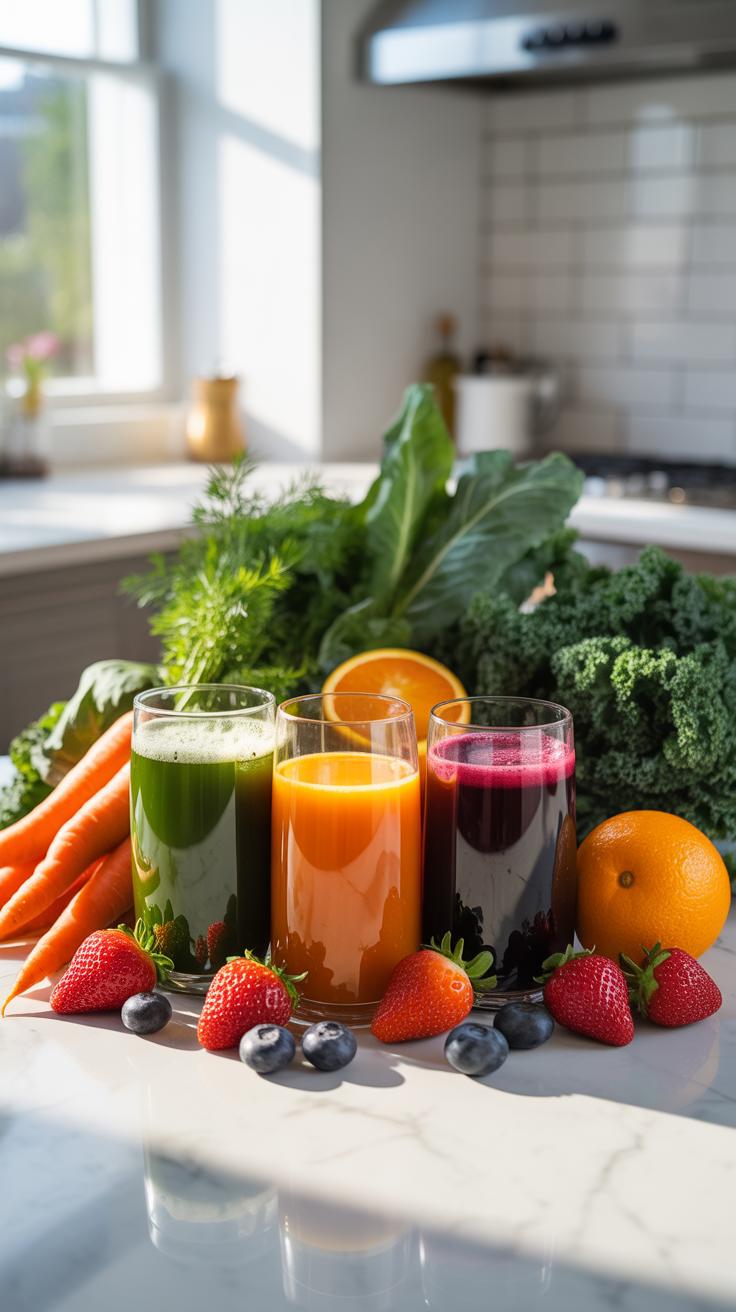
Green Juice: Spinach, Cucumber, And Apple Blended For Maximum Nutrients
Spinach provides high levels of vitamin K and iron. These nutrients support bone health and blood oxygenation. Cucumber acts as a base with high water content. It keeps the juice light and hydrating. Apple adds natural sweetness without using refined sugars. It also contains pectin which helps digestion. Use a cold press juicer to prevent heat from damaging these delicate enzymes.
Wash all produce thoroughly to remove soil and bacteria. Cut the apple into small slices to protect the juicer blades. Feed the spinach through with the cucumber to push the leafy greens through the machine. This method maximizes juice yield from the leaves. Drink this mixture immediately to get the most antioxidants. Store any leftovers in an airtight glass jar for twelve hours.
Carrot And Ginger Juice: A Classic Anti Inflammatory Combination
Carrots contain high levels of beta carotene. The body converts this into vitamin A for eye health. Ginger adds a sharp flavor and medicinal value. It contains gingerol which reduces internal inflammation. This drink supports the immune system during cold seasons. Adding a small amount of lemon juice preserves the color. It also adds a dose of vitamin C for better absorption.
Peel the carrots if the skin is bitter or dirty. Grate the ginger before juicing to get the most liquid out of the root. Run the carrots through last to clear the ginger fibers from the machine. This drink works best on an empty stomach. It stimulates digestive juices and wakes up the metabolism. Keep the ginger ratio low to avoid overpowering the natural sweetness of the carrots.
Homemade Juice Recipes For Energy And Daily Wellness
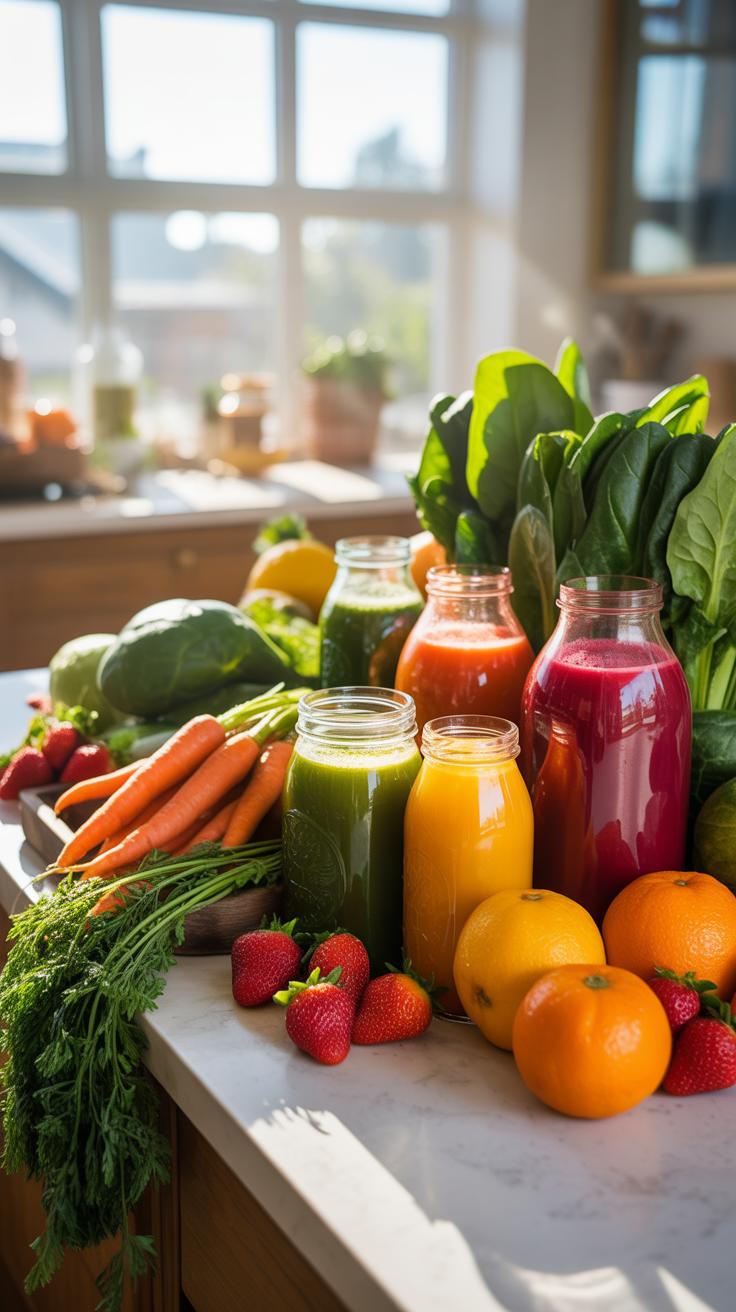
Citrus Based Juices That Deliver A Natural Morning Energy Boost
Citrus fruits like juice oranges, lemons, and grapefruits contain high concentrations of citric acid and vitamin C. These components trigger metabolic pathways that convert food into fuel more efficiently. Cold pressing these fruits preserves sensitive enzymes that heat pasteurization destroys. Drinking citrus juice on an empty stomach provides a rapid hit of glucose for immediate mental clarity and physical readiness.
Select heavy fruits for the best juice yield. Combine one grapefruit with two oranges and a lime to balance acidity and sweetness. This mix provides electrolytes that hydrate cells better than plain water. Remove the outer peel but keep the white pith. The pith contains bioflavonoids that help your body absorb vitamin C better. This strategy ensures your morning energy lasts several hours.
The act of pressing fresh fruit into juice is a simple return to nature that nourishes both the body and the soul. To make the best juice, one must remember that every drop bottled at home is a gift of sunshine and health from the earth.
Beet And Berry Blends That Support Stamina And Blood Flow
Beets contain dietary nitrates that the body converts into nitric oxide. This molecule relaxes blood vessels and increases oxygen delivery to muscles. Berries add polyphenols that protect cells from stress during physical activity. This combination creates a potent pre-workout tool or a mid-afternoon recovery drink. Use raw beets for the highest nitrate content because boiling removes these essential active compounds.
Mix one medium beet with a cup of blueberries and a green apple. The apple provides malic acid which helps the body process the earthy beet flavor. This blend improves cardiovascular efficiency and reduces the amount of oxygen muscles need during movement. Drink this juice thirty minutes before exercise for maximum results. It supports blood flow and maintains steady energy levels throughout a busy workday.
Skin Detox Drinks Juices That Cleanse From The Inside Out
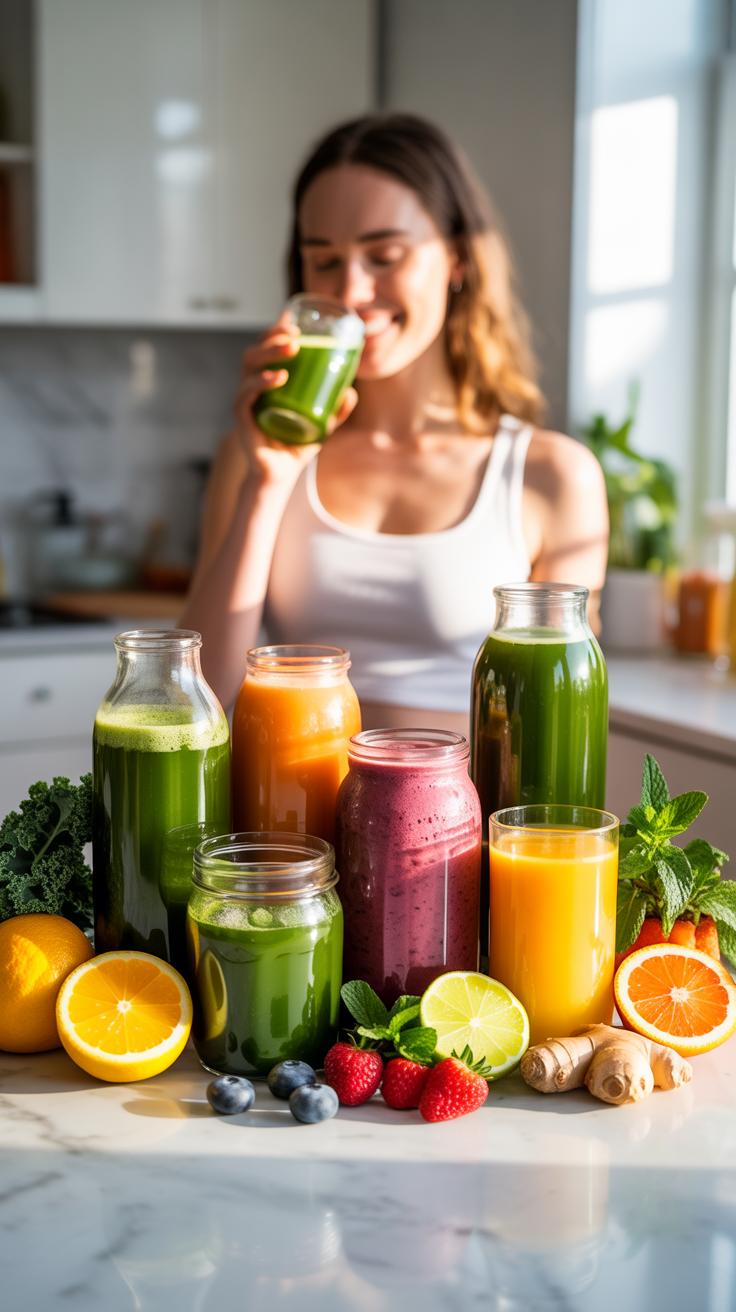
How Certain Fruits And Vegetables Support The Body’S Natural Detox Process
The liver and kidneys process toxins constantly. Specific produce provides the chemical precursors needed for these organs to function. Leafy greens contain chlorophyll which binds to heavy metals. This action aids the removal of waste from the bloodstream. High water content in cucumbers or celery increases glomerular filtration rates. This flush helps the kidneys move metabolic waste out of the system more efficiently.
Cruciferous vegetables like kale provide sulfur compounds. These compounds support Phase II detoxification in the liver. This process makes fat-soluble toxins water-soluble for excretion. Citrus fruits offer high concentrations of vitamin C. This antioxidant protects skin cells from oxidative stress. Beetroot contains betalains which reduce inflammation and support bile flow. These tactical nutritional inputs ensure the body completes its natural waste removal cycles every day.
Best Detox Juice Combinations For A Refreshing Internal Reset
Effective homemade healthy juice recipes prioritize nutrient density over sugar content. A base of cucumber and celery provides electrolytes and hydration. Adding lemon increases the acidity needed to stimulate digestive enzymes. Ginger provides gingerol which speeds up gastric emptying and reduces gut inflammation. This combination targets systemic bloat and clears the skin surface. High-potassium ingredients like parsley help balance sodium levels and reduce fluid retention.
A dark green blend using spinach and green apple balances flavor with function. The malic acid in apples helps soften gallstones and supports liver health. Paring this with wheatgrass delivers a concentrated dose of enzymes. These enzymes break down waste products in the digestive tract. Using a cold-press juicer preserves these heat-sensitive compounds. Frequent consumption of these blends maintains consistent nutrient blood levels for optimal skin repair.
Clear Skin Juices What To Drink For A Healthier Complexion
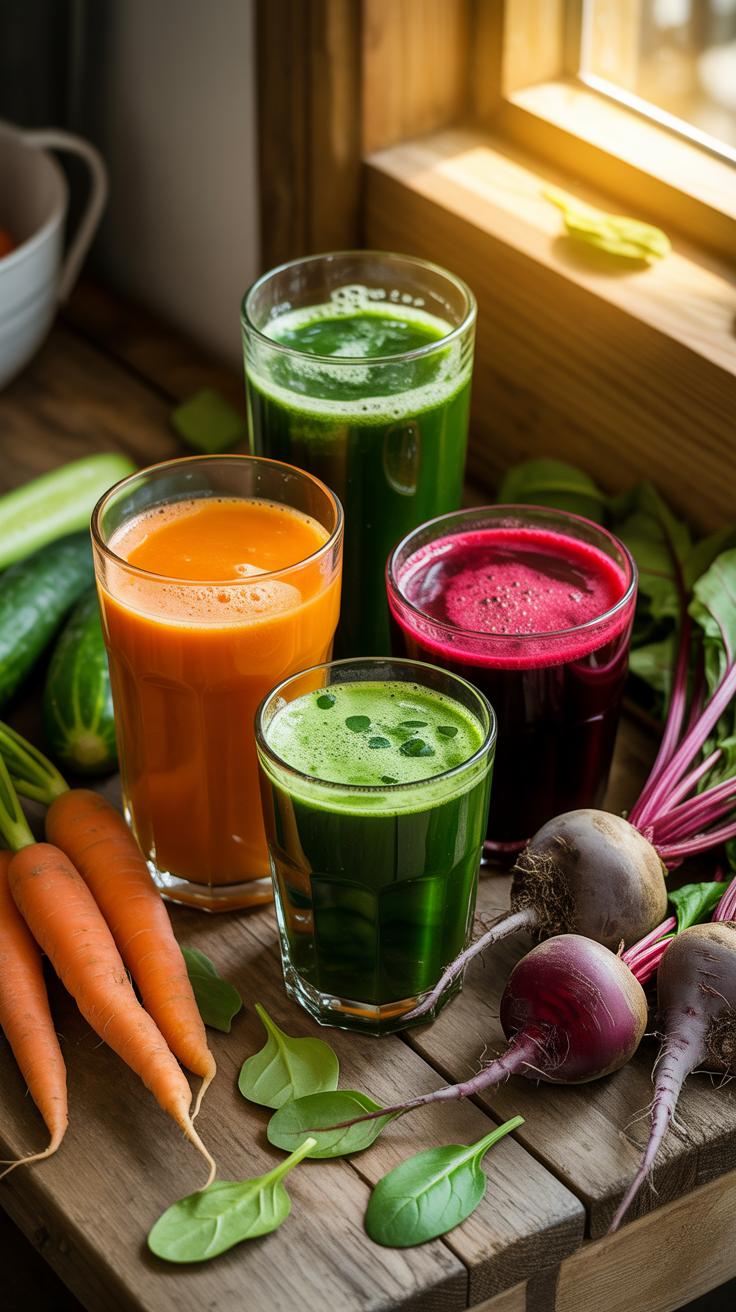
Nutrients In Juice That Are Linked To Clearer And Healthier Skin
Skin health depends on specific micronutrients and antioxidants found in raw plants. Vitamin C proves essential for collagen synthesis. This protein provides structural integrity to the dermal layer. Beta-carotene converts to Vitamin A within the body. This process regulates cell turnover and prevents clogged pores. Juicing extracts these compounds into a highly bioavailable liquid form for rapid absorption by the digestive system.
Antioxidants like lycopene and polyphenols fight oxidative stress from UV exposure and pollution. These free radicals damage skin cells and accelerate aging. High water content in juice supports lymphatic drainage to reduce facial puffiness. Juicing also provides potassium which balances sodium levels to maintain proper cellular hydration. Targeted homemade healthy juice recipes focus on these biological markers to improve visible skin clarity and texture over time.
Simple Cucumber, Lemon, And Mint Juice Recipe For Skin Hydration
This recipe centers on high water volume and silicon content. Use two large cucumbers as the base for maximum hydration. Add one peeled lemon to provide a concentrated dose of Vitamin C. Toss in a handful of fresh mint leaves to aid digestion. Process all ingredients through a centrifugal or masticating juicer. This combination flushes toxins while providing the raw materials needed for a resilient skin barrier.
Drink this mixture immediately to prevent nutrient oxidation. Cucumber skin contains silica which strengthens connective tissue and improves elasticity. Lemon juice acts as a natural astringent from the inside out by balancing internal pH levels. Mint contains rosmarinic acid which reduces systemic inflammation. Use this specific formula daily to see a reduction in skin dryness. It provides a tactical solution for maintaining a consistent glow through liquid nutrition.
Glow Up Juice Recipe The Ultimate Radiance Boosting Blend
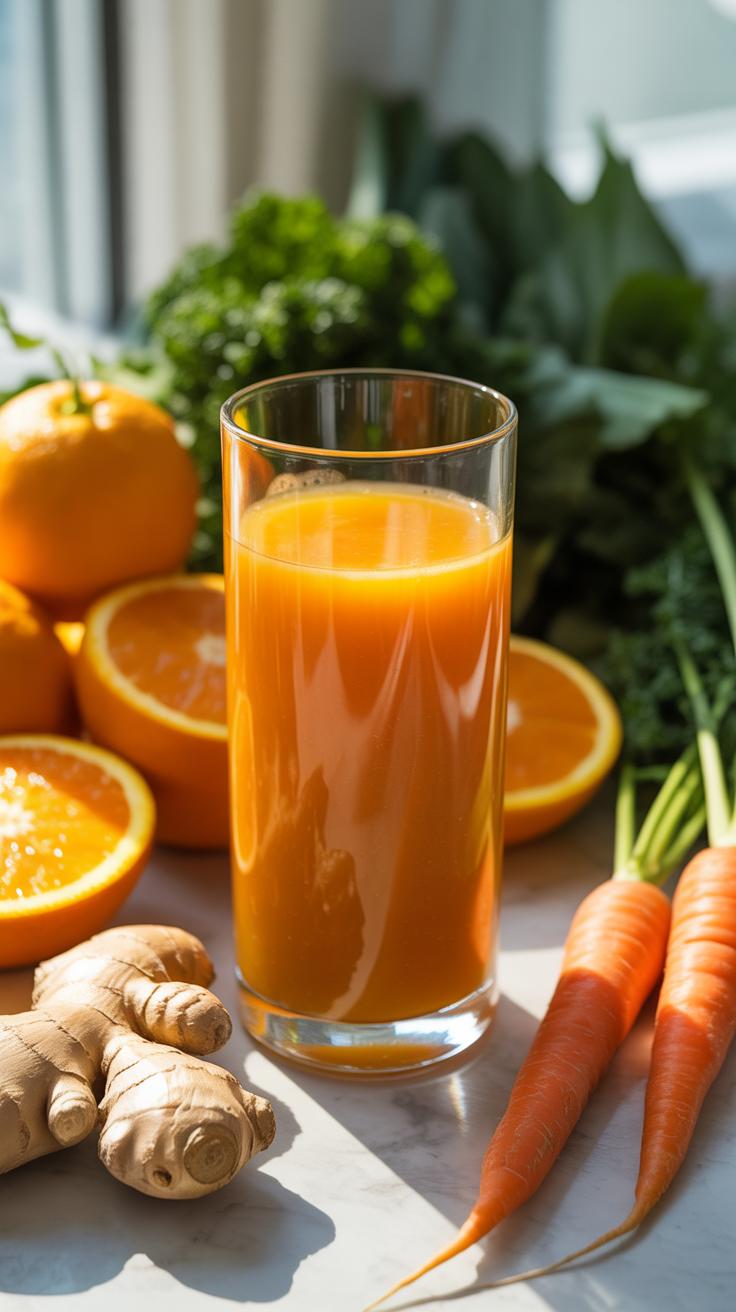
The Science Behind Skin Glowing Ingredients Like Turmeric And Papaya
Papaya contains the enzyme papain. This enzyme helps break down inactive proteins and supports healthy digestion. Smooth digestion correlates directly with skin clarity. Papaya also provides high doses of vitamin C and vitamin A. These nutrients assist in collagen production and cell turnover. Consuming these compounds provides the raw materials necessary for maintaining the structural integrity of your skin layers naturally.
Turmeric contains curcumin. This polyphenol has strong bioactive properties that manage oxidative stress in the body. Traditional Ayurvedic medicine used turmeric for centuries to treat skin conditions. Modern research confirms its role in modulating inflammatory pathways. Reducing internal inflammation prevents redness and puffiness on the surface. When you combine turmeric with a fat source or black pepper, the body absorbs the curcumin much more effectively.
Step By Step Glow Up Juice Recipe You Can Make In Under 10 Minutes
Efficient juicing requires specific preparation to maximize nutrient extraction. High-speed centrifugal juicers work fast but cold press masticating juicers preserve more enzymes. Start with a base of hydrating cucumbers and fiber-rich papaya. Add fresh ginger and turmeric root for their concentrated bioactive compounds. This combination targets hydration and inflammatory response simultaneously. Use organic produce whenever possible to keep pesticide residues out of your final liquid concentrate.
- Fresh Papaya: Peel and seed one small papaya before slicing. This fruit provides the papain enzymes and beta-carotene needed for skin repair. It adds a thick texture and natural sweetness to the blend without using refined sugars.
- Large Cucumber: Use one full cucumber with the skin left on for extra minerals. Cucumbers are ninety-five percent water and provide silica. Silica is a trace mineral that strengthens connective tissues and improves skin elasticity over time.
- Turmeric Root: Use a one-inch piece of fresh turmeric root rather than dried powder. Fresh root contains essential oils that improve the bioavailability of curcumin. It provides the primary anti-inflammatory punch required for a noticeable skin glow.
- Lemon Juice: Squeeze half a lemon into the final mixture to prevent oxidation. The citric acid acts as a natural preservative for the juice. It also adds a dose of vitamin C which stabilizes the other nutrients.
- Black Pepper: Add a small pinch of ground black pepper to the finished drink. Pepper contains piperine which increases turmeric absorption by two thousand percent. This small tactical addition ensures your body actually utilizes the expensive ingredients.
Process all solid ingredients through your juicer starting with the softest items first. Follow with the cucumber to flush the remaining pulp through the screen. Stir in the lemon juice and black pepper last to maintain chemical stability. Drink the mixture immediately on an empty stomach for the fastest absorption rate. Immediate consumption prevents the degradation of light-sensitive vitamins and live enzymes found in the fresh produce.
Good Juicing Recipes For Weight Management And Gut Health
Low Sugar Juicing Ideas Healthy Enough To Drink Every Day
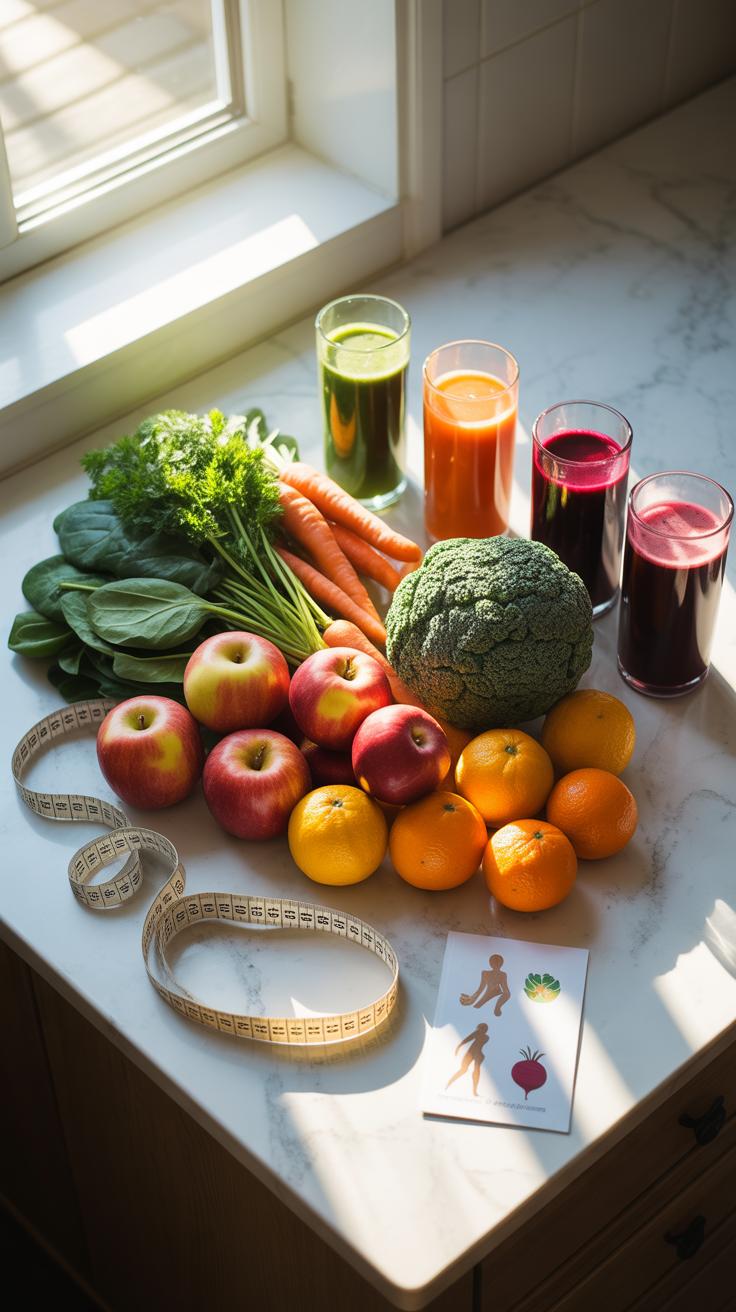
Daily juicing requires a focus on low-glycemic ingredients to prevent insulin spikes. Excessive fruit sugar stalls weight loss and triggers fat storage. Prioritize leafy greens like kale and spinach as your base. These vegetables provide high nutrient density with minimal calories. Use lemon or lime to add flavor without increasing the sugar load. This tactical approach keeps your metabolism steady and energy levels consistent throughout the day.
Avoid high-sugar fruits like pineapple or mango for daily consumption. Use small amounts of green apple if you need sweetness. Cucumber and celery act as excellent base liquids because they have high water content and zero fat. These ingredients hydrate the body and flush out toxins efficiently. Stick to a ratio of eighty percent vegetables and twenty percent fruit. This balance ensures you get vital micronutrients while maintaining a caloric deficit.
Fiber Supporting Juice Blends That Promote A Balanced Digestive System
Gut health depends on the presence of specific enzymes and prebiotics. Traditional centrifugal juicers remove most insoluble fiber, but soluble fiber remains in the liquid. Add ginger and turmeric to your blends to reduce intestinal inflammation. These roots stimulate bile production and improve overall digestion speed. A healthy gut processes nutrients faster and supports weight management goals. Use cold-press methods to preserve these sensitive live enzymes for maximum impact.
Incorporate red cabbage or fennel into your recipes to support the stomach lining. These vegetables contain high levels of L-glutamine and vitamin U. Modern research shows these compounds repair the digestive tract and reduce bloating. Pair these with mint to relax digestive muscles and ease gas. Consistent intake of these specific vegetable juices creates a stable environment for good bacteria. Proper digestion is the foundation of any successful long-term weight loss strategy.
Juices Recipe Storage Prep Tips And How To Build A Juicing Routine
How Long Fresh Juice Lasts And The Best Ways To Store It Safely
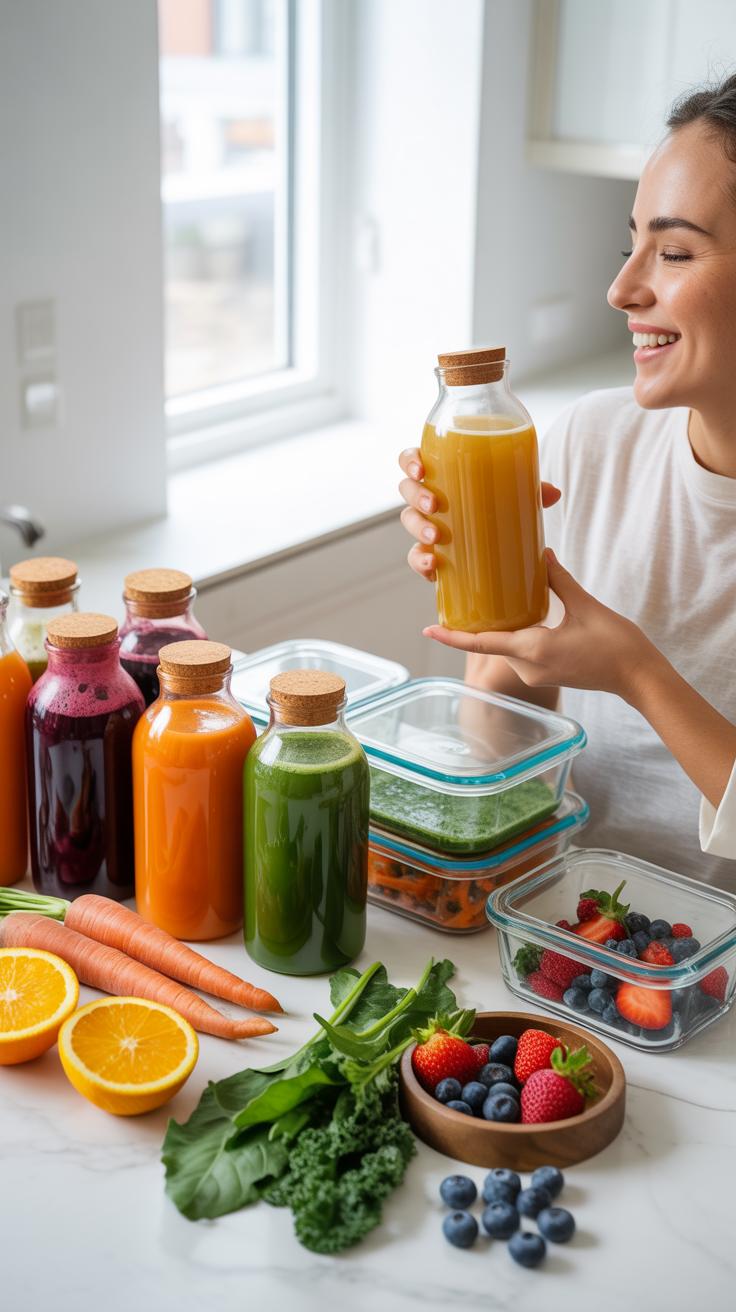
Fresh juice degrades fast due to oxidation. Centrifugal juicers produce heat and air bubbles that spoil juice within twenty-four hours. Cold press or masticating juicers keep nutrients stable for up to seventy-two hours. You must store your liquid in airtight glass containers. Fill the bottle to the very top to remove any oxygen. Keep all juice refrigerated at forty degrees Fahrenheit or lower until the moment you drink it.
Light and heat destroy sensitive enzymes and vitamins. Use dark glass or keep clear bottles in the back of the fridge. If the juice changes color or smells sour, throw it away immediately. Freezing is a viable long-term option if you leave room for expansion. Thaw frozen juice in the refrigerator and consume it right away. Proper storage ensures your homemade healthy juice recipes remain safe and nutritionally potent for consumption.
Building A Sustainable Weekly Juicing Routine That Actually Sticks
Consistency requires a fixed schedule and bulk Preparation. Dedicate one hour on Sunday to wash and chop all produce. Store pre-cut vegetables in airtight containers to save time during the work week. Set your juicer on the counter the night before. Making juice at the same time every morning builds a habit. Choose simple recipes with five ingredients or less to reduce friction and keep your kitchen clean.
Efficiency determines if you stay with the program. Clean the juicer immediately after use while the pulp is still wet. Dried pulp sticks to filters and ruins the machine over time. Purchase produce in bulk to lower costs and ensure you always have stock. Rotate your greens to avoid nutrient imbalances. A structured routine removes the need for daily decision-making. Focus on the process to ensure long-term success with your health goals.
Frequently Asked Questions

What are the best ingredients for someone just starting with juicing?
If you are new to juicing, start with base vegetables that have high water content and a mild flavor, such as cucumbers and celery. Adding a green apple or a squeeze of lemon helps balance the earthiness of kale or spinach. Incorporating these simple building blocks into your homemade healthy juice recipes ensures a refreshing taste that isn’t too overwhelming as your palate adjusts to fresh, raw produce.
How can I make my juice taste better without adding too much sugar?
To enhance the flavor of your homemade healthy juice recipes without relying on sugary fruits, try using herbs and aromatics. Fresh ginger, mint, or parsley can add a vibrant zest and depth to any blend. Additionally, using citrus peels or a pinch of sea salt can help neutralize bitterness from leafy greens. This approach keeps your drink nutrient-dense and low-glycemic while remaining incredibly delicious and satisfying for any lifestyle.
Do I need an expensive cold-press juicer to make healthy drinks at home?
You definitely do not need a luxury appliance to enjoy the benefits of fresh juice. While cold-press models are popular, a standard centrifugal juicer or even a high-speed blender works perfectly well. If using a blender, simply whiz your produce with a little water and strain the mixture through a nut milk bag or fine mesh sieve. This budget-friendly method makes nutritious, vibrant drinks accessible to everyone regardless of their kitchen setup.