
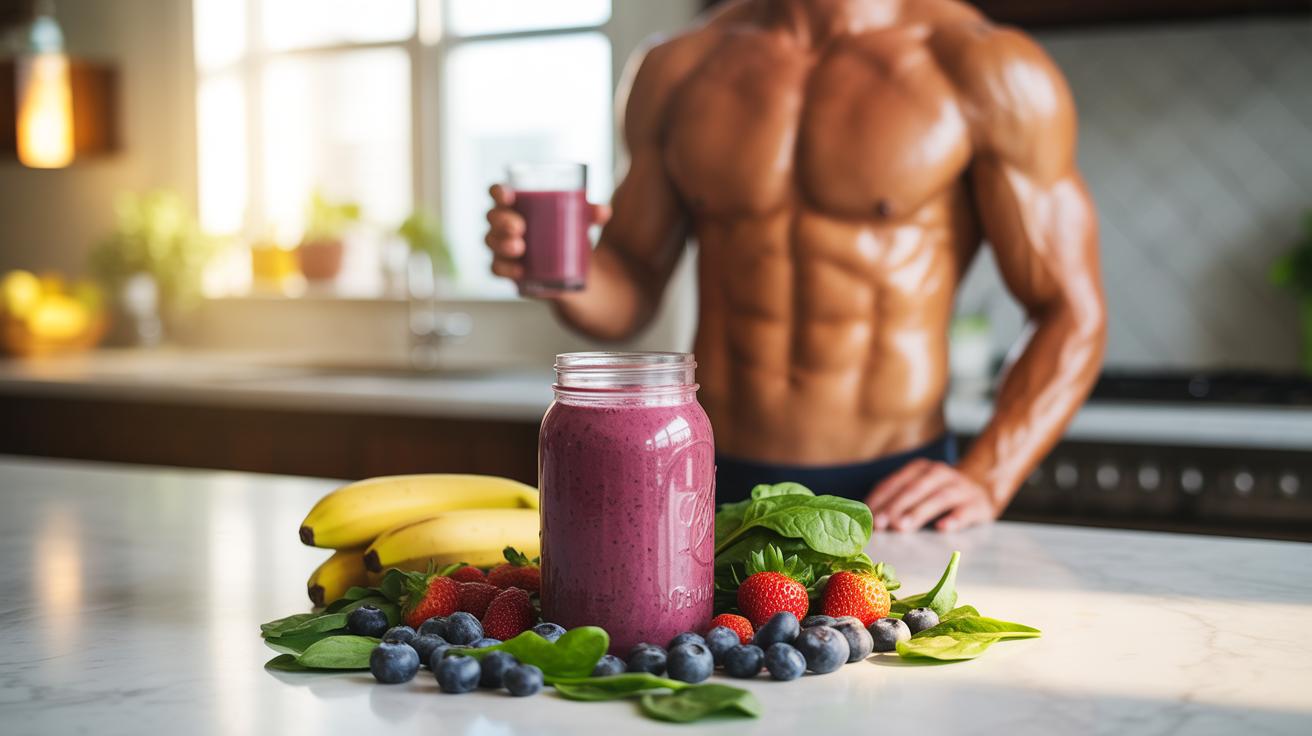
The Science Behind Muscle Recovery And Protein Intake

How Muscles Repair Themselves After Exercise
Resistance training creates microscopic tears in muscle fibers. This damage triggers a biological immune response. The body sends satellite cells to the injury site to begin repairs. This process is called muscle protein synthesis. You must trigger this state to gain strength. Without this cycle, your muscles remain damaged and weak. Recovery happens during rest periods rather than during the actual workout time.

The repair process requires specific biological signals to begin. Hormones like testosterone and growth factor play major roles. Your body fuses damaged muscle fibers together to form new protein strands. These new strands increase the thickness and number of muscle cells. This adaptation makes the muscle stronger for the next session. Efficient recovery relies on timing and proper resource availability within the blood.
Why Protein Is The Key Nutrient For Post Workout Healing
Protein provides the amino acids necessary for structural repair. These acids act as the building blocks for new tissue. When you consume protein, the body breaks it down into small peptides. These peptides travel through the bloodstream to the damaged muscles. Leucine is the most critical amino acid for starting the repair process. High-quality protein sources ensure these nutrients reach your muscles quickly.
Consuming protein through liquid sources like protein smoothies speeds up nutrient delivery. Liquid digests faster than whole food. This rapid absorption hits the anabolic window when muscles are most receptive. It stops muscle protein breakdown and switches the body into an anabolic state. You prevent the body from burning its own muscle for energy. Consistent protein intake ensures the repair cycle operates at peak efficiency.
What Makes The Perfect Smoothie Recipe For Muscle Recovery
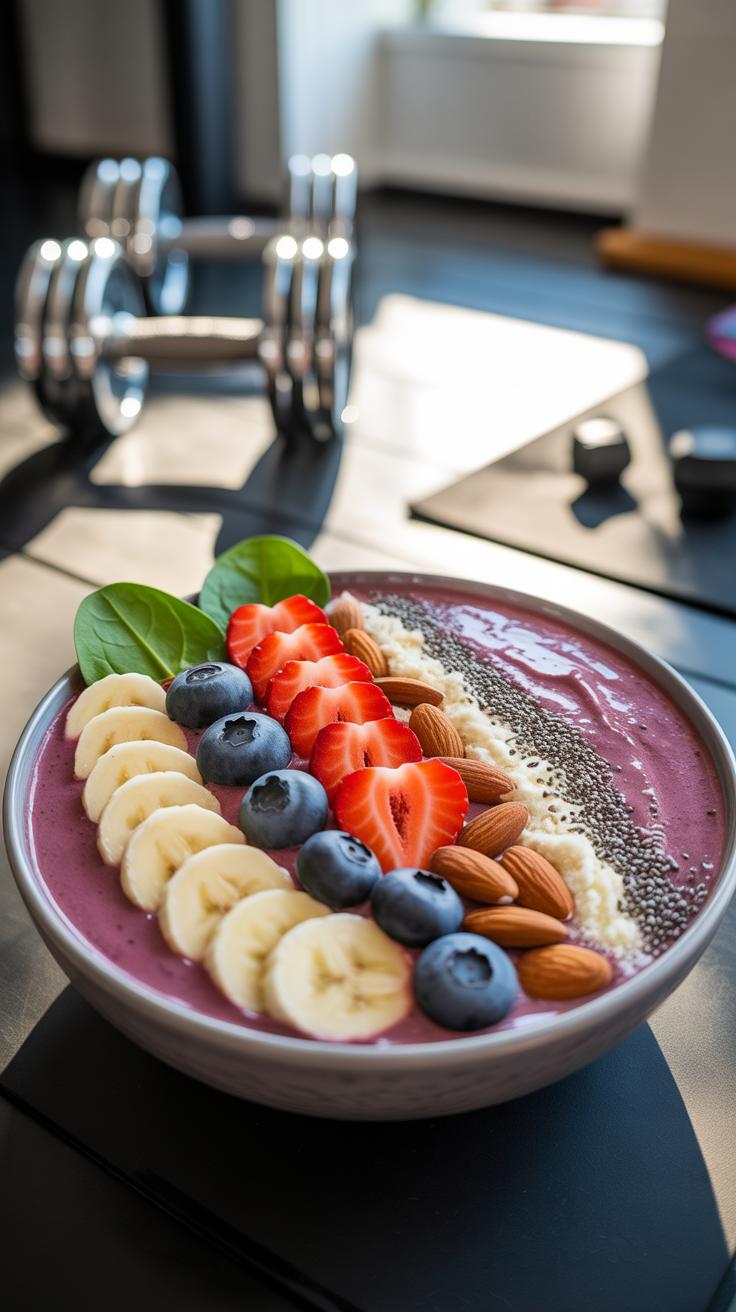
Balancing Macronutrients In A Recovery Focused Smoothie
Muscle recovery requires a precise ratio of protein to carbohydrates. Protein provides the amino acids necessary to repair muscle tissue tears caused by resistance training. Carbohydrates replenish glycogen stores depleted during exercise. Without adequate carbs, the body may convert dietary protein into energy instead of using it for tissue repair. This metabolic inefficiency slows down your total recovery time and lowers your gains.
Fat content must stay low in a post-workout setting. High fat intake slows gastric emptying and delays the absorption of nutrients into the bloodstream. You need rapid delivery of amino acids to the muscles immediately after training. Aim for twenty to forty grams of high-quality protein. Pair this with forty to eighty grams of fast-digesting carbohydrates to trigger an insulin spike. This process shuttles nutrients into muscle cells effectively.
Core Ingredients Every Great Recovery Smoothie Recipe Should Include
Select ingredients based on their nutrient density and absorption rates. Low-quality fillers increase calorie counts without aiding physical repair. The foundation of the drink must be a complete protein source containing all essential amino acids. High-glycemic fruits provide the necessary sugars to halt muscle breakdown. Strategic additions like anti-inflammatory agents further reduce recovery downtime by managing systemic swelling after intense physical sessions.
- Whey Protein Isolate: This fast-digesting protein source is a byproduct of cheese production. It contains high levels of leucine. Leucine acts as a primary signal for muscle protein synthesis. It enters the bloodstream quickly to begin tissue repair within minutes of consumption.
- Frozen Bananas: These provide high-glycemic carbohydrates and essential potassium. Potassium is an electrolyte lost through sweat during heavy lifting. The sugar content triggers an insulin response. This hormone helps transport amino acids and glucose directly into the hungry muscle fibers.
- Tart Cherry Juice: Research shows this liquid reduces muscle soreness and speeds up strength recovery. It contains high concentrations of anthocyanins. These compounds have natural anti-inflammatory properties. Adding this juice helps manage the oxidative stress caused by high-intensity interval training or heavy lifting.
- Greek Yogurt: This ingredient adds a second type of protein called casein. Casein digests more slowly than whey protein. This creates a sustained release of amino acids over several hours. It also provides a creamy texture and probiotics that support overall gut health and nutrient absorption.
- Spinach or Kale: Dark leafy greens offer magnesium and nitrates. Magnesium helps with muscle relaxation and prevents cramping after a workout. Nitrates improve blood flow by increasing nitric oxide levels in the body. Better blood flow ensures that nutrients reach ruined muscle tissues much faster.
Liquid bases also determine the efficacy of the recovery drink. Water or coconut water keeps the calorie count low while providing hydration. Dairy milk adds more protein but may slow digestion for some users. Unsweetened nut milks provide flavor without adding unnecessary processed sugars. Always prioritize whole-food sources for flavor rather than artificial syrups. This keeps the nutritional profile clean and maximizes the benefits of your protein smoothies.
Protein Smoothie Bowl A Hearty Twist On The Classic Blend
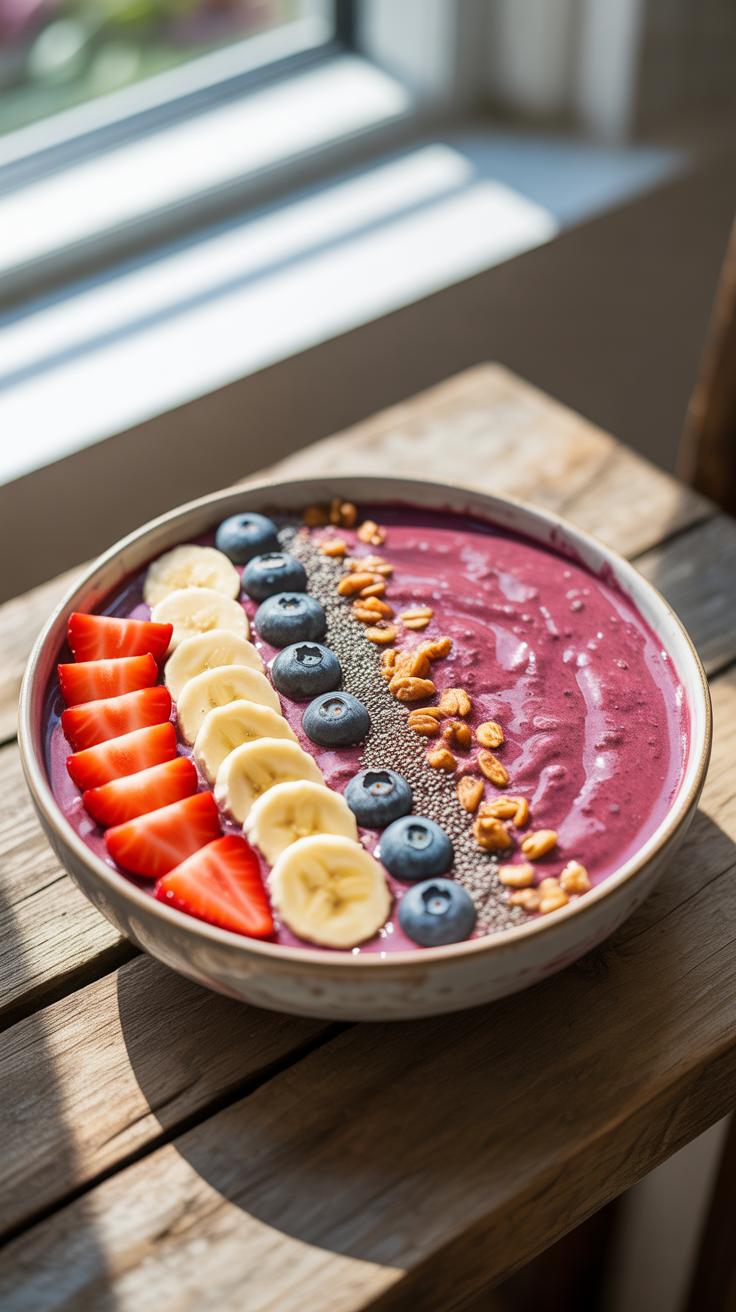
What Sets A Protein Smoothie Bowl Apart From A Regular Smoothie
The primary difference between a protein smoothie bowl and a glass blend is viscosity. A bowl requires a thick base that supports solid toppings without sinking. You achieve this by reducing liquid ratios and using frozen fruit instead of ice. High density changes how you consume the meal. You eat it with a spoon rather than drinking through a straw. This physical shift affects your satiety levels.
Eating slowly triggers hormonal signals that tell your brain you are full. Chewing also starts the digestion process in the mouth through salivary enzymes. A standard smoothie bypasses these steps by entering the gut too quickly. The bowl format forces a slower pace. This makes it a superior choice for post workout hunger management. It turns a quick supplement into a structured and functional recovery meal.
How To Build A Muscle Recovery Smoothie Bowl That Actually Satisfies
Success starts with the base ratio. Use one scoop of protein powder and half a cup of liquid. Add one cup of frozen fruit to create a soft-serve texture. High quality whey or casein provides the necessary amino acids for muscle repair. Casein works better for bowls because it thickens naturally when mixed with water or milk. This creates a sturdy foundation for the heavy toppings required for extra nutrients.
Add texture through dry ingredients to increase caloric density. Use oats or seeds to provide complex carbohydrates and healthy fats. These additions slow down protein absorption for a sustained release of energy. Muscle recovery requires more than just protein. You also need glycogen replenishment from fruit and fiber from seeds. A well-built bowl balances these macros to stop muscle breakdown. It keeps your metabolism active and prevents post-training energy crashes effectively.
High Protein Breakfast Recipes Starting Your Day With Recovery In Mind

Why A High Protein Morning Smoothie Supports All Day Muscle Repair
Muscle protein synthesis requires a consistent supply of amino acids. Overnight fasting depletes these levels and puts the body in a catabolic state. Consuming a protein smoothie immediately upon waking reverses this breakdown process. Fast-digesting proteins like whey enter the bloodstream quickly to repair micro-tears in muscle fibers. This early intervention sets a positive nitrogen balance for the rest of the day.
A morning liquid meal bypasses heavy digestion hurdles. High-protein smoothies provide high bioavailability without the bloat of solid food. This efficiency allows your body to focus energy on cellular repair rather than mechanical breakdown of complex solids. Consistent morning protein intake regulates appetite and prevents muscle loss during daily activities. Starting with thirty grams of protein ensures your metabolic rate remains elevated and your muscles stay fueled.
Three High Protein Breakfast Smoothie Recipes Worth Waking Up For
The Chocolate Peanut Butter Power utilizes whey isolate and natural fats for sustained energy. Blend one scoop of chocolate whey with two tablespoons of peanut butter and one cup of unsweetened almond milk. This combination provides essential amino acids and healthy lipids to support hormone production. Add half a frozen banana to improve texture and provide potassium. This recipe targets rapid recovery while keeping you full until lunch.
The Berry Recovery Shake focuses on antioxidants and fast-acting carbohydrates. Combine one scoop of vanilla protein powder with a cup of mixed frozen berries and Greek yogurt. The Greek yogurt adds a slow-digesting casein component to the mix. This dual-source protein approach provides both immediate and long-term muscle support. Finally, the Green Fuel Smoothie blends unflavored collagen peptides with spinach and pineapple for joint health and vitamin C.
Healthy Smoothies Recipe Guide Nutrient Dense Options For Athletes

How To Choose Whole Food Ingredients For A Genuinely Healthy Smoothie
Athletes must prioritize whole foods to maximize nutrient density. Choose high-quality protein sources like grass-fed whey or pea protein isolate. Avoid powders with artificial fillers or soy lecithin. Use fiber-dense carbohydrates like frozen berries and bananas. These fruits provide steady energy without causing insulin spikes. Fiber slows down digestion which helps with nutrient absorption. This tactical approach ensures your body gets clean fuel for muscle repair.
Replace processed juices with unsweetened nut milks or water. Commercial juices contain excess sugars that lead to energy crashes. Add healthy fats like avocado or almond butter to increase fullness. These fats help the body absorb fat-soluble vitamins like A, D, E, and K. Quality fats also support hormone production after intense training sessions. Focus on raw ingredients that have undergone minimal processing to maintain their natural enzyme profiles.
Anti Inflammatory Add Ins That Make Your Healthy Smoothie Recipe Work Harder
High-intensity training causes oxidative stress and muscle inflammation. Counteract this damage by adding specific bioactive compounds to your glass. Fresh ginger and turmeric contain gingerols and curcumin. These elements inhibit inflammatory pathways in the body. Tart cherry juice is another proven tool for recovery. It helps reduce muscle soreness and improves sleep quality. Use these ingredients to shorten your downtime between tough workouts.
Incorporate seeds like chia or ground flax for a hit of omega-3 fatty acids. These fats are essential because the body cannot produce them. They strengthen cell membranes and reduce overall systemic inflammation. Add leafy greens like kale or spinach for their high magnesium content. Magnesium relaxes muscles and prevents cramping during the recovery phase. Every addition should serve a specific physiological goal. Do not waste space on flavor alone.
Smoothies And Shakes Understanding The Difference For Recovery Goals

Whole Food Smoothies Vs. Protein Shakes — Which Is Better Post Workout?
Protein shakes contain processed powder and liquid. They offer rapid digestion and immediate amino acid delivery to tired muscles. This speed helps trigger muscle protein synthesis quickly after a session. Shakes are efficient when you have a meal scheduled shortly after. Use them for convenience and low-calorie protein hits. They lack fiber and micronutrients found in whole plants.
Whole-food protein smoothies provide a complete nutritional profile. You blend protein powder with fruits, vegetables, and healthy fats. This combination slows digestion but offers antioxidants that reduce inflammation. Choose smoothies when you cannot eat a full meal for several hours. The fiber keeps you full and stabilizes blood sugar. Smoothies repair tissue damage while restoring depleted glycogen stores effectively.
Take care of your body as if it were the home you grew up in, nurturing your strength with every sip of recovery.
When To Choose Smoothies And Shakes Based On Your Training Intensity
High-intensity training sessions demand aggressive recovery strategies. Intense lifting or long endurance runs deplete glycogen and cause significant muscle fiber tears. You need a dense protein smoothie in these cases. Add carbohydrates like bananas or oats to the mix. These ingredients spike insulin and shuttle nutrients into the muscle cells. A smoothie acts as a liquid meal to kickstart the long recovery process.
Low-intensity workouts like light yoga or walking require less caloric replacement. A simple protein shake is the better tactical choice here. It provides the necessary leucine to maintain muscle mass without excess calories. You avoid overshooting your daily energy needs. Shakes work best when the goal is simple maintenance rather than repairing heavy systemic damage. Match your liquid intake to the actual physical output.
Protein Shake Add Ins That Supercharge Your Muscle Recovery

Evidence Backed Protein Shake Add Ins For Faster Muscle Repair
Muscle recovery requires more than just protein powder. You must provide specific compounds that reduce inflammation and restore glycogen. Adding targeted ingredients transforms a standard shake into a recovery tool. These additives trigger biological pathways that repair muscle fibers faster. Science supports several natural and concentrated supplements for this purpose. You must choose ingredients based on clinical efficacy rather than marketing trends.
- Creatine Monohydrate: This is the most researched supplement for muscle performance. It replenishes adenosine triphosphate stores quickly after intense exercise. Regular use increases cellular hydration and supports long term muscle growth. Add five grams to your daily smoothie to see consistent strength gains and faster power recovery.
- Tart Cherry Juice: This liquid contains high levels of anthocyanins. These compounds reduce oxidative stress and muscle soreness after heavy lifting. Research shows it helps athletes recover strength faster during intense training cycles. It acts as a natural anti-inflammatory agent without the side effects of over the counter drugs.
- L Glutamine: This amino acid is a primary building block for your muscles. Intense training depletes your natural glutamine levels and weakens your immune system. Supplementing helps repair intestinal lining and supports skeletal muscle protein synthesis. It is flavorless and mixes easily into any liquid base without changing the taste.
- Turmeric and Black Pepper: Curcumin is the active ingredient in turmeric that fights systemic inflammation. You must pair it with black pepper to increase absorption by up to two thousand percent. This combination targets joint pain and muscle stiffness following high impact workouts. It provides a biological shortcut to reducing the physical downtime between sessions.
- MCT Oil: Medium chain triglycerides provide an immediate energy source for your brain and body. They help the body absorb fat soluble vitamins found in other smoothie ingredients. Adding this healthy fat prevents the post workout energy crash often associated with intense training. It also helps maintain a steady hormonal balance during recovery.
Micronutrients play a critical role in how your body processes protein. Without the right cofactors, your body wastes much of the protein you consume. These add-ins optimize the metabolic environment for tissue repair. You should prioritize ingredients that have a high nutrient density. Using clinical dosages ensures you get the results promised by the research. Targeted supplementation turns a simple snack into a recovery strategy.
How To Layer Add Ins Without Compromising Taste Or Texture
Texture issues often ruin a high quality recovery shake. You must add ingredients in a specific order to ensure a smooth consistency. Start with your liquid base before adding powders to prevent clumping at the bottom. Ice and frozen fruits should go last to maintain an even chill. Proper layering protects the blades of your blender and creates a better drink.
Thickening agents like chia seeds or oats require extra liquid. These ingredients absorb water and can turn a shake into a paste if left too long. Adjust your liquid ratios based on the absorption rate of your add-ins. Use high-powered blending for fibrous ingredients like ginger or turmeric root. Consistency determines how easily you can consume the nutrients your muscles need. Speed and efficiency are the keys to post-workout nutrition.
At Home Protein Shakes Building A Simple And Effective Routine

Why Making At Home Protein Shakes Beats Store Bought Every Time
Store-bought shakes often contain cheap fillers and excessive sugar to extend shelf life. Manufacturers prioritize flavor and preservation over muscle recovery logistics. When you control the blender, you eliminate carrageenan and artificial gums that cause digestive distress. You also ensure the protein source meets your specific biological needs. Precision and purity are the main advantages of preparing your drinks at home.
Ready-to-drink options use high-heat pasteurization which can denature certain delicate protein fractions. Homemade shakes allow you to keep ingredients raw or minimally processed for better nutrient density. You pay a high premium for the convenience of plastic packaging. Making your own protein smoothies reduces your cost per gram of protein by nearly half. Total control over macros leads to faster physical results.
Budget Friendly Tips For Stocking Your At Home Smoothie Pantry
Buying protein powder in bulk quantities reduces the unit price significantly. Look for five-pound containers instead of single-serving packets. Stick to unflavored whey or soy bases to maintain versatility across different recipes. Use frozen fruit instead of fresh produce to prevent waste and save money. Frozen items are picked at peak ripeness and offer better texture for your recovery shakes.
Focus on calorie-dense staples like oats and peanut butter to add substance without high costs. These pantry items provide sustained energy and healthy fats for a low price point. Repurpose overripe bananas by freezing them for a natural sweetener. Avoid expensive superfood powders that offer minimal physiological benefits. Invest in a durable high-speed blender to ensure your ingredients blend smoothly without leaving unmixed clumps.
Protein Shakes No Banana Great Alternatives For Every Palate
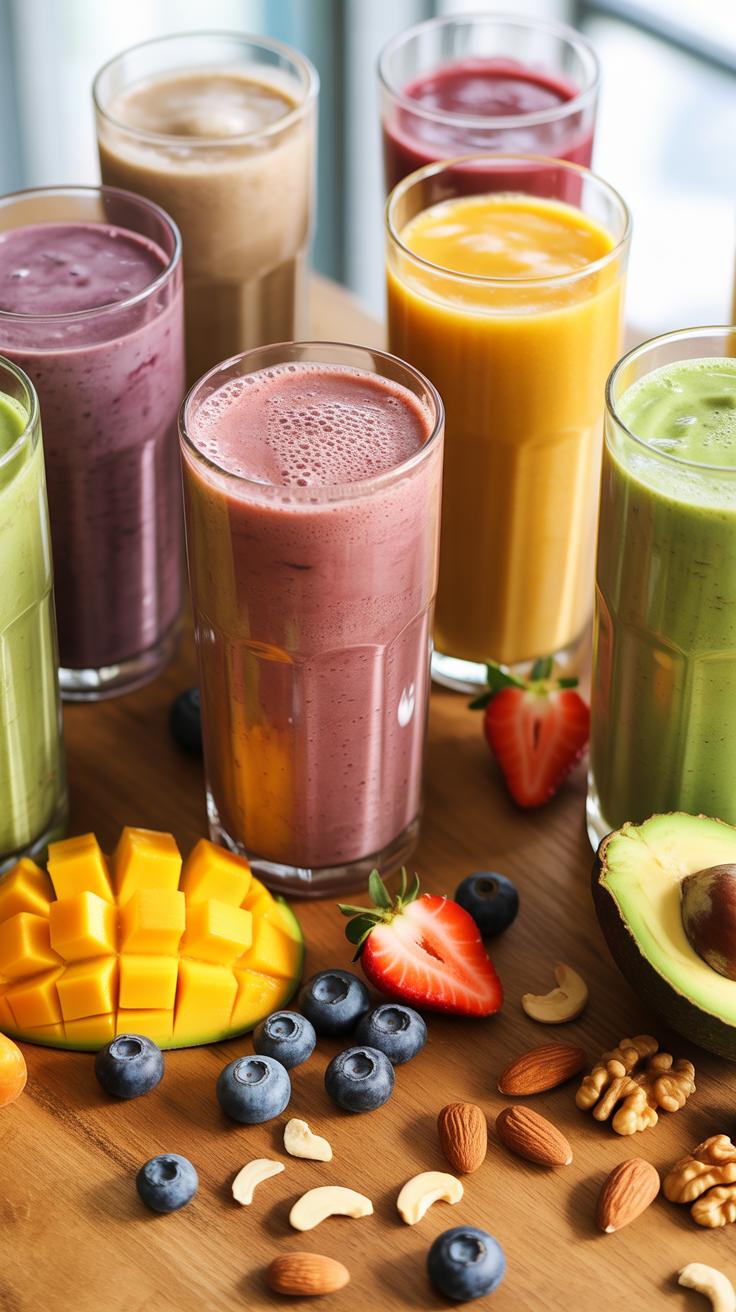
Why Some Athletes Skip Banana And What They Use Instead
Athletes avoid bananas for several tactical reasons. Some track strict macronutrient ratios and find the high sugar content disrupts their ketogenic or low carb goals. Others dislike the dominant flavor profile that masks other ingredients. High glycemic fruit can cause rapid insulin spikes which some training programs seek to avoid. Allergic reactions or digestive sensitivity to latex-associated proteins in bananas also force many to seek better functional substitutes.
Smart builders use frozen cauliflower or zucchini to mimic the texture without the sugar. These vegetables provide fiber and micronutrients while maintaining a neutral taste. Avocados offer healthy monounsaturated fats that increase satiety and create a thick mouthfeel. Greek yogurt provides a massive protein boost and probiotics for gut health. These swaps allow for precise control over the nutritional profile of protein smoothies while ensuring high performance results.
Delicious Protein Shakes No Banana Recipes That Still Deliver Creaminess
To get high viscosity without bananas use frozen mango or peaches. These fruits contain natural pectin and fiber which create a smooth consistency when blended. Mix these with whey or casein protein powders for a solid post workout meal. Casein specifically thickens when combined with liquid making it ideal for the desired creamy texture. Add a tablespoon of chia seeds to pull the mixture together through natural gelling properties.
Nut butters provide the essential fats needed for recovery and flavor. Use almond or cashew butter to add density and calories for muscle growth. Combine these with silken tofu for a vegan friendly creaminess that packs extra amino acids. Tofu has no flavor and takes on the taste of your protein powder and berries. This strategic approach ensures your recovery drink remains functional and palatable without relying on standard high sugar fruit.
Frequently Asked Questions

Why should I drink protein smoothies after a workout?
After exercising, your muscle fibers experience microscopic tears that require nutrients to repair and grow. Consuming protein smoothies within thirty to sixty minutes of your session provides a quick-absorbing source of amino acids. This liquid nutrition is easier for your body to digest than a heavy meal, helping to jumpstart the muscle recovery process immediately while also replenishing lost fluids to keep you hydrated and feeling energized.
How can I make protein smoothies taste better without adding too much sugar?
To improve the flavor of your protein smoothies, try using natural sweetness from low-glycemic fruits like frozen berries or half a banana. Adding creamy bases like Greek yogurt, almond butter, or avocado provides a rich texture without refined sugars. You can also experiment with flavor enhancers like unsweetened cocoa powder, cinnamon, or vanilla extract to satisfy your cravings while keeping your recovery drink healthy and nutrient-dense for optimal results.
Can I make high-quality protein smoothies on a tight budget?
Absolutely! You don’t need expensive exotic superfoods to create effective recovery drinks. Stick to affordable staples like oats, peanut butter, and frozen spinach purchased in bulk. For your protein source, compare the price per serving of large tubs of whey or soy powder, which is often cheaper than buying pre-mixed shakes. Using water or milk instead of pricey specialty juices also keeps costs down while ensuring you get the essential nutrients your muscles need.