
What Is Budget Meal Prep And Why Are So Many People Turning To It

The Rise Of Meal Prepping As A Money Saving Strategy
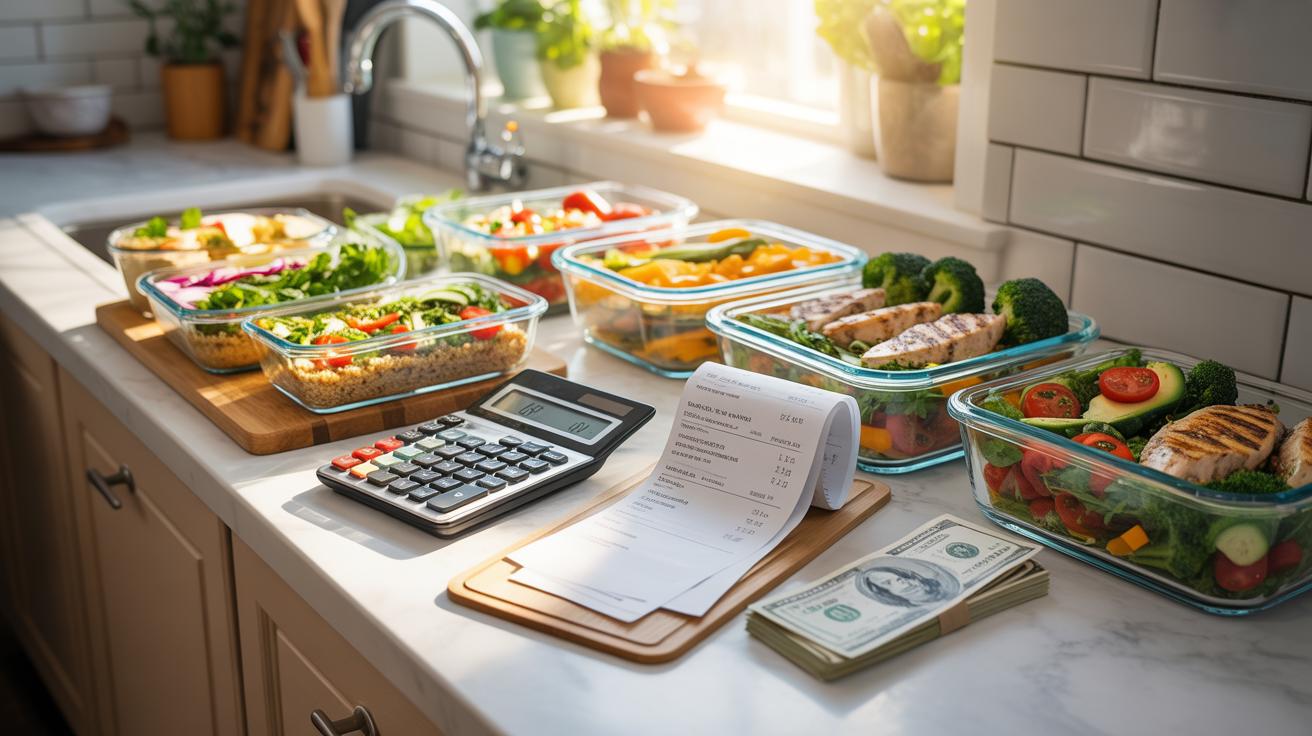
Rising food costs and inflation drive the current shift toward meal prepping. Consumers now face higher prices for basic goods and restaurant services. Preparing food at home allows for strict control over ingredient costs. This method serves as a hedge against impulse spending and premium markups found in the convenience food sector. People use this strategy to stabilize their monthly food expenses.

Efficient meal prepping removes the need for daily purchasing decisions. This reduction in decision fatigue prevents expensive last minute trips to the grocery store or ordering delivery. Data shows that households waste less food when they plan meals in advance. This efficiency turns raw inventory into usable assets quickly. Consumers adopt these habits to maximize the utility of every dollar spent on groceries and supplies.
What Budget Meal Prep Actually Looks Like In A Real Household
In a real household, budget meal prep focuses on high volume and low cost ingredients. Families buy staples like grains, beans, and seasonal vegetables in bulk. They cook large batches of protein and base carbohydrates on a single day. This reduces energy costs by using the oven or stove once. Portions are then divided into containers for easy access throughout the working week.

Success depends on inventory management and repeatable systems. Users audit their pantry shelves before shopping to avoid buying duplicates. They use simple recipes that require few specialized tools or expensive spices. This tactical approach eliminates the hidden costs of complex cooking. By sticking to a rigid schedule, households ensure they consume all purchased food before it expires. This disciplined process turns a kitchen into a cost saving center.
The Real Cost Of Not Meal Prepping Takeout Waste And Impulse Buys

How Much The Average American Household Spends On Takeout And Dining Out Each Year
The average American household spends over three thousand dollars annually on food away from home. This figure includes fast food, sit down restaurants, and delivery services. Frequent diners often pay a three hundred percent markup on basic ingredients. Without a meal plan, these small daily purchases accumulate into a significant financial burden. High frequency dining out drains liquid cash that households could otherwise save or invest.
Convenience comes with a high price tag through service fees and tips. Delivery apps add twenty to thirty percent to the base cost of a meal. People without prepared food at home default to these expensive options during work hours or late evenings. This habit creates a cycle of reactive spending. Mapping out meals eliminates the need for last minute food purchases and keeps your monthly budget predictable and controlled.
The Hidden Cost Of Food Waste When There Is No Meal Plan In Place
The average family throws away nearly one third of the food they buy. This waste amounts to roughly fifteen hundred dollars in lost value every year. Perishable items like produce and meat spoil because buyers lack a specific use for them. Without a tactical plan, ingredients sit in the back of the fridge until they rot. Strategic meal prepping ensures every purchased item has a designated purpose.
Food waste is a direct result of disorganized grocery shopping and overbuying. Impulse buys often go unused because they do not fit into a cohesive weekly menu. By prepping meals, you utilize ingredients before they expire. This efficiency maximizes your return on investment for every dollar spent at the store. Reducing waste is the fastest way to lower your total food costs without changing what you eat.
Budget Meal Planning 101 How To Build A Weekly Plan That Actually Saves Money

How To Structure A Weekly Budget Meal Plan Around What You Already Have
Start your meal plan by auditing your pantry and freezer. Most households carry a hidden inventory of grains, canned goods, and frozen proteins. Ignoring these items leads to duplicate purchases and wasted capital. Identify your base ingredients first. Use these existing assets to anchor your weekly menu. You reduce your immediate shopping list and clear out older stock before it expires.
Organize your plan by matching these stored goods with fresh, seasonal items. Seasonal produce costs less because supply is high. Check local store flyers for loss leaders or deep discounts on meat and dairy. Build your recipes around these specific sale items. This method ensures you never pay full price for bulk ingredients. Tactical planning turns your kitchen inventory into a financial asset rather than a liability.
The Connection Between Consistent Meal Planning And Long Term Grocery Savings
Consistent meal planning eliminates reactive spending. People spend most when they shop without a list or while hungry. A set plan removes the need for daily decision-making. Decision fatigue often leads to expensive takeout or convenience store stops. By locking in your menu, you control your cash flow. You treat your grocery budget like a business expense rather than a series of impulses.
Long-term savings accumulate through bulk purchasing and ingredient cross-utilization. A disciplined plan allows you to buy larger quantities of staples at lower unit prices. You use the same components across multiple different meals to prevent food rot. This efficiency lowers the average cost per serving over several months. Tracking these numbers proves that preparation is the most effective tool for slashing your total food expenditure.
How To Save On Meal Prep Practical Strategies That Reduce Your Weekly Grocery Bill
Smart Shopping Habits That Cut Costs Before You Even Start Cooking
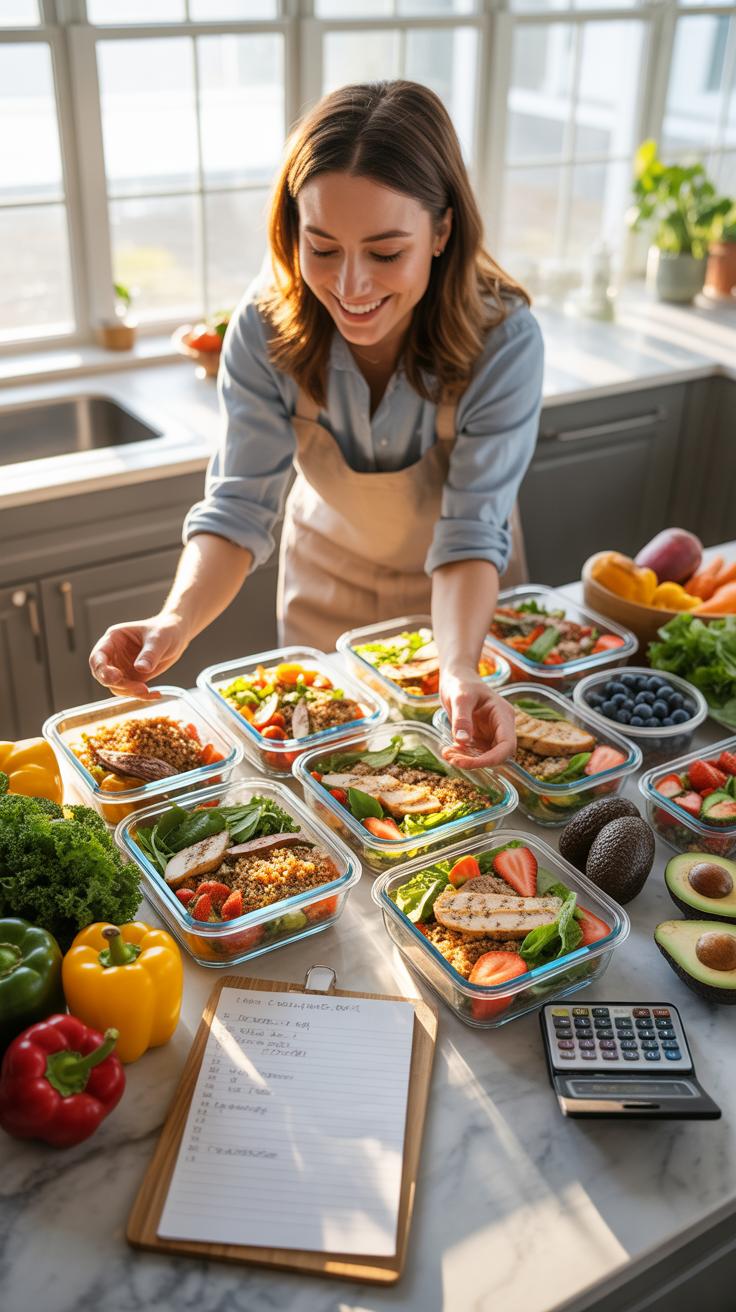
Effective meal prep begins with a rigid shopping plan. Most grocery overspending occurs through impulse buys and lack of inventory management. You must audit your pantry and fridge before entering the store to avoid duplicating items you already own. Strategic shoppers use a list based on specific recipes to ensure every dollar spent has a clear purpose in the weekly menu.
- Inventory Check: Review your cupboards and freezer to identify lingering ingredients. This prevents buying doubles of spices, grains, or oils. Using what you have reduces the total cost of your next grocery run immediately.
- Unit Price Comparison: Look at the small text on shelf tags to find the cost per ounce or pound. Larger packages often cost less per unit than smaller ones. This metric reveals the true value of the product regardless of the packaging.
- Generic Brand Selection: Choose store brands over name brands for staples like flour, salt, and canned beans. These items often contain identical ingredients but cost thirty percent less. Paying for a label adds zero nutritional value to your prep.
- Seasonal Produce: Purchase fruits and vegetables that are currently in season. Out-of-season produce requires expensive shipping and storage which inflates the price. Seasonal items offer better quality and lower prices due to the local abundance.
- Stick To The List: Avoid every aisle that does not contain an item on your written plan. Marketing teams design store layouts to trigger unplanned purchases. Staying in specific zones prevents you from wasting money on processed snacks or sugary drinks.
Timing your shopping also impacts your bottom line. Retailers often mark down meat and bakery items early in the morning or late at night. Buying these discounted proteins for immediate meal prep or freezing significantly lowers your cost per serving. High-volume shoppers who track sales cycles can predict when specific staples will hit their lowest price points during the month.
How Buying In Bulk And Batch Cooking Multiplies Your Savings Over Time
Bulk purchasing targets the most expensive components of your diet. Grains, legumes, and proteins represent the core of meal prep costs. Buying twenty-pound bags of rice or large packs of chicken breasts reduces the price for every meal you eat. You pay a higher upfront cost to secure a much lower cost per meal. This strategy works best for items with long shelf lives.
Batch cooking turns those bulk ingredients into ready-to-eat assets. Making ten servings of chili at once uses energy and time more efficiently than cooking individual meals. You reduce food waste by using entire containers of ingredients before they spoil. Consistent batch cooking builds a freezer reserve that prevents you from ordering expensive takeout during busy nights. This cycle creates a permanent reduction in food spending.
Cheap Meal Prep Ingredients That Deliver The Most Nutrition Per Dollar
Affordable Staple Ingredients That Form The Foundation Of Any Cheap Meal Prep Routine
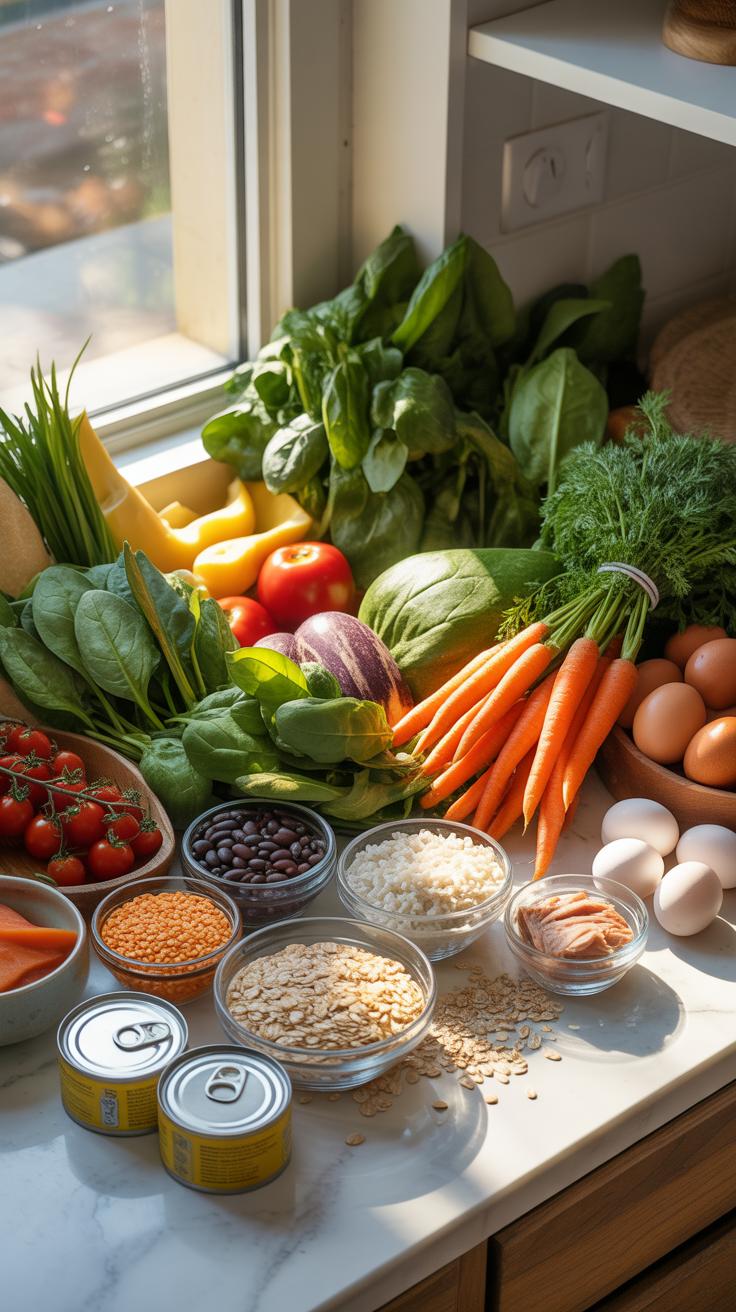
Dry grains and root vegetables provide the most caloric value for your money. White rice, brown rice, and oats cost pennies per serving when purchased in bulk. These items have a long shelf life and do not require immediate refrigeration. They serve as a neutral base for any flavor profile. You reduce food waste by using these shelf stable items as your primary energy source.
Potatoes and onions offer high nutritional density at a very low price point. Potatoes provide essential potassium and complex carbohydrates that keep you full for several hours. Onions add significant flavor for a minimal cost. Buying these in five or ten pound bags reduces the unit price significantly. These staples survive for weeks in a cool pantry. They form the structural core of affordable meal planning.
How Protein Sources Like Eggs Lentils And Canned Fish Keep Costs Low Without Sacrificing Nutrition
Lentils and dried beans are the most cost effective protein sources available today. A single bag of dried lentils provides more protein than several pounds of ground beef at a fraction of the price. These legumes contain high amounts of fiber which aids digestion and satiety. You can store them for years without losing nutritional value. They absorb flavors well and work in various cultural dishes.
Eggs and canned fish provide high quality animal protein with minimal overhead. Eggs contain every essential amino acid and stay fresh in the refrigerator for weeks. Canned tuna and sardines provide critical omega three fatty acids and vitamin D. These options eliminate the need for expensive fresh meat purchases every week. They allow you to hit your daily protein targets while maintaining a strict and low budget.
Grocery Savings Start At The Store How To Shop With A Meal Prep Mindset

Why Shopping With A Strict List Based On Your Meal Plan Is One Of The Most Effective Grocery Savings Tools
Impulse buys destroy your food budget. Grocery stores use specific layouts to force unplanned purchases. High-margin items sit at eye level to tempt you. A meal plan dictates exactly what you need before you enter the store. Following a strict list eliminates emotional spending. You stop buying duplicates of items you already own. This discipline ensures every dollar spent has a clear purpose.
A list forces you to buy only what you will eat. Food waste is lost capital. Most households throw away twenty percent of their groceries each month. Matching your list to your inventory prevents this loss. You become an efficient buyer rather than a reactive consumer. This strategy keeps you out of the middle aisles where expensive processed foods live. Stick to the list to protect your margins.
How Store Brands, Sales Cycles, And Loyalty Programs Compound Your Grocery Savings Week After Week
Generic store brands offer the same nutritional value as name brands for thirty percent less. Major retailers often use the same manufacturers for private labels. You pay for the packaging and marketing with national brands. Switching to store brands for staples like grains and canned goods provides immediate relief. These small wins accumulate over dozens of items. The quality difference is often negligible or completely nonexistent.
Retailers operate on predictable twelve-week sales cycles. Savvy shoppers track these rotations to buy proteins at their lowest price points. Combining these cycles with loyalty programs adds another layer of savings. Most apps offer digital coupons that stack with existing store discounts. Use these tools to lower your baseline costs. Strategic purchasing ensures you never pay full price for the expensive components of your meal prep.
In Season Produce Why Eating With The Seasons Is One Of The Smartest Budget Moves You Can Make
How In Season Produce Costs Significantly Less Than Out Of Season Or Imported Alternatives
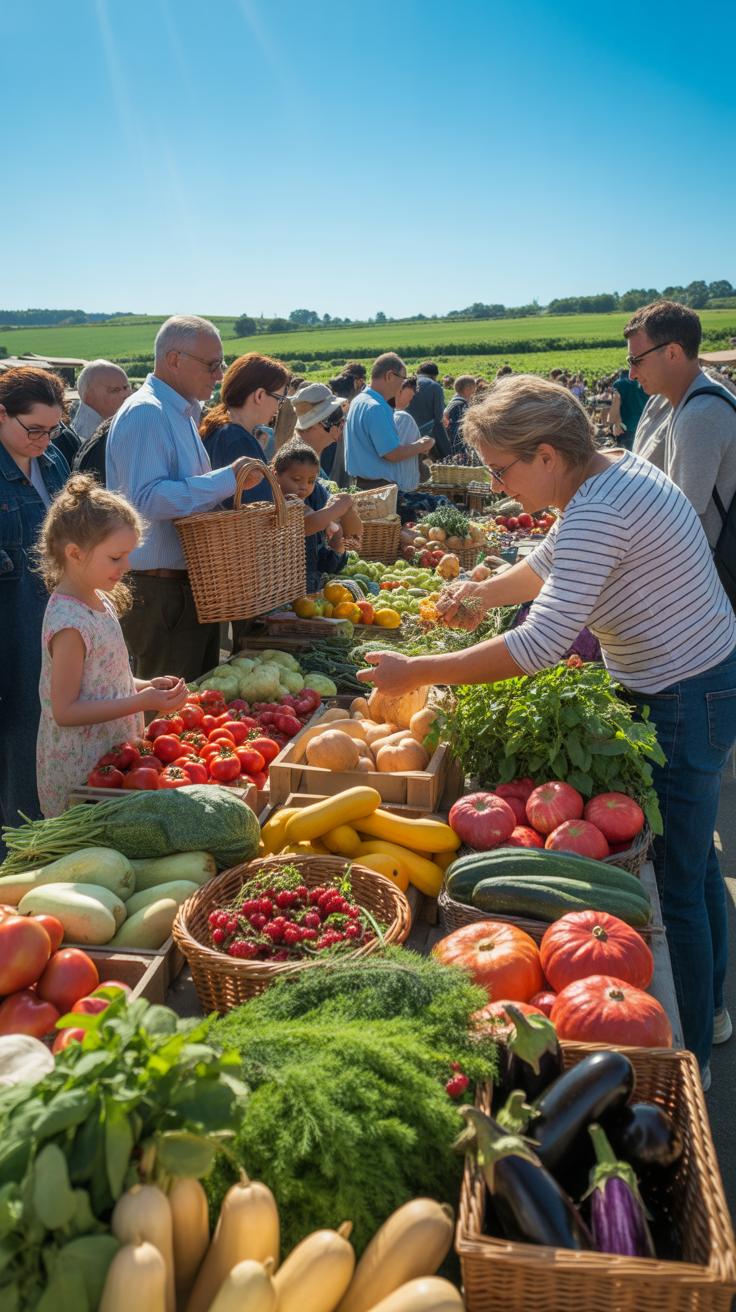
Produce prices fluctuate based on supply and logistics. When a crop is in season, the local supply peak forces prices down. High volume creates a surplus that retailers must move quickly. You pay the lowest unit price because the market is flooded with the product. Buying at this peak ensures you get the most nutritional value for the least financial outlay.
Out of season items require long distance transport and specialized storage. Shipping berries from another hemisphere adds massive fuel and labor costs to every pound. These logistics expenses pass directly to the consumer. You pay a premium for flavorless, energy intensive imports. Avoiding these costs is a simple way to cut your grocery bill without reducing the actual volume of food you eat.
How To Build Your Weekly Meal Prep Around What Produce Is In Season Right Now
Smart meal prepping starts with the sales flyer, not a fixed recipe. Look for the items with the deepest discounts. These are almost always the peak seasonal crops. Use these ingredients as the foundation for your bulk cooking. A shift in mindset from specific cravings to available supply will drastically lower your total cost per meal every single week.
- Identify Peak Harvests: Research what grows in your local region during the current month. Buying crops at their natural growth peak ensures you get the highest quality and the lowest price points available at the market.
- Check Weekly Loss Leaders: Grocery stores use seasonal produce as loss leaders to drive foot traffic. Identify these front-page specials and buy them in bulk. Use these specific items as the primary base for your weekly meal prep containers.
- Utilize Frozen Alternatives: If a specific vegetable is out of season, buy the frozen version instead of the fresh import. Frozen produce is picked at peak ripeness and processed immediately. This lock in the low price and high nutrient density.
- Consult Seasonal Calendars: Keep a simple harvest chart in your kitchen or on your phone. This helps you predict price drops before you go to the store. Planning your menu around these predictable cycles removes the guesswork from your food budget.
- Buy Bulk at Farmers Markets: Visit local markets near the end of the day to find even better deals. Farmers often discount seasonal inventory to avoid hauling it back. This allows you to prep massive batches of vegetables for a fraction of retail.
Once you secure the seasonal produce, choose cooking methods that highlight those ingredients. Roasting root vegetables in winter or quick-sauteing greens in spring keeps your meals varied. This strategy prevents flavor fatigue while keeping your wallet full. Discipline in your selection process creates the biggest margin in your budget. Move with the seasons to maximize your meal prep efficiency and total savings.
How To Save Time With Meal Planning While Keeping Your Food Budget In Check

How One Dedicated Prep Session Per Week Saves Hours Of Daily Decision Making And Cooking Time
Batch cooking eliminates the high mental cost of daily decision-making. Most people spend twenty minutes each day deciding what to eat. This leads to decision fatigue and expensive convenience choices. One three-hour session on Sunday replaces seven individual prep cycles. You clean the kitchen once instead of every night. This consolidation creates a massive time surplus during the busy work week.
A single prep session allows for high-volume efficiency. You chop all vegetables and cook all proteins at the same time. This process utilizes your stove and oven at maximum capacity. You stop wasting time waiting for water to boil or pans to heat up seven different times. Systems like this turn cooking into an assembly line. Efficiency rises while the total labor hours drop.
There is no sight so cutting as a man kept out of his fortune by the extravagant expenditures of his own kitchen. A small leak will sink a great ship, but a well-tended larder guards both the home and the purse.
Time Saving Meal Planning Habits That Also Prevent Costly Last Minute Food Decisions
Smart planning relies on a fixed rotation of recipes. Do not reinvent your menu every week. Use a core list of ten proven meals that use similar ingredients. This strategy speeds up your grocery shopping because you know exactly where items sit on the shelves. You avoid the trap of wandering aisles. Fast shopping leads to fewer impulse buys and a lower total bill.
The most dangerous time for your budget is 6 PM on a workday. Hunger and exhaustion force you to choose expensive takeout over cooking. Prepped meals remove this friction entirely. You simply heat and eat. Having a meal ready in three minutes stops the urge to order delivery. Reliable systems beat willpower every time. Consistency in planning ensures you always have a low-cost option ready.
Can You Really Eat Well On A 60 A Week Grocery Budget A Realistic Breakdown
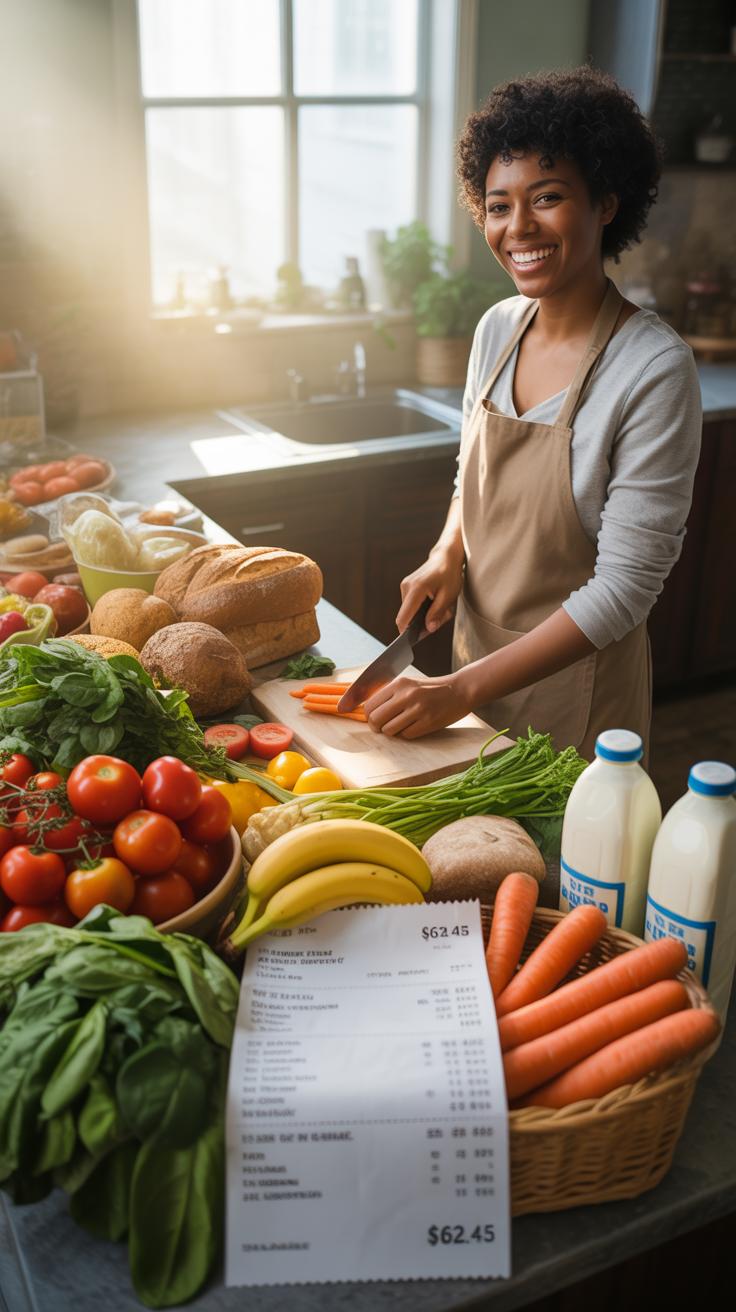
What A $60 A Week Grocery Budget Looks Like When Meal Prepping Is Done Strategically
A sixty dollar weekly budget requires a focus on versatile staples and bulk purchasing. Success depends on selecting ingredients that serve multiple purposes across different recipes. You must prioritize high protein sources like eggs, beans, and frozen poultry. Bulk grains like rice and oats provide the caloric foundation for each meal. Buying seasonal produce reduces costs while ensuring your nutrition remains high without overspending on imported items.
Eliminating processed snacks and pre-cut vegetables is mandatory to stay under this price limit. You trade your time for lower costs by performing all manual labor yourself. Prep work involves washing, chopping, and portioning raw ingredients on a single day. This strategic approach prevents impulse buys at the store. Standardizing your breakfast and lunch routines further reduces the total number of unique items you need to buy.
Real World Adjustments That Help Single Adults And Small Families Stick To A $60 A Week Grocery Budget
Inventory management is the most critical skill for maintaining a low budget. Check your pantry and freezer before you enter any store. Use what you already own to build your weekly menu around existing stock. This habit prevents waste and lowers your required spending for the current week. Small families must focus on ingredient overlap to ensure every item purchased is fully consumed before it spoils.
Maximize your savings by shopping at discount grocers and using store-brand products. Generic labels offer identical nutritional value at a fraction of the cost of brand-name goods. Track the price per ounce to identify the best value in the aisle. Avoid convenience options like shredded cheese or individual yogurt cups. These small price increases add up quickly and can easily push a disciplined budget over the sixty dollar limit.
Frequently Asked Questions

Is meal prepping really cheaper than buying groceries normally?
Yes, meal prepping is significantly cheaper because it forces you to shop with a specific plan. When you ask yourself, “does meal prepping save money?” the answer lies in the reduction of impulse purchases and food waste. By buying only what you need for specific recipes, you avoid letting expensive produce rot in the fridge, ensuring every dollar spent at the grocery store actually ends up on your plate.
How can I start meal prepping to reduce my weekly food costs?
To start, focus on “batch cooking” versatile proteins and grains that can be used in multiple dishes. Start small by prepping just your lunches for the work week. This helps you avoid the high cost of takeout or convenience meals. You will quickly see that does meal prepping save money by lowering your per-meal cost to just a few dollars, compared to the much higher price of dining out.
Can I meal prep effectively if I have a very limited grocery budget?
Absolutely! Prep-friendly staples like beans, lentils, rice, and frozen vegetables are some of the most affordable items in the store. By purchasing these items in bulk and prepping them ahead of time, you create a safety net of healthy meals. This strategy prevents the “emergency” spending that happens when you’re hungry and have nothing ready, making it the most reliable way to maintain a strict lifestyle budget.