
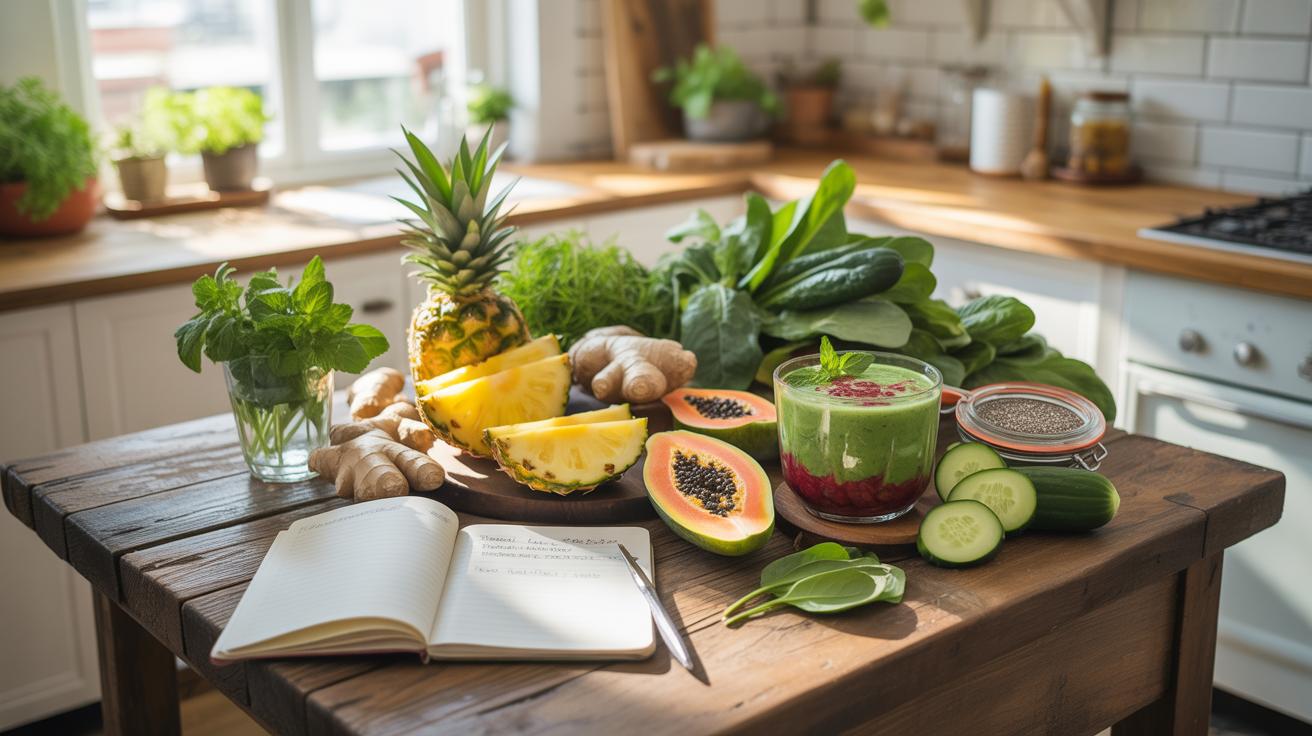
What Is Bloating And Why Do De Bloat Foods Matter For Your Gut Health

Understanding The Science Behind Bloating And Digestive Gas Buildup
Bloating occurs when your gastrointestinal tract fills with air or gas. This happens through two primary mechanisms. First, you swallow air while eating or drinking too quickly. Second, gut bacteria break down undigested food in the large intestine. This fermentation process releases gases like hydrogen and methane. When these gases cannot escape, they cause the abdominal wall to distend and feel tight.
Gas buildup is a natural byproduct of digestion. However, excessive buildup signals a breakdown in the system. High levels of gas often indicate that your body struggles to process specific carbohydrates or fibers. This pressure creates physical discomfort and visible swelling. Understanding this mechanism is the first step toward relief. You must focus on how your body handles fermentation to reduce the pressure inside your digestive tract.
How Your Diet Directly Influences Bloating Frequency And Severity
Diet is the primary driver of abdominal distension. Specific foods contain fermentable sugars that your small intestine cannot fully absorb. These sugars travel to the colon where bacteria feed on them. This reaction produces immediate gas and pulls water into the gut. High sodium intake also plays a role. Salt causes your body to retain fluids which increases the feeling of heaviness and systemic pressure.
Strategic food choices can reverse this process. Anti bloating foods work by facilitating faster digestion or reducing water retention. Potassium rich foods help flush out excess salt and fluids. Other specific ingredients contain enzymes that break down complex fibers before they reach the colon. By selecting the right fuels, you shift your internal chemistry. You can actively lower the frequency of gas production by choosing foods that digest cleanly.
Top Foods That Debloat And Why They Work So Effectively
Cucumber, Celery, And Water Rich Vegetables That Flush Out Excess Fluid
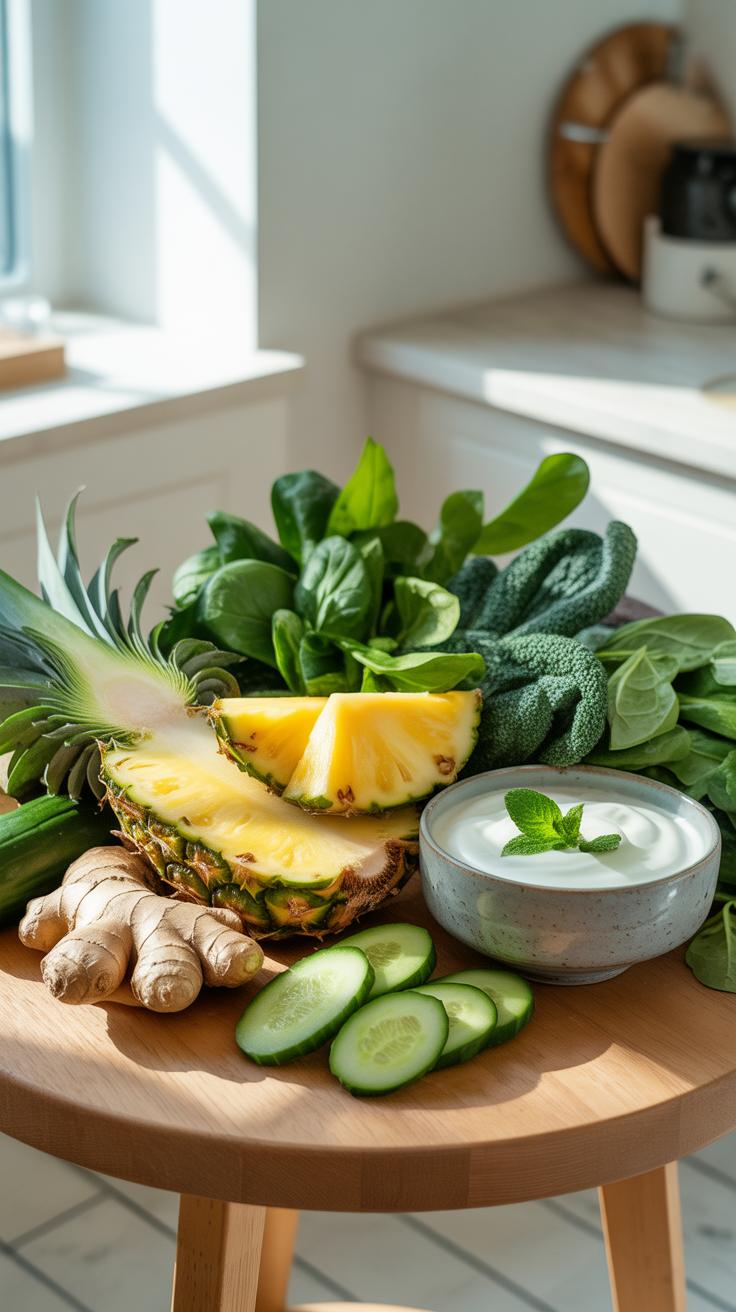
High water content vegetables combat bloat through natural diuresis. Your body holds onto extra water when you consume too much salt. Cucumbers and celery are both over ninety percent water. Eating these vegetables forces your kidneys to flush out surplus sodium. This process reduces the physical swelling in your midsection. You lose the heavy feeling quickly by increasing your total fluid volume.
These specific vegetables also contain silica and potassium. Silica strengthens connective tissues while potassium balances your internal fluids. Celery contains phthalides which relax muscle tissues in arterial walls. This relaxation improves blood flow and reduces pressure in the gut. You should eat these raw to get the most benefit. Fiber in these plants moves waste through your digestive tract without creating gas or causing additional irritation.
Probiotic Rich Foods Like Yogurt And Kefir That Restore Gut Balance
Probiotics are live bacteria that support your digestive system. Yogurt and kefir provide these beneficial microbes to your gut microbiome. Bloating often occurs when bad bacteria outnumber the good bacteria in your intestines. This imbalance leads to fermentation and gas production. Consuming fermented dairy introduces Lactobacillus and Bifidobacterium. These strains break down food more efficiently and stop gas before it starts.
Kefir is even more powerful than standard yogurt because it contains more diverse bacterial strains. It also includes beneficial yeasts that help eliminate harmful fungi in the gut. Regular consumption improves your ability to digest lactose over time. This reduces the risk of bloating after eating other dairy products. Choose plain versions to avoid added sugars. Sugar feeds the bad bacteria and causes more gas, which negates the debloating benefits.
The Best Food For Bloated Stomach Soothing Ingredients Backed By Nutrition Science
Ginger And Peppermint: Natural Digestive Soothers With A Long History Of Use
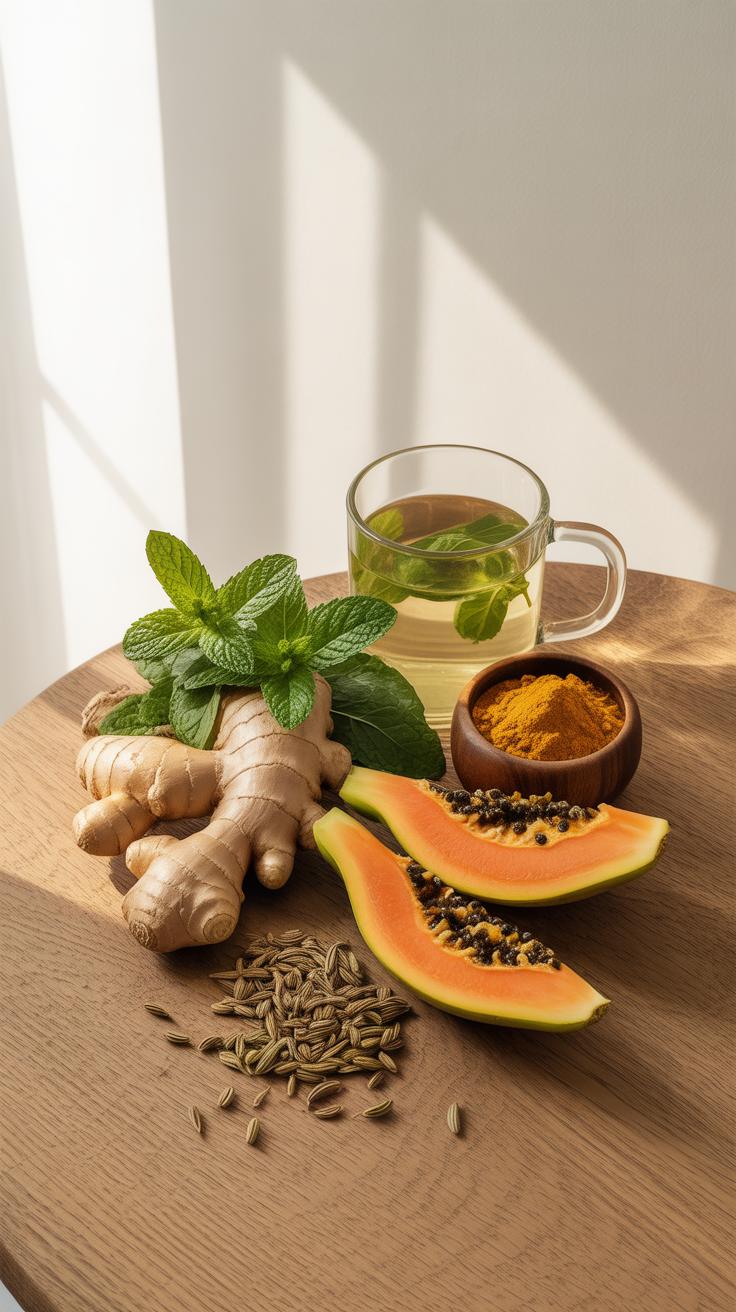
Ginger contains gingerols that speed up gastric emptying. This process moves food out of the stomach faster to prevent gas buildup. It acts as a natural prokinetic agent by stimulating digestive enzymes. This spice relaxes the smooth muscles in the gastrointestinal tract. You should consume it fresh or steeped in hot water. It provides immediate relief by reducing intestinal pressure and calming internal inflammation.
Peppermint works by relaxing the muscles in your gut wall. This relaxation allows trapped gas to pass through the digestive system more easily. Menthol is the active compound responsible for this physiological effect. Ancient herbalists used peppermint for centuries to treat general stomach distress. Today medical studies confirm its efficacy in reducing abdominal pain. Avoid peppermint if you have acid reflux as it can open the esophageal sphincter.
To eat is a necessity, but to eat intelligently is an art. Let your meals be a gentle return to the simplicity and comfort your body deserves.
Bananas And Papaya: Enzyme Rich Fruits That Support Healthy Digestion
Bananas provide high levels of potassium to regulate fluid balance in the body. Excess sodium causes cells to hold onto water which leads to visible bloating. Potassium flushes out this extra salt to reduce water retention effectively. This fruit also contains resistant starch that feeds beneficial gut bacteria. It stabilizes the digestive environment by preventing salt-induced swelling. Eat ripe bananas for the best results in reducing midsection puffiness.
Papaya contains a powerful enzyme called papain that breaks down protein fibers. This enzyme assists your stomach in processing heavy meals more efficiently. It reduces the amount of time food sits undigested in the colon. High fiber content in the fruit also promotes regular bowel movements to prevent constipation. Fast digestion means less time for gas to form in the intestines. Incorporate fresh papaya to maintain a flat and comfortable stomach.
Food That Helps With Bloat Anti Inflammatory Choices For Everyday Eating
Fennel Seeds And Chamomile Tea As Natural Anti Bloating Remedies
Fennel seeds contain anethole. This compound relaxes the smooth muscles of your digestive tract. This relaxation allows trapped gas to pass through your system quickly. People have used these seeds for centuries in Mediterranean medicine to treat stomach cramps. You can chew the seeds dry or steep them in hot water. This tactical approach targets the physical cause of pressure in your gut.
Chamomile tea works as a natural anti-inflammatory agent for your intestines. It reduces the swelling that causes a heavy feeling after meals. The tea acts as a mild sedative for the stomach muscles. This stops the involuntary spasms that lead to sharp gas pains. Drink one cup after dinner to soothe the digestive lining. It provides a simple way to decrease visceral hypersensitivity and discomfort.
Leafy Greens And Their Role In Supporting A Healthy Digestive Tract
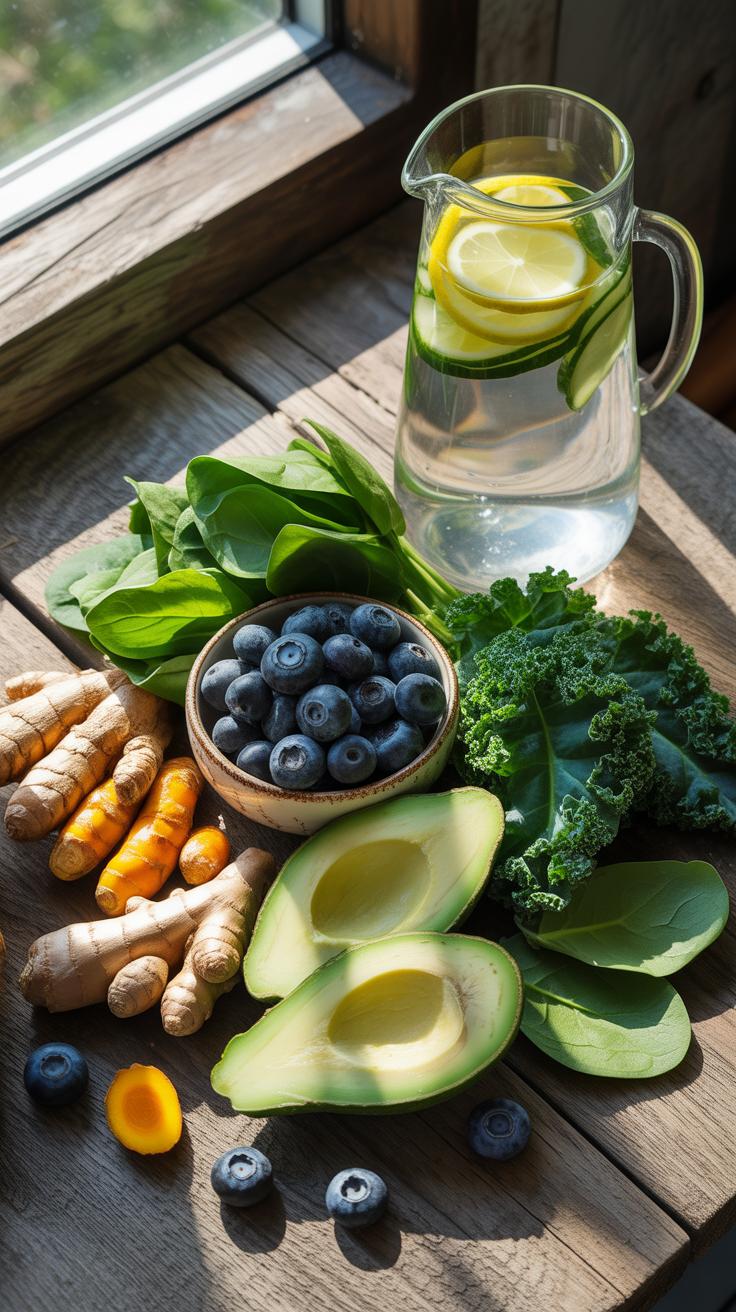
Leafy greens provide essential insoluble fiber to keep your waste moving. Spinach and kale contain high levels of magnesium. This mineral coordinates muscle contractions in the colon to prevent constipation. When your bowels move regularly, gas cannot get trapped behind stagnant waste. These greens also have low fermentable sugars. This means they do not feed the bacteria that produce excess gas in your gut.
Swiss chard and bok choy help your body maintain proper water balance. They contain potassium which flushes out excess sodium from your cells. High sodium levels cause your body to hold onto water and feel tight. Eating these greens reduces that heavy water weight immediately. Focus on steam cooking these vegetables to make the fiber easier to break down. This ensures your body absorbs the nutrients without overworking your stomach.
Common Foods That Bloat What To Limit Or Avoid In Your Daily Diet
Legumes, Cruciferous Vegetables, And Carbonated Drinks That Trigger Gas
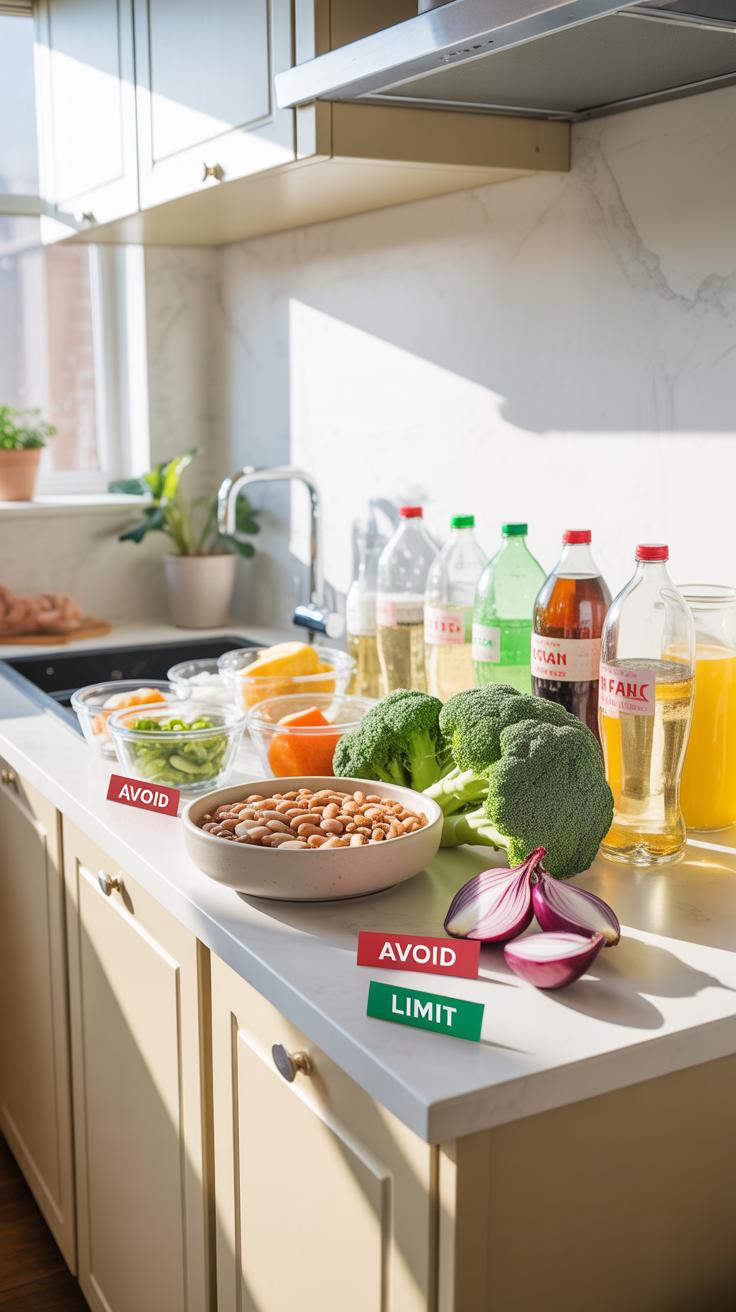
Legumes like beans and lentils contain complex sugars called oligosaccharides. The human body lacks the enzymes to break these down in the small intestine. They travel to the large intestine where bacteria ferment them. This process creates hydrogen and methane gas. This gas causes the abdominal wall to distend. You feel physical pressure and visible swelling shortly after consumption.
Cruciferous vegetables like broccoli and cabbage contain raffinose. This trisaccharide requires specific fermentation that produces significant gas volume. Carbonated drinks add to this problem by introducing air directly into your digestive tract. This swallowed carbon dioxide gets trapped in your stomach. It expands the gut and forces your digestive system to work harder to expel the excess air.
Dairy Sensitivity And Gluten Intolerance As Hidden Causes Of Bloating
Dairy causes bloating through lactose malabsorption. Many adults stop producing enough lactase enzymes as they age. Without these enzymes, the body cannot process milk sugars. The undigested lactose draws water into the intestines. It then ferments and creates rapid gas buildup. This reaction happens quickly. You will notice sharp pain and a heavy feeling in your lower abdomen.
Gluten intolerance triggers an immune response in the lining of the small intestine. This inflammation slows down the entire digestive process. Food sits longer in the gut and begins to ferment improperly. This creates a chronic state of swelling. You must identify these sensitivities to stop recurring bloat. Eliminating these proteins and sugars allows the gut lining to heal and reduce volume.
Best Foods For Bloat A Nutritionist Approved Grocery List To Stock Up On
Whole Grains, Lean Proteins, And Healthy Fats That Are Gentle On The Gut
Select sourdough or sprouted grains over standard wheat. These options contain less phytic acid and fructans. Fructans often ferment in the gut and cause gas. Rice and quinoa are gluten free and easy for the small intestine to process. These grains provide stable energy without the heavy fermentation associated with high FODMAP grains. Stick to moderate portions to keep digestion moving efficiently.
Choose lean proteins like chicken breast, white fish, or eggs. These proteins do not contain fiber or complex sugars that cause gas. Avoid fatty cuts of red meat which slow down gastric emptying. Slow digestion keeps food in the gut longer and increases bloat. Healthy fats like avocado and olive oil provide lubrication for the digestive tract. Use these fats sparingly to avoid overwhelming the gallbladder.
Smart Grocery Shopping Tips To Fill Your Cart With Bloat Friendly Staples
Shop the perimeter of the store to find fresh produce and proteins. Processed middle aisle foods often contain hidden gums, thickeners, and sugar alcohols. These additives like carrageenan or xylitol cause immediate abdominal distension. Focus on buying raw ingredients that allow you to control salt levels. High sodium intake forces your body to retain excess water and causes visible swelling.
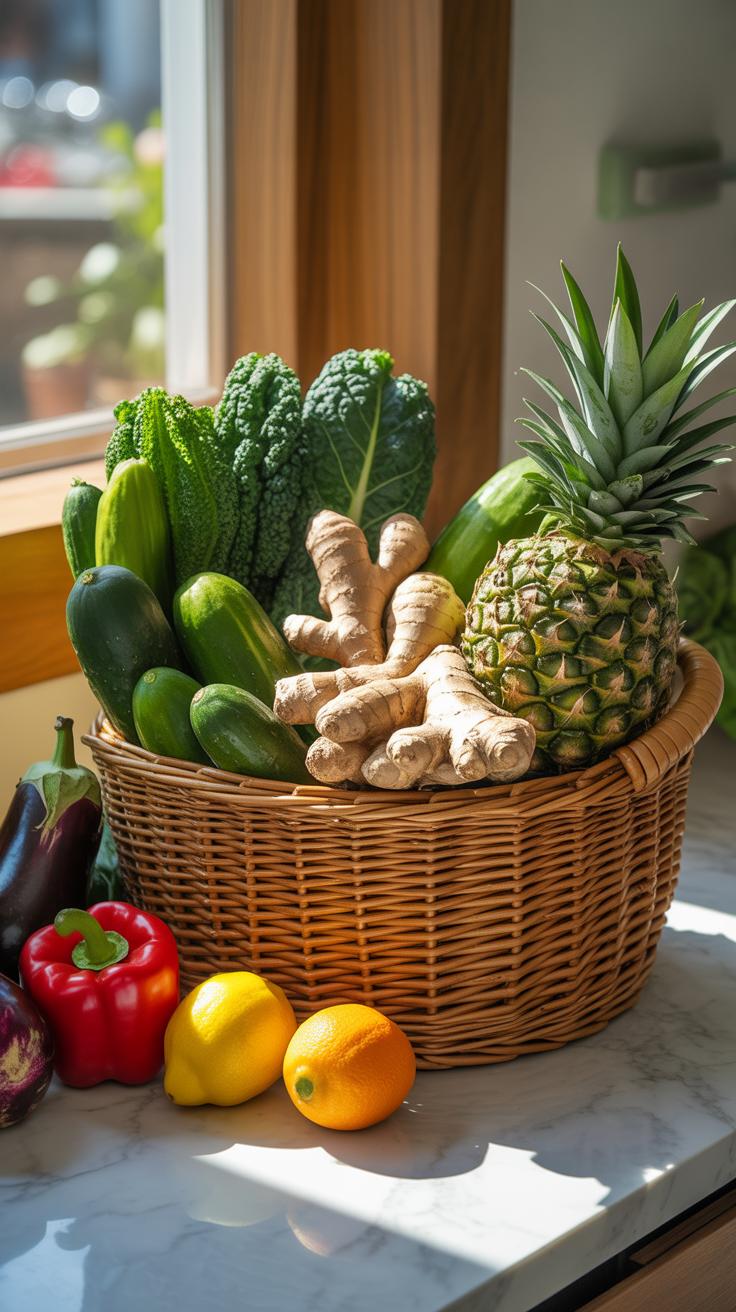
- Ginger Root: This rhizome contains gingerols that stimulate digestive enzymes and speed up stomach emptying. Faster transit times prevent gas from building up in the intestinal tract. Peel and steep it in hot water for maximum effect.
- Cucumber: High water content and caffeic acid help reduce edema and systemic inflammation. These vegetables act as a natural diuretic to flush out excess sodium. Eat them raw with the skin on for a hydrating crunch.
- Papaya: This fruit contains an enzyme called papain that breaks down tough protein fibers. It assists the body in processing heavy meals more rapidly. Choose ripe fruit for the highest concentration of active enzymes that soothe the gut.
- Fennel: The seeds and bulb contain anethole which relaxes the smooth muscle of the digestive tract. This antispasmodic effect helps trapped gas pass through the system without pain. Slice the bulb into salads or chew the seeds after eating.
- Asparagus: This vegetable contains asparagine which serves as a potent natural diuretic. It also provides prebiotic fiber that feeds beneficial gut bacteria without excessive fermentation. Steaming them keeps the nutrients intact while making the fibers easier to digest.
Read every label for hidden sweeteners and carbonation triggers. Avoid products listing agave, honey, or high fructose corn syrup as primary ingredients. These sugars draw water into the bowel through osmosis and cause discomfort. Select canned beans that are pre rinsed to remove gas producing sugars. Buy frozen fruits and vegetables if fresh options are unavailable to ensure high nutrient density.
Foods That Help With Bloat How Fiber Type And Hydration Play A Critical Role
Soluble Vs. Insoluble Fiber: Which Type Is Better For Reducing Bloating
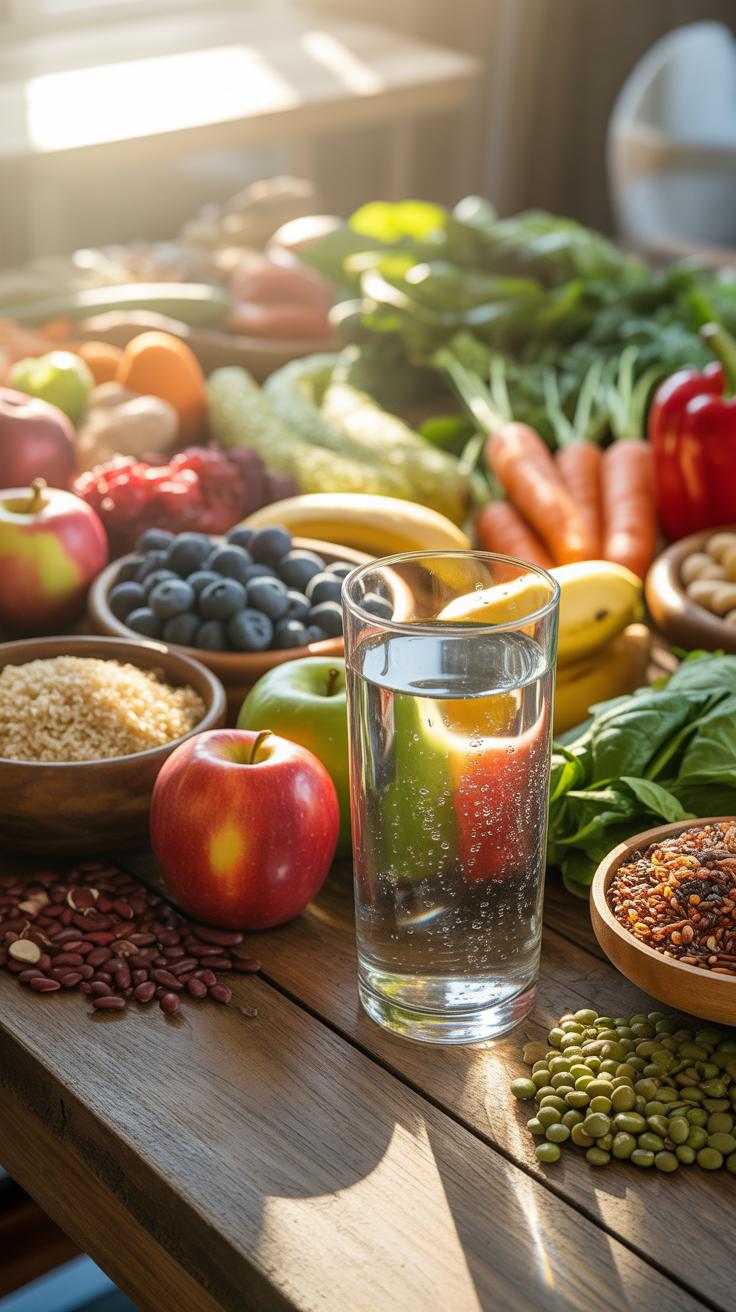
Soluble fiber absorbs water and turns into a gel during digestion. This process slows down food movement and helps stabilize blood sugar. It prevents the rapid fermentation that causes gas. Oats, beans, and certain fruits provide this type of fiber. Low doses help the gut process waste without creating air pockets. Most people need this fiber to keep their digestive tract moving smoothly.
Insoluble fiber adds bulk to your stool and speeds up waste removal. It does not dissolve in water. This fiber acts like a broom for your intestines. However, too much insoluble fiber can cause irritation and bloating if you lack hydration. Skin from vegetables and whole grains contain this fiber. Balancing both types prevents constipation and reduces the pressure that causes abdominal distension.
Why Staying Hydrated With Water And Herbal Teas Reduces Water Retention
Water intake directly impacts how your body handles sodium and waste. When you are dehydrated, your body holds onto fluids to survive. This causes visible swelling and internal pressure. Drinking water signals your kidneys to release excess sodium. This process flushes out toxins that lead to puffiness. Consistent hydration ensures that fiber moves through the digestive system instead of getting stuck.
Herbal teas like peppermint and ginger provide specific chemical compounds to relax gut muscles. Peppermint oil calms the digestive tract and lets gas pass through easily. Ginger speeds up stomach emptying to prevent food from sitting too long. These liquids provide hydration while targeting the physical causes of discomfort. Use these tools to maintain a flat stomach and improve your overall nutrient absorption.
Anti Bloat Meals A 7 Day Meal Plan Designed To Reduce Bloating Naturally
Sample Breakfast And Lunch Anti Bloat Meal Ideas For The Full Week
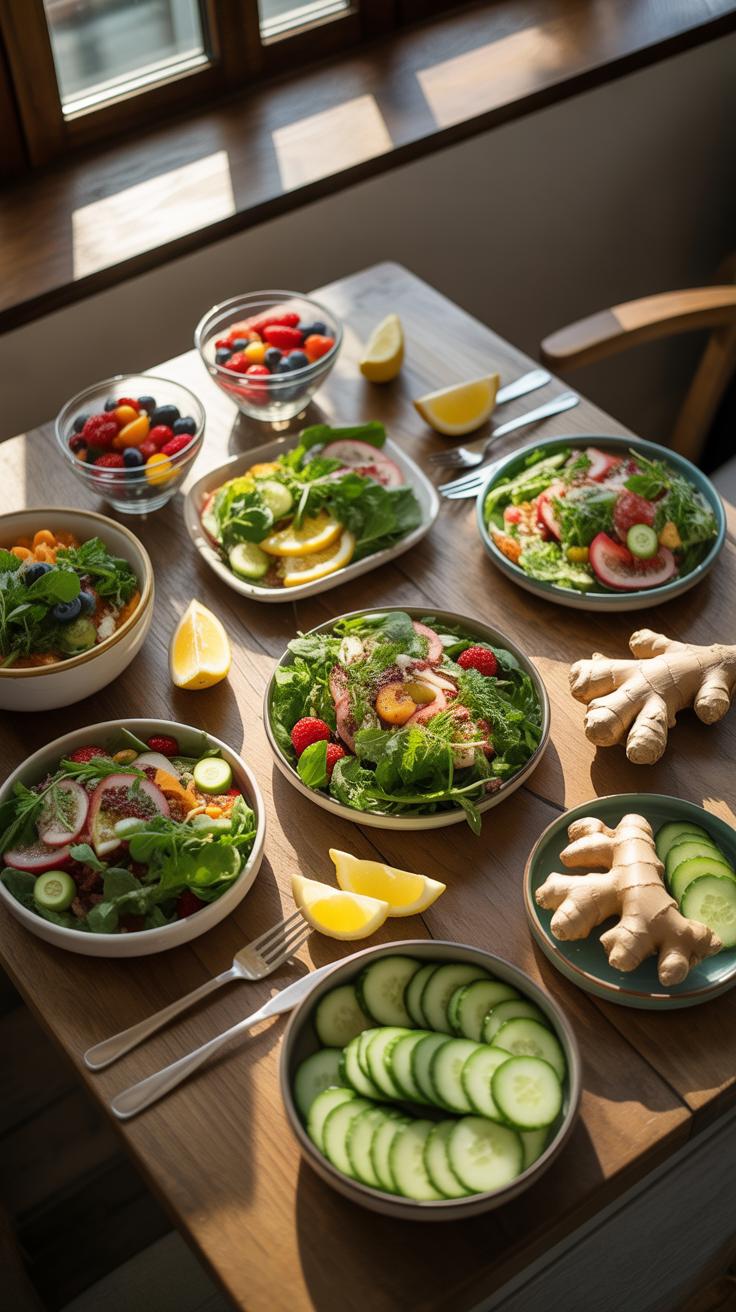
This 7-day plan prioritizes soluble fiber and lean proteins to minimize digestive distress. Effective meal timing prevents the gut from becoming overwhelmed by large food volumes. We choose ingredients that reduce gas production in the small intestine. These selections focus on low FODMAP options to maintain a flat stomach throughout the day. Consistency remains the most critical factor for digestive success.
- Overnight Oats with Berries: Use gluten free oats soaked in water or almond milk. Blueberries provide antioxidants without the high sugar content found in tropical fruits. This meal offers steady energy and keeps the digestive tract moving without causing unnecessary fermentation or gas buildup.
- Scrambled Eggs with Spinach: Eggs provide high quality protein that the body breaks down easily. Adding fresh spinach introduces magnesium which helps relax the muscles in the digestive tract. This combination avoids heavy carbohydrates that often trap water and lead to mid morning bloating.
- Grilled Chicken Salad: Focus on cucumber and butter lettuce as your base. These greens have high water content to aid hydration and digestion. Avoid cruciferous vegetables like raw kale or broccoli during lunch. Use a simple lemon and olive oil dressing to stimulate bile production for better fat breakdown.
- Quinoa and Roasted Salmon: Quinoa is a seed that acts like a grain but is easier to digest. Salmon contains omega 3 fatty acids which reduce inflammation in the gut lining. This pairing provides essential nutrients while ensuring the stomach empties efficiently before the next scheduled meal.
- Turkey and Avocado Wraps: Use large collard green leaves instead of flour tortillas to reduce refined carbohydrate intake. Turkey is a lean protein that prevents gastric heaviness. Avocado provides healthy fats that signal satiety to the brain without triggering the inflammatory response often linked to processed wheat.
Rotate these breakfast and lunch options to ensure a diverse nutrient profile. Proper hydration between meals supports the fiber in these foods to move waste through the colon. Do not drink large amounts of water during the meal because it dilutes stomach acid. Use these specific combinations to maintain low intra abdominal pressure. Follow this structured approach to see immediate results in physical comfort.
Dinner And Snack Pairings That Keep Your Gut Calm Through The Evening
Evening meals must be light to allow the body to focus on repair rather than heavy digestion during sleep. Select cooked vegetables over raw ones because heat breaks down tough plant fibers. This process does the work for your stomach and prevents nighttime gas. Focus on white fish or tofu as your primary protein sources. These choices exit the stomach faster than red meat or heavy legumes.
Keep snacks simple to avoid erratic blood sugar spikes that disrupt gut motility. Choose ginger tea paired with a small portion of walnuts or cantaloupe. Ginger speeds up gastric emptying and relaxes the intestinal muscles. Walnuts provide a crunch without the fermentable sugars found in many processed snacks. Avoid eating within three hours of bed to give your system a total rest. This strategy ensures you wake up with no distension.
Foods To Reduce Bloat After Overeating Or During Your Menstrual Cycle
Quick Relief Foods To Eat After A Heavy Meal To Speed Up Digestion
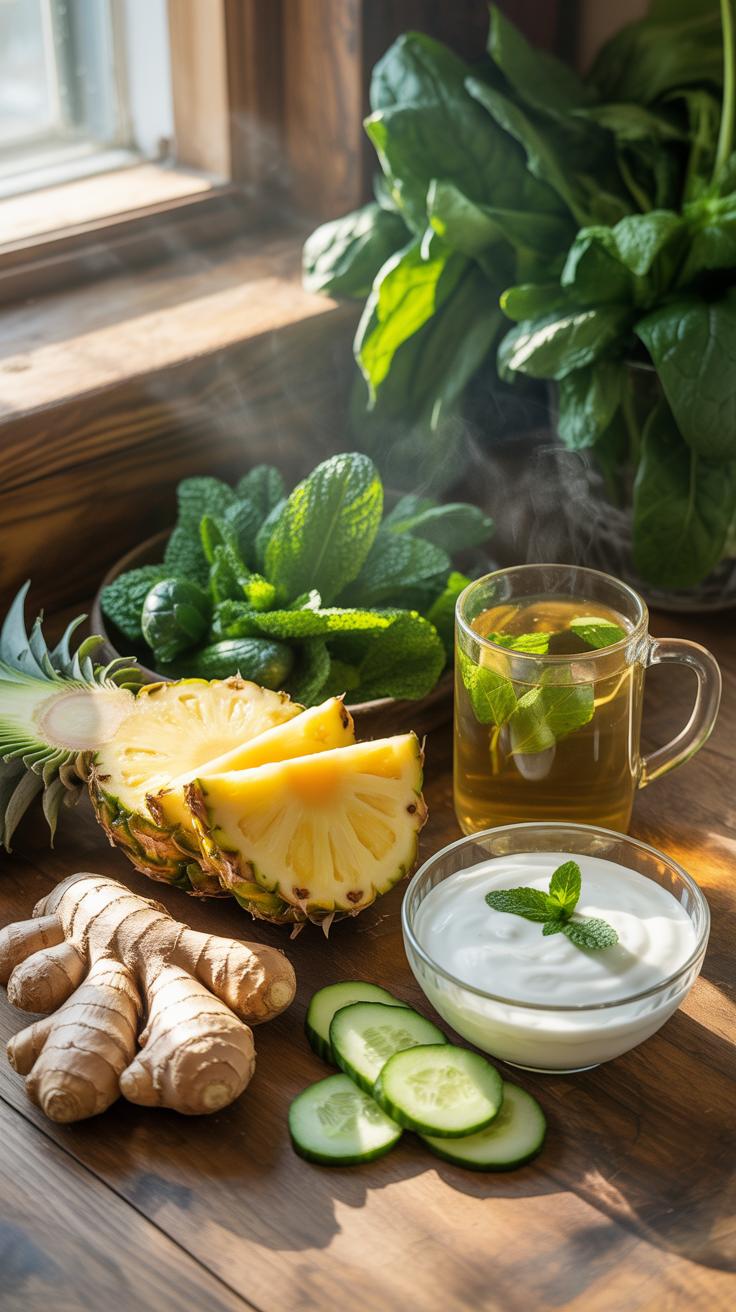
Post-meal bloating stems from stagnant food and slow gastric emptying. You must prioritize foods that stimulate digestive enzymes immediately. Fresh pineapple contains bromelain, an enzyme that breaks down complex proteins. Papaya offers papain, which serves a similar function. These proteolytic enzymes accelerate protein breakdown and move food through the small intestine faster. This prevents the fermentation process that creates gas and physical distention.
Hydration is secondary but critical for flushing excess sodium. Cucumber and celery act as natural diuretics due to high water content and potassium. They signal the kidneys to release stored fluids. Ginger tea or raw ginger triggers antral contractions in the stomach. These contractions physically push food into the digestive tract. Moving your bowels quickly is the only way to resolve a large food bolus. Stick to these raw, enzyme-rich options.
Hormonal Bloating During Menstruation And The Dietary Strategies That Help
Hormonal shifts cause significant water retention and slowed intestinal transit. Progesterone levels drop before menstruation, which often leads to constipation and gas buildup. You must increase your intake of insoluble fiber to keep waste moving. Leafy greens like spinach provide magnesium, which relaxes the intestinal muscles. This relaxation reduces cramping and allows trapped gas to escape the colon. Consistent mineral intake stabilizes your fluid balance during this phase.
Sodium sensitivity peaks during your period, making salt management vital. You must counteract salt with high-potassium foods like bananas or avocados. Potassium regulates the sodium-potassium pump in your cells to dump excess water. Avoid carbonated drinks and sugar alcohols that increase intestinal air. Focus on lean proteins and cooked vegetables to reduce the workload on your gut. These tactical choices minimize the physical pressure caused by cyclic inflammation.
Building Long Term Habits Around Anti Bloating Foods For Lasting Digestive Wellness
Mindful Eating Practices That Reduce Swallowed Air And Improve Digestion
Aerophagia occurs when you swallow excess air while eating or drinking. This air gets trapped in the digestive tract and causes immediate pressure. To prevent this, you must chew food thoroughly until it reaches a paste consistency. High speed eating prevents the stomach from signaling fullness to the brain. Proper chewing mixes saliva with food to begin the chemical breakdown of carbohydrates.
Stop using straws and avoid carbonated beverages during meals to minimize gas intake. Sit upright while eating to allow the digestive system to function without physical constriction. Walking for ten minutes after a meal stimulates peristalsis and helps move gas through the intestines. These mechanical adjustments ensure that even the best anti bloating foods can work effectively within your digestive system.
When Chronic Bloating Signals A Deeper Issue And It Is Time To See A Doctor
Persistent bloating that does not respond to dietary changes requires medical intervention. Doctors look for red flags that indicate underlying pathology rather than simple gas. Seek professional help if you experience unintended weight loss or severe abdominal pain. Fever and blood in the stool are also critical indicators of serious conditions. These symptoms may suggest infections, inflammatory bowel disease, or even certain types of cancer.
Chronic distension can signal food intolerances like celiac disease or lactose intolerance. It may also point to Small Intestinal Bacterial Overgrowth where bacteria migrate to the wrong part of the gut. A gastroenterologist can perform breath tests or endoscopies to find the root cause. Do not self-diagnose for extended periods if symptoms persist. Use professional diagnostics to rule out structural issues or chronic inflammatory states.
Frequently Asked Questions

What are the best foods to eat when I feel bloated?
When you need immediate relief, focus on anti bloating foods that are high in potassium and water content. Cucumbers, celery, and asparagus act as natural diuretics to flush out excess sodium. Additionally, ginger and peppermint are fantastic for soothing the digestive tract. Incorporating these ingredients into your snacks or meals can quickly reduce that heavy, uncomfortable sensation while supporting long-term gut health and smoother digestion.
How can I create a daily meal plan using anti bloating foods?
To build an effective routine, start your morning with warm lemon water and oatmeal topped with berries. For lunch, choose a leafy green salad with grilled protein, and for dinner, opt for steamed fish with ginger-infused quinoa. Consistency is key when using anti bloating foods to regulate your system. Avoid carbonated drinks and processed sugars throughout the day to ensure your digestive system stays calm, flat, and energized.
Is it possible to reduce bloating on a tight grocery budget?
Absolutely! Many affordable pantry staples are incredibly effective at soothing your stomach. Bananas, canned beans rinsed thoroughly, and Greek yogurt are cost-effective choices that provide potassium and probiotics. Buying frozen spinach or citrus fruits in bulk is another great way to save money while keeping gut-friendly options on hand. You don’t need expensive supplements to see results; simple, whole foods from the produce aisle often work the best.