
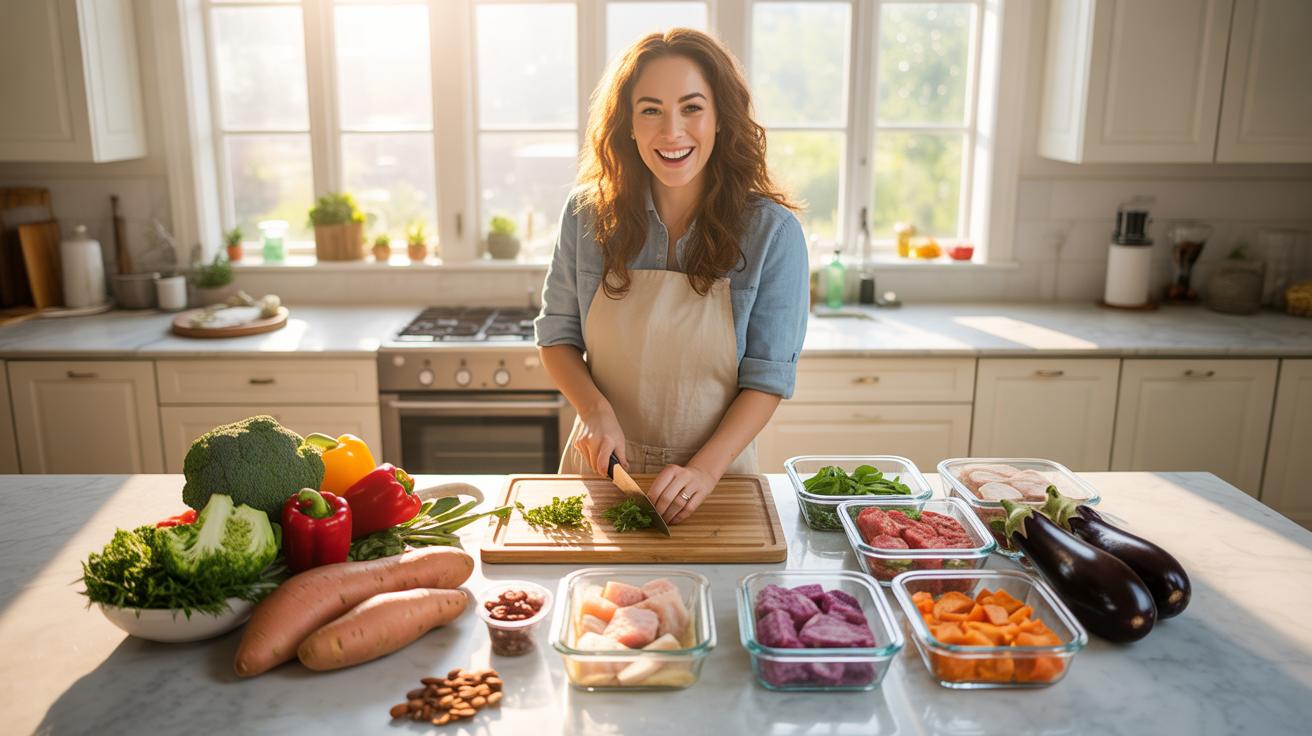
What Is Whole30 And Why Whole 30 Meal Prep Makes It Easier
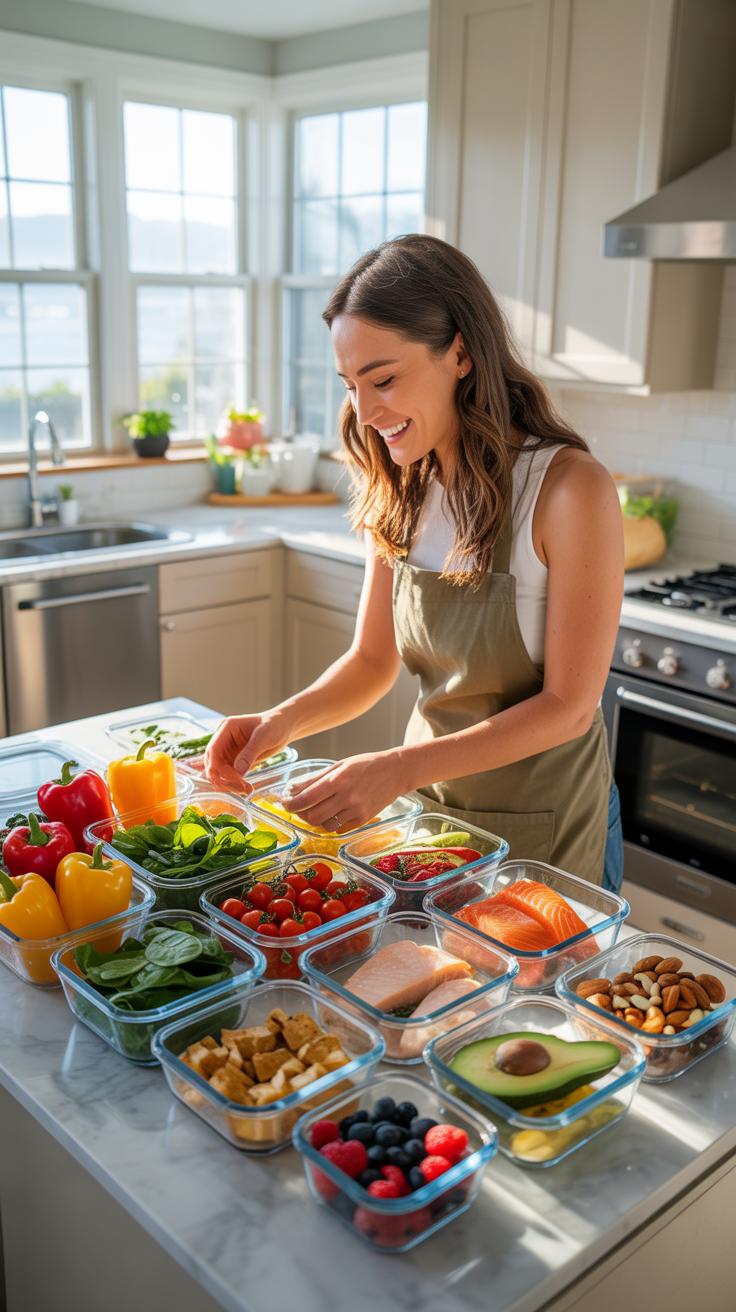
Understanding The Core Rules Of The Whole30 Program
The Whole30 program is a thirty day nutritional reset designed to eliminate inflammatory food groups. You must cut out all added sugars, grains, legumes, and dairy. Alcohol and carrageenan are also strictly prohibited. You focus on whole foods like meat, seafood, eggs, vegetables, and healthy fats. This is not a weight loss diet. It is a tool to identify how specific foods impact your body.
Compliance requires reading every single ingredient label. Even a small amount of soy or sugar results in a full program restart. You cannot recreate junk food or treats using compliant ingredients. This rule prevents the psychological craving for processed snacks. You must stick to these boundaries for thirty consecutive days without compromise. Success depends entirely on your ability to control exactly what enters your kitchen and your body.
How Meal Prepping Removes Daily Decision Fatigue On Whole30
Whole30 fails when you are hungry and have no prepared food. Decision fatigue hits hard after a long workday. Without a plan, you will likely reach for non compliant convenience items. Meal prepping eliminates the need to make choices under pressure. You decide your menu once per week. This tactical approach locks in your success before the week even begins. It turns the program into a simple execution task.
Physical preparation saves your mental energy for other tasks. You cook in bulk and portion your meals into containers. This ensures a compliant option is always ready in minutes. You avoid the stress of hunting for food at restaurants or grocery stores while hungry. Bulk cooking also reduces your total time spent in the kitchen. Efficiency is the only way to survive a thirty day elimination cycle without quitting.
Whole 30 Meal Prep Ideas To Kick Off Your First Week
Batch Cooking Proteins That Work Across Multiple Meals
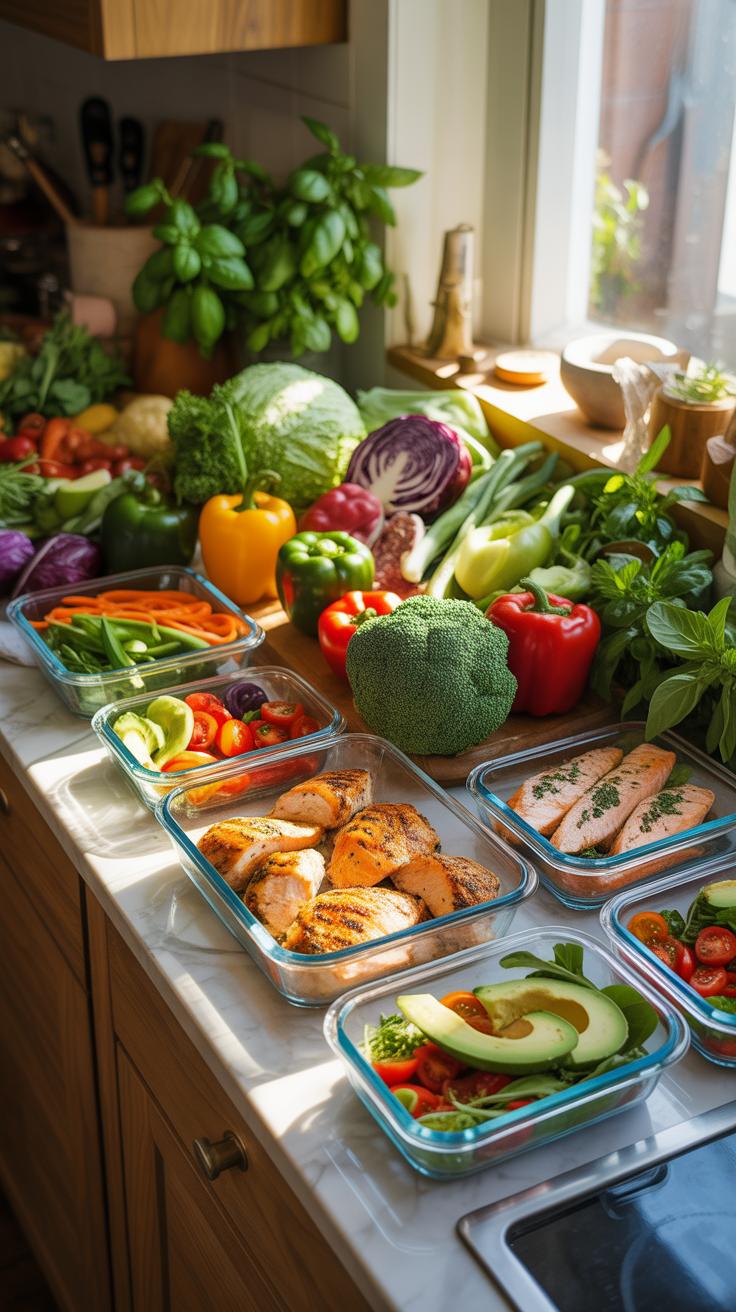
Protein acts as the anchor for every compliant meal. Focus on high volume cooking using neutral seasoning profiles. Roast three pounds of chicken thighs or brown two pounds of ground beef using only salt and pepper. This strategy allows you to pivot flavors throughout the week. You can add compliant hot sauce for breakfast or lime and cilantro for dinner without flavor clashing.
Hard boil a dozen eggs to ensure immediate snack availability. Eggs provide a portable protein source when cooking becomes impossible. Prepare bulk portions of pulled pork or beef roast in a slow cooker or pressure cooker. These fatty meats reheat better than lean cuts and remain tender on day four. Store these proteins in clear glass containers to maintain organizational visibility in your refrigerator.
Versatile Vegetable Bases You Can Build Any Meal Around
Vegetable prep dictates your success rate during the first week. Focus on starchy tubers and cruciferous greens to maintain satiety. Roast large trays of sweet potatoes and gold potatoes to provide necessary carbohydrates. Steam several heads of broccoli or sauté bags of kale in compliant oils. These bases bulk out your plate and provide essential fiber to prevent digestive stalls.
Prepare raw vegetables for quick assembly. Shred cabbage and carrots to create base layers for cold bowls. Zucchini noodles and cauliflower rice serve as direct replacements for grains and pasta. Keep these items separated from cooked components to prevent wilting. Fresh greens and pre-cut peppers allow you to assemble a meal in under five minutes. Efficiency here eliminates the temptation to reach for non-compliant convenience foods.
How To Build Your Meal Prep For The Week Whole 30 Plan
Mapping Out A Full Seven Day Whole30 Meal Schedule
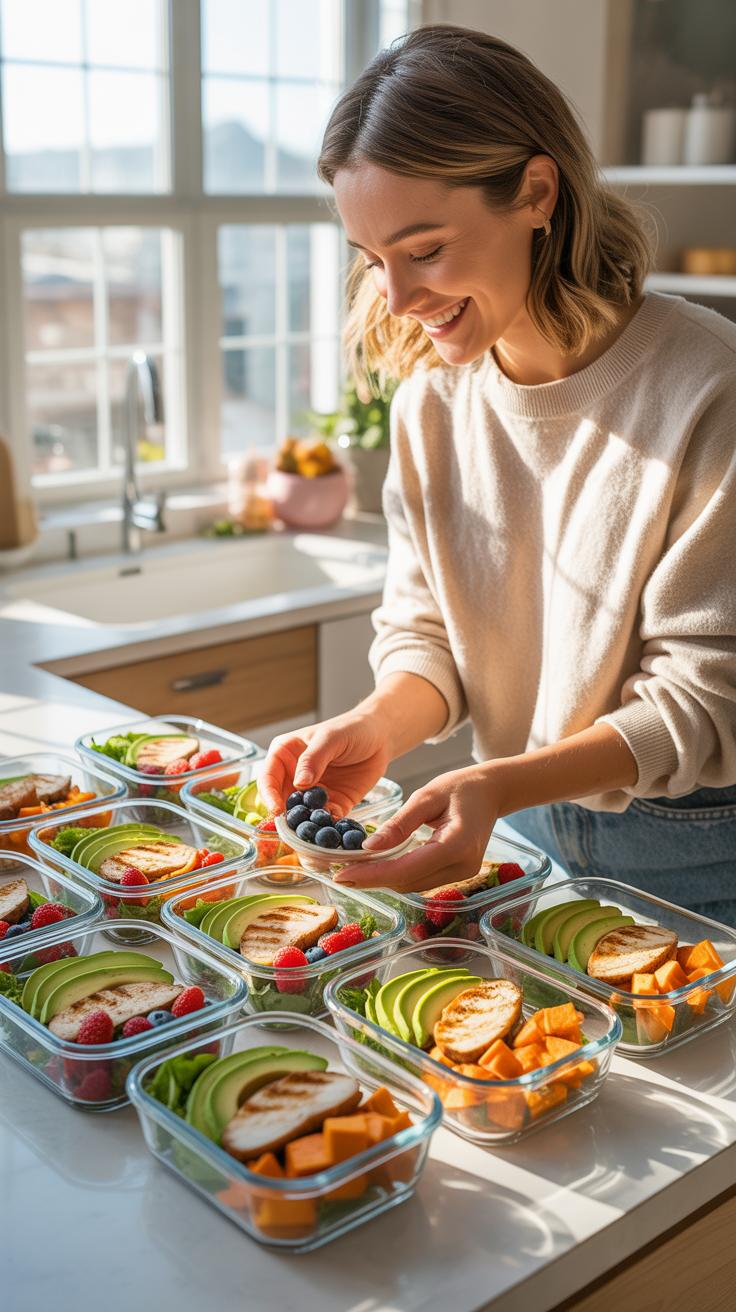
Successful planning requires a rigid grid system before you buy any ingredients. You must account for twenty-one meals plus emergency snacks to avoid compliance failure. Start by identifying your busiest days. Slot leftover dinners into lunch spots for those high-stress periods. This strategy reduces cooking time and simplifies your grocery list. Secure your proteins first as they dictate the theme of each specific day.
Consistency beats variety during your first week. Rotate two different breakfast options rather than seven unique dishes. Use mid-week buffer zones to utilize any remaining fresh produce. This prevents food waste and keeps the kitchen efficient. Check your calendar for social events or late work shifts. Adjust your proportions to ensure you have portable containers ready for these high-risk moments outside your home kitchen.
Balancing Macronutrients Across Breakfasts, Lunches, And Dinners
The Whole30 template demands a specific balance of protein, vegetables, and healthy fats. Every plate needs one to two palm-sized portions of animal protein or eggs. Fill the rest of your container with vegetables. Do not rely on fruit to fill the gaps. Your energy levels depend on adequate fat intake from sources like avocado, olives, or ghee. Follow this ratio strictly to maintain stable blood sugar.
Structure each meal to trigger satiety signals that last five hours. If you feel hungry between meals, increase your fat portions during the next sitting. Morning meals must include high-quality protein to prevent afternoon crashes. Avoid light salads for lunch if you lack a substantial protein topping. Consistent macronutrient distribution keeps your metabolism steady. High-volume vegetable intake provides the necessary fiber to support digestion throughout the entire thirty-day cycle.
Essential Whole 30 Food Staples Every Beginner Should Stock
Pantry And Fridge Essentials That Align With Whole30 Guidelines
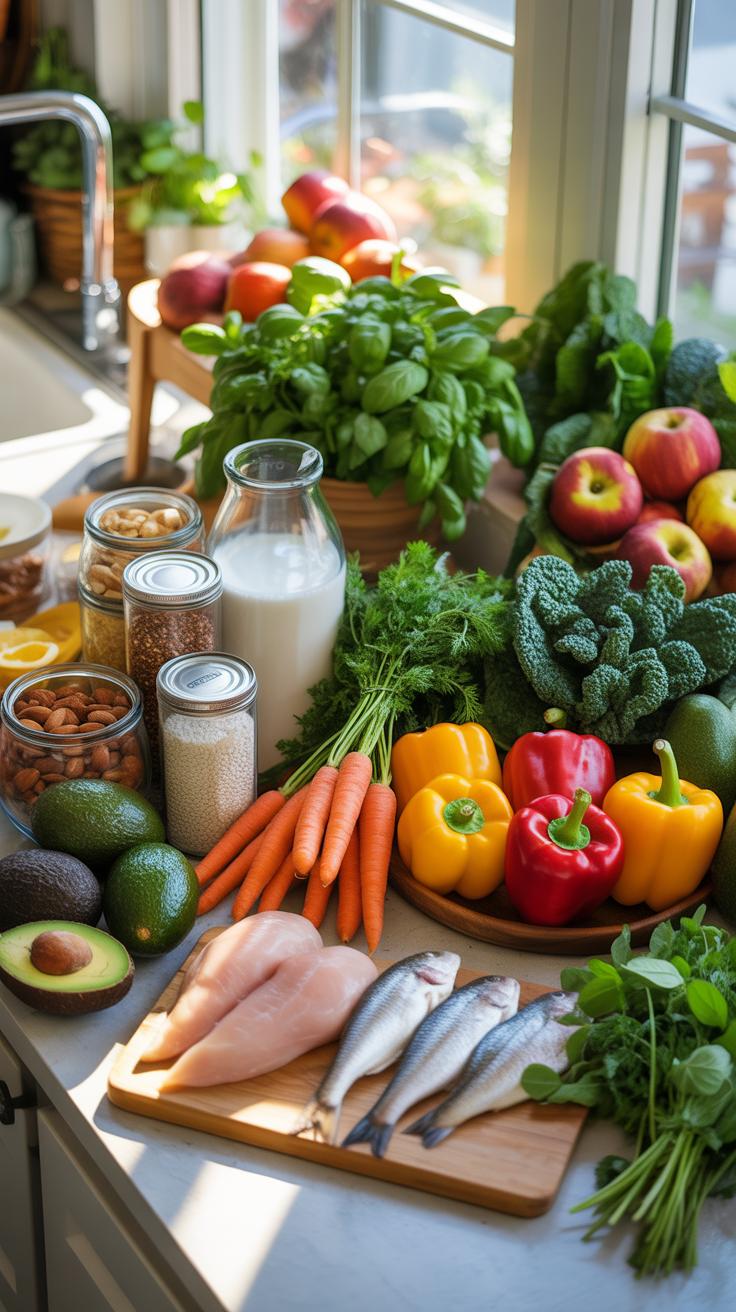
Success in Whole30 meal prep depends on having compliant fats and proteins ready at all times. You must remove all grains, legumes, and dairy from your kitchen immediately. Replace them with high-quality animal proteins, fresh vegetables, and stable fats like avocado oil or ghee. These items form the base of every meal and prevent you from reaching for non-compliant snacks.
- Ghee: This clarified butter has all milk solids removed to meet compliance standards. It offers a high smoke point for searing meats and provides a rich flavor without the lactose or casein found in standard butter.
- Coconut Aminos: This salty liquid serves as the direct replacement for soy sauce. It is made from coconut sap and contains no wheat or soy. Use it for stir-fry dishes, marinades, and seasoning cauliflower rice.
- Compliant Cooking Fats: Stock extra virgin olive oil for cold dressings and avocado oil for high-heat cooking. These fats are unprocessed and free from industrial seed oils like soybean or canola oil which are strictly prohibited on the program.
- Canned Proteins: Keep wild-caught tuna, salmon, and sardines packed in water or olive oil on hand. These provide immediate protein sources when you lack the time to cook raw meat. Always verify that the canning liquid contains no soy.
- Nut Butters: Almond, cashew, and walnut butters are excellent sources of healthy fats and satiety. Ensure the only ingredients are nuts and salt. Avoid peanut butter entirely as peanuts are legumes and banned during the thirty-day elimination phase.
Smart prepping requires buying these staples in bulk to lower your total food cost. Keeping a diverse range of spices ensures your meals do not become repetitive or bland. Focus on salt, pepper, garlic powder, and onion powder to build flavor profiles quickly. A well-stocked pantry eliminates the stress of last-minute cooking and keeps your blood sugar stable throughout the day.
How To Read Food Labels To Avoid Hidden Non Compliant Ingredients
Reading labels is a mandatory skill for Whole30 success. You cannot trust front-of-package marketing claims like natural or healthy. Turn the package over and scan the ingredient list for sugar. Manufacturers use over fifty different names for sugar, including dextrose, maple syrup, and honey. Any form of added sweetener immediately disqualifies the product from your meal plan regardless of the other ingredients.
Check every label for carrageenan, sulfites, and MSG as these additives are also banned. Processed meats like bacon and deli turkey often contain sugar or potato starch for texture. If you find a chemical name you do not recognize, do not buy the item until you verify its compliance. Stick to whole foods with one-word ingredients to simplify your shopping trips and ensure your gut heals properly.
Whole 30 Recipes Lunch Meal Prep You Can Make In Advance
Mason Jar Salads And Grain Free Bowls That Stay Fresh All Week
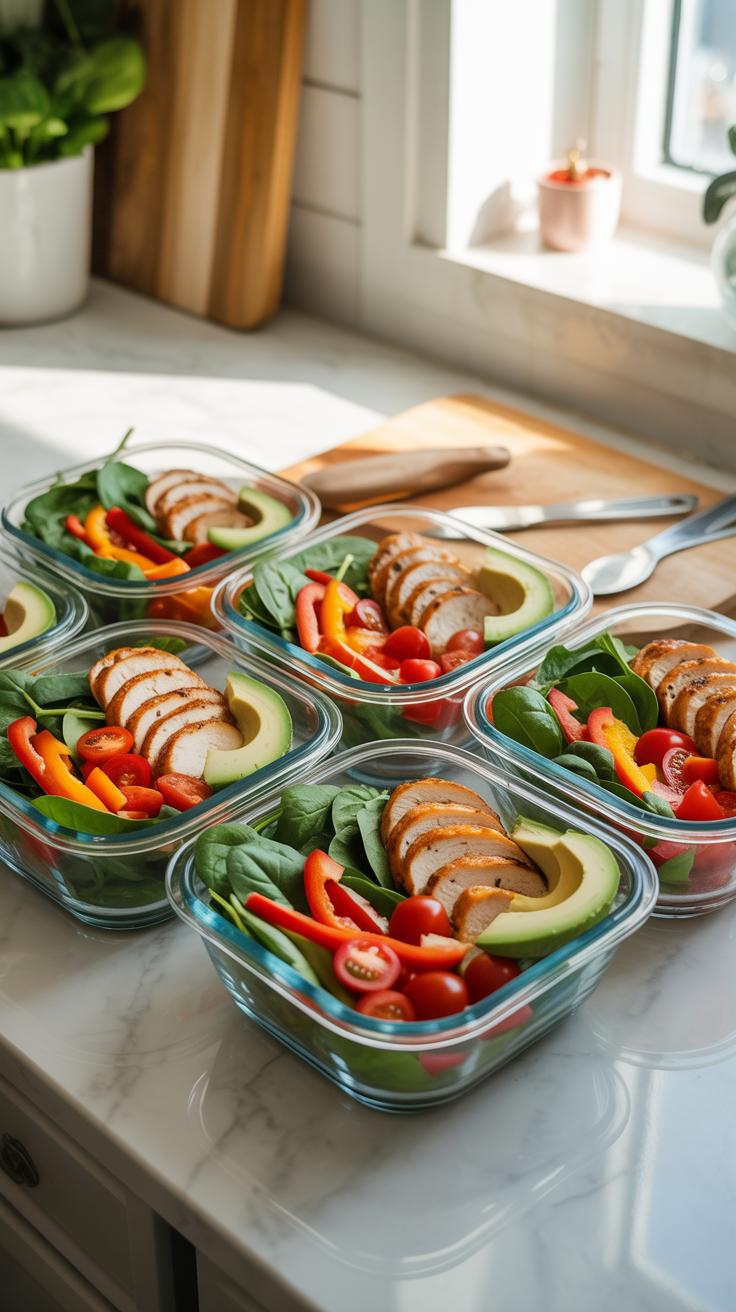
Mason jar salads prevent soggy greens through strategic layering. Put compliant vinaigrette at the bottom of a wide-mouth quart jar. Add dense vegetables like cucumbers, carrots, and radishes next. These hardy items act as a barrier. Place your protein on top of the vegetables. Finish with delicate leaves like spinach or arugula at the very top of the jar.
Grain-free bowls utilize cauliflower rice or roasted sweet potatoes as a base. These starches hold up better than traditional rice when reheated or eaten cold. Store your fats like avocado or olives in separate small containers to prevent oxidation. Use airtight glass bowls to keep ingredients crisp for four days. Seal the lids tightly to maintain moisture levels without compromising the texture of the vegetables.
Protein Packed Lettuce Wraps And Compliant Dressings To Prep Ahead
Lettuce wraps provide a crunchy vehicle for proteins without using grains. Use butter lettuce or cabbage leaves for the best structural integrity. Cook ground turkey or shredded chicken with compliant spices like cumin and garlic powder on your prep day. Drain all excess fat from the meat to prevent the leaves from wilting. Store the protein and leaves in separate containers until you eat.
Compliant dressings rely on high-quality fats like avocado oil or extra virgin olive oil. Avoid soybean oil and added sugars found in commercial brands. Whisk apple cider vinegar with mustard and dried herbs for a quick vinaigrette. Store these mixtures in glass jars in the refrigerator. Shake the jars vigorously before serving to emulsify the ingredients. Use these dressings to add flavor and healthy fats to every lunch.
Fast Whole 30 Meals For Busy Weeknights Without The Stress
Sheet Pan And One Pot Dinners That Come Together In Under 30 Minutes
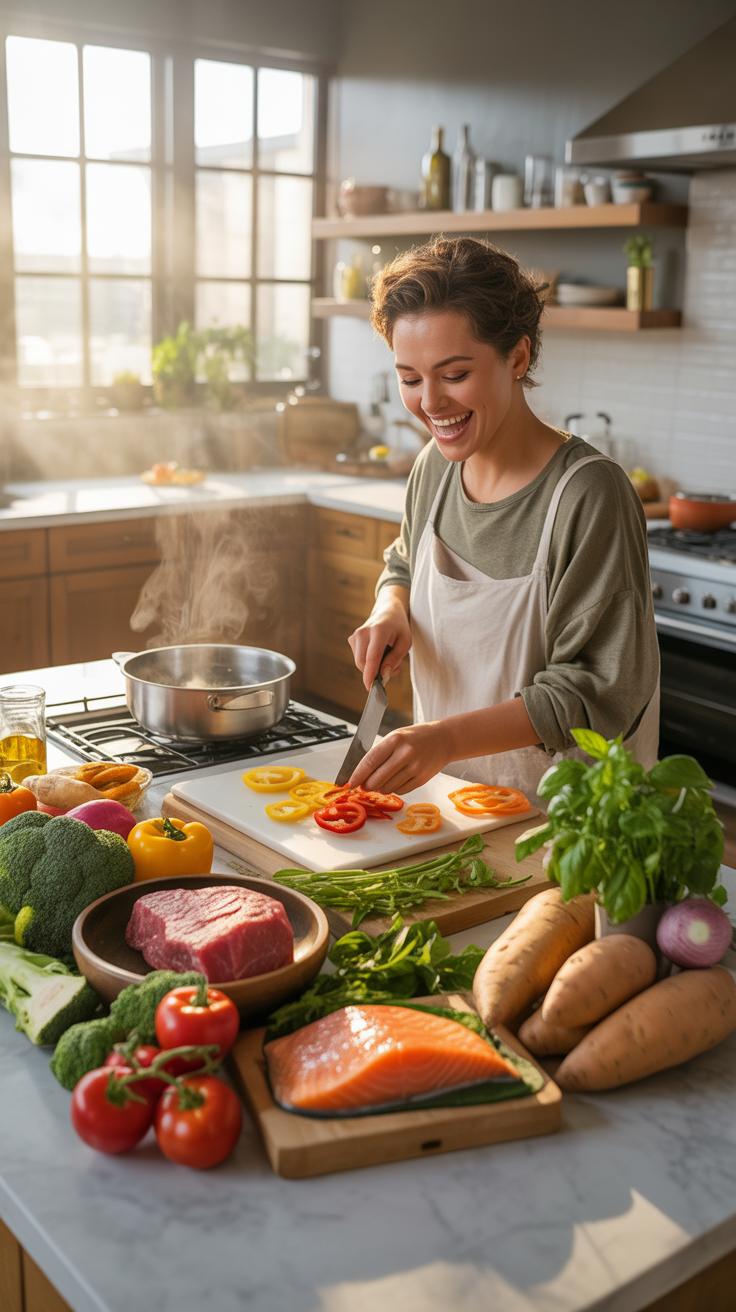
Efficiency requires minimizing clean up and maximizing heat contact. Sheet pan cooking relies on roasting high-protein meats alongside dense vegetables at 400 degrees Fahrenheit. Use parchment paper to prevent sticking and eliminate scrubbing. Cut all vegetables to a uniform size to ensure everything cooks at the same rate. This method forces dry heat to caramelize natural sugars without using non-compliant additives.
One-pot cooking utilizes heavy vessels like cast iron or Dutch ovens to retain consistent thermal mass. Start by searing your protein to build a flavor base known as fond. Degrading the pan with compliant liquids like apple cider vinegar or vegetable broth releases these concentrated flavors. This tactical approach combines primary cooking and sauce creation in a single step. It saves time and maintains strict ingredient control.
Using Your Prepped Ingredients To Assemble No Cook Compliant Meals
Speed during the work week depends entirely on previous preparation stages. Use pre-cooked proteins like shredded chicken or grilled steak stored in airtight containers. Combine these cold proteins with fibrous greens and healthy fats like avocado or olives. This assembly method bypasses the stove entirely. It relies on the chemical balance of acidity and salt to create flavor profiles that do not require heat.
Strategic assembly utilizes bulk-prepped components like roasted sweet potatoes and hard-boiled eggs. These items act as dense caloric anchors for quick bowls or wraps using large lettuce leaves. Cold meals prevent the loss of water-soluble vitamins that occurs during repeated reheating. Focus on high-moisture vegetables like cucumbers and radishes to add texture. This system ensures you eat a compliant meal before hunger compromises your decision-making.
Whole Food 30 Recipes Centered Around Anti Inflammatory Ingredients
Why Whole30 Emphasizes Nutrient Dense, Minimally Processed Foods
Whole30 targets systemic inflammation by removing triggers like added sugars and industrial seed oils. These ingredients often cause gut irritation and metabolic stress. By shifting to whole foods, you eliminate chemicals that disrupt your hormones. This approach forces your body to use cleaner fuel sources. You stop relying on glucose spikes from processed junk. This change stabilizes your energy and reduces bloating.
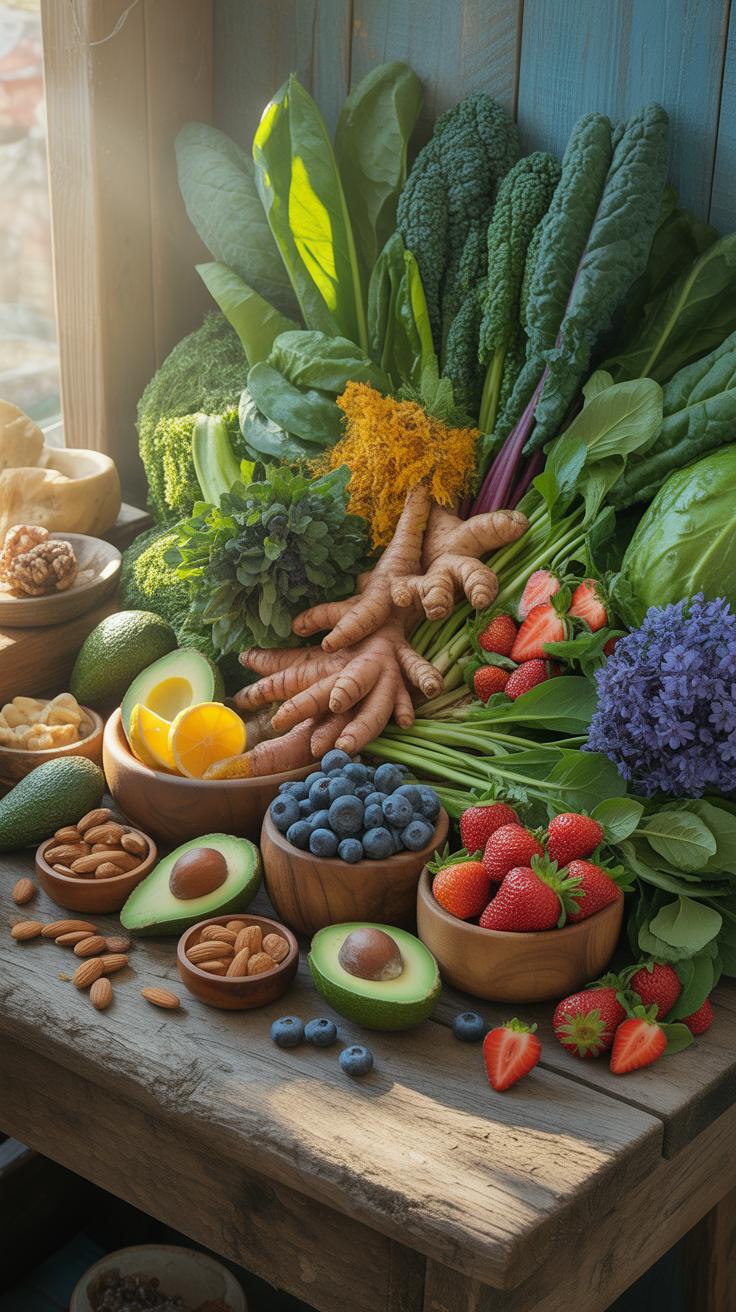
Nutrient density is the core of this protocol. Minimally processed foods provide the vitamins and minerals needed for cellular repair. These foods include wild-caught fish, grass-fed meats, and colorful vegetables. They contain high levels of antioxidants and omega-3 fatty acids. This nutritional profile supports your immune system and brain health. You eat foods that your body recognizes and digests efficiently. This promotes long-term health and weight management.
The greatest wealth is health, and there is no better way to honor your body than by returning to the simple, nourishing foods of our ancestors. Preparing your meals with care today is a gift of love that your future self will cherish.
Egg Based Breakfast Recipes That Fuel You Through The Morning
Eggs provide high-quality protein and essential choline for brain function. A standard Whole30 breakfast often involves a vegetable frittata. You sauté spinach, bell peppers, and onions in avocado oil. Pour beaten eggs over the mixture and bake until firm. This meal prep strategy allows you to slice portions for the entire week. It keeps you full and prevents mid-morning energy crashes without using grains.
Sheet pan eggs offer another tactical advantage for busy schedules. You crack eggs into a lined baking sheet and add chopped kale or tomatoes. Bake at a high temperature until the whites set. This method creates uniform squares that fit into meal prep containers easily. Focus on adding healthy fats like sliced avocado or olives on the side. These fats slow down digestion and keep your blood sugar steady all day.
Whole 30 Recipes Gluten Free Tips For Avoiding Cross Contamination
Why Whole30 Is Naturally Gluten Free And What That Means For Prep
The Whole30 program bans all grains, including wheat, barley, and rye. This biological exclusion makes the protocol inherently gluten-free from a foundational level. You eliminate the primary sources of gluten by removing bread, pasta, and cereal. This structural constraint simplifies your shopping list. You focus exclusively on whole foods like meat, seafood, eggs, vegetables, and fruit. These items do not contain gluten in their raw state.
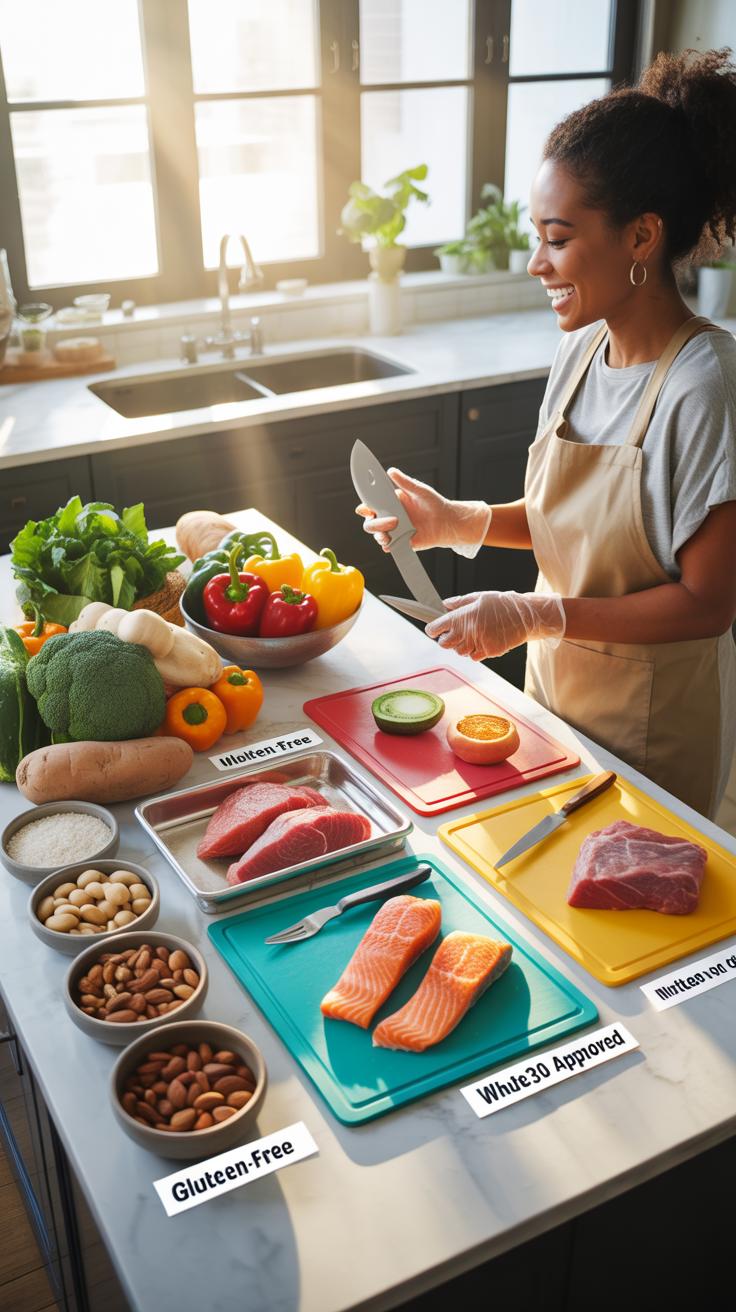
Preparation requires vigilance against hidden additives. Even though the core ingredients are safe, cross-contamination happens during the manufacturing or cooking process. You must audit your kitchen surfaces and tools before starting. Porous materials like wooden spoons or plastic cutting boards trap gluten particles. Clean your prep area thoroughly to ensure no residue from previous meals remains. Dedicated equipment prevents accidental exposure during your thirty-day reset.
Safe Swaps For Common Gluten Containing Sauces Seasonings And Condiments
Standard pantry staples often hide gluten in thickeners or stabilizing agents. Many commercial soy sauces use wheat as a primary fermenting agent. You must identify these hidden risks to remain compliant. Traditional thickeners like flour or roux are off-limits during Whole30. Using compliant alternatives ensures your meals stay safe while maintaining flavor and texture. Read every label to verify no malt or grain fillers are present.
- Coconut Aminos: This liquid serves as the direct replacement for soy sauce. It provides a salty and slightly sweet profile without using wheat or soy. It works perfectly for stir-fry dishes and marinades.
- Arrowroot Powder: Use this starch to thicken sauces instead of wheat flour. It creates a smooth texture when dissolved in cold water before adding to heat. It is a neutral-tasting, grain-free thickening agent.
- Apple Cider Vinegar: Many specialty vinegars contain gluten-based grain alcohols or additives. Raw apple cider vinegar provides the necessary acidity for dressings and sauces. Verify the label to ensure no added sugars or thickeners exist.
- Nutritional Yeast: This inactive yeast provides a savory and cheesy flavor without the use of dairy or grains. It adds depth to roasted vegetables and compliant sauces. Ensure the brand is certified gluten-free to avoid contamination.
- Homemade Spice Blends: Pre-packaged taco or steak seasonings often use flour as an anti-caking agent. Mix your own salt, pepper, garlic powder, and onion powder. This guarantees your seasonings remain one hundred percent grain-free and compliant.
Tactical swapping requires a shift in how you build flavor profiles. Liquid aminos and vinegar provide the base for most compliant dressings. Always check the ingredients of pre-made mustard and hot sauce for thickeners. If a label lists “modified food starch” without a specific source, reject it. Mastering these swaps allows you to recreate familiar tastes without compromising your health goals. Direct ingredient control is your best defense.
Meal Prep For Whole30 Diet Storage Portioning And Food Safety
Best Containers And Refrigeration Timelines To Keep Prepped Food Safe
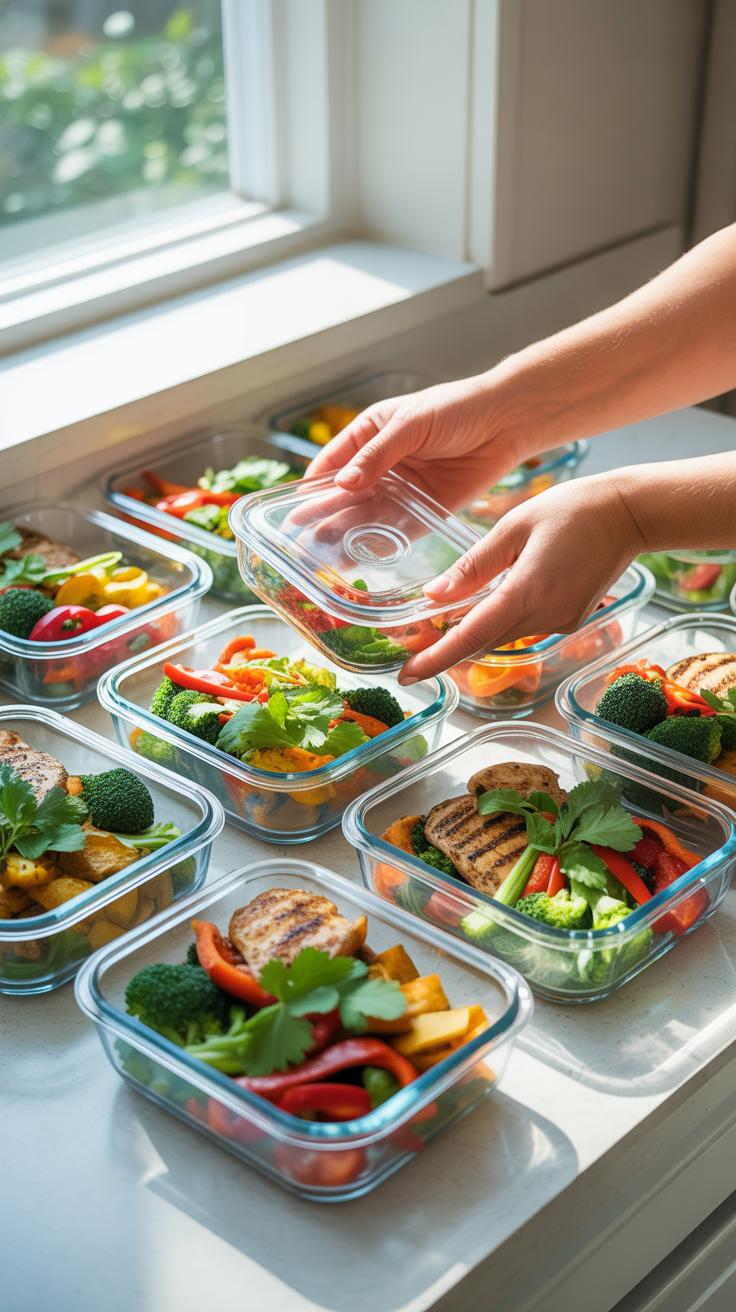
Invest in airtight glass containers. Glass does not leach chemicals into your compliant meals during reheating. Plastic containers often stain from tomato sauces and retain odors from garlic or onions. Use various sizes to separate proteins from vegetables. This prevents textures from becoming mushy. Properly sealed glass also keeps air out. Air exposure causes oxidation and makes fresh produce spoil faster.
Follow the four day rule for refrigerated items. Most Whole30 proteins and cooked vegetables stay safe and flavorful for ninety six hours. Seafood is the exception and requires consumption within two days. Keep your refrigerator at or below forty degrees Fahrenheit. This temperature slows bacterial growth effectively. Label every container with a date. Use masking tape and a marker to track freshness easily.
Freezer Friendly Whole30 Meals That Extend Your Prep Through The Month
Freezing allows you to scale your meal prep beyond the first week. Focus on stews, chili, and braised meats for the best results. These items maintain their structural integrity after thawing. Avoid freezing raw potatoes or leafy greens as they turn grainy or watery. Place food in heavy duty freezer bags to remove all air. Removing air prevents freezer burn and chemical changes.
Flash freeze individual portions of cooked protein on a baking sheet before bagging them. This technique prevents large clumps of meat from sticking together. You can then grab exactly what you need for a single meal. Thaw all frozen meals in the refrigerator for twenty four hours before eating. Never thaw compliant meals on the counter. Room temperature environments invite rapid bacterial growth and compromise your food safety.
Common Whole30 Meal Prep Mistakes Beginners Make And How To Avoid Them
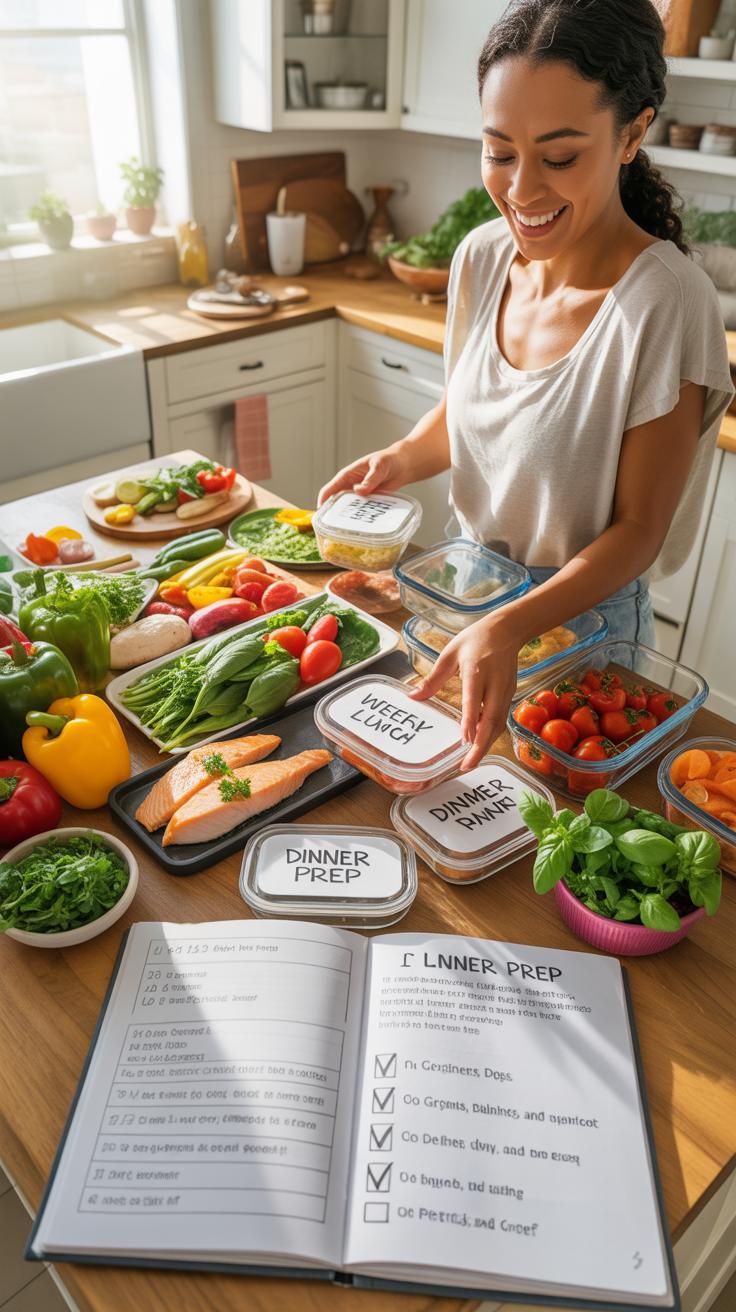
Overcomplicating Recipes When Simple Preparations Work Just As Well
Beginners often fail by choosing complex recipes with twenty ingredients. You do not need to mimic gourmet meals to succeed on Whole30. Complicated instructions increase your stress and the time spent in the kitchen. This exhaustion leads to burnout before the first month ends. High-level strategy requires you to prioritize efficiency over variety. Stick to basic protein and vegetable combinations to save time.
Master the art of component cooking instead of individual recipes. Roast five pounds of chicken breasts and three trays of seasonal vegetables at once. Use salt, pepper, and high-quality fats for flavor. Simple execution ensures you always have compliant food ready to eat. You can vary the taste later with different compliant sauces. This method reduces decision fatigue and keeps your kitchen workflow lean and sustainable.
Skipping The Planning Stage And How It Leads To Off Program Choices
Lack of preparation creates a vacuum that non-compliant foods will fill. Most people quit Whole30 because they find themselves hungry without a plan. You must map out every meal for the week before you go to the grocery store. This prevents impulsive purchases of processed items that do not fit the program. A written plan acts as your tactical blueprint during busy workdays when willpower is low.
A solid plan includes a detailed inventory of your pantry and fridge. You must verify that every spice blend and condiment contains no added sugar or soy. Failure to read labels in advance results in accidental rule breaking. Check your calendar for social events or late meetings that might disrupt your eating schedule. Pack portable emergency snacks like hard-boiled eggs or nuts. Strategic planning eliminates the risk of failure.
Frequently Asked Questions

What is the best way to get started with Whole30 meal prep as a beginner?
The key to successful Whole30 meal prep is starting simple rather than overcomplicating your menu. Begin by choosing two or three protein sources and roasting a variety of compatible vegetables in bulk. Focus on mastering basic compliant sauces, like homemade mayo or ranch, which add flavor to repetitive meals. By preparing these foundational components ahead of time, you remove the stress of decision fatigue during your first challenging week.
How can I efficiently organize my kitchen for a weekly prep session?
Efficiency starts with “batching” your tasks. Wash and chop all your vegetables at once before turning on the stove. Use multiple sheet pans to roast different ingredients simultaneously at the same temperature. Having high-quality, airtight containers ready to go is essential for keeping your whole30 meal prep fresh. Labeling your containers with dates and meal types will help you stay organized and ensure you always have a compliant option ready.
Is it possible to complete the program without spending a fortune on groceries?
Absolutely! You can master whole30 meal prep on a budget by prioritizing seasonal produce and affordable protein cuts like chicken thighs, eggs, or ground turkey. Buying in bulk and choosing frozen vegetables—which are just as nutritious as fresh—can significantly lower your costs. Avoid the expensive “Whole30 Approved” pre-packaged snacks and instead focus on simple, whole-food ingredients that you can prep yourself at home for a fraction of the price.