
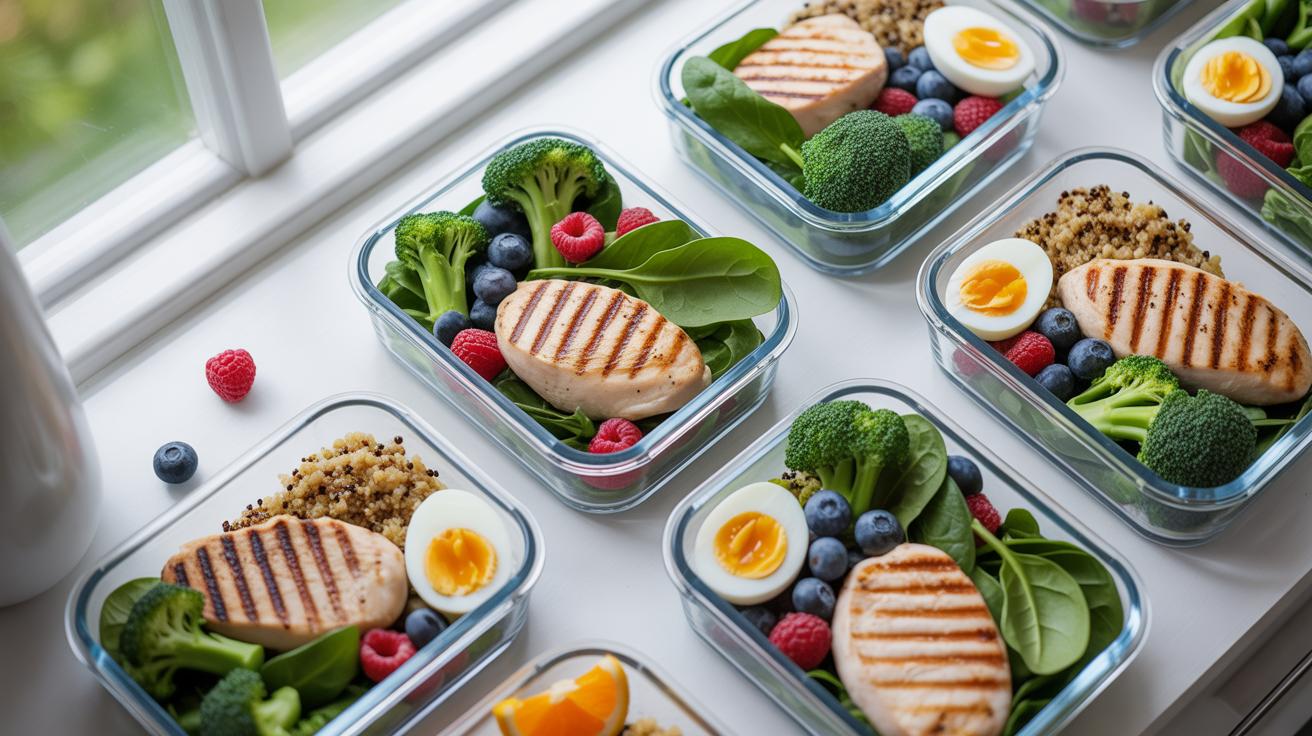
What Makes A High Protein Meal Plan Effective For Fat Loss

The Science Behind Protein And Fat Loss
Protein requires more energy to digest than fats or carbohydrates. This process is called the thermic effect of food. Your body burns nearly thirty percent of the calories consumed from protein just to process the nutrients. This metabolic spike gives you a distinct advantage during a fat loss phase. It ensures your metabolism stays active even while you reduce your overall calorie intake.

High protein intake protects your existing muscle tissue while you lose weight. When you eat fewer calories, your body often looks to muscle for fuel. Protein provides the amino acids necessary to prevent this breakdown. Maintaining muscle mass is vital because muscle tissue burns more calories at rest than fat tissue. This strategy keeps your metabolic rate high for long term fat loss success.
How Much Protein Do You Actually Need Per Day
General health guidelines often lowball protein requirements for active individuals. For fat loss, aim for 0.7 to 1.0 grams of protein per pound of body weight. This range ensures you remain full between meals and stabilizes your blood sugar. Getting this number right is the foundation of any successful 12 week meal plan. It prevents the constant hunger that usually ruins most weight loss attempts.
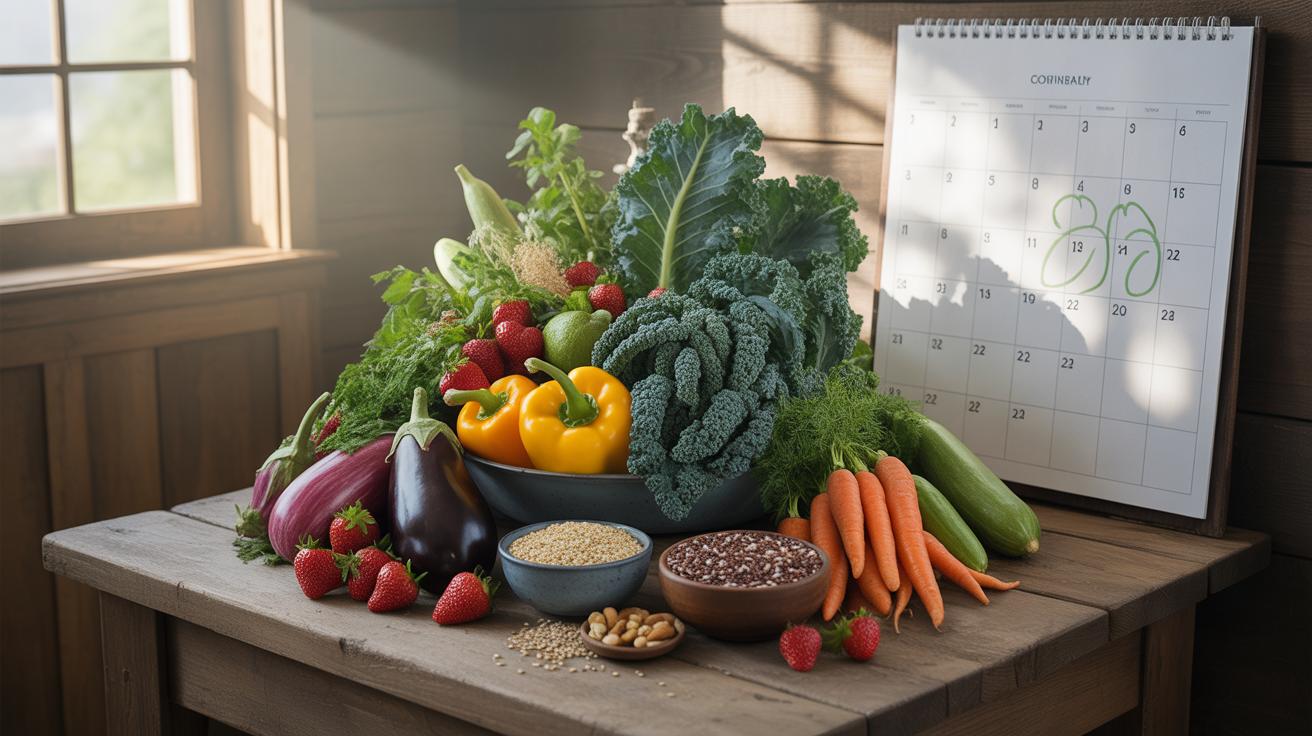
Distribution of protein across the day matters as much as the total amount. You should consume twenty to forty grams of protein at every meal. This habit triggers muscle protein synthesis multiple times daily. Consistency is the secret to body recomposition. Do not try to eat all your protein in one sitting. Spread it out to maximize the thermic effect and keep your energy levels steady throughout the day.
How To Structure Your 12 Week Meal Plan Using A 4 Week Rotating Meal Plan

Why A Rotating Meal Plan Prevents Diet Fatigue And Keeps You On Track
Diet fatigue kills most weight loss attempts before the first month ends. Decision fatigue occurs when you choose new meals every single day. This mental load leads to poor choices and eventual quitting. A rotating plan removes the need for constant willpower. You follow a proven script instead of guessing. This structure creates a psychological safety net that keeps you focused on your target weight.
Repetition builds metabolic and behavioral consistency. When you eat similar foods over a four week period, your body adapts to the nutrient timing. You also master the specific cooking skills needed for those meals. This efficiency reduces stress and prevents the urge to order takeout. You stay on track because the path is already paved. Predictability is the strongest weapon against the chaos of a long term diet.
How To Build An Easy Meal Plan Rotation Across 12 Weeks
Building a twelve week cycle requires three distinct four week blocks. You design a set of high protein meals for the first twenty eight days. Once you finish the first month, you repeat that exact same schedule for the next two months. This method simplifies your grocery shopping and meal prep. You buy the same ingredients in bulk. You learn exactly how long each meal takes to cook.
A four week rotation provides enough variety to stop boredom without causing confusion. You rotate through four different weekly menus. This gives you twenty eight unique dinner options before you see the first meal again. By the time you start week five, the meals feel fresh again. You focus on execution rather than planning. This tactical approach ensures you complete the full twelve weeks without losing momentum or clarity.
Setting Up Your Meal Prep Template For The Entire 12 Weeks
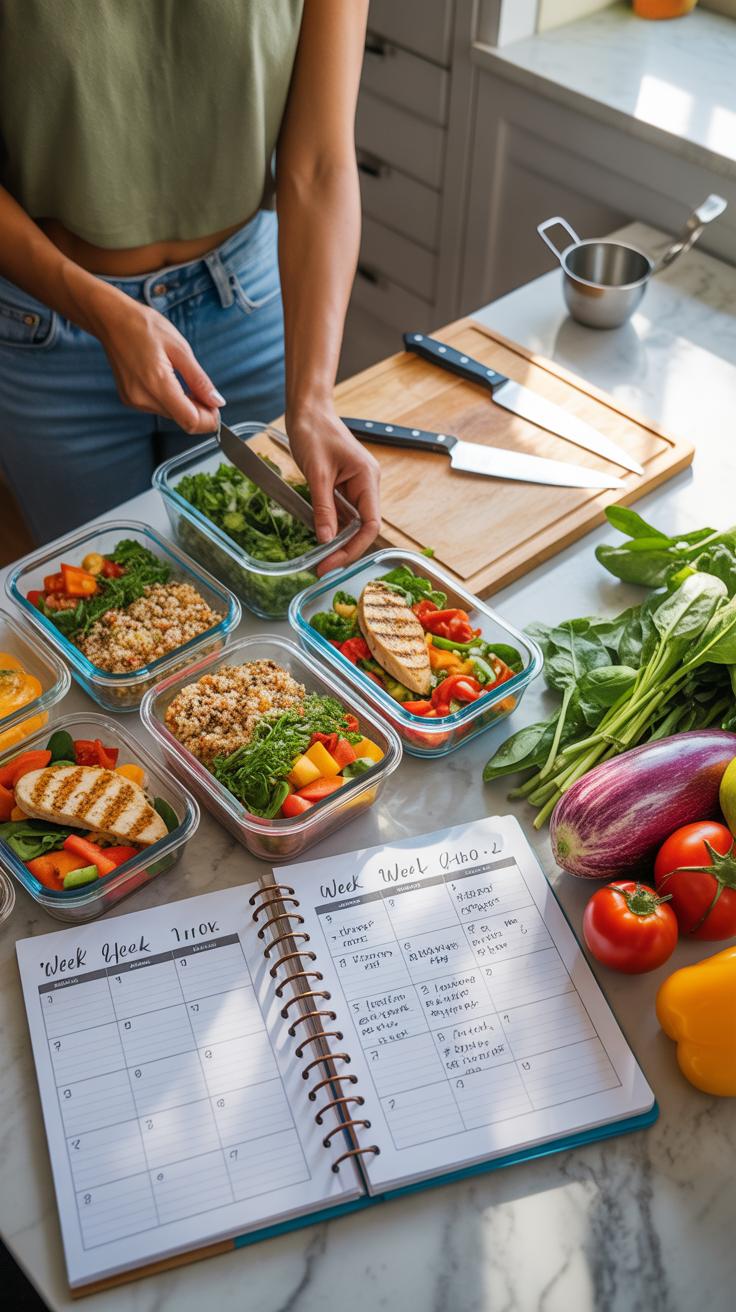
How To Use A Meal Prep Template To Save Time And Reduce Food Waste
A 12 week meal plan fails without a rigid template. Templates eliminate decision fatigue by standardizing your weekly shopping and cooking routines. You must map out your protein sources and caloric targets before the week begins. This structure ensures you buy only what you need. It prevents impulse buys at the grocery store. Strategic planning turns a complex diet into a repeatable system.
Standardized templates also minimize food waste through inventory management. You track exactly which proteins and vegetables you have in stock. This practice prevents ingredients from rotting in the back of your fridge. By rotating specific protein groups each week, you maintain variety while keeping costs low. Efficiency requires you to treat your kitchen like a production line. Proper templates make fat loss predictable and sustainable.
Essential Protein Meals Prep Strategies For Busy Schedules
Batch cooking is the only way to maintain a high protein intake during a 12 week meal plan. You cannot cook every meal from scratch when life gets busy. Successful dieters dedicate one or two days a week to bulk preparation. This method ensures you always have a lean protein source ready to eat. Speed depends on having prepped components rather than finished dishes.
- Batch Grilling: Cook five pounds of chicken breast or lean steak at once. Slice the meat and store it in airtight containers for quick salads or wraps. This saves hours of cleaning pans and prevents mid-week dietary slips when you are tired.
- Slow Cooker Shredding: Place large cuts of lean pork or beef in a slow cooker with minimal seasoning. Shred the meat once it is tender for high protein tacos or bowls. This hands-off approach requires zero active supervision during the long cooking process.
- Sheet Pan Roasting: Roast multiple servings of salmon or white fish alongside cruciferous vegetables on a single tray. Use high heat to cook everything in under twenty minutes. This technique provides essential fatty acids and minerals with almost no cleanup required.
- Hard Boiling Eggs: Prepare a dozen eggs at the start of every week to use as portable protein snacks. Eggs provide high biological value protein and healthy fats. They stay fresh in the refrigerator for seven days and require no reheating before consumption.
- Pre-Portioned Smoothies: Place protein powder and frozen greens into individual freezer bags for immediate use. Add water or unsweetened nut milk and blend when needed. This strategy eliminates the mess of measuring ingredients during your busy morning routine or post-workout window.
Organize your refrigerator by protein type and expiration date to avoid confusion. Label every container with the date you cooked it. Use clear glass containers so you can see your options at a glance. Visual cues remind you to stick to your goals when hunger strikes. Control your environment to control your results. Following these aggressive prep strategies guarantees you hit your protein targets every single day.
Your Daily Food Schedule What To Eat And When For Maximum Fat Burn

Building A Consistent Daily Food Schedule Around Protein Timing
Protein timing dictates muscle preservation during a 12 week meal plan. You must consume high-quality protein every three to four hours to maintain a positive nitrogen balance. This frequent dosing prevents the body from breaking down muscle tissue for energy. Aim for thirty to fifty grams of protein per feeding. Consistent timing stabilizes your blood sugar and reduces hunger spikes throughout the day.
Eat your first meal within an hour of waking to stop overnight catabolism. Schedule your largest carbohydrate intake around your training window when insulin sensitivity is highest. This strategy directs nutrients toward muscle repair instead of fat storage. Consistency is the primary driver of fat loss. Stick to the same eating windows every day to regulate your metabolic rate and hunger hormones properly.
Sample Daily Meal Breakdown From Morning To Evening
Start your morning with lean protein and healthy fats to improve mental clarity. Eggs or Greek yogurt provide the necessary amino acids without a heavy insulin response. Mid-morning requires a fast-digesting protein source to sustain energy levels until lunch. Your midday meal should combine lean meat with high-fiber vegetables to keep you full and focused. This structure prevents the common afternoon energy crash.
The evening meal focuses on slow-digesting proteins like casein or lean beef. Pair these with complex carbohydrates if you trained during the day to replenish glycogen stores. Avoid high-fat snacks late at night to ensure the body prioritizes fat oxidation during sleep. End your day with a small serving of protein if you have remaining macros. This final step protects muscle mass while you recover overnight.
Weeks 1 Through 4 Laying The Foundation With Your Food Planner

How To Use A Food Planner To Organize Your First Month Of Eating
Your 12 week meal plan fails without a rigid tracking system. Use a food planner to map every gram of protein before the week begins. Planning ahead eliminates decision fatigue. It prevents you from choosing convenient low protein snacks when hunger strikes. Treat your planner like a contract. Log your meals on Sunday to ensure your kitchen stays stocked with the right fuel.
Consistency in the first month builds the metabolic momentum needed for fat loss. Accuracy matters more than variety right now. Record your daily protein intake and caloric totals to identify gaps in your nutrition. If you do not track your data, you cannot adjust your strategy. Hard data allows you to pivot if your weight loss stalls. Use the planner to hold yourself accountable daily.
Key High Protein Foods To Prioritize In Weeks 1 To 4
Focus on lean animal proteins to maximize thermic effect and satiety. Chicken breast and turkey mince offer high protein density with minimal fat. Incorporate white fish like cod or tilapia for low calorie volume. These sources allow you to eat more food while staying under your calorie ceiling. Eggs and egg whites provide essential amino acids to protect muscle tissue during your initial deficit.
Plant based options like lentils and Greek yogurt supplement your primary protein sources. High protein dairy stabilizes blood sugar and reduces cravings. Avoid processed deli meats containing fillers and high sodium. Stick to whole food sources to reduce inflammation and water retention. Quality control in the first month dictates your long term success. Prioritize single ingredient foods to keep your digestion efficient and your fat loss steady.
Weeks 5 Through 8 Progressing With A Meal Planner Aesthetic That Keeps You Motivated
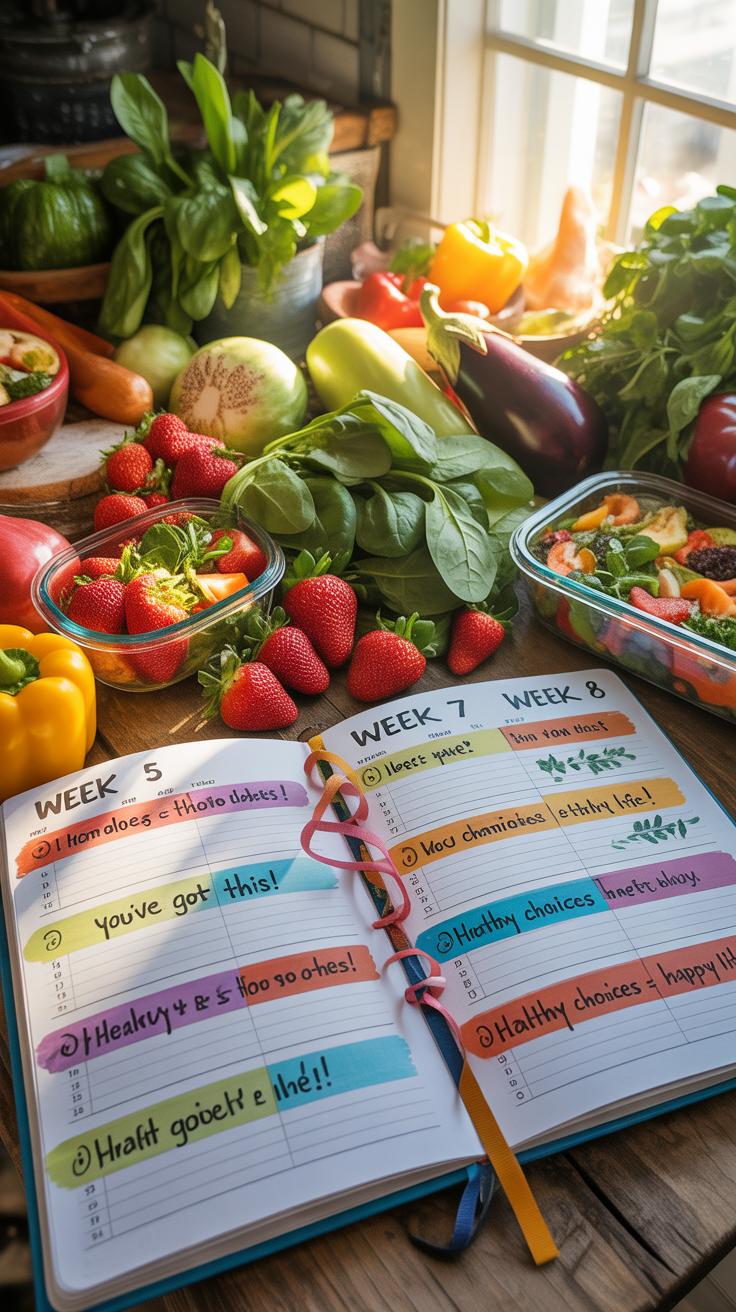
Why A Visually Organized Meal Planner Aesthetic Improves Diet Adherence
Visual clarity reduces cognitive load during high-stress weeks. Standardized layouts help you spot nutritional gaps immediately. Professional designers use grids and white space to prioritize information. Applying these Bauhaus principles to your meal planner removes decision fatigue. You stop searching for data and start executing tasks. A clean interface makes your targets impossible to ignore. Efficiency drives long-term consistency in every discipline.
A messy planner leads to mental friction and missed meals. Neat organization reinforces your commitment to the 12 week meal plan. High-contrast fonts and minimal colors emphasize your daily protein goals. Use clear headings to separate prep tasks from consumption times. This structured approach builds a professional mindset toward your health. You treat your nutrition like a high-stakes project. Strict visual order creates an environment where failure feels out of place.
To eat is a necessity, but to eat intelligently is an art that honors the strength we’ve built through the seasons. Nourish your body with purpose today, for the discipline you plant now will harvest the vitality you’ve always remembered.
— François de La Rochefoucauld
How To Adjust Calories And Macros As Fat Loss Progresses In Month Two
Your body weight dropped during the first four weeks. This lower mass requires less energy to maintain. You must reduce total calories to keep losing fat at the same rate. This is a scientific necessity called metabolic adaptation. Decrease your daily intake by ten percent to stay in a deficit. Monitor your scale weight and waist measurements every week to verify progress.
Maintain high protein levels while cutting energy from fats or carbohydrates. You need more protein per pound of body mass as you get leaner. This protects your muscle tissue from being burned for fuel. Aim for one gram of protein per pound of your current body weight. Adjusting macros ensures your weight loss comes from fat stores. Stick to the data and ignore your appetite cues during this transition phase.
Weeks 9 Through 12 Sustaining Fat Loss With A Weekly Meal Plan With Desserts
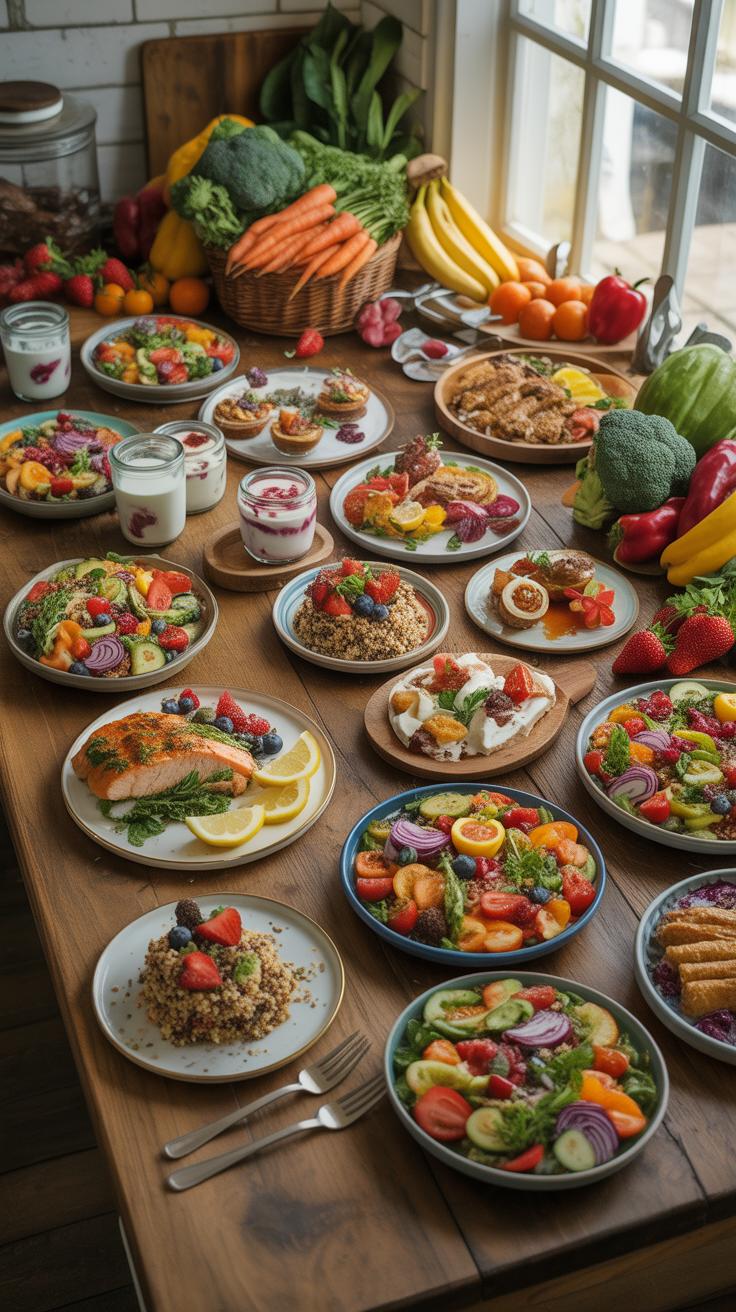
How Including A Weekly Meal Plan With Desserts Reduces Cravings And Bingeing
Dietary adherence fails when people feel deprived. Results in later weeks of a 12 week meal plan depend on psychological stability. Eliminating all sweets causes a dopamine deficit. This leads to intense cravings and eventual binge eating cycles. High protein desserts provide a sensory reward without breaking your caloric deficit. You stay on track because the plan feels livable rather than restrictive.
Strategic inclusion of desserts regulates the hormone ghrelin. Constant restriction spikes hunger signals and lowers willpower. By scheduling controlled treats, you prevent the physiological urge to overeat. This tactic shifts your mindset from a short term diet to a long term lifestyle. It keeps blood sugar stable while satisfying the brain. You finish the final month of the program with consistent fat loss results.
High Protein Dessert Ideas That Fit Your Fat Loss Goals
Low calorie sweets must prioritize protein density to serve your body. Standard desserts offer empty carbohydrates that trigger insulin spikes. These alternatives use Greek yogurt, whey protein, or egg whites as base ingredients. Each option provides the necessary amino acids to preserve muscle mass during a cut. You satisfy your palate while hitting your daily macro targets. This maintains your metabolic rate during the final weeks.
- Greek Yogurt Bark: Mix plain nonfat Greek yogurt with a scoop of vanilla whey protein. Spread the mixture thin on a baking sheet and top with berries. Freeze until solid and break into shards for a high protein snack that mimics ice cream without the added fat.
- Chocolate Protein Mousse: Blend one pack of silken tofu with cocoa powder and a zero calorie sweetener. This traditional technique creates a thick texture rich in plant based protein. The high fiber content keeps you full and prevents late night snacking on processed sugars.
- Cottage Cheese Cheesecake Bowls: Whip low fat cottage cheese until smooth and mix with egg whites and lemon zest. Bake in small ramekins until firm. This provides a dense source of casein protein which digests slowly. It is an ideal dessert for muscle recovery during sleep.
- Protein Mug Cakes: Combine one scoop of casein protein powder with a tablespoon of coconut flour and a splash of almond milk. Microwave for sixty seconds to create a warm cake. Casein works better than whey for baking because it maintains a moist texture under heat.
- Egg White Meringues: Whisk egg whites with cream of tartar and Stevia until stiff peaks form. Bake at a low temperature until crisp. These are almost pure protein and contain negligible calories. They offer a crunch that satisfies the psychological need for a snack without adding body fat.
Success in week twelve requires dietary flexibility. Rigid plans collapse under social pressure or mental fatigue. These dessert options ensure you do not feel isolated during the fat loss process. You can enjoy a meal with others while staying within your caloric limits. This balance distinguishes a professional strategy from a fad diet. Use these tools to secure your fat loss results permanently.
Common Mistakes To Avoid On A 12 Week High Protein Fat Loss Plan

Why Most People Stall On A 12 Week Meal Plan And How To Fix It
Weight loss stalls happen because people fail to adjust their caloric intake as their body mass decreases. A 12 week meal plan requires periodic updates to remain effective. Your metabolic rate drops when you lose weight. If you eat the same amount in week nine as you did in week one, your progress will stop. Recalculate your energy needs every four weeks to maintain a deficit.
Protein intake often slips during the second half of the program. People focus on total calories but ignore macronutrient ratios. Low protein leads to muscle loss, which slows your metabolism further. Track every gram of protein to protect your lean tissue. High protein intake also keeps you full. This satiety prevents the late-night snacking that destroys a deficit. Consistent tracking is the only way to ensure results over three months.
How To Stay Consistent When Motivation Drops In The Middle Weeks
The middle weeks of a 12 week meal plan are the hardest phase. Initial excitement fades and results become harder to see. Many people quit here because they rely on feelings rather than systems. You must automate your food choices to reduce decision fatigue. Use meal prep to remove the need for willpower. When your meals are ready, you eliminate the chance of making poor choices.
Shift your focus from the scale to daily habits. Data shows that people who track their progress daily stay on the plan longer. Monitor your energy levels, sleep quality, and strength in the gym. These metrics keep you engaged when body weight fluctuates due to water retention. Stick to the schedule regardless of how you feel. Success comes from repeating boring actions until the twelve weeks are complete.
Frequently Asked Questions

How does a high protein diet help beginners lose fat effectively?
For those just starting out, prioritizing protein is a game-changer because it increases satiety and preserves lean muscle mass while you burn fat. Following a structured 12 week meal plan helps beginners eliminate guesswork, ensuring they consume enough protein to boost their metabolism. This consistent approach stabilizes blood sugar levels and reduces the cravings that often derail weight loss efforts during the first few weeks of a new lifestyle change.
How should I prep my meals to stay consistent for three months?
Success with a 12 week meal plan relies heavily on organization and batch cooking. We recommend choosing two days a week to prepare bulk proteins like grilled chicken, lean beef, or tofu. Portion these into airtight containers with steamed vegetables and complex carbohydrates. By having your high-protein components ready to grab-and-go, you significantly reduce the temptation to choose unhealthy convenience foods when you are tired or busy during the work week.
Is it possible to follow a high protein fat loss plan on a tight budget?
Absolutely! High protein eating doesn’t have to mean expensive organic steaks every night. You can reach your nutritional goals affordably by incorporating budget-friendly staples like eggs, canned tuna, lentils, and Greek yogurt. Buying frozen chicken breasts and bulk bags of beans is an excellent way to keep your grocery bills low while staying on track with your fat loss journey and meeting the daily requirements laid out in your nutritional guide.