
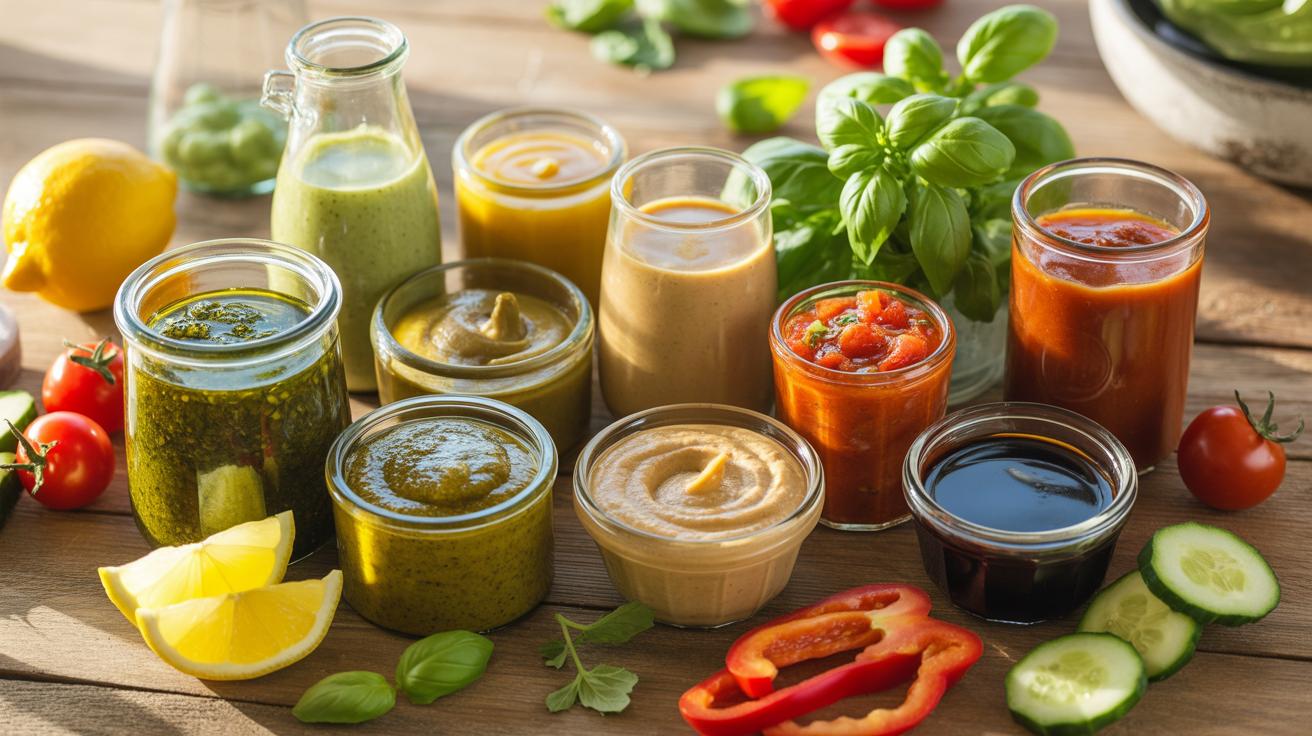
What Makes A Condiment Truly Healthy Understanding The Basics
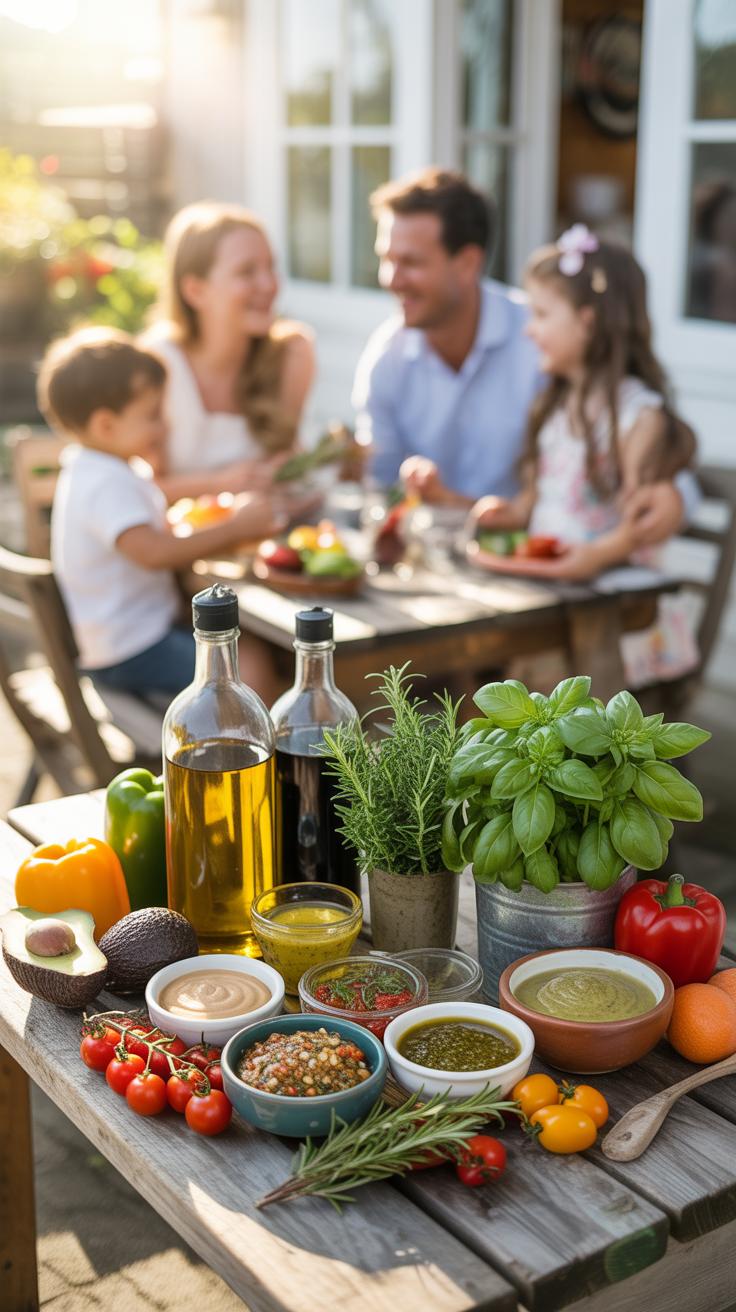
Reading Nutrition Labels: What To Watch Out For In Store Bought Sauces
Corporate food manufacturers hide cheap fillers in plain sight. You must ignore front-of-package marketing and look directly at the ingredient list. Check for added sugars like high fructose corn syrup and maltodextrin. These cause insulin spikes and caloric bloat. Look at the sodium counts per serving. Many sauces exceed ten percent of your daily salt limit in just one tablespoon.

Standard serving sizes on labels are often deceptive. Companies design these small measurements to keep calorie counts low on paper. You likely consume double or triple the listed portion. Watch for industrial seed oils like soybean or cottonseed oil. These fats provide zero nutritional benefit and increase systemic inflammation. Healthy condiments use clean fats and natural stabilizers instead of synthetic gums.
The Role Of Whole Food Ingredients In Defining Healthy Condiments
True nutrition comes from recognizable food sources. High-quality condiments lead with vinegar, water, spices, or crushed vegetables. Fermented options like mustard or kimchi-based sauces offer probiotic benefits for gut health. These ingredients provide intense flavor without the need for chemical additives. Authentic spices and herbs replace the salt and sugar that dominate lower-grade commercial products found in grocery aisles.

The best sauces use mechanical processing rather than chemical extraction. Cold-pressed oils and stone-ground seeds preserve essential nutrients. When a condiment uses whole-food bases, it retains fiber and vitamins. This nutrient density makes the food functional rather than just flavorful. Focus on products with short ingredient lists. If you cannot recognize the items, the condiment is likely a processed food product, not a health tool.
Heart Healthy Sauces That Deserve A Permanent Spot In Your Pantry
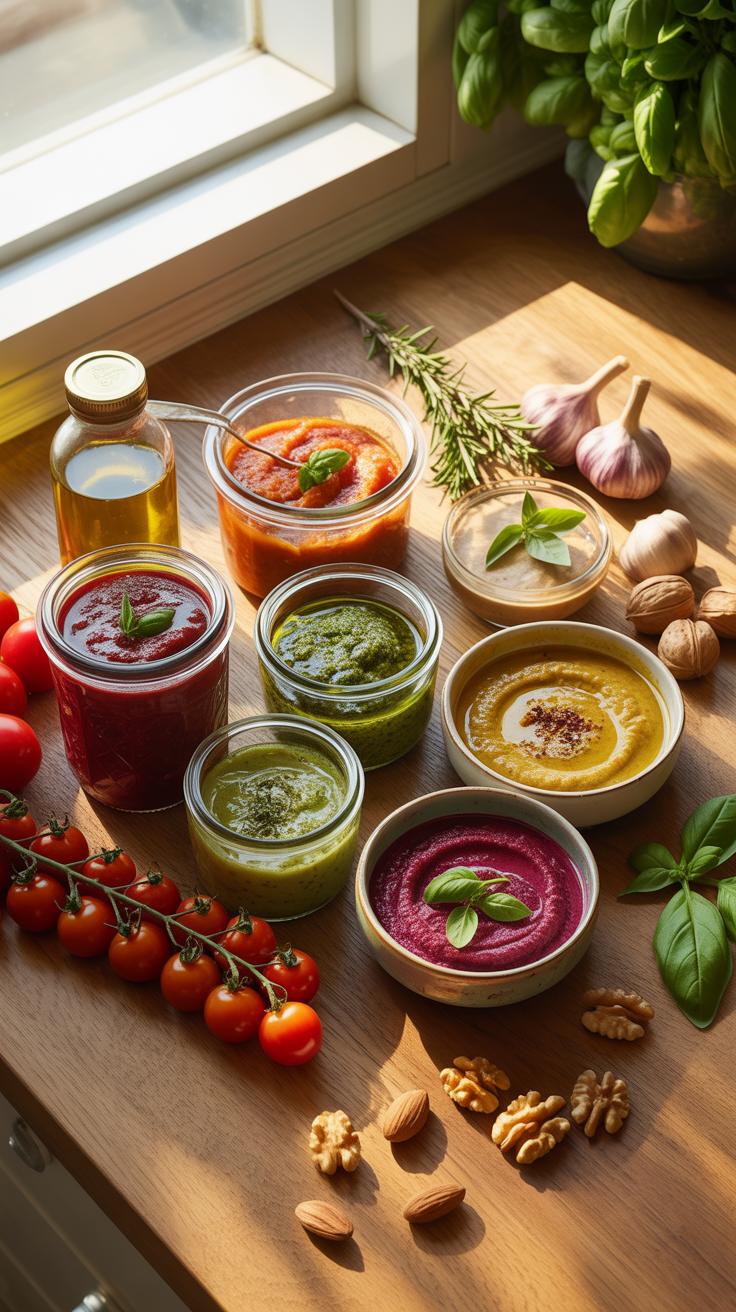
How Tomato Based Sauces Support Cardiovascular Health Through Lycopene
Tomato-based sauces provide high concentrations of lycopene. This powerful antioxidant gives tomatoes their red color. Research shows that lycopene reduces the risk of heart disease by lowering LDL cholesterol levels. Processing tomatoes into sauce actually increases the bioavailability of this nutrient. Heat breaks down plant cell walls to release more lycopene for your body to absorb. This makes tomato sauce much more effective than raw tomatoes.
Regular consumption of tomato sauce improves blood vessel function and reduces systemic inflammation. Low inflammation levels protect the lining of your arteries from damage. You must choose options with no added sugar to maximize these cardiac benefits. Low sodium versions prevent blood pressure spikes while delivering essential potassium. This mineral helps your heart maintain a steady rhythm. Use these sauces as base ingredients to build a heart-healthy diet.
Olive Oil Based Sauces And Their Connection To A Heart Friendly Diet
Olive oil serves as the foundation for the Mediterranean diet. It contains high levels of monounsaturated fats that support heart health. These fats help lower bad cholesterol without reducing good cholesterol. High-quality olive oil also contains polyphenols that act as natural anti-inflammatory agents. Using olive oil-based sauces like pesto or vinaigrettes helps protect your cardiac system. These sauces provide a dense source of healthy energy.
Combining olive oil with herbs and vinegar creates a potent health profile. The fats in the oil help your body absorb fat-soluble vitamins from other foods. This synergistic effect improves overall nutrient density in every meal. Always verify that olive oil is the primary fat source in your store-bought sauces. Avoid blends that use cheap vegetable oils like soy or corn. Pure olive oil remains the gold standard for maintaining clear and flexible arteries.
Homemade Healthy Sauces You Can Prep In Under 15 Minutes
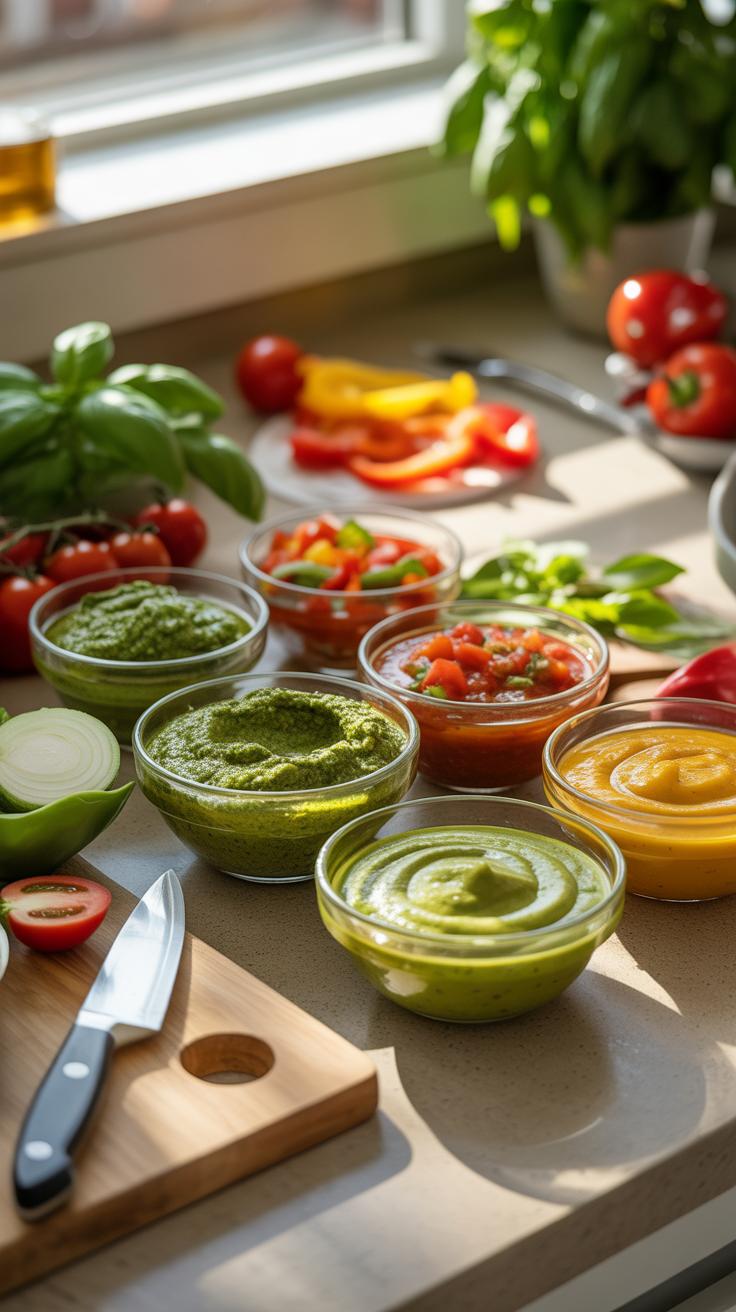
Simple Tahini Sauce: A Nutrient Dense Base For Dozens Of Dishes
Tahini provides a foundation of healthy fats and minerals like magnesium and phosphorus. You make it by grinding toasted sesame seeds into a smooth paste. This sauce serves as a functional replacement for heavy cream or bottled dressings. Mix the paste with warm water and lemon juice to emulsify it. Add garlic and sea salt to enhance the flavor profile without adding synthetic preservatives.
The chemical process of emulsification creates a thick texture that aids digestion and nutrient absorption. Sesame seeds contain lignans which act as antioxidants to protect your cells from damage. You can use this sauce on roasted vegetables or grilled meats to increase caloric density with high quality fats. Keep this mixture in the fridge for up to one week. It stays shelf stable while maintaining its nutritional value.
Blended Avocado Sauce: Creamy, Whole Food Goodness Without The Guilt
Avocados offer a superior source of monounsaturated fatty acids and dietary fiber. This fruit replaces mayonnaise in most recipes to reduce inflammation and stabilize blood sugar. You prepare the sauce by blending ripe avocado with lime juice and cilantro. The acid in the lime prevents oxidation and maintains the bright green color. This process takes less than five minutes and produces a nutrient dense topping.
The high potassium content in avocados helps regulate fluid balance and nerve signals. Most commercial sauces rely on soybean oil or corn syrup for texture. This homemade version uses whole food ingredients to provide satiety and long lasting energy. Store the sauce in an airtight container with the seed to further slow browning. Use it as a dip or a spread to improve the micronutrient profile of any meal.
Healthy Homemade Condiments To Replace Processed Store Bought Versions
Swapping Mayo For Greek Yogurt Based Spreads: Taste And Nutrition Compared
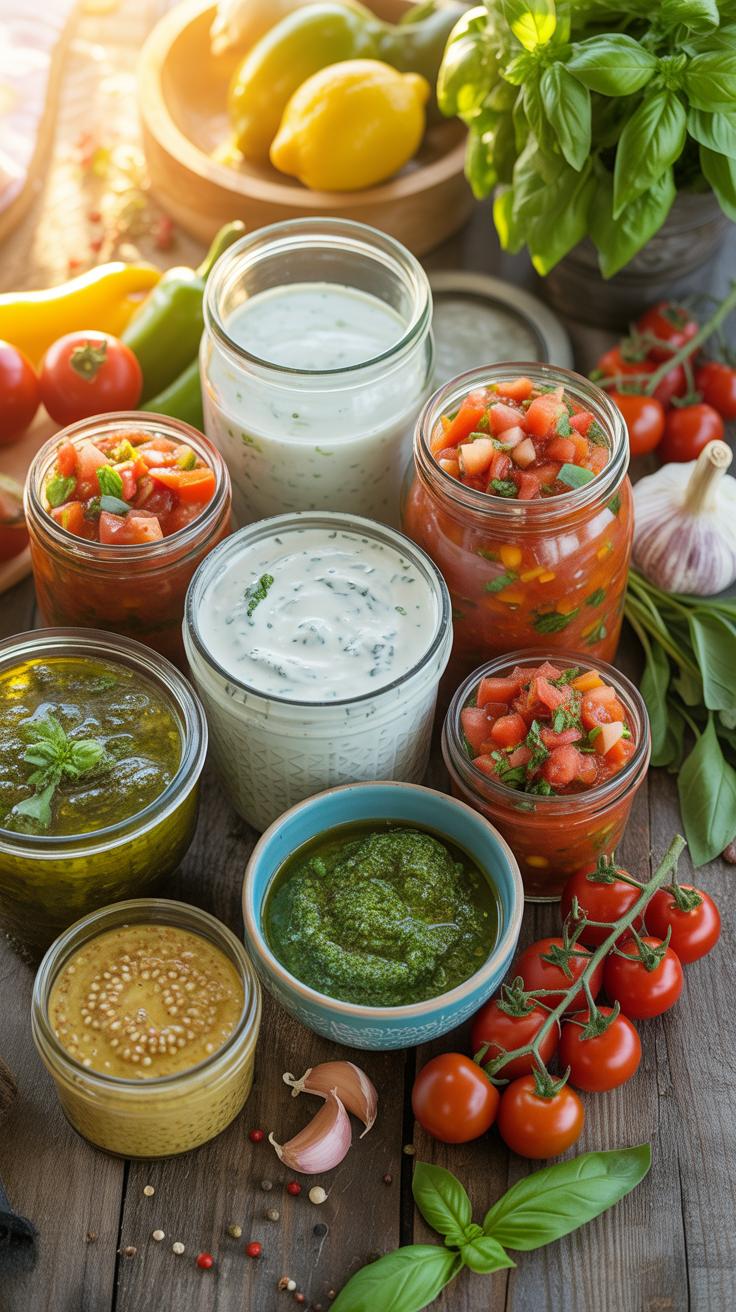
Standard mayonnaise relies on soybean oil and egg yolks for texture. This creates a calorie-dense product high in omega-6 fatty acids. Non-fat Greek yogurt provides a similar creamy mouthfeel with significantly fewer calories. It offers a high protein count and active probiotics that support gut health. You eliminate processed seed oils and chemical stabilizers found in commercial jars by making this simple switch.
Greek yogurt has a natural tang that mimics seasoned mayo. You can adjust the flavor profile by adding lemon juice or garlic powder. This substitution works best in tuna salads, coleslaw, or as a sandwich spread. The thicker consistency of strained yogurt ensures the condiment stays stable. It provides a clean finish without the heavy, oily aftertaste characteristic of industrial mayonnaise products sold in stores.
Homemade Ketchup With No Added Sugar: Ingredients, Benefits, And Flavor Tips
Commercial ketchup often contains high fructose corn syrup as its primary flavoring agent. This leads to insulin spikes and unnecessary calorie consumption. Homemade versions use tomato paste and apple cider vinegar to achieve the desired acidity. You can sweeten the blend with small amounts of erythritol or monk fruit. This approach preserves the lycopene content while removing the inflammatory sugars found in major brands.
Focus on spices like ground clove, cinnamon, and onion powder to build depth. Slow simmering allows these flavors to meld into a thick glaze. Store this version in glass containers to avoid chemical leaching from plastic bottles. Use it exactly like the store-bought variety on proteins or vegetables. You gain full control over sodium levels and eliminate the artificial thickeners used to extend the shelf life of processed goods.
DIY Condiment For Cooking Elevate Your Everyday Meals Naturally
Essential DIY Cooking Condiments Every Home Cook Should Know How To Make
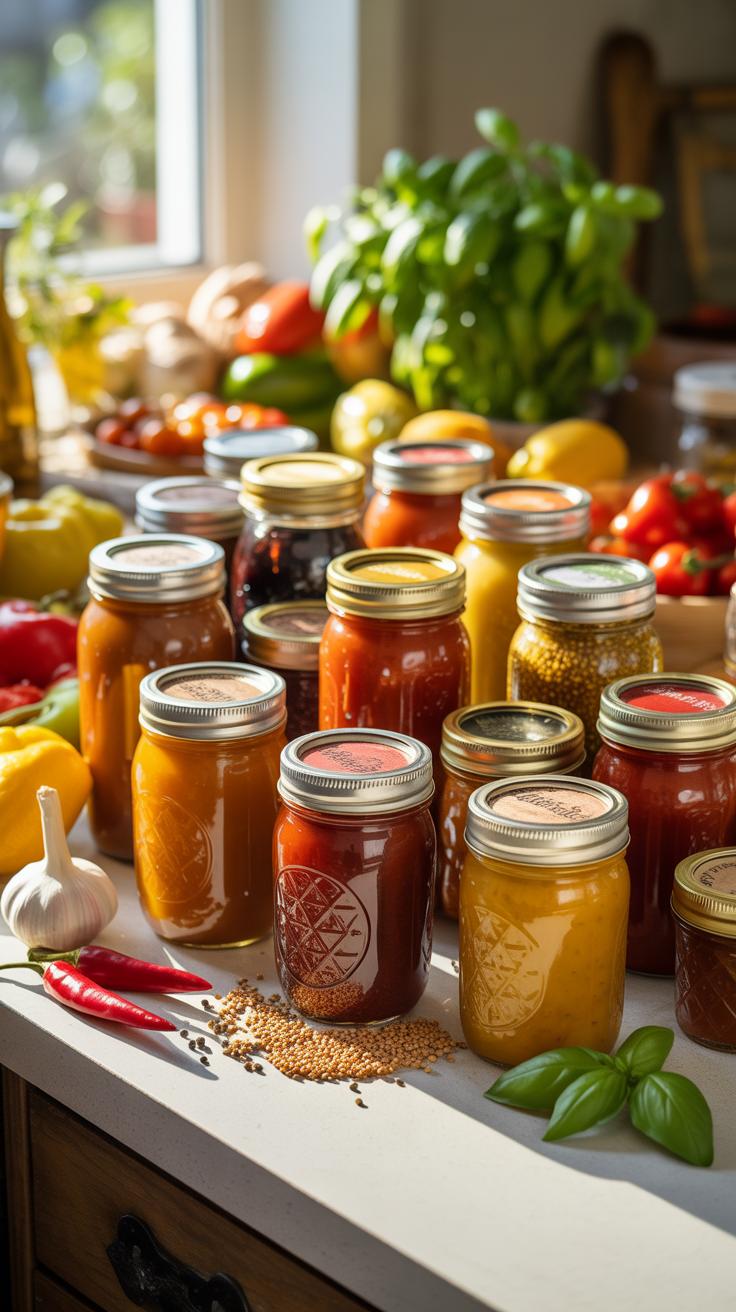
Control your ingredients by making staples at home. Commercial versions often contain excess sodium, refined sugars, and industrial seed oils. Making your own ensures high nutrient density and superior flavor profiles. You save money while removing hidden additives from your diet. These fundamental recipes serve as the building blocks for thousands of healthy meals across different global cuisines.
- Chimichurri: This Argentine herb sauce uses fresh parsley, oregano, garlic, and vinegar. It provides high doses of vitamin K and antioxidants without added sugars. The acidity helps tenderize lean meats during or after cooking.
- Greek Yogurt Tzatziki: Use strained yogurt, cucumber, and garlic to replace heavy mayo-based dips. It adds significant protein and calcium to your plate. This condiment works as a spread or a cooling side dish for spicy foods.
- Apple Cider Vinaigrette: Mix raw vinegar with extra virgin olive oil and Dijon mustard. This dressing supports healthy blood sugar levels and digestion. It avoids the inflammatory soybean oil found in almost all bottled salad dressings at the grocery store.
- Date Paste: Blend soaked dates with water to create a whole-food sweetener. It replaces refined white sugar in marinades and barbecue sauces. You get the benefit of fiber and potassium while maintaining a low glycemic index in your cooking.
- Toasted Nut Butter: Grind raw almonds or walnuts until smooth to create creamy bases for sauces. These fats are heart-healthy and satiating. Avoid the palm oil and stabilizers found in commercial jars by processing small batches in your own kitchen.
Focus on high-quality oils and fresh herbs for the best results. Store these homemade items in glass jars to prevent chemical leaching from plastic. Most DIY condiments last one week in the refrigerator. Prepare them during weekly meal prep to save time on busy weeknights. Fresh preparations maximize the bioavailability of vitamins and minerals found in the raw ingredients.
Using Fermented Condiments Like Miso Paste To Deepen Flavor And Add Probiotics
Miso paste is a traditional Japanese seasoning made from fermented soybeans or grains. It contains billions of beneficial bacteria that support gut health and immune function. The fermentation process breaks down anti-nutrients, making the minerals easier for your body to absorb. This thick paste provides a salty, savory flavor known as umami. Use it sparingly to limit total daily sodium intake.
Incorporate miso into dressings, glazes, and soups to improve the nutritional profile of your meals. Do not boil miso paste for long periods because high heat kills the live probiotic cultures. Add it at the end of the cooking process for maximum health benefits. This versatile ingredient bridges the gap between functional medicine and gourmet cooking. It adds depth to plant-based dishes without using dairy.
How To Make Healthy Salad Dressing Without Artificial Additives
The Classic Vinaigrette Formula: Ratios, Oils, And Acid Choices That Work
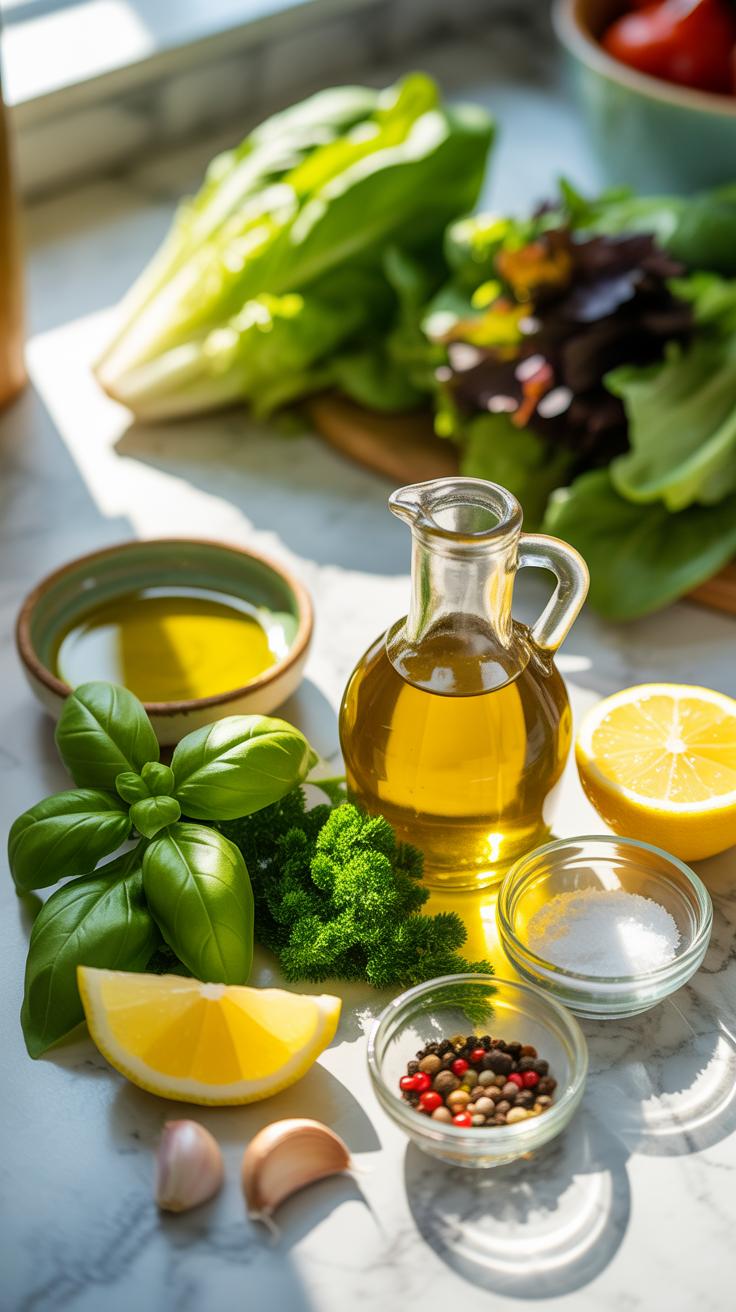
The standard ratio for a stable vinaigrette is three parts oil to one part acid. This balance ensures the dressing coats greens without wilting them immediately. Use high quality fats like extra virgin olive oil or avocado oil for heart healthy monounsaturated fats. Avoid refined seed oils like soybean or canola. These processed oils often contain high levels of omega 6 fatty acids which may promote inflammation.
Acid choices define the flavor profile and help tenderize tough greens. Raw apple cider vinegar provides beneficial enzymes and acetic acid. Lemon juice offers a fresh hit of vitamin C and brightens heavy flavors. White wine vinegar or balsamic vinegar work well for traditional Mediterranean profiles. Whisk these ingredients vigorously or use a glass jar to emulsify the mixture. Proper emulsion prevents the oil from separating on the plate.
A kitchen stocked with wholesome sauces is the secret to a table filled with love and vitality. These simple touches turn an ordinary meal into a memory that warms the heart and nourishes the soul.
Creamy Healthy Dressings Using Wholesome Bases Like Cashew Or Yogurt
Creamy dressings do not require mayo or heavy cream to succeed. Use Greek yogurt as a base to add protein and probiotics to your meal. It provides a tangy profile similar to sour cream but with more nutrients. For a dairy free option, soak raw cashews in water and blend them until smooth. This creates a rich texture packed with healthy fats and minerals like magnesium.
Add depth to these bases using functional ingredients like Dijon mustard or nutritional yeast. Mustard acts as a natural emulsifier to keep the dressing thick and uniform. Fresh herbs like dill, cilantro, or parsley provide antioxidants without adding sodium. Season with sea salt and cracked black pepper instead of pre-made spice mixes. These whole food ingredients eliminate the need for gums and artificial thickeners found in store products.
All Natural Sauce Recipes That Are Easy To Make And Store At Home
Chimichurri: An Argentine Herb Sauce Packed With Antioxidants And Flavor
Chimichurri originated in 19th-century Argentina as a raw sauce for grilled meats. It relies on fresh parsley, oregano, garlic, and red wine vinegar. Producers avoid cooking these ingredients to preserve their nutritional integrity. This sauce provides high levels of vitamin K and antioxidants from the herbs. The polyphenols in extra virgin olive oil serve as the primary fat source.
You make this sauce by finely chopping herbs and mixing them with liquids. Do not use a blender because high speeds heat the oil and oxidize the herbs. Authentic versions use dried oregano along with fresh parsley for a specific flavor profile. This condiment contains no sugar or artificial thickeners. It adds intense flavor to proteins while providing anti-inflammatory benefits to your daily diet.
How To Properly Store Homemade Natural Sauces To Maximize Freshness And Safety
Proper storage prevents bacterial growth and rancidity in homemade sauces. Use glass jars with airtight lids rather than plastic containers to avoid chemical leaching. Natural sauces lack the heavy preservatives found in commercial products. You must refrigerate these blends immediately after preparation. Keep the temperature of your refrigerator at or below 40 degrees Fahrenheit to ensure maximum food safety.
Standard herb-based sauces stay fresh for seven to ten days when stored correctly. You can extend the shelf life by adding a thin layer of olive oil on top. This oil barrier blocks oxygen and prevents mold from forming on the surface. For long-term storage, freeze the sauce in silicone molds for up to six months. Thaw individual portions in the refrigerator before use to maintain original texture.
Healthy Bowl Sauces That Transform Grain Bowls Buddha Bowls And More
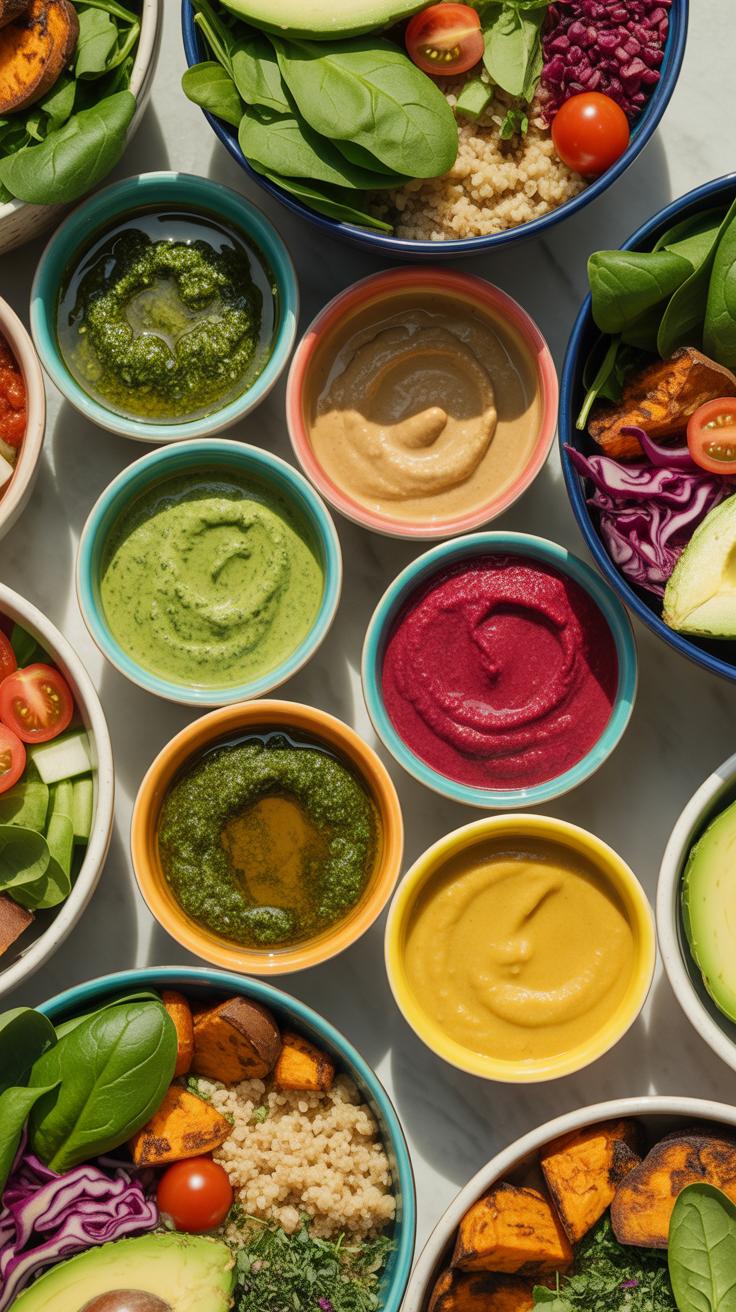
Ginger Miso Drizzle: A Gut Friendly Sauce That Pairs With Almost Any Bowl
Fermented soybean paste serves as the base for this sauce. It provides essential probiotics that support digestive health. Miso also adds high levels of manganese and zinc. These minerals assist with immune function and bone density. Combined with fresh ginger, the sauce stimulates digestion and reduces inflammation. This profile makes it a superior choice for high-fiber grain bowls.
Select light or white miso for a milder flavor profile. Darker miso varieties ferment longer and taste too salty for light dressings. Mix the paste with rice vinegar and sesame oil to create a stable emulsion. The acid in the vinegar balances the heavy umami flavor. Use this dressing to increase the bioavailability of nutrients in raw vegetables and steamed grains.
Spicy Peanut Sauce: Balancing Flavor, Protein, And Healthy Fats In One Drizzle
Natural peanut butter delivers plant based protein and monounsaturated fats. These fats keep you full and stabilize blood sugar levels. Avoid brands with added palm oil or sugar to maintain health benefits. Combine the butter with chili flakes or sriracha to raise the thermogenic effect of the meal. Capsaicin in the peppers boosts metabolism and adds depth without extra calories.
Thin the sauce using lime juice or water instead of heavy oils. Lime juice provides vitamin C which helps the body absorb iron from plant sources like spinach or kale. Use this sauce to add caloric density to low calorie vegetable bowls. It bridges the gap between light greens and heavy grains. Stick to a two tablespoon serving to manage total fat consumption.
Mango Hot Sauce A Fruity Fiery Condiment Worth Making From Scratch
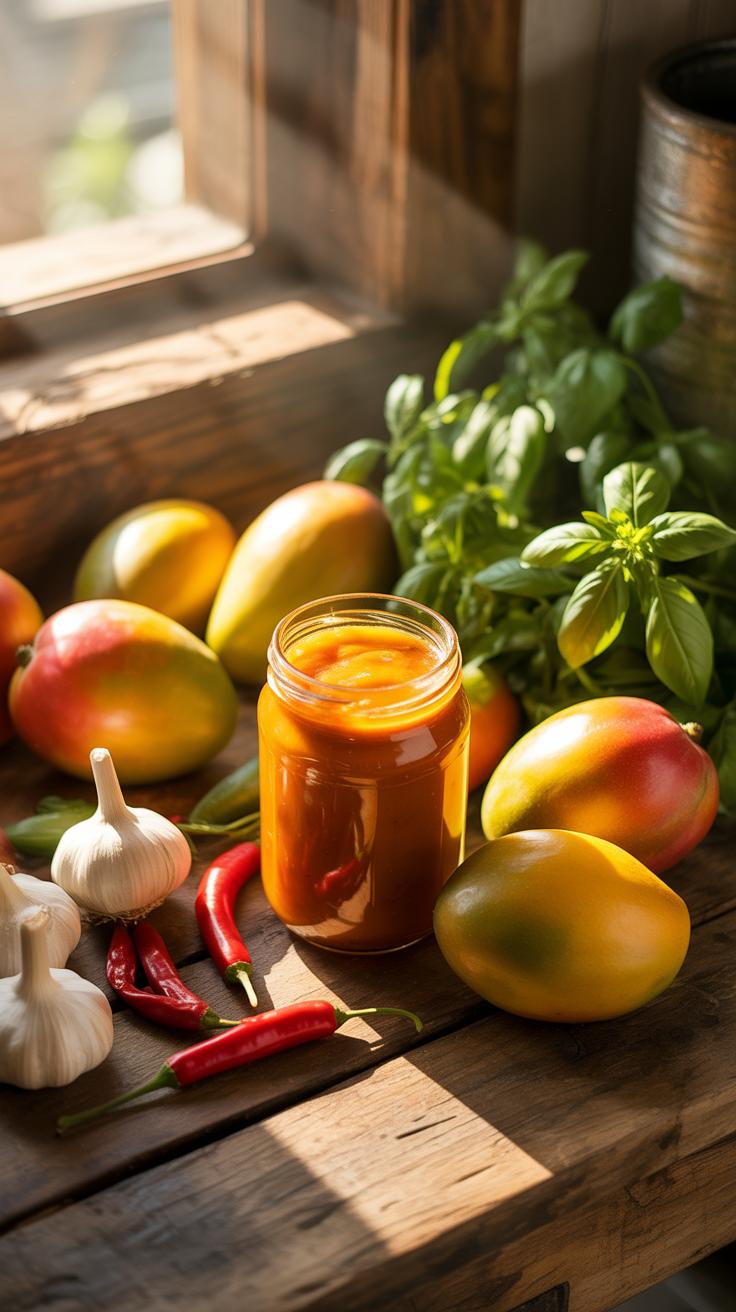
The Nutritional Profile Of Mango And How It Balances The Heat In Hot Sauce
Mangoes provide high levels of vitamin C and vitamin A to this condiment. These antioxidants support immune function and skin health while adding natural sweetness. In a hot sauce, the sugars in the mango neutralize the capsaicin burn from the peppers. This allows for a deeper flavor profile without the need for processed corn syrup or excessive refined cane sugars.
The high fiber content in whole mango pulp improves the texture of the sauce. It creates a thick consistency that clings to food without using artificial thickeners like xanthan gum. Combining fruit with spicy peppers also boosts the metabolism through thermogenesis. This tactical pairing creates a nutrient-dense condiment that improves heart health and blood circulation. It is a superior choice for clean eating goals.
Step By Step Guide To Making Your Own Mango Hot Sauce At Home
Homemade mango hot sauce requires precise preparation to ensure a balanced flavor and safe shelf life. Start by gathering fresh ingredients like ripe mangoes, habanero peppers, onions, and garlic. Use a high-quality vinegar to provide necessary acidity. This acidity prevents bacteria growth and preserves the sauce. Roasting the vegetables before blending adds a smoky depth that complements the sweetness of the fruit.
- Prep the Base: Peel and dice two large mangoes and remove the seeds from three habanero peppers. Wear gloves when handling peppers to avoid skin irritation. Smaller pieces ensure a smoother blend later.
- Sauté Aromatics: Cook one diced onion and four cloves of garlic in a pan until soft. Use a small amount of avocado oil since it has a high smoke point. This step builds the foundational savory flavor.
- Simmer Ingredients: Place the mangoes, peppers, and cooked aromatics into a pot with half a cup of apple cider vinegar. Add a pinch of sea salt and lime juice. Simmer for fifteen minutes to marry the flavors.
- Blend Thoroughly: Transfer the mixture to a high-speed blender once it cools slightly. Process until the texture is completely smooth and uniform. This results in a professional-grade sauce consistency that spreads easily on various proteins.
- Store Correctly: Pour the finished sauce into sterilized glass bottles or jars. Keep the sauce refrigerated to maintain freshness and peak flavor. Homemade versions typically last for three to four weeks when stored and sealed properly.
Pour the final mixture into a clean glass bottle and refrigerate immediately. Glass is non-reactive and maintains the integrity of the sauce better than plastic containers. Proper storage ensures the vitamins and heat levels remain stable over time. You now have a custom condiment that lacks the high sodium and preservatives found in commercial brands. Use it strategically to add heat and nutrition to your daily meals.
Healthy Condiment Recipes To Batch Prep And Keep Ready All Week
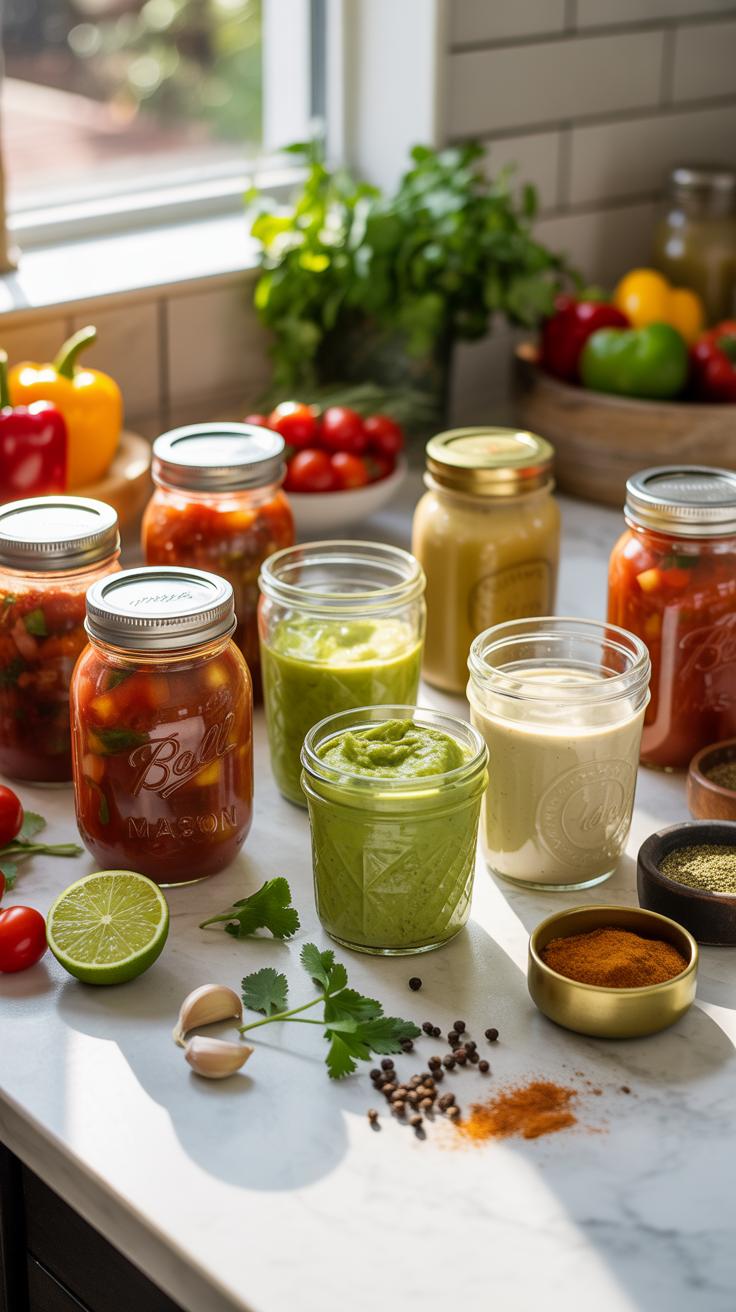
Smart Batch Prepping Strategies: How To Make Multiple Condiments In One Session
Efficiency in the kitchen requires grouping tasks by hardware and base ingredients. Use one high-speed blender to cycle through various recipes starting with the lightest flavors first. Prepare a master base like Greek yogurt or soaked cashews. Divide this base into three separate bowls. Add different herbs and spices to each to create three distinct healthy condiments without washing the blender between every single recipe.
Organize your workspace into functional zones for chopping, blending, and bottling. Prep all aromatics like garlic, ginger, and shallots at once to save time. Use a scale to measure ingredients instead of measuring cups to reduce cleanup. This tactical approach ensures you maximize your output and minimize your time spent at the sink. Batch prepping provides consistent nutrition and prevents you from reaching for processed store options.
Best Containers And Labeling Practices For Keeping Homemade Condiments Fresh
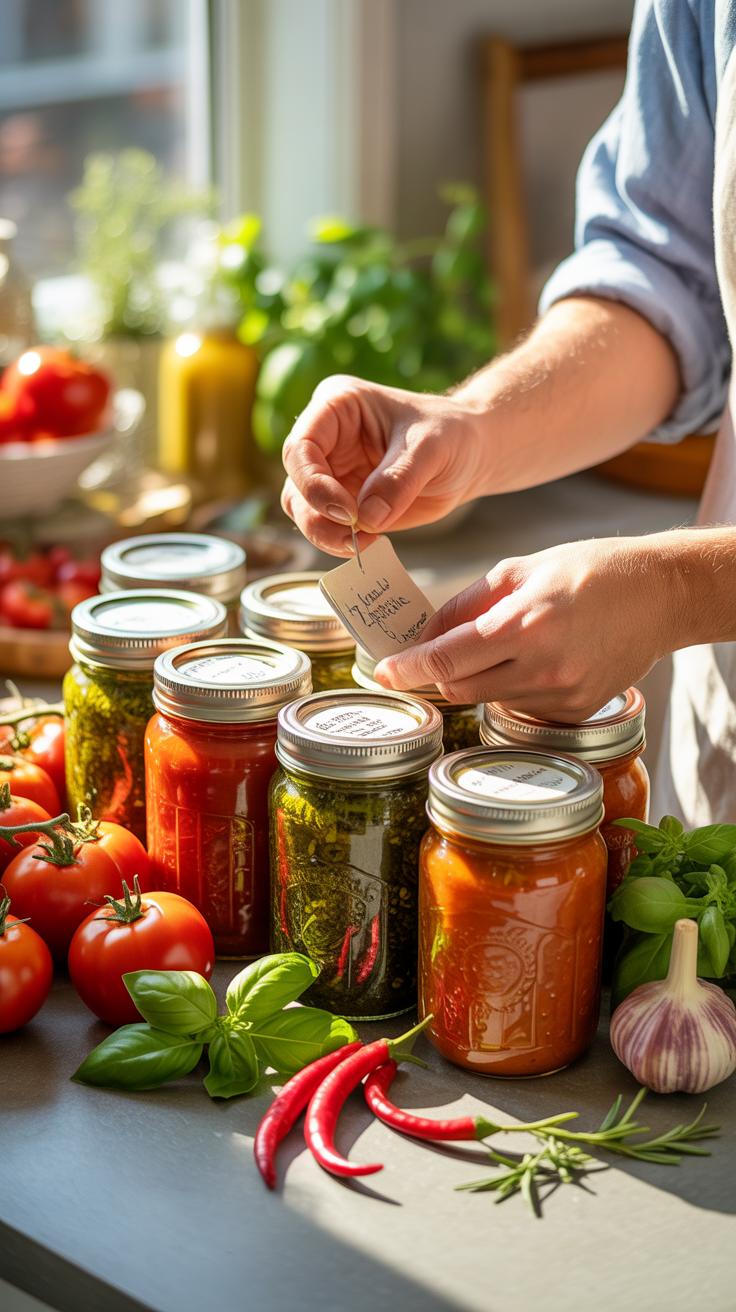
Store homemade sauces in glass containers to prevent chemical leaching and odors. Borosilicate glass resists thermal shock and stays durable. Use airtight silicone seals to block oxygen. Oxygen causes fats to oxidize and spoils fresh herbs quickly. Wide mouth jars allow for easier portioning and thorough cleaning. Proper sealing keeps your products safe and flavorful for up to seven days in a standard refrigerator.
Label every container with the exact preparation date and the name of the sauce. Use painter tape and a permanent marker for labels that stay on during storage but peel off easily. Clear labels prevent waste by ensuring you use the oldest items first. Knowledge of your inventory stops food spoilage. Consistent labeling creates a professional kitchen environment and helps you track your weekly consumption of healthy fats.
Frequently Asked Questions

What actually makes a condiment “healthy” compared to traditional options?
Traditional store-bought toppings are often packed with high-fructose corn syrup, excessive sodium, and inflammatory seed oils. When searching for healthy condiments, look for short ingredient lists featuring whole foods like apple cider vinegar, avocado oil, or fermented vegetables. Choosing options with no added sugars and natural spices ensures you are adding flavor to your meals without compromising your wellness goals or triggering unwanted blood sugar spikes throughout the day.
How can I identify the best healthy condiments while shopping at the grocery store?
To find high-quality healthy condiments, always flip the bottle over and prioritize the nutrition label over clever marketing. Focus on the first three ingredients and check for hidden sugars like maltodextrin or dextrose. Aim for lower sodium counts and avoid artificial preservatives or dyes. If you are unsure, look for certifications like organic, non-GMO, or Paleo, which often indicate a cleaner profile and higher ingredient standards for your pantry.
Can I build a nutritious sauce collection without spending a lot of money?
Absolutely! You don’t need expensive specialty brands to stock your kitchen. Many affordable staples like yellow mustard, sriracha, and salsa are naturally low in calories and sugar. You can also save money by making DIY dressings using bulk olive oil, lemon juice, and dried herbs. Buying versatile basics allows you to create a variety of flavors at home, ensuring your healthy lifestyle remains sustainable and budget-friendly over the long term.