
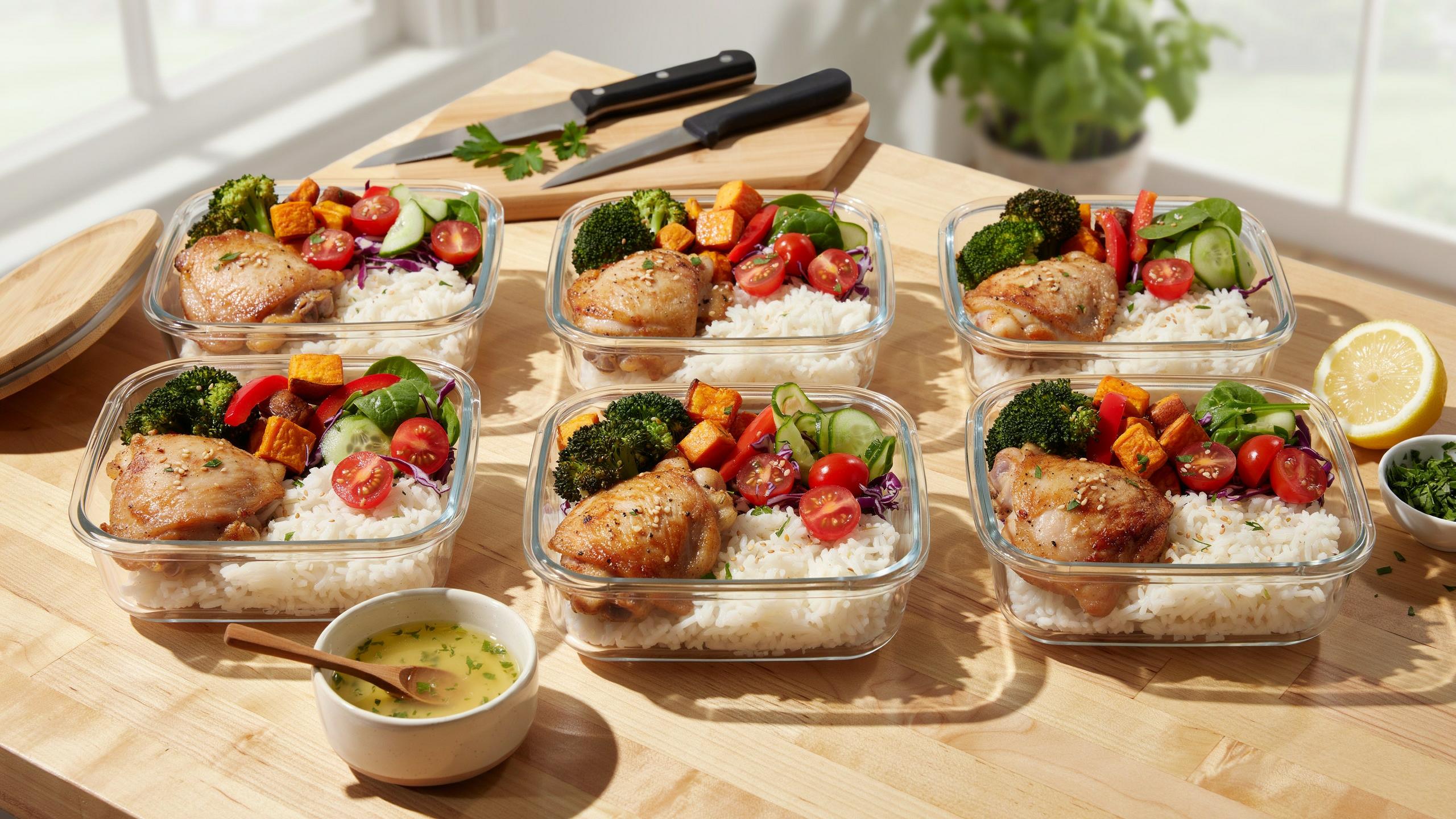
The Cognitive Load Fallacy Why Your Busy Is Actually Weak

Where Every Meal Decision Gets Made
You’re not actually busy. You’re drowning in permission to choose, and that feels like complexity. Every night you stand at your fridge and ask yourself what to eat, you’ve already lost the mental energy that chicken thigh meal prep eliminates. The mechanism is borrowed from decision fatigue research in behavioral economics: your brain treats each daily eating choice as a separate transaction, burning willpower tokens regardless of stakes. One choice about dinner seems small. Multiplied across a year, it’s the cognitive equivalent of running a marathon while standing still.

Most people blame time. They blame work, kids, traffic. The real culprit sits between intention and execution: the gap where you must actively decide. Chicken thigh meal prep collapses that gap by removing the decision entirely. You cook once. You eat six times. The math is not complicated, but the friction is real, and friction is what people mistake for busyness.
The True Cost Of Remaining Undecided
Decision fatigue is real, and skipping meals to avoid it costs you money and attention. When you haven’t decided what’s for dinner, you default to the fastest available option: takeout, delivery, processed foods. Studies show decision fatigue increases spending on food by 30-40 percent over three months because every unmade choice becomes a paid choice. That’s not laziness. That’s the mechanics of how your brain conserves energy under load. Chicken thigh meal prep flips this. You spend thirty minutes deciding once, then eliminate the decision for the entire week.

The actual expense of indecision compounds silently. A single unmade dinner choice leads to a 15-20 dollar transaction instead of a 2-3 dollar thigh-based meal. Across six dinners per week, that’s the difference between 12 dollars and 72 dollars. Over twelve weeks, one quarter costs you 720 dollars in wasted mental cycles and premium pricing. Meal prep doesn’t save time. It saves the currency you actually spend: cognitive resources.
The Scarcity Mindset Shift True Value Of Chicken Thigh Meal Prep
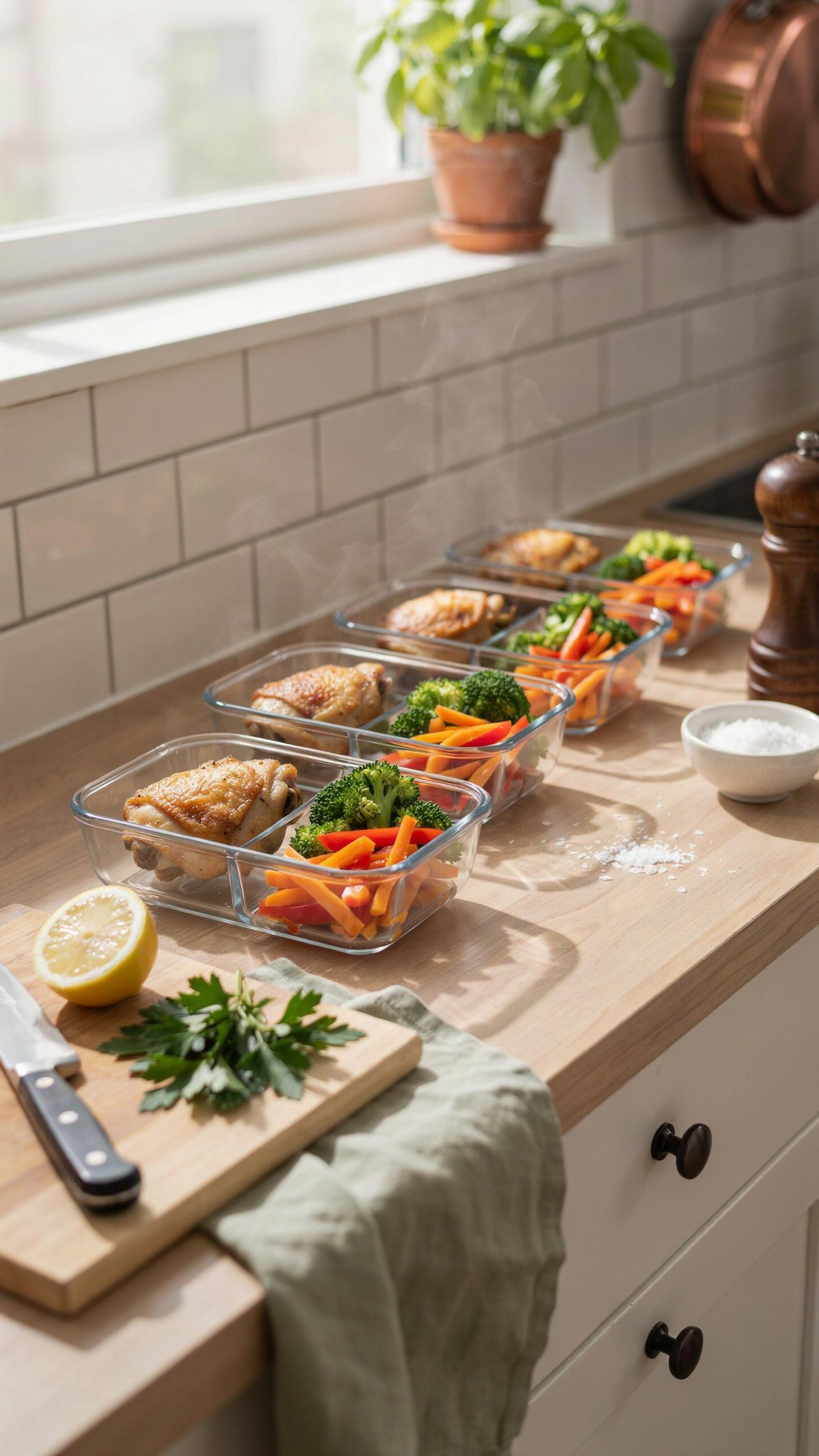
What You’re Actually Buying
You think you care about saving money. You don’t. You care about not feeling trapped by decisions you didn’t make consciously. Chicken thigh meal prep works because it eliminates the daily choice tax that bleeds your time and willpower. Economics calls this opportunity cost: the real expense isn’t the money spent on alternatives, but the mental bandwidth you burn deciding what to eat. Grab rotisserie chicken daily at seven dollars, and you’re not just paying seven dollars. You’re paying the five minutes of deliberation, the emotional friction of feeling unprepared, the backup option you bought and didn’t use.
Chicken thighs cost less than breasts, sure, but that’s not the mechanism that matters. The actual advantage is that you prep once and remove the decision from your week entirely. No more standing in front of the fridge at six PM wondering what protein to cook. No more ordering takeout because cooking feels harder than scrolling. That friction you eliminate is worth more than the dollar difference between cuts. The real saving isn’t financial. It’s cognitive.
Freedom Masquerading As Budget Constraint
Reframe this now: you’re not being thrifty, you’re buying autonomy. Most people talk about budget meals like they’re settling for less. They’re not. They’re gaining control. Chicken thigh meal prep gives you three tangible freedoms that expensive, spontaneous eating destroys. First, you eat on your schedule, not your hunger’s schedule or a restaurant’s availability. Second, you know exactly what went into your food, so you stop guessing whether you’re moving toward your goals or away from them. Third, you build a repeatable system that requires zero willpower once it’s established.
This reframes the entire conversation from deprivation to design. You’re not restricting your options. You’re narrowing them strategically so the good choice becomes automatic. That’s the protocol: cook chicken thighs in batches, portion them into containers on Sunday, and stop the decision-making cold. Everything after that first step runs on rails. No willpower required, no alternatives tempting you, no friction. The meal prep itself is the infrastructure that makes freedom possible.
The Minimum Viable Delicious Protocol For Healthy Chicken Thigh Meal Prep
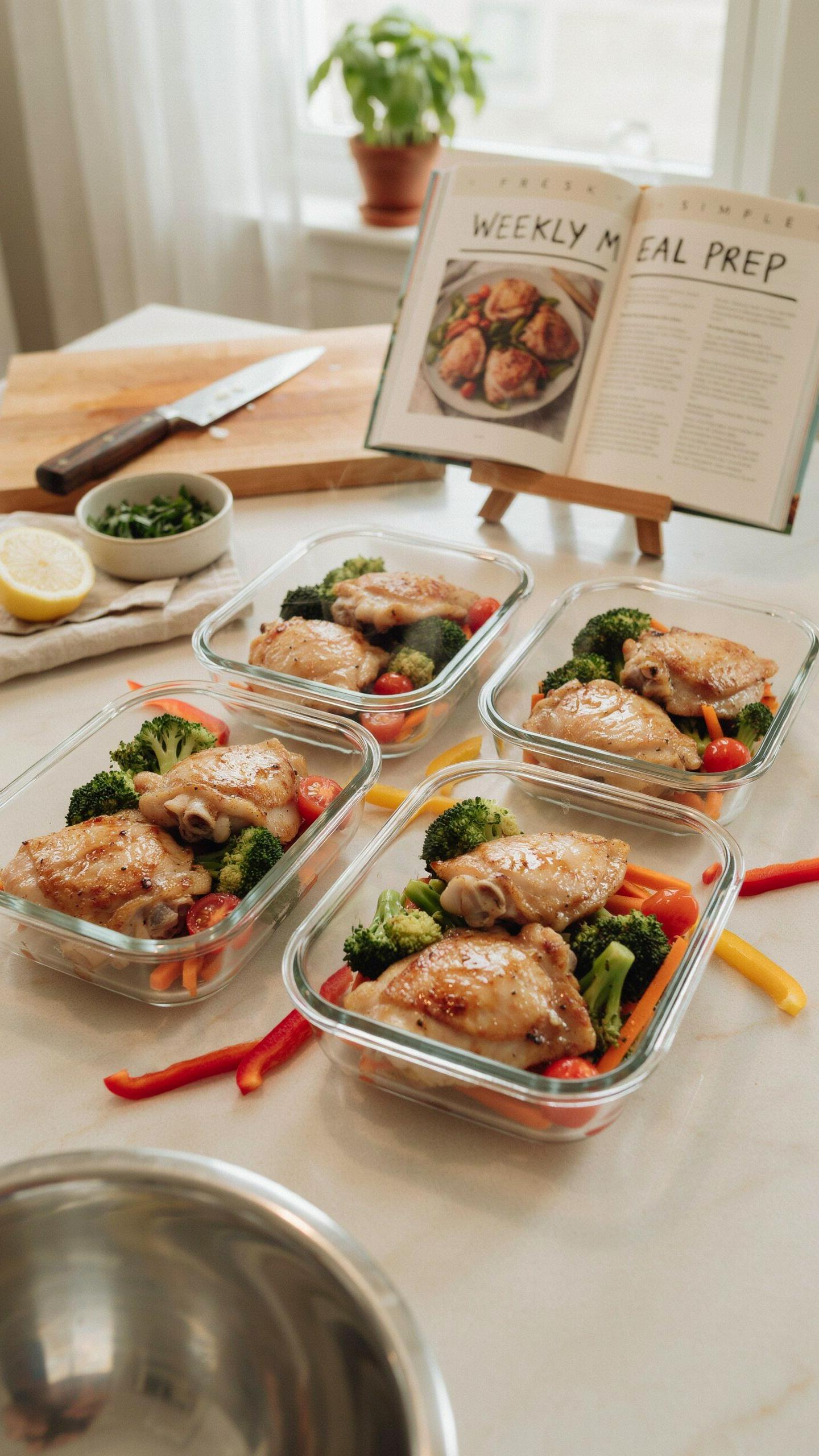
Salt, Fat, Acid, Then Everything Else
You want to believe the chicken thigh itself carries the meal. It doesn’t. You’re hoping the protein does the work so you don’t have to think about seasoning, and that fear of “messing it up” keeps most people locked in bland repetition. The mechanism is simple: salt breaks down muscle fiber and allows fat to distribute evenly during cooking. Fat carries flavor compounds. Acid cuts through richness and prevents palate fatigue across multiple servings. Build in this order, skip nothing.
Most advice says “season generously” and leaves you guessing. Here’s what actually works. Salt the thighs 12 to 24 hours before cooking or 40 minutes minimum before heat hits the pan. This timing matters because it changes the chemistry of protein binding. Use fat consciously, not carelessly. A ratio of 1 part acid to 3 parts fat in any marinade or finishing sauce prevents monotony across 4 to 5 meals from the same batch. Acid options: lemon juice, lime juice, vinegar, or tomato paste. Fat options: olive oil, rendered chicken fat, or butter. This is not a suggestion framework. It’s the structural difference between food you tolerate and food you actually want to eat.
Batch Cooking Velocity Without Quality Loss
High-volume cooking requires a throughput strategy borrowed from manufacturing. In production systems, output depends on cycle time, not effort. Apply the same thinking: reduce the number of distinct steps, not the number of portions. Cook all thighs the same way in the same vessel simultaneously. Oven roasting beats stovetop batching because oven capacity scales linearly with zero attention required mid-cook.
- Oven roasting at 425F for 35 to 45 minutes: Transfer skin-on thighs directly to sheet pans after seasoning. Skin renders, meat stays moist. Cook 8 to 12 thighs per standard sheet without crowding. Rendered fat pools at the pan bottom for reuse.
- Sheet pan organization before cooking: Arrange thighs skin-side up, spacing them one inch apart. This spacing prevents steam accumulation and ensures skin crisps instead of steams. Skip flipping entirely. Fat renders downward by gravity.
- Temperature verification, not guessing: Internal temp of 165F at the thickest part signals done. Use an instant-read thermometer at 35 minutes, then check every 5 minutes. Thighs will overcook if left guessing. Dry meat kills the entire prep philosophy.
- Fat recovery post-cook: Let sheet pans rest 5 minutes. Pour rendered fat into a container for next batch seasoning or storage. This fat is flavor currency. Do not discard it.
- Cooling protocol for storage: Spread cooked thighs on a separate rack to cool to room temperature before containers seal. Hot steam trapped inside accelerates spoilage. Cool takes 20 minutes. This step prevents waste.
The actual time investment is 10 minutes of prep and 45 minutes of passive oven time. You’re not standing there. Batch size should be what fits your sheet pans and your containers simultaneously. Eight thighs is the minimum viable batch because it eliminates the psychology of “I’ll just cook two.” Cook enough to change your eating pattern for 4 to 5 days, or don’t do it.
The Set And Forget System Chicken Thigh Lunch Meal Prep Dinners
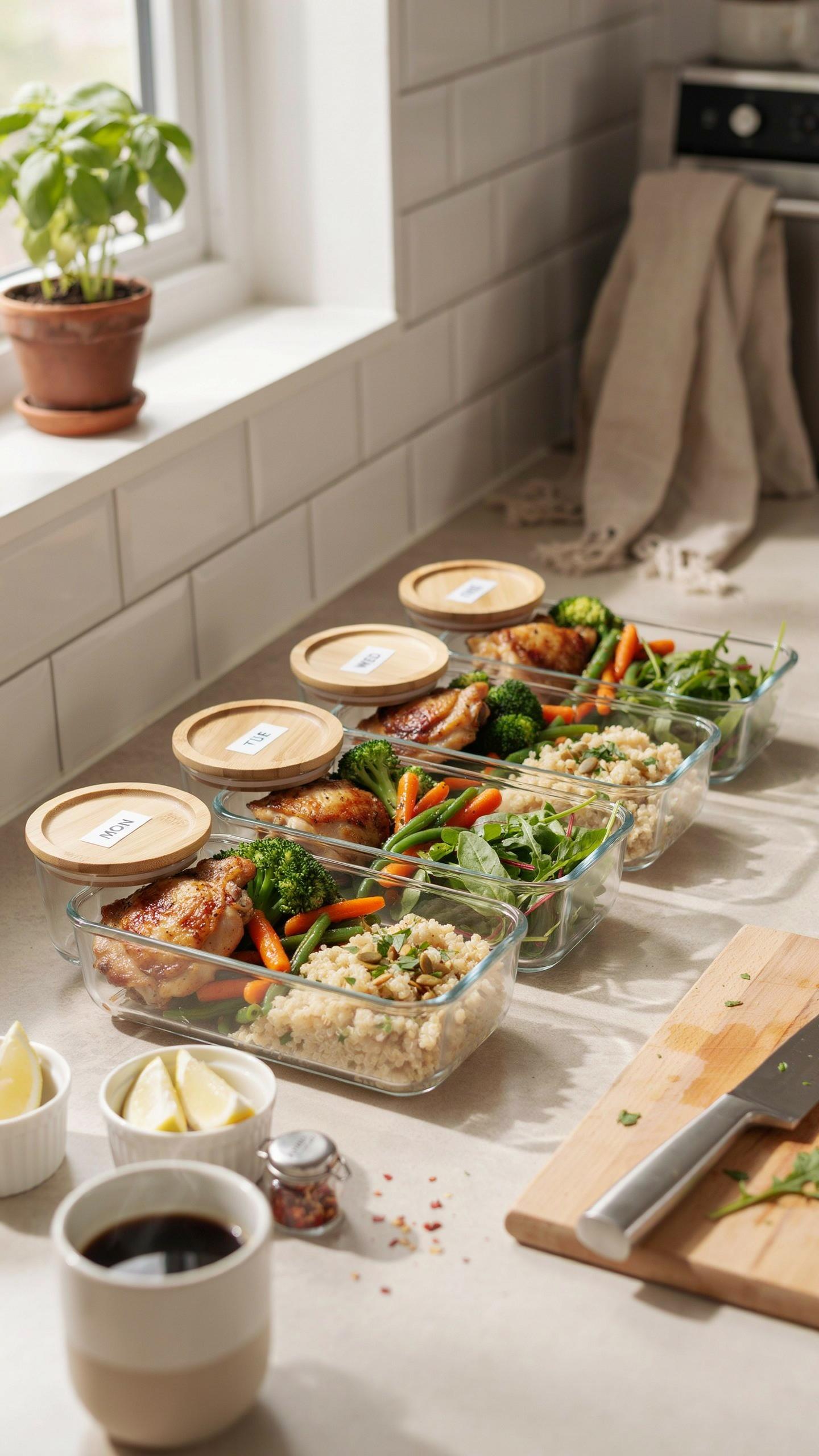
Cook Everything On One Day, One Pan
You want to believe meal prep saves time without actually committing to a specific protocol. Here’s what matters: treat batch cooking like inventory management from operations science, where you’re optimizing for throughput, not perfection. Cook all your chicken thighs in a single session, same oven, same temperature. This collapses setup and cleanup into one friction point instead of spreading it across the week.
Preheat your oven to 425 degrees Fahrenheit. Arrange thighs skin-side up on sheet pans without crowding, season with salt and pepper, roast for 35 to 40 minutes until skin crisps and internal temperature hits 165 degrees Fahrenheit. One batch of 12 to 16 thighs takes the same mental load as cooking three thighs on different nights. Cook once, eat multiple times.
Storage Method Determines Actual Shelf Life
The common advice says chicken lasts four days in the fridge. That’s incomplete. Real shelf life depends on how fast you stop bacterial multiplication after cooking. Divide cooked thighs into meal-sized portions while still warm, transfer to airtight containers, then refrigerate immediately. Warm chicken sitting on the counter for 30 minutes before storage loses one to two days of viability.
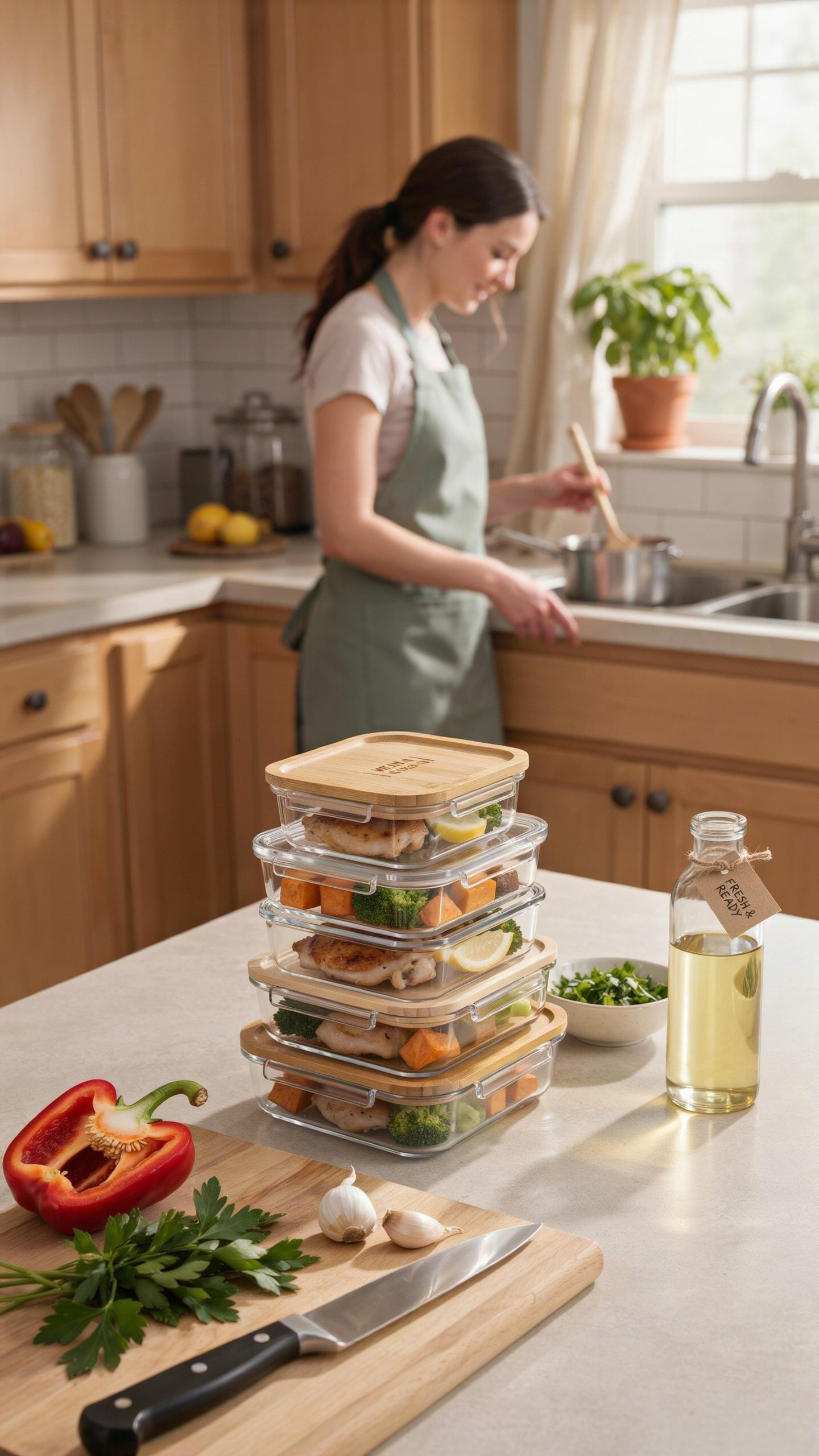
Glass containers work better than plastic because they don’t absorb oils and maintain an airtight seal longer without warping. Store thighs in the coldest part of your fridge, usually the back of the bottom shelf where temperature stays most consistent. Consume within three days for safety margin, or freeze portions on day two for later weeks. Freezing thighs locks them at current freshness and extends usability to three months.
The Adaptation Evolution Principle Recipe Using Chicken Thighs
Winning Through Repositioning, Not Perfection
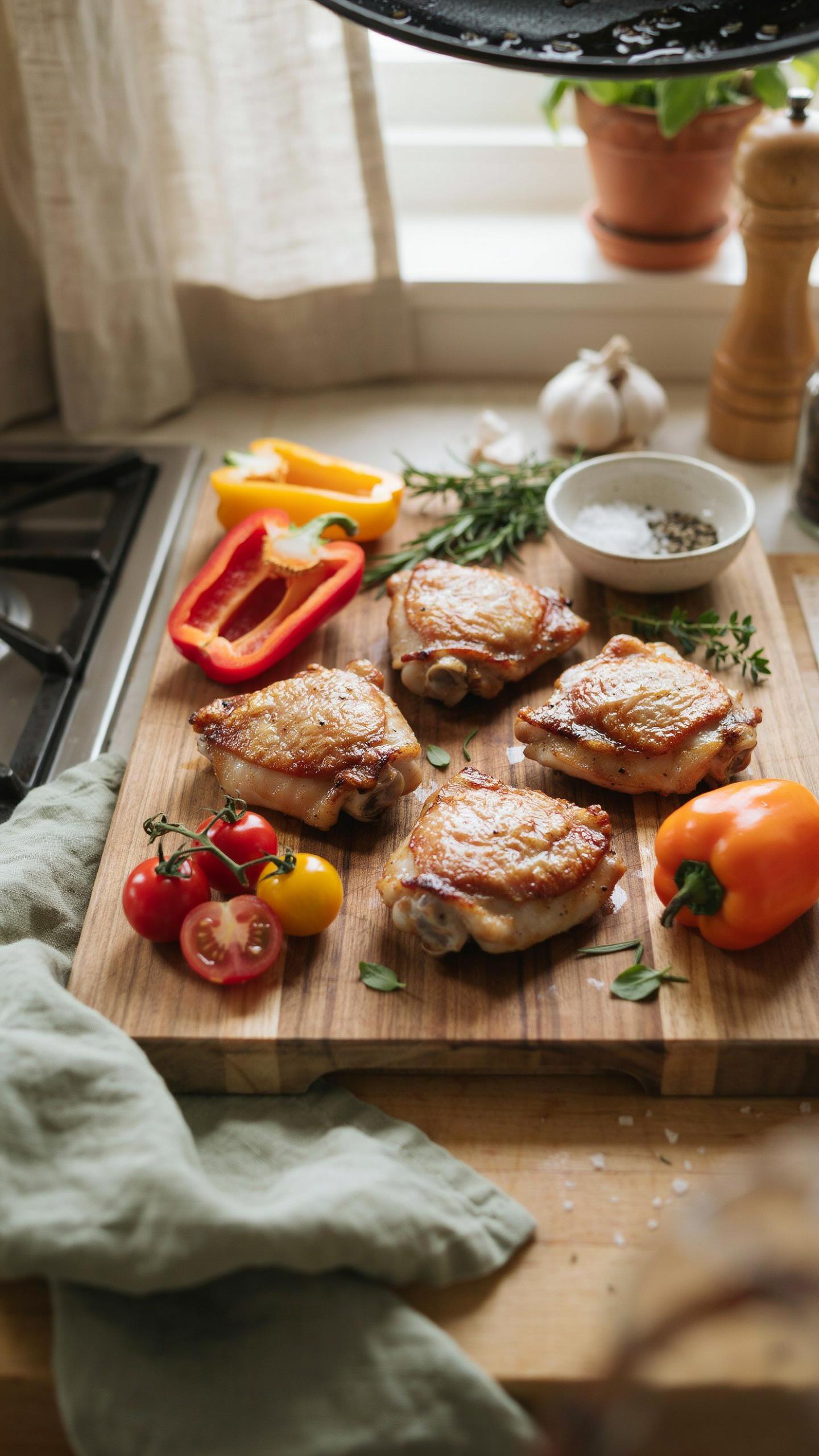
You want a chicken thigh recipe that works forever without needing to tweak it constantly. That’s the real fear underneath this section. Military strategy teaches maneuver warfare: don’t fight the enemy head-on, move around them. Apply this to ingredients. Stop trying to perfect one static recipe. Instead, build a base protocol that shifts its components based on what costs less that week and what’s already in your pantry. Chicken thighs anchor the move. Everything else pivots around price and availability without compromising the meal’s function.
A maneuver-based chicken thigh prep means your recipe isn’t a rigid formula but a system with fixed constraints and flexible inputs. Season the thighs identically every time. Roast them at the same temperature. Then swap your vegetables, starches, and sauces based on market conditions and inventory. This prevents recipe fatigue while keeping prep time constant. The mechanism is simple: standardize what matters for texture and protein quality, improvise everything else. You reduce decision fatigue and protect your grocery budget simultaneously.
Small Changes, Compound Results Over Time
Biology uses the term genetic drift to describe how populations change through repeated small variations, not massive mutations. Your chicken thigh recipe improves the same way. Most people expect one perfect recipe to drop from the sky. That doesn’t happen. You cook thighs five times, notice the skin crisps better at 425 degrees instead of 400, adjust it. Second month, you discover that brining for two hours changes the texture enough to matter. Third month, you find a seasoning blend that costs 40 percent less than your original spice combo. None of these changes is dramatic alone. Stacked over twelve months, they transform your process completely.
The protocol for iteration is mechanical. After each meal prep session, write down one variable you’ll test differently next time. Temperature, brine duration, seasoning ratio, fat percentage in the cut you buy. Only change that one variable. Cook the batch, eat it, assess whether the change improved texture, flavor, or cost. If yes, lock it in. If no, revert and test something else the following week. This prevents chaos while ensuring your recipe evolves toward efficiency and your specific preferences. Drift compounds when you measure it.
Minute Chicken Thigh Recipes Speed As A Weapon Not A Goal

The Setup Before The Cook
You want speed because you think it proves you’re efficient. The real mechanism is this: active cooking time shrinks only when prep work happens first. You’re not saving time. You’re moving it. The difference between 30 minutes and 90 minutes is whether your mise en place exists before heat touches the pan.
Chicken thighs cook faster than breasts because fat renders quickly and the meat stays moist under high heat. But speed requires staging. Cut everything. Season everything. Measure your liquid. Line your sheet pan. The cook itself becomes a series of mechanical actions, not decisions.
- Trim and portion thighs: Remove excess skin and fat the night before. Cut into uniform two to three inch pieces so they cook evenly and fit in containers.
- Slice aromatics: Mince garlic, slice onions and peppers into consistent sizes. Store in separate containers to grab without thinking.
- Mix sauce components: Combine soy sauce, vinegar, oil, and spices in a bowl ahead of time. Pour straight into the pan or bowl when ready.
- Measure grains and liquids: If serving with rice or couscous, portion water or broth into measuring cups so you add the right ratio without checking a recipe.
- Have cooking vessels ready: Position sheet pans, skillets, or Dutch ovens in your workspace. Fill any needed water or oil before you start cooking.
The 30-minute window opens because nothing stalls the process. You move from ingredient to flame to plate without pause. Prep collapses decision-making. Decision-making eats time.
High Heat Forces Flavor Fast
Physics favors violence here. The Maillard reaction, the chemical process that builds browning and depth, requires temperature above 300 degrees Fahrenheit. Low and slow browning is a myth for chicken thighs on a timer. You need aggressive heat.
Start with a screaming hot skillet or sheet pan oven set to 425 degrees Fahrenheit minimum. Pat the thighs dry. Salt them hard 10 minutes before cooking. Lay them skin-side down in the hot pan without crowding. The skin renders in three to four minutes and browns in another two. Flip once, add sauce or aromatics, and finish cooking through in the residual heat. You hit 165 degrees internal temperature in 15 to 18 minutes total cooking time. Lower heat guarantees a longer cook and soggy skin.
What To Make With Chicken Thighs Beyond The Obvious Into The Optimal
Build Around Acid And Fat, Not Protein
You want permission to stop overthinking the protein part because that’s already solved. The real decision that separates edible meal prep from craveable meal prep lives in how you balance acid and fat around the thigh itself. Thighs have enough collagen and fat to handle aggressive flavor without drying out, so the mechanism is simple: acid cuts the richness, fat carries flavor, thighs absorb both without protest.
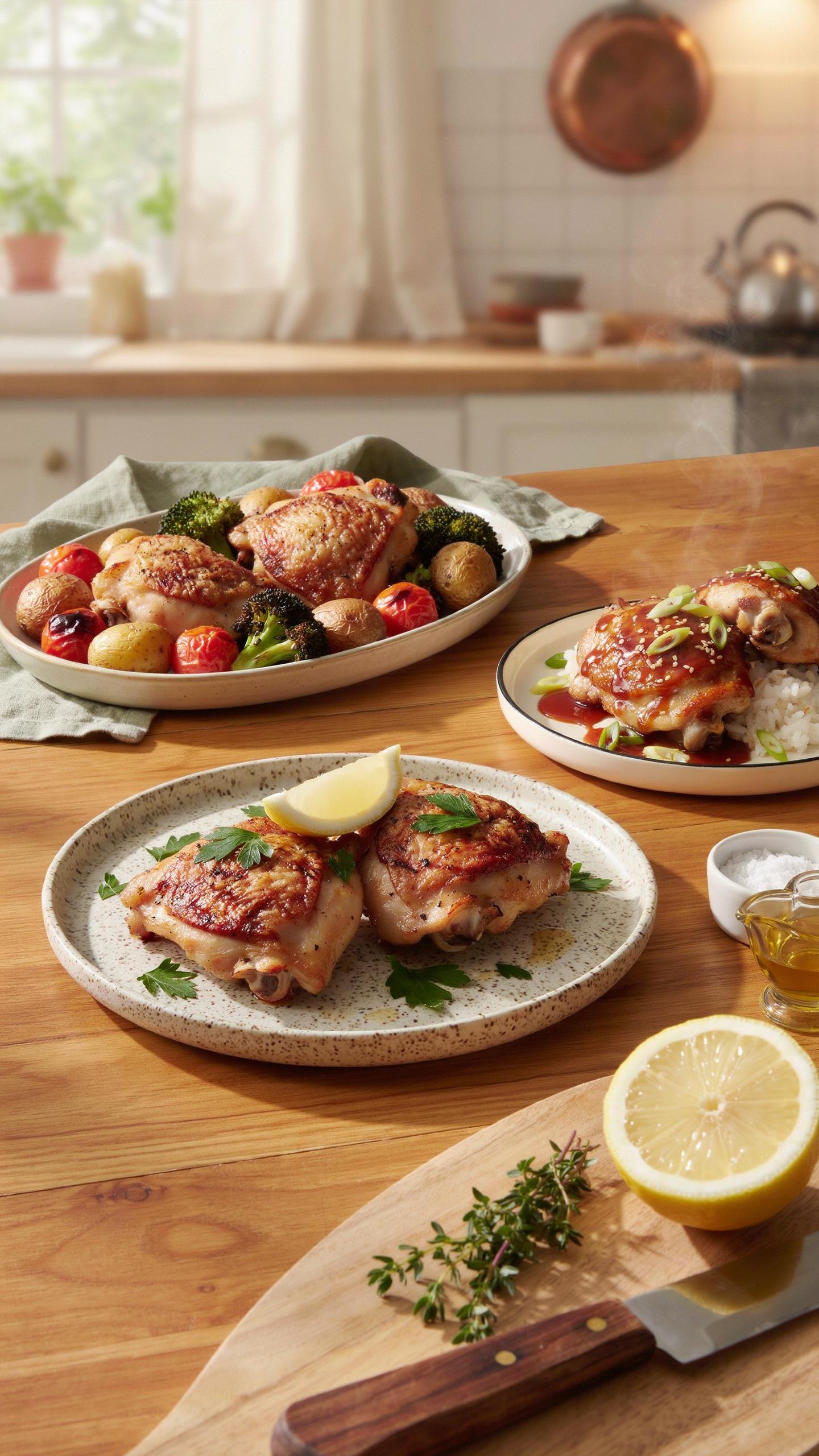
Most meal prep advice treats chicken thighs like blank canvas. Wrong. Thighs demand a framework. Pick one acid source (vinegar, citrus, tomato, yogurt) and one fat source (olive oil, butter, rendered fat from the thighs themselves, or coconut milk), then build your seasoning around those two anchors. This isn’t creativity. It’s economy of motion. You prep five thighs with different acid-fat combinations once, and you’ve got five distinct meals without cooking five times.
Lock In Themes To Kill Menu Fatigue
Decision fatigue destroys meal prep compliance. Most people fail not because food tastes bad but because they stare at their containers and feel nothing. The solution is pre-commitment to themes, not recipes. Choose your five themes for the week before you shop. Mexican Monday uses lime and olive oil. Mediterranean Wednesday uses lemon and garlic. Asian Thursday uses soy and sesame. Thai Friday uses coconut milk and fish sauce. You’re not inventing. You’re just assigning a cultural anchor that determines which seasonings and side vegetables you buy.
This eliminates the paralysis point: standing in your kitchen at 6 PM wondering what to make with five thighs. You already decided. You already know what pantry items and produce go with each theme. The thighs stay the same. The context changes. You cook once, eat five different meals, and your brain gets enough novelty to stick to the protocol through Friday without deviation or delivery app temptation.
The Compounding Returns Effect Of Consistent Chicken Thigh Meal Prep
Small Actions Stack Into Measurable Wins
You want to believe your one-off effort matters. It doesn’t. What matters is the mechanism: compound interest borrowed from finance. You prep chicken thighs the same way every Sunday, and each repetition reduces friction by a small percentage. After month two, you’re not thinking. After month six, you’re operating on autopilot while others still debate which cut to buy.
The math is brutal and simple. If you save forty minutes per week on meal decisions and execution, that’s two hours monthly. Over a year, you reclaim 104 hours of cognitive and physical energy. Most people waste this reclaimed time. You won’t. The system builds on itself because consistency removes decision fatigue, which removes the barrier to the next consistent action.
Time Freed Becomes Capital For Better Decisions
The common advice says “meal prep saves time.” True but useless. The real mechanism is opportunity cost reversal. You trade low-value time (shopping, deciding, cooking scattered meals) for high-value time (work, skill development, recovery). This only works if you actively redirect the freed hours.
Sunday chicken thigh prep now costs you ninety minutes instead of the three hours your old system consumed. That ninety minutes is your cost of entry. The two hours and ten minutes you save goes somewhere intentional, not into scrolling. You reinvest saved energy into one skill or income stream that compounds faster than inflation. The meal prep doesn’t create wealth. The redirected time does.
The real enemy isnt your budget or your schedule its the insidious drain of decision fatigue

Stop treating chicken thigh meal prep like a chore you optimize. Treat it like a system you remove from your brain. Pick three recipes. Cook them on Sunday. Eat them all week. You don’t need variety. You need consistency. Every dollar saved and every meal decided in advance is mental bandwidth you redirect toward work that actually matters. The person who wins isn’t the one with the fanciest meal plan. It’s the one who stopped thinking about dinner altogether.