
Beyond The Buzzword What High Protein Really Means For Your Brain
Your Brain Runs On Neurotransmitters, Not Willpower
You want to feel sharp at 2pm because you’re terrified of being average. The real mechanism is neurotransmitter production. Your brain synthesizes dopamine, serotonin, and acetylcholine from amino acids you consume. Protein provides those amino acids. Skip protein at lunch and your brain literally cannot manufacture the chemicals required for focus. This isn’t motivational talk. It’s chemistry.
Pesto bowls with chicken, fish, or tofu deliver branched-chain amino acids (BCAAs) and tyrosine directly into your system. Tyrosine converts to dopamine. Tryptophan converts to serotonin. The other amino acids maintain baseline neurotransmitter production throughout the afternoon. Most people eat carbs and fat at lunch, crash at 3pm, then blame their discipline. The real culprit is insufficient amino acid density. A high-protein pesto bowl with 35-45 grams of protein per serving rebuilds neurotransmitter levels faster than your body depletes them.
The Energy Stability Protocol
Steady energy is not a feeling you chase. It’s a blood sugar curve you control through meal composition. High protein sources digest slower than carbohydrates alone, which means glucose enters your bloodstream gradually instead of spiking and crashing. This is basic glycemic response. A pesto bowl with protein as the primary macronutrient, plus olive oil-based pesto for fat and vegetables for fiber, creates a flat energy curve instead of a jagged one.
The protein content matters more than the total calories. Aim for 35 to 45 grams of protein per bowl. Pair it with moderate carbs (around 40-50 grams) and healthy fats from pesto. This ratio keeps insulin response moderate, preventing the afternoon energy collapse that hits people eating high-carb lunches. The mechanism is hormone stability, not willpower. Build the meal structure correctly and your energy stays constant until dinner.
The Pesto Power Play Micronutrients Beyond The Macros
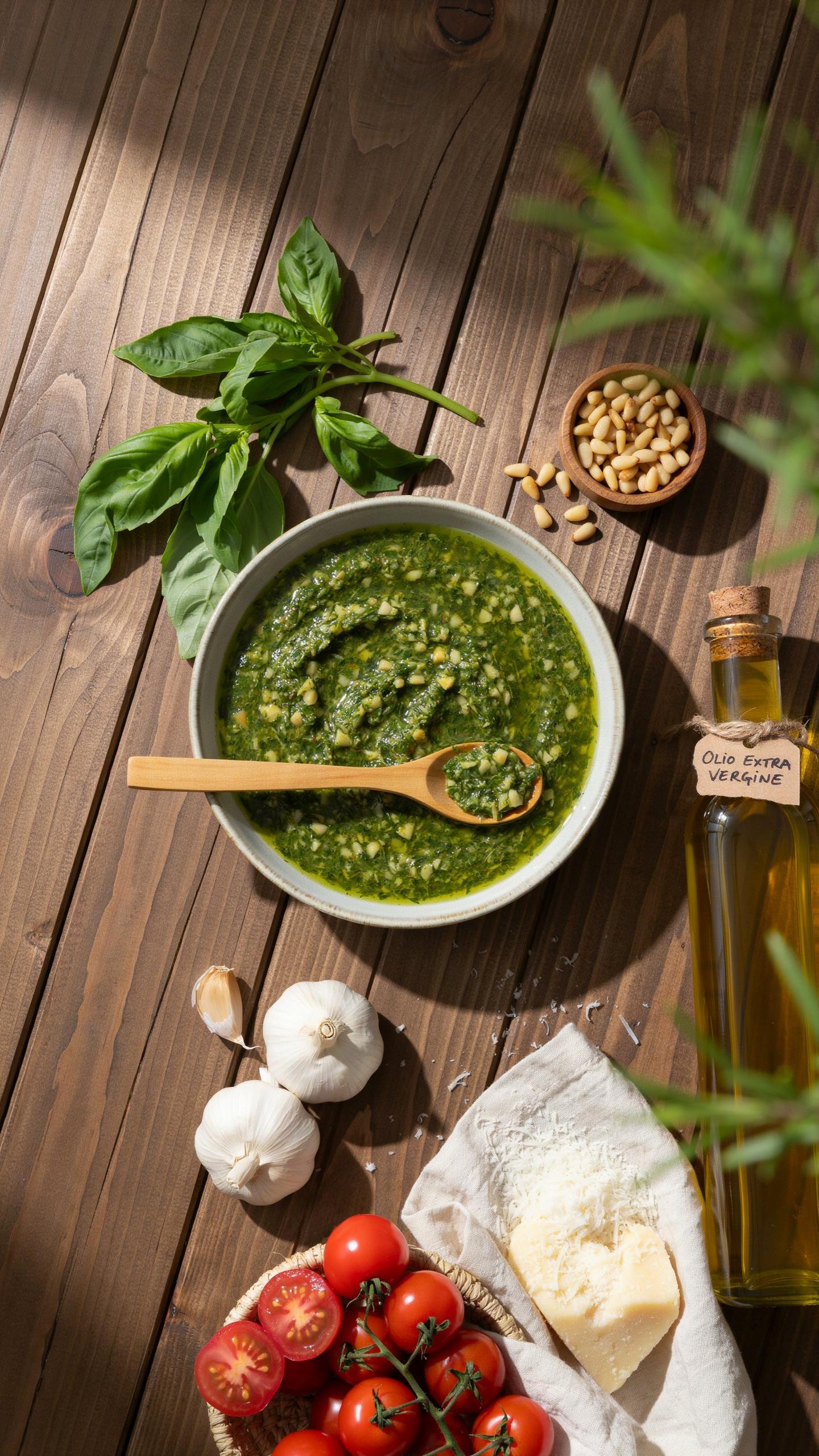
Herb Advantage: Antioxidants For Cellular Repair
You care about this section because you want permission to stop counting only protein and calories. Here’s the mechanism: basil, parsley, and garlic contain polyphenols that function like biological repair crews. In cellular biology, antioxidants neutralize free radicals produced during digestion and exercise. Your pesto bowl doesn’t just build muscle—it cleans up the oxidative damage that heavy protein intake and meal prep storage can accelerate. Fresh herbs amplify this effect more than dried ones because heat degrades polyphenol content.
The tactical move is using fresh herb volume as a lever you control. A standard pesto uses roughly one to two cups of packed basil per half cup of olive oil. When prepping, add herbs just before eating or store them separately and combine at lunch. Dried herbs lose 60 to 80 percent of their polyphenol potency during the drying process, making fresh herbs the only choice if cellular repair is your actual goal.
Fat Quality: Olive Oil For Cognitive Function
The common advice says “use olive oil because it’s healthy.” That’s incomplete. Extra virgin olive oil contains oleocanthal, a compound that mimics the action of ibuprofen in your brain. Neuroscience research confirms this molecule crosses the blood-brain barrier and triggers anti-inflammatory pathways in the prefrontal cortex—the area controlling focus and decision-making. Your pesto bowl becomes a cognitive tool, not just a lunch container. Refined olive oil loses this compound entirely during processing, making the oil type the actual differentiator.
The protocol is simple: use only extra virgin olive oil in your pesto, and don’t heat it during prep. Store pesto in glass containers in a cool, dark place because light and heat degrade oleocanthal within days. A three-tablespoon serving of extra virgin olive oil per meal delivers enough oleocanthal to produce measurable effects on afternoon focus. This is why your pesto bowl hits different than a plain protein plate.
The Minimum Viable Prep Protocol Deconstruct Your Lunch
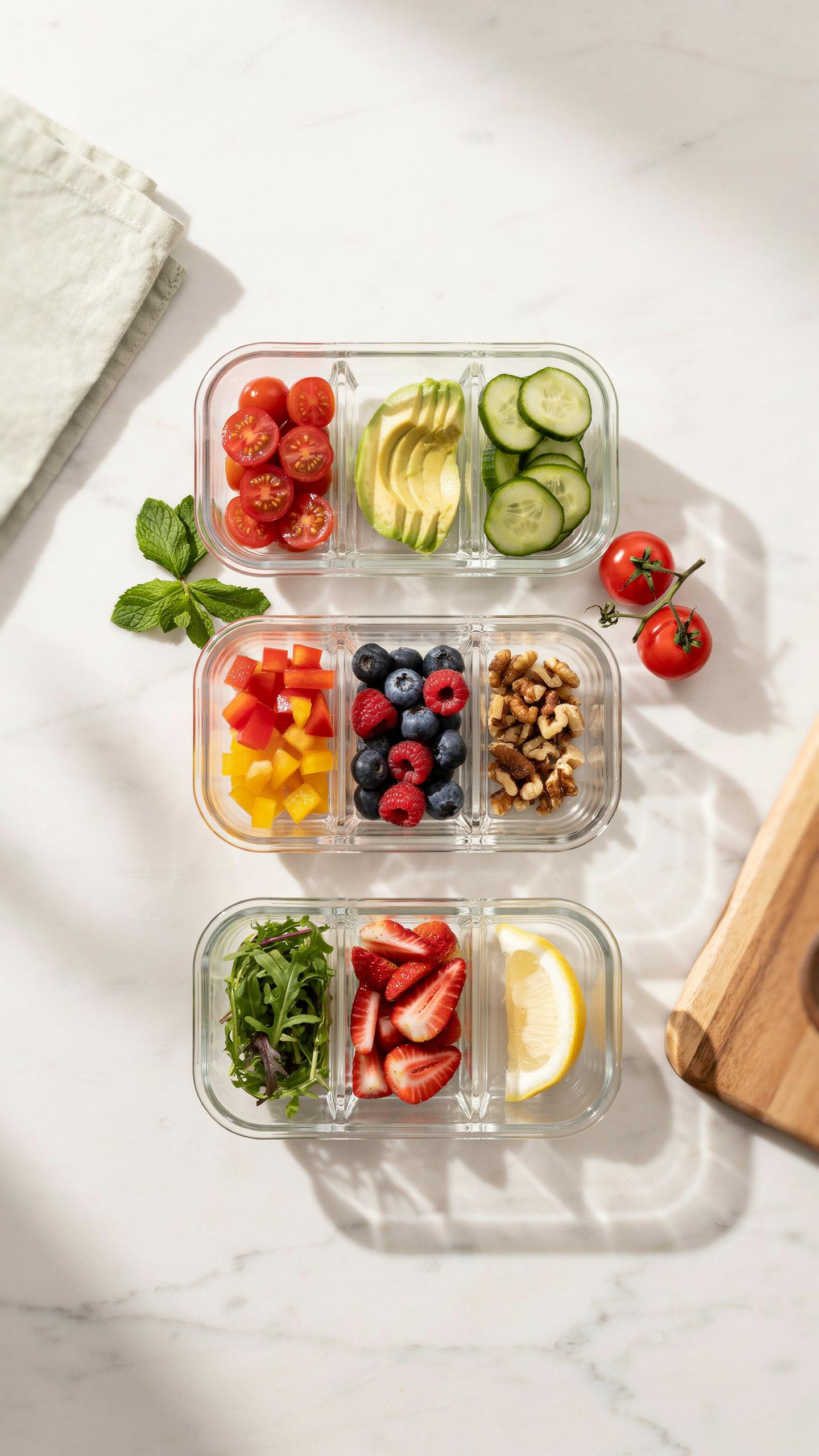
Prep Each Element In Isolation
You want meal prep to feel effortless because you’re secretly hoping it’ll solve the willpower problem instead of the systems problem. It won’t. The real mechanism here is batch processing from manufacturing: you reduce setup and teardown costs by doing one task repeatedly instead of switching between five tasks five times. Cook all protein at once. Chop all vegetables at once. Make pesto once. This cuts prep time by roughly 40 percent compared to assembly-line thinking where you make individual bowls.
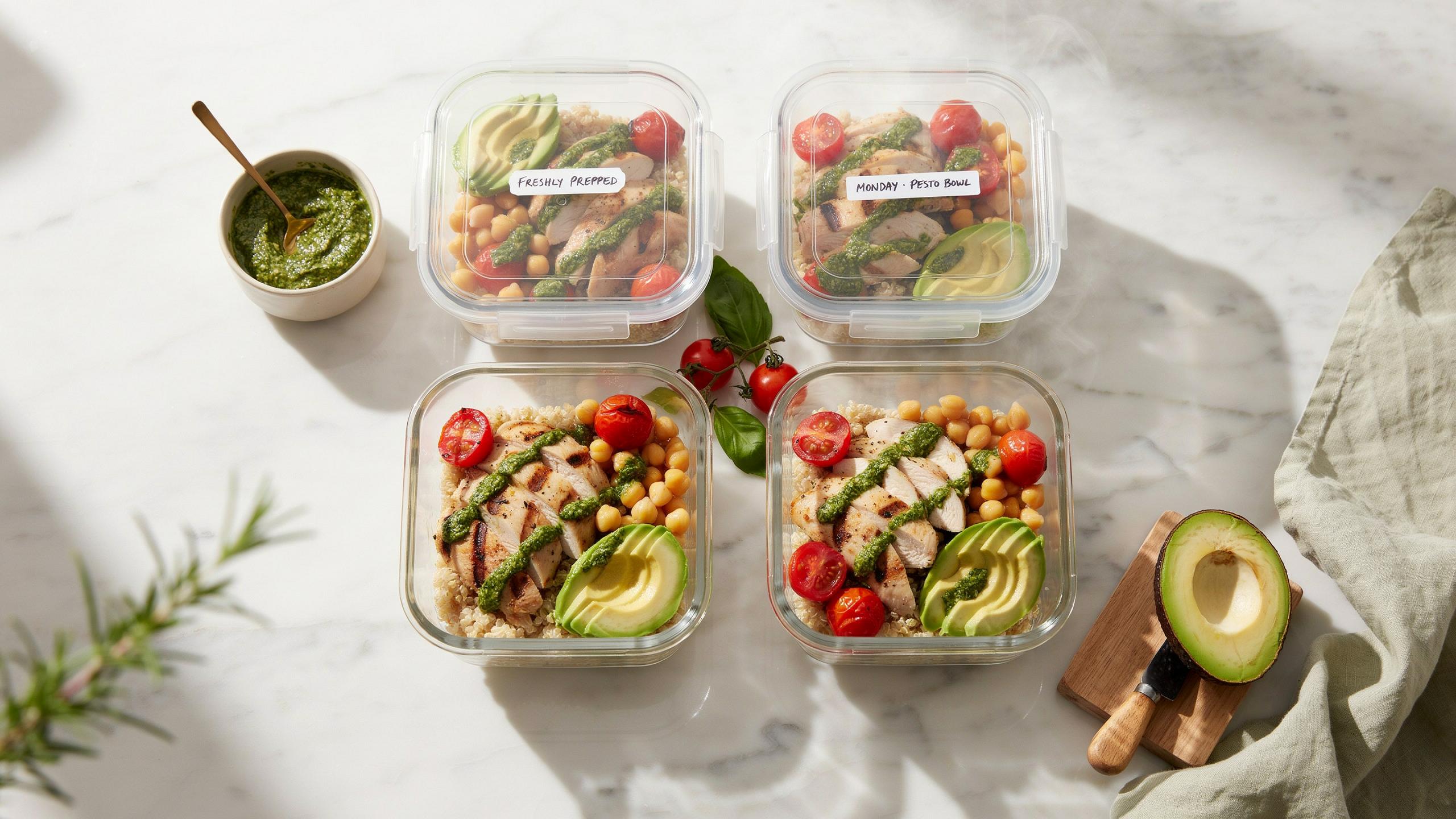
The isolation principle also prevents cross-contamination of flavors and textures. Wet ingredients won’t make your grains soggy before you eat. Aromatics stay potent. You prep Monday night, store components separately in glass containers, and the bowl tastes as intended on Thursday. Store pesto in a separate container with plastic wrap pressed directly on the surface to minimize oxidation. Protein goes in its own container. Grains separate. Vegetables separate. Only combine when you’re eating.
Portion And Stack For Velocity
The common advice here is “just use containers and go.” That’s incomplete. You need a specific sequence that reduces decision-making and handling time on execution days. Line up five containers. Fill each with the same amount of base grain first, then protein, then vegetables, then a measured portion of pesto on the side. Same number of motions per bowl every time. Your hands learn the rhythm. A single bowl takes under ninety seconds to assemble once components are prepped and portioned.
Stack containers vertically in your fridge in the order you’ll eat them, oldest on top. When you grab lunch, you grab the front container. No scanning for which day it is. No mental math on freshness. Every Friday you look at one remaining container and adjust next week’s portion count. This removes friction from the actual eating moment, which is when most people default to buying lunch instead.
Mastering The One Pan Pesto Chicken Quinoa Strategy
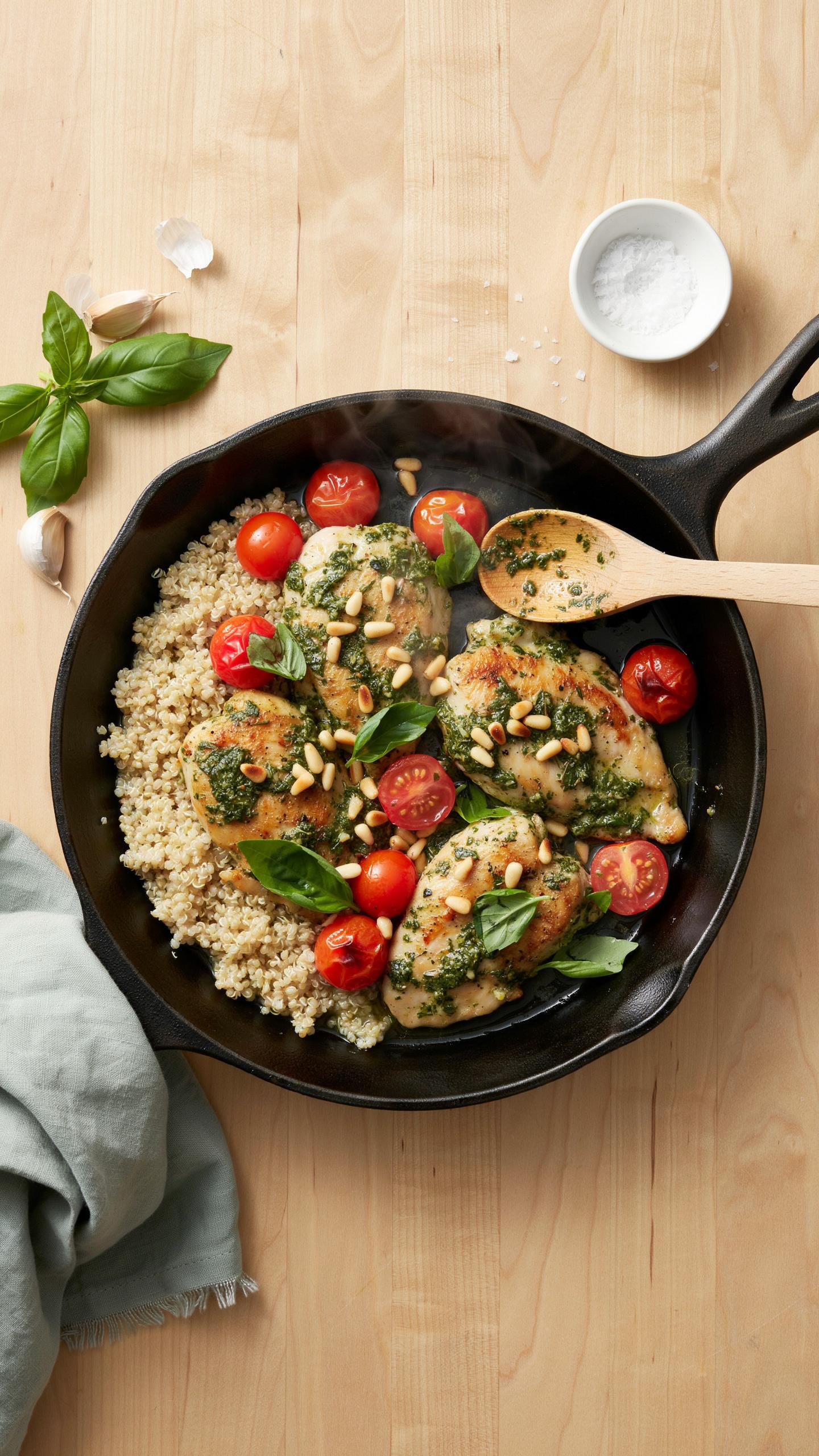
Cook Everything In Parallel, Not Sequence
You want to believe that meal prep is about being organized, but it’s actually about eliminating false steps that waste your time. Thermodynamics applies here: use the same heat source to cook multiple proteins and starches simultaneously rather than treating them as sequential tasks. Most people batch cook chicken, then quinoa, then assemble. That’s friction.
Set your oven to 400 degrees. Place seasoned chicken breasts on one sheet pan, spread dry quinoa on another, and slide both in at the same time. Chicken takes 20-25 minutes depending on thickness. Quinoa takes 15 minutes if you’ve already brought it to a boil on the stovetop before transferring it to an oven-safe vessel. The overlap is the win.
The Sheet Pan Method That Actually Works
The common advice says “roast everything together on one pan.” That’s incomplete and leads to soggy quinoa next to overcooked chicken. You need separation and different pan types to hit temperature targets without compromise.
Use two pans: a rimmed sheet pan for chicken thighs or breasts with olive oil and salt, and a small oven-safe pot with a lid for quinoa that’s already been brought to a boil. Thighs brown better than breasts and forgive timing mistakes. The lid traps steam for quinoa while air circulation crisps the chicken skin. Pull chicken at 165 degrees internal temperature, quinoa when liquid absorbs. This takes 20-22 minutes total. Cool both while prepping your pesto base and vegetables.
The Pesto Bowls Matrix Variety Through Strategic Substitution
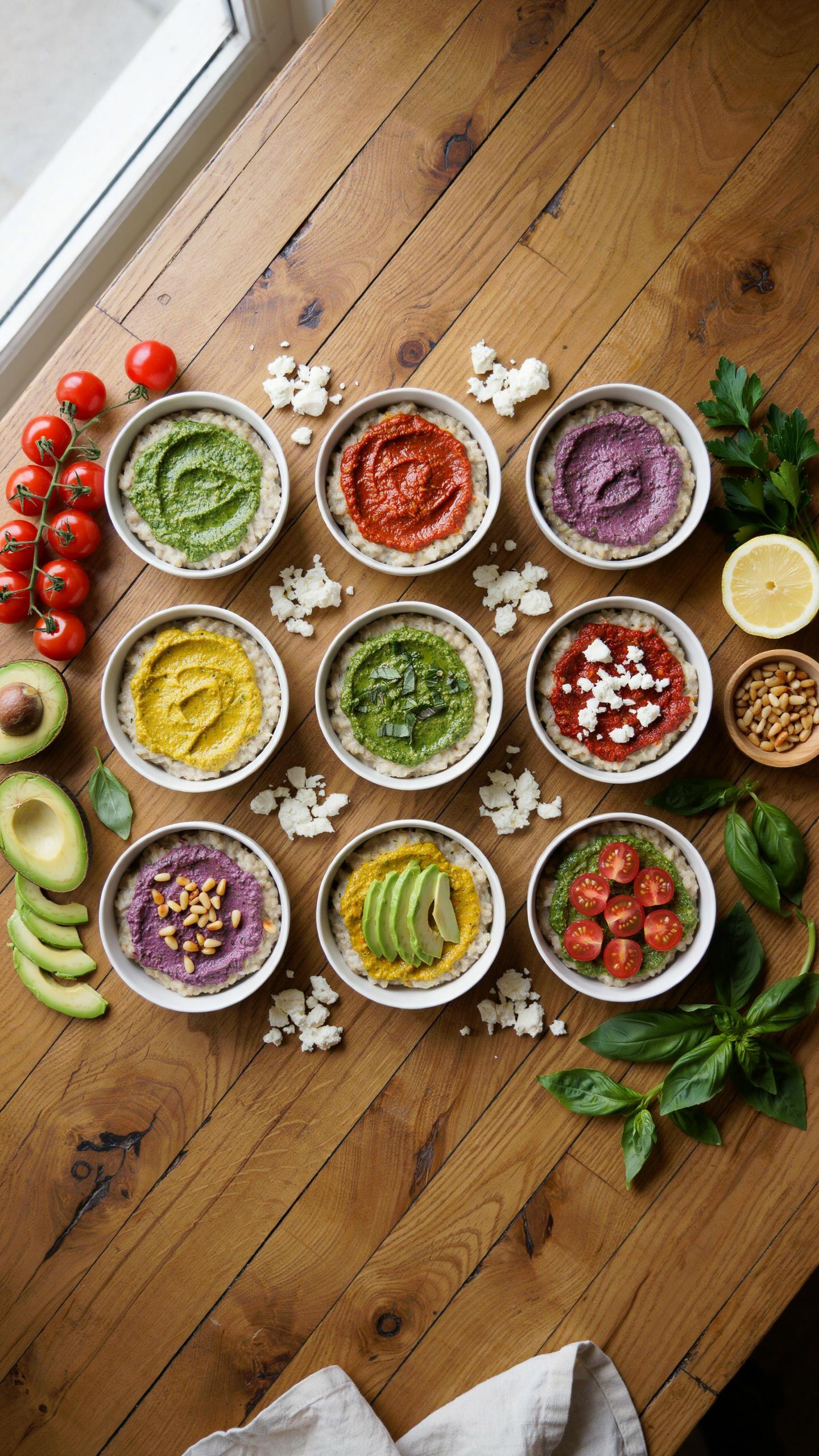
Building Blocks That Actually Swap
You’re hoping modularity will save you time. Here’s what actually happens: most people treat swaps as random choices, which defeats the entire point. Think of it like supply chain design in manufacturing. Each component must fit into the same production slot without slowing output. Your proteins, vegetables, and bases occupy fixed positions in prep workflow. Chicken breast cooks in 22 minutes. Ground turkey in 18. Swap them without recalculating prep time and your Friday afternoon disappears.
The real mechanism is constraint stacking. Choose three proteins that all cook in 18-24 minutes. Pick five vegetables that roast at 425 degrees for identical duration. Select two base carbs with the same reheating window. When everything aligns, you prep once and eat six different meals. Most people skip this alignment step and end up cooking components separately, which burns the entire time advantage. Your substitution matrix only works if every swap maintains the same prep architecture.
Pesto Variations That Build Flavor Depth
Flavor layering borrows from chemistry’s principle of emulsification, where oil and water-based elements create stability through structure. Standard pesto uses basil, pine nuts, garlic, cheese, and oil. Most people stop there and call it variety. The actual depth comes from swapping the emulsifier base while keeping the core ratio intact. You’re not just changing ingredients. You’re changing how flavors bond and persist through reheating.
- Walnut Pesto Base: Replaces pine nuts with toasted walnuts, adding earthiness that survives refrigeration better than pine nut versions, which turn bitter after three days.
- Sunflower Seed Pesto: Uses roasted sunflower seeds for cost efficiency without sacrificing richness, maintains texture stability through multiple reheats, works with all protein types.
- Herb Rotation: Swap 40 percent of basil with arugula, mint, or parsley depending on week, changes perceived flavor without reformulating the entire sauce structure.
- Acid Adjustment: Replace lemon juice with sherry vinegar or white wine vinegar to shift how pesto cuts through rich proteins, affects how long flavor lasts in fridge.
- Cheese Swap: Use pecorino romano instead of parmesan for sharper salt punch, or skip cheese entirely and add miso paste for umami without dairy.
The second emulsifier swap changes everything. Pesto with egg yolk base holds structure longer under temperature fluctuation than oil-only versions. Add one yolk to your standard pesto and it stops separating after three reheats. This isn’t texture improvement. This is the difference between meals that taste intentional on day four versus meals that taste like you forgot about them. Calculate prep once, build five pesto variations in parallel, and every swap maintains the same container shelf life threshold.
The Chicken Pesto Bowls Healthy Ecosystem Sustaining The System
Energy Levels Drive Protocol Adjustments
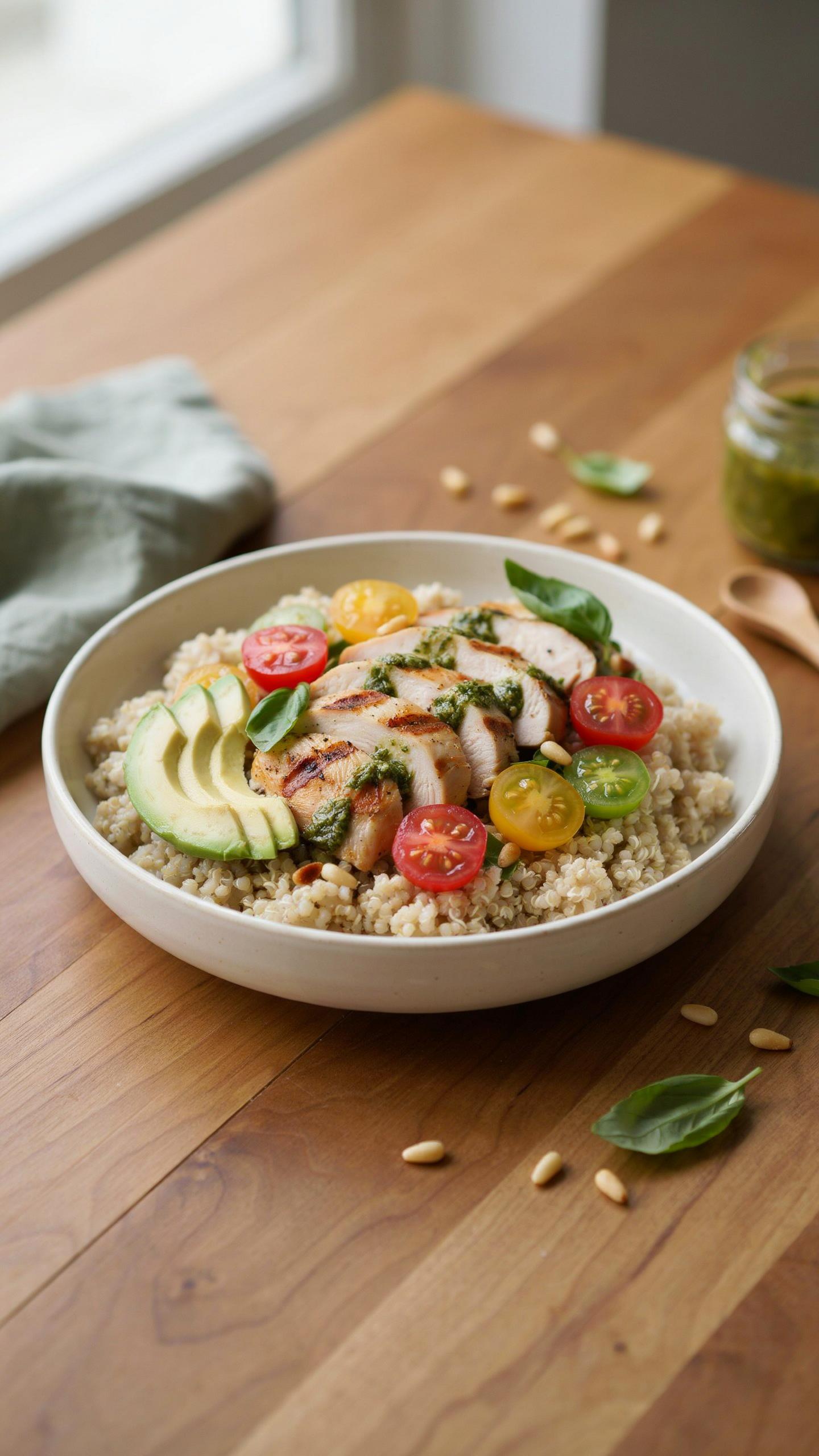
You want to believe meal prep is set it and forget it because that lets you off the hook from actually paying attention. It isn’t. Cybernetics—the study of feedback loops in self-regulating systems—applies directly here: your body sends signals about energy and satiation that should reshape your bowl ratios week to week. If Tuesday’s bowl left you crashed by 3pm, your protein-to-carb ratio was wrong, not your discipline.
Track one metric: energy dip timing. When it happens, adjust the prior day’s bowl. More protein absorbs slower, flattens the glucose spike. More fat extends satiation. You’re not fixing a meal plan, you’re calibrating an input system based on output data. Most people skip this step and eat the same bowl for eight weeks wondering why it stopped working. The mechanism is simple: measure, adjust, repeat.
Consistency Surfaces Unexpected Wins
The common pitch is that meal prep saves time, which is true but surface-level. Complex systems theory reveals something sharper: consistency in one domain creates emergent properties—benefits that weren’t obvious from the initial goal. Eating the same pesto bowl three times weekly trains your digestive system to process it efficiently, reduces decision fatigue in other areas, and creates a baseline physiology stable enough to notice what actually affects you.
Meal prep consistency lets you run clean experiments on sleep, training, or stress because your nutrition isn’t a variable anymore. You stop bloating after certain foods because your gut recognizes the protein-fiber ratio. You notice energy patterns because the meal itself isn’t a moving target. The real win isn’t the thirty minutes you saved on Sunday. It’s that you now have data on yourself worth using.
Beyond The Pesto Chicken Power Bowl Fueling Your Prime State
Stop Making Lunch A Daily Decision
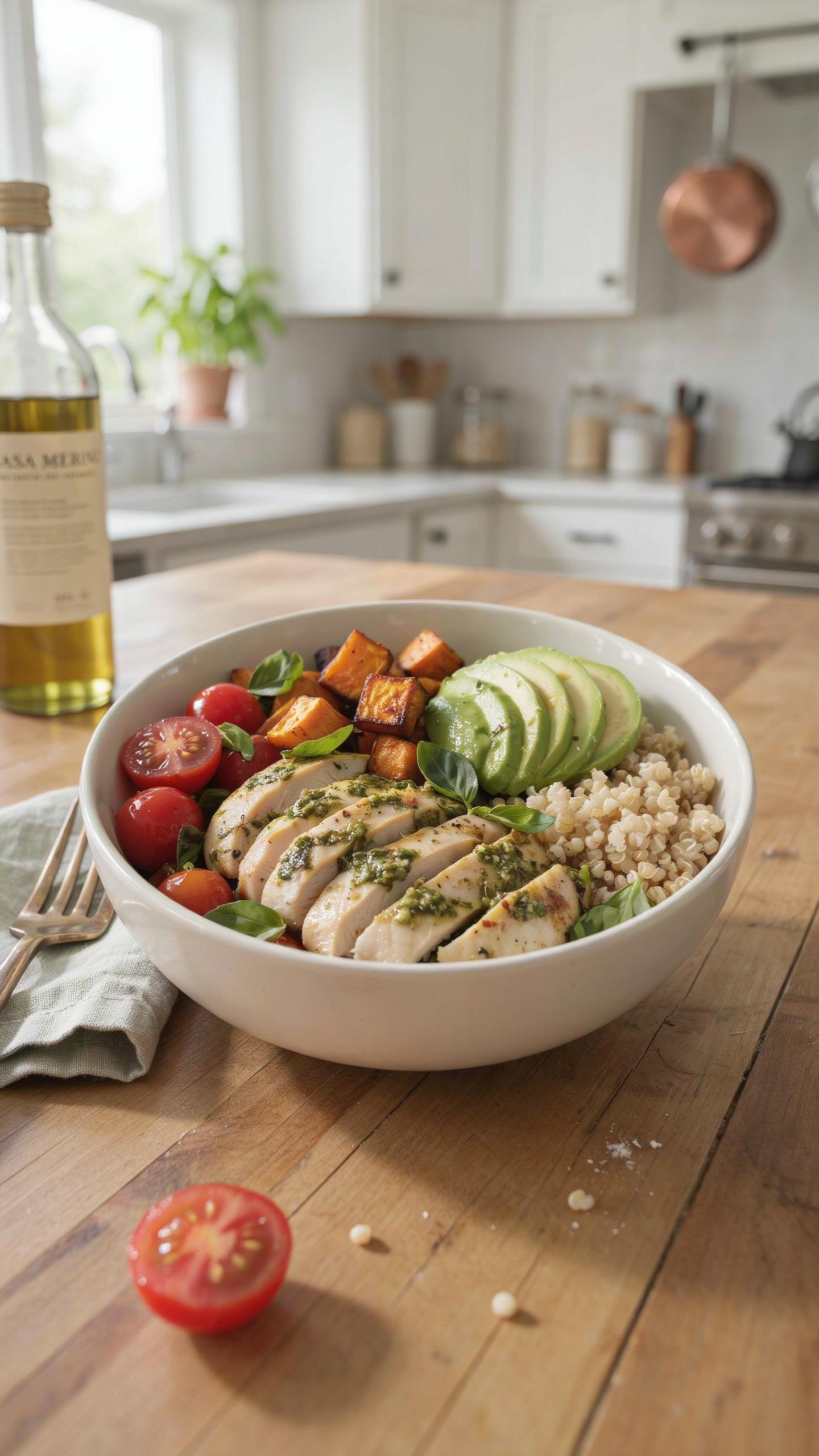
You think you want a healthy lunch option. What you actually want is to stop thinking about lunch. The mechanism here is decision fatigue. Every choice you make depletes your cognitive resources, and by noon your willpower is already fractured from a morning of real decisions. Meal prep eliminates the lunch question entirely. You open the fridge and execute, not deliberate.
The pesto bowl works because it removes the selection layer that kills momentum. You’ve already decided on protein, carbs, fat, and greens. The container sits ready. No “should I” moment. No scroll through delivery apps. No mental negotiation with yourself about whether to eat. This is why consistency beats optimization in meal prep. A mediocre bowl you actually eat beats the perfect meal you never prepare.
Align Eating With Your Peak Work Windows
Energy management in sports science uses periodization: strategic timing of effort and recovery to maximize performance. Meal prep timing follows the same principle. Your pesto bowl isn’t fuel for whenever you feel hungry. It’s fuel for when your work requires your highest cognitive output.
Most people eat when it’s convenient or when they notice hunger. That’s reactive. Map your actual work rhythm first. If your critical thinking happens between 1 PM and 4 PM, your protein pesto bowl hits at 12:15 PM, giving digestion time before peak demand. The 30-40 grams of protein stabilize blood sugar. The complex carbs and fat create sustained energy without the crash. This timing isn’t magic. It’s matching food intake to when your brain actually needs it most. Pack your bowl for the work window that matters, not the clock.
The Pesto Chicken Lunch Bowl Dividend Reinvesting Your Saved Attention
Work Blocks With Actual Boundaries
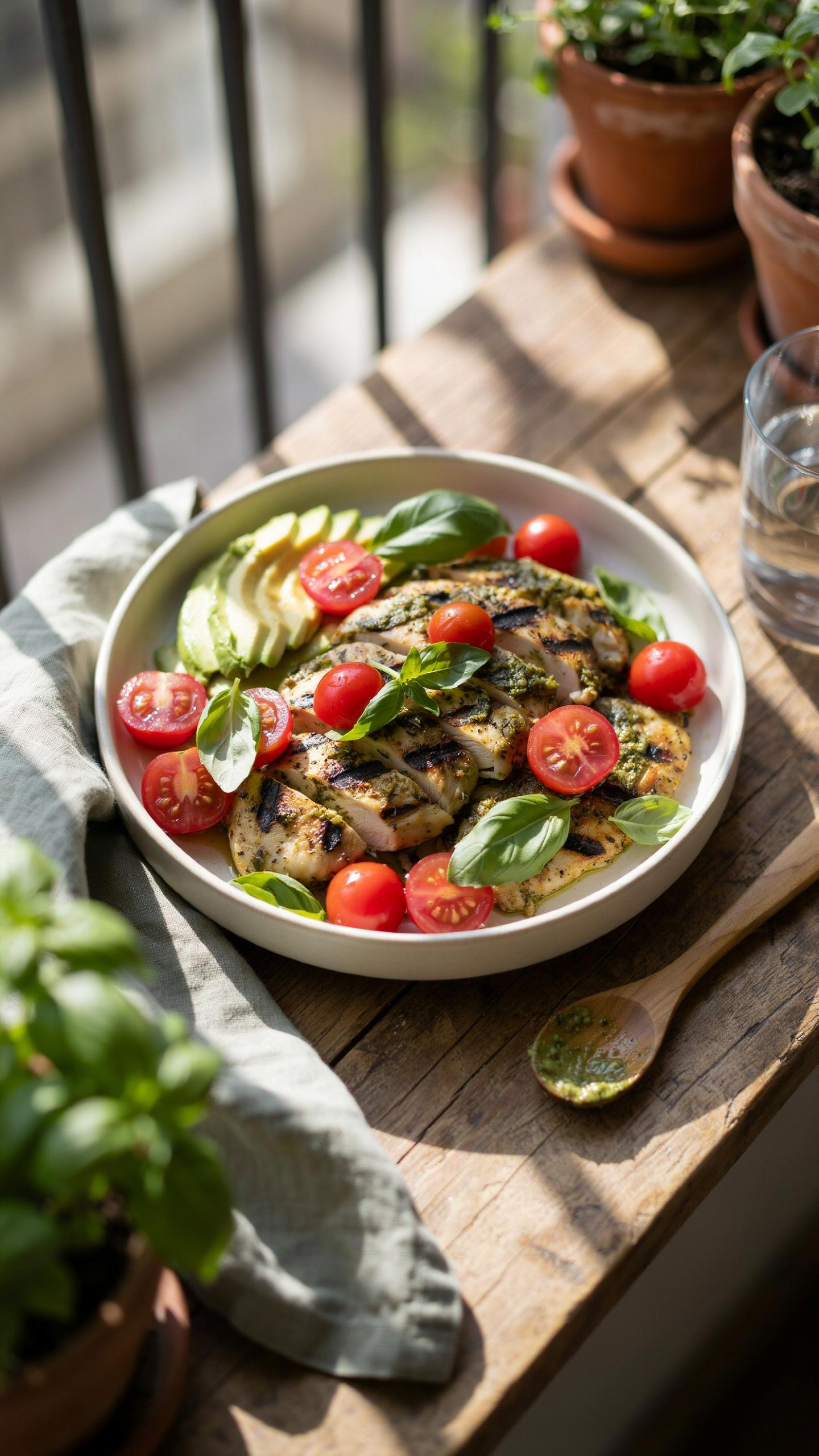
You care about this because you’re losing hours to decision fatigue and you won’t admit it. Here’s the mechanism: meal prep operates like time blocking in productivity. You batch one cognitive task (deciding what to eat, preparing it, sourcing ingredients) into a single session, then eliminate it for the entire week. A pesto chicken bowl takes fifteen minutes to assemble on Sunday. That’s fifteen minutes you don’t spend Monday through Friday negotiating with yourself at noon about takeout or piecing together random leftovers.
The math is straightforward. Five workdays times fifteen minutes of daily food decisions equals seventy-five minutes lost to low-stakes friction. Remove the friction once, and you reclaim focused work blocks where your mental energy stays on what actually matters. Your brain isn’t context-switching between spreadsheets and menu anxiety. The high protein content stabilizes blood sugar, so you’re not crashing at 2 PM and losing another hour to fatigue. One prep session deletes a recurring interruption that compounds across the week.
Recovery Cycles That Actually Deepen
Most advice treats rest as passive. That’s incomplete. Recovery follows the biological principle of hormesis: controlled stress followed by adaptation creates stronger capacity. Your lunch bowl supports this directly. Consistent protein intake maintains steady glucose and amino acid availability, signaling your nervous system that resources are stable. Your body stops defending against scarcity and actually recovers.
The pesto adds a secondary mechanism. Basil contains compounds that reduce inflammation markers. Combined with consistent meal timing, you’re not spiking cortisol through irregular eating patterns. Your afternoon focus deepens because you’re not in a micro-stress state of hunger or blood sugar volatility. The recovery isn’t passive leisure. It’s the physiological permission your system needs to restore cognitive capacity between work blocks. Prep your bowls on Sunday so your body can actually adapt instead of constantly managing crisis.
The real obstacle isnt a lack of time but a poverty of attention

You already know meal prep works. You’ve seen the results. The gap between knowing and doing lives in one place: you haven’t decided it matters more than whatever else demands your attention today. Pick one Sunday in the next two weeks. Buy the basil, chicken, and pine nuts. Spend ninety minutes making five bowls. Stop waiting for perfect conditions to start. Consistency beats optimization every single time.