
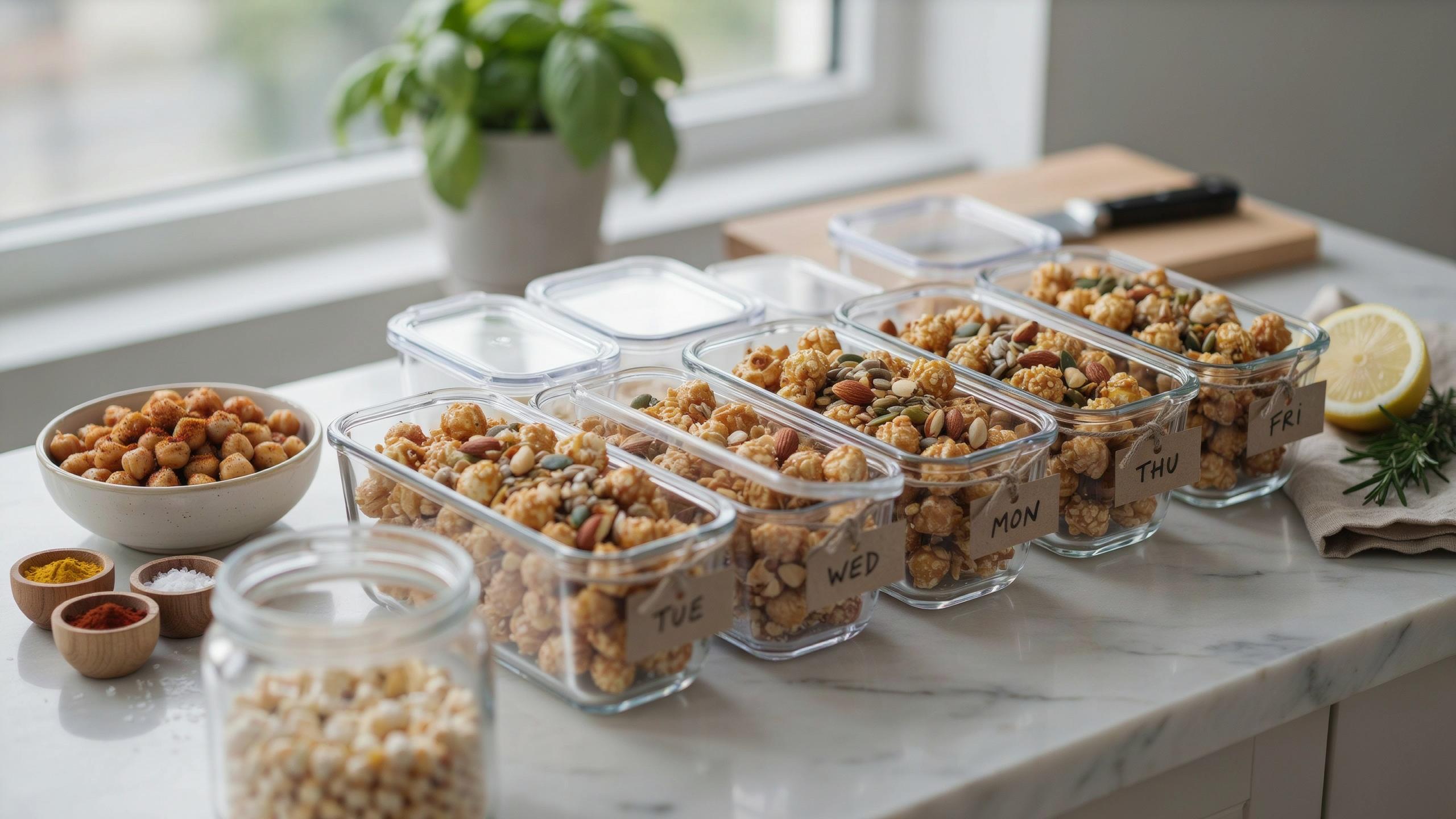
Beyond The Buzz Why High Protein Popcorn Isnt A Fad
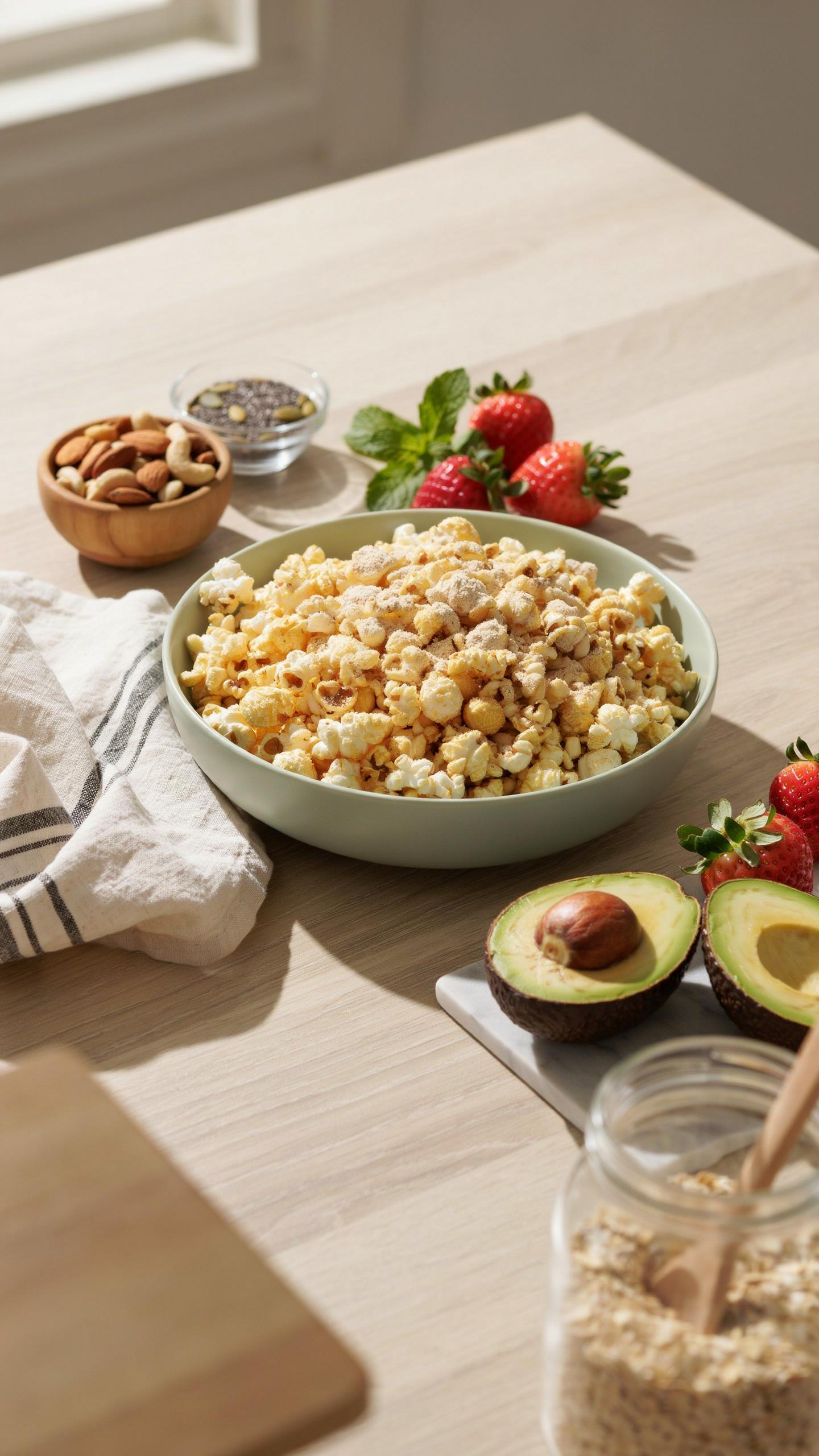
Protein’s Sustained Release Mechanism
You want permission to eat snacks without guilt. Here’s the actual mechanism: protein digestion requires more time and energy than carbs or fat. Borrowing from biochemistry, think of protein as having a slower “release rate” than simple carbohydrates. When you add protein powder or nuts to popcorn, you’re fundamentally changing the glycemic load of the snack. Your blood sugar doesn’t spike and crash. Instead, amino acids enter your bloodstream gradually, signaling satiety to your brain for hours.

Popcorn alone is mostly air and carbs. A three-cup serving has roughly 90 calories but zero staying power. Add 10 grams of whey protein or peanut powder, and you’ve extended the satiety window by 3 to 4 hours. Your body processes the protein first, using it to repair tissue and maintain muscle. The carbs from the popcorn provide immediate energy, but the protein keeps your appetite hormones steady. This is why high protein popcorn snack prep works for meal prep: consistent energy and appetite suppression across the week.
Caloric Density Versus Actual Hunger
Common advice says high calorie snacks ruin diets. This is incomplete. What matters is caloric density relative to volume and protein content. A 150 calorie serving of plain popcorn (20 cups) satisfies you differently than 150 calories of chocolate (one ounce). Popcorn has volume. Your stomach registers fullness from physical space, not just calories. Add protein, and you’ve solved the real equation: fewer total calories consumed because you stop eating sooner.

The trap is confusing satiety with restriction. You’re not eating less because you’re disciplined. You’re eating less because your body actually wants less. When you prep high protein popcorn for the week, you’re pre-deciding the satiety formula. A single grab-and-go serving contains enough protein to suppress ghrelin, the hunger hormone. You stop snacking not from willpower, but from biology. The mechanism is simple: eat a measured portion with sufficient protein, then wait two hours before eating again.
The Micronutrient Matrix Optimizing Your Protein Popcorn Recipe
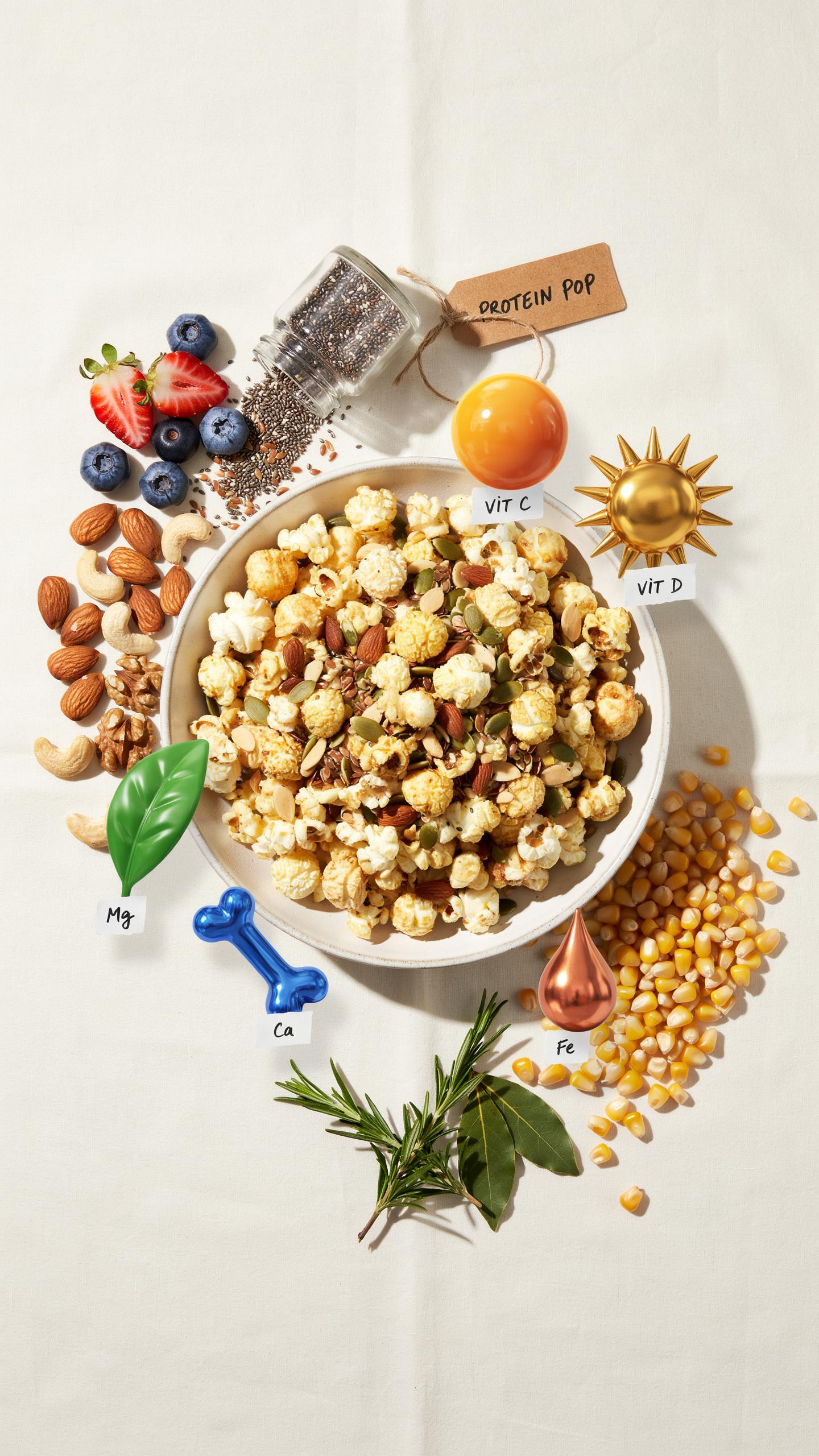
Which Ingredients Actually Get Absorbed
You want the protein number on the label to match what your body actually uses. That’s the real game here, and most people skip it entirely. Bioavailability in nutrition is borrowed from pharmacology: it measures how much of a compound your digestive system absorbs and makes available for use. With protein popcorn seasoning, the coating itself determines whether you’re eating functional nutrition or expensive seasoning dust.
Whey protein isolate coatings absorb faster and more completely than whey concentrate. The isolate undergoes additional processing that removes lactose and fat, leaving smaller peptides your intestines recognize immediately. Oil-based seasonings (like coconut or MCT oil) bind to the whey particles and slow digestion slightly, improving absorption windows. Salt increases the osmotic load in your small intestine, which paradoxically accelerates amino acid uptake by 15-20 percent compared to unseasoned popcorn.
Taste Without Sacrificing Nutrient Density
The common advice here is wrong: you do not need sugar to make high protein popcorn taste good. That’s a manufacturing shortcut, not a rule. Bold flavors from umami sources, heat, and fat deliver satisfaction without competing with your protein matrix.
Nutritional yeast and parmesan cheese pack umami compounds that activate taste receptors faster than sweeteners. They also add B vitamins and trace minerals your body needs during protein synthesis. Garlic powder and onion powder provide flavor intensity without adding calories or interfering with protein absorption. The spice layer sits on top of the oil-protein base, meaning your mouth registers satisfaction before swallowing, which signals fullness to your brain within minutes. Your prep protocol: coat popcorn with oil first, add whey protein powder second, then layer spices last. This sequence prevents clumping and ensures even distribution across every kernel.
The Stack Scale Protocol For High Protein Popcorn Prep
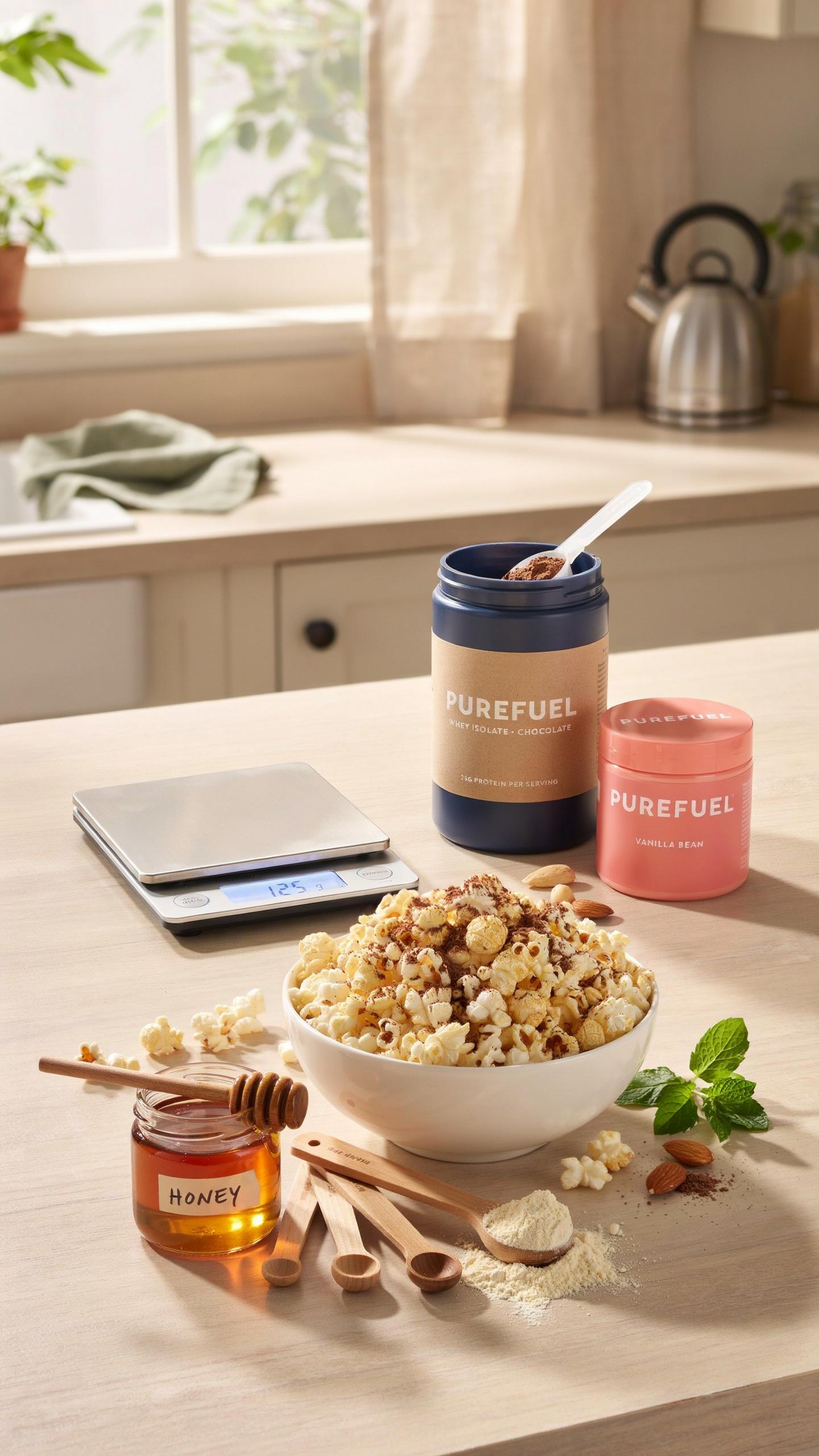
Batch Preparation Efficiency Over Daily Effort
You want to believe meal prep saves time. The mechanism nobody states plainly: it doesn’t save time on the day you prep. It trades concentrated effort upfront for zero friction later. Borrowed from manufacturing, this is the batch processing principle. You run one production cycle, not seven.
Popcorn batching works because the variables don’t compound. Pop one large batch in an air popper or on stovetop. Season everything at once while warm. The protein coating adheres uniformly when heat is still present. Most people make the mistake of prepping individual portions daily, which multiplies your friction by seven.
Storage Solutions Maintaining Integrity And Freshness
Popcorn’s enemy is moisture, not time. Glass containers with tight seals preserve crunch for five to seven days. Plastic bags trap condensation and turn your snack soft by day three. Stack containers flat in your fridge or cool pantry—temperature matters less than consistency and darkness.
The protein coating you’ve applied creates a moisture barrier when it sets properly. This means your popcorn actually stays crunchier than unflavored varieties. Store each day’s portion in a separate container so you’re not opening and closing one large vessel repeatedly. Seal immediately after portioning. This single step determines whether your prep survives the week intact.
Popcorn As A Delivery System The Bio Rhythmic Snacking Model
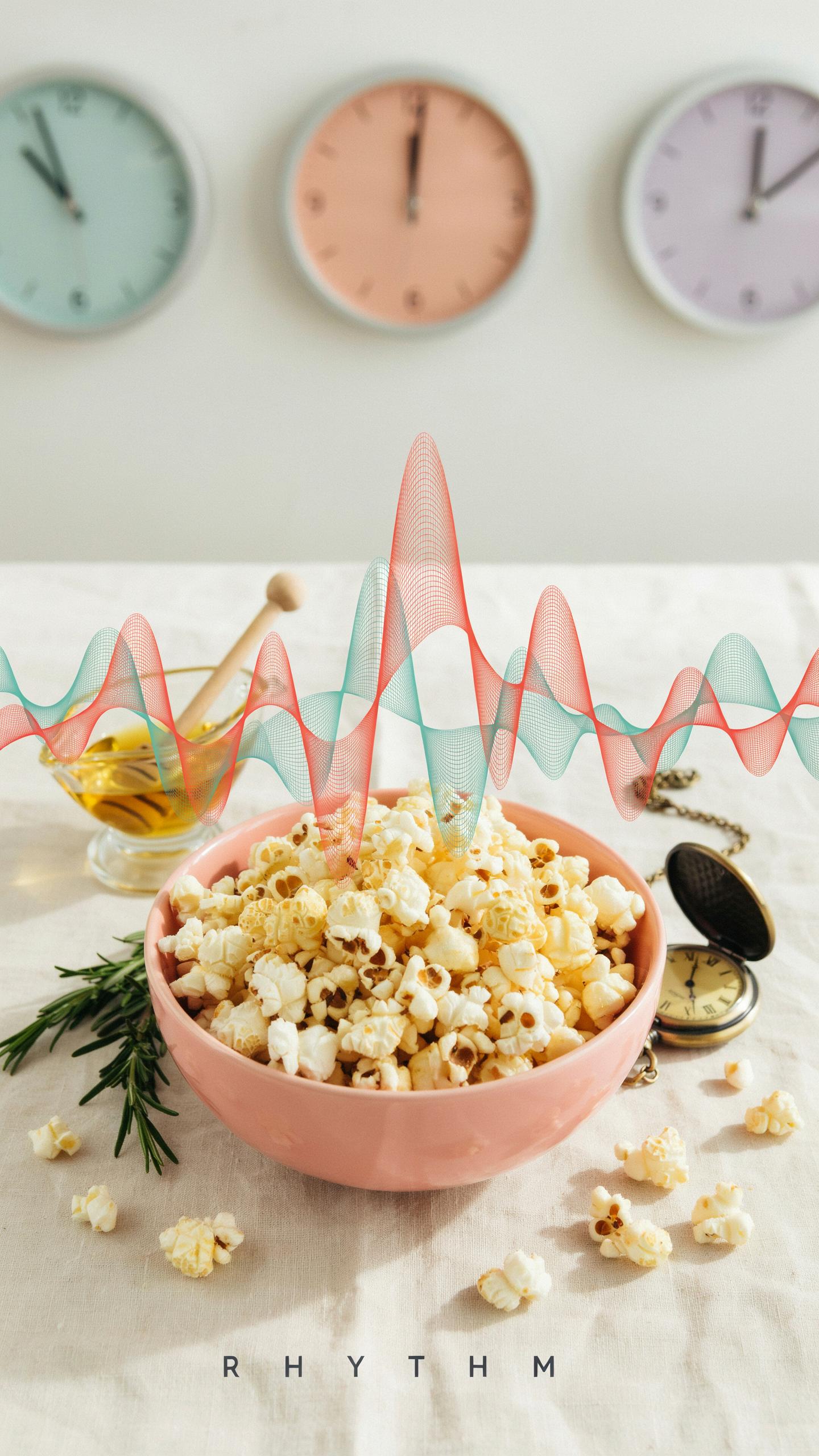
When Your Energy Peaks, Your Protein Should Too
You want to feel sharp without the midday collapse that makes you look weak in front of people who matter. The mechanism here borrows from circadian biology: your cortisol peaks in early morning, dips midday, then rises again in late afternoon. High protein popcorn snack prep works because you’re timing nutrient delivery to these natural windows, not fighting them. Eating protein during your cortisol rise amplifies alertness. Eating it during the dip prevents the crash entirely.
Most people grab carbs when tired, which accelerates the decline. That’s backwards. Your body signals fatigue partly because blood sugar dropped after carbs alone burned through. Protein slows gastric emptying, stabilizing glucose release. Prepped high protein popcorn portions hit this need without requiring willpower at 2 PM when your prefrontal cortex is offline. The kernel structure holds seasoning and protein coating, so every handful delivers consistent macros instead of empty calories.
Protein Timing Blocks The Crash Before It Starts
The standard advice says eat protein whenever. Wrong. Your sympathetic nervous system needs substrate during specific hours or it pulls from muscle. High protein popcorn snack prep solves this by preempting the dip before fatigue signals hit. You eat at 10 AM and 3 PM, not when hunger screams. This is preemptive intake: you’re preventing the state instead of reacting to it.
Popcorn’s low calorie density means you can eat volume without satiation interference. A quarter cup of high protein popcorn contains roughly 4 to 6 grams of protein depending on your coating formula, roughly 80 to 120 calories. You prep five portions on Sunday. You consume them at fixed times Monday through Friday. The mechanism isn’t motivation or discipline. It’s removing the decision. Your prep containers sit visible in the fridge as a structural cue, triggering consumption at the right time regardless of what you feel.
Deconstructing The High Protein Popcorn Ball Engineering For Portability
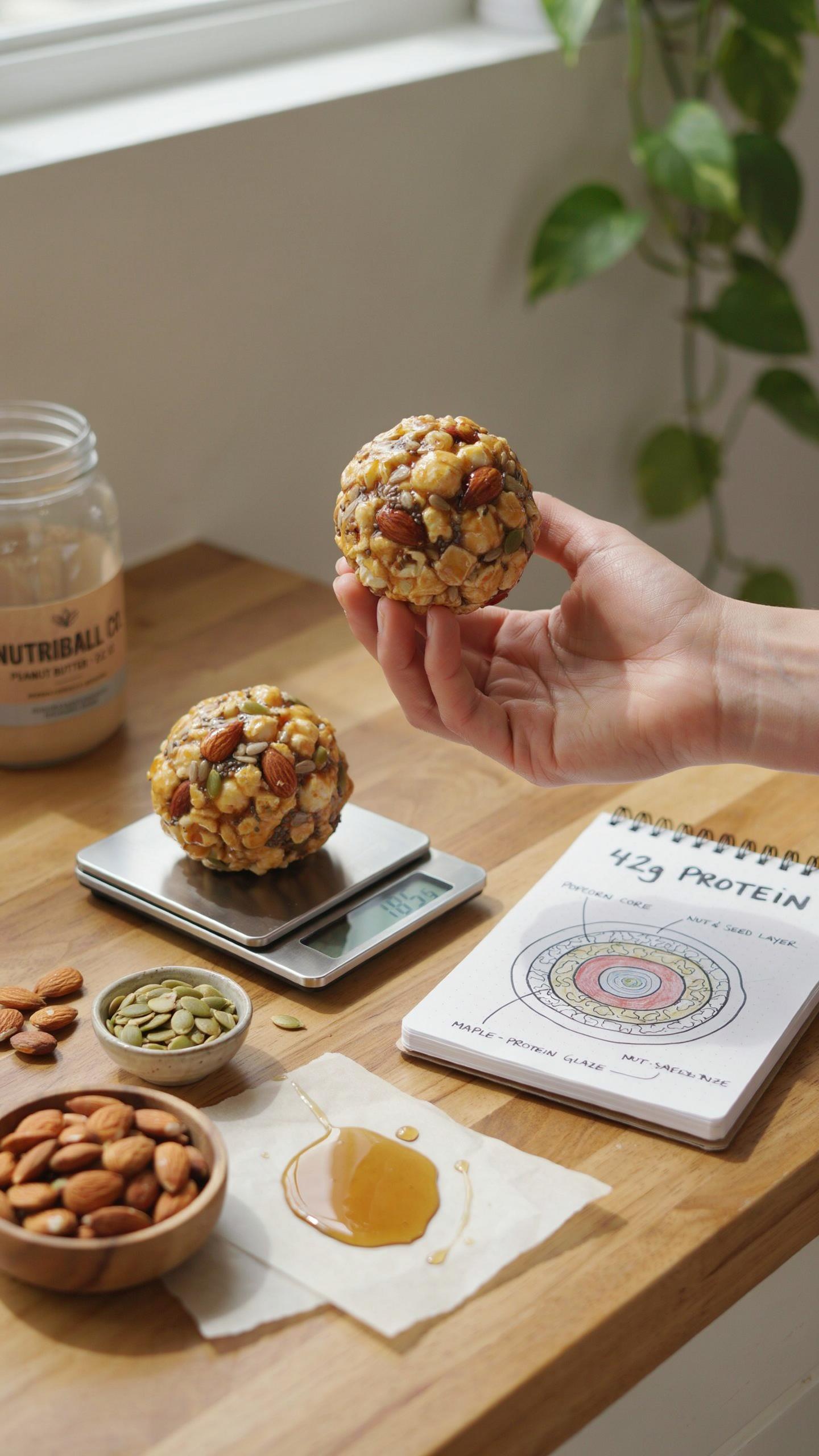
What Actually Holds It Together
You want these to survive your gym bag without crumbling into dust because you’re tired of eating crumbs. The real mechanism is simple: binding agents create a matrix that distributes force across the structure instead of concentrating it at failure points. Nut butters, honey, and whey protein powder aren’t just flavor. They’re the load-bearing walls. Peanut butter works best because its fat content stays stable at room temperature while providing the viscosity needed to coat each kernel and lock adjacent pieces together.
Most recipes treat binding as an afterthought. They’re wrong. The ratio of binder to popcorn determines whether you get a cohesive ball or a grenade that explodes on contact. Use 3 tablespoons of nut butter per 4 cups of popped corn as your baseline. Too little and you get separation. Too much and you create a dense brick that turns into a jaw workout. Add whey protein powder at one tablespoon per cup of popcorn. It absorbs moisture and tightens the structure without adding greasiness.
Calibrating Density And Chew
Physics calls it the relationship between mass and volume. In protein popcorn prep, it’s the difference between something you can eat in thirty seconds and something that taxes your teeth. Denser balls need more binder and less popcorn volume. Looser balls need the inverse. But there’s a functional sweet spot: approximately 40 grams of protein per 200-calorie serving requires you to reduce popcorn volume by roughly 15 percent compared to standard recipes and add an extra half tablespoon of peanut butter per batch.
The chew factor depends on ingredients beyond the binder. Crispy popcorn stays crisp only if you avoid excess moisture. Pack the balls within two hours of preparation and store them in airtight containers with a single layer of parchment between each ball. This prevents moisture transfer. If you’re adding chocolate or caramel, apply it after the base sets. Adding it wet ruins the structural integrity of the binder immediately. Test your first batch by squeezing one ball gently. It should compress slightly and spring back, not crumble or feel rubbery.
Vegan Protein Popcorn Harnessing Plant Based Power
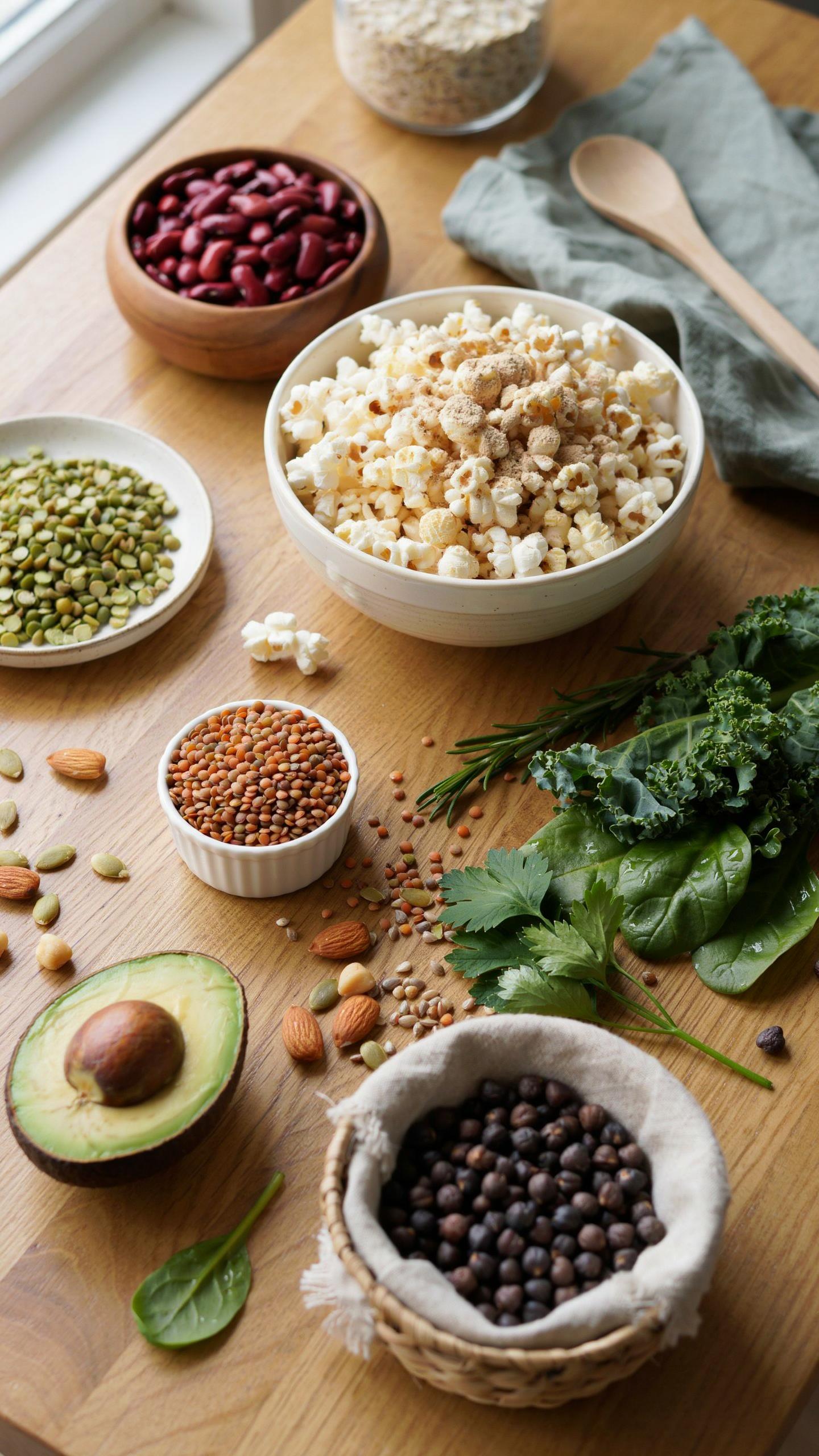
Complete Plant Protein Sources: Combining For Synergy
You want vegan protein popcorn because you’re tired of feeling like you’re settling for less. Here’s the mechanism: amino acid profiles. Borrowed from biochemistry, amino acids are the building blocks. Single plant sources lack all nine essential amino acids your body needs, but combined strategically, they stack into complete proteins. Popcorn alone has incomplete protein. Add the right companions and you create what biochemistry calls a complete profile.
The common advice says “just mix beans and grains.” That’s lazy. The real play is pairing popcorn with seeds and nutritional yeast in one batch. Hemp seeds deliver all nine essential amino acids in three tablespoons. Pumpkin seeds add lysine where popcorn falls short. Sesame seeds round out methionine. You’re not guessing at combinations. You’re stacking deficiencies against surpluses. Measure everything when you prep so the ratio stays consistent through the week.
Nutritional Yeast: Flavor And B Vitamin Boost
Nutritional yeast tastes like cheese because it’s a deactivated form of Saccharomyces cerevisiae, a common brewing yeast. It’s not alive. It won’t ferment anything. Most people use it for flavor alone and miss the actual leverage. One tablespoon delivers roughly two grams of complete protein plus the full B vitamin complex. The B12 is the real catch for vegans since animal products are the primary source.
The mechanism is simple: B vitamins facilitate energy metabolism. Your body converts food into ATP more efficiently with B6, B12, and folate present. During meal prep, coat your popcorn batch in nutritional yeast while it’s still warm so it adheres. Two to three tablespoons per batch of popcorn adds texture, umami, and measurable micronutrients without diluting your protein density. Store it in airtight containers. The yeast won’t go rancid, but the fats in seeds will if exposed to oxygen and light over five days.
The Signal To Noise Ratio How To Add Protein To Popcorn Effectively
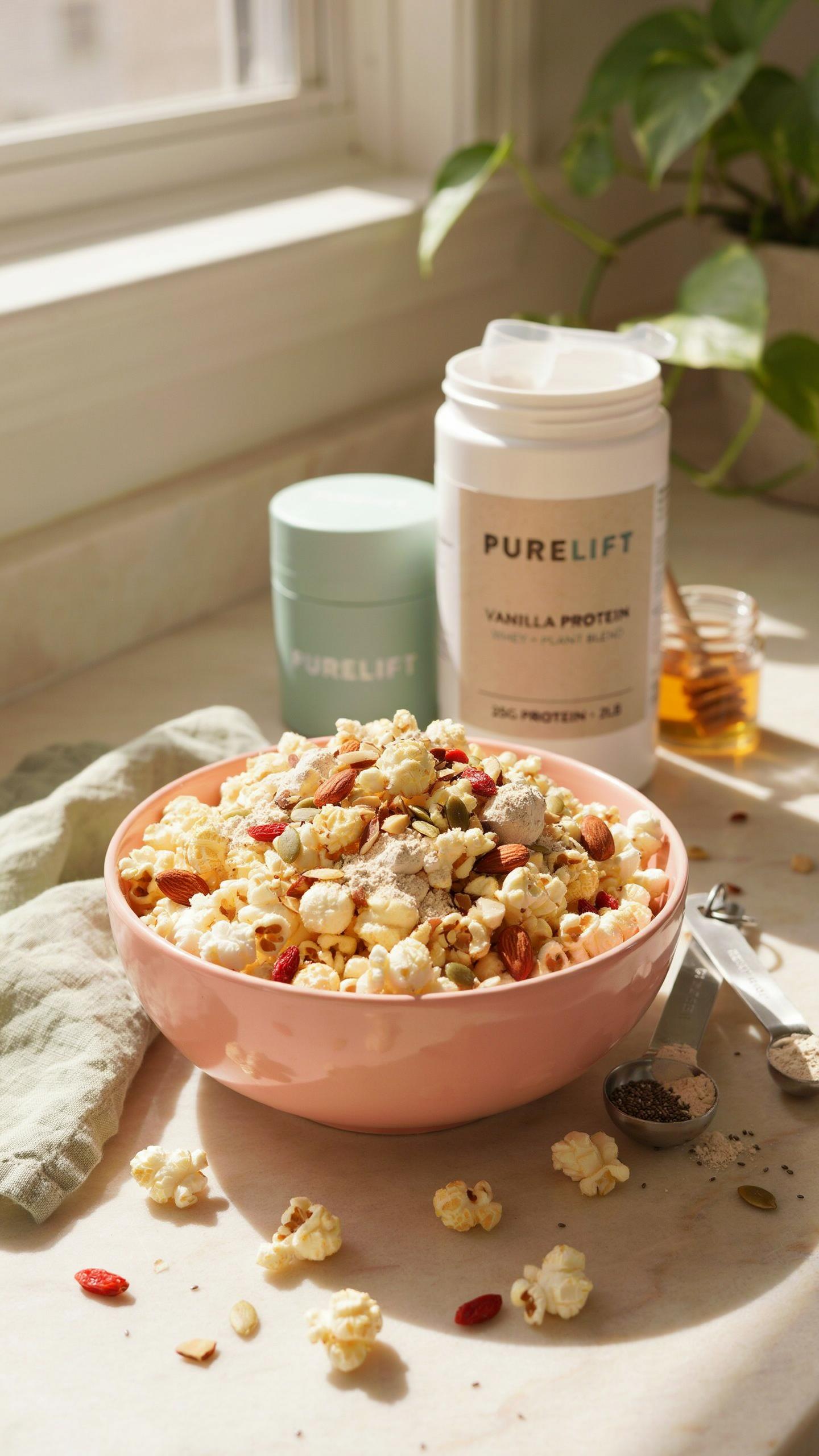
Making Protein Stick To Popcorn
You want your protein powder to stay on the popcorn instead of settling at the bottom of the container where nobody eats it. That’s the real problem you’re solving here, not some vague idea of “mixing things together.” The mechanism is adhesion, borrowed directly from materials science: you need a binding agent between the popcorn surface and the powder particles.
Pop your corn, then immediately toss it while still warm. The heat opens the surface slightly and makes it receptive to coatings. Spray a light mist of oil or melted butter first, then dust your protein powder over the warm popcorn while tossing constantly. The oil acts as the adhesive layer. Without it, protein powder slides right off. Do this in a large bowl so you have room to toss aggressively without spilling.
Picking The Right Protein Powder
Most advice says “just use any protein powder,” which is lazy and wrong. Your protein type directly determines whether your snack tastes edible or like gym equipment. Whey isolate is your baseline here because it has minimal flavor interference and mixes cleanly without clumping. Concentrates absorb more moisture and can make popcorn stale faster.
Plant-based powders (pea, rice, hemp) tend to have earthier tastes that compete with the corn flavor itself. If you use them, go lighter on the application and pair them with seasonings that complement that profile, like nutritional yeast or a touch of salt. Casein is too thick and creates a gummy texture as it sits. Whey isolate stays crispy for a full week because it doesn’t pull moisture from the air the way other powders do. Mix your powder with your seasoning salt before application so the flavor distributes evenly and you avoid dense pockets of pure protein taste.
The Energy Economy Principle Low Calorie Popcorn For Maximum Return

Why Popcorn Wins The Calorie Efficiency Game
You’re reading this because you sense that most snacks waste your caloric budget. Popcorn operates on the same principle as economics: opportunity cost. Every calorie you spend on a snack is a calorie you don’t spend on protein, micronutrients, or satiety. Three cups of air-popped popcorn delivers roughly 90 calories and three grams of protein. Compare that to a granola bar at 200 calories and two grams of protein. The popcorn lets you eat volume while preserving your daily caloric threshold for foods that actually move the needle on body composition.
The mechanism is straightforward: popcorn expands when heated, creating air pockets that inflate the volume without inflating the calories. One kernel of corn becomes a five or six times larger piece of food. Your stomach doesn’t measure calories. It measures stretch and satiety signals. Popcorn triggers those signals at a fraction of the caloric cost of denser snacks, which means you stay full longer without burning through your energy budget.
The Nutrient Density Trade Off
High protein popcorn snack prep requires an investment strategy, not a consumption strategy. The conventional approach is wrong: buying pre-made protein popcorn from snack companies. These products add whey protein isolate, sweeteners, and oil to boost the macro profile, but you’re paying double the price per serving. The real play is buying plain popcorn and controlling the protein input yourself through toppings and seasonings, then storing it strategically for the week.
The math works because plain air-popped popcorn costs pennies per serving. A two ounce serving runs roughly 60 to 80 cents for the kernels. Nutritional yeast, which adds B vitamins and complete amino acids, costs another 20 cents per serving when bought in bulk. Whey protein powder blended into a seasoning mix adds 10 to 15 cents per serving. You’re now at roughly one dollar per high protein snack serving with full control over ingredient quality and macros. Start by buying a bulk bag of popcorn kernels and an air popper, then portion your weekly batches into glass containers with your chosen protein topping sealed separately until consumption.
The Iterative Improvement Loop Evolving Your Popcorn With Protein
Track Energy And Satiety Signals
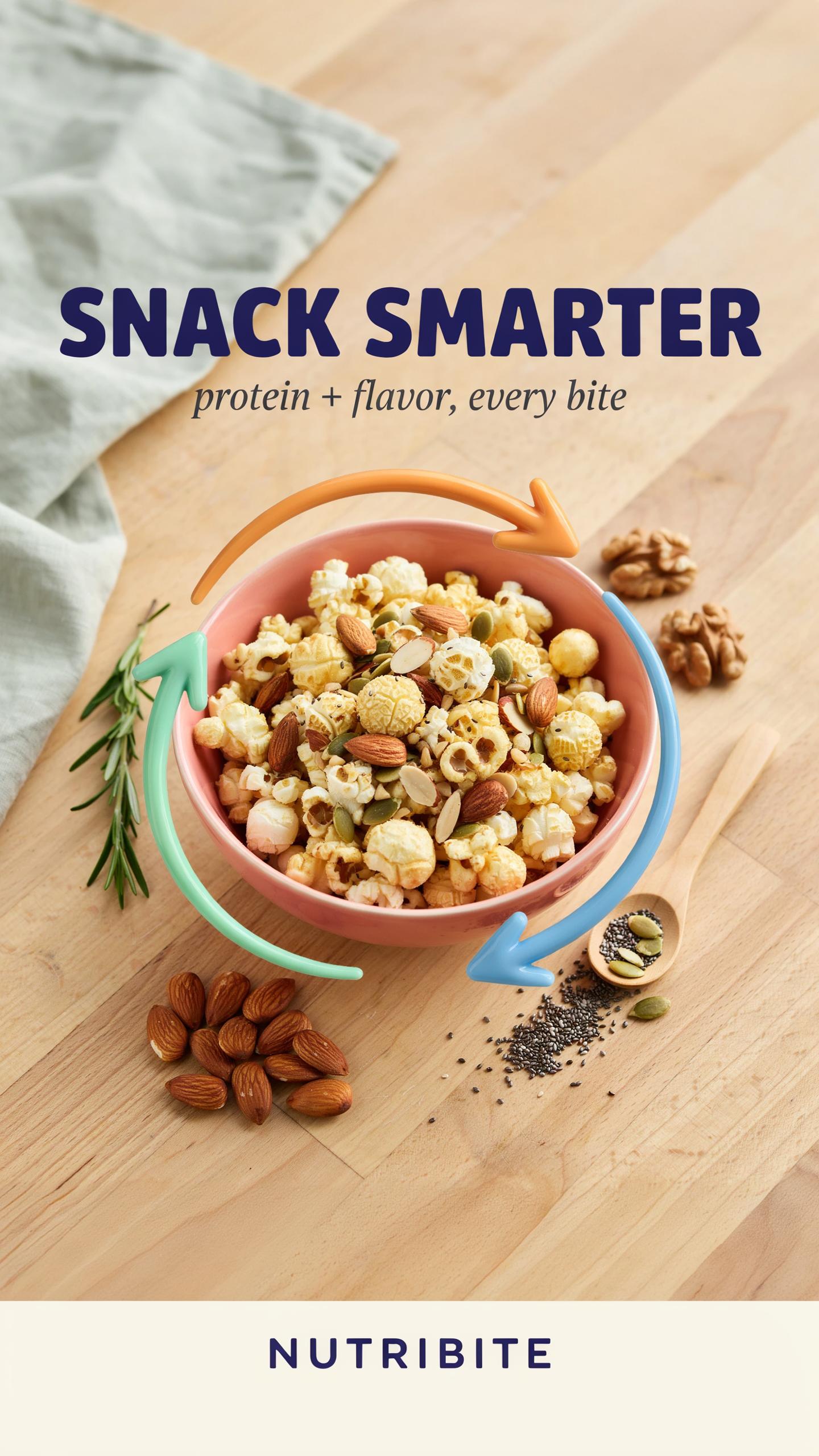
You want proof that your prep actually works so you can feel smart about it. That’s the real driver. But here’s what matters: satiety is a biological signal you can measure and adjust. Think of it like feedback loops in systems engineering. You input a snack, observe the output (hunger at hour two versus hour four), then recalibrate. Most people skip this step entirely and just eat the same batch all week because they made it, not because it keeps them full.
Start tracking two data points for seven days: when hunger returns after eating your prep, and your energy level two hours post-snack. Write it down. If you’re hungry within ninety minutes, your protein-to-carb ratio is off. If you crash at the two-hour mark, you need more fat or fewer simple carbs from the seasoning. This isn’t motivation or willpower. It’s data collection that tells you which variables to move next week.
Rotate Seasonings Before You Hate It
The common advice is to “add variety” to stay motivated. Wrong framing. Palate fatigue is a neurological adaptation, not a preference problem. Your taste receptors literally stop firing at the same stimulus after repeated exposure. You need a rotation schedule, not inspiration. Most people quit their prep because they’re bored, not because it was bad to begin with. Boredom is a tractable problem.
Build a four-flavor rotation: savory umami one week (nutritional yeast and sea salt), spicy the next (cayenne and paprika), sweet-savory after that (cinnamon and a small amount of monk fruit), then back. Each rotation lasts five to seven days. The mechanism here is simple: changing the flavor input reactivates your taste receptors. Satiety often improves too because your body responds differently to novel stimulus. Don’t eat the same popcorn batch for two weeks straight and call it discipline.
Unlocking Deep Work States The Performance Benefits Of Strategic Snacking

Your Brain Needs Fuel, Not Willpower
You want to believe discipline alone sustains focus. It doesn’t. Your prefrontal cortex burns glucose at a rate that spikes during sustained cognitive work, and when blood sugar drops below baseline, your ability to maintain attention collapses faster than you can recognize it’s happening. High protein popcorn snacks function as a glucose buffer—they stabilize blood sugar oscillations that normally trigger decision fatigue and mental drift.
The mechanism is biological, not motivational. Protein slows carbohydrate absorption, extending energy availability across a four to six hour work block. Popcorn provides complex carbs that feed your brain steadily rather than spiking then crashing. Prep this snack at the start of your week so you eliminate the friction of deciding what to eat when your willpower is already depleted. The snack sits ready in your desk or bag. You eat before the crash hits.
The Cost Of Choosing What To Eat
Every food decision burns mental energy you could spend on actual work. This isn’t motivation depletion theory—that’s been contested. This is straightforward: your brain allocates finite attentional resources, and trivial decisions consume them the same way important ones do. When you meal prep high protein popcorn, you remove one decision from your entire week.
The real win isn’t the snack itself. It’s the absence of the question. You don’t think about hunger at 3 PM. You don’t browse your pantry searching for something that won’t crash your energy. You reach for the container you prepped Sunday and continue working. That preserved mental clarity compounds across dozens of decision points. Portion your popcorn into containers at prep time so grabbing a snack requires zero thought.
The real obstacle isnt finding the right snack its your inability to weaponize your nutrition for relentless output

Most people treat snacks like accidents instead of fuel. You batch prep high protein popcorn this weekend because it lets you stop making decisions. Stop wasting willpower at 3pm deciding what to eat. Your brain runs on glucose and protein, not motivation. Make your first batch today. Store it in mason jars. Watch what happens when hunger stops derailing your work. You don’t need a better snack. You need to stop negotiating with yourself.