
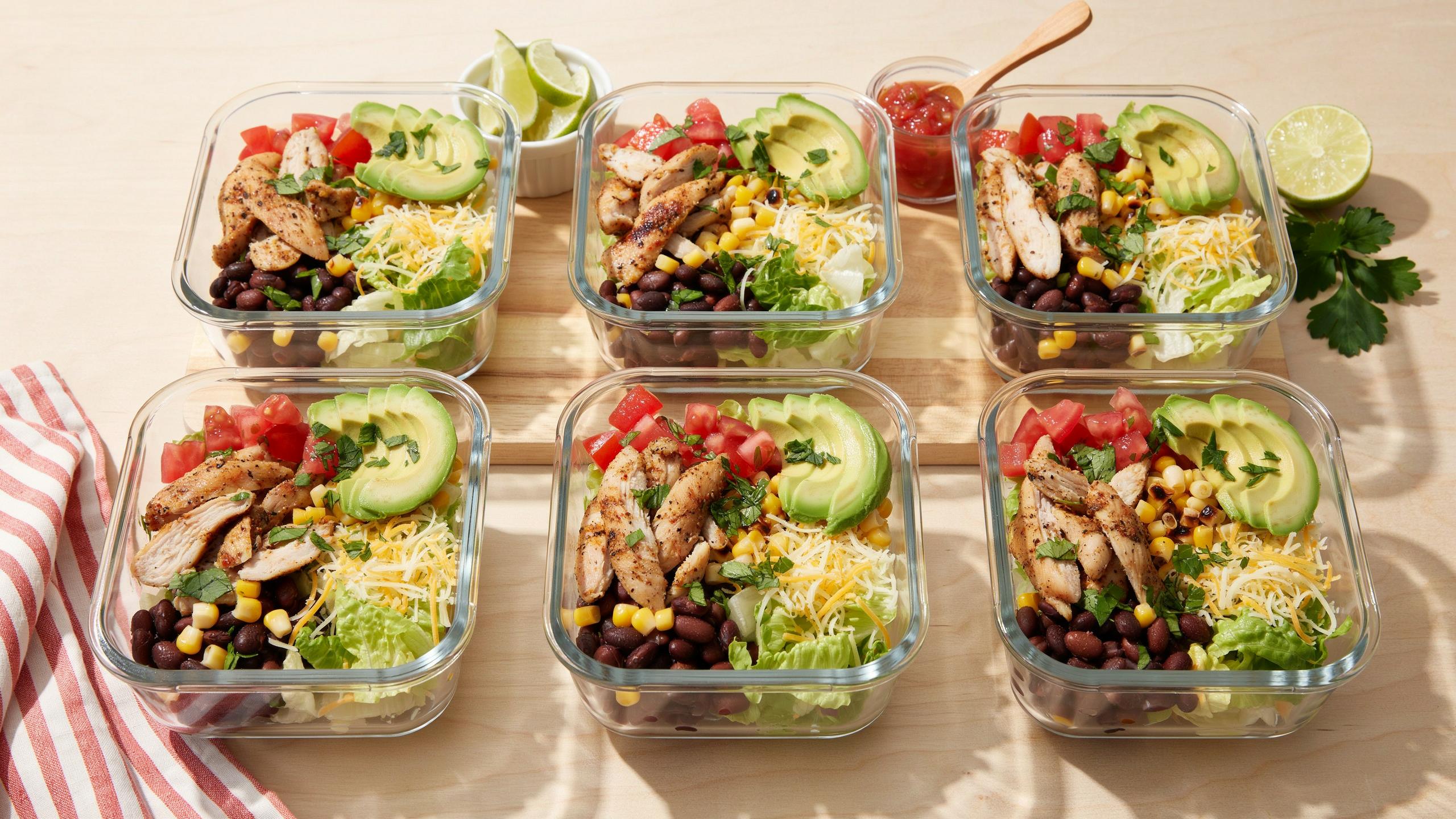
The High Protein Taco Bowl Deception Why More Options Mean Less Freedom
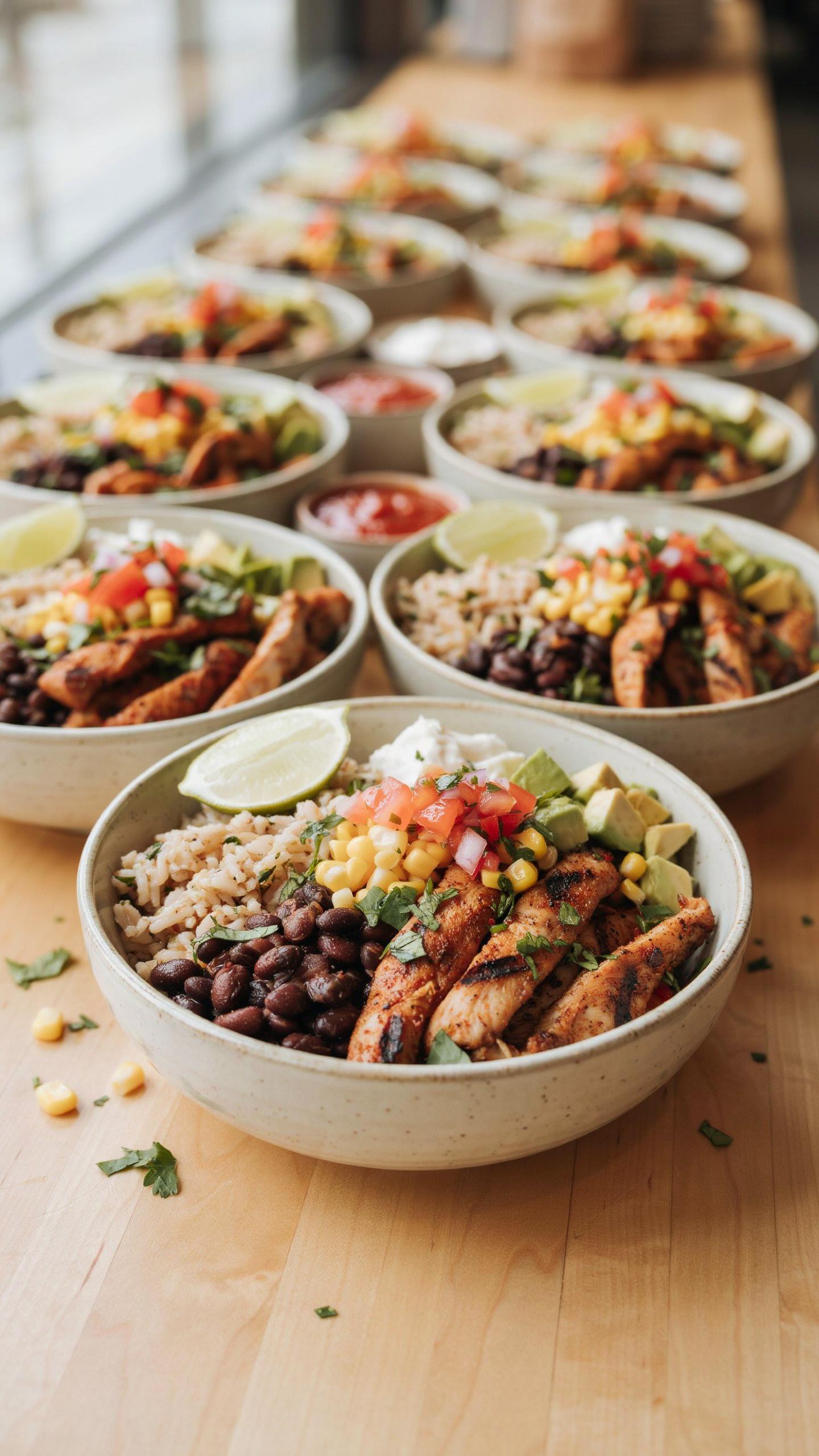
Decision Fatigue Kills Consistency
You want options because you think choice equals control. It doesn’t. Economists call this the paradox of choice: when your decision load increases, your actual decisions get worse. With taco bowls, this means you spend mental energy deciding between protein types, toppings, and prep methods instead of executing the same thing every week. More variety becomes a friction tax on consistency.
The mechanism is simple. Every new variable you introduce requires a tiny burst of willpower. You have limited willpower per day. Spend it choosing between cilantro brands or chicken versus ground turkey, and you have less left for the work that actually matters. The hidden cost of a seven-recipe rotation isn’t the extra shopping time. It’s the accumulated decision debt that makes you skip meal prep entirely when you’re tired.
The Satisfaction Myth Is Marketing
Common advice says variety keeps you from getting bored with meals. This is incomplete. Satisfaction doesn’t come from novelty. It comes from predictability paired with results. When you eat the same high-protein taco bowl daily and watch your body change, that consistency itself becomes rewarding. Your brain stops seeking novelty because the outcome is already satisfying.
The real reason people want variety is social. You scroll Instagram, see ten different taco bowl photos, and your status instinct fires up. You think having more options makes you seem more intentional or creative. The actual pattern that works is opposite: pick one formula, execute it perfectly for four weeks, then swap one variable. This rhythm gives you the psychological win of change without the decision fatigue that kills adherence. Lock in your protein source, your base carb, and your fat source. Rotate nothing for thirty days.
First Principles Of Protein Building Your Taco Bowl Foundation
Which Protein Sources Actually Work
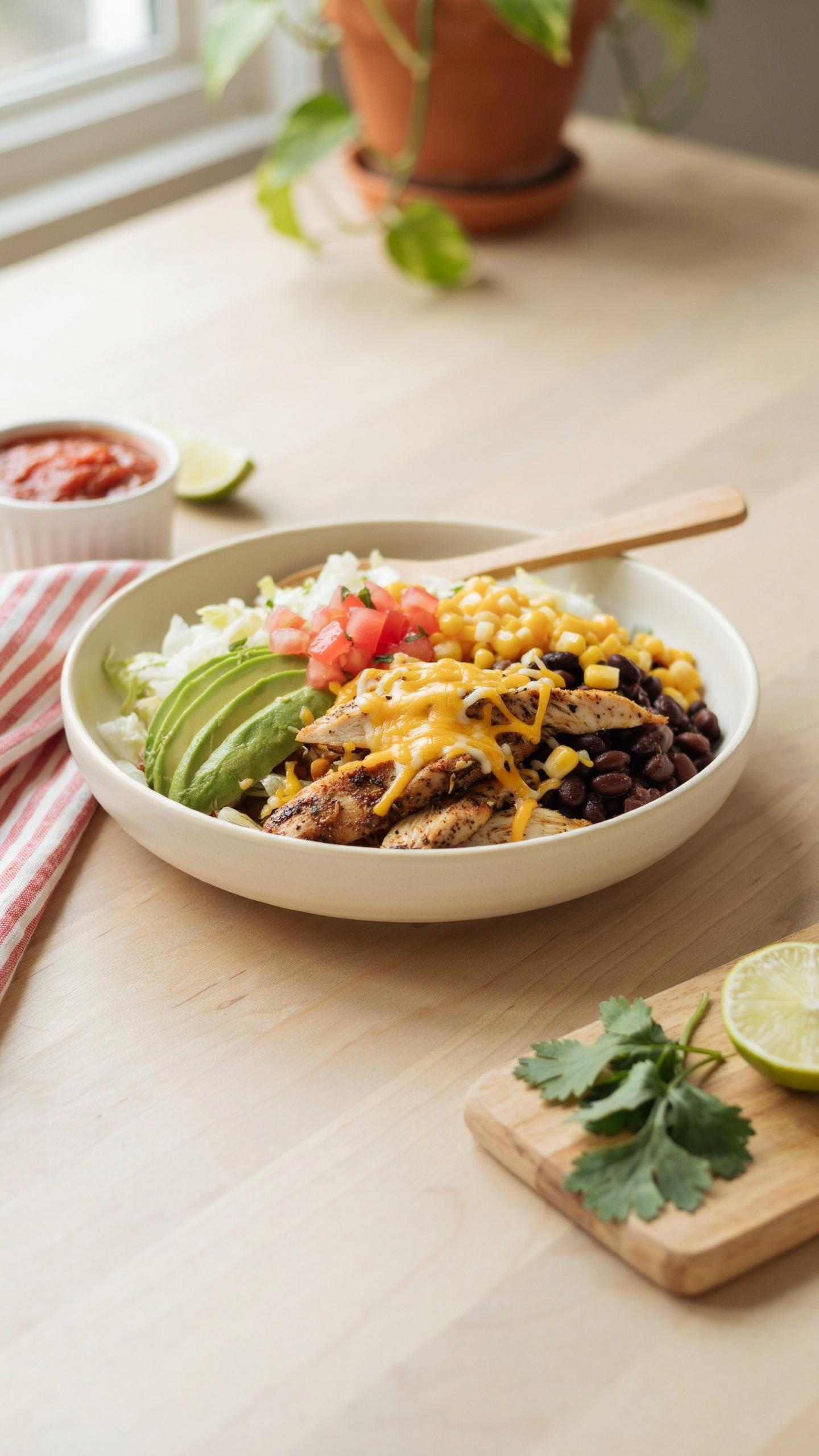
You want to believe a magic protein exists that tastes good, costs nothing, and requires zero prep. It doesn’t. Most people pick protein sources based on what they’ve heard rather than what solves their actual problem: hitting a target while staying consistent through the week. Ground beef, chicken breast, and canned beans aren’t glamorous, but they’re the foundation because they’re cheap, shelf-stable, and deliver predictable macros across every meal prep cycle.
Ground beef delivers roughly 20 grams of protein per 3 ounce serving and contains creatine and carnosine your body can’t synthesize on its own. Chicken breast hits 26 grams per 3 ounces and costs less than beef once you buy in bulk. Both freeze reliably for seven days without degradation. Canned black beans provide 15 grams per cup with fiber that extends satiety past the two-hour mark most people ignore. Skip the exotic protein talk. These three sources cover 90 percent of meal prep success because they solve logistics, not just nutrition.
Satiety Works Like Ammunition Rationing
Satiety isn’t about feeling full for eight hours straight. It’s about spacing your hunger signals so cravings don’t trigger between meals. Think of satiety like ammunition rationing in military supply chains: you don’t fire everything at once, you distribute force across time to maintain pressure. Protein timing in a taco bowl meal prep means stacking protein at breakfast and lunch to suppress the 3 PM snack impulse, not trying to coast on dinner protein alone.
Eating 30 to 40 grams of protein per meal triggers cholecystokinin and peptide YY, hormones that signal fullness to your brain. Most people nail breakfast protein but drop to 15 grams at lunch, then wonder why they’re raiding the pantry by 4 PM. The mechanism is straightforward: spread protein intake evenly across your three main meals, not front-loaded or back-loaded. This prevents the blood sugar crash that masquerades as hunger. Your taco bowl meal prep works because you’re eating the same protein amount at lunch that you ate at breakfast, so your body doesn’t signal deprivation.
The Minimalist Taco Bowl Method Maximize Flavor Minimize Effort
One Pan Cooking Wins The Week
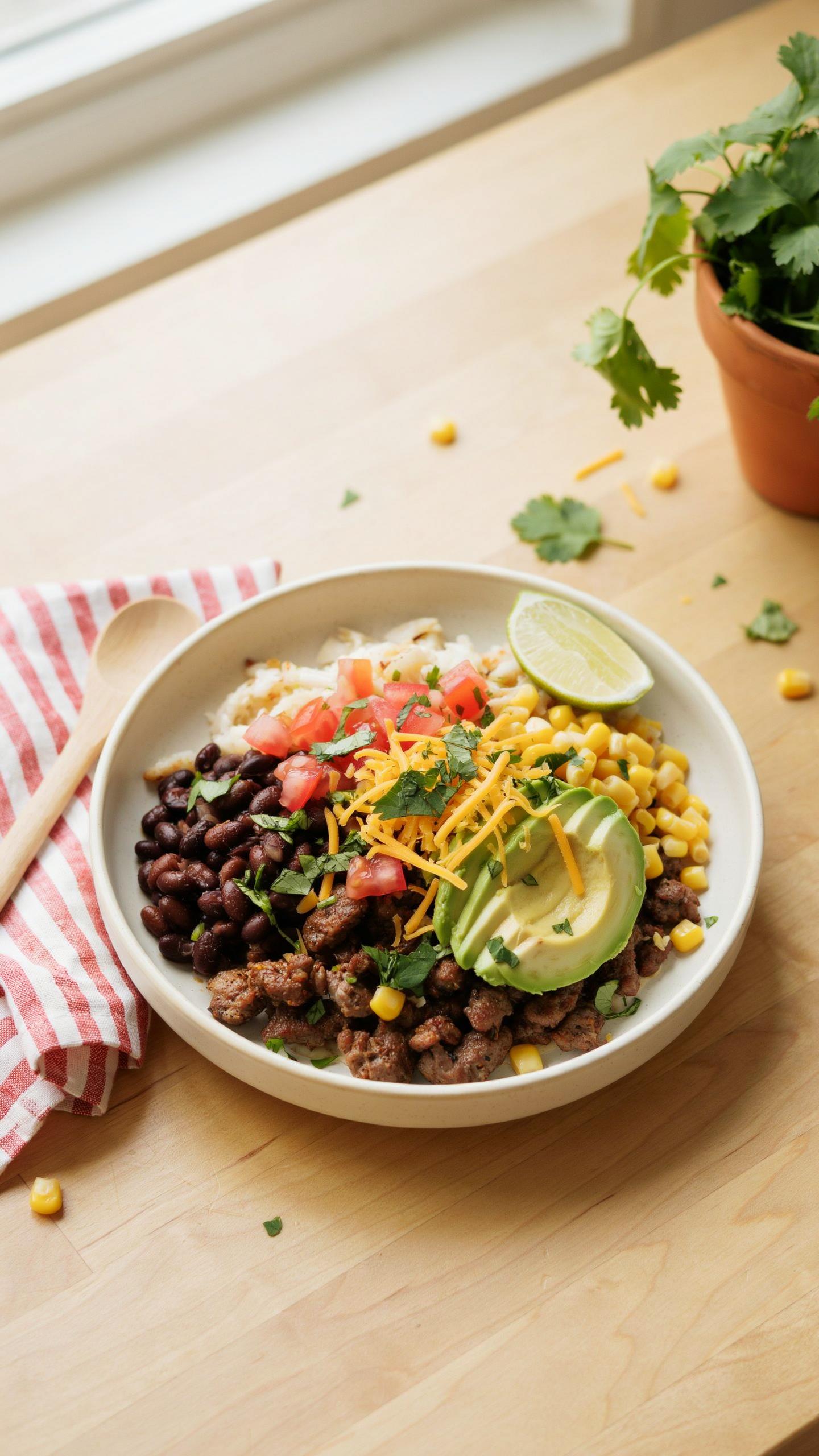
You want meal prep to feel effortless so you actually do it instead of ordering out. The real mechanism is constraint. One pan cooking forces you to sequence ingredients by cooking temperature and time, which eliminates decision fatigue and mistakes. You brown your protein, remove it, build your aromatics and spices in the residual fat, then recombine everything. That’s it. No juggling three burners. No burnt garlic while your chicken overcooked.
Ground beef or turkey handles this best because they cook fast and render fat that carries flavor into your base. Cook your protein until 75 percent done, pull it out, then finish cooking your peppers and onions in that same pan. The browned bits on the bottom transfer into the vegetables. This is called fond in culinary terms, and it’s free seasoning you’re throwing away if you don’t use it. Add your beans directly to the pan when the vegetables soften. Everything finishes together in eight minutes.
Build From Core, Not Crowd
Most people load bowls until they’re confused assemblies of competing flavors. Start with one seasoning anchor instead. Choose either cumin and chili powder, or lime and cilantro, or smoked paprika and garlic. Pick one. Mix that into your protein and vegetables while they cook. Everything else adds texture or nutrition, not flavor direction. Black beans provide protein density without fighting your core flavor. Rice absorbs seasoning rather than competing. Corn adds sweetness to balance heat. Hot sauce and sour cream come at the end, applied by the person eating, so they control intensity.
Season your protein raw before cooking, not after. The seasoning penetrates the meat and develops complexity as it cooks. Add salt to your beans while they warm, not when you assemble the bowl. Layer flavors early so they compound by meal time. The core flavor stays crisp through five days of storage because it’s integrated into the base, not sitting on top as a garnish.
Strategic Ingredient Sourcing Your Taco Bowls As An Investment
Bulk Buying Power Changes Your Per Meal Cost
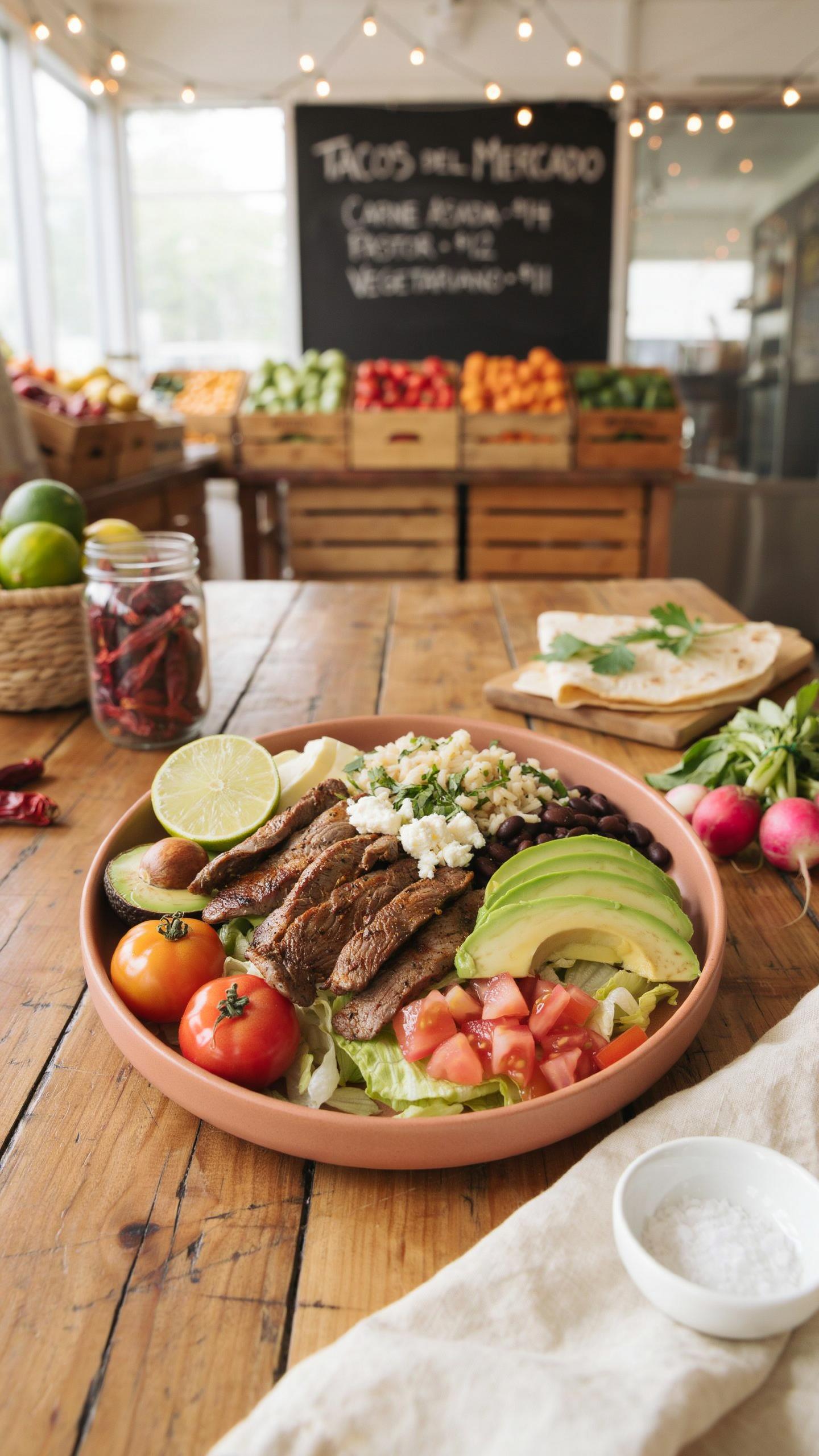
You want to feel smart about saving money without actually changing your behavior. Here’s the mechanism: bulk purchasing exploits economies of scale, the economic principle that per-unit cost decreases as order volume increases. Buy ground beef, chicken breast, and beans in restaurant-sized quantities, and your protein cost per meal drops 30-40% versus retail packages. Warehouse clubs make this frictionless, but direct purchasing from local distributors or ethnic markets undercuts them further.
The math compounds across a week. Ten meal-prep bowls need two pounds of protein minimum. Buying ten pounds at wholesale pricing versus two pounds at retail creates a gap wide enough to justify the trip. Most people skip this step because it requires a single decision upfront instead of passive convenience. Make the decision once, execute weekly, pocket the difference.
Quality Degrades When You Chase Price Alone
Everyone says buy quality ingredients. That’s lazy advice because it ignores the real tradeoff: price and quality move in opposite directions only to a point, then they decouple. Conventional wisdom misses this. The cheapest ground beef contains filler and water weight that evaporates during cooking, leaving you with less actual protein per bowl than advertised. Mid-range beef from a butcher counter delivers consistent protein density and won’t separate into grease pools in your container.
Sourcing protocol: identify one trusted protein supplier (butcher, warehouse club, or ethnic market) and buy the same cut weekly. This removes decision fatigue and builds a relationship where you learn actual quality markers. Test one batch, measure weight loss after cooking to verify protein retention, then standardize that supplier. Consistency in sourcing eliminates waste and stabilizes your nutritional output per bowl across the entire week.
The Set And Forget Taco Bowl Meal Prep System
Batch Cooking: Time Allocation As A Resource
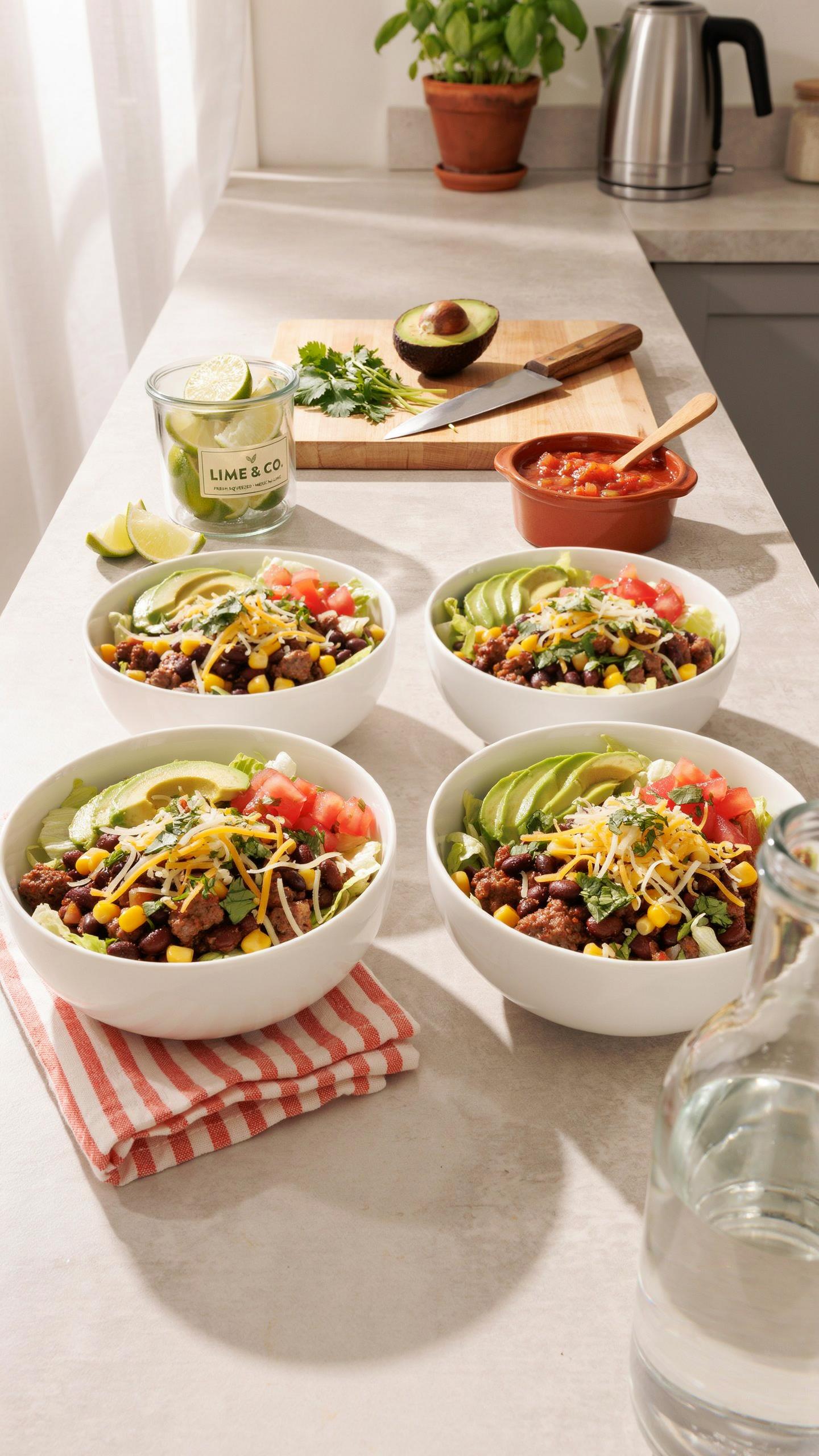
You want to believe meal prep saves time because admitting it doesn’t would mean confronting your actual schedule. Here’s what actually happens: batch cooking works through the principle of setup cost amortization borrowed from manufacturing. You pay a single setup cost once, then spread that cost across multiple units. Cook all your protein at once. Cook all your rice at once. This collapses five separate cooking sessions into one focused block.
The math is brutal and simple. Cooking one pound of ground beef takes fifteen minutes start to finish. Cooking five pounds takes eighteen minutes. You save roughly twelve minutes per pound by batching. That’s why people who say they don’t have time for meal prep are actually saying they haven’t done the arithmetic. Block three hours on Sunday. Cook all proteins. Cook all grains. Cook all vegetables. You’re done for the week.
Container Strategy: Logistics Of Storage And Retrieval
Most meal prep advice stops at “use glass containers.” That’s incomplete. The real constraint is fridge real estate, not the quality of your containers. Vertical stacking matters more than the container material itself. Five glass containers take more space than five containers stacked flat in a clear drawer. Flat, stackable containers with clear sides let you see what you have without opening each one. This friction reduction determines whether you actually eat the bowls or they rot in the back.
Label each container by day and protein type. Put them in a consistent location. Your brain treats known locations as reliable sources of food. Unknown locations get ignored. Put taco bowls at eye level on the same shelf. Put them in the same order every prep day. This removes the decision of “where is my food” from your daily routine. Retrieval takes eight seconds instead of two minutes of fridge searching.
Beyond The Recipe Cultivating Your High Protein Meal Prep Intuition

The Feedback Loop That Fixes Everything
You want to feel like you know what you’re doing instead of following instructions like a machine. Here’s the mechanism: cybernetics teaches us that systems improve through feedback loops, and your taco bowl prep is a system. Track three variables weekly: how you feel two hours post-meal, energy dips before lunch, and how satisfied you stay until dinner. These signals tell you what your body actually needs, not what the recipe says it should need.
Most people ignore the data they generate. They make the same bowl four times and wonder why energy crashes at 3pm, then blame the meal instead of adjusting protein timing or carb ratios. Start logging protein source, meal timing, and energy quality for one week. By week two, patterns emerge. Your body votes on which protein hits different, which carbs sustain longer, and which vegetables add satiation versus bulk. The feedback loop closes when you adjust the next batch based on real outcomes, not intuition.
Simple Ratios Build Complex Flavor
Emergence in complex systems means simple rules generate intricate behavior, and your bowl operates on the same principle. Four basic ratios govern everything: 40 percent protein by weight, 35 percent vegetables, 20 percent grain or starch, 5 percent fat and sauce. These aren’t rules to memorize. They’re the skeleton that lets you swap any protein, any vegetable, any grain without the bowl falling apart in terms of satiation or macros.
The mistake everyone makes is thinking complexity requires complexity. They load five proteins, eight vegetables, three sauces, then wonder why prep takes two hours and nothing tastes cohesive. You need constraints to create clarity. Pick one protein per bowl type, two to three vegetables maximum, one grain, one sauce. Within those boundaries, rotate your choices weekly. This approach scales effortlessly: one protocol you execute perfectly beats ten vague ideas that never launch.
Low Calorie Taco Bowls Debunking The Deprivation Myth
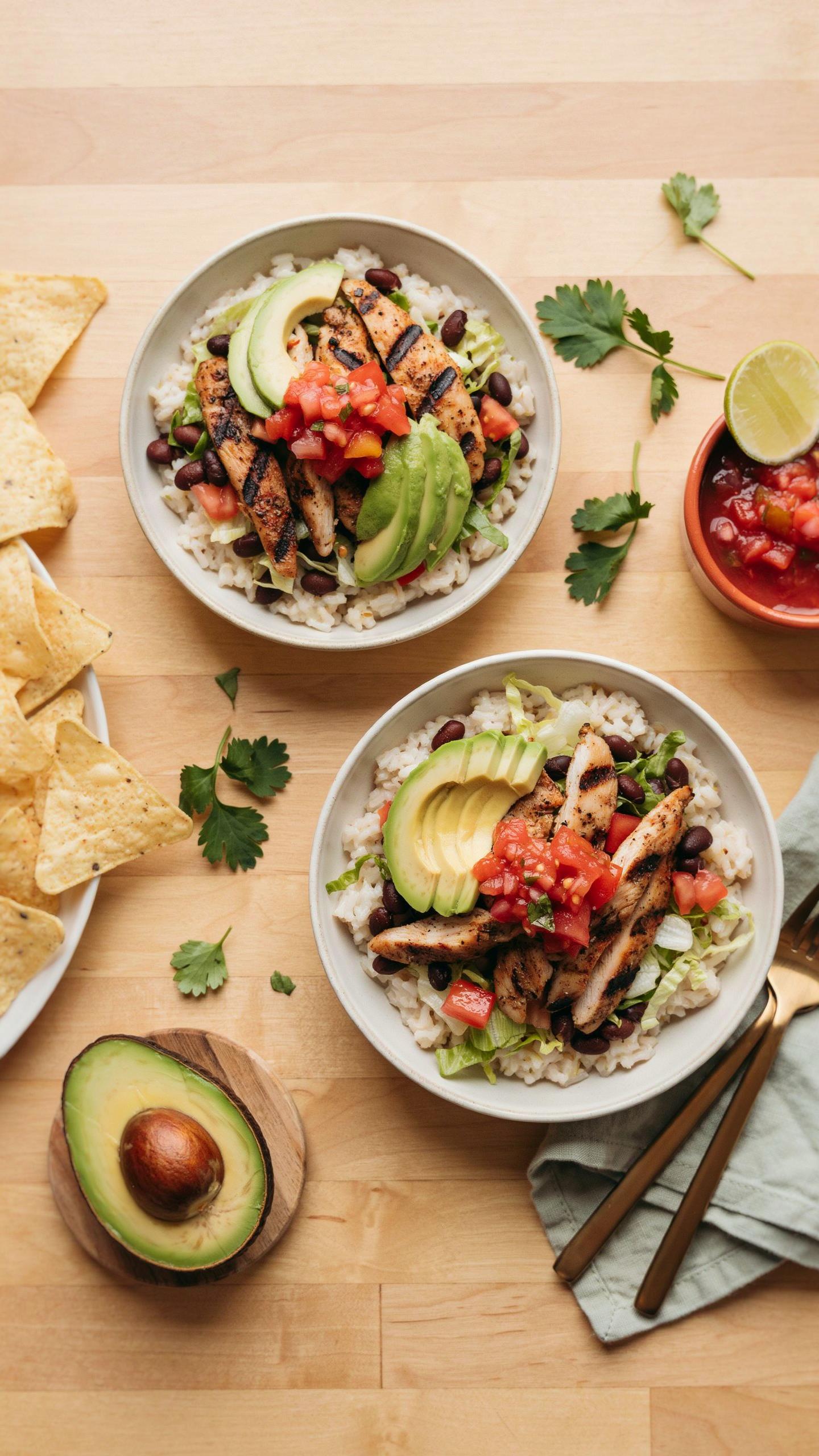
Calorie Density: Choose Smart, Not Less
You want permission to eat more without guilt. That’s the real reason this section matters to you. Here’s the mechanism: calorie density is a thermodynamics problem. Energy in versus energy out. But the confusion happens because people treat all calories as identical units instead of tracking what actually fills the stomach.
A high protein taco bowl uses protein and fiber as volume multipliers. Two ounces of ground beef and a cup of black beans take up significant space in a bowl. Add lettuce, salsa, and peppers. The bowl looks full. Your stomach registers fullness. You hit your calorie target while eating an actual meal, not a diet plate. The mechanism is simple: choose ingredients with low calories per volume, not low calories per bowl.
Satiety Signals: Listen To Your Body, Not Cravings
Everyone says “eat when hungry, stop when full” like bodies send clear signals. They don’t. Satiety operates on a lag. Protein hits different than carbs because it triggers cholecystokinin, a hormone that signals fullness. Your nervous system gets the message slow. This is why meal prep wins here: you eliminate the guessing.
A prepared taco bowl with 40 grams of protein and minimal processed ingredients creates a consistent satiety response. Eat the same bowl Tuesday that you ate Monday, and your body adapts to the signal. You stop fighting cravings because hunger becomes predictable. Track which protein source and bowl composition keeps you satisfied longest. That data beats intuition. Build your meal prep around what your body actually reports, not what diet culture claims it should feel.
Healthy Tacos The Anti Diet Approach To Enjoyment
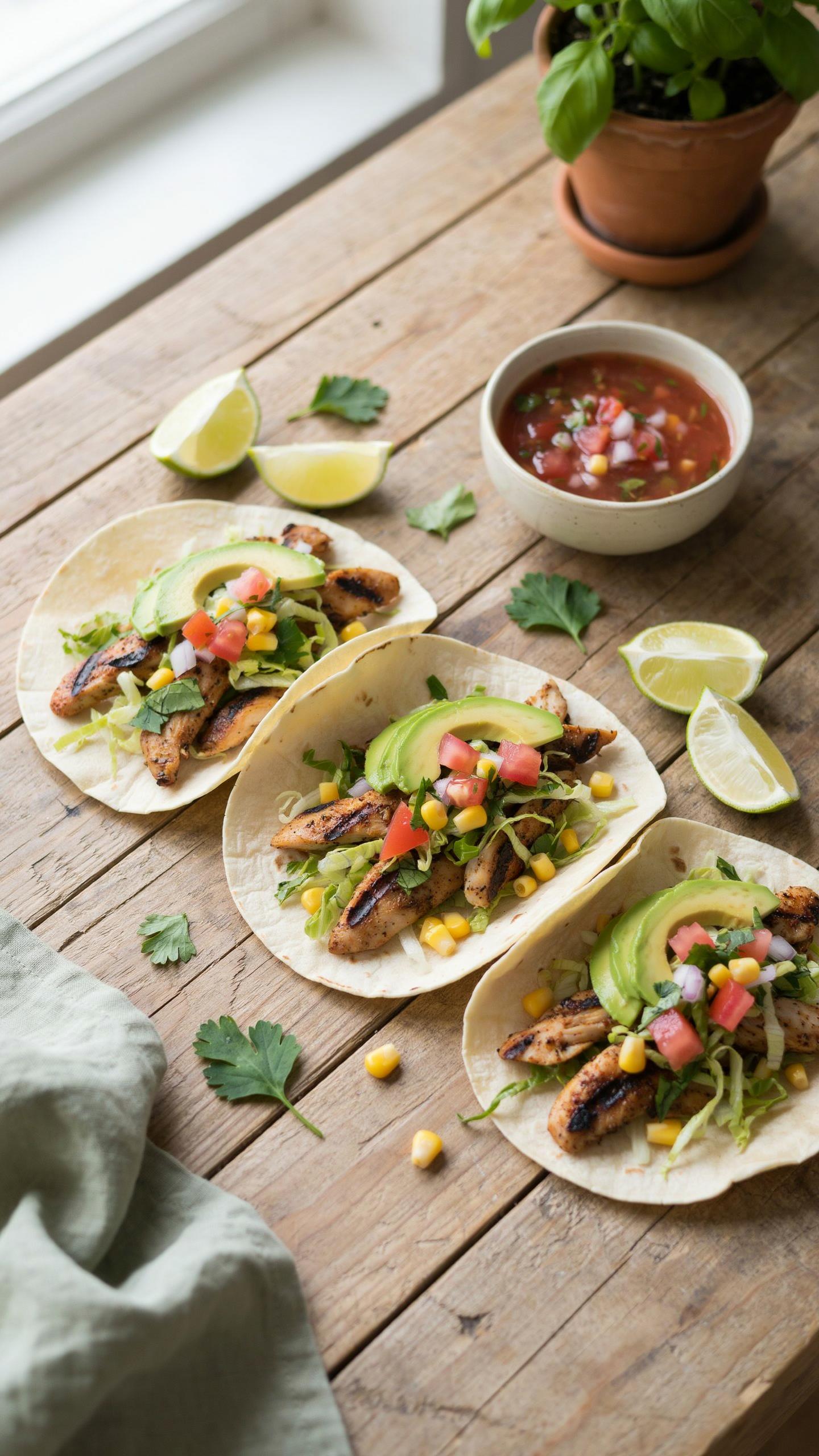
When Components Amplify Each Other
You want permission to eat something that tastes good without the guilt tax attached. That’s the real pitch here, and it’s valid. The mechanism is synergy: certain ingredients in a taco bowl don’t just coexist, they amplify each other’s effect on satiety and nutrient absorption.
Think of it like leverage in physics. A single force works. Multiple forces at the right angle work exponentially better. Combine lean protein with fat from avocado or cheese, then add fiber from beans and vegetables. The protein slows digestion, the fat signals fullness to your brain faster, and the fiber keeps blood sugar stable. You’re not eating more. You’re engineering a bowl that works harder for you. This is why generic “eat chicken and broccoli” advice fails. It’s technically correct but mechanically incomplete. When you layer textures and nutrient types deliberately, the same 500 calories feels more satisfying than when you scatter them randomly across separate meals.
Savoring Is The Load Bearing Mechanism
Stop thinking about mindfulness as some meditation retreat concept. It’s operational. When you slow down and actually taste what you’re eating, you hit satiety signals before you overshoot calories. Your brain needs roughly 20 minutes to register fullness. Speed through a bowl in five minutes and you’ll eat twice as much before the signal arrives.
The protocol is simple: eat without screens, chew until texture changes, notice flavors between bites. This isn’t about feeling grateful for your food. It’s about forcing your nervous system to pay attention so it can do its job. When you meal prep taco bowls, you’re already ahead because the texture variety, temperature contrast, and ingredient combinations demand attention. Your fork hits soft rice, then crunchy lettuce, then firm bean. Your brain stays engaged. You stop before the bowl empties because you actually noticed when you got full.
Dynamic Toppings For Your Protein Lunch Dinner Bowls
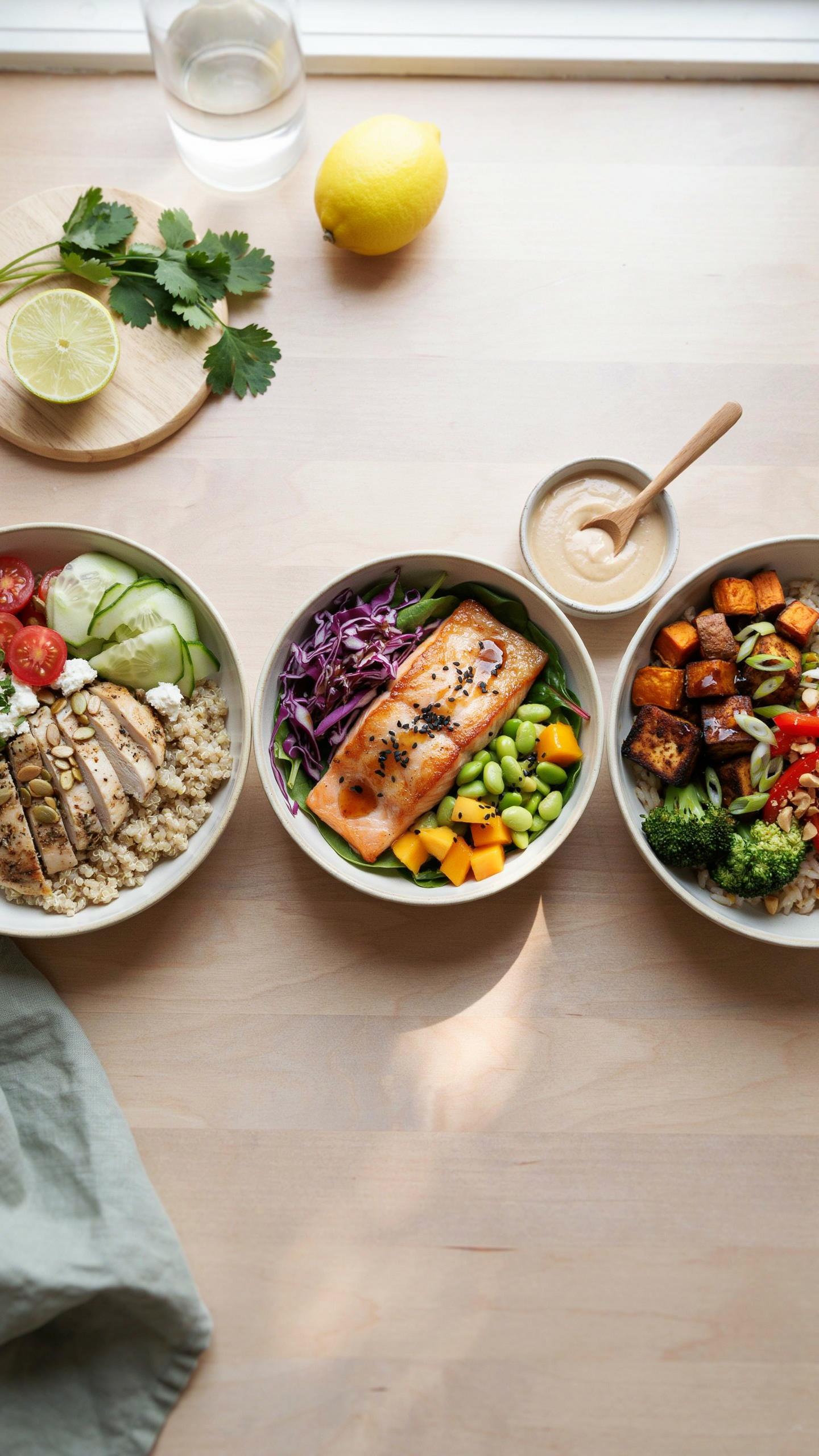
The Toppings That Actually Matter
You want your meal prep to look intentional because it signals discipline. Here’s the mechanism: toppings aren’t decoration. They’re texture and nutrient density vectors. In structural engineering, load distribution determines stability. In taco bowls, topping distribution determines whether you eat the same bite twice or experience variation across 5 days. Most people pile everything on top. That’s wrong. Intentional layering means each forkful hits different macros and flavor notes.
- Cilantro and lime: Acid and brightness cut through fat saturation. One lime per bowl, fresh cilantro stems and leaves. Prevents palate fatigue across multiple meals.
- Cotija or feta cheese: Crumbly texture breaks monotony. Two tablespoons per bowl delivers salt and tang without heaviness that blocks protein absorption perception.
- Diced red onion: Raw bite provides structural contrast to soft protein. Quarter inch dice stays crisp through day four if stored separately. One quarter medium onion per bowl.
- Jalapeños or pickled vegetables: Heat and vinegar activate taste receptors you’ve numbed through repetition. Two tablespoons pickled jalapeños maintain bite for five days.
- Shredded cabbage or radish: Cellular structure resists sogginess. Delivers crunch on day four when other vegetables soften. Half cup per bowl prevents meal fatigue.
Store each topping separately. Mix them into the bowl 30 minutes before eating, not during prep. This single protocol prevents your taco bowls from tasting identical by Wednesday. The crunch stays present. The acid stays sharp. Protein absorption doesn’t compete with flavor boredom.
Taste Without The Calorie Tax
Generic meal prep advice says add hot sauce and call it flavor. That creates dependency on condiments you’ll eventually pour over everything because the base is bland. The real play: use toppings as flavor accelerators, not flavor crutches. Small additions shift perception without adding volume or calories.
Cotija delivers salt where you’d normally need extra seasoning powder. A squeeze of fresh lime hits differently than lime juice bottled three months ago. Pickled onions bring vinegar sharpness without the 200 calories in a cup of salsa. Fresh cilantro provides herbaceousness that dried spice blends fake. These aren’t optional garnishes. They’re the difference between repeatable meals and abandoned containers. Add them to the bowl immediately before eating, never during prep on Sunday.
The Taco Meal Manifesto Reclaim Your Time And Taste
Stop Optimizing The Wrong Variables
You want to feel like you’re in control of your nutrition, but you’re actually just trading one form of decision fatigue for another. The mechanism here comes straight from economics: opportunity cost. Every minute you spend deciding between cilantro or lime, between chorizo or ground turkey, is a minute you’re not spending on the one variable that actually moves the needle—protein consistency. Most people focus on taste variation. That’s backwards. You need taste consistency with protein precision.
Build your taco bowl around a single protein choice you’ll eat without complaint for seven days. Ground turkey at 93/7 leanness gives you 22 grams per four ounces, costs less than chicken, and doesn’t dry out during reheating. Cook two pounds on Sunday. That’s your constraint. Everything else—the rice, beans, toppings—serves that one decision. You’re not being boring. You’re being efficient.
One Bowl, Seven Days
The signature meal removes choice architecture from your weekday entirely. When you walk to the fridge at lunch, you don’t ask “what do I want.” You already know. That’s not limitation. That’s leverage. Your brain stops running the same calculation five times a week and saves that cognitive energy for work that pays you.
Your taco bowl is: four ounces ground turkey, half cup brown rice, half cup black beans, quarter cup shredded cheese, salsa, and Greek yogurt instead of sour cream. Prep containers Sunday. Don’t swap proteins mid-week. Don’t experiment with new seasonings on Wednesday. Execute the same recipe five consecutive days, then you can adjust for the following week based on actual data—how you felt, energy levels, digestion—not on a craving. This is how you build a system that compounds.
Your greatest enemy isnt the clock its the illusion of necessary complexity

You don’t need a nutrition app, a fancy container system, or a weekend that revolves around cooking. You need rice, meat, and beans in four containers. That’s the entire game. Most people sabotage their protein intake not because meal prep is hard, but because they make it harder than it is. Stop waiting for the perfect recipe. Pick one bowl today. Make it Sunday. Repeat it for a week. The consistency of boring beats the collapse of ambitious.