
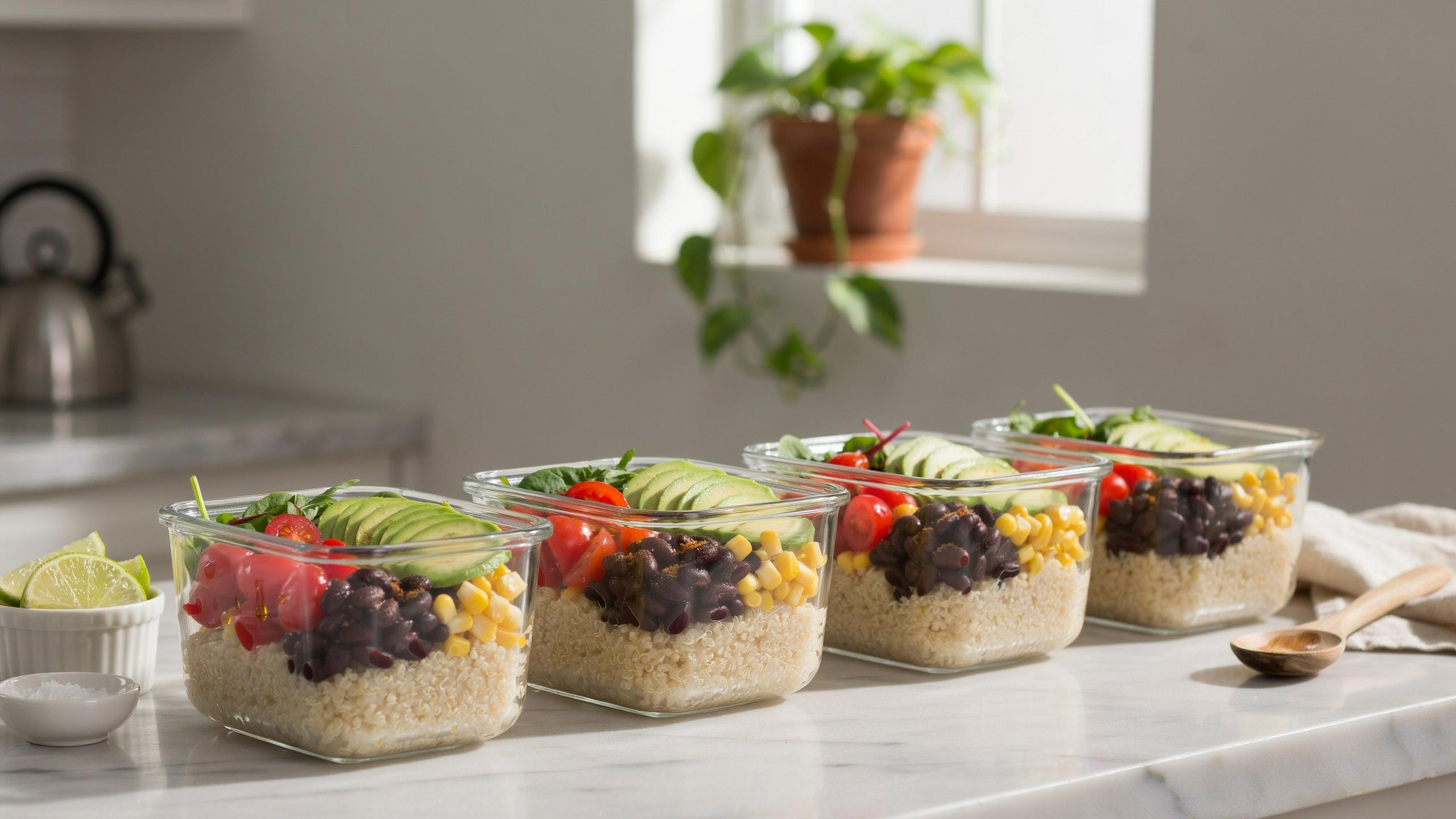
The Illusion Of Healthy Convenience In Nutritional Bowls
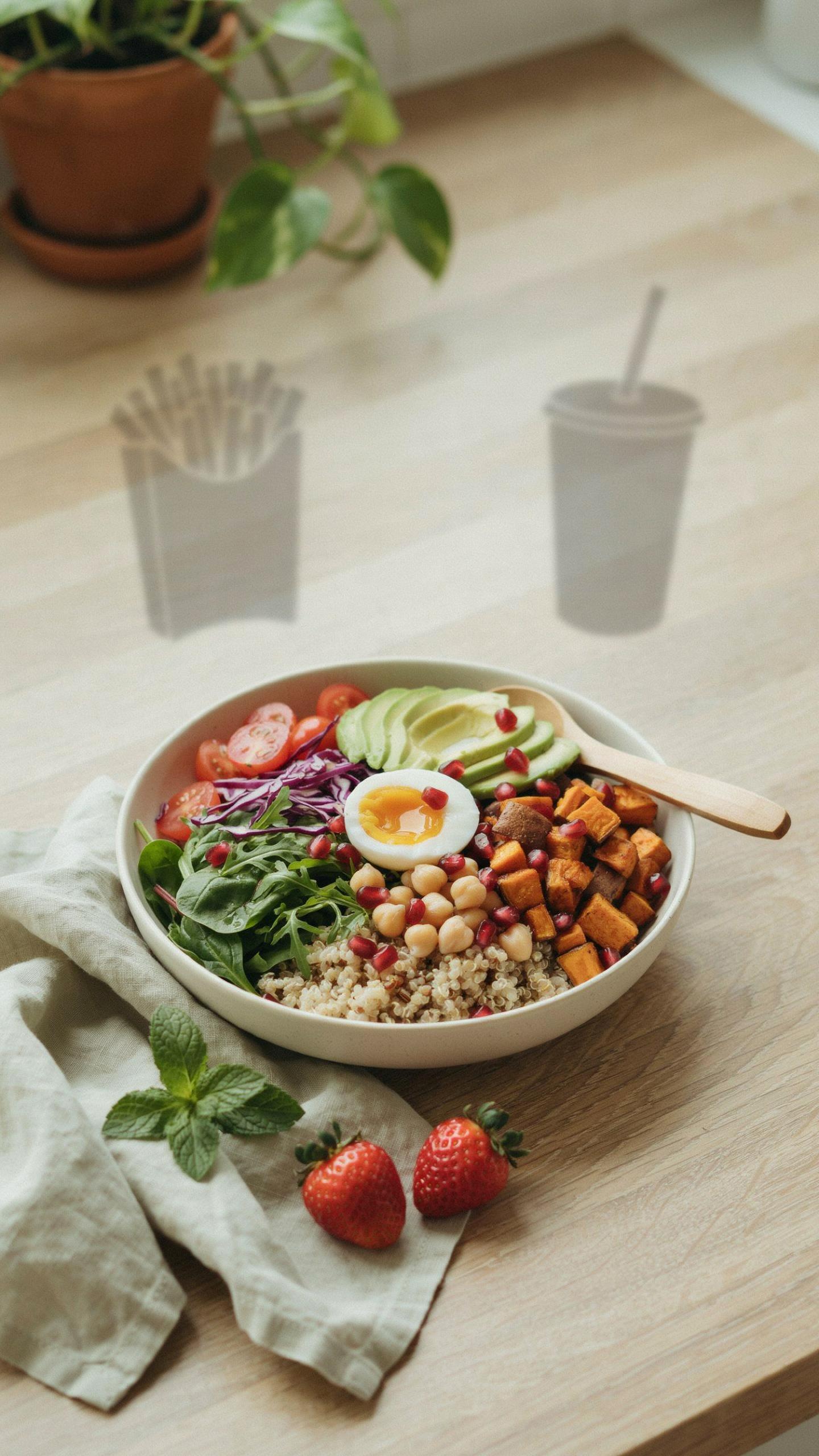
Deconstructing The Convenience Myth
You want to believe meal prep solves the problem so you can feel productive without changing your actual behavior. Here’s the mechanism: convenience is friction reduction, not time savings. A quinoa bowl sitting in your fridge isn’t convenient because it’s fast to eat. It’s convenient because it removes the decision point. You don’t have to think about lunch. The real cost isn’t prep time on Sunday. It’s the mental energy spent justifying why today’s bowl is different from yesterday’s, why you’re not bored, why you’re not reverting to takeout.
Most “healthy convenience” products fail because they solve logistics while ignoring psychology. You can prep five bowls in an hour. That’s objectively efficient. But efficiency and adherence are different systems. A bowl that tastes identical five days running hits diminishing returns around day three. Your brain stops registering it as food and starts registering it as punishment. The prep time wasn’t wasted. Your compliance was. The real work isn’t in the kitchen on prep day. It’s in designing variety within the constraint of a single container.
The Real Friction Points In Meal Prep
Meal prep fails where people think it shouldn’t. The bottleneck isn’t cooking. It’s storage, reheating consistency, and ingredient oxidation over time. From a systems design perspective, quinoa bowls have a critical path problem: each component degrades at a different rate. Your greens wilt. Your protein dries out. Your grain absorbs moisture and becomes mealy. You solve this by separating wet and dry components until consumption. That’s not a hack. That’s the difference between a bowl that stays edible and one that becomes trash by Thursday.
The real friction point most people miss is temperature mismatch. A cold quinoa bowl straight from the fridge tastes different than room temperature. Most people don’t adjust their recipe for this. They blame the bowl itself. You need to either build in reheating protocol or engineer your dressing and protein choice to taste correct cold. That requires testing and documentation, not intuition. Start with one variable: does your protein source stay tender when cold, or does it seize up? That single answer determines whether your meal prep strategy works or collapses by day four.
Beyond The Macro Quinoas True Power As A Base
All Nine Essential Amino Acids In One Grain
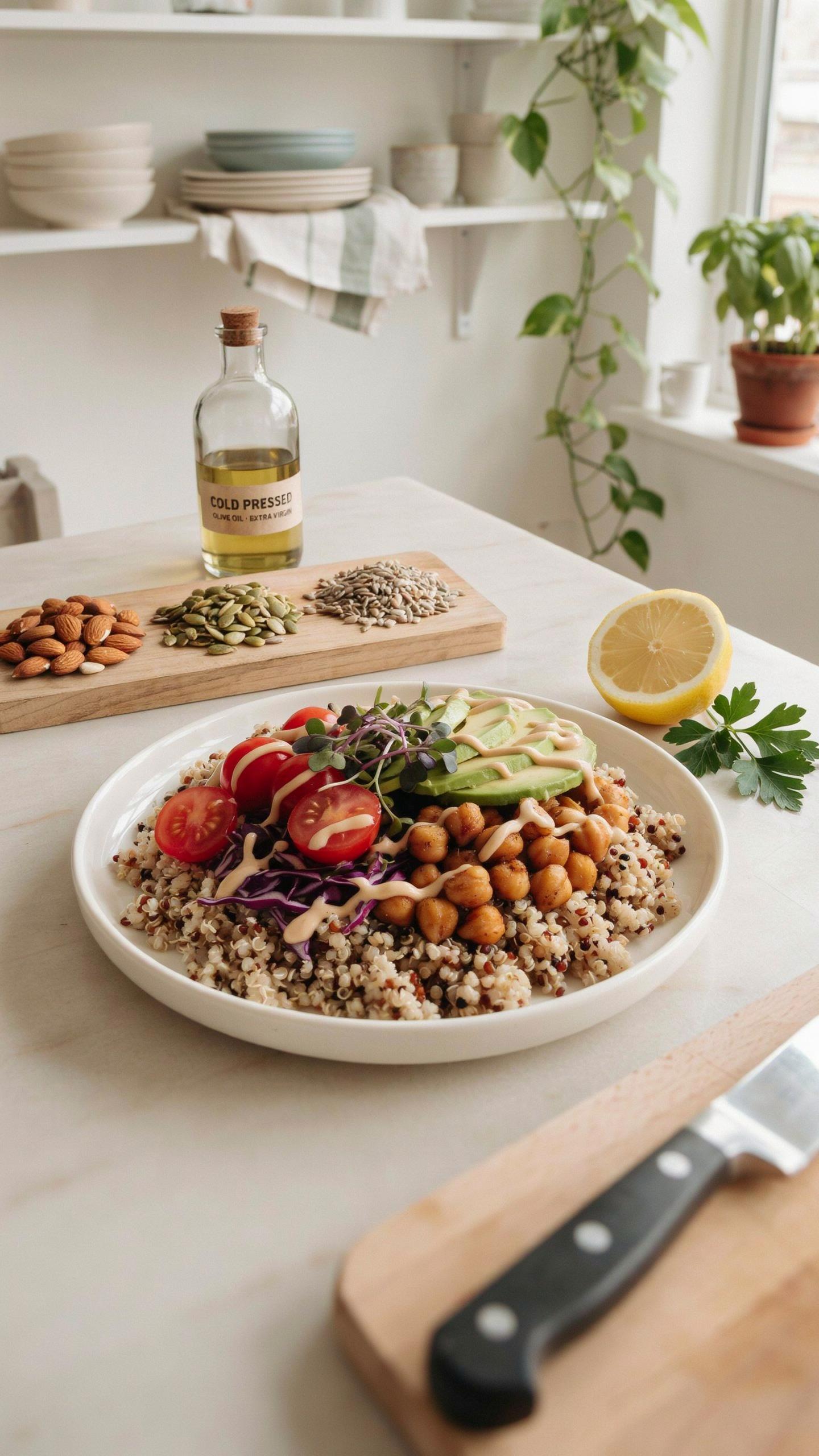
You care about this because you want to believe a carb can do the work of protein without feeling like you’re compromising. Here’s the mechanism: quinoa contains all nine essential amino acids your body cannot synthesize. Most plant proteins fail this test. Rice lacks lysine. Beans lack methionine. Quinoa delivers both, which means your muscle tissue gets the raw material it needs without stacking a separate protein source just to fill the gap.
The amino acid profile matters during meal prep specifically because you’re cooking once and eating the same bowl five times. You need a base that handles the job solo. A cup of cooked quinoa delivers roughly 8 grams of protein with a complete amino acid structure. This isn’t marketing spin. It’s why the Incas built civilization on it. When you prep quinoa as your foundation, you reduce decision fatigue during the week and guarantee your base isn’t nutritionally incomplete the moment you reheat it.
Sustained Energy Without The Blood Sugar Crash
Biology calls it glycemic load, and quinoa’s fiber content is the variable that changes your energy trajectory. Most meal prep advice ignores this entirely. They say quinoa is a carb, so treat it like a carb. Wrong. Quinoa contains roughly 5 grams of fiber per cooked cup, which slows glucose absorption and prevents the spike-and-crash cycle that leaves you hungry three hours later. The fiber acts as a brake on your bloodstream.
When you prep quinoa bowls in bulk, the fiber stays intact through storage and reheating. You’re not losing this property to time. This matters because sustained energy directly impacts your hunger signals during the week. You eat less between meals. You make better food choices. You stick to the prep plan instead of abandoning it Wednesday night. The mechanism is simple: stable blood sugar equals predictable hunger, which equals adherence to your own system.
The Automated Fuel Protocol High Protein Quinoa Recipes
Batch Cooking Protein Sources: Strategic Efficiency
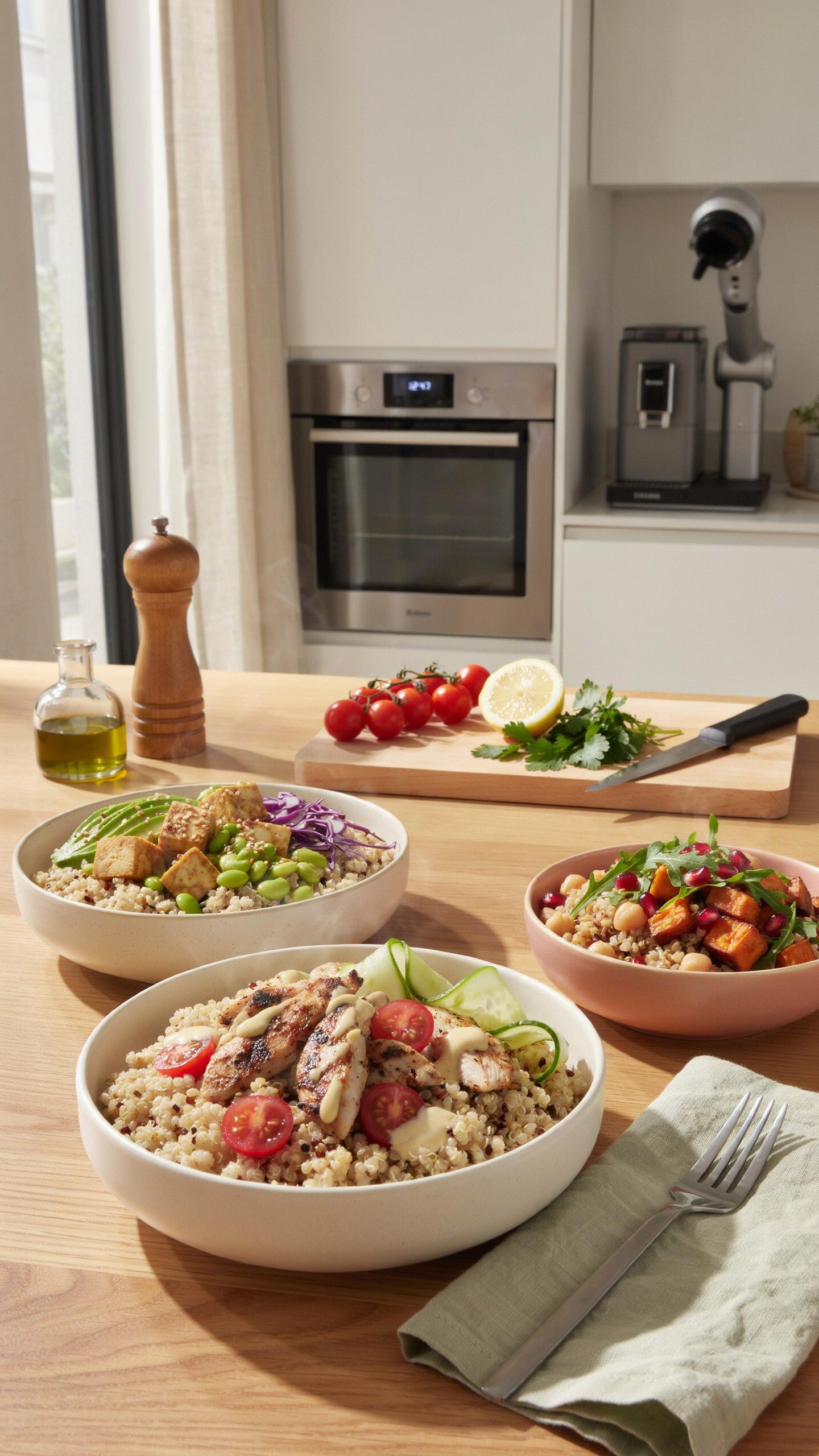
You want meal prep to feel effortless because you’re afraid consistency will break you. The real mechanism is borrowed from manufacturing: economies of scale. Cook one protein source once per week instead of five times, and your decision fatigue collapses to zero.
Chicken breast, ground turkey, and canned chickpeas are your anchors. Cook 3 pounds of chicken in a single batch, seasoned identically. Store it in airtight containers. When you build bowls throughout the week, the protein is already there, ready to distribute across five or six containers. This eliminates the daily friction that kills meal prep commitments.
Flavor Layering: Avoiding “Diet Food” Burnout
Generic meal prep advice tells you to prep five identical bowls and eat the same thing daily. That’s wrong and it’s why people quit. You need structural variation with minimal cooking overhead.
Build three flavor profiles using the same cooked quinoa and protein. First bowl: lime, cilantro, black beans, avocado. Second bowl: tahini dressing, roasted chickpeas, spinach. Third bowl: curry spice, roasted vegetables, coconut milk base. The base ingredients stay consistent across batches, but the assembly changes. Rotate them throughout the week so your palate doesn’t flatten. This single shift from monotony to pattern variation is why people actually finish their meal prep instead of abandoning tupperware in the fridge.
Engineered Longevity Storing Your Power Bowls
Container Selection Matters More Than You Think
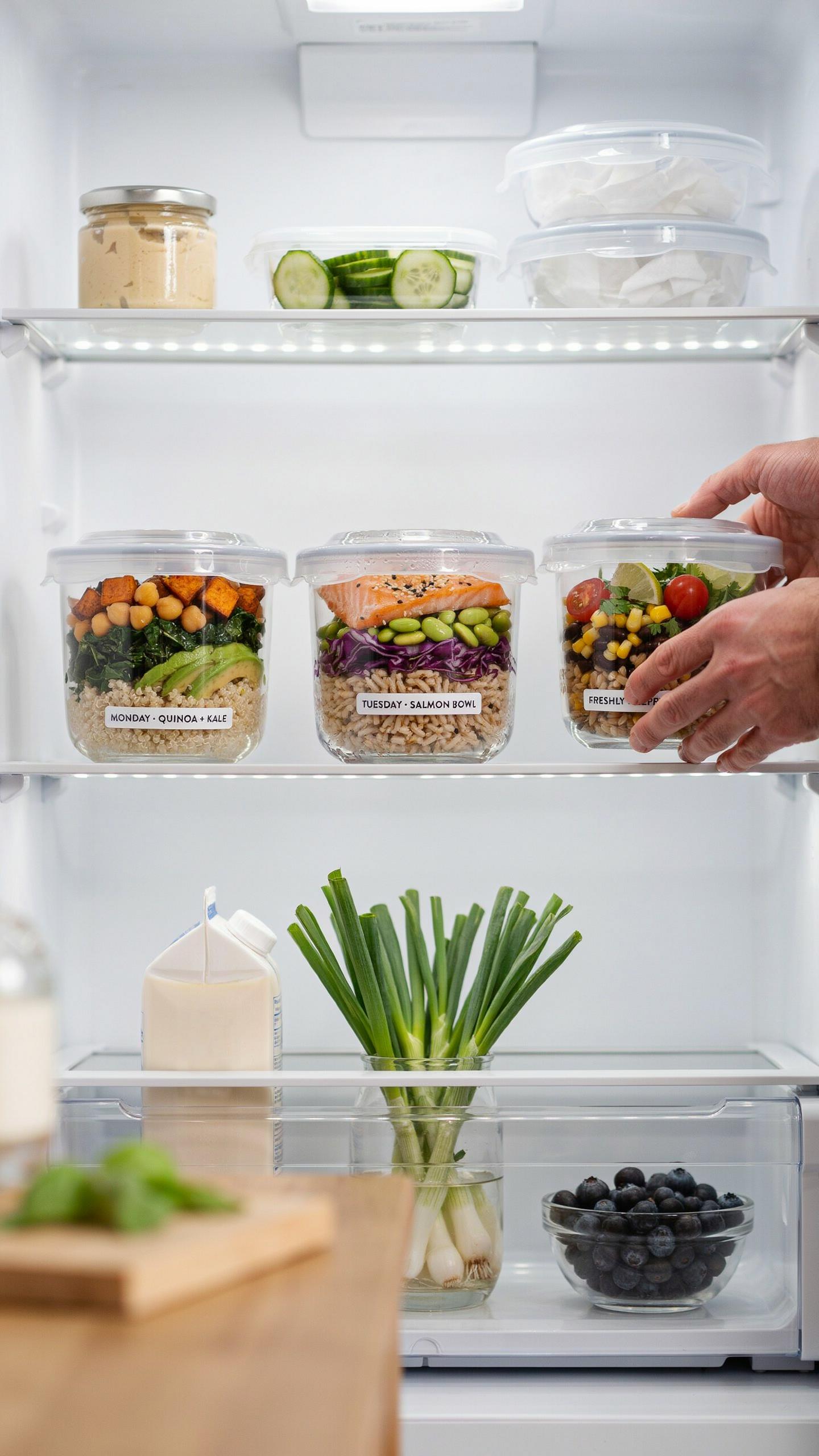
You’re worried your meal prep will turn into a soggy mess by Wednesday. That fear is justified, but not because of time alone—it’s because most people pick containers based on price or what’s already in the cabinet, ignoring the material science that determines whether your quinoa stays grain-like or becomes porridge. Glass containers with airtight seals outperform plastic because glass is non-porous: it doesn’t absorb moisture or odors, and it creates a true vapor barrier when the lid seals. Plastic, especially thinner varieties, allows slow moisture migration, which degrades texture and accelerates nutrient oxidation in proteins. Borosilicate glass specifically resists temperature shock, so moving from fridge to microwave doesn’t compromise the seal.
The mechanism is simple: airtight means water vapor can’t escape from the bowl, and it can’t enter from outside air. This stabilizes moisture content at the exact level you prepped. Size matters tactically too—containers that fit your portions snugly leave less headspace, which means less air to degrade your quinoa and proteins through oxidation. A 32-ounce glass container works better than a 64-ounce one if you’re storing a four-cup bowl, because the reduced oxygen exposure extends shelf life by one to two days. Invest in containers with silicone gaskets, not cheap plastic snap-tops. Replace gaskets annually—they degrade and stop sealing properly.
Layering Strategy Prevents Texture Collapse
The common advice is to separate wet from dry components. That’s incomplete. The real mechanism comes from food science: water moves through layers via osmosis and capillary action, so layering is about controlling the speed of that migration. Wet components like dressing or marinated proteins need to sit at the bottom, away from your quinoa and vegetables that lose quality when they absorb excess liquid. Quinoa grains absorb water slowly compared to raw vegetables, making it a buffer layer. Place dressing first (bottom), then your protein source, then quinoa, then hearty vegetables like roasted broccoli or sweet potato, then delicate items like greens or nuts (top). This vertical sequence delays water movement upward by exploiting the density and absorption rates of each layer.
The actual protocol: store your dressing separately in a small container for the first two days, then add it the morning you eat the bowl if it’s meal prepped for day three or later. This breaks the capillary chain entirely. For bowls you’ll eat within 48 hours, use the layering method above and eat from the bottom up when you open the container. If your protein is marinated or in sauce, drain excess liquid into the dressing container before layering—don’t let saturation occur at prep time. Seal immediately after layering, removing as much headspace air as possible by gently pressing the lid down until you hear the suction lock engage.
The Satiety Algorithm Maximizing Filling Recipes
Fat And Fiber Working Together
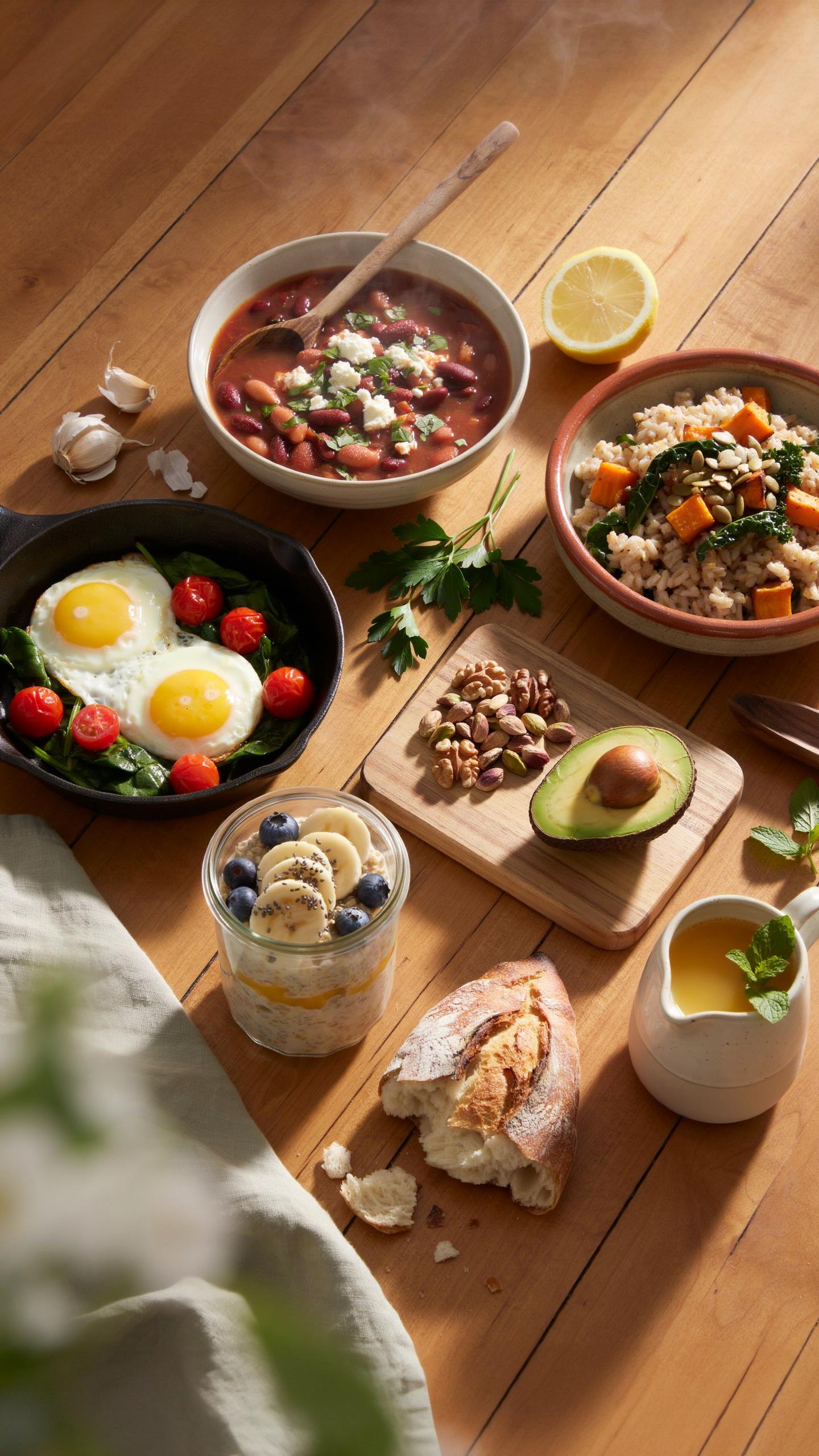
You want to feel full without thinking about food for hours. That’s not weakness or lack of discipline. That’s biology, and the mechanism is simple: fat slows gastric emptying while fiber expands in your stomach. Biology calls this nutrient synergy. In a quinoa bowl, it’s the difference between hunger at 2pm and forgetting to eat until dinner. Quinoa alone won’t do it. You need the fat-fiber combination operating simultaneously.
A high protein quinoa bowl hits this when you layer in both sources strategically. Add a quarter-inch of olive oil or tahini to your cooked quinoa while it’s still warm, then top with roasted vegetables that contain actual fiber: broccoli, Brussels sprouts, bell peppers. The fat absorbs into the grain and slows digestion. The fiber creates volume. Together they delay the glucose spike that triggers hunger signals two hours later. This is not theory. Measure your own hunger timeline before and after adding deliberate fat to a fiber-heavy bowl.
Visual Density Beats Calorie Counting
The common advice says count portions. Wrong. Your brain doesn’t count calories. It reads volume and visual complexity. A bowl that looks full triggers satiety signals before you finish eating it. This is why restriction fails and portion control through design works. The mechanism is perceptual, not mathematical. You’re outsmarting appetite, not fighting it.
Build your quinoa bowl for visual density, not macros on paper. Use a smaller bowl than you think you need. Layer ingredients so nothing looks sparse: the grain, then vegetables, then a protein source, then a sauce that coats everything. A 10-ounce bowl that looks complete satisfies more than a 12-ounce bowl that looks half-empty. Meal prep the same recipe in identical containers so your brain expects fullness and gets it consistently.
The Bio Optimization Matrix Customizing Your Quinoa Salad
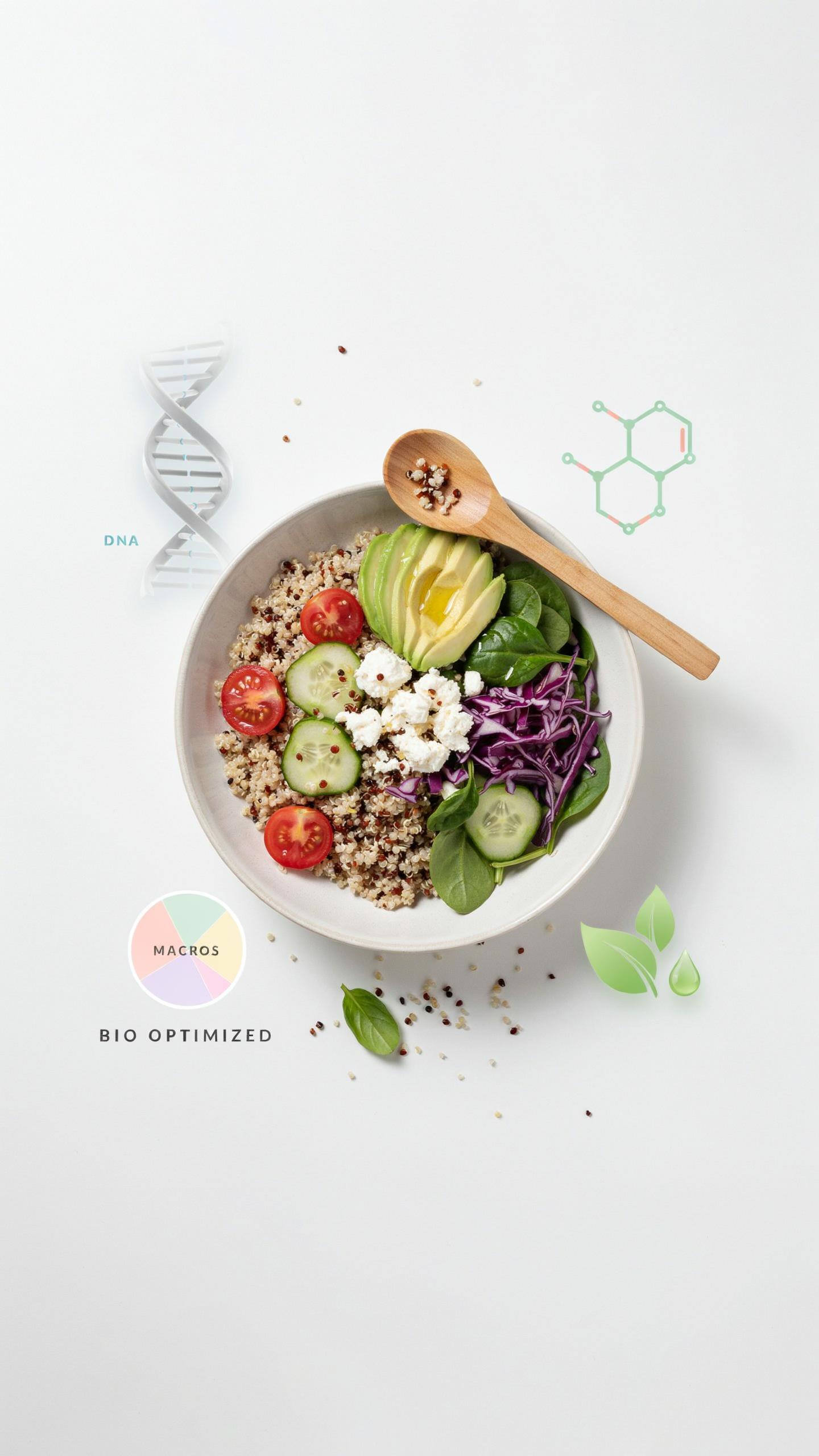
Fuel Needs Match Your Training Load
You want to believe one bowl works for everyone. It doesn’t. Here’s the mechanism: your protein and carb ratios should track your actual energy expenditure, not some internet template. Biology operates on supply and demand, not ideology. A sedentary day requires different macros than a lifting day or a long run.
Quinoa contains all nine amino acids, making it rare among plant proteins. That completeness matters. On high-output days, increase the quinoa volume by 25 to 30 percent and add a legume like black beans or lentils for carb density. On rest days, keep quinoa steady but reduce total volume by cutting back additions like grains or starchy vegetables. Track your actual performance before and after adjustments. That data tells you if the ratio works.
Micronutrient Targeting Through Strategic Additions
Most meal prep advice ignores deficiency states. You don’t need more iron because iron is trendy. You need it because your blood work shows it. Quinoa delivers manganese and magnesium well. It doesn’t deliver zinc or vitamin B12 in amounts that matter for most people eating plant-forward diets.
Build your bowl around the gaps your body actually has. Add pumpkin seeds or hemp seeds for zinc and mineral density. Include a dark leafy green like spinach or kale for folate and additional iron. Layer in a vitamin C source like bell pepper or lemon juice to enhance iron absorption. If you follow a vegan protocol, add a B12 source through fortified foods or supplementation. Measure your changes weekly by how your energy stabilizes during afternoon hours, when micronutrient deficiency typically manifests as fatigue.
The Healthy Lunch Command Center Execution
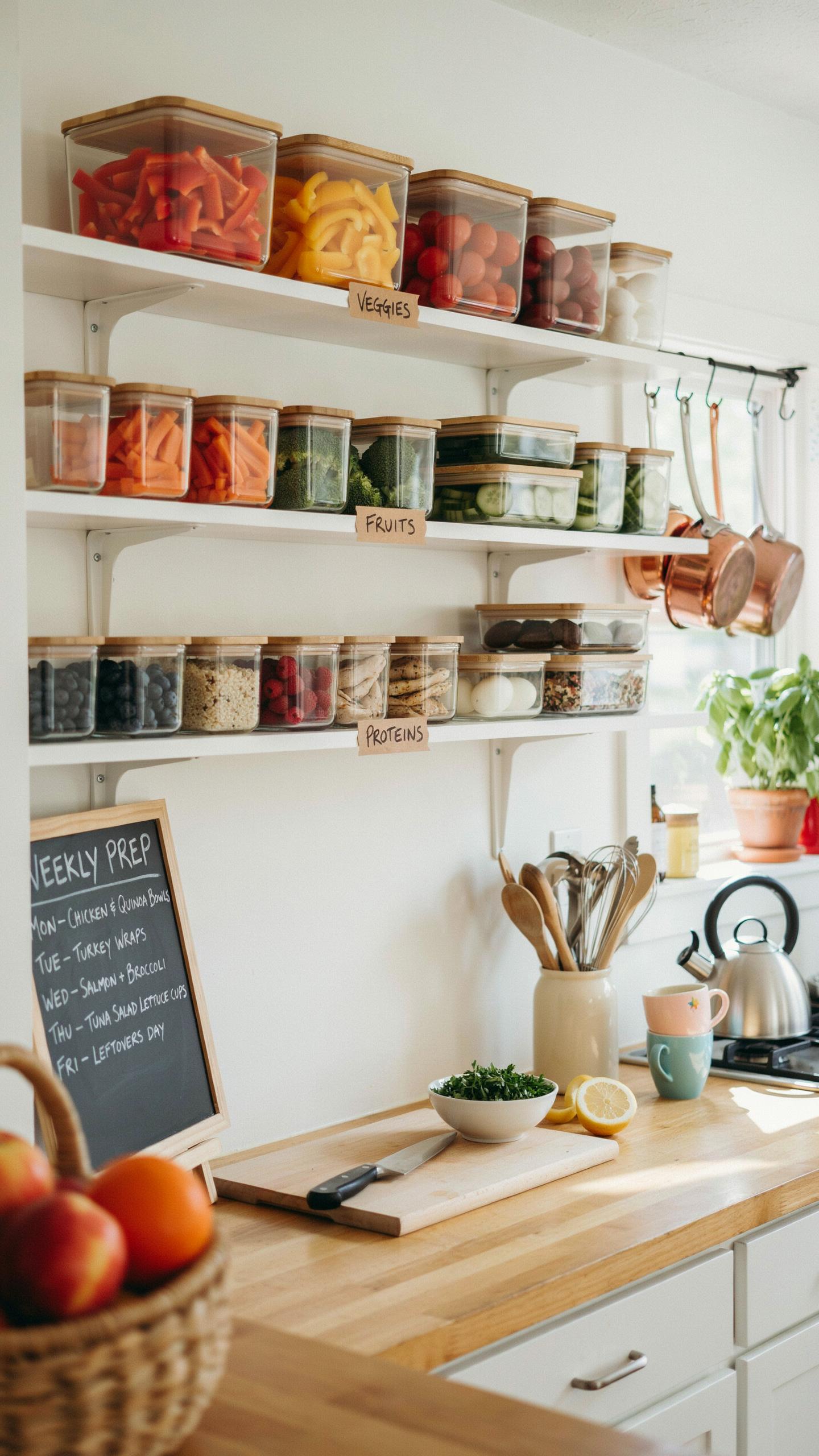
Build Your Feedback Loop First
You want to feel like meal prep is “handled” so you stop thinking about lunch. That’s the real driver here. But most people skip the actual mechanism that makes prep sustainable: feedback loops. Cybernetics teaches us that every system needs input, output, and correction. Your quinoa bowl prep system is no different. You measure what actually happens (did you eat the bowls or did they rot?), compare it to intent (did you prep enough protein?), then adjust the next cycle. Without this, you’re just repeating the same failures.
Track three metrics for two weeks: bowls prepped, bowls consumed, and time spent per bowl. Note which protein sources you actually finished and which you abandoned. Check fridge waste weekly. This data becomes your steering mechanism. If you prepped ten bowls and only ate seven, you over-produced. If preparation took ninety minutes when you planned sixty, your assembly process has friction you haven’t named yet. Adjust the next batch size, protein choice, or prep day timing based on what the data reveals, not on what you think should work.
Attack The Real Bottleneck
Everyone says “prep your ingredients ahead.” That’s incomplete advice. Operations research identifies bottlenecks as the constraint that limits total throughput. For quinoa bowl prep, the bottleneck is rarely cooking the quinoa itself. It’s usually one of three things: protein cooking time, container washing, or decision fatigue around vegetable combinations. Figure out which one stops you from starting.
If protein takes forty minutes (chicken breast, tofu, hard-boiled eggs), that’s your constraint. Cook double portions the night before. If you lack clean containers, buy two more sets so you never run out mid-prep. If you waste time deciding what vegetables go in each bowl, build one template and repeat it five times instead of creating five variations. The bottleneck is the only thing worth fixing. Everything else is noise.
Beyond The Trend The Sustainable Quinoa Power Bowl
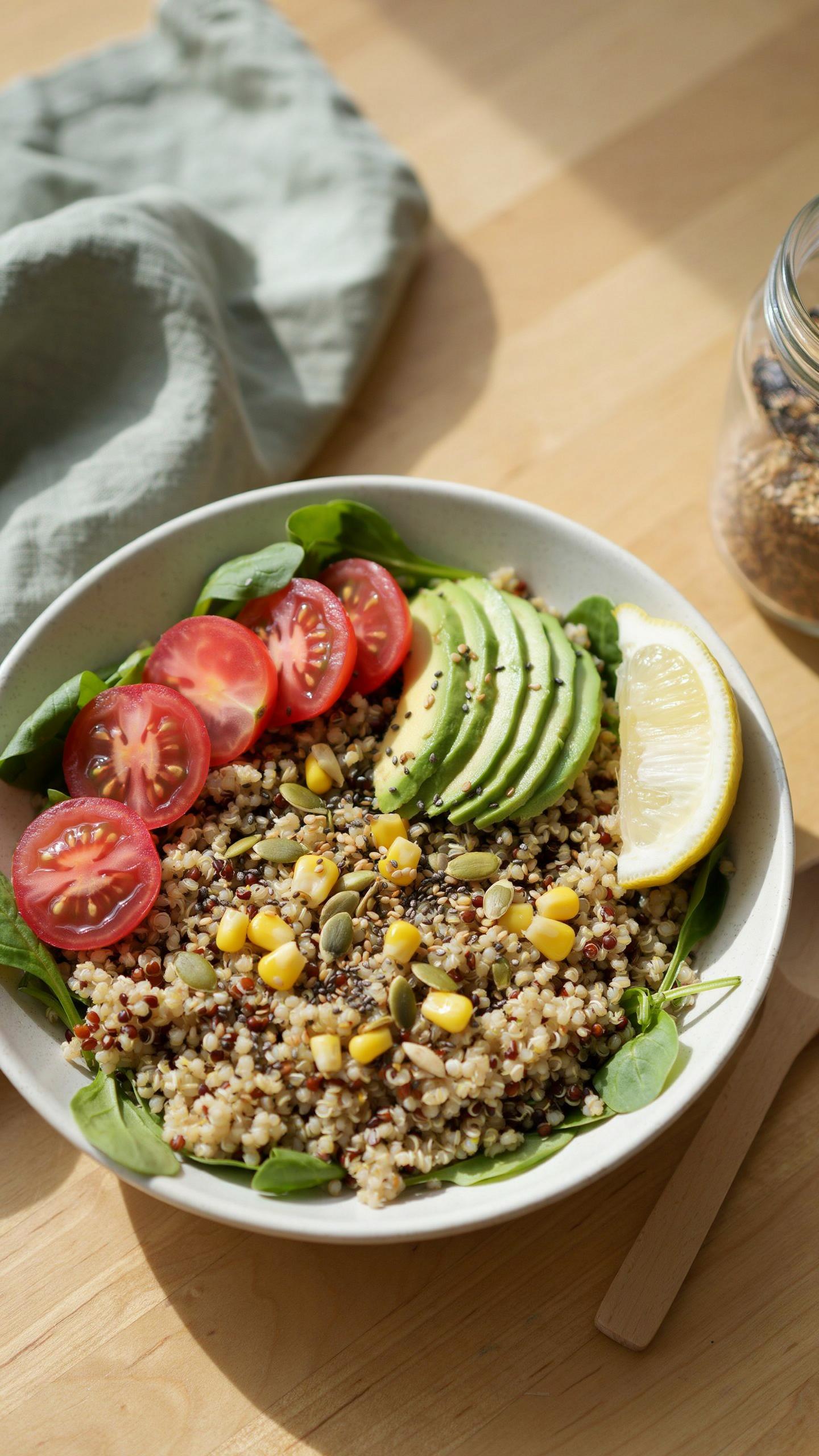
The Real Math On Your Grocery Bill
You care about this section because you want permission to feel smart about spending money on food. Here’s the mechanism: economies of scale work backward when you cook alone. Buying quinoa in bulk drops the per-pound cost by 40 to 60 percent versus single servings. One five-pound bag costs roughly the same as three restaurant bowls. Meal prepping quinoa bowls leverages that bulk purchase across five to seven meals, collapsing your cost per serving to two to three dollars.
The waste equation matters more than the savings equation. Most people toss 30 percent of their groceries. Meal prepping eliminates the decision fatigue that kills leftovers. You buy proteins and vegetables with a predetermined use. No guessing. No spoilage. Over twelve weeks, that discipline alone saves three to five hundred dollars while reducing what lands in your trash.
Environmental Load Per Calorie
Think of environmental impact like energy efficiency in thermodynamics. One input produces one output, but the ratio determines if the system is viable. Plant-based meals, specifically quinoa bowls, deliver protein at a lower environmental cost than animal proteins when measured per gram. Beef requires twenty-five times more feed and water than plants to produce the same protein. Quinoa requires minimal irrigation in its native growing regions and restores soil nitrogen.
Meal prepping quinoa bowls scales this advantage. Cooking one large batch uses less energy than heating individual meals throughout the week. Container reuse reduces packaging waste. You’re not just eating differently. You’re compressing the entire system’s footprint. The mechanism is simple: prep once, eat seven times, divide the energy cost by seven.
Unlocking Deep Work With Mindless Eating Prevention

Pre Portioned Bowls Eliminate Decision Fatigue
You want to believe meal prep saves time. The real win is that it kills the mental tax that bleeds your focus before work even starts. Cognitive psychology calls this “decision fatigue”—each choice depletes your willpower reserve. A pre-portioned quinoa bowl removes the decision: portion size, protein ratio, carb count. You grab. You eat. Your brain stays intact for actual work.
The mechanism is simple. Without a prepped bowl, you face friction at hunger time: how much to eat, what protein source, whether to add extra carbs. That’s three decisions stacked before you’ve eaten a bite. Thirty seconds of internal negotiation happens daily. Over a month, that’s hours of cognitive load burned on nothing. A portioned bowl collapses all friction into zero decision points.
Focused Consumption Separates Eating From Distraction
The common advice says “eat without your phone.” That’s incomplete. The real issue is your environment trains your brain to pair eating with input. Every time you eat at your desk scrolling, you condition yourself to need stimulation during eating. This tanks your satiety signals because your attention splits between food and screen. Eating while working teaches your nervous system that eating is a background task, not a signal worth noticing.
Meal prep into bowls forces a structural break. You cannot easily eat a portioned quinoa bowl while typing or scrolling. The bowl requires two hands, a surface, actual attention. This friction is the feature. Thirty minutes of focused eating three times daily retrains your satiety response. You notice fullness. You stop when satisfied instead of when distracted. Your next work block starts with stable energy instead of a blood sugar spike and crash cycle.
The Quinoa Grain Bowl Manifesto Reclaiming Your Time
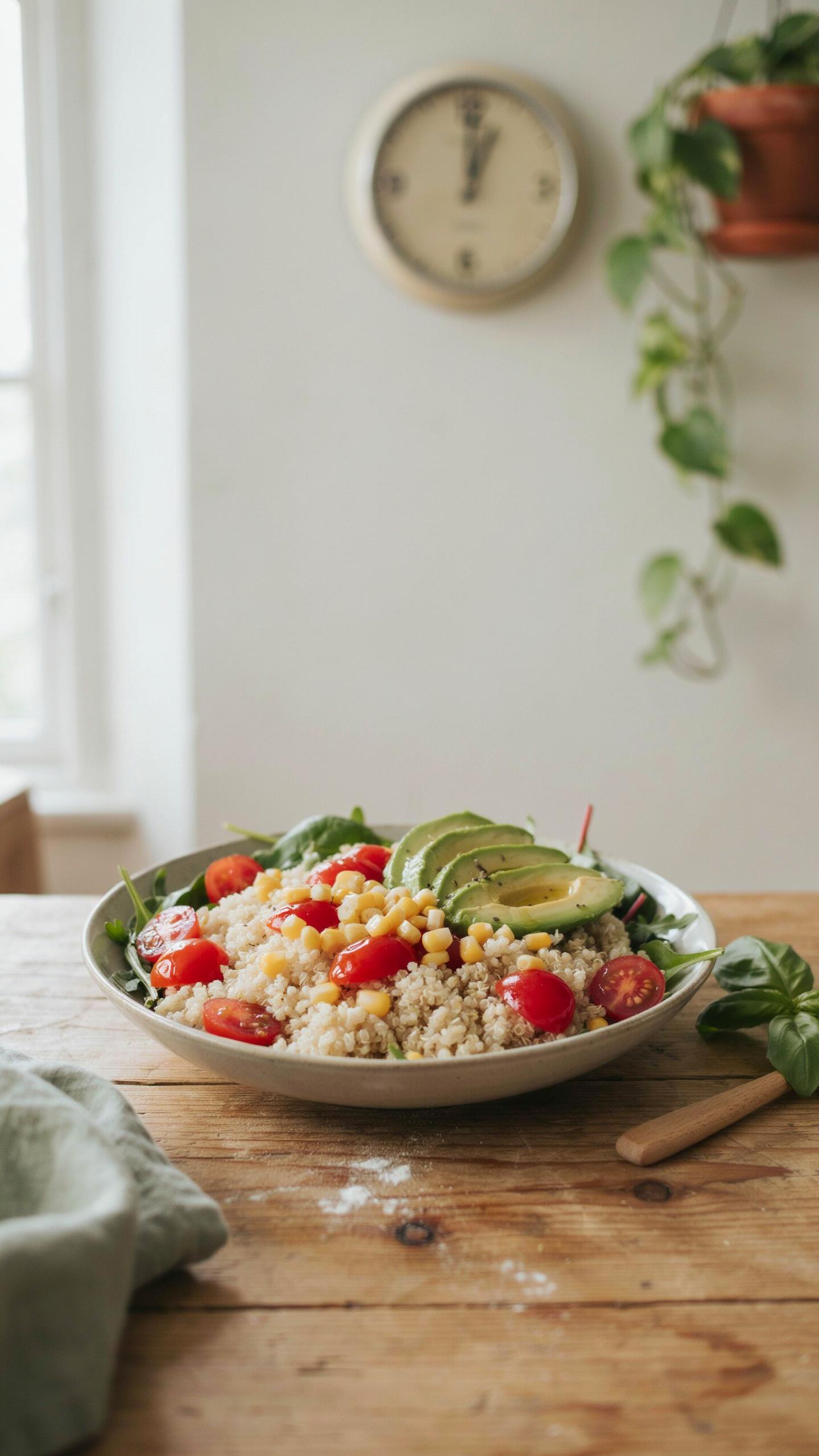
Time As Currency
You’re afraid of wasting it. That’s the real issue underneath all meal prep talk. Economics calls this opportunity cost, and it applies directly to your kitchen: every minute spent deciding what to eat is a minute stolen from work, rest, or something that actually moves your life forward. A prepped quinoa bowl eliminates that decision tax entirely.
Here’s the mechanism. Most people treat meals as discrete events requiring thought each time. You wake up hungry, check what’s in the fridge, negotiate options, cook. Repeat four times daily. That’s not eating. That’s decision-making masquerading as eating. A high protein quinoa bowl meal prep system inverts this: you decide once, cook once, eat six times. You’ve replaced recurring micro-decisions with a single batch decision. The time savings compound because you never restart the cognitive process.
Mental Bandwidth Preservation
The common advice says meal prep saves time. That’s surface level and incomplete. What it actually does is reduce the cognitive load your brain burns on trivial choices. Neuroscience has demonstrated that decision fatigue erodes willpower for everything downstream, not just food. When you automate the mundane, you preserve mental bandwidth for work that requires actual judgment.
Your quinoa bowl becomes a cognitive investment, not a chore. You prep it once: measure quinoa, cook it, portion protein sources like beans or tofu, add raw vegetables, divide into containers. One session, five days handled. Every morning you open the fridge and execute instead of deliberate. That execution requires almost zero mental friction, leaving your decision-making capacity intact for the work that pays you. Automate eating so you stop burning willpower on it.
Your true obstacle isnt hunger its the unexamined chaos of your daily operating system

You don’t fail at meal prep because quinoa bowls are hard. You fail because you never decided they were non-negotiable. The protein gets built when you stop treating nutrition like a hobby and start treating it like infrastructure. Spend fifteen minutes today—right now—blocking out your Sunday prep window on your calendar. Make it immovable. Your body doesn’t change because you read about high protein bowls. It changes because you stopped negotiating with yourself about whether you’d actually eat them.