
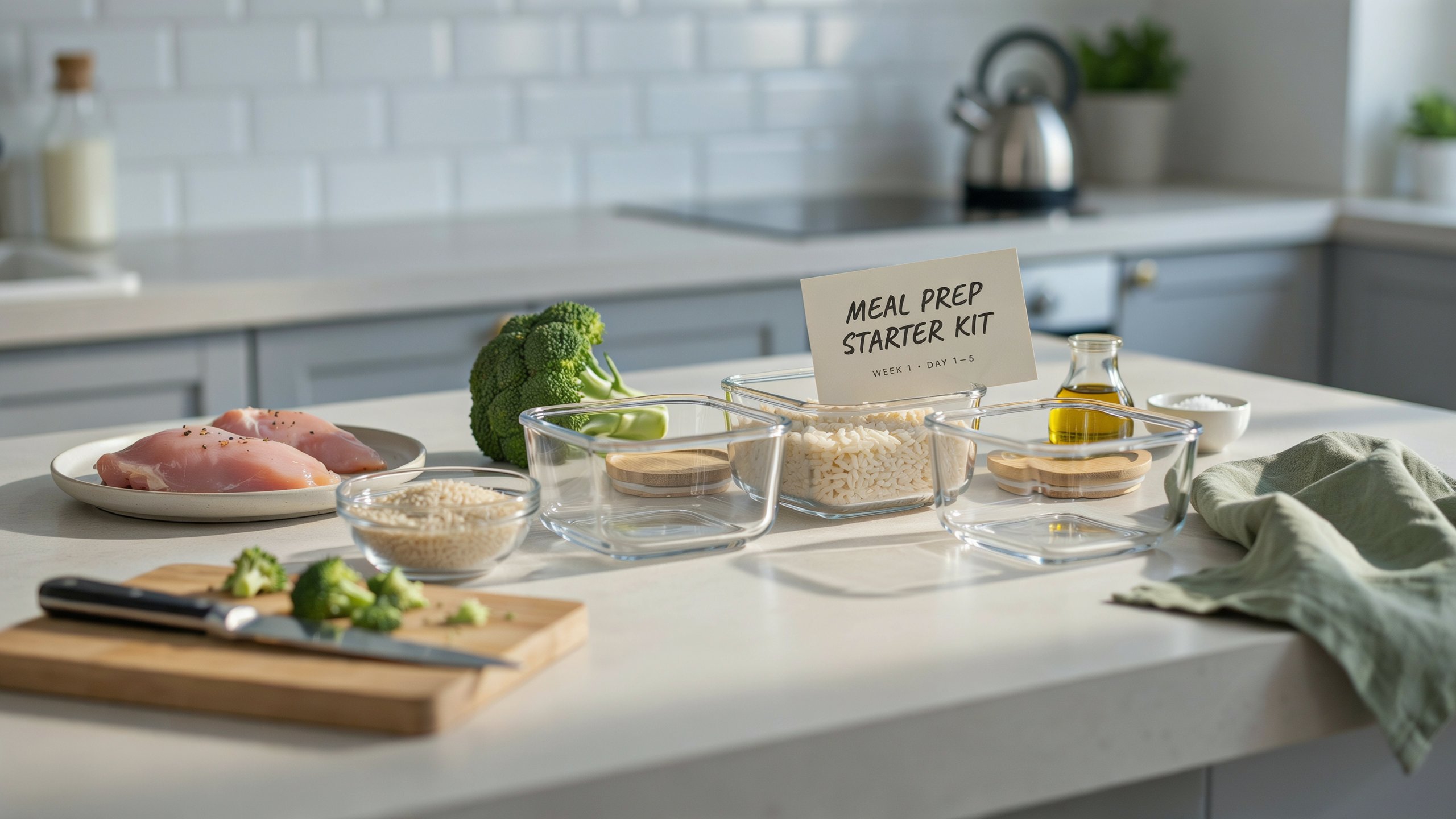
The Minimalist’s Protein Arsenal: Core Ingredients
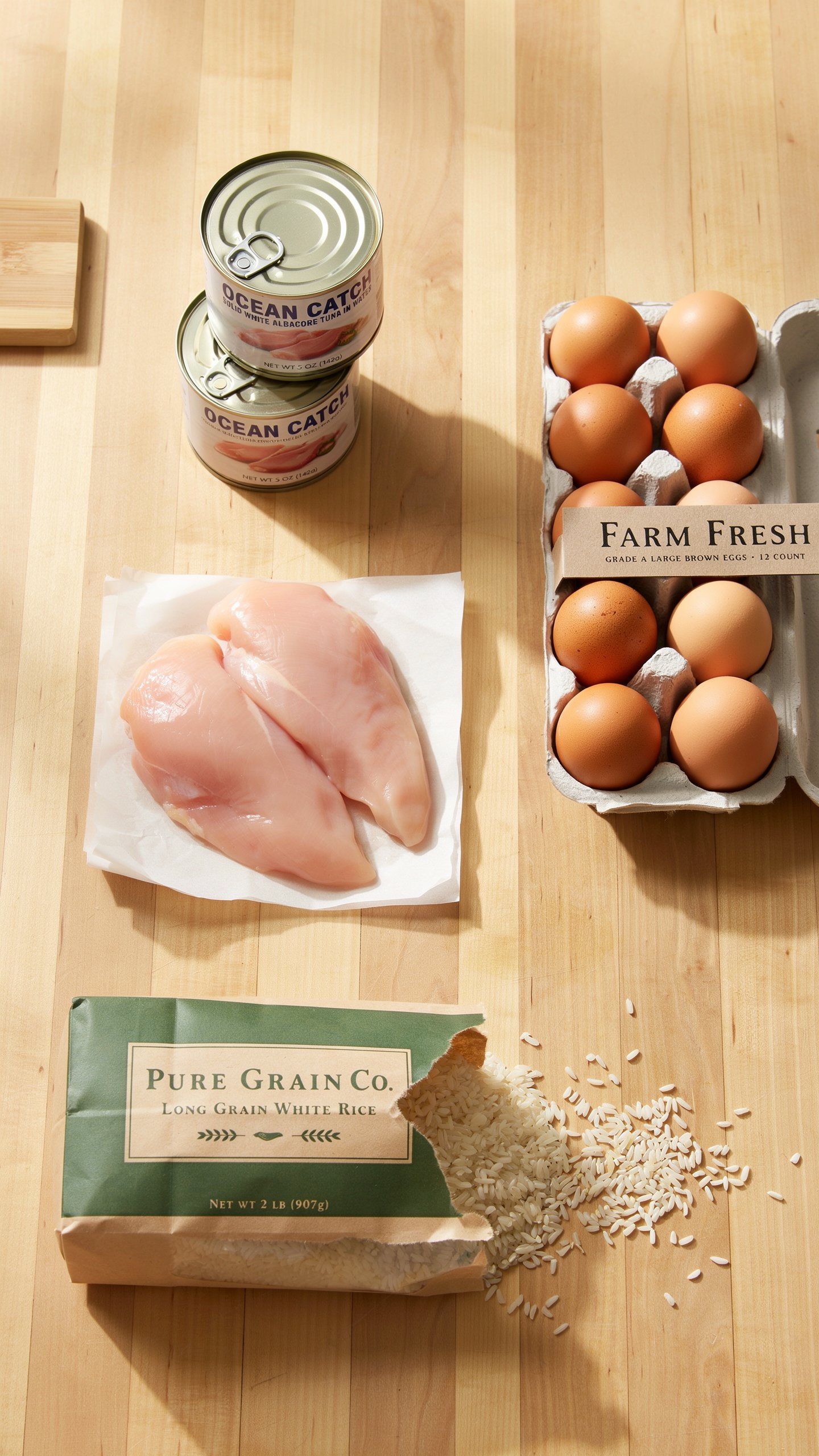
Start With What Actually Works
You want a shortcut to looking like you have your nutrition figured out. Here’s the mechanism: you don’t need exotic proteins. You need proteins that are cheap, shelf-stable, and deliver consistent macros. Most people overcomplicate this because they confuse variety with strategy. The real move is picking 3-4 sources you’ll actually eat repeatedly, then building around them.
Chicken breast, ground beef, and eggs are the foundation because they’ve been protein staples for decades and the data on their amino acid profiles is settled. They’re not trendy. They’re not Instagram. They work. Buy them fresh, use them within the window, and stop chasing the next superfood protein powder that promises transformation.
The Pantry Proteins That Don’t Spoil
Your freezer and dry storage are where meal prep gets efficient. Canned tuna, canned chicken, and dried lentils don’t require morning trips to the store. They don’t rot in your fridge. They sit and wait for you to use them. This is supply chain thinking applied to your kitchen: you’re reducing failure points by removing time pressure.
Protein powder, Greek yogurt powder if you want it, and cottage cheese cover your bases for quick preps. Buy in bulk during sales and store properly. Your goal isn’t to taste adventure at every meal. Your goal is to hit your protein target without thinking about it. That happens when your staples are automatic, not deliberate.
The “One Pan Domination” Method: High Protein, Low Effort
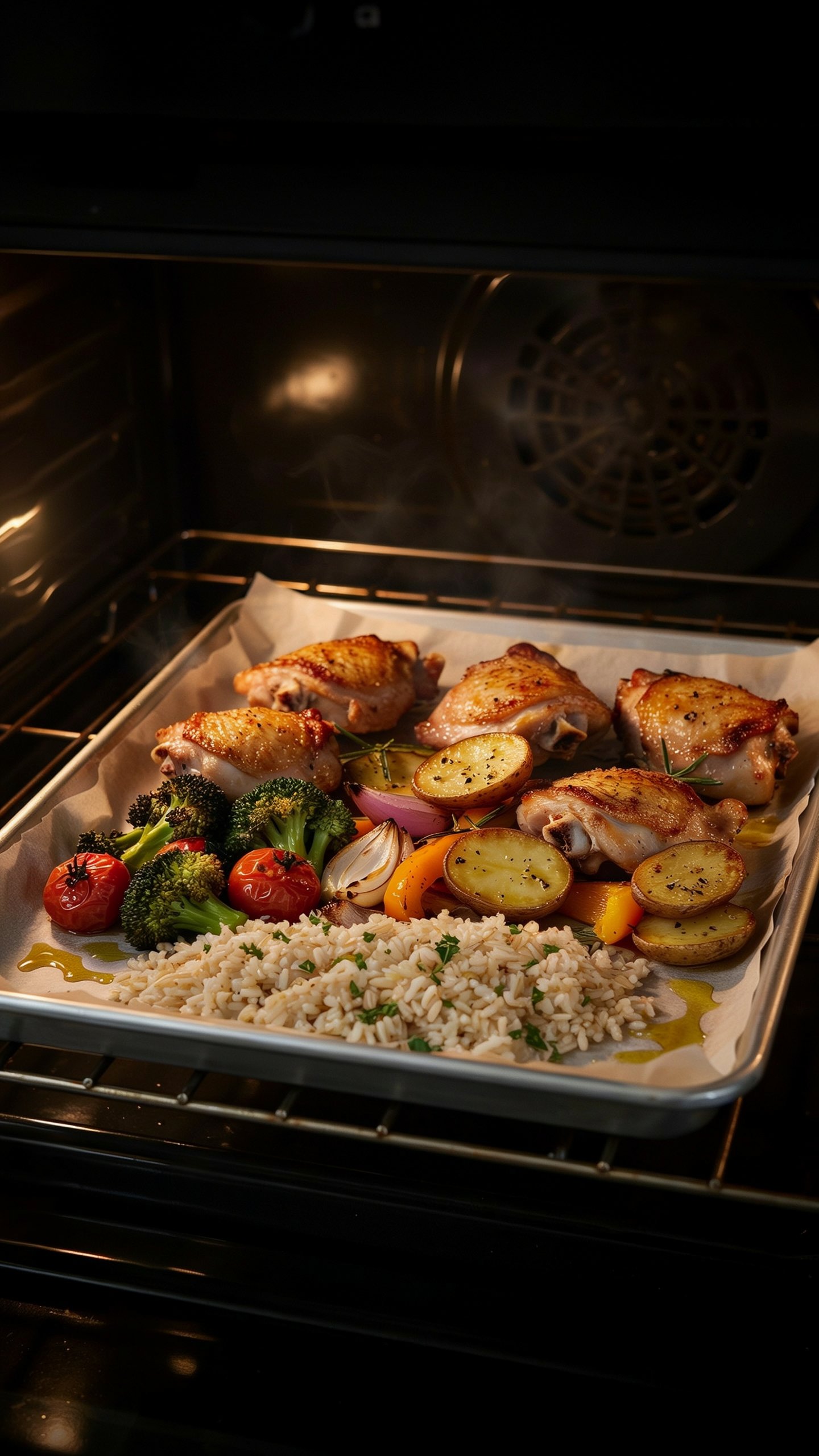
Cook Everything At Once, Not In Sequence
You want meal prep to feel effortless so you’ll actually do it instead of ordering takeout. The real mechanism is batch cooking, borrowed from industrial production: you’re not optimizing individual meals, you’re optimizing your setup and teardown. Cook protein, vegetables, and carbs simultaneously in one vessel. This isn’t about being cute. It’s about eliminating decision fatigue and the false belief that foods need separate cooking times to taste good.
Chicken thighs, root vegetables, and rice cook in overlapping windows. Start the pan at high heat with oil, sear protein for two minutes per side, then add vegetables and liquid. Everything finishes in 25 to 35 minutes. Your hands touch one piece of equipment. Your brain makes one plan. The output: four to six meals with complete macros already balanced in the container.
One Vessel Means One Cleanup Window
The second barrier people hit isn’t the cooking. It’s staring at a sink full of pans and walking away from the fridge. You avoid cleanup by eliminating dishes entirely. Use a large stainless steel pot or cast iron skillet rated for stovetop to oven transition. Brown protein directly on the stovetop, add vegetables and liquid, finish in the oven at 400 degrees for 15 minutes. No pans migrate to different stations. No plates accumulate grease.
When cooking finishes, let the pan cool for five minutes, then wipe it with a damp cloth and store. Actual cleanup time: under two minutes. The single-vessel protocol compounds across weeks. You spend 90 minutes cooking and cleaning instead of 180 minutes pretending meal prep is too complicated. Store portions in glass containers immediately. The system runs or fails based on whether you eliminate friction at the cleanup stage, not motivation.
Budget Freezer Meals: Your Future Self Will Thank You
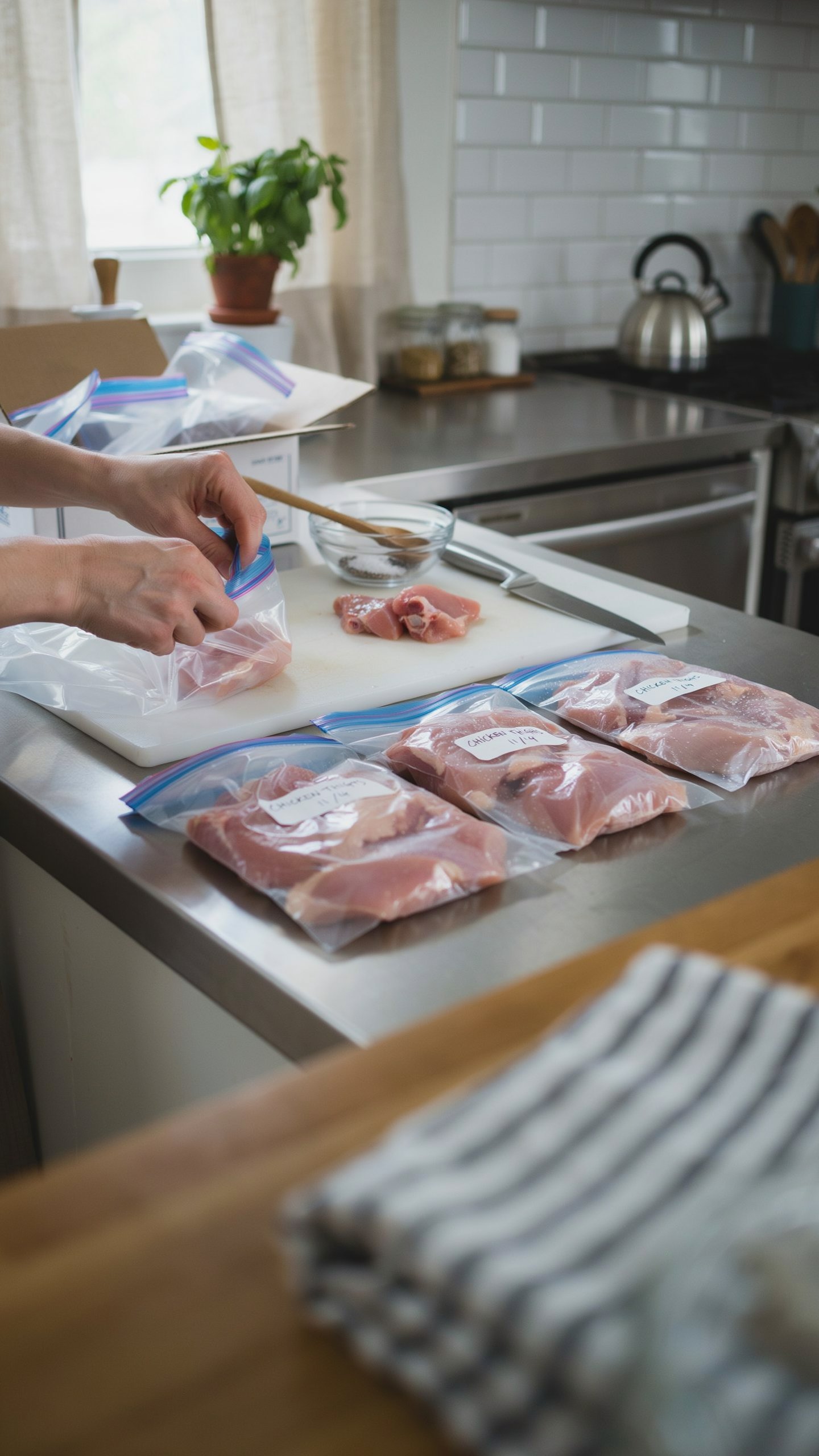
How To Freeze Without Destroying Your Protein
You want freezer meals because you’re terrified of the chaos between intention and execution. Here’s the mechanism: freezing halts enzyme activity and microbial growth, but improper technique damages cell structure through ice crystal formation. This matters because protein denatures when cell walls rupture, turning your chicken breast into dry, crumbly waste.
Cool food to room temperature before freezing. Hot food creates steam and large ice crystals that shred muscle fiber. Portion into flat containers or bags—thin layers freeze faster and thaw evenly. Freeze at zero degrees Fahrenheit or below. Label with date and contents. Thaw in the refrigerator, never at room temperature, to prevent bacterial multiplication during the thaw window.
The Protein Sources That Actually Scale
Everyone says “buy chicken in bulk.” That’s incomplete advice. The real lever is unit cost per gram of protein, not raw price. Eggs deliver 6 grams of protein per 70 calories at the lowest cost per gram. Ground turkey runs cheaper than chicken breast in most markets. Canned tuna and salmon eliminate prep time and freeze well. Cottage cheese offers 14 grams of protein per half cup. Buying these in bulk means you hit your macro targets without watching your account drain.
The freezer play works because you eliminate the decision friction that kills consistency. You purchase on sale cycles—when ground turkey drops to 1.99 per pound—and freeze ten pounds. Eggs store for weeks raw in the fridge. Canned proteins need no freezing at all. This removes the “what’s for dinner” question that drives expensive takeout purchases. Buy when the price drops, freeze immediately, portion as you cook.
The Nutrient Density Protocol: Beyond Just Protein Foods
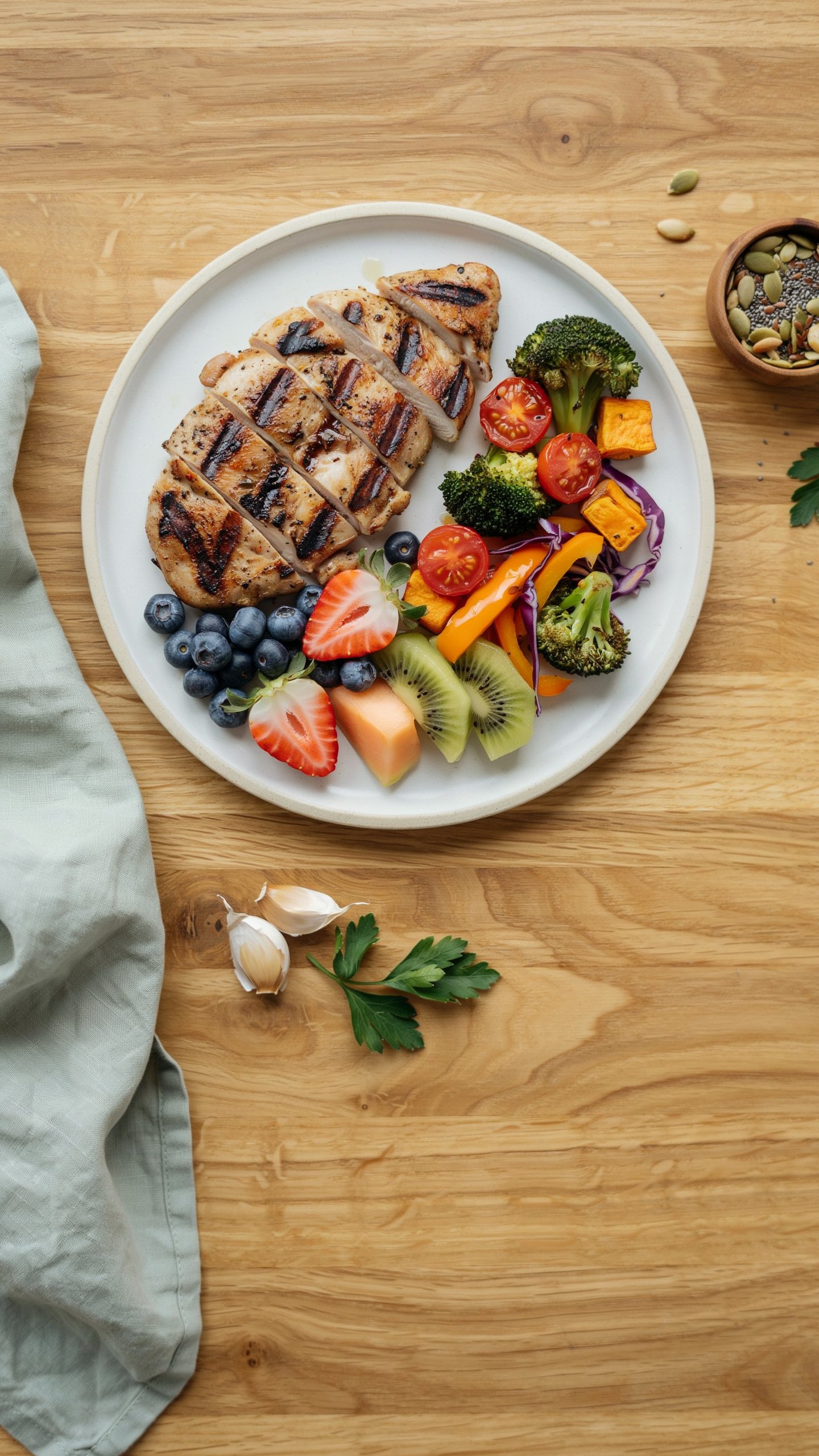
Pair Protein With High Impact Micronutrients
You want protein to work harder so you feel like you’re doing less work. Here’s the mechanism: protein alone doesn’t optimize recovery or sustain energy. Micronutrients act as cofactors in protein synthesis and muscle repair. Iron enables oxygen transport to muscles. Zinc accelerates protein absorption. Magnesium regulates muscle contraction. Without them, your protein sits there underutilized.
Prep chicken with spinach, not chicken alone. Add red peppers to ground beef. Mix salmon with broccoli. The micronutrients in these vegetables directly accelerate the biological processes your protein triggers. You’re not eating vegetables for fiber points. You’re eating them because they make protein work. This is non-negotiable in a meal prep system that actually delivers results.
Satiety Signals: Why Hunger Returns Fast
Most people miss satiety signals because they eat too fast or focus only on macros. Satiety isn’t just fullness; it’s a biological feedback loop. Hormones like GLP-1 and CCK signal your brain that you’ve eaten enough. Protein triggers these hormones. Fat slows digestion and extends the signal. Fiber increases stomach volume, which extends it further. Skip any of these, and hunger returns in ninety minutes.
Prep meals with all three: protein, fat, and fiber in one container. Chicken thigh instead of breast (fat), with brown rice and broccoli (fiber). Your body registers completion and sustains it. You stop eating when your body tells you to, not when willpower fails. This is how meal prep stops being a tool you white-knuckle and becomes automatic.
The “Macro Mapping” Strategy: Your Personal Meal Prep Guide
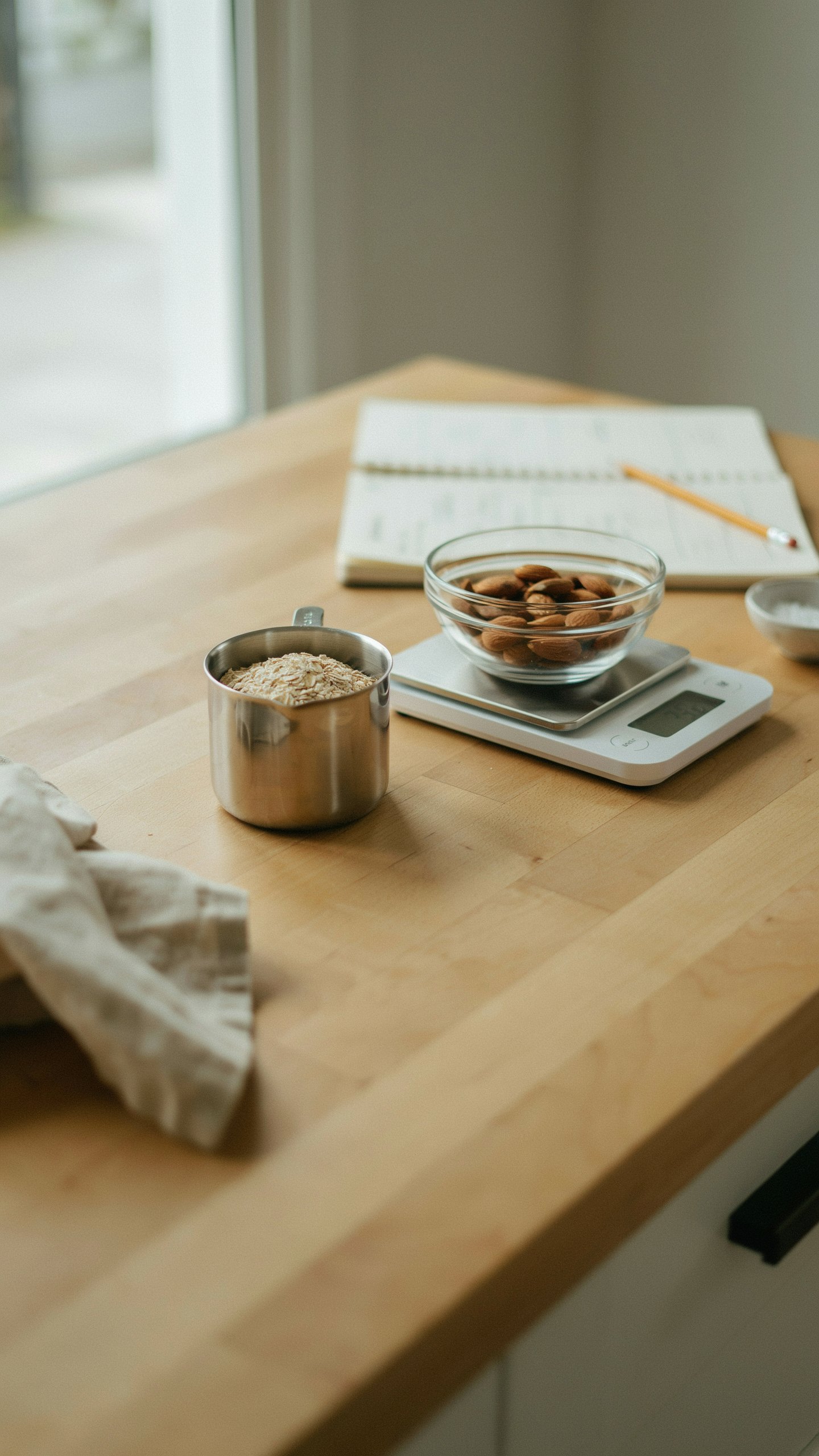
Know Your Numbers Before You Cook
You want a formula that works without thinking. Here’s the mechanism: you need a caloric baseline and protein target tailored to your body, not generic advice. Most people skip this step because numbers feel abstract until results stop coming.
Calculate your maintenance calories using your weight, activity level, and age. You can use standard multipliers: sedentary people need roughly 12 to 14 calories per pound of body weight daily. Active people need 15 to 17. From there, add or subtract 300 to 500 calories depending on your goal. For protein, aim for 0.7 to 1 gram per pound of body weight. This becomes your anchor. Everything else follows from these two numbers.
Spend Your Calories On Protein First
Economics teaches resource allocation: invest in what yields the highest return. Apply this to your plate. Protein is the constraint that forces everything else into place. You cannot build muscle or lose fat efficiently without hitting your target consistently, which means your food budget starts with protein portions, not carbs or fats.
Buy protein sources where the cost per gram stays reasonable. Chicken breast, ground turkey, eggs, Greek yogurt, and canned tuna outperform premium options. Plan your week around these staples. Once protein is locked in, fill remaining calories with carbs and fats that support training and satiety. This sequence stops you from wasting money on foods that leave you hungry or unable to hit your macro targets. Build your meal prep list by protein choice first, then everything adapts from there.
Meal Prep For The Week: Mastering The Time Compression Blueprint
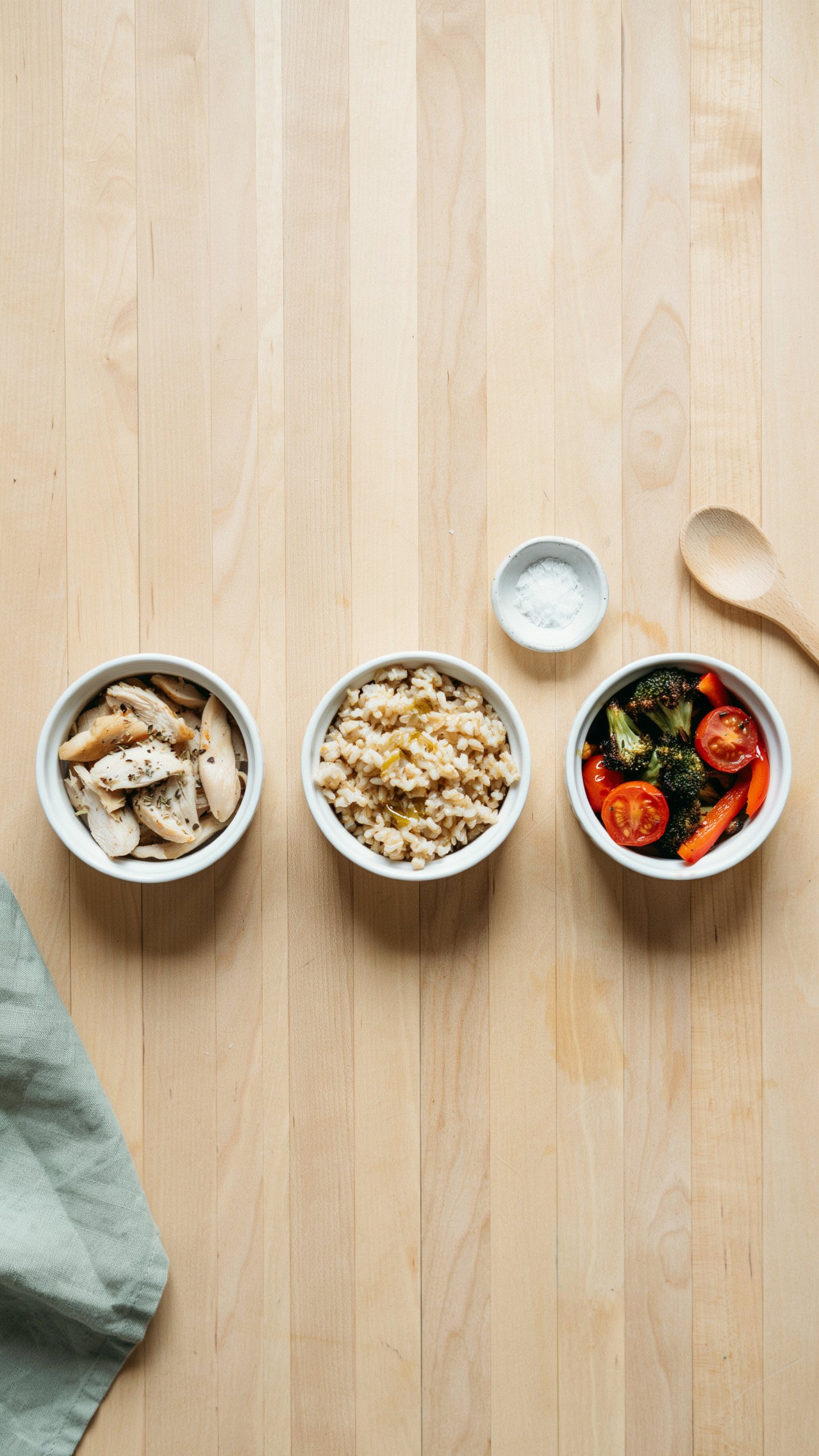
Build Components, Not Finished Plates
You want to feel like you have your life together without actually spending Sunday locked in your kitchen for four hours. The real mechanism here borrows from manufacturing: batch preparation uses setup-and-teardown economics. You pay the switching cost once, not seven times. Cook one large batch of chicken breast instead of portioning seven separate meals. Chop vegetables in volume. Cook rice in one pot.
This approach cuts prep time by 40 to 50 percent compared to making individual meals. You eliminate repeated heating, cooling, and plating cycles. Store cooked proteins, carbs, and vegetables separately in labeled containers. Assemble meals daily or grab components as needed. The flexibility matters more than people admit. Your appetite changes. Your schedule shifts. Pre-built meals become waste.
Container Strategy For Real Longevity
The common advice about glass containers is incomplete. Yes, glass lasts longer than plastic, but glass breaks and takes up freezer space. Use glass for items you’ll eat within four days. Use freezer-safe plastic for anything beyond that. The material science here is straightforward: oxygen and time degrade protein quality. Airtight seals reduce both.
Stack containers flat, not vertically, to maximize freezer real estate and minimize frost buildup. Label every container with protein type and date. Cooked chicken breast stays safe for four days in the fridge, seven days if frozen. Ground turkey lasts three days refrigerated. Cook in batches sized for your actual consumption window, not arbitrary seven-day totals.
Balanced Meal Prep Ideas: Escaping The Flavor Rut
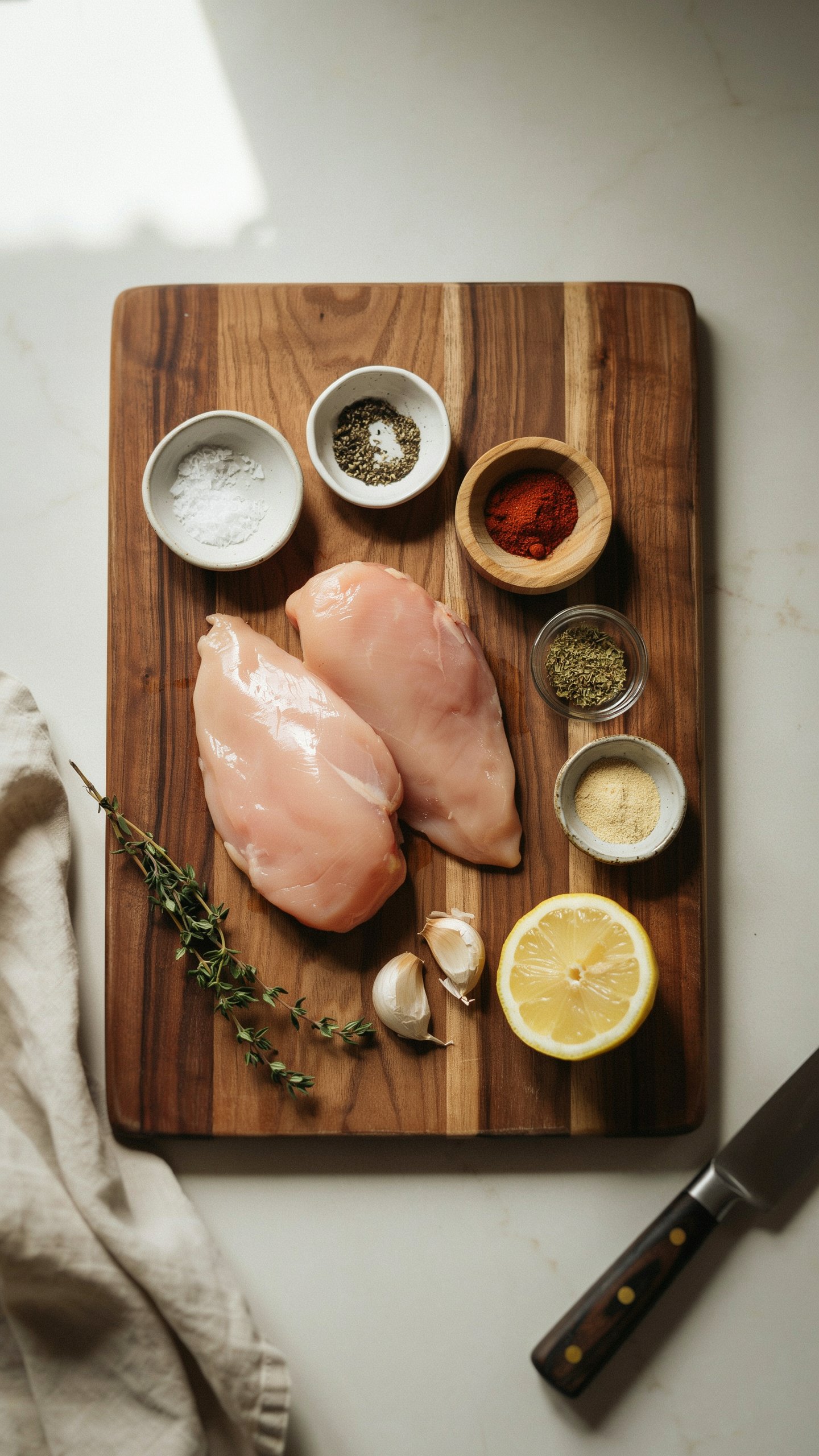
Rotate Spices And Herbs For Diverse Flavor Profiles
You’re avoiding this section because eating the same meal five days straight feels like punishment, and you’re right to feel that way. Your brain registers novelty as a survival signal. The mechanism is simple: spices and herbs trigger different taste receptors, which means the same protein and carb base tastes completely different when you change what’s on top.
- Cumin, paprika, and chili powder: Spanish or Mexican profiles work with chicken, ground turkey, and beef. Swap these three and you triple your flavor output without changing the protein source.
- Italian seasoning, oregano, and garlic: Mediterranean prep creates a distinct identity from the same chicken breast. Use fresh herbs when possible for faster flavor perception.
- Ginger, turmeric, and coriander: Asian profiles pair with chicken, salmon, and tofu. These warm spices also reduce inflammation markers, which matters if you’re training hard.
- Thyme, rosemary, and black pepper: Earthy profiles complement beef and lamb without competing. These herbs work cold or hot, expanding when to eat your preps.
- Lime juice, cilantro, and white pepper: Bright profiles cut through heavy proteins like pork shoulder or ground beef. Acid changes how your palate processes fat, making meals feel lighter.
The real move is prepping your spice combinations on Sunday in small containers, not adding them during cooking. This lets you decide flavor the morning you eat, which gives you control without extra prep work. Spices cost pennies and weigh nothing. There’s no excuse.
Incorporate Varied Textures For An Engaging Eating Experience
Texture matters more than flavor for meal compliance. Your mouth gets bored before your taste buds do. The difference between crunchy and soft triggers different chewing patterns, which makes your brain register the meal as “new” even when the protein is identical.
Mix crispy elements into every prep: toasted nuts, seeds, or a raw vegetable component you add before eating. A soft chicken thigh with rice tastes monotonous. A soft chicken thigh with rice, toasted almonds, and raw cucumber is a different meal. Crunch requires almost no extra cooking. Toast a batch of nuts on Sunday for five minutes at 325 degrees, store them dry, and add a small handful to each container when you eat. The textural contrast forces your mouth to work differently and slows your eating pace, which keeps you fuller longer on the same calorie amount.
High Protein Meal Prep Recipes For Picky Eaters: The “Stealth Nutrient” Approach
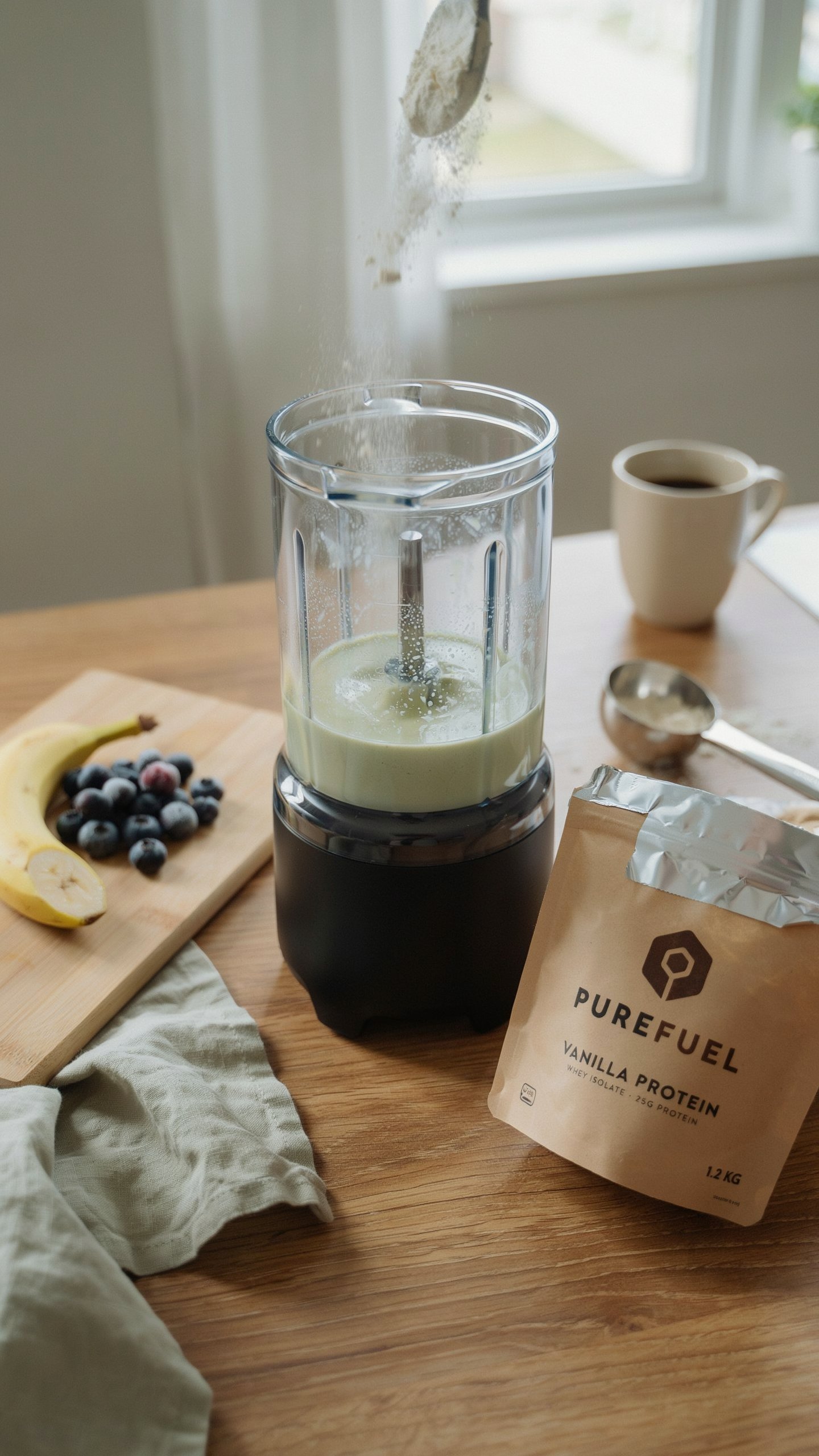
Anchor Protein To Familiar Base Foods
You’re reading this because you think picky eating is a personality trait you can’t fix, when it’s actually just a learned preference around texture and flavor familiarity. The mechanism is simple: your brain flags unfamiliar foods as potential threats. Work around this by attaching protein to foods the person already eats without resistance. A chicken breast tastes wrong. Ground chicken mixed into pasta sauce tastes like pasta sauce that happens to have protein in it. Same protein, different neural pathway.
The goal isn’t to change someone’s palate overnight. It’s to deliver the protein target using foods their brain has already approved. Meatballs in tomato sauce, ground turkey in tacos, shredded chicken in quesadillas, eggs scrambled into rice. You’re not introducing new foods. You’re engineering familiar ones to contain more protein than they used to. The psychology does the work for you.
Flavor Layering Without Recipe Complexity
Common advice tells you to “spice things up” or “try new seasonings,” which assumes the problem is blandness. Wrong. The real blocker is that picky eaters associate unfamiliar flavor combinations with risk. Neuroscience calls this neophobia, and meal prep calls it “that won’t work.” The fix isn’t adding complexity. It’s amplifying flavors already present in foods they accept.
Salt hits first and fastest. It strengthens existing flavor signals without introducing new ones. Acid (lemon juice, vinegar) brightens familiar tastes without altering them. Fat (butter, oil) carries flavor and improves mouthfeel, which matters more than people admit. A piece of chicken breast with no seasoning tastes dry and wrong. The same chicken with salt, a squeeze of lemon, and a bit of olive oil tastes like something someone actually chose to eat. Layer these three elements across every meal and the protein becomes invisible.
The Anti Failure Mechanism: Consistent Execution Over Perfection

Build A Schedule You’ll Actually Follow
You want the perfect system because you believe it’ll make you disciplined. It won’t. The mechanism here is simple: your prep schedule only works if it fits your actual life, not the life you think you should have. Pick one day per week. Sunday works for most people because gyms are empty and you have uninterrupted time. Block two to three hours. Batch cook proteins first, then chop vegetables, then portion everything into containers. Do the same day every week. Repetition kills decision fatigue faster than motivation ever could.
The common mistake is prepping every three days or rotating between two days because you read that’s “optimal.” It’s not. Inconsistency destroys compliance. You’ll miss a prep day, containers spoil, you buy fast food instead. Pick the schedule that your calendar actually supports, then do nothing else. If you only have Sunday morning, that’s your slot. If Wednesday evening works better, take it. The day matters less than the consistency of the day. Stick to the same time and location each week until the behavior calcifies.
Diagnose And Kill The Three Real Killers
Most meal prep fails before week three. The advice you hear is vague: “stay motivated” or “prep foods you enjoy.” Useless. The actual breakdown points are specific and preventable. First killer is portion sizes that don’t match your actual protein targets. You eyeball a chicken breast, hit 120 grams instead of your 160 gram target, then feel shortchanged all week. Use a food scale for two weeks to calibrate your eye, then spot check weekly. Second killer is container storage. Cooked chicken spoils at different rates than hard boiled eggs. Protein keeps four to five days refrigerated in airtight containers; pasteurized egg whites last slightly longer. Stack strategically so nothing shifts and air pockets form.
Third killer is the prep environment. A disorganized kitchen doubles your time and kills motivation. Clean your workspace before you start, lay out all equipment first, and do not answer your phone. You need flow state, not Netflix playing in the background. Most people fail because they treat prep like a chore they fit around life instead of a non negotiable appointment. The mechanism is environmental design, not willpower. Change your surroundings, and execution becomes automatic.
The only thing holding you back is the delusion that effort equals outcome, when intelligent design trumps brute force every single time.
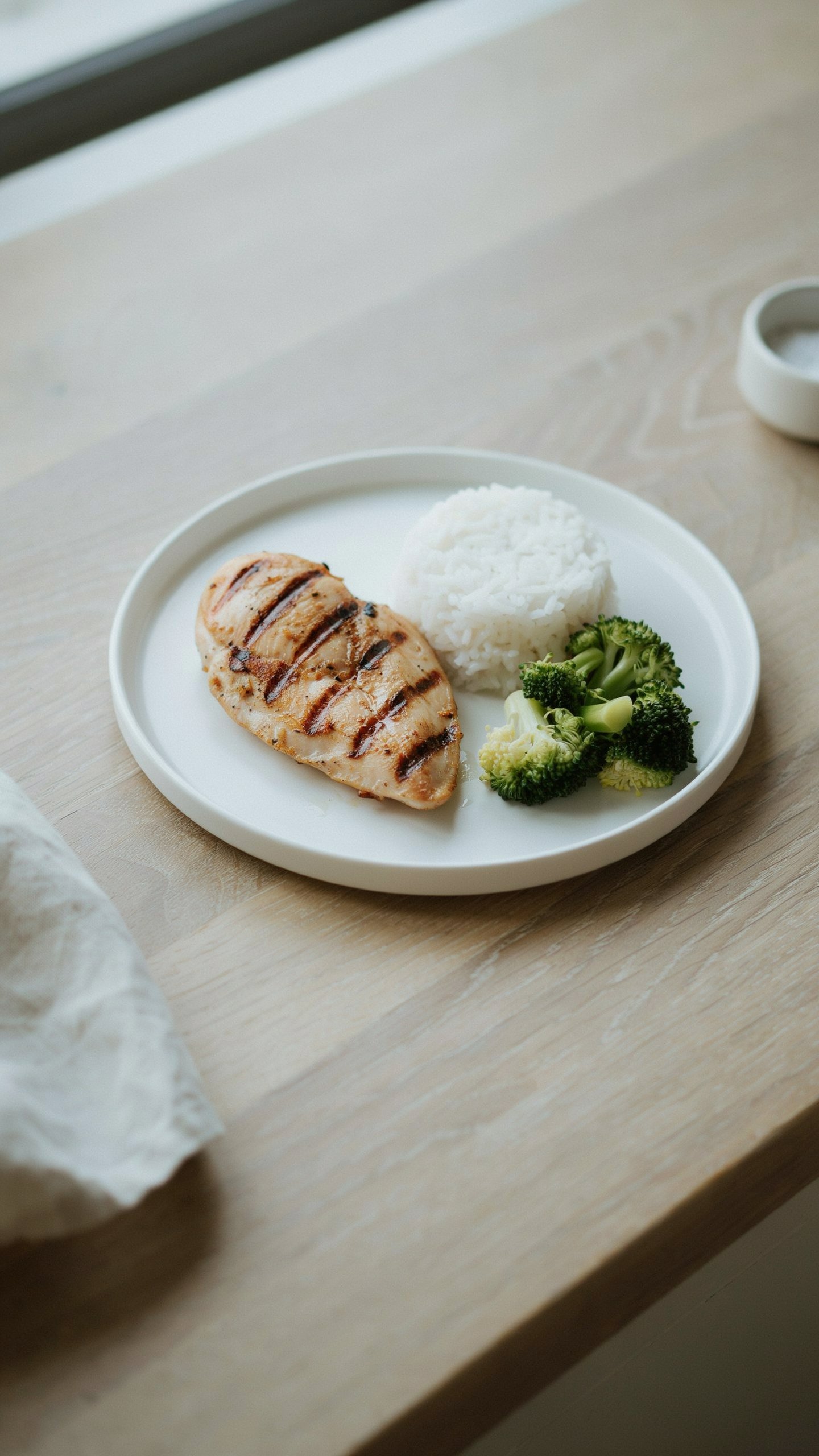
Most people cook chicken and rice for weeks, feel miserable, and quit. You won’t because you understand the actual lever: systems beat willpower. Pick one protein source, one carb, one vegetable today. Cook it once. Eat it five times. That’s not lazy. That’s how winners think. Complexity kills consistency, and consistency builds the body.