
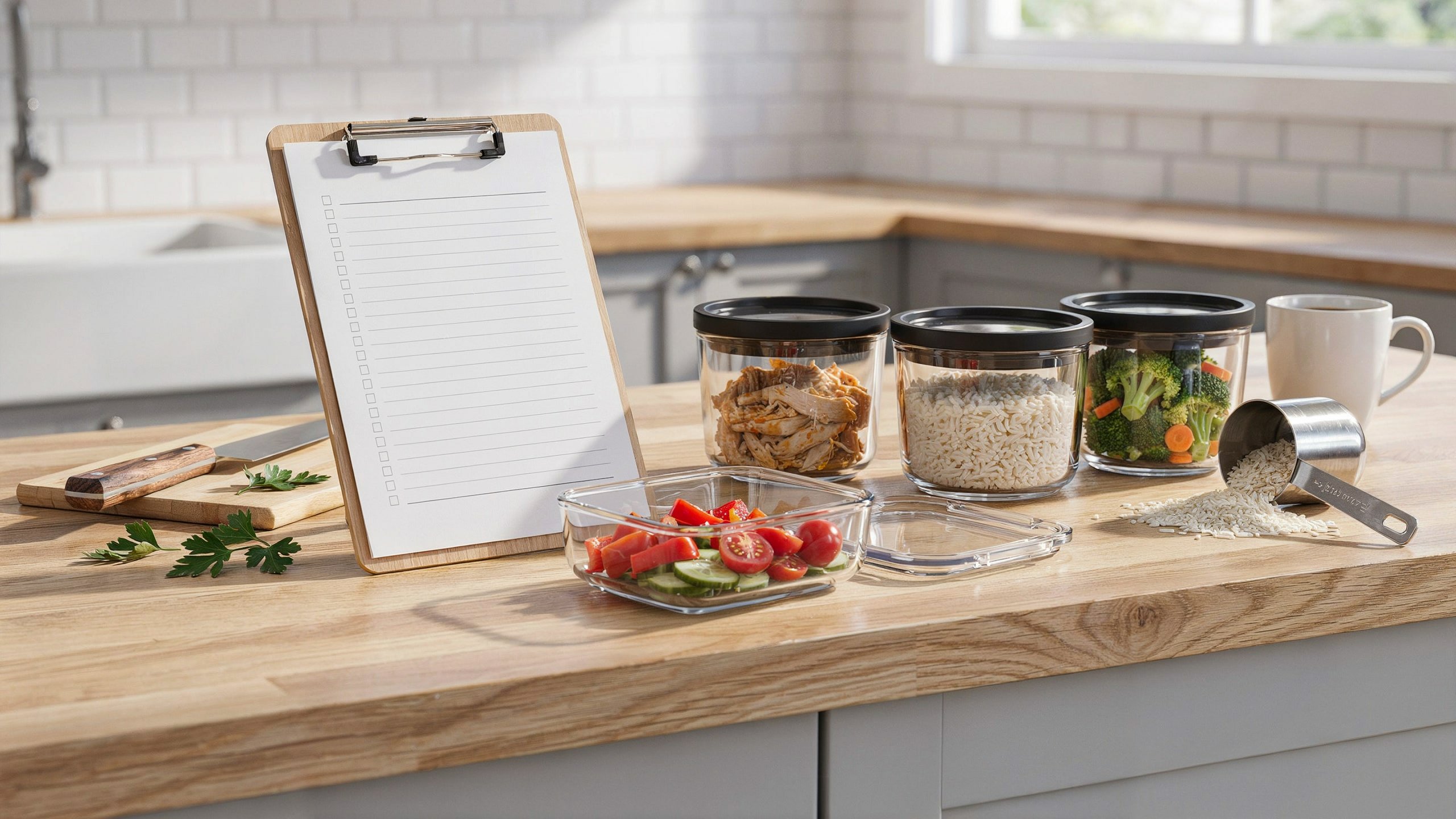
The Illusion Of Effort: Why Your High Protein Meal Prep Fails
You’re Optimizing The Wrong Variables
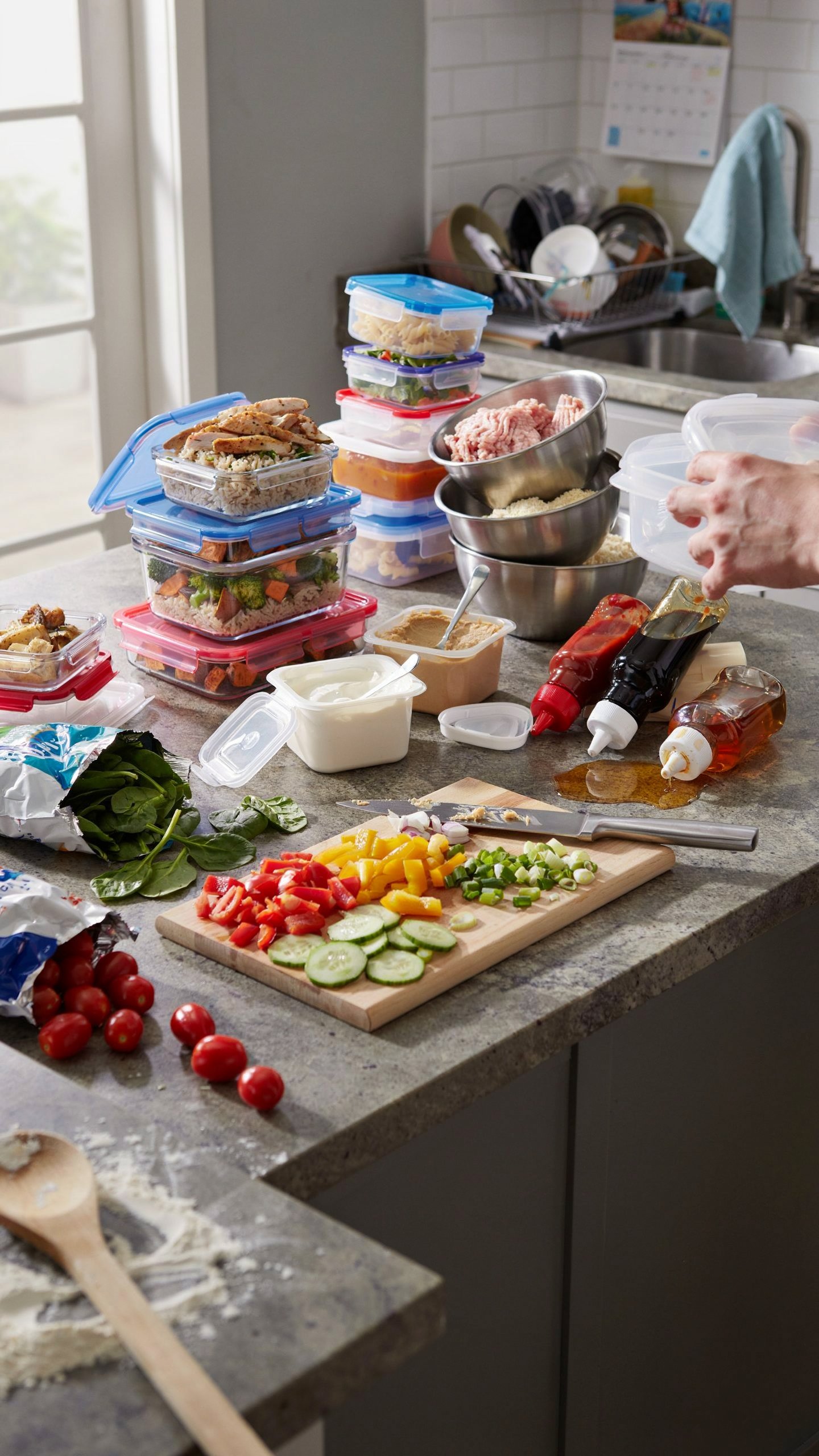
You want to believe that effort alone determines results, so you chase complexity as proof you’re serious. That’s the trap. Most high protein meal prep fails not because the plan is wrong, but because you’ve stacked friction on top of friction and called it discipline. You prep five different proteins, three grain options, and four sauce variations. You buy specialty containers. You meal prep on Sunday for the entire week. Then Wednesday hits and you’re eating gas station chicken because the system demands more willpower than you actually have.

The mechanism is simple: you confused preparation density with preparation sustainability. In systems design, there’s a principle called the “constraint of the slowest node.” Your meal prep system’s constraint isn’t protein quality or macro ratios. It’s the step that takes the longest, feels the most tedious, or requires the most decision-making friction. Find that step first. Usually it’s not cooking. It’s shopping, chopping, or storing. Fix that one thing before you add anything else to the system.
Where Your Time Actually Disappears
Nobody talks about this because it sounds unsexy: you’re losing two to four hours weekly to decisions you shouldn’t be making. Every time you decide what protein to buy, what vegetables pair with it, how many containers you need, or whether to meal prep Sunday or Saturday, you’re spending cognitive energy that compounds into avoidance. That’s not laziness. That’s decision fatigue bleeding into your prep work.
The real time sink is choice architecture, not execution. Strip your system to three proteins max, two carbs, two vegetables. Keep them the same eight weeks running. Yes, this sounds repetitive. That’s the point. Repetition removes the friction that kills consistency. Your checklist should eliminate decisions, not create them. Build the system once by pre-deciding everything. Then the only remaining variable is execution, which is just muscle memory.
The Protein Power Grid: Mapping Your Macro Dominance
Pick Your Protein Anchors First
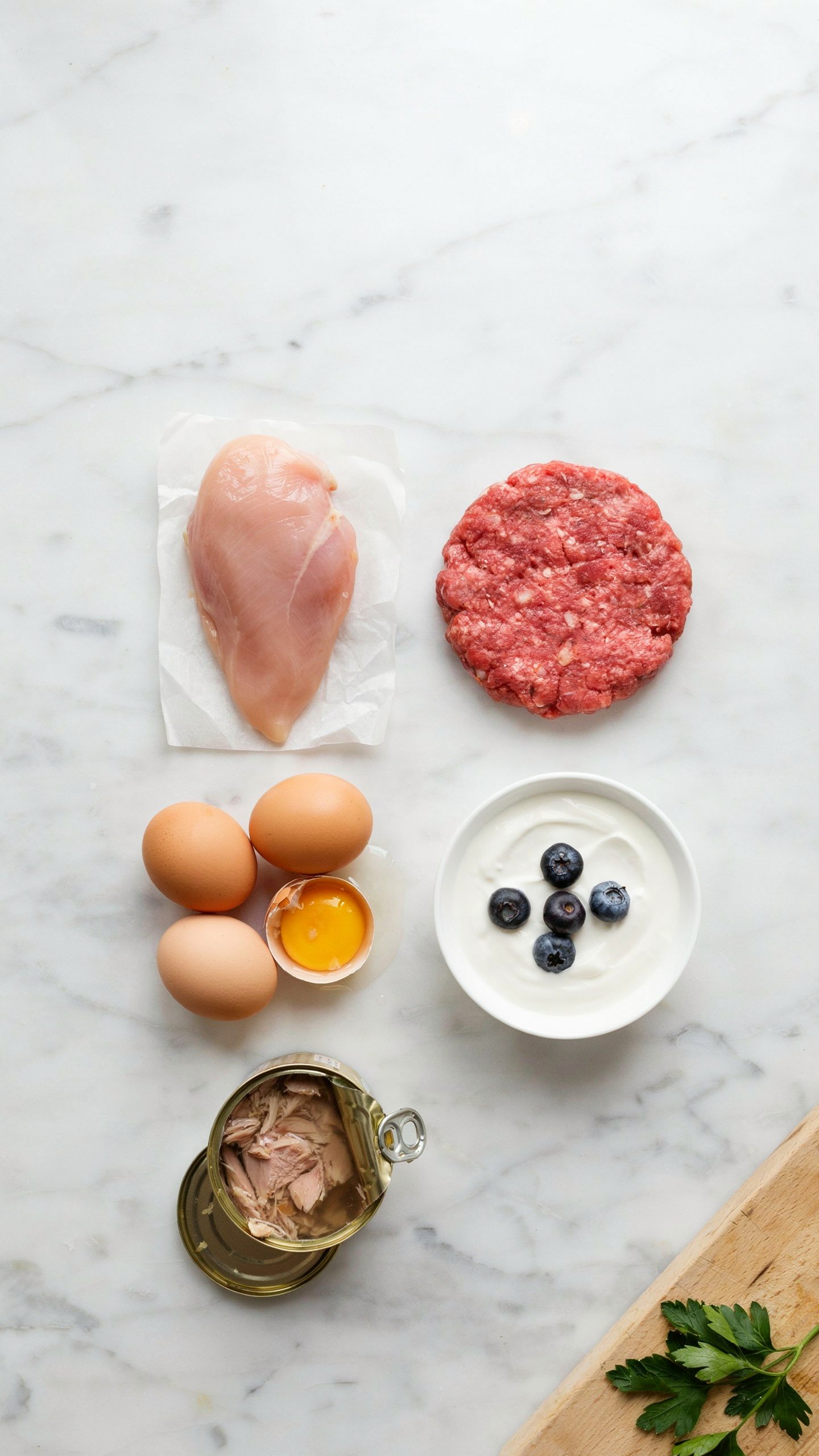
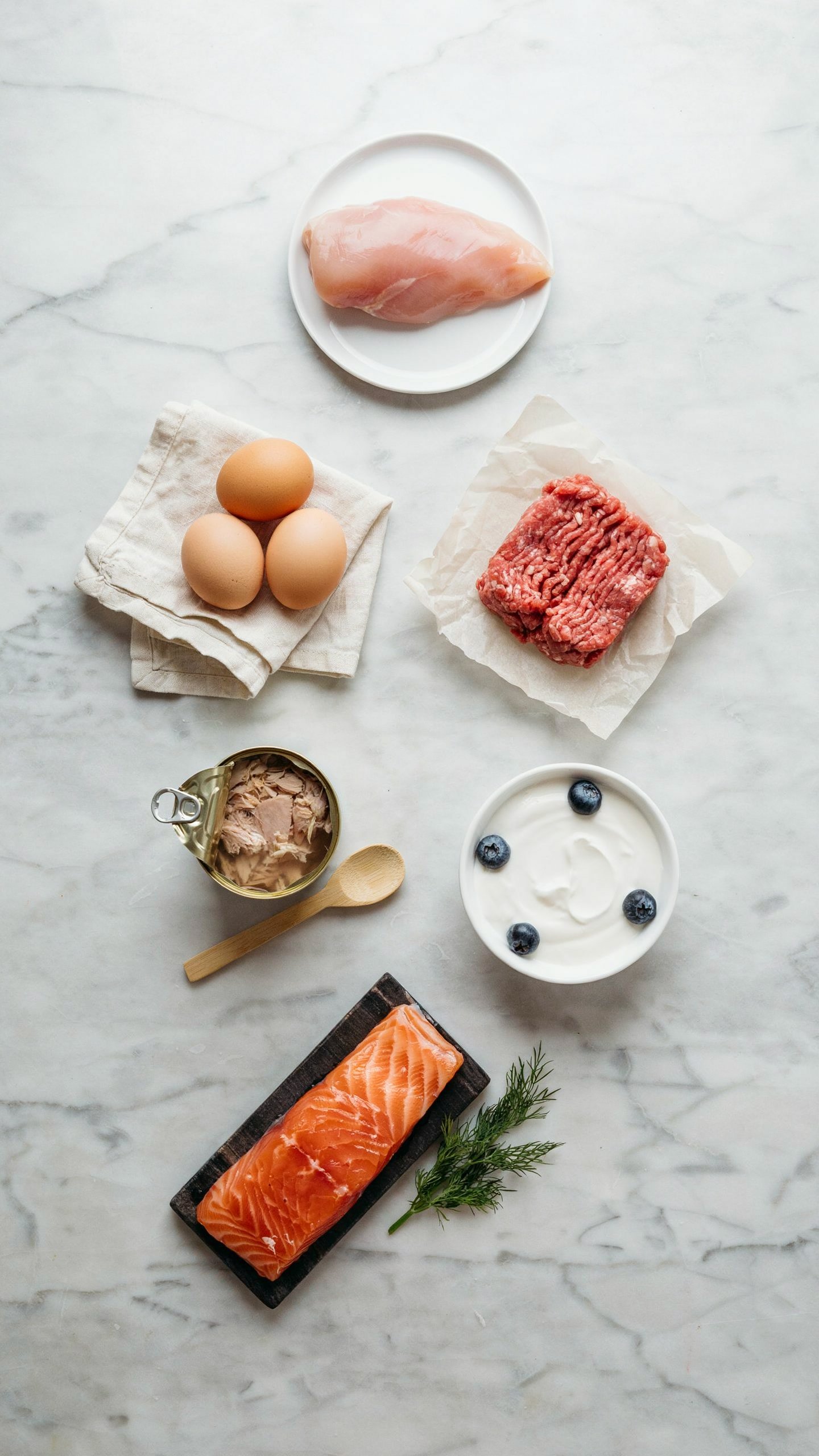
You want to feel like you have it figured out. That’s why most people obsess over exotic protein sources and miss the actual mechanism: protein density per dollar and prep time determines whether you’ll actually execute the plan. Think of this like supply chain logistics—you need anchor suppliers (your reliable, high-volume sources) before you optimize for novelty. Your anchors are chicken breast, ground beef, eggs, Greek yogurt, and canned tuna. These aren’t glamorous. They’re non-negotiable because they compress preparation friction to near zero.
The reason to anchor first is simple math. Chicken breast yields 31 grams of protein per 100 grams and costs less than most alternatives. Ground beef at 80/20 offers 20 grams per 100 grams and builds satiety through fat. Eggs give you 6 grams per egg with complete amino acids and cook in three minutes. You rotate these four across your week, not because they’re optimal in isolation, but because consistency beats perfection. When you remove the friction of deciding what to cook, you actually cook it.
Complete Amino Acid Stacking
The common advice is to “combine plant and animal proteins for complete profiles.” That’s incomplete. You need to understand complementary amino acid gaps because individual foods have amino acid ratios that vary widely, and pairing them strategically means eating less total food to hit your target. Lysine and methionine are the limiting amino acids—most single sources undersupply one or both. Beef dominates in lysine but runs lean on methionine. Eggs and dairy reverse this pattern entirely.
Your pairing protocol: anchor every meal with one animal protein, then add either a second animal protein source or a strategic plant carb if needed. Chicken plus Greek yogurt covers all gaps. Ground beef plus eggs does the same. Tuna plus cottage cheese fills every amino acid window. You’re not creating elaborate combinations. You’re stacking two proven sources that cross-cover what the other lacks. This gets you to complete amino acid profiles without overthinking it. The checklist item reads: “Pair one animal protein with one complementary source per meal.”
Beyond The Blender: True High Protein Meal Prep
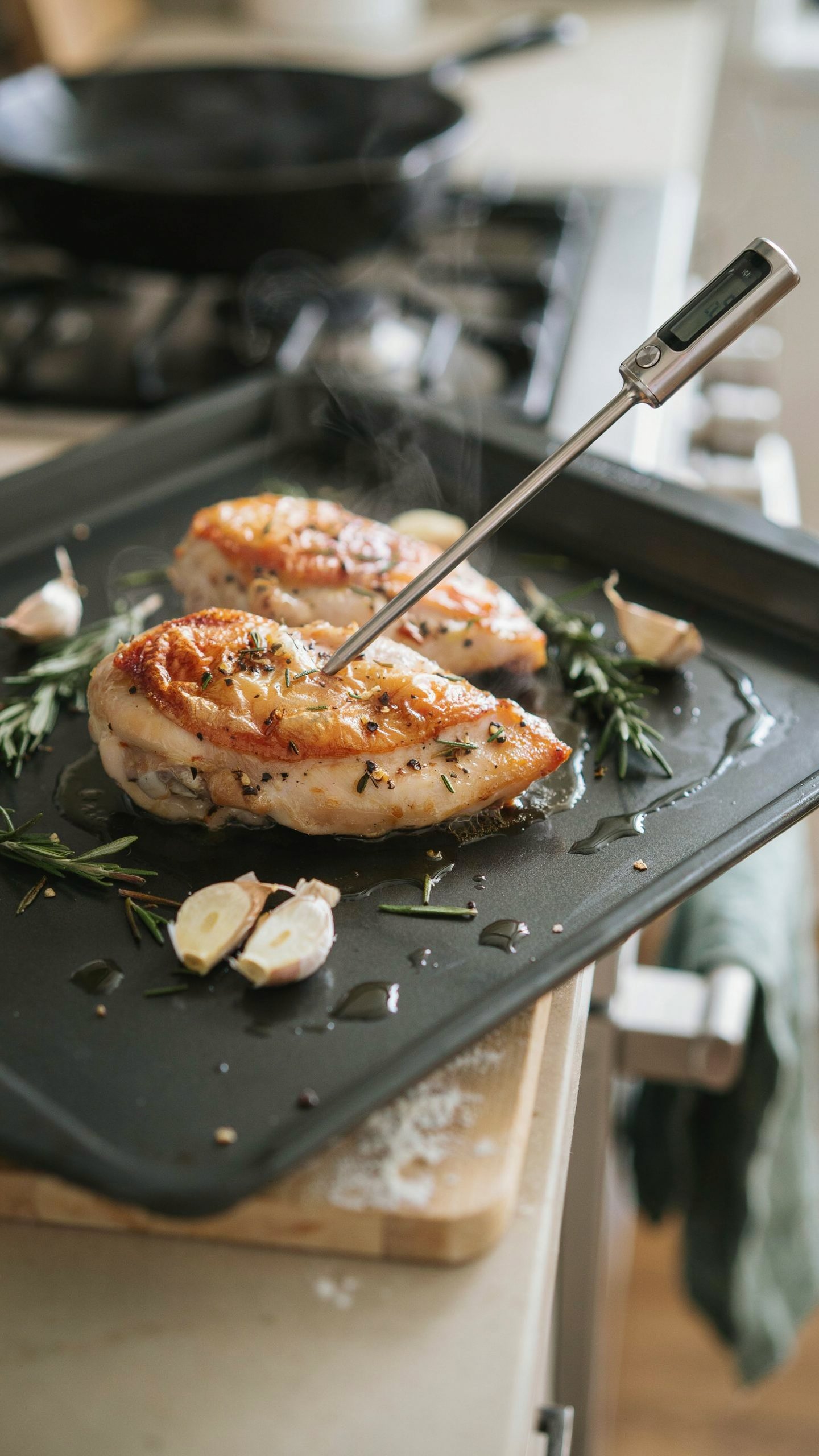
Cook Chicken Breasts Without Drying Them Out
You want the shortcut that makes you look competent without actually learning anything. Here’s the mechanism: protein denatures at 165°F. Most people overshoot to 180°F out of paranoia, turning muscle fiber into jerky. Pound chicken to uniform thickness, brine for thirty minutes in salt water, then bake at 375°F for exactly twelve minutes. The residual heat carries it the final degrees while you’re plating.
Temperature control is the difference between meal prep that tastes like punishment and prep that you actually eat. A meat thermometer costs five dollars and eliminates guessing. Insert it into the thickest part of the breast without touching bone. Pull at 165°F, rest for three minutes, then portion. Consistent results compound across your entire week.
Seasoning That Actually Sticks
The common advice says add flavor at the end. That’s incomplete. Salt the protein before cooking, not after. The salt dissolves into the surface and gets pulled inward through osmosis as the muscle fibers contract. You get seasoning that penetrates, not dust on top that you taste for two seconds then swallow.
Build your base seasoning blend once: kosher salt, black pepper, garlic powder, onion powder. Mix it in a small container and use the same proportions every prep day. Consistency removes decision fatigue and guarantees your chicken on Monday tastes like your chicken on Thursday. Store in an airtight container away from heat and light so the potency doesn’t fade across weeks.
Meal Prep For The Week: The Leverage Principle
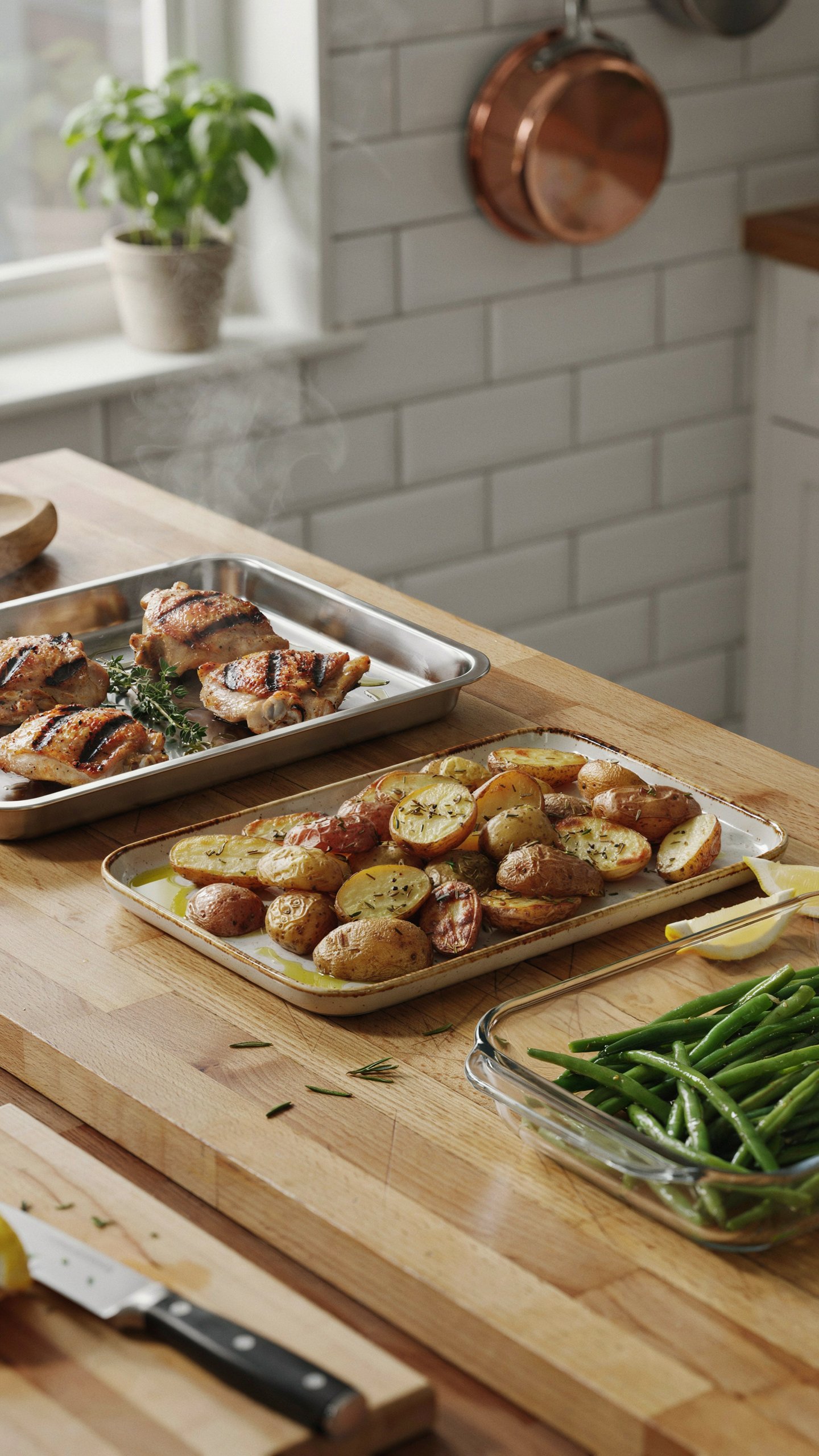
Where One Action Replaces Ten
You want meal prep to feel effortless because deep down you’re scared the effort will break you. Here’s the mechanism: leverage in physics means applying force at the right point to move a heavy load with minimal energy. In meal prep, leverage means identifying the single decision or action that cascades into ten others, eliminating choice paralysis and wasted motion. Most people cook proteins, sides, and sauces separately, tripling their active time. You compress the system instead.
The compressed system works like this: cook one batch of protein in bulk, one starch, one vegetable. That’s your foundation. Everything else flows from those three anchors. A grilled chicken breast becomes ten different meals when paired with different starches and sauces, not because the meals are the same, but because the prep was. You’ve moved the complexity upstream into planning, not downstream into cooking. This shift cuts your Sunday from four hours to ninety minutes.
The Math Behind Your Actual Constraints
Identify your high-yield actions by mapping backward from your goal. You need protein hit targets, let’s say 150 grams daily. That’s 1,050 weekly. Pick one protein source that costs under five dollars per pound and yields at least 25 grams per serving. Chicken breast, ground turkey, or eggs dominate here because they’re dense, shelf-stable, and require zero technique. Don’t chase variety during prep. Variety comes later at assembly time.
The second lever: batch your cooking method. If you grill chicken, grill all of it. If you bake, bake everything at once. Don’t split actions. One oven session, one stovetop session, one mixing bowl handles your entire protein volume. Temperature and timing stay consistent. You reduce decision fatigue and eliminate the mental tax of switching contexts. Cook for six days, not seven. Leave one meal flexible. This buffer prevents the psychology of rigidity from breaking your adherence.
Easy Nutritional Meals: The Anti Complexity Framework
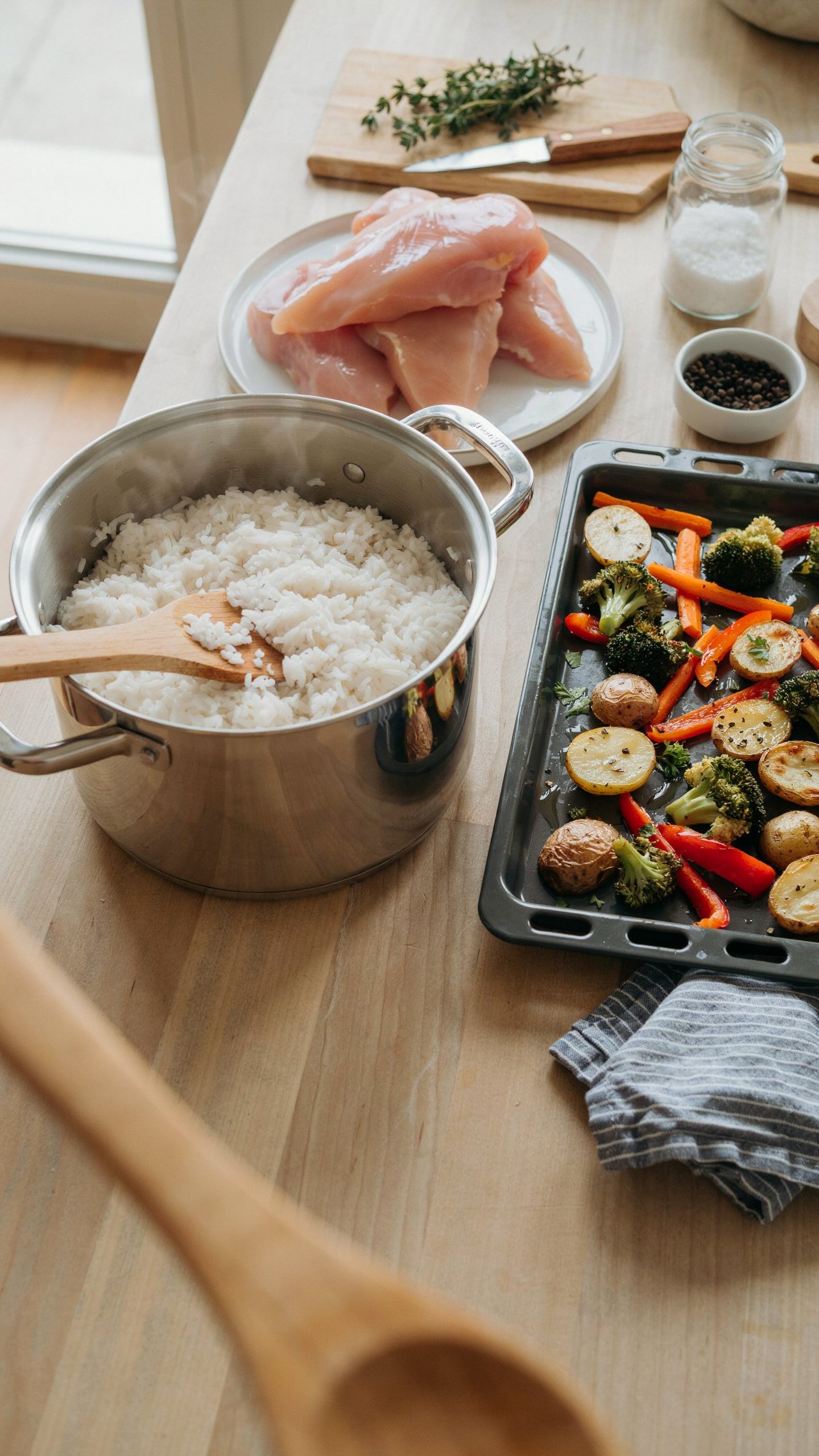
Batch Cooking Essentials: Grains, Vegetables, Protein
You want meal prep to feel effortless so you stop thinking about food and start thinking about yourself. That’s the real motive here. The mechanism is simple: batch cooking uses the economics principle of fixed costs. You pay the setup cost once per week, not seven times. One hour of active cooking feeds you for days.
The standard advice says “prep your macros.” That’s incomplete. You need to prep your containers, your timing, and your reheating protocol. Most people fail because they cook disconnected components, then watch them separate into inedible piles by Wednesday. The fix is cooking everything with overlap in your prep window, so textures don’t degrade between meals.
- Rice or quinoa: Cook 3-4 cups dry grain in bulk. Store in airtight containers. Lasts five to seven days refrigerated. Reheats evenly in a microwave with a water splash.
- Roasted vegetables: Toss broccoli, Brussels sprouts, or bell peppers in oil, salt, and heat at 425°F for 25 minutes. They hold texture better than steamed versions and pair with any protein.
- Lean protein options: Chicken breast, ground turkey, or salmon cook in volume on sheet pans or in a large pot. Portion into meal-sized amounts immediately after cooling to avoid bacterial growth windows.
- Legumes: Canned beans require zero cooking but need draining and rinsing. Dry beans cooked in a pressure cooker cut prep time from ninety minutes to twenty-five.
- Cooking sequence: Start grains first, vegetables second, protein last. This staggered timing means everything finishes within the same twenty-minute window, reducing total prep time and cooling time for safe storage.
The real hack is not variety. It’s repetition. Cook the same three combinations every week. Your body adapts. Your shopping list stays identical. Your prep rhythm becomes automatic. By week three, you execute the entire process without checking a recipe.
Streamlining Your Breakfast For Consistent Protein
Breakfast determines your protein trajectory for the entire day. Skip it or load it with carbs alone, and you chase hunger spikes until dinner. Most people know this. What they miss is that breakfast structure, not breakfast food, drives compliance.
Design your breakfast to require zero decisions. Pick one protein source. Pick one vehicle for it. Execute the same meal five to six days per week. Eggs scrambled with cheese on toast, Greek yogurt with granola, or a protein shake with oats. The specific choice matters less than the consistency. Your body learns to expect that protein hit. Your grocery list shrinks. Your prep time drops to under five minutes because you’ve eliminated the decision tax that kills momentum.
Grocery Lists: The Silent Killer Of Intentions

Build Your List Before You Walk In
You want a checklist so you feel in control. Here’s the mechanism: your brain runs on finite decision-making energy, and grocery stores are engineered to drain it. A written list isn’t motivation. It’s a constraint that preserves your willpower for the actual meal prep work. Most people reverse-engineer their list from recipes they find online, which means they’re already committed to decision-making before they shop. Start instead with your protein sources, carb bases, and fats locked in for the week. Everything else gets built around those anchors, not the other way around.
The list itself needs one structural rule: organize it by store layout. Don’t write randomly. Go produce, then meat, then dairy, then grains, then frozen. This cuts your shopping time in half and eliminates the temptation zone—you move through fast enough that impulse items never register. You walk straight through the store like you own it, not like you’re hunting for deals. Your list is a map. Use it like one.
Stop Pretending Budget Flexibility Exists
The advice says make room in your budget for quality protein. That’s incomplete. Here’s what actually happens: when you enter a store without price anchors, you make emotional purchasing decisions that feel rational. You buy the organic chicken breast because the package looks fresher. You grab the premium Greek yogurt because the label says something about grass-fed. These incremental choices blow your budget before you notice. The real system is reverse: set your per-protein cost limit before you shop, then find sources that fit. Chicken thighs at 1.99 per pound versus chicken breast at 4.99. Both work. One doesn’t break you.
Decision fatigue is the actual constraint. You have roughly 70 meaningful decisions in a grocery store before your judgment collapses. If you’re still deciding what type of canned tuna to grab on decision 58, you’ll buy the wrong one. Write your list with specific brands and sizes already decided. This sounds rigid. It’s actually freedom. You execute instead of evaluate.
Healthy Meal Prep: The Minimum Effective Dose
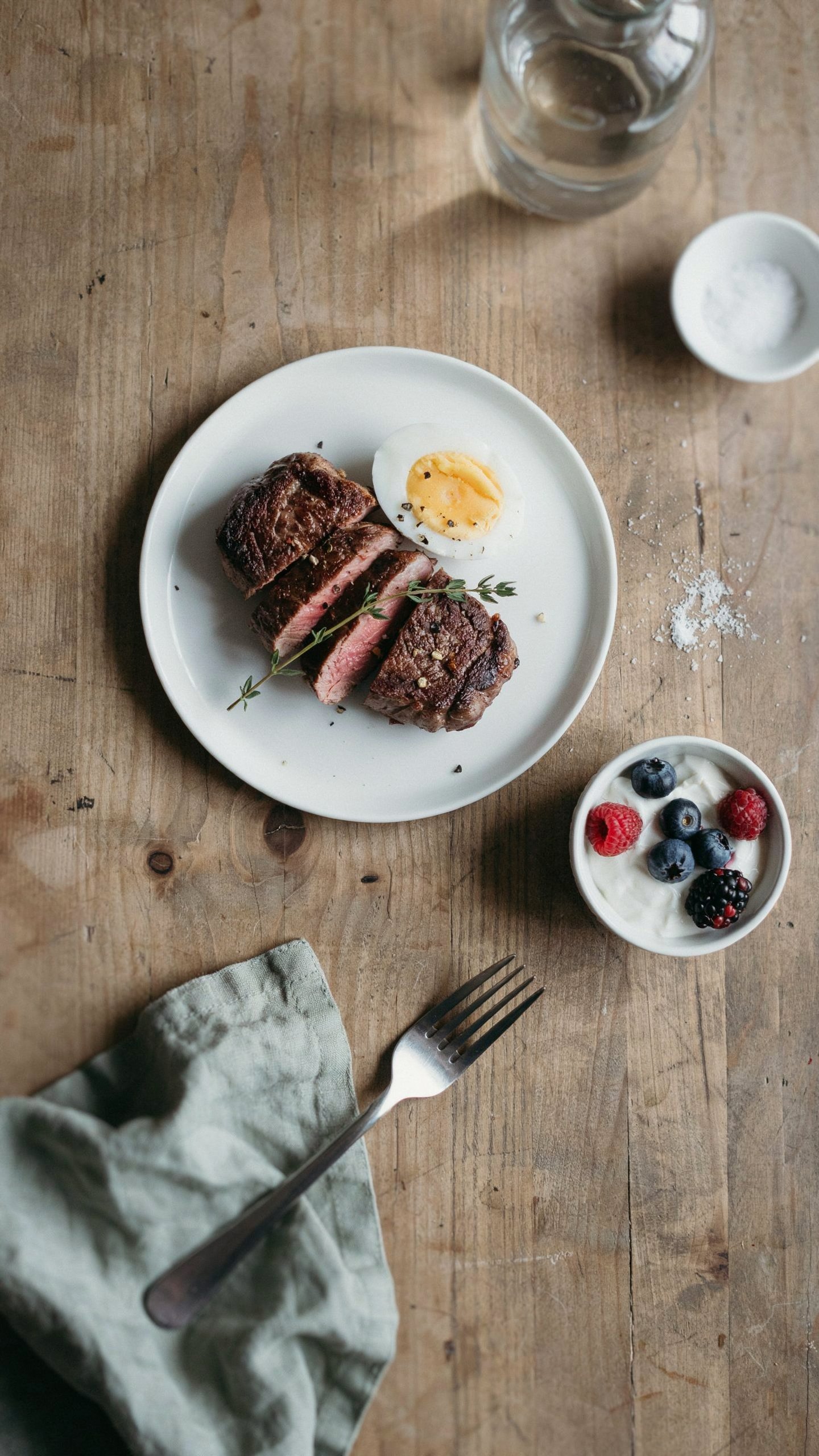
Nutrient Density Over Restriction
You want permission to eat more without guilt. That’s the real draw here. The mechanism is simple: nutrient density beats calorie counting because your body responds to micronutrient signals, not just macros. A 300-calorie chicken breast with broccoli triggers different satiety and hormonal responses than 300 calories of processed carbs. Your prep checklist should prioritize what feeds your cells, not what fits a number.
Focus your protein sources on foods that deliver multiple micronutrients per bite. Beef, eggs, and Greek yogurt pack protein alongside iron, B vitamins, and minerals your body actually uses. Chicken breast is cheap protein but hollow without context. Pair it with nutrient-dense vegetables, whole grains, and healthy fats. Stop thinking “low calorie.” Start thinking “calorie efficient.” Your prep checklist becomes a nutrient map, not a restriction regime.
Tracking What Matters, Ignoring The Rest
The common advice here is backwards: people obsess over tracking everything and quit after two weeks. The real pattern is that progress tracking should reduce friction, not create it. Measure three variables only: weekly protein intake target, meal prep consistency (days completed), and energy levels. That’s it. Everything else is noise that kills momentum.
Your checklist tracks yes-or-no execution: Did you prep? Did you hit protein? Did you feel stable? Binary data sticks. Calorie precision, macro ratios, and food logging become theater after week one. Pick a simple protein target like 0.7 to 1 gram per pound of body weight, prep meals that meet it, and review weekly. The mechanism works because you’re measuring behavior, not obsessing over perfection.
Protein Foods: Your Strategic Arsenal, Not A Grocery List
Which Proteins Actually Deliver Results
You want a list of “best proteins” because naming them makes you feel in control. The mechanism that matters is bioavailability: how much of that protein your body actually absorbs and uses. Not all protein sources convert to muscle tissue equally. Chicken breast and egg whites rank higher than plant-based alternatives on this metric. The protein you eat isn’t the protein you keep.
- Chicken breast: 31g protein per 100g, minimal fat, complete amino acid profile. Most cost-effective for volume. Cook in batches of 5-10 pounds.
- Eggs: 13g protein per large egg, all nine essential amino acids, cheap. Buy in dozens. Boil or scramble in bulk for grab-and-go portions.
- Ground beef (93/7 lean): 22g protein per 100g, high in iron and B12. Buy in 2-3 pound quantities. Brown and portion into containers immediately.
- Canned tuna: 25g protein per 100g, shelf-stable for months, zero prep time. Buy in cases. Drain oil or water before storage to save space.
- Greek yogurt: 10g protein per 100g, contains probiotics, versatile. Buy plain, full-fat or nonfat. Portion into small containers for consistent serving sizes.
- Salmon: 25g protein per 100g, omega-3 source, higher cost. Buy frozen fillets. Thaw and cook once weekly for variety and micronutrient density.
Stop treating protein selection as a moral choice. Pick sources you’ll actually eat consistently, then commit to the rotation. Consistency beats perfection every time.
How Temperature And Time Change Everything
Most people think storage is about keeping food from spoiling. It’s actually about controlling the rate of protein degradation and moisture loss. A chicken breast stored at 40°F lasts three to four days before bacterial growth accelerates. Frozen at 0°F or below, it holds for three months with minimal loss of amino acid integrity. The temperature gradient between your fridge shelf and freezer isn’t small—it’s the difference between a two-day window and a ninety-day one.
Label everything with the prep date using a permanent marker. This removes guesswork and prevents you from eating borderline protein. Portion before freezing, not after. Frozen solid blocks thaw slowly and unevenly, wasting time. Use airtight containers or vacuum-seal bags to prevent freezer burn, which degrades texture and creates waste. Thaw in the refrigerator overnight, never at room temperature. Thawed protein sits safely in the fridge for one additional day before cooking.
High Protein Meal Plans: The Decision Free Zone
Build Frameworks, Not Recipes
You want meal prep to feel effortless because you’re exhausted by choice. The real mechanism is this: your brain treats every meal decision as a cognitive load. Economics calls this decision fatigue. In high protein meal prep, you eliminate it by building frameworks instead of memorizing recipes.
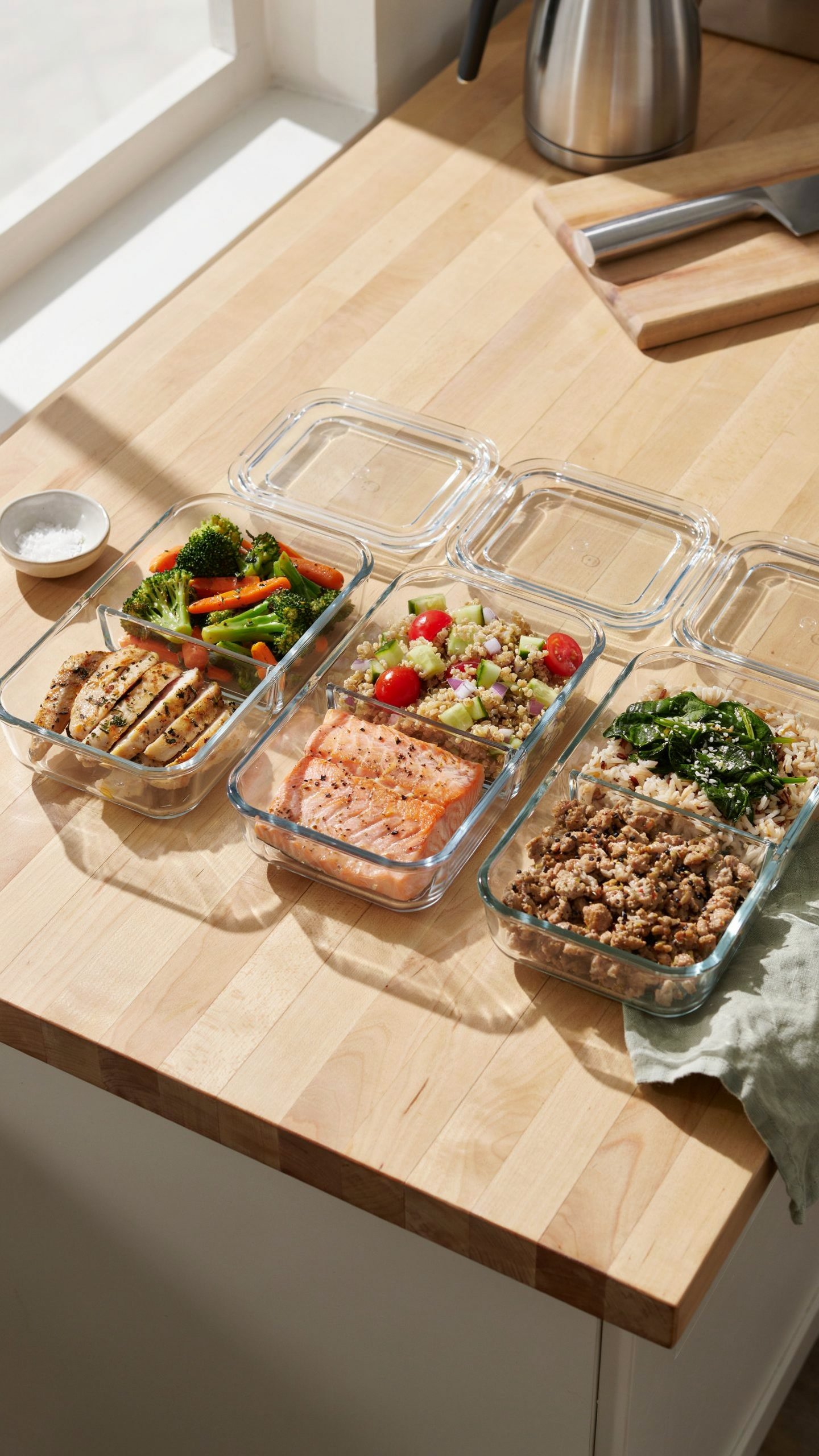
A framework is a structure. You pick one protein source per week, one carb, one vegetable. Chicken, rice, broccoli. Beef, sweet potato, spinach. Ground turkey, oats, green beans. The framework stays the same. Only the inputs rotate. This removes the need to think about what to eat every single day.
The Weekly Rotation System
Most people fail meal prep because they cook the same thing seven days straight and hate it by Wednesday. Stop doing that. Instead, build a three-week rotation where each week uses different proteins and produce. Week one: chicken and white rice. Week two: ground beef and quinoa. Week three: salmon and brown rice. Then cycle back.
You prepare once per week. You cook three meals worth of components on Sunday. You eat those same components Tuesday, Thursday, Saturday. Different days feel fresh even though the framework is identical. Consistency happens automatically because you built the system to rotate before monotony kicks in.
The Final Form: Your Printable, Usable Checklist
Build Your System, Not Someone Else’s
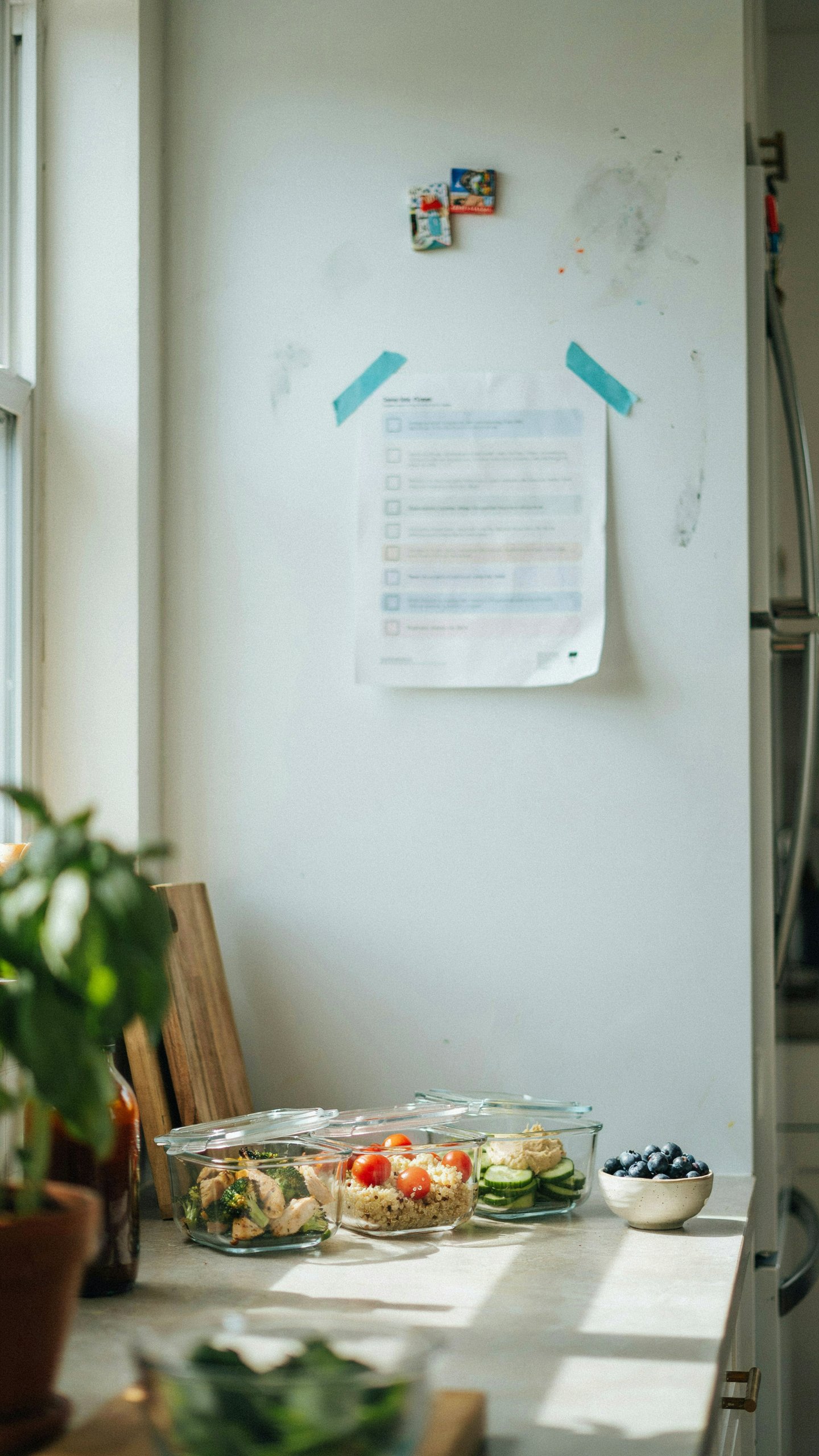
You want the checklist to work because you’re hoping it solves the real problem: that you’ll actually stick to it. Here’s the mechanism: a checklist only survives contact with your actual life when it reflects your constraints, not generic ideals. Your protein sources matter less than which ones you’ll reliably buy. Your container sizes matter less than what fits your fridge. Start by defining three non-negotiable proteins you eat weekly, three carbs you’ll prep without resentment, and two fat sources you reach for consistently. This isn’t customization theater. It’s the difference between a printout that yellows on your fridge and a system that compounds.
The checklist template works best when you treat it as a baseline to strip down, not a gold standard to follow. Remove every item that doesn’t apply to your schedule. If you don’t meal prep vegetables, delete that row. If you prep once weekly instead of twice, restructure the timeline. The checklist’s job is to catch what you’d forget, not to enforce someone else’s opinion about what optimal looks like. Print it, use it for three weeks, then revise it based on what actually tripped you up. The version after revision is the one that sticks.
Measure What Changes, Ignore What Doesn’t
Systems thinking borrowed from engineering teaches that iteration only works when you measure outputs, not inputs. For meal prep, this means tracking what actually affects your protein intake and satiety, not how many containers you prepped. Most people obsess over portion sizes and forget to log whether they stayed full between meals. That’s backwards. Track protein grams consumed versus protein grams planned. Track how many times you hit your target versus how many times you fell short. Track what time of day the system breaks. These three data points tell you exactly what to adjust.
The iteration cycle runs like this: prep a week using your current checklist, track adherence and satiety outcomes, identify the single point of failure, adjust one variable only, repeat. Don’t overhaul everything at once. One change per cycle. If chicken bores you by Wednesday, swap it for ground turkey next week. If your containers are too big and you throw food away, downsize them. If you’re hungry between meals, add ten grams of protein to each meal. This protocol is mechanical enough to prevent analysis paralysis and disciplined enough to actually compound improvement. The printable checklist becomes obsolete the moment you understand that the real system lives in what you measure and change, not in what you write down.
Your biggest obstacle isn’t lack of knowledge; it’s the chaotic default of your unmanaged attention.
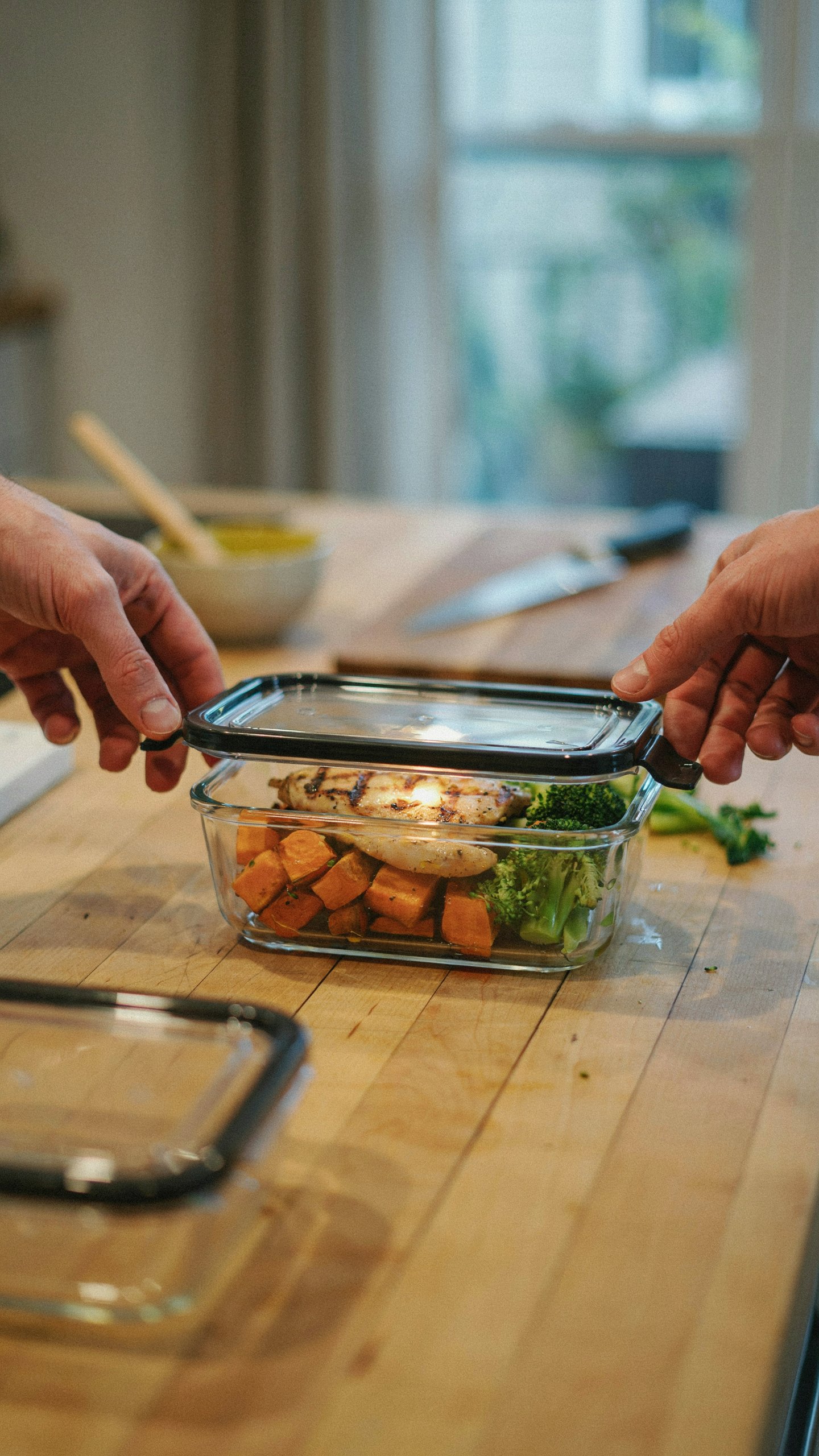
You already know what to do. Protein. Vegetables. Carbs. Repeat. The checklist exists to remove the thinking, not to teach you anything new. Your real problem is Sunday night rolls around and you’re scrolling instead of prepping. Print the checklist. Tape it to your fridge. Do one meal prep session this week and prove to yourself the system works. Discipline beats motivation every single time because discipline doesn’t require you to feel like it.