

Understanding Protein Benefits And Why They Matter For Weight Loss

What Protein Actually Does Inside Your Body
Protein acts as the fundamental building block for every cell in your system. When you consume protein, your digestive tract breaks it down into amino acids. These acids repair tissues and create essential enzymes and hormones. Your body cannot store protein like it stores fat or carbohydrates. This means you must eat it daily to maintain vital functions and keep your metabolism running fast.

The digestion process for protein requires significant energy. Science calls this the thermic effect of food. Your body burns more calories processing protein than it does processing fats or carbs. This metabolic spike happens immediately after eating. High protein intake forces the body to use more oxygen to break down peptides. This internal workload increases your daily caloric burn without extra physical movement or exercise.
How Protein Benefits Go Beyond Just Building Muscle
Protein controls your hunger by regulating specific hormones in your brain. It lowers levels of ghrelin, which is the hormone that makes you feel hungry. At the same time, it boosts peptide YY, a hormone that makes you feel full. This biological shift stops you from overeating. You stay satisfied longer after a meal. This makes sticking to a calorie deficit much easier for most people.

Stable blood sugar is another critical benefit of high protein intake. Protein slows the absorption of sugar into your bloodstream during a meal. This prevents the sharp insulin spikes that lead to fat storage. By keeping insulin levels steady, your body stays in a fat burning state rather than a fat storing state. This hormonal balance is essential for long term weight loss success and metabolic health.
How Protein For Fat Loss Works On A Metabolic Level

The Thermic Effect Of Protein And Why It Burns More Calories During Digestion
Digesting food requires energy. This process is called the Thermic Effect of Food. Protein has a much higher rating than fats or carbohydrates. Your body spends about twenty to thirty percent of the calories from protein just to break it down. In contrast, fats use only zero to three percent. Choosing protein creates an immediate metabolic advantage by increasing your daily calorie burn.
High protein intake forces your metabolism to work harder around the clock. This metabolic tax means your net calorie intake drops even if you eat the same volume of food. Processing amino acids is a complex chemical task for your internal systems. This biological inefficiency works in your favor during a fat loss phase. You burn more energy just by changing your macronutrient ratios.
How Protein Signals Hunger Hormones To Reduce Appetite Naturally
Protein directly alters the production of hunger hormones in your brain. It decreases levels of ghrelin, which is the hormone that signals hunger. Simultaneously, it boosts levels of peptide YY and cholecystokinin. These hormones tell your brain that you are full. This chemical shift reduces your drive to eat more food. It stops the physical urge to overeat before it begins.
Satiety is the tactical goal of any weight loss plan. Protein provides the strongest satiety signal of all three macronutrients. This effect helps you maintain a calorie deficit without relying on pure willpower. Stable blood sugar levels also follow high protein meals. This prevents the energy crashes that lead to sugar cravings. You control your appetite by managing your internal chemistry through specific food choices.
Protein And Lean Muscle The Connection That Accelerates Fat Burning

Preserving Lean Muscle During A Calorie Deficit Is Critical
When you eat fewer calories, your body looks for energy sources. It often breaks down muscle tissue instead of just burning body fat. This loss of muscle slows your progress and weakens your physical frame. High protein intake signals your body to keep its muscle while burning fat stores. You need this protection to ensure your weight loss comes from the right places.
Preserving muscle is the only way to maintain a healthy body composition during a diet. Without enough protein, you lose functional strength and bone density along with the weight. This makes it harder to keep the weight off later. Focusing on protein stops the body from cannibalizing its own structural tissue. It forces the metabolic system to prioritize fat oxidation for its daily energy needs.
How More Lean Muscle Mass Raises Your Resting Metabolic Rate
Muscle tissue is metabolically expensive for your body to maintain. It requires more energy to sustain than fat tissue, even when you are sitting still. By building or keeping muscle through protein intake, you increase your resting metabolic rate. This means you burn more calories every hour of the day. A higher metabolism makes fat loss easier to achieve and much simpler to maintain.
Your basal metabolic rate accounts for most of your daily energy expenditure. Increasing your muscle mass leads to a permanent shift in how your body processes fuel. People with more lean tissue require more food just to stay at their current weight. This metabolic advantage creates a buffer against fat gain. High protein intake supports this muscle growth, turning your body into a more efficient machine.
What A Smart Protein Diet Actually Looks Like
How Much Protein You Actually Need Per Day For Weight Loss
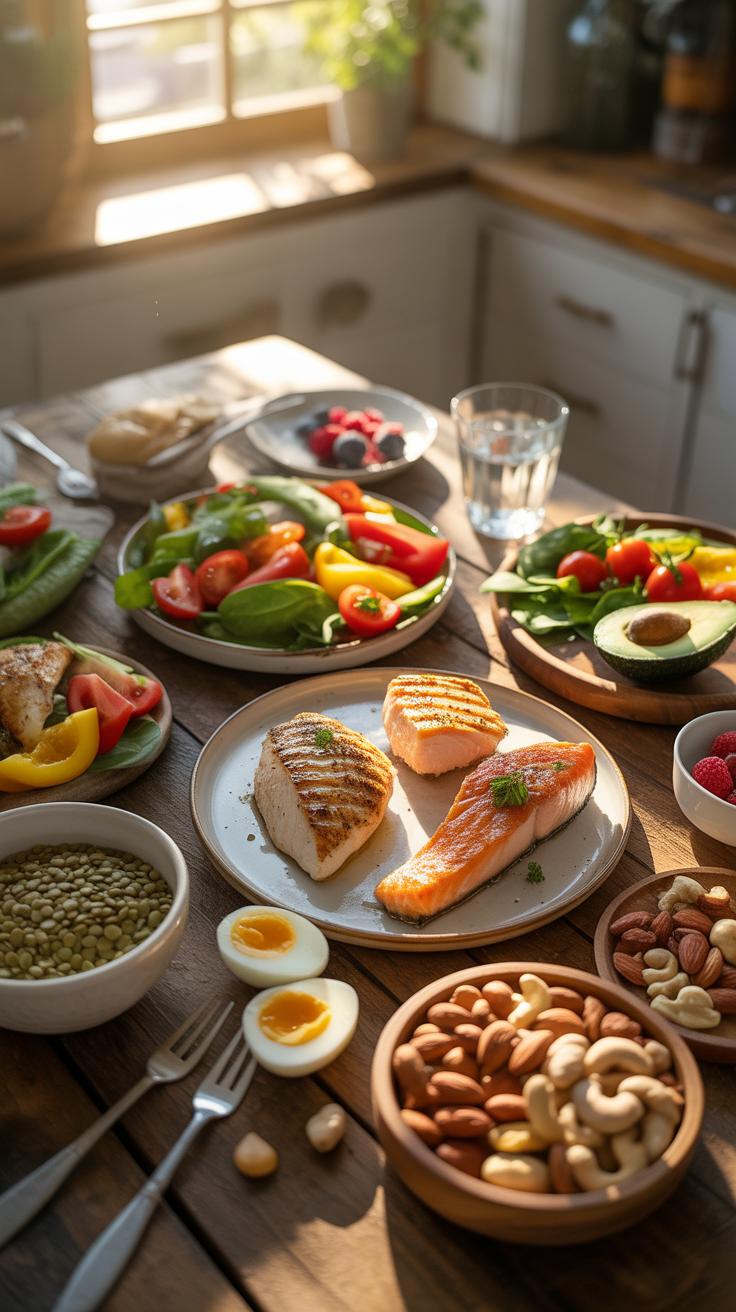
General dietary guidelines recommend low protein levels to avoid deficiency. These standards do not support active weight loss or muscle preservation. To lose fat, you must consume between 0.7 and 1.0 grams of protein per pound of lean body mass. This target maintains your metabolic rate while you cut calories. Higher intake ensures your body burns stored fat instead of breaking down your existing muscle tissue for energy.
Timing matters as much as the total amount. Research shows the body processes protein most efficiently when you spread intake across the day. Do not consume your entire daily requirement in one sitting. Aim for thirty to forty grams per meal. This strategy keeps your protein synthesis high and suppresses hunger hormones consistently. Following this data driven approach prevents the metabolic slowdown common in most failed weight loss attempts.
How To Structure A Protein Diet Without Overhauling Your Entire Lifestyle
You do not need a complete pantry purge to see results. Start by swapping your current breakfast for a high protein option like eggs or Greek yogurt. This single change regulates blood sugar and reduces total calorie intake for the rest of the day. Focus on whole food sources first. Lean meats, fish, and legumes provide the best nutrient density. Supplements should only fill the gaps when whole foods are unavailable.
Apply the protein first rule to every meal you eat. Consume your protein source before touching carbohydrates or fats on your plate. This tactic triggers satiety signals in the brain faster. It also slows the digestion of any sugars eaten later in the meal. You can maintain your social life and eat at restaurants using this method. Simply choose a grilled protein and double the vegetables to stay on track.
Best High Protein Foods To Add To Your Diet Right Now
Animal Based High Protein Foods That Deliver The Most Protein Per Serving
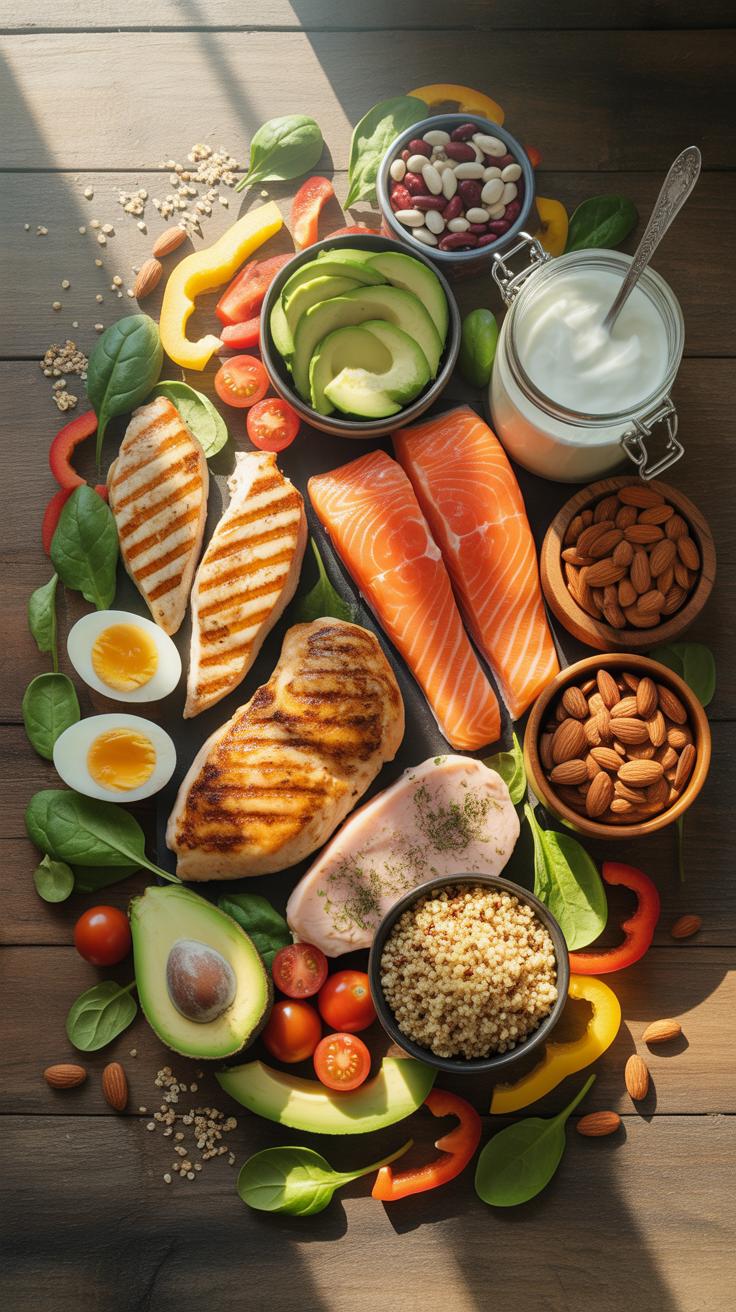
Animal proteins offer the most efficient path to fat loss because they contain all essential amino acids. These foods have a high thermic effect of food. This means your body burns more calories just to digest them. Focus on lean sources to keep total calories low. High density animal protein triggers fullness hormones better than processed carbohydrates or fats.
- Chicken Breast: This is a core staple for fat loss. It provides a massive amount of protein with very little fat. One serving delivers nearly thirty grams of protein. This helps you maintain muscle while you lose body fat quickly and efficiently.
- Egg Whites: Egg whites are pure protein without the cholesterol found in the yolk. They allow you to increase meal volume without adding significant calories. This makes them ideal for staying full during a restrictive diet phase. Use them to bulk up breakfast meals.
- Greek Yogurt: Choose the plain and non-fat versions. This dairy source contains casein protein which digests slowly over several hours. Slow digestion prevents hunger pangs and provides a steady stream of amino acids to your muscles. It works well as a high protein snack option.
- White Fish: Varieties like cod or tilapia offer a high protein to calorie ratio. These fish have almost no fat or carbohydrates. This allows you to eat larger portions while remaining under your daily calorie limit. It is a strategic choice for aggressive weight loss goals.
- Lean Ground Beef: Look for labels marked ninety percent lean or higher. Beef provides iron and zinc along with high quality protein. These minerals support energy levels during intense exercise. It is a dense source of nutrition that keeps you satisfied for longer periods than plant sources.
Consistent intake of these proteins prevents metabolic slowdown during weight loss. Your body prioritizes keeping muscle tissue when you eat enough animal protein. This keeps your basal metabolic rate high. Aim for a palm sized portion at every meal. This strategy stabilizes blood sugar and stops the urge to snack on junk food later in the day.
Plant Based Protein Foods That Support Weight Loss Without The Saturated Fat
Plant proteins provide fiber along with essential amino acids. This fiber fills your stomach and slows down digestion. You feel full for a longer time after eating. Many plant sources contain no saturated fat. This helps improve heart health while you drop weight. Using these foods can lower the total calorie density of your daily meals significantly.
Combine different plant sources to get a complete amino acid profile. Lentils and chickpeas offer a solid foundation for meatless meals. These foods provide a steady energy supply without a sudden insulin spike. Stable insulin levels make it easier for your body to access stored fat for fuel. Replace one meat meal a day with plants to reduce total caloric intake.
How To Build A High Protein Meal Plan That Supports Fat Loss
Key Principles To Follow When Designing A High Protein Meal Plan
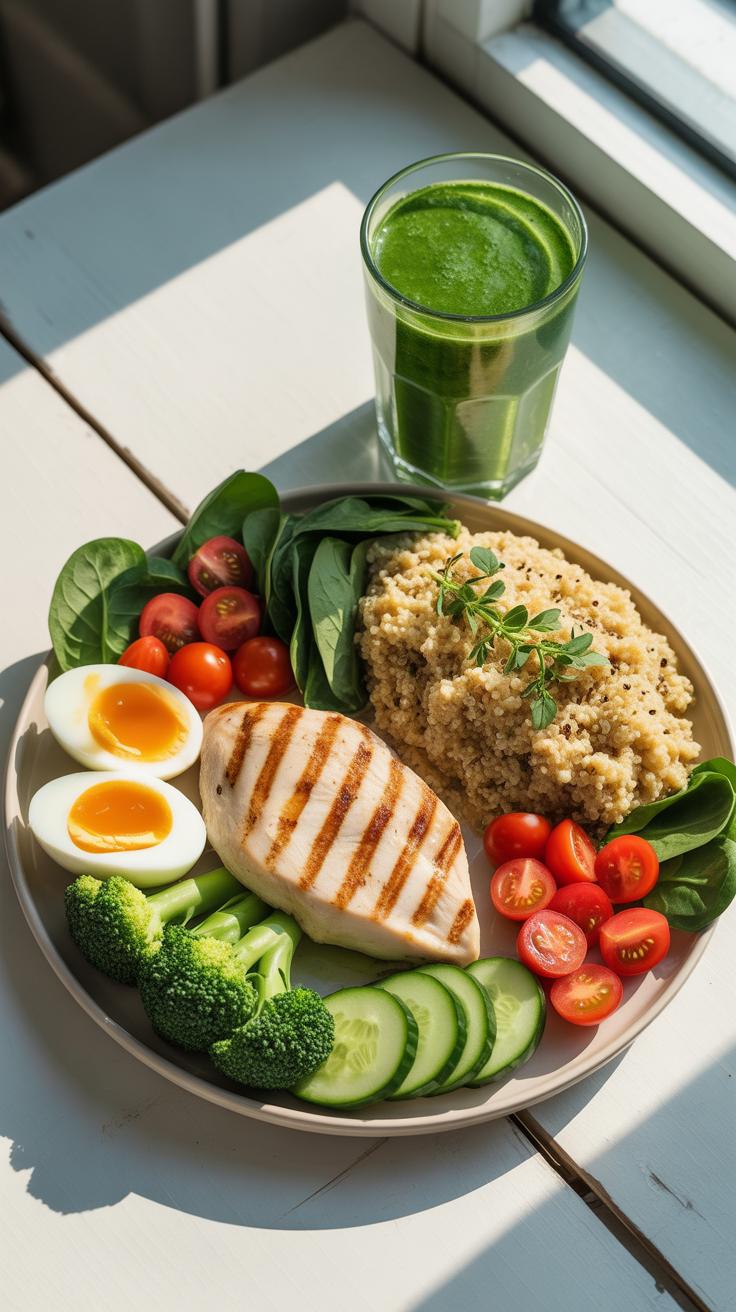
Prioritize protein distribution across every meal to maximize muscle protein synthesis. Research shows that eating twenty to forty grams of protein every three to four hours keeps your body in an anabolic state. This approach prevents muscle breakdown while you maintain a calorie deficit. High protein intake also increases the thermic effect of food. Your body burns more energy digesting protein than fats or carbohydrates.
Base your plan on whole food sources to ensure satiety and nutrient density. Selecting lean meats, eggs, and dairy provides essential amino acids required for metabolic function. Consistent protein intake regulates hunger hormones like ghrelin. This biological response makes it easier to stick to your weight loss goals without intense cravings. Effective plans eliminate guesswork by measuring portions based on your specific body weight and activity levels.
How To Balance Macronutrients Around Your Protein Targets Each Day
Calculate your daily protein requirement first to set the foundation of your plan. Most fat loss protocols require 0.8 to 1.0 grams of protein per pound of lean body mass. Once you hit this target, fill the remaining calories with healthy fats and complex carbohydrates. Carbohydrates provide fuel for high intensity training sessions. Fats support hormone production and essential vitamin absorption during your weight loss journey.
Adjust your fat and carbohydrate intake based on your daily energy expenditure. Consume more carbohydrates on training days to support muscle recovery and performance. Decrease carbohydrate intake on rest days while keeping protein levels high to preserve lean tissue. This strategic cycling ensures your body utilizes stored fat for fuel. A balanced approach prevents metabolic adaptation and keeps your fat loss progress steady over the long term.
Sample Protein Meal Plan A Practical Day By Day Framework
What A Full Day Of Eating Looks Like On A Protein Meal Plan
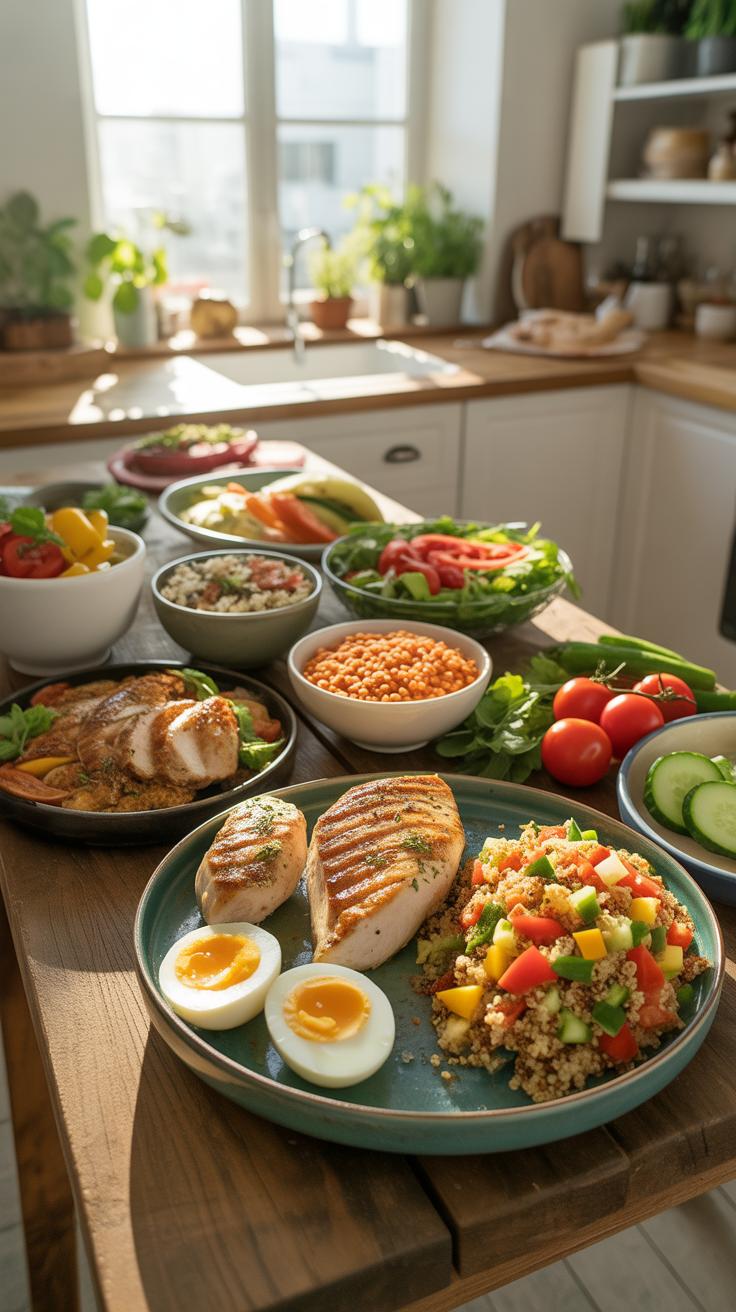
A high protein day requires planning to hit targets without overeating fats or carbohydrates. You must distribute protein intake evenly across every meal to maximize muscle protein synthesis. This strategy prevents hunger crashes and keeps your metabolic rate elevated throughout the day. Focus on whole food sources rather than relying purely on processed powders. Use the following framework as a standard template.
- Breakfast: Consume three whole eggs or one cup of egg whites paired with half a cup of oats. This combination provides roughly 25 to 30 grams of protein immediately upon waking. Starting early stabilizes blood sugar and reduces the chance of mid-morning snacking on high calorie office foods.
- Lunch: Grill six ounces of chicken breast served over a large bed of leafy greens. Chicken breast is a staple because it offers a high protein-to-calorie ratio compared to thigh meat. Limit heavy dressings to ensure you remain in a caloric deficit while maintaining high satiety levels through the afternoon.
- Pre-Workout Snack: Drink one scoop of whey protein isolate mixed with water or eat one cup of Greek yogurt. Whey is a fast-digesting protein source that provides amino acids to your muscles during exercise. Greek yogurt contains casein which digests slower and keeps you feeling full during your entire training session.
- Dinner: Prepare seven ounces of white fish or lean ground turkey with a side of steamed broccoli. Lean meats provide the essential building blocks for recovery without adding excess saturated fats. Fiber from vegetables slows digestion further and improves gut health while keeping the overall meal volume high for satisfaction.
- Evening Snack: Eat half a cup of cottage cheese or a small casein shake before sleep. Casein protein clots in the stomach and releases amino acids slowly over several hours. This prevents muscle breakdown during the overnight fast and may help regulate your appetite for the following morning arrival.
Consistency trumps variety when the goal is rapid fat loss and muscle retention. Stick to these core food groups to simplify your grocery shopping and meal preparation. Track every gram of protein to ensure you stay within your calculated ranges. If you miss a target at one meal, increase the portion size at your next sitting to compensate immediately.
How To Adjust Your Protein Meal Plan Based On Your Body Weight And Goals
Calculate your protein needs based on your lean body mass and activity levels. Most active individuals require between 0.7 and 1.0 grams of protein per pound of body weight. If you weigh 200 pounds and carry significant muscle, aim for 200 grams of protein daily. Adjusting these numbers upward during a calorie deficit helps protect your existing muscle tissue from being burned as fuel.
Lower your fat and carbohydrate intake as you increase protein to keep total calories in check. Protein has a higher thermic effect than other nutrients, meaning your body burns more energy just to digest it. If your weight loss stalls, re-evaluate your portion sizes using a digital scale for accuracy. Small errors in tracking can eliminate the metabolic advantages that a high protein diet provides.
Common Mistakes People Make On A High Protein Foods Approach

Why Eating Too Much Protein Without A Calorie Awareness Can Stall Progress
Protein has a high thermic effect but it still contains four calories per gram. Many people assume they can eat unlimited amounts of lean meat or protein shakes without consequence. This logic fails because weight loss requires a net energy deficit. If your total daily intake exceeds your energy expenditure, your body will store the excess fuel. Protein does not bypass the laws of thermodynamics.
Strategic fat loss requires tracking total intake even when protein is high. Consuming excessive protein-rich foods often brings hidden fats and sugars into the diet. These extra calories add up quickly and stop the scale from moving. You must prioritize high protein density while keeping an eye on your total energy budget. High protein is a tool for satiety, not a license to overeat without calculation.
True strength is built at the family table, where hearty nourishment fuels your spirit and keeps you full for the journey ahead. When you prioritize the right proteins, you honor your body’s natural hunger and find the steady energy to pursue your dreams.
— Robert Atkins
How Neglecting Fiber And Micronutrients Undermines Your Protein Strategy
A narrow focus on animal proteins often leads to a significant drop in fiber intake. Fiber is essential for keeping your digestion moving and stabilizing blood sugar levels. Without enough plant based foods, you may experience bloating and poor gut health. This discomfort makes sticking to a diet difficult in the long term. You need a balanced approach to ensure your body functions at its peak.
Micronutrient deficiencies are another risk when you only eat meat and eggs. Your body needs vitamins and minerals found in vegetables to process energy efficiently. Missing these nutrients can lead to fatigue and stalled recovery after workouts. A successful strategy pairs lean proteins with high volume greens and fibrous carbohydrates. This combination maximizes satiety while providing the essential tools your metabolism needs to burn stored body fat.
Frequently Asked Questions About Protein Foods And Weight Loss

Does Eating More Protein Foods Alone Guarantee Weight Loss?
Eating protein does not cancel out excess calories. You only lose weight when you maintain a calorie deficit. High protein intake increases your metabolic rate through the thermic effect of food. It also helps you feel full longer by suppressing hunger hormones. These biological advantages make it easier to eat fewer calories overall. However, if total energy intake exceeds your daily needs, you will still gain fat.
Protein is a tool for appetite control and muscle preservation. It is not a magic solution that burns fat regardless of your total diet. Successful weight loss requires you to track total intake while prioritizing protein sources. Adding protein shakes to a high calorie diet will lead to weight gain. You must replace fats or carbohydrates with protein to see a shift in body composition. Focus on the net energy balance every day.
Is It Safe To Follow A High Protein Approach Long Term?
For healthy individuals, a high protein diet is safe for the long term. Research shows that healthy kidneys can process increased protein without damage. Medical professionals have studied these diets for decades. They found no link between high protein intake and bone density loss in healthy adults. In fact, protein supports bone health by improving calcium absorption. You must stay hydrated to help your kidneys filter nitrogen waste.
Consistency is key for maintaining weight loss and muscle mass as you age. High protein intake prevents muscle wasting during the aging process. It also helps stabilize blood sugar by slowing the absorption of glucose. People with pre-existing kidney disease should consult a doctor before increasing protein significantly. Most people benefit from a sustained high protein lifestyle. Focus on lean sources like poultry, fish, and legumes to avoid excess saturated fats.
Frequently Asked Questions

How exactly does protein help with weight loss for beginners?
If you are wondering “does protein help weight loss,” the answer lies in its unique metabolic effects. Protein has a high thermic effect, meaning your body burns more calories just digesting it compared to fats or carbs. Additionally, it increases satiety hormones while reducing hunger signals, making it significantly easier to maintain a calorie deficit without feeling constantly deprived or Deal with intense cravings throughout your busy day.
How much protein should I eat daily to see real results?
For effective results, aim for roughly 0.8 to 1 gram of protein per pound of target body weight. To make this practical, try centering every meal around a lean source like chicken, Greek yogurt, or lentils. Incorporating these portions consistently ensures that you preserve lean muscle mass while burning fat. Understanding that does protein help weight loss involves consistent intake will help you structure your meal prep for long-term success.
Is it possible to increase my protein intake on a tight budget?
Absolutely! You do not need expensive supplements or prime cuts of meat to reach your goals. Affordable staples like eggs, canned tuna, dried beans, and peanut butter are excellent, cost-effective ways to boost your nutrient density. Buying frozen chicken breasts or bulk bags of lentils can also keep your kitchen stocked without breaking the bank, proving that a high-protein lifestyle is accessible for any home and every budget level.