

Understanding Gut Health And Digestion What Your Digestive System Actually Does
The Journey Of Food Through Your Digestive Tract
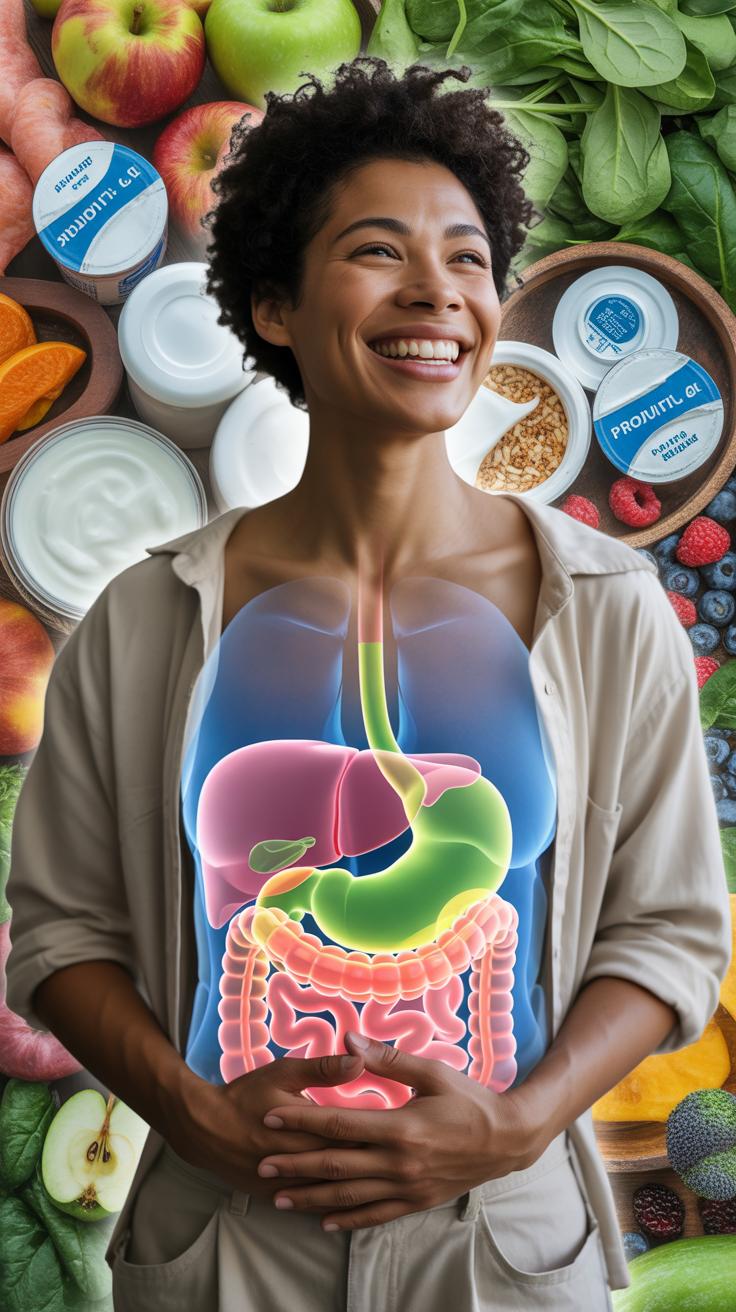
Digestion starts in your mouth. Teeth break food down mechanically while enzymes in saliva begin chemical breakdown. Food moves down the esophagus into the stomach. Here, acid and enzymes turn solids into a liquid called chyme. This process prepares nutrients for extraction. Your stomach serves as a high acid pressure cooker. It kills pathogens and denatures proteins before they enter the small intestine.

The small intestine performs most nutrient absorption. Villi and microvilli increase surface area to pull vitamins and minerals into your bloodstream. Whatever remains passes into the large intestine. This organ absorbs water and houses trillions of bacteria that ferment fiber. The leftover waste then moves to the rectum for excretion. This entire transit system requires muscle contractions called peristalsis to keep the contents moving forward.
Why The Gut Is Considered The Bodys Second Brain
The enteric nervous system consists of millions of neurons embedded in your digestive tract walls. These neurons allow the gut to operate independently from the brain. This system manages local blood flow and secretion of fluids. It communicates directly with your central nervous system through the vagus nerve. Scientists call this the gut brain axis. It regulates your mood and immune responses constantly.

Your gut produces 95 percent of your body’s serotonin. This chemical regulates sleep, appetite, and emotional stability. If your gut health and digestion fail, your mental state often suffers. Stress signals from your brain can also slow down digestion or cause inflammation. This two-way street dictates your overall energy levels. A functional gut ensures your brain receives the chemical signals it needs to stay sharp.
The Gut Microbiome The Hidden World Behind Digestive Health
What Is The Gut Microbiome And Why Does It Matter
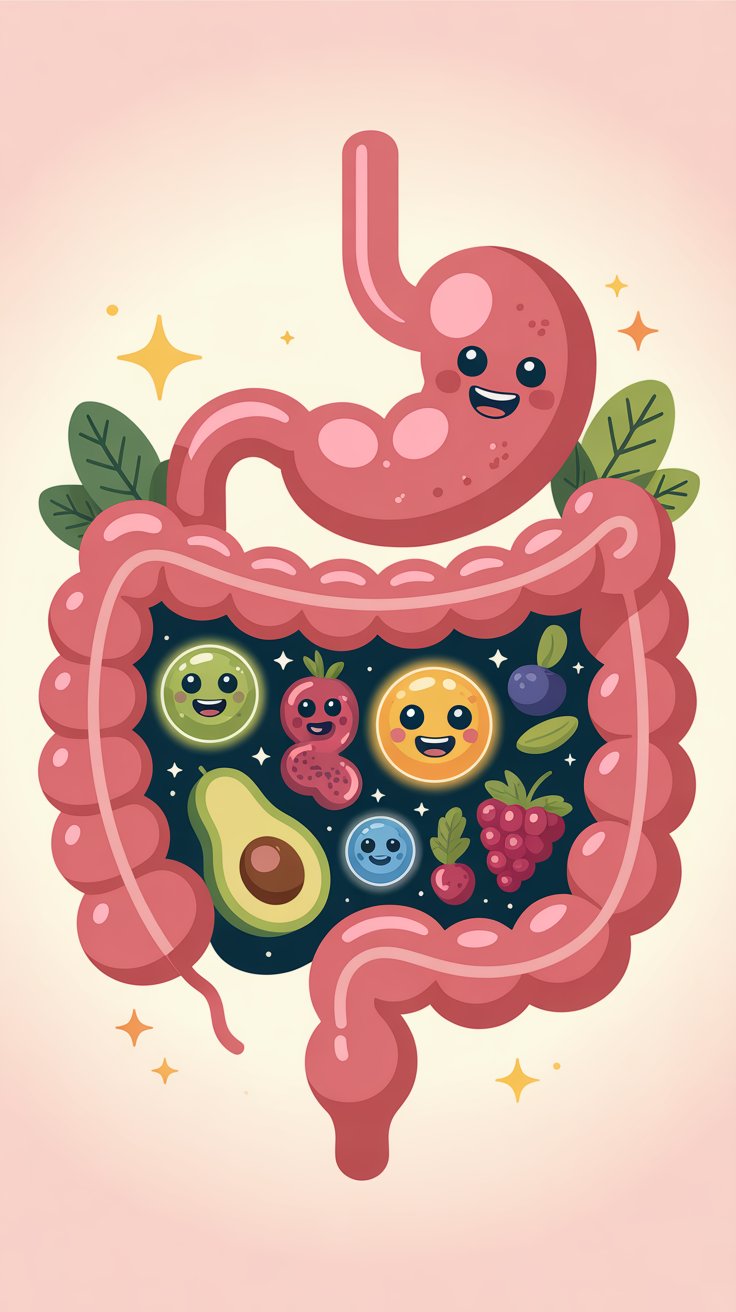
The gut microbiome consists of trillions of microorganisms living in your large intestine. This ecosystem includes bacteria, fungi, viruses, and archaea. These microbes perform critical tasks that human cells cannot handle alone. They break down complex fibers and synthesize essential vitamins like B12 and K. A diverse microbiome ensures a resilient digestive system and efficient energy extraction from your daily meals.
This internal environment functions like an organ. It communicates with your immune system and brain through biochemical signaling. Research shows that microbial diversity determines how well you resist pathogens. Most immune cells reside in the gut lining. These microbes train those cells to distinguish between harmless food and dangerous invaders. Without a healthy microbiome, your core digestive processes and immune defenses will eventually fail.
How Microbial Imbalance Disrupts The Way Your Body Processes Food
Dysbiosis occurs when harmful bacteria outnumber beneficial species in your gut. This imbalance creates inflammation and damages the intestinal lining. When the lining weakens, it cannot absorb nutrients properly. You may eat a high-quality diet but still suffer from nutrient deficiencies. The body loses its ability to manage glucose and fat effectively. This disruption leads to immediate bloating, gas, and chronic fatigue.
Imbalanced microbes also alter how your body stores calories. Specific bacteria types extract more energy from food than others. This process can lead to weight gain even if your caloric intake remains the same. Harmful microbes produce toxins that slow down muscle contractions in the colon. This slowdown causes constipation and prevents the timely removal of metabolic waste. Strategic dietary shifts are required to restore microbial balance.
Signs You May Need To Improve Gut Health Right Now
Common Physical Symptoms That Signal A Struggling Gut
Chronic bloating and excessive gas indicate your digestive system is failing to break down food properly. These symptoms often stem from an imbalance in your gut microbiome. When harmful bacteria outnumber beneficial ones, they ferment undigested carbohydrates. This process creates gas buildup and physical discomfort. Frequent heartburn or persistent acid reflux also suggests your stomach acid levels and gut motility are out of sync.
Unpredictable bowel movements are a clear warning sign. Constipation or frequent diarrhea shows that waste is moving through your tract at the wrong speed. This disruptor prevents proper nutrient absorption and localizes inflammation. Skin irritations like eczema or acne often link back to gut permeability. When the gut lining weakens, toxins enter the bloodstream. This trigger causes systemic inflammation that manifests on your skin surface.
How Poor Gut Health Affects Mood, Energy, And Mental Clarity
The gut produces roughly ninety percent of your body’s serotonin. This neurotransmitter regulates your mood and sleep patterns. A damaged gut disrupts this production pipeline immediately. You feel more anxious and irritable without a steady supply of these chemicals. Scientists call the connection between your brain and digestive tract the gut-brain axis. Issues in the gut send direct distress signals to your central nervous system.
Low energy levels often track back to poor nutrient extraction in the small intestine. If your gut cannot process minerals and vitamins, your mitochondria lack the fuel to create energy. You experience brain fog and a lack of focus because of this metabolic shortfall. Chronic fatigue is rarely just about sleep. It is often a result of the body diverted energy to manage constant gut inflammation.
The Gut Health Diet Foods That Feed Or Harm Your Microbiome
Foods That Promote A Healthy Gut And Support Beneficial Bacteria
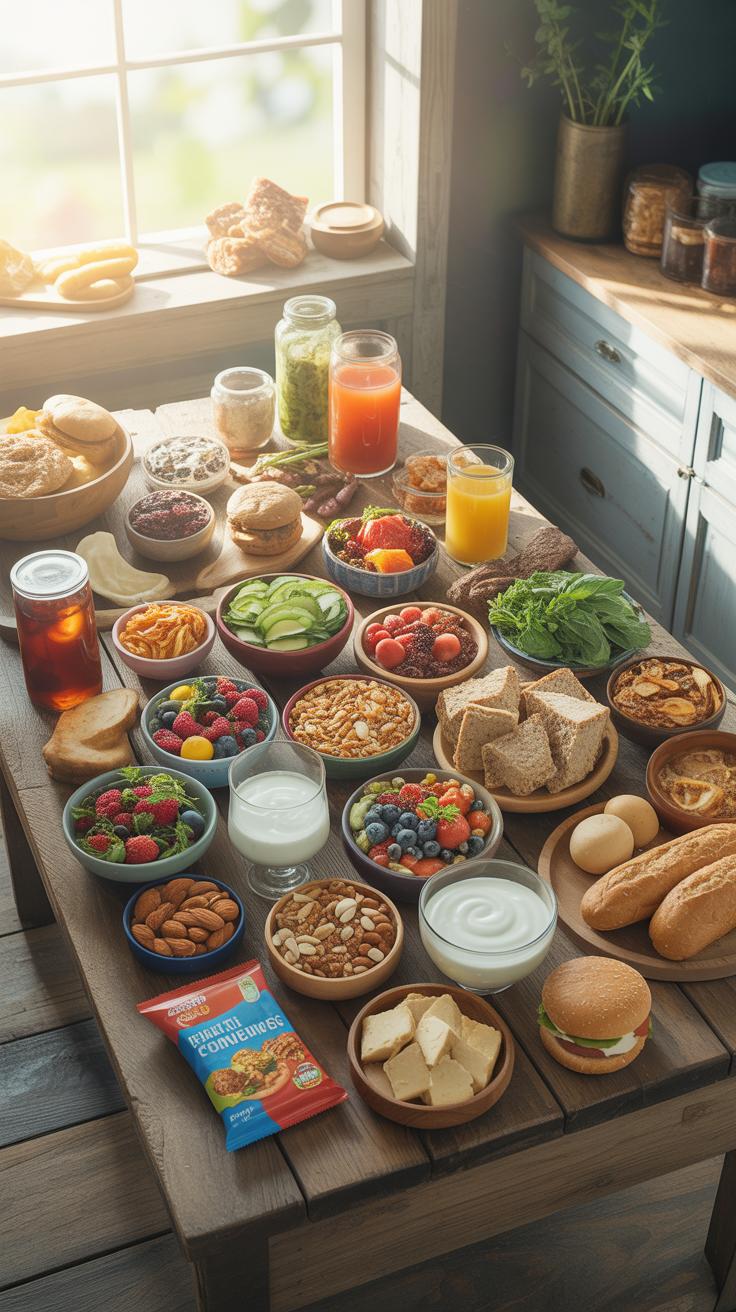
Diverse plant intake determines the strength of your microbiome. Fiber serves as the primary fuel source for beneficial bacteria. These microbes ferment fiber to produce short-chain fatty acids like butyrate. This process maintains the intestinal barrier and regulates immune responses. You must consume various fiber types to support a wide range of bacterial species. Consistency in fiber intake ensures these populations remain stable.
- Fermented Foods: Yogurt, kefir, and sauerkraut contain live cultures that introduce beneficial bacteria directly into your system. These probiotics help balance your internal ecosystem and improve digestion efficiency by breaking down complex nutrients.
- Prebiotic Fibers: Garlic, onions, and leeks provide specific carbohydrates that feed existing good bacteria. These substrates act as a fertilizer for your microbiome and encourage the growth of Bifidobacteria and Lactobacilli species within the colon.
- Polyphenols: Dark chocolate, berries, and green tea contain micronutrients that microbes digest into bioactive metabolites. These compounds reduce inflammation in the gut lining and promote the growth of specific healthy bacteria that protect against metabolic diseases.
- Resistant Starches: Cooked and cooled potatoes or green bananas reach the large intestine intact to feed the microbiome. This starch type resists digestion in the small intestine and provides a steady energy source for bacteria located in the lower gut.
- Cruciferous Vegetables: Broccoli and Brussels sprouts contain sulfur-compounds that support detoxification and gut health. These vegetables help maintain a diverse microbial environment and provide necessary bulk to move waste through the digestive tract.
Dietary diversity is the most effective strategy for gut health. Eating thirty different plants per week correlates with a more robust microbiome. This variety ensures your bacteria receive a wide spectrum of nutrients. A strong microbiome prevents pathogenic bacteria from colonizing the gut. Focus on whole foods to provide the necessary raw materials for microbial survival and optimal digestive function.
Dietary Patterns And Ingredients That Damage Gut Lining Over Time
Ultra-processed foods degrade the integrity of the gut lining. High intake of refined sugars feeds harmful bacteria and yeast. This fuel triggers overgrowth that displaces beneficial species. Emulsifiers found in packaged goods thin the protective mucus layer. This exposure allows toxins to contact the intestinal wall directly. This process leads to systemic inflammation and poor nutrient absorption over long periods.
Excessive saturated fats and alcohol also disrupt the gut barrier. Chronic alcohol consumption increases intestinal permeability by damaging tight junction proteins. This allows undigested food and bacteria to leak into the bloodstream. High-fat diets can alter bile acid composition which harms sensitive beneficial microbes. Eliminating these triggers is essential for healing the gut. Focus on removing chemical additives to restore a healthy digestive environment.
Healing Food And The Science Of Gut Healing From The Inside Out
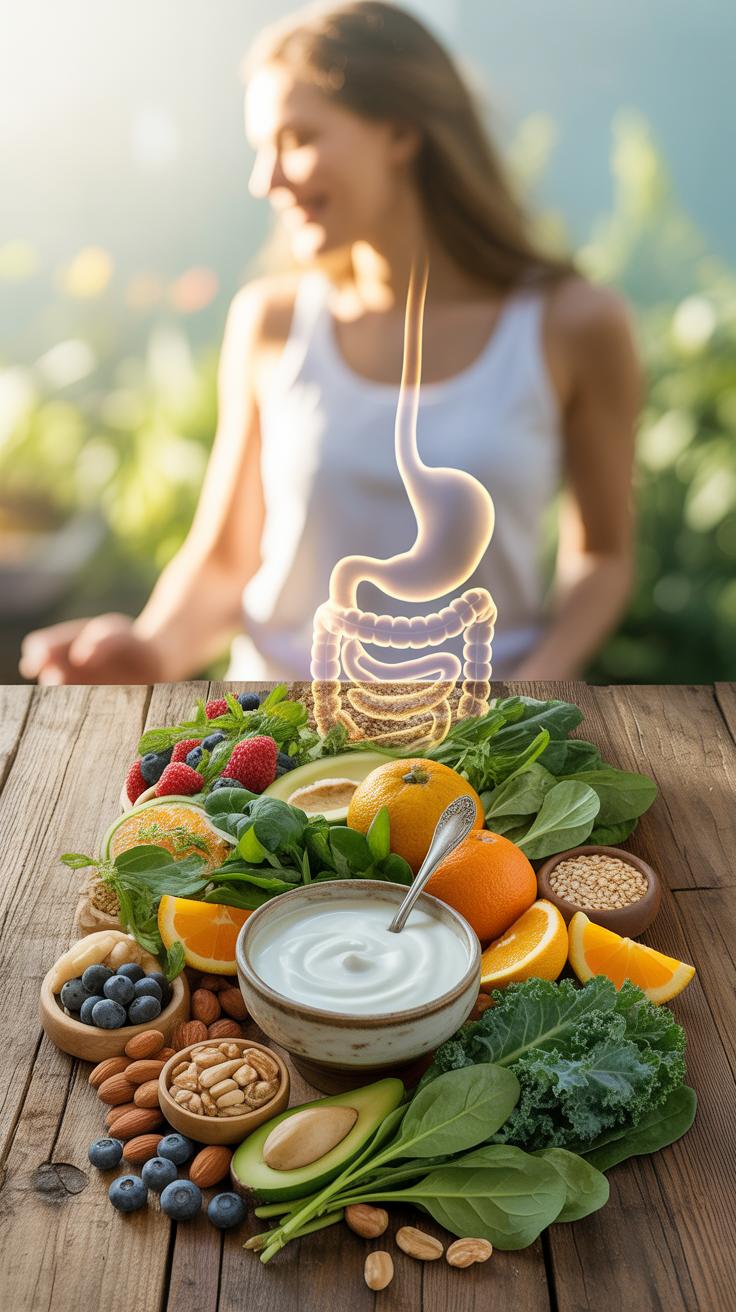
How Anti Inflammatory Foods Support Gut Lining Repair
The gut lining is a thin barrier of epithelial cells. Chronic inflammation breaks down the tight junctions between these cells. This allows undigested food and toxins to enter the bloodstream. Anti-inflammatory foods reduce this irritation. They provide the raw materials needed for cellular repair. Focus on fats like omega-3 fatty acids. These compounds shut down the pathways that cause swelling and tissue damage in the digestive tract.
Quality nutrients act as a physical patch for the intestinal wall. Amino acids like glutamine fuel the rapid turnover of gut cells. This process replaces damaged tissue with healthy new layers. Polyphenols from colorful plants also strengthen the mucus layer. A thick mucus layer protects the lining from stomach acid and harmful bacteria. You must stabilize the environment before the body can begin the long process of structural tissue recovery.
The Role Of Fermented Foods And Fiber In Restoring Gut Balance
Fermented foods introduce live beneficial bacteria directly into the digestive system. These microbes compete with harmful pathogens for space and resources. This process lowers the pH level of the gut. A lower pH creates an environment where good bacteria thrive and bad bacteria die off. Consistent intake of these foods helps rebuild a diverse microbiome. Diversity is the primary metric for a resilient and healthy digestive system.
Fiber acts as the fuel for these beneficial microbes. Your body cannot digest prebiotic fiber on its own. Bacteria ferment this fiber in the large intestine. This fermentation produces short-chain fatty acids like butyrate. Butyrate is the main energy source for the cells lining your colon. Without enough fiber, your gut bacteria will starve. They may even begin to eat the protective mucus layer of your gut for survival.
Gut Healing Recipes Simple Meals That Nourish Your Digestive System

Gut Health Recipes You Can Build Into Your Weekly Meal Routine
Targeted meal planning reduces the load on your digestive tract. You must prioritize bioavailable nutrients and fiber sources that feed beneficial bacteria without causing systemic irritation. Standardize your weekly rotation around whole foods that undergo minimal processing. These recipes use specific enzymes and acids to break down tough proteins and maximize your nutrient absorption during the digestive process.
- Bone Broth Bases: Slow cook animal bones to release amino acids like glutamine and glycine. These compounds help maintain the structural integrity of the intestinal lining. Use this broth as a foundational liquid for soups or stews to increase the digestibility of other solid ingredients.
- Fermented Vegetable Sides: Add raw sauerkraut or kimchi to your lunch and dinner plates. These traditional ferments provide live probiotics that assist in breaking down complex carbohydrates. Ensure these products are unpasteurized to maintain the efficacy of the beneficial microbial cultures inside the container.
- Steamed Green Bowls: Lightly steam leafy greens and cruciferous vegetables instead of eating them raw. Heat breaks down the tough cellulose fibers that often cause bloating or gas in sensitive guts. Combine these greens with a high quality fat source like olive oil to improve vitamin uptake.
- Wild Caught Fish: Prepare salmon or sardines as your primary protein source twice per week. These fish provide high concentrations of omega three fatty acids which help manage inflammation within the gut wall. Poach or bake the fish to avoid the oxidation of healthy oils during cooking.
- Soaked Grain Porridge: Soak oats or quinoa overnight in an acidic medium like lemon juice or apple cider vinegar. This process neutralizes phytic acid which otherwise binds to minerals and prevents their absorption. This preparation method makes the grains significantly easier for your small intestine to process.
Consistency in your diet creates a stable environment for your microbiome to thrive. Avoid rotating too many complex ingredients in a single day. Stick to these established meal templates to minimize digestive distress and track how your body reacts to specific fiber types. Reliable routines allow your gut to predict and prepare the necessary enzymes for efficient chemical breakdown.
Just like the soil that nourished the gardens of our youth, a healthy gut is the foundation where every meal we enjoy finds its purpose. When we tend to our inner garden with care, we rediscover the simple joy of nourishment in every bite.
— Hippocrates
How To Adapt Everyday Cooking To Support Gut Healing Principles
Modify your current cooking techniques to favor easier digestion. Switch from high heat frying to braising, steaming, or poaching. High temperatures create advanced glycation end products that can damage the delicate gut lining. Lower temperatures preserve the chemical structure of nutrients and prevent the formation of irritating compounds. Using moist heat methods helps soften fibers and makes proteins more accessible to your stomach acid.
Replace industrial seed oils with stable fats like ghee or coconut oil for all stovetop cooking. Most vegetable oils contain high levels of omega six fats that promote gut inflammation. Integrate digestive bitters or apple cider vinegar into your pre meal routine to stimulate gastric juices. These simple shifts in how you prepare and start your meals significantly improve your ability to extract energy from what you eat.
Lifestyle Habits That Support A Healthy Gut Beyond Diet Alone

How Sleep Stress And Exercise Directly Influence Gut Function
Sleep and stress dictate the rhythm of your digestive system through the gut-brain axis. Lack of sleep disrupts the circadian rhythms of gut bacteria. This imbalance alters metabolic rates and slows down waste removal. High stress triggers the fight or flight response. This reaction diverts blood away from the stomach. Digestion stops and the gut lining becomes more permeable. You must manage cortisol to maintain a strong barrier.
Exercise increases the variety of beneficial bacteria in your microbiome. Physical activity stimulates muscle contractions in the intestines. This movement keeps food flowing and prevents stagnation. Active individuals show higher levels of short-chain fatty acids. These molecules reduce inflammation and fuel the cells lining your colon. Consistent movement is a mechanical necessity for gut health and digestion. You cannot rely on food alone to fix a sedentary system.
The Impact Of Antibiotics And Medications On Gut Microbiota
Antibiotics are blunt tools that kill bacteria without discrimination. They target pathogens but also wipe out the beneficial colonies required for health. A single course can reshape your microbial landscape for months. This sudden loss of diversity leaves room for harmful species to overgrow. You must use these drugs only when necessary. Repeated use without recovery leads to permanent shifts in your gut profile and overall immune function.
Other common medications like ibuprofen and antacids also disrupt the gut. Non-steroidal anti-inflammatory drugs damage the stomach lining directly. Proton pump inhibitors change the acidity of your digestive tract. Correct pH levels are essential for breaking down proteins and killing ingested pathogens. When you alter this environment, you invite bacterial imbalances like small intestinal bacterial overgrowth. Manage your medication intake to protect the long-term integrity of your digestive system.
Building A Long Term Gut Health Strategy For Lasting Digestive Wellness

How To Create Sustainable Eating Habits That Continuously Support Gut Health
Consistency beats intensity for gut health and digestion. You must prioritize fiber intake from diverse plant sources to feed beneficial bacteria. Aim for thirty different plants each week to improve microbial diversity. This practice strengthens the gut barrier and prevents systemic inflammation. High-fiber foods like legumes, nuts, and whole grains provide the fuel your microbiome needs to produce short-chain fatty acids.
Eliminate ultra-processed foods that contain emulsifiers and artificial sweeteners. These synthetic ingredients disrupt the delicate balance of your gut flora. Drink enough water to move waste through the colon efficiently. Proper hydration prevents constipation and ensures nutrients reach your bloodstream. Stop eating at least three hours before bed to allow your digestive system to rest. A resting gut can perform essential cellular repair tasks.
When To Seek Professional Guidance For Ongoing Digestive Health Concerns
Self-treatment has limits when dealing with chronic digestive issues. Seek a gastroenterologist if you experience persistent bloating, blood in stool, or unexplained weight loss. These symptoms may indicate inflammatory bowel disease or serious infections. Professionals use objective tests like breath analysis or endoscopies to find the root cause. Do not ignore recurring pain that lasts more than two weeks consecutively.
Registered dietitians provide data-driven meal plans based on your specific sensitivities. They help you navigate complex elimination diets like Low FODMAP without causing nutrient deficiencies. Professional guidance prevents you from unnecessarily cutting out entire food groups. Targeted probiotics or medical-grade supplements require expert supervision to ensure they do not cause further imbalances. Always verify your progress through clinical markers rather than subjective feelings alone.
Frequently Asked Questions

What is the connection between my microbiome and the food I eat?
Your gut is home to trillions of bacteria that play a vital role in breaking down nutrients. When you prioritize gut health and digestion, you create a balanced ecosystem that allows your body to process food more efficiently. If this balance is off, you may experience bloating or sensitivities, proving that the state of your internal environment directly dictates how your body reacts to every meal you consume.
How can I naturally improve my digestive wellness through my daily diet?
Improving your gut health and digestion starts with incorporating a diverse range of fiber-rich plant foods and fermented items like yogurt, kimchi, or sauerkraut. These foods act as prebiotics and probiotics, fueling beneficial bacteria. Additionally, staying hydrated and chewing your food thoroughly are simple yet effective lifestyle habits that support the mechanical breakdown of nutrients, making it much easier for your gastrointestinal tract to function optimally.
Is it possible to support a healthy gut without buying expensive supplements?
Absolutely! You don’t need high-priced pills to see a difference. Focus on affordable pantry staples like beans, lentils, oats, and bananas, which are excellent sources of prebiotic fiber. Seasonal vegetables and home-brewed ginger tea are also cost-effective ways to soothe the digestive system. By prioritizing whole, unprocessed foods from the grocery budget you already have, you can achieve a thriving internal balance without overspending on trendy wellness products.