

What Is The Glycemic Index A Clear And Simple Breakdown
The Origin And Science Behind The Glycemic Index Scale
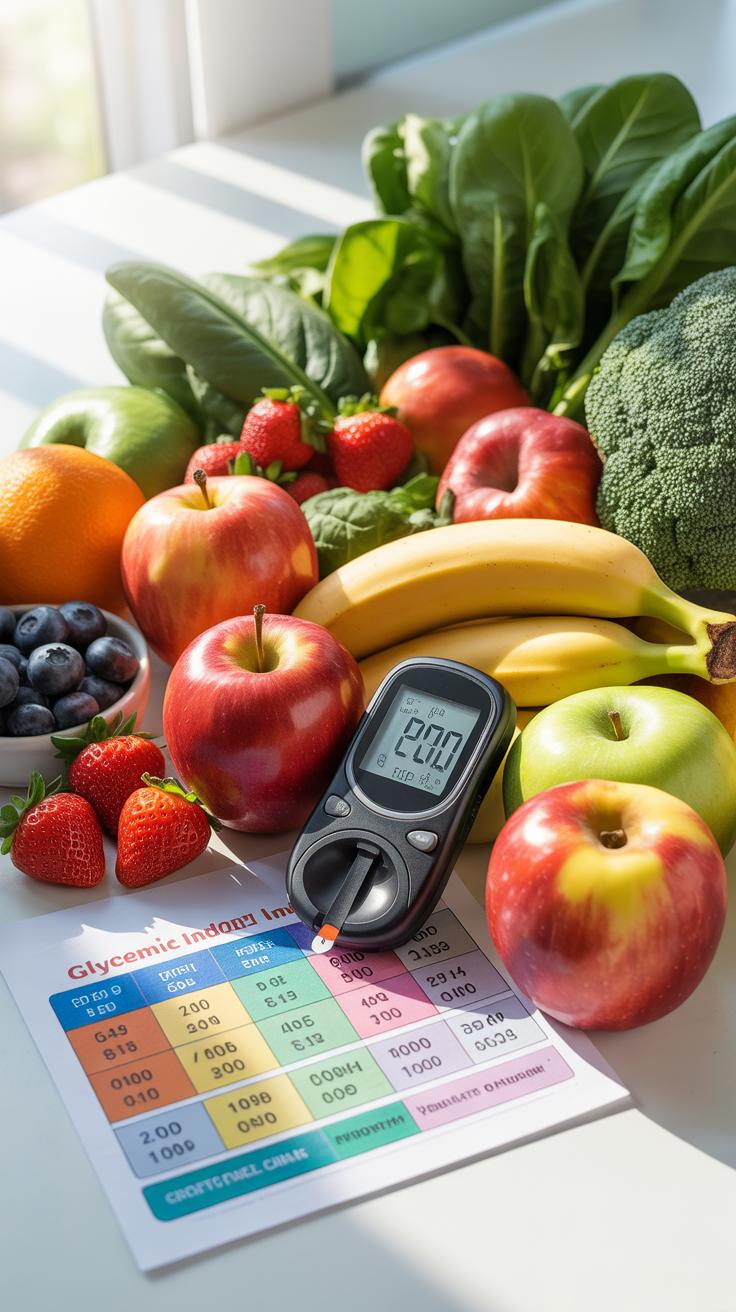
Dr. David Jenkins developed the glycemic index at the University of Toronto in 1981. He wanted to help people with diabetes manage their blood sugar levels more effectively. His research shifted the focus from total carbohydrates to how specific foods impact glucose. This remains a vital tool for clinical nutrition. It ranks carbohydrates on a scale based on how quickly they raise blood sugar.

The science relies on how enzymes break down starches and sugars during digestion. Rapid digestion causes a sharp spike in blood glucose. Slower digestion leads to a gradual rise and steady energy. Pure glucose serves as the reference point with a value of 100 on the scale. High GI foods enter the bloodstream fast. Low GI foods take more time to process and absorb.
How GI Values Are Measured And What The Numbers Actually Mean
Researchers measure GI values by testing healthy human subjects. Participants consume fifty grams of available carbohydrates from a specific food. Scientists then track their blood glucose levels for two hours. They compare these results against a control of pure glucose or white bread. The average response determines the final number. This process provides a standardized way to compare different types of carbohydrates accurately.

The index uses three specific ranges to categorize foods. Low GI foods score 55 or less. These foods provide stable fuel and keep you full longer. Medium GI foods score between 56 and 69. High GI foods score 70 or above. These cause rapid insulin release and quick hunger. Using these numbers identifies which foods support metabolic health. Tracking these values helps prevent energy crashes after meals.
Understanding The Glycemic Index Chart And How To Read It

Breaking Down The Three GI Categories: Low, Medium, And High
The glycemic index ranks carbohydrates on a scale from 0 to 100 based on how quickly they raise blood glucose levels. Low GI foods score 55 or less. These foods digest slowly and provide steady energy. Medium GI foods fall between 56 and 69. High GI foods score 70 or higher. These cause rapid spikes in blood sugar and insulin secretion.
Health professionals use these categories to manage metabolic health and energy levels. High GI foods like white bread or glucose trigger quick hormonal responses. Low GI foods like beans or oats prevent these sharp peaks. You must focus on the score to control your internal chemistry. Knowing these numbers allows you to predict how your body reacts to specific meals before you eat.
How To Use A Glycemic Index Chart Printable For Everyday Meal Planning
A printable GI chart serves as a tactical reference tool for your kitchen. Place it in a visible spot to identify high-risk foods instantly. Scanning the chart helps you swap high GI items for lower alternatives during prep. You can quickly replace white rice with barley or quinoa. This simple switch lowers the total glycemic load of your entire meal.
Use the chart to build a balanced plate that stabilizes your performance. Do not just look for low numbers. Use the data to pair high GI items with fiber or fat. These additions slow down sugar absorption in your gut. Strategic use of a chart eliminates guesswork and ensures your blood sugar remains flat. Accurate data leads to better decisions and consistent physical energy throughout your day.
Low Glycemic Index Foods What They Are And Why They Benefit Your Health
How Low Glycemic Foods Support Steady Blood Sugar And Sustained Energy
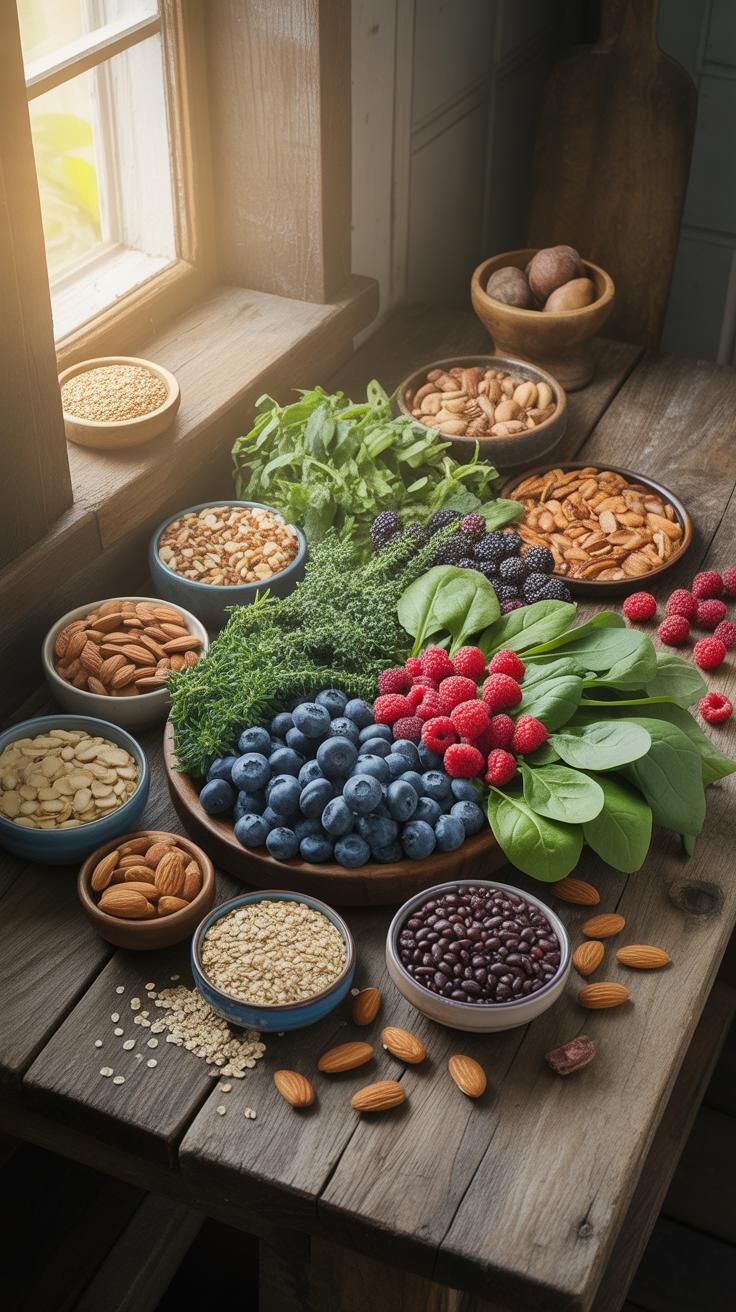
Low glycemic foods break down slowly during digestion. This slow process prevents sharp spikes in blood glucose levels. When you eat these foods, your body releases insulin at a controlled pace. This steady state prevents the crash that follows high sugar meals. You maintain focus and physical energy for longer periods. Consistent blood sugar management reduces the long term risk of developing type 2 diabetes.
Stable glucose levels stop the cycle of hunger and overeating. High glycemic foods cause a rapid drop in blood sugar which triggers hunger signals in the brain. Low glycemic choices provide a sense of fullness that lasts. This metabolic stability helps regulate your weight and protects your arteries from damage. You avoid the inflammatory response caused by repeated glucose spikes. Tactical eating starts with choosing slow burning fuel.
Top Examples Of Low Glycemic Index Foods To Add To Your Diet
Identify foods with a score of fifty five or less on the glycemic scale. These items contain fiber or fats that delay sugar absorption. Incorporating these staples into every meal builds a foundation for metabolic health. Focus on whole foods rather than processed items. Raw or minimally cooked options usually maintain a lower score than overcooked or mashed versions of the same food.
- Legumes: Lentils, chickpeas, and kidney beans provide high fiber and protein. They have a very low impact on blood sugar. Use them as a base for meals to ensure a slow and steady release of energy throughout the day.
- Non Starchy Vegetables: Leafy greens, broccoli, and peppers contain minimal carbohydrates. These foods add volume and nutrients without raising glucose levels. They are essential for weight management and provide the antioxidants necessary for cellular health and recovery from physical stress.
- Steel Cut Oats: Unlike instant oatmeal, steel cut oats are minimally processed. The thick texture requires more time for enzymes to break down during digestion. This results in a low glycemic response and improved heart health through high soluble fiber content.
- Barley: This whole grain is a superior alternative to white rice or pasta. It has a low score because of its dense structure and high fiber. It helps lower cholesterol while keeping your insulin levels flat after you finish eating your meal.
- Berries: Strawberries, blueberries, and raspberries offer sweetness with a low glycemic load. They contain fiber and polyphenols that improve insulin sensitivity. Use these as a tactical replacement for high sugar processed snacks to satisfy cravings without the metabolic cost.
Avoid the trap of thinking all healthy foods are low glycemic. Some fruits like watermelon or pineapple score high and cause rapid spikes. Always check the index before assuming a natural food is slow burning. Prioritize the items listed above to keep your metabolic rate stable. Mixing a high glycemic food with these low glycemic options can also lower the total impact of the meal.
High Glycemic Index Comparison How High GI Foods Affect Your Body Differently
The Physiological Effects Of Rapidly Digested High GI Carbohydrates
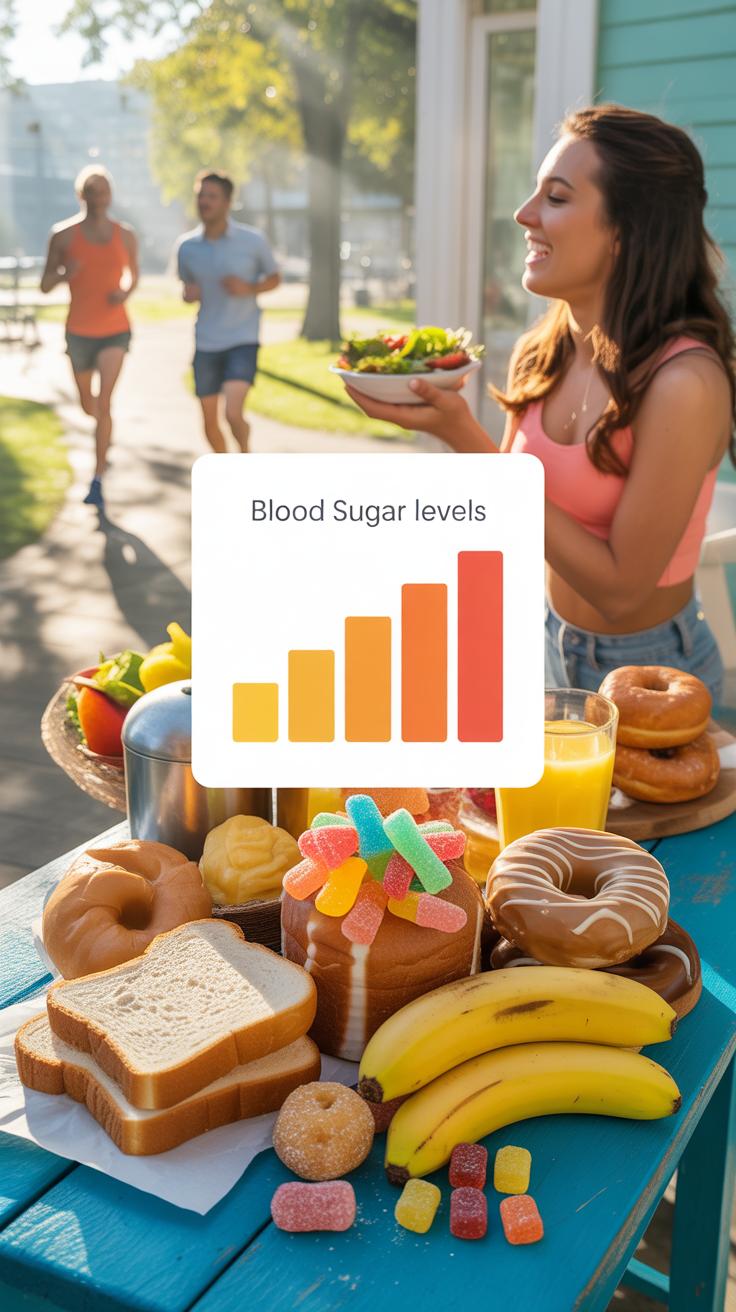
High glycemic index foods digest fast. They force glucose into your bloodstream almost immediately. This rapid entry triggers the pancreas to release a massive surge of insulin. Insulin acts as a key to open your cells for energy storage. When blood sugar levels rise too fast, the body overcorrects. This process often leads to fat storage rather than sustained energy production.
The sharp drop following an insulin spike creates a biological crisis called reactive hypoglycemia. Your brain detects a sudden energy deficit and triggers hunger signals. This cycle forces you to eat again sooner than necessary. Frequent spikes damage your insulin sensitivity over time. This damage increases your risk for type 2 diabetes and systemic inflammation. You must control these spikes to maintain hormonal balance.
High Glycemic Foods List: Common Staples That Spike Blood Sugar Quickly
Processed carbohydrates and refined starches represent the highest tier of the glycemic index. These items lack the fiber necessary to slow down glucose absorption. Manufacturers often strip away the bran and germ during production. This leaves behind pure starch that converts to sugar seconds after ingestion. You must identify these staples to avoid involuntary blood sugar spikes during your daily meals.
- White Bread: Modern baking uses highly refined flour that the body breaks down instantly. It has a GI score near 75 and lacks the fiber found in whole grains. Eating it causes a rapid insulin response that mimics pure sugar intake.
- White Rice: Polished rice removes the outer husk and bran layer containing essential nutrients. Without this protective fiber, the starch converts to glucose very quickly. It ranks high on the scale and provides very little satiety for the consumer.
- Boiled Potatoes: Russet potatoes carry a high glycemic load because their starch structure is easy to hydrate. Cooking them further simplifies these starches for faster digestion. They can spike blood sugar faster than many candies or table sugars.
- Sugary Cereals: Most boxed cereals utilize puffed grains and added corn syrup for flavor. This combination creates a double hit of refined starch and simple sucrose. They provide a quick energy burst followed by a significant crash shortly after breakfast.
- Rice Cakes: Despite their healthy reputation, these snacks consist of gelatinized starch. The processing creates a porous structure that enzymes dismantle with extreme efficiency. This leads to a high glycemic response despite the low calorie count per serving.
Relying on these foods creates a volatile internal environment. Constant fluctuations in glucose levels exhaust your metabolic machinery. You will experience brain fog and fatigue when sugar levels bottom out. Switching to lower GI alternatives stabilizes your mood and physical performance. Understanding this list allows you to make tactical dietary choices. Stop fueling your body with high-speed sugars that cause long-term metabolic damage.
The Low Glycemic Index Chart A Practical Reference For Smart Food Choices
How To Interpret A Low Glycemic Index Chart Without Overcomplicating It
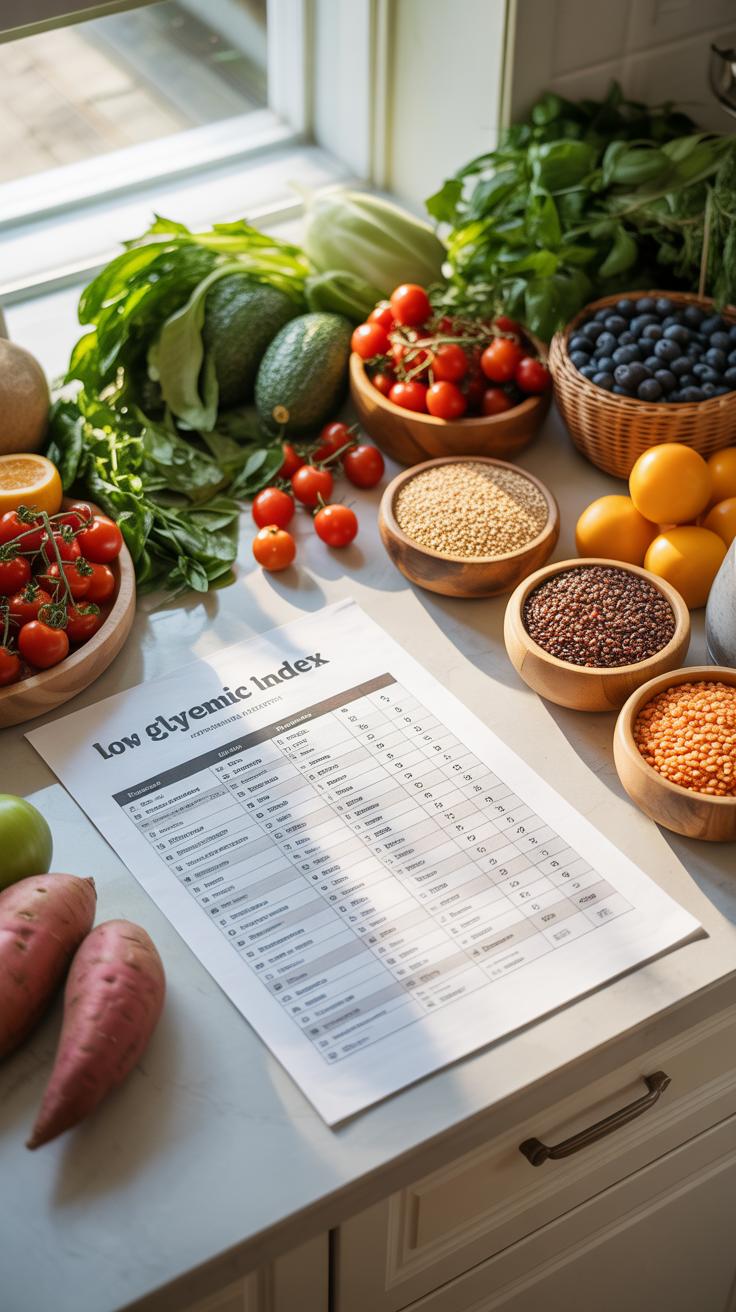
A low glycemic index chart ranks carbohydrates based on how quickly they raise blood glucose levels. The scale runs from zero to one hundred. Pure glucose serves as the reference point at the top of the scale. Foods with a score of fifty-five or less fall into the low category. You use this chart to identify fuel sources that digest slowly in the body.
The chart provides a fast way to swap high-impact foods for stable alternatives. Do not get bogged down in exact numbers for every meal. Focus on the category instead. If a food sits in the low range, it provides steady energy without a sharp insulin spike. Use the chart as a filter. It helps you eliminate items that cause energy crashes and hunger shortly after eating.
Key Differences Between A Full GI Chart And A Low Only GI Reference Chart
A full glycemic index chart includes every food category from low to high rankings. It shows the complete spectrum of carbohydrate impact. This comprehensive view helps you see the scale of difference between a white potato and a sweet potato. It lists high-scoring items like white bread and sugary cereals. This reference is useful for understanding which common pantry staples are causing blood sugar spikes.
A low-only reference chart acts as a curated shopping list for health optimization. It ignores the high and medium categories entirely to save time. You use this tool for meal planning and grocery store decisions. It removes the distraction of unhealthy options. This focused list highlights superior choices like legumes, non-starchy vegetables, and specific whole grains. It simplifies your decision-making process by providing only the best tactical options.
What Factors Influence A FoodS Glycemic Index Value
How Cooking Methods, Ripeness, And Processing Alter GI Scores
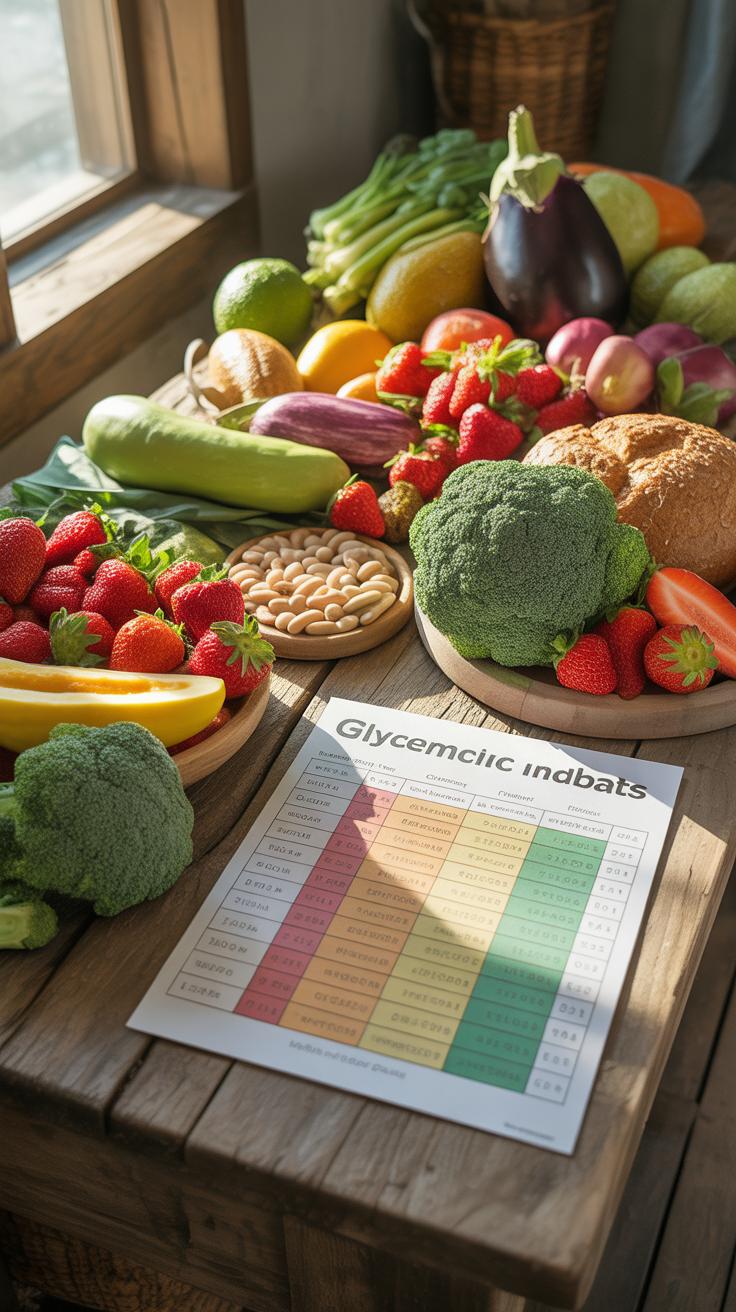
Physical processing increases the glycemic index by breaking down fiber and starch structures. Finely ground flour digests faster than cracked grains. High heat and long cooking times also raise scores. Boiling pasta until soft hydrates the starch more than cooking it al dente. This hydration makes it easier for enzymes to convert the starch into sugar. Fast digestion leads to sharp blood glucose spikes.
Ripeness changes the chemical composition of fruit. A green banana contains mostly resistant starch that the body cannot easily digest. As it ripens, that starch converts into simple sugars like sucrose and glucose. This shift makes the fruit taste sweeter and raises its glycemic index. Acidic ingredients can slow this process. Adding lemon juice or vinegar to a meal lowers the overall digestion rate.
Why Combining Foods Can Lower The Overall Glycemic Response Of A Meal
Foods do not act alone during digestion. Adding fat, fiber, or protein to a high-carbohydrate food reduces its glycemic impact. These nutrients slow down gastric emptying. This means the stomach releases food into the small intestine at a slower rate. Slower release ensures that glucose enters the bloodstream gradually rather than all at once. This strategy prevents the typical energy crash following a meal.
Fiber creates a physical barrier that slows enzyme activity. Soluble fiber turns into a gel-like substance in the gut. This gel traps sugar molecules and delays their absorption. Protein stimulates the release of hormones that slow down digestive transit. Using these combinations turns a high-GI ingredient into a stable energy source. Focus on meal structure to control insulin response. Balanced plates ensure better metabolic health over time.
Glycemic Index Vs Glycemic Load Understanding The Important Distinction
Why Glycemic Load Gives A More Complete Picture Than GI Alone
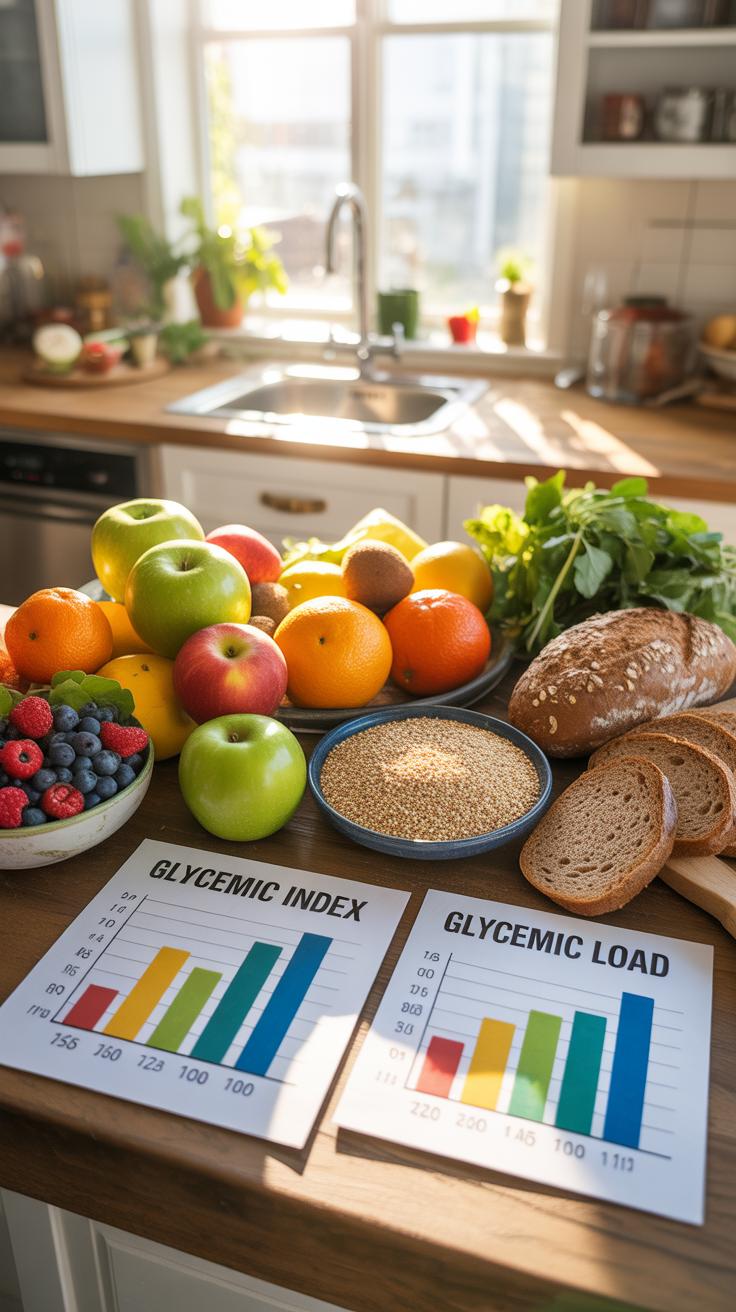
The Glycemic Index measures how fast carbohydrates convert into glucose. It uses a fixed amount of fifty grams of net carbs for every test food. This scale ranks items from zero to one hundred. However, GI ignores how much of that food you actually eat in a normal sitting. This creates a data gap for anyone tracking real-world blood sugar responses.
Glycemic Load closes this gap by factoring in portion size. It multiplies the GI value by the actual grams of carbohydrates in a serving. This calculation provides a realistic view of the total glucose impact. High GI foods with low carb density often have a low Glycemic Load. Using GL allows for better dietary control because it reflects your actual plate.
Like the gentle embers of a childhood hearth, choosing slow-burning fuels sustains the spirit and keeps our inner light steady. Understanding how food affects our harmony is the first step toward lifelong vitality.
— Andrew Weil
Practical Examples That Illustrate The Difference Between GI And GL In Real Foods
Watermelon serves as the classic example of this metric gap. It has a high GI of seventy-two because its sugars fast-track into the bloodstream. Yet watermelon is mostly water and fiber. A standard serving contains very few actual carbs. Its GL is only five per serving. You would need to eat a massive amount to spike your insulin levels.
Compare this to a bagel or white rice. These foods have a high GI and high carbohydrate density per gram. Their GL values remain very high because the portion provides many carbs. Understanding this helps you choose foods that seem dangerous on the GI scale but are safe in moderation. Focus on the GL to manage your daily energy and health.
The Glycemic Index Diet How It Works And Who It Is Designed For

Core Principles Of Following A Glycemic Index Diet For Weight And Health Management
The glycemic index diet focuses on how carbohydrates affect your blood sugar levels. You swap high-GI foods for low-GI alternatives to keep energy steady. This strategy prevents the rapid spikes and crashes that cause hunger and fat storage. You prioritize whole grains, legumes, and non-starchy vegetables over refined sugars and white bread. This tactical approach helps you manage appetite and calorie intake naturally.
Success relies on understanding glycemic load alongside the index. Portion size matters because the total amount of carbs affects your body more than the rating alone. You combine low-GI carbs with proteins and healthy fats to slow digestion even further. This method stabilizes your metabolic rate and supports long-term weight loss. It is a data-driven way to eat that removes the guesswork from blood sugar control.
Is A Glycemic Index Diet Suitable For People With Diabetes Or Insulin Resistance
This diet is a primary tool for managing type 2 diabetes and insulin resistance. It reduces the demand on the pancreas to produce large amounts of insulin. By eating low-GI foods, you achieve better hemoglobin A1c levels over time. Stable glucose levels reduce the risk of long-term complications like nerve damage and heart disease. Medical professionals often recommend this framework for metabolic health.
Individuals with insulin resistance benefit because their cells do not respond well to glucose spikes. Following a low-GI plan improves insulin sensitivity by providing a slow and steady stream of energy. This prevents the body from overproducing insulin, which can lead to weight gain and inflammation. It is a proven clinical strategy to regain control over your internal chemistry. Consistent adherence leads to measurable improvements in daily energy.
The Role Of Low Glycemic Index Eating In Long Term Disease Prevention

Research Backed Links Between Low GI Diets And Reduced Risk Of Type 2 Diabetes
High glycemic foods cause rapid spikes in blood glucose. These pulses force the pancreas to pump out massive amounts of insulin. Over time, your cells become numb to this hormone. This condition is called insulin resistance. It is the primary precursor to type 2 diabetes. Choosing low GI foods keeps your blood sugar stable and protects your metabolic machinery from burning out.
Clinical data shows that people who eat low GI foods consistently have a lower risk of developing diabetes. Stable glucose levels reduce the oxidative stress on your tissues. This prevents damage to the beta cells in your pancreas. By slowing down sugar absorption, you take pressure off your system. This tactical shift in eating is a proven way to defend your body against chronic metabolic failure.
How A Consistently Low Glycemic Index Approach May Support Heart Health
Low glycemic eating improves your lipid profile by lowering total cholesterol. High glucose spikes often lead to higher levels of triglycerides in the blood. These fats contribute to the hardening of your arteries. When you swap high GI carbs for slow-burning options, you reduce systemic inflammation. Lower inflammation means less plaque buildup in your vascular system. This strategy keeps your blood vessels flexible and healthy.
Research connects low GI diets to better blood pressure management. High insulin levels can cause the body to retain sodium and water. This increases the pressure on your heart and arteries. By keeping insulin low, you help your kidneys flush excess salt. This process naturally supports a healthy circulatory system. Protecting your heart requires controlling your blood sugar every single day without fail.
Common Myths And Misconceptions About The Glycemic Index Debunked

Why A Low GI Label Does Not Automatically Make A Food Healthy
A low glycemic index score measures only how fast carbohydrates turn into blood sugar. It ignores total calories, saturated fats, and chemical additives. Many processed snacks use fructose or high fat content to lower their GI rating. This does not make them nutritious. You can find candy bars with lower GI scores than carrots. Judging food by a single number is a mistake.
Nutrient density matters more than a blood sugar curve. Some low GI foods contain high levels of sodium or harmful preservatives. These ingredients damage your heart and metabolic health regardless of insulin response. You must look at the entire nutrition label. Focus on fiber, vitamins, and minerals. Do not let a low GI marketing claim trick you into buying junk food or empty calories.
Addressing The Myth That All High GI Foods Should Be Completely Avoided
Total avoidance of high GI foods is unnecessary and counterproductive. Some highly nutritious foods like watermelon and white potatoes score high on the index. These foods provide essential electrolytes and potassium that your body needs for recovery. They also have a low glycemic load because their total carbohydrate volume is small. Context determines the impact. Speed of digestion is not always the enemy.
Athletes and active individuals often need high GI carbohydrates for immediate energy. Consuming these sugars after an intense workout helps restore muscle glycogen fast. Timing changes how your body processes glucose. Eating high GI foods with fiber, protein, or healthy fats also slows down sugar absorption. You should manage your portions instead of banning entire food groups. Use the index as a tool, not a cage.
Frequently Asked Questions

What exactly is the glycemic index and how does it work?
Think of the glycemic index as a ranking system for carbohydrates based on how quickly they affect your blood sugar levels. Having the glycemic index explained simply means understanding that foods are assigned a number from 0 to 100. High-GI foods cause rapid spikes in blood glucose, while low-GI options digest slowly, providing a steady stream of energy that keeps you feeling fuller and more focused throughout the busy day.
How can I easily incorporate low-GI foods into my daily meals?
Transitioning to a low-GI lifestyle is easier than you might think. Start by swapping white breads and processed cereals for whole-grain alternatives like sourdough or steel-cut oats. When planning your plate, prioritize non-starchy vegetables and lean proteins, which naturally help lower the overall glycemic load of your meal. Having the glycemic index explained in your kitchen routine allows you to make smarter, sustainable swaps without sacrificing the flavors you love.
Is following a low-glycemic diet expensive or difficult to maintain?
Not at all! Maintaining a low-glycemic lifestyle is incredibly budget-friendly because it emphasizes whole, unprocessed staples. Many affordable pantry items like dried beans, lentils, chickpeas, and brown rice are naturally low on the scale. By focusing on seasonal produce and bulk legumes rather than expensive specialty health snacks, you can improve your metabolic health and create a beautiful, nourishing home environment without overextending your monthly grocery budget.