

What Is Dietary Fat Breaking Down The Basics Of Fat In Your Diet
The Different Types Of Dietary Fat And What They Do In The Body
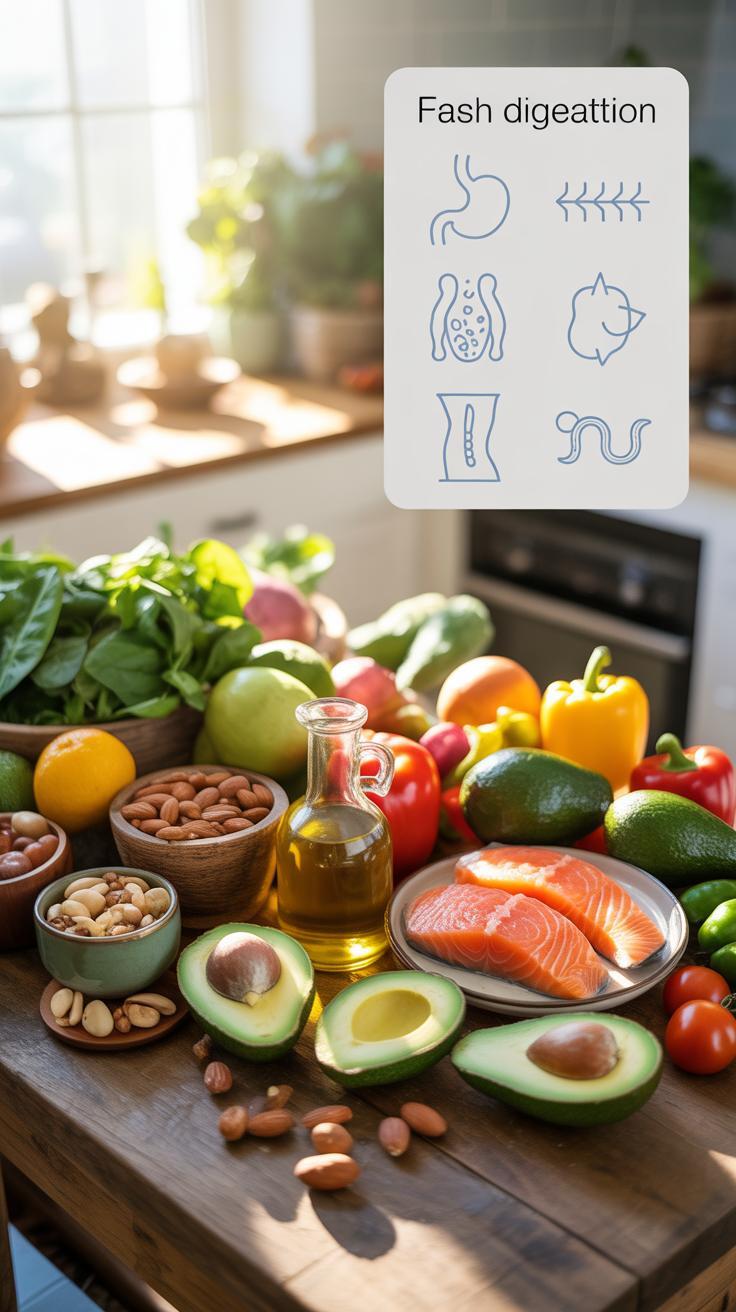
Dietary fats consist of molecules called triacylglycerols. These molecules contain fatty acid chains that differ in chemical structure. Saturated fats have single bonds between carbon atoms and remain solid at room temperature. Unsaturated fats contain one or more double bonds which makes them liquid. Trans fats are industrial byproducts created through partial hydrogenation. Each type interacts with your cellular membranes and blood chemistry in unique ways.

Your body uses these fats for more than just energy storage. Saturated fats provide stability to cell walls and support hormone production. Unsaturated fats improve blood cholesterol levels and reduce inflammation. Trans fats offer no biological benefit and actively damage cardiovascular health. Understanding these chemical differences allows you to choose fuels that optimize internal function. Biology views fat as raw material for rebuilding tissues and regulating vital systemic signals.
Why Dietary Fat Is An Essential Macronutrient, Not An Enemy
Fat is a critical requirement for human survival and physical performance. It facilitates the absorption of vitamins A, D, E, and K into your system. Without adequate fat intake, your body cannot use these fat soluble nutrients regardless of your diet. Fat also serves as the primary structural component of the human brain. Chronic low fat intake can lead to cognitive decline and poor mental health over time.

This macronutrient regulates your endocrine system by acting as a precursor to cholesterol. Your body needs cholesterol to manufacture testosterone, estrogen, and cortisol. Eliminating fat disrupts these hormonal pathways and slows down your metabolism. Fat also provides a dense energy source that keeps you full for longer periods. Tactical fat consumption prevents the blood sugar spikes and crashes associated with high carbohydrate intake.
Dietary Fat And Weight Gain Understanding The Real Relationship
Does Eating Fat Actually Make You Fat? What Research Tells Us
Eating fat does not cause weight gain by itself. Your body uses dietary fats to build cell membranes and produce essential hormones. Research shows that low carbohydrate diets often lead to more weight loss than low fat diets. Fat slows down digestion and keeps you full for longer periods. This satiety helps you eat less overall throughout the day. Natural fats are vital.
The historical war on fat began in the mid twentieth century. Scientists blamed fat for heart disease without sufficient evidence. This led to a rise in high sugar processed foods. People replaced healthy fats with refined grains and sweeteners. Obesity rates climbed during this period of low fat eating. Modern clinical trials prove that fat intake is not the primary driver of body fat storage.
To eat is a necessity, but to eat intelligently is an art. Good butter and wholesome oils are not the enemies of our youth, but the fuel for a life well-lived.
— François de La Rochefoucauld
How Caloric Surplus — Not Fat Alone — Drives Weight Gain
Weight gain happens when you consume more energy than you burn. Fat contains nine calories per gram while protein and carbs contain four. This high energy density makes it easy to overeat calories if you are not careful. However, your body stores excess energy regardless of the source. A surplus of sugar will store as fat just as easily as olive oil will.
Total energy balance determines your long term body weight. Processed foods often combine fats with high sugar to trigger overeating. This combination overrides your natural fullness signals. You must track total intake to manage your weight successfully. Focus on whole food sources to regulate your appetite. Fat is a tool for health rather than a direct cause of obesity. Discipline starts with calorie control.
Foods To Gain Weight For Women Choosing The Right Fats For Healthy Weight Goals
The Best High Fat Foods To Gain Weight For Women In A Healthy Way
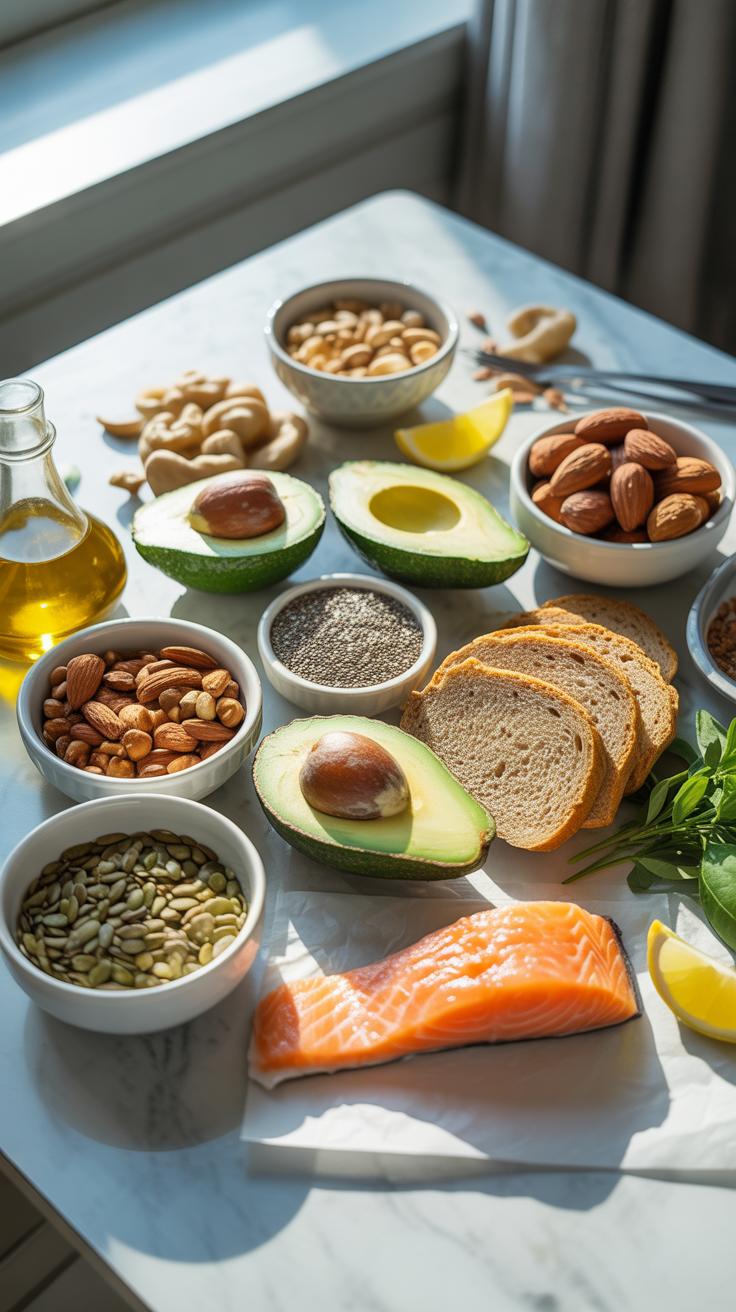
Women must prioritize calorie density and nutrient quality to gain weight effectively. Adding dietary fat is the fastest way to increase energy intake because fat contains nine calories per gram. This is more than double the energy found in proteins or carbohydrates. Focusing on whole food sources ensures that weight gain comes from lean mass and healthy tissue rather than just adipose storage.
- Extra Virgin Olive Oil: This oil provides concentrated monounsaturated fats that are easy to add to any meal. Drizzling two tablespoons over vegetables or proteins adds nearly 240 calories without increasing meal volume. It supports heart health while providing the caloric surplus necessary for consistent weight gain.
- Raw Walnuts and Almonds: These nuts offer a blend of polyunsaturated fats and plant-based protein. A handful provides significant calories and essential minerals like magnesium. They work well as portable snacks for women who struggle to eat large meals but need to maintain a high daily caloric intake.
- Fresh Avocados: Avocados contain high amounts of monounsaturated fiber and potassium. One medium fruit adds roughly 250 to 300 calories to a diet. The creamy texture makes them an ideal addition to smoothies or salads to boost energy density without causing the digestive fatigue associated with processed fats.
- Full-Fat Greek Yogurt: Selecting the whole milk version provides saturated fats along with high-quality protein. This combination is essential for muscle repair and weight gain. It contains probiotics that improve gut health, ensuring the body absorbs the increased nutrients and calories consumed during the weight gain process.
- Fatty Fish like Salmon: Salmon delivers omega-3 fatty acids which are vital for reducing systemic inflammation. These healthy fats provide a dense calorie source while supporting joint and skin health. Eating fatty fish twice a week helps women reach their weight goals using high-quality animal fats and proteins.
Smart fat selection prevents metabolic sluggishness during a surplus. Avoid industrial seed oils and trans fats found in processed snacks. These cause inflammation and poor health outcomes. Instead, stick to the whole foods listed above to ensure the body uses the extra energy for constructive purposes. Consistency with these high-fat foods leads to predictable and manageable weight increases over time.
How Healthy Fats Support Hormonal Balance And Body Composition In Women
Dietary fat is the primary building block for female hormones like estrogen and progesterone. Women require a minimum level of fat intake to maintain regular menstrual cycles and bone density. Low fat intake often leads to hormonal disruptions that make healthy weight gain nearly impossible. Consuming adequate fats ensures the endocrine system functions well during a period of planned caloric surplus.
Healthy fats also dictate how the body distributes new weight. Essential fatty acids improve insulin sensitivity, which helps the body direct nutrients toward muscle cells instead of just fat cells. This results in better body composition and physical strength. Without enough fat, the body triggers a stress response that can lead to muscle wasting. Prioritizing fat intake protects lean tissue and supports a healthy metabolism.
Building A Healthy Plate How To Balance Fat With Other Macronutrients
What A Balanced, Healthy Plate Looks Like When Including Dietary Fat
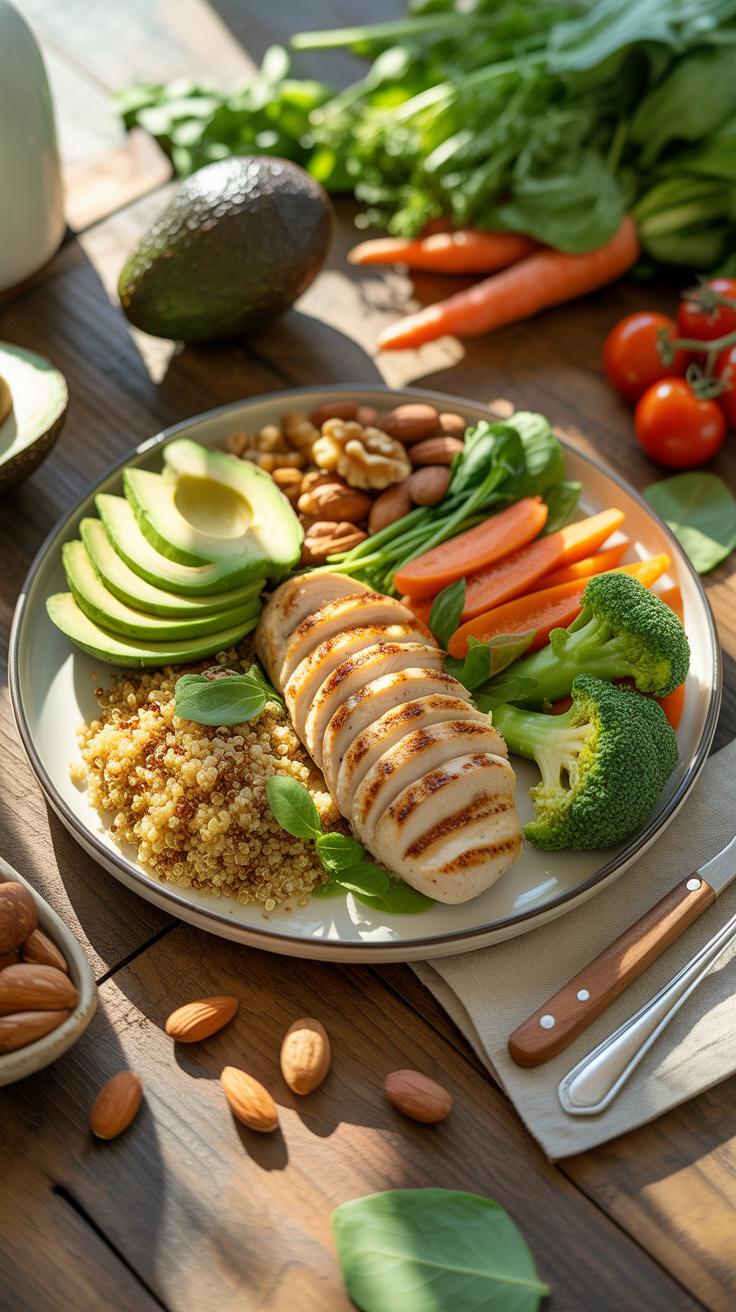
A balanced plate prioritizes volume and nutrient density to manage dietary fat and weight gain. Fill half your plate with fibrous vegetables to slow digestion and increase fullness. Allocate one quarter to lean protein and the remaining quarter to complex carbohydrates. Add fats as a targeted tool rather than a base. One tablespoon of oil or half an avocado provides sufficient essential fatty acids.
Tactical fat placement prevents calorie spikes while maintaining hormonal health. Use liquid oils for dressing greens instead of cooking at high heat where fats degrade. This strategy ensures you absorb fat soluble vitamins like A, D, E, and K without overshooting your daily energy needs. A structured plate creates a biological signal of satiety. It stops the overconsumption of calories that leads to unwanted body fat storage.
Pairing Protein To Gain Weight For Women With Healthy Fats For Maximum Results
Women seeking lean mass must pair high quality protein with dense fat sources. This combination stabilizes insulin levels and provides the caloric surplus needed for muscle repair. Choose whole food sources like salmon, eggs, or grass fed beef. These provide both protein and fat in a single package. This natural pairing supports estrogen production and bone density. It ensures weight gain comes from muscle rather than inflammatory tissue.
Strategic timing improves how the body uses these nutrients for growth. Consume these pairings after resistance training to drive amino acids into muscle cells. Add nuts or seeds to Greek yogurt for a portable, high calorie snack. This method builds a consistent energy supply for the body. It prevents the metabolic slowdown often associated with low fat diets. Consistent intake of these macronutrients leads to sustainable and healthy weight gain.
Weight Gain Meals How To Structure Fat Rich Meals That Actually Nourish You
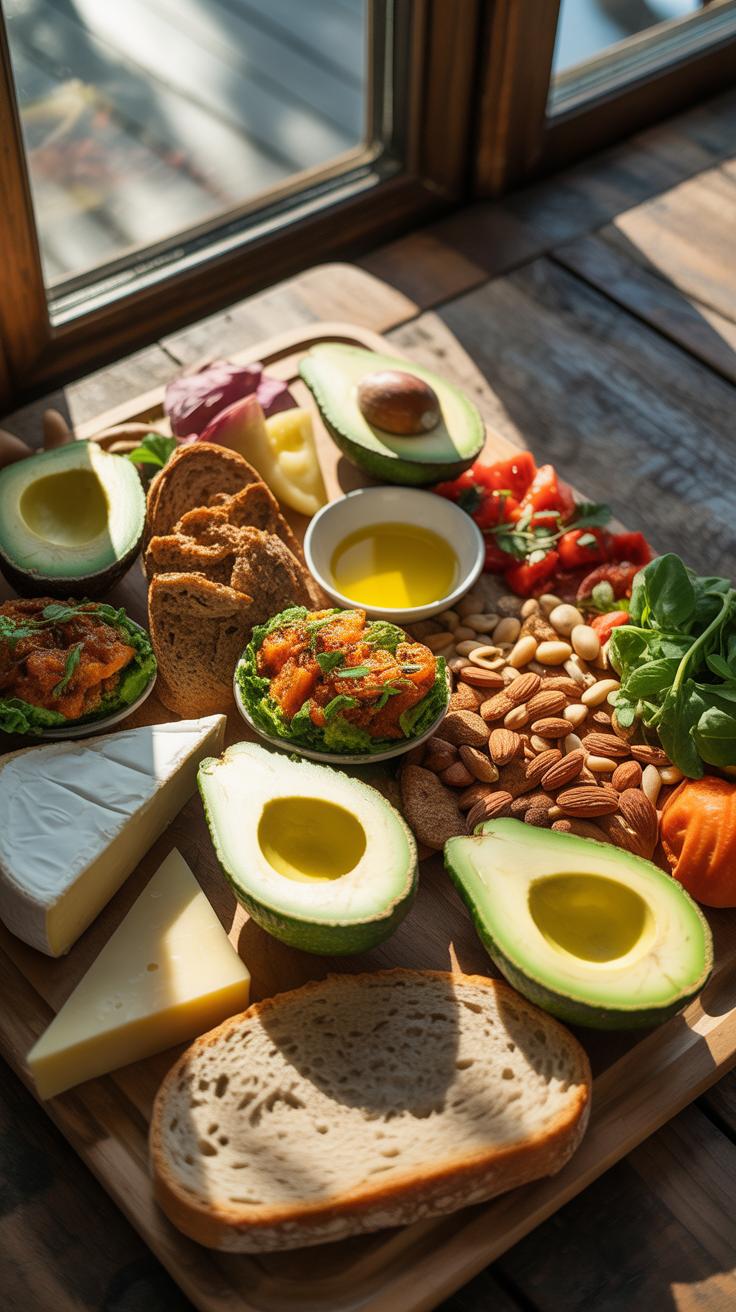
How To Design Weight Gain Meals That Include Healthy Fats Without Overeating
Effective weight gain requires a caloric surplus without causing metabolic distress. You must prioritize monounsaturated and polyunsaturated fats to increase energy density. Add fats like olive oil or avocado to existing protein and carbohydrate sources. This method increases total calories without significantly increasing the physical volume of the food. It prevents the early satiety that often stops people from hitting their daily caloric targets.
Focus on whole food sources to ensure you get micronutrients along with the extra energy. Fats slow down gastric emptying which helps maintain steady blood sugar levels. You must balance fat intake with fiber to keep digestion moving efficiently. Avoid processed trans fats that cause systemic inflammation. Stick to cold-pressed oils and raw nuts to keep the nutrient profile clean. This strategy supports muscle growth and hormone production.
Sample Meal Timing And Portion Strategies For Steady, Healthy Weight Gain
Timing your fat intake is critical for maintaining consistent energy levels throughout the day. Distribute your fats across four to five small meals rather than two large ones. This approach prevents digestive heaviness and lethargy. Large doses of fat in one sitting can slow down your metabolism and reduce your appetite for the next meal. Consistent small doses keep your body in a constant state of repair.
Standardize your portion sizes by using thumb-sized measurements for added fats. Aim for two servings of healthy fats per meal to reach your weight goals. Pair these fats with lean proteins like chicken or fish to maximize nutrient absorption. Do not skip breakfast as it sets the hormonal tone for the day. Use liquid fats in shakes if you struggle to eat enough solid food. Strategic consistency beats occasional overeating every time.
Gym Diet Plan Integrating Dietary Fat Into Your Fitness And Nutrition Strategy

Why Your Gym Diet Plan Should Include Not Exclude Healthy Dietary Fats
Dietary fat provides nine calories per gram. This makes it a dense energy source for gym enthusiasts. Cutting fat too low crashes your hormone production. Your body needs cholesterol from fats to create testosterone and estrogen. These hormones regulate your metabolism and energy levels. Without fat, your body cannot absorb vitamins A, D, E, and K. This leads to poor health outcomes.
A gym diet plan succeeds when it balances macronutrients for long term health. Fats slow down digestion after a meal. This effect keeps blood sugar stable and prevents hunger spikes. Stable energy allows for harder training sessions without crashing. Low fat diets often lead to overeating carbohydrates. This swap can cause unwanted weight gain. Adding healthy fats helps you maintain a lean physique while fueling your organs.
How Fat Fuels Performance Recovery And Muscle Building In Active Women
Active women require dietary fat for menstrual health and bone density. Low fat intake disrupts the endocrine system. This disruption causes fatigue and stops muscle growth. Fat acts as a primary fuel source during low intensity steady state exercise. It preserves glycogen stores for high intensity lifting sessions. Proper fat intake ensures the body remains in an anabolic state. This helps you build lean muscle mass effectively.
Recovery happens at the cellular level through fat consumption. Omega-3 fatty acids reduce systemic inflammation after tough workouts. This reduction speeds up muscle repair and lowers soreness. Fats also build the structural membranes of every cell in your body. Stronger cells lead to better physical resilience. You must eat fat to support brain function and focus during training. Consistent fat intake improves your overall athletic performance and recovery speed.
Weight Gain Tips For Women Practical Evidence Based Strategies That Work

Top Gaining Weight Tips For Women Who Want To Build Mass Without Compromising Health
Women often struggle to gain lean mass because they fear dietary fat. You must prioritize high calorie density to reach a surplus without constant bloating. Liquid calories and frequent meals bypass the body’s natural fullness signals. Strategic fat intake provides nine calories per gram. This efficiency allows you to hit targets without eating massive volumes of dry, hard-to-digest food.
- Monitor Saturated Fats: Limit butter and fatty meats to maintain cardiovascular health. High intake of saturated fats can trigger systemic inflammation. Aim for under ten percent of total daily calories from these sources to keep blood lipid profiles within a safe range during your bulk.
- Liquid Calorie Integration: Add olive oil or nut butters to protein shakes. This method adds 200 to 400 calories without increasing the physical volume of your meal. It is the most effective way to overcome a low appetite while significantly boosting your daily caloric total.
- Nutrient Dense Snacking: Carry almonds, walnuts, or pumpkin seeds throughout the day. These foods offer high concentrations of monounsaturated fats and essential minerals. Small, frequent portions provide a steady stream of energy and prevent the body from entering a catabolic state during long gaps between main meals.
- Avocado Usage: Include half an avocado with breakfast or lunch. This fruit provides potassium and healthy fats that support hormonal balance. Women require these fats to maintain regular menstrual cycles and bone density while putting the body under the stress of heavy resistance training.
- Oily Fish Consumption: Eat salmon or mackerel twice per week. These sources provide Omega-3 fatty acids that reduce muscle soreness after workouts. Improved recovery times allow you to train harder and more frequently, which is essential for translating extra calories into actual muscle tissue rather than just fat.
Hormonal health requires adequate fat intake for cholesterol production. Cholesterol serves as the precursor to estrogen and progesterone. If you cut fat too low while trying to gain weight, your endocrine system will fail. You must track your macros to ensure at least twenty-five percent of your calories come from fats. This balance keeps your metabolism running fast while you build new tissue.
Common Mistakes Women Make With Fat Intake When Trying To Gain Weight
Many women prioritize processed vegetable oils to hit high calorie targets quickly. These oils often contain high levels of Omega-6 fatty acids which can promote inflammation when not balanced. High inflammation levels slow down muscle recovery and can lead to water retention. Choosing poor fat sources makes the weight gain look puffy rather than lean. Quality matters as much as the total number.
Another tactical error involves ignoring the thermic effect of food. Relying exclusively on fats for a surplus can lead to excess adipose storage if protein intake is too low. You must pair healthy fats with a high protein baseline to signal muscle synthesis. Without a specific structural purpose, the body simply stores the extra dietary fat in existing cells. Balance your intake to ensure growth.
The Fats To Limit Understanding Unhealthy Fats And Their True Impact On Weight
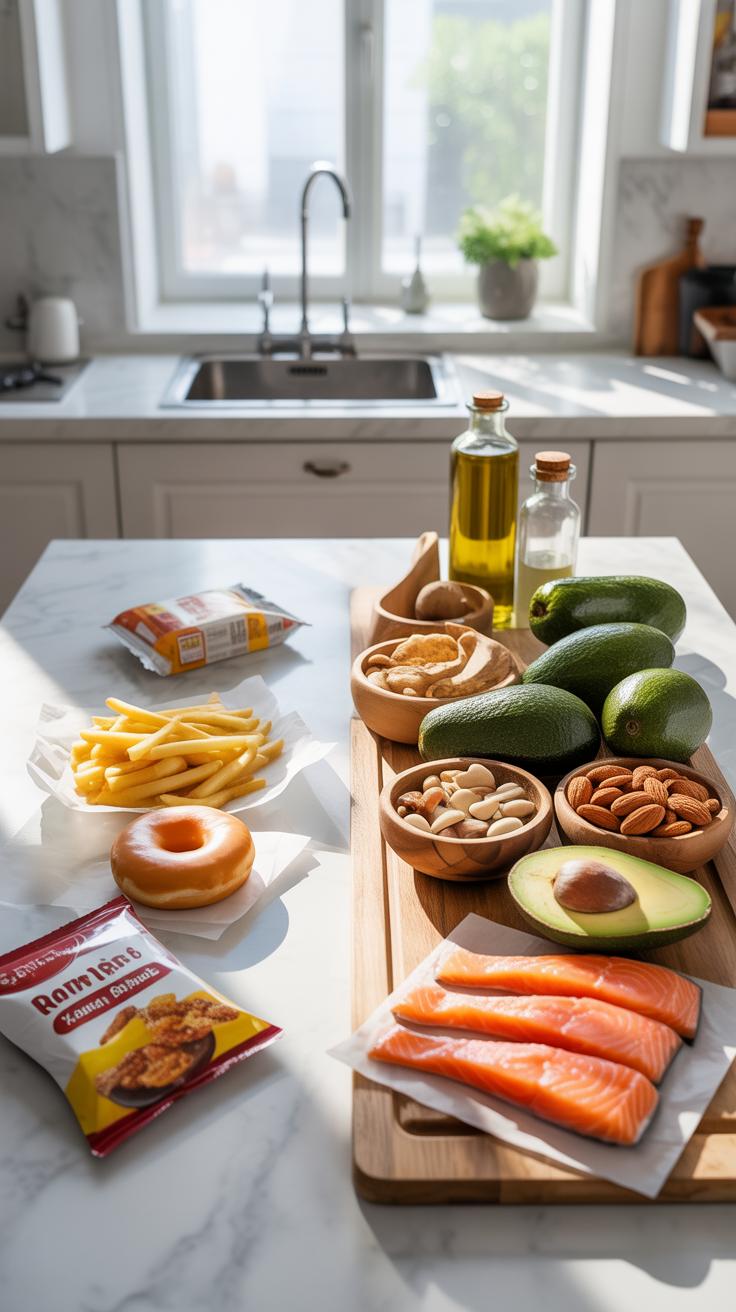
Trans Fats And Excessive Saturated Fats: Why These Are The Fats Worth Watching
Trans fats represent the most dangerous category for weight management and metabolic health. Manufacturers create these through partial hydrogenation. This process turns liquid oil into solid fat to extend shelf life. These fats trigger systemic inflammation and increase abdominal fat storage. Most developed nations now ban or strictly limit added trans fats. You must avoid them to maintain a healthy weight and protect your heart.
Saturated fats require careful moderation rather than a total ban. These fats appear mostly in animal products and tropical oils. Consuming them in high amounts raises low-density lipoprotein cholesterol levels. This can lead to arterial plaque buildup and metabolic dysfunction. You should limit saturated fat intake to less than ten percent of total daily calories. Prioritize lean proteins and plant based fats to keep your weight stable and healthy.
How To Read Food Labels And Make Smarter Fat Choices In Your Daily Diet
Reading nutrition labels requires a focus on specific line items. Look past the total fat number to find the breakdown. Scan the ingredient list for partially hydrogenated oils. These indicate hidden trans fats even if the label claims zero grams. Check the serving size first to calculate the real fat impact. Marketing claims on the front of the box often distract from the actual nutritional data.
Choose products with high amounts of mono and polyunsaturated fats. These fats support heart health and help you feel full. Replace butter and lard with olive oil or avocado oil during cooking. Limit processed snacks that rely on cheap palm oil for texture. High quality fats provide necessary energy without the inflammatory response of processed alternatives. Sharp label reading prevents accidental calorie surplus and supports your long term weight loss goals.
Frequently Asked Questions

Does eating fat automatically cause you to gain body weight?
Many people worry that consuming any form of fat leads directly to a larger waistline, but the connection between dietary fat and weight gain is more complex than a simple equation. While fats are calorie-dense, healthy sources like avocados and nuts can actually promote satiety. Your total daily caloric balance and the quality of the fats you choose are what truly determine whether your body stores or burns energy throughout the day.
How can I include healthy fats in my diet without overeating?
Balancing dietary fat and weight gain requires a mindful approach to portion sizes. To enjoy the benefits of healthy fats without exceeding your caloric needs, try using a thumb-sized serving of oils, seeds, or nut butters per meal. Replacing processed carbohydrates with whole-food fats helps stabilize blood sugar levels, keeping you full longer and making it much easier to maintain a healthy weight while still enjoying delicious, satisfying meals.
Are there affordable ways to get high-quality fats on a tight budget?
You don’t need expensive specialty items to eat well. High-quality fats are incredibly accessible if you know where to look. Nutritious options like eggs, canned sardines, sunflower seeds, and large containers of extra virgin olive oil are cost-effective staples. Buying frozen wild-caught fish or bulk bags of walnuts can also help you prioritize your health without overspending, proving that nourishing your body with essential fats can be both affordable and simple.