
Why Roasted Vegetables Are The Smartest Choice For Weekly Meal Prep
The Nutritional And Practical Benefits Of Batch Roasting
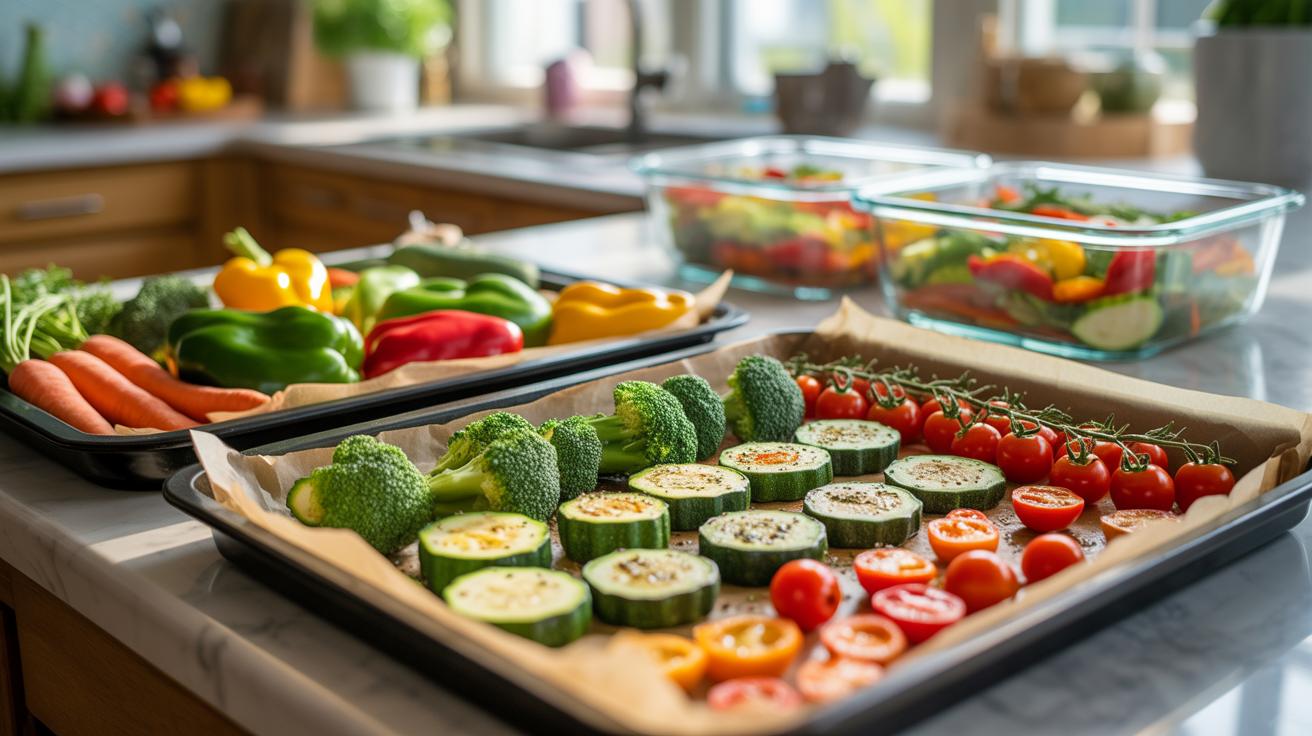
Roasted vegetables provide high nutrient density with minimal effort. This cooking method uses dry heat to concentrate flavors and preserve fiber. Most minerals and fat-soluble vitamins remain stable during the roasting process. You maximize your intake of antioxidants compared to boiling which leaches nutrients into water. Batch roasting saves time. One large sheet pan creates multiple servings of complex carbohydrates and vital micronutrients.

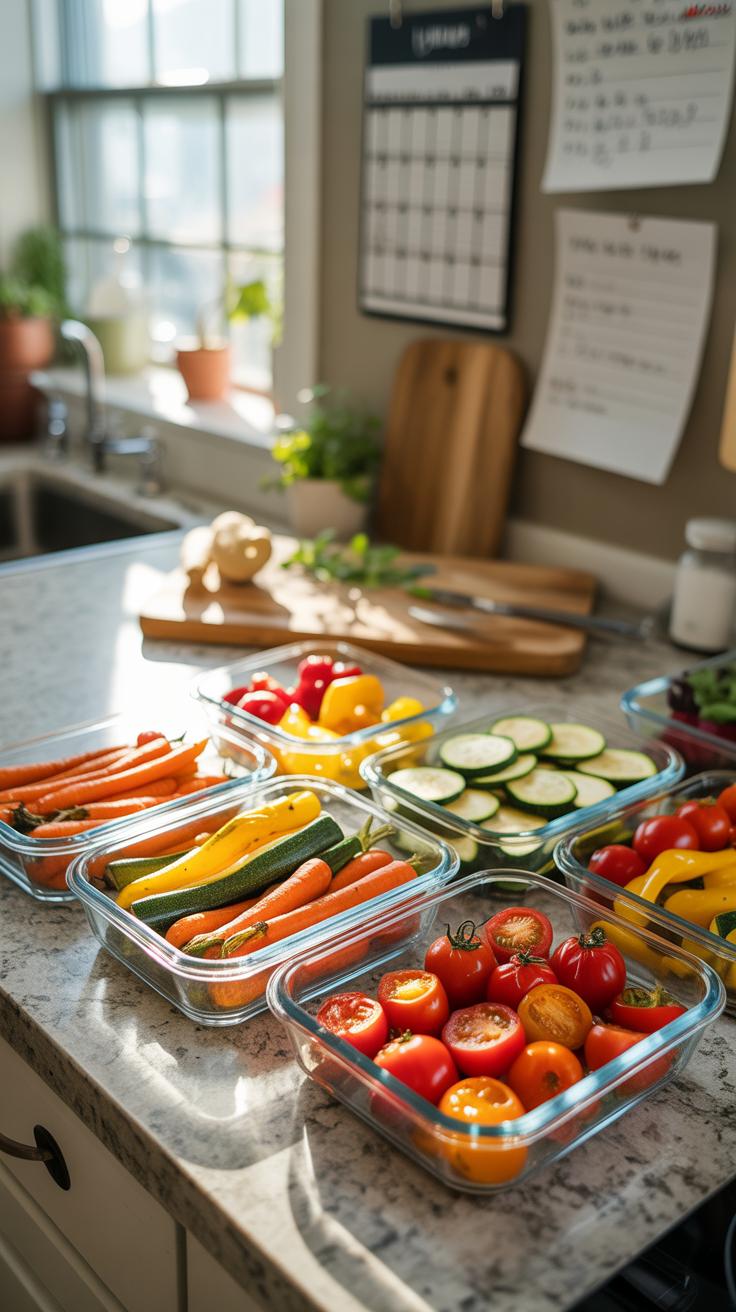
Tactical efficiency drives the meal prep process. You gain several days of fiber-rich sides with one active cooking session. Roasted vegetables maintain a firm texture in storage containers. They do not get soggy like steamed options. This durability makes them ideal for reheating in office microwaves or eating cold in salads. You control the oil and salt levels. This control ensures your weekly macros remain precise and consistent.
How Roasting Compares To Other Bulk Cooking Methods For Vegetables
Roasting outperforms boiling and steaming in texture and taste. Boiling often results in waterlogged produce and loss of water-soluble vitamins like B and C. Steaming preserves nutrients but fails to develop flavor through the Maillard reaction. Roasting triggers this chemical reaction between amino acids and reducing sugars. It creates a browned crust that adds depth to every dish. This flavor makes healthy eating sustainable.

Bulk sautéing requires constant attention and stove space. Roasting is a set-and-forget technique that frees you for other tasks. A standard oven holds multiple racks for high-volume production. Unlike blanching, roasting does not require an ice bath or extra steps. You simply chop, season, and heat. This streamlined workflow reduces kitchen cleanup. It is the most reliable way to produce large quantities of food without sacrificing quality or structural integrity.
How To Roast Vegetables In The Oven Essential Equipment And Setup

Choosing The Right Baking Sheets And Oven Racks For Bulk Roasting
Heavy rimmed baking sheets prevent warping under high heat. Use aluminum half-sheet pans for the best results. These pans conduct heat evenly across the entire surface. Avoid thin non-stick pans because they cause uneven browning and hot spots. Professional grade pans hold more vegetables without bending. Solid construction ensures your food cooks at the same rate every single time you roast.
Position your oven racks in the upper and lower thirds of the oven. This placement allows hot air to circulate around multiple pans at once. Leave enough space between the racks for steam to escape easily. If you crowd the racks too closely, the vegetables will steam instead of brown. Use wire racks inside the pans if you want maximum airflow for extra crispy textures.
A little bit of Sunday prep is like a love letter to your future self, filling the kitchen with the golden aroma of roasted goodness. Large pans of caramelized vegetables are the secret to a week of soulful, home-cooked comfort.
Convection Vs. Standard Oven: Which Setting Works Best For Roasting Vegetables
Convection settings use a fan to move hot air around the oven cavity. This movement strips away moisture quickly and speeds up the roasting process. You get better browning and crispier edges on your vegetables with this method. Reduce your target temperature by twenty-five degrees when using convection. This adjustment prevents the outside of the food from burning before the inside finishes cooking.
Standard ovens rely on natural heat rise and lack active air circulation. They work well but require more time to achieve a deep roast. You must rotate your pans halfway through the timer to ensure even heat distribution. Standard settings are safer for delicate vegetables that might blow around or dry out too fast. Choose the setting based on your specific volume and the thickness of the vegetable cuts.
How To Make Roasted Vegetables Seasoning Oil And Coating Basics
How Much Oil To Use And Why It Matters For Texture And Flavor
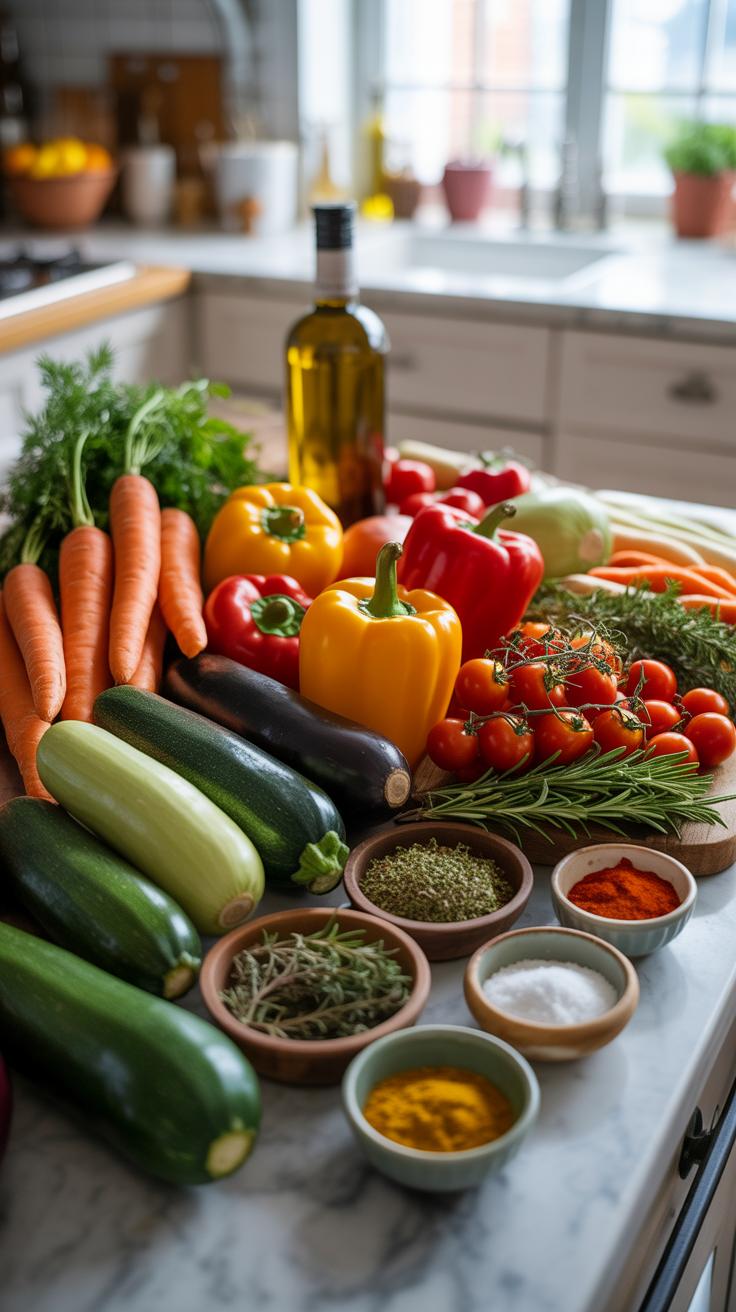
Oil acts as a heat conductor between the pan and the vegetable. Without enough oil, your vegetables will dehydrate and turn shriveled instead of browning. Use one to two tablespoons of oil per sheet pan of vegetables. This amount ensures every surface has a thin coating. Choose oils with high smoke points like avocado or grapeseed oil to prevent acrid flavors at high heat.
Too much oil creates greasy, soggy vegetables that strip away the texture you want. If the vegetables sit in a pool of liquid on the tray, they will steam rather than roast. You must toss the vegetables in a large bowl before spreading them on the pan. This technique guarantees even distribution. Proper coating allows the Maillard reaction to occur, which creates the deep brown crust and savory flavor.
Simple Seasoning Combinations That Keep Meal Prep Versatile All Week
Keep your base seasonings neutral if you plan to use those vegetables in different cuisines. A foundational mix of kosher salt, cracked black pepper, and garlic powder works for almost any dish. Add these before roasting so the salt can penetrate the cell walls. Salt draws out moisture, which helps the sugars on the surface caramelize faster. Avoid using fresh herbs during the roasting process as they often burn.
Versatility is the goal for bulk meal prep. If you need more flavor, apply dry spices like cumin, smoked paprika, or dried oregano halfway through the cooking time. This timing prevents the spices from scorching and becoming bitter in the oven. You can also leave the vegetables plain and add fresh dressings or sauces after they cool. This strategy lets you change the flavor profile for every lunch throughout the week.
Roasted Vegetables Chart Oven Temperatures And Roasting Times By Vegetable
Temperature And Time Breakdown For Common Meal Prep Vegetables
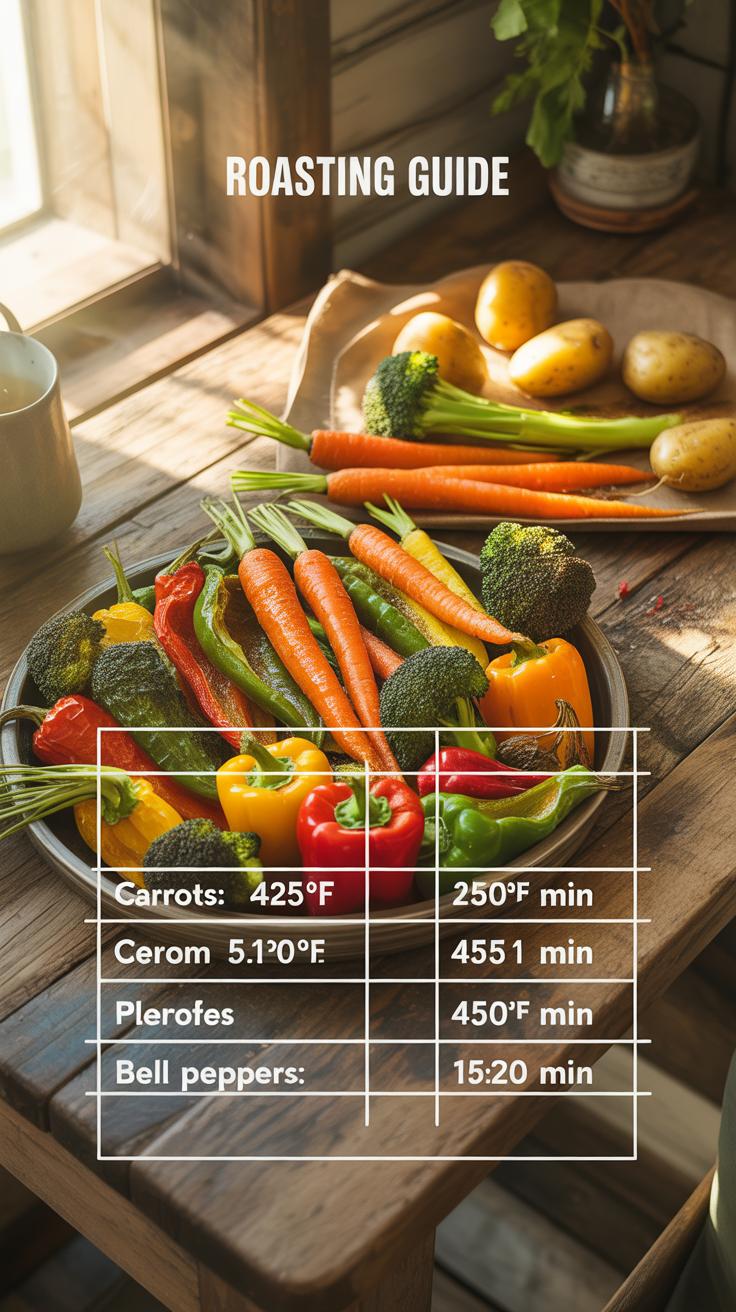
Set your oven to 400 degrees Fahrenheit for most meal prep tasks. This temperature triggers the Maillard reaction without burning the food. Hard vegetables require more time than soft ones. You must group items with similar cook times on the same tray. This strategy ensures even browning across all ingredients. Use heavy sheet pans to prevent warping during long cooking cycles.
- Root Vegetables: Carrots, parsnips, and beets require 35 to 45 minutes of heat. Cut these into uniform one-inch cubes to ensure the centers soften before the exteriors char. High sugar content in these roots facilitates deep caramelization during the final ten minutes of the roasting process.
- Cruciferous Vegetables: Broccoli and cauliflower florets cook in 20 to 25 minutes at high heat. These vegetables have high surface area which leads to rapid browning. Keep florets dry before oiling to avoid steaming them. Crowding the pan will turn these mushy instead of crisp.
- Hard Squash: Butternut and acorn squash need 30 to 40 minutes to reach the desired texture. These varieties contain dense starch that requires sustained heat to break down into sugars. Peeling is optional for some varieties but mandatory for butternut squash to ensure a consistent mouthfeel after reheating.
- Alliums and Bulbs: Red onions and shallots roast quickly in 15 to 20 minutes when sliced into wedges. These vegetables add essential flavor profiles to meal prep containers. They burn easily due to high natural sugar levels, so place them in the cooler spots on your baking sheet.
- Tubers: White and sweet potatoes take 30 to 40 minutes depending on the size of the dice. Potatoes must be coated thoroughly in oil to create a protective barrier. This prevents the starch from sticking to the metal pan. Flip them halfway through to get a golden crust on all sides.
Consistent knife work dictates your success in bulk roasting. If pieces vary in size, the small ones burn while the large ones stay raw. Use a timer for every batch to maintain quality control. Rotate pans between the top and bottom racks during the cooking process. This compensates for hot spots in standard home ovens. Proper timing prevents the loss of nutrients and texture.
How Vegetable Density Affects Roasting Time And How To Adjust Accordingly
Vegetable density determines how heat transfers through the cells. Dense vegetables like potatoes have tightly packed structures that resist thermal penetration. These items require longer exposure to soften the internal fibers. Water content also plays a critical role in this calculation. Vegetables like zucchini release moisture quickly and collapse if cooked for too long. You must balance thickness with heat levels to get results.
Adjust your cutting technique to synchronize different vegetables on a single tray. Slice dense carrots very thin while leaving soft peppers in large chunks. This hardware hack allows everything to finish at the exact same moment. If you prefer large pieces of root vegetables, start them early. Add the lighter vegetables to the pan during the final fifteen minutes. This tiered approach maximizes oven space and saves significant time.
Vegetable Dish Preparation Guide Cutting Grouping And Prepping In Bulk
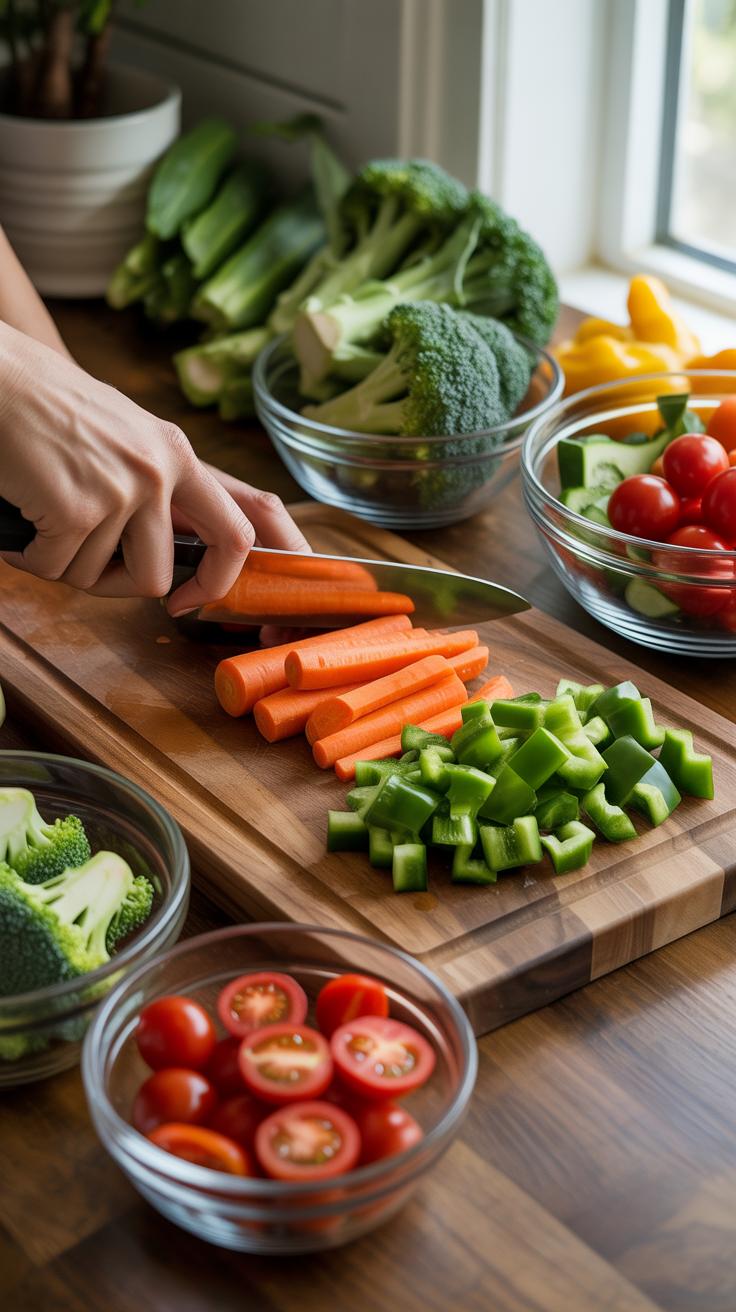
Why Uniform Cutting Size Is Critical For Even Roasting Results
Uniform cuts ensure all vegetable pieces finish cooking at the same time. Surface area dictates how heat transfers from the oven air into the food. Small pieces cook fast while large pieces stay raw in the middle. If your cuts vary in size, you get a mix of burnt scraps and hard chunks. Precision cutting eliminates this tactical failure during meal prep.
Consistent sizing also maximizes caramelization across the entire batch. Flat edges created by clean knife work increase contact with the roasting pan. This contact triggers the Maillard reaction for better flavor and texture. Aim for one inch cubes or slices for most hardy vegetables. Standardized shapes allow you to track doneness accurately. You save time by removing guesswork from the roasting process.
How To Group Vegetables By Cook Time To Avoid Over Or Under Roasting
Vegetables have different densities and water content levels. These physical traits determine their roasting speed. You must group items with similar cook times on the same tray. Root vegetables like carrots and potatoes require forty to sixty minutes. Soft vegetables like zucchini or bell peppers cook in half that time. Mixing them on one tray leads to soggy or charred results.
Divide your produce into two main military ranks: hard and soft. Hard vegetables include beets, parsnips, and winter squash. These go on trays together because they withstand high heat for long periods. Soft vegetables include asparagus, onions, and broccoli. Roast these on separate sheets to maintain their structural integrity. Effective grouping allows you to pull finished trays without interrupting the progress of slower items.
Roasted Vegetables Oven Tips For Getting Crispy Even Results Every Time
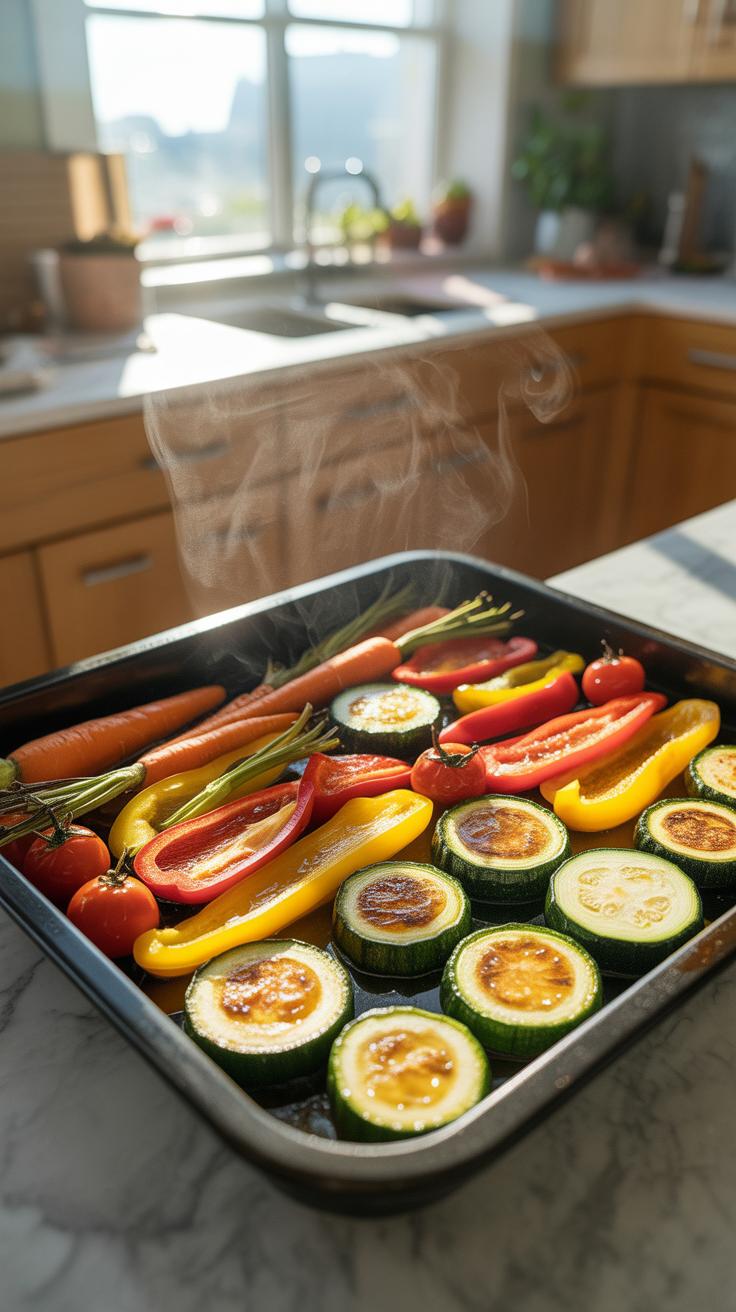
Why Overcrowding Your Pan Is The Number One Roasting Mistake To Avoid
Vegetables release significant moisture during the cooking process. If you pack the pan too tightly, this moisture cannot escape as steam. Instead, the water pools around the food and boils it. This creates a mushy texture rather than a crisp exterior. Professional chefs ensure at least an inch of space exists between pieces to allow dry air to circulate and brown the surface.
Heat distribution requires air movement to be effective. A crowded sheet pan creates a thermal mass that blocks the heating elements from reaching every edge. You must use two pans or roast in batches if your volume exceeds the surface area. High quality roasting relies on evaporation. Eliminating the steam trap by giving each vegetable room is the only way to achieve a firm and caramelized result.
When And How To Flip Vegetables Halfway Through For Consistent Browning
The bottom of the vegetable makes direct contact with the hot metal of the sheet pan. This surface browns faster than the top through conduction. You must flip your vegetables halfway through the total cooking time. This ensures that both sides develop a Maillard reaction. Use a wide metal spatula to turn the pieces quickly so the oven door does not stay open too long.
Flipping also prevents the vegetables from sticking to the pan as they lose moisture. Moving the pieces repositioned them relative to the oven fan or heating elements. This compensates for hot spots typical in home ovens. Consistent rotation guarantees an even cook across the entire batch. Check for a deep golden color on the underside before flipping. This visual cue tells you that the sugars have concentrated.
Roasted Vegetables Recipe Card Flavor Combinations That Work All Week Long
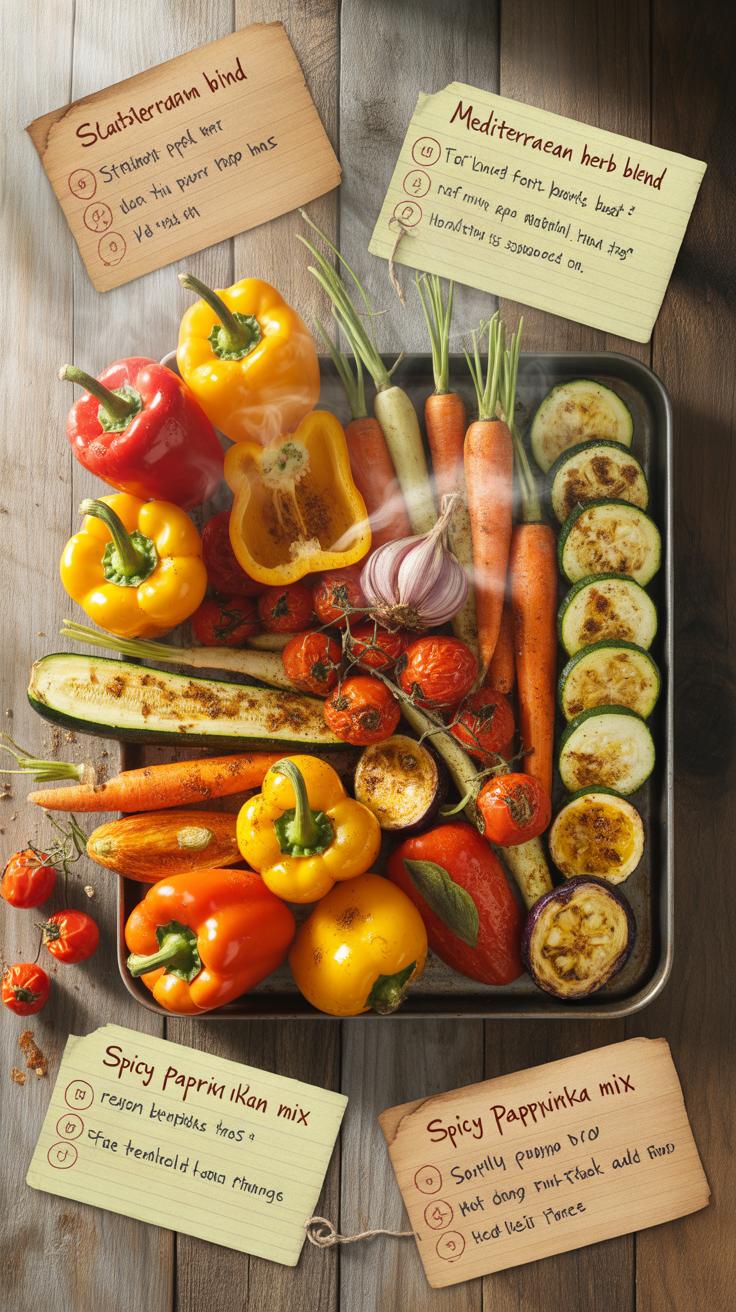
Mediterranean Style And Classic Herb Blends For Versatile Meal Prep Roasting
Mediterranean roasting relies on olive oil, garlic, lemon, and dried oregano. These ingredients resist spoilage and maintain flavor integrity over five days of refrigeration. Use high smoke point oils for high heat roasting to prevent bitter oxidation. Hard herbs like rosemary and thyme withstand 400 degree temperatures without burning. Do not add fresh soft herbs until the reheating phase to avoid a soggy texture.
Classic herb blends provide a neutral base for diverse meal types. Combine onion powder, garlic powder, and black pepper for a foundation that fits any cuisine. Salt draws out moisture to ensure a crisp exterior through osmosis. Apply seasonings after coating vegetables in fat to ensure even distribution. Avoid sugar-based rubs for bulk prep because they burn during the long roasting times required for large batches.
How To Use The Same Batch Of Roasted Vegetables Across Multiple Meals
High volume roasting requires a strategy for varied consumption. Use roasted peppers and onions as a cold salad topping on Monday. Heat those same vegetables in a pan with eggs for a Tuesday breakfast hash. The internal structure of roasted root vegetables stays firm when reheated quickly at high heat. Avoid steam based reheating to keep the skin from becoming mushy or losing its structural integrity.
Repurpose roasted squash or carrots by blending them into a smooth sauce for grain bowls. This transformation changes the mouthfeel and prevents meal fatigue during the work week. Add acidity like vinegar or lime juice during the final reheat to brighten the flavors. Storing vegetables in airtight glass containers prevents odor transfer. Cold storage keeps the fiber intact so the vegetables provide a consistent nutritional profile throughout the week.
How To Cook Roasted Veggies Ahead And Roast Vegetables For The Week Storing And Reheating
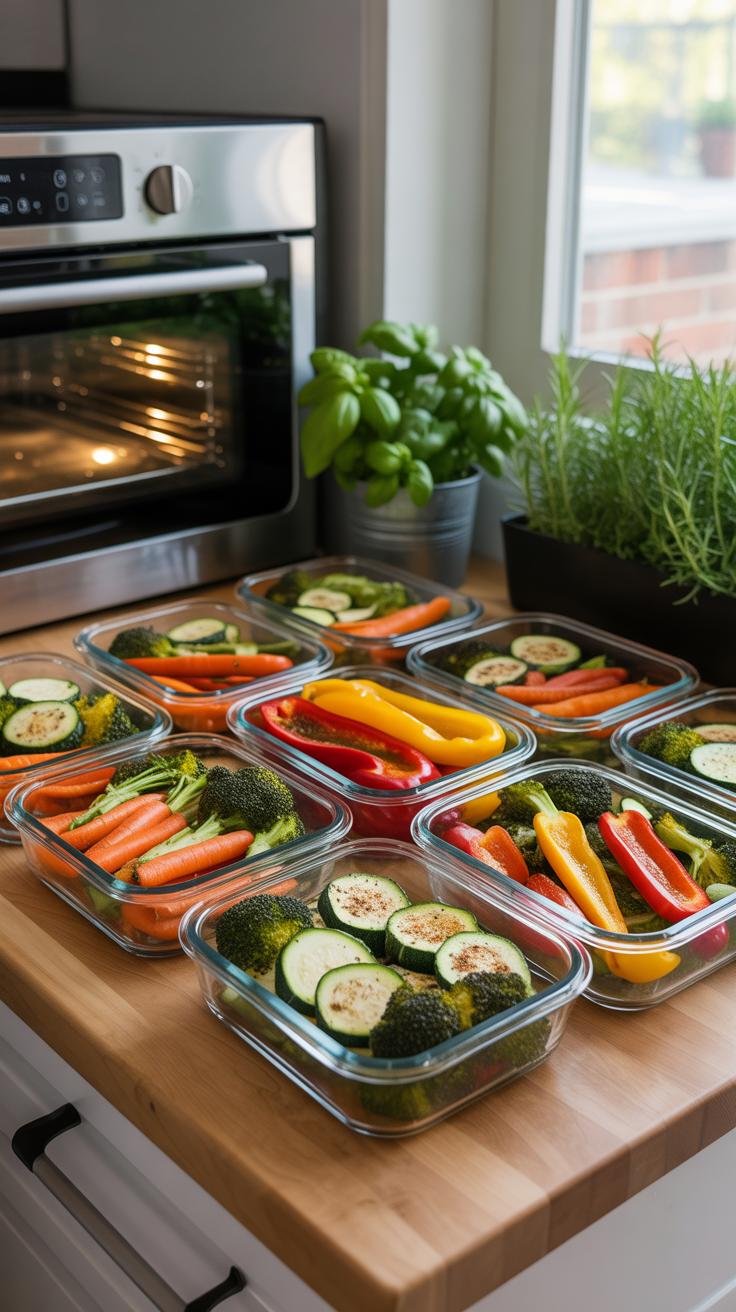
Best Practices For Storing Bulk Roasted Vegetables To Maintain Freshness
Roasted vegetables lose their structural integrity if you pack them while they are still hot. Residual steam trapped in a closed container creates moisture. This moisture turns crisp edges into soft mush within hours. You must spread the vegetables in a single layer on cooling racks. This method stops the cooking process and preserves the desired charred texture before refrigeration.
- Full Cooling: Leave the vegetables on the baking sheet for at least twenty minutes. Ensure they reach room temperature before they enter the storage container. This prevention step stops condensation from forming on the lid and dripping back onto your food.
- Airtight Glass Containers: Use glass storage units instead of plastic to avoid odors and chemical leaching. Glass maintains a more consistent temperature in the refrigerator. High quality seals prevent the vegetables from absorbing other smells from your fridge during the week.
- Paper Towel Layering: Place a single dry paper towel at the bottom of the container. This material absorbs any excess oils or moisture that settles over time. It keeps the bottom layer of vegetables from becoming soggy while sitting in their own juices.
- Vegetable Segregation: Store soft vegetables like zucchini separately from dense root vegetables like carrots. Different plants release moisture at different rates. Keeping them apart ensures that one watery vegetable does not ruin the texture of the entire batch during storage.
- Optimal Shelf Life: Consume your roasted vegetables within four to five days for peak safety and flavor. Set your refrigerator temperature to forty degrees Fahrenheit or lower. Move the containers to the back of the fridge where the temperature is most stable.
Organize your meal prep containers by usage date to ensure maximum efficiency. Labelling each lid with the roast date prevents food waste. Proper storage keeps the vegetables safe from bacterial growth. Follow these steps to maintain the quality of your bulk prep work. Consistent cold chain management is the only way to keep your healthy meals fresh for five full days.
The Best Methods For Reheating Roasted Vegetables Without Losing Texture
The microwave is the enemy of texture because it vibrates water molecules and creates steam. To restore the original crunch, use a convection oven or an air fryer. Set the temperature to four hundred degrees Fahrenheit. This high heat quickly evaporates any surface moisture accumulated during storage. It re-activates the oils on the skin to recreate the charred finish you achieved on roasting day.
A dry cast iron skillet serves as a faster alternative for small portions. Heat the pan over medium heat before adding the vegetables. Do not add extra oil unless the food looks extremely dry. Toss the vegetables frequently for three to five minutes until they are hot through the center. This direct contact heat sears the exterior without overcooking the inside. Tactical reheating preserves the nutritional value and mouthfeel of your prep.
Frequently Asked Questions

What are the best types of vegetables to use for large-scale roasting?
When learning how to roast vegetables for meal prep, it is best to start with hardy produce like sweet potatoes, carrots, broccoli, and Brussels sprouts. These varieties hold their structure well even after days in the refrigerator. If you are mixing items on a single sheet, ensure you group them by density. This ensures everything cooks evenly, preventing softer items from turning to mush while tougher roots remain raw.
How can I prevent my bulk-roasted vegetables from getting soggy during the week?
The secret to success is avoiding overcrowding your baking sheets. If you want to master how to roast vegetables for meal prep with a perfect texture, give each piece enough space for air to circulate. Additionally, let your vegetables cool completely on the tray before transferring them to airtight containers. This prevents steam from building up and trapped moisture from ruining that delicious, oven-caramelized exterior during storage.
Is roasting vegetables for meal prep a cost-effective way to eat healthy?
Absolutely! Bulk roasting is a brilliant strategy for staying on a budget because it allows you to buy seasonal produce in larger quantities when prices are lowest. You can also rescue slightly wilted vegetables from the crisper drawer, as roasting intensifies their natural sugars and improves their texture. By preparing your sides in advance, you reduce food waste and avoid the temptation of expensive, last-minute takeout meals during busy weeknights.